briefsSearch 9,797 briefs
Saved
Across the network

Latest briefs

The 48 newest, from every subject. Each subject keeps its full list on its own home.

48
briefs
2
subjects
03 Oct 2026
newest
Newest first48
9:42
audio.briefs

4003

Rickenbacker · 1980

The Rickenbacker 4003 debuted in 1980 as a near-twin of the 4001 with an updated truss rod system made for roundwound strings. It has neck-through construction, has stayed in continuous production, and has spawned five-string, eight-string, fretless, limited-edition and signature versions.
8:55
audio.briefs

Hammond A-100

Hammond · 1959

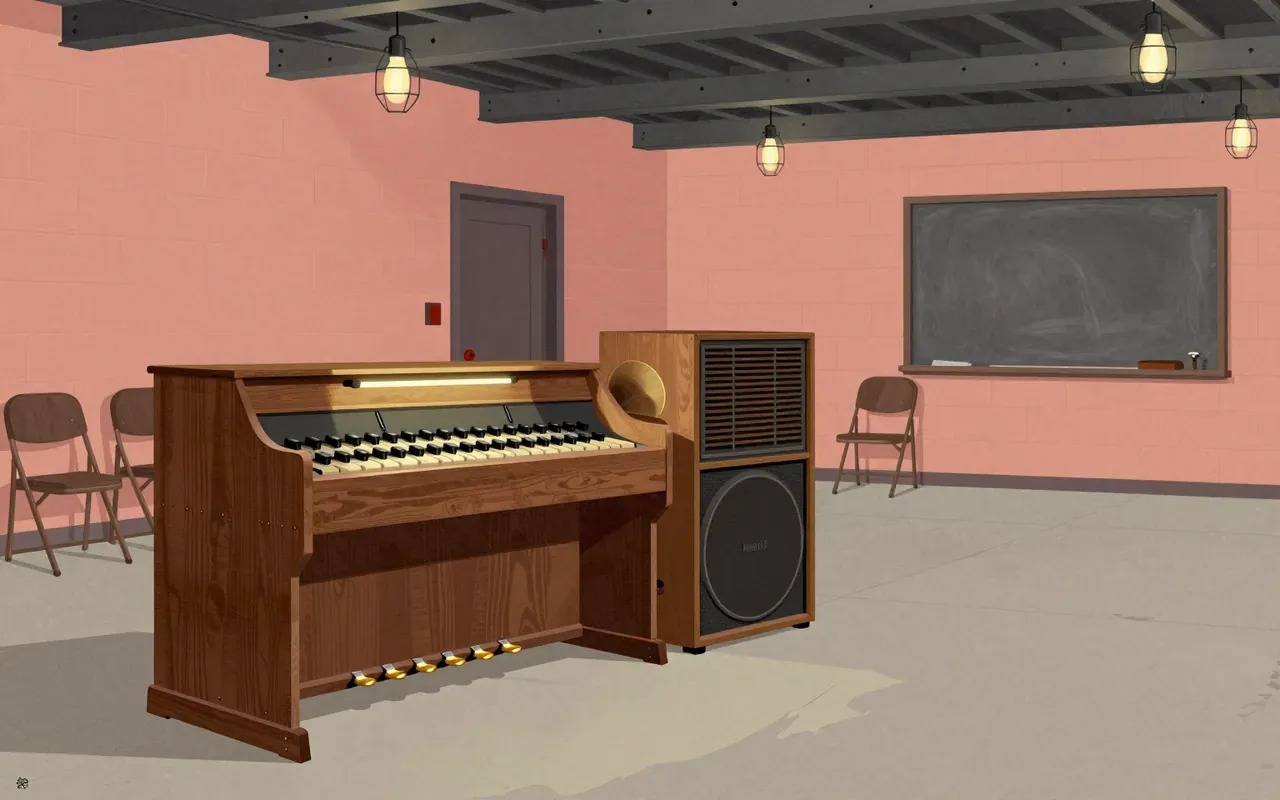
The Hammond A-100 is a console tonewheel organ introduced in 1959. It is effectively a self-contained version of the B-3 and C-3, with an internal power amplifier and speakers, and it was built in many chassis styles identified by the last two digits of the model number.

8:41
audio.briefs

Chamberlin M1

Chamberlin · 1970

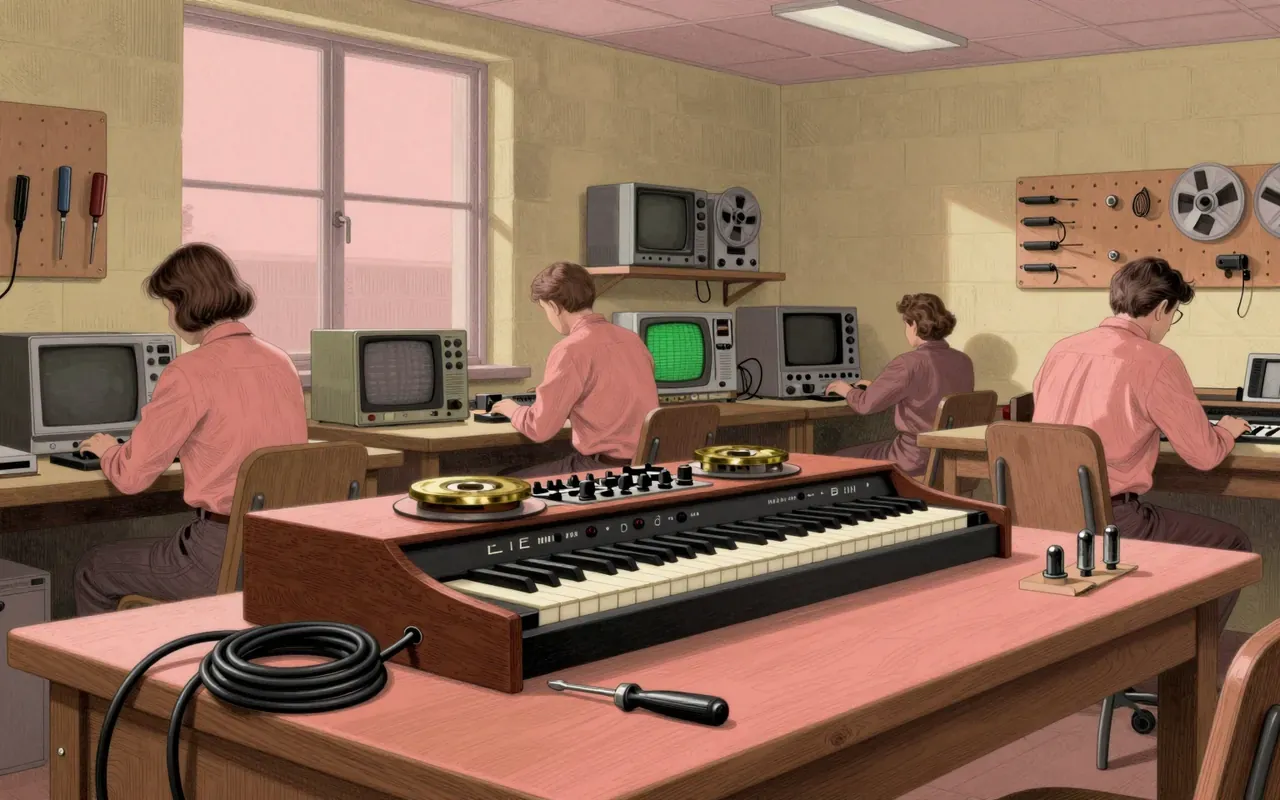
The Chamberlin M1 appeared in 1970 as a table-top, much more durable Chamberlin design. It dropped the rhythm tapes, rewound its tapes with a return-roller system and used higher-quality playback heads. About 130 were built before production ended in 1981.

9:11
audio.briefs

Danelectro 59 DC

Danelectro

The 59DC was one of the first two reissues of Danelectro's Shorthorn line, sold between 1998 and 2001 with two pickups. The Shorthorn design it reissues is a dual cutaway hollow body of Masonite and poplar, with a Coke bottle style headstock and a seal shaped pickguard carrying stacked tone and volume knobs.

10:52
audio.briefs

Electric Mistress

Electro-Harmonix · 1976

The Electric Mistress is an analog flanger from Electro-Harmonix, first sold in 1976 and the first flanger in pedal format. Every version after the first blue and red one has a Filter Matrix mode that freezes the flange at any point for chime-like tones. The Deluxe version is still in production, and NEO Mistress and Stereo Electric Mistress are digital recreations.
9:30
audio.briefs

Emax II

E-mu Systems · 1989

The Emax II replaced the original Emax in fall 1989. It is a true 16-bit sampler with more polyphony and digital filters, priced from $3,595. The Emax II Turbo of 1990 added 8 MB of built-in sample memory and an internal SCSI hard disk. It stayed in production until 1995, one of the longest runs of any E-mu product.

10:14
audio.briefs

Emulator II

E-mu Systems

The Emulator II, released in 1984, was E-mu's second sampler. It stayed an eight-bit machine but improved fidelity with companding converters and a 27.7 kHz sample rate, and it added resonant analog filters, more flexible editing and far better real-time control. At about $8,000 it was priced like the original, and far below a Fairlight.

9:30
audio.briefs

FireworX

TC Electronic

FireworX is a multi-effects processor from the Danish company TC Electronic. It holds distortion, compression, noise and curve generators, ring modulation, vocoding, parametric EQ, tremolo, reverb and delay, and the effects can be routed in a large variety of ways. It won best Hardware Signal Processing Technology at the 1998 TEC Awards, and producers and DJs used it with CD players for live sets.

8:35
audio.briefs

J37

Studer · 1964

The J37 is Studer’s first multitrack machine, released in 1964. It recorded four tracks on one-inch tape. At EMI Studios London, later renamed Abbey Road Studios, The Beatles used a pair of J37s to record Sgt. Pepper’s Lonely Hearts Club Band in 1967. Studer went on to build 8-, 16- and 24-track machines with tape up to two inches wide.

9:51
audio.briefs

Mellotron Mk II

Mellotron

The Mk II was the update to the first commercial Mellotron, released in 1964 with the full set of sounds selectable by banks and stations. About 160 were made. It has two manuals, an organ-style cabinet and two internal 12-inch speakers with an amp, and it was meant for the home rather than the road.
8:52
audio.briefs

MXR Micro Amp

MXR · 1978

The MXR Micro Amp (M133) is an op-amp boost pedal released in 1978. It has a single volume control and offers 26 dB of boost, meant to add volume or distortion, depending on where it sits in the signal chain, without colouring the tone. It has become perhaps the most commonly used boost pedal on the market.

9:18
audio.briefs

Musicmaster Bass

Fender · 1971

The Musicmaster Bass is a Fender student-model bass introduced in 1971 as a variant of the Mustang Bass, on the same body and neck shape. Where the Mustang Bass has a split-coil pickup, the Musicmaster has a single-coil pickup that is a six-pole Stratocaster guitar pickup under a solid plastic cover. Production ended around 1981, and Squier reissued it for one year in 1997.

7:48
audio.briefs

Nord Lead 2

Clavia

The Nord Lead 2 was launched by Clavia in 1997, two years after the original Nord Lead. It raised polyphony from four voices to 16 and added a ring modulator, a sine waveform on oscillator 1, filter distortion, four individual outputs, more patch storage and a PCMCIA slot. A refreshed Lead 2X followed in 2003 on the same synthesis engine.

9:06
audio.briefs

Pianet N

Hohner

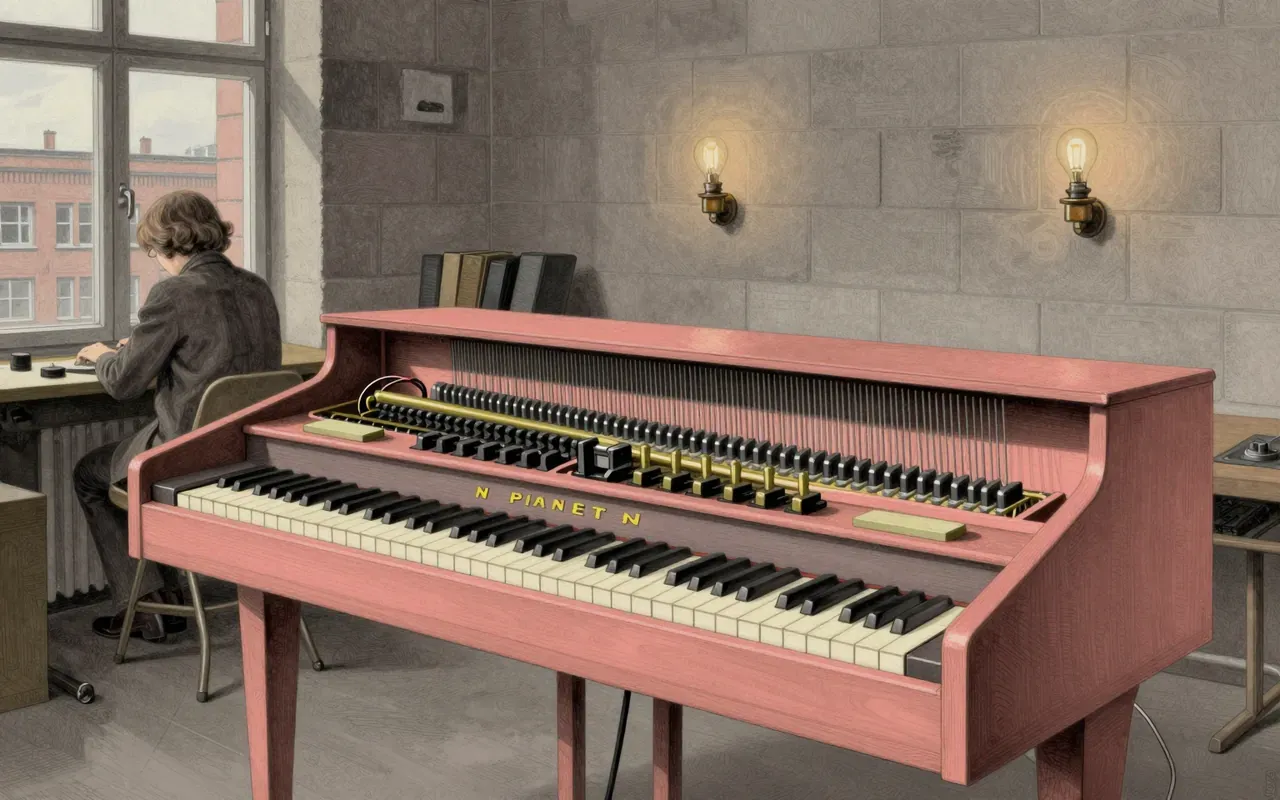
The Pianet N was Hohner's most popular Pianet, made from about 1965 to 1977 in two variants. The N stands for natural wood finish. It has inverted-V legs, a folding top that doubles as a music stand, a transistorised pre-amplifier, a floor pedal for volume and standard vibrato, and it plays through an external amplifier.
8:47
audio.briefs

Pianet T

Hohner

The Pianet T was made from 1977 to about 1983 and headed Hohner's second group of Pianets. Plastic suction pads pluck its reeds, an electro-magnetic pick-up like the one in a Rhodes converts the vibration, and the instrument needs no electrical power of its own. Vinyl-covered, with a hinged lid, it was built for live use but has no built-in amplifier.

7:59
audio.briefs

S950

Akai · 1988

The Akai S950 is an expanded version of the S900 sampler, released in 1988 alongside the higher-end S1000. It took over some of the S1000's improvements, including time-stretching, and raised the maximum sample rate to 48 kHz. Like the rest of the S900 series, it can loop a sample alternating forwards and backwards, which the S1000 series cannot. Akai has discontinued it.

9:12
audio.briefs

ShredMaster

Marshall · 1991

The ShredMaster is the high-gain pedal in the trio Marshall released in 1991 with the Bluesbreaker and Drivemaster. It is a conventional distortion pedal with Gain, Bass, Contour, Treble and Volume controls in a black, wedge-shaped metal case. Poor sales ended the run within a few years, and Marshall reissued it in 2023.

8:54
audio.briefs

Steinberger L2

Steinberger

The L-series was the best-known Steinberger design, first made as a bass; the first Steinberger basses were built in Brooklyn in 1979. It dropped the headstock, moved the tuners to a tailpiece and made the whole instrument from a graphite and carbon-fibre blend in two pieces. The L2 is the version with two EMG pickups. Listeners were split on a sound that some called clean and others called synthetic.

9:24
audio.briefs

Virus B

Access · 1999

The Virus B is a virtual analog synthesizer from Access Music GmbH of Germany, released in 1999 as the follow-up to the Virus A. It is a desktop (rackable) module without a keyboard, with improved converters and expanded polyphony. It has two filters per voice and a modulation matrix, and a keyboard version was sold as the Virus KB.

9:22
automotive.briefs

Alfa Romeo Giulia Sprint GT

Giorgetto Giugiaro · 1963

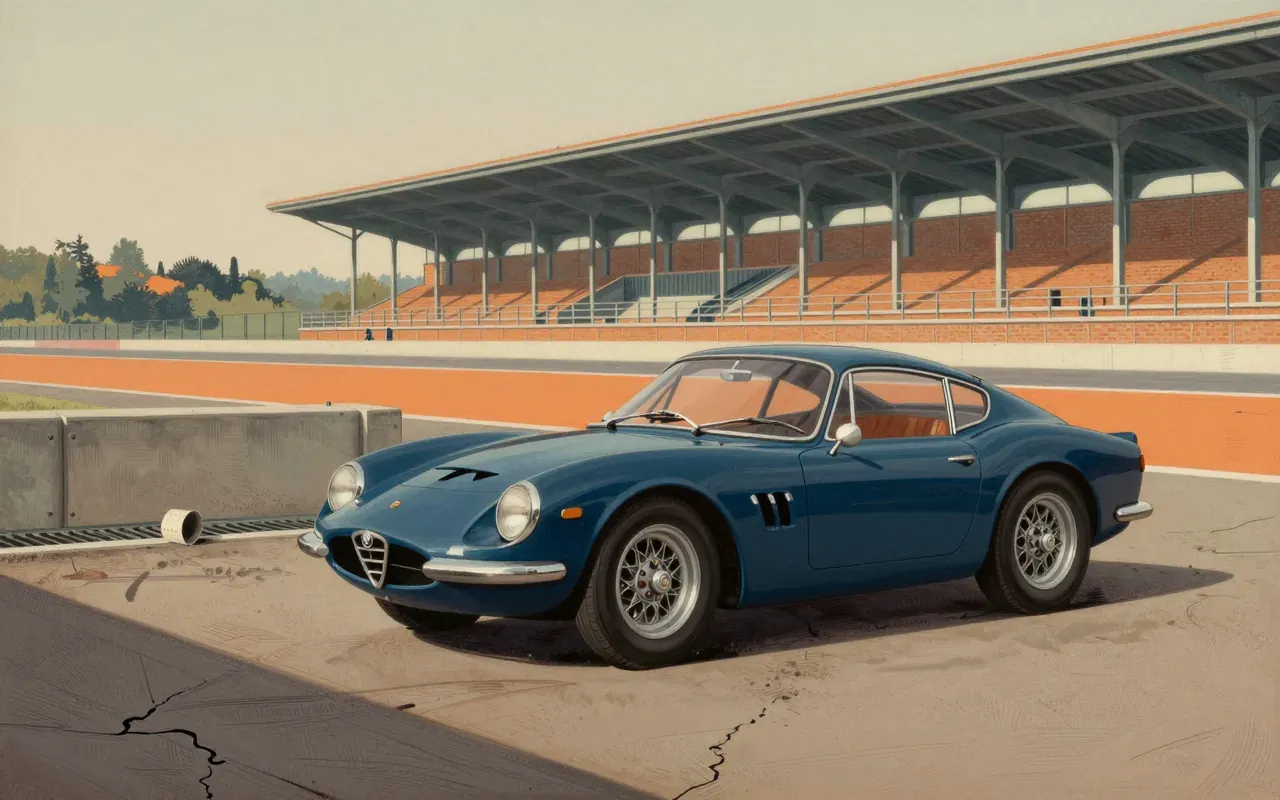
The Giulia Sprint GT was revealed at Alfa Romeo's new Arese plant on 9 September 1963 and built until 1965, when the Sprint GT Veloce replaced it. Giorgetto Giugiaro drew its Bertone body, known as the step front for the raised edge of its bonnet. It paired an all-aluminium 1570 cc twin cam four with a five-speed gearbox and four disc brakes, and 21,902 were built.

10:50
automotive.briefs

Alfa Romeo TZ2

Zagato · 1964

The TZ2 was shown at the 1964 Turin Auto Show on the Zagato stand. It swapped the TZ's light alloy body for a more streamlined fibreglass one and dropped the weight to 620 kg. It was a racing version only, with an Autodelta-prepared 1,570 cc twin plug engine, and 12 were built. Development of the TZ cars stopped at the end of 1965.

10:13
automotive.briefs

BMW 1500 Neue Klasse

Wilhelm Hofmeister · 1961

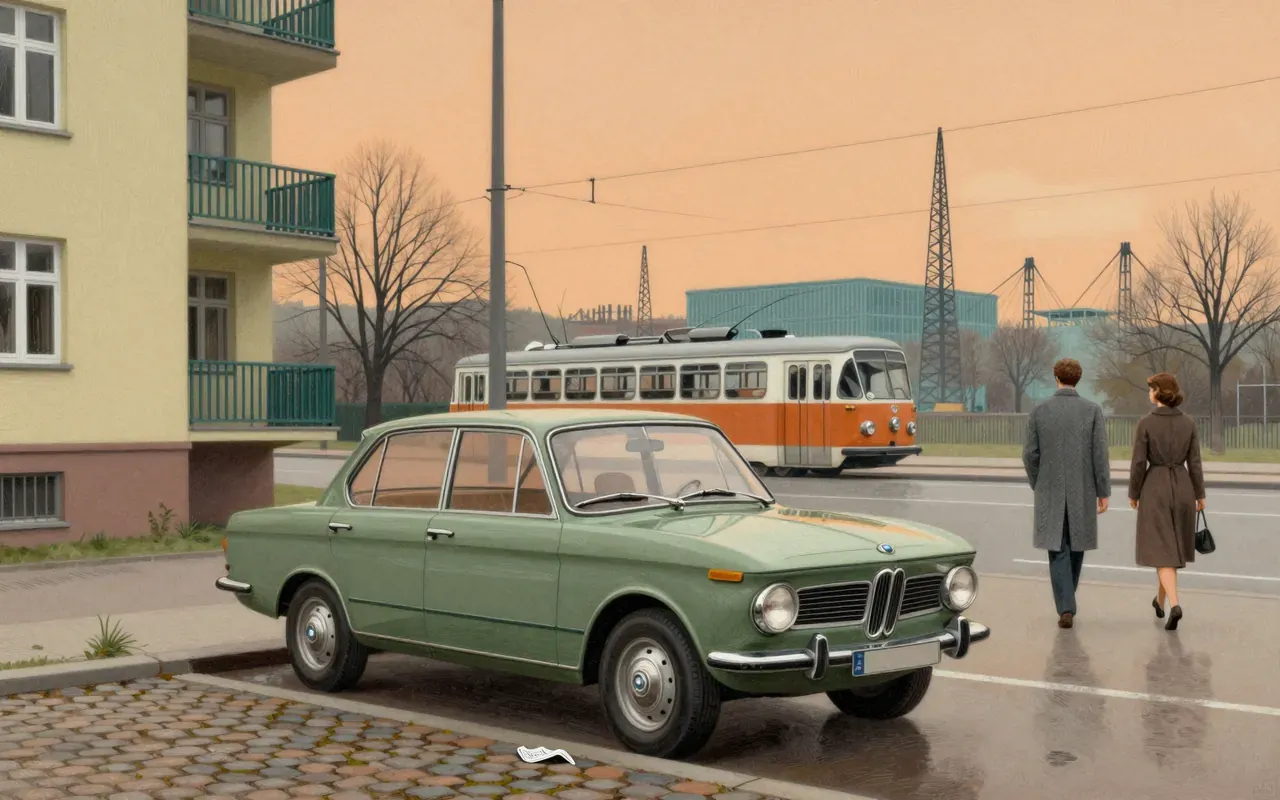
The BMW 1500 was shown at the 1961 Frankfurt Motor Show and built from October 1962 to December 1964. It was a compact four-door executive saloon with the new M10 four-cylinder engine, MacPherson strut front suspension and independent rear suspension. It was the first car of the New Class, the line that arrived as BMW broke even in 1962 after years of losses.

9:36
automotive.briefs

BMW 2002

Giovanni Michelotti · 1968

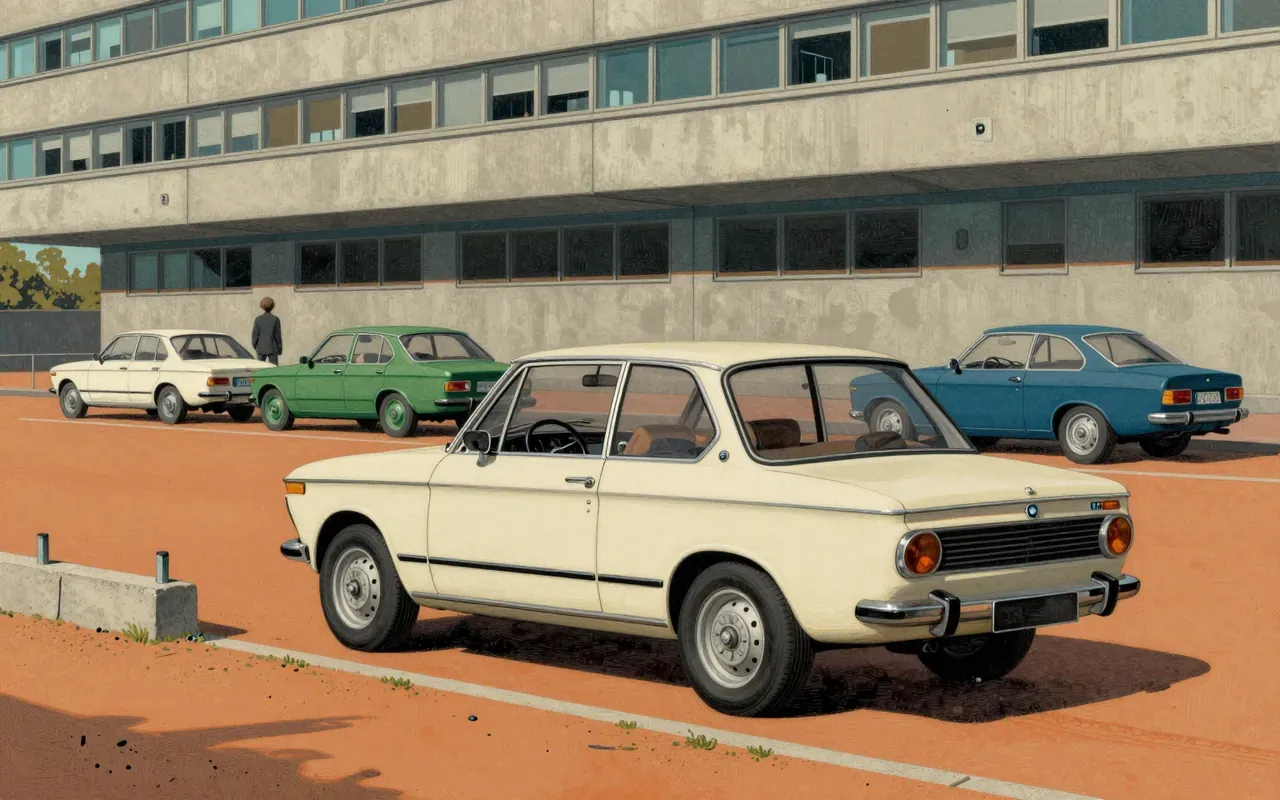
The BMW 2002 went into production in January 1968 as the larger-engined derivative of the 1966 1600-2, itself a shortened New Class saloon. It used a two-litre version of the M10 engine, and the range grew to include the fuel-injected tii, the Touring hatchback, a Baur TopCabriolet and, in 1973, Europe's first turbocharged production car.

9:58
automotive.briefs

BMW 3.0 CSL

BMW · 1972

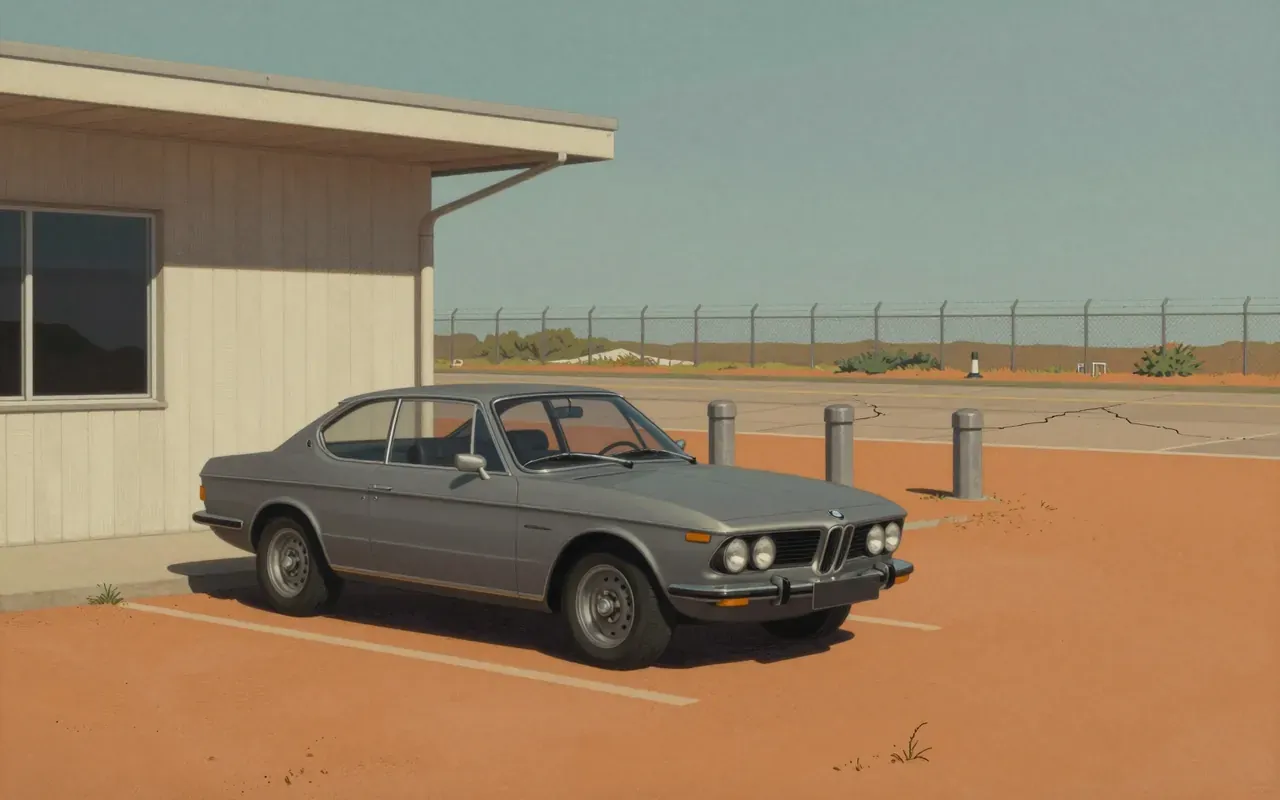
The BMW 3.0 CSL was the homologation special of the E9 coupé range: a lighter six-cylinder car built to make BMW eligible for the European Touring Car Championship. Its winged racing form earned the nickname Batmobile.

9:30
automotive.briefs

Bugatti Type 57SC Atlantic

Jean Bugatti · 1936

The Atlantic was one of the best-known bodies on the Bugatti Type 57S and 57SC. It was based on Jean Bugatti's 1935 Aérolithe concept, and the dorsal seam that began as a riveting method became its signature.

10:00
automotive.briefs

Chevrolet Corvette C6

Tom Peters · 2005

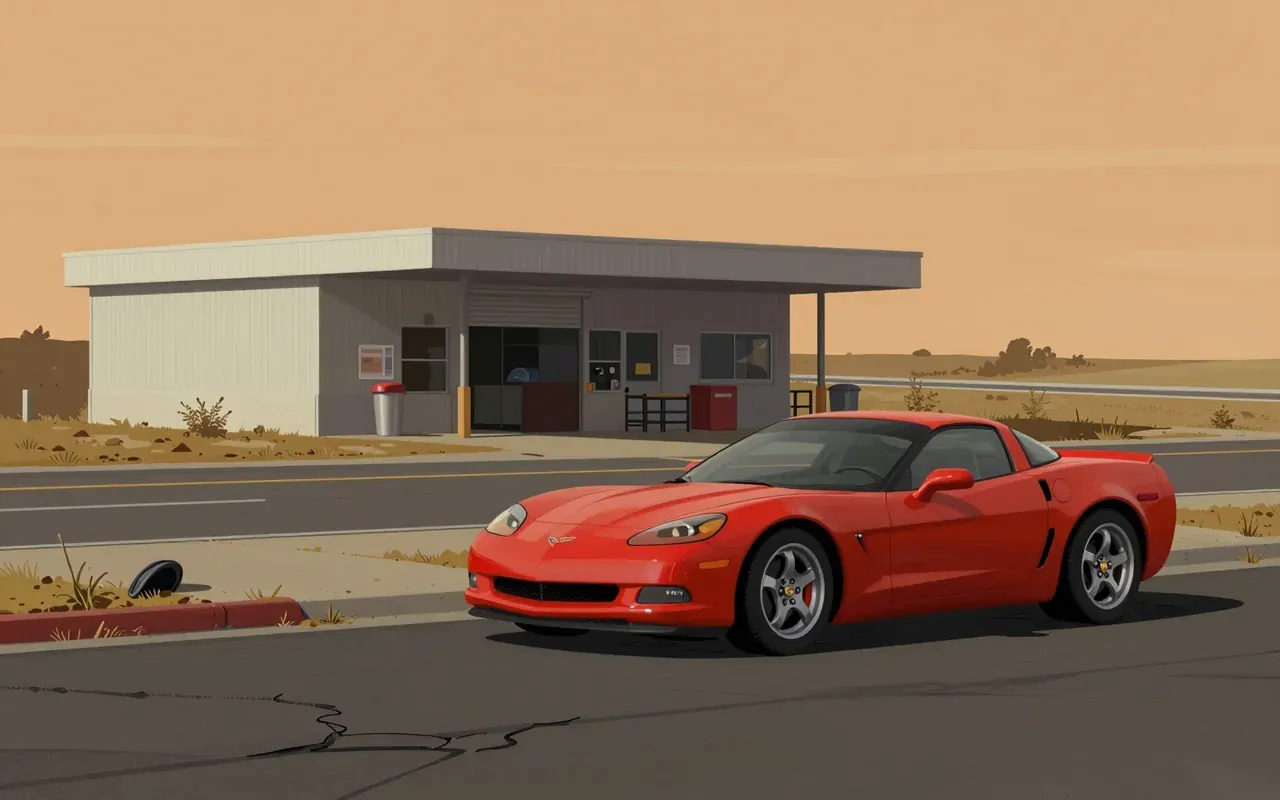
The C6 is the sixth generation of the Chevrolet Corvette, built from 2005 to 2013. It was the first Corvette since the 1962 model with exposed headlamps, and it brought a larger passenger compartment and a 6.0 L LS2 V8 rated at 400 hp, followed from 2008 by the 6.2 L LS3. Z06, ZR1, Grand Sport and 427 Convertible versions were also built.

10:08
automotive.briefs

Chevrolet Corvette C8

Tom Peters · 2020

The C8 is the eighth generation of the Chevrolet Corvette and the first with a rear mid-engine layout. The Stingray uses a 6.2 L LT2 V8 rated at 490 hp with an 8-speed dual-clutch gearbox and no manual option. Production began on 3 February 2020, and Z06, E-Ray and ZR1 versions followed.

10:40
automotive.briefs

Facel Vega HK500

Jean Daninos · 1959

The HK500 was introduced for 1959 as a renamed and upgraded FVS from the French maker Facel. It started with the 5.8 L Chrysler V8 and soon moved to a 6.3 L unit rated at 360 hp, good for 237 km/h. The Facel Vega II replaced it in 1962 after 489 were built.

11:52
automotive.briefs

Ferrari 250 GT SWB

Pininfarina · 1959

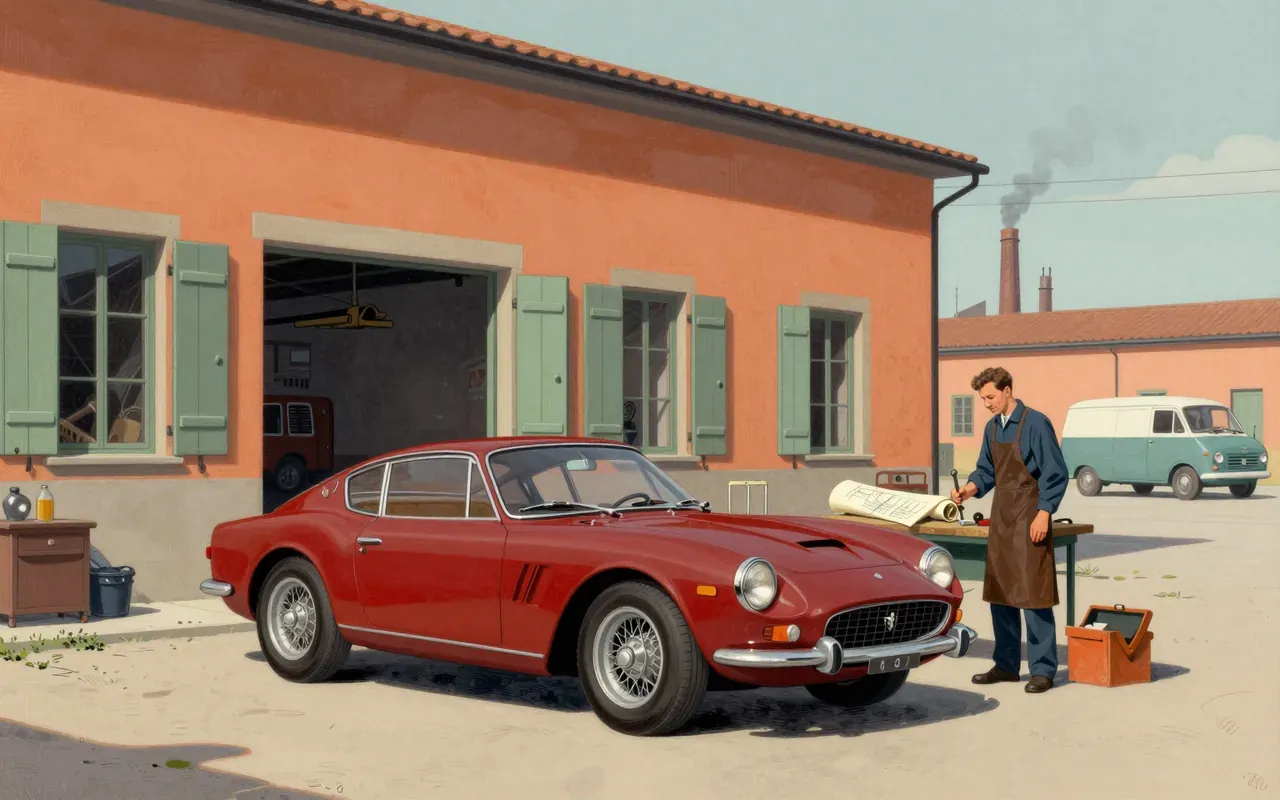
The 250 GT Berlinetta SWB is the 1959 Ferrari that shortened the 250 GT wheelbase from 2,600 mm to 2,400 mm for better handling. 176 were built, in road and racing trims, with 240 to 280 PS from the 3.0 L Colombo V12.

10:08
automotive.briefs

Ferrari 330 P4

Ferrari · 1967

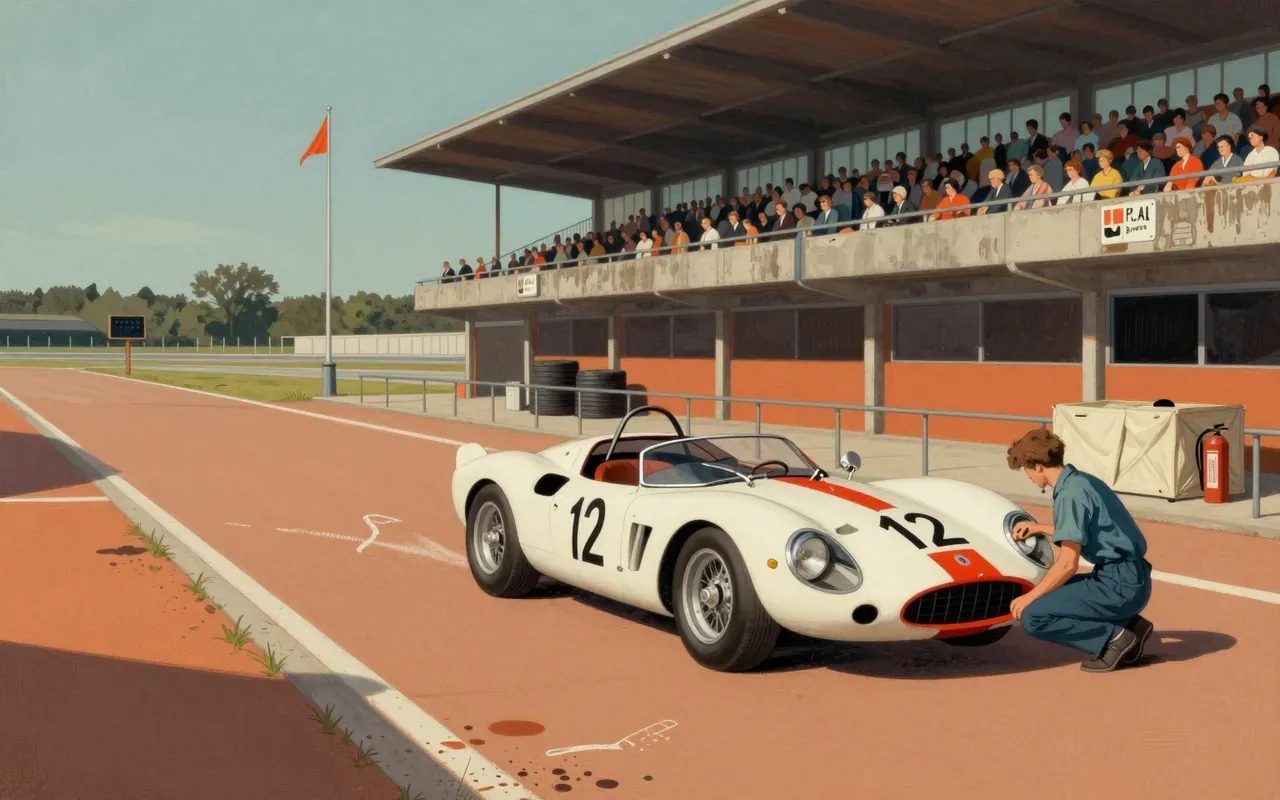
The 330 P4 was a mid-engined V12 endurance car that replaced the 330 P3 in 1967. It kept the P3's fuel injection, added a three-valve cylinder head and produced up to 450 hp. Only four P4-engined cars were made, and it won Monza in 1967.

9:35
automotive.briefs

Ford Escort RS1600

Ford · 1970

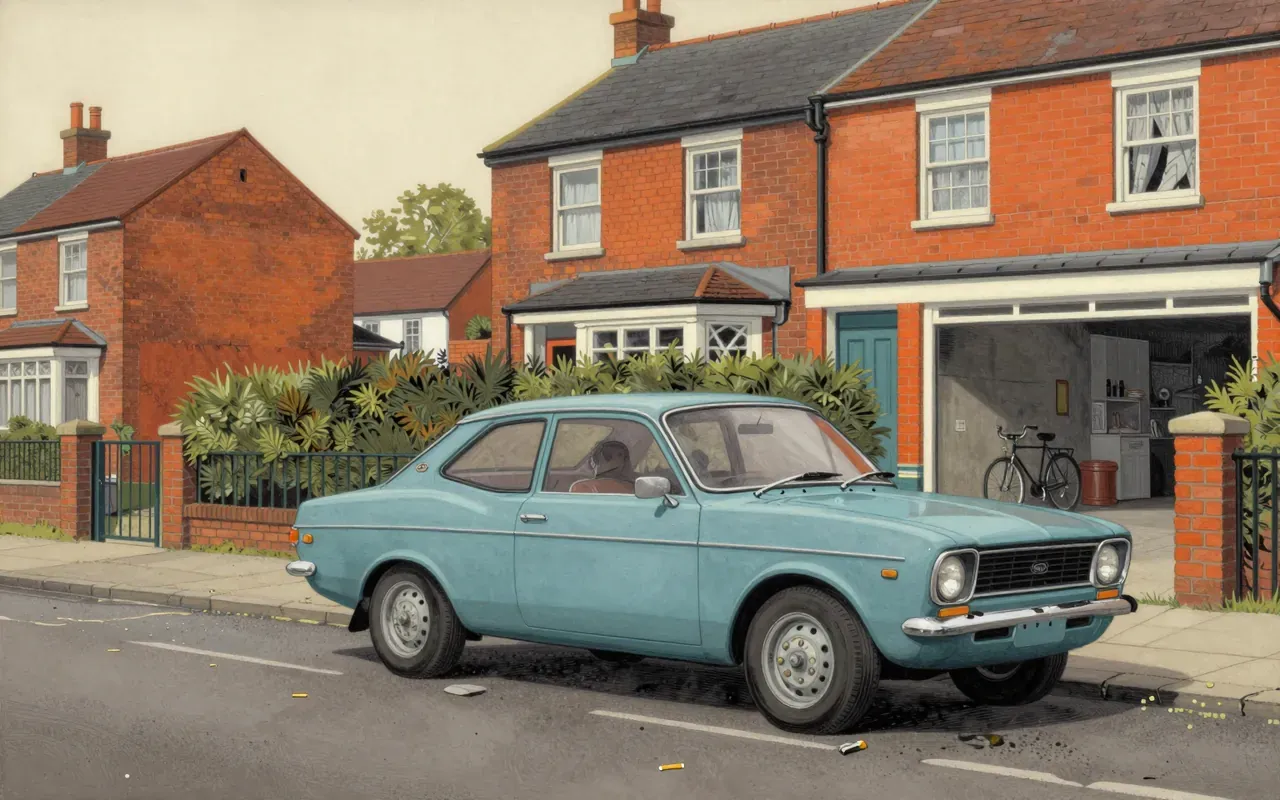
The Escort RS1600 was a performance version of the Mark I Escort, with RS standing for Rallye Sport. It used a 1,601 cc Cosworth BDA engine with a 16-valve head, a strengthened bodyshell and sports suspension, and was built at Ford's Aveley plant in South Essex.

10:32
automotive.briefs

Honda Integra Type R DC2

Honda · 1995

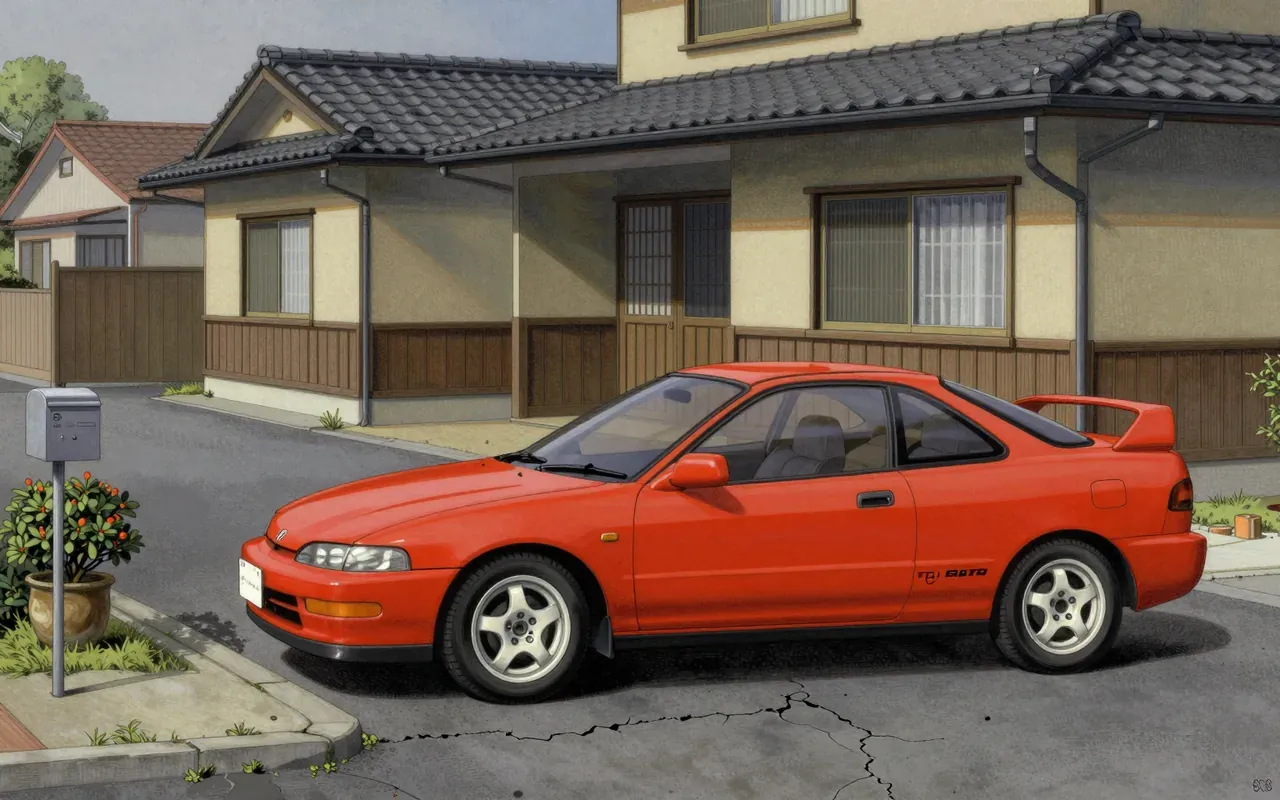
Honda introduced the first Integra Type R to the Japanese market in 1995 and built the DC2 through 2001. It took the B18C VTEC engine, a close-ratio five-speed gearbox and a limited-slip differential, then cut equipment and added chassis stiffening. Journalists rated it among the best front-wheel-drive cars made.

9:00
automotive.briefs

Jeep CJ

Willys engineering · 1945

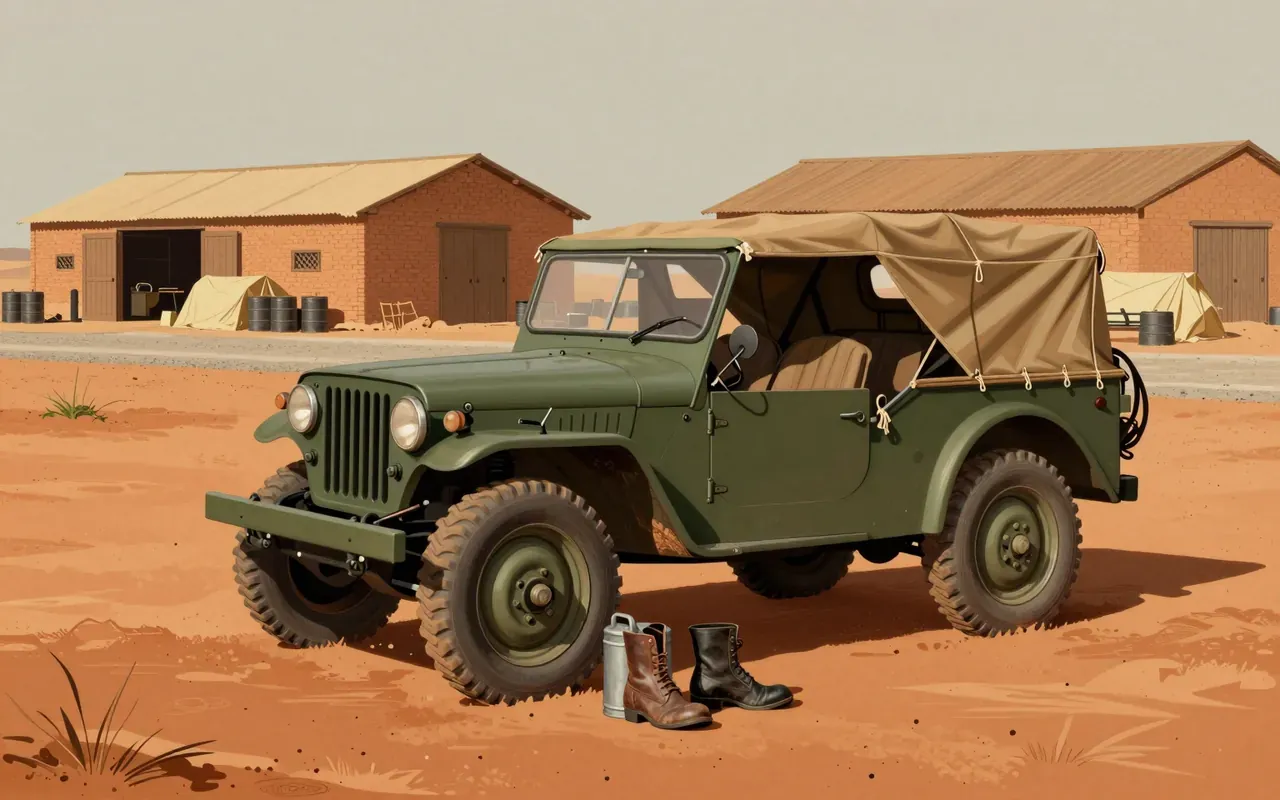
The Jeep CJ began as a 1944 Willys-Overland prototype, a civilian version of the wartime Jeep, and the 1945 Universal Jeep became the first mass-produced civilian four-wheel-drive car. Through the CJ-2A, CJ-3B, CJ-5 and CJ-7 it kept a separate body and frame and live axles, and with few exceptions part-time four-wheel drive. More than 1.5 million were built before the Wrangler replaced it.

9:07
automotive.briefs

Mazda RX-7 SA22C

Matasaburo Maeda · 1978

The SA22C is the first-generation Mazda RX-7, a two-seat hatchback coupé with a Wankel rotary engine set behind the front axle and rear-wheel drive. Matasaburo Maeda led its design. Three series ran from 1978 to 1985, and 471,018 cars were built, most of them sold in the United States.

9:57
automotive.briefs

Nissan 300ZX Z32

Toshio Yamashita · 1989

The Z32 is the second-generation Nissan 300ZX, sold in Japan as the Fairlady Z from 1989 to 2000 and in the US from 1990 to 1996. Isao Sono and Toshio Yamashita designed it, with a 3.0 L V6 offered naturally aspirated or with twin turbochargers, and Nissan drove it up-market, faster, more advanced and dearer than the Z31 it replaced. Car and Driver named it to its Ten Best list seven years running.

9:59
automotive.briefs

Nissan Silvia S13

Nissan Design · 1988

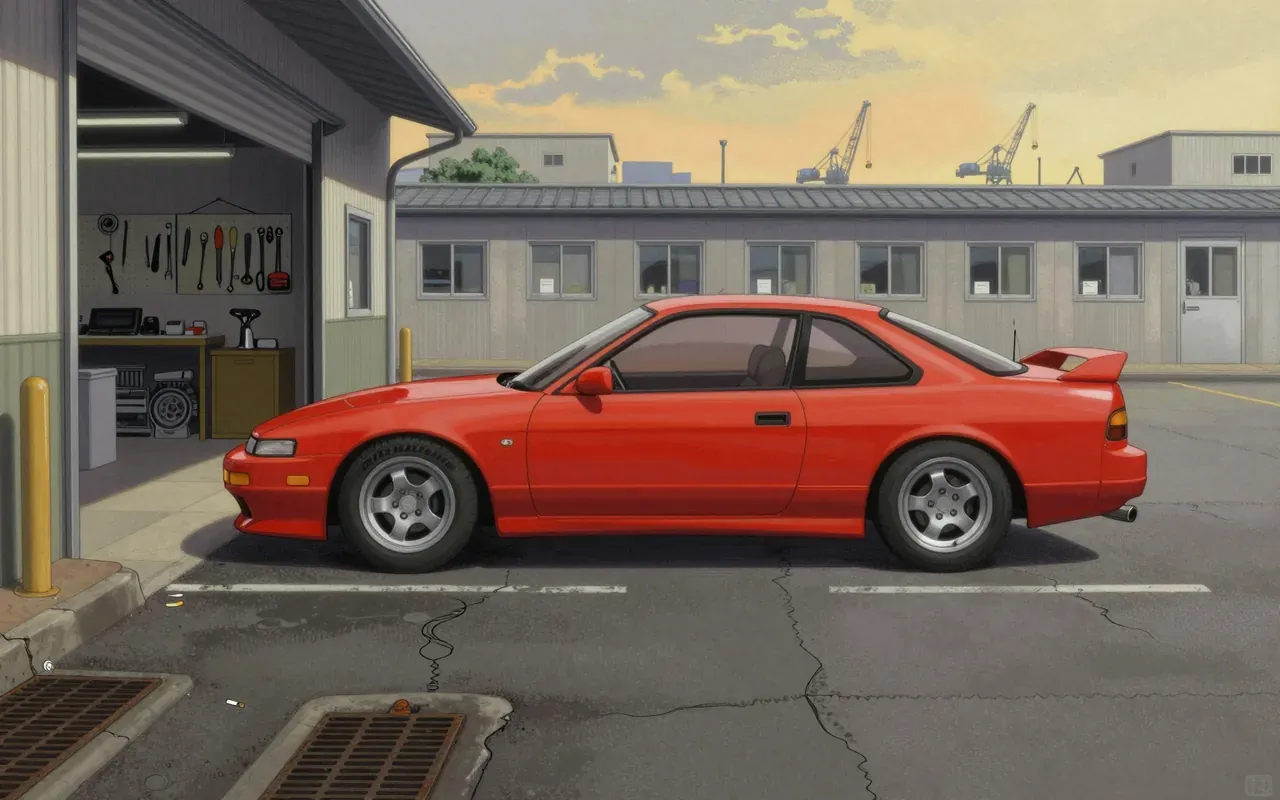
The S13 Silvia went on sale in Japan in May 1988 and won the Car of the Year Japan award in its first year. It paired a multi-link rear suspension with the HICAS four-wheel steering system, moved from the CA18 turbo four to the SR20 in 1991, and was built as a coupé until 1993. Its hatchback sister, the 180SX, carried the platform abroad as the 200SX and 240SX.

8:29
automotive.briefs

Nissan Skyline GT-R KPGC10

Shinichiro Sakurai · 1970

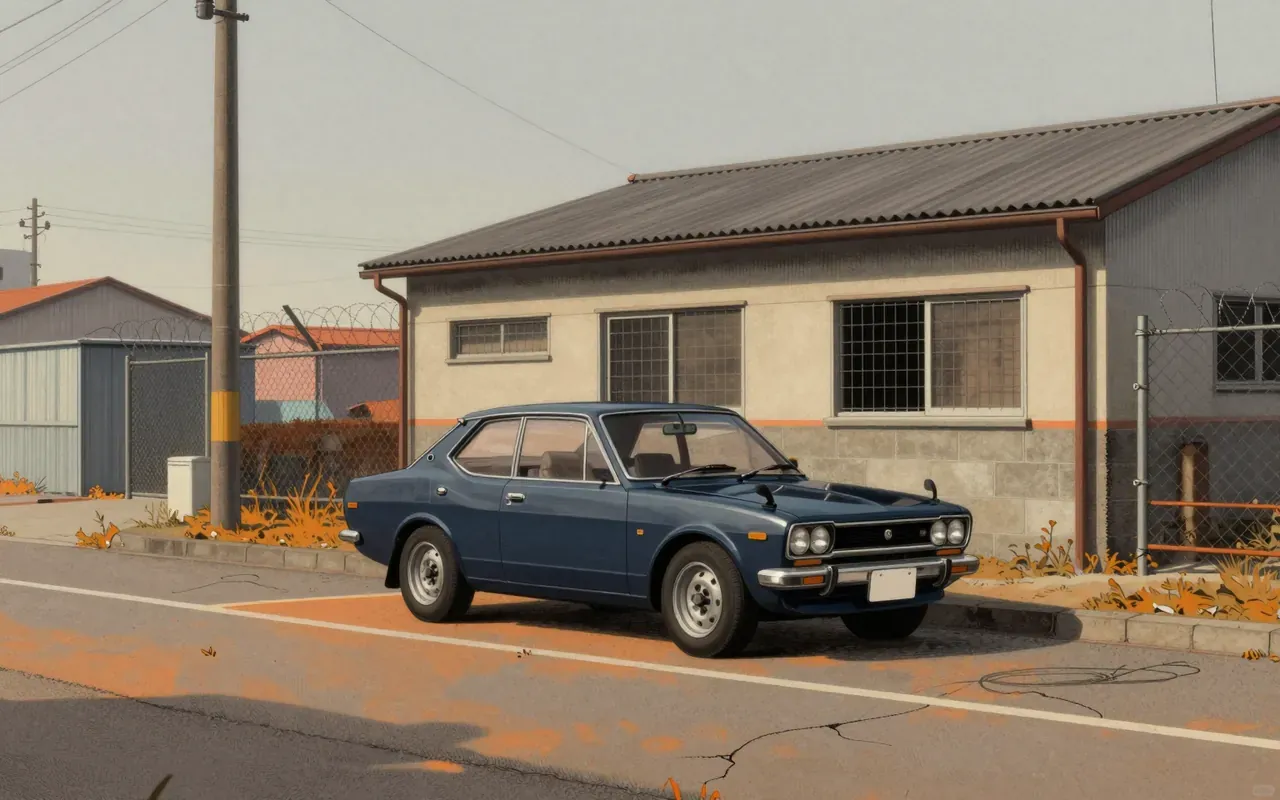
The KPGC10 is the two-door hardtop coupé version of the first Skyline GT-R, added in October 1970 to the four-door PGC10 that launched in 1969. It carried the same 2.0 L S20 four-valve inline-six, sat on a wheelbase 70 mm shorter, and was built in 1,197 units until 1972. Together with the PGC10 it won 49 consecutive Japanese touring car races.

10:43
automotive.briefs

Nissan Skyline R30

Nissan · 1981

The R30 Skyline launched in August 1981 on the Laurel platform as a coupé, sedan, Liftback and wagon. Its most famous version was the DR30 RS, powered by the FJ20 four-valve twin-cam four, turbocharged from 1983 and given the Tekkamen front end that year. The RS is credited with rejuvenating the Skyline brand and paved the way for the return of the GT-R badge.

9:20
automotive.briefs

Pagani Zonda C12

Horacio Pagani · 1999

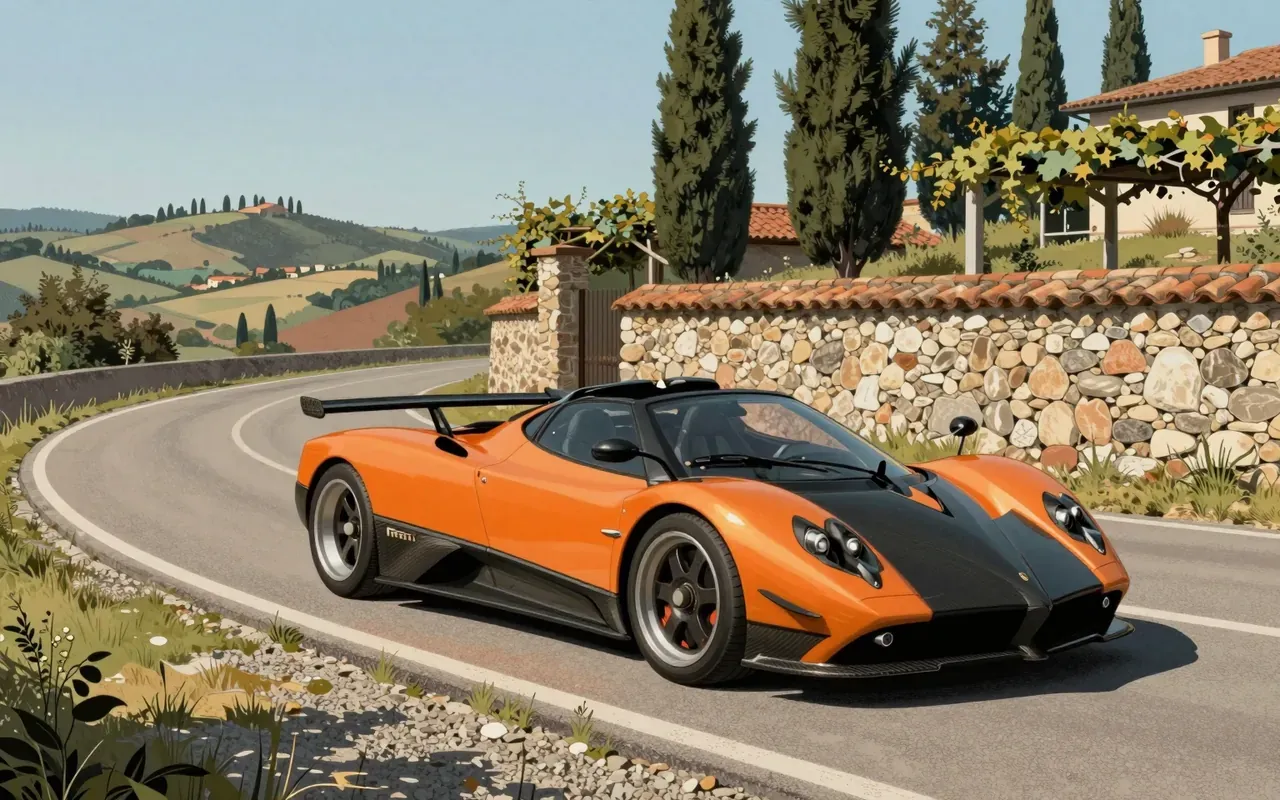
The Zonda C12 was the first car from Pagani, shown at the 1999 Geneva Motor Show. It put a 6.0 L Mercedes-Benz M120 V12 behind the driver in a mainly carbon-fibre car with a five-speed manual gearbox. Only five cars were built with the 6.0 L engine before the 7.0 L C12 S arrived in 2002.

10:06
automotive.briefs

Renault 8 Gordini

Philippe Charbonneaux · 1964

The Renault 8 Gordini, model R1134, arrived in 1964 as the tuned version of Renault's rear-engine saloon, with a 1108 cc engine rated at 90 PS, a four-speed close-ratio gearbox and a blue livery with two white stripes. A 1967 facelift brought a 1255 cc engine and 100 PS.

10:12
automotive.briefs

Subaru Impreza 555

Subaru · 1993

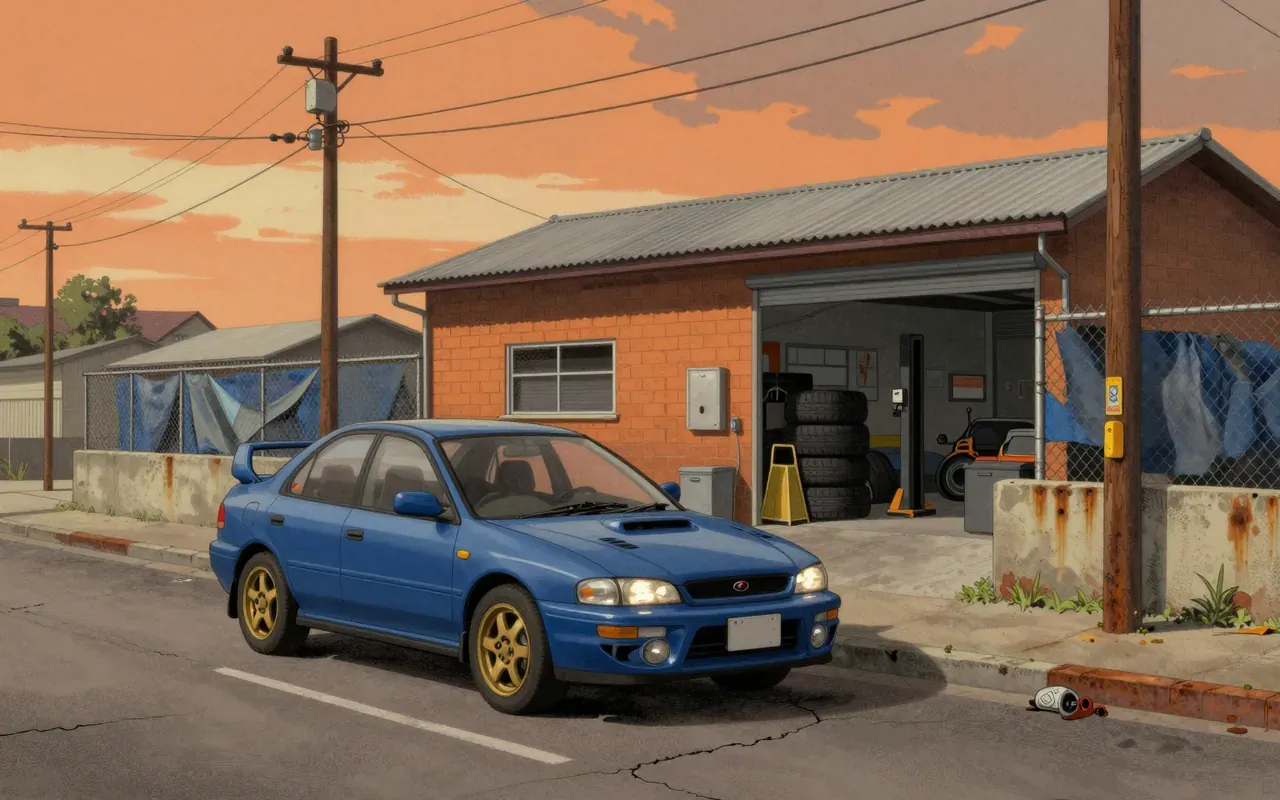
The Impreza 555 is the Prodrive-developed Group A rally car that Subaru's World Rally Team debuted at Rally Finland in 1993. Driven by Colin McRae and Carlos Sainz in 1995, it won the team its first manufacturers' title and gave McRae the drivers' championship; the Impreza went on to win the 1996 and 1997 manufacturers' titles too.

9:48
automotive.briefs

Subaru Impreza WRX STI

Subaru · 1994

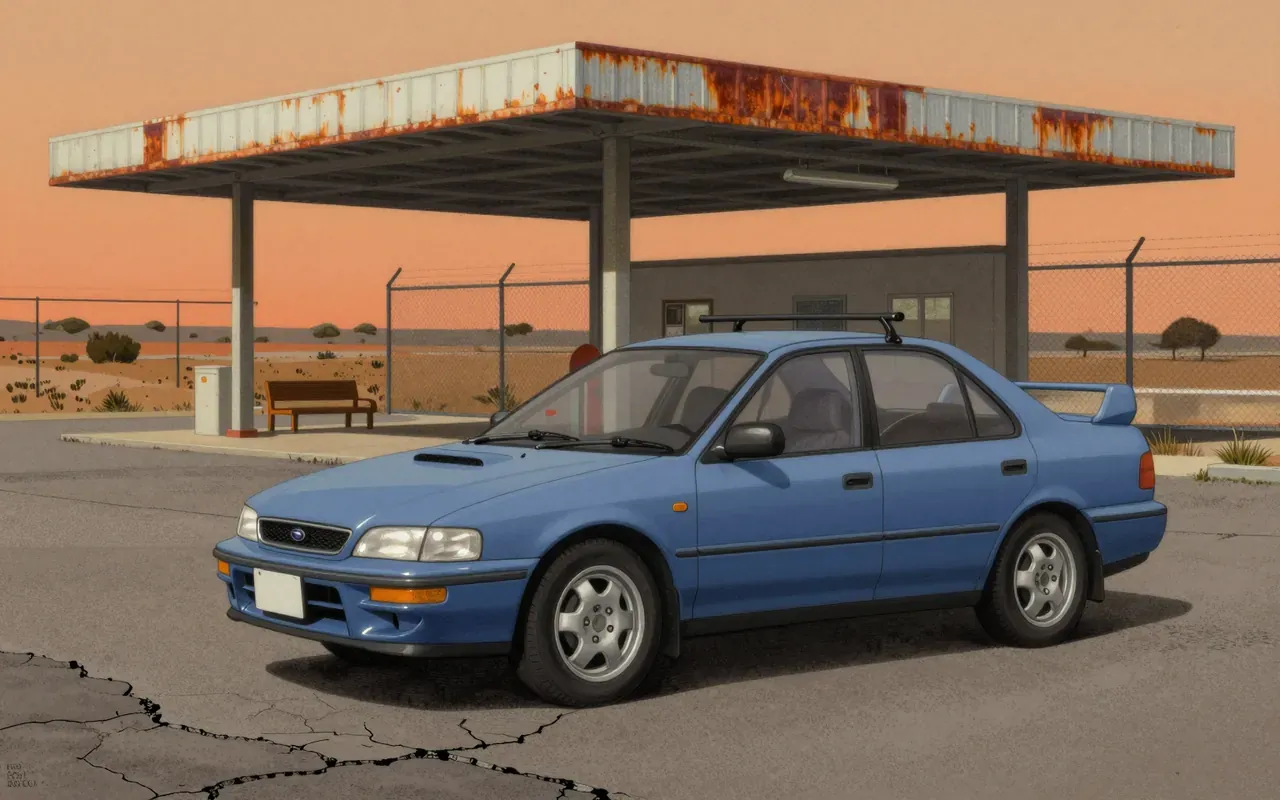
The Subaru Impreza WRX STI is the high-performance version of the turbocharged, all-wheel drive Impreza WRX, developed by Subaru Tecnica International, the company's motorsport arm. The first STi went on sale in 1994 as a homologation model for the World Rally Championship and was refined through six Versions, a lightweight Type RA and the widebody 22B. From 2015 the WRX and WRX STI left the Impreza name behind.

12:37
automotive.briefs

Toyota Celica GT-Four ST185

Toyota · 1989

The ST185 is the second generation of the Celica GT-Four, built from September 1989 to September 1993 as the road-going base for Toyota's WRC cars. It carries a turbocharged 3S-GTE engine and a full-time 4WD system, and the homologation GT-Four RC followed in 1991. In rallying it won the Drivers' Championship in 1992, and the Manufacturers' and Drivers' titles in 1993 and 1994.

9:12
automotive.briefs

Toyota MR2 AW11

Seiichi Yamauchi · 1984

The first-generation Toyota MR2 arrived in 1984 as Japan's first rear-mid-engine, rear-wheel-drive production car. It grew out of a 1976 project for an enjoyable, economical car, and handling help from Lotus engineer Roger Becker shaped how it drives. The AW11 is the 1.6-litre 4A-GE version, later joined by a supercharged model.

9:15
automotive.briefs

Volkswagen Scirocco Mk1

Giorgetto Giugiaro · 1974

The first-generation Volkswagen Scirocco, internally the Typ 53, replaced the Karmann Ghia. Giorgetto Giugiaro styled it on the Golf's platform with almost every part re-engineered. It went on sale in 1974, six months before the Golf, and its GTi entered production before the Golf GTI was unveiled.

9:09
automotive.briefs

Volvo 240

Jan Wilsgaard · 1974

The Volvo 240 was one of the two models of the 200 Series, introduced in autumn 1974 as a two- or four-door saloon and an estate. Designed by Jan Wilsgaard, it kept the 140's body shell behind the cowl and added a crumple-zone nose, MacPherson strut front suspension and rack-and-pinion steering. It outlived its 260 sister and stayed in production until 14 May 1993.

9:23
automotive.briefs

Volvo 850 T-5R

Jan Wilsgaard · 1995

The 850 T-5R was a special edition of the Volvo 850 Turbo, built for 1995 and again in 1996 after it sold well. It raised the turbo's output to 243 hp, was tuned with help from Porsche, and was sold in yellow, black or green. Volvo built 6,964 of them, and the 850 R replaced it in 1996.

10:00
automotive.briefs

Peugeot 205 T16 Evo 2

Peugeot Talbot Sport · 1985

The Peugeot 205 Turbo 16 is the Group B rally car Peugeot Talbot Sport built on the two-door 205, with a rear-mid turbocharged engine and four-wheel drive. The Evolution 2 version arrived for the 1986 season and used a rear spaceframe made entirely of tubes. Factory cars under Jean Todt won the 1985 and 1986 world rally titles.