Barrio fino
Daddy Yankee · 2004
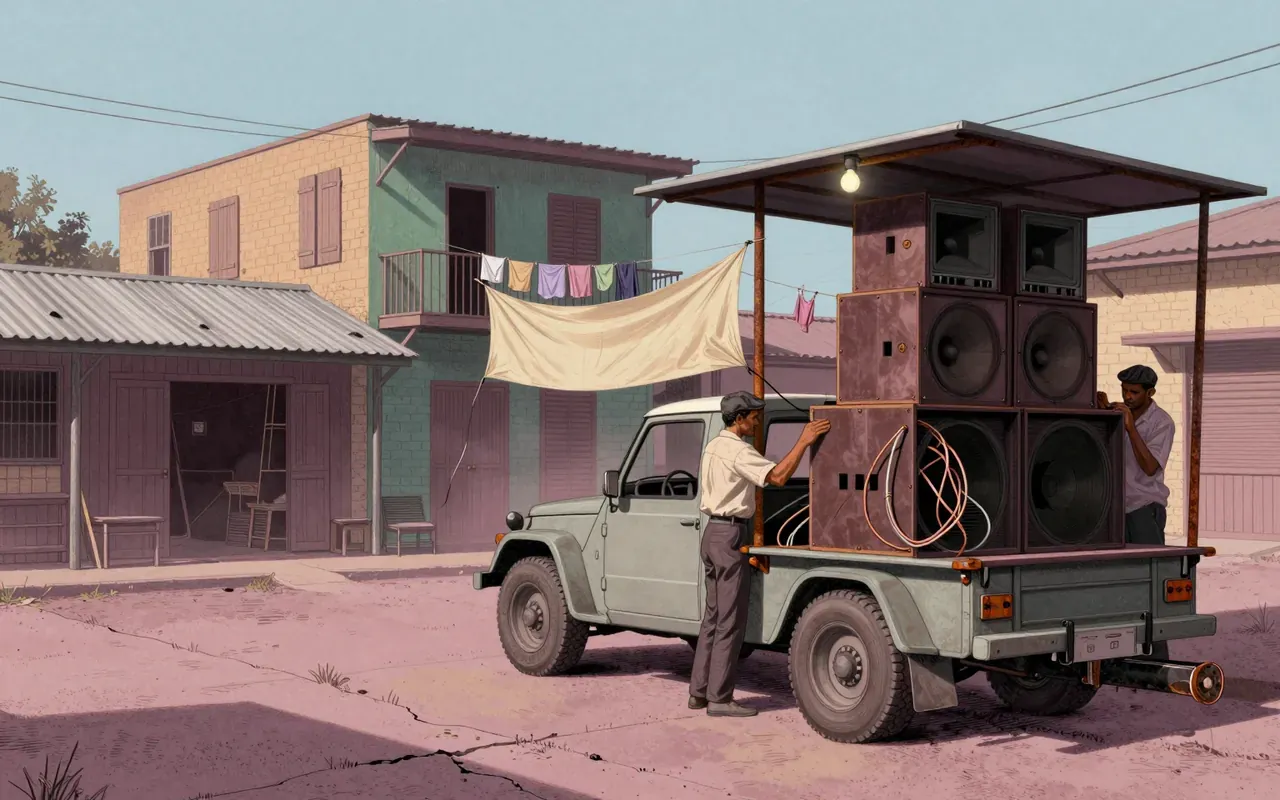
Barrio fino is reggaeton’s first major export strategy — rhythm-locked, studio-sourced, and genre-flexible where it counts.
Islands that exported more music per head than anywhere on earth.
Barrio fino is reggaeton’s first major export strategy — rhythm-locked, studio-sourced, and genre-flexible where it counts.
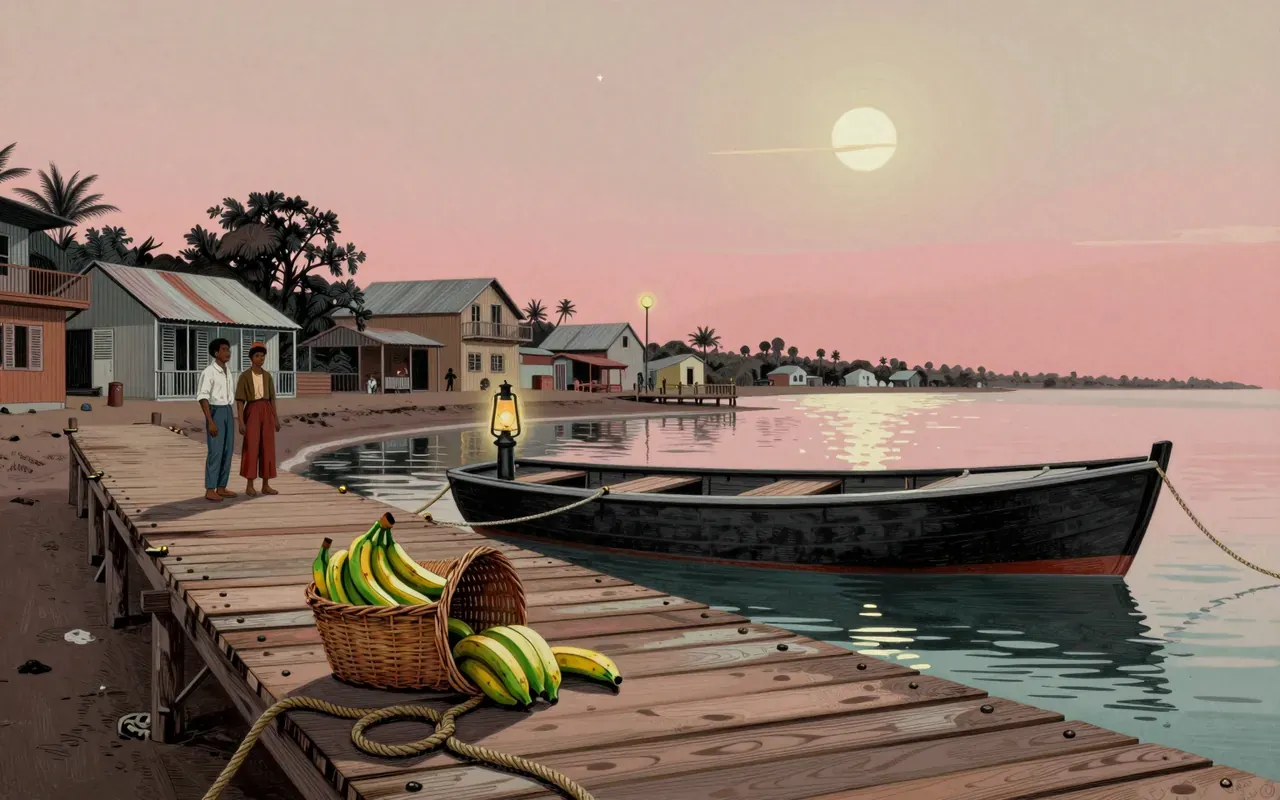
Calypso is Harry Belafonte's third studio album, released in 1956 on RCA Victor. It features vocal performances backed by guitarists Millard J. Thomas and Frantz Casseus, Tony Scott and His Orchestra, and The Norman Luboff Choir on select tracks. It includes 'Day-O (The Banana Boat Song)', sung from the perspective of banana dock workers awaiting daylight, alongside 'Star-O' as a lyrical variant reprise, and 'Jamaica Farewell', a mento folk song published here for the first time. Production involved multiple producers, a conductor, a chorus leader, and contributors to visual and textual elements of the release.

Natty Dread is Bob Marley & The Wailers' seventh album, released in October 1974. It is their first without Peter Tosh and Bunny Wailer, and their first with the I-Threes. All songs were written by Marley. Jean Roussel arranged 'No Woman No Cry', 'Natty Dread', and 'Lively Up Yourself'. Personnel included Aston and Carlton Barrett, Al Anderson, Bernard 'Touter' Harvey, Lee Jaffe, and the I-Threes. Engineers were Sylvan Morris and Phil Ault; Sid Bucknor mixed it; Chris Blackwell and The Wailers produced it. The original demo of 'Lively Up Yourself' was recorded in 1973. The original version of 'No Woman, No Cry' was in gospel style, featuring Peter Tosh and unknown female backing vocals, cut for Island in 1973. The album contains 'No Woman, No Cry', 'Lively Up Yourself', and the politically charged 'Them Belly Full (But We Hungry)'.

Exodus is a reggae album recorded in London in early 1977 by Bob Marley & The Wailers, following their relocation after an assassination attempt in Kingston. Its production is laid-back, featuring pulsating bass beats, piano, trumpet and guitar. It departs from cryptic storytelling in favour of clear themes: religious politics in the first half, making love and keeping faith in the second. Musically, it fuses blues, soul and British rock beneath a reggae façade — sounding unlike contemporaneous Jamaican reggae. The title and title track respond to Michael Manley’s campaign slogan ‘We Know Where We’re Going’.
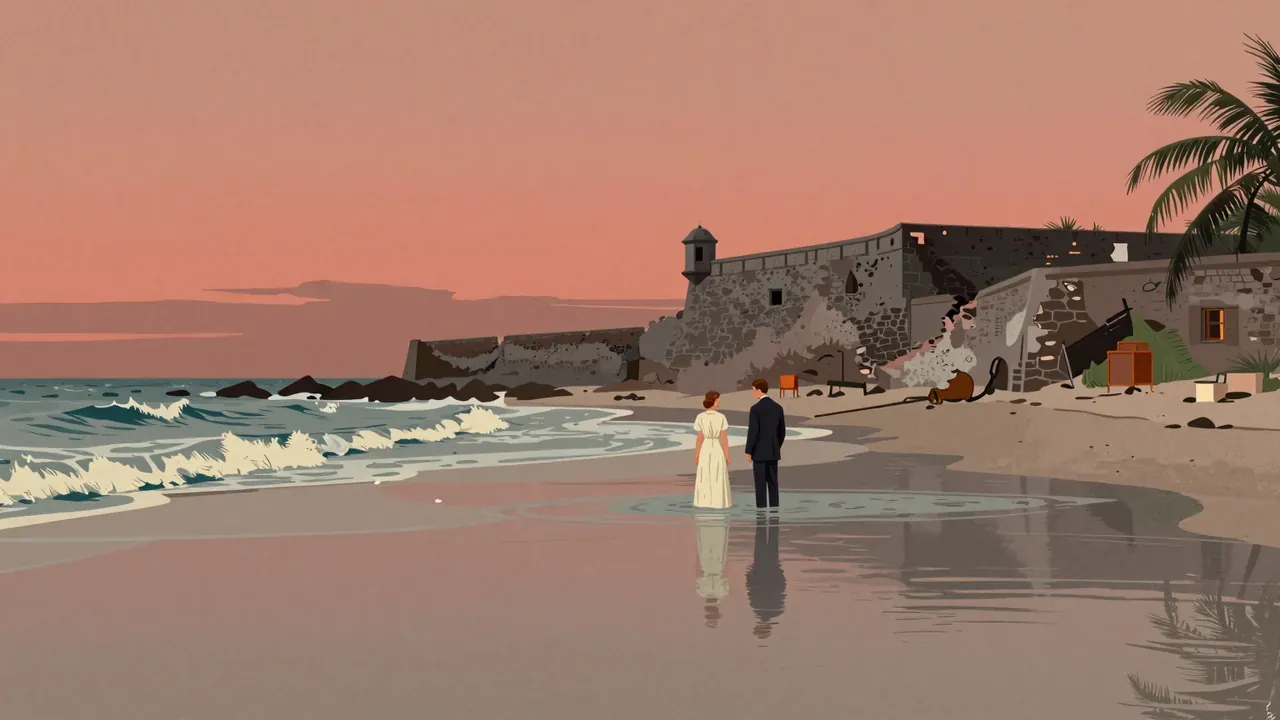
I Walked with a Zombie (1943), directed by Jacques Tourneur and produced by Val Lewton, follows a Canadian nurse who travels to a Caribbean sugar plantation and becomes entangled in the mystery of her employer’s catatonic wife. Shot on a shoestring budget, it sustains dread through atmosphere, implication, and moral ambiguity rather than gore or spectacle. Drawing on Charlotte Brontë’s Jane Eyre and Inez Wallace’s article on Haitian 'zombies', it treats Vodou as a system of belief entwined with power and history — not exotic fantasy. Its strength lies in its restrained craft, evocative cinematography, and unflinching engagement with colonial legacy, though its narrative vagueness may frustrate some viewers.
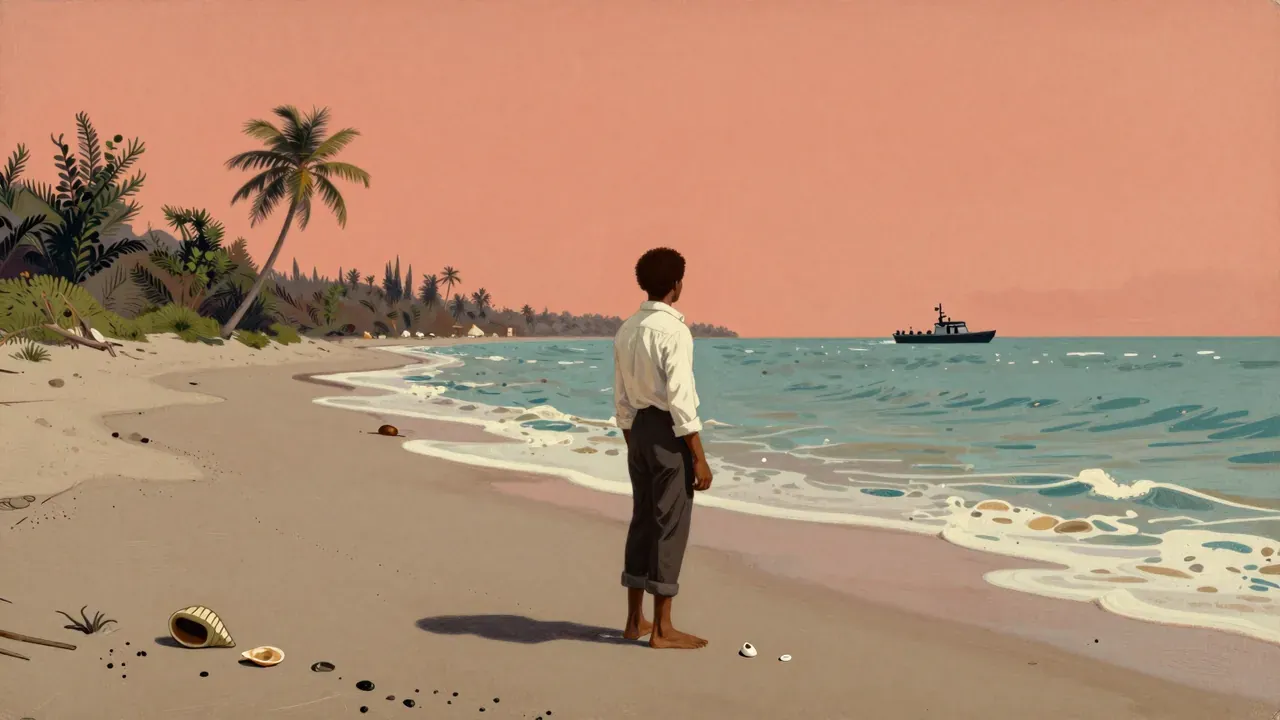
Perry Henzell’s 1972 debut follows Ivan, a rural Jamaican who moves to Kingston seeking work, only to be ground down by exploitation, then mythologised after turning to crime. Starring Jimmy Cliff and scored entirely with foundational reggae tracks, it pioneered Caribbean cinematic self-representation — raw, Patois-speaking, and rooted in real locations. Its influence far outstrips its modest production, reshaping how global audiences heard reggae and saw Black Caribbean life.
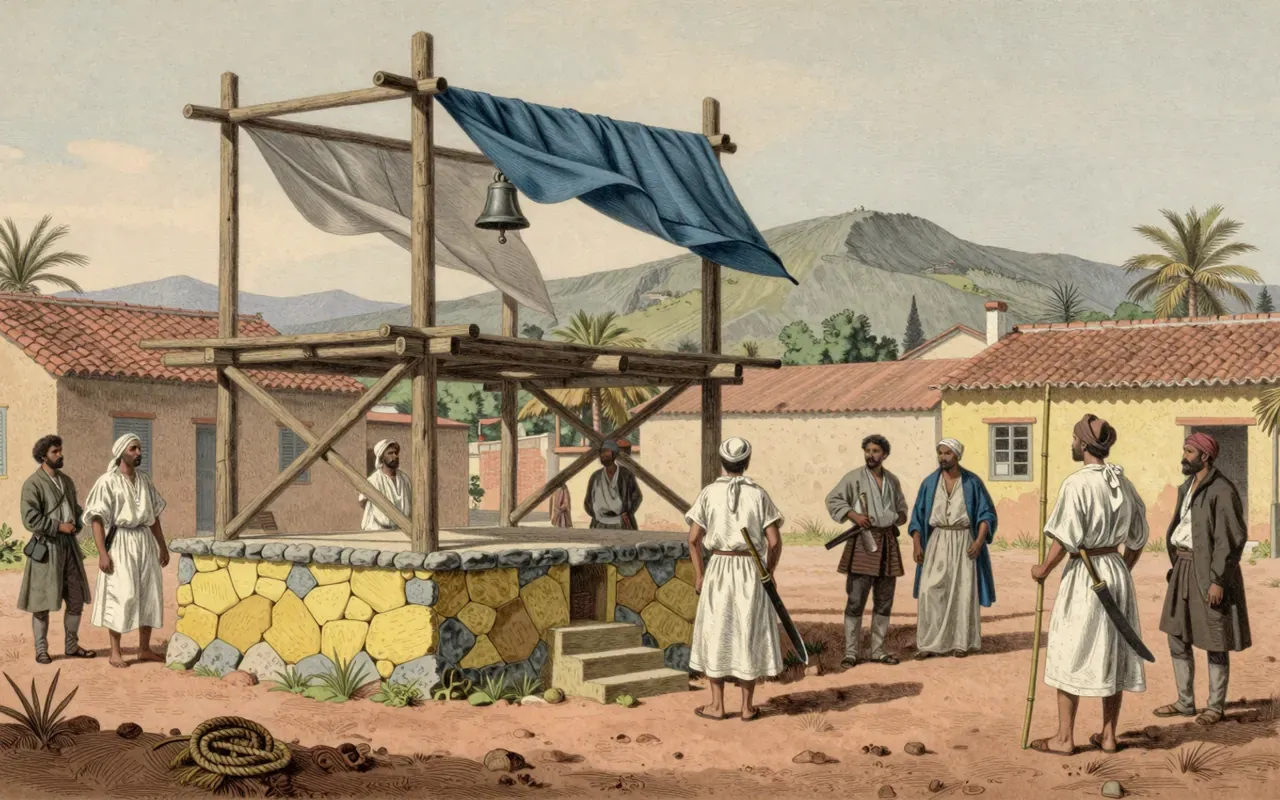
The Haitian Declaration of Independence is a foundational rupture—not in rhetoric, but in precedent. It established the first Black-led post-slavery state, yet refused the language of rights that defined other Atlantic revolutions. Its authority derived not from consent or constitution, but from military victory and collective sanction. It changed the map, but not the grammar, of sovereignty.
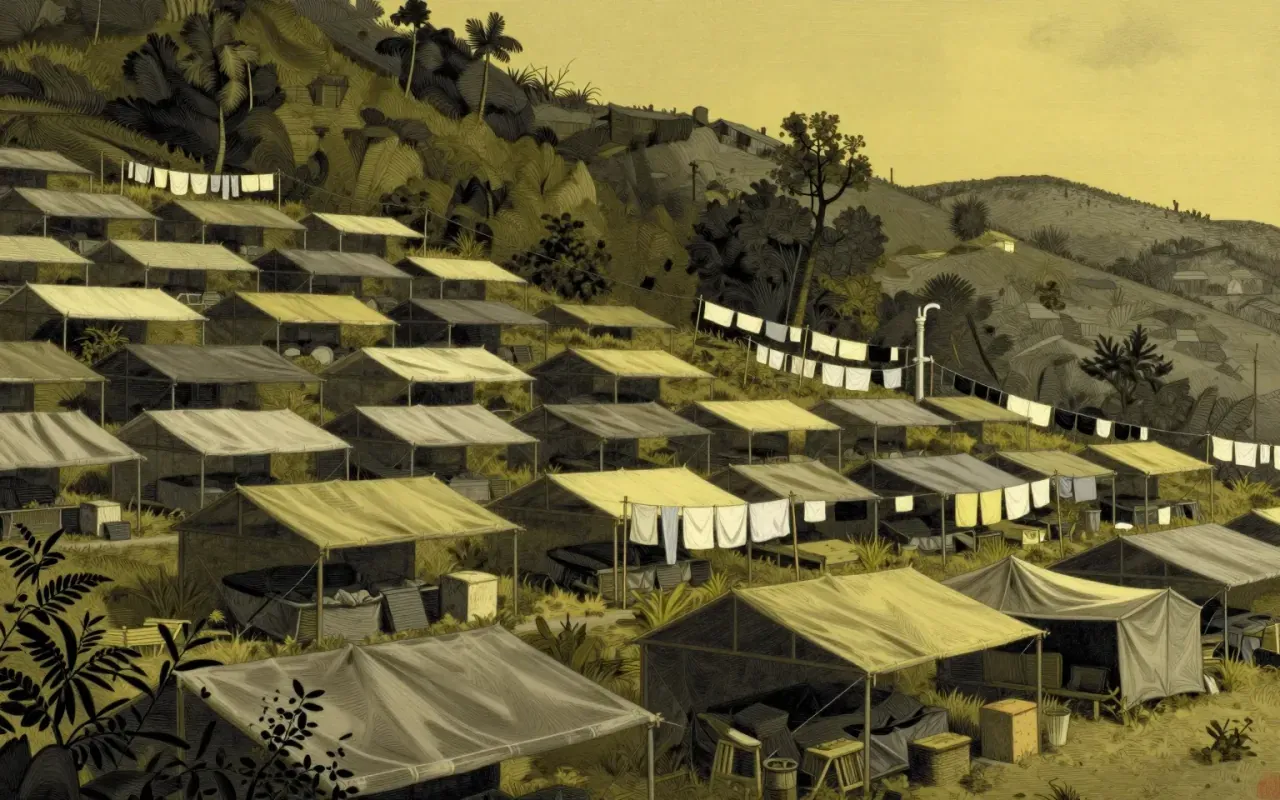
The magnitude 7.0 earthquake that struck near Port-au-Prince on 12 January 2010 lasted under thirty seconds but killed somewhere between roughly 46,000 and 316,000 people, with estimates varying so widely between the Haitian government, USAID, and independent researchers that no single figure commands full agreement. Haiti's near-total absence of building codes, its position as the poorest country in the Western Hemisphere, and a long history of debt and foreign intervention left its buildings unable to withstand the shaking. The international response eventually raised roughly 3.5 billion dollars, yet five years on, more than half a million survivors were still living in temporary shelters without electricity, plumbing, or sewage.
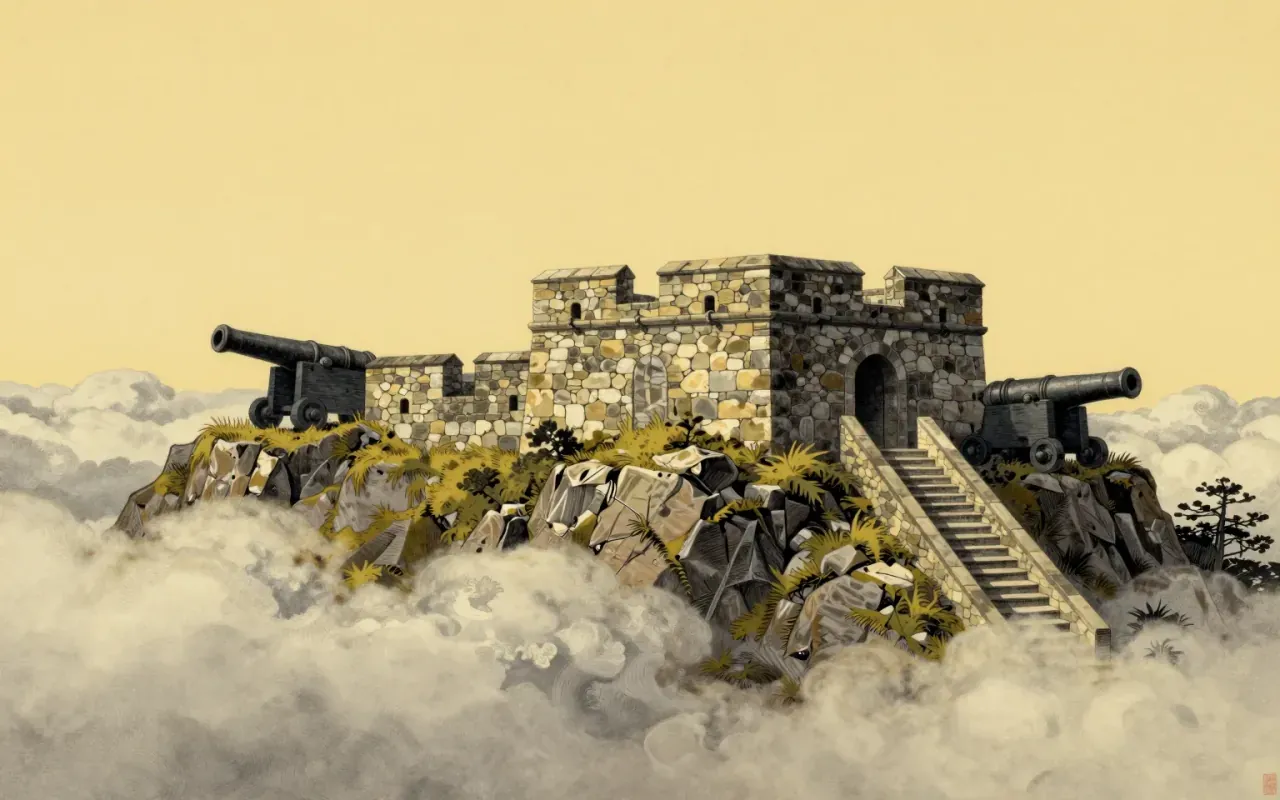
Beginning with a 1791 uprising among the roughly 450,000 enslaved people of the French colony of Saint-Domingue and continuing through wars against French, British and Spanish forces, the Haitian Revolution ended in January 1804 with the declaration of Haiti's independence, the only successful slave revolt in history to establish a sovereign state. Historian Michel-Rolph Trouillot has argued the revolution has been systematically overshadowed in mainstream history compared with the French Revolution it followed, despite its more direct and lasting consequences for the institution of slavery itself.
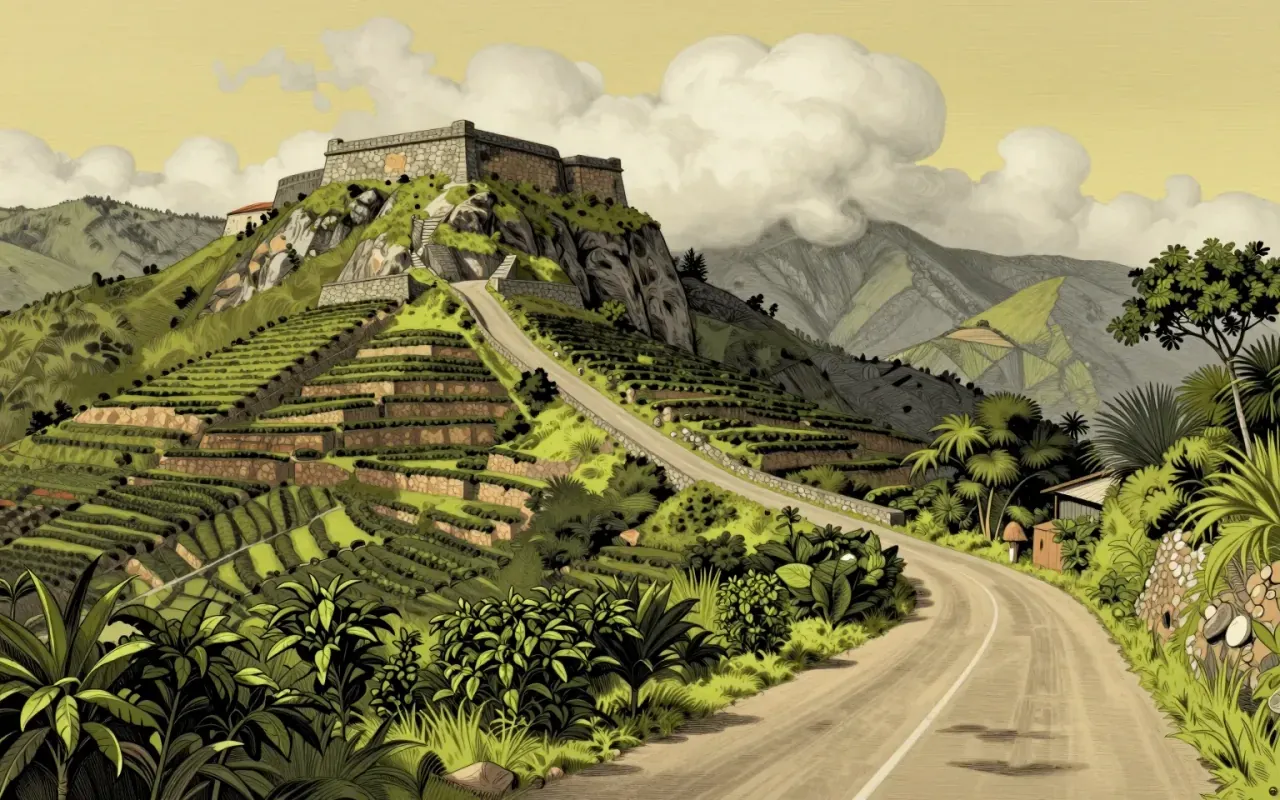
Toussaint Louverture, freed well before the Haitian Revolution began, rose from plantation overseer to the colony's commander and governor, negotiating with Spain, Britain, and revolutionary France in turn before his own 1801 constitution provoked Napoleon into sending an invasion force. Captured under a broken amnesty and imprisoned in France, he died in 1803, months before his former officers completed the revolution and declared Haiti's independence.
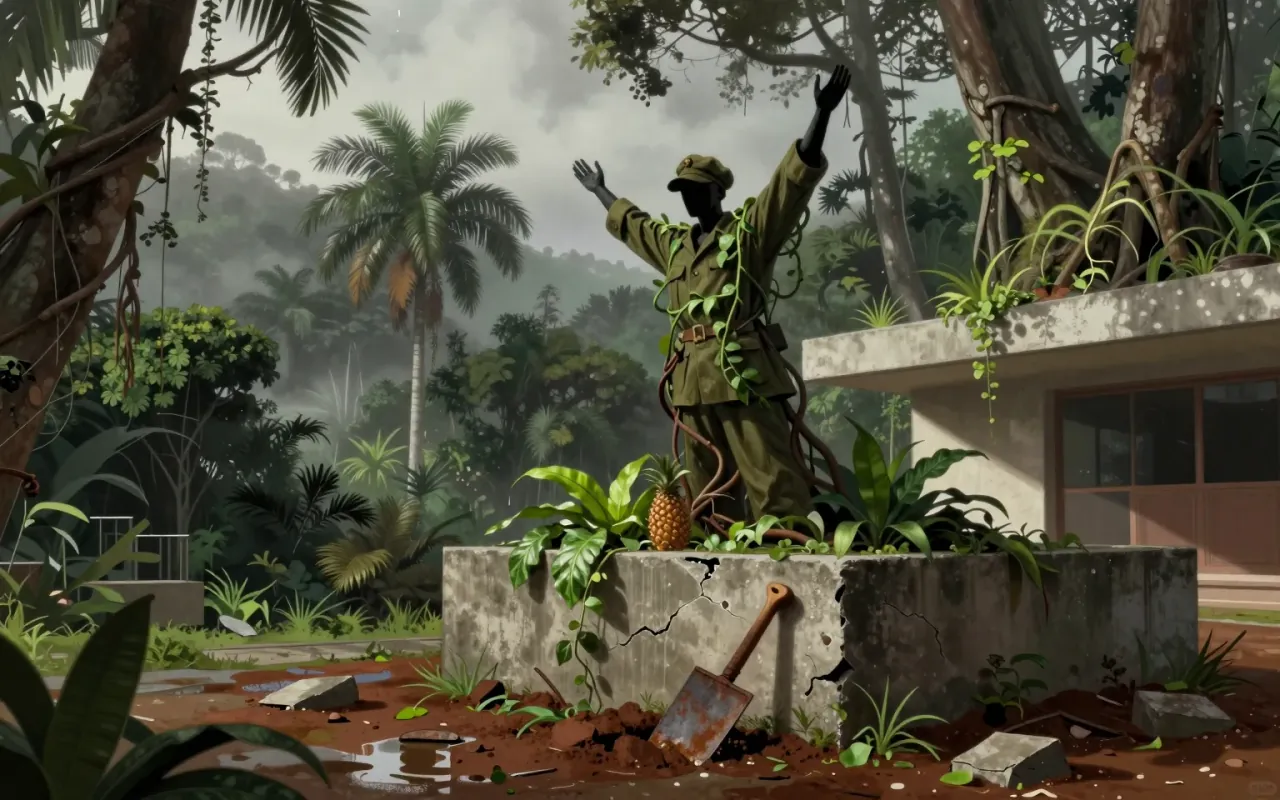
Far Cry 6 is a first-person shooter set on the fictional Caribbean island of Yara, where the player assumes the role of Dani Rojas, a guerrilla fighter attempting to topple the dictatorship of Antón Castillo.
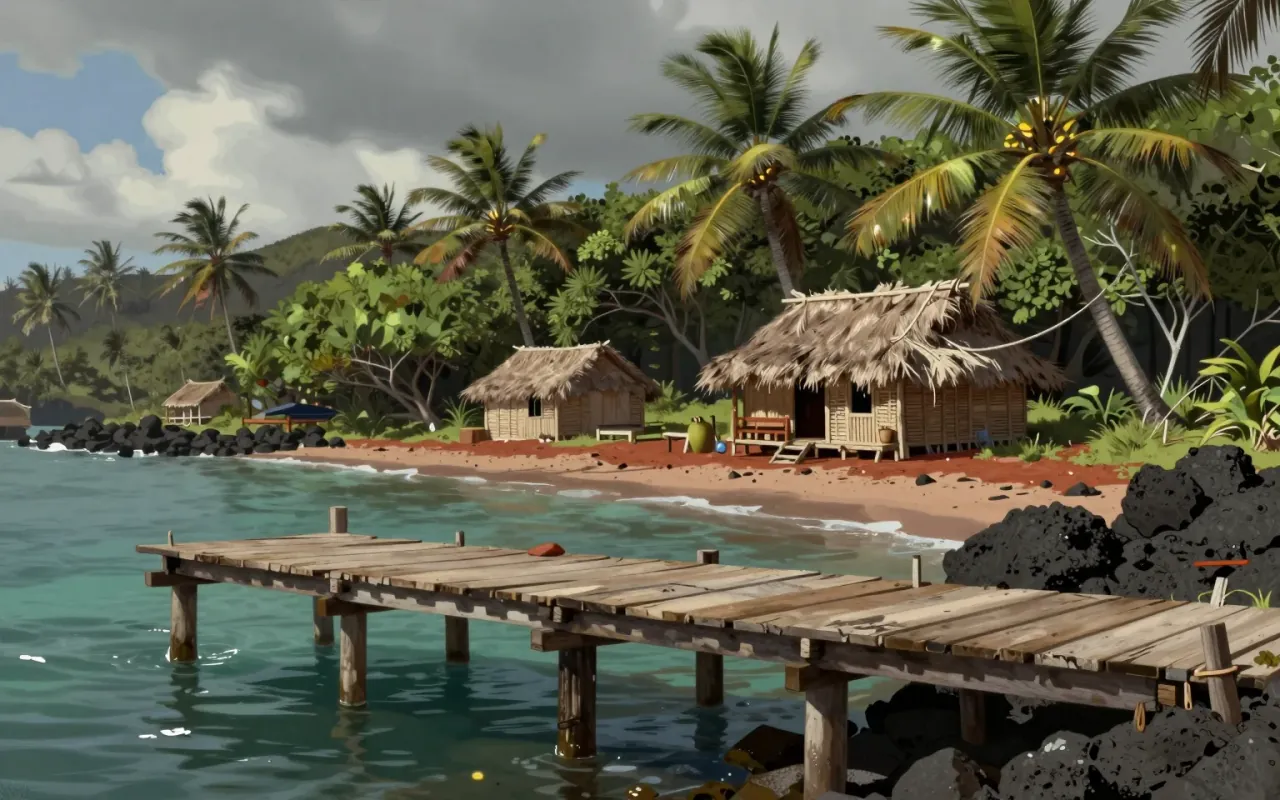
Escape from Monkey Island is the fourth Monkey Island game and LucasArts’ final original adventure title. It is a narrative-driven Caribbean island-hopping game built on dialogue, puzzle-solving, and novel input schemes.
A foundational point-and-click adventure that prioritised interface clarity and consequence-free exploration over challenge or realism.