briefs
Topic · across the network

India

A subcontinent of languages, faiths and arguments, none of which resolve neatly.

89
briefs
10
subjects
8:59
average
800 min
in total
Abstraction 407Absurdism 137Acoustics 220Acting 65Adaptation 372Addiction 95Adolescence 202Advertising 77Age of exploration 14Ageing 113Agriculture 100Algorithms 114Ambition 46Anarchism 38Ancient Egypt 17Ancient Greece 38Ancient Rome 30Animals 172Anthropology 23Apartheid 12Architecture 165Archives 32Argentina 10Art Deco 26Artificial intelligence 78Astronomy 81Attention 42Australia 32Automation 73Avant-garde 164Aviation 79Banking 72Banned works 40Bauhaus 12Beer 5Behavioural economics 22Berlin 16Big tech 6Biodiversity 136Biography 86Birds 41Black holes 20Blockchain 12Boxing 14Branding 77Brazil 43Bread 29Britain 131Brutalism 4Bubbles 3Buddhism 28Byzantium 10California 17Canada 18Capitalism 94Cars 468Celebrity 59Censorship 110Cheese 24Chefs 9Chemistry 104Chess 2Childhood 87China 109Chocolate 8Christianity 49Cinematography 343Cities 90Class 485Climate change 107Club culture 100Cocktails 2Coffee 11Cognitive bias 14Collecting 16Colonialism 284Colour 42Comedy 89Community 52Complexity 21Computing 309Consciousness 16Conservatism 14Conspiracy theories 8Cooking 178Corruption 38Cosmology 31Cover versions 64Craft 116Crate digging 42Creativity 8Crime 234Cryptocurrency 8Cryptography 24Cuba 10Cybersecurity 30Dada 12Debt 38Decision-making 28Decolonisation 46Deep time 80Democracy 45Denim 16Deserts 45Detroit 17Dinosaurs 12Directing 168Disasters 59Disease 109DJ culture 89Dreams 32Drones 5Drum machines 96Dystopia 69East Africa 28Ecology 337Economics 36Editing 72Education 92Egypt 12Electric vehicles 59Emotion 22Empire 92Endurance 49Energy 120Engineering 541Entropy 8Epidemics 13Equality 9Espionage 31Ethics 44Evolution 174Existentialism 106Expertise 2Exploration 49Extinction 23Failure 37Family 240Fandom 22Fascism 45Fashion 215Fast fashion 12Fear 34Feminism 122Fermentation 126Film music 81Fishing 12Folklore 71Food history 588Football 16Forests 31Forgery 7France 163Fraud 15Free will 13Freedom 16French literature 15Friendship 24Furniture 36Gambling 14Gender 63Generations 28Genetics 87Geology 96Germany 66Globalisation 74Gothic 32Greece 5Grief 126Habits 6Happiness 2Hardware 709Haute couture 22Headphones 8Hi-fi 12Hinduism 12Hoaxes 1Human history 23Human nature 41Identity 138Illustration 8Impressionism 6Improvisation 249India 89Indonesia 15Industrial design 342Inequality 13Inflation 4Information 34Infrastructure 280Insects 29Intelligence 8Interiors 31Internet culture 88Invention 329Iran 41Islam 40Islands 17Israel 9Italy 52Jamaica 10Japan 114Jewellery 5Journalism 34Judaism 13Justice 42Korea 41Language 70Law 90Leadership 20Learning 6Liberalism 1Libraries 6Literary criticism 26London 12Loneliness 61Los Angeles 62Lost works 9Love 67Luxury 55Machine learning 15Management 10Maps 5Marketing 21Markets 51Mars 6Marxism 26Masculinity 46Materials 138Mathematics 79Meaning 6Medicine 124Memory 82Mental health 70Mesopotamia 4Mexico 38Migration 95Minimalism 68Mining 30Misinformation 9Modernism 63Money 24Monopoly 32Mortality 61Motivation 2Mountains 16Museums 27Mysticism 11Mythology 60Nationalism 40Neuroscience 23New York 36Nigeria 7Nihilism 10Noise 31Nostalgia 33Nuclear 29Nutrition 17Oceans 48Oil 42Open source 45Painting 18Palaeontology 29Parenting 14Paris 18Partition 6Patents 71Patronage 14Perception 44Personal style 27Personality 2Persuasion 8Peru 10Philosophy 77Photography 37Physics 206Plants 26Platforms 89Podcasting 1Poetry 25Poland 17Policing 34Pop Art 16Populism 2Portraiture 6Portugal 18Postmodernism 23Power 91Prehistory 24Preservation 28Printmaking 21Privacy 11Probability 6Productivity 1Programming 54Prohibition 1Propaganda 35Protest 75Pseudoscience 17Psychology 80Publishing 22Punishment 16Quantum mechanics 44Race 145Radio 30Railways 35Rave 17Realism 47Record labels 19Recording 810Relativity 23Religion 154Resilience 15Restaurants 30Restoration 2Retail 94Revolution 58Risk 18Ritual 96Robotics 26Romance 96Russia 58Salt 9Sampling 246Satire 84Scandinavia 28Scientific method 186Screenwriting 26Sculpture 7Secularism 2Self-deception 14Semiconductors 73Sexuality 102Ships 18Silence 24Silicon Valley 17Slavery 35Sleep 2Smartphones 27Sneakers 15Social media 58Socialism 9Software 68Songwriting 180Sound design 332Sound systems 20South Africa 19South East Asia 30Space exploration 84Spain 18Special effects 41Spices 62Spirits 12Sport 82Startups 21Statistics 10Status 9Stoicism 4Storytelling 68Strategy 70Street food 99Streetwear 16Studio craft 508Subcultures 59Sugar 12Supply chains 115Surrealism 53Surveillance 21Sustainability 30Synthesis 232Tailoring 37Taxation 14Tea 24Textiles 97Thailand 11The American Revolution 19The American South 88The Arab world 41The Arctic 19The Balkans 17The Belle Epoque 13The body 29The brain 26The Caribbean 28The civil rights movement 62The Cold War 160The eighties 268The Enlightenment 29The financial crisis 19The First World War 39The food industry 157The French Revolution 9The Gilded Age 9The Great Depression 18The Holocaust 20The Industrial Revolution 93The internet 61The interwar years 135The Middle Ages 35The Moon 4The music business 169The Netherlands 10The nineties 26The Olympics 10The pandemic 13The Reformation 1The Renaissance 16The Russian Revolution 19The Second World War 102The seventies 58The sixties 28The space race 5The United States 19The universe 7The Victorian era 37Therapy 20Tokyo 11Trade 48Tragedy 22Translation 5Trauma 85Travel 5True crime 2Turkey 18Typography 54Uniforms 23Unions 8Urban planning 66Utilitarianism 1Utopia 5Vaccines 10Vegetarianism 15Venture capital 6Video games 291Vietnam 12Vintage 65Vinyl 6Virtual reality 11War 169Watches 4Water 11Weather 29West Africa 29Wilderness 10Wine 3Work 22Workwear 19Worldbuilding 121

music.briefs Music

All 3 in music →
10:10

The Sounds of India

Ravi Shankar · 1958

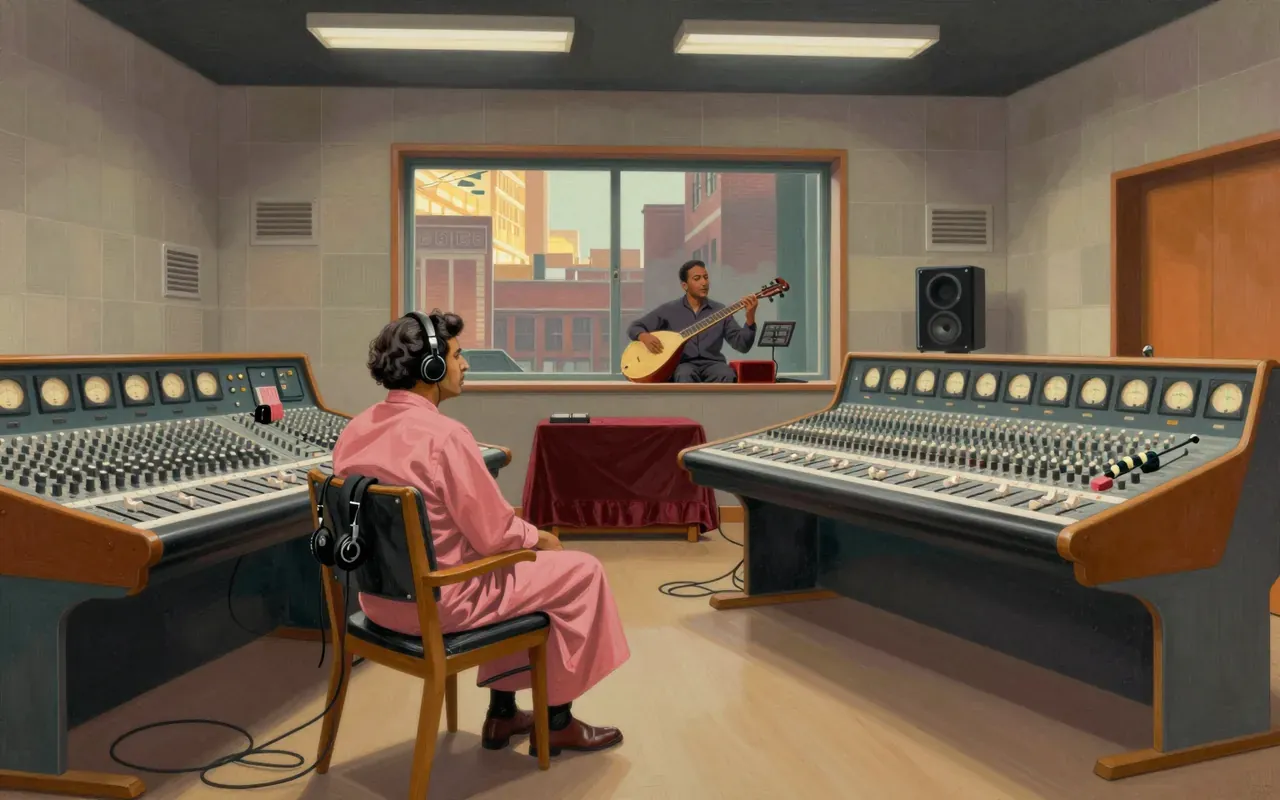
A pedagogical artefact, not a concert document. Recorded in New York in 1957, it uses spoken introductions and concise performances to frame Hindustani classical music for Western listeners. Its sound is defined by three acoustic instruments in a dry studio space: sitar, tabla, tambura. Nothing else enters the frame.

8:56

In Concert 1972

Ravi Shankar · 1973

A live document of mourning made structural. Three ragas, three times of day, two voices in dialogue, one drone holding them all.

8:59

Karma

Kamelot · 2001

Karma is Kamelot’s fifth studio album, released a few months after their mid-2000 New Allegiance Tour. It is one of fourteen studio albums the band released as of 2026. The album uses the Sanskrit concept of karma—action and its consequences—as a structural device, particularly in the three-part 'Elizabeth' suite. It features layered guitar harmonies, orchestral synth pads, and clean, high-register vocals. Drums are both programmed and live, with gated reverb on snares. Bass is present but recessed. Vocals are double-tracked and treated with plate reverb. The album does not incorporate Indian musical elements. It is worth hearing for fans of early-2000s European power metal who value narrative continuity over instrumental complexity.

film.briefs Film

All 16 in film →
13:00

All We Imagine as Light

Payal Kapadia · 2024

Payal Kapadia’s 2024 drama follows three women — nurses Prabha and Anu, and cook Parvaty — as they move between Mumbai’s chawls and Ratnagiri’s coast. Shot with restrained naturalism by Ranabir Das and edited with unhurried precision by Clément Pinteaux, it builds emotional resonance through duration, texture, and unspoken connection rather than plot. Premiering at Cannes, where it won the Grand Prix, it is a study in care, displacement, and the quiet dignity of ordinary endurance.

13:00

Monsoon Wedding

Mira Nair · 2001

Set over four days in Delhi, Monsoon Wedding follows the Verma family as they prepare for their daughter Aditi’s arranged marriage. Amidst the chaos of planning, buried tensions surface — financial strain, generational rifts, unspoken abuse, and quiet acts of love. Directed by Mira Nair and written by Sabrina Dhawan, the film balances Bollywood energy with arthouse restraint, using ensemble storytelling, naturalistic performances, and layered sound design to explore how family, tradition, and healing operate in real time.
13:00

Phantom India

Louis Malle · 1969

Louis Malle’s 1969 seven-part documentary Phantom India is a 378-minute observational record of India, filmed over four months in 1968 with a crew of two. Shot in French, it avoids narration, explanation, or advocacy, relying instead on long takes, ambient sound, and unmediated presence. Though praised as Malle’s most personal work, it drew criticism from the Indian government and diaspora for its focus on poverty and ritual at the expense of modernity and agency. Its endurance lies not in completeness but in its unwavering, ambiguous attention.
13:00

Salaam Bombay!

Mira Nair · 1988

Mira Nair’s 1988 debut follows Krishna, a runaway boy who lands in Bombay’s Falkland Road slums and red-light district. Played by non-professional street children, the film renders their daily survival—tea-stall work, drug-running, petty theft—with documentary rigour and fictional discipline. Shot on location, edited for duration over pace, and scored sparingly by L. Subramaniam, it refuses uplift or explanation. Its power lies in accumulation, not climax; its ethics in restraint, not advocacy.

13:00

The Darjeeling Limited

Wes Anderson · 2007

Three estranged brothers travel across Rajasthan aboard a luxury train one year after their father’s death, attempting a spiritual journey that unravels into confrontation, failure, and quiet reconnection. Directed by Wes Anderson and shot by Robert Yeoman, the film employs symmetrical framing, a muted palette, and carefully curated music to explore inherited mourning, cultural distance, and the slow dissolution of control. It premiered at Venice in 2007, grossed $35.3m on a $17.5m budget, and received generally favourable reviews.

13:00

Apur Sansar

Satyajit Ray · 1959

Satyajit Ray’s 1959 Apur Sansar concludes the Apu Trilogy with quiet rigour: Soumitra Chatterjee’s debut as the adult Apu traces a path from drifting graduate to bereft father to tentative parent, shaped by Subrata Mitra’s restrained cinematography and Ravi Shankar’s sparse score. Adapted from Bibhutibhushan Bandopadhyay’s novel, it finds emotional gravity in understatement — in shared meals, unspoken decisions, and the slow reassembly of a life after loss.

13:00

Rang De Basanti

Rakeysh Omprakash Mehra · 2006

Rang De Basanti (2006) follows five Delhi students drawn into a British filmmaker’s documentary about 1920s Indian revolutionaries. As they rehearse acts of defiance, real-world corruption forces them to confront their own passivity. Directed by Rakeysh Omprakash Mehra, with cinematography by Binod Pradhan and music by A. R. Rahman, it blends contemporary realism with historical re-enactment to ask what civic courage costs today. Though its climax strains credibility, its emotional logic and ensemble performances sustain its 157-minute runtime.

13:00

Bombay

Mani Ratnam · 1995

Mani Ratnam’s 1995 Tamil drama Bombay follows a Hindu journalist and a Muslim schoolteacher who marry, raise twin sons, and build a life in Bombay — until the 1992–93 communal riots tear their world apart. Shot by Rajiv Menon and scored by A. R. Rahman, it anchors large-scale tragedy in small, tactile details: shared meals, childhood routines, the weight of names. Though criticised for narrative simplifications and political abstraction, its enduring power lies in its unwavering focus on love as labour, harmony as habit, and survival as quiet persistence.

history.briefs History

All 14 in history →
13:00

Akbar

1542–1605

Akbar ruled the Mughal Empire from 1556 to 1605, expanding its territory from Bengal to Kabul and Kashmir through campaigns that included the four-month siege of Chittorgarh in 1567 and 1568, while building an administrative system of ranked military-civil officers and a revenue system based on a ten-year average of production. He abolished the tax on non-Muslims, married into Rajput noble families on terms that preserved the women's status, and promoted a syncretic court faith drawing on Islam, Hinduism and other traditions, a record known largely through the court chronicle of his minister Abul Fazl, which modern historians read with considerably more scepticism than it was originally intended to invite.

13:00

Al-Biruni

973–1048

Al-Biruni, born in 973 in Khwarazm and dead in 1048 in Ghazni, catalogued 103 of his own works by the age of sixty-five, spanning astronomy, geodesy, pharmacology and history, and produced in around 1030 a study of Indian civilization based on learning Sanskrit and consulting Hindu texts directly. He calculated Earth's radius to within about two percent of its true value using mountain-height trigonometry, and worked much of his career under Mahmud of Ghazni, whose conquest of al-Biruni's home region and subsequent invasions of India brought the scholar to the court that funded his most celebrated research.

13:00

Ashoka

304–232 BC

Ashoka took the Mauryan throne in the third century BC and conquered the kingdom of Kalinga at enormous human cost before turning, over subsequent years, toward an ethical code he called dhamma and eventually Buddhism. His own edicts are the only contemporary evidence for his reign; the dramatic stories of fratricide and conversion come from Buddhist chronicles composed centuries afterward, and the two surviving legendary traditions disagree with each other. His empire declined quickly after his death, and he was largely forgotten until nineteenth-century decipherment restored him to history.

13:00

Jawaharlal Nehru

1889–1964

Educated in England and imprisoned repeatedly across a quarter century of resistance to British rule, Jawaharlal Nehru became independent India's first prime minister in 1947 and led it for seventeen years. He built a lasting parliamentary democracy, secular constitution and non-aligned foreign policy across a vast, diverse country, while decisions on Kashmir, economic planning and defence readiness against China remain sharply contested. His own prolific writing, combined with colonial records and party archives, makes him unusually well documented for a leader of his era.

13:00

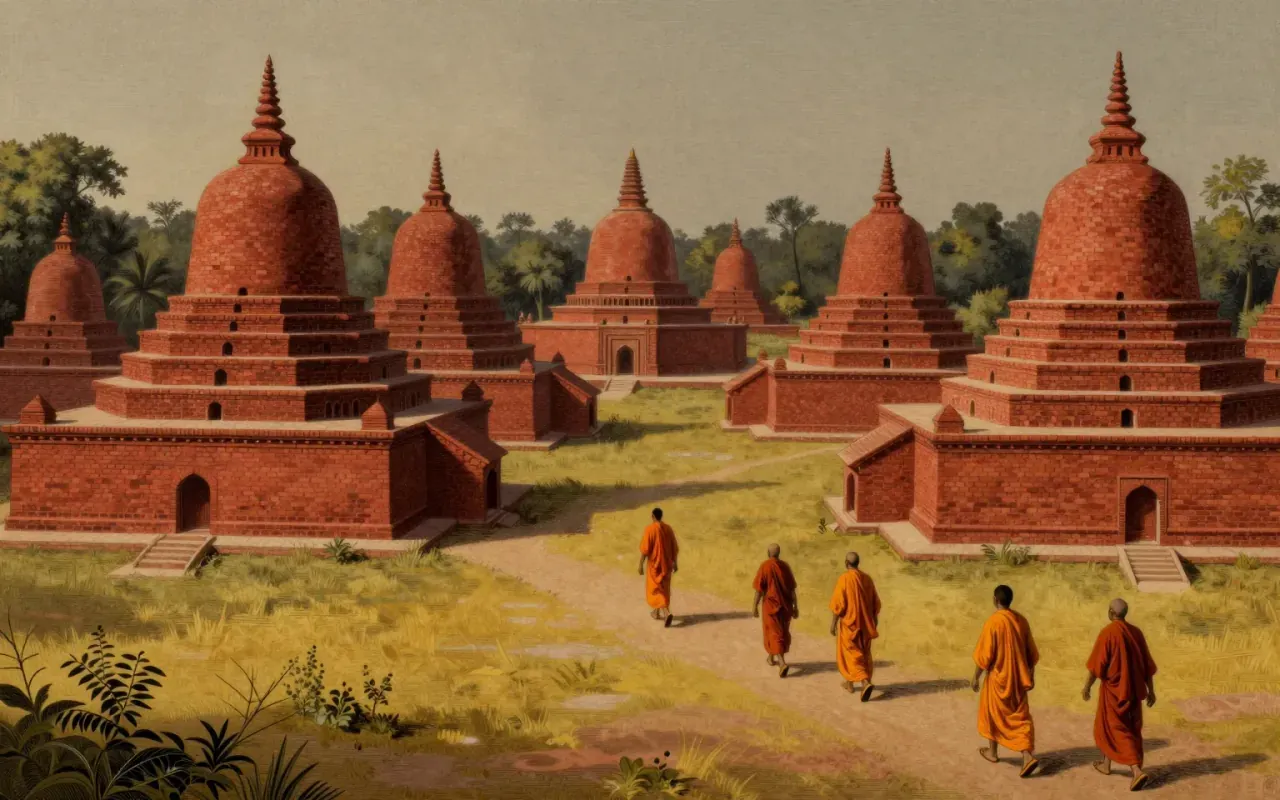
Nalanda mahavihara

Founded c. 427

Nalanda, founded around 427 under the Gupta emperor Kumaragupta I, grew into a major Buddhist centre of learning that at its height supported over 1,500 faculty on revenue from a hundred villages, according to the Chinese pilgrim Xuanzang, who studied there for roughly two years from 637 and later left an account mixing careful observation with unverifiable legend. The institution was burned by Muhammad Bakhtiyar Khalji's forces around 1200, though it did not vanish immediately, with reduced scholarly activity continuing for some decades and its traditions carried onward into Tibetan Buddhism through fleeing monks.

13:00

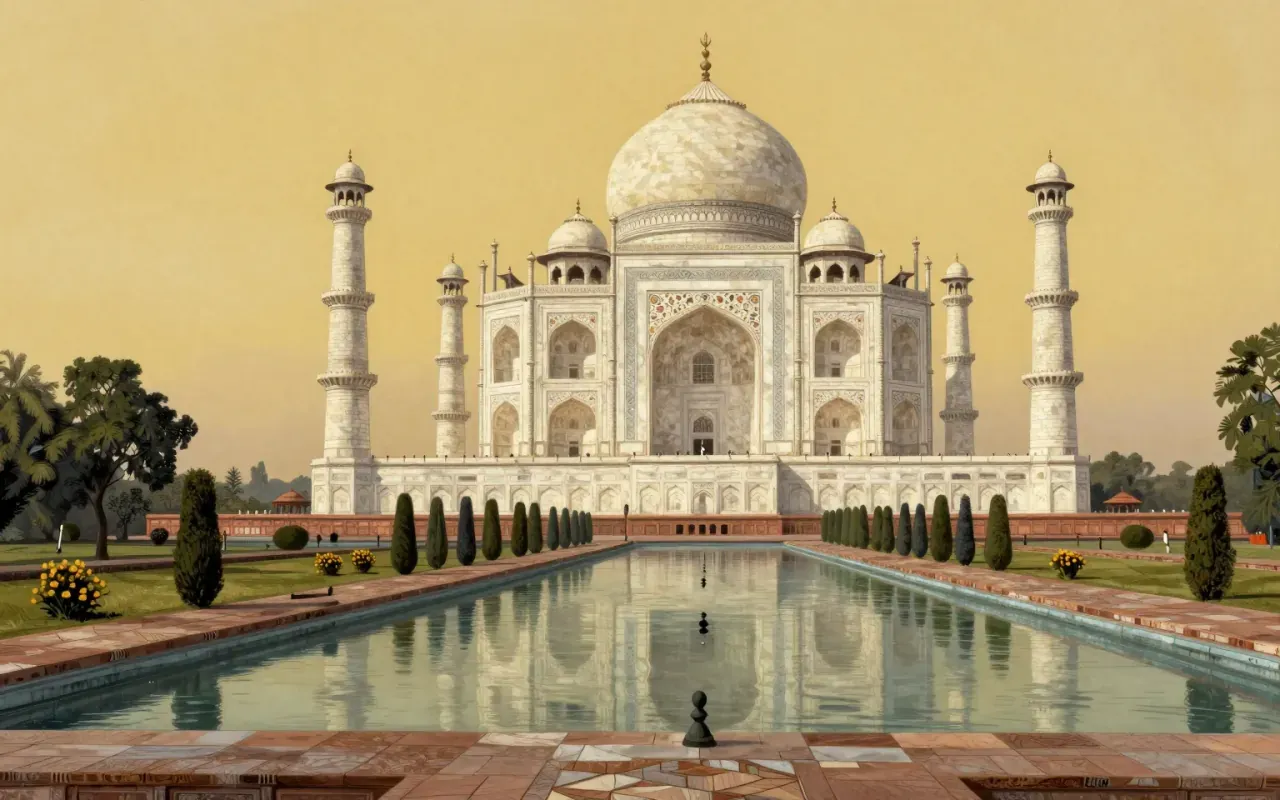
Nur Jahan

1577–1645

Nur Jahan, born Mehr-un-Nissa in 1577, became Emperor Jahangir's twentieth and last legal wife in 1611 and, through his dependence on opium and alcohol, accumulated genuine political authority, holding the imperial seal, minting silver rupees in her own name at Patna, and once leading troops on an elephant to rescue her captured husband in 1626. Her power collapsed after Jahangir's death in 1627, when her brother Asaf Khan backed her stepson Shah Jahan in the succession struggle, and she spent her remaining years under a comfortable but constrained house arrest in Lahore until her death in 1645.

13:00

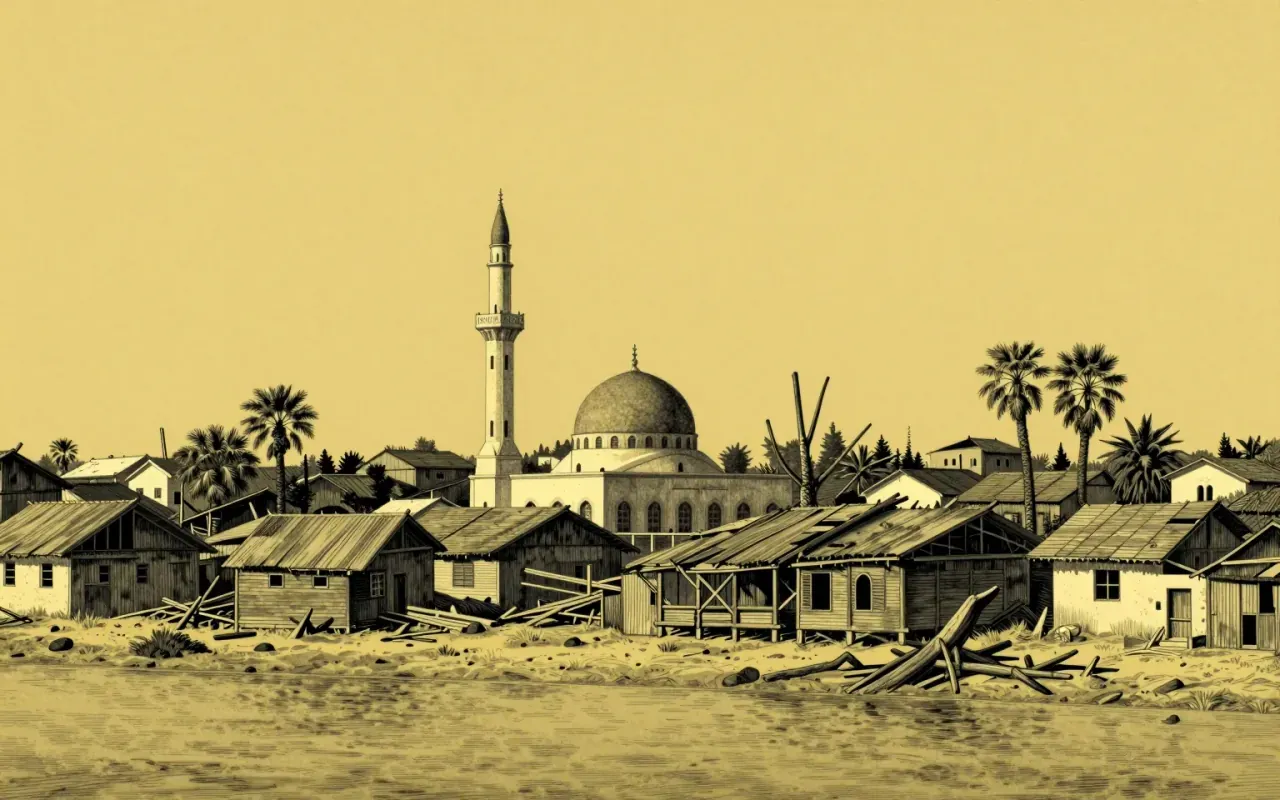
2004 Indian Ocean earthquake and tsunami

26 December 2004

The magnitude 9.2 to 9.3 earthquake off Sumatra on 26 December 2004 ruptured roughly 1,600 kilometres of fault and sent tsunami waves as high as fifty-one metres near Banda Aceh across fourteen countries, killing an estimated 227,898 people in the deadliest tsunami on record. No tsunami warning system existed in the Indian Ocean at the time, since major tsunamis there had been rare since Krakatoa in 1883, so most victims had no warning despite gaps of fifteen minutes to seven hours between the quake and the waves reaching different shores. The response eventually raised over ten billion dollars, though aid officials at the time criticised both slow-moving pledges from wealthy governments and, separately, misdirected donations that left affected countries with unneeded supplies rather than what they actually required.

13:00

April 2015 Nepal earthquake

2015

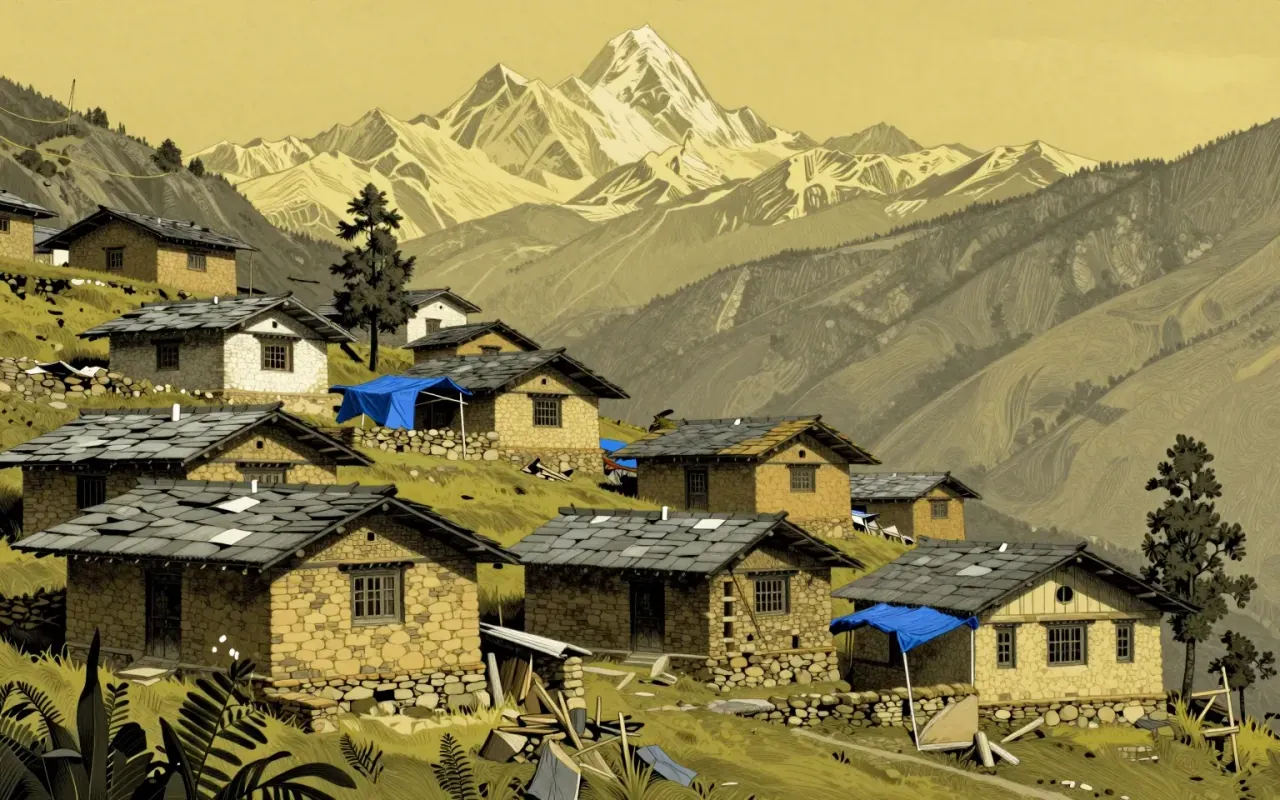
The magnitude 7.8 to 7.9 earthquake that struck central Nepal on 25 April 2015 killed 8,962 people across four countries, most of them in Nepal, and left about 3.5 million people homeless. It toppled the nineteenth-century Dharahara tower and damaged or destroyed more than thirty monuments across the Kathmandu Valley's historic squares, triggered an avalanche on Mount Everest that killed at least nineteen climbers, the deadliest single incident on the mountain's record, and buried the village of Langtang under a slide two to three kilometres wide. Geophysicists had warned for years that the Central Himalayan Gap, unruptured since 1505, held enough accumulated energy for a major quake, and the roughly ten billion dollars in damage this one caused amounted to about half of Nepal's annual economic output.

science.briefs Science

All 1 in science →
11:00

Bhāskara II

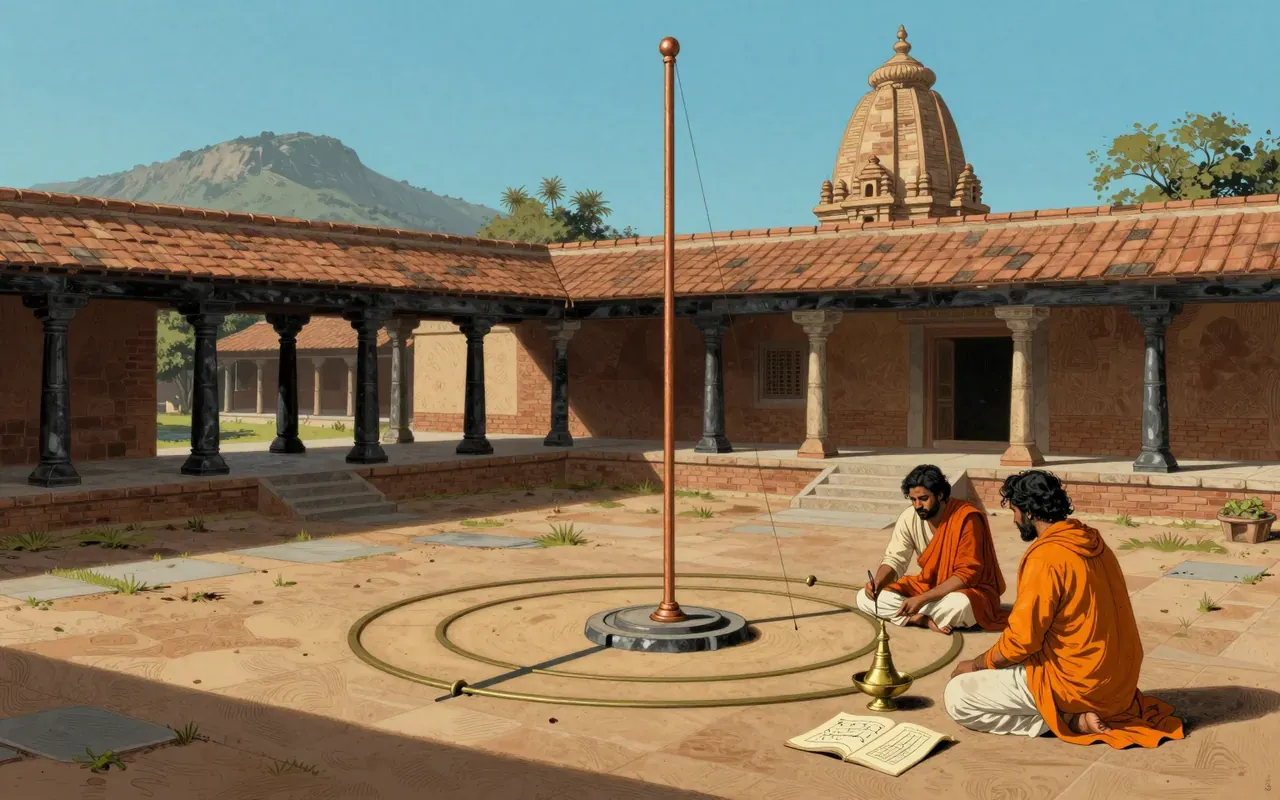
Bhāskara II didn’t invent calculus — but he derived its central insight while calculating planetary motion in Ujjain.

design.briefs Design

All 1 in design →
8:59

Charles Correa

Correa’s architecture refuses imported aesthetics — but builds no system for replicating its cultural logic.

business.briefs Business

All 21 in business →
9:48

Tata Consultancy Services

TCS didn’t ride the dotcom boom—it predated it, built infrastructure for banks and Swiss trading systems, and scaled on process, not pitch decks.
10:33

Biocon

Kiran Mazumdar-Shaw · 1978

Biocon is a rare case of a biotech company built without VC, without US incorporation, and without founder exit—its growth was constrained and enabled by Indian law, not Silicon Valley logic.

10:58

Godrej & Boyce

Ardeshir Godrej · 1897

Godrej & Boyce is not a story of disruption but of continuity — sustained by refusing to outsource precision, testing claims in fire, and anchoring engineering to national need. Its business model has never been about scaling a single product, but about retaining sovereign capability across generations.

10:52

Bombay Stock Exchange

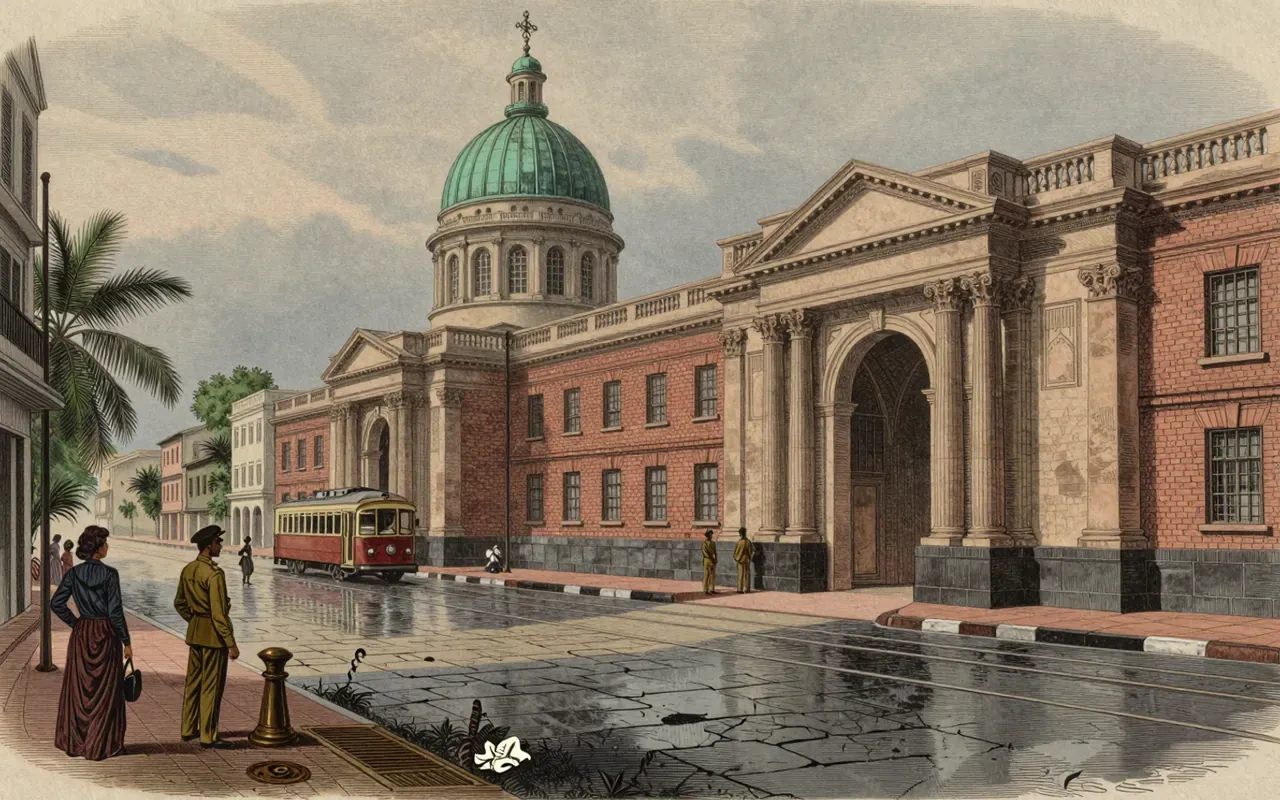
Asia’s oldest stock exchange survives not by outcompeting, but by outlasting — and outsourcing innovation to subsidiaries.
10:03

Cipla

Cipla built scale before science—and still runs on that engine.
9:44

Dr. Reddy's Laboratories

K. Anji Reddy · 1984

Dr. Reddy's Laboratories is a business case in disciplined vertical progression: API → branded formulation → export credential → finished product. Its early wins were tactical, not structural. No data on scale, margins, or longevity is provided — only sequence, timing, and pricing intent.

12:56

GAIL

GAIL isn’t building energy markets — it’s building the state’s physical authority over gas, one pipeline at a time.
8:50

Hindalco Industries

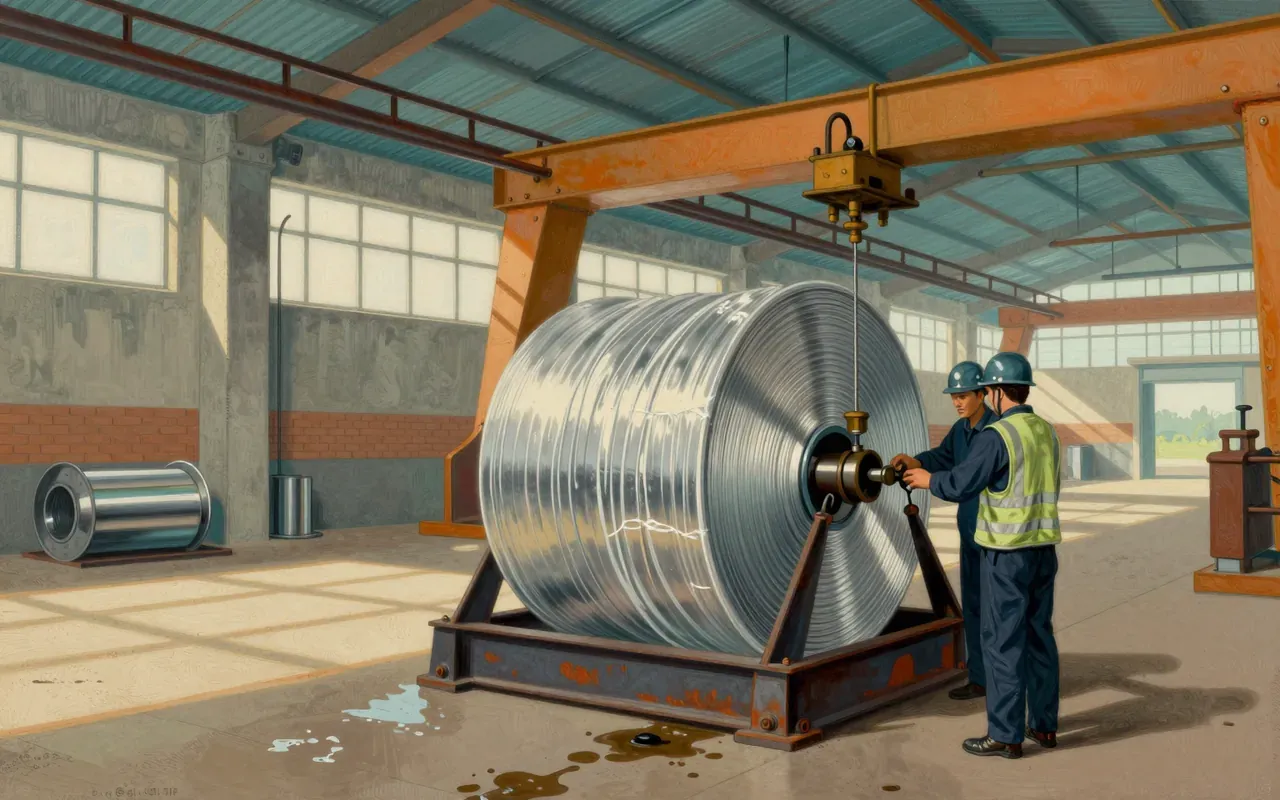
Hindalco didn’t build global scale — it bought it, for $6 billion, and renamed itself the world’s largest rolled-aluminium producer.

culture.briefs Culture

All 2 in culture →
7:54

Chana masala

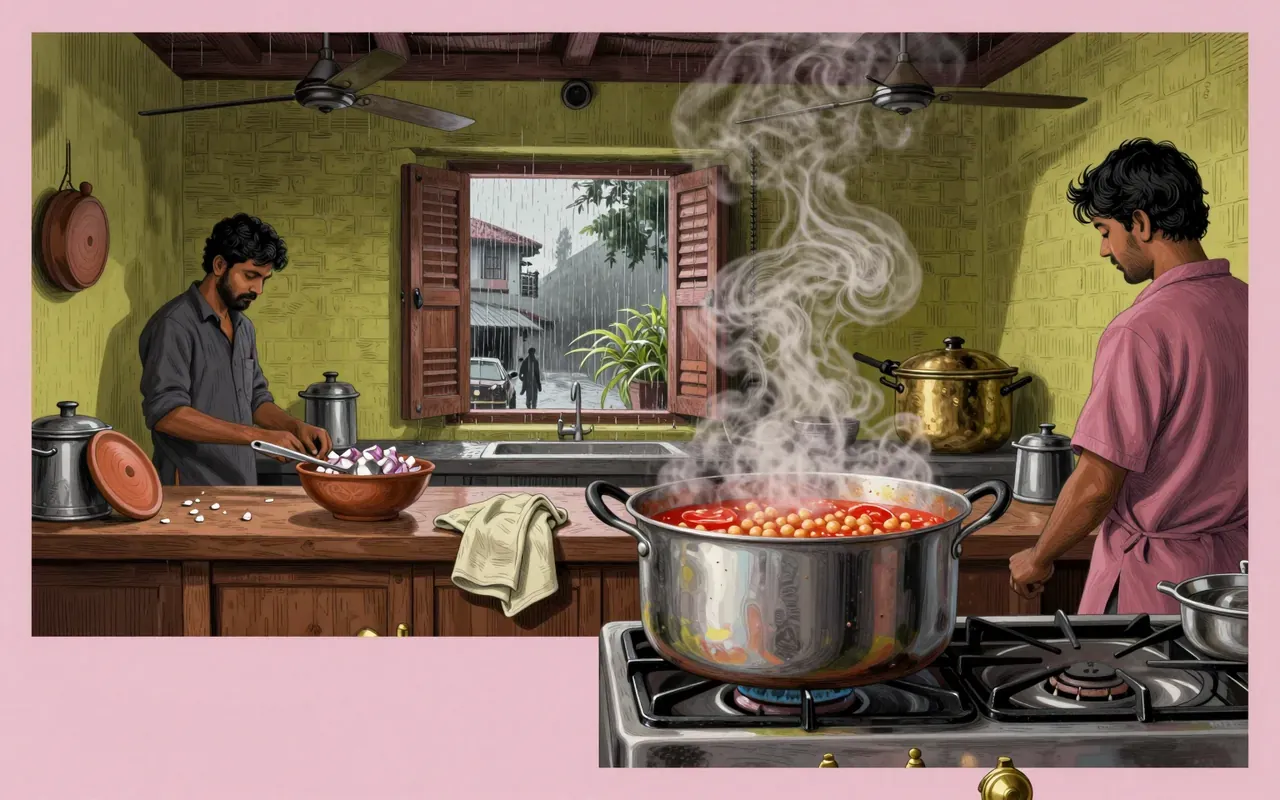
Chana masala is not fusion food — it is infrastructure for feeding people well, one soaked chickpea at a time.
9:07

Hedonism

Hedonism is not about indulgence—it’s the original reductionist theory of human nature, and it fails where people are most complex.

automotive.briefs Automotive

All 3 in automotive →
10:52

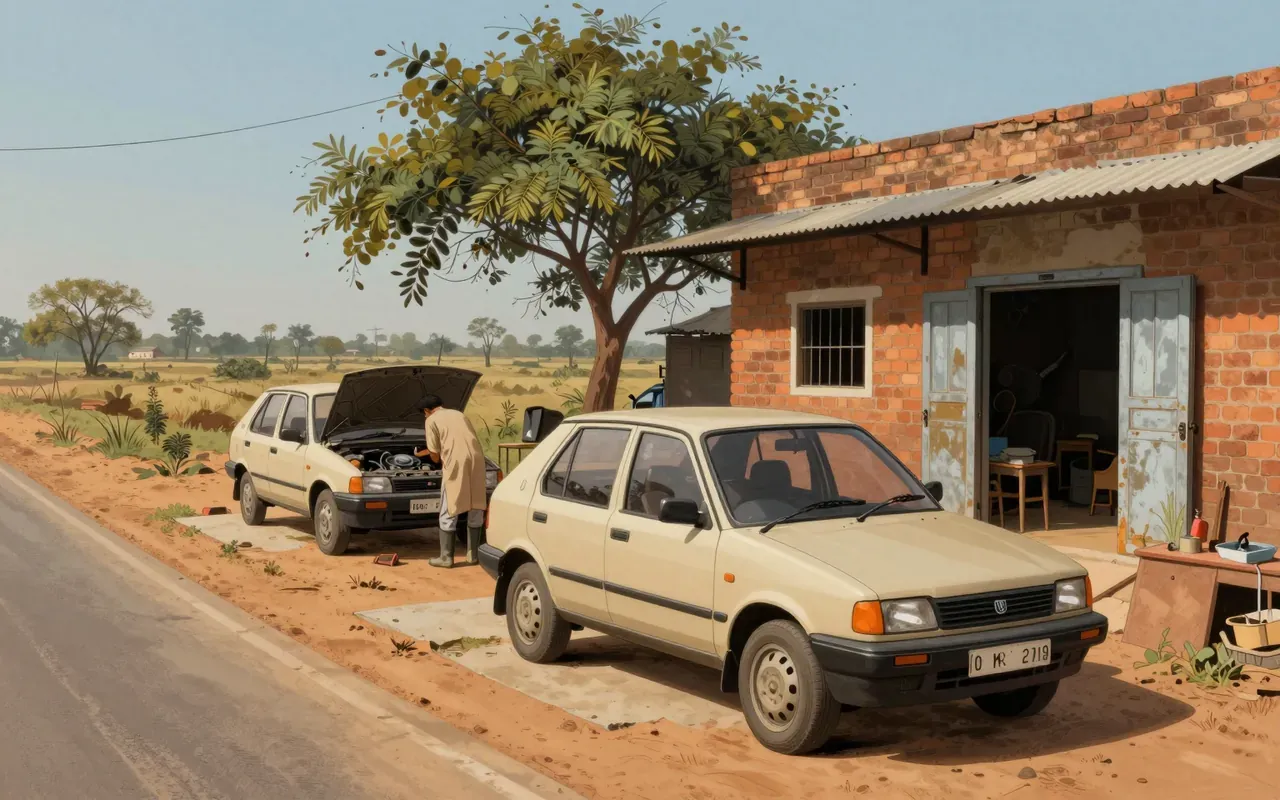
Hindustan Ambassador

Morris · 1957

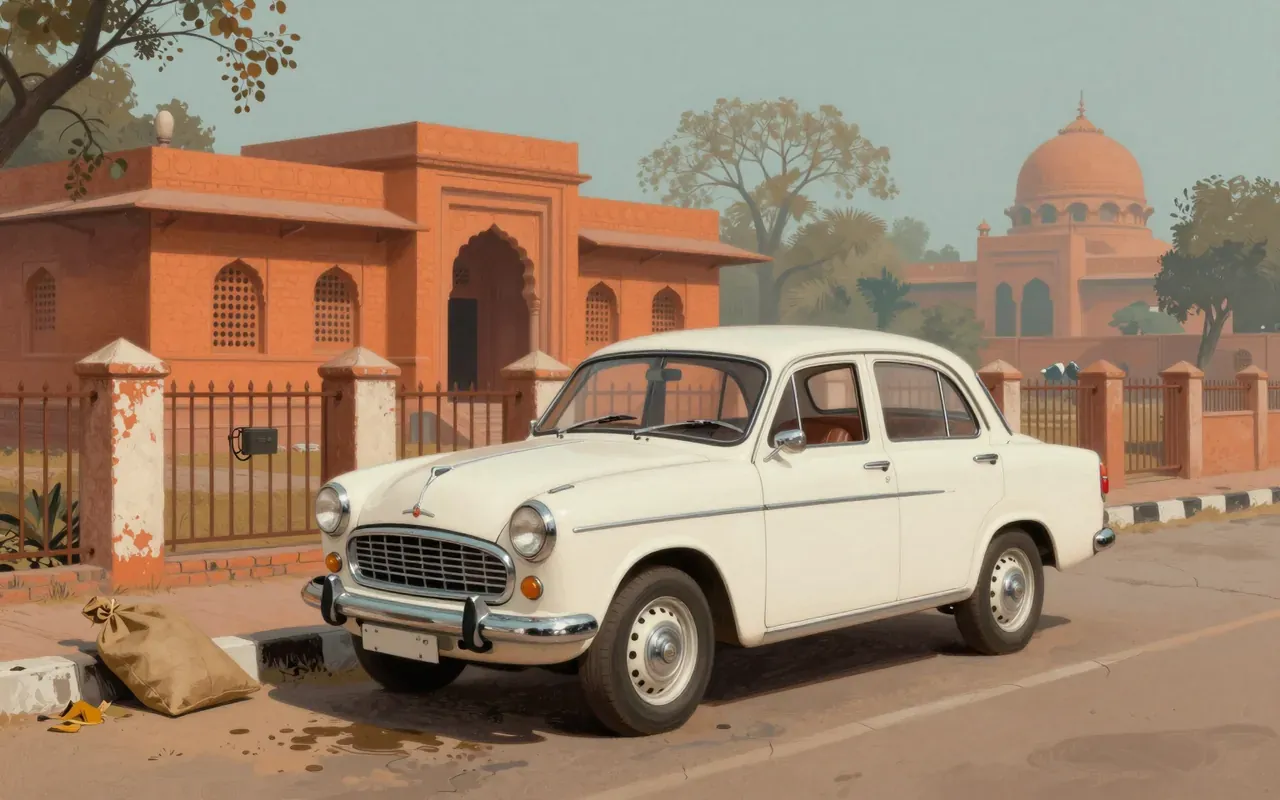
The Hindustan Ambassador is a saloon built in India from 1957 to 2014, based directly on the Morris Oxford Series III. It used a fully enclosed monocoque chassis and remained almost unchanged across its entire production run. It was not designed in India, nor did it evolve with changing global standards—but it endured as a functional, spatially generous, mechanically simple vehicle embedded in India’s administrative and transport systems.

8:30

Mahindra Thar

Mahindra · 2010

The Mahindra Thar is a compact SUV launched in India on October 4, 2010. It replaces the MM540 and Major. It is named after the Thar Desert. Its design traces directly to the Jeep CJ series, which Mahindra had built under licence since the 1940s.

12:25

Tata Indica

I.DE.A Institute · 1998

The Tata Indica (1998) is a B-segment five-door compact hatchback, India’s first diesel hatchback and Tata’s first passenger hatchback. Styled by I.DE.A Institute, it used an indigenous 1.4-L petrol/diesel inline-four engine. Early buyers reported discrepancies between promised and delivered horsepower and mileage. Production ran from 1998 to 2018.

food.briefs Food

All 26 in food →
9:42

Goat curry

Goat curry isn’t comfort food—it’s covenant food, sealed with sacrifice and served at thresholds.
12:20

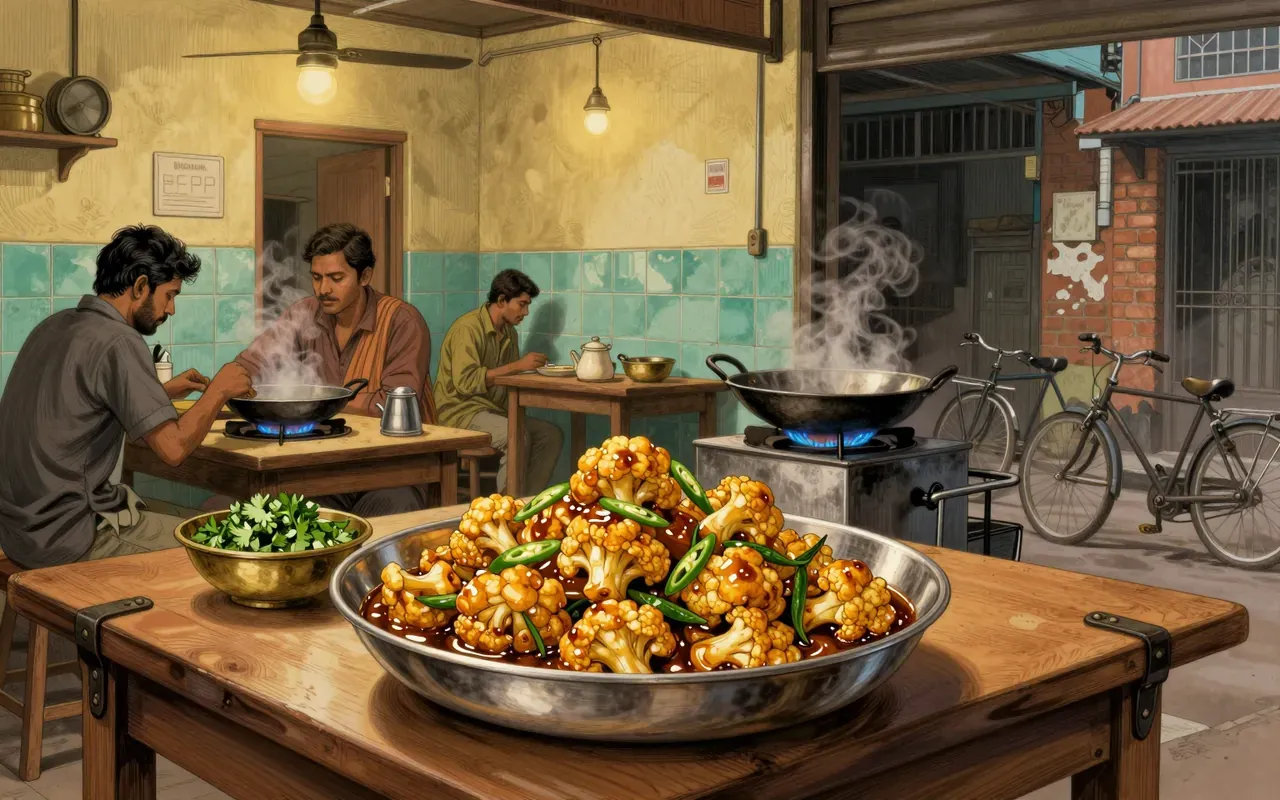
Manchurian (dish)

A Mumbai invention that swapped garam masala for soy sauce—and changed Indian-Chinese food forever.
8:22

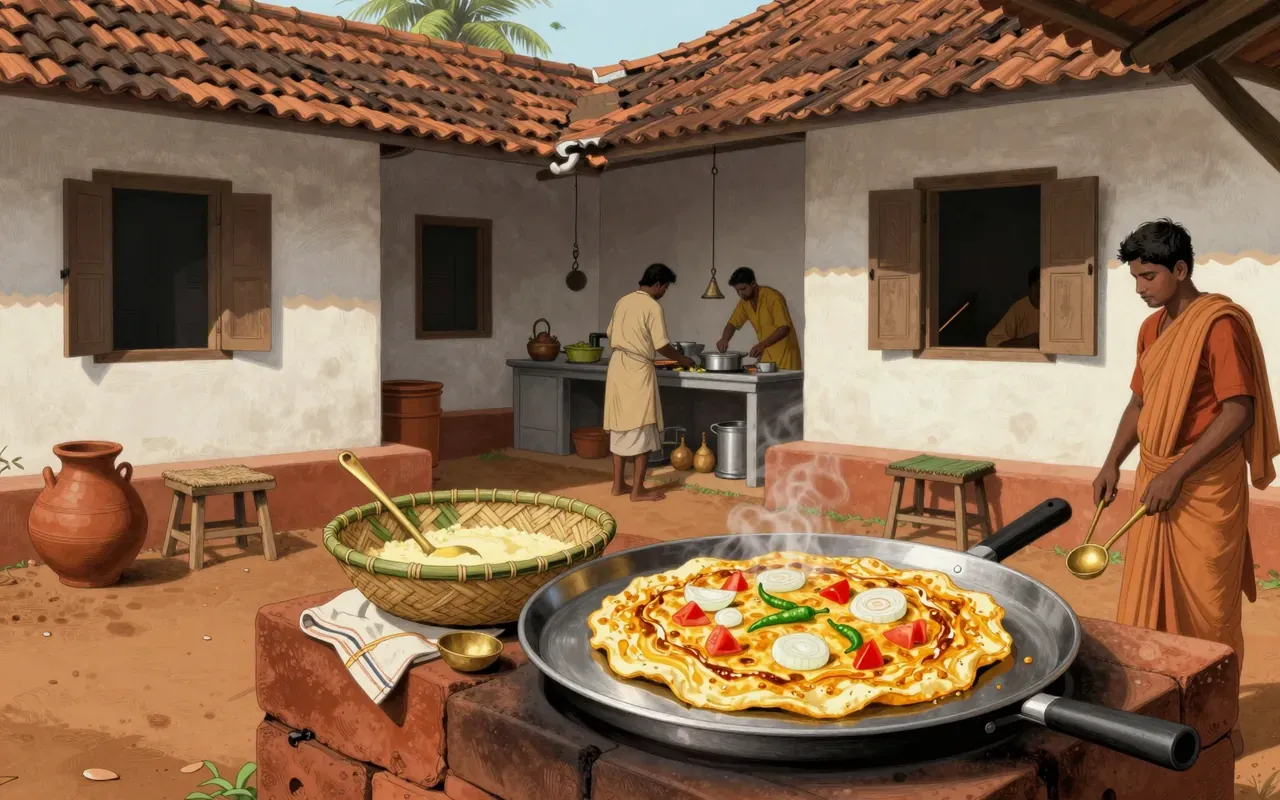
Uttapam

Uttapam isn’t a dosa with extras—it’s a deliberate downgrade in crispness to upgrade everything else.
0:59

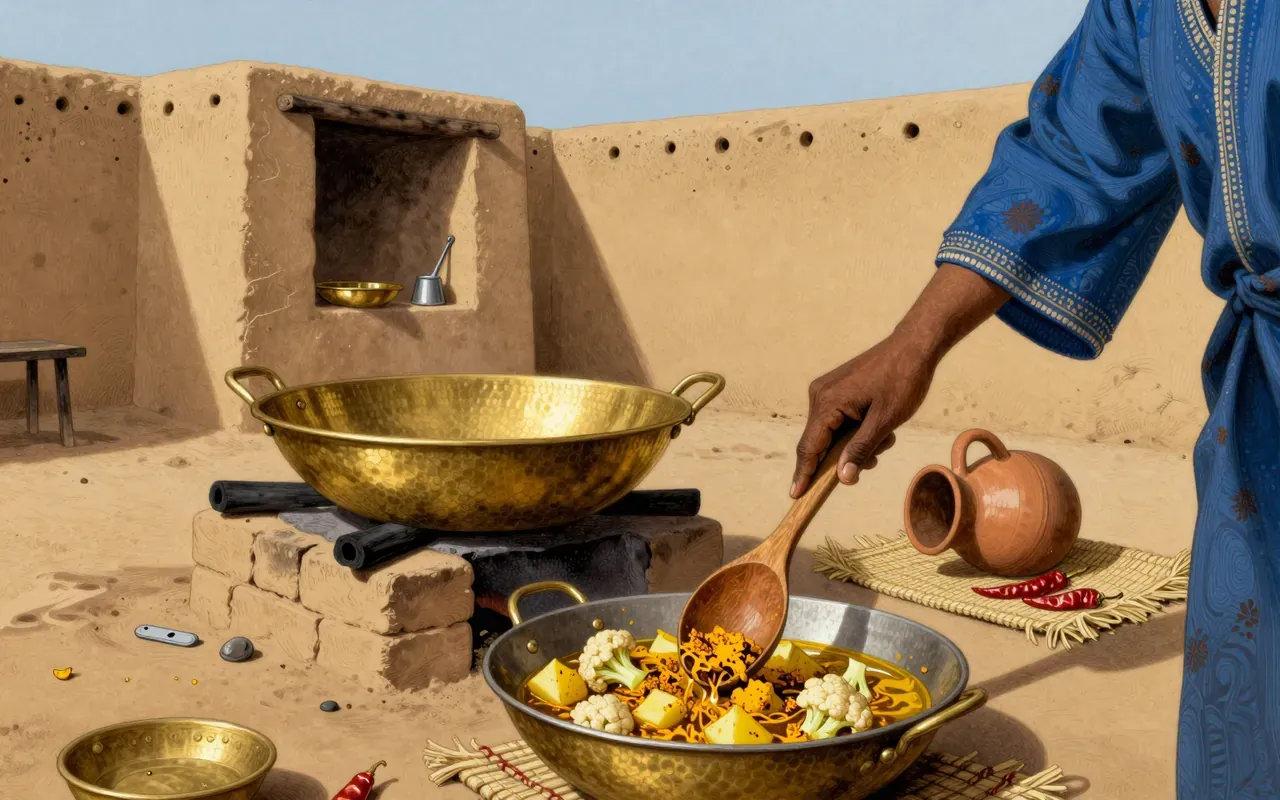
Aloo gobhi

Aloo Gobi is a vegetarian dish from the Indian subcontinent made with potatoes, cauliflower, and Indian spices.
1:09

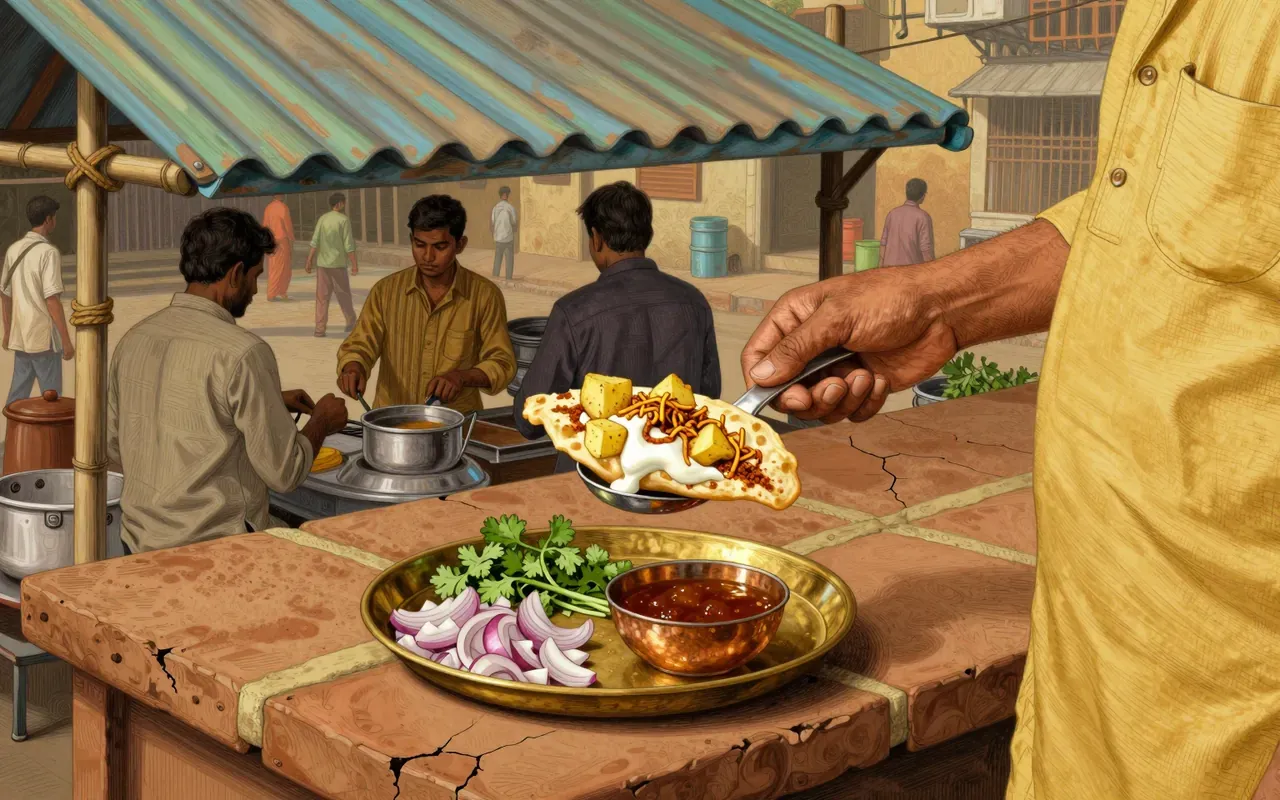
Bhel puri

A Mumbai-born street snack of layered puffed rice, puris, sev, potato, onion, and two chutneys.
1:34

Biryani

A layered, slow-cooked rice dish with meat, seafood, or vegetables and spices, rooted in Mughal-era India and Persian culinary tradition.
1:09

Chaat

A family of Indian fried-dough snacks, typically served as hors d'oeuvres or street food across South Asia.
0:57

Chana masala

A chickpea curry in tomato sauce, seasoned with onions, garlic, ginger, chilies, and spices like amchoor and garam masala.

fashion.briefs Fashion

All 2 in fashion →
9:16

Seersucker

A fabric that refuses to be pressed—and wins by staying puckered.
9:16

Sari

The sari isn’t tradition—it’s deep-time infrastructure for the body.