briefs
Topic · across the network

Improvisation

Composing in public, without a net.

249
briefs
5
subjects
10:18
average
2565 min
in total
Abstraction 407Absurdism 137Acoustics 220Acting 65Adaptation 372Addiction 95Adolescence 202Advertising 77Age of exploration 14Ageing 113Agriculture 100Algorithms 114Ambition 46Anarchism 38Ancient Egypt 17Ancient Greece 38Ancient Rome 30Animals 172Anthropology 23Apartheid 12Architecture 165Archives 32Argentina 10Art Deco 26Artificial intelligence 78Astronomy 81Attention 42Australia 32Automation 73Avant-garde 164Aviation 79Banking 72Banned works 40Bauhaus 12Beer 5Behavioural economics 22Berlin 16Big tech 6Biodiversity 136Biography 86Birds 41Black holes 20Blockchain 12Boxing 14Branding 77Brazil 43Bread 29Britain 131Brutalism 4Bubbles 3Buddhism 28Byzantium 10California 17Canada 18Capitalism 94Cars 468Celebrity 59Censorship 110Cheese 24Chefs 9Chemistry 104Chess 2Childhood 87China 109Chocolate 8Christianity 49Cinematography 343Cities 90Class 485Climate change 107Club culture 100Cocktails 2Coffee 11Cognitive bias 14Collecting 16Colonialism 284Colour 42Comedy 89Community 52Complexity 21Computing 309Consciousness 16Conservatism 14Conspiracy theories 8Cooking 178Corruption 38Cosmology 31Cover versions 64Craft 116Crate digging 42Creativity 8Crime 234Cryptocurrency 8Cryptography 24Cuba 10Cybersecurity 30Dada 12Debt 38Decision-making 28Decolonisation 46Deep time 80Democracy 45Denim 16Deserts 45Detroit 17Dinosaurs 12Directing 168Disasters 59Disease 109DJ culture 89Dreams 32Drones 5Drum machines 96Dystopia 69East Africa 28Ecology 337Economics 36Editing 72Education 92Egypt 12Electric vehicles 59Emotion 22Empire 92Endurance 49Energy 120Engineering 541Entropy 8Epidemics 13Equality 9Espionage 31Ethics 44Evolution 174Existentialism 106Expertise 2Exploration 49Extinction 23Failure 37Family 240Fandom 22Fascism 45Fashion 215Fast fashion 12Fear 34Feminism 122Fermentation 126Film music 81Fishing 12Folklore 71Food history 588Football 16Forests 31Forgery 7France 163Fraud 15Free will 13Freedom 16French literature 15Friendship 24Furniture 36Gambling 14Gender 63Generations 28Genetics 87Geology 96Germany 66Globalisation 74Gothic 32Greece 5Grief 126Habits 6Happiness 2Hardware 709Haute couture 22Headphones 8Hi-fi 12Hinduism 12Hoaxes 1Human history 23Human nature 41Identity 138Illustration 8Impressionism 6Improvisation 249India 89Indonesia 15Industrial design 342Inequality 13Inflation 4Information 34Infrastructure 280Insects 29Intelligence 8Interiors 31Internet culture 88Invention 329Iran 41Islam 40Islands 17Israel 9Italy 52Jamaica 10Japan 114Jewellery 5Journalism 34Judaism 13Justice 42Korea 41Language 70Law 90Leadership 20Learning 6Liberalism 1Libraries 6Literary criticism 26London 12Loneliness 61Los Angeles 62Lost works 9Love 67Luxury 55Machine learning 15Management 10Maps 5Marketing 21Markets 51Mars 6Marxism 26Masculinity 46Materials 138Mathematics 79Meaning 6Medicine 124Memory 82Mental health 70Mesopotamia 4Mexico 38Migration 95Minimalism 68Mining 30Misinformation 9Modernism 63Money 24Monopoly 32Mortality 61Motivation 2Mountains 16Museums 27Mysticism 11Mythology 60Nationalism 40Neuroscience 23New York 36Nigeria 7Nihilism 10Noise 31Nostalgia 33Nuclear 29Nutrition 17Oceans 48Oil 42Open source 45Painting 18Palaeontology 29Parenting 14Paris 18Partition 6Patents 71Patronage 14Perception 44Personal style 27Personality 2Persuasion 8Peru 10Philosophy 77Photography 37Physics 206Plants 26Platforms 89Podcasting 1Poetry 25Poland 17Policing 34Pop Art 16Populism 2Portraiture 6Portugal 18Postmodernism 23Power 91Prehistory 24Preservation 28Printmaking 21Privacy 11Probability 6Productivity 1Programming 54Prohibition 1Propaganda 35Protest 75Pseudoscience 17Psychology 80Publishing 22Punishment 16Quantum mechanics 44Race 145Radio 30Railways 35Rave 17Realism 47Record labels 19Recording 810Relativity 23Religion 154Resilience 15Restaurants 30Restoration 2Retail 94Revolution 58Risk 18Ritual 96Robotics 26Romance 96Russia 58Salt 9Sampling 246Satire 84Scandinavia 28Scientific method 186Screenwriting 26Sculpture 7Secularism 2Self-deception 14Semiconductors 73Sexuality 102Ships 18Silence 24Silicon Valley 17Slavery 35Sleep 2Smartphones 27Sneakers 15Social media 58Socialism 9Software 68Songwriting 180Sound design 332Sound systems 20South Africa 19South East Asia 30Space exploration 84Spain 18Special effects 41Spices 62Spirits 12Sport 82Startups 21Statistics 10Status 9Stoicism 4Storytelling 68Strategy 70Street food 99Streetwear 16Studio craft 508Subcultures 59Sugar 12Supply chains 115Surrealism 53Surveillance 21Sustainability 30Synthesis 232Tailoring 37Taxation 14Tea 24Textiles 97Thailand 11The American Revolution 19The American South 88The Arab world 41The Arctic 19The Balkans 17The Belle Epoque 13The body 29The brain 26The Caribbean 28The civil rights movement 62The Cold War 160The eighties 268The Enlightenment 29The financial crisis 19The First World War 39The food industry 157The French Revolution 9The Gilded Age 9The Great Depression 18The Holocaust 20The Industrial Revolution 93The internet 61The interwar years 135The Middle Ages 35The Moon 4The music business 169The Netherlands 10The nineties 26The Olympics 10The pandemic 13The Reformation 1The Renaissance 16The Russian Revolution 19The Second World War 102The seventies 58The sixties 28The space race 5The United States 19The universe 7The Victorian era 37Therapy 20Tokyo 11Trade 48Tragedy 22Translation 5Trauma 85Travel 5True crime 2Turkey 18Typography 54Uniforms 23Unions 8Urban planning 66Utilitarianism 1Utopia 5Vaccines 10Vegetarianism 15Venture capital 6Video games 291Vietnam 12Vintage 65Vinyl 6Virtual reality 11War 169Watches 4Water 11Weather 29West Africa 29Wilderness 10Wine 3Work 22Workwear 19Worldbuilding 121

music.briefs Music

All 189 in music →
10:02

A Meeting by the River

Ry Cooder · 1993

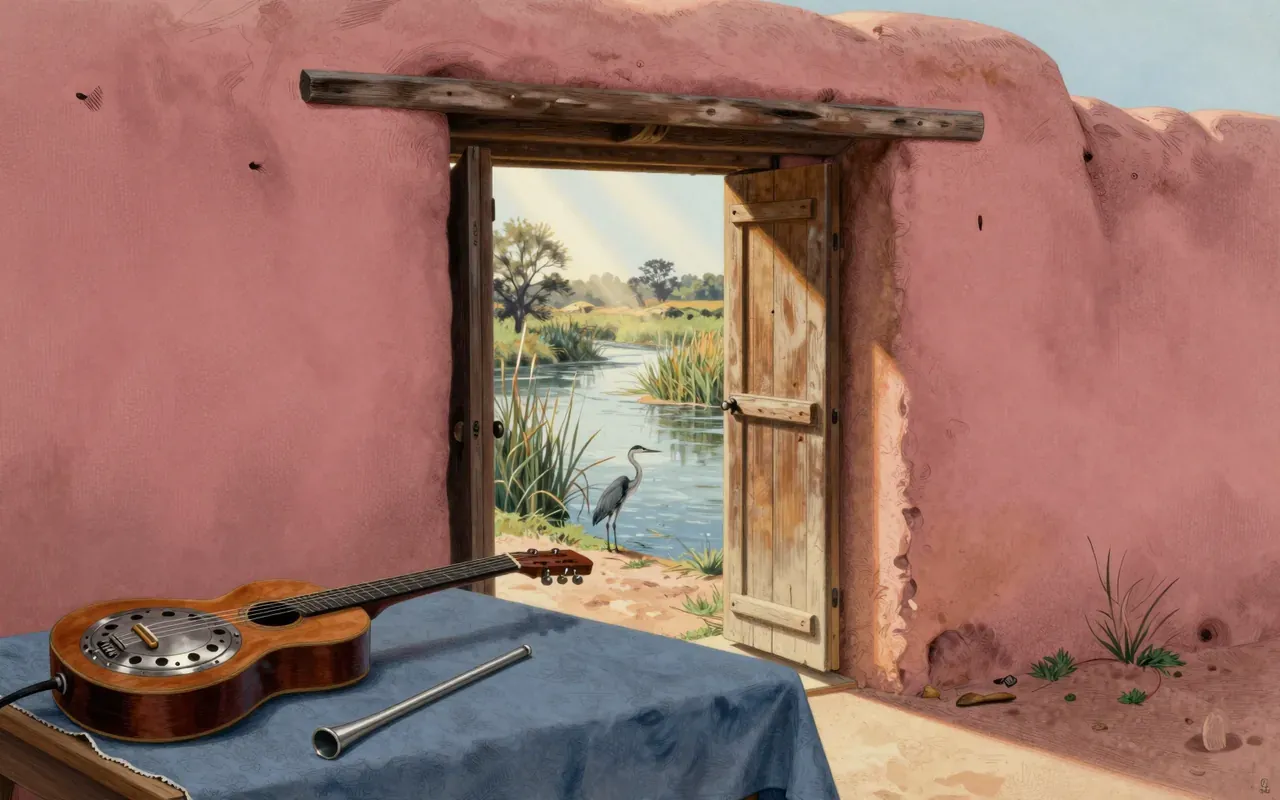
A Meeting by the River is a 1993 Grammy-winning world music crossover album recorded in September 1992 by Ry Cooder on slide guitar and Vishwa Mohan Bhatt on the Mohan veena—an instrument Bhatt created—with Joachim Cooder on dumbek and Sukhvinder Singh Namdhari on tabla. The session was unplanned and unrehearsed: Cooder and Bhatt met less than an hour before recording began. Produced and engineered by Kavichandran Alexander, it features voice-like phrasing, alternating and unison melodic lines, and improvisation rooted in Hindustani classical tradition and blues sensibility. Its four tracks—'A Meeting by the River', 'Longing', 'Ganges Delta Blues', and 'Isa Lei'—are noted for clarity, distinctness, and three-dimensional sound quality.
10:55

A Night at Birdland, Volume 1

The Art Blakey Quintet · 1956

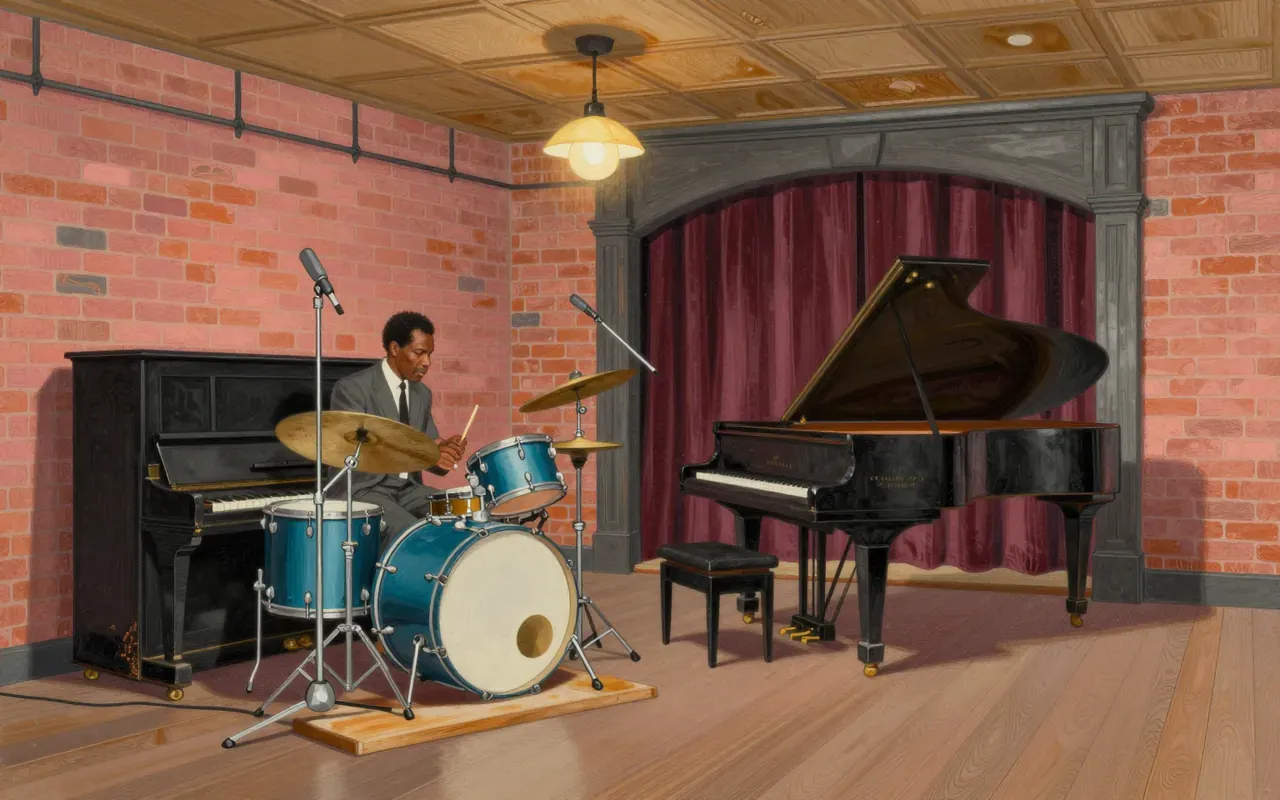
The sole verified fact about 'A Night at Birdland, Volume 1' is that it emerged from a 1954 live session during which Art Blakey declared his commitment to young musicians on-mic. Nothing else — personnel, label, venue, sound, repertoire context, or release status — is confirmed by the provided material.

9:12

A Night at Birdland, Volume 2

The Art Blakey Quintet · 1956

A Night at Birdland, Volume 2 is a live 1954 Birdland recording, part of the A Night at Birdland series, captured during the session where Blakey declared his commitment to young musicians.

11:45

A Night at the Village Vanguard

Sonny Rollins · 1957

A Night at the Village Vanguard is a live 1957 Sonny Rollins album recorded on November 3 at the Village Vanguard in New York City. Released by Blue Note in 1958. The first live recording ever made at that venue. Features three sets: one afternoon with Donald Bailey and Pete LaRoca, two evenings with Wilbur Ware and Elvin Jones. Pianoless tenor-bass-drums trio format — pioneering 'strolling'. No studio mediation. No overdubs.

9:12

A Night in Tunisia

Art Blakey & The Jazz Messengers · 1960

A functional, unvarnished hard bop document — not a statement, not a departure, just the band working the tune as written.

11:14

Air Lore

Air · 1979

Air Lore is a 1979 album by the improvisational trio Air — Henry Threadgill (alto and tenor saxophones, flute), Fred Hopkins (double bass), and Steve McCall (drums, percussion) — performing radical reinterpretations of compositions by Scott Joplin and Jelly Roll Morton. Critics acclaim it as Air's most beloved and most remarkable work. It rejects academicism and repertory dogma in favour of ambiguity, absurdity, and avant-garde vaudeville energy. It is widely loved for its joy and irreverence, and for bringing early jazz compositions into focus as revolutionary improvisational templates rather than updating them. It is considered the essential Air album and an unsurpassed statement of historical homage to Scott Joplin rags and Jelly Roll Morton tunes from the perspective of the frontiers. Gary Giddins considers it Threadgill's key statement against repertory mania and academicism in jazz. DownBeat awarded it 5 stars, describing it as 'jazz of the absurd' — an avant-garde vaudeville infused with wackiness, where old and new coexist and emotional boundaries blur, resulting in an oddball masterpiece. The title 'Air Lore' evokes Earth's atmospheric layer of mixed gas retained by gravity, serving as a protective buffer and composed precisely of nitrogen, oxygen, argon, carbon dioxide, and trace gases.

10:00

Art Pepper Meets the Rhythm Section

Art Pepper · 1957

Art Pepper Meets the Rhythm Section is a 1957 jazz album recorded in one day at Contemporary’s Studios in Los Angeles, featuring Art Pepper on alto saxophone and the Miles Davis rhythm section — Red Garland, Paul Chambers, and Philly Joe Jones — musicians Pepper had never met before and learned he would play with only that morning. He played on a malfunctioning instrument while struggling with addiction. Accounts differ on how long he’d gone without playing — two weeks or six months — but the pressure was real, and the sound bears it. It is one of Pepper’s best-known 1950s albums, released on Contemporary in 1957 — not a comeback, not a debut, but a sudden, singular convergence.

9:08

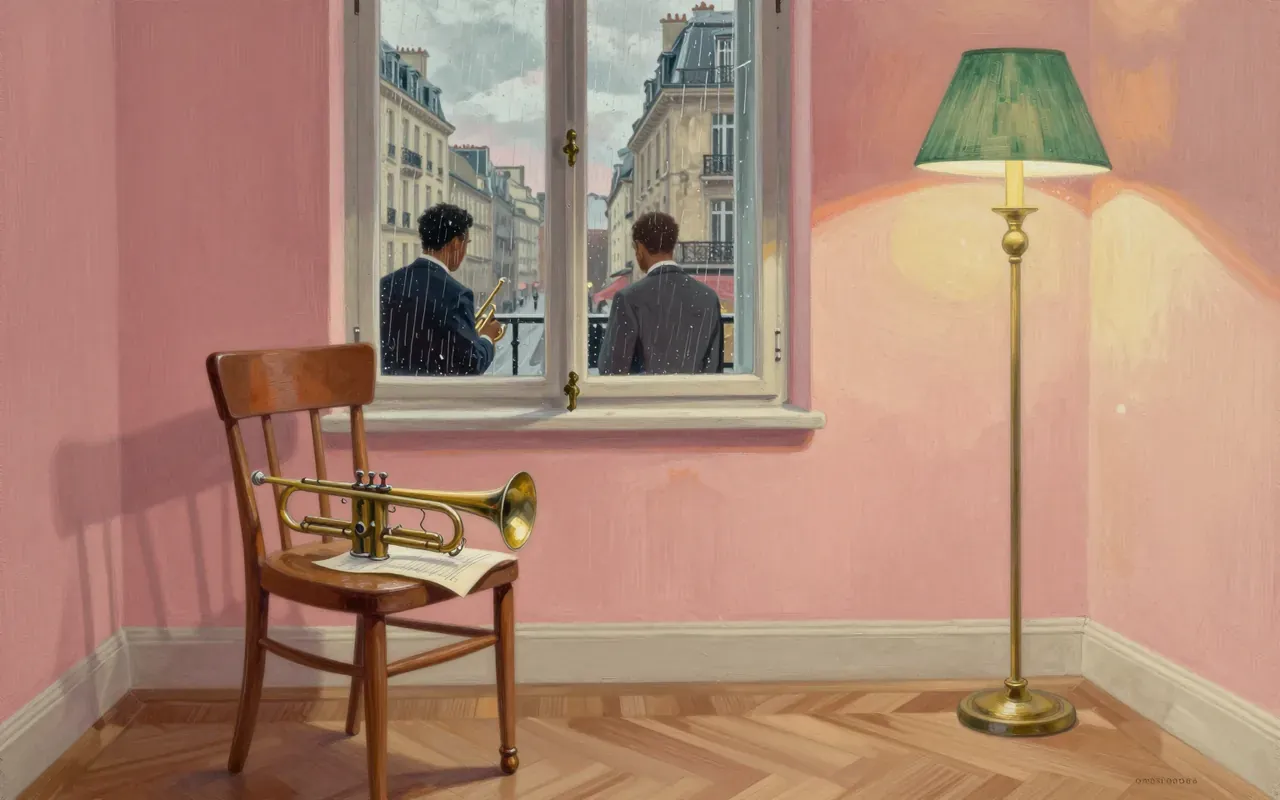
Ascenseur pour l’échafaud

Miles Davis · 1958

Ascenseur pour l’échafaud is the 1958 soundtrack album for Louis Malle’s Elevator to the Gallows, recorded in Paris in November 1957 by Miles Davis and a quartet of French and American musicians during a single improvised session.

film.briefs Film

All 12 in film →
13:00

A Poem Is A Naked Person

Les Blank · 1974

Les Blank’s 1974 documentary A Poem Is a Naked Person spent forty years unreleased, emerging only after his death. Shot over two years at Leon Russell’s Oklahoma studio, it avoids biography in favour of immersive texture: rehearsals, murals painted in drained pools, lakeside light, and unscripted encounters. Its power lies in sustained attention, not exposition — a film that treats music, place, and personality as inseparable elements of a single, breathing world.

13:00

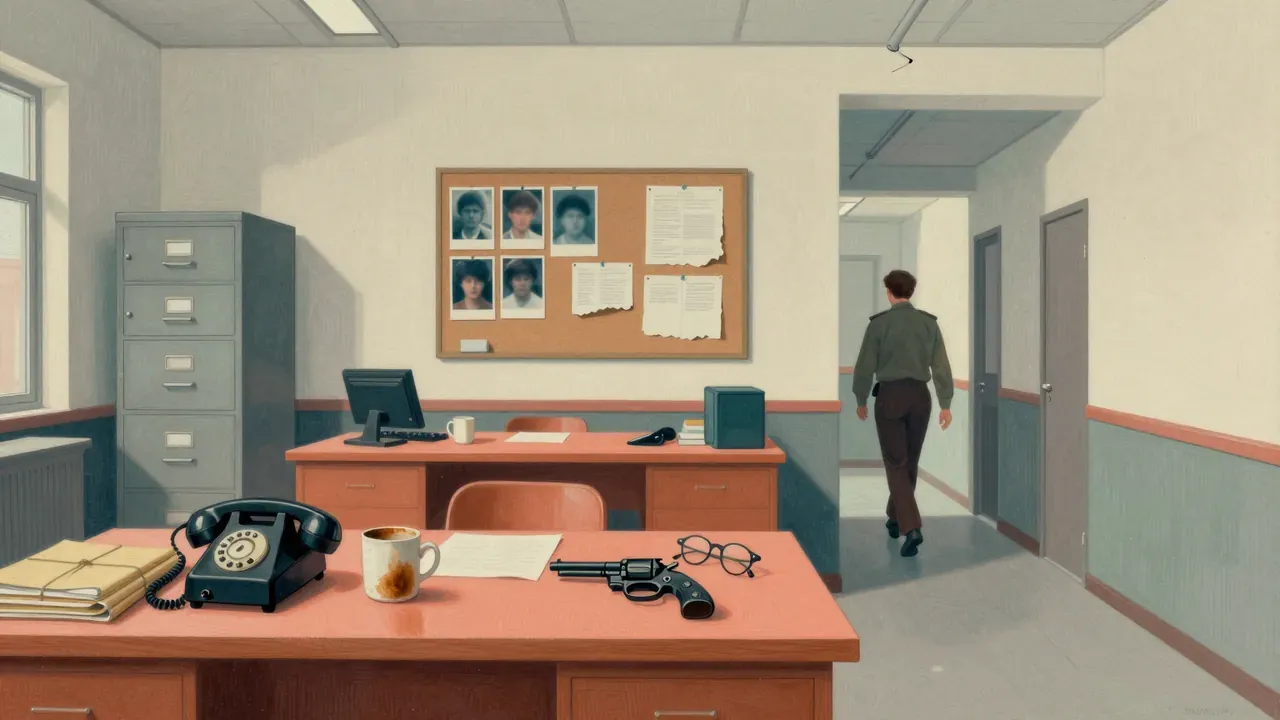
Beyond the Law

Norman Mailer · 1968

Norman Mailer’s 1968 film is a self-financed, largely unscripted experiment set over one night in a Manhattan police station, following detectives and suspects through interrogations, lineups, and personal fallout. Shot with three crews over four nights, it uses improvisation to probe the psychological and ethical continuities between law enforcement and criminality — a theme Mailer pursued across his writing. Though technically rough and narratively diffuse, its rawness serves its purpose: to show power not as policy but as habit, posture, and proximity.

13:00

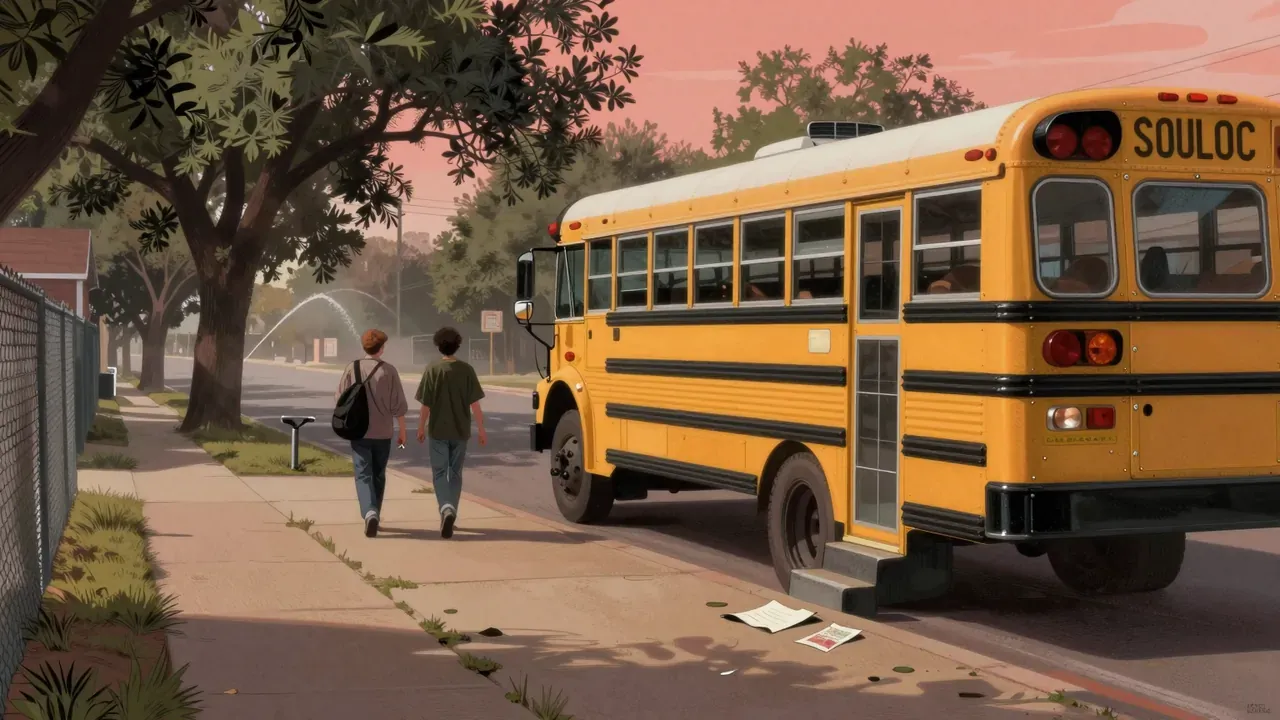
Dazed and Confused

Richard Linklater · 1993

Richard Linklater’s 1993 ensemble comedy follows a group of Texas teenagers on the last day of school in 1976. With no central plot or protagonist, it builds meaning through accumulation: hazing rituals, car cruises, pool-hall loitering, and overlapping conversations. Shot on location in Austin with an ensemble of then-unknown actors, it prioritises texture over narrative, using Lee Daniel’s naturalistic cinematography, Alan Silvestri’s diegetic-heavy score, and improvised performances to evoke adolescent stasis rather than growth. Though commercially muted on release, it has since become a defining cult film of the 1990s.

13:00

Elevator to the Gallows

Louis Malle · 1958

Louis Malle’s 1958 debut follows two parallel failures: a meticulously planned murder undone by a forgotten rope, and a casual theft escalating to murder through chance and misreading. Shot in stark black-and-white by Henri Decaë and scored in a single improvised session by Miles Davis, it builds dread through duration, light and silence rather than exposition or climax. Jeanne Moreau’s breakthrough performance anchors a film less about guilt than about the physics of consequence.

13:00

Love Affair

Leo McCarey · 1939

Leo McCarey’s 1939 Love Affair follows French painter Michel Marnet and American singer Terry McKay, who meet aboard an ocean liner, acknowledge mutual attraction, and part with a promise to reunite in six months — only for accident and silence to intervene. Starring Charles Boyer and Irene Dunne, it is a studio-era drama of quiet precision: restrained performances, unhurried pacing, and a structure that treats time, obligation and visibility as central concerns. Though hampered by Production Code compromises and occasional narrative convenience, its emotional weight resides in what is withheld, not spoken.

13:00

Maidstone

Norman Mailer · 1970

Norman Mailer’s 1970 independent film Maidstone stars him as a narcissistic filmmaker-politician shooting a brothel drama on his East Hampton estate. Shot over five days with no script, handheld cameras, and improvised performances — including a real, bloody fight with Rip Torn — it attempts a radical critique of media, power and ego. Its ambition is structural: to make authority visible by dismantling control. But its execution exposes the limits of that vision — especially in its treatment of women and race. Though obscure for decades, it remains a singular, uncomfortable artefact of late-1960s American cultural crisis.

13:00

Nashville

Robert Altman · 1975

Robert Altman’s 1975 ensemble film follows twenty-four characters in the Nashville music industry over five days, culminating in a political rally and an unexplained assassination. Built from Joan Tewkesbury’s ethnographically grounded script and shot on location with overlapping dialogue and diegetic music, it treats fame, race, and populism as systems rather than subjects — observing more than judging, accumulating more than resolving.

13:00

Round Midnight

Bertrand Tavernier · 1986

Bertrand Tavernier’s 1986 film follows American saxophonist Dale Turner (Dexter Gordon) as he seeks refuge from addiction in 1950s Paris, aided by a devoted French graphic designer (François Cluzet). Built around live jazz performances and anchored by Gordon’s restrained, deeply embodied performance, the film avoids biopic clichés to explore endurance, care, and the untranslatable language of music. Shot in Paris and New York, with a score by Herbie Hancock, it won the Academy Award for Best Original Score and was named one of the year’s top ten films by the National Board of Review.

design.briefs Design

All 1 in design →
8:36

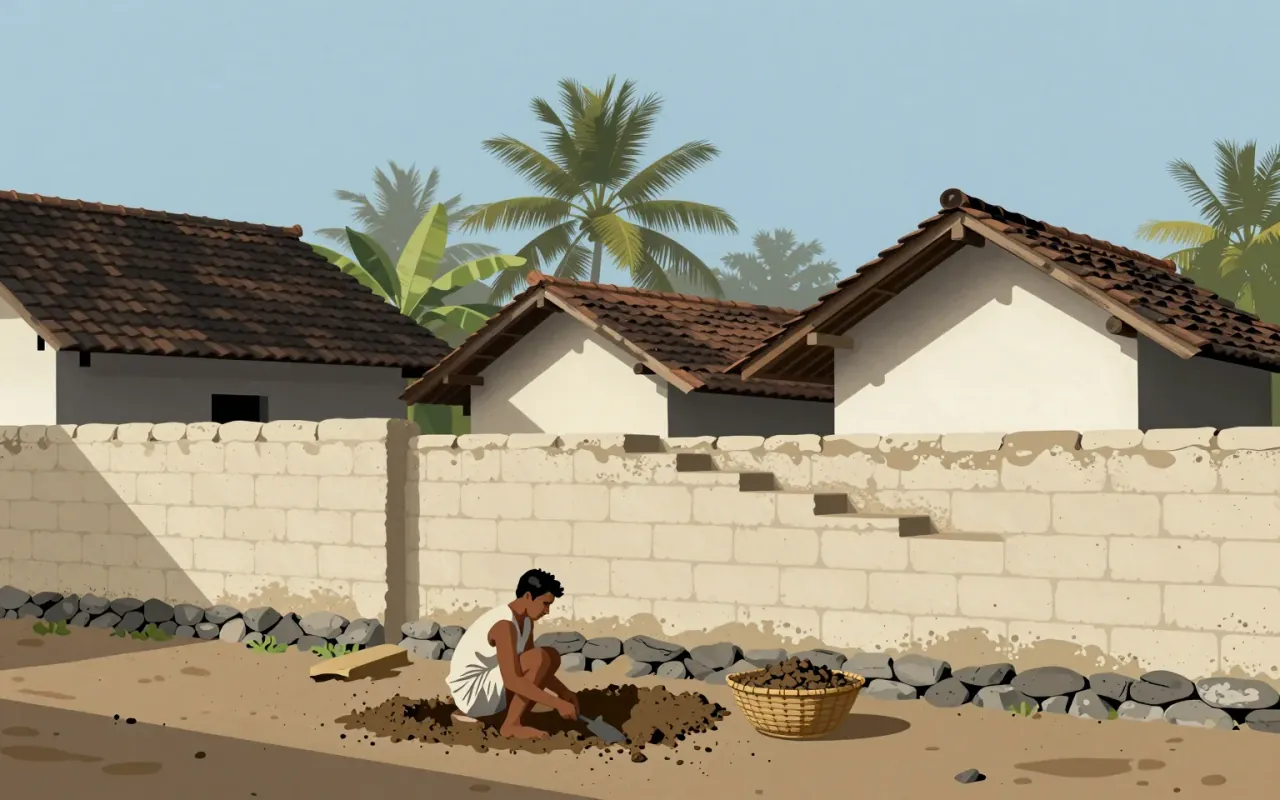
Laurie Baker

Laurie Baker didn’t design buildings — he designed responses to termites, monsoons and cow dung.

culture.briefs Culture

All 4 in culture →
10:01

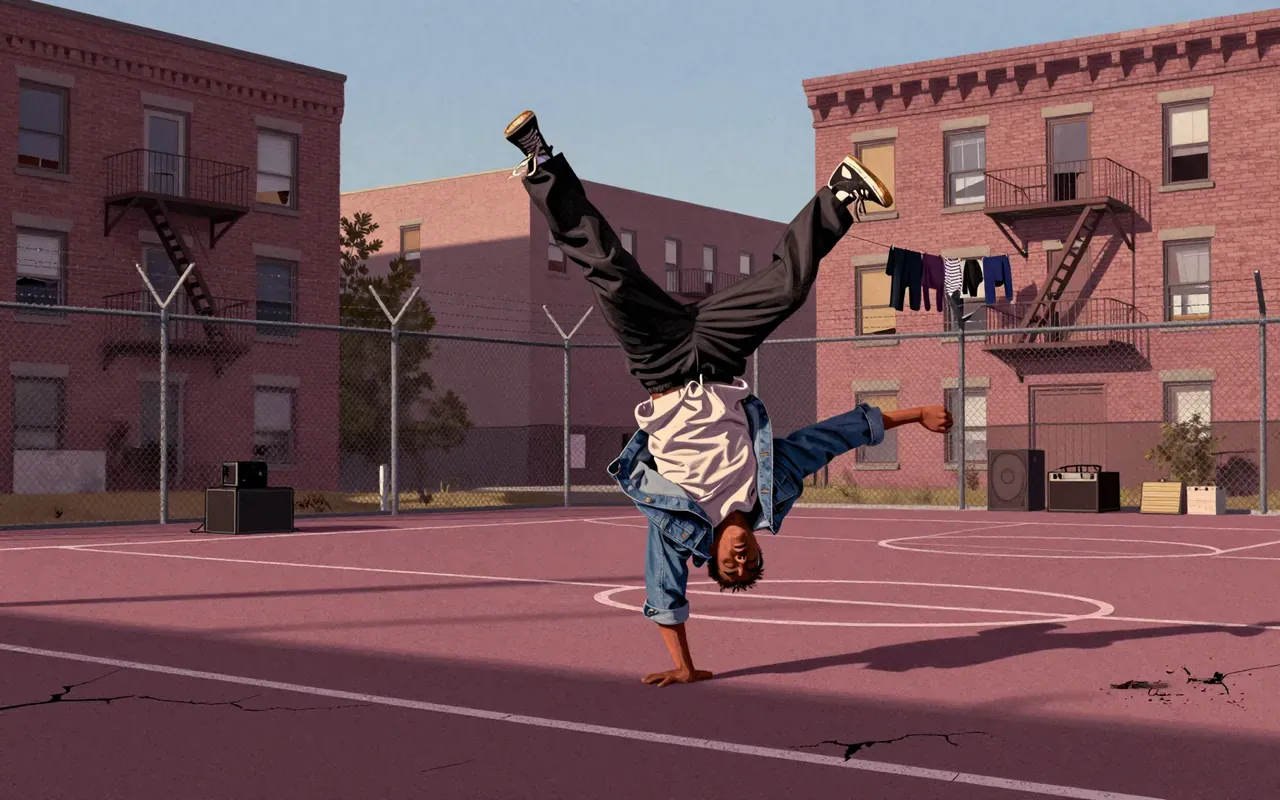
Breakdancing

Breakdancing is not a spectacle — it’s a language of resistance, rhythm, and precision, now sanctioned by the IOC.
10:17

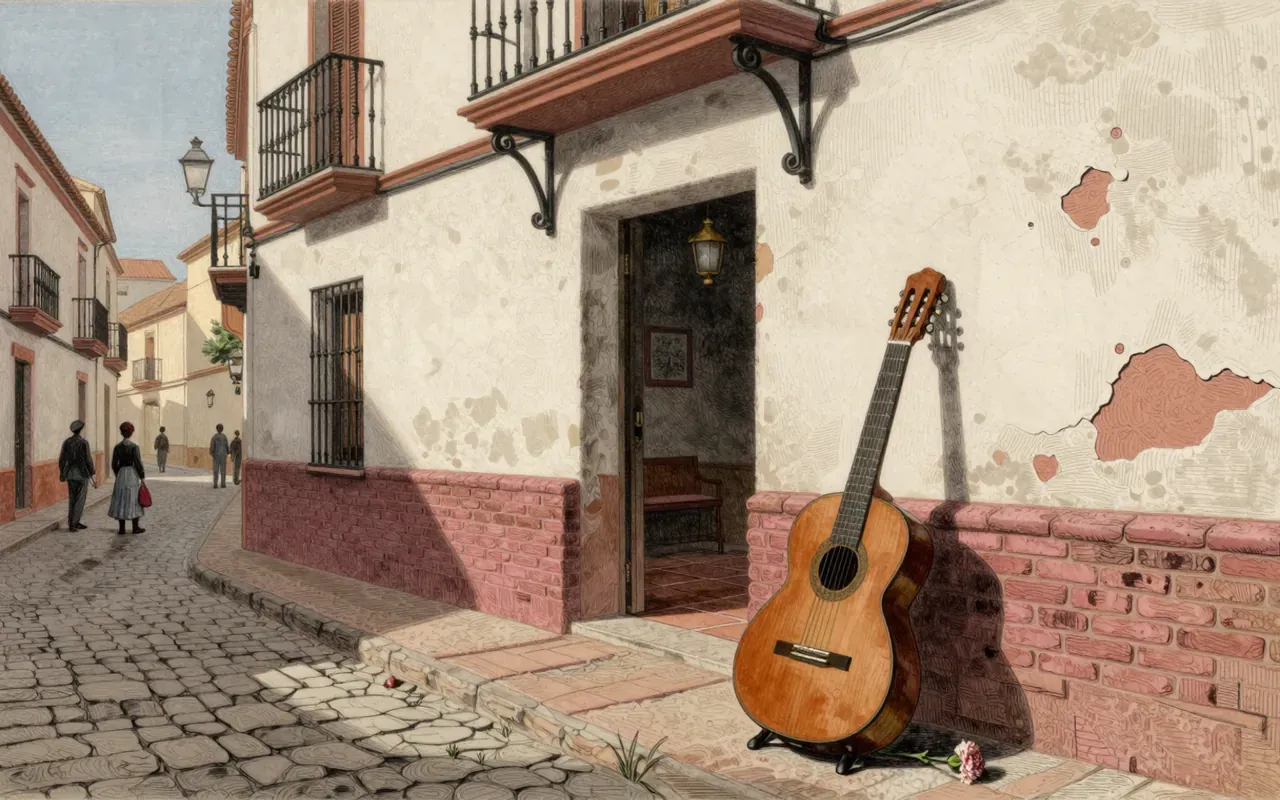
Cante flamenco

Flamenco’s voice was never meant to be background music—and its 1922 'rescue' was a narrowing, not a restoration.
9:24

Flamenco

Flamenco wasn’t born in 1774—it was first caught on paper then.
11:11

James Dean

Dean didn’t invent rebellion—he weaponised improvisation.

audio.briefs Audio

All 43 in audio →
10:52

Electric Mistress

Electro-Harmonix · 1976

The Electric Mistress is an analog flanger from Electro-Harmonix, first sold in 1976 and the first flanger in pedal format. Every version after the first blue and red one has a Filter Matrix mode that freezes the flange at any point for chime-like tones. The Deluxe version is still in production, and NEO Mistress and Stereo Electric Mistress are digital recreations.

9:08

Alembic Series I

Alembic

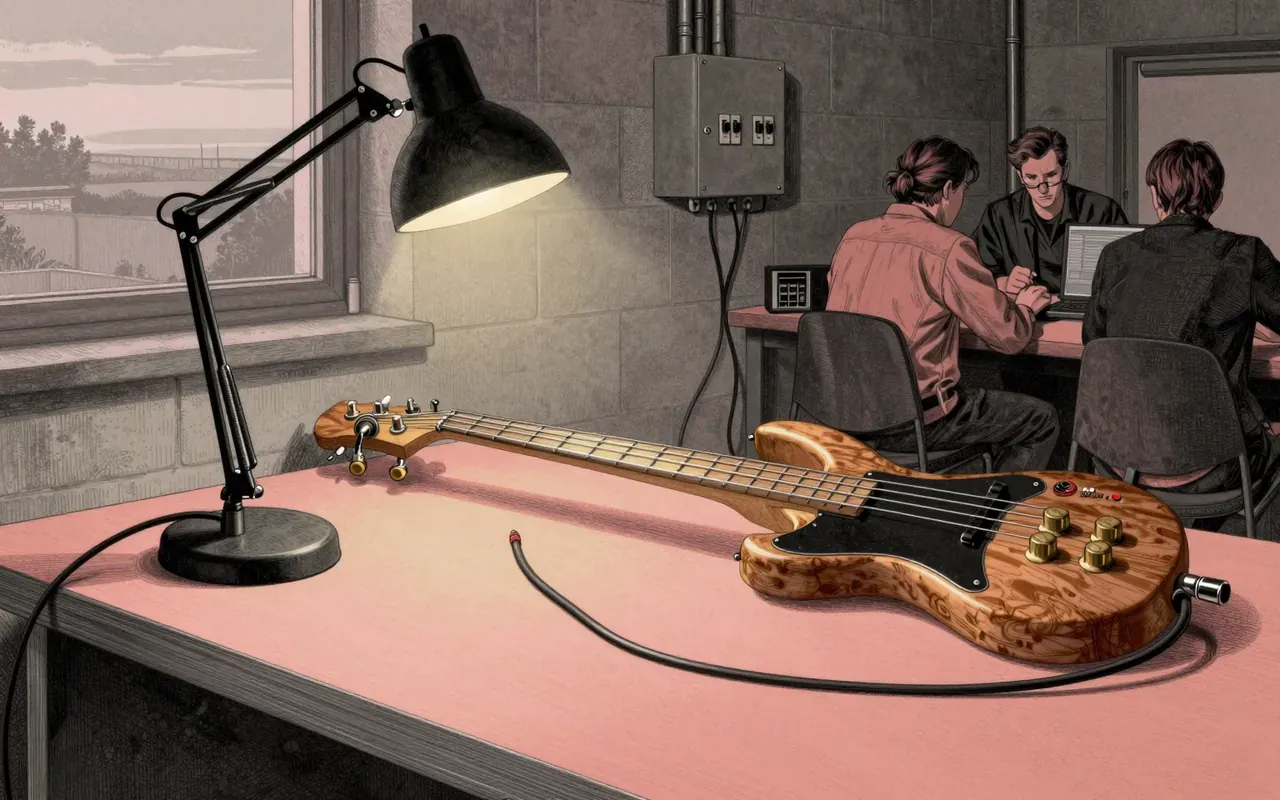
The Alembic Series I is a 1977 US-made 4-string bass with rabl neck and top, mahogany body, bne key, brass bridge and nut, and 24-fret pearl-inlaid neck. Its electronics include two single-coil pickups, a central dummy hum pickup, stereo 5-pin XLR output, external power supply, dual volume/tone controls, dual 3-position Q-switches, and a 3-position + Off selector. It delivers precise, clear, full-range sound suited to slap, fingerstyle, and pick playing—but is relatively heavy, fragile (headstock prone to breakage), and has non-independent string height adjustment at the bridge.

8:18

Ibanez Artist AR300

Ibanez

The Ibanez AR300 is a 1981 Japanese-made, violin-shaped electric guitar with a glued-in neck, two humbuckers, 22 frets, and four dedicated controls. It weighs like a vintage Les Paul and plays with warmth and authority in blues and jazz—but resists speed, modern ergonomics, and tonal neutrality.

8:47

Boss BD-2 Blues Driver

Boss

The Boss BD-2 Blues Driver is an overdrive pedal sold since at least 2003. Users report its tone as round, expressive, smooth, and sultry. It responds sharply to small knob adjustments. It covers a wide sonic range — from clean overdrive to heavy grunge. It is available new and second-hand. Prices recorded are $50 (used), $79.99 (Kayes Music Scene), and $80 (Sam Ash).

9:13

Boss PS-2 Digital Pitch Shifter/Delay

Boss

The Boss PS-2 is a mono digital pitch shifter and delay pedal with fixed +1/−1 octave modes and three delay time ranges. It delivers immediate, stable octave doubling and atmospheric delay tails — but offers no stereo output, no expression control, and no fine pitch adjustment. It belongs on a gigging guitarist’s board, not in a stereo studio chain.

8:21

Ibanez Tube Screamer TS808

Ibanez

The Ibanez TS808 Tube Screamer Reissue is an analog overdrive pedal in the Tube Screamer series. It has three knobs: tone, level, and overdrive. It uses the JRC4558 chip. It runs on a 9-volt battery or AC adapter. Its metal housing is 4.9" x 2.8" x 2" and weighs just over a pound. It delivers warm, smooth, mid-heavy overdrive suited for solos and blues-rock—not high-gain riffing. It is very strongly built.

8:09

Fender Champ 5F1

Fender

The Fender Champ 5F1 is a tube combo guitar amplifier made from 1958 to 1964. It has volume and tone controls only. It uses a single 6V6 power tube driving an 8-inch speaker. It breaks up early and stays simple. It does not offer clean headroom, effects, or expandability.

10:25

Electro-Harmonix Deluxe Electric Mistress

Electro-Harmonix

An analog stereo flanger and filter matrix stomp box for electric guitar. It runs on a dedicated 24 V power supply. It has input, effect out, and clean output jacks. It uses three knobs — color, range, and rate — plus a switch for the filter matrix function. It is not rack-mountable.