briefs
Topic · across the network

Iran

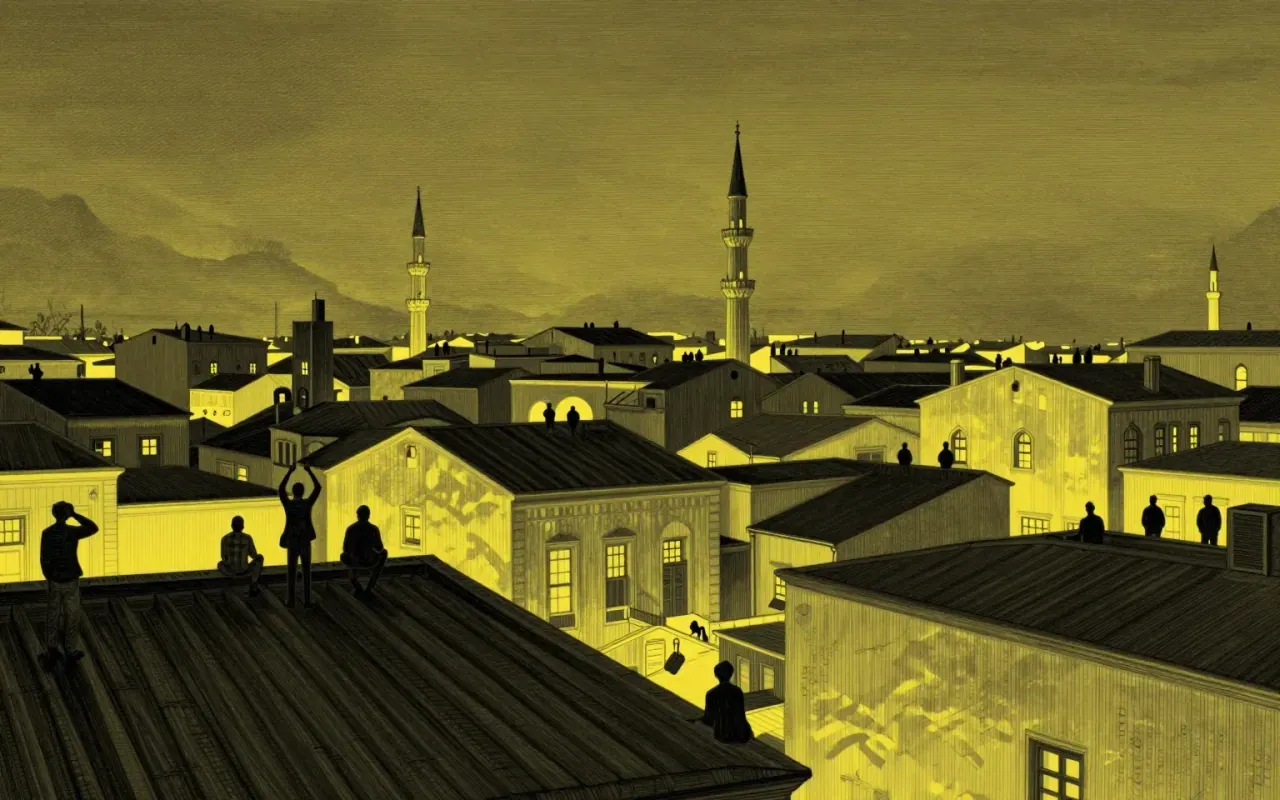
Persia under a newer name, with a memory far longer than the republic.

41
briefs
5
subjects
11:01
average
452 min
in total
Abstraction 407Absurdism 137Acoustics 220Acting 65Adaptation 372Addiction 95Adolescence 202Advertising 77Age of exploration 14Ageing 113Agriculture 100Algorithms 114Ambition 46Anarchism 38Ancient Egypt 17Ancient Greece 38Ancient Rome 30Animals 172Anthropology 23Apartheid 12Architecture 165Archives 32Argentina 10Art Deco 26Artificial intelligence 78Astronomy 81Attention 42Australia 32Automation 73Avant-garde 164Aviation 79Banking 72Banned works 40Bauhaus 12Beer 5Behavioural economics 22Berlin 16Big tech 6Biodiversity 136Biography 86Birds 41Black holes 20Blockchain 12Boxing 14Branding 77Brazil 43Bread 29Britain 131Brutalism 4Bubbles 3Buddhism 28Byzantium 10California 17Canada 18Capitalism 94Cars 468Celebrity 59Censorship 110Cheese 24Chefs 9Chemistry 104Chess 2Childhood 87China 109Chocolate 8Christianity 49Cinematography 343Cities 90Class 485Climate change 107Club culture 100Cocktails 2Coffee 11Cognitive bias 14Collecting 16Colonialism 284Colour 42Comedy 89Community 52Complexity 21Computing 309Consciousness 16Conservatism 14Conspiracy theories 8Cooking 178Corruption 38Cosmology 31Cover versions 64Craft 116Crate digging 42Creativity 8Crime 234Cryptocurrency 8Cryptography 24Cuba 10Cybersecurity 30Dada 12Debt 38Decision-making 28Decolonisation 46Deep time 80Democracy 45Denim 16Deserts 45Detroit 17Dinosaurs 12Directing 168Disasters 59Disease 109DJ culture 89Dreams 32Drones 5Drum machines 96Dystopia 69East Africa 28Ecology 337Economics 36Editing 72Education 92Egypt 12Electric vehicles 59Emotion 22Empire 92Endurance 49Energy 120Engineering 541Entropy 8Epidemics 13Equality 9Espionage 31Ethics 44Evolution 174Existentialism 106Expertise 2Exploration 49Extinction 23Failure 37Family 240Fandom 22Fascism 45Fashion 215Fast fashion 12Fear 34Feminism 122Fermentation 126Film music 81Fishing 12Folklore 71Food history 588Football 16Forests 31Forgery 7France 163Fraud 15Free will 13Freedom 16French literature 15Friendship 24Furniture 36Gambling 14Gender 63Generations 28Genetics 87Geology 96Germany 66Globalisation 74Gothic 32Greece 5Grief 126Habits 6Happiness 2Hardware 709Haute couture 22Headphones 8Hi-fi 12Hinduism 12Hoaxes 1Human history 23Human nature 41Identity 138Illustration 8Impressionism 6Improvisation 249India 89Indonesia 15Industrial design 342Inequality 13Inflation 4Information 34Infrastructure 280Insects 29Intelligence 8Interiors 31Internet culture 88Invention 329Iran 41Islam 40Islands 17Israel 9Italy 52Jamaica 10Japan 114Jewellery 5Journalism 34Judaism 13Justice 42Korea 41Language 70Law 90Leadership 20Learning 6Liberalism 1Libraries 6Literary criticism 26London 12Loneliness 61Los Angeles 62Lost works 9Love 67Luxury 55Machine learning 15Management 10Maps 5Marketing 21Markets 51Mars 6Marxism 26Masculinity 46Materials 138Mathematics 79Meaning 6Medicine 124Memory 82Mental health 70Mesopotamia 4Mexico 38Migration 95Minimalism 68Mining 30Misinformation 9Modernism 63Money 24Monopoly 32Mortality 61Motivation 2Mountains 16Museums 27Mysticism 11Mythology 60Nationalism 40Neuroscience 23New York 36Nigeria 7Nihilism 10Noise 31Nostalgia 33Nuclear 29Nutrition 17Oceans 48Oil 42Open source 45Painting 18Palaeontology 29Parenting 14Paris 18Partition 6Patents 71Patronage 14Perception 44Personal style 27Personality 2Persuasion 8Peru 10Philosophy 77Photography 37Physics 206Plants 26Platforms 89Podcasting 1Poetry 25Poland 17Policing 34Pop Art 16Populism 2Portraiture 6Portugal 18Postmodernism 23Power 91Prehistory 24Preservation 28Printmaking 21Privacy 11Probability 6Productivity 1Programming 54Prohibition 1Propaganda 35Protest 75Pseudoscience 17Psychology 80Publishing 22Punishment 16Quantum mechanics 44Race 145Radio 30Railways 35Rave 17Realism 47Record labels 19Recording 810Relativity 23Religion 154Resilience 15Restaurants 30Restoration 2Retail 94Revolution 58Risk 18Ritual 96Robotics 26Romance 96Russia 58Salt 9Sampling 246Satire 84Scandinavia 28Scientific method 186Screenwriting 26Sculpture 7Secularism 2Self-deception 14Semiconductors 73Sexuality 102Ships 18Silence 24Silicon Valley 17Slavery 35Sleep 2Smartphones 27Sneakers 15Social media 58Socialism 9Software 68Songwriting 180Sound design 332Sound systems 20South Africa 19South East Asia 30Space exploration 84Spain 18Special effects 41Spices 62Spirits 12Sport 82Startups 21Statistics 10Status 9Stoicism 4Storytelling 68Strategy 70Street food 99Streetwear 16Studio craft 508Subcultures 59Sugar 12Supply chains 115Surrealism 53Surveillance 21Sustainability 30Synthesis 232Tailoring 37Taxation 14Tea 24Textiles 97Thailand 11The American Revolution 19The American South 88The Arab world 41The Arctic 19The Balkans 17The Belle Epoque 13The body 29The brain 26The Caribbean 28The civil rights movement 62The Cold War 160The eighties 268The Enlightenment 29The financial crisis 19The First World War 39The food industry 157The French Revolution 9The Gilded Age 9The Great Depression 18The Holocaust 20The Industrial Revolution 93The internet 61The interwar years 135The Middle Ages 35The Moon 4The music business 169The Netherlands 10The nineties 26The Olympics 10The pandemic 13The Reformation 1The Renaissance 16The Russian Revolution 19The Second World War 102The seventies 58The sixties 28The space race 5The United States 19The universe 7The Victorian era 37Therapy 20Tokyo 11Trade 48Tragedy 22Translation 5Trauma 85Travel 5True crime 2Turkey 18Typography 54Uniforms 23Unions 8Urban planning 66Utilitarianism 1Utopia 5Vaccines 10Vegetarianism 15Venture capital 6Video games 291Vietnam 12Vintage 65Vinyl 6Virtual reality 11War 169Watches 4Water 11Weather 29West Africa 29Wilderness 10Wine 3Work 22Workwear 19Worldbuilding 121

film.briefs Film

All 28 in film →
13:00

24 Frames

Abbas Kiarostami · 2017

Abbas Kiarostami’s final film, 24 Frames, comprises twenty-four uncut, static shots — each ninety seconds long — observing nature, animals, and thresholds between interior and exterior. Beginning with animated movement superimposed on Bruegel’s Hunters in the Snow, it proceeds into real-world stillness, testing how much meaning resides in time, attention, and unmediated presence. Released posthumously at Cannes 2017, it is a rigorous, unsentimental essay on perception and impermanence.
13:00

A Wedding Suit

Abbas Kiarostami · 1976

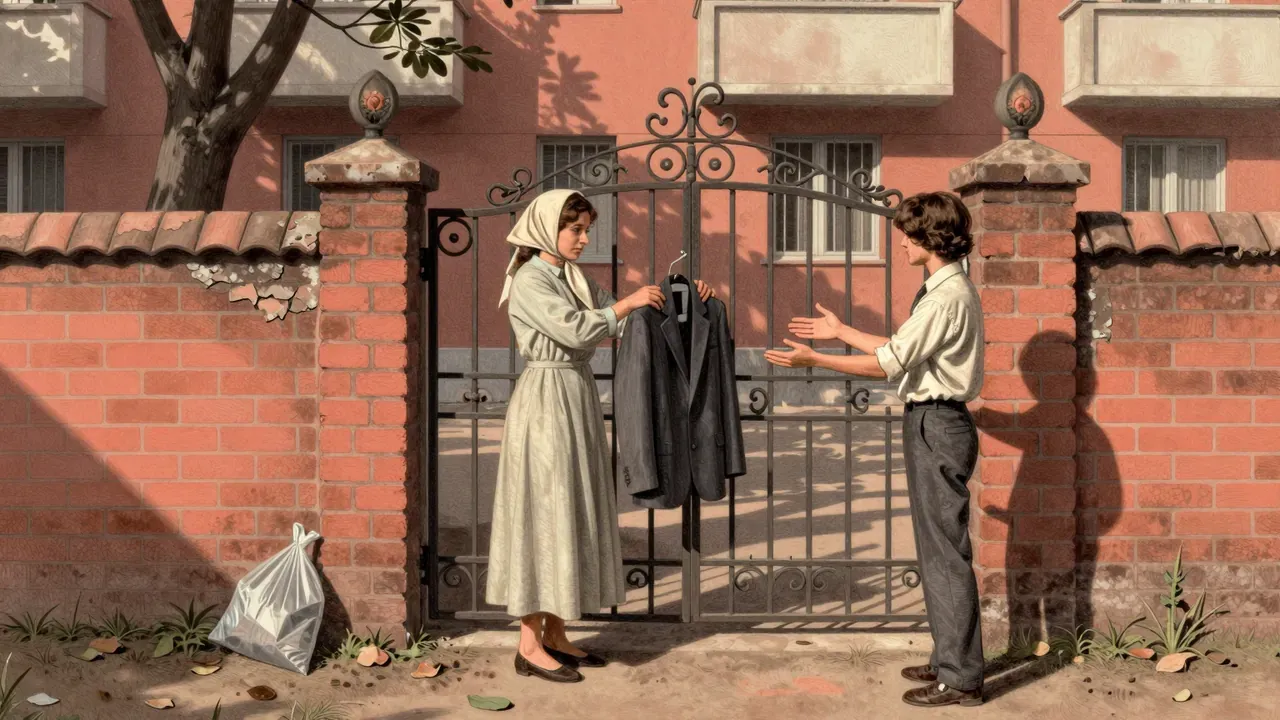
A Wedding Suit (1976) is Abbas Kiarostami’s 54-minute comedy made for Iran’s Institute for the Intellectual Development of Children and Young Adults. A woman orders a suit for her son to wear to a wedding; her tailor’s apprentice and two friends secretly try it on overnight. Structured around quiet observation and precise, unhurried staging, the film finds humour and humanity in small-scale decisions, material detail, and the unspoken rhythms of adolescent collaboration. It contains no score, minimal dialogue, and no overt commentary — its concerns are procedural, spatial, and tactile.

13:00

Breaktime

Abbas Kiarostami · 1972

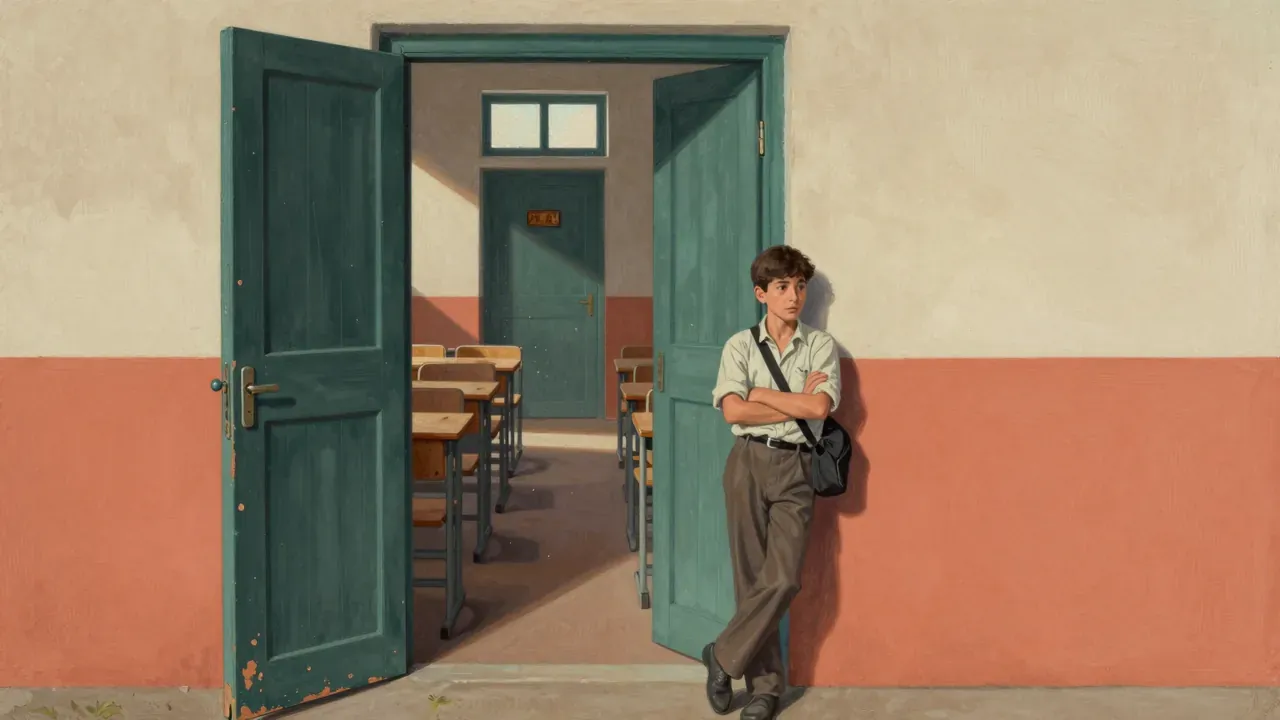
Breaktime (1972) is Abbas Kiarostami’s fourteen-minute observational drama, shot during an actual school break in Tehran. With no script, no score and no intervention, it records children’s unstructured movement and interaction in static, natural-light frames. Made early in his career for Kanun, it exemplifies his commitment to unvarnished presence over narrative artifice.

13:00

Downpour

Bahram Beyzai · 1972

Bahram Beyzai’s 1972 debut is a black-and-white Iranian drama following a teacher’s quiet integration into a provincial town. With restrained performances, sparse sound, and deliberate pacing, it traces his unspoken relationship with a student’s sister, his solitary renovation of a derelict school theatre, and his eventual transfer — all rendered without exposition or catharsis. Restored in 2011 after near-total loss, it remains a study in moral ambiguity, institutional silence, and the weight of unperformed expectation.

13:00

Fellow Citizen

Abbas Kiarostami · 1983

Fellow Citizen (1983) is Abbas Kiarostami’s 48-minute observational documentary, shot on a Tehran street. It follows a civil servant attempting to regulate pedestrian and vehicle movement, capturing unscripted reactions without narration, interviews or contextual framing. The film’s method is rigorously restrained: fixed camera, natural sound, no edits that conceal time. Its interest lies in behavioural nuance — hesitation, mimicry, negotiation — rather than argument or exposition.

13:00

First Graders

Abbas Kiarostami · 1984

First Graders (1984) is Abbas Kiarostami’s observational documentary following Iranian six- and seven-year-olds during a single school day. Filmed with concealed cameras, it avoids narration, music, or intervention, relying instead on long takes, natural sound, and uninflected framing. Its purpose is not exposition but sustained attention — to register the rhythms, hierarchies and quiet labours of early socialisation as they occur. Though rooted in Iran’s post-revolutionary educational context, it offers no explicit commentary on politics or pedagogy. Its power lies in accumulation: small gestures, repeated behaviours and unscripted silences build a portrait less of individuals than of collective habit. A rigorous, unsentimental work, it rewards patience and resists easy interpretation.

13:00

Homework

Abbas Kiarostami · 1989

Homework (1989) is Abbas Kiarostami’s 16mm documentary filmed at a Tehran primary school, composed almost entirely of interviews with pupils and two fathers about the practice of assigning homework. With no narration, music or illustrative footage, it foregrounds unscripted speech — hesitant, contradictory, revealing — to expose the gap between educational policy and domestic reality in late-1980s Iran.

13:00

It Was Just an Accident

Jafar Panahi · 2025

Jafar Panahi’s 2025 Palme d’Or winner follows a group of former Iranian political prisoners who abduct a man they believe is their former torturer — only to find themselves paralysed by doubt, memory, and the sheer, stubborn reality of his humanity. Shot in secret in Iran without official permission, it unfolds across a single night and day, using minimal means to probe profound questions of identity, justice, and the cost of non-vengeance.

history.briefs History

All 4 in history →
13:00

Ruhollah Khomeini

1902–1989

Ruhollah Khomeini, exiled in 1964 for opposing the Shah's modernisation programme, returned to Iran in February 1979 to lead the revolution that established the Islamic Republic, built around his own doctrine of clerical governance. His rule included the 444-day American hostage crisis, the devastating war with Iraq, and documented mass executions of political prisoners, alongside a 1989 fatwa against author Salman Rushdie that extended his authority's reach well beyond Iran's borders.

13:00

Saddam Hussein

1937–2006

From a Ba'athist plotter in 1959 to president from 1979 to 2003, Saddam Hussein built one of the Arab world's more literate, industrialised states while running a security apparatus that Human Rights Watch estimates killed or disappeared a quarter of a million people. He invaded Iran, then Kuwait, survived one war and was toppled by another, and was hanged in 2006 after a trial for a single 1982 massacre.

13:00

Iran–Iraq War

1980–1988

Saddam Hussein's invasion of Iran in September 1980, aimed at exploiting the chaos of Iran's revolution and reclaiming disputed border territory, opened an eight-year war that killed an estimated 450,000 to 500,000 people and ended in 1988 with no permanent territorial change on either side. The conflict drew simultaneous American, Soviet and Arab state support for Iraq despite documented Iraqi chemical weapons use, a convergence of Cold War and regional interests that historians still treat as one of the war's most striking features.

13:00

Iranian Revolution

1978–1979

Mass protests against Shah Mohammad Reza Pahlavi grew through 1978 into a revolution that forced his departure from Iran in January 1979 and brought the exiled cleric Ruhollah Khomeini back to establish an Islamic Republic that February. The coalition that toppled the Shah spanned Islamist, liberal, socialist and communist groups, but Khomeini had kept his plan for clerical rule largely hidden beforehand, and once in power he moved to eliminate the secular allies who had helped bring him there.

business.briefs Business

All 2 in business →
9:48

National Iranian Oil Company

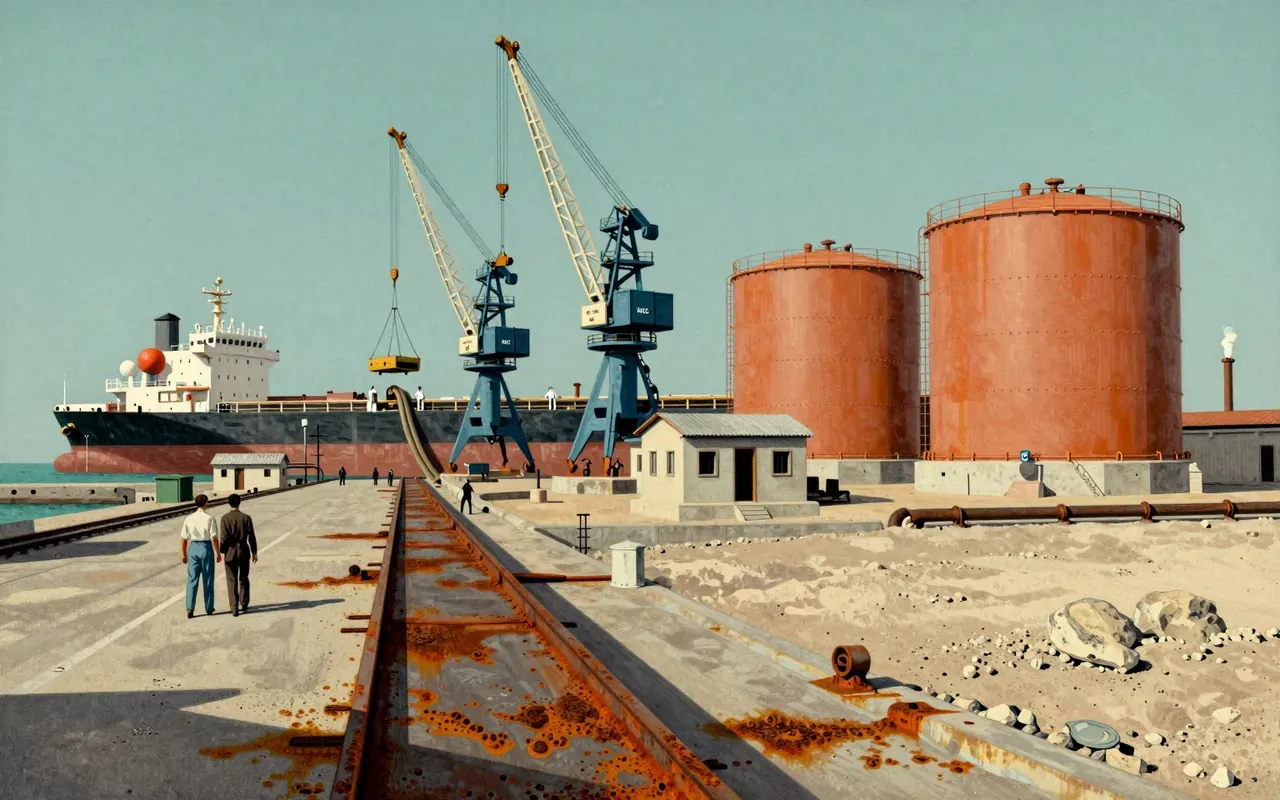
NIOC isn’t an oil company—it’s the Iranian state’s legal claim on hydrocarbons, written into law in 1951 and measured in gigatonnes of CO₂.
10:04

BP

William Knox D'Arcy · 1908

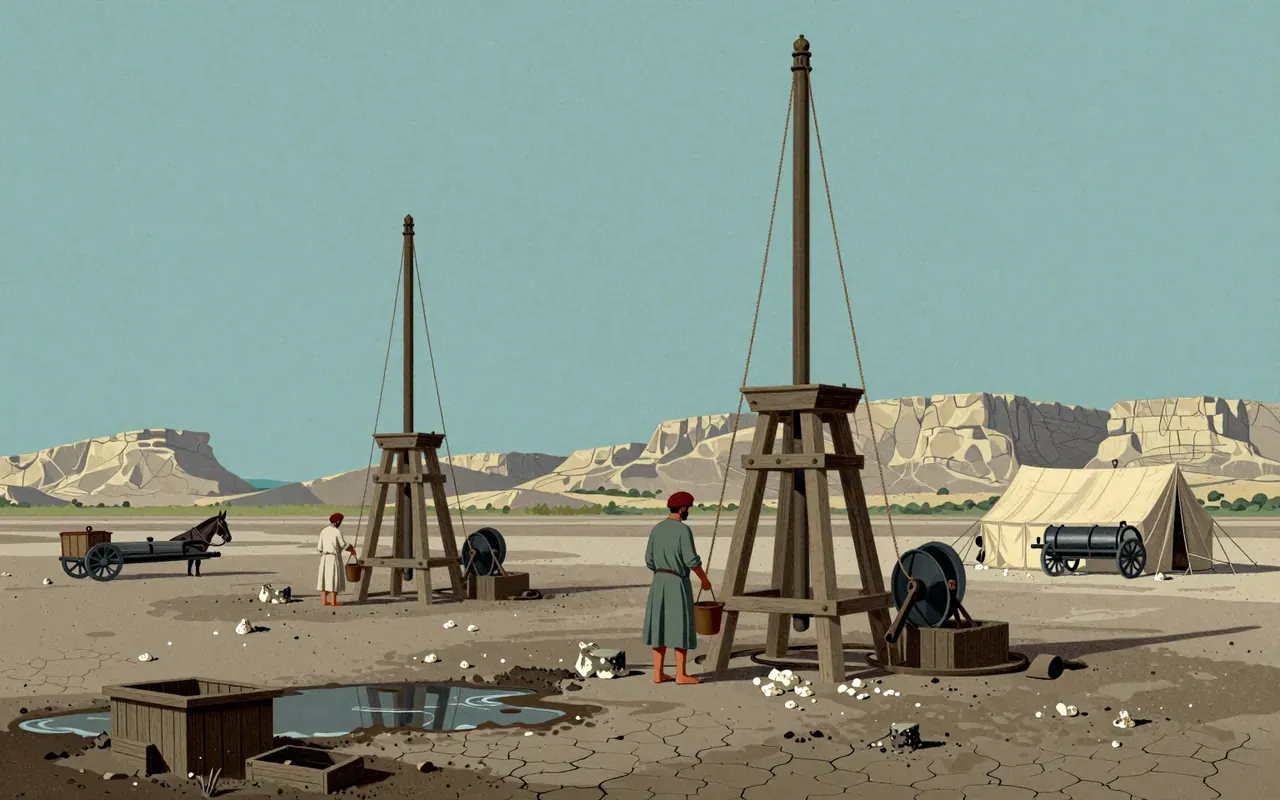
BP’s origin story is not about entrepreneurship or engineering — it is about a sovereign concession enabling extraction. Its business model depends on controlling physical assets and political access, not market creation or product innovation.

automotive.briefs Automotive

All 1 in automotive →
9:12

Peugeot 405

Pininfarina · 1987

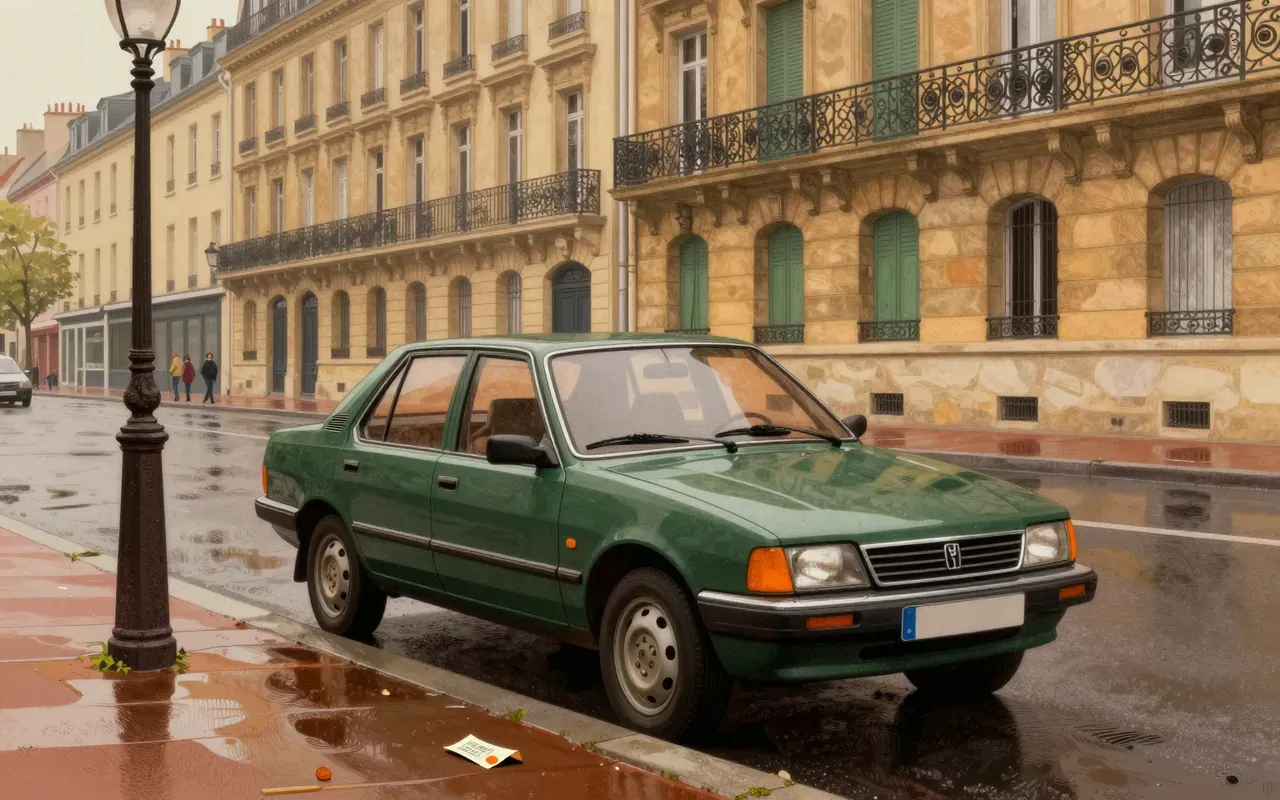
The Peugeot 405 is a large family car designed by Peugeot and styled by Pininfarina, produced from 1987 to 1997 in Europe and under license in Iran until 2020. It shares its floorpan with the Citroën BX but lacks hydropneumatic suspension except on 4x4 variants. It was voted European Car of the Year for 1988 by the largest number of votes in the history of the contest. About 2.5 million vehicles have been sold worldwide, both in left and right drive versions, as a saloon and estate. In early 2020, the 33-year production run of the Peugeot 405 was counted as the 'twentieth most long-lived single generation car in history'. Its appearance is similar to the Alfa Romeo 164, launched the same year and also styled by Pininfarina.

food.briefs Food

All 6 in food →
1:05

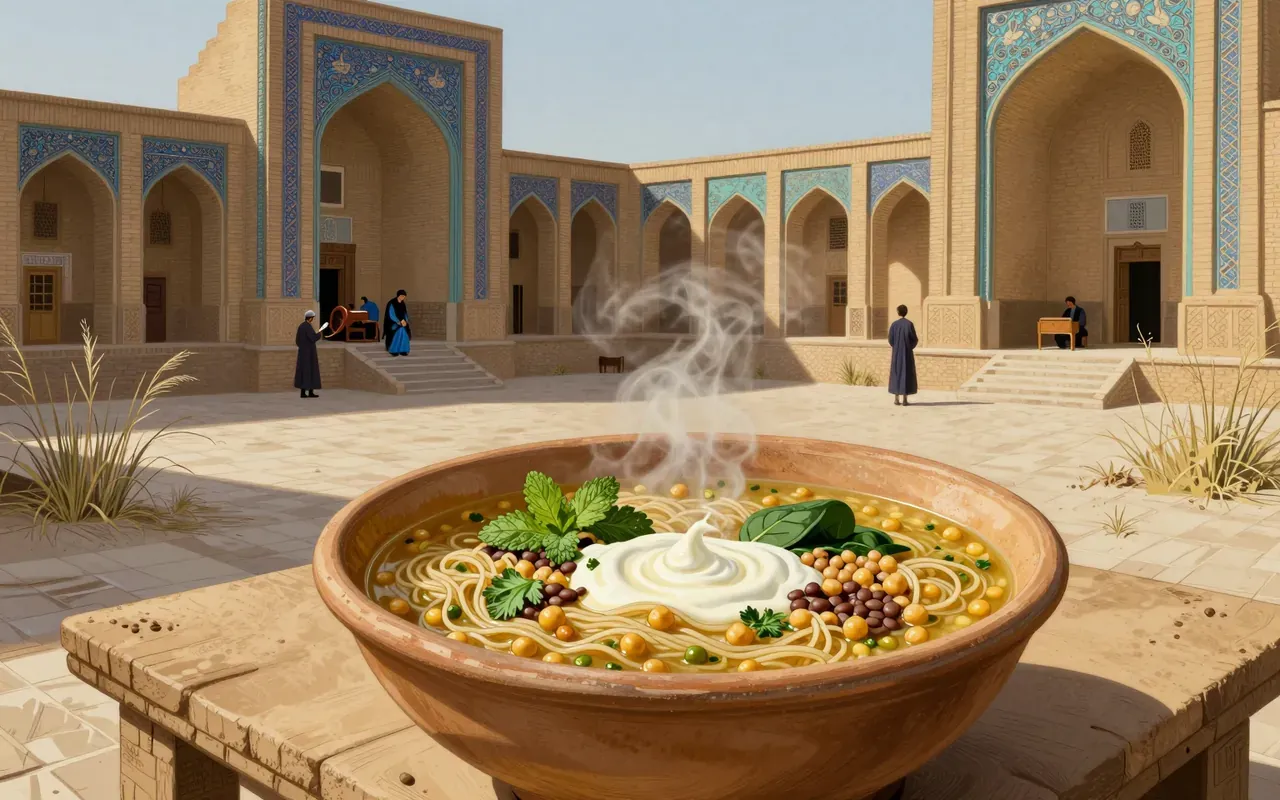
Aush reshteh

A thick Iranian soup with thin noodles, legumes, herbs, and sour kashk.
0:48

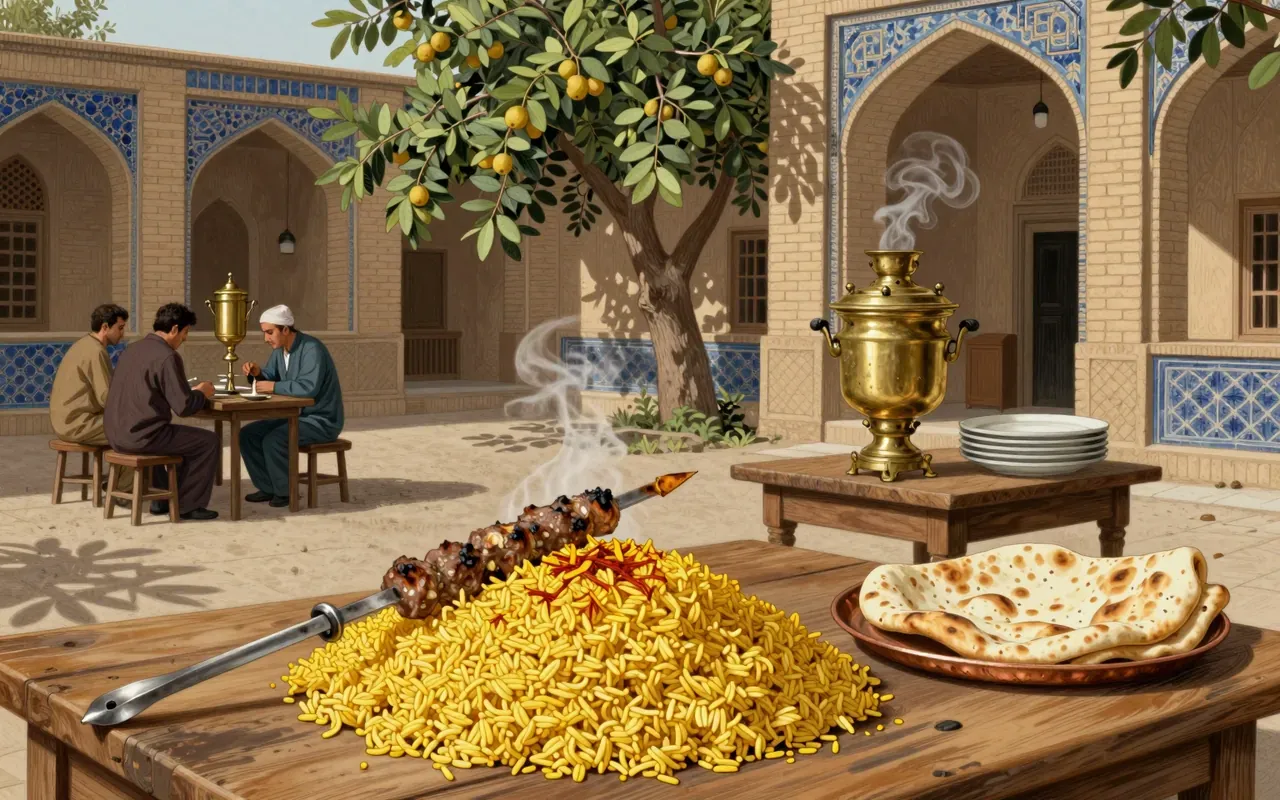
Chelow kabab

Chelow kabab is Iran's national dish: saffron-infused rice topped with grilled skewered meat, served with lavash.
0:51

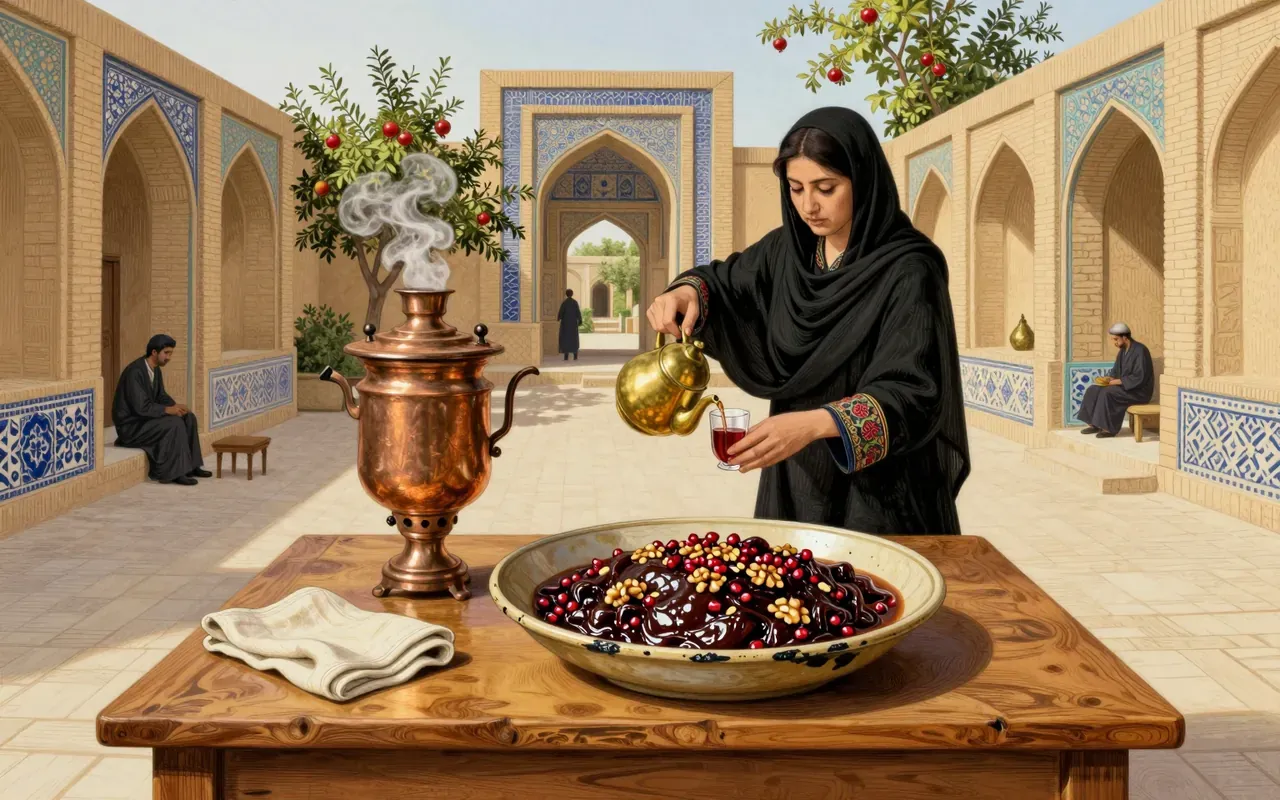
Fesenjān

A sweet-and-sour Iranian stew made with pomegranate paste and ground walnuts, traditionally served on Yaldā Night.
1:16

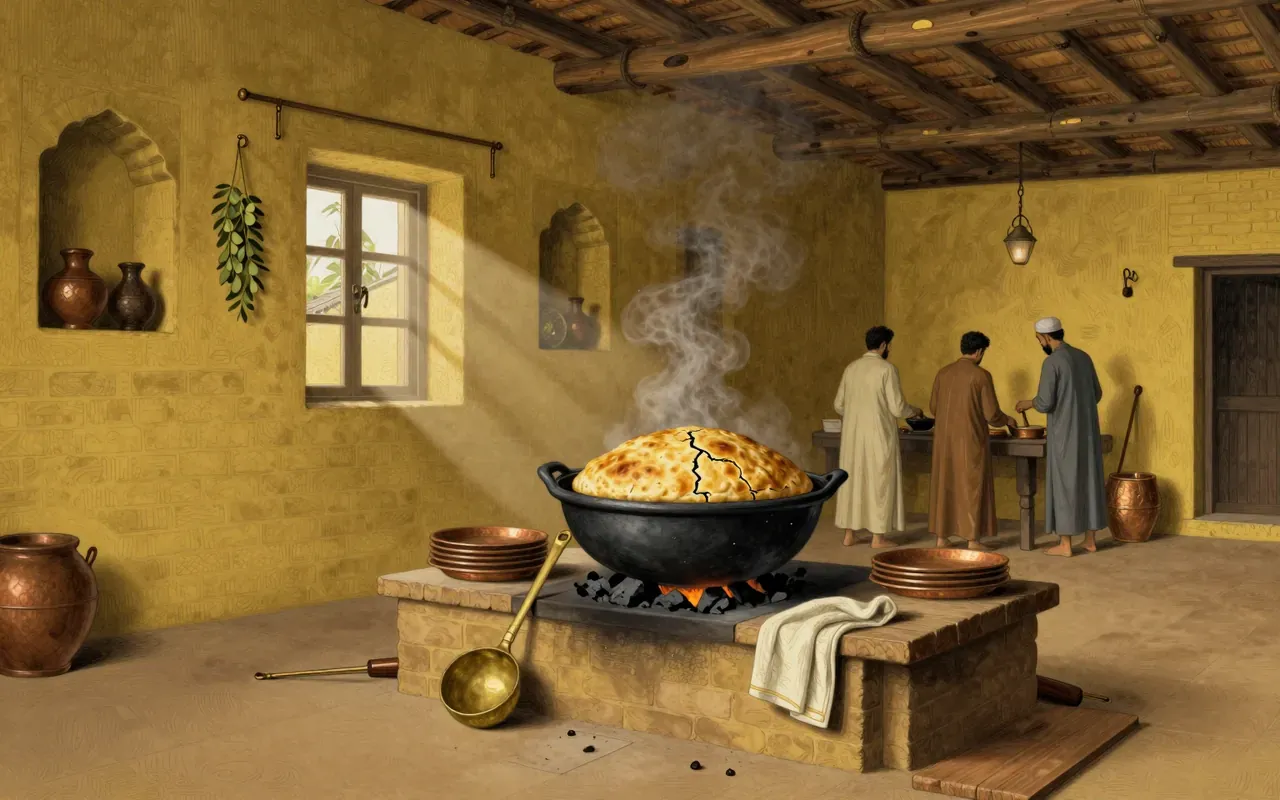
Ghormeh sabzi

A Persian herbal stew of sautéed greens, lamb, kidney beans, black lime, and fenugreek.
0:55

Halva

A dense, crumbly or fudge-like confection made from sesame paste and sugar—or toasted flour and syrup—rooted in Persian and early Arab culinary traditions.
1:43

Hyderabadi biryani

A layered rice-and-meat dish from Hyderabad, India, cooked sealed in a handi using the dum method.