briefs
Topic · across the network

Fascism

The politics of rebirth through violence, and how ordinary it can look first.

45
briefs
6
subjects
12:13
average
550 min
in total
Abstraction 407Absurdism 137Acoustics 220Acting 65Adaptation 372Addiction 95Adolescence 202Advertising 77Age of exploration 14Ageing 113Agriculture 100Algorithms 114Ambition 46Anarchism 38Ancient Egypt 17Ancient Greece 38Ancient Rome 30Animals 172Anthropology 23Apartheid 12Architecture 165Archives 32Argentina 10Art Deco 26Artificial intelligence 78Astronomy 81Attention 42Australia 32Automation 73Avant-garde 164Aviation 79Banking 72Banned works 40Bauhaus 12Beer 5Behavioural economics 22Berlin 16Big tech 6Biodiversity 136Biography 86Birds 41Black holes 20Blockchain 12Boxing 14Branding 77Brazil 43Bread 29Britain 131Brutalism 4Bubbles 3Buddhism 28Byzantium 10California 17Canada 18Capitalism 94Cars 468Celebrity 59Censorship 110Cheese 24Chefs 9Chemistry 104Chess 2Childhood 87China 109Chocolate 8Christianity 49Cinematography 343Cities 90Class 485Climate change 107Club culture 100Cocktails 2Coffee 11Cognitive bias 14Collecting 16Colonialism 284Colour 42Comedy 89Community 52Complexity 21Computing 309Consciousness 16Conservatism 14Conspiracy theories 8Cooking 178Corruption 38Cosmology 31Cover versions 64Craft 116Crate digging 42Creativity 8Crime 234Cryptocurrency 8Cryptography 24Cuba 10Cybersecurity 30Dada 12Debt 38Decision-making 28Decolonisation 46Deep time 80Democracy 45Denim 16Deserts 45Detroit 17Dinosaurs 12Directing 168Disasters 59Disease 109DJ culture 89Dreams 32Drones 5Drum machines 96Dystopia 69East Africa 28Ecology 337Economics 36Editing 72Education 92Egypt 12Electric vehicles 59Emotion 22Empire 92Endurance 49Energy 120Engineering 541Entropy 8Epidemics 13Equality 9Espionage 31Ethics 44Evolution 174Existentialism 106Expertise 2Exploration 49Extinction 23Failure 37Family 240Fandom 22Fascism 45Fashion 215Fast fashion 12Fear 34Feminism 122Fermentation 126Film music 81Fishing 12Folklore 71Food history 588Football 16Forests 31Forgery 7France 163Fraud 15Free will 13Freedom 16French literature 15Friendship 24Furniture 36Gambling 14Gender 63Generations 28Genetics 87Geology 96Germany 66Globalisation 74Gothic 32Greece 5Grief 126Habits 6Happiness 2Hardware 709Haute couture 22Headphones 8Hi-fi 12Hinduism 12Hoaxes 1Human history 23Human nature 41Identity 138Illustration 8Impressionism 6Improvisation 249India 89Indonesia 15Industrial design 342Inequality 13Inflation 4Information 34Infrastructure 280Insects 29Intelligence 8Interiors 31Internet culture 88Invention 329Iran 41Islam 40Islands 17Israel 9Italy 52Jamaica 10Japan 114Jewellery 5Journalism 34Judaism 13Justice 42Korea 41Language 70Law 90Leadership 20Learning 6Liberalism 1Libraries 6Literary criticism 26London 12Loneliness 61Los Angeles 62Lost works 9Love 67Luxury 55Machine learning 15Management 10Maps 5Marketing 21Markets 51Mars 6Marxism 26Masculinity 46Materials 138Mathematics 79Meaning 6Medicine 124Memory 82Mental health 70Mesopotamia 4Mexico 38Migration 95Minimalism 68Mining 30Misinformation 9Modernism 63Money 24Monopoly 32Mortality 61Motivation 2Mountains 16Museums 27Mysticism 11Mythology 60Nationalism 40Neuroscience 23New York 36Nigeria 7Nihilism 10Noise 31Nostalgia 33Nuclear 29Nutrition 17Oceans 48Oil 42Open source 45Painting 18Palaeontology 29Parenting 14Paris 18Partition 6Patents 71Patronage 14Perception 44Personal style 27Personality 2Persuasion 8Peru 10Philosophy 77Photography 37Physics 206Plants 26Platforms 89Podcasting 1Poetry 25Poland 17Policing 34Pop Art 16Populism 2Portraiture 6Portugal 18Postmodernism 23Power 91Prehistory 24Preservation 28Printmaking 21Privacy 11Probability 6Productivity 1Programming 54Prohibition 1Propaganda 35Protest 75Pseudoscience 17Psychology 80Publishing 22Punishment 16Quantum mechanics 44Race 145Radio 30Railways 35Rave 17Realism 47Record labels 19Recording 810Relativity 23Religion 154Resilience 15Restaurants 30Restoration 2Retail 94Revolution 58Risk 18Ritual 96Robotics 26Romance 96Russia 58Salt 9Sampling 246Satire 84Scandinavia 28Scientific method 186Screenwriting 26Sculpture 7Secularism 2Self-deception 14Semiconductors 73Sexuality 102Ships 18Silence 24Silicon Valley 17Slavery 35Sleep 2Smartphones 27Sneakers 15Social media 58Socialism 9Software 68Songwriting 180Sound design 332Sound systems 20South Africa 19South East Asia 30Space exploration 84Spain 18Special effects 41Spices 62Spirits 12Sport 82Startups 21Statistics 10Status 9Stoicism 4Storytelling 68Strategy 70Street food 99Streetwear 16Studio craft 508Subcultures 59Sugar 12Supply chains 115Surrealism 53Surveillance 21Sustainability 30Synthesis 232Tailoring 37Taxation 14Tea 24Textiles 97Thailand 11The American Revolution 19The American South 88The Arab world 41The Arctic 19The Balkans 17The Belle Epoque 13The body 29The brain 26The Caribbean 28The civil rights movement 62The Cold War 160The eighties 268The Enlightenment 29The financial crisis 19The First World War 39The food industry 157The French Revolution 9The Gilded Age 9The Great Depression 18The Holocaust 20The Industrial Revolution 93The internet 61The interwar years 135The Middle Ages 35The Moon 4The music business 169The Netherlands 10The nineties 26The Olympics 10The pandemic 13The Reformation 1The Renaissance 16The Russian Revolution 19The Second World War 102The seventies 58The sixties 28The space race 5The United States 19The universe 7The Victorian era 37Therapy 20Tokyo 11Trade 48Tragedy 22Translation 5Trauma 85Travel 5True crime 2Turkey 18Typography 54Uniforms 23Unions 8Urban planning 66Utilitarianism 1Utopia 5Vaccines 10Vegetarianism 15Venture capital 6Video games 291Vietnam 12Vintage 65Vinyl 6Virtual reality 11War 169Watches 4Water 11Weather 29West Africa 29Wilderness 10Wine 3Work 22Workwear 19Worldbuilding 121

film.briefs Film

All 27 in film →
13:00

A Special Day

Ettore Scola · 1977

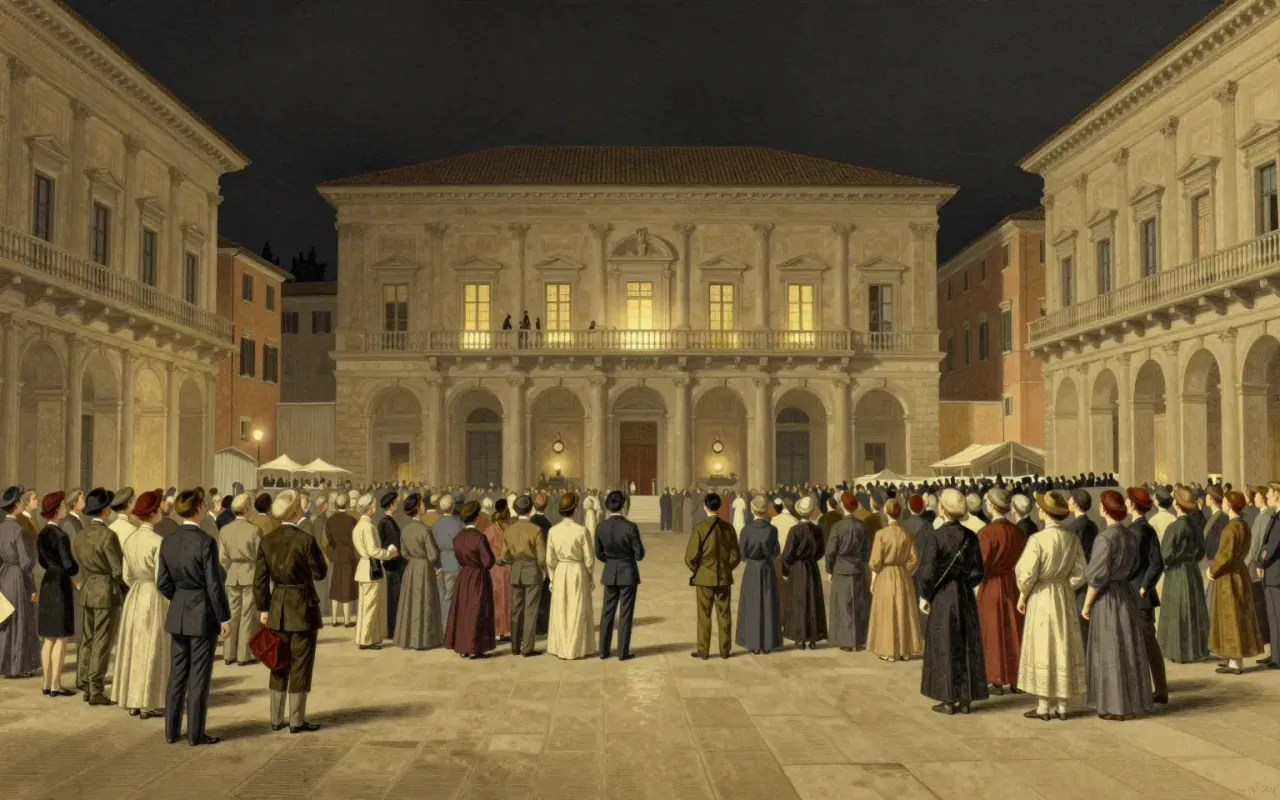
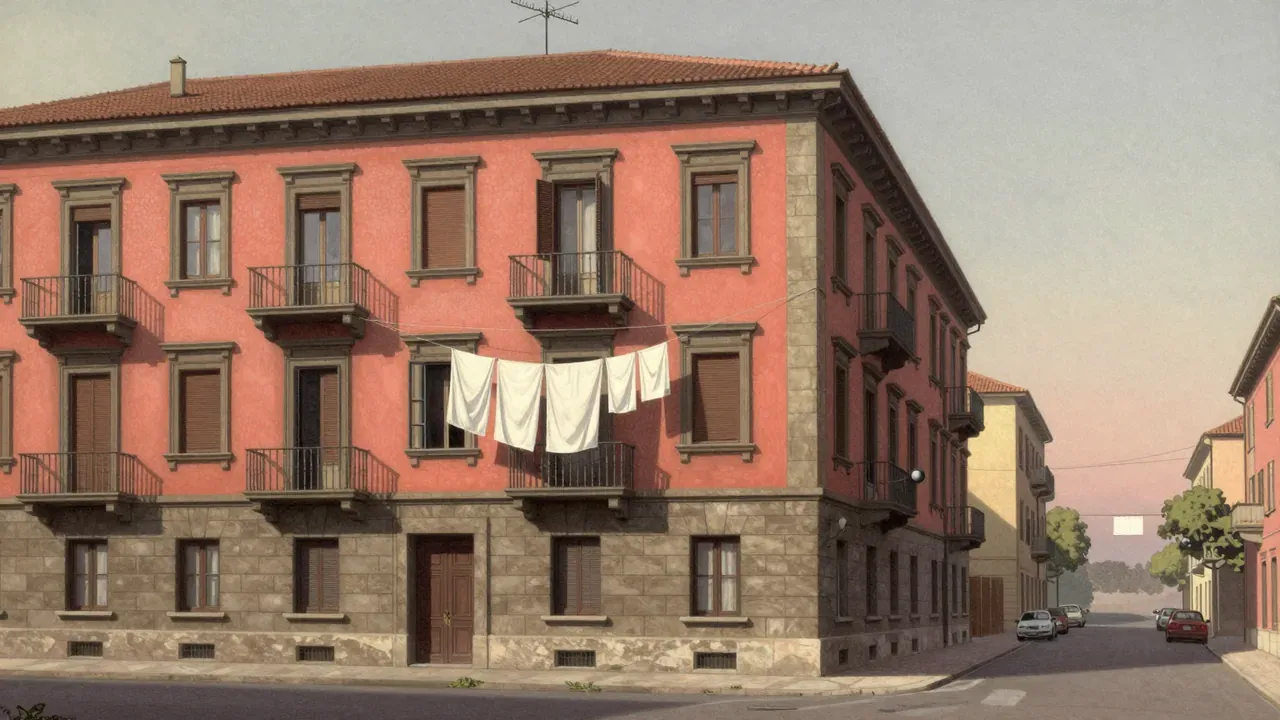
Set in Rome on 4 May 1938 — the day Hitler visits Mussolini — A Special Day confines itself to a single apartment building where a housewife and a dismissed gay radio broadcaster spend an afternoon together. Directed by Ettore Scola and starring Sophia Loren and Marcello Mastroianni, it uses muted colour, deep focus, and restrained performances to explore gender, sexuality, and quiet dissent under fascism.

13:00

Blood for Dracula

Paul Morrissey, Antonio Margheriti · 1974

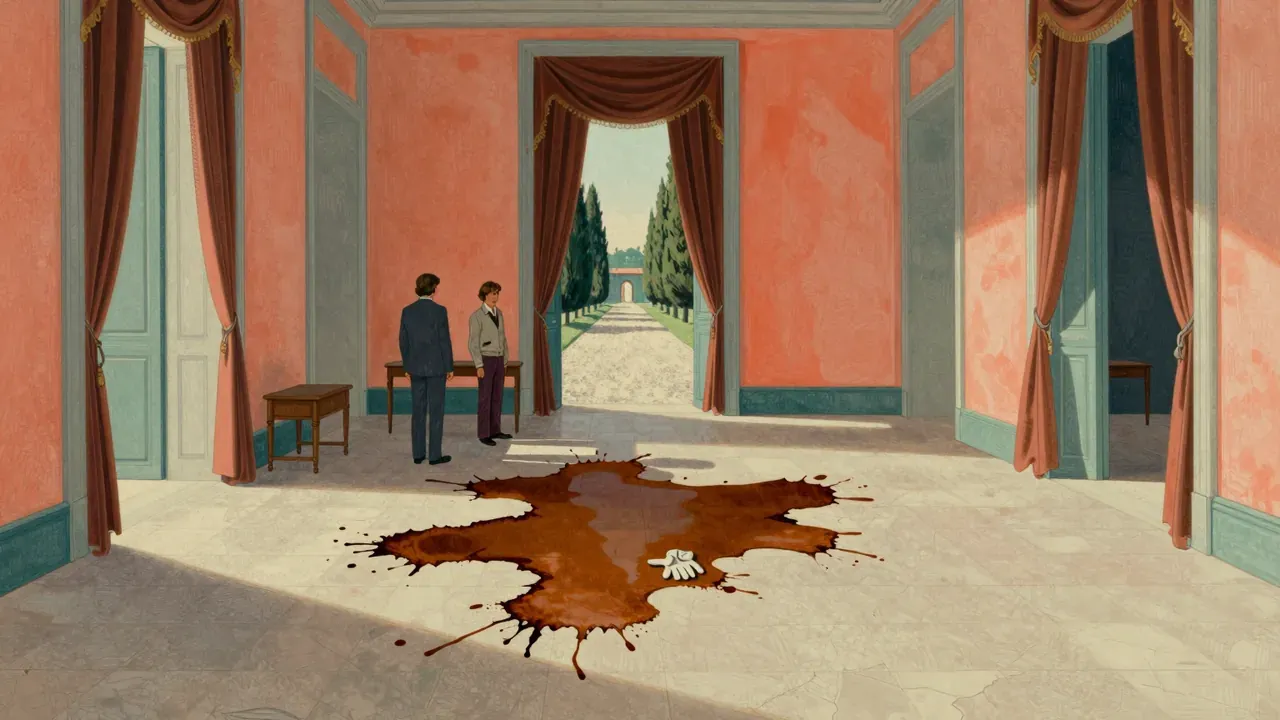
Blood for Dracula (1974) is a co-credited Paul Morrissey–Antonio Margheriti splatter film starring Udo Kier as a dying Count Dracula who travels to pre-Fascist Italy seeking virgin blood, only to find sexual candour, Marxist rhetoric, and aristocratic bankruptcy instead. Shot in France with an English-speaking cast, it uses gothic tropes to dissect legitimacy, scarcity, and ideological exhaustion. Luigi Kuveiller’s underlit cinematography and Claudio Gizzi’s sparse score reinforce its clinical tone. Though released as Andy Warhol’s Dracula, Warhol’s involvement was nominal. The film opened to mixed reviews and remains a singular artefact of 1970s arthouse-horror hybridity.

13:00

Christ Stopped at Eboli

Francesco Rosi · 1979

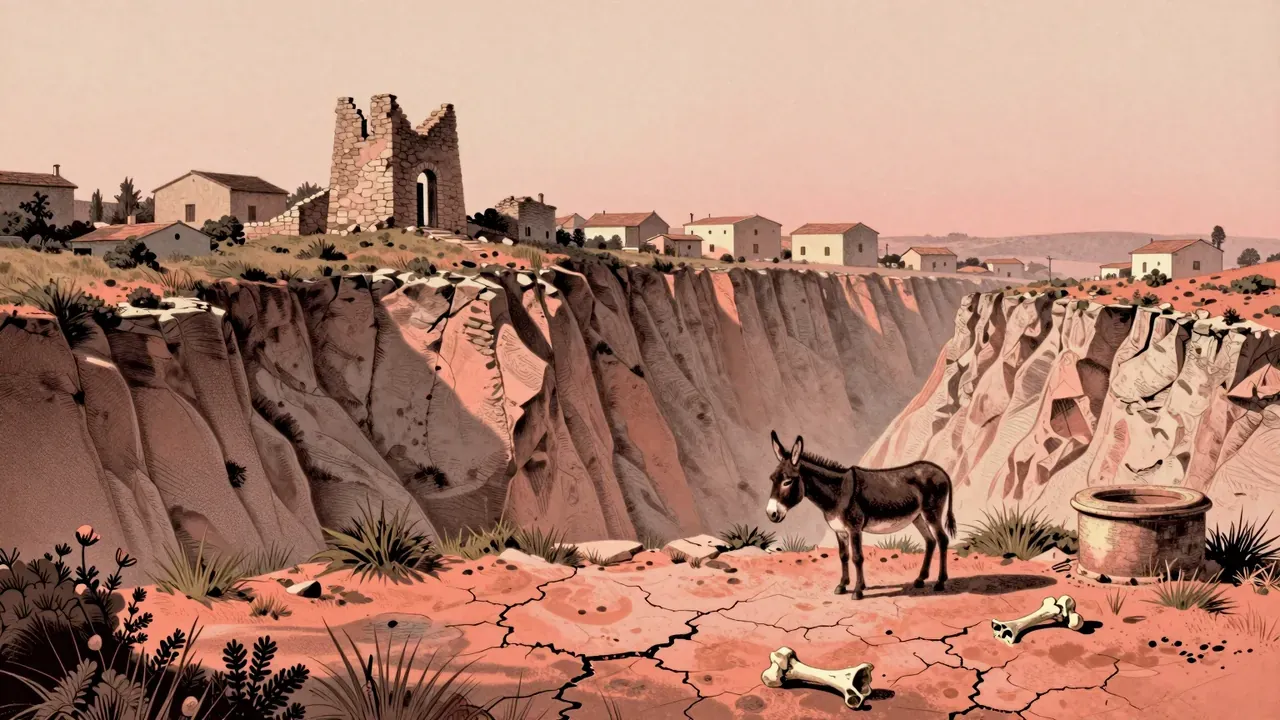
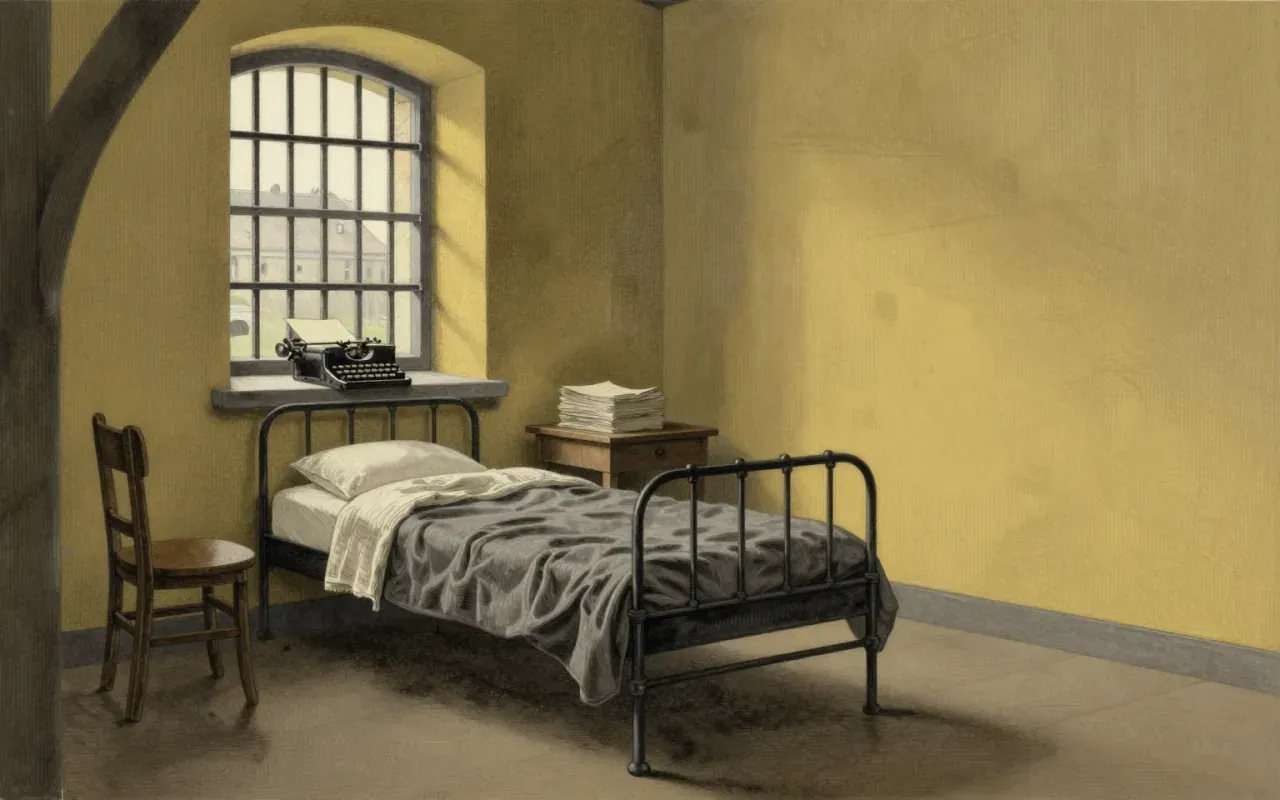
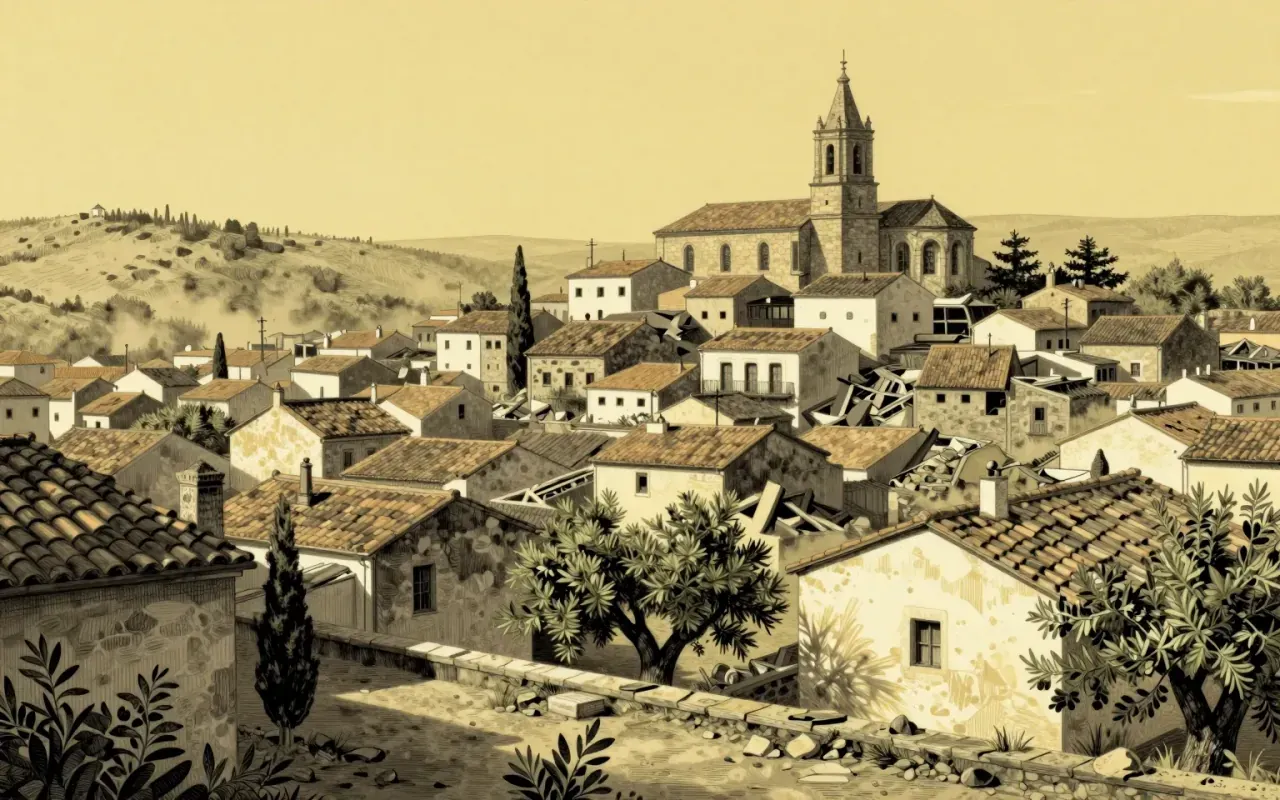
Francesco Rosi’s 1979 adaptation of Carlo Levi’s memoir follows a Turin intellectual exiled to rural Basilicata under Fascism. Shot on location in crumbling villages, it renders poverty, superstition and resilience without sentiment or exposition. Gian Maria Volonté plays Levi as observer first, healer second, and the film’s power lies in its patient, unsparing gaze—not on suffering, but on what power ignores.

13:00

Day of Wrath

Carl Theodor Dreyer · 1943

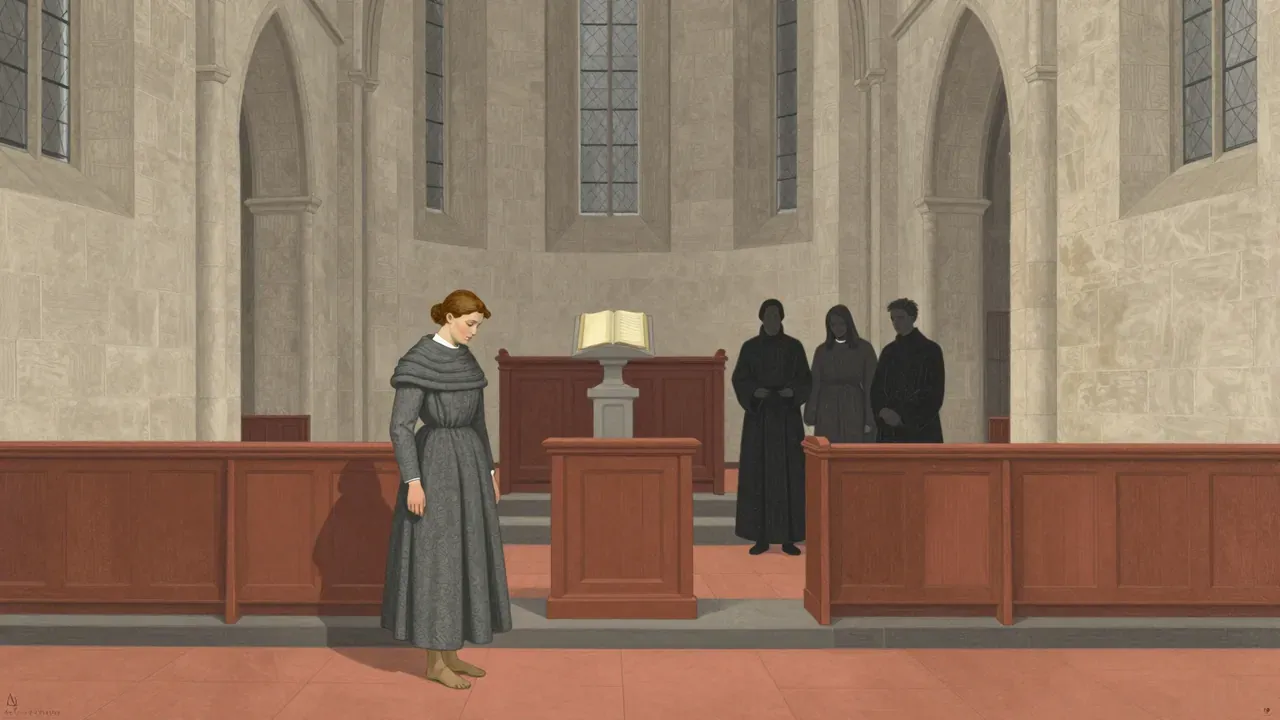
Carl Theodor Dreyer’s 1943 Danish drama, set in 1623, follows Anne, a young woman married to an elderly pastor, as she navigates suspicion, forbidden desire and the violent logic of witch trials. Made under Nazi occupation, it uses extreme restraint—of movement, music, editing—to expose how authority, faith and family conspire to erase individual conscience.

13:00

Desperate Living

John Waters · 1977

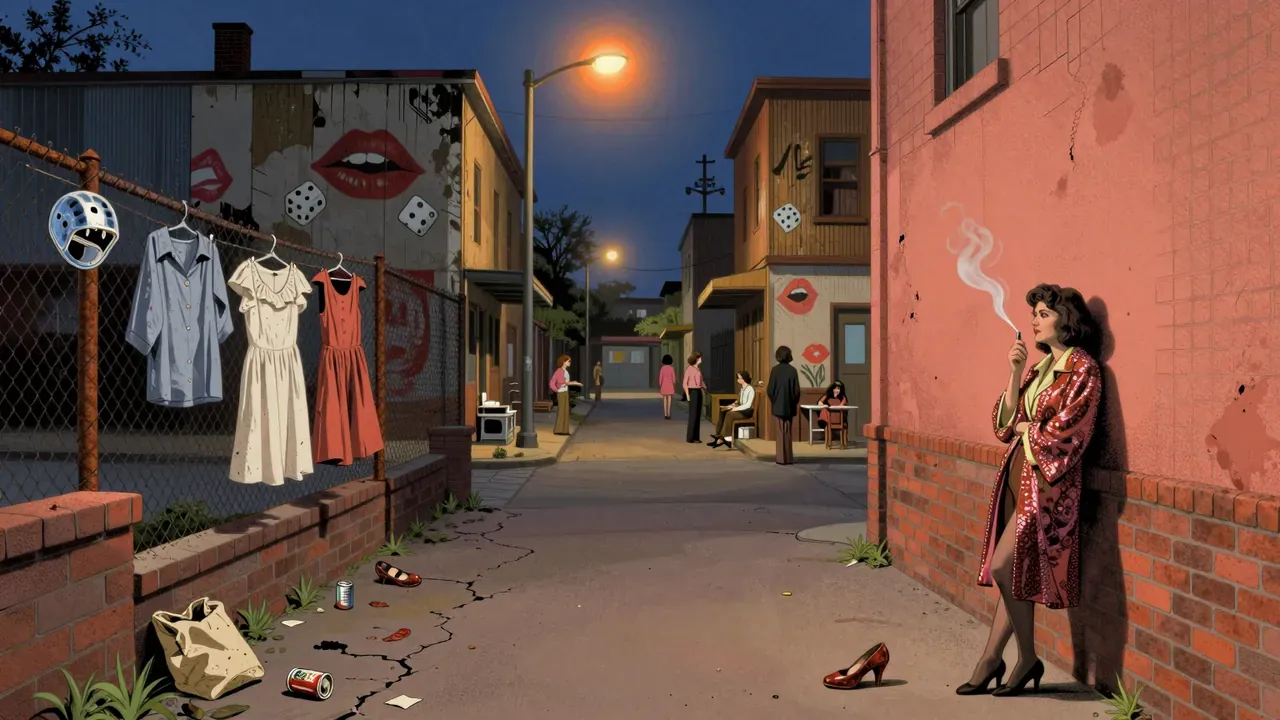
John Waters’ 1977 Desperate Living is the third and most formally controlled entry in his Trash Trilogy: a black comedy set in Mortville, a shantytown exile colony ruled by a fascist queen. Made without Divine and shot on scavenged sets in rural Maryland, it trades shock for sustained tone — using deadpan performances, flimsy production design, and bureaucratic absurdity to dissect power, gender, and class. Its cult status rests not on laughter, but on its unwavering commitment to a world where cruelty wears a clipboard and revolution smells of roasting pork.

13:00

Diary of a Chambermaid

Luis Buñuel · 1964

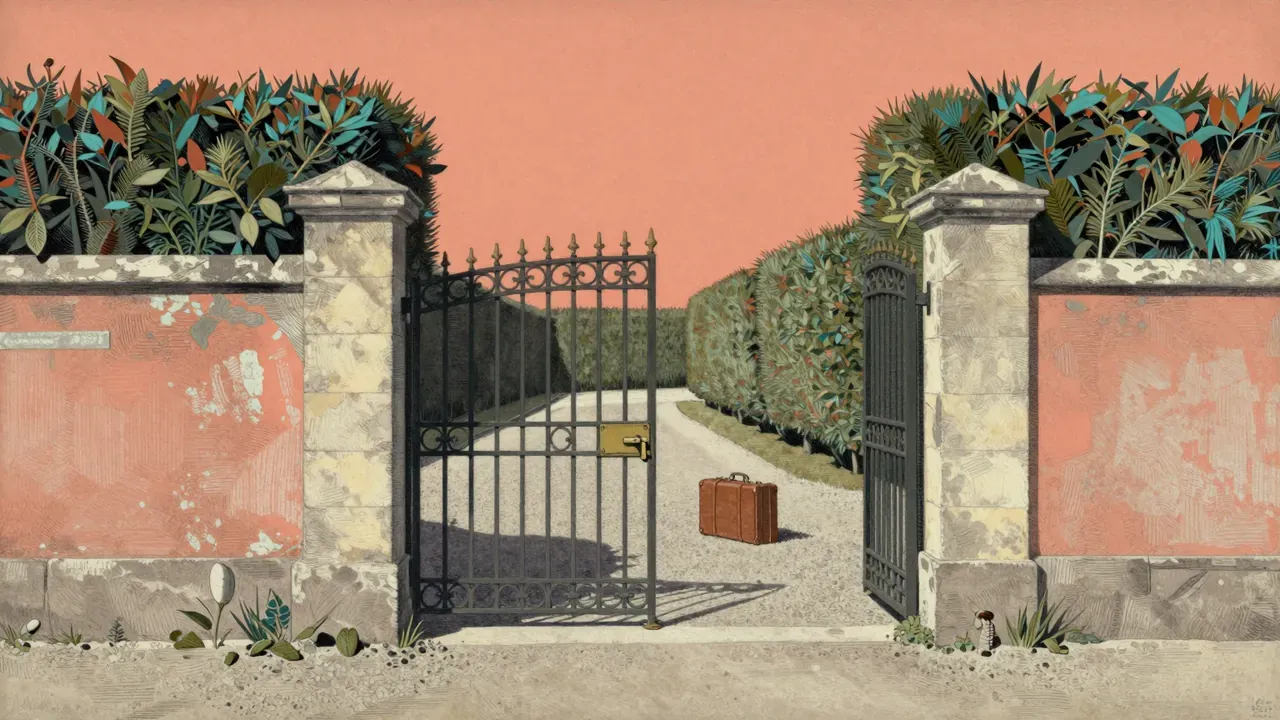
Luis Buñuel’s 1964 Diary of a Chambermaid adapts Octave Mirbeau’s novel with Jean-Claude Carrière, following Jeanne Moreau’s Célestine as she navigates a decaying provincial household in late-1920s France. Rejecting surrealism for restrained realism, the film traces how power, prejudice and violence settle into routine — through glances, footwear, leaflets and wills. Roger Fellous’ cinematography treats interiors like crime scenes; Moreau’s performance hinges on withheld reaction. It ends not with justice but consolidation: the system endures, reshaped but intact.

13:00

Fighting Elegy

Seijun Suzuki · 1966

Seijun Suzuki’s 1966 drama follows Kiroku Nanbu, a Catholic teen in pre-war Japan whose sexual repression and institutional alienation spiral into ritualised violence and, finally, political extremism. Adapted by Kaneto Shindō from Takashi Suzuki’s novel, the film uses stark black-and-white imagery, abrupt editing and physical performance to chart a psyche collapsing under the weight of unspoken longing and enforced discipline.

13:00

General Della Rovere

Roberto Rossellini · 1959

Roberto Rossellini’s 1959 drama follows a conman hired by Nazi occupiers to impersonate a dead Resistance general inside a Milan prison. As he inhabits the role among real prisoners, his performance hardens into conviction — not through revelation, but through repeated, quiet acts of solidarity. Shot in German by Italian filmmakers, with Vittorio De Sica in a career-defining turn, it is a restrained, morally exacting portrait of identity forged in extremity.

history.briefs History

All 10 in history →
10:14

Night of the Long Knives

30 June to 2 July 1934

The Night of the Long Knives was not a spontaneous outburst. It was a calculated, multi-day purge ordered by Hitler and executed by Nazi security organs to eliminate rivals and win over the army — then legally ratified by Germany’s own courts and cabinet. It established that legality could be weaponised, not just suspended.

10:18

Reichstag fire

27 February 1933

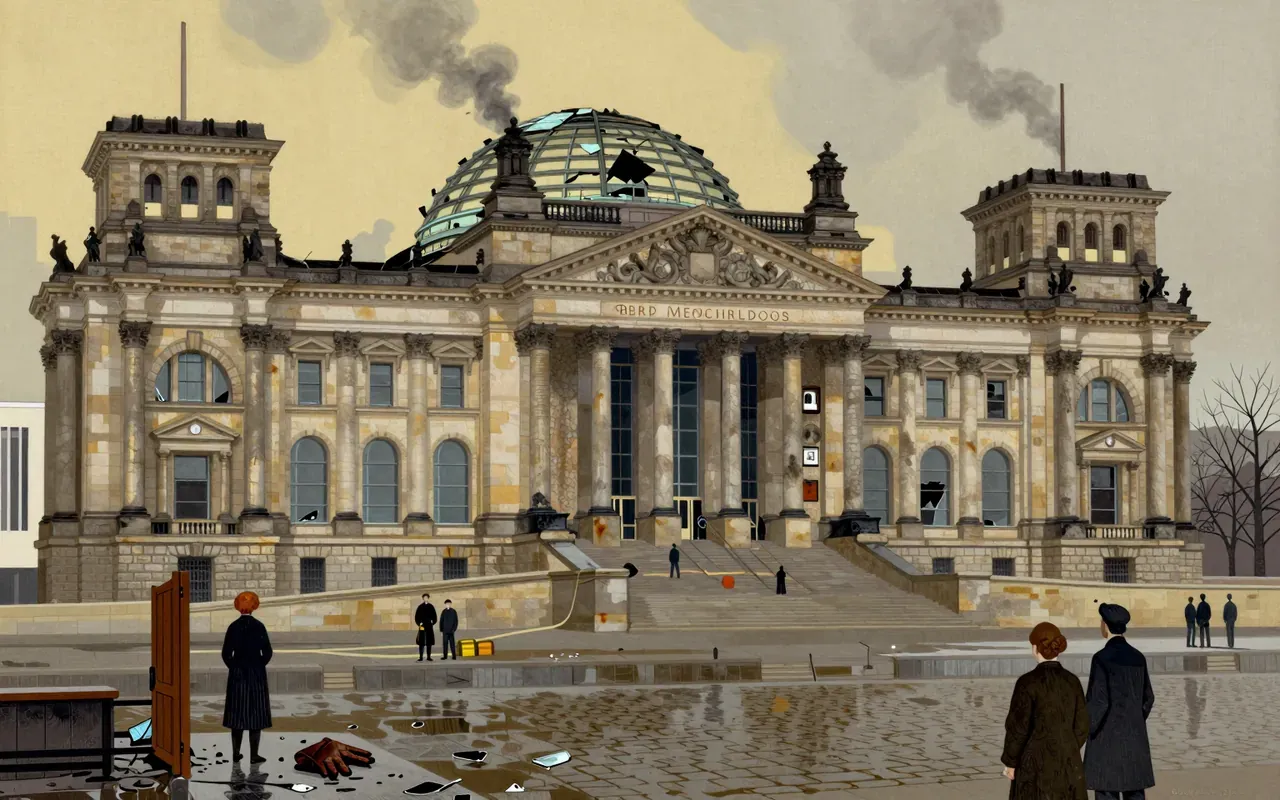
The Reichstag fire was an arson attack on 27 February 1933 in Berlin. It was reported at 9:00 p.m., extinguished by 11:30 p.m., and gutted most of the building. Van der Lubbe was arrested inside. Twenty unburned firelighters were found. The Nazi government used it within 24 hours to suspend civil liberties. Who started it remains contested. The record proves method and consequence — not motive, conspiracy or sole agency.

10:48

Spanish Civil War

1936 to 1939

The Spanish Civil War was a domestically rooted civil conflict (1936–1939) between Republicans defending the Popular Front government and Nationalists launching a failed coup. It ended with Nationalist victory and Franco’s authoritarian regime — lasting until 1975. Evidence confirms militia mobilisation, Franco’s October 1936 appointment as supreme leader, organised purges in conquered zones, and Casado’s March 1939 coup fracturing Republican resistance. What remains contested includes the scale, coordination and motives behind Republican executions — the source only states local authority involvement 'varied by location'. The war changed Spain’s constitutional order permanently and demonstrated how foreign powers weaponise civil wars as ideological proxies.

13:00

Adolf Hitler

1889–1945

Adolf Hitler rose from a failed art student and decorated First World War soldier to leader of the Nazi Party by 1921, became German chancellor in January 1933 through a backroom deal among conservative politicians who believed they could control him, and consolidated absolute power within months through the Enabling Act. His government pursued territorial expansion that triggered the Second World War and orchestrated the Holocaust, killing an estimated six million Jews and millions of others, before his suicide in Berlin on 30 April 1945 as Soviet forces closed in on the city.

13:00

Benito Mussolini

1883–1945

Benito Mussolini built his early reputation as a socialist journalist before breaking with the party over the First World War, founding the fascist movement that took power in 1922 through a mostly legal transfer he later mythologised as a revolutionary march on Rome. His alliance with Hitler, sealed through Ethiopia's invasion, the Spanish Civil War, and the Pact of Steel, ended in his own removal by the king he had served, capture by partisans, and summary execution in April 1945.

13:00

Francisco Franco

1892–1975

Francisco Franco rose from Europe's youngest general in 1926 to leader of the Nationalist side in Spain's civil war, winning with substantial German and Italian military aid before ruling as dictator from 1939 until his death in 1975. His regime's repression killed tens of thousands after the war ended, though estimates for that toll, and for the war's own death count, vary so widely between historians that the scale of the uncertainty is itself a documented feature of his legacy rather than a gap waiting to be closed.

13:00

Anschluss

13 March 1938

Adolf Hitler annexed Austria in March 1938 after coercing Chancellor Kurt Schuschnigg's resignation and sending German troops in under the pretext of a forged invitation, ending Austrian independence and folding it into the Reich as Ostmark. A plebiscite the following month reported 99.7 percent approval, but arrests, disenfranchisement of political opponents and Jews, and intense propaganda surrounding the vote have left historians divided over how genuine that figure actually was.

13:00

Beer Hall Putsch

8 November – 9 November 1923

Hitler's attempt to seize power in Munich on 8 and 9 November 1923 collapsed within hours once a police cordon met his marching supporters with gunfire, killing sixteen Nazis and four police officers before Hitler was arrested two days later. His trial gave him national publicity he had not had before, his sentence amounted to comfortable fortress confinement rather than harsh imprisonment, and the nine months he actually served produced Mein Kampf and a deliberate strategic shift from armed putsch to the legal route that brought him to power a decade later.

games.briefs Games

All 4 in games →
9:41

Wolfenstein (2009 video game)

Raven Software · 2009

Wolfenstein (2009) is a first-person shooter that adds a supernatural layer — the Veil — to id Tech 4. It lets players slow time, bypass obstacles, and kill shielded enemies. Raven Software built it using id’s engine technology. Development problems led to layoffs. The Veil is mechanically functional but narratively detached. It is a technical demonstration, not a unified experience.

8:39

Far Cry 6

Ubisoft Montreal · 2021

Far Cry 6 is a first-person shooter set on the fictional Caribbean island of Yara, where the player assumes the role of Dani Rojas, a guerrilla fighter attempting to topple the dictatorship of Antón Castillo.

9:18

Return to Castle Wolfenstein

Gray Matter Interactive · 2001

Return to Castle Wolfenstein is a first-person shooter built on id Tech 3, where the player navigates levels and fights enemies including Nazi soldiers, undead, and experimental mutants. In the game's single-player mode, players use combat and stealth to complete objectives across 27 levels in 7 missions. Missions begin with a mission briefing, providing information about objectives, and may include activities such as reaching the end of an area, defeating all the enemies, collecting certain items, eliminating specific enemies, or stealth missions. The player acquires weapons and ammo throughout levels, including for pistols, submachine guns, rifles, grenades, rockets, flamethrowers, and experimental weapons including the Venom, a minigun, and the Tesla Gun, which shoots electricity at enemies. Some weapons have alternate fire modes, such as rifles that have a scope, or shoot projectiles. The player can also engage in melee combat by either kicking or using a knife. Damage is location-specific, with headshots damaging enemies more than other areas. Special items can be collected that increase the player's health, ammo, armor, or stamina.
10:29

Wolfenstein 3D

id Software · 1992

A foundational first-person shooter that uses rigid grid-based level design, fixed-height walls, and Nazi iconography as structural constraints—not just theme—to create a fast, lethal, and relentlessly focused combat loop.

business.briefs Business

All 2 in business →
9:33

Allianz

The world’s largest insurer insured Auschwitz — and kept growing.
10:16

Volkswagen

Ferdinand Porsche · 1937

Volkswagen was a Nazi state project designed by Ferdinand Porsche, funded by coerced public savings, and diverted entirely to military production. Its 'people’s car' promise was broken before delivery — yet its engineering outlived its ideology.

culture.briefs Culture

All 1 in culture →
8:53

Culture industry

The culture industry isn’t about bad taste—it’s about obedience built into the assembly line of entertainment.

fashion.briefs Fashion

All 1 in fashion →
9:28

Hugo Boss

Hugo Boss · 1924

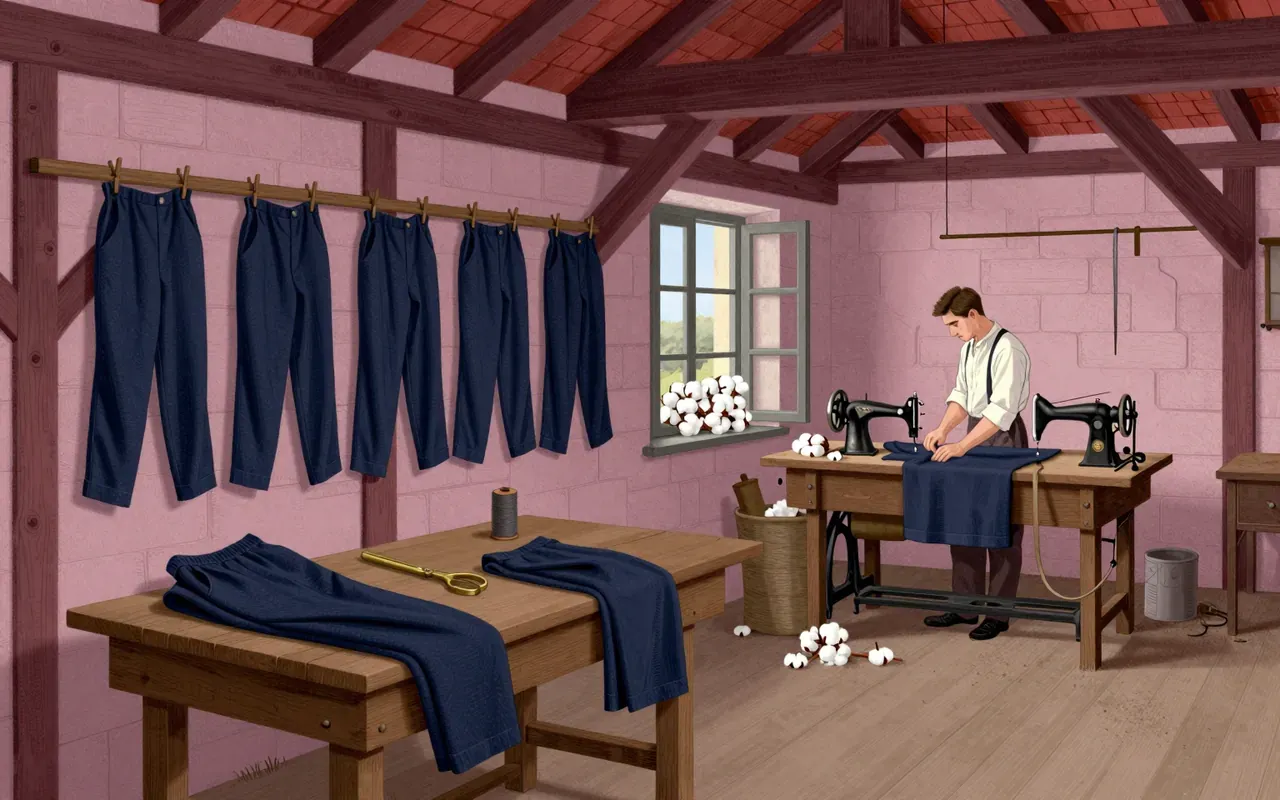
Hugo Boss in 1924 was a regional workwear factory — not a fashion institution, not a design innovator, not a global brand. Its significance lies entirely in what came after: Nazi Party membership in 1931, wartime exploitation of 140 forced labourers, and a delayed reckoning that arrived only in 2001. The 1924 origin is factual scaffolding — not cultural substance.