briefs
Topic · across the network

Gender

Roles, expectations and the fights over who assigns them.

63
briefs
9
subjects
11:27
average
722 min
in total
Abstraction 407Absurdism 137Acoustics 220Acting 65Adaptation 372Addiction 95Adolescence 202Advertising 77Age of exploration 14Ageing 113Agriculture 100Algorithms 114Ambition 46Anarchism 38Ancient Egypt 17Ancient Greece 38Ancient Rome 30Animals 172Anthropology 23Apartheid 12Architecture 165Archives 32Argentina 10Art Deco 26Artificial intelligence 78Astronomy 81Attention 42Australia 32Automation 73Avant-garde 164Aviation 79Banking 72Banned works 40Bauhaus 12Beer 5Behavioural economics 22Berlin 16Big tech 6Biodiversity 136Biography 86Birds 41Black holes 20Blockchain 12Boxing 14Branding 77Brazil 43Bread 29Britain 131Brutalism 4Bubbles 3Buddhism 28Byzantium 10California 17Canada 18Capitalism 94Cars 468Celebrity 59Censorship 110Cheese 24Chefs 9Chemistry 104Chess 2Childhood 87China 109Chocolate 8Christianity 49Cinematography 343Cities 90Class 485Climate change 107Club culture 100Cocktails 2Coffee 11Cognitive bias 14Collecting 16Colonialism 284Colour 42Comedy 89Community 52Complexity 21Computing 309Consciousness 16Conservatism 14Conspiracy theories 8Cooking 178Corruption 38Cosmology 31Cover versions 64Craft 116Crate digging 42Creativity 8Crime 234Cryptocurrency 8Cryptography 24Cuba 10Cybersecurity 30Dada 12Debt 38Decision-making 28Decolonisation 46Deep time 80Democracy 45Denim 16Deserts 45Detroit 17Dinosaurs 12Directing 168Disasters 59Disease 109DJ culture 89Dreams 32Drones 5Drum machines 96Dystopia 69East Africa 28Ecology 337Economics 36Editing 72Education 92Egypt 12Electric vehicles 59Emotion 22Empire 92Endurance 49Energy 120Engineering 541Entropy 8Epidemics 13Equality 9Espionage 31Ethics 44Evolution 174Existentialism 106Expertise 2Exploration 49Extinction 23Failure 37Family 240Fandom 22Fascism 45Fashion 215Fast fashion 12Fear 34Feminism 122Fermentation 126Film music 81Fishing 12Folklore 71Food history 588Football 16Forests 31Forgery 7France 163Fraud 15Free will 13Freedom 16French literature 15Friendship 24Furniture 36Gambling 14Gender 63Generations 28Genetics 87Geology 96Germany 66Globalisation 74Gothic 32Greece 5Grief 126Habits 6Happiness 2Hardware 709Haute couture 22Headphones 8Hi-fi 12Hinduism 12Hoaxes 1Human history 23Human nature 41Identity 138Illustration 8Impressionism 6Improvisation 249India 89Indonesia 15Industrial design 342Inequality 13Inflation 4Information 34Infrastructure 280Insects 29Intelligence 8Interiors 31Internet culture 88Invention 329Iran 41Islam 40Islands 17Israel 9Italy 52Jamaica 10Japan 114Jewellery 5Journalism 34Judaism 13Justice 42Korea 41Language 70Law 90Leadership 20Learning 6Liberalism 1Libraries 6Literary criticism 26London 12Loneliness 61Los Angeles 62Lost works 9Love 67Luxury 55Machine learning 15Management 10Maps 5Marketing 21Markets 51Mars 6Marxism 26Masculinity 46Materials 138Mathematics 79Meaning 6Medicine 124Memory 82Mental health 70Mesopotamia 4Mexico 38Migration 95Minimalism 68Mining 30Misinformation 9Modernism 63Money 24Monopoly 32Mortality 61Motivation 2Mountains 16Museums 27Mysticism 11Mythology 60Nationalism 40Neuroscience 23New York 36Nigeria 7Nihilism 10Noise 31Nostalgia 33Nuclear 29Nutrition 17Oceans 48Oil 42Open source 45Painting 18Palaeontology 29Parenting 14Paris 18Partition 6Patents 71Patronage 14Perception 44Personal style 27Personality 2Persuasion 8Peru 10Philosophy 77Photography 37Physics 206Plants 26Platforms 89Podcasting 1Poetry 25Poland 17Policing 34Pop Art 16Populism 2Portraiture 6Portugal 18Postmodernism 23Power 91Prehistory 24Preservation 28Printmaking 21Privacy 11Probability 6Productivity 1Programming 54Prohibition 1Propaganda 35Protest 75Pseudoscience 17Psychology 80Publishing 22Punishment 16Quantum mechanics 44Race 145Radio 30Railways 35Rave 17Realism 47Record labels 19Recording 810Relativity 23Religion 154Resilience 15Restaurants 30Restoration 2Retail 94Revolution 58Risk 18Ritual 96Robotics 26Romance 96Russia 58Salt 9Sampling 246Satire 84Scandinavia 28Scientific method 186Screenwriting 26Sculpture 7Secularism 2Self-deception 14Semiconductors 73Sexuality 102Ships 18Silence 24Silicon Valley 17Slavery 35Sleep 2Smartphones 27Sneakers 15Social media 58Socialism 9Software 68Songwriting 180Sound design 332Sound systems 20South Africa 19South East Asia 30Space exploration 84Spain 18Special effects 41Spices 62Spirits 12Sport 82Startups 21Statistics 10Status 9Stoicism 4Storytelling 68Strategy 70Street food 99Streetwear 16Studio craft 508Subcultures 59Sugar 12Supply chains 115Surrealism 53Surveillance 21Sustainability 30Synthesis 232Tailoring 37Taxation 14Tea 24Textiles 97Thailand 11The American Revolution 19The American South 88The Arab world 41The Arctic 19The Balkans 17The Belle Epoque 13The body 29The brain 26The Caribbean 28The civil rights movement 62The Cold War 160The eighties 268The Enlightenment 29The financial crisis 19The First World War 39The food industry 157The French Revolution 9The Gilded Age 9The Great Depression 18The Holocaust 20The Industrial Revolution 93The internet 61The interwar years 135The Middle Ages 35The Moon 4The music business 169The Netherlands 10The nineties 26The Olympics 10The pandemic 13The Reformation 1The Renaissance 16The Russian Revolution 19The Second World War 102The seventies 58The sixties 28The space race 5The United States 19The universe 7The Victorian era 37Therapy 20Tokyo 11Trade 48Tragedy 22Translation 5Trauma 85Travel 5True crime 2Turkey 18Typography 54Uniforms 23Unions 8Urban planning 66Utilitarianism 1Utopia 5Vaccines 10Vegetarianism 15Venture capital 6Video games 291Vietnam 12Vintage 65Vinyl 6Virtual reality 11War 169Watches 4Water 11Weather 29West Africa 29Wilderness 10Wine 3Work 22Workwear 19Worldbuilding 121

books.briefs Books

All 5 in books →
13:42

Barren Ground

Ellen Anderson Gholson Glasgow · 1925

Barren Ground rejects romantic redemption. It follows Dorinda Oakley from betrayed youth to stoic middle age, arguing that endurance—not love—is the land’s only reward. The book’s power lies in its refusal of catharsis: Jason’s ruin is physical erasure, not tragedy; Dorinda’s grief is for love she never had, not love she lost.

13:21

Medea of Euripides

Euripides · 406 BC

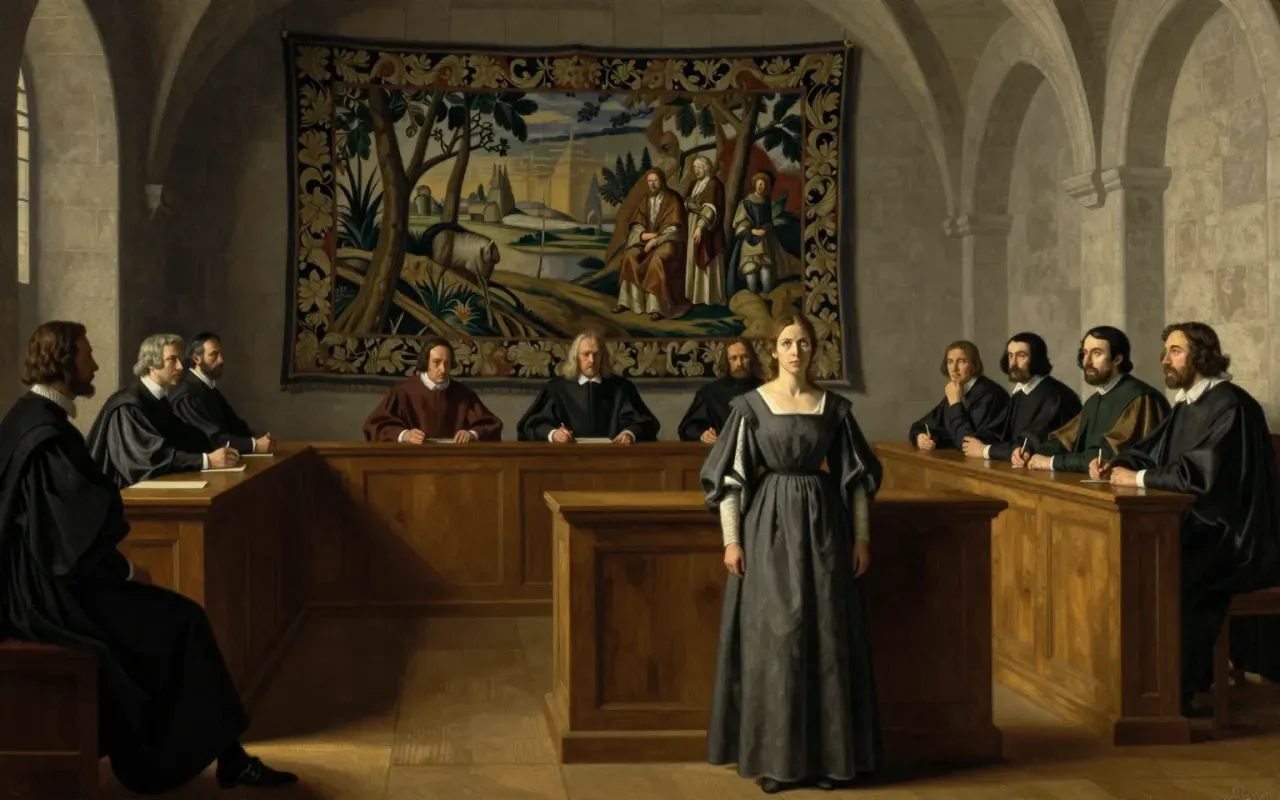
Medea is not a study in madness — it is a forensic account of how law, gender and exile converge to make vengeance rational. The brief explains why her children’s murder is strategic, not hysterical, and why the dragon-chariot ending is the point, not a flaw. Read it for its precision, not its pity.

12:00

The Handmaid's Tale

Margaret Atwood · 1985

Atwood's 1985 novel follows Offred, a handmaid in the Republic of Gilead, forced to bear children for state-sanctioned rulers. It is a precise anatomization of power, gender, and the small rebellions that survive totalitarianism.

12:00

The Left Hand of Darkness

Ursula K. Le Guin · 1969

Le Guin's 1969 novel constructs a gender-free society and uses it to strip away assumptions. The brief covers why Gethen matters, what the gender premise actually reveals, and the survival plot that forces intimacy between adversaries.

14:13

Much Ado about Nothing

William Shakespeare · 1600

Beatrice and Benedick argue their way into a marriage; Claudio believes a lie about Hero and denounces her at the altar. The brief covers why the comic plot outlives the romantic one, what two words in Act IV do to the play, and how little the villain has to try.

music.briefs Music

All 2 in music →
10:04

Coal Miner’s Daughter

Loretta Lynn · 1970

Coal Miner's Daughter is Loretta Lynn’s sixteenth solo studio album, released 4 January 1971 by Decca Records. Five of its eleven tracks were recorded earlier for other albums, including the title song, cut 1 October 1969. It was recorded across four sessions at Bradley's Barn in Mount Juliet, Tennessee, produced by Owen Bradley, engineered by Jim Williamson, and mastered by Darrell Johnson. The ensemble features steel guitar, Dobro, banjo, multiple bass players, and The Jordanaires’ background vocals. The title track reached No. 1 on the Billboard Country Chart in 1970 and became Lynn’s first entry on the Billboard Hot 100 (No. 83). It inspired her 1976 autobiography and the 1980 Oscar-winning film.

10:42

Pearl

Janis Joplin · 1971

Pearl is Janis Joplin’s final studio album, recorded between late August and early October 1970 in Los Angeles with producer Paul A. Rothchild. It was released posthumously in January 1971 after her death on October 4, 1970. Though unfinished, sufficient completed material existed to assemble the LP. It features her number-one hit 'Me and Bobby McGee', original songs 'Move Over' and 'Mercedes Benz', and covers including 'Trust Me' and 'Get It While You Can'. Joplin approved and arranged all nine tracks she sings on. She did not record vocals for 'Buried Alive in the Blues'. The album has a more polished sound than her earlier work with Big Brother and the Holding Company and the Kozmic Blues Band, due to Rothchild’s expertise and the Full Tilt Boogie Band. Many songs were first recorded live on stage in Canada two months before the LA sessions. It was crafted at Sunset Sound Recorders to showcase her extraordinary vocal talents.

film.briefs Film

All 26 in film →
13:00

A Special Day

Ettore Scola · 1977

Set in Rome on 4 May 1938 — the day Hitler visits Mussolini — A Special Day confines itself to a single apartment building where a housewife and a dismissed gay radio broadcaster spend an afternoon together. Directed by Ettore Scola and starring Sophia Loren and Marcello Mastroianni, it uses muted colour, deep focus, and restrained performances to explore gender, sexuality, and quiet dissent under fascism.

13:00

All About My Mother

Pedro Almodóvar · 1999

Pedro Almodóvar’s 1999 film follows a nurse who, after her son’s death, seeks his transgender parent in Barcelona and becomes entwined with a community of women and men navigating illness, faith, performance, and motherhood. Shot in Spanish, it uses saturated colour, theatrical reference, and deliberate narrative coincidence to affirm care across difference — not as ideal but as daily, embodied practice.

13:00

Black River

Masaki Kobayashi · 1957

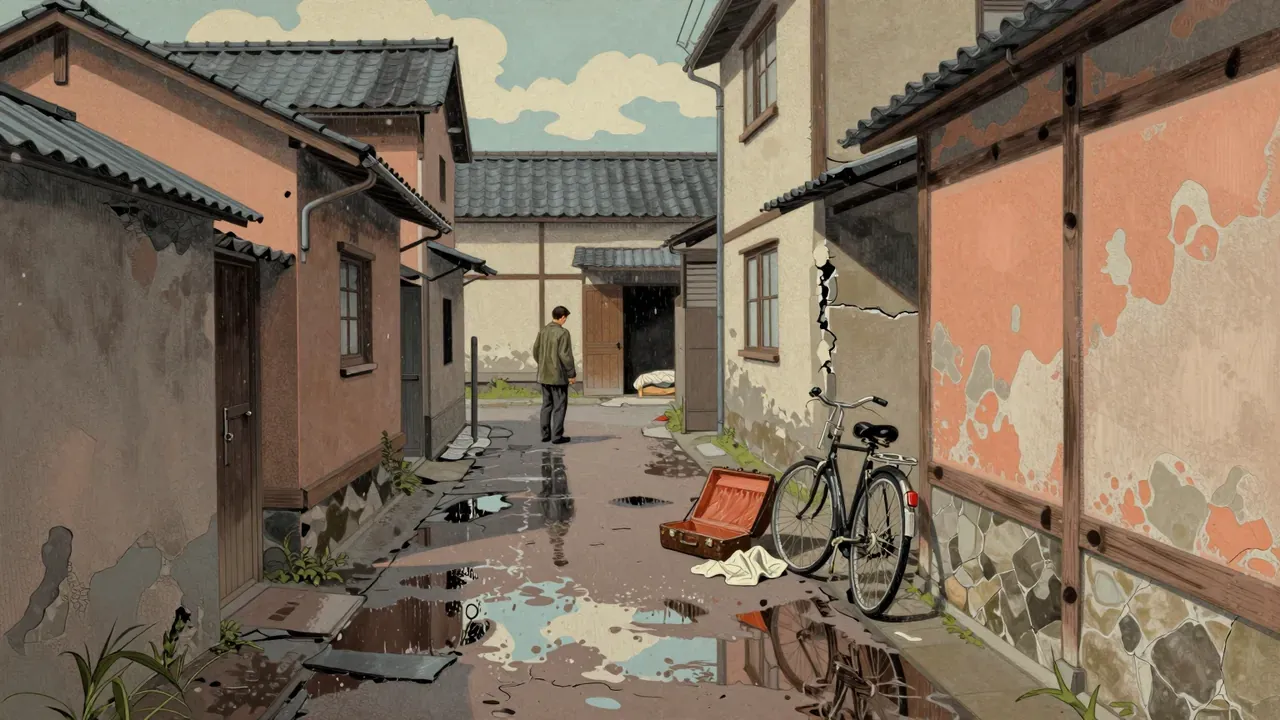
Masaki Kobayashi’s 1957 drama Black River follows a university student and a waitress in a Tokyo district shadowed by a US military base. When she is raped by a local gangster and forced into a coercive relationship, and when both are evicted as part of a development scheme, their fragile bond culminates in an act of desperate, unsentimental violence. Shot with stark realism and performed with restrained intensity, the film treats systemic oppression as atmosphere rather than argument.

13:00

Cairo Station

Youssef Chahine · 1958

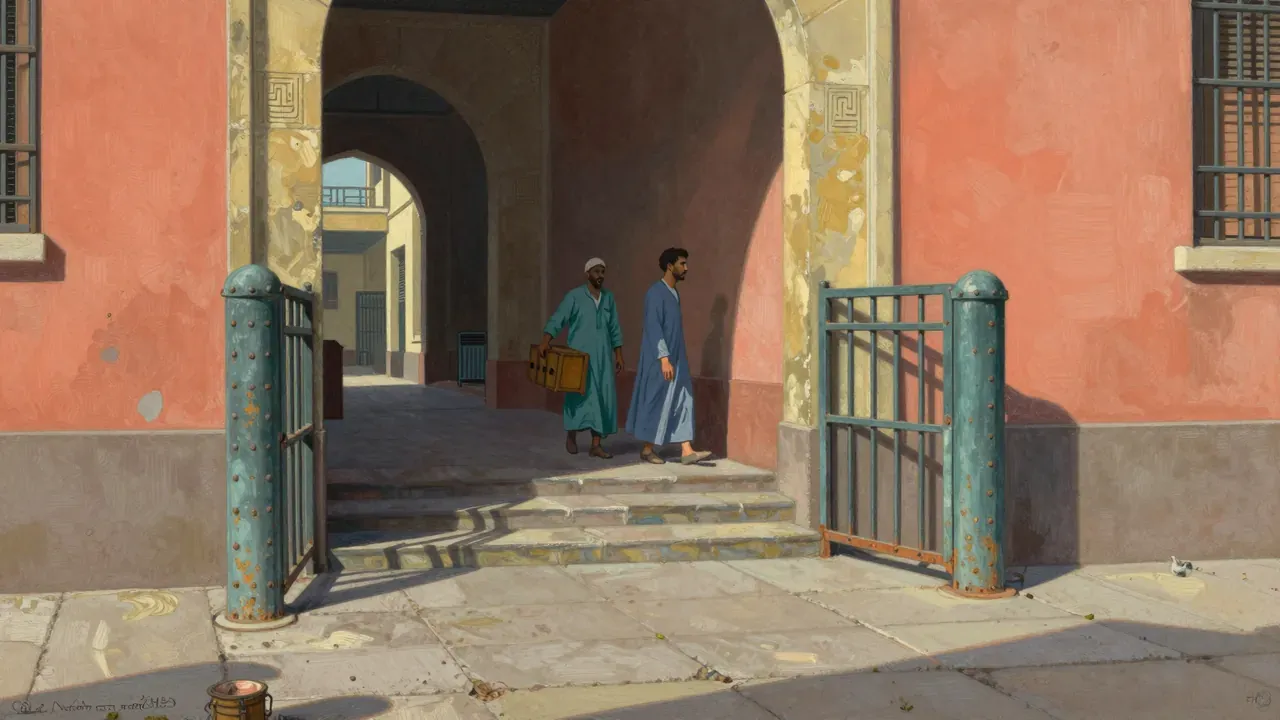
Youssef Chahine’s 1958 Cairo Station is a tightly wound drama set in Cairo’s main train station, following Qinawi — a lame newspaper seller whose obsession with a cold-drink vendor curdles into violence amid a backdrop of union organising and urban anonymity. Shot in Egyptian Arabic with neorealist restraint and noir-inflected tension, it treats environment as psychology made visible. Though initially controversial in Egypt, it has since been recognised as a landmark of Arab and world cinema.

13:00

Desperate Living

John Waters · 1977

John Waters’ 1977 Desperate Living is the third and most formally controlled entry in his Trash Trilogy: a black comedy set in Mortville, a shantytown exile colony ruled by a fascist queen. Made without Divine and shot on scavenged sets in rural Maryland, it trades shock for sustained tone — using deadpan performances, flimsy production design, and bureaucratic absurdity to dissect power, gender, and class. Its cult status rests not on laughter, but on its unwavering commitment to a world where cruelty wears a clipboard and revolution smells of roasting pork.

13:00

Drylongso

Cauleen Smith · 1998

A 1998 Oakland-set drama following Pica Sullivan, a Black photography student documenting young men she fears are disappearing. Shot on 16mm, it balances intimate portraiture with ambient dread, treating safety, gender, and community as daily practices rather than plot points. Restored and re-released in 2023, it remains a precise, unsentimental portrait of ordinary resilience.

13:00

Hedwig and the Angry Inch

John Cameron Mitchell · 2001

John Cameron Mitchell’s 2001 film adapts his stage musical as a mythic, musically charged portrait of Hedwig Robinson: an East German trans woman, rock frontwoman, and reluctant philosopher. Shot with gritty immediacy by Frankie DeMarco and scored by Stephen Trask, it moves between roadside gigs and fractured memory, using Plato, punk, and botched surgery to explore origin, theft, and the violence of translation. Though its metaphysical finale falters, its performances, craft, and thematic rigour make it a durable arthouse landmark.

13:00

His Girl Friday

Howard Hawks · 1940

Howard Hawks’s 1940 comedy His Girl Friday recasts The Front Page as a battle of wits between ex-spouses Walter Burns and Hildy Johnson, a newspaper editor and reporter whose professional rivalry reignites as a romantic one. Shot at breakneck speed with overlapping dialogue, it privileges competence over sentiment and friction over harmony. Though formally dazzling and historically influential, it sidesteps the racial and ethical weight of its source material, treating injustice as backdrop rather than subject.

history.briefs History

All 5 in history →
13:00

Benazir Bhutto

1953–2007

Benazir Bhutto became the first woman to lead the government of a Muslim-majority country when she was sworn in as Pakistan's prime minister in December 1988 at thirty-five, following her father's execution and years of imprisonment and exile under military ruler Zia-ul-Haq. She served two terms, in 1988 to 1990 and 1993 to 1996, each ended by presidential dismissal over corruption allegations that later produced a 2003 Swiss conviction, and after a decade of exile she returned to Pakistan in 2007 only to be assassinated that December in Rawalpindi, an attack that killed roughly twenty others and whose exact circumstances remain disputed among competing forensic and investigative accounts.

13:00

Golda Meir

1898–1978

Golda Meir rose from a Milwaukee schoolteacher to Israeli labour minister, foreign minister and, from 1969, the country's fourth prime minister at seventy-one, a role in which she oversaw responses to the 1972 Munich Olympics massacre and the surprise Egyptian and Syrian attack that opened the 1973 Yom Kippur War. An official inquiry, the Agranat Commission, cleared her of direct responsibility for Israel's lack of preparedness, crediting her decision to approve full mobilisation despite political risk, but she resigned in April 1974 after her coalition lost seats, and historians generally judge her earlier work overseeing housing and immigration as more successful than her wartime premiership.

13:00

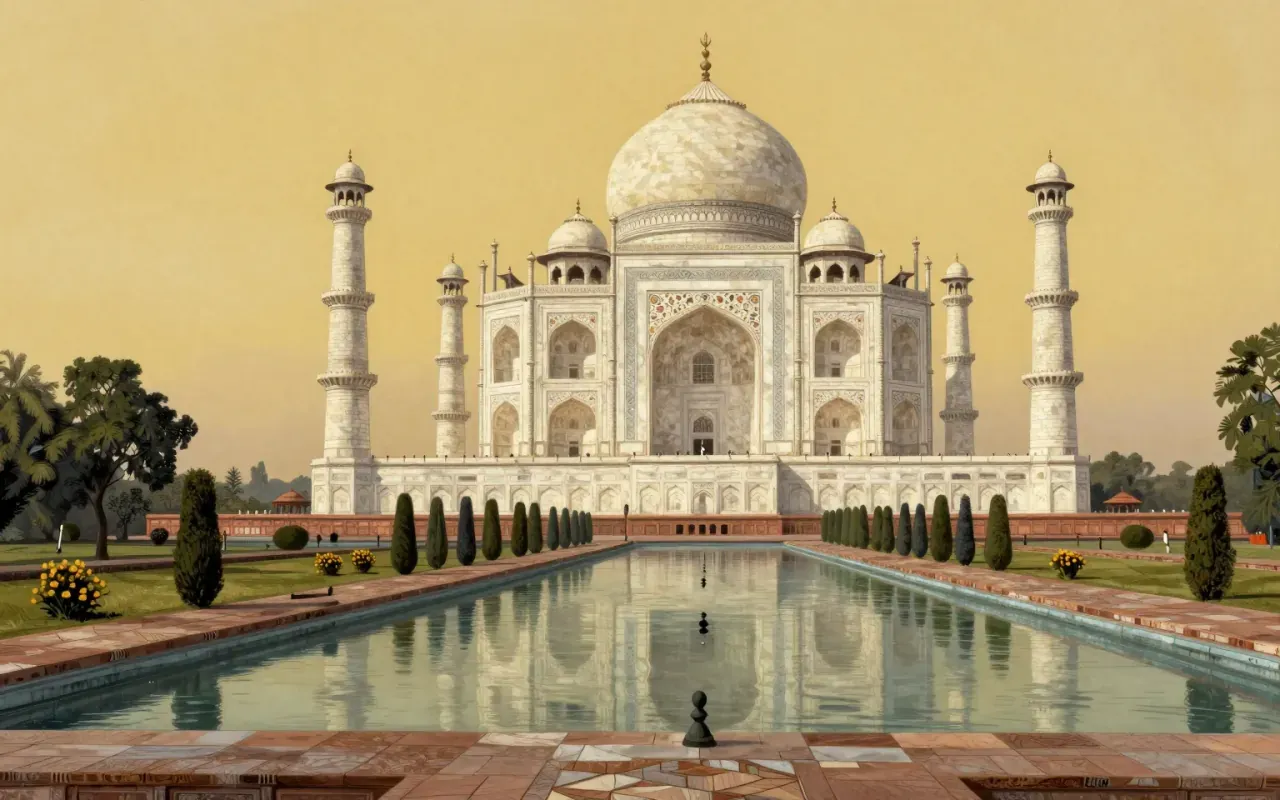
Nur Jahan

1577–1645

Nur Jahan, born Mehr-un-Nissa in 1577, became Emperor Jahangir's twentieth and last legal wife in 1611 and, through his dependence on opium and alcohol, accumulated genuine political authority, holding the imperial seal, minting silver rupees in her own name at Patna, and once leading troops on an elephant to rescue her captured husband in 1626. Her power collapsed after Jahangir's death in 1627, when her brother Asaf Khan backed her stepson Shah Jahan in the succession struggle, and she spent her remaining years under a comfortable but constrained house arrest in Lahore until her death in 1645.

13:00

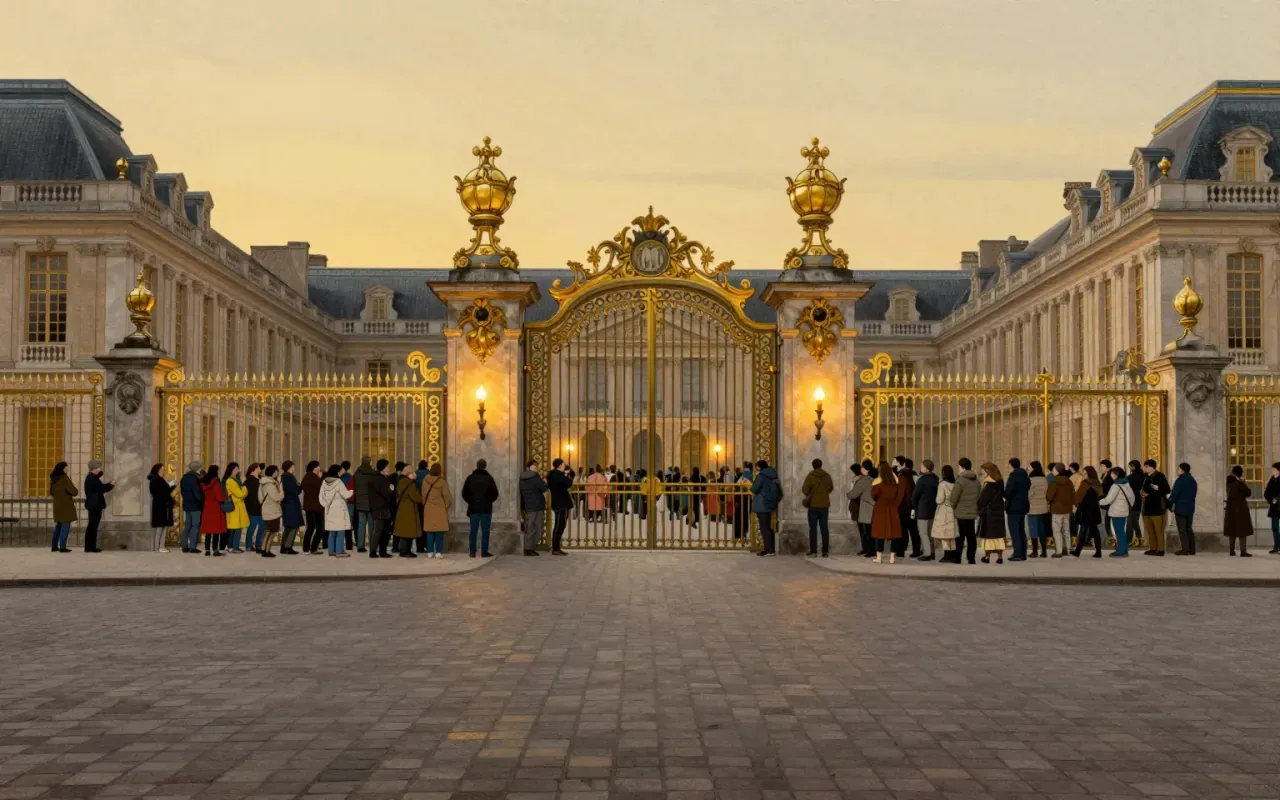
Women's March on Versailles

5 October – 6 October 1789

On 5 October 1789, thousands of Parisian market women, angry over bread shortages, gathered at the Hotel de Ville and then walked six hours through rain to Versailles, followed by the National Guard under Lafayette. After a tense night, part of the crowd breached the palace at dawn, killing two royal guards, and by afternoon the royal family had agreed to relocate to Paris under guard, a move that ended Louis XVI's independence and dragged the National Assembly into the capital's orbit for good.

13:00

Wu Zetian

624–705

Wu Zetian rose from a concubine of Emperor Taizong to become, in 690, the only woman in Chinese history to rule in her own right as emperor, founding the short-lived Zhou dynasty after decades of steadily consolidating power under and then alongside Emperor Gaozong. Her fifteen-year reign expanded merit-based civil examinations, patronised Buddhism and coincided with a period of Tang cultural and political strength, though it was also marked by a secret-police apparatus that pursued rivals through denunciation and torture. She was deposed in 705 and died the same year, and traditional Confucian historians condemned her far more severely than modern scholars, who have reassessed several of the era's darker accusations against her.

science.briefs Science

All 1 in science →
10:20

Margaret Mead

Margaret Mead didn’t prove culture shapes adolescence—she showed it could, and that was enough to break biological determinism.

design.briefs Design

All 1 in design →
8:53

Rei Kawakubo

Kawakubo’s work is not feminist expression — it is a deliberate refusal to let femininity define design.

games.briefs Games

All 1 in games →
9:53

Celeste (video game)

Maddy Makes Games · 2018

A tightly wound platformer where every mechanic serves both challenge and character. Its movement grammar is sparse but deeply interwoven. Its narrative is explicit, not allegorical—and its design never compromises difficulty to accommodate theme.

culture.briefs Culture

All 12 in culture →
9:17

Barbie

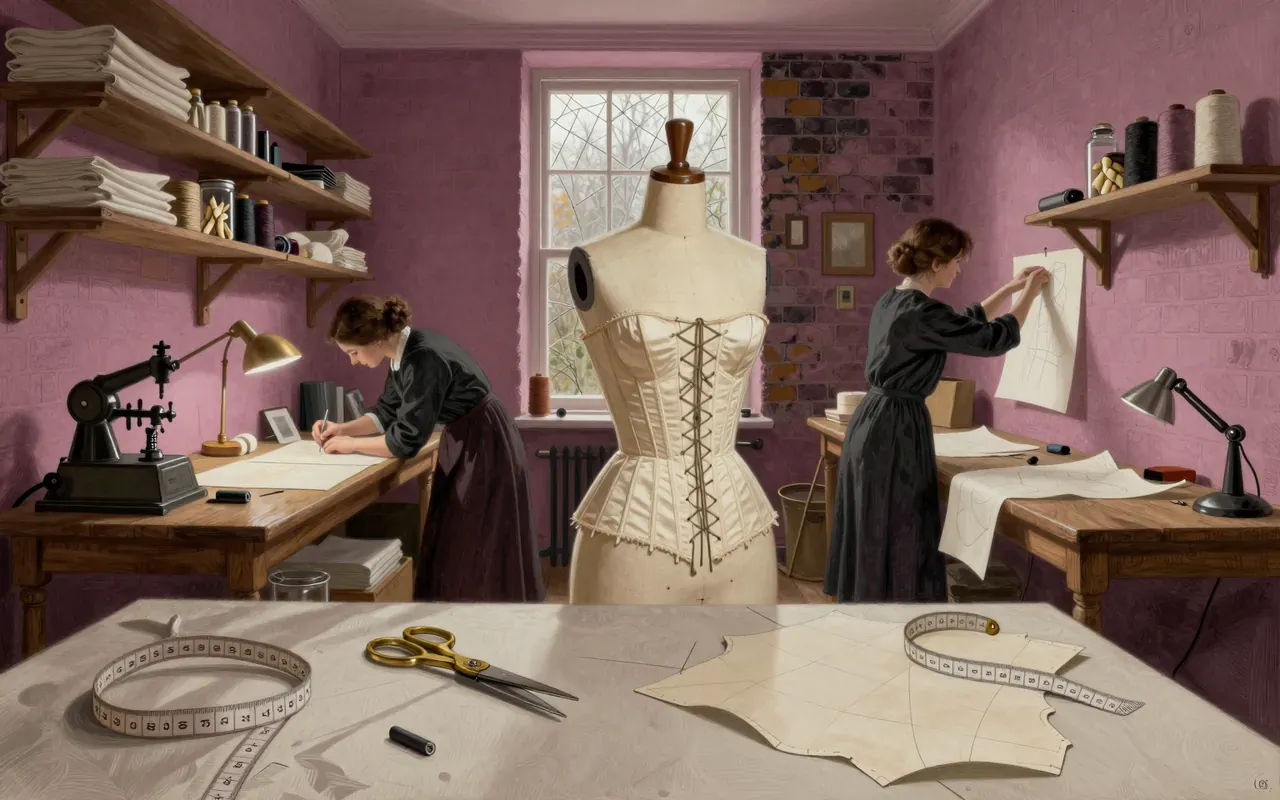
Barbie didn’t give girls choices—it gave them costumes for adulthood, and sold the wardrobe first.
9:04

LGBTQ movements

LGBTQ movements did not begin at Stonewall. They began in Berlin in 1897—and have spent 127 years arguing over what 'equal rights' actually means.
9:20

New Romantic

New Romantic wasn’t a rebellion—it was a costume change that got mistaken for a revolution.
10:36

Bonnet (headgear)

The bonnet isn’t quaint—it’s a linguistic fault line where class, gender and utility split the English vocabulary.
8:41

Fan fiction

Fan fiction didn’t break copyright—it exposed its limits as a tool for controlling who gets to tell stories.
9:47

Ecofeminism

Ecofeminism names a real link—but mistakes a 1974 label for a 1973 movement.
8:48

Essentialism

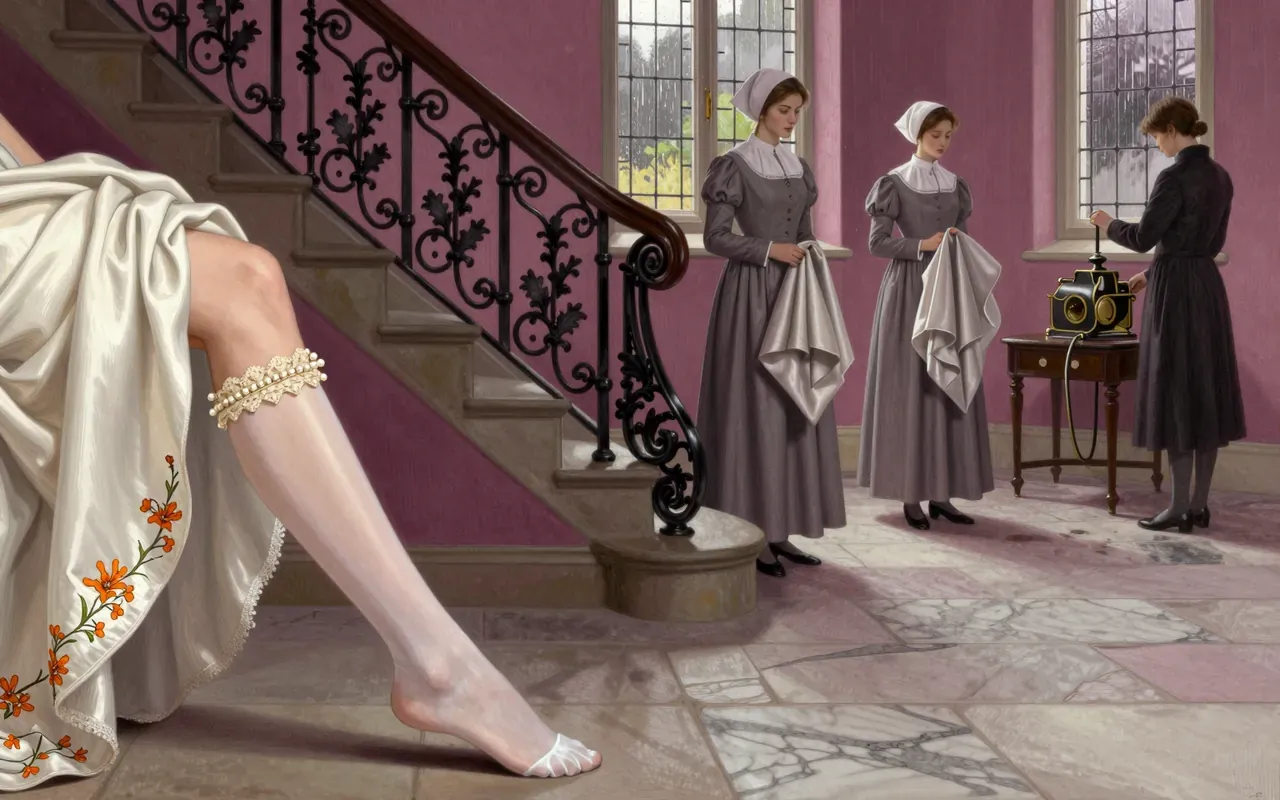
Essentialism doesn’t describe reality—it installs hierarchy by pretending categories are carved in nature.

fashion.briefs Fashion

All 10 in fashion →
7:55

Department store

The department store was built for women to walk alone—and it succeeded by making commerce legible, not luxurious.
8:41

JW Anderson

Unisex clothing is not a compromise — it’s a recalibration of where cloth meets body.
8:56

Power dressing

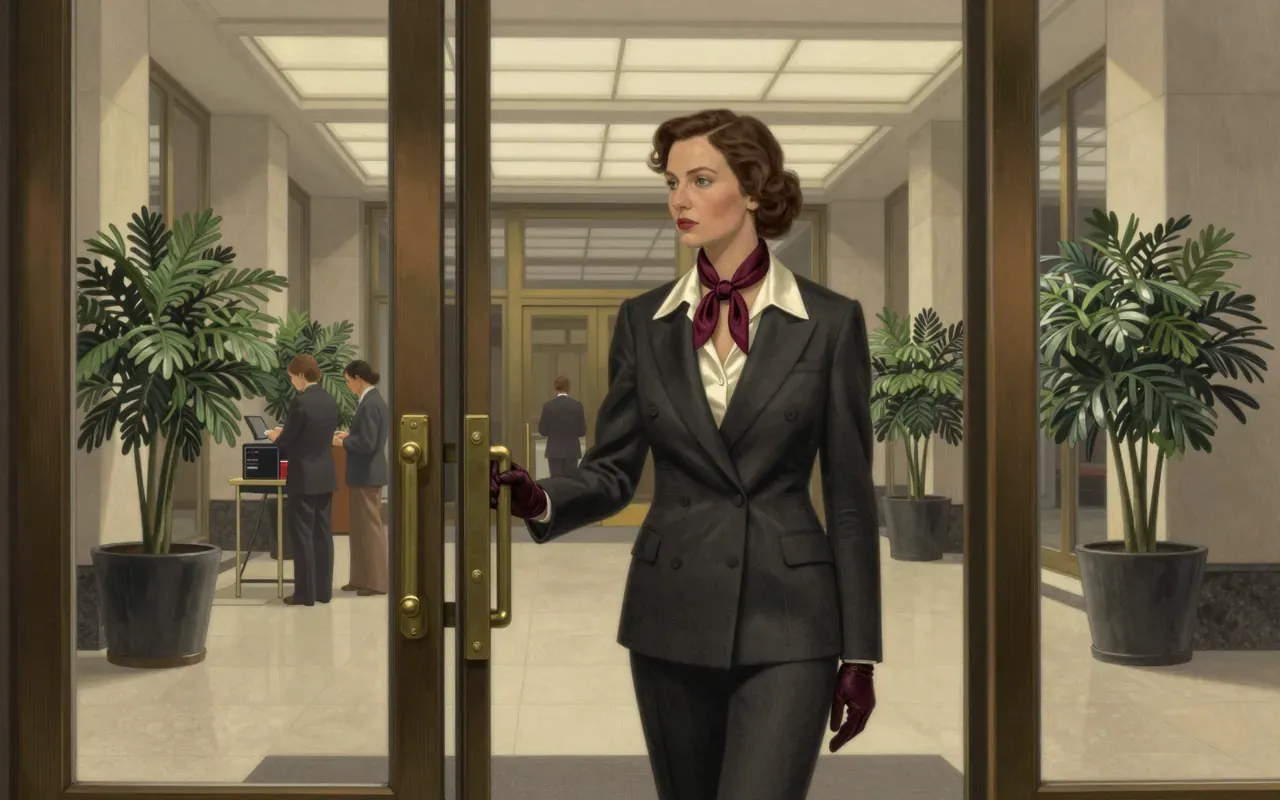
Power dressing wasn’t about looking powerful — it was about looking unassailable in a system that refused to see women as authoritative unless they dressed like men, then added pearls to prove they weren’t.
8:18

Grunge (fashion)

Grunge fashion wasn’t rebellion—it was the first time anti-fashion got trademarked.
9:07

Bra

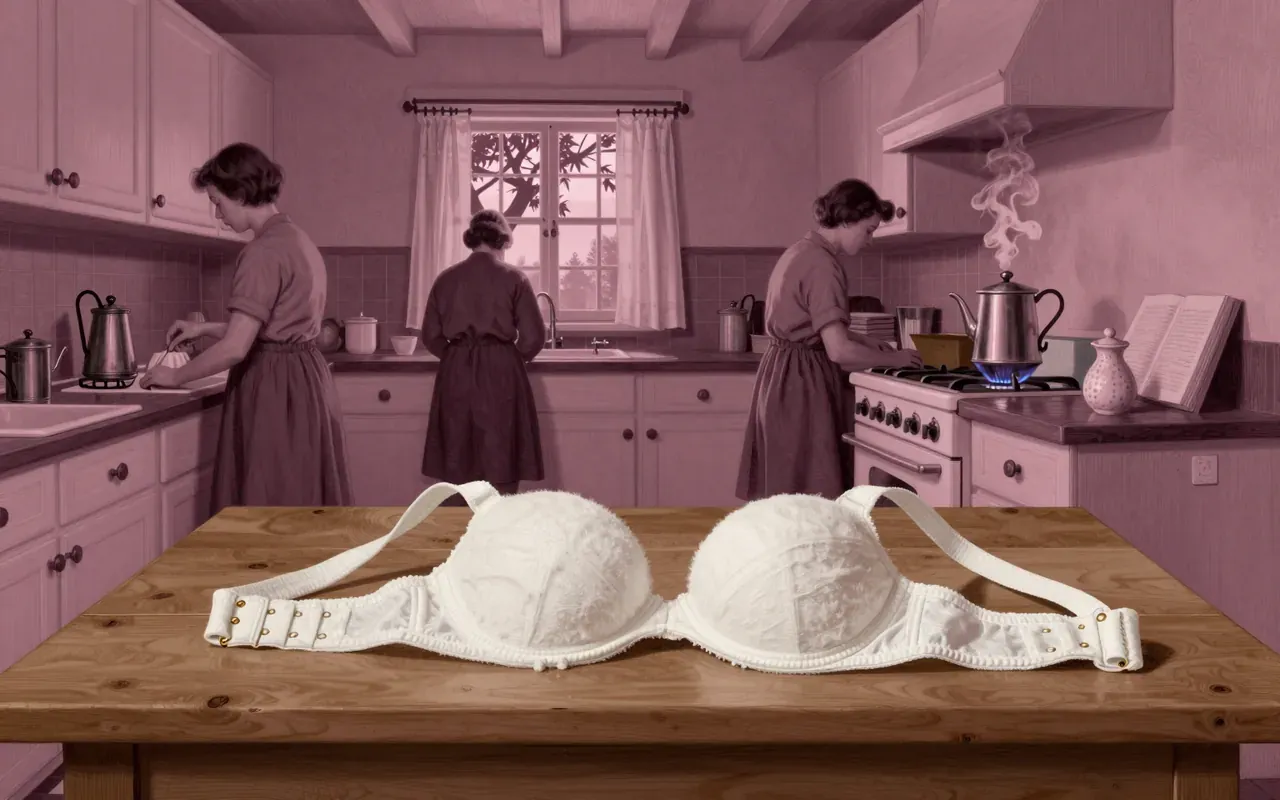
The bra didn’t liberate women—it outsourced control from whalebone to wire, and from corsetieres to corporations.
13:03

Corset

A garment that shaped bodies, then language, then medicine—and never stopped enforcing ideals under the guise of support.
9:11

Garter

A functional strap became a wedding prop, a male fashion staple, and a Shakespearean punchline—without ever changing shape.