briefs
Topic · across the network

Religion

Belief as practice, institution and inheritance, not only conviction.

154
briefs
11
subjects
12:07
average
1866 min
in total
Abstraction 407Absurdism 137Acoustics 220Acting 65Adaptation 372Addiction 95Adolescence 202Advertising 77Age of exploration 14Ageing 113Agriculture 100Algorithms 114Ambition 46Anarchism 38Ancient Egypt 17Ancient Greece 38Ancient Rome 30Animals 172Anthropology 23Apartheid 12Architecture 165Archives 32Argentina 10Art Deco 26Artificial intelligence 78Astronomy 81Attention 42Australia 32Automation 73Avant-garde 164Aviation 79Banking 72Banned works 40Bauhaus 12Beer 5Behavioural economics 22Berlin 16Big tech 6Biodiversity 136Biography 86Birds 41Black holes 20Blockchain 12Boxing 14Branding 77Brazil 43Bread 29Britain 131Brutalism 4Bubbles 3Buddhism 28Byzantium 10California 17Canada 18Capitalism 94Cars 468Celebrity 59Censorship 110Cheese 24Chefs 9Chemistry 104Chess 2Childhood 87China 109Chocolate 8Christianity 49Cinematography 343Cities 90Class 485Climate change 107Club culture 100Cocktails 2Coffee 11Cognitive bias 14Collecting 16Colonialism 284Colour 42Comedy 89Community 52Complexity 21Computing 309Consciousness 16Conservatism 14Conspiracy theories 8Cooking 178Corruption 38Cosmology 31Cover versions 64Craft 116Crate digging 42Creativity 8Crime 234Cryptocurrency 8Cryptography 24Cuba 10Cybersecurity 30Dada 12Debt 38Decision-making 28Decolonisation 46Deep time 80Democracy 45Denim 16Deserts 45Detroit 17Dinosaurs 12Directing 168Disasters 59Disease 109DJ culture 89Dreams 32Drones 5Drum machines 96Dystopia 69East Africa 28Ecology 337Economics 36Editing 72Education 92Egypt 12Electric vehicles 59Emotion 22Empire 92Endurance 49Energy 120Engineering 541Entropy 8Epidemics 13Equality 9Espionage 31Ethics 44Evolution 174Existentialism 106Expertise 2Exploration 49Extinction 23Failure 37Family 240Fandom 22Fascism 45Fashion 215Fast fashion 12Fear 34Feminism 122Fermentation 126Film music 81Fishing 12Folklore 71Food history 588Football 16Forests 31Forgery 7France 163Fraud 15Free will 13Freedom 16French literature 15Friendship 24Furniture 36Gambling 14Gender 63Generations 28Genetics 87Geology 96Germany 66Globalisation 74Gothic 32Greece 5Grief 126Habits 6Happiness 2Hardware 709Haute couture 22Headphones 8Hi-fi 12Hinduism 12Hoaxes 1Human history 23Human nature 41Identity 138Illustration 8Impressionism 6Improvisation 249India 89Indonesia 15Industrial design 342Inequality 13Inflation 4Information 34Infrastructure 280Insects 29Intelligence 8Interiors 31Internet culture 88Invention 329Iran 41Islam 40Islands 17Israel 9Italy 52Jamaica 10Japan 114Jewellery 5Journalism 34Judaism 13Justice 42Korea 41Language 70Law 90Leadership 20Learning 6Liberalism 1Libraries 6Literary criticism 26London 12Loneliness 61Los Angeles 62Lost works 9Love 67Luxury 55Machine learning 15Management 10Maps 5Marketing 21Markets 51Mars 6Marxism 26Masculinity 46Materials 138Mathematics 79Meaning 6Medicine 124Memory 82Mental health 70Mesopotamia 4Mexico 38Migration 95Minimalism 68Mining 30Misinformation 9Modernism 63Money 24Monopoly 32Mortality 61Motivation 2Mountains 16Museums 27Mysticism 11Mythology 60Nationalism 40Neuroscience 23New York 36Nigeria 7Nihilism 10Noise 31Nostalgia 33Nuclear 29Nutrition 17Oceans 48Oil 42Open source 45Painting 18Palaeontology 29Parenting 14Paris 18Partition 6Patents 71Patronage 14Perception 44Personal style 27Personality 2Persuasion 8Peru 10Philosophy 77Photography 37Physics 206Plants 26Platforms 89Podcasting 1Poetry 25Poland 17Policing 34Pop Art 16Populism 2Portraiture 6Portugal 18Postmodernism 23Power 91Prehistory 24Preservation 28Printmaking 21Privacy 11Probability 6Productivity 1Programming 54Prohibition 1Propaganda 35Protest 75Pseudoscience 17Psychology 80Publishing 22Punishment 16Quantum mechanics 44Race 145Radio 30Railways 35Rave 17Realism 47Record labels 19Recording 810Relativity 23Religion 154Resilience 15Restaurants 30Restoration 2Retail 94Revolution 58Risk 18Ritual 96Robotics 26Romance 96Russia 58Salt 9Sampling 246Satire 84Scandinavia 28Scientific method 186Screenwriting 26Sculpture 7Secularism 2Self-deception 14Semiconductors 73Sexuality 102Ships 18Silence 24Silicon Valley 17Slavery 35Sleep 2Smartphones 27Sneakers 15Social media 58Socialism 9Software 68Songwriting 180Sound design 332Sound systems 20South Africa 19South East Asia 30Space exploration 84Spain 18Special effects 41Spices 62Spirits 12Sport 82Startups 21Statistics 10Status 9Stoicism 4Storytelling 68Strategy 70Street food 99Streetwear 16Studio craft 508Subcultures 59Sugar 12Supply chains 115Surrealism 53Surveillance 21Sustainability 30Synthesis 232Tailoring 37Taxation 14Tea 24Textiles 97Thailand 11The American Revolution 19The American South 88The Arab world 41The Arctic 19The Balkans 17The Belle Epoque 13The body 29The brain 26The Caribbean 28The civil rights movement 62The Cold War 160The eighties 268The Enlightenment 29The financial crisis 19The First World War 39The food industry 157The French Revolution 9The Gilded Age 9The Great Depression 18The Holocaust 20The Industrial Revolution 93The internet 61The interwar years 135The Middle Ages 35The Moon 4The music business 169The Netherlands 10The nineties 26The Olympics 10The pandemic 13The Reformation 1The Renaissance 16The Russian Revolution 19The Second World War 102The seventies 58The sixties 28The space race 5The United States 19The universe 7The Victorian era 37Therapy 20Tokyo 11Trade 48Tragedy 22Translation 5Trauma 85Travel 5True crime 2Turkey 18Typography 54Uniforms 23Unions 8Urban planning 66Utilitarianism 1Utopia 5Vaccines 10Vegetarianism 15Venture capital 6Video games 291Vietnam 12Vintage 65Vinyl 6Virtual reality 11War 169Watches 4Water 11Weather 29West Africa 29Wilderness 10Wine 3Work 22Workwear 19Worldbuilding 121

books.briefs Books

All 11 in books →
14:47

The Fortunes and Misfortunes of the Famous Moll Flanders

Daniel Defoe · 1731

Moll Flanders argues that vanity, not poverty, is the root of moral failure — and that redemption requires sorrow for harm done, not just fear of punishment. Its power lies in Moll’s voice: precise, self-deceiving, and relentlessly consequential. Read Parts 1, 2 and 4. Skip the procedural thievery of Part 3.

14:09

Ivanhoe

Walter Scott · 0

Ivanhoe argues chivalry is theatrical cover for Norman tyranny—and that Rebecca’s trial exposes how religion brands Jewish faith as sorcery. It works best in its contrasts: outlaw justice vs Templar fanaticism, Saxon speech vs Norman meat-names. Skip the tournament padding and Athelstane’s farcical resurrection.

15:13

Master and Man

Leo Tolstoy · 1910

Tolstoy’s 1910 parable strips away all pretence: a merchant and his labourer are stranded in a blizzard, and salvation arrives only when the merchant lies frozen atop the man he exploited. The wormwood circle (VIII) proves reason is useless. Skip the homestead interlude (IV). Read it once, in under ninety minutes.

15:06

Paradise Lost

John Milton · 1667

Milton’s 1667 epic argues that rebellion is self-enslaving, that innocence is active, and that grace precedes repentance. It works best in fragments: Satan’s speeches, Eden’s harmony, the Fall’s rupture, and the final departure. Skip the war machinery and speculative cosmology unless you need angelic ballistics.

14:07

Resurrection

Leo Tolstoy · 0

Tolstoy’s final novel argues that law, prison and landed property are tools of class violence. It traces Nekhludoff’s awakening from guilt to Gospel conviction — that love, not law, is humanity’s sole binding principle. The brief isolates the trial, the cell, Panovo’s starvation and the Siberian march as proof. Skip the English visitor and the defiant exile.

14:25

The Scarlet Letter

Nathaniel Hawthorne · 0

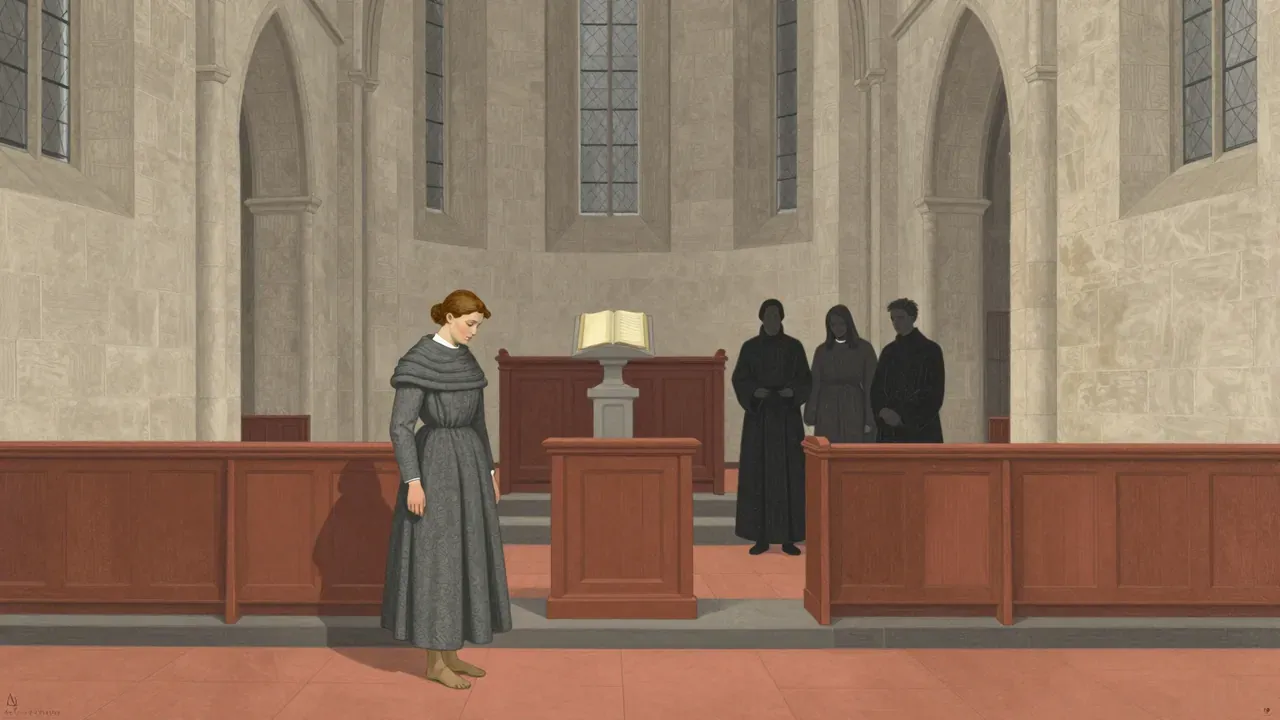
The Scarlet Letter is a tightly wound allegory about shame as public theatre and truth as embodied consequence. Hester’s embroidered 'A' asserts authorship over her punishment. Dimmesdale’s hidden stigma proves secrecy corrodes the self. Chillingworth’s withering confirms revenge is self-annihilation. Skip the Custom-House preface. Read the forest meeting and scaffold revelation—they hold the whole argument.

16:19

Silas Marner

George Eliot · 0

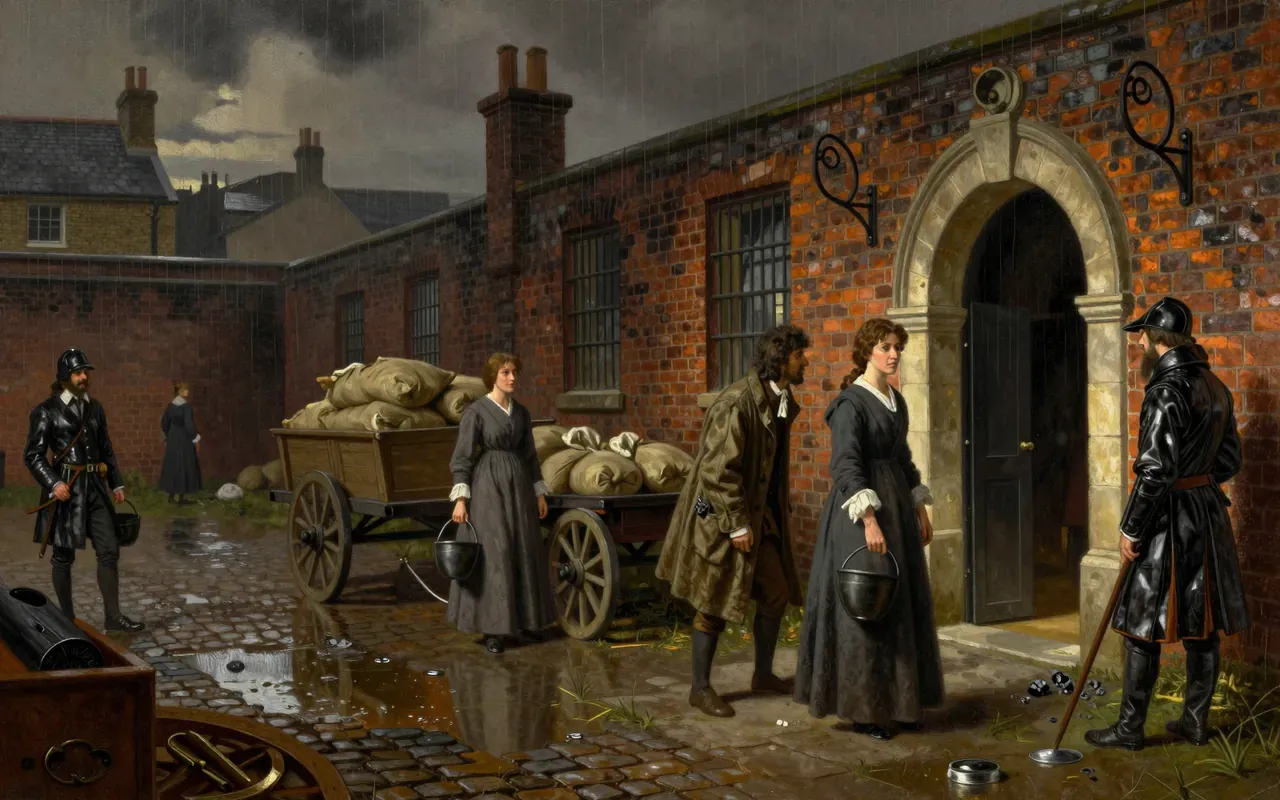
Silas Marner argues that moral restoration comes from daily care—not divine justice or social approval. It works best when showing how Eppie transforms Silas’s isolation into community, and worst when retreating into Nancy’s fatalism or Silas’s unresolved past. Skip Chapter XVII and the Lantern Yard flashback’s second half.

14:45

A Study in Scarlet

Arthur Conan Doyle · 1887

A Study in Scarlet invents the consulting detective but splits its energy between Holmes’s method and Jefferson Hope’s Mormon-era revenge. Its Utah section is ideologically loaded and structurally disruptive. Read Part I for Holmes’s debut deduction; skip Part II unless you need motive.

music.briefs Music

All 19 in music →
10:19

Harlem Street Singer

Blind Gary Davis · 1961

A solo gospel session. Twenty songs. Three hours. One guitar. No compromise.

11:18

Little Earthquakes

Tori Amos · 1991

A piano-and-voice record that refuses to comfort — it names trauma, rejects polish, and builds its power on what it leaves out.

9:53

Natty Dread

Bob Marley & The Wailers · 1974

Natty Dread is Bob Marley & The Wailers' seventh album, released in October 1974. It is their first without Peter Tosh and Bunny Wailer, and their first with the I-Threes. All songs were written by Marley. Jean Roussel arranged 'No Woman No Cry', 'Natty Dread', and 'Lively Up Yourself'. Personnel included Aston and Carlton Barrett, Al Anderson, Bernard 'Touter' Harvey, Lee Jaffe, and the I-Threes. Engineers were Sylvan Morris and Phil Ault; Sid Bucknor mixed it; Chris Blackwell and The Wailers produced it. The original demo of 'Lively Up Yourself' was recorded in 1973. The original version of 'No Woman, No Cry' was in gospel style, featuring Peter Tosh and unknown female backing vocals, cut for Island in 1973. The album contains 'No Woman, No Cry', 'Lively Up Yourself', and the politically charged 'Them Belly Full (But We Hungry)'.

9:30

People Get Ready

The Impressions · 1965

A gospel-influenced 1965 single by The Impressions, composed by Curtis Mayfield, featuring his first guitar break on an Impressions hit and drawing its language and structure from Black American freedom-song tradition and church teaching.

11:09

Sigh No More

Mumford & Sons · 2009

Sigh No More is Mumford & Sons’ 2009 debut studio album, recorded with producer Markus Dravs after the band self-financed it and arrived at sessions without their own instruments. Only one track — 'Little Lion Man' — came from their prior EP Love Your Ground. The album features multi-instrumental performances by the core band (vocals, banjo, mandolin, double bass, drums, keyboards, accordion), augmented by trumpet, flugelhorn, trombone, violin, viola, and cello. Production includes unconventional elements such as 'a nail and a piano string'. Engineering was by François Chevallier, mixing by Ruadhri Cushnan, and mastering by Bob Ludwig. A live recording included in the deluxe edition was made at Shepherd's Bush Empire on 14 March 2010.

11:21

Tea for the Tillerman

Cat Stevens · 1970

Tea for the Tillerman is Cat Stevens’s fourth studio album, recorded between May and July 1970 across three London studios — Morgan, Island, and Olympic — and features contributions from Alun Davies (guitar, backing vocals), Harvey Burns (drums and percussion), John Ryan (double bass), Del Newman (string arrangements), Jack Rothstein (solo violin), and Paul Samwell-Smith (backing vocals), alongside Stevens’s multi-instrumental and vocal performances. The album includes iconic songs such as 'Wild World' and 'Father and Son', and Stevens also created the front cover illustration. A previously unreleased version of 'But I Might Die Tonight' was used in the 1970 film Deep End and later released in 2020. The album has been reissued multiple times, including a 2020 Super Deluxe Edition with remastered and newly mixed versions, and a reimagined version titled Tea for the Tillerman2, released the same year. Critical reception varied contemporaneously but grew more laudatory over time, with retrospective praise for its themes and melodic craftsmanship, and inclusion in numerous 'greatest albums' lists. It was released on 23 November 1970 by Island Records in the UK and A&M in North America. All songs were written by Cat Stevens. The personnel details are adapted from the liner notes of the 2020 CD reissue. Shepard 'Shep' Sherbell provided photography for the album. The album reached the top 10 in the US and top 20 in the UK, and has been certified and referenced widely in popular culture, including films and television shows. The original release included eleven tracks, all written by Stevens, and the Deluxe Edition added demos and live recordings. The Super Deluxe Edition contains five discs, including remasters, new mixes, Tea for the Tillerman2, music videos, live videos, and a 12" vinyl of 1970 Troubadour recordings. In November 2008, a Deluxe Edition was released; in January 2012, a hi-res 24/192 kHz remaster appeared on HDtracks.com. On 28 May 2020, Yusuf announced Tea for the Tillerman2, released 18 September 2020, described as a reimagining of the same eleven songs for a new age with dramatic results. Four songs from the album appeared in Harold and Maude (1971), and 'Father and Son' featured in Guardians of the Galaxy Vol. 2 (2017) and The Boat That Rocked (2009). The album was used as the closing title track of the British sitcom Extras, and its artwork was parodied in a 2014 episode of The Simpsons. The album was included in 1001 Albums You Must Hear Before You Die (2006), The Definitive 200 Albums of All Time (2007), and Colin Larkin's All Time Top 1000 Albums (voted number 342). Rolling Stone ranked it number 205 in its 2020 revision of the 500 Greatest Albums of All Time. Robert Christgau found the music monotonous in a contemporary Village Voice review, while Ben Gerson of Rolling Stone noted its resonance despite occasional overuse of dynamics. William Ruhlmann of AllMusic praised its spirituality and melodic craft, calling it a big seller and crediting it with making Stevens a pop star for the second time in four years. Stevens, a former art student, created the cover artwork. The album features songs including 'Where Do the Children Play?', 'Hard Headed Woman', 'Wild World', 'Sad Lisa', 'Into White', and 'Father and Son'.
10:58

Aqualung

Jethro Tull · 1971

Aqualung is Jethro Tull’s fourth studio album, recorded mostly in December 1970 at Island Records’ newly opened Basing Street Studios in London. It marks the debut of Jeffrey Hammond on bass and John Evan as a full-time keyboardist, and Clive Bunker’s final appearance with the band. Technical difficulties at the new studio—including cold, echoey acoustics—shaped the record’s raw, textural sound. Two tracks were laid down earlier in 1970 at Morgan Studios with Glenn Cornick on bass; he was fired after the last 1970 US tour and replaced by Hammond. The album rejects the 'concept album' label despite recurring themes of homelessness, religion, and alienation. Its sonic identity rests on Ian Anderson’s flute, Martin Barre’s electric guitar, and John Evan’s Mellotron—recorded in a room that refused to behave.
film.briefs Film

All 60 in film →
13:00

Beyond the Hills

Cristian Mungiu · 2012

Beyond the Hills (2012), directed by Cristian Mungiu, follows two orphaned Romanian women — one newly professed at an Orthodox convent, the other arriving from Germany seeking reunion — as their bond unravels under the weight of doctrine, isolation, and escalating restraint. Based on real events surrounding the 2005 Tanacu exorcism, it unfolds with clinical restraint: long takes, muted sound, no score, and performances that withhold explanation. The film builds not to revelation but to consequence — a death that arrives not with fanfare, but as the logical endpoint of unchallenged assumptions.

13:00

Black God, White Devil

Glauber Rocha · 1964

Glauber Rocha’s 1964 Black God, White Devil is a foundational Cinema Novo film set in Brazil’s drought-ravaged sertão. It follows a ranch hand and his wife as they flee, convert, join bandits, and flee again — never escaping cycles of violence sanctified by religion or revolution. Shot in stark black and white, edited by Rocha himself, and scored by Sérgio Ricardo, it treats myth and history as inseparable, and endurance as the only authentic political act.

13:00

Blaise Pascal

Roberto Rossellini · 1972

Roberto Rossellini’s 1972 biographical film follows Blaise Pascal’s intellectual and spiritual path from scientific prodigy to Jansenist recluse. Starring Pierre Arditi and shot by Mario Fioretti, it prioritises fidelity to Pascal’s writings over dramatic convention, using restrained performance, flat natural lighting, and sparse music to render ideas as embodied acts. It lands most strongly as a study of intellectual exhaustion and the physical cost of certainty — but falters in situating Pascal’s ideas within their historical and political consequences.

13:00

Body and Soul

Oscar Micheaux · 1925

Oscar Micheaux’s 1925 silent drama Body and Soul stars Paul Robeson in his film debut as a criminal posing as a preacher in a Black Southern town. After two re-edits forced by New York censors, the surviving five-reel version tells a morally charged story of deception, violation, and a dream-framed reckoning. Though technically rudimentary and narratively fractured, it remains a landmark of African-American independent cinema — selected for the National Film Registry in 2019 for its cultural and historical significance.

13:00

Breaking the Waves

Lars von Trier · 1996

Breaking the Waves (1996), directed by Lars von Trier, follows Bess McNeill, a devout young woman in the Scottish Highlands, whose literal interpretation of love and faith leads her to increasingly harrowing acts of self-sacrifice after her husband is paralysed. Shot on location in Scotland and in Danish studios, with Robby Müller’s handheld cinematography and Emily Watson’s breakthrough performance, it is a morally uncompromising drama about belief, gender, and communal judgment—neither a Dogme 95 film nor a conventional religious parable, but something starker and more enduring.

13:00

Canoa: A Shameful Memory

Felipe Cazals · 1976

Felipe Cazals’s 1976 Mexican drama reconstructs the 1968 San Miguel Canoa massacre, where five university employees were lynched after a local priest branded them communists. Shot in documentary style in the actual town, with Alex Phillips Jr.’s restrained cinematography and Enrique Lucero’s chillingly calm performance as the priest, the film traces how fear, faith, and state rhetoric coalesce into mob violence — not as exception, but as logical outcome.

13:00

Cronos

Guillermo del Toro · 1992

Guillermo del Toro’s 1992 debut follows an elderly antique dealer who discovers a 460-year-old alchemical device that reverses ageing at the cost of bloodlust and physical decay. As he grapples with renewed youth, moral compromise, and encroaching monstrosity, a dying industrialist and his violent nephew pursue the device. Shot in Mexico in Spanish, the film balances gothic horror with Catholic solemnity and familial tenderness — all without recourse to exposition or excess.

13:00

Day of Wrath

Carl Theodor Dreyer · 1943

Carl Theodor Dreyer’s 1943 Danish drama, set in 1623, follows Anne, a young woman married to an elderly pastor, as she navigates suspicion, forbidden desire and the violent logic of witch trials. Made under Nazi occupation, it uses extreme restraint—of movement, music, editing—to expose how authority, faith and family conspire to erase individual conscience.

history.briefs History

All 35 in history →
11:44

Keshub Chandra Sen

1783–1844

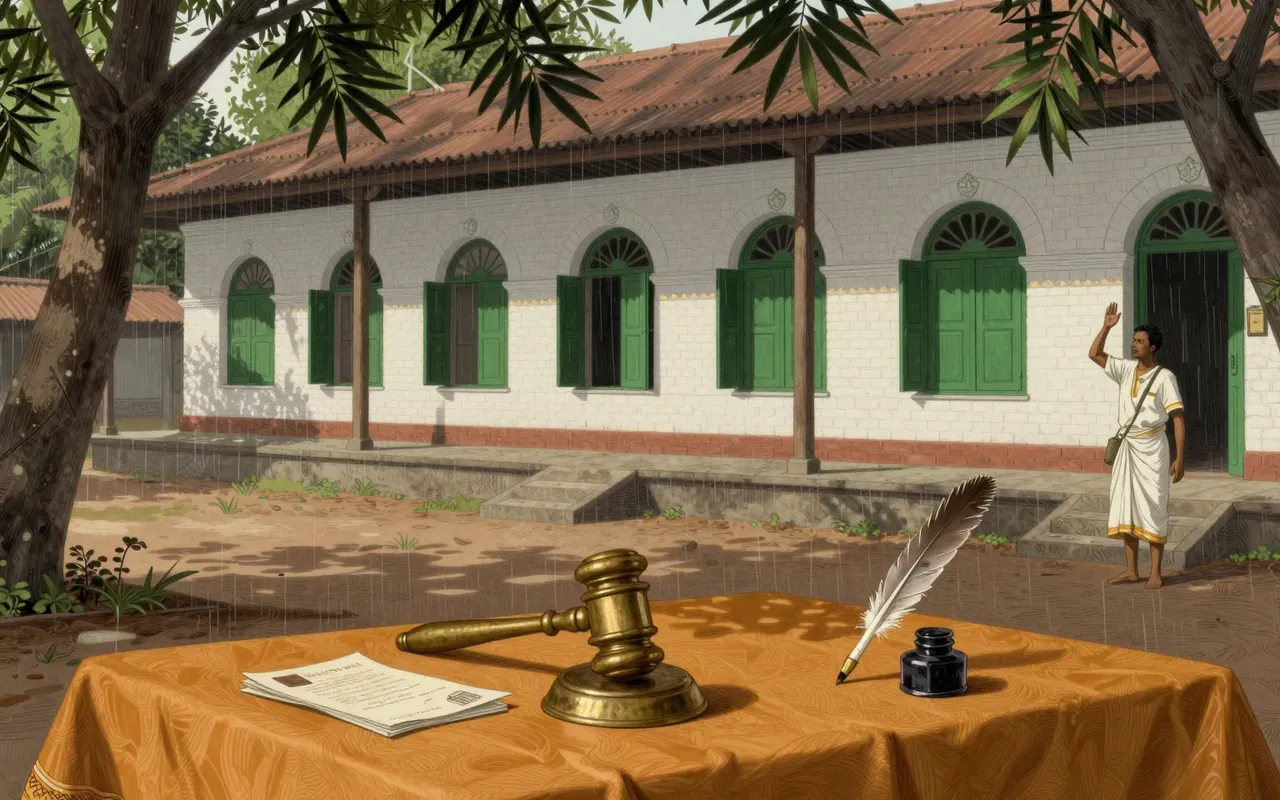
Keshub Chandra Sen was a doctrinal entrepreneur who built institutions and doctrines in rapid succession—school, association, sect, creed—each anchored in a documented act or statement. His work shows no mass following, no legislative effect, and no settled interpretation. What remains is a sequence of deliberate, dated interventions in Bengal’s religious and civic life.

13:04

Teotihuacan

100 BCE to 250 CE

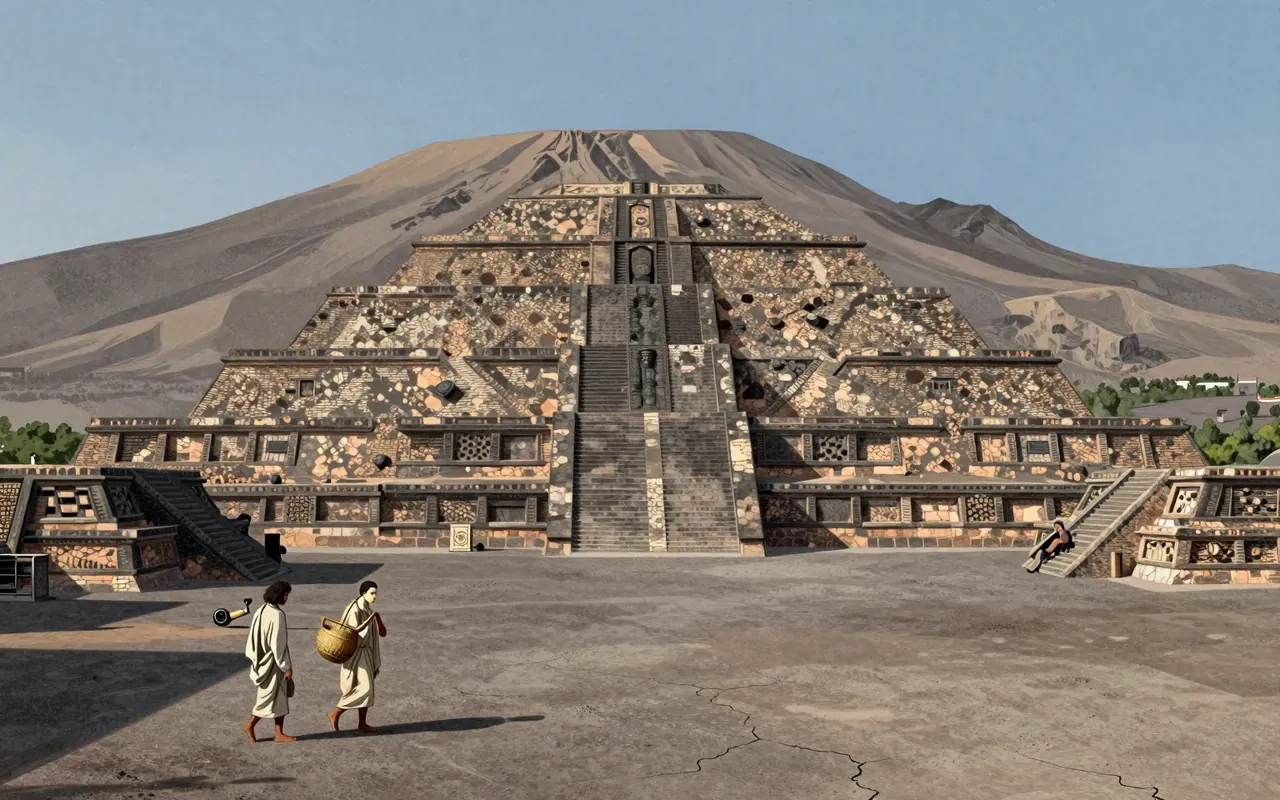
Teotihuacan was the largest city in the Americas before 500 CE. Its monuments were built over 350 years. Its central structures were burned around 550 CE. It housed ~100,000 people — 80–90% of the Valley of Mexico’s population. It ended between the 7th and 8th centuries CE. We know none of its rulers’ names. We do not know why it burned. We do not know what its people called it.

9:52

Albigensian Crusade

1209–1229

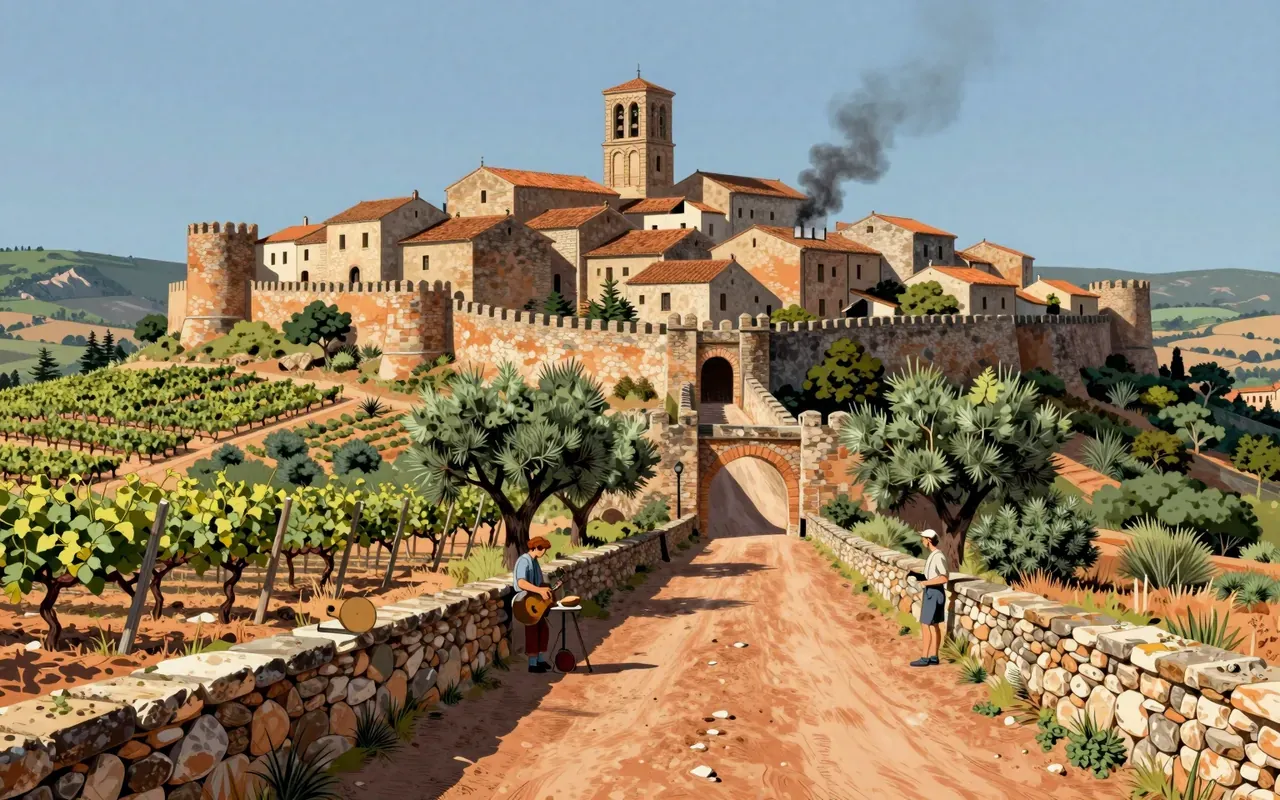
The Albigensian Crusade was a 1209–1229 papally initiated, French royally executed campaign against Catharism in Languedoc. It succeeded militarily in phases, realigned Toulouse with the French crown, diminished regional culture, and aided the institutional rise of the Dominicans and Inquisition. Its record is coherent but narrow: no dissent, no numbers, no motives beyond those stated.

11:27

Battle of Hastings

14 October 1066

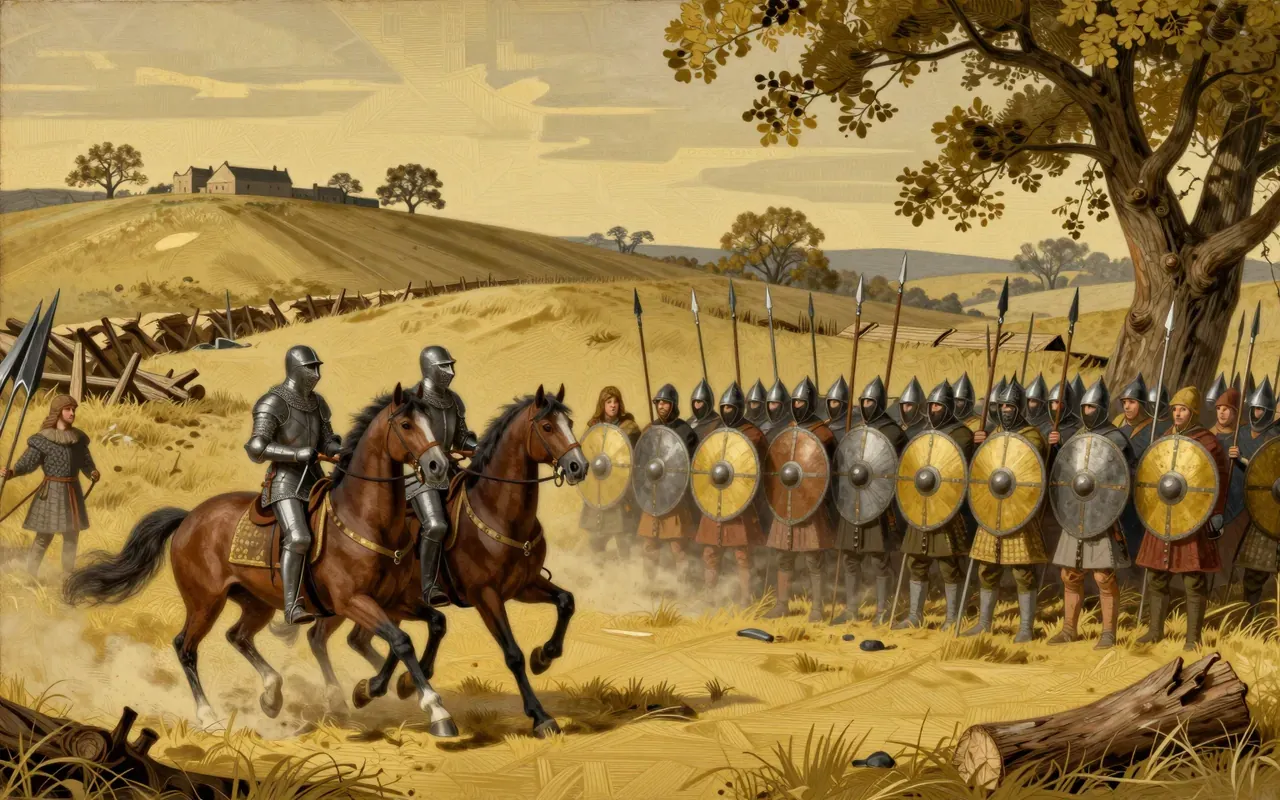
The Battle of Hastings was not a turning point because of prophecy or heroism — it was won by deliberate, repeatable tactics applied against a rigid formation. Its consequences were immediate, systematic, and legible in documents within twenty years. No other English battle so directly remade the state’s personnel, language, law, and landholding in a single generation.

10:07

First Council of Nicaea

May–July 325

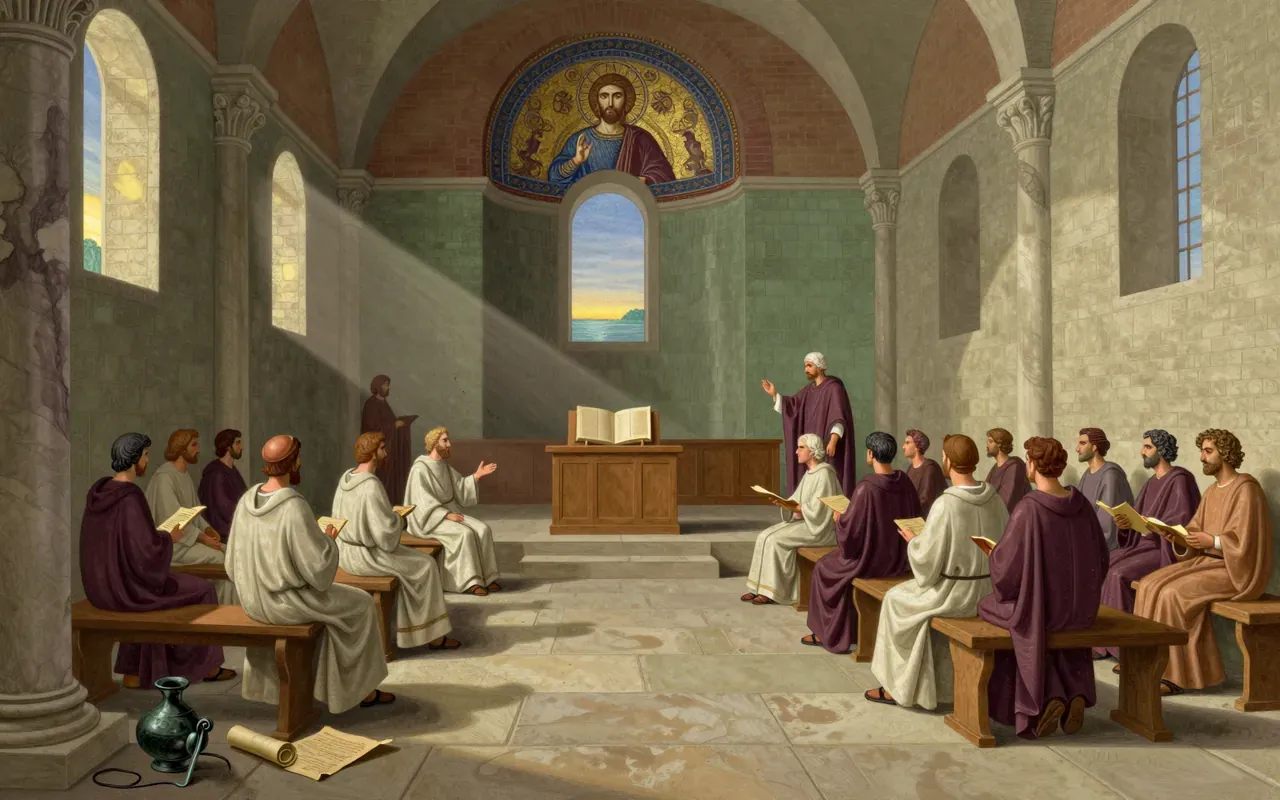
The First Council of Nicaea was the first empire-backed attempt to standardise Christian doctrine by assembly. It succeeded procedurally — nearly all bishops signed — but the record reveals nothing about internal debate, enforcement, or theological nuance. Its legacy is structural, not doctrinal.

13:00

Akbar

1542–1605

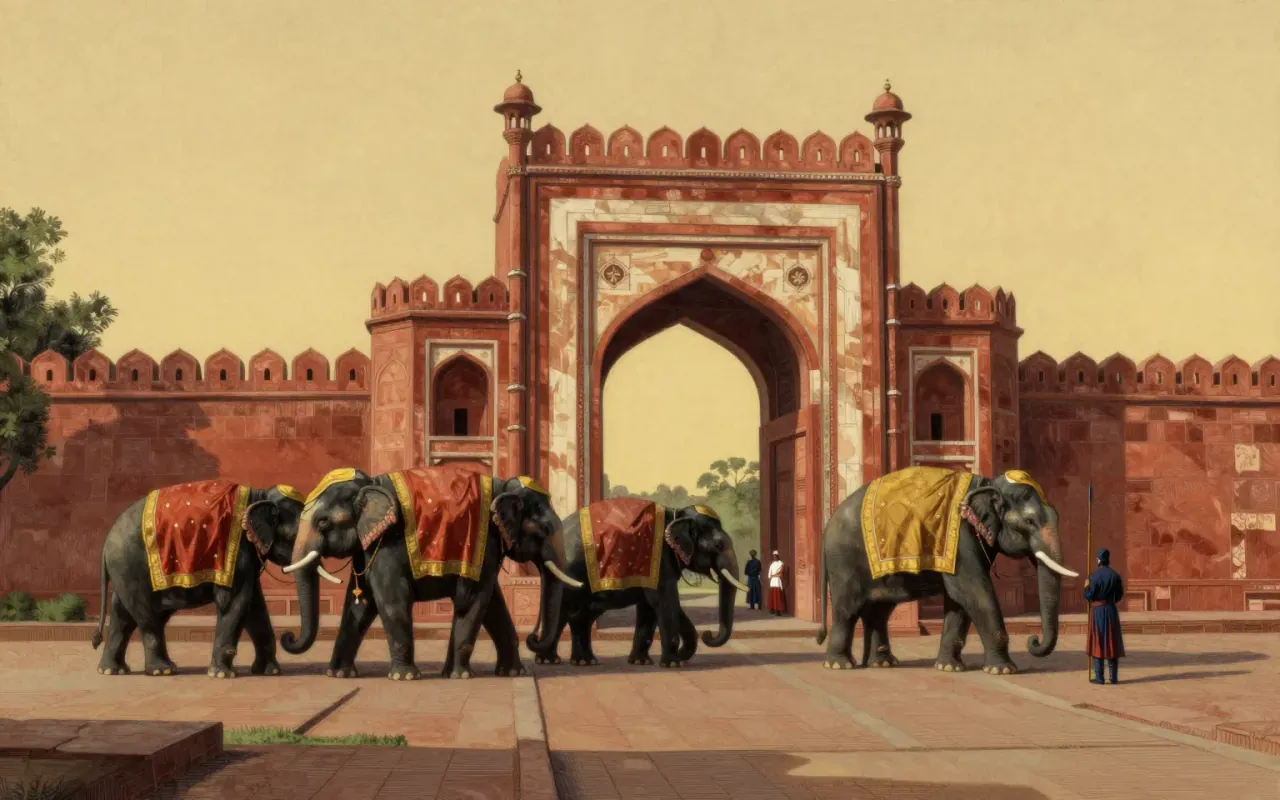
Akbar ruled the Mughal Empire from 1556 to 1605, expanding its territory from Bengal to Kabul and Kashmir through campaigns that included the four-month siege of Chittorgarh in 1567 and 1568, while building an administrative system of ranked military-civil officers and a revenue system based on a ten-year average of production. He abolished the tax on non-Muslims, married into Rajput noble families on terms that preserved the women's status, and promoted a syncretic court faith drawing on Islam, Hinduism and other traditions, a record known largely through the court chronicle of his minister Abul Fazl, which modern historians read with considerably more scepticism than it was originally intended to invite.

13:00

Al-Azhar University

Founded 1961

Founded by the Fatimid caliphate between 970 and 972 to promote Ismaili Shia teaching in newly conquered Egypt, Al-Azhar was repurposed after Saladin's twelfth-century conquest into a Sunni Shafi'ite institution, a transition that reportedly involved destroying a large part of its original library. Mamluk patronage and Ottoman-era prestige built it into the leading centre of Sunni Islamic learning, and Gamal Abdel Nasser's 1961 reforms added secular faculties, turning a traditional madrasa into a modern university that today oversees a national school network reaching some two million students.

13:00

Angkor Thom

Founded late 12th century

Angkor Thom was the last great capital of the Khmer Empire, laid out by Jayavarman VII in the late twelfth century as a walled square nine kilometres in area, centred on the many-faced towers of the Bayon temple. Building continued until 1295, after which the city's fortunes tracked the empire's decline, ending in abandonment following an Ayutthaya sack that pushed Khmer rule toward Phnom Penh. What survives is known mainly through its own inscriptions and through the French colonial-era survey work that first mapped and restored it.

design.briefs Design

All 1 in design →

games.briefs Games

All 4 in games →
10:08

Shin Megami Tensei (video game)

Atlus · 1992

Shin Megami Tensei is a 1992 first-person, turn-based RPG developed by Atlus’s Creative Department 1st Production (Team Maniax). It is a mainline title in the Megami Tensei series. Players navigate dungeons, negotiate with demons, fuse allied demons at Cathedrals of Shadows, manage magnetite, and make moral choices that shape alignment and narrative outcomes.

9:37

Shin Megami Tensei II

Atlus · 1994

Shin Megami Tensei II is a first-person, post-apocalyptic RPG for the Super Famicom, developed by Atlus’s Creative Department 1st Production (Team Maniax). It uses lunar phase to gate demon negotiation, law/chaos/neutrality alignment to shape story and recruitment, and fusion with inheritance and accident mechanics to build party composition. It demands system literacy, tolerates opacity, and rewards consistent alignment play.

11:24

The Last of Us Part II

Naughty Dog · 2020

A post-apocalyptic third-person action-adventure game set in a United States overrun by humans infected with a Cordyceps-like disease. It follows the plight of Ellie and Joel—and later Abby—as they navigate trauma, vengeance, and survival.

12:08

Total War: Shogun 2

Creative Assembly · 2011

Total War: Shogun 2 is a systemic strategy game that demands sustained attention across long sessions. It gives players deep control over settlement, economy, religion, diplomacy, and battlefield tactics—but offers no hand-holding for their interplay. Its strength lies in enforced trade-offs: ashigaru versus samurai, stealth versus siege, faith versus expansion. It assumes competence, not curiosity.

technology.briefs Technology

All 1 in technology →

culture.briefs Culture

All 16 in culture →
8:58

Black metal

Black metal isn’t music—it’s a litmus test for how far extremity can go before ideology becomes arson.
9:59

Secular humanism

Secular humanism isn’t a philosophy—it’s a rhetorical target dressed as one.
8:46

Universalism

Universalism doesn’t unify people—it names the tension between what we share and how we differ.
8:14

Simple living

Simple living is not minimalism—it’s a political act disguised as self-help.
9:10

Al-Ghazali

A scholar who quit the most prestigious chair in Islam to ask whether he believed a word of it.

food.briefs Food

All 4 in food →
10:50

Pastel de nata

The original pastel de nata exists only in one building in Belém—and only because monks sold their recipe to survive closure.
8:36

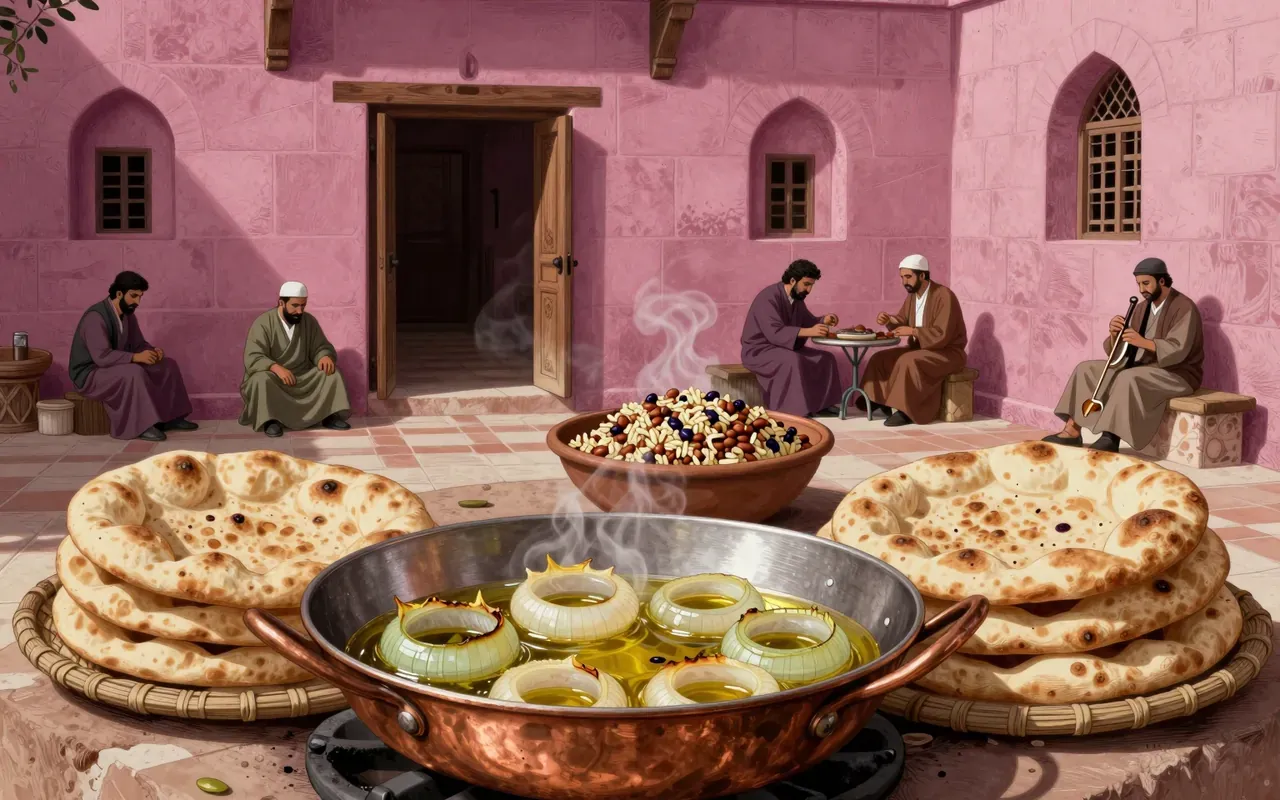
Mujaddara

A dish that feeds across faiths without asking for shared belief.
8:59

Wine

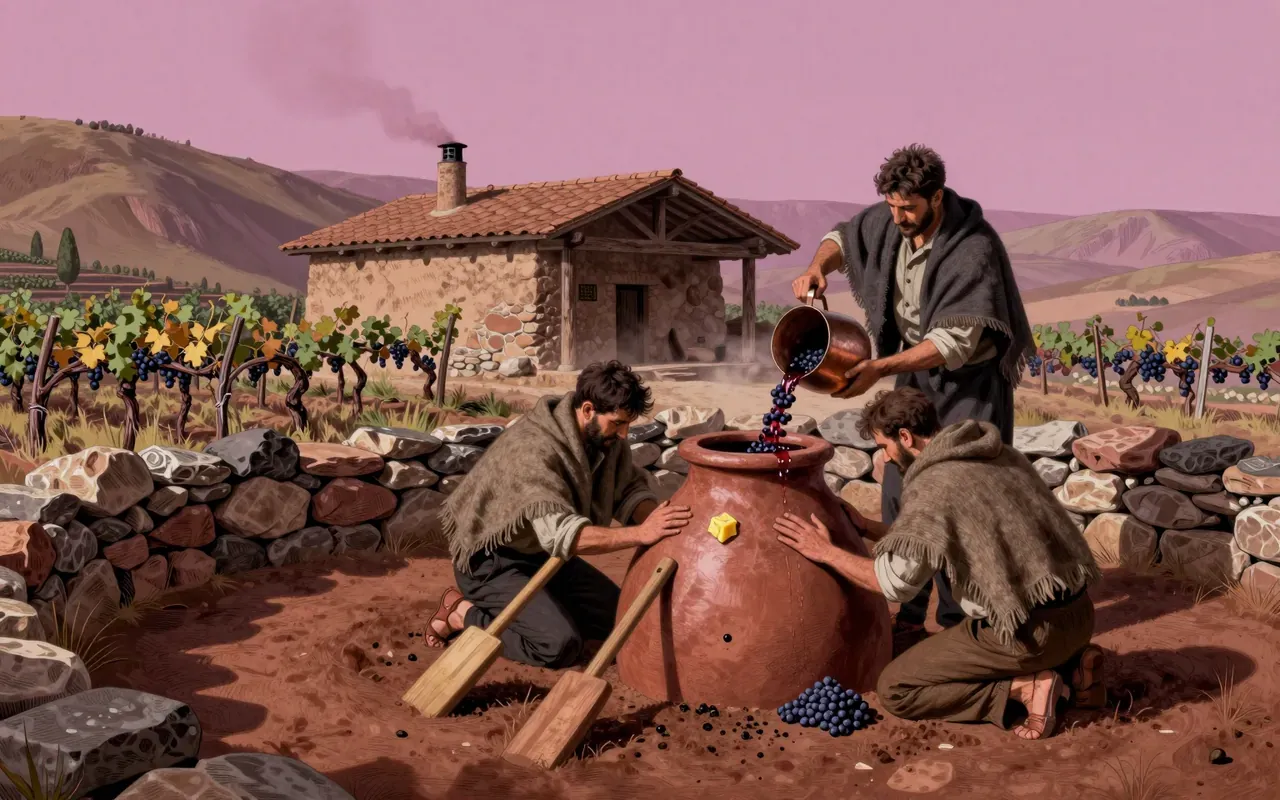
Wine is not a luxury—it’s the oldest continuous technology of cultural transmission.

fashion.briefs Fashion

All 2 in fashion →
10:00

Thawb

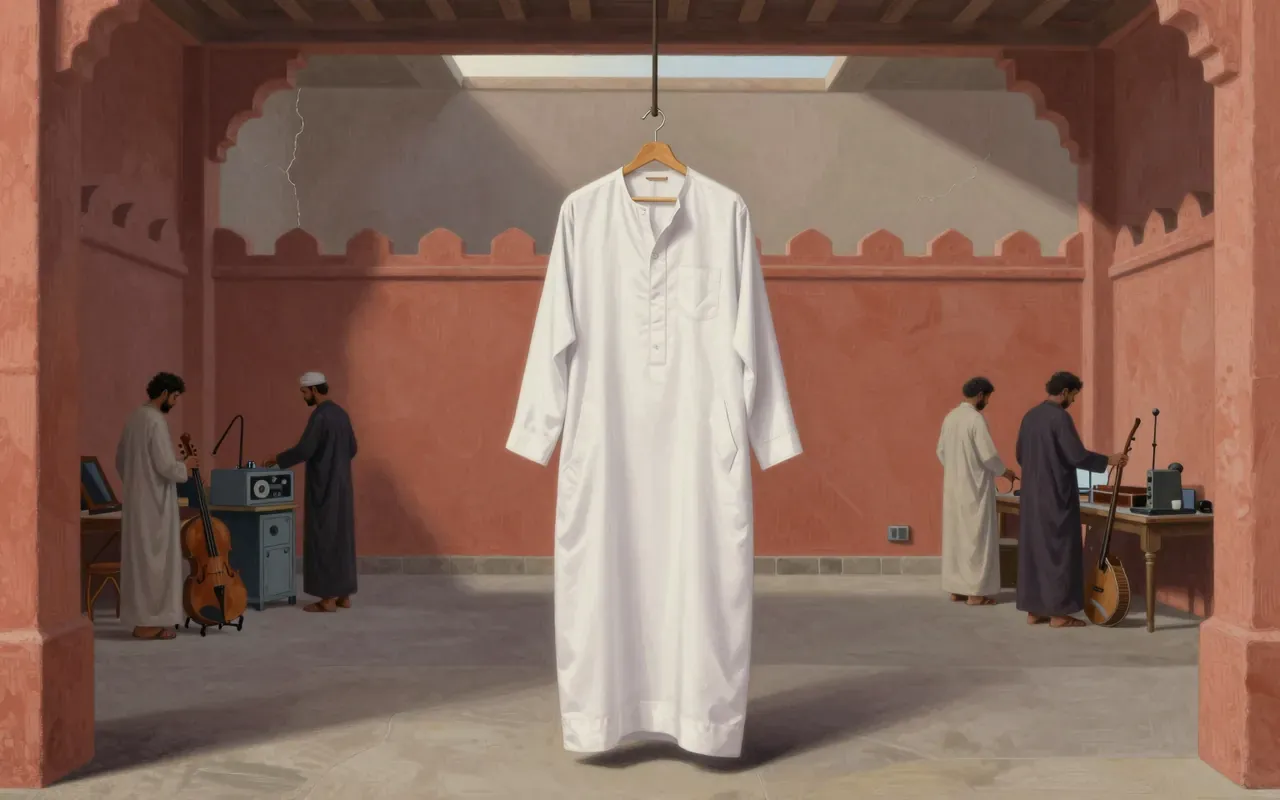
A formal robe built for heat, hierarchy and holiness—not comfort, change or universality.
8:06

Hijab

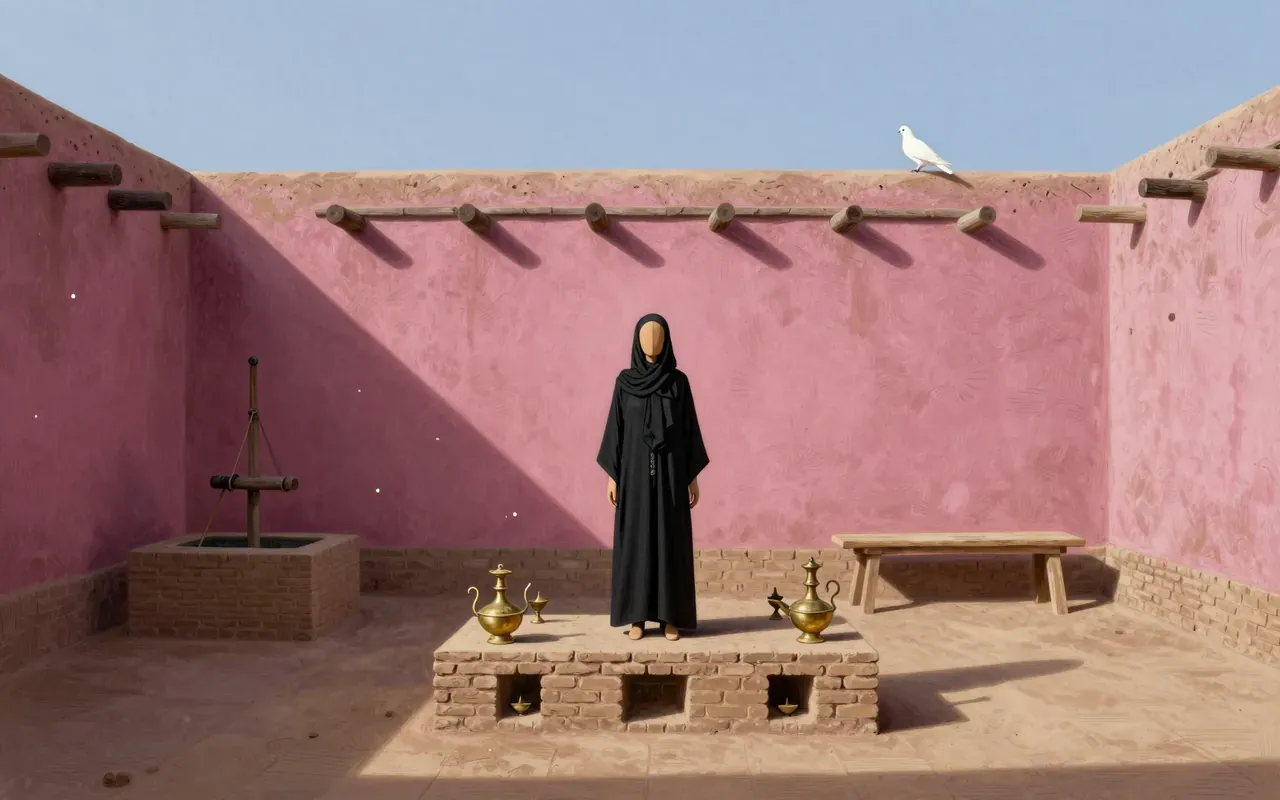
Hijab isn’t in the Qur’an as clothing—it’s a curtain that got turned into a scarf.

nature.briefs Nature

All 1 in nature →
9:29

Bodhi tree

A tree that survives only by being copied—venerated, not lived with.