
Antifragile
Nassim Nicholas Taleb · 2012
The central idea is real and the book is twice as long as it needs to be. The brief extracts the triad, the barbell, via negativa and skin in the game, then tells you which two hundred pages to skip.
Uncertainty, probability, and what to do when the model is wrong.
The central idea is real and the book is twice as long as it needs to be. The brief extracts the triad, the barbell, via negativa and skin in the game, then tells you which two hundred pages to skip.

Henri-Georges Clouzot’s 1953 thriller follows four desperate men hired to drive nitroglycerin across treacherous South American roads. With minimal dialogue and relentless physical detail, it sustains unbearable tension through craft rather than plot — a masterclass in cinematic endurance that won both the Palme d’Or and Golden Bear.



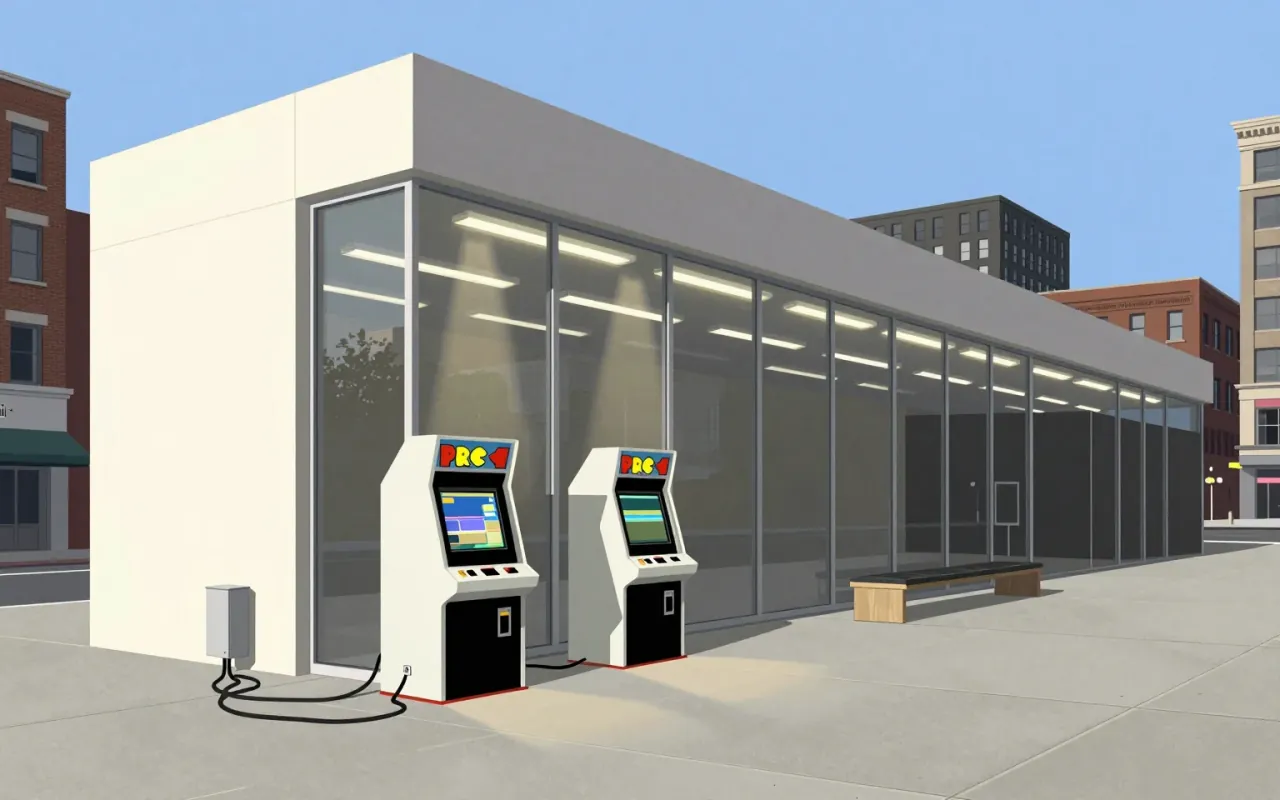

Time Crisis is a 1995 Namco arcade light-gun shooter defined by its foot pedal mechanic, three-stage structure, and strict one-minute countdown per area. It asks players to balance rapid shooting with minimal ducking to conserve time. It helped set the standard for the lightgun shooter genre. Its design offers no narrative, no flexibility, and no recovery—only repetition, rhythm, and risk.

Stormblood is a systemic expansion — not a story one. It builds around constraints: fixed-level raids, XP loss on death, mecha-bound PvP, and jobs that start mid-level. It rewards precision, repetition, and group discipline. It withholds flexibility, narrative integration, and trial access to its hardest content.
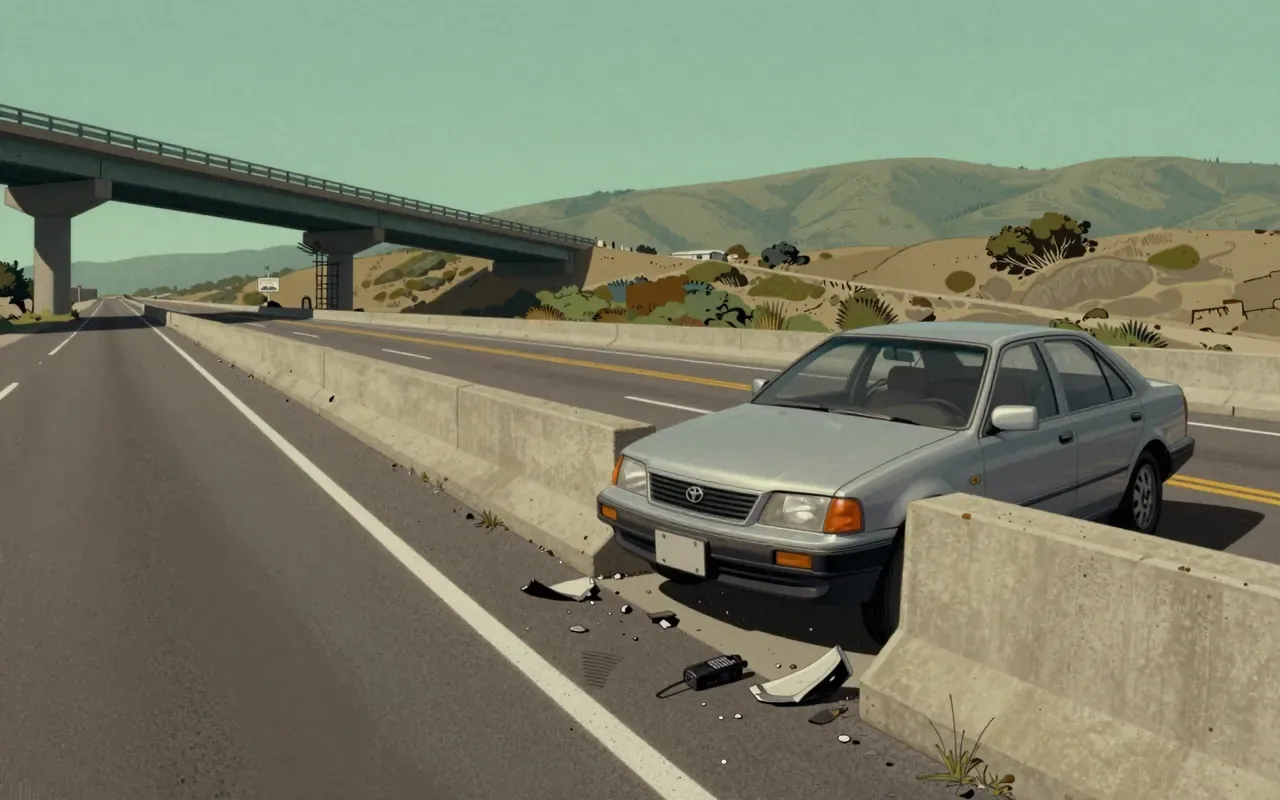
Burnout 3: Takedown is a 2004 arcade racing game developed by Criterion Games and published by Electronic Arts and Acclaim Entertainment. It is the third instalment in the Burnout series, defined by fast-paced arcade racing. Its central innovation is the Takedown mechanic: slamming opponents until they crash, which fills and extends the boost meter. Boost is earned through risky driving—including drifting, near misses with traffic, and driving in oncoming lanes—and used to rapidly increase speed. Standard circuit races take place on carriageways and city streets populated with traffic. Single Race mode pits the player against five AI opponents in a single or multiple lap race. Crash mode involves causing monetary damage in multi-vehicle pileups at junctions, featuring Crashbreakers and power-ups like Heartbreaker. Impact Time—a slow-motion state triggered by crashes—enables Aftertouch, letting players steer wrecked chassis into rivals. The game runs at 60 fps during driving for responsiveness, dropping to 30 fps during crashes to render more particles and debris.
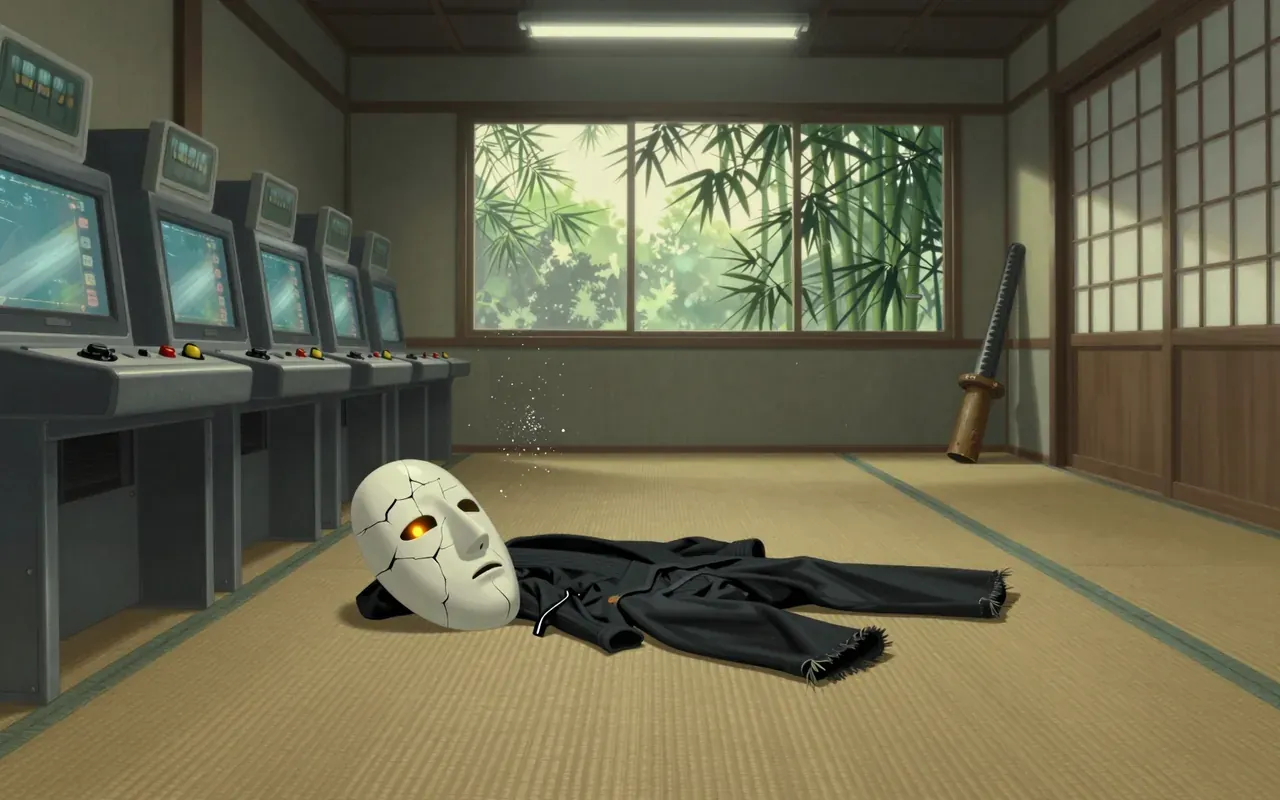
Street Fighter 6 is a 2D fighting game released in 2023 by Capcom. It is part of the Street Fighter franchise, which began in 1987 and has sold over 50 million copies. It features Fighting Ground (versus/training/arcade), World Tour (3D story mode with avatar progression), and Battle Hub (online lobby with emulated arcade titles).

Street Fighter V is a 2D fighting game released in 2016. It uses two resource gauges — EX (built by landing attacks) and V-Gauge (built by receiving attacks) — to power special moves, counters, dodges, and transformative abilities. The visible Stun Meter incentivises aggressive, consecutive offence. It launched with minimal single-player content and poor online features. It failed to meet its sales target of 2 million units in March 2016.
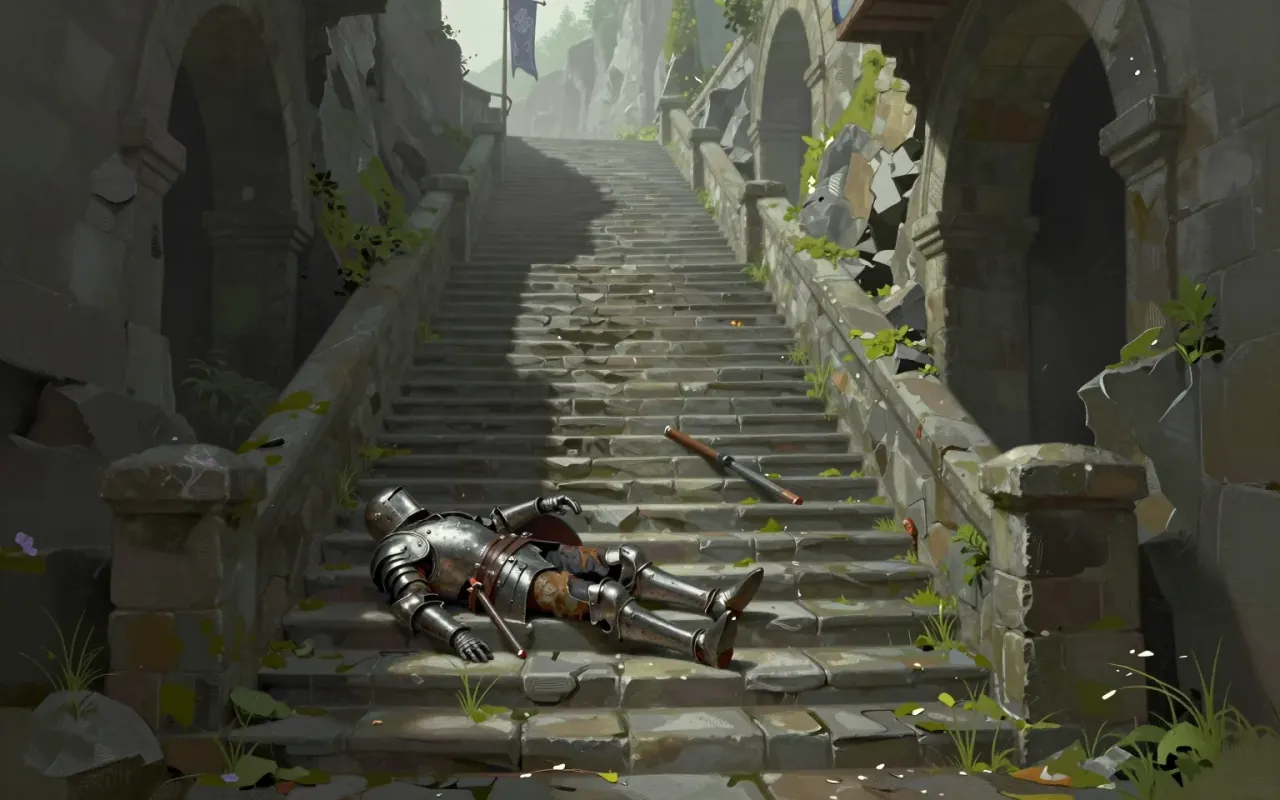
A precise, unforgiving action-RPG where every decision carries weight, every death has consequence, and every bonfire is both sanctuary and checkpoint.
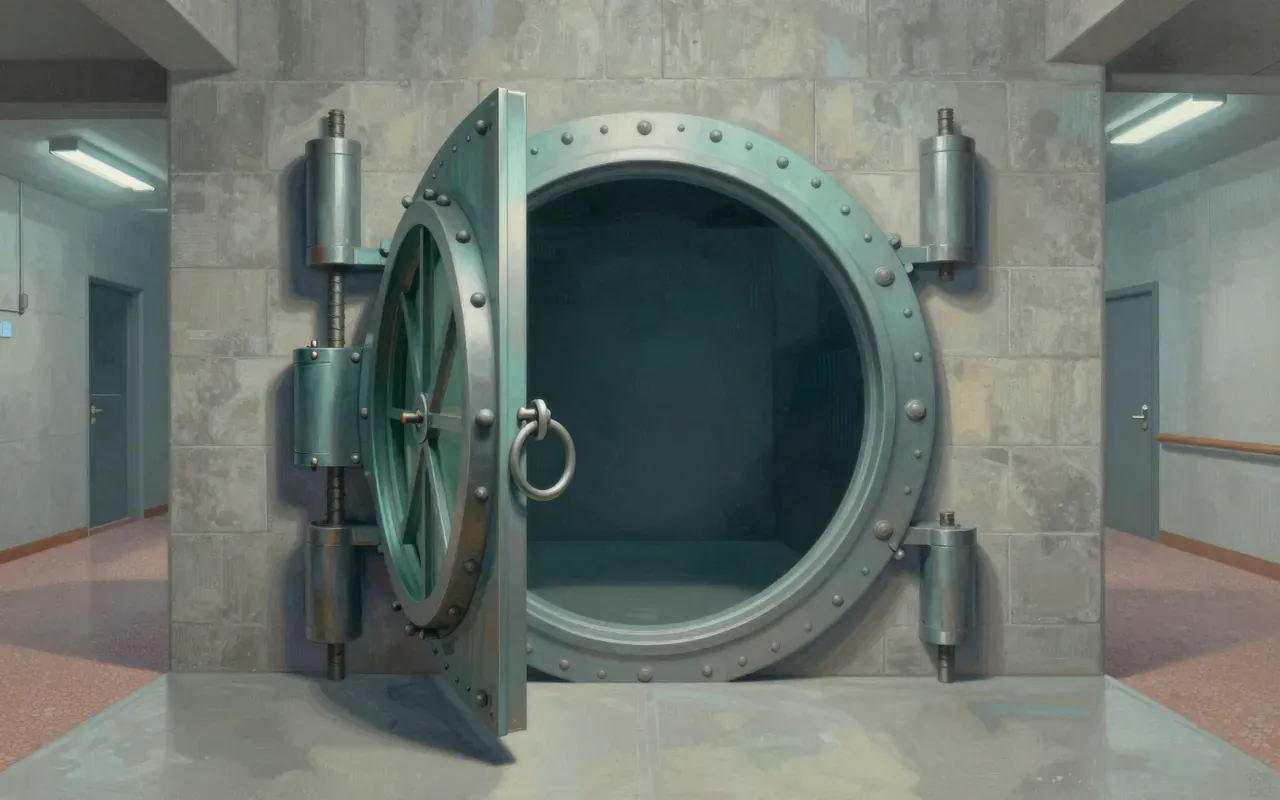

CME Group is a vertically integrated derivatives infrastructure operator. It runs exchanges, provides mandatory central clearing, and operates two spot platforms. In 2025, 81% of its revenue came from clearing and transaction fees, charged at $0.70 per contract across over 7 billion contracts. Volume increases during market volatility — a mechanical, observable feature. Its Bitcoin spot launch in May 2024 has no reported volume or revenue impact. Every major innovation — currency futures (1972), Globex (1987), IPO (2002) — was structural, not product-led.

Soros Fund Management is a case study in regulatory adaptation: a firm that built its reputation on transparency of idea (macro thesis) and opacity of structure (family office), where the numbers remain impressive but uncheckable.

Volvo’s origin was not a corporate spin-off or investor-backed startup. It was a personal bet — financed by commissions saved in Paris, structured around a high-risk contract, validated by ten physical prototypes, and launched only after institutional rejection. Its early revenue came from trucks, not cars. Its founding story contradicts the myth of visionary consensus — it was a solo act of leverage, execution, and timing.