A Date With The Everly Brothers
A Date With The Everly Brothers is a 2013 tribute album by the Chapin Sisters. It is not the 1960 Everly Brothers record. No sonic, technical, or interpretive detail is provided in the source material.
The song outliving the recording.

A Date With The Everly Brothers is a 2013 tribute album by the Chapin Sisters. It is not the 1960 Everly Brothers record. No sonic, technical, or interpretive detail is provided in the source material.

A functional, unvarnished hard bop document — not a statement, not a departure, just the band working the tune as written.

A strategic pivot, not a sentimental one.

Elvis Presley’s 1956 debut album is a pivot point made audible: five Sun recordings and seven RCA tracks, with guitar replacing piano on R&B covers, vocals prioritised over polish, and zero studio artifice. It topped Billboard for ten weeks — not as novelty, but as necessity.

First Take is a piano-and-voice record made in ten hours. It is elegant. It is fused. It is ‘The First Time Ever I Saw Your Face’. Nothing more, nothing less.

Genius + Soul = Jazz is a tightly focused, instrumentally unified statement — not a genre experiment, but a logistical execution of a clear idea: jazz as architecture, not improvisation.

Hard Again is a 1977 studio album by Muddy Waters, produced by Johnny Winter for Blue Sky Records. It was recorded in three days with Waters’s touring band — Bob Margolin, Pinetop Perkins, Willie 'Big Eyes' Smith — plus James Cotton and Charles Calmese. It includes re-recordings of Chess-era staples and new co-writes. Critics describe it as Waters’s comeback album. It won a Grammy.

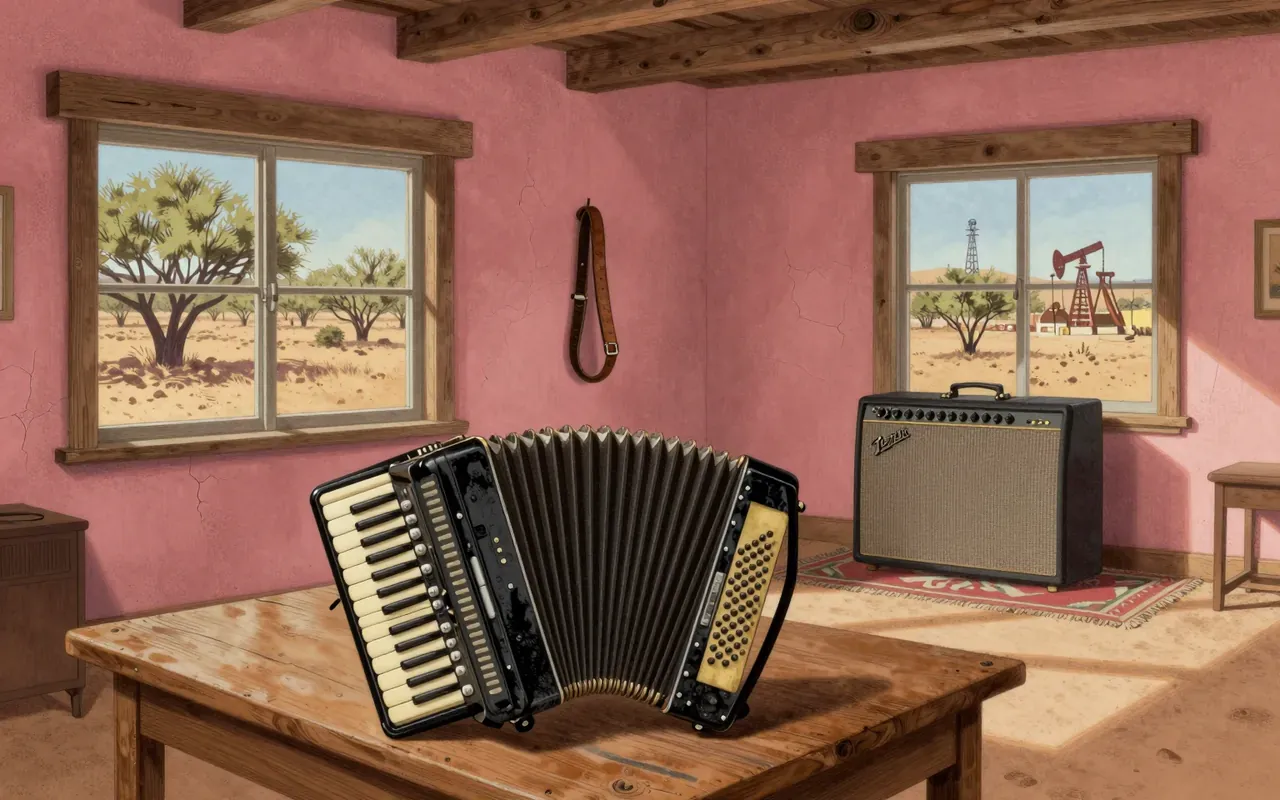
A factual anchor: 1978, Murfreesboro, steel guitar, acoustic guitar, Moog, accordion, Chip Young, Lloyd Maines, Butch Hancock, Hank Williams — nothing more, nothing less.

Total Balalaika Show (1994) documents a 1993 Helsinki concert pairing the Leningrad Cowboys and the Alexandrov Ensemble. Directed, written and produced by Aki Kaurismäki, it presents thirteen live songs in static, natural-light takes, avoiding commentary or context. At 57 minutes, it treats the event as self-evident: a factual, unembellished record of cultural coexistence.

Guitar Hero II tightens the original's loop with chords, practice tools, and co-op roles—but remains rigid, unadaptive, and consequence-free. It trains timing, not musicianship.