Eirik the Red's Saga
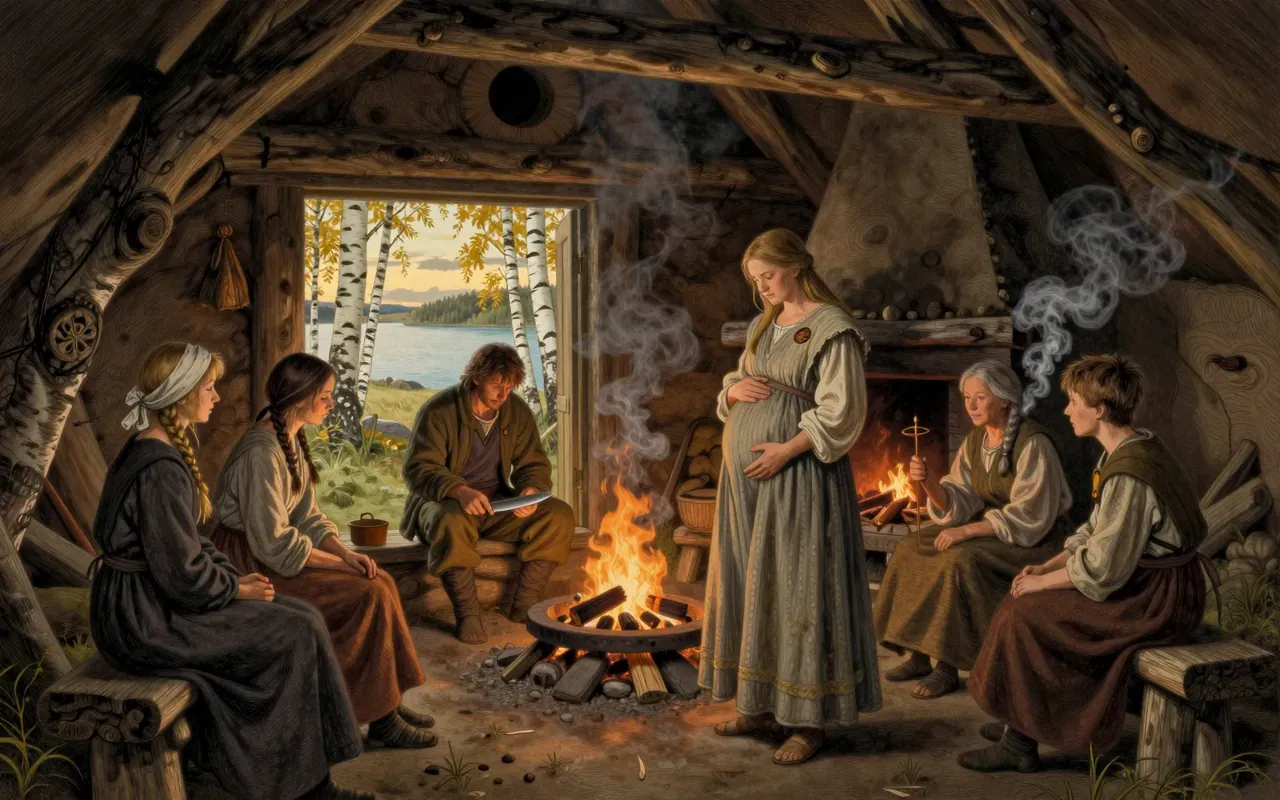
Greenland was named to sell land. Vinland was abandoned because the saga never explains how to live there.
Settlement, extraction and the argument still being had about both.
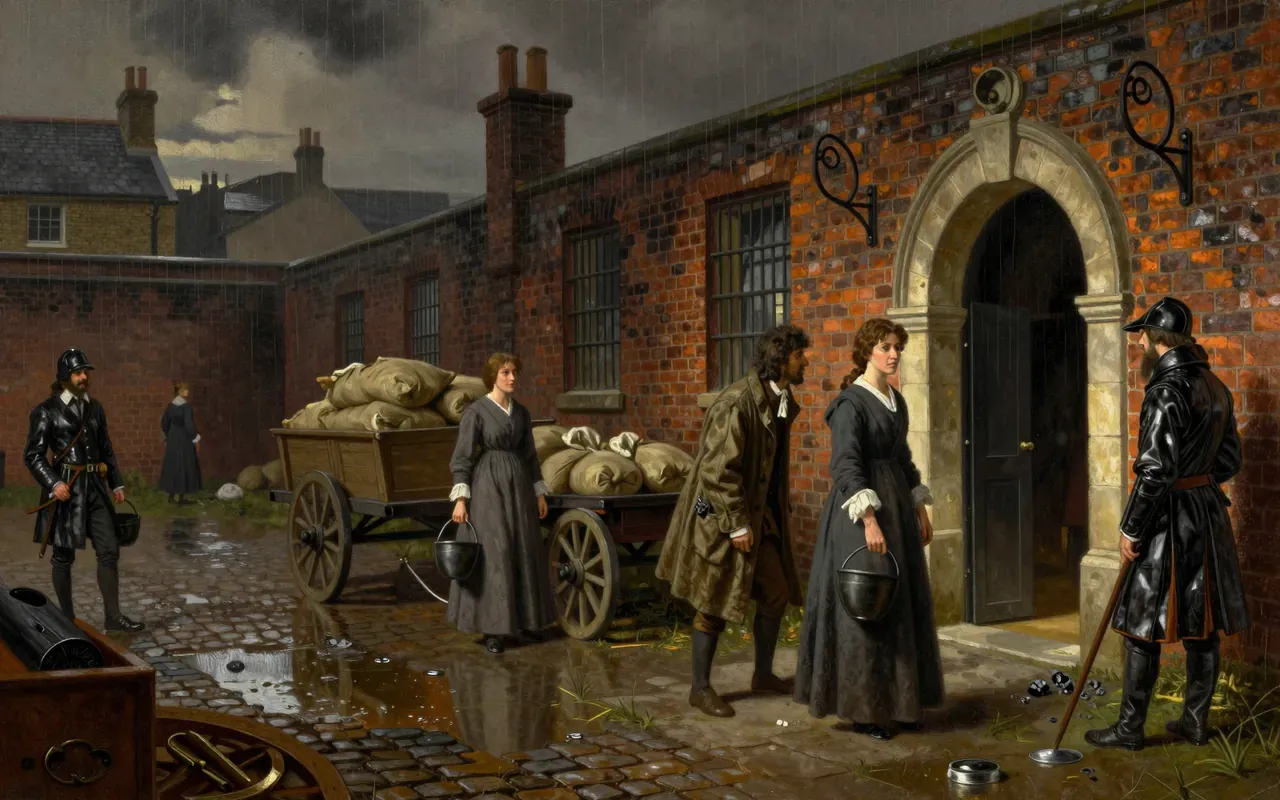
Moll Flanders argues that vanity, not poverty, is the root of moral failure — and that redemption requires sorrow for harm done, not just fear of punishment. Its power lies in Moll’s voice: precise, self-deceiving, and relentlessly consequential. Read Parts 1, 2 and 4. Skip the procedural thievery of Part 3.
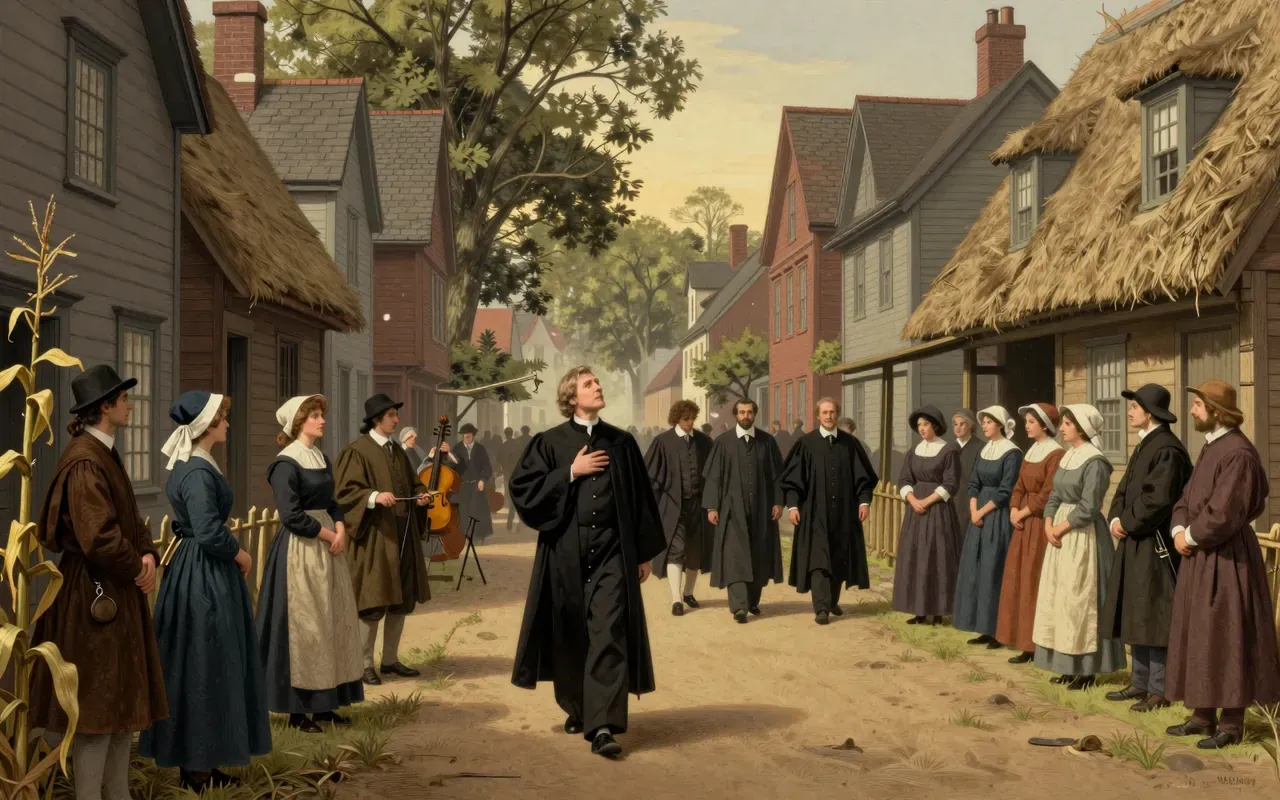
The Scarlet Letter is a tightly wound allegory about shame as public theatre and truth as embodied consequence. Hester’s embroidered 'A' asserts authorship over her punishment. Dimmesdale’s hidden stigma proves secrecy corrodes the self. Chillingworth’s withering confirms revenge is self-annihilation. Skip the Custom-House preface. Read the forest meeting and scaffold revelation—they hold the whole argument.
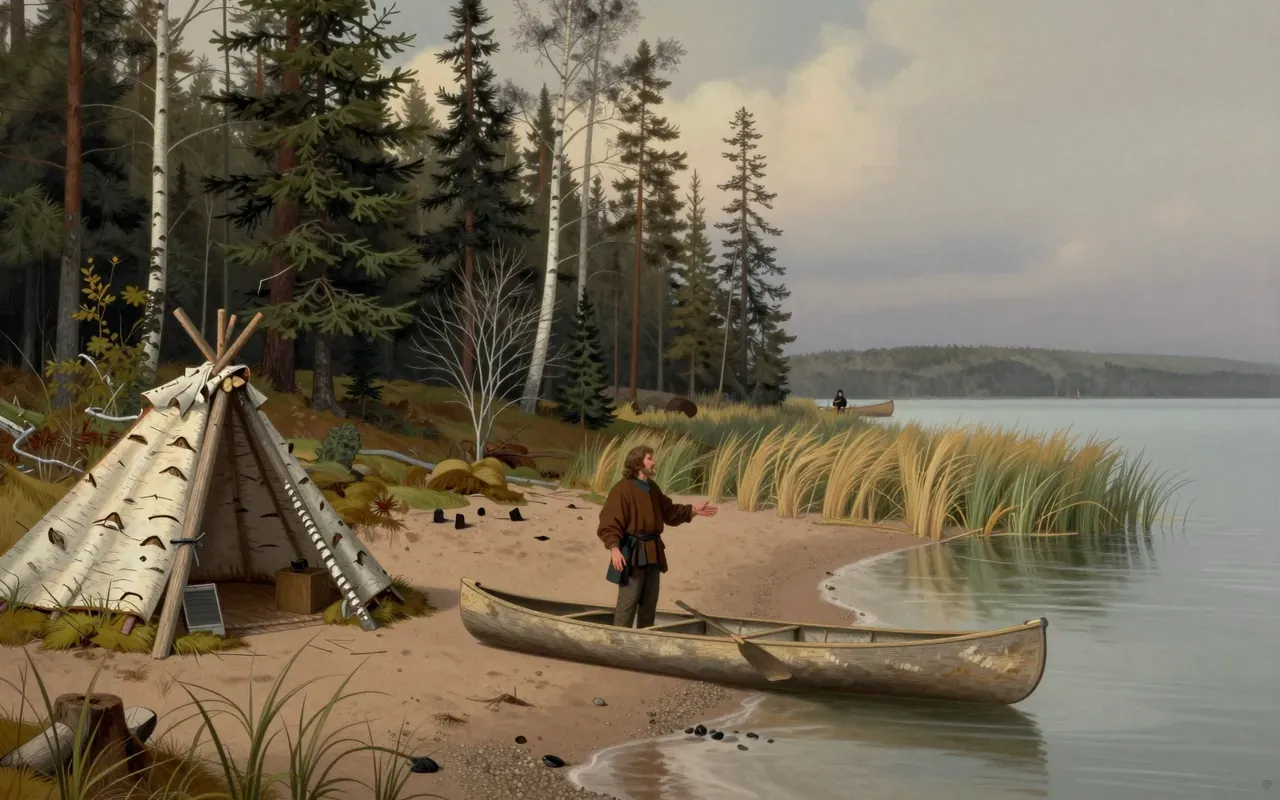
Longfellow’s 1855 poem recasts Ojibway oral tradition into a mythic biography of Hiawatha, using Kalevala metre and Romantic moral framing. It works best in its ritual moments—ghosts testing hospitality, Minnehaha’s death, Hiawatha’s departure—but fails as ethnography or theology. Read Chapters I, IV, V and XXII; skip the botanical interludes and explanatory digressions.

Swift proposes that the Irish poor sell their infants as food, and costs it out precisely. The brief covers how the satire works, why the numbers matter more than the shock, and the last page where the mask drops and the real proposals appear.

García Márquez's 1967 novel set in the fictional Colombian town of Macondo, where the Buendía family repeats the same names, mistakes, and obsessions across generations. The brief covers the structure of cyclical time, the decay of an isolated settlement, and why the magical elements are not flourish but argument about how the past swallows the present.
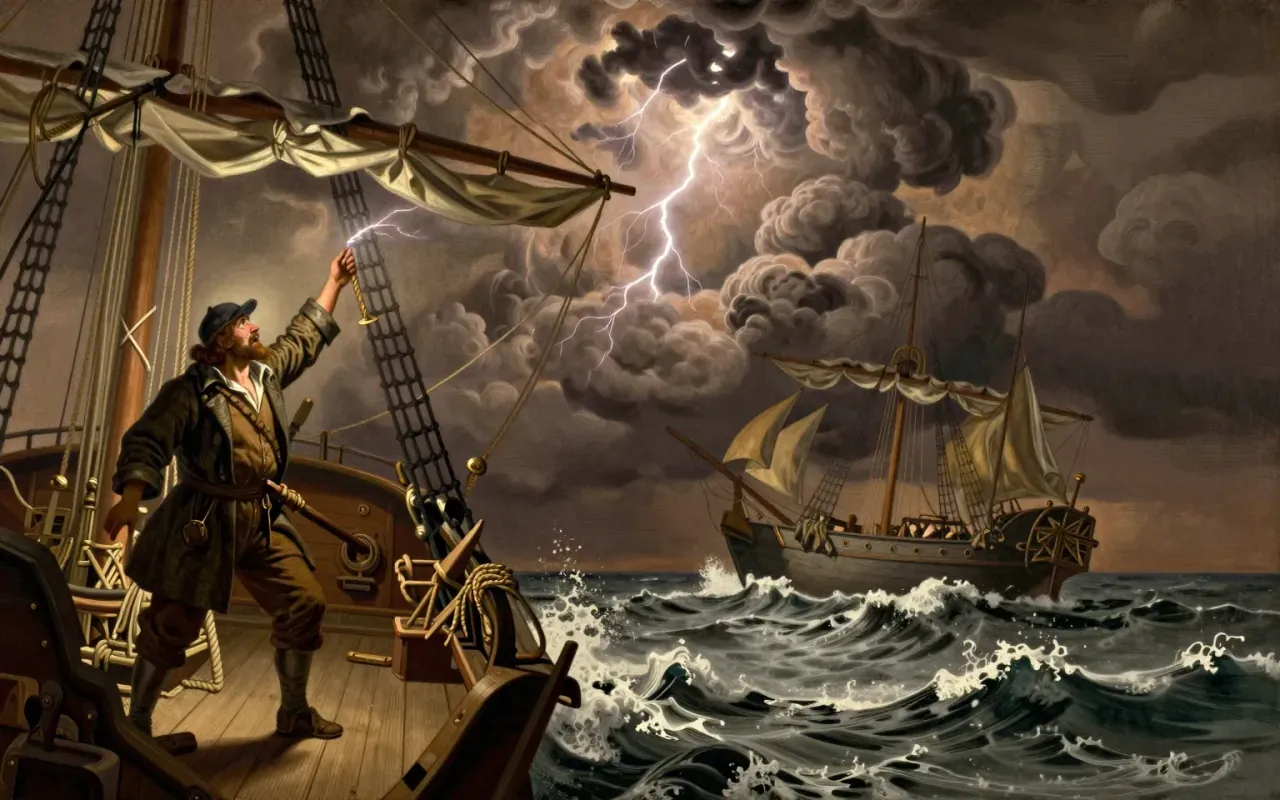
A deposed duke with a monopoly on magic wrecks his enemies’ ship, arranges his daughter’s marriage, forgives everyone and abandons his power. The brief covers what Caliban’s claim does to the story, why a plot with no resistance has no tension, and what the epilogue is asking for.
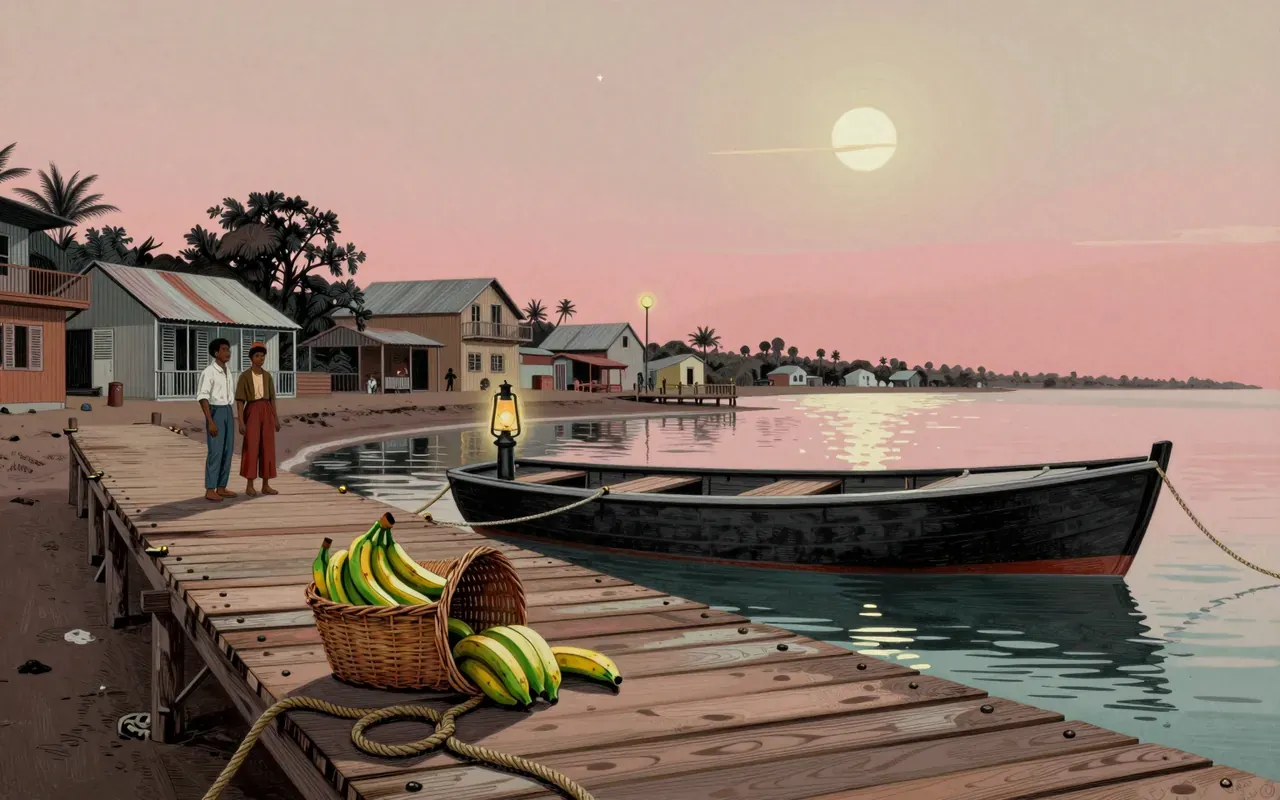
Calypso is Harry Belafonte's third studio album, released in 1956 on RCA Victor. It features vocal performances backed by guitarists Millard J. Thomas and Frantz Casseus, Tony Scott and His Orchestra, and The Norman Luboff Choir on select tracks. It includes 'Day-O (The Banana Boat Song)', sung from the perspective of banana dock workers awaiting daylight, alongside 'Star-O' as a lyrical variant reprise, and 'Jamaica Farewell', a mento folk song published here for the first time. Production involved multiple producers, a conductor, a chorus leader, and contributors to visual and textual elements of the release.
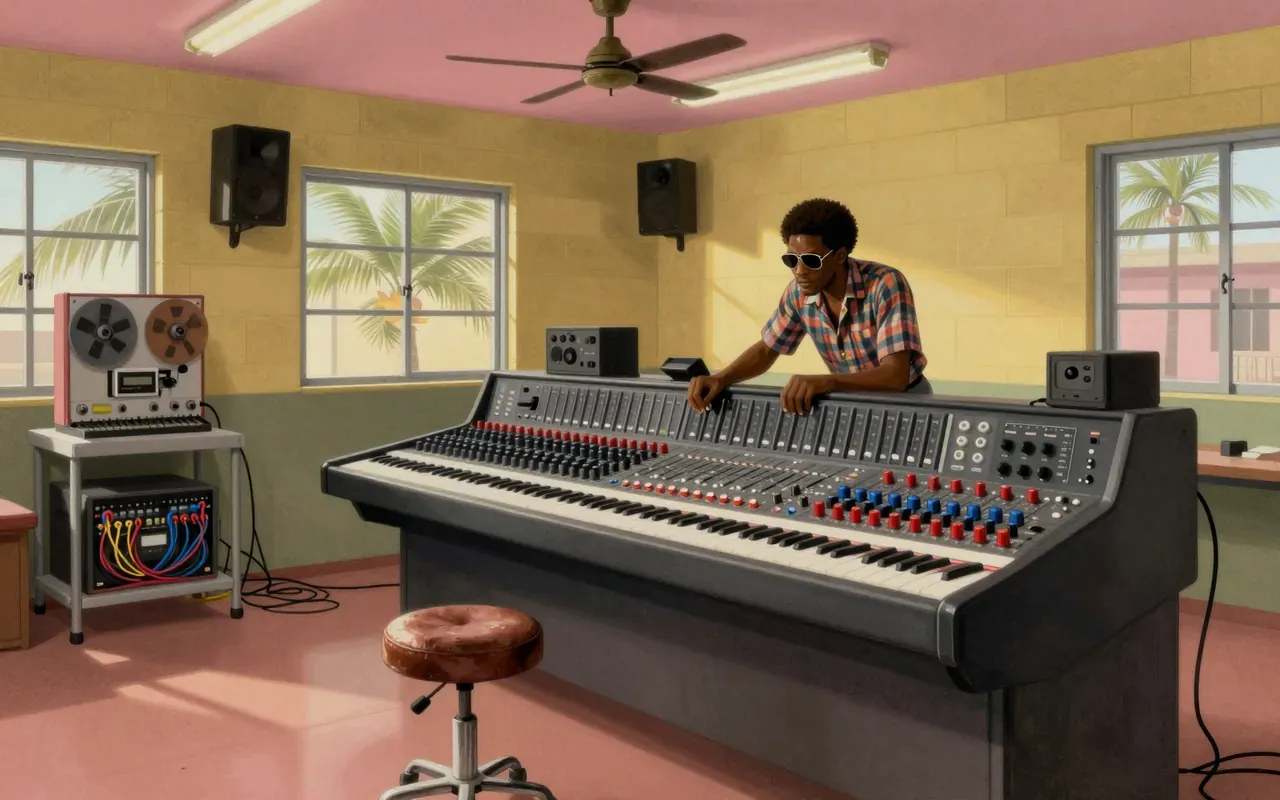
A 36-song triple LP released in December 1980. The Clash’s fourth studio album. Recorded over most of 1980 across London, Manchester, Jamaica, and New York. Produced by the band — primarily Mick Jones and Joe Strummer — with Mikey Dread’s participation. The only Clash album where all four members perform lead vocals.

África Brasil is a 1976 album by Jorge Ben, recorded over ten days at Phonogram Studios in Rio de Janeiro with a large ensemble including Admiral Jorge V, fourteen additional instrumentalists and five backing vocalists. Ben replaced his acoustic guitar with an electric guitar during these sessions, influenced by Dadi Carvalho, after swapping instruments following Carvalho’s acquisition of an Ibanez guitar in London. José Roberto Bertrami arranged orchestral parts; Marco Mazzola mixed the album before Philips withdrew him mid-session. The album is described as one of Ben’s most popular, a fusion of funk and samba relying more on electric guitar than previous efforts, and features a remake of 'Taj Mahal'.
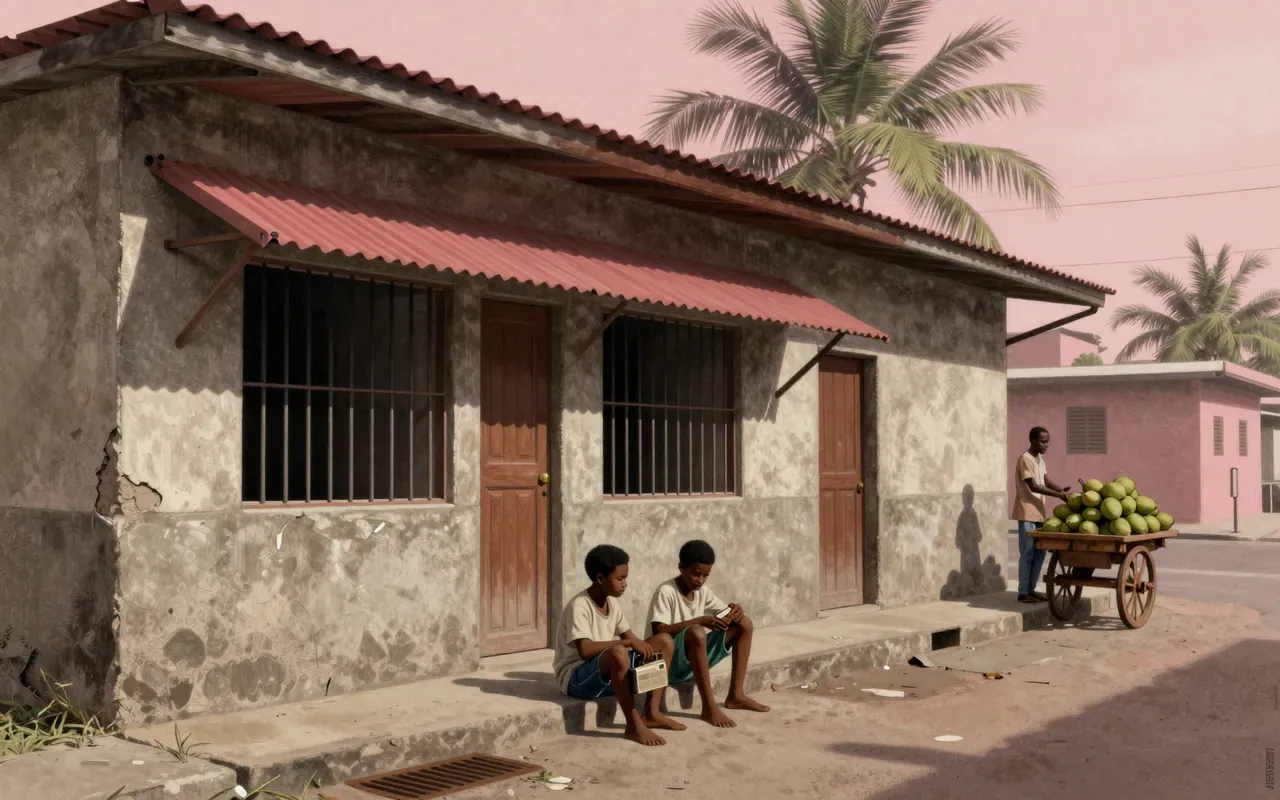
Marcus Garvey is a 1975 reggae album recorded live in Kingston with Jack Ruby and the Black Disciples. It is politically direct, sonically grounded in studio realism, and defined by its resistance to commercial remixing. It belongs in the reggae-and-dub category. Topics include colonialism, Jamaica, religion, and recording.

A studio recording of Verdi’s Aida, made in 1989. Contains all vocal and orchestral numbers across four acts. Omits Verdi’s rejected overture. No source material describes performers, conductor, recording venue, or engineering choices.
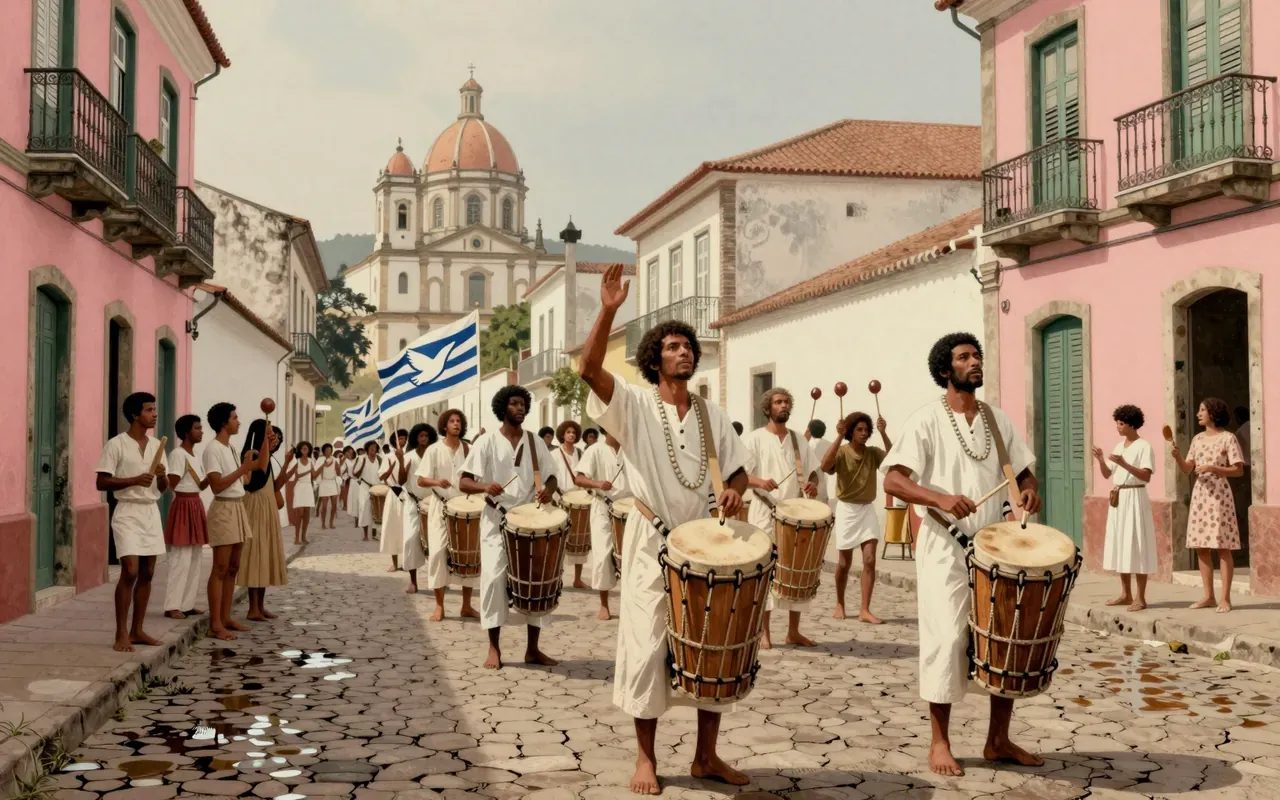
Refavela is not a fusion record. It is a declaration of continuity — Afro-Brazilian culture as unbroken line, not borrowed motif.
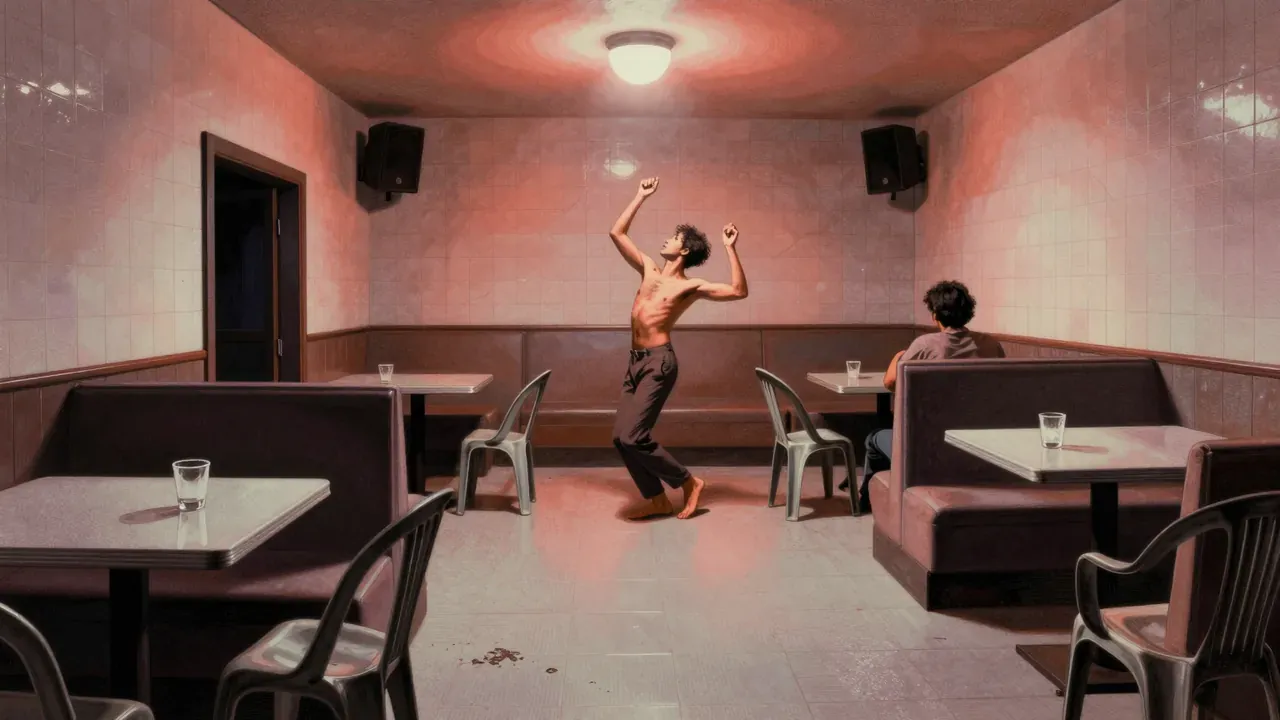
Claire Denis’s 1999 arthouse drama relocates Herman Melville’s Billy Budd to the French Foreign Legion in Djibouti, tracing Adjudant-Chef Galoup’s psychological unravelling as he fixates on a new recruit. Shot by Agnès Godard and edited by Nelly Quettier, it relies on physicality, repetition and withheld motivation to explore power, masculinity and colonial space — culminating in a solitary, ecstatic nightclub dance that resolves nothing but everything.
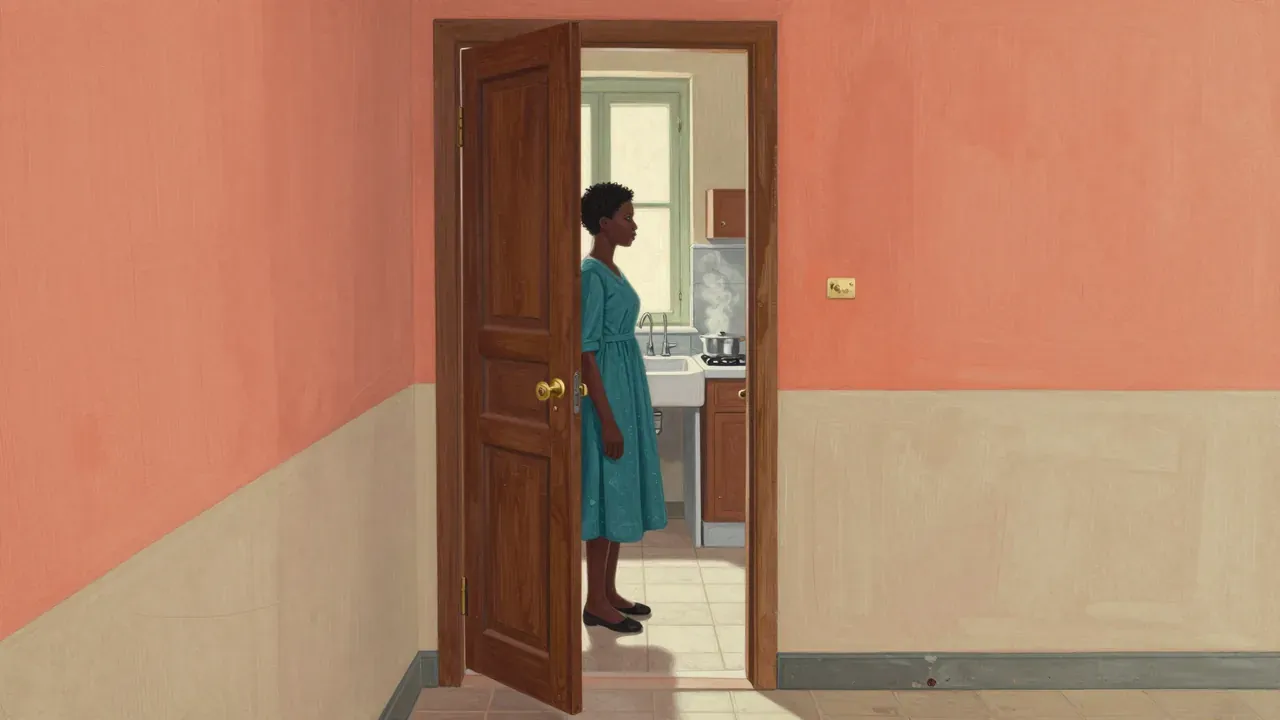
Ousmane Sembène’s 1966 feature debut follows Diouana, a young Senegalese woman who moves to France to work for a French couple, only to find her identity stripped away by isolation, linguistic erasure, and routine condescension. Shot in Senegal with a minimal crew and dubbed dialogue, the film uses stark visual contrast and elliptical editing to trace the psychological toll of colonial labour. Its power lies in restraint: no score, no exposition, no redemption—just the quiet accumulation of small violences, culminating in an act of final autonomy. Widely regarded as the first Sub-Saharan African feature by an African filmmaker to gain international attention, it remains a foundational text of anti-colonial cinema.
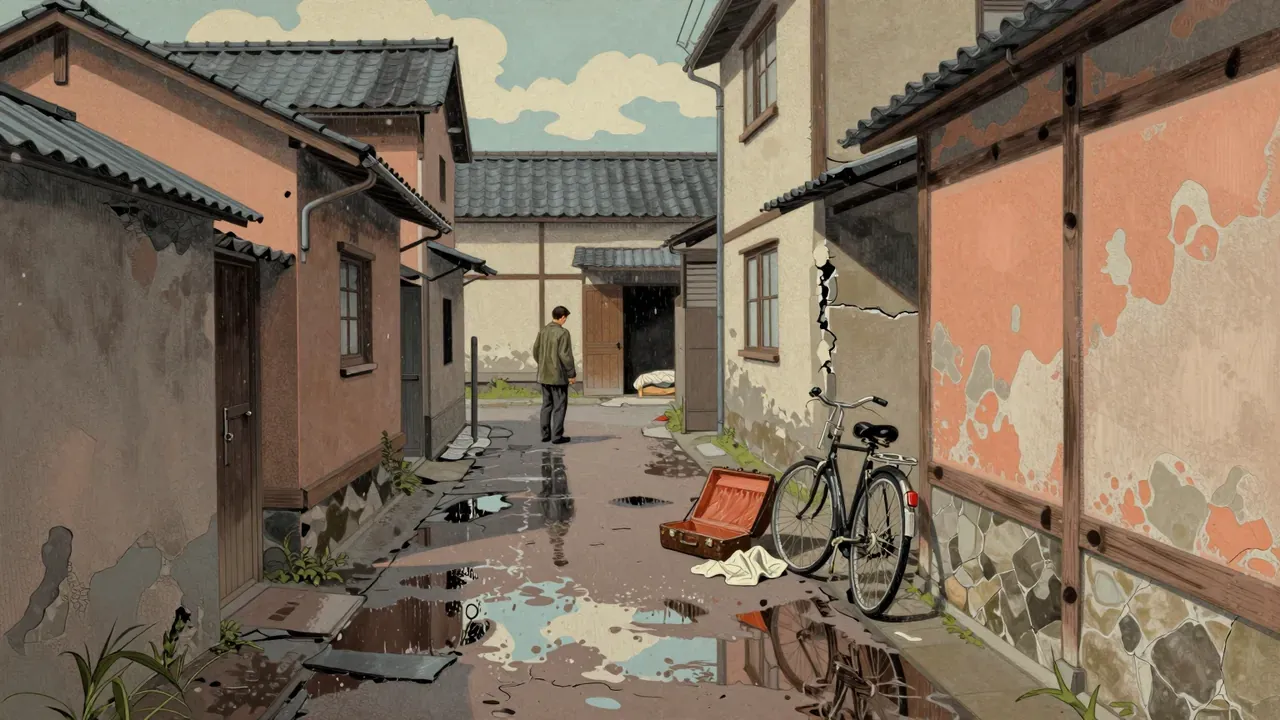
Masaki Kobayashi’s 1957 drama Black River follows a university student and a waitress in a Tokyo district shadowed by a US military base. When she is raped by a local gangster and forced into a coercive relationship, and when both are evicted as part of a development scheme, their fragile bond culminates in an act of desperate, unsentimental violence. Shot with stark realism and performed with restrained intensity, the film treats systemic oppression as atmosphere rather than argument.
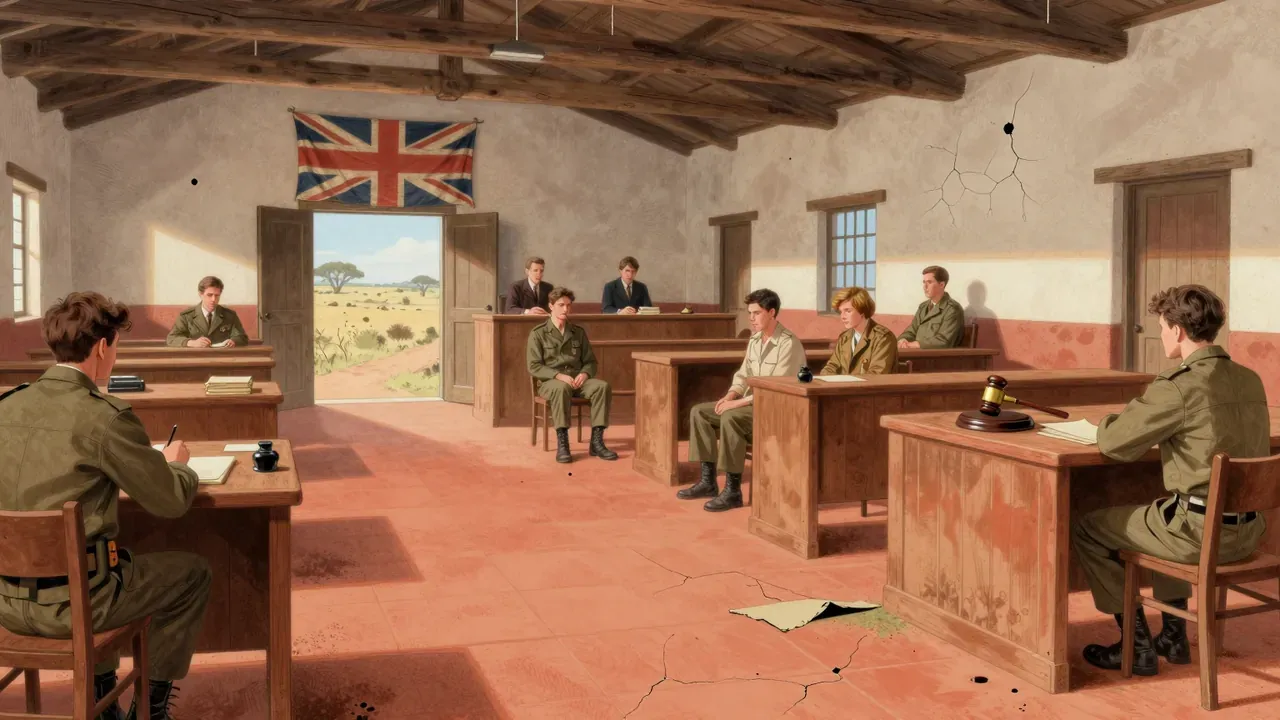
Breaker Morant (1980), directed by Bruce Beresford, dramatises the 1902 court martial of three Australian lieutenants accused of war crimes in the Boer War. Structured around courtroom testimony and fragmented flashbacks, it foregrounds procedural injustice over moral verdict, using restrained craft to expose how military justice serves political ends. Adapted from Kenneth G. Ross’s play, it won ten Australian Film Institute Awards and remains a benchmark of Australian cinema’s engagement with colonial accountability.
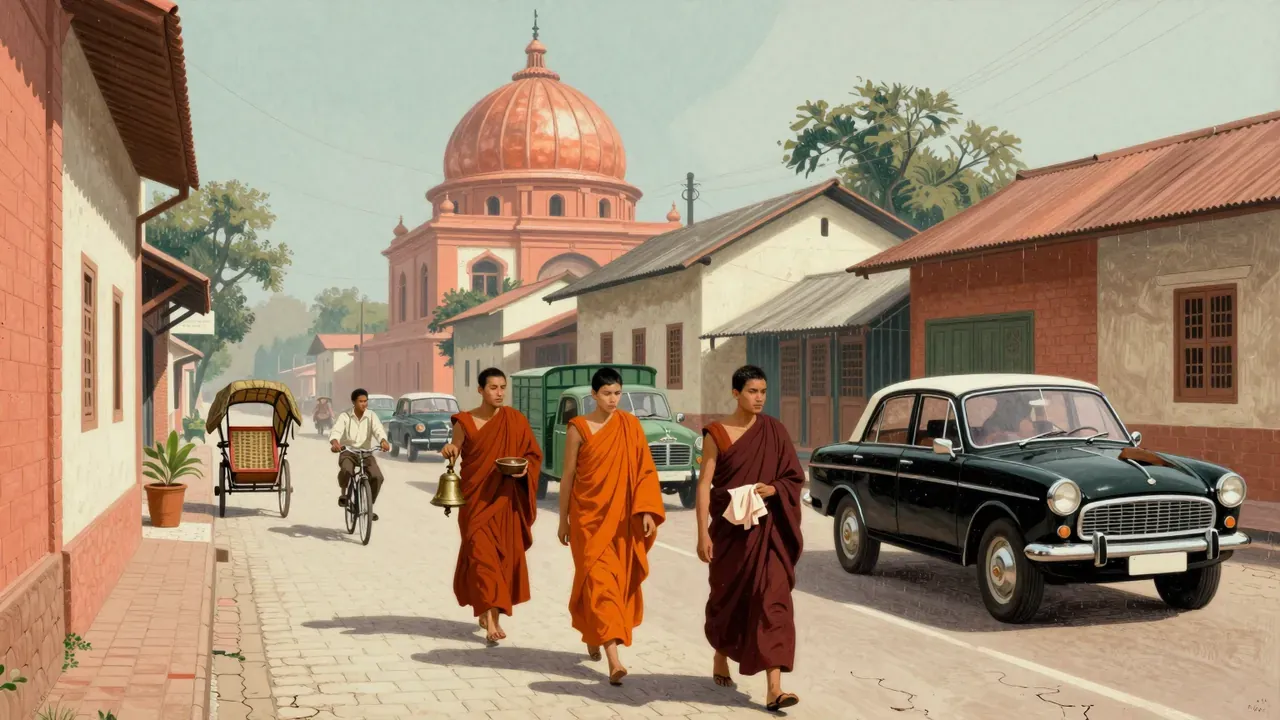
Louis Malle’s 1969 documentary Calcutta observes the city over 105 minutes without narration, interviews, or explanatory text. Shot on location in 1967–68, it relies on long takes, ambient sound, and unmediated access to street life, ritual, and labour. Its method is observational, its stance unflinching but unjudging. It offers no synthesis — only duration, texture, and the quiet insistence of the real.

Michael Curtiz’s 1935 swashbuckler launched Errol Flynn as a star and redefined Hollywood adventure cinema. Adapted from Rafael Sabatini’s novel by Casey Robinson, it follows Irish doctor Peter Blood, unjustly enslaved and turned pirate, whose moral rigour and tactical brilliance make him both outlaw and redeemer. Shot largely on sound stages with a symphonic Korngold score, it prioritises narrative economy, physical authenticity, and ethical coherence over historical nuance or psychological complexity. Its enduring power lies in its unwavering commitment to craft as conscience.
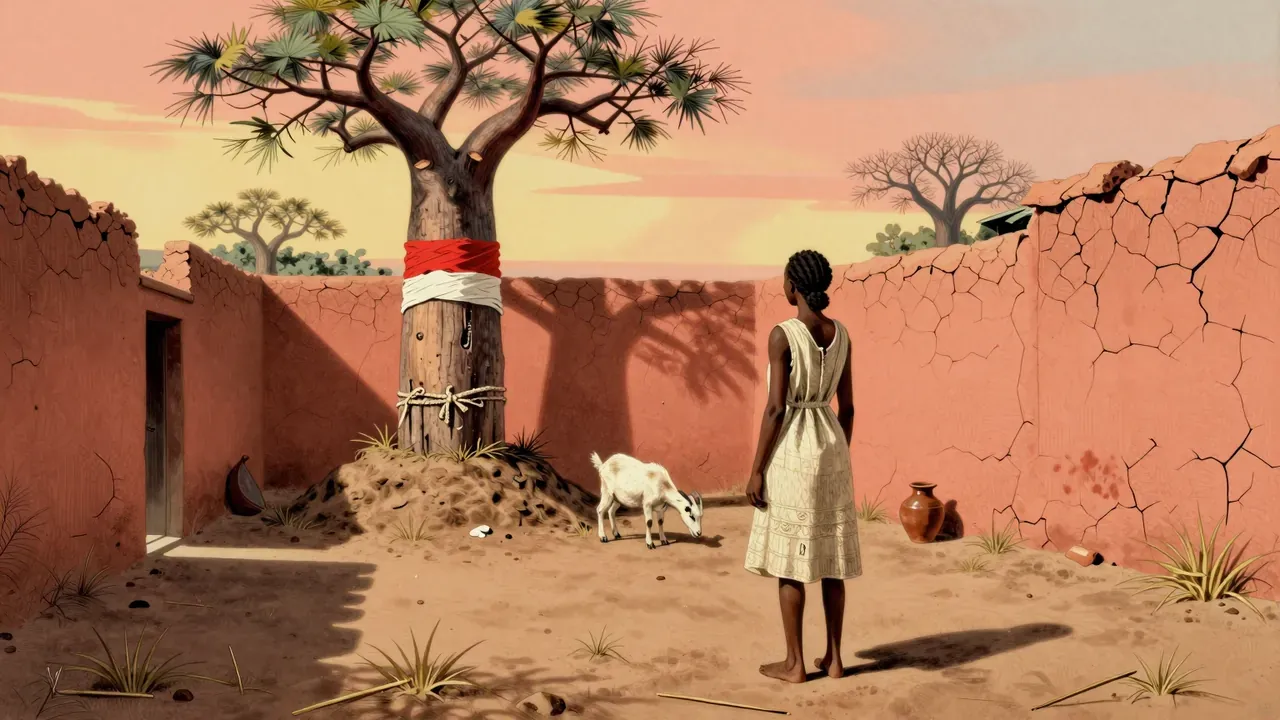
Ousmane Sembène’s 1977 Ceddo is a Senegalese historical drama set in a pre-colonial West African village torn between animist tradition, Islam, Christianity, and the slave trade. When the ceddo — the outsiders — abduct the king’s daughter to protest forced conversion, the conflict escalates into violence, conversion, and regicide. Shot in French with Wolof cultural grammar, the film refuses exposition, moral simplification, or sentimental resolution. Its power lies in its formal rigour, political clarity, and unwavering centreing of African epistemic autonomy.
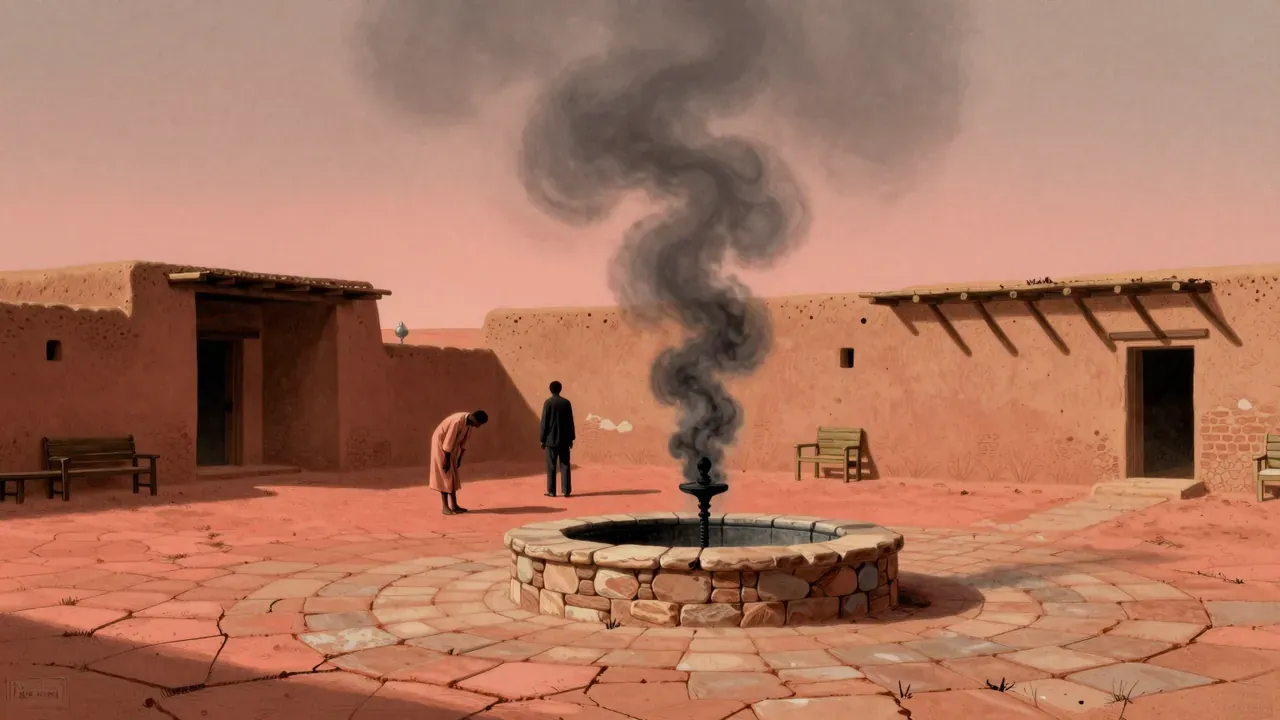
Chronicle of the Years of Fire (1975), directed by Mohammed Lakhdar-Hamina, follows Ahmed, an Algerian peasant, across seventeen years leading to the 1954 uprising against French rule. Structured in six chapters, it charts the slow, embodied formation of national consciousness under colonialism — through drought, conscription, broken promises and massacre. Shot by Marcello Gatti and scored by Philippe Arthuys, it favours duration over drama, collective experience over individual psychology. It won the Palme d’Or at Cannes and remains a landmark of postcolonial cinema.
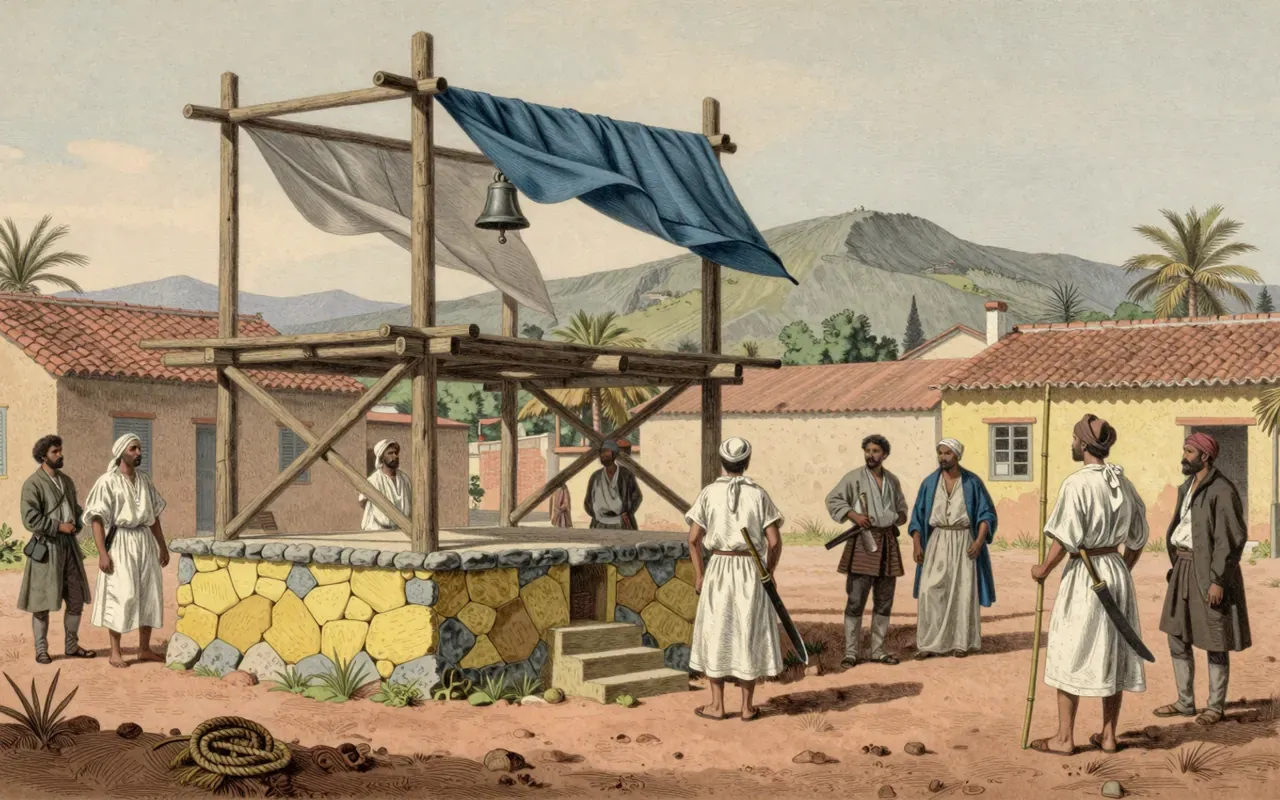
The Haitian Declaration of Independence is a foundational rupture—not in rhetoric, but in precedent. It established the first Black-led post-slavery state, yet refused the language of rights that defined other Atlantic revolutions. Its authority derived not from consent or constitution, but from military victory and collective sanction. It changed the map, but not the grammar, of sovereignty.
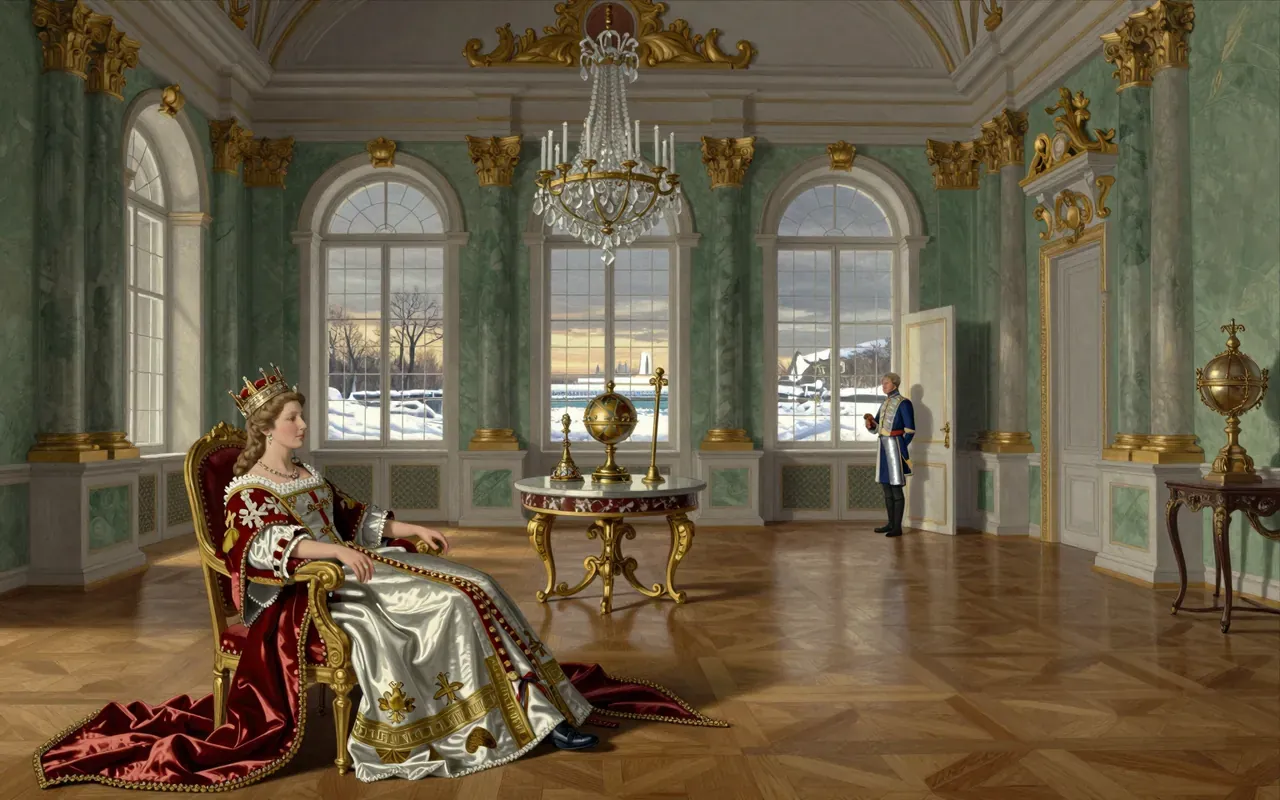
Catherine the Great’s reign was defined by method, not motive: coup, favouritism, military appointment, and diplomatic intervention produced imperial expansion and cultural renaissance — and elevated Russia to great-power status — without requiring Enlightenment ideals to be operationalised in governance.
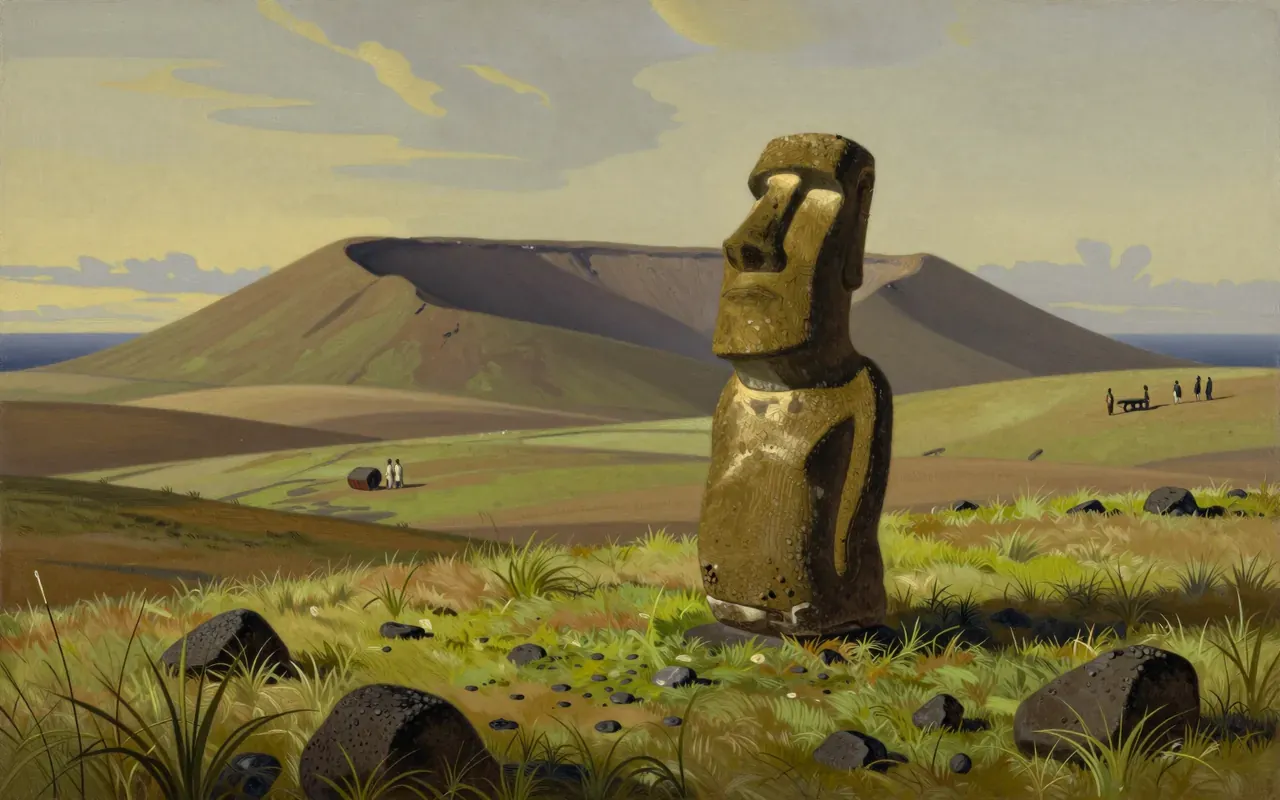
1722 is the hinge — not between isolation and connection, but between self-determined time and imposed chronology. Roggeveen did not find a blank slate. He sighted a society that had already shaped its landscape, language, and cosmology over centuries — and whose moai predated his arrival by up to 600 years. The event changed nothing on the island that day. But it guaranteed that everything after would be measured against European time.
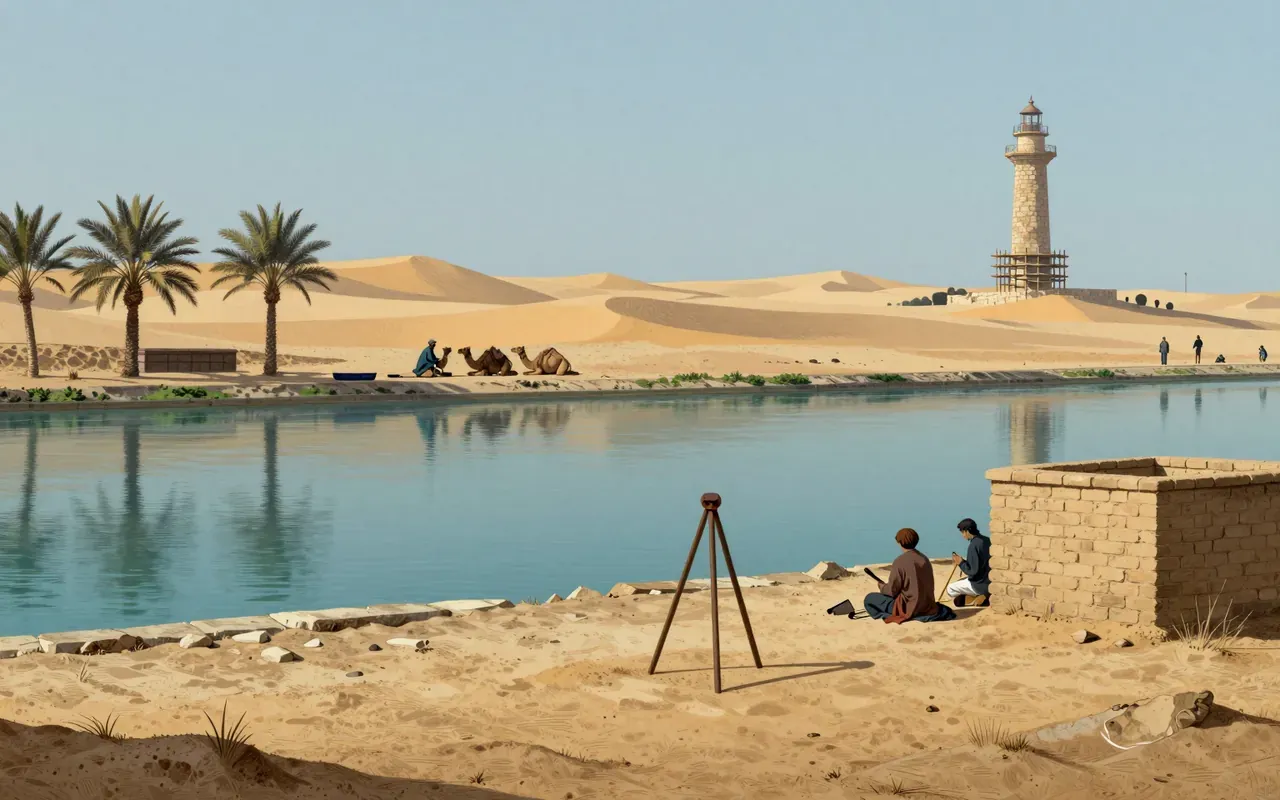
Ferdinand de Lesseps built the Suez Canal — a sea-level maritime link between the Mediterranean and Red Seas — opening it in 1869 after beginning construction at Port Said in 1859. He raised over half its capital via French public subscriptions. In the 1880s, he repeated the model for Panama: a sea-level canal approved by a 1879 Paris congress. But tropical disease, technical challenges and financial collapse led to bankruptcy in December 1888. The record establishes these events, methods and outcomes — but says nothing about motives, dissent, or wider consequences.
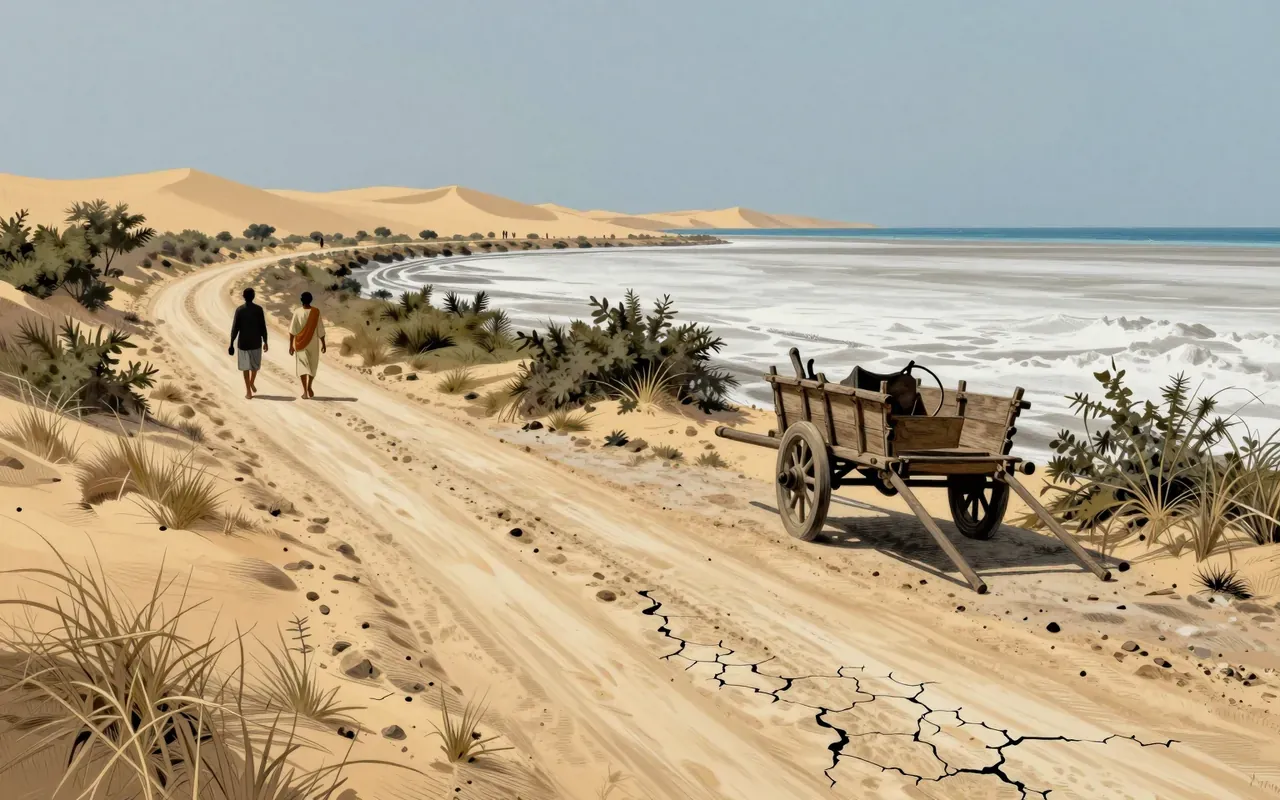
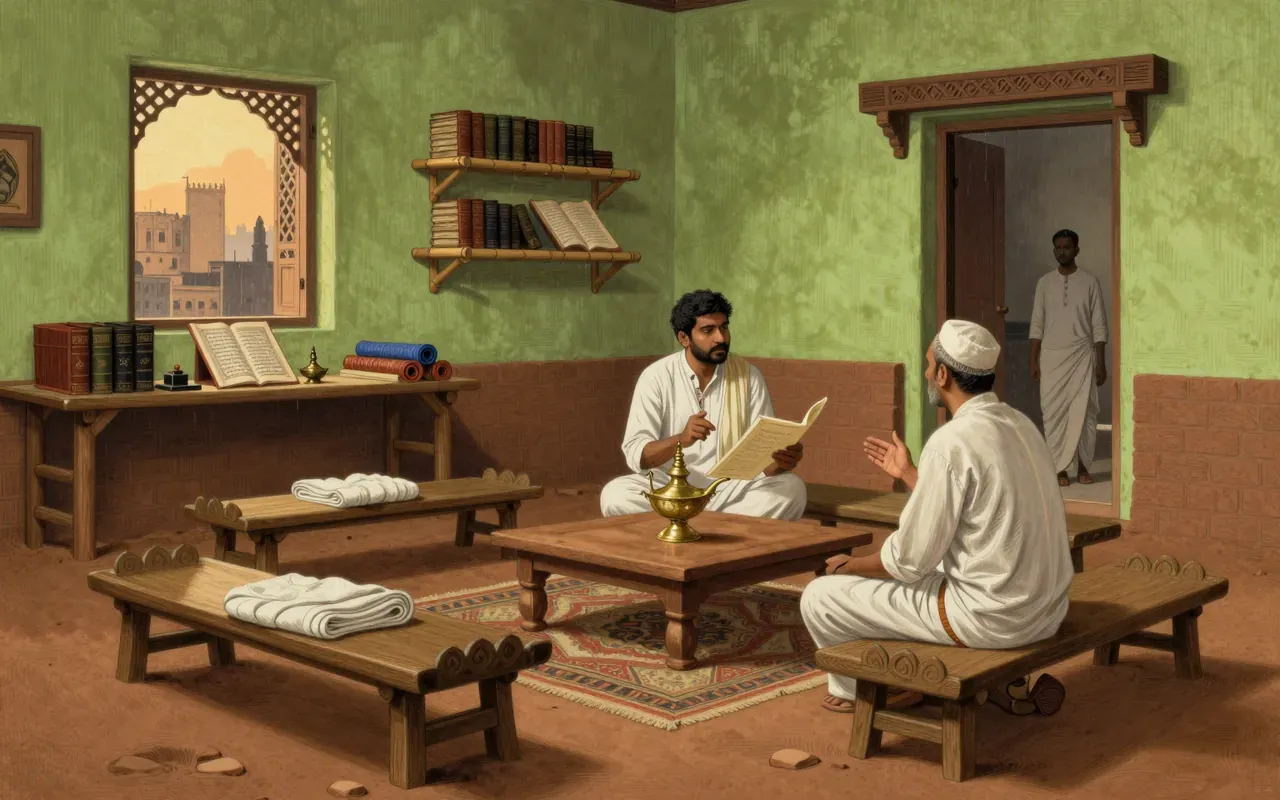

The Bandung Conference was the first large-scale diplomatic gathering of newly independent Asian and African states. It produced a unanimous 10-point declaration condemning colonialism in all forms, affirming peaceful coexistence, and committing to mutual technical and economic cooperation. Twenty-nine countries participated — representing 54% of the world’s population. Organised by Indonesia, Burma, India, Ceylon, and Pakistan, it asserted a collective voice outside Cold War binaries and laid groundwork for later South–South cooperation frameworks.
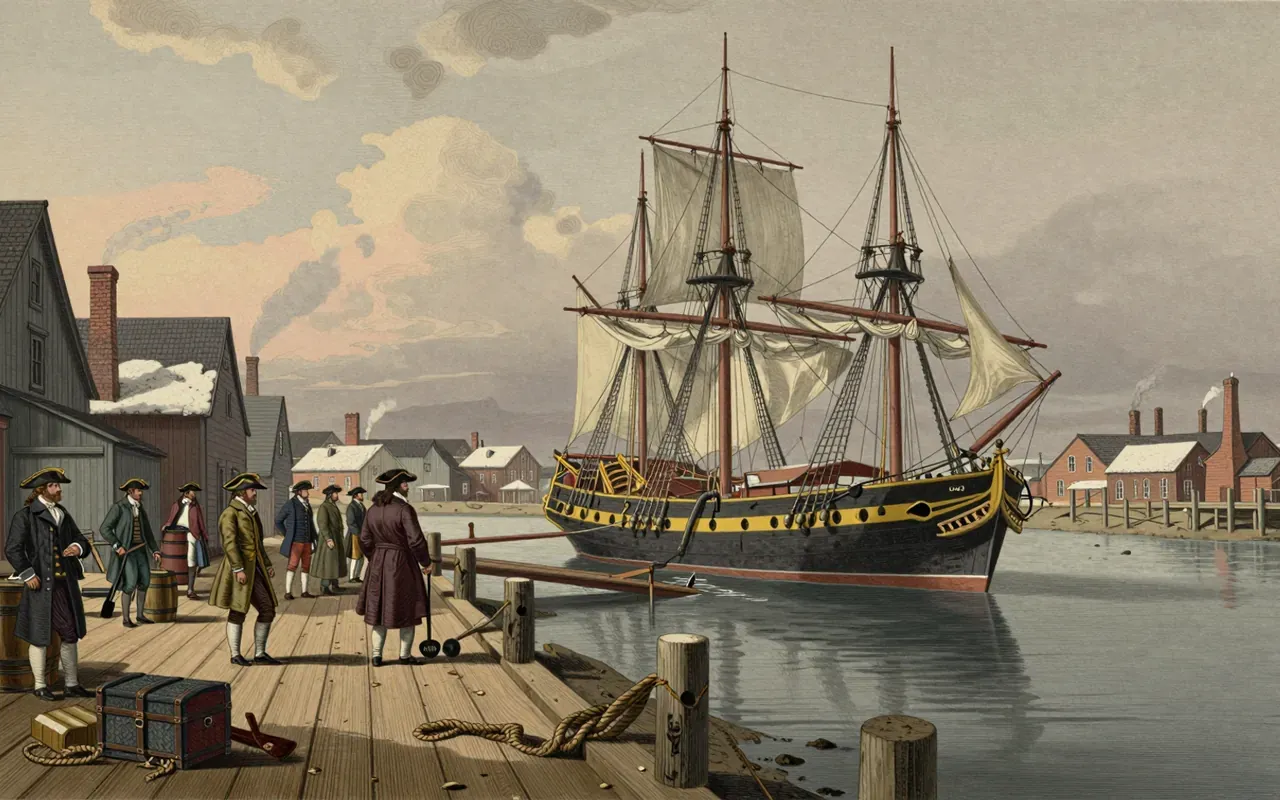
The Boston Tea Party was a deliberate, lawful-looking violation of imperial authority—staged to expose contradiction, not conceal intent. It succeeded in provoking exactly the response its organisers anticipated: punitive overreach that alienated moderates and united colonies. Its legacy is procedural, not patriotic.

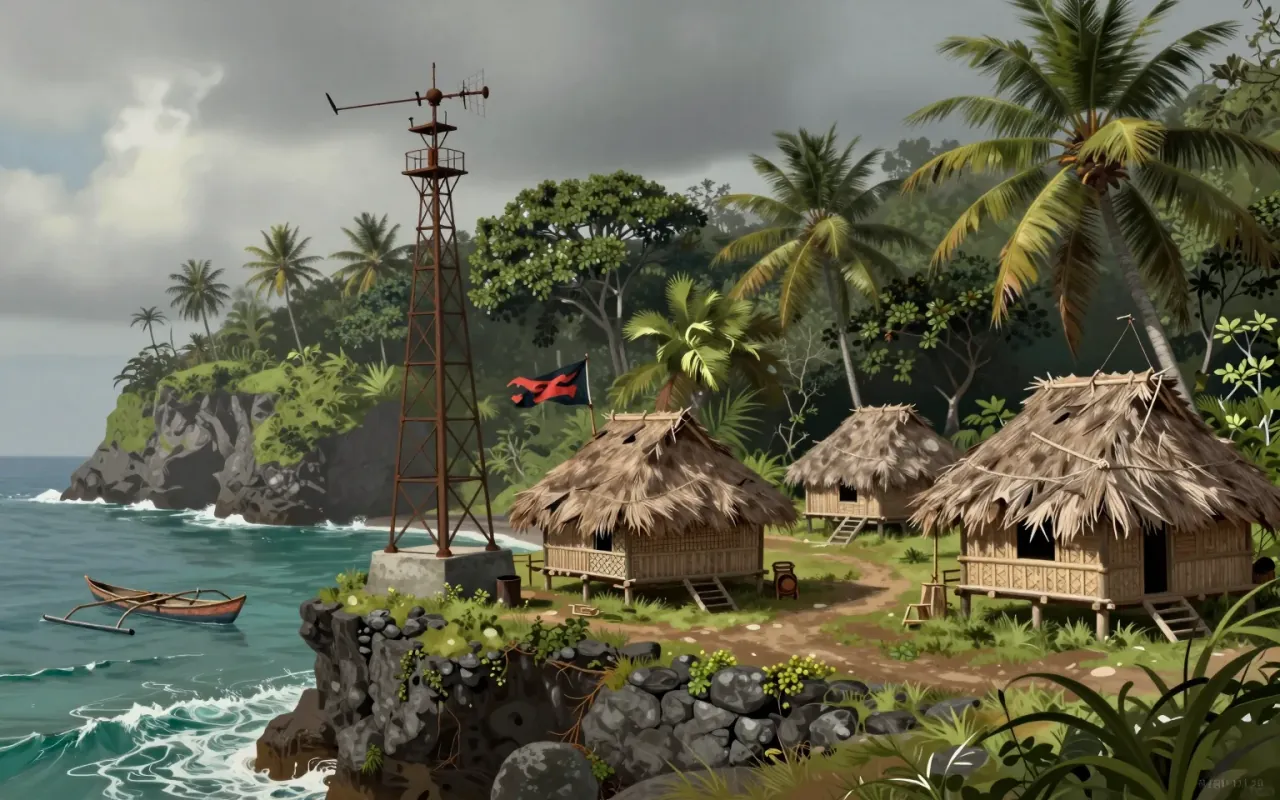
Far Cry 3 is a first-person shooter set on a pirate- and mercenary-controlled tropical archipelago. Ubisoft Montreal developed it in 2012 using the Dunia engine, building on its work with Far Cry 2.

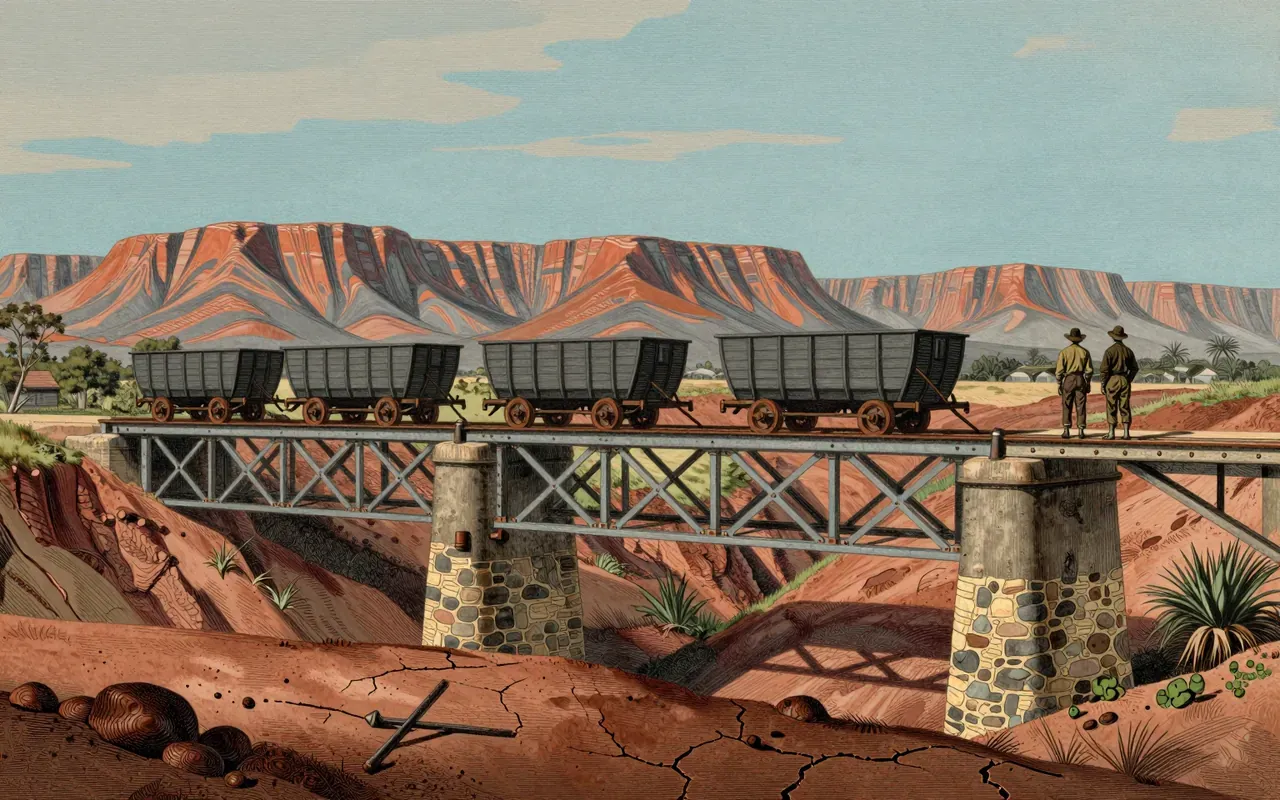
Rio Tinto is a British–Australian multinational mining company founded in 1873, headquartered in London and Melbourne, and operating globally as a major producer of copper, iron ore, aluminium, and lithium. Its history includes early dominance in Spanish copper production, strategic diversification after 1925, pivotal mergers — notably with Consolidated Zinc in 1962 and Alcan in 2007 — and extensive international expansion. The company is dual-listed on the London and Australian stock exchanges and has faced recurring criticism over environmental damage, corruption allegations (especially in Guinea), human rights concerns (e.g., Juukan Gorge), workplace culture issues, and legal challenges related to bribery and espionage. Its operational structure spans four product-based business units and numerous subsidiaries across six continents, with core assets concentrated in Australia and Canada.

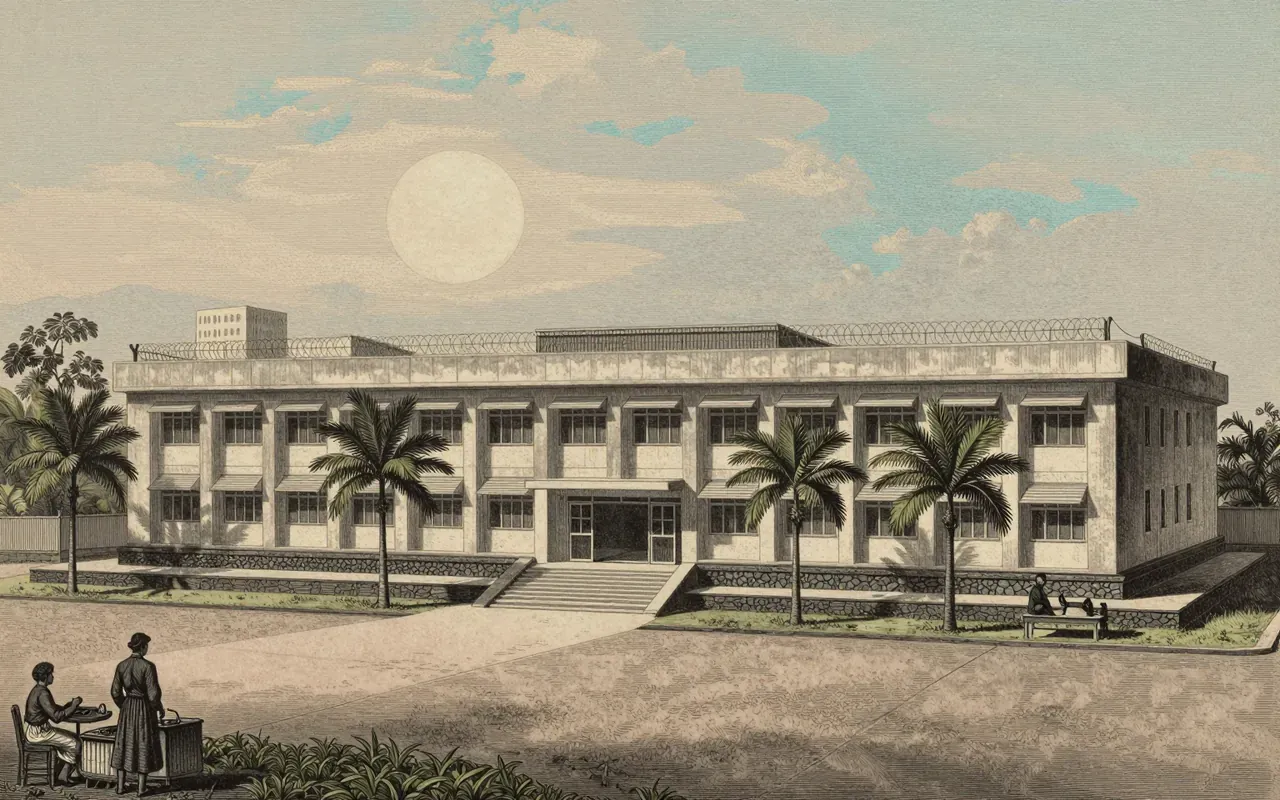
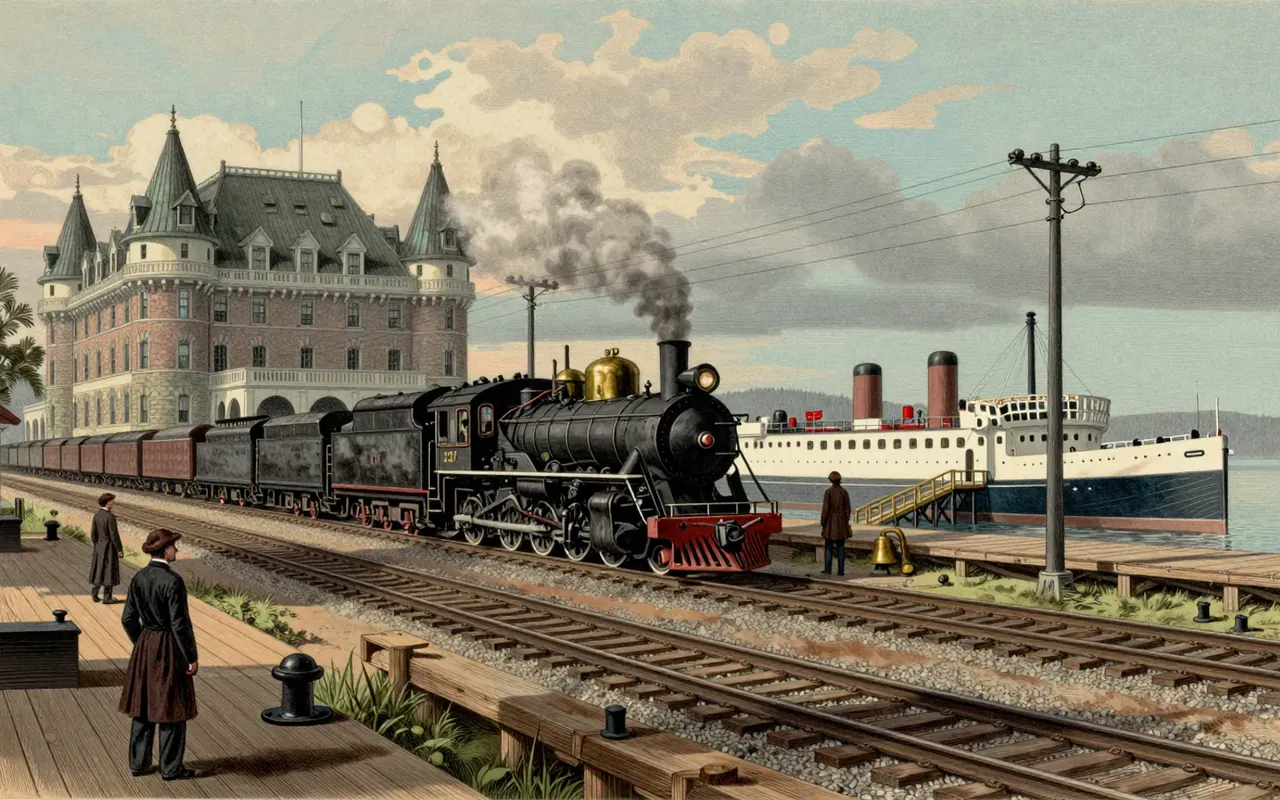
The Canadian Pacific Railway was not a startup, nor a disruptor — it was a state-contracted infrastructure monopoly, executed under tight political deadline and scaled through vertical integration. Van Horne’s genius lay not in invention but in orchestration: he turned a rail line into a self-reinforcing system of movement, messaging, lodging, and shipping — all funded by federal land grants, bonds, and tariffs, not market demand. Its success was geopolitical, not financial; its durability came from control of geography, not innovation.
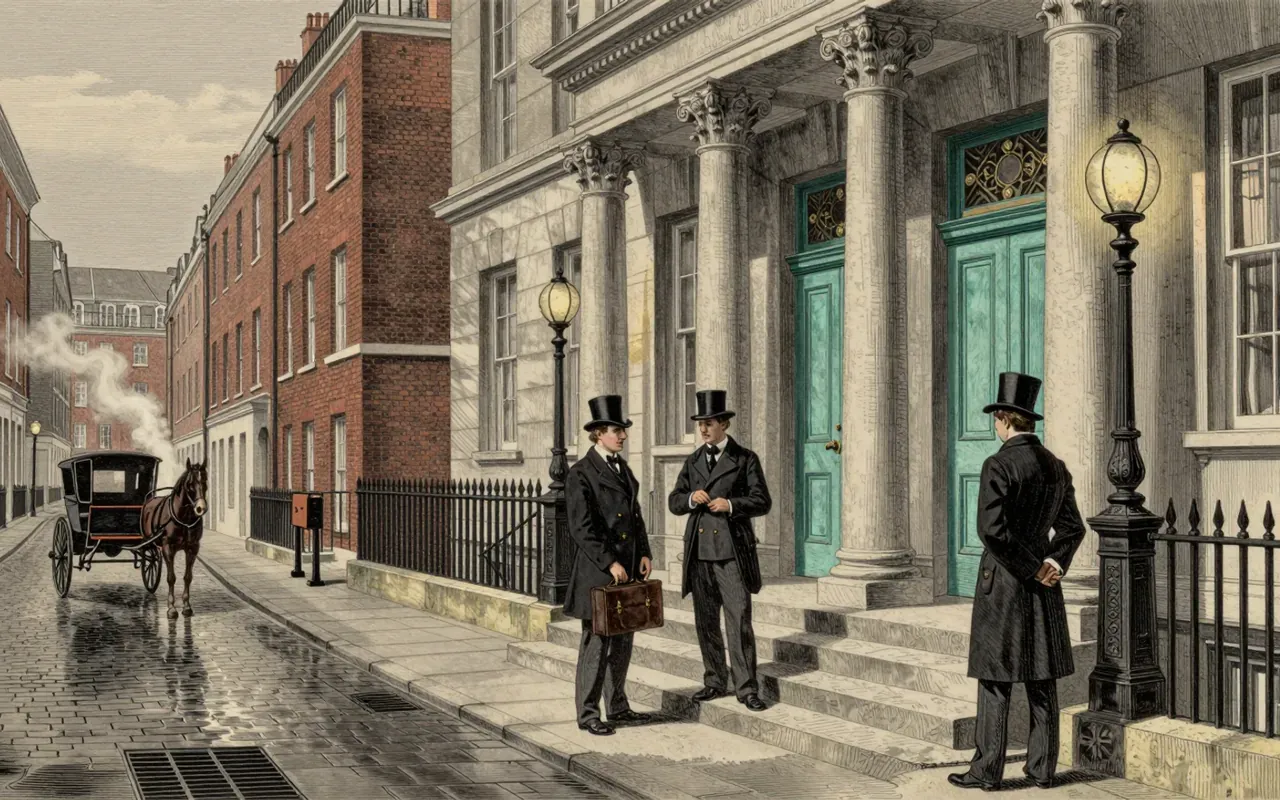
De Beers is a case study in artificial scarcity — built not on geology or technology, but on merger, capital, and contract.

KLM was not a private venture but a state-backed aviation instrument. Its longevity stems from institutional alignment — not market innovation.




The Hindustan Ambassador is a saloon built in India from 1957 to 2014, based directly on the Morris Oxford Series III. It used a fully enclosed monocoque chassis and remained almost unchanged across its entire production run. It was not designed in India, nor did it evolve with changing global standards—but it endured as a functional, spatially generous, mechanically simple vehicle embedded in India’s administrative and transport systems.