The Nibelungenlied
Honour is a death sentence signed in advance — and everyone in this poem keeps signing it.
A nation assembled late, undone twice, and rebuilt on the memory of both.
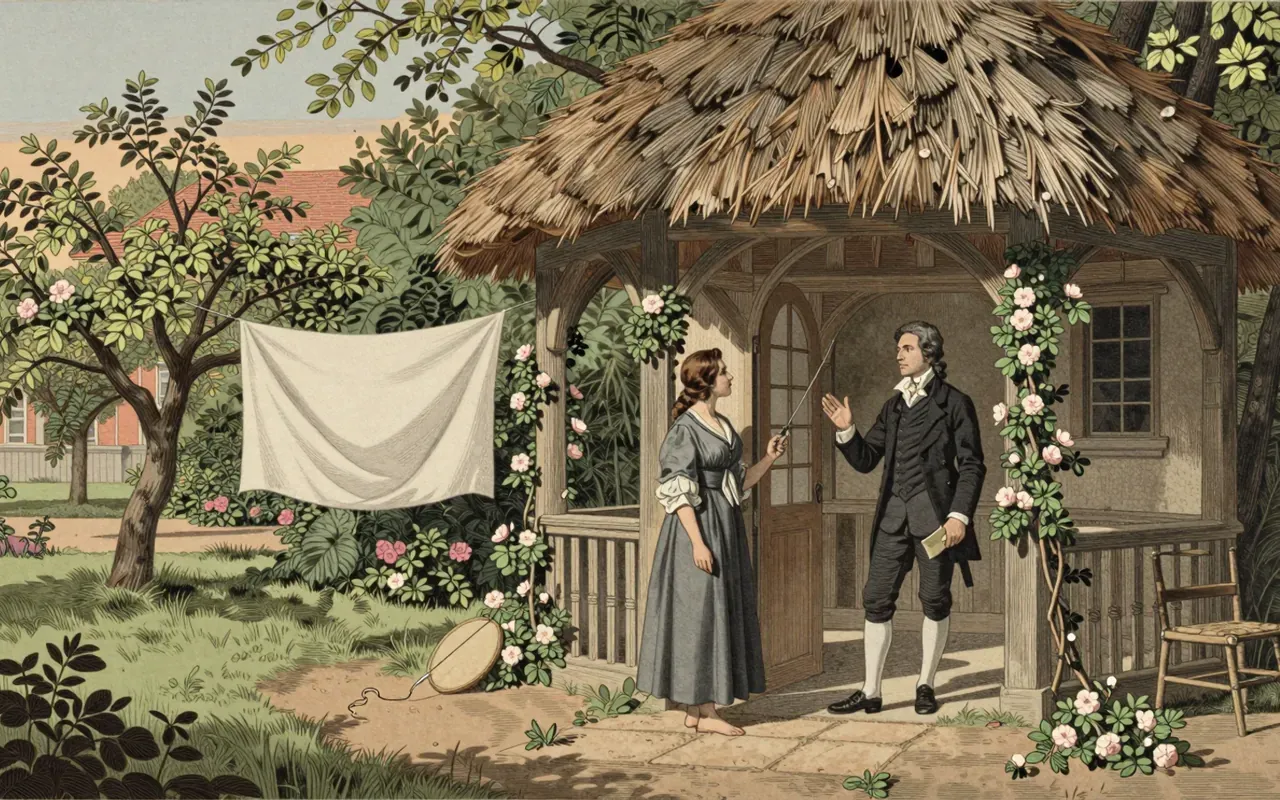
The Robbers is a Sturm und Drang tragedy about moral contagion: Francis forges a letter to disinherit his brother Charles, who then joins a robber band. Charles returns to find his father imprisoned, kills Amelia in a final 'sacrifice', and surrenders to justice. The brief isolates the forged letter, the dungeon revelation, and the suicide-sacrifice climax—and tells you which acts to skip.
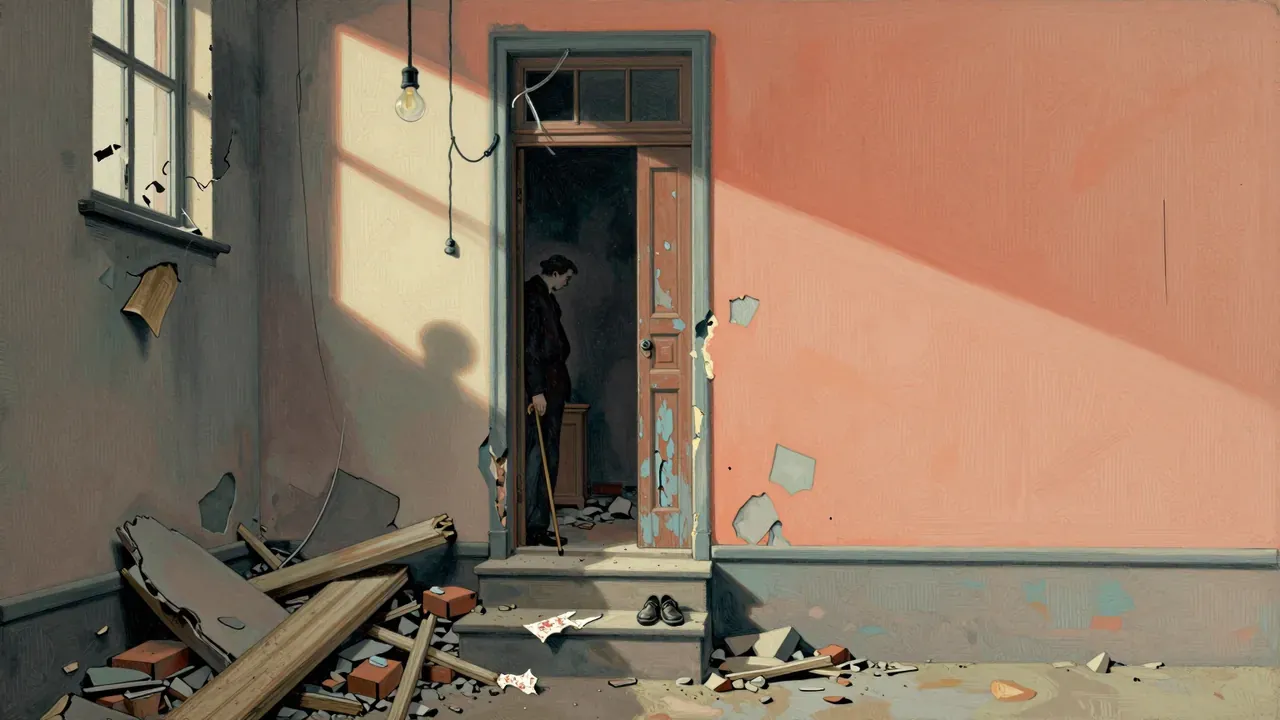
Roberto Rossellini’s 1948 drama follows twelve-year-old Edmund Köhler in ruined Berlin, where hunger, ideological debris, and adult failure converge on a single child’s conscience. Shot partly on location and partly in Rome studios, it uses non-professional actors and restrained craft to trace a quiet, logical descent into moral collapse — ending not with outcry, but with silence and a jump from rubble.
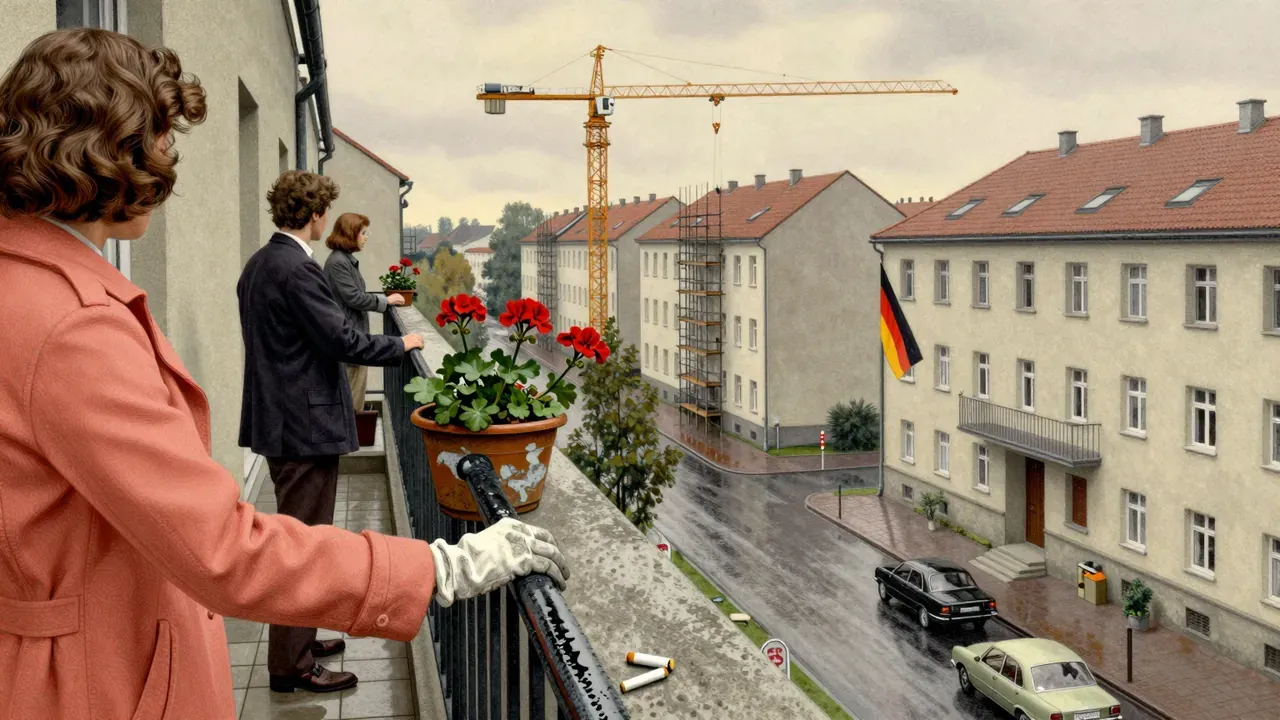
Rainer Werner Fassbinder’s 1979 drama follows Maria Braun from her wartime wedding through fifteen years of survival, ambition, and moral compromise in postwar West Germany. Hanna Schygulla’s restrained performance anchors a film that charts national recovery through private sacrifice — loyalty weaponised, love instrumentalised, and agency steadily dissolved. Shot by Michael Ballhaus and scored by Peer Raben, it is the first of Fassbinder’s BRD Trilogy.
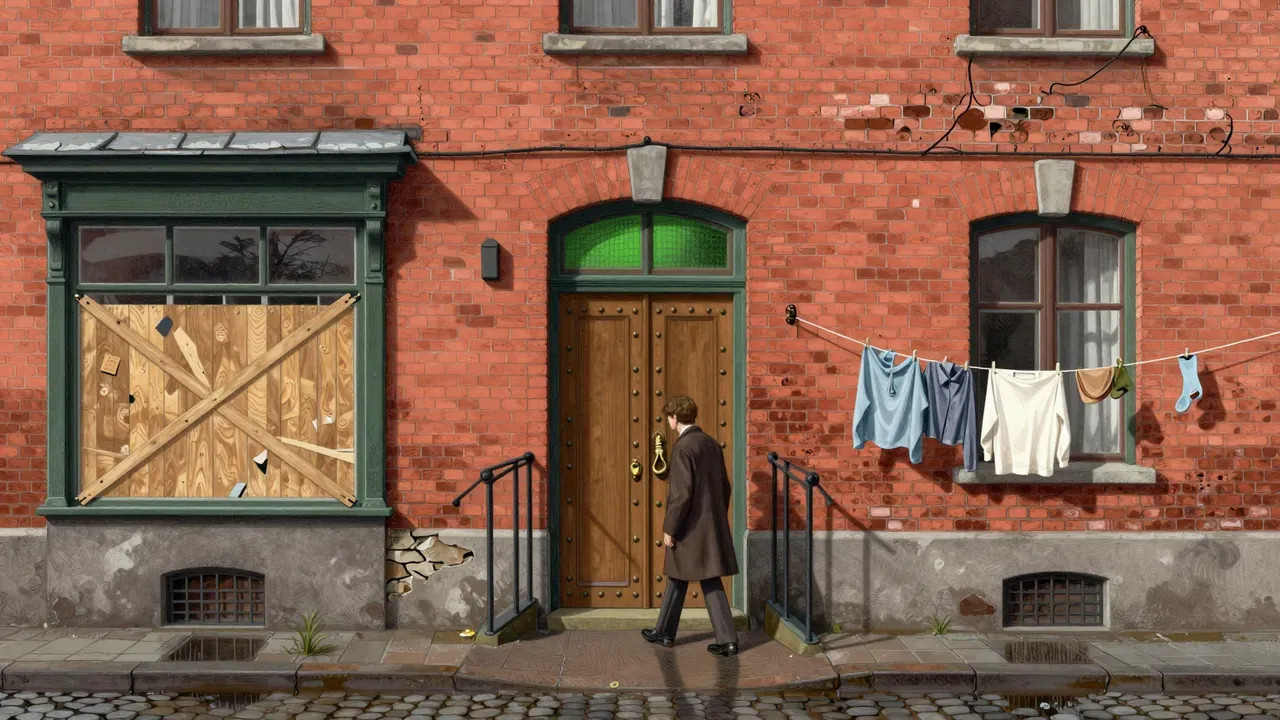
Set in 1923 Berlin, Ingmar Bergman’s The Serpent’s Egg follows Abel Rosenberg, a broken trapeze artist drawn into a world of medical experimentation, prostitution, and state surveillance. Shot in Munich with Sven Nykvist, it is a deliberately oppressive drama about the moral erosion preceding fascism — technically assured but narratively opaque, admired by some for its austerity, dismissed by others as shapeless and detached.
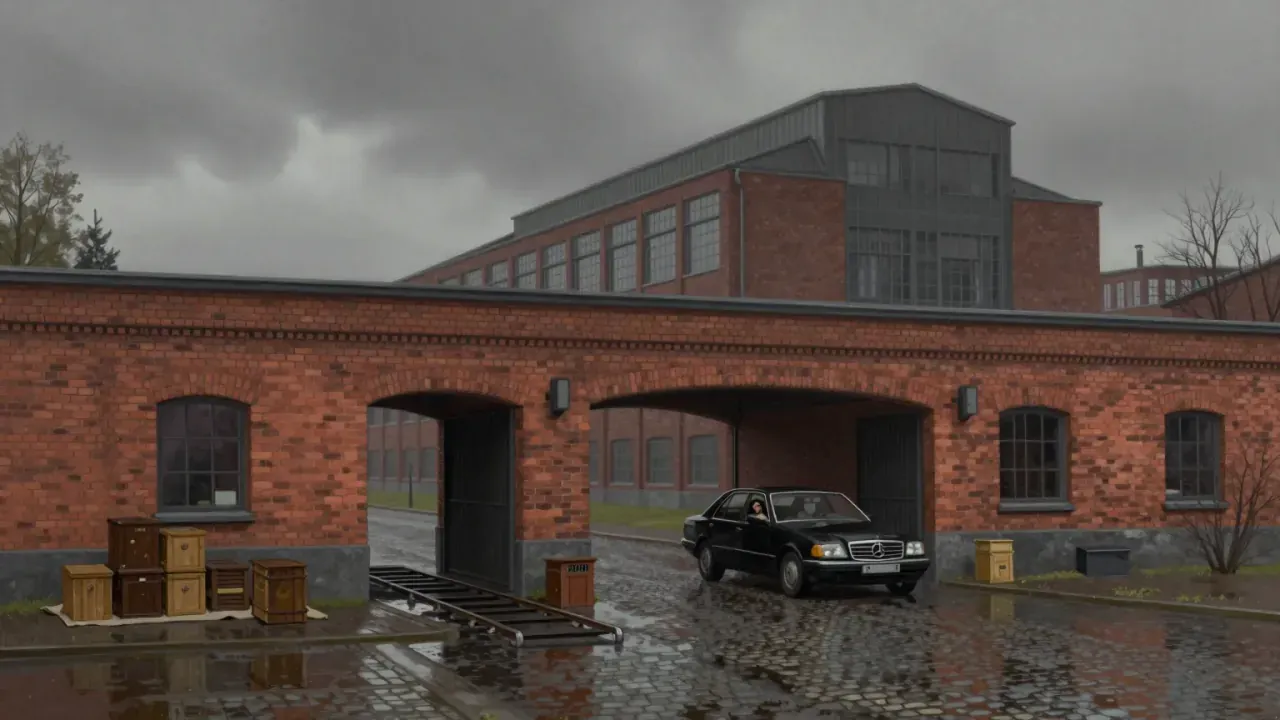
Gordian Maugg’s 2016 biographical film Fritz Lang follows the director in the months before and after his 1933 departure from Weimar Germany. Starring Heino Ferch, it avoids hagiography or melodrama, instead focusing on procedural tensions — studio politics, bureaucratic pressure, and unspoken allegiances — with deliberate pacing and muted visuals. The film presumes familiarity with Lang’s work and the historical context, offering ambiguity where others might supply certainty.

The Berlin Wall fell on 9 November 1989 when East Berlin transit restrictions collapsed. Harald Jäger opened the Bornholmer Straße crossing without orders. Crowds poured through. Mauerspechte began chipping away at the Wall that same night. Official dismantling began on 13 June 1990. This event helped trigger the fall of the inner German border, the Malta Summit’s Cold War declaration in early December 1989, and German reunification on 3 October 1990. It was one event in a series that started communism’s fall across Central and Eastern Europe. The source gives two times for Jäger’s decision but no reason for it. It names no other actors, documents no policy change, and does not specify how the Wall’s fall caused wider political change.
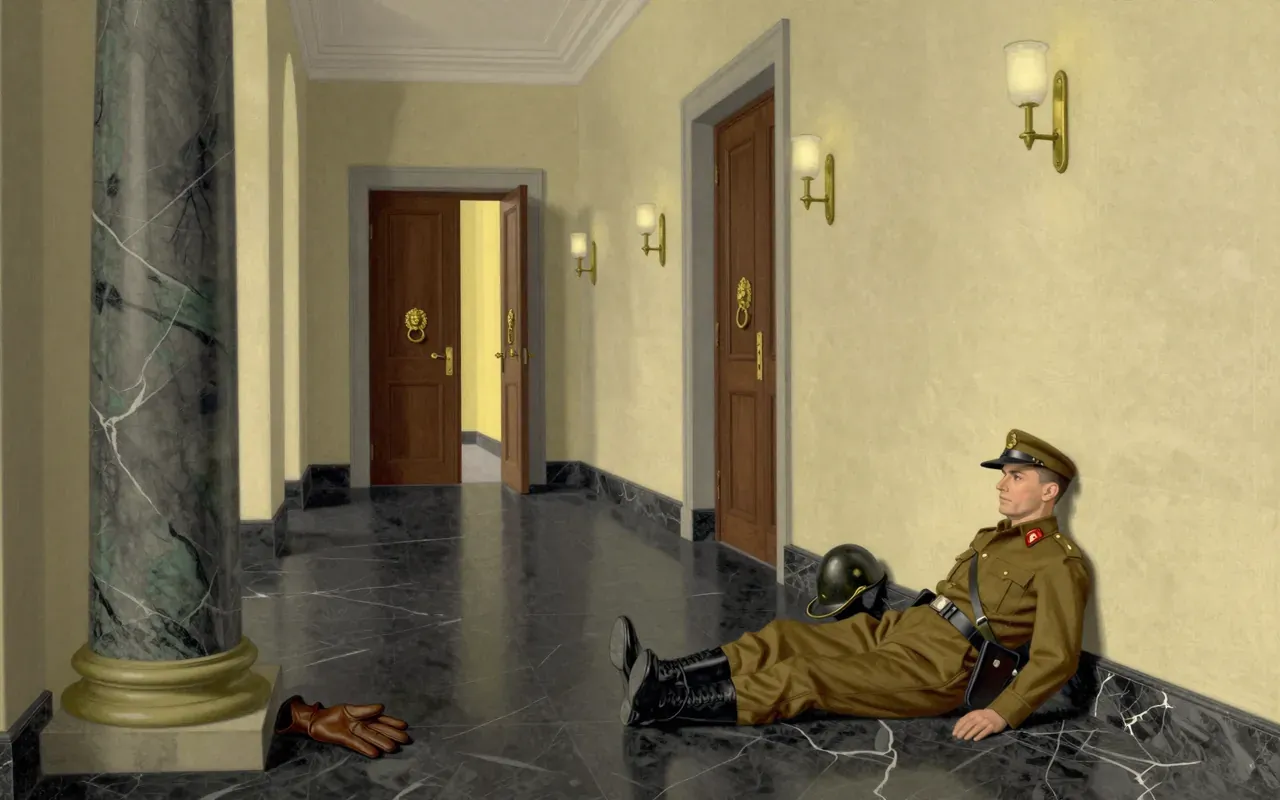
The Night of the Long Knives was not a spontaneous outburst. It was a calculated, multi-day purge ordered by Hitler and executed by Nazi security organs to eliminate rivals and win over the army — then legally ratified by Germany’s own courts and cabinet. It established that legality could be weaponised, not just suspended.
Adolf Hitler rose from a failed art student and decorated First World War soldier to leader of the Nazi Party by 1921, became German chancellor in January 1933 through a backroom deal among conservative politicians who believed they could control him, and consolidated absolute power within months through the Enabling Act. His government pursued territorial expansion that triggered the Second World War and orchestrated the Holocaust, killing an estimated six million Jews and millions of others, before his suicide in Berlin on 30 April 1945 as Soviet forces closed in on the city.
Immanuel Kant spent his entire career at the University of Konigsberg, publishing the Critique of Pure Reason in 1781 to reconcile rationalist and empiricist philosophy before developing his categorical imperative as a foundation for ethics grounded in reason alone. Several familiar details of his biography, including his believed Scottish ancestry and the legend of his clockwork daily walks, have not held up under later scrutiny, and his own religious and racial views remain genuinely disputed by historians.
Neville Chamberlain spent nearly two decades in cabinet before becoming prime minister in 1937 and pursuing the policy of appeasement that produced the 1938 Munich Agreement, an outcome he initially returned home to genuine public acclaim for. His reputation collapsed within two years, cemented by a bestselling wartime pamphlet blaming him for Britain's unpreparedness, and though later historians have argued declassified evidence shows Britain was in fact militarily unready for war in 1938, that reassessment has not restored his standing among British prime ministers.

Otto von Bismarck engineered three wars in six years to unify Germany under Prussian leadership, then spent nearly two decades as chancellor building a European balance-of-power system credited with preventing major war during his tenure while suppressing Catholics and socialists at home. Historians remain split on how much responsibility his diplomatic architecture, however successful while he ran it, deserves for the less stable arrangement that followed his forced resignation in 1890 and eventually produced the war it had been built to avoid.
Adolf Hitler annexed Austria in March 1938 after coercing Chancellor Kurt Schuschnigg's resignation and sending German troops in under the pretext of a forged invitation, ending Austrian independence and folding it into the Reich as Ostmark. A plebiscite the following month reported 99.7 percent approval, but arrests, disenfranchisement of political opponents and Jews, and intense propaganda surrounding the vote have left historians divided over how genuine that figure actually was.
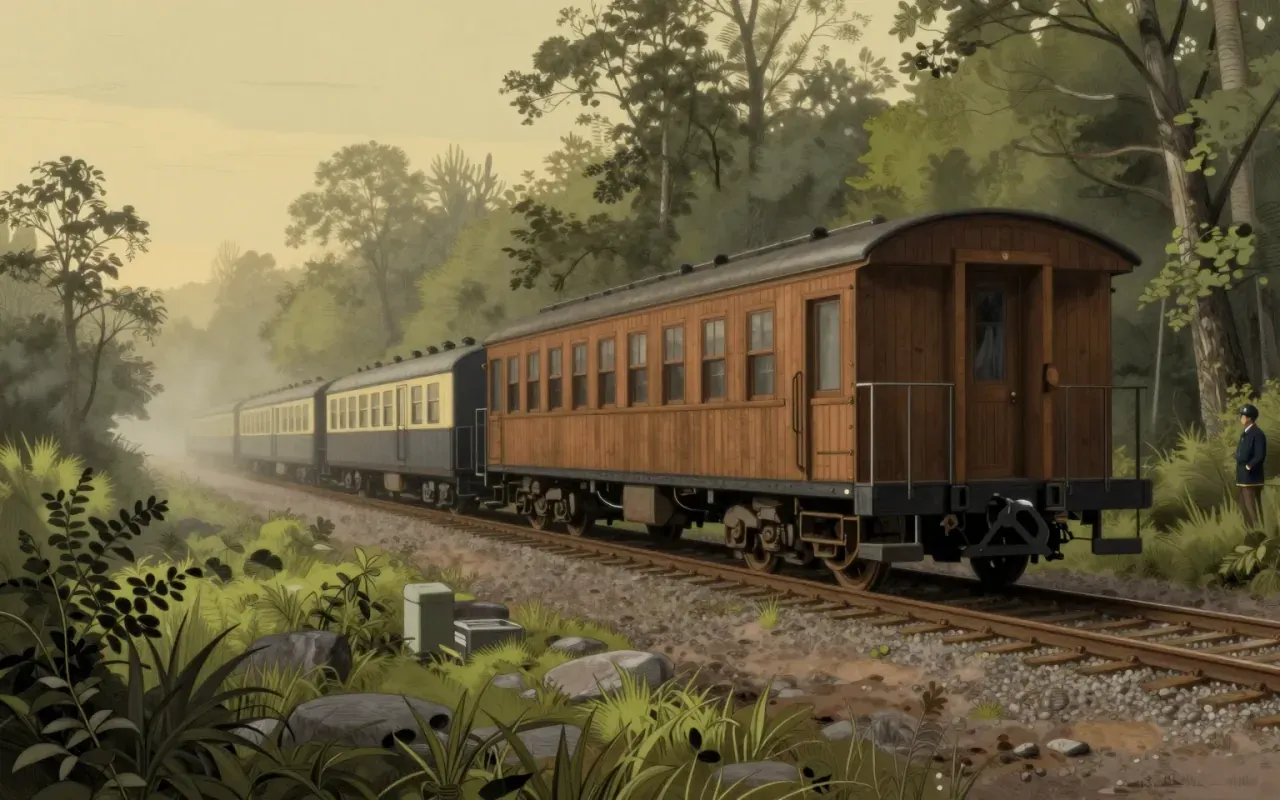
German negotiators, given seventy-two hours and almost no leverage, signed the armistice ending the First World War in a railway carriage near Compiègne at five in the morning on 11 November 1918, with the ceasefire set to take effect six hours later, at the eleventh hour of the eleventh day of the eleventh month. Fighting continued through that gap and killed nearly eleven thousand men on the war's final day, and the armistice itself was only a pause, not a formal peace, one German generals later exploited by claiming their army had never actually been defeated in the field.
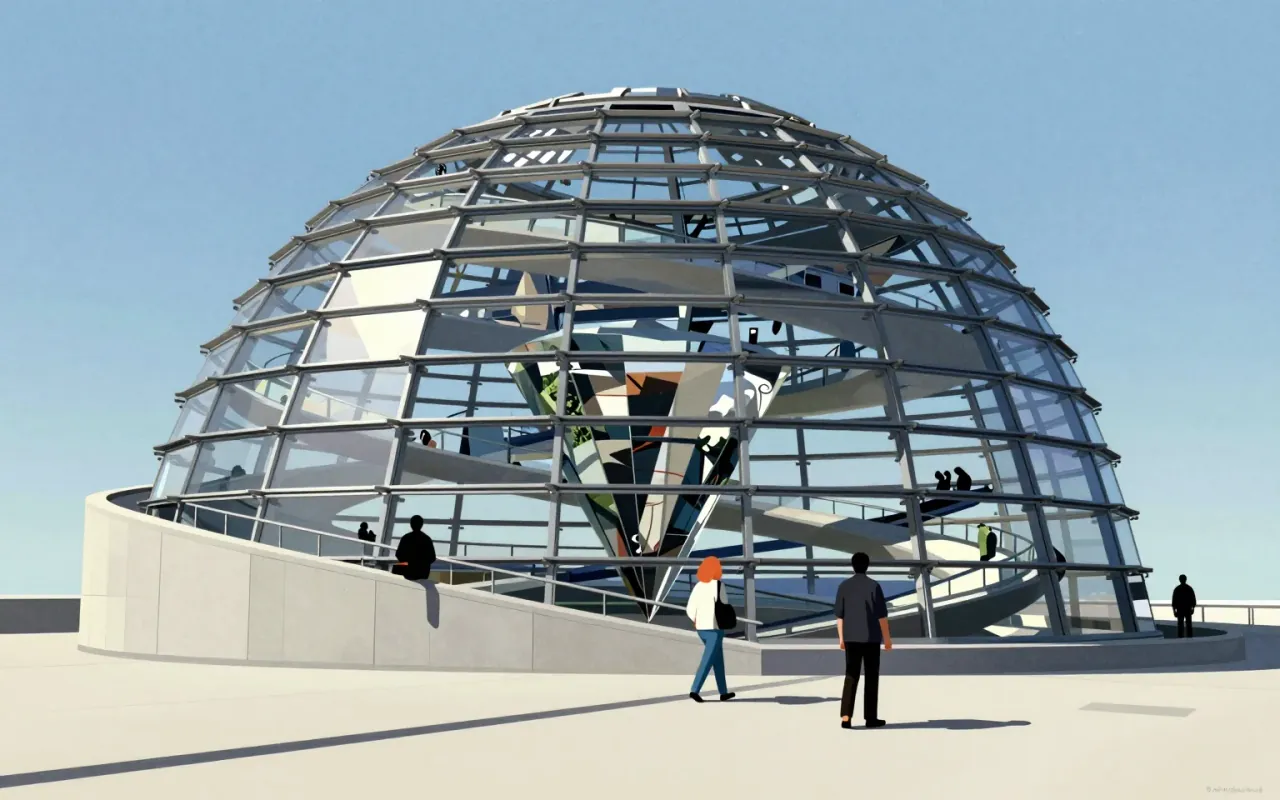
The Reichstag dome is a reconstructed glass structure on the Reichstag building in Berlin. Norman Foster designed it from Gottfried Böhm’s idea. Waagner-Biro built it. It features a mirrored cone, two steel spiral ramps, an electronically tracked sun shield, and daylight-driven energy efficiency. It provides a 360° view of Berlin. It makes the Bundestag chamber visible from above. It symbolises German reunification and democratic transparency.

Bayer was a dyestuffs partnership founded in 1863 by Friedrich Bayer and Johann Friedrich Weskott. It expanded through synthetic dye innovation, relocated due to arsenic contamination, built brand equity via Aspirin and the Bayer Cross, then merged into IG Farben in 1925 — whose assets were seized post-WWII for Nazi atrocities.


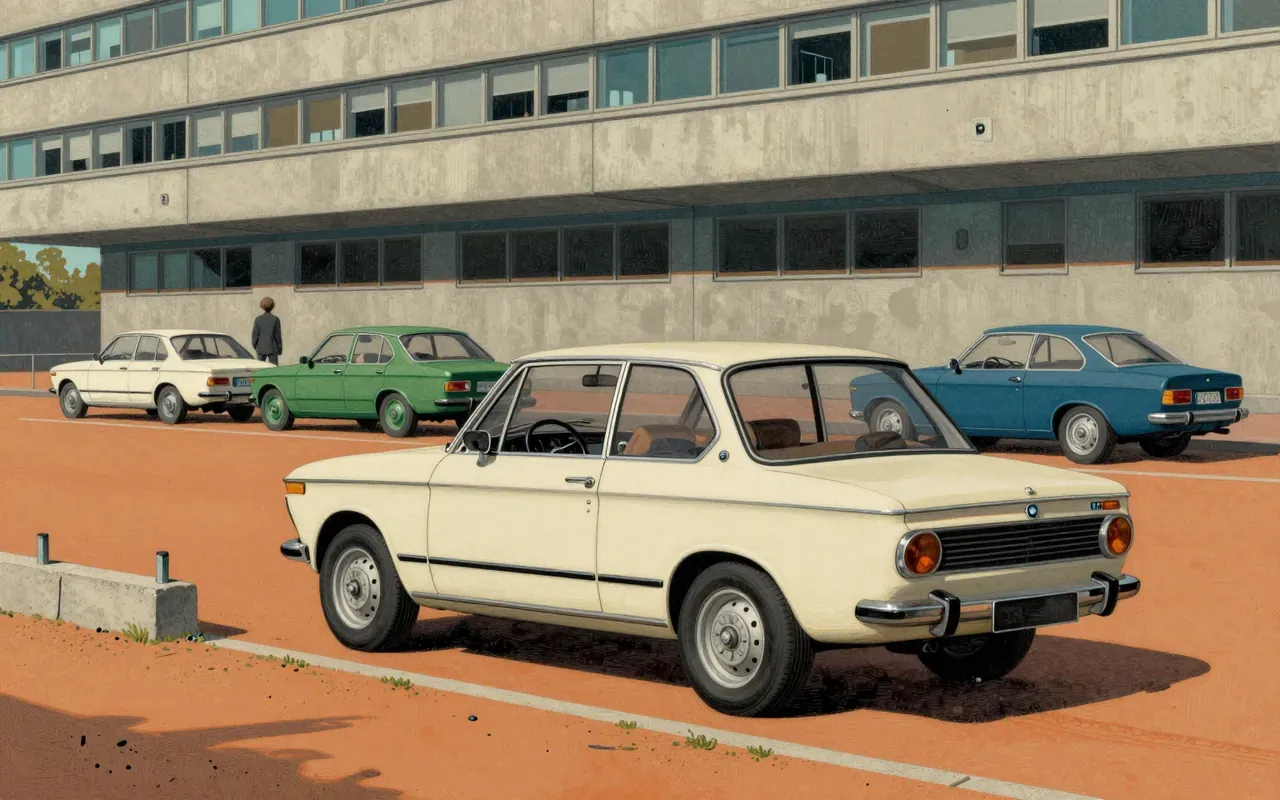
The BMW 2002 went into production in January 1968 as the larger-engined derivative of the 1966 1600-2, itself a shortened New Class saloon. It used a two-litre version of the M10 engine, and the range grew to include the fuel-injected tii, the Touring hatchback, a Baur TopCabriolet and, in 1973, Europe's first turbocharged production car.
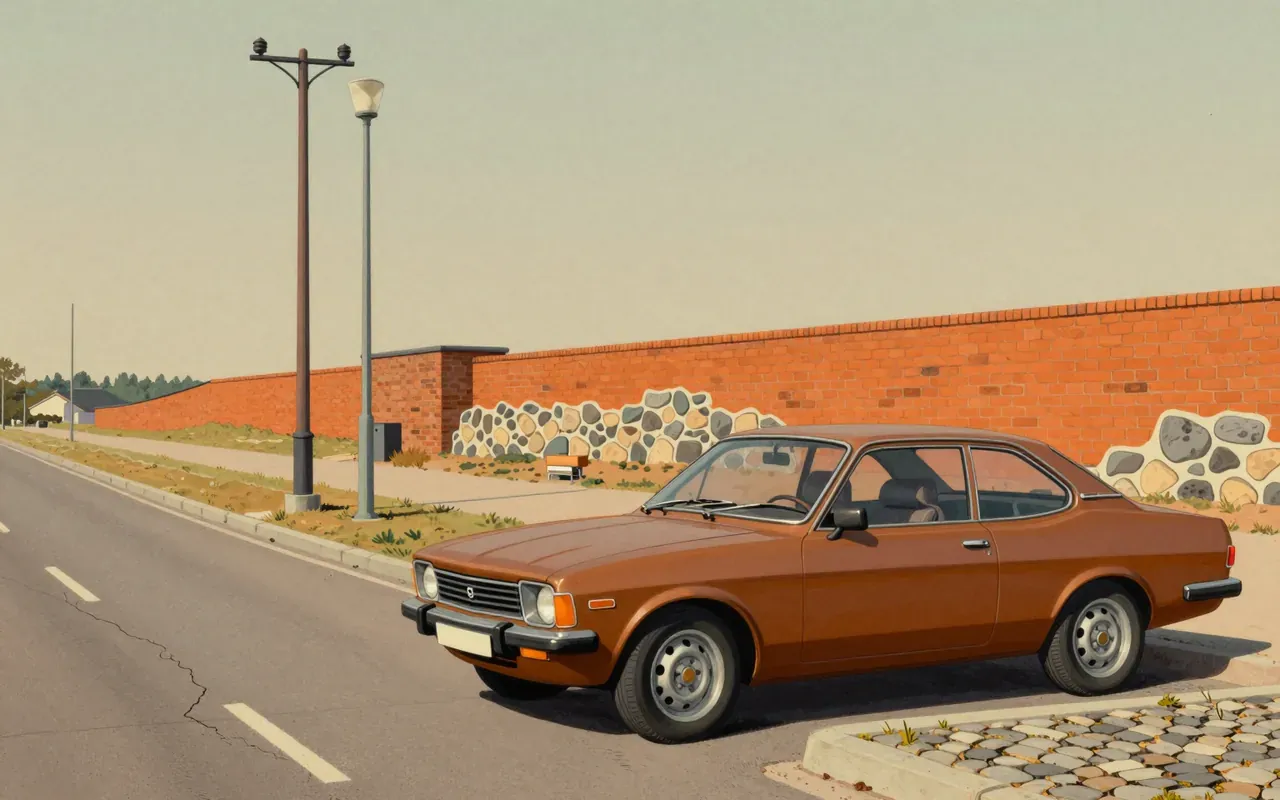
The Opel Manta A is a rear-wheel-drive German coupé launched in September 1970. Built by Opel on the Ascona A platform, it offered a clean two-door, three-box silhouette and competed directly with the Ford Capri. It was never sold in the UK under Vauxhall until the Manta B. Its name comes from the manta ray. 498,553 were built before 1975.
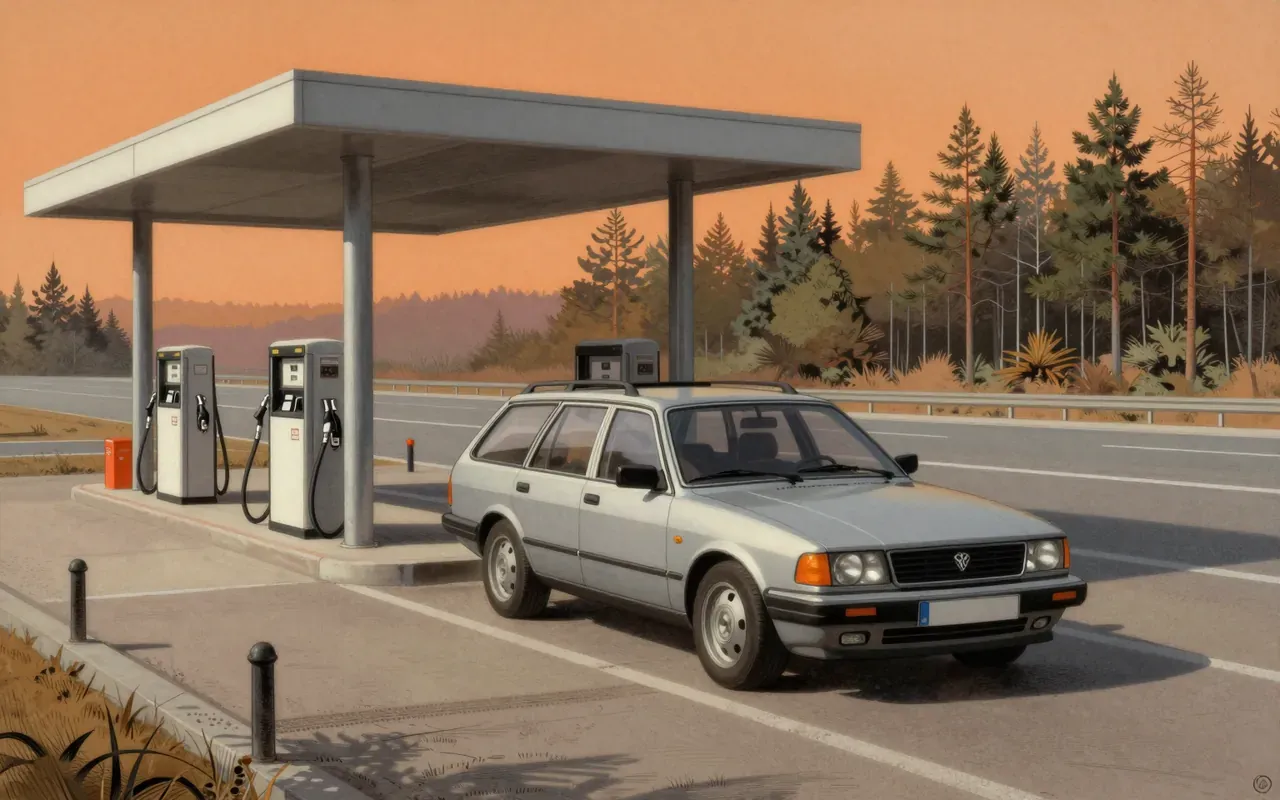
The Audi RS 2 Avant is Audi's first RS model and first high-performance Avant — a limited-edition, jointly developed Audi-Porsche estate car built on the B4 platform from March 1994 to July 1995. It features a modified 2,226 cc inline-five turbocharged petrol engine producing 315 PS and 410 N⋅m, paired with a six-speed manual transmission and quattro permanent all-wheel drive. Assembly occurred at Porsche’s Rossle-Bau plant. Approximately 2891 units were built, including only 180 right-hand-drive examples.

The E21 is the first-generation BMW 3 Series. Paul Bracq designed it. It launched in June 1975. It ended production in December 1983. It replaced the 02 Series. It was built exclusively as a two-door sedan or coupé. It did not offer a Touring variant. Six-cylinder models used quad round headlights. Initial engines were carburetted four-cylinders (1.6 L, 1.8 L, 2.0 L). Fuel injection debuted on the 320i in late 1975. The 323i introduced fuel-injected six-cylinders in 1978.
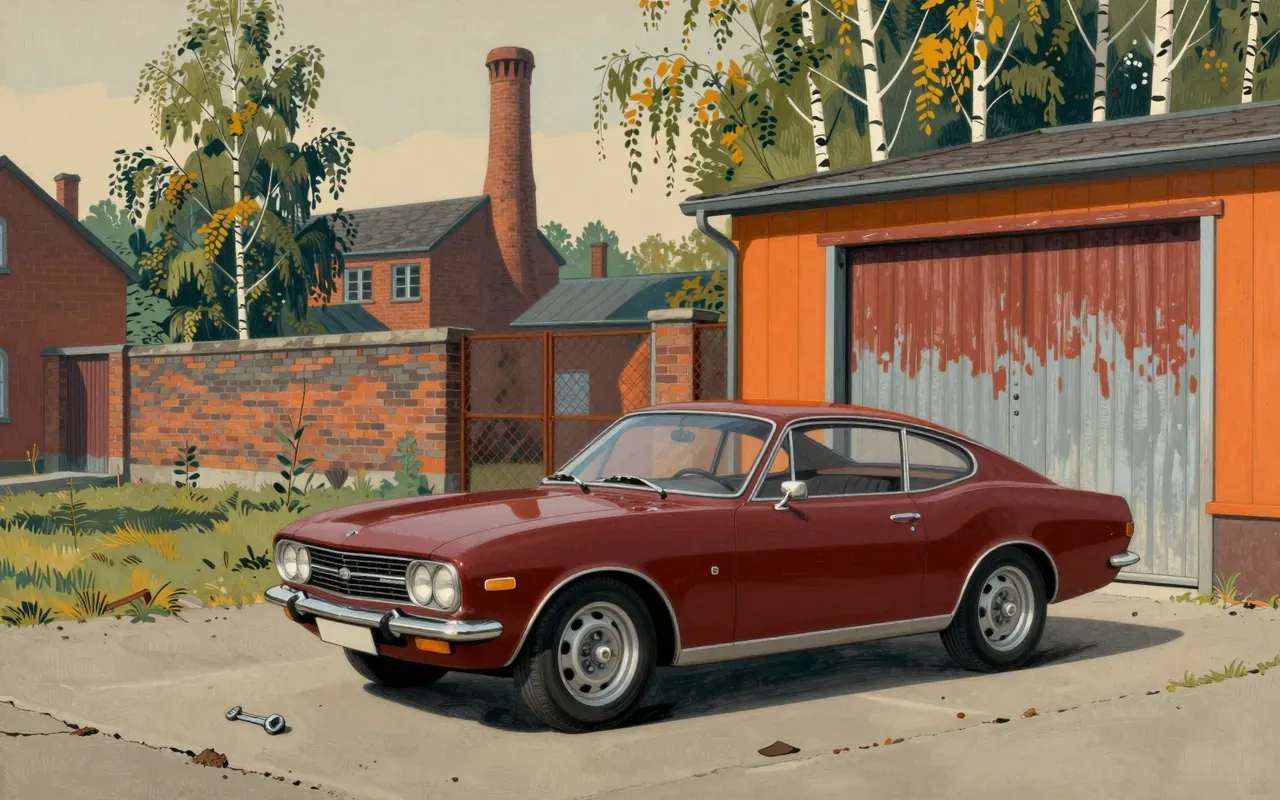
The Opel GT is a front-engine, rear-drive two-seat sports car. Its first generation (1968–1973) began as a 1965 styling exercise shown in Paris and Frankfurt. It used Kadett B mechanicals and Brissonneau & Lotz bodywork. Erhard Schnell styled it as a fastback.
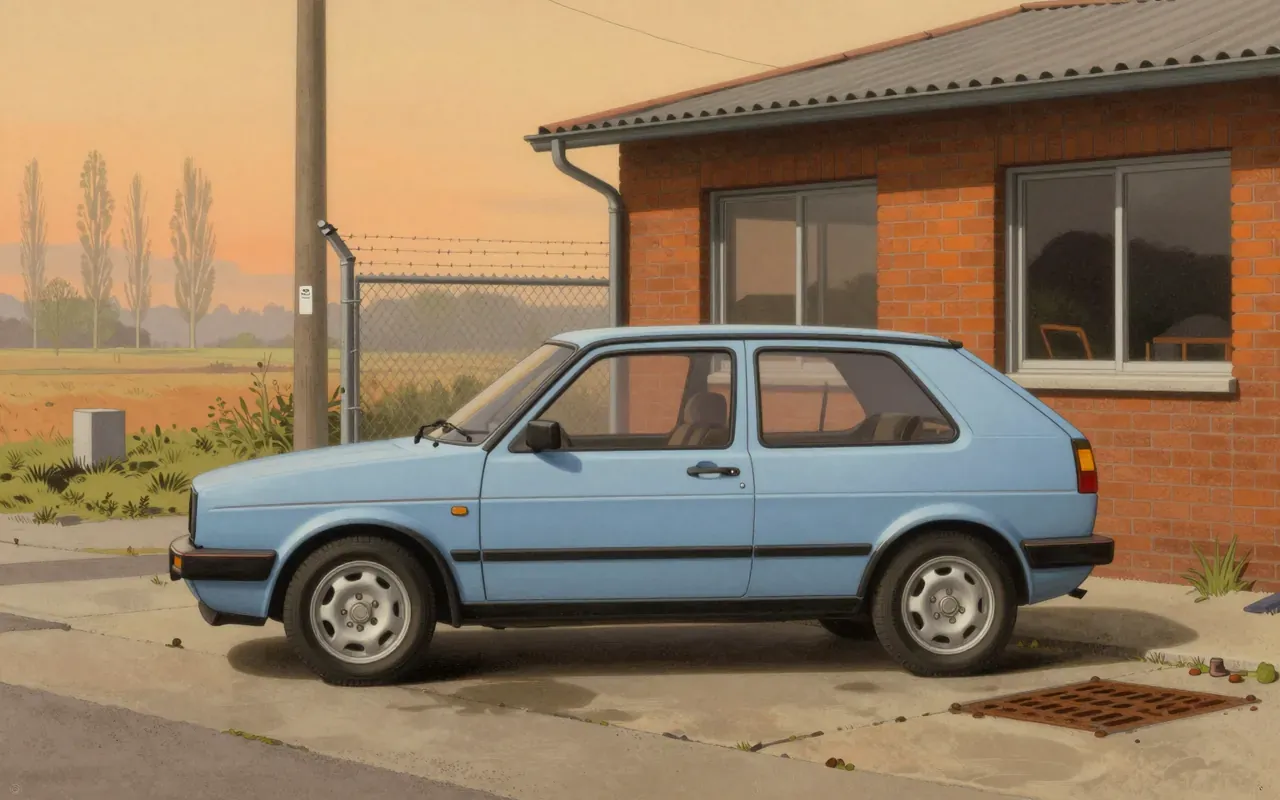
The Volkswagen Golf Mk2 is the second-generation hatchback successor to the Mk1, launched in Europe in September 1983, Britain in March 1984, and the US as a 1985 model. It was Volkswagen’s highest-volume seller from 1983, with German production ending in late 1992 and approximately 6.3 million units built. It was offered as a 3- and 5-door hatchback, with inline-four petrol and diesel engines ranging from 1.05 L to 1.8 L.

The Karmann Ghia is a stylistic intervention on Volkswagen’s existing platforms — not an engineering evolution. Its value lies in how cleanly it reimagined utilitarian packaging as elegant form. It succeeded commercially because it offered visual distinction without demanding mechanical compromise. It is worth knowing about as a case study in automotive branding before branding existed.
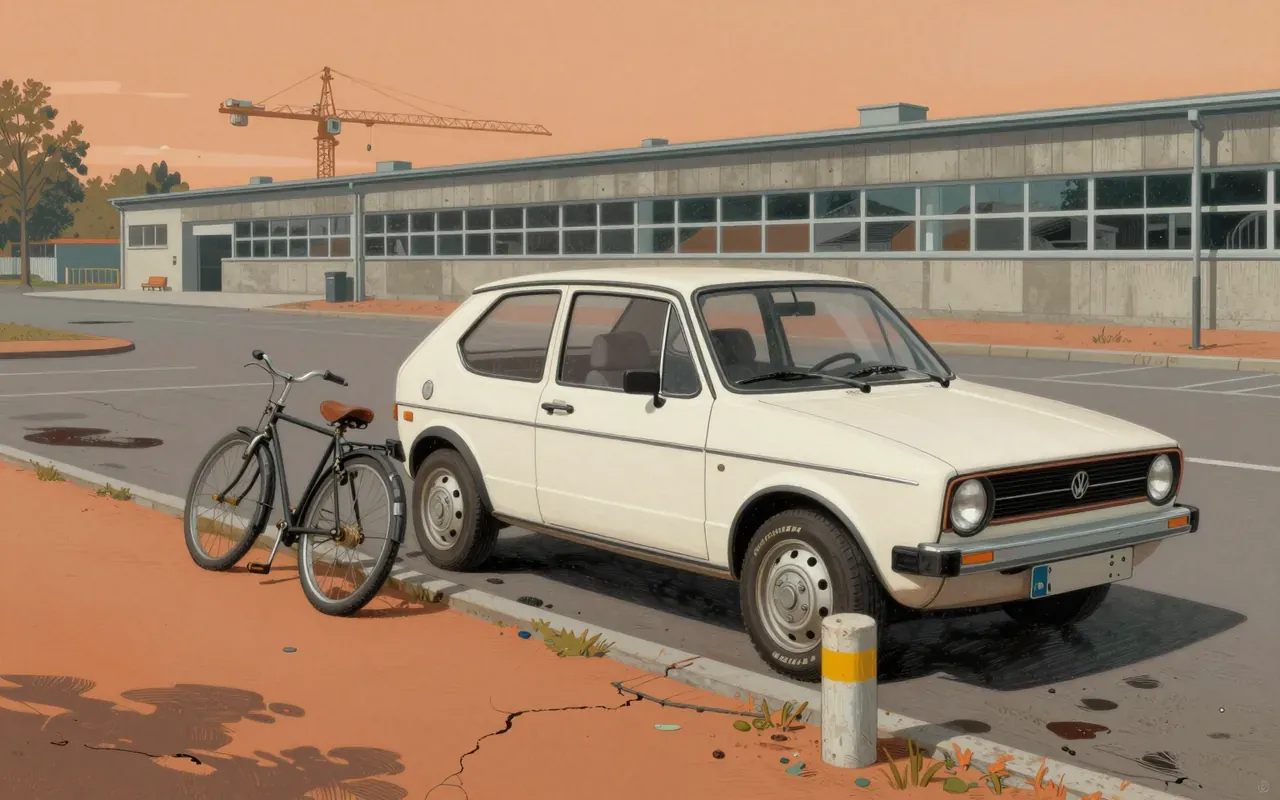
The Volkswagen Golf Mk1 is the first generation of Volkswagen’s small family car. It succeeded the Beetle. It was styled by Giorgetto Giugiaro’s Italdesign and debuted in Europe in May 1974.