briefs
Topic · across the network

Christianity

Two thousand years of a sect that became the West's default setting.

49
briefs
7
subjects
12:15
average
601 min
in total
Abstraction 407Absurdism 137Acoustics 220Acting 65Adaptation 372Addiction 95Adolescence 202Advertising 77Age of exploration 14Ageing 113Agriculture 100Algorithms 114Ambition 46Anarchism 38Ancient Egypt 17Ancient Greece 38Ancient Rome 30Animals 172Anthropology 23Apartheid 12Architecture 165Archives 32Argentina 10Art Deco 26Artificial intelligence 78Astronomy 81Attention 42Australia 32Automation 73Avant-garde 164Aviation 79Banking 72Banned works 40Bauhaus 12Beer 5Behavioural economics 22Berlin 16Big tech 6Biodiversity 136Biography 86Birds 41Black holes 20Blockchain 12Boxing 14Branding 77Brazil 43Bread 29Britain 131Brutalism 4Bubbles 3Buddhism 28Byzantium 10California 17Canada 18Capitalism 94Cars 468Celebrity 59Censorship 110Cheese 24Chefs 9Chemistry 104Chess 2Childhood 87China 109Chocolate 8Christianity 49Cinematography 343Cities 90Class 485Climate change 107Club culture 100Cocktails 2Coffee 11Cognitive bias 14Collecting 16Colonialism 284Colour 42Comedy 89Community 52Complexity 21Computing 309Consciousness 16Conservatism 14Conspiracy theories 8Cooking 178Corruption 38Cosmology 31Cover versions 64Craft 116Crate digging 42Creativity 8Crime 234Cryptocurrency 8Cryptography 24Cuba 10Cybersecurity 30Dada 12Debt 38Decision-making 28Decolonisation 46Deep time 80Democracy 45Denim 16Deserts 45Detroit 17Dinosaurs 12Directing 168Disasters 59Disease 109DJ culture 89Dreams 32Drones 5Drum machines 96Dystopia 69East Africa 28Ecology 337Economics 36Editing 72Education 92Egypt 12Electric vehicles 59Emotion 22Empire 92Endurance 49Energy 120Engineering 541Entropy 8Epidemics 13Equality 9Espionage 31Ethics 44Evolution 174Existentialism 106Expertise 2Exploration 49Extinction 23Failure 37Family 240Fandom 22Fascism 45Fashion 215Fast fashion 12Fear 34Feminism 122Fermentation 126Film music 81Fishing 12Folklore 71Food history 588Football 16Forests 31Forgery 7France 163Fraud 15Free will 13Freedom 16French literature 15Friendship 24Furniture 36Gambling 14Gender 63Generations 28Genetics 87Geology 96Germany 66Globalisation 74Gothic 32Greece 5Grief 126Habits 6Happiness 2Hardware 709Haute couture 22Headphones 8Hi-fi 12Hinduism 12Hoaxes 1Human history 23Human nature 41Identity 138Illustration 8Impressionism 6Improvisation 249India 89Indonesia 15Industrial design 342Inequality 13Inflation 4Information 34Infrastructure 280Insects 29Intelligence 8Interiors 31Internet culture 88Invention 329Iran 41Islam 40Islands 17Israel 9Italy 52Jamaica 10Japan 114Jewellery 5Journalism 34Judaism 13Justice 42Korea 41Language 70Law 90Leadership 20Learning 6Liberalism 1Libraries 6Literary criticism 26London 12Loneliness 61Los Angeles 62Lost works 9Love 67Luxury 55Machine learning 15Management 10Maps 5Marketing 21Markets 51Mars 6Marxism 26Masculinity 46Materials 138Mathematics 79Meaning 6Medicine 124Memory 82Mental health 70Mesopotamia 4Mexico 38Migration 95Minimalism 68Mining 30Misinformation 9Modernism 63Money 24Monopoly 32Mortality 61Motivation 2Mountains 16Museums 27Mysticism 11Mythology 60Nationalism 40Neuroscience 23New York 36Nigeria 7Nihilism 10Noise 31Nostalgia 33Nuclear 29Nutrition 17Oceans 48Oil 42Open source 45Painting 18Palaeontology 29Parenting 14Paris 18Partition 6Patents 71Patronage 14Perception 44Personal style 27Personality 2Persuasion 8Peru 10Philosophy 77Photography 37Physics 206Plants 26Platforms 89Podcasting 1Poetry 25Poland 17Policing 34Pop Art 16Populism 2Portraiture 6Portugal 18Postmodernism 23Power 91Prehistory 24Preservation 28Printmaking 21Privacy 11Probability 6Productivity 1Programming 54Prohibition 1Propaganda 35Protest 75Pseudoscience 17Psychology 80Publishing 22Punishment 16Quantum mechanics 44Race 145Radio 30Railways 35Rave 17Realism 47Record labels 19Recording 810Relativity 23Religion 154Resilience 15Restaurants 30Restoration 2Retail 94Revolution 58Risk 18Ritual 96Robotics 26Romance 96Russia 58Salt 9Sampling 246Satire 84Scandinavia 28Scientific method 186Screenwriting 26Sculpture 7Secularism 2Self-deception 14Semiconductors 73Sexuality 102Ships 18Silence 24Silicon Valley 17Slavery 35Sleep 2Smartphones 27Sneakers 15Social media 58Socialism 9Software 68Songwriting 180Sound design 332Sound systems 20South Africa 19South East Asia 30Space exploration 84Spain 18Special effects 41Spices 62Spirits 12Sport 82Startups 21Statistics 10Status 9Stoicism 4Storytelling 68Strategy 70Street food 99Streetwear 16Studio craft 508Subcultures 59Sugar 12Supply chains 115Surrealism 53Surveillance 21Sustainability 30Synthesis 232Tailoring 37Taxation 14Tea 24Textiles 97Thailand 11The American Revolution 19The American South 88The Arab world 41The Arctic 19The Balkans 17The Belle Epoque 13The body 29The brain 26The Caribbean 28The civil rights movement 62The Cold War 160The eighties 268The Enlightenment 29The financial crisis 19The First World War 39The food industry 157The French Revolution 9The Gilded Age 9The Great Depression 18The Holocaust 20The Industrial Revolution 93The internet 61The interwar years 135The Middle Ages 35The Moon 4The music business 169The Netherlands 10The nineties 26The Olympics 10The pandemic 13The Reformation 1The Renaissance 16The Russian Revolution 19The Second World War 102The seventies 58The sixties 28The space race 5The United States 19The universe 7The Victorian era 37Therapy 20Tokyo 11Trade 48Tragedy 22Translation 5Trauma 85Travel 5True crime 2Turkey 18Typography 54Uniforms 23Unions 8Urban planning 66Utilitarianism 1Utopia 5Vaccines 10Vegetarianism 15Venture capital 6Video games 291Vietnam 12Vintage 65Vinyl 6Virtual reality 11War 169Watches 4Water 11Weather 29West Africa 29Wilderness 10Wine 3Work 22Workwear 19Worldbuilding 121

books.briefs Books

All 4 in books →
14:28

The Betrothed

Alessandro Manzoni · 1800

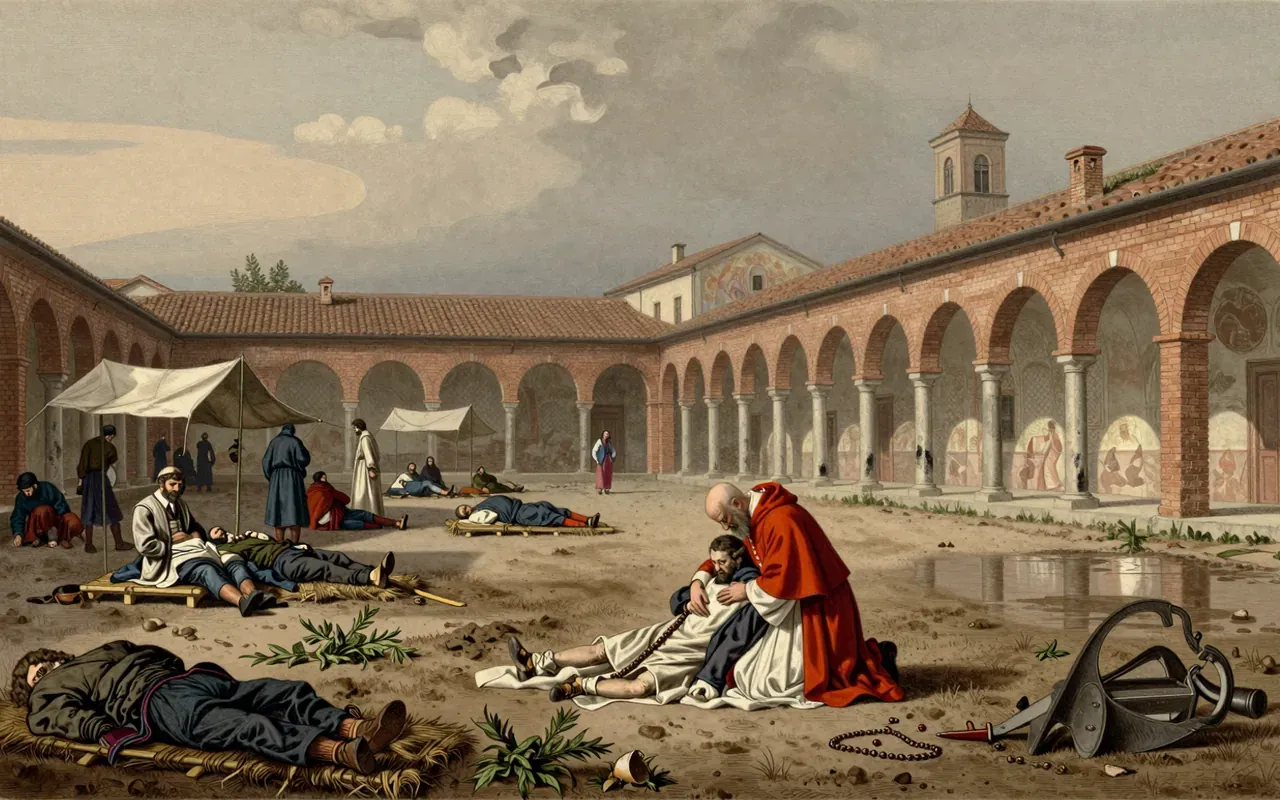
The Betrothed argues that grace arrives through vulnerability, not doctrine. Lucy’s suffering breaks the Unknown’s will. Cardinal Borromeo’s embrace—not theology—converts him. The plague is not divine wrath but a 'serviceable broom' that clears tyrants and makes space for marriage. Skip nothing: its power is cumulative.
16:04

The divine comedy

Dante Alighieri · 1321

The Divine Comedy argues divine justice is geometrical, not merciful — and builds Hell, Purgatory, and Heaven to prove it. It works best as architecture, not narrative: the rose of Heaven, the frozen core of Hell, the mountain of Purgatory. Skip the angelic digressions unless you study scholastic theology.

13:47

Goblin Market, The Prince's Progress, and Other Poems

Christina Georgina Rossetti · 0

Goblin Market, The Prince's Progress, and Other Poems is Rossetti’s 1862 debut: a tightly wrought collection arguing that desire must be disciplined, salvation is bodily, and sisterhood is liturgical. It works best in Goblin Market’s sensory allegory and falters in The Prince’s Progress’s inert symbolism. Read it for its theology-in-action—not its ideas about society or self.

13:26

The Song of Roland

Heroism is martyrdom. Loyalty is obedience. Paganism is error — and all three are non-negotiable.

music.briefs Music

All 4 in music →
8:12

Rock ’n Soul

Solomon Burke · 1964

A foundational soul record defined by vocal command, rhythmic tension, and theological gravity — not studio craft.

10:53

Coat of Many Colors

Dolly Parton · 1971

A lean, writer-led country record — recorded fast, written tighter, released before myth could set in.

9:22

Illinois

Sufjan Stevens · 2005

Illinois is a tightly wound studio artefact—self-recorded, self-performed, self-constrained. Its power lies in how much it builds from so little: cheap mics, narrow bandwidth, and total solitude. It is not about Illinois. It is about what one person can assemble when they treat geography as grammar, not gospel.

10:59

Amazing Grace

Aretha Franklin · 1972

A live gospel album recorded over two nights in a Los Angeles Baptist church in January 1972, featuring Aretha Franklin, Rev. James Cleveland, and the Southern California Community Choir. Piano, choir, claps, stomps, and Franklin’s voice — unvarnished, unrehearsed, unseparated from the room. No studio polish. No overdubs except one track moved for vinyl length. Reinterprets gospel standards — including Mahalia Jackson’s 'How I Got Over' — as living tradition, not museum piece. Filmed for a concert film released 46 years later.

film.briefs Film

All 12 in film →
13:00

Androcles and the Lion

Chester Erskine, Nicholas Ray · 1952

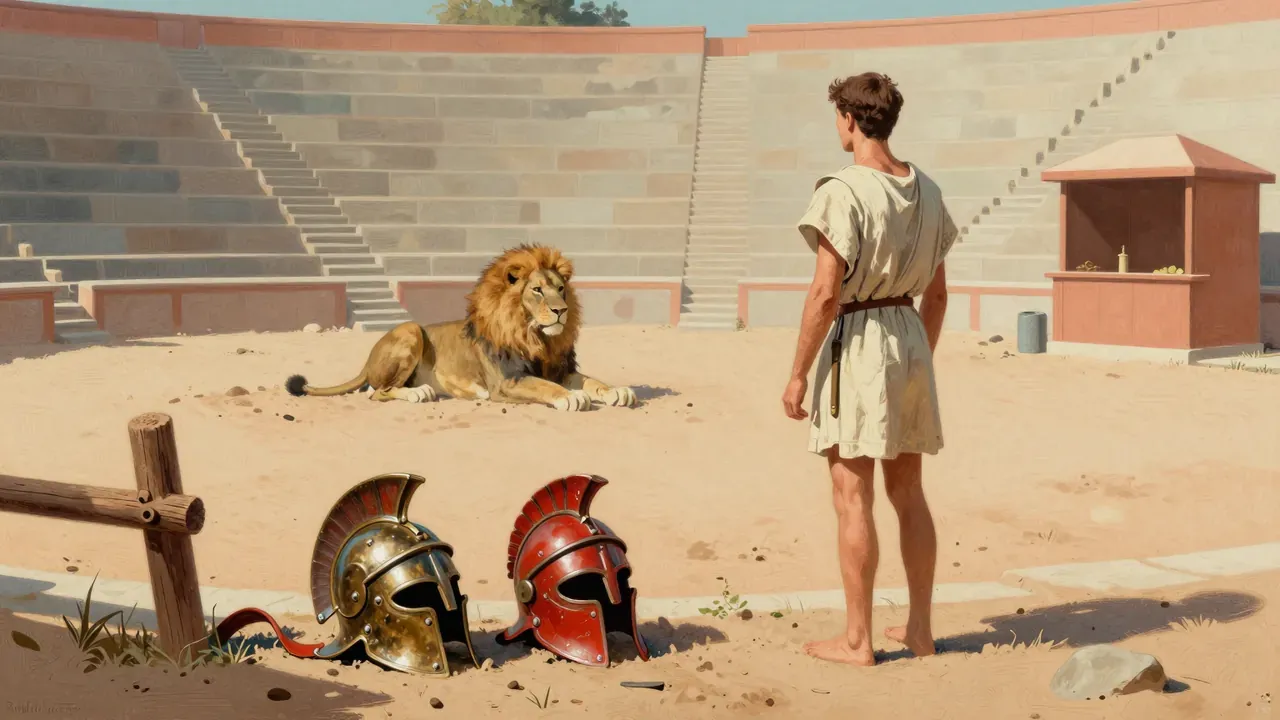
RKO’s 1952 Androcles and the Lion adapts George Bernard Shaw’s 1912 play with strict fidelity to his text, casting Alan Young as a gentle Christian tailor who befriends a lion in the Roman wilderness. Directed by Chester Erskine and Nicholas Ray, it foregrounds verbal wit over visual spectacle, staging philosophical debate in studio-bound sets. Though reshoots added arena theatrics, the film’s strength remains its unflinching commitment to Shaw’s irony, pacifism, and bureaucratic satire—making it a rare, talkative anomaly in the sword-and-sandal cycle.

13:00

Diary of a Country Priest

Robert Bresson · 1951

Robert Bresson’s 1951 adaptation of Georges Bernanos’ novel follows a young priest in rural France whose failing health, spiritual doubt, and isolation are rendered with stark formal discipline. Voice-over narration repeats on-screen action; performances are muted; light is flat and spaces are empty. It is less a story of faith than of vocation as daily, unglamorous labour — and grace as something given, not earned.

13:00

Europe '51

Roberto Rossellini · 1952

Roberto Rossellini’s 1952 film follows Irene Girard (Ingrid Bergman), an industrialist’s wife in post-war Rome, whose son’s death precipitates a radical commitment to helping others — a commitment that brings her into conflict with family, politics, medicine, the church and finally the asylum. Shot in austere black-and-white by Aldo Tonti, with a sparse score by Renzo Rossellini, the film treats compassion as a systemic challenge rather than a personal virtue.

13:00

Léon Morin, Priest

Jean-Pierre Melville · 1961

Set in German-occupied France, Léon Morin, Priest follows Barny, a widowed atheist and communist, as she enters a theological dialogue with a young priest. Their conversations—calm, rigorous, unresolved—unfold against a backdrop of scarcity and danger. Directed by Jean-Pierre Melville and adapted from Béatrix Beck’s novel, the film resists melodrama, preferring quiet precision in performance, cinematography, and structure. It is less about conversion than continuity: how people maintain moral shape when the world collapses around them.

13:00

Rome, Open City

Roberto Rossellini · 1945

Rome, Open City (1945) is a foundational Italian neorealist war drama directed by Roberto Rossellini, shot in Rome months after Nazi withdrawal using salvaged film stock and largely non-professional performers. Set during the German occupation in 1944, it follows a Resistance fighter, a Catholic priest, and civilians navigating betrayal, sacrifice and moral compromise. Its raw aesthetic—uneven lighting, abrupt edits, sparse score—emerges from material constraint, not stylistic choice. Though structurally uneven and morally uncompromising, it remains essential for its unflinching portrayal of collective endurance under occupation.

13:00

The Flowers of St. Francis

Roberto Rossellini · 1950

Roberto Rossellini’s 1950 film adapts nine parables from medieval Franciscan texts into a series of quiet, unadorned episodes. Shot in rural Italy with monks and one professional actor, it forgoes narrative for ritual, psychology for posture, and explanation for repetition. Its power lies in stillness, humility, and the radical simplicity of its vision.

13:00

The King of Kings

Cecil B. DeMille, Arthur Rosson, Frank Urson · 1927

Cecil B. DeMille’s 1927 silent film The King of Kings depicts the life of Jesus with deliberate spectacle—Technicolor halos, sepia-tinted sermons, hand-coloured torchlight—and a script that blends Gospel texts with invented moments designed to jolt contemporary audiences. H. B. Warner stars as a calm, physically present Christ; Jacqueline Logan plays a vividly secular Mary Magdalene. Though structurally episodic and occasionally blunt in its symbolism, the film remains a landmark of studio-era craft, theological address, and early colour technology.

13:00

The Milky Way

Luis Buñuel · 1969

Luis Buñuel’s 1969 film follows two French vagrants walking the Camino de Santiago, encountering historical Christian heresies, doctrinal disputes, and theological contradictions staged with documentary precision and surrealist detachment. Shot in straightforward colour by Christian Matras and written by Buñuel and Jean-Claude Carrière, it treats dogma as performance, time as collapse, and pilgrimage as recursion — not redemption.

history.briefs History

All 21 in history →
11:44

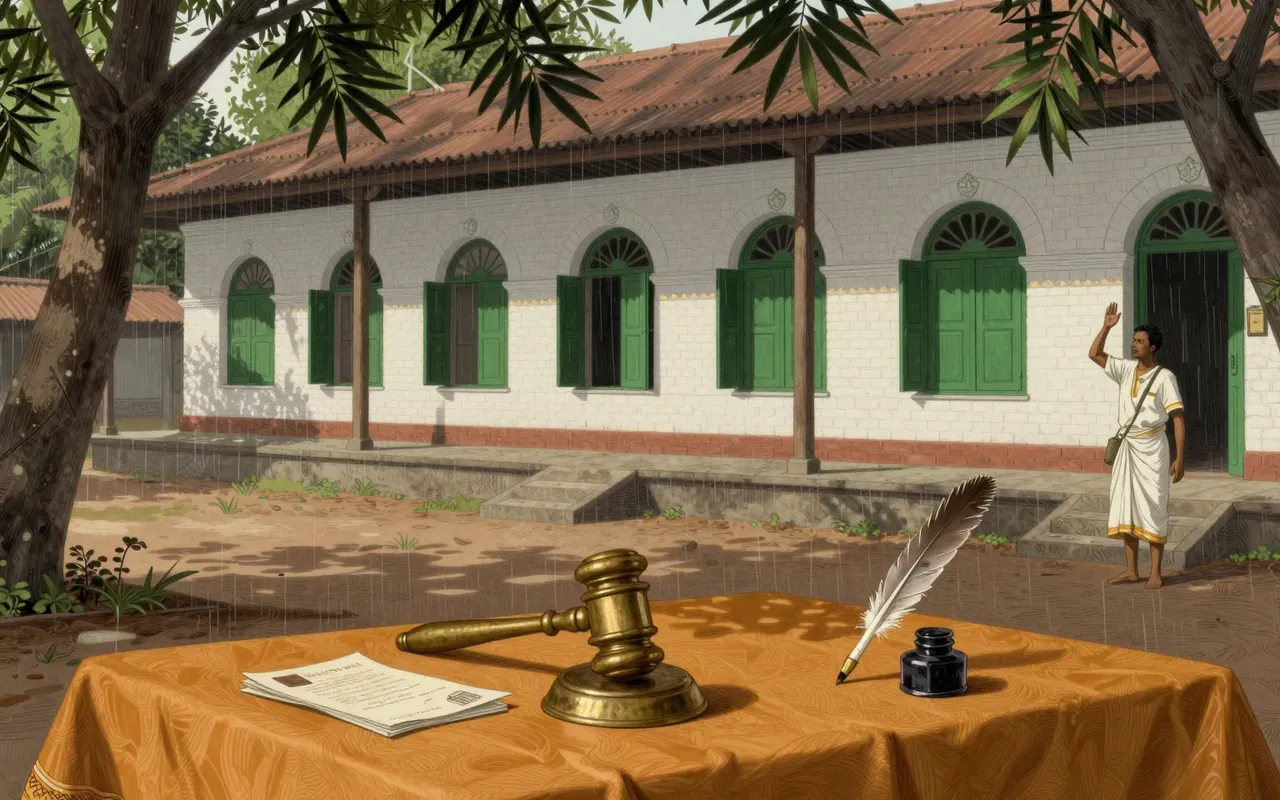
Keshub Chandra Sen

1783–1844

Keshub Chandra Sen was a doctrinal entrepreneur who built institutions and doctrines in rapid succession—school, association, sect, creed—each anchored in a documented act or statement. His work shows no mass following, no legislative effect, and no settled interpretation. What remains is a sequence of deliberate, dated interventions in Bengal’s religious and civic life.

9:52

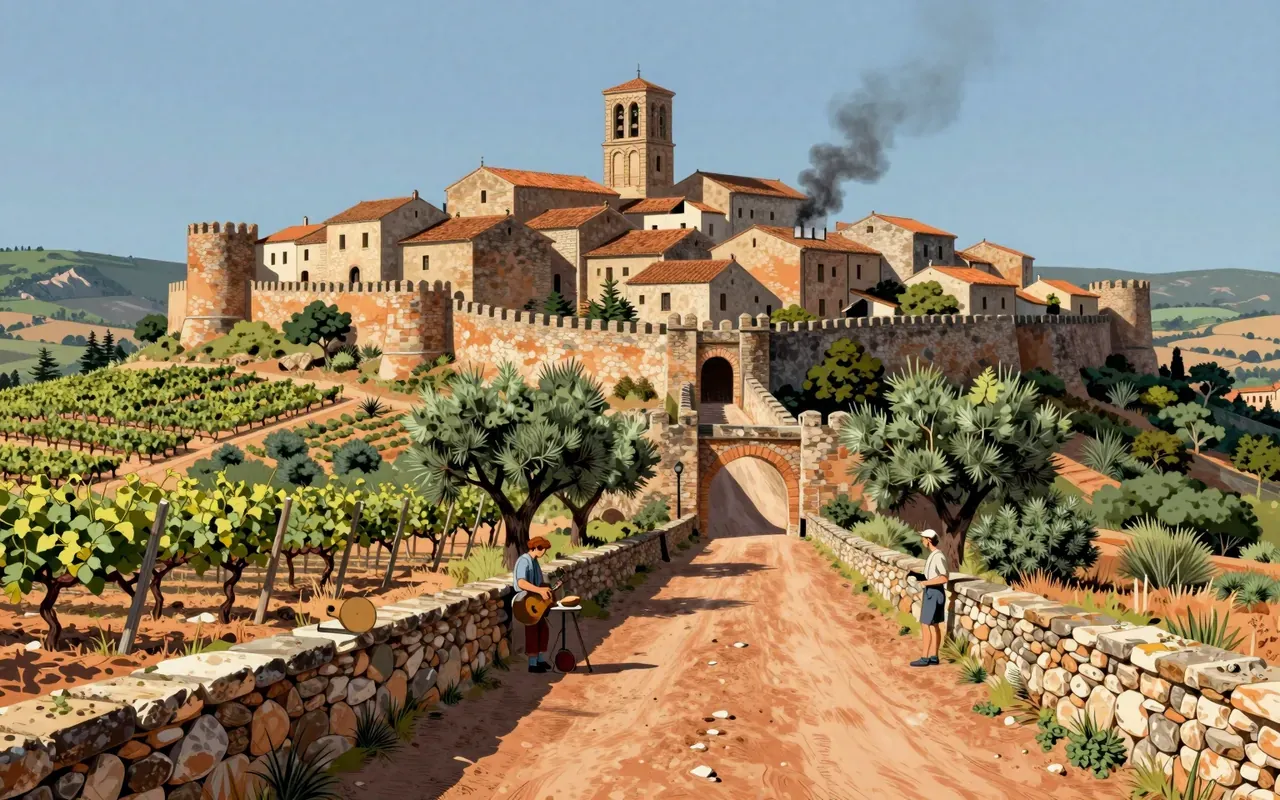
Albigensian Crusade

1209–1229

The Albigensian Crusade was a 1209–1229 papally initiated, French royally executed campaign against Catharism in Languedoc. It succeeded militarily in phases, realigned Toulouse with the French crown, diminished regional culture, and aided the institutional rise of the Dominicans and Inquisition. Its record is coherent but narrow: no dissent, no numbers, no motives beyond those stated.

12:02

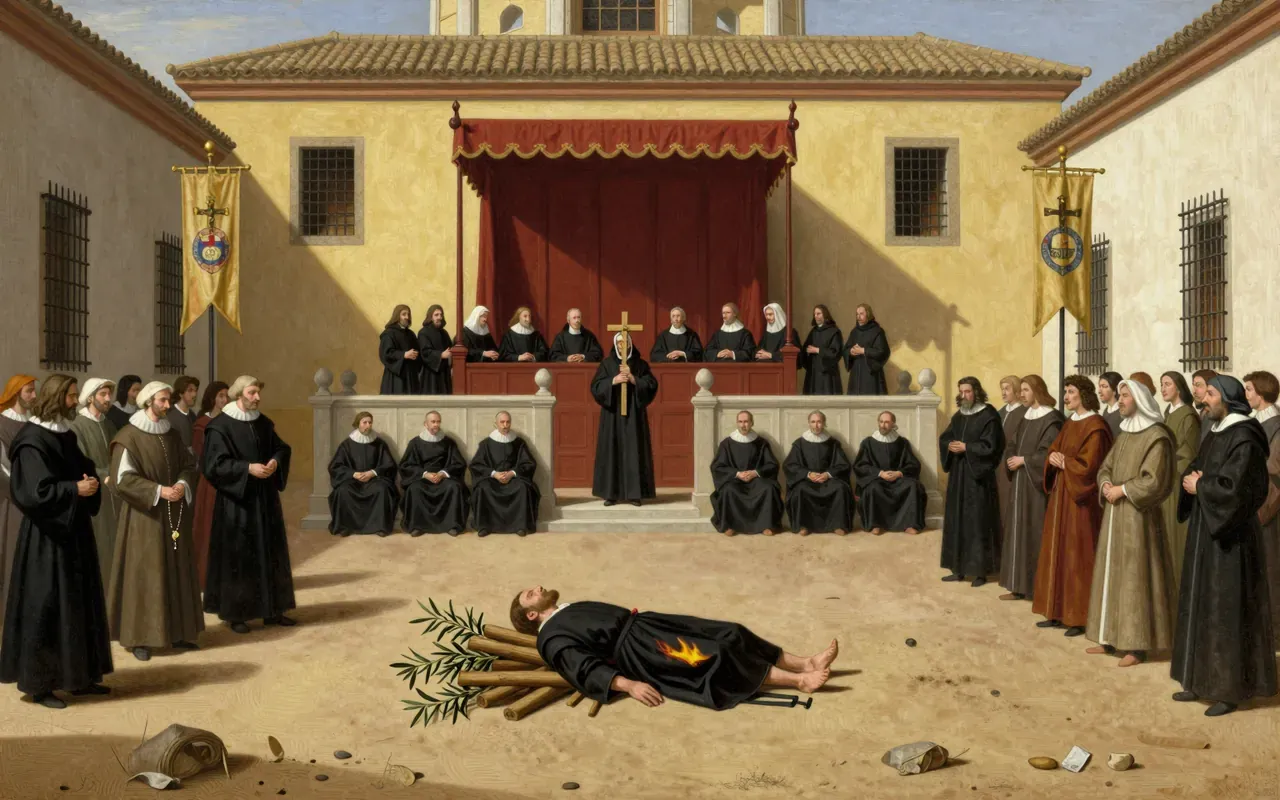
Spanish Inquisition

1478–1834

The Spanish Inquisition was a centrally directed, royally staffed, financially incentivised tribunal targeting converted Jews and Muslims. It operated from 1480 to 1834. Its first fifty years saw the highest execution rate—3,000–5,000 people burned—and systematic property confiscation. It replaced Papal oversight with Crown control. It enforced post-1492 and 1502 conversion decrees. It prosecuted ~150,000 people. Its methods included torture, public shaming, and lifelong penalties. Its legacy is administrative, not spiritual.

13:00

Bartolomé de las Casas

1474–1566

Bartolome de las Casas arrived in the Caribbean in 1502 as a colonist who held enslaved Native labourers under the encomienda system, before a 1514 reading of scripture convinced him Spanish treatment of Indigenous peoples was fundamentally unjust. He spent the following decades as a Dominican friar and eventually bishop, writing A Short Account of the Destruction of the Indies and debating Juan Gines de Sepulveda at Valladolid in 1550 and 1551 over whether Indigenous peoples could be justly subjugated, work that helped shape Spain's 1542 New Laws and later fed into the broader Black Legend narrative about Spanish colonial brutality.

13:00

Constantine the Great

272–337

Constantine won sole control of the Roman Empire by 324 after nearly two decades of war against rival claimants, founded the new capital of Constantinople, and convened bishops at Nicaea in 325 to settle a dispute over the nature of Christ. Nearly every surviving account of him was written by Christian admirers or later ecclesiastical writers with their own doctrinal stakes, leaving his personal beliefs, and the details of his most famous conversion story, genuinely uncertain.

13:00

Joan of Arc

1412–1431

A peasant girl from Domremy, Joan of Arc reported religious visions that led her to the French court in 1429, where she helped break the siege of Orleans and see Charles VII crowned before her capture and execution for heresy in 1431. Her trial and a later rehabilitation hearing preserve unusually detailed testimony in her own words, though what her visions actually were remains a question the sources describe without settling.

13:00

Nero

37–68

Nero became Roman emperor in AD 54 at sixteen, ruled competently under his advisers' guidance for several years, and then, after having his mother killed and losing his steadying counsellors, presided over a reign remembered for the great fire of Rome in AD 64 and a wave of executions before his suicide in AD 68. Every surviving account of him was written decades or centuries later by hostile senatorial writers, none of whom witnessed his reign firsthand.

13:00

Richard I of England

1157–1199

Richard I ruled England from 1189 to 1199 but spent most of that decade on crusade, in captivity, or defending his family's continental territories, leading the Third Crusade to within twelve miles of Jerusalem before withdrawing and ordering the execution of roughly 2,700 Muslim prisoners at Acre in 1191. Captured near Vienna on his way home and held for a ransom of 150,000 marks, roughly two to three years of England's crown revenue, he spent his final years at war with Philip II of France, building the innovative fortress of Chateau Gaillard, before dying in 1199 from a crossbow wound whose shooter he forgave on his deathbed, a reputation later historians alternately built up as chivalric ideal and tore down as a neglectful absentee king.

culture.briefs Culture

All 4 in culture →
8:06

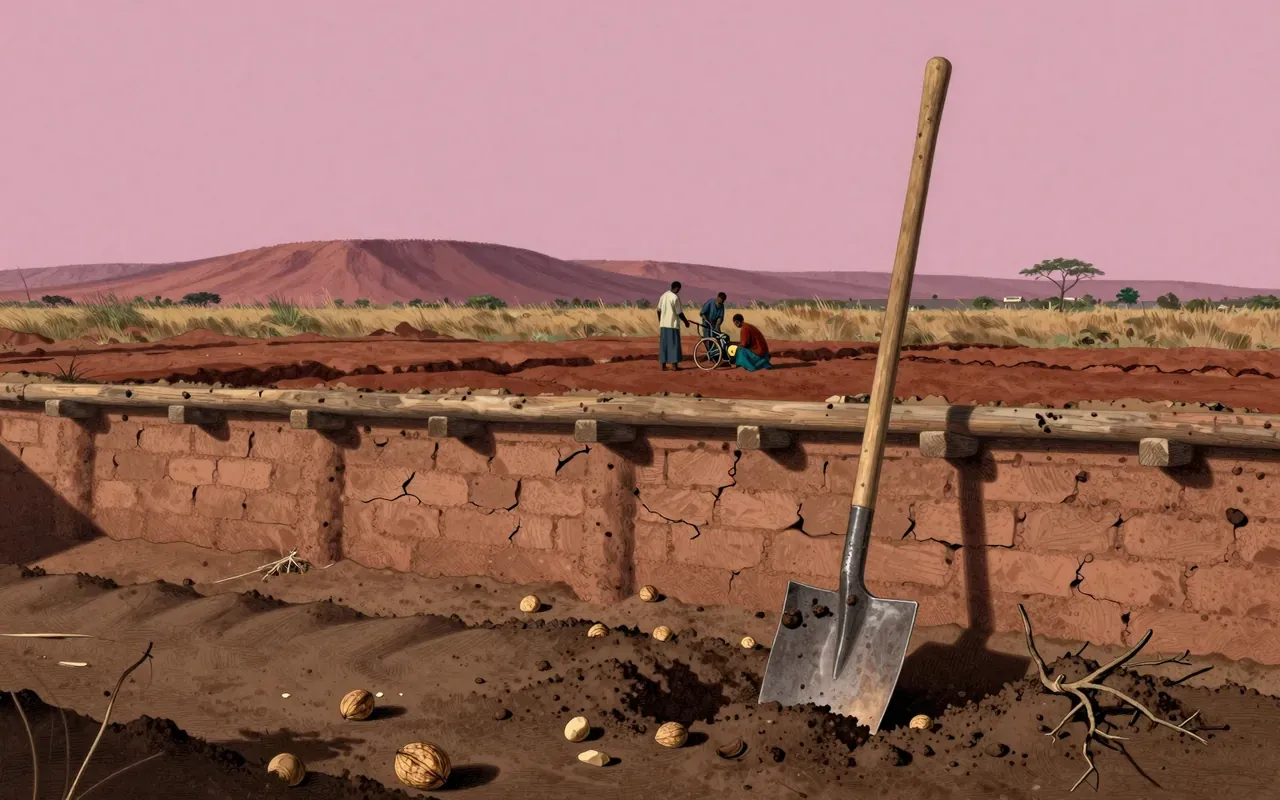
Diggers

True freedom is use of the earth — and the Diggers were evicted for trying to live it.
9:29

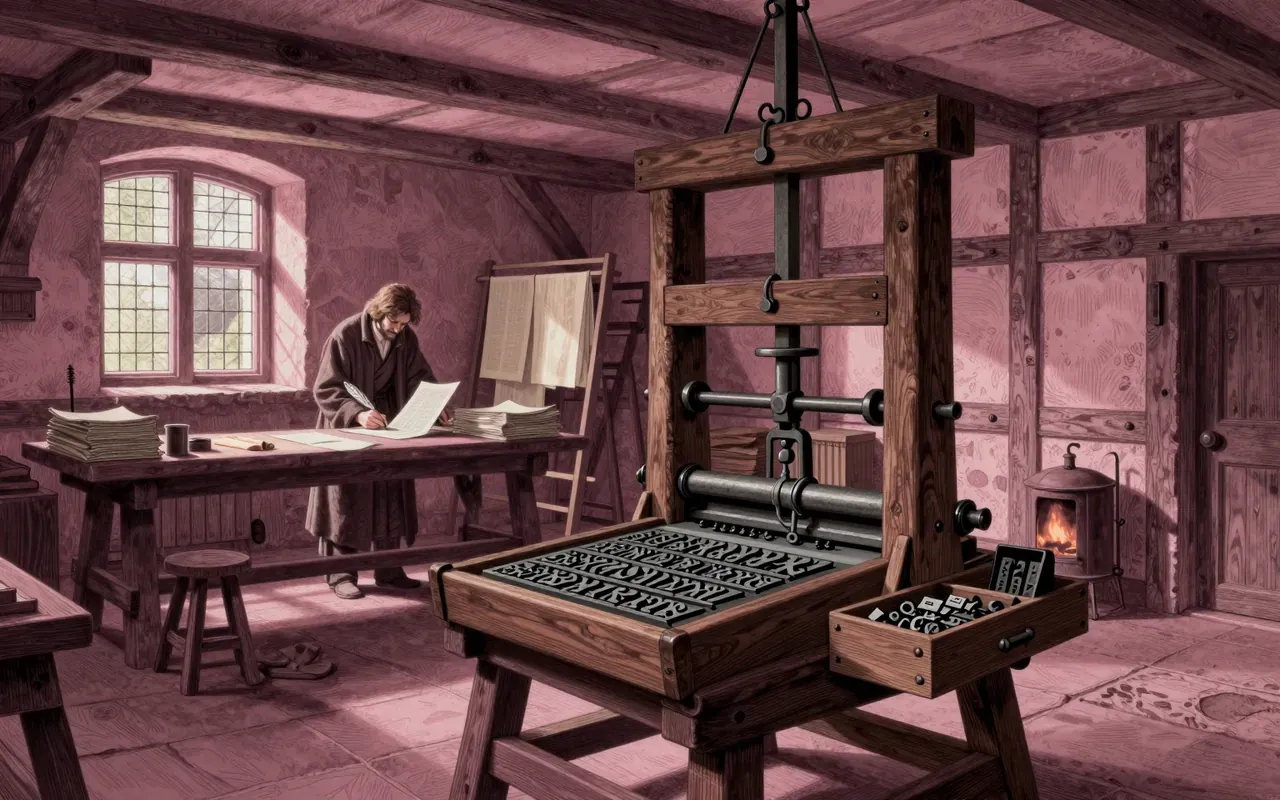
Protestant work ethic

A 1905 theory that turned divine doubt into a productivity cult—and still judges your Sunday rest.
10:16

Flannery O'Connor

O'Connor’s fiction doesn’t offer salvation—it ambushes the soul with grace, then leaves you to explain the bloodstains.
10:40

Icon painting in Ukraine

Ukraine’s icon tradition didn’t survive by staying still—it bent, borrowed, and rebuilt itself across ten centuries.

food.briefs Food

All 2 in food →
9:47

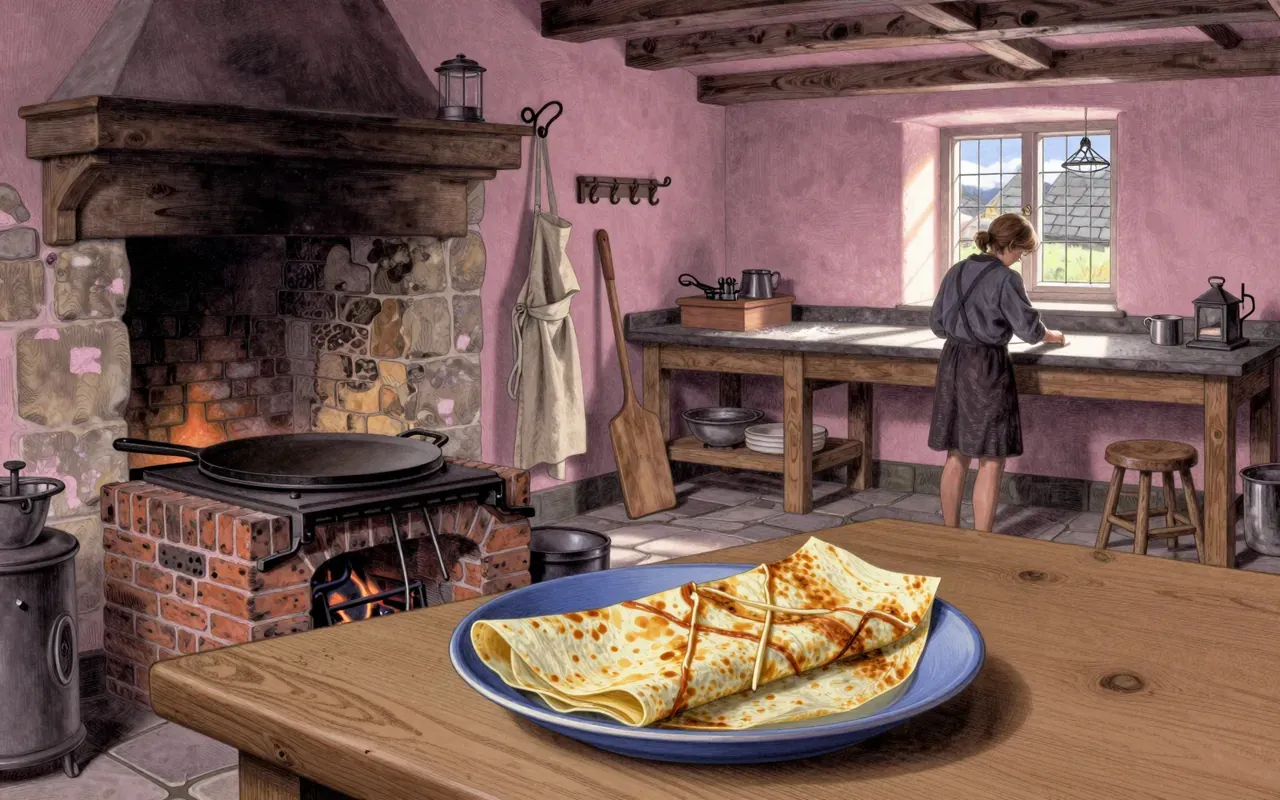
Crêpe

A wrinkled sacrament turned snack: crêpes are liturgy made edible.
9:42

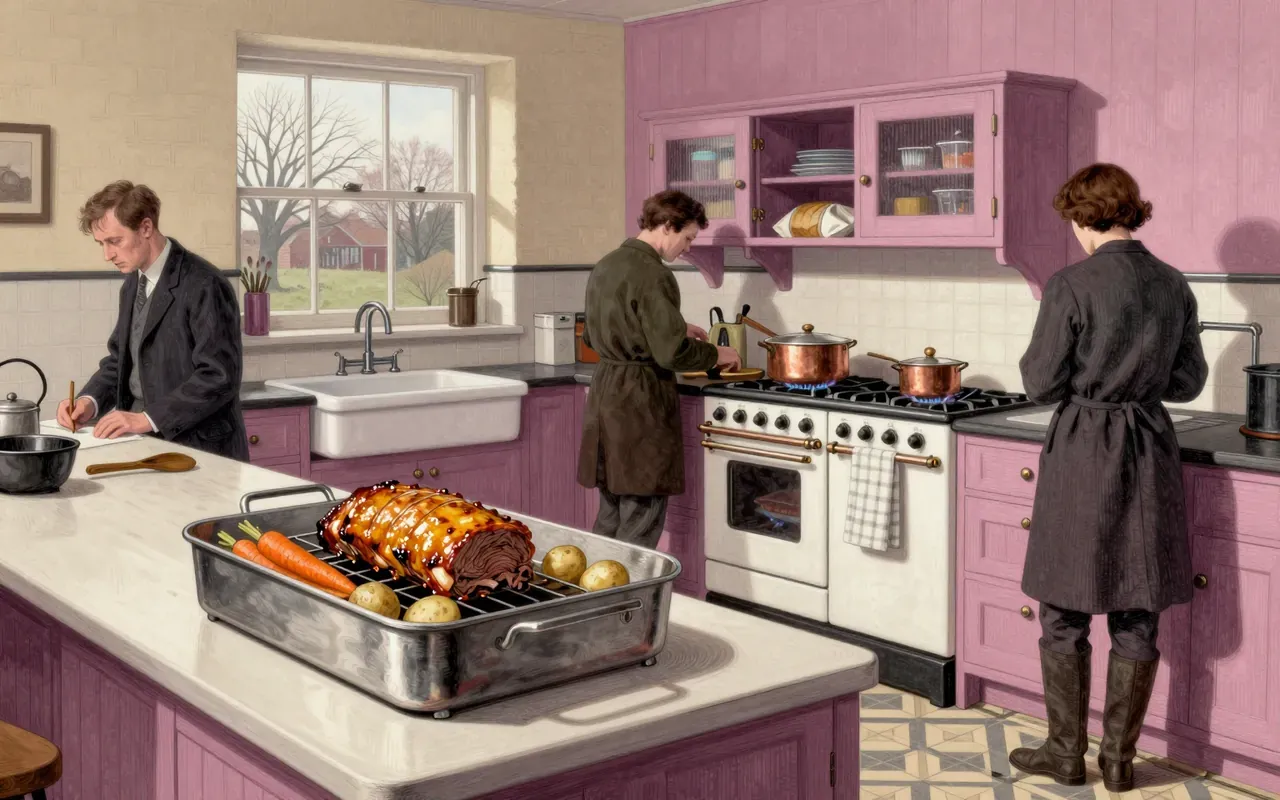
Sunday roast

The Sunday roast isn’t tradition—it’s industrial timekeeping disguised as comfort food.

fashion.briefs Fashion

All 2 in fashion →
11:25

Jerry Lorenzo

Fear of God is not streetwear dressed up — it is belief, baseball, and grunge made wearable as quiet doctrine.
10:22

Burqa

A garment that proves modesty has never been exclusively Muslim—and never required the face to disappear.