Up the Bracket
The Libertines · 2002
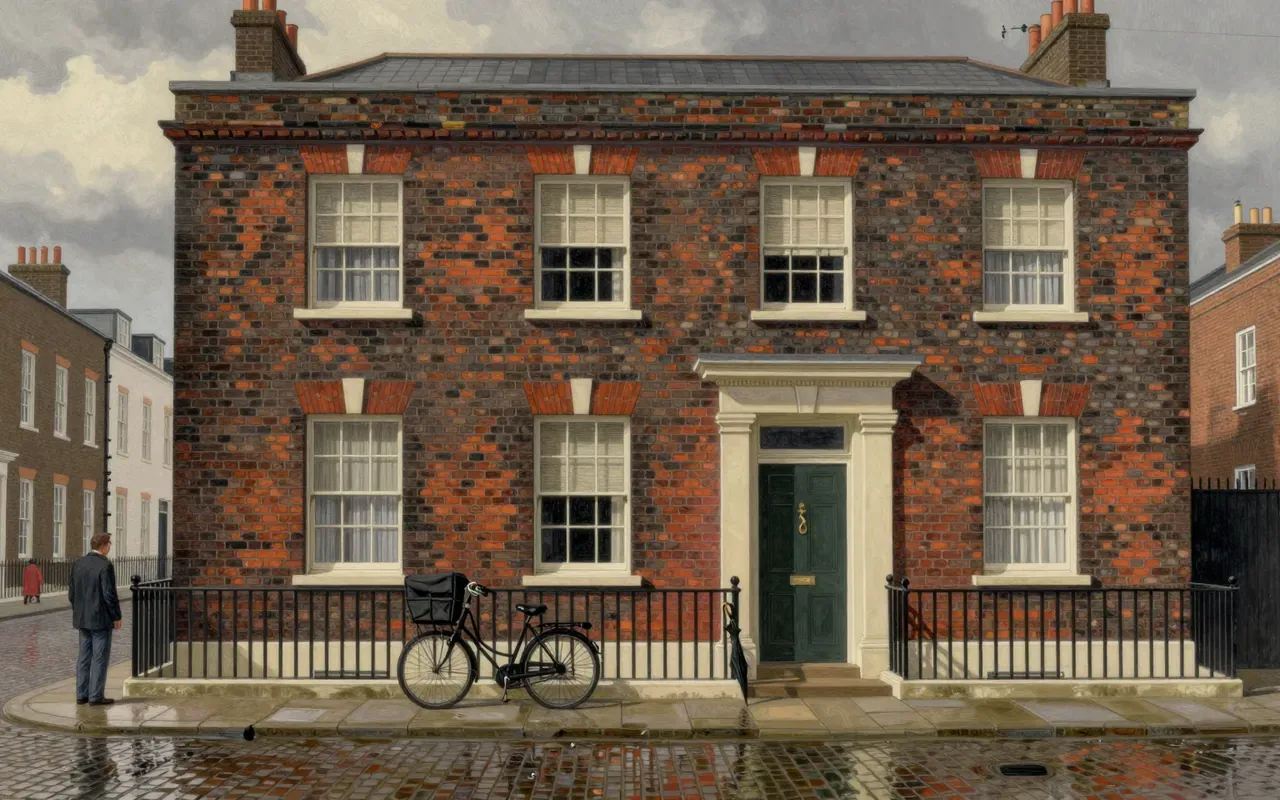
Up the Bracket is a live-wire debut — urgent, unvarnished, and built on two guitars, a drum kit, and a shared sense of London as both home and hazard.
An island that ran the world and has been adjusting ever since.
Up the Bracket is a live-wire debut — urgent, unvarnished, and built on two guitars, a drum kit, and a shared sense of London as both home and hazard.
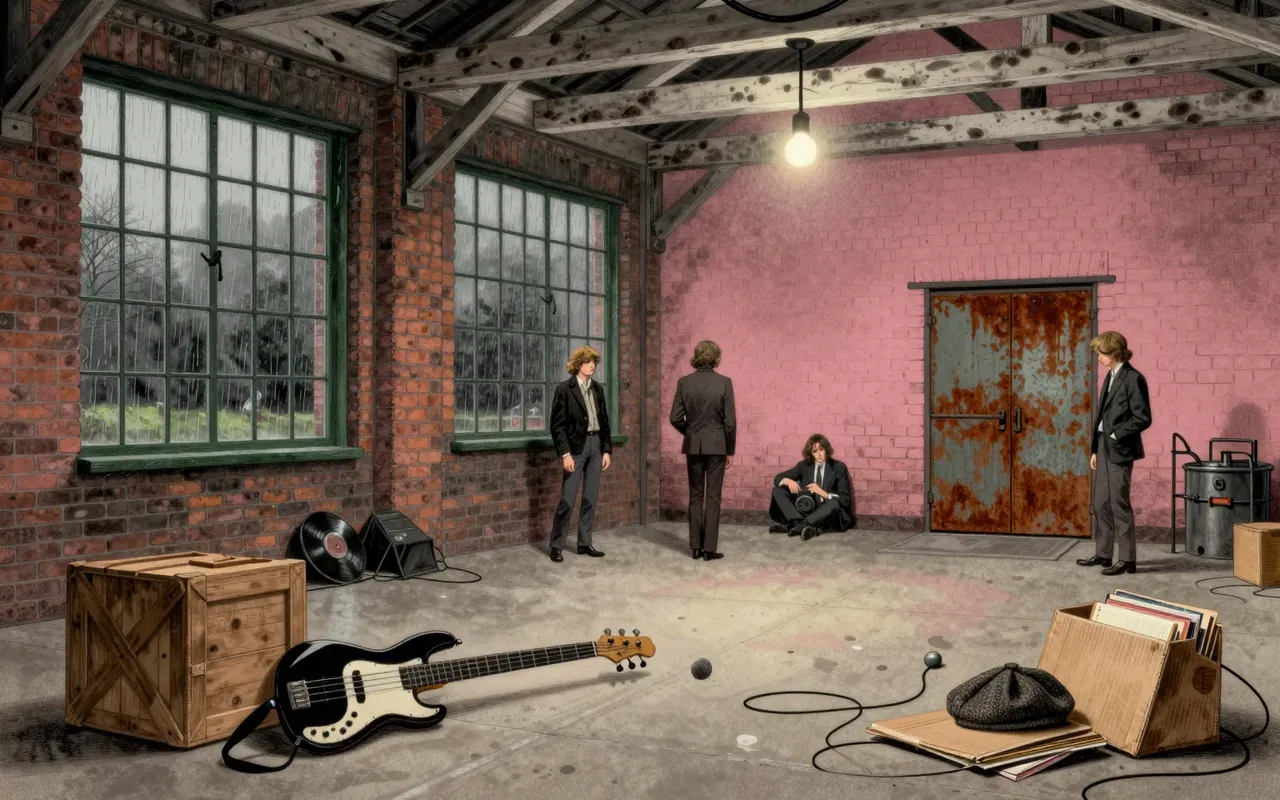
All Mod Cons is a re-recorded crisis album that treats the UK as a series of locked rooms — and makes every key turn with purpose.
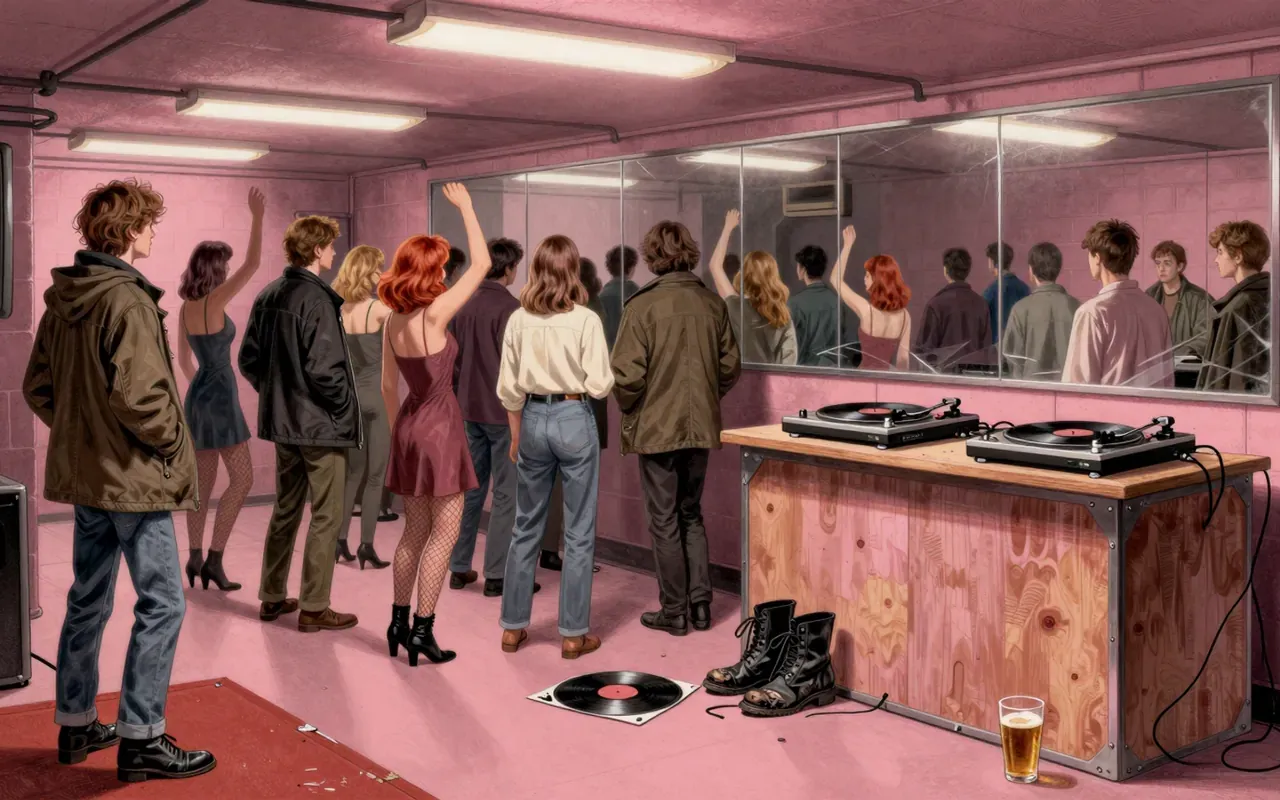
Different Class is Pulp’s fifth studio album, released in 1995. Its title came from a phrase Jarvis Cocker heard at Smashing, a club night in Eve’s Club on Regent Street in London. The sleeve design was by Blue Source and featured six double-sided inserts in initial pressings—cardboard cutouts of the band in staged scenarios. The cover photograph was taken at Dom O’Connor’s self-organized wedding, facilitated through a photographer who had previously worked with Blur and Elastica. The album’s back cover reads: 'We don't want no trouble, we just want the right to be different. That's all.'

If You're Feeling Sinister is a tightly wound, quietly ambitious record made fast and faithfully — in a church hall, then a studio, with continuity as its compass.
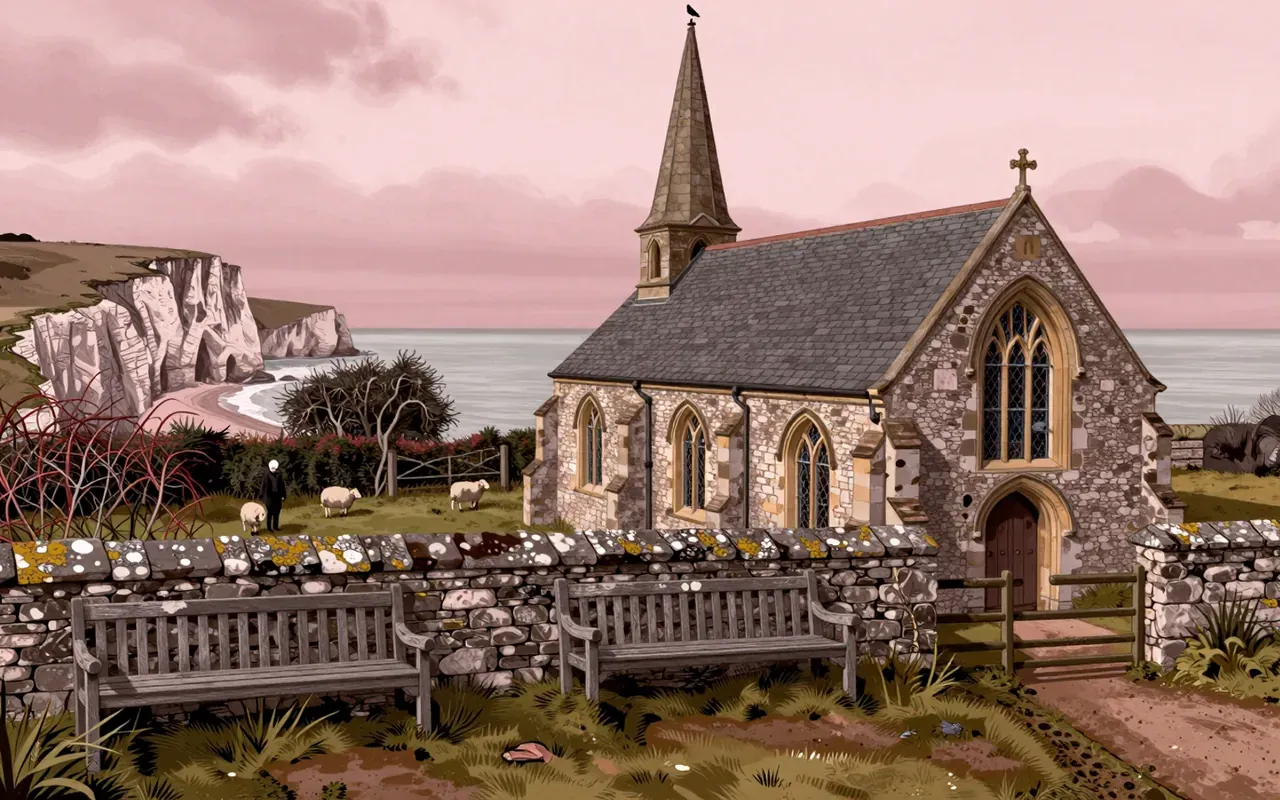
Let England Shake is a stark, live-recorded war record made in a Dorset church. It uses autoharp, saxophone, and sparse guitar. Its voice is narratorial, not expressive. Its subject is England’s violence — past and present — treated with precision, not symbolism. It won the 2011 Mercury Prize. It demands attention, not devotion.
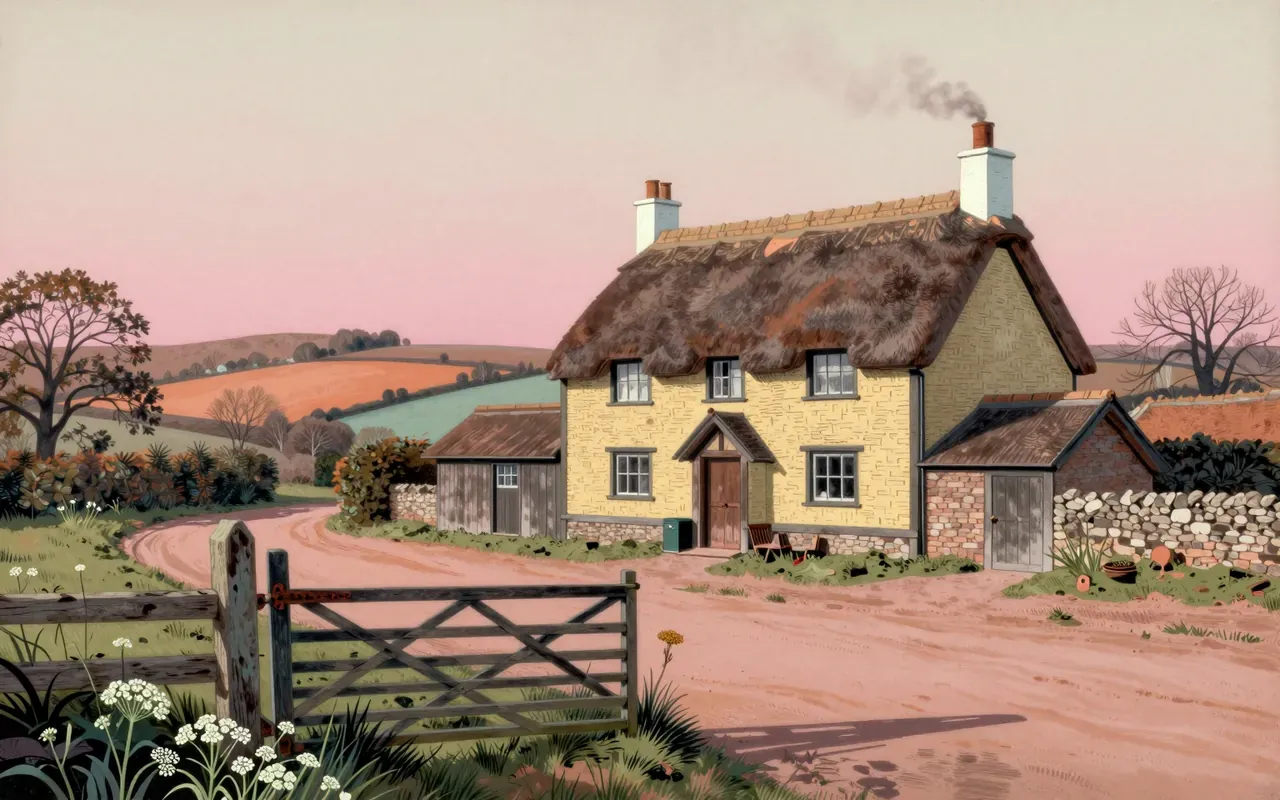
Liege & Lief is the pivot point: Fairport Convention abandons covers for electrified English folk, anchored by Swarbrick’s fiddle, Mattacks’ drums, Thompson’s writing, and Denny’s voice. It was rehearsed in a Hampshire house and launched live at the Royal Festival Hall. No studio tricks. No American references. Just six traditional tracks — including two epics — and three originals in matching style. It lands in tradition, not nostalgia.

A solitary, resourceful act of creation in a Brixton bedroom — no studio, no band, no analogue gear — that redefined British hip-hop by grounding it in place, process, and vernacular truth.

Parklife is Blur’s third studio album, recorded quickly at Maison Rouge studio in August 1993—except for 'This Is a Low'. Damon Albarn described it as a loosely linked concept album about the travels of a 'mystical lager-eater' who observes and comments on the world. Martin Amis’s novel London Fields was a major influence. The songs span multiple genres including synthpop, instrumental waltz, punk rock, spacey Syd Barrett-esque, and new wave. Some songs—including 'To the End' and 'Badhead'—lie in a more personal space than the album’s broader bittersweet portrayal of the UK's human patchwork. Stephen Street produced all tracks except 'To the End', which was produced by Stephen Hague with additional engineering.
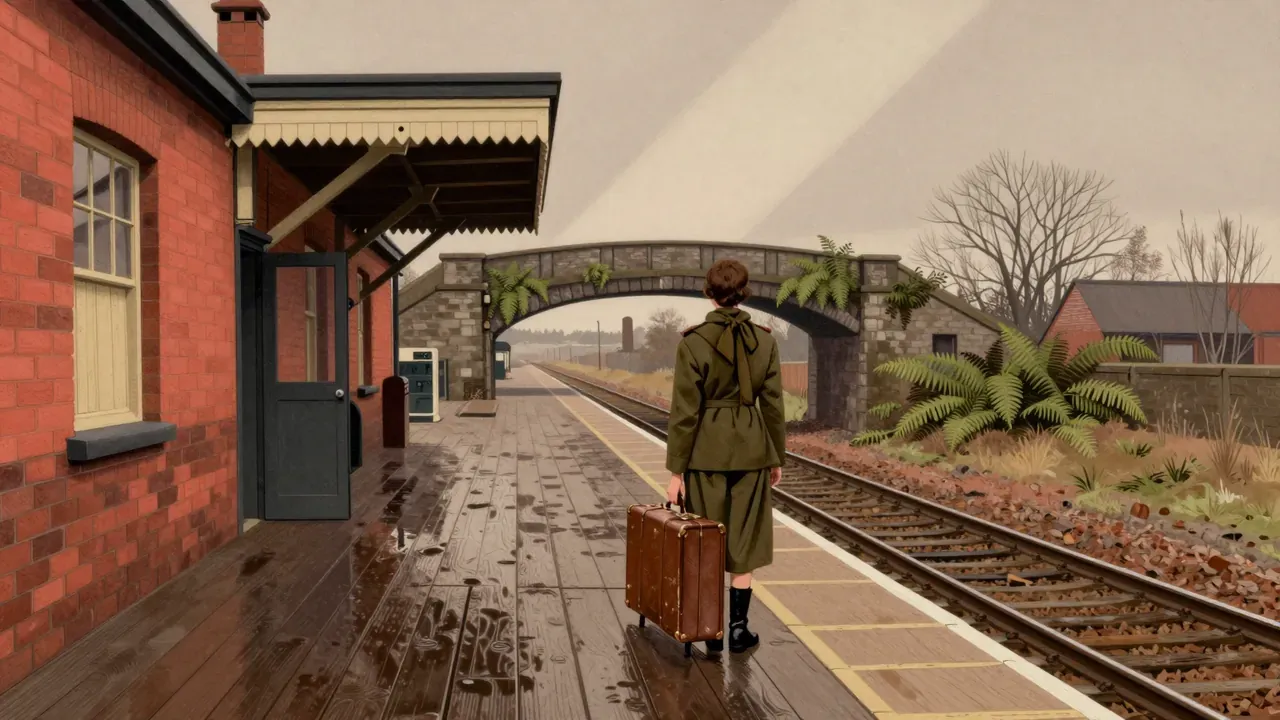
A Canterbury Tale (1944) follows three strangers — a Land Girl, a British soldier and an American GI — who converge in a Kent village during WWII and investigate a local 'glue man' mystery. Directed by Powell and Pressburger, it uses Chaucer’s pilgrimage framework to explore English identity, wartime community and the weight of place, all filmed on location amid real bomb sites and rural villages. Its power lies in restraint: in Erwin Hillier’s understated cinematography, in performances that avoid theatrics, and in a story that values observation over explanation.
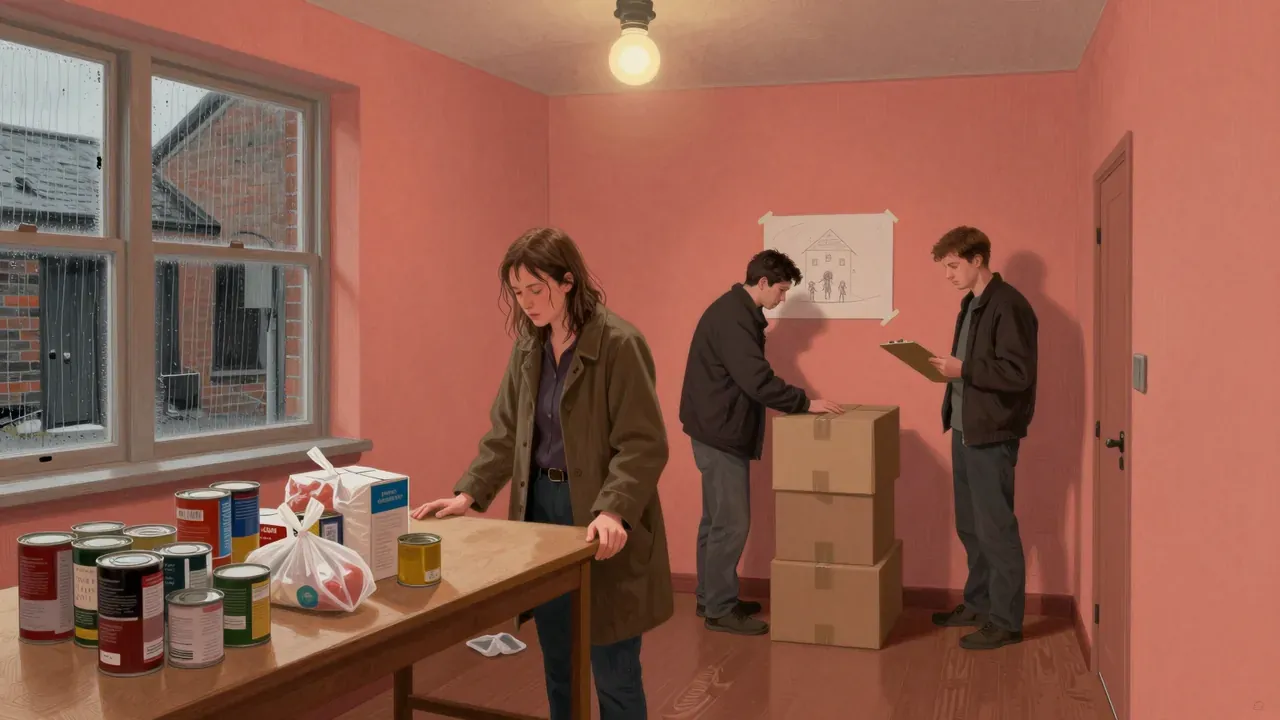
Ken Loach’s 2016 drama follows a Newcastle joiner denied benefits after a heart attack, and a single mother navigating homelessness and sanctions. Built from real testimonies and shot with documentary restraint, it charts how digital mandates, punitive rules, and institutional indifference corrode health, time, and dignity. Winning the Palme d’Or, it remains a stark, unsentimental record of austerity’s human toll.
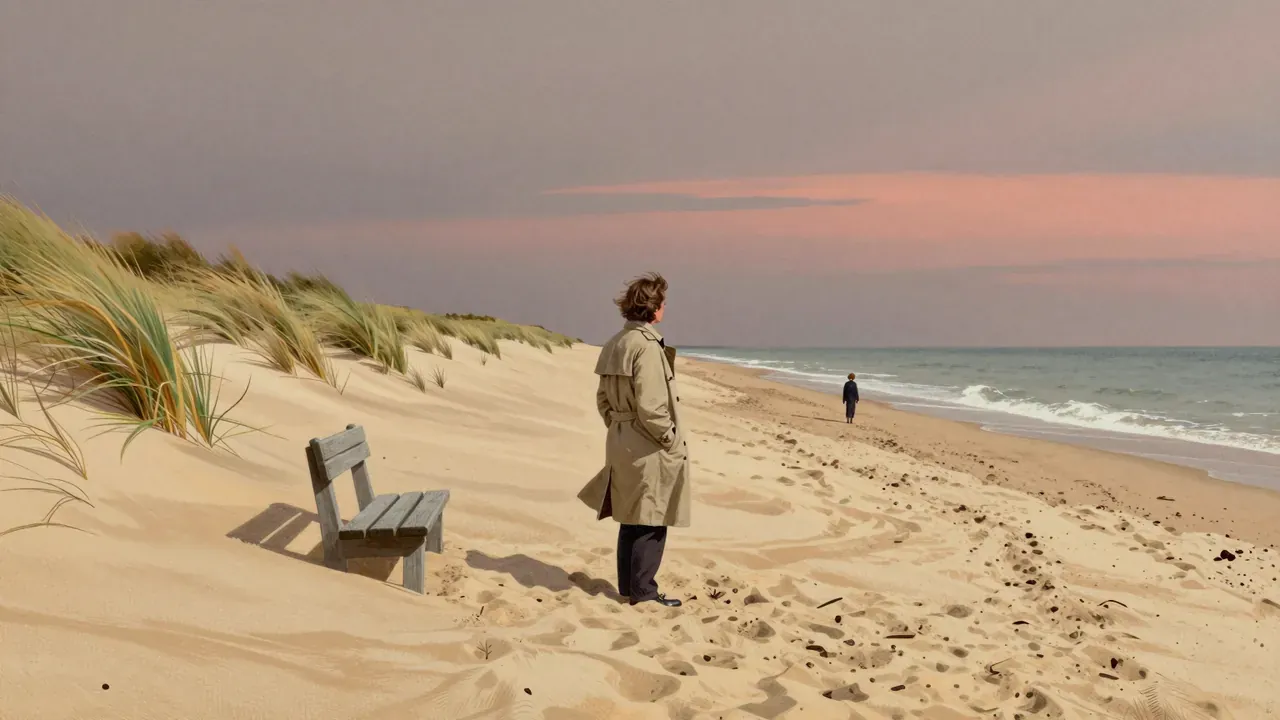
Local Hero (1983), written and directed by Bill Forsyth, follows an American oil executive sent to buy a remote Scottish village for a refinery. As he spends time in Ferness, his assumptions about progress, ownership and value quietly erode. With performances from Peter Riegert and Burt Lancaster, Chris Menges’ naturalistic cinematography and Mark Knopfler’s evocative score, the film traces a subtle transformation — not through drama or debate, but through stillness, repetition and quiet observation.

Mike Leigh’s 1983 Meantime observes four days in an East London working-class family amid rising unemployment and social fragmentation. With Tim Roth, Phil Daniels, Gary Oldman, and Pam Ferris, it uses rigorous rehearsal-based performance and unadorned cinematography to render austerity as atmosphere, not argument — a precise, unsentimental study of endurance in the early Thatcher years.

Stephen Frears’ 1985 film, written by Hanif Kureishi, follows Omar — a British-Pakistani man in South London — as he renews a laundrette with Johnny, his childhood friend and lover. Set against Thatcher-era austerity and community tensions, it balances romance, entrepreneurship, and intergenerational conflict with understated craft and unforced specificity. Shot on 16 mm, it was expanded from a Channel 4 commission into an international success.
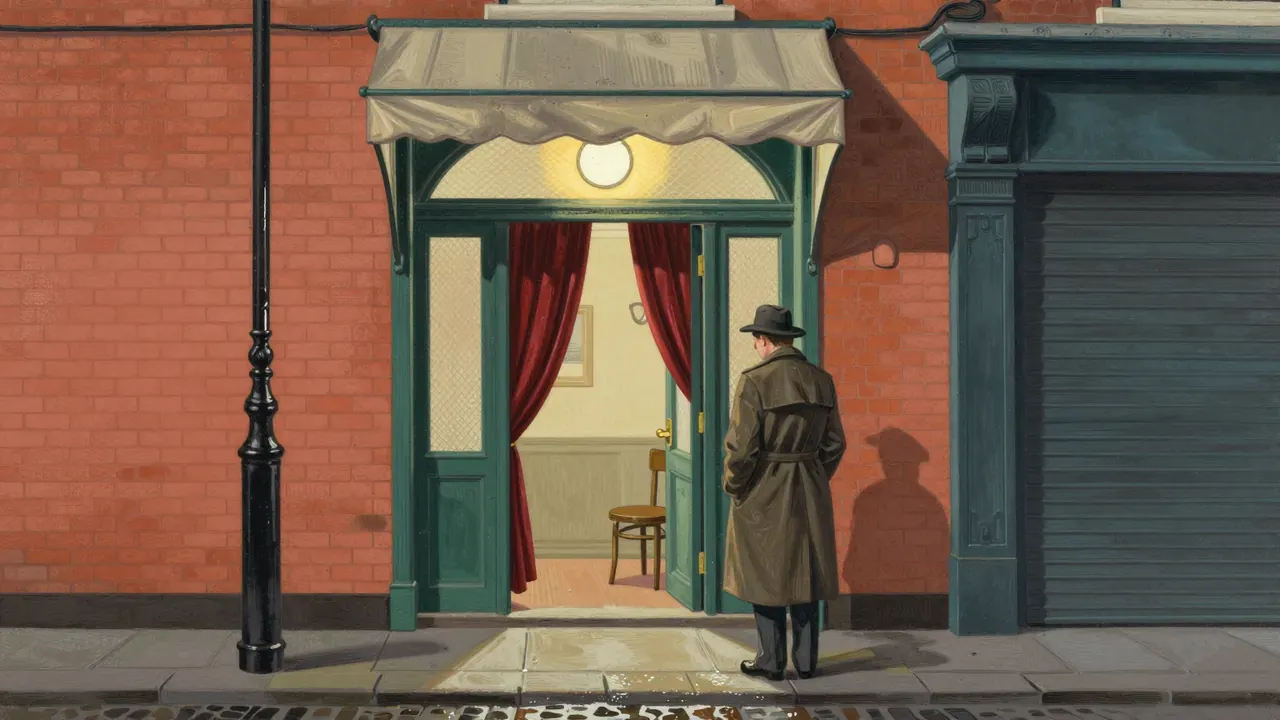
A 1959 British crime drama in which police investigate the murder of a light-skinned Black woman who passed as white, using the procedural format to expose everyday racism in post-war London. Directed by Basil Dearden from a script by Janet Green, it balances genre conventions with social observation, winning Best British Film at the 1960 BAFTAs and an Edgar Award for its screenplay.
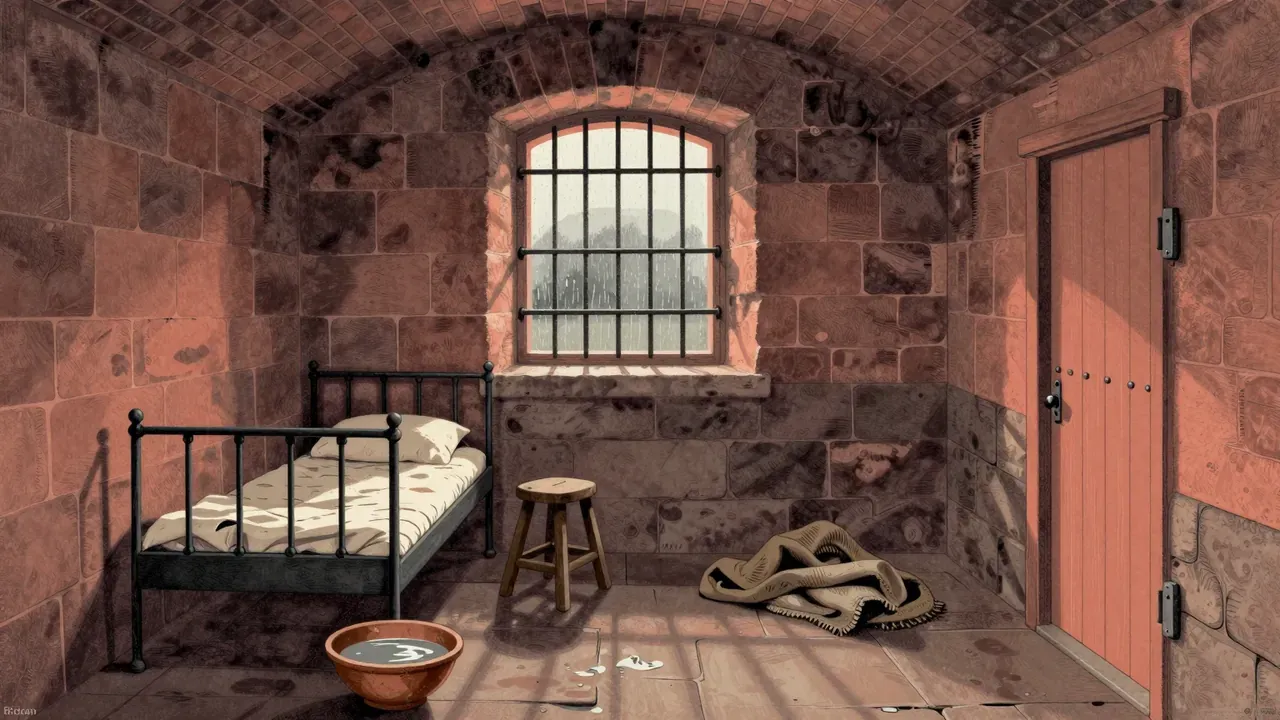
That Hamilton Woman (1941) is a black-and-white historical drama directed by Alexander Korda, starring Vivien Leigh and Laurence Olivier as Emma Hamilton and Horatio Nelson. Made in Hollywood during British exile, it uses the Napoleonic Wars as allegory for Britain’s resistance to Nazi Germany. The film follows Emma’s rise from courtesan to national symbol and her tragic decline, framed by Nelson’s principled defiance and ultimate sacrifice at Trafalgar. Crafted with restraint and moral clarity, it prioritises thematic weight over psychological nuance or visual spectacle.

Set over one Easter weekend in 1980, The Long Good Friday follows London gangster Harold Shand as his plans to redevelop the Docklands and attract American investment unravel amid coordinated attacks. Directed by John Mackenzie and written by Barrie Keeffe, the film uses tight framing, restrained performances, and real London locations to chart the collapse of authority — not through violence, but through the sudden withdrawal of trust, information, and time.
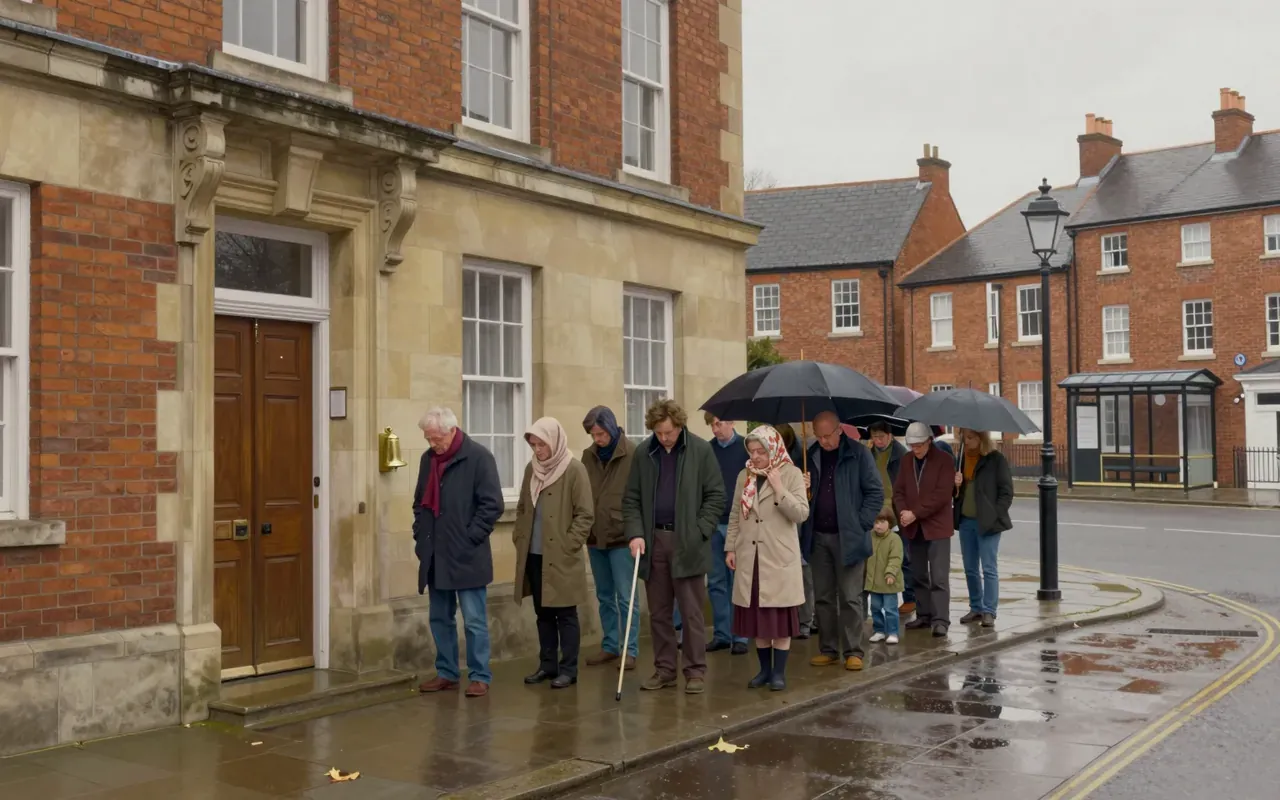
A legally non-binding referendum produced a narrow Leave majority — triggering Brexit through political promise, not statute. Its authority rested on convention, not law. That gap remains unbridged.
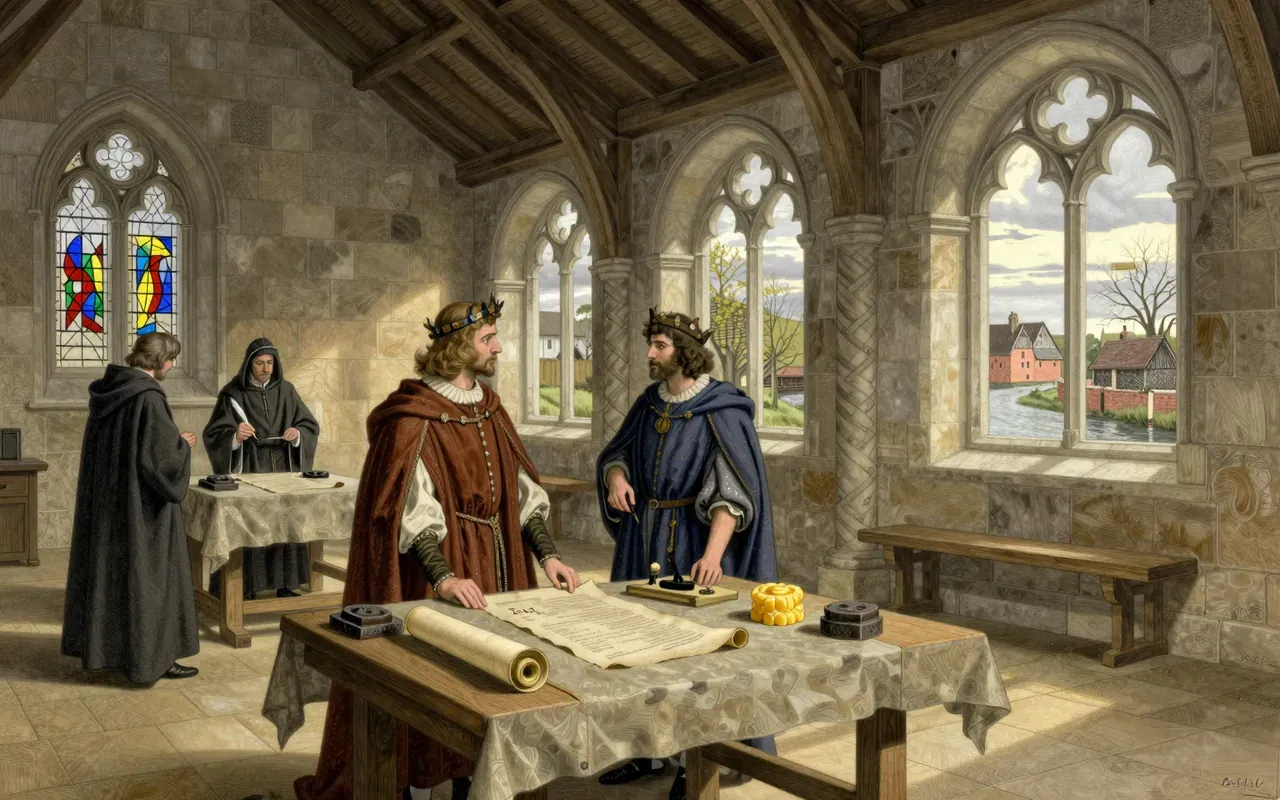
John’s reign is the hinge between Angevin transnational rule and English constitutional monarchy — but only because the record shows it collapsed under its own weight, not because John was uniquely flawed.
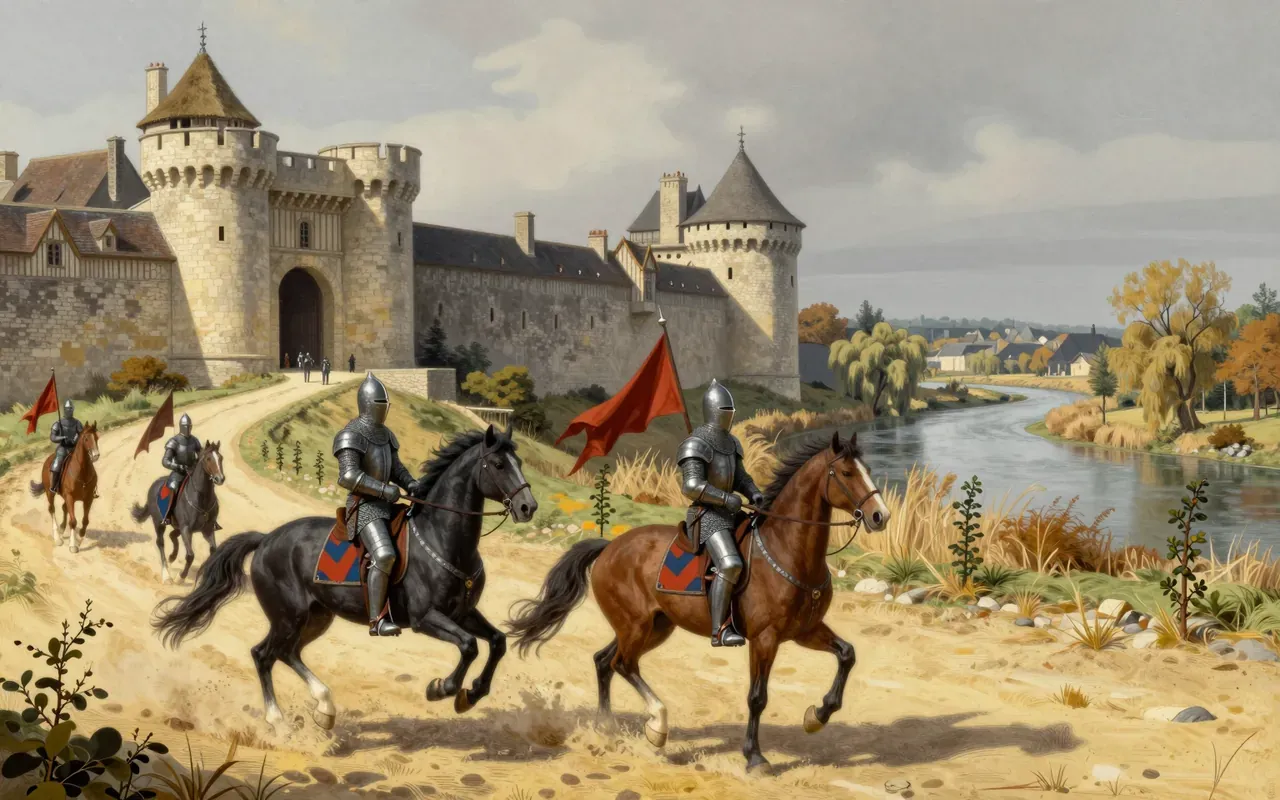
William the Conqueror is the founding figure of Norman rule in England. The source documents his titles, dates, military action, coronation, suppression of revolt, and commissioning of the Domesday Book. It makes no claims about motive, ideology, resistance scale, or cultural impact beyond administration. It treats consolidation as chronological fact — not contested process.
David Hume argued that reason alone cannot justify our confidence that the future will resemble the past, pushing empiricist philosophy toward a scepticism about causation and personal identity that unsettled many contemporaries, while making his public reputation chiefly as a bestselling historian rather than as a philosopher. A 2014 discovery of correspondence touching on Caribbean slavery, along with a disputed footnote on race in one of his essays, has left his personal record more genuinely contested than his tidy autobiographical account suggests.

Francis Bacon combined a long career in English law and politics, rising to Lord Chancellor, with an influential argument for building scientific knowledge from careful observation rather than inherited authority, published in 1620 as the Novum Organum. The following year Parliament convicted him on twenty-three counts of corruption, ending his public career, and historians now read both his conviction and several colourful anecdotes about his life with considerable caution.
John Locke developed influential arguments for natural rights, government by consent and the mind as a blank slate shaped by experience, publishing his major works in 1689 and 1690 after returning from political exile in the Dutch Republic. His preface claiming the Two Treatises defended the recent Glorious Revolution was later shown by scholars to be misleading about when the book was actually written, and his personal financial ties to slavery sit uneasily against his universal language of rights.
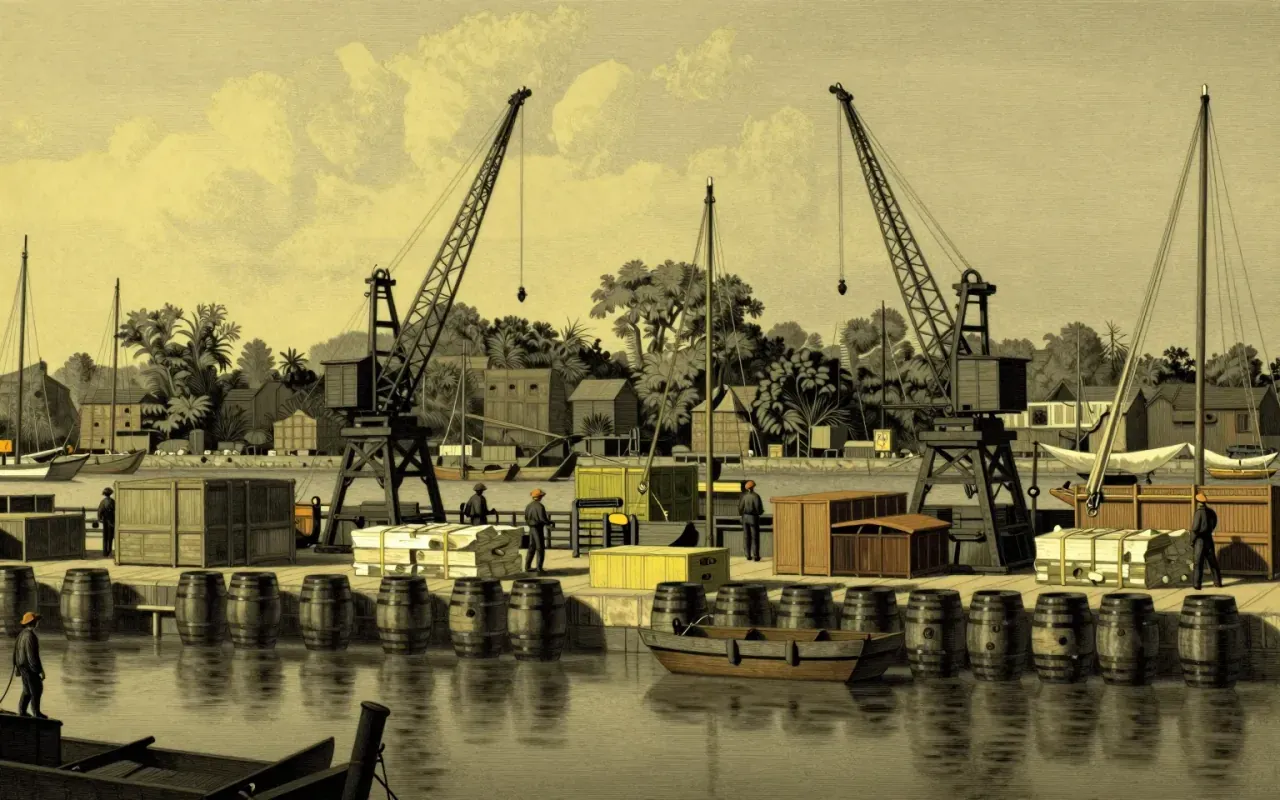
Lloyd's of London began as a coffee house on Tower Street run by Edward Lloyd, where sailors and merchants gathered to arrange marine insurance informally before the participants formed a proper society in 1773. For most of its history, policies were backed by wealthy individuals called Names carrying unlimited personal liability, a system that paid off through disasters like the 1906 San Francisco earthquake and the Titanic but nearly collapsed the market when asbestos liability claims from decades earlier surfaced in the 1990s, bankrupting a meaningful share of the Names underwriting the losses. The market has since restructured around corporate capital with limited liability.
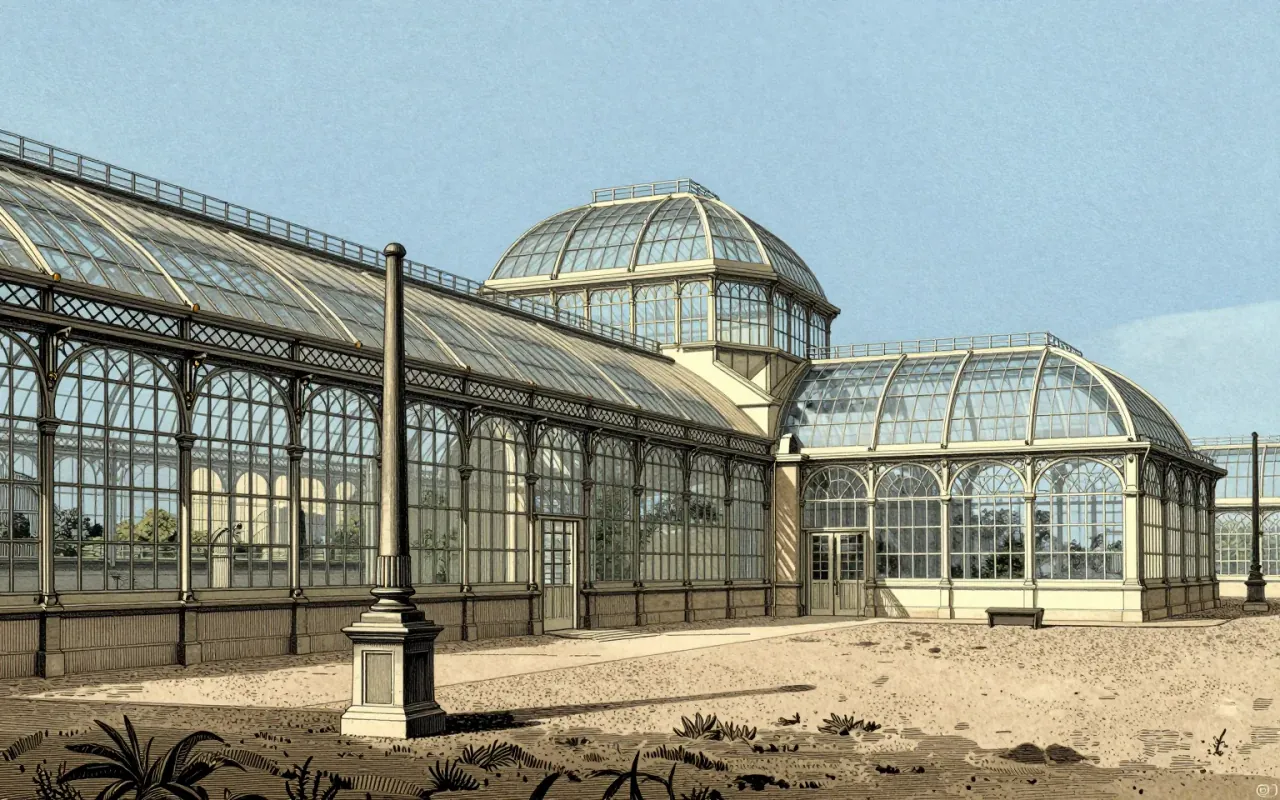
The Crystal Palace was a cast iron and plate glass exhibition hall built for the Great Exhibition of 1851. It measured 1,851 feet long and 128 feet high internally. Its modular design followed the dimensions of glass panes supplied by Chance Brothers. It was completed in thirty-nine weeks by 2,000 men at a cost of £79,800. It used 293,000 panes of glass—the greatest area ever seen in a building—and astonished visitors with clear walls and ceilings that required no interior lighting. Its construction relied on recent advances in glass and cast iron manufacturing and the abolition of the glass tax. It demonstrated British industrial capability in iron and glass.


Baskerville is a 1757 serif typeface designed by John Baskerville in Birmingham and cut by John Handy. It is transitional — a refinement of Caslon’s old-style forms — with higher stroke contrast, sharper serifs, vertical axis shift, more circular curves, and greater character regularity. Its success depended on wove paper (co-developed with James Whatman), custom ink, and precise presswork. The 1757 Virgil edition demonstrated its capabilities and secured Baskerville’s 1758 appointment as University Printer to Cambridge. It set formal precedents for Bodoni and Didot, but its legibility limits at small sizes and material dependencies remain unaddressed.
Caslon is the first English type system engineered for optical legibility in print, not screen.
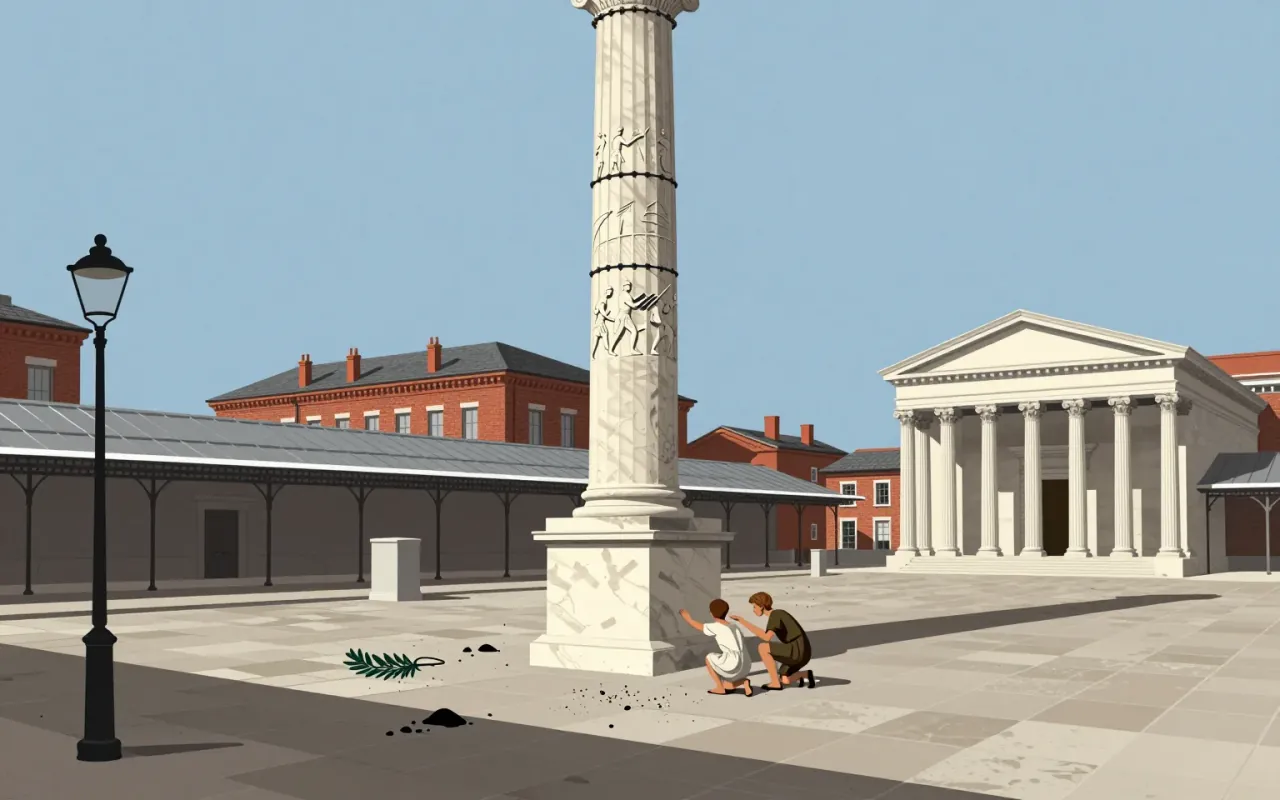
Gill Sans is a humanist sans-serif typeface designed by Eric Gill and released by Monotype in 1928, based on Edward Johnston's 1916 Underground Alphabet and Roman inscriptions, with lowercase forms derived from old-style serifs and uppercase proportions drawn from Trajan’s Column.
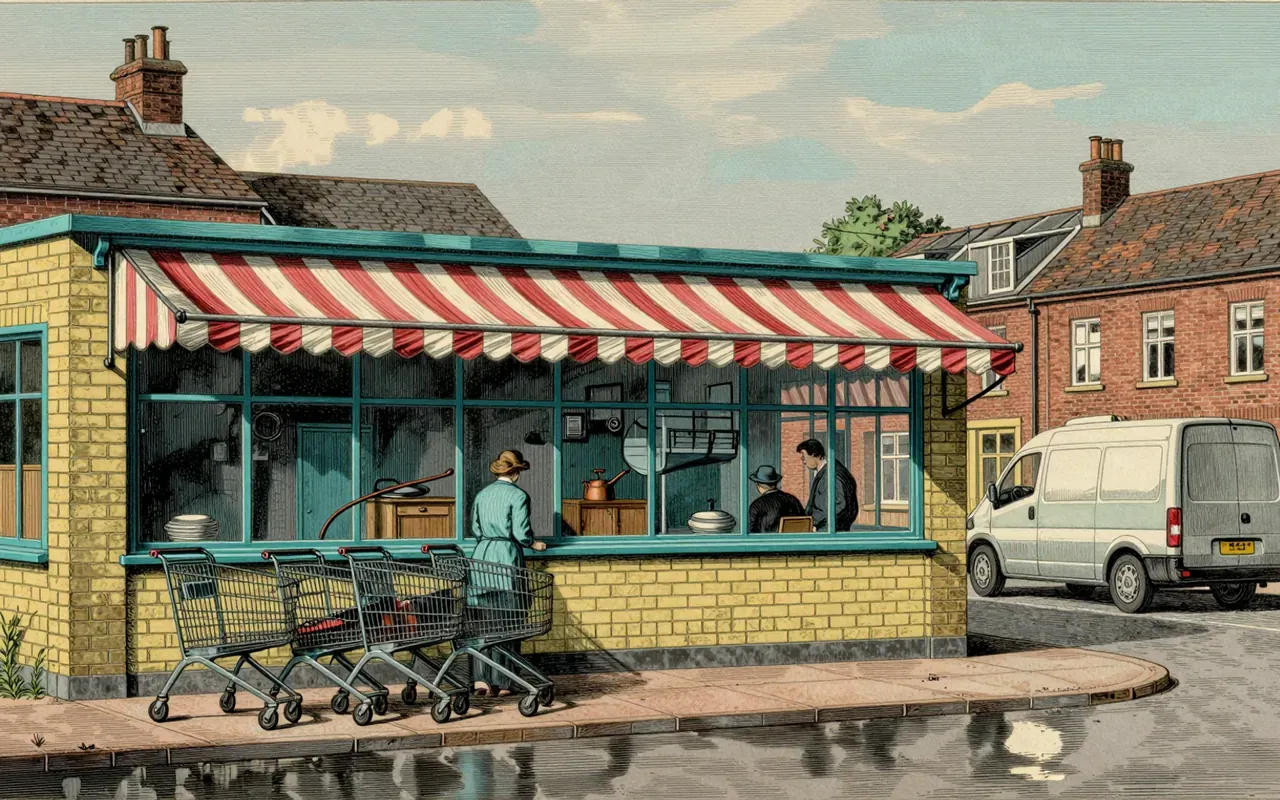
Morrisons is a UK supermarket chain founded in 1899 as an egg and butter stall in Rawson Market, Bradford. It grew regionally until the 2004 Safeway acquisition gave it national reach across Great Britain and one store in Gibraltar. As of 2021, it operated 497 stores, employed 110,000 people, and served ~11 million customers weekly. It was listed on the London Stock Exchange until its October 2021 acquisition by Clayton, Dubilier & Rice. Since then, it has struggled financially and fallen to fifth place in UK market share (8.6%), overtaken by Aldi in September 2022.

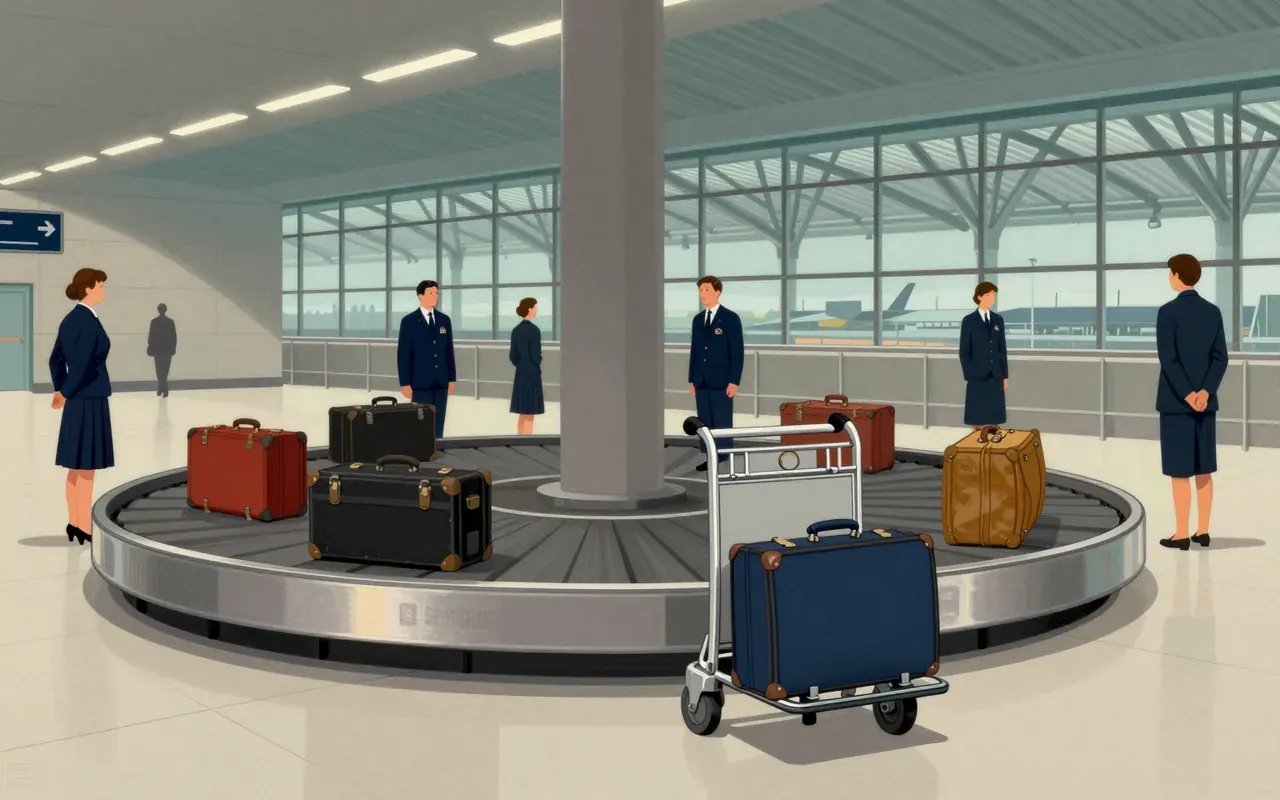
British Airways is the UK’s flag carrier, formed by state merger in 1974, privatised in 1987, and folded into IAG in 2011. It is the largest UK airline by fleet and international reach. It was the first passenger airline to earn over $1 billion on a single route in a year. It has a documented reputation for poor staff conduct, arbitrary service changes, and refusing compensation claims.
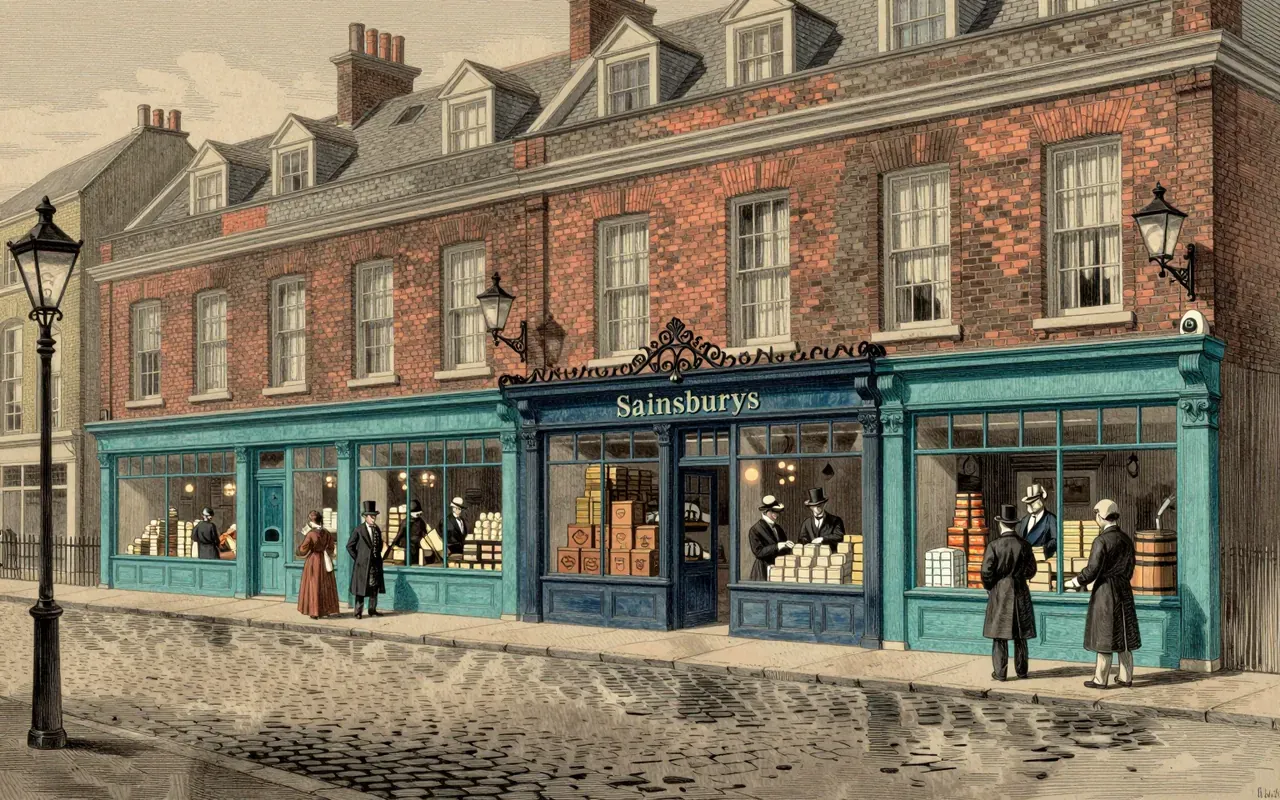
Sainsbury’s is the second-largest UK supermarket chain. It was the largest UK grocery retailer for most of the 20th century. It was founded in 1869 as a partnership by John James Sainsbury and Mary Ann Sainsbury at 173 Drury Lane in London. It began selling fresh foods and later expanded into packaged groceries. Its founding philosophy was 'Quality perfect, prices lower'. It used distinctive cast-iron signage, offered home delivery, and prioritised centrally located shops for better display and cooling before refrigeration existed. It grew to 128 stores by 1928 and remained a family business throughout Sainsbury’s lifetime. He served as Chairman and Governing Director from incorporation in 1922 until his death in 1928.

The ZX Spectrum is an 8-bit home computer developed by Sinclair Research and launched in Britain on 23 April 1982. It prioritised low cost, simplicity, and compactness—using minimal components and transmitting video to televisions while loading software from audio cassettes. Its name highlighted its colour display, a key upgrade over the monochrome ZX81. Rick Dickinson designed its iconic case, rainbow motif, and rubber keyboard. Development began in September 1981, reusing parts from earlier models to accelerate production and reduce cost. The hardware centred on the Zilog Z80 microprocessor running at 3.5 MHz.

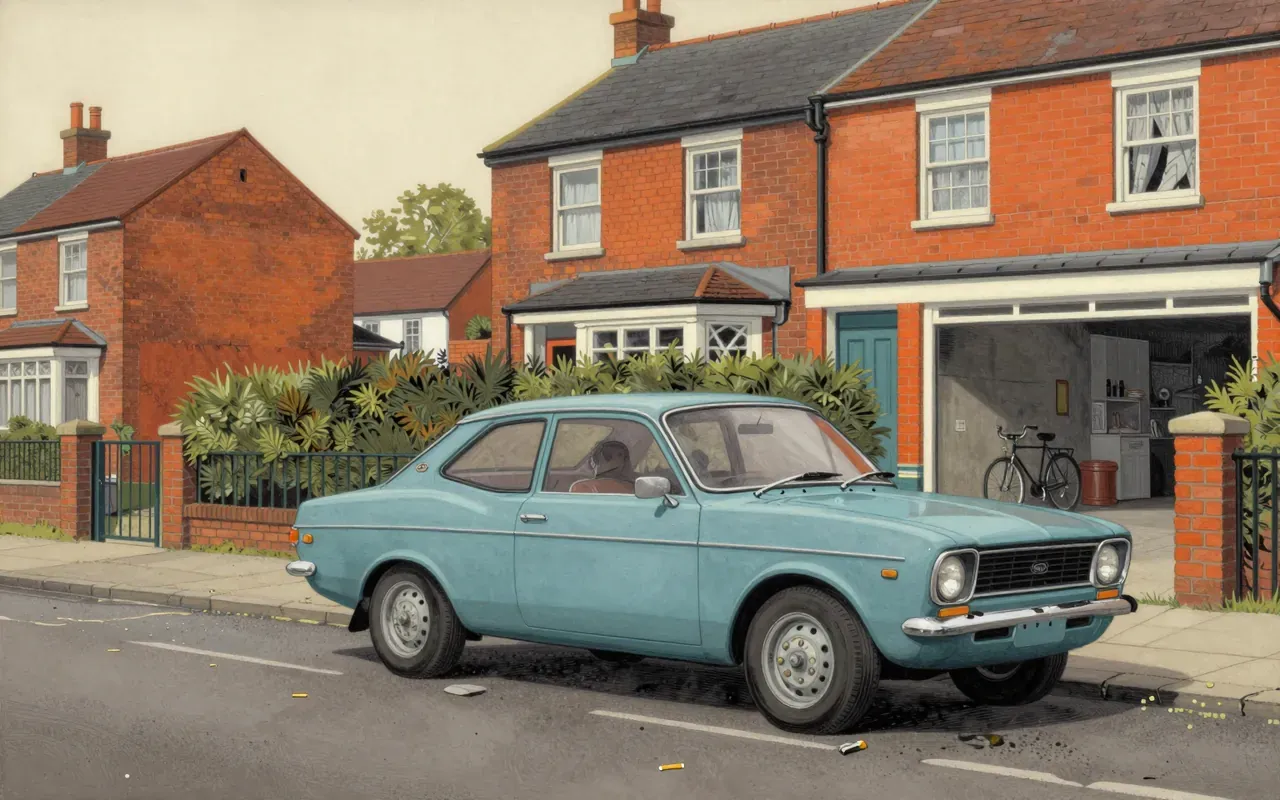
The Escort RS1600 was a performance version of the Mark I Escort, with RS standing for Rallye Sport. It used a 1,601 cc Cosworth BDA engine with a 16-valve head, a strengthened bodyshell and sports suspension, and was built at Ford's Aveley plant in South Essex.

The Phantom V is a large four-door limousine produced from 1959 to 1968. It shares its V8 engine and Hydramatic automatic gearbox with the Silver Cloud II. Rolls-Royce built the chassis and drivetrains; Park Ward, Mulliner Park Ward and James Young supplied most bodies. Its 6,230 cc V8 has twin SU carburettors. It has massive drum brakes and a 3,683 mm wheelbase. Power-assisted steering was standard. A low final drive ratio enabled walking-speed procession use. From 1963, it used the Silver Cloud III’s more powerful engine and quad-headlamp front wings.

The DB7 is a grand tourer designed by Ian Callum and Keith Helfet. It was produced by Aston Martin from September 1994 to December 2004. It was offered in coupé and convertible bodystyles. More than 7,000 were built. It was made mostly with resources from Jaguar Cars and had the financial backing of the Ford Motor Company. Ian Callum received the Jim Clark Memorial Award in 1995 for his styling work on the DB7.

The Defender is a British off-road vehicle lineage developed in the 1980s from the original Land Rover series launched in April 1948. It was initially sold as the Land Rover One Ten (1983), Land Rover Ninety (1984), and Land Rover One Two Seven (1985), before being renamed Defender 90/110/130 in 1990 following the Discovery's introduction. It features four-wheel drive, a steel ladder chassis, aluminium alloy bodywork, coil springs front and rear, and permanent four-wheel drive enabled by a centre differential in the transfer case. It gained a worldwide reputation for ruggedness and versatility.
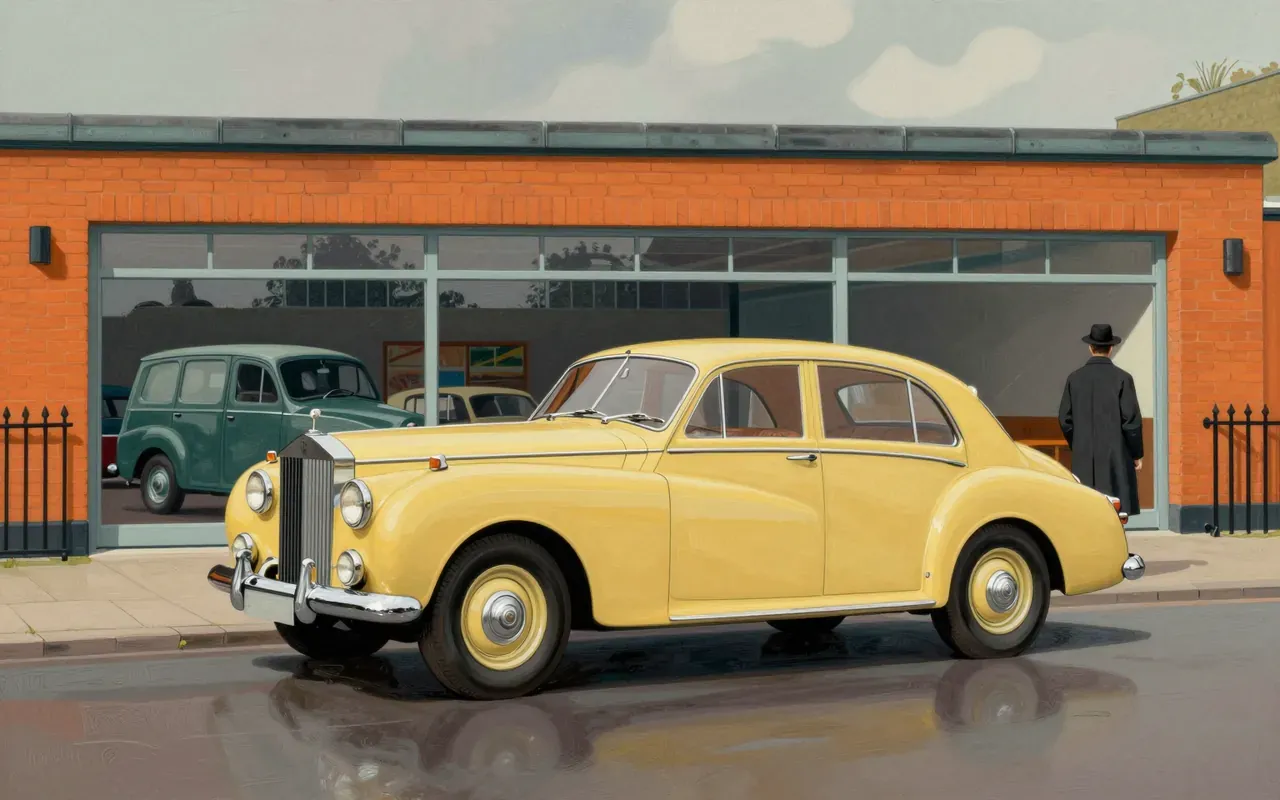
The Silver Cloud is Rolls-Royce’s decisive post-war statement: a large, rigid, body-on-frame saloon that abandoned pre-war cues and shared its architecture with Bentley for the first time. It prioritises presence, coachbuilding flexibility, and dimensional authority over agility or innovation.
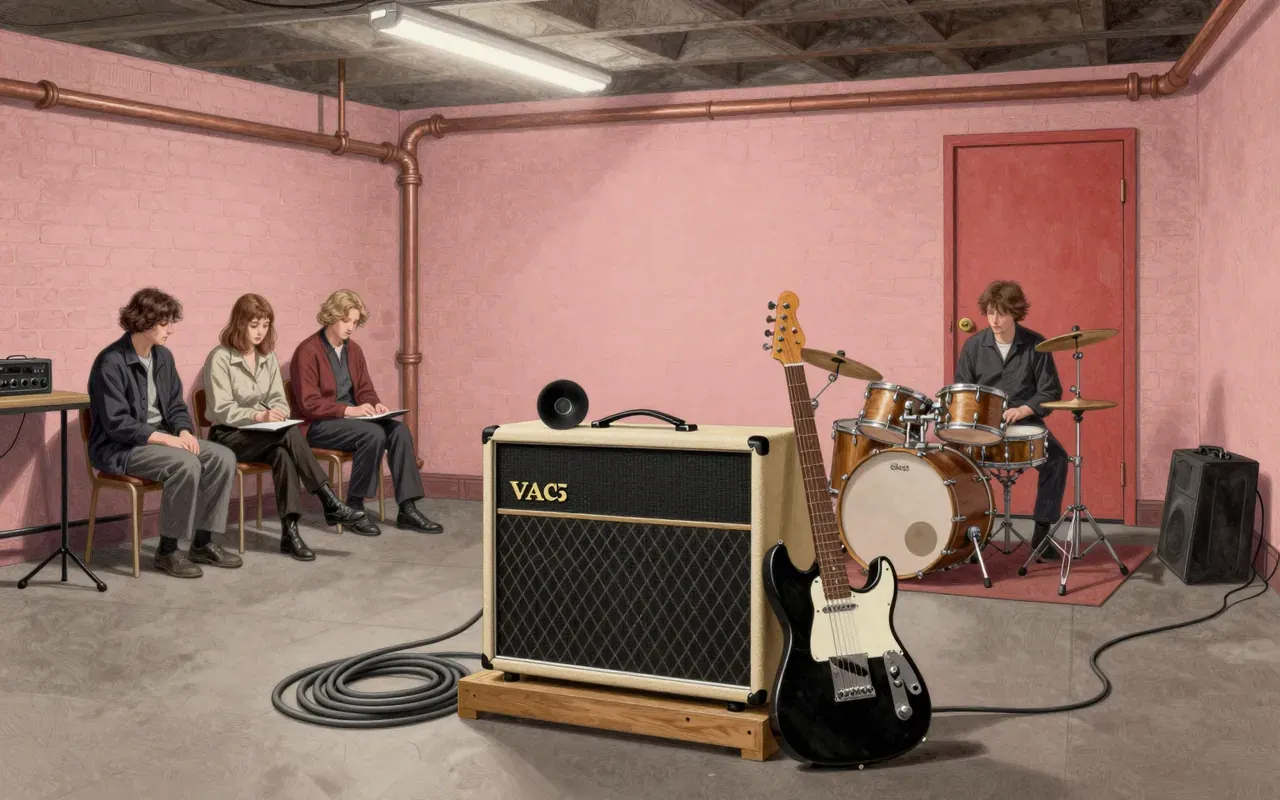
The Vox AC15 is a foundational British guitar amplifier — simple, immediate, and sonically specific. It trades versatility for character. Its design choices are constraints, not oversights. It remains relevant not as a relic, but as a functional tool with an unrepeatable voice.
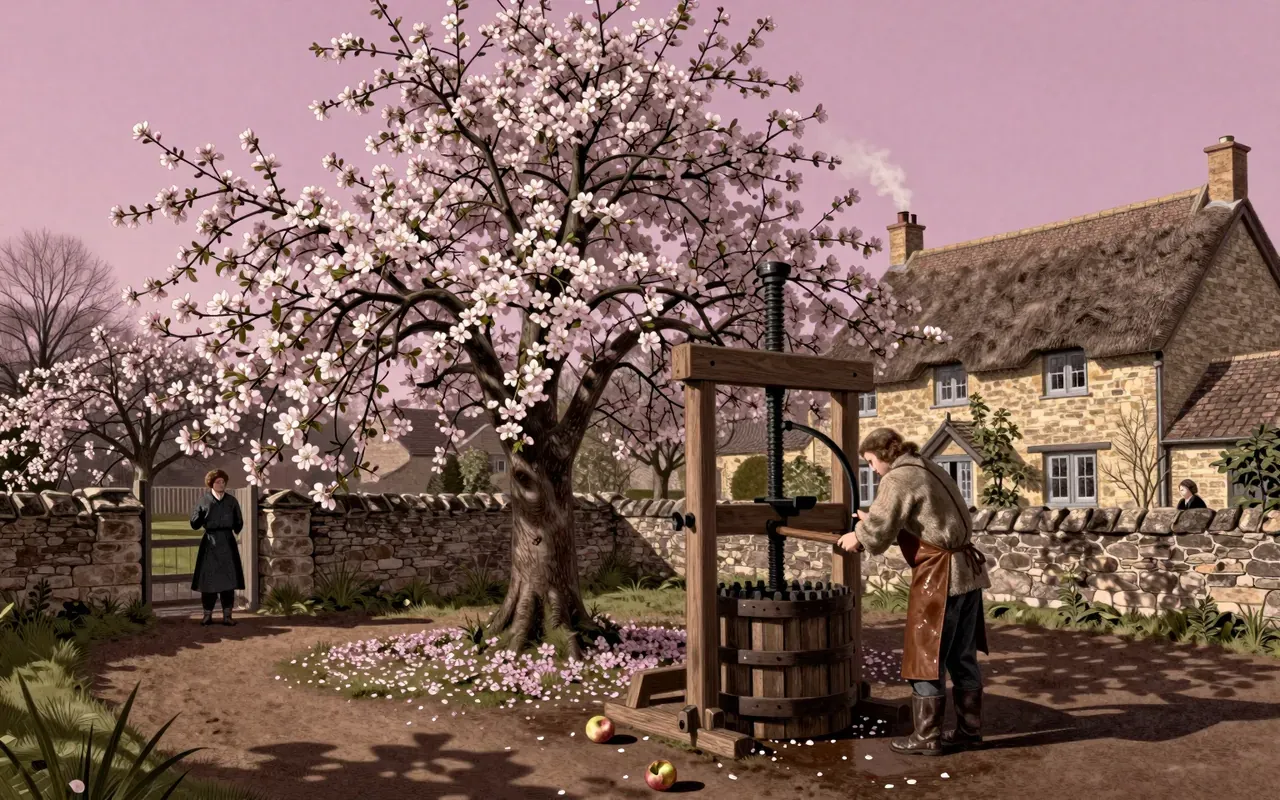
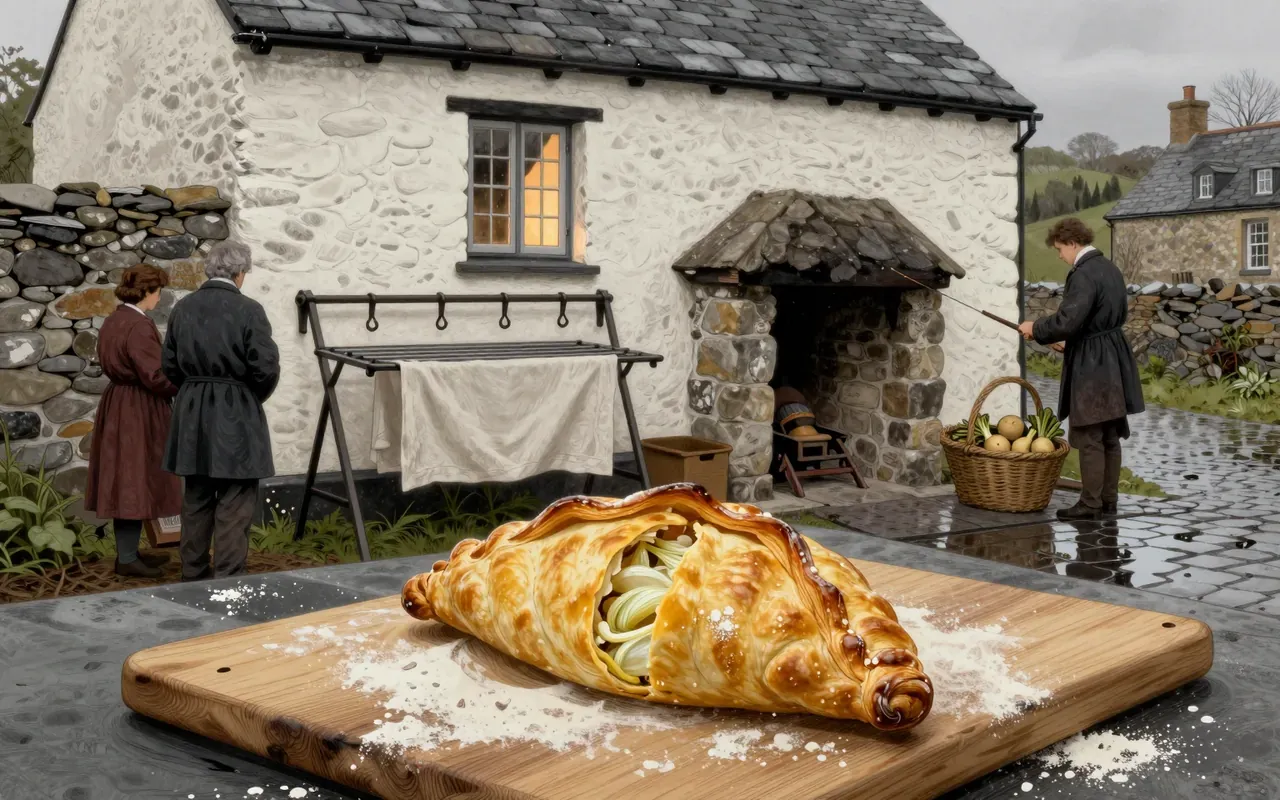

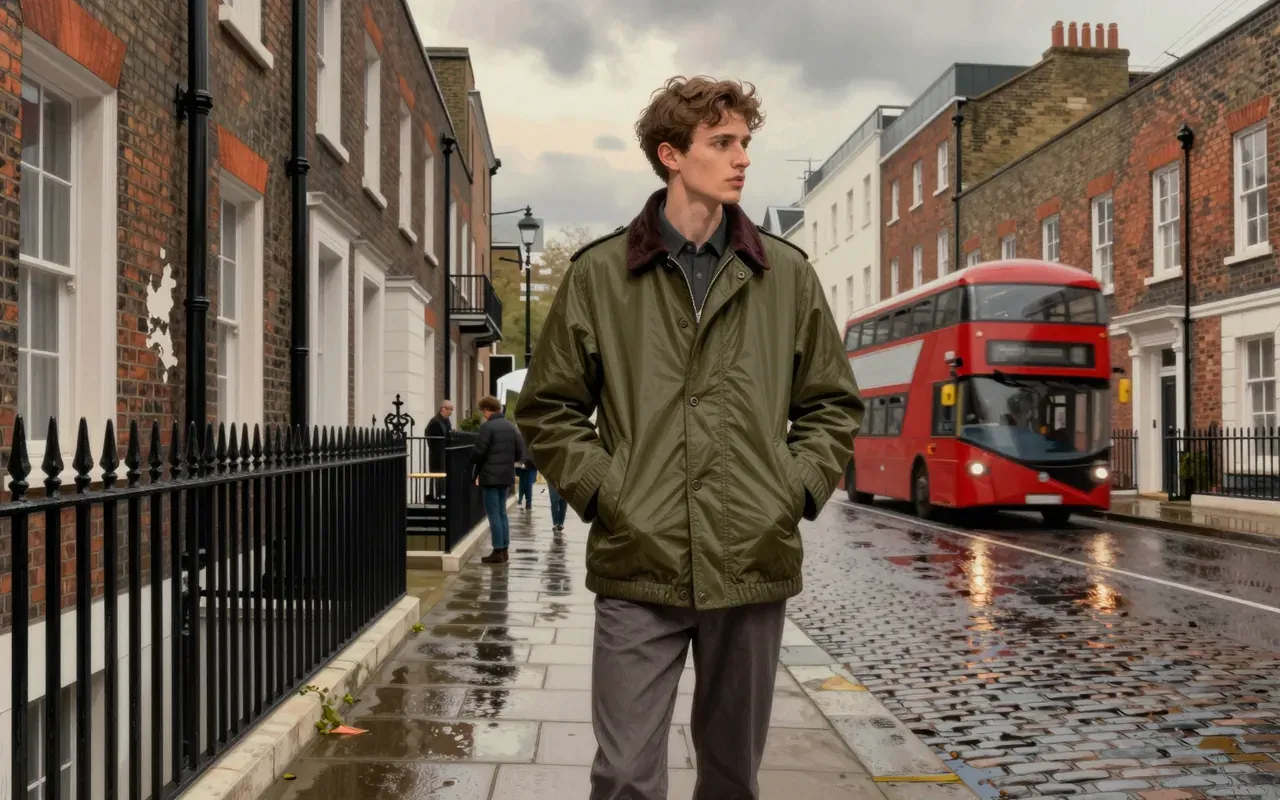
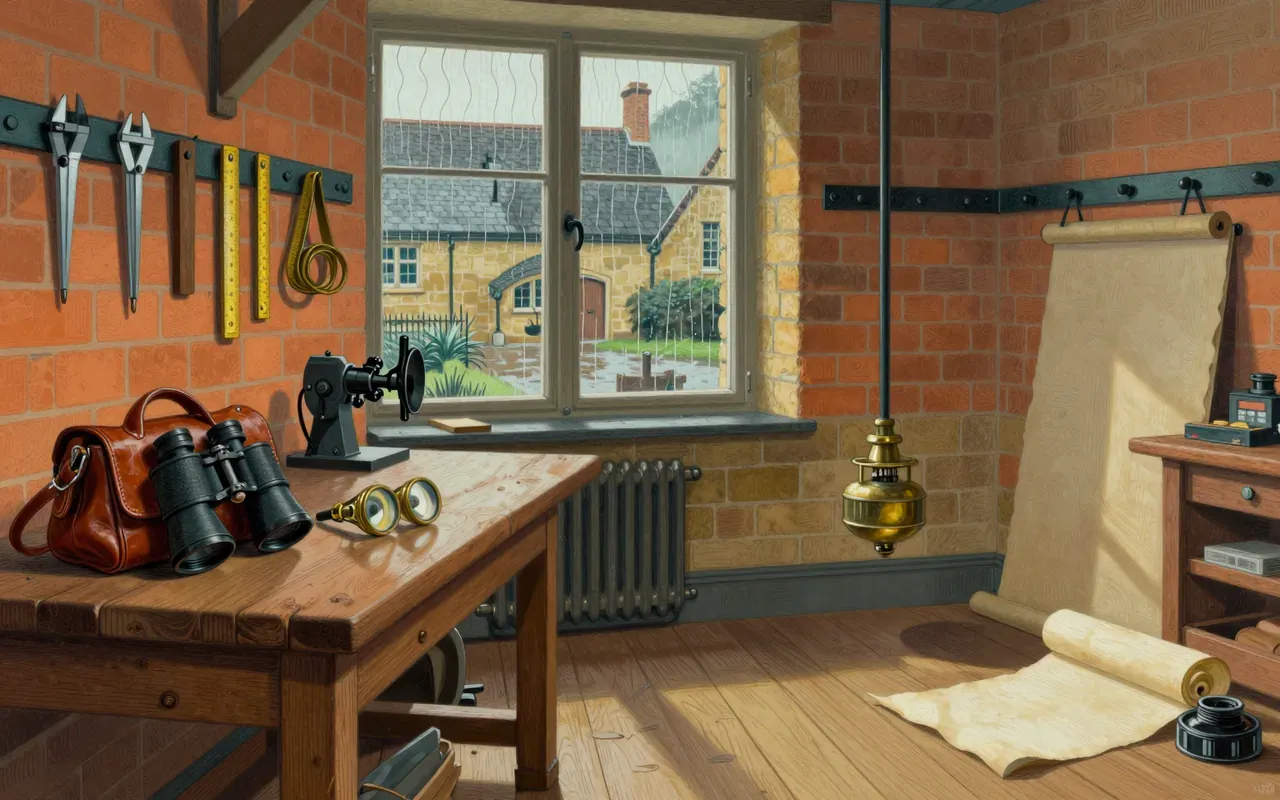
Mulberry Group was founded in 1971 by Roger Saul and his mother Joan as a British leather goods company. It built its reputation on functional poacher bags—the binocular and dispatch bags—rooted in rural utility rather than urban display. Production began in Somerset in 1973 and remains anchored there for core designer leather goods, while men’s bags and small leather goods are made in Turkey and China respectively. An apprenticeship programme launched in 2006 trains local youths for Somerset factory roles, with job offers extended to graduates. Mulberry’s strength lies in its material honesty and regional continuity; its compromise is the fragmentation of its making across geographies and standards.