briefs
Topic · across the network

Minimalism

Removing until only the argument is left.

68
briefs
8
subjects
9:58
average
677 min
in total
Abstraction 407Absurdism 137Acoustics 220Acting 65Adaptation 372Addiction 95Adolescence 202Advertising 77Age of exploration 14Ageing 113Agriculture 100Algorithms 114Ambition 46Anarchism 38Ancient Egypt 17Ancient Greece 38Ancient Rome 30Animals 172Anthropology 23Apartheid 12Architecture 165Archives 32Argentina 10Art Deco 26Artificial intelligence 78Astronomy 81Attention 42Australia 32Automation 73Avant-garde 164Aviation 79Banking 72Banned works 40Bauhaus 12Beer 5Behavioural economics 22Berlin 16Big tech 6Biodiversity 136Biography 86Birds 41Black holes 20Blockchain 12Boxing 14Branding 77Brazil 43Bread 29Britain 131Brutalism 4Bubbles 3Buddhism 28Byzantium 10California 17Canada 18Capitalism 94Cars 468Celebrity 59Censorship 110Cheese 24Chefs 9Chemistry 104Chess 2Childhood 87China 109Chocolate 8Christianity 49Cinematography 343Cities 90Class 485Climate change 107Club culture 100Cocktails 2Coffee 11Cognitive bias 14Collecting 16Colonialism 284Colour 42Comedy 89Community 52Complexity 21Computing 309Consciousness 16Conservatism 14Conspiracy theories 8Cooking 178Corruption 38Cosmology 31Cover versions 64Craft 116Crate digging 42Creativity 8Crime 234Cryptocurrency 8Cryptography 24Cuba 10Cybersecurity 30Dada 12Debt 38Decision-making 28Decolonisation 46Deep time 80Democracy 45Denim 16Deserts 45Detroit 17Dinosaurs 12Directing 168Disasters 59Disease 109DJ culture 89Dreams 32Drones 5Drum machines 96Dystopia 69East Africa 28Ecology 337Economics 36Editing 72Education 92Egypt 12Electric vehicles 59Emotion 22Empire 92Endurance 49Energy 120Engineering 541Entropy 8Epidemics 13Equality 9Espionage 31Ethics 44Evolution 174Existentialism 106Expertise 2Exploration 49Extinction 23Failure 37Family 240Fandom 22Fascism 45Fashion 215Fast fashion 12Fear 34Feminism 122Fermentation 126Film music 81Fishing 12Folklore 71Food history 588Football 16Forests 31Forgery 7France 163Fraud 15Free will 13Freedom 16French literature 15Friendship 24Furniture 36Gambling 14Gender 63Generations 28Genetics 87Geology 96Germany 66Globalisation 74Gothic 32Greece 5Grief 126Habits 6Happiness 2Hardware 709Haute couture 22Headphones 8Hi-fi 12Hinduism 12Hoaxes 1Human history 23Human nature 41Identity 138Illustration 8Impressionism 6Improvisation 249India 89Indonesia 15Industrial design 342Inequality 13Inflation 4Information 34Infrastructure 280Insects 29Intelligence 8Interiors 31Internet culture 88Invention 329Iran 41Islam 40Islands 17Israel 9Italy 52Jamaica 10Japan 114Jewellery 5Journalism 34Judaism 13Justice 42Korea 41Language 70Law 90Leadership 20Learning 6Liberalism 1Libraries 6Literary criticism 26London 12Loneliness 61Los Angeles 62Lost works 9Love 67Luxury 55Machine learning 15Management 10Maps 5Marketing 21Markets 51Mars 6Marxism 26Masculinity 46Materials 138Mathematics 79Meaning 6Medicine 124Memory 82Mental health 70Mesopotamia 4Mexico 38Migration 95Minimalism 68Mining 30Misinformation 9Modernism 63Money 24Monopoly 32Mortality 61Motivation 2Mountains 16Museums 27Mysticism 11Mythology 60Nationalism 40Neuroscience 23New York 36Nigeria 7Nihilism 10Noise 31Nostalgia 33Nuclear 29Nutrition 17Oceans 48Oil 42Open source 45Painting 18Palaeontology 29Parenting 14Paris 18Partition 6Patents 71Patronage 14Perception 44Personal style 27Personality 2Persuasion 8Peru 10Philosophy 77Photography 37Physics 206Plants 26Platforms 89Podcasting 1Poetry 25Poland 17Policing 34Pop Art 16Populism 2Portraiture 6Portugal 18Postmodernism 23Power 91Prehistory 24Preservation 28Printmaking 21Privacy 11Probability 6Productivity 1Programming 54Prohibition 1Propaganda 35Protest 75Pseudoscience 17Psychology 80Publishing 22Punishment 16Quantum mechanics 44Race 145Radio 30Railways 35Rave 17Realism 47Record labels 19Recording 810Relativity 23Religion 154Resilience 15Restaurants 30Restoration 2Retail 94Revolution 58Risk 18Ritual 96Robotics 26Romance 96Russia 58Salt 9Sampling 246Satire 84Scandinavia 28Scientific method 186Screenwriting 26Sculpture 7Secularism 2Self-deception 14Semiconductors 73Sexuality 102Ships 18Silence 24Silicon Valley 17Slavery 35Sleep 2Smartphones 27Sneakers 15Social media 58Socialism 9Software 68Songwriting 180Sound design 332Sound systems 20South Africa 19South East Asia 30Space exploration 84Spain 18Special effects 41Spices 62Spirits 12Sport 82Startups 21Statistics 10Status 9Stoicism 4Storytelling 68Strategy 70Street food 99Streetwear 16Studio craft 508Subcultures 59Sugar 12Supply chains 115Surrealism 53Surveillance 21Sustainability 30Synthesis 232Tailoring 37Taxation 14Tea 24Textiles 97Thailand 11The American Revolution 19The American South 88The Arab world 41The Arctic 19The Balkans 17The Belle Epoque 13The body 29The brain 26The Caribbean 28The civil rights movement 62The Cold War 160The eighties 268The Enlightenment 29The financial crisis 19The First World War 39The food industry 157The French Revolution 9The Gilded Age 9The Great Depression 18The Holocaust 20The Industrial Revolution 93The internet 61The interwar years 135The Middle Ages 35The Moon 4The music business 169The Netherlands 10The nineties 26The Olympics 10The pandemic 13The Reformation 1The Renaissance 16The Russian Revolution 19The Second World War 102The seventies 58The sixties 28The space race 5The United States 19The universe 7The Victorian era 37Therapy 20Tokyo 11Trade 48Tragedy 22Translation 5Trauma 85Travel 5True crime 2Turkey 18Typography 54Uniforms 23Unions 8Urban planning 66Utilitarianism 1Utopia 5Vaccines 10Vegetarianism 15Venture capital 6Video games 291Vietnam 12Vintage 65Vinyl 6Virtual reality 11War 169Watches 4Water 11Weather 29West Africa 29Wilderness 10Wine 3Work 22Workwear 19Worldbuilding 121

music.briefs Music

All 19 in music →
8:58

Glassworks

Philip Glass · 1982

Glassworks is a six-movement chamber work Philip Glass wrote for the recording studio after his large concert and stage pieces, released by CBS in 1982 on LP and on cassette, each with its own mix. It was meant to bring his music to a wider audience, and it did: the album sold well and made his name widely known.
11:04

The Emancipation of Mimi

Mariah Carey · 2005

The Emancipation of Mimi is Mariah Carey’s 2005 pop-soul recalibration — minimal, roomy, Atlanta-made, and deliberately unadorned.

9:18

American Recordings

Johnny Cash · 1994

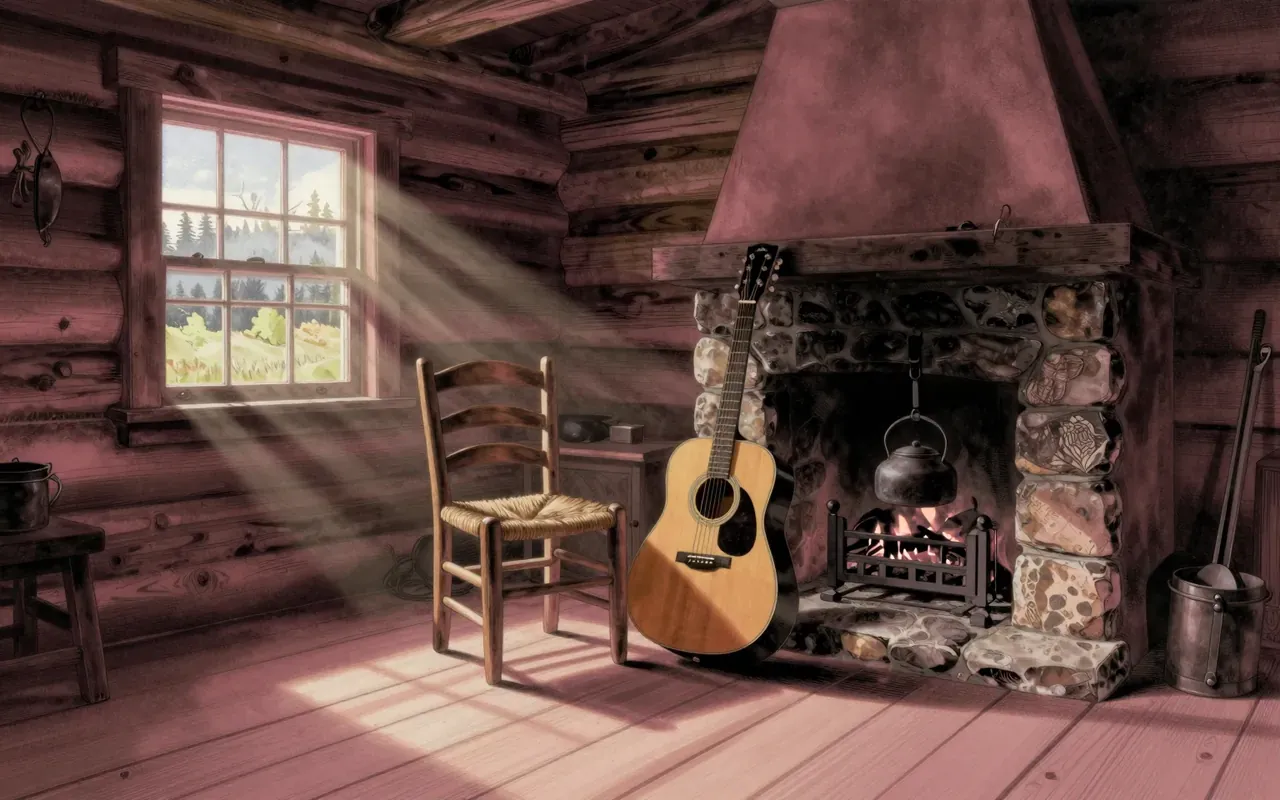
American Recordings is Johnny Cash’s 1994 solo album for Rick Rubin’s American Recordings label. It was recorded mostly in Cash’s Tennessee cabin or Rubin’s Los Angeles home, with Cash accompanied only by his Martin Dreadnought acoustic guitar. Two tracks—'Tennessee Stud' and 'The Man Who Couldn’t Cry'—were recorded live at the Viper Room in Los Angeles. The album features newly commissioned songs by Tom Waits and Glenn Danzig, a cover written by Nick Lowe, and two re-recordings of Cash’s earlier material. Rubin granted Cash full creative control, resulting in a stark, intimate record that launched a late-career resurgence. It won the 1995 Grammy for Best Contemporary Folk Album.

11:28

Before and After Science

Brian Eno · 1977

Before and After Science is Brian Eno’s fifth solo studio album, recorded over two years while he worked concurrently on Music for Films, Discreet Music, and David Bowie’s Low and 'Heroes'. Released in December 1977, it concludes his pop and rock phase and was inspired by Oblique Strategies. It features electronic and artistic rock compositions with vocals, built via 'deconstruction and elimination'. Only two tracks are instrumental: 'Energy Fools The Magician' and 'Through Hollow Lands' (dedicated to Harold Budd). Guest musicians include Fred Frith, Jaki Liebezeit, Cluster, Dave Mattacks, Andy Fraser, Percy Jones, and Phil Collins. It received equalised acclaim upon release.

9:26

Black Monk Time

The Monks · 1966

Black Monk Time is a radical, rhythm-obsessed studio document made under physical exhaustion and technical constraint. It is not a precursor to be admired from afar — it is a working blueprint of what happens when every instrument is forbidden from doing anything but hit, pulse, grind, and yelp.

9:19

Ctrl

SZA · 2017

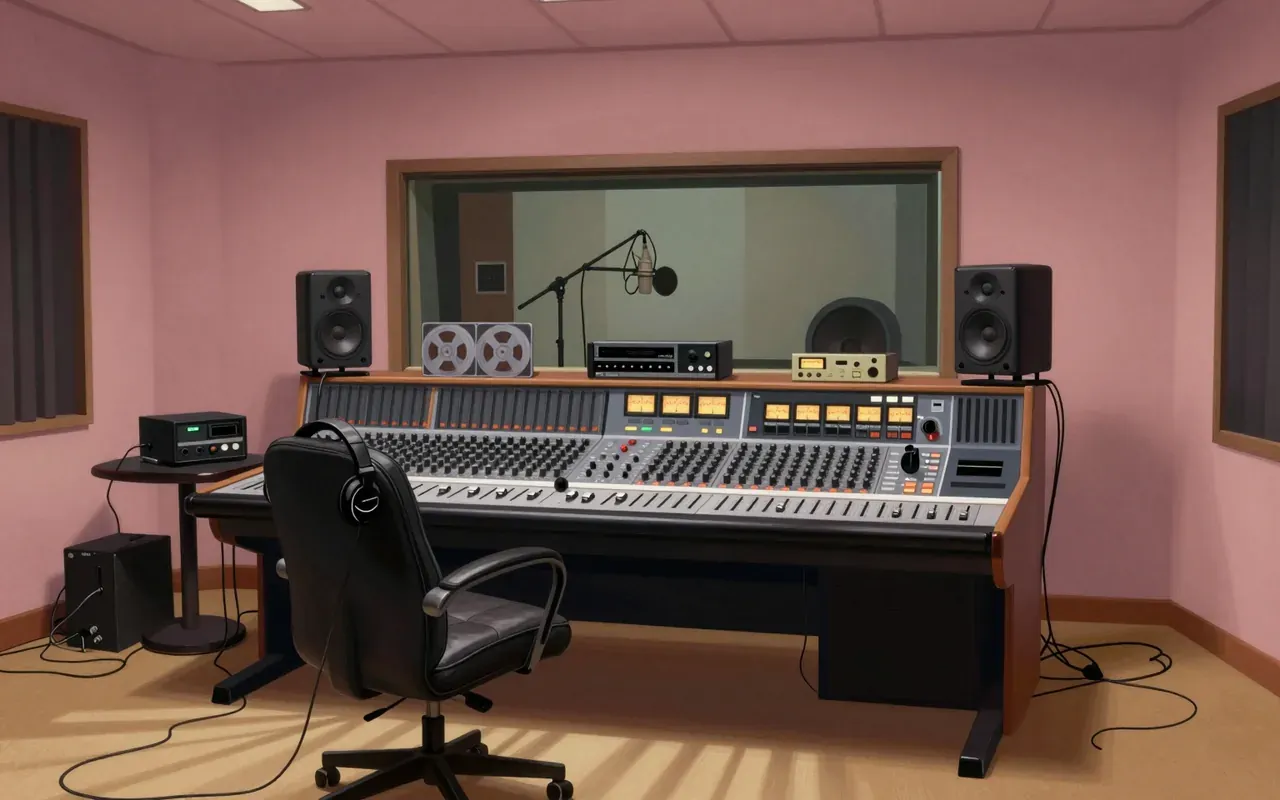
Ctrl is SZA’s debut studio album, recorded between 2014 and 2017 at the TDE Red Room in Carson, California, and other locations including Chicago and Carter Lang’s Michigan home. It uses analog techniques—physically unplugging and re-plugging wires—to shape sound. Rick Rubin guided its minimalism, stripping reverb and background vocals to foreground SZA’s voice. Producers competed, exchanging beats; SZA studied Top 40 hits from the 1940s and 1980s for stylistic reference. The album features sampled voice recordings of her maternal grandmother, Norma Rowe. It was universally acclaimed, earned seven Grammy nominations, and debuted at number three on the Billboard 200.

9:56

Is This It

The Strokes · 2001

Is This It is a document of live-take discipline, recorded fast and lean in a basement studio with no embellishment. Its sound comes from where it was made, how many tracks were used, and who was in the room — not from myth, influence, or ambition beyond that room.

7:58

Pink Flag

Wire · 1977

Pink Flag is Wire’s debut album. Released 25 November 1977 via Harvest Records. Recorded September–October 1977 at Advision Studios, London. Produced by Mike Thorne. 21 tracks. Not songs. No easy structure or meter. Minimalism pushed to new heights. Manipulates classic rock forms into brief, intense explosions of attitude and energy.

film.briefs Film

All 10 in film →
13:00

4 Months, 3 Weeks and 2 Days

Cristian Mungiu · 2007

Set in Communist Romania in 1987, 4 Months, 3 Weeks and 2 Days follows two university students as they arrange an illegal abortion under Decree 770. Directed by Cristian Mungiu and shot by Oleg Mutu in long, unbroken takes, it avoids exposition, music and close-ups to render the physical and moral weight of the act with unsentimental precision. The film won the Palme d'Or at Cannes in 2007 and remains a benchmark of Romanian New Wave austerity.

13:00

Diary of a Country Priest

Robert Bresson · 1951

Robert Bresson’s 1951 adaptation of Georges Bernanos’ novel follows a young priest in rural France whose failing health, spiritual doubt, and isolation are rendered with stark formal discipline. Voice-over narration repeats on-screen action; performances are muted; light is flat and spaces are empty. It is less a story of faith than of vocation as daily, unglamorous labour — and grace as something given, not earned.

13:00

Koyaanisqatsi

Godfrey Reggio · 1982

Koyaanisqatsi (1982) is a non-narrative American documentary directed by Godfrey Reggio, shot by Ron Fricke and scored by Philip Glass. Comprising time-lapse, slow motion and static imagery of natural and urban landscapes across the US, it constructs a sensory argument about technological acceleration and ecological rupture — without voiceover, text or exposition. Its title, from the Hopi language, means 'life out of balance'. Though widely regarded as a landmark of avant-garde documentary, its formal rigour sits alongside omissions: no engagement with the people behind the images, no contextualisation of its US-specific sites, and no reckoning with the cultural source of its title.

13:00

La chambre

Chantal Akerman · 1972

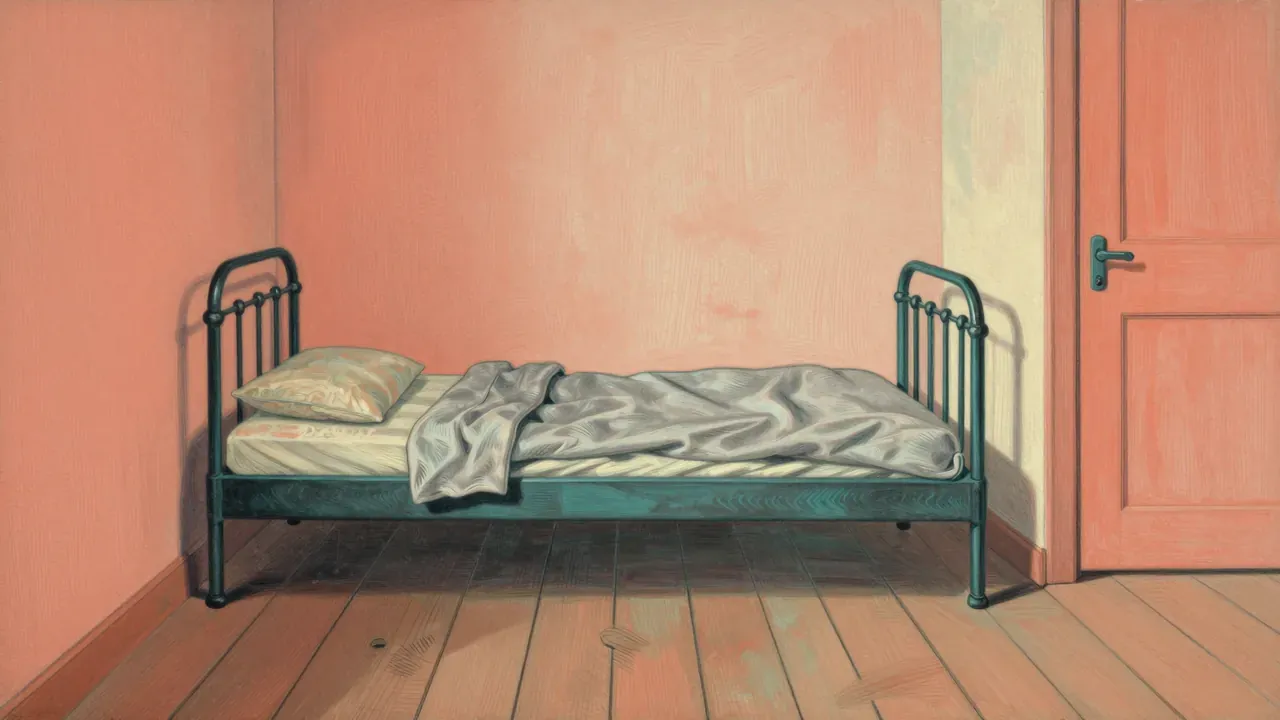
Chantal Akerman’s 1972 short La chambre is an eleven-minute, single-take study of a woman moving silently within a bare bedroom. Shot in black-and-white with no editing, no score, and no dialogue, it tests the limits of attention, duration, and cinematic presence. Its power lies not in narrative or psychology, but in the accumulated weight of stillness and the material reality of the frame.

13:00

Le 15/8

Chantal Akerman · 1973

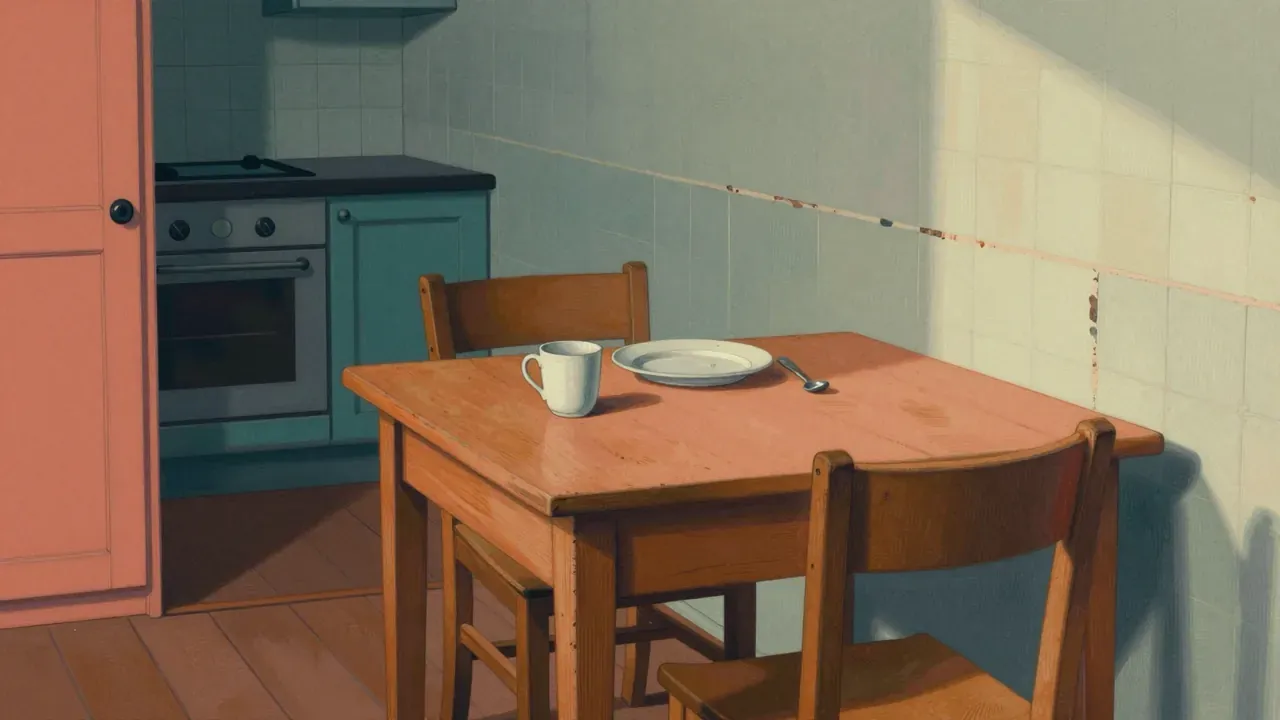
Le 15/8 is a 1973 Belgian essay-film by Chantal Akerman, shot in black-and-white on 16mm in a Brussels apartment. Over thirty-two minutes and seven static takes, it observes a young woman’s uneventful afternoon — eating, reading, gazing — with no dialogue, music, or narrative. Its power lies in duration, silence, and rigorous attention to light, space, and repetition. A foundational work of structural and feminist avant-garde cinema, it asks the viewer to inhabit time rather than consume it.

13:00

Ordet

Carl Theodor Dreyer · 1955

A 1955 Danish film by Carl Theodor Dreyer, adapted from Kaj Munk’s play, about a rural family whose faith is tested when a daughter-in-law dies in childbirth — and returns to life. Shot in long takes, with meticulous lighting and near-silence, it treats resurrection not as doctrine but as domestic event.

13:00

Perfect Days

Wim Wenders · 2023

Perfect Days is a 2023 Japanese-language drama directed by Wim Wenders, following Hirayama (Kōji Yakusho), a public toilet cleaner in Tokyo. Shot over 17 days in Shibuya, it observes his precise, repetitive routine — cleaning, listening to cassettes, photographing trees — with Ozu-inspired stillness and a 4:3 frame. Co-written with Takuma Takasaki, it avoids exposition and backstory, instead anchoring meaning in gesture, light, and quiet fidelity to small acts. Yakusho won Best Actor at Cannes; the film was Japan’s Oscar submission, the first by a non-Japanese director selected as such.

13:00

Ride in the Whirlwind

Monte Hellman · 1966

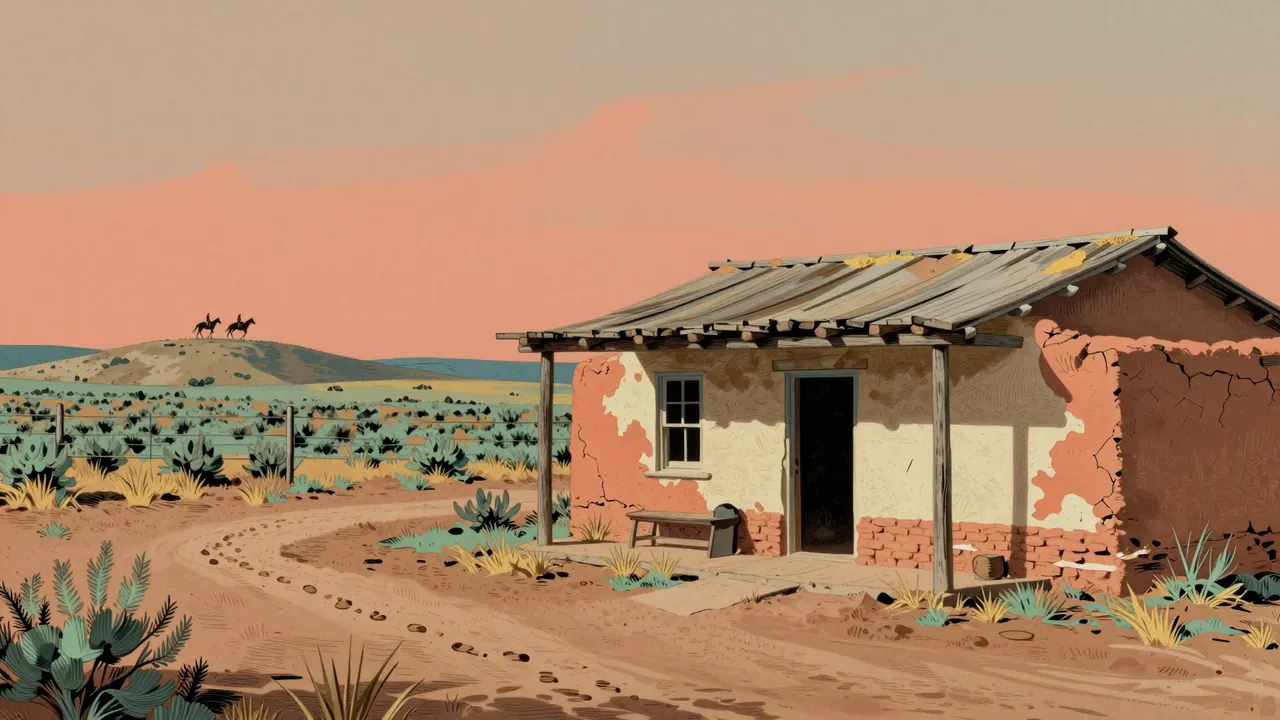
Made back-to-back with The Shooting in the Utah desert for under $75,000, Ride in the Whirlwind is Monte Hellman’s austere 1966 western, written and co-produced by Jack Nicholson. Two cowboys become fugitives after a case of mistaken identity, hunted by a vigilante posse across barren terrain. With minimal dialogue, sparse scoring and deliberate pacing, it strips the genre to its procedural bones — asking not who is guilty, but how guilt is assigned, enforced and endured.

design.briefs Design

All 17 in design →
9:29

Salk Institute for Biological Studies

Louis Kahn · 1960

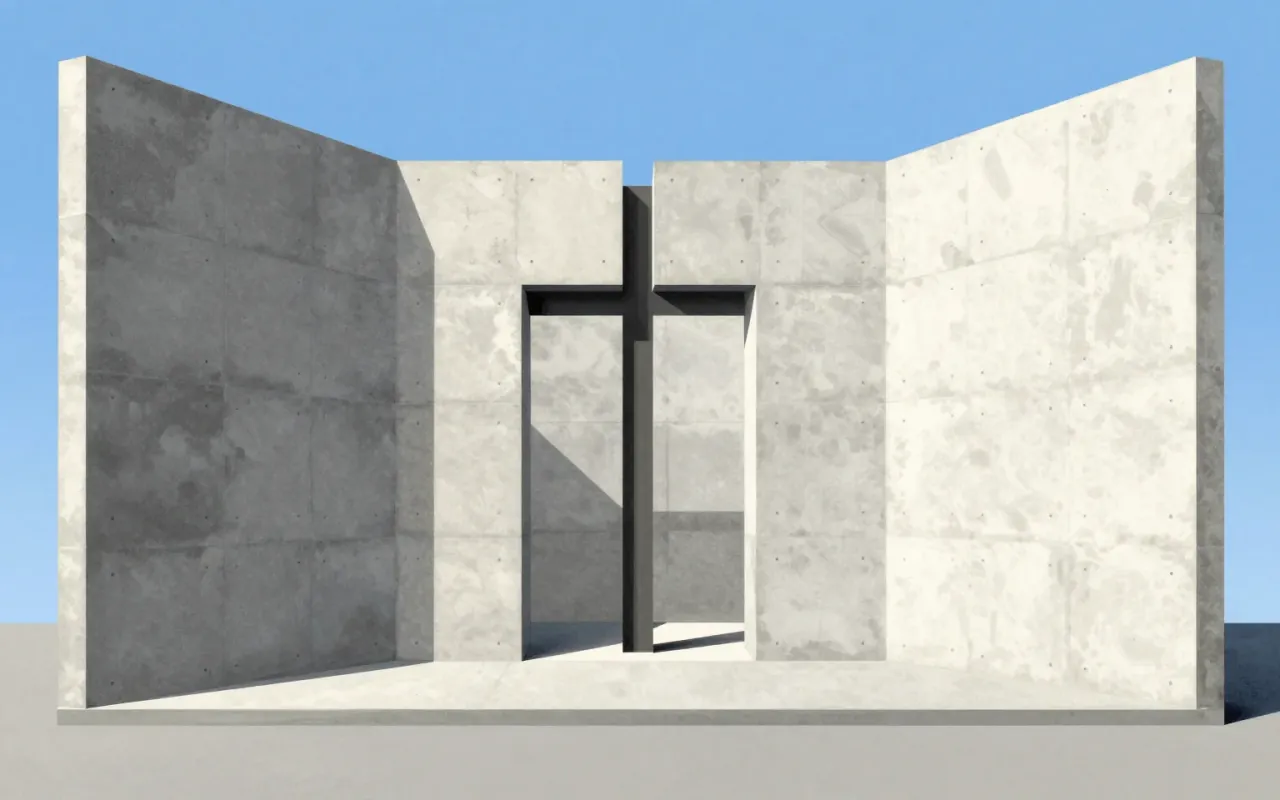
The Salk Institute is the laboratory cluster of Louis Kahn’s unrealised three-part campus. Built 1959–1965 in La Jolla, California, it uses column-free floors, integrated service floors supported by Komendant’s pre-stressed concrete Vierendeel trusses, and a Barragan-advised water court to focus attention on the Pacific Ocean. Only the lab cluster was realised. No source states what it influenced.

1:44

Wishbone chair

The Wishbone chair brings a shaped wooden back and a woven seat into one recognizable arrangement.
8:14

Andrée Putman

Essentialism is not minimalism—it’s choosing what to keep, then telling a story with the rest.
9:04

Dominique Perrault

Perrault doesn’t simplify form — he strips syntax to let meaning emerge from landscape, light, and uncertainty.
9:32

Farnsworth House

Ludwig Mies van der Rohe · 1951

The Farnsworth House is a radical distillation of architectural intent: a frame, a slab, and glass — nothing more. It answers a site constraint (flooding) with elevation, then uses that elevation to advance a philosophy: shelter as transparency, not enclosure. It works as an idea. It fails as a home. Its influence is structural and rhetorical — not technical, not ergonomic, not climatic.

games.briefs Games

All 4 in games →
8:25

Journey (2012 video game)

Thatgamecompany · 2012

Journey is a PlayStation 3 game where a cloaked figure walks across a desert toward a distant mountain. Flight is enabled by a magical scarf whose charge depletes and recharges near red cloth or glowing symbols. Players may meet one anonymous co-player per session, cooperating silently through chimes that transform cloth to alter the world — opening paths or levitating players — with no speech, text, or visible names until the credits.

10:07

Portal (video game)

Valve · 2007

Portal is a first-person puzzle game where players solve spatial challenges using a portal gun that creates bidirectional, color-coded connections between surfaces. Physics-based movement—especially momentum conservation and orientation realignment across portals—forms the core mechanical loop, enabling techniques like 'flinging'. Constraints include inability to place portals through existing portals, on moving or unsuitable surfaces, or past Emancipation Grills, which erase portals and destroy carried objects. Puzzles are structured across test chambers, with optional challenge modes emphasizing efficiency or added hazards. The player controls Chell, a silent protagonist guided and antagonized by GLaDOS, within a clinical, minimalist facility designed to foreground functional geometry over decoration.

8:50

Ico

Fumito Ueda · 2001

Ico is a third-person action-adventure built around protecting and guiding Yorda through an abandoned castle. Its minimalist design removes UI, dialogue, and combat options for Yorda — making her presence a structural necessity, not a narrative flourish. The player jumps, climbs, pushes, pulls, and lifts — always in service of moving her forward. The fixed camera follows both characters, panning slightly to reveal environment. Light is overexposed and desaturated. Story is minimal and told in fictional languages. Mechanics were conceived before story.

10:09

Shadow of the Colossus

Fumito Ueda · 2005

Shadow of the Colossus is a third-person action-adventure built around sixteen large-scale boss encounters in a seamless open world. It was directed and lead-designed by Fumito Ueda at Sony Computer Entertainment’s Japan Studio. Its structure is cyclical, minimal, and mechanic-first—designed under PlayStation 2 hardware constraints that forced reduction: from 48 planned colossi to 16, and no day/night cycle.

culture.briefs Culture

All 5 in culture →
10:14

Minimalism (visual arts)

Minimalism didn’t strip art down to purity—it stripped away the artist’s hand to install the object as authority.
8:13

Noh

Noh is not theatre as storytelling—it’s theatre as ritual craft.
7:13

Fluxus

Fluxus didn’t kill the artwork—it replaced it with a verb.
8:58

Land art

Land art refuses the gallery—but needs it to be seen.
9:37

Conceptual art

Conceptual art didn’t kill the object—it made the object optional, and the idea compulsory.

automotive.briefs Automotive

All 1 in automotive →
11:00

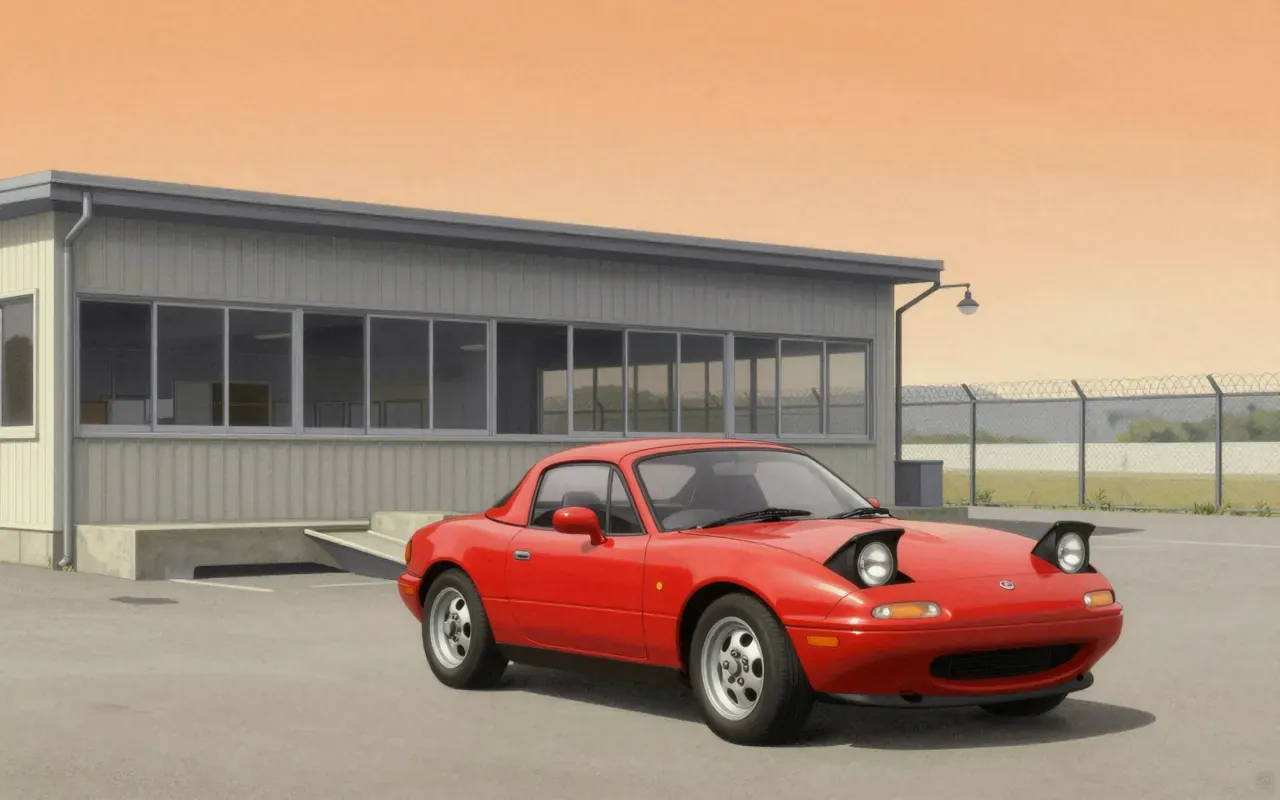
Mazda MX-5

Tom Matano · 1989

The 1989 Mazda MX-5 is a lightweight, two-seat, unibody sports car co-designed by Tom Matano and C. Mark Jordan. It launched at the Chicago Auto Show and was built at Mazda’s Hiroshima plant. Its design follows the Jinba ittai philosophy and draws direct inspiration from 1950s–60s British and Italian roadsters — especially the Lotus Elan. With a curb weight under 1,100 kg, it prioritises balance, responsiveness, and driver engagement over power or luxury. The first generation sold 228,961 units between 1989 and 1997.

audio.briefs Audio

All 2 in audio →
8:54

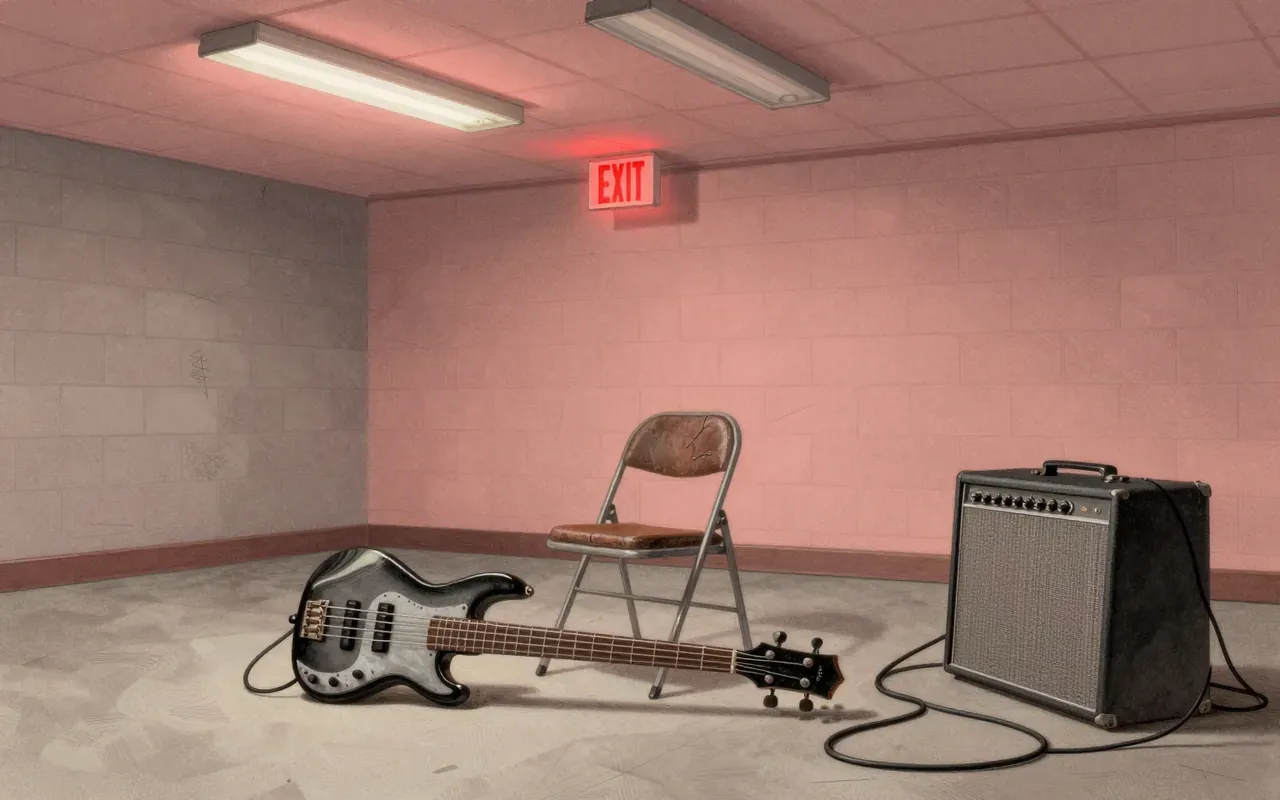
Steinberger L2

Steinberger

The L-series was the best-known Steinberger design, first made as a bass; the first Steinberger basses were built in Brooklyn in 1979. It dropped the headstock, moved the tuners to a tailpiece and made the whole instrument from a graphite and carbon-fibre blend in two pieces. The L2 is the version with two EMG pickups. Listeners were split on a sound that some called clean and others called synthetic.

7:51

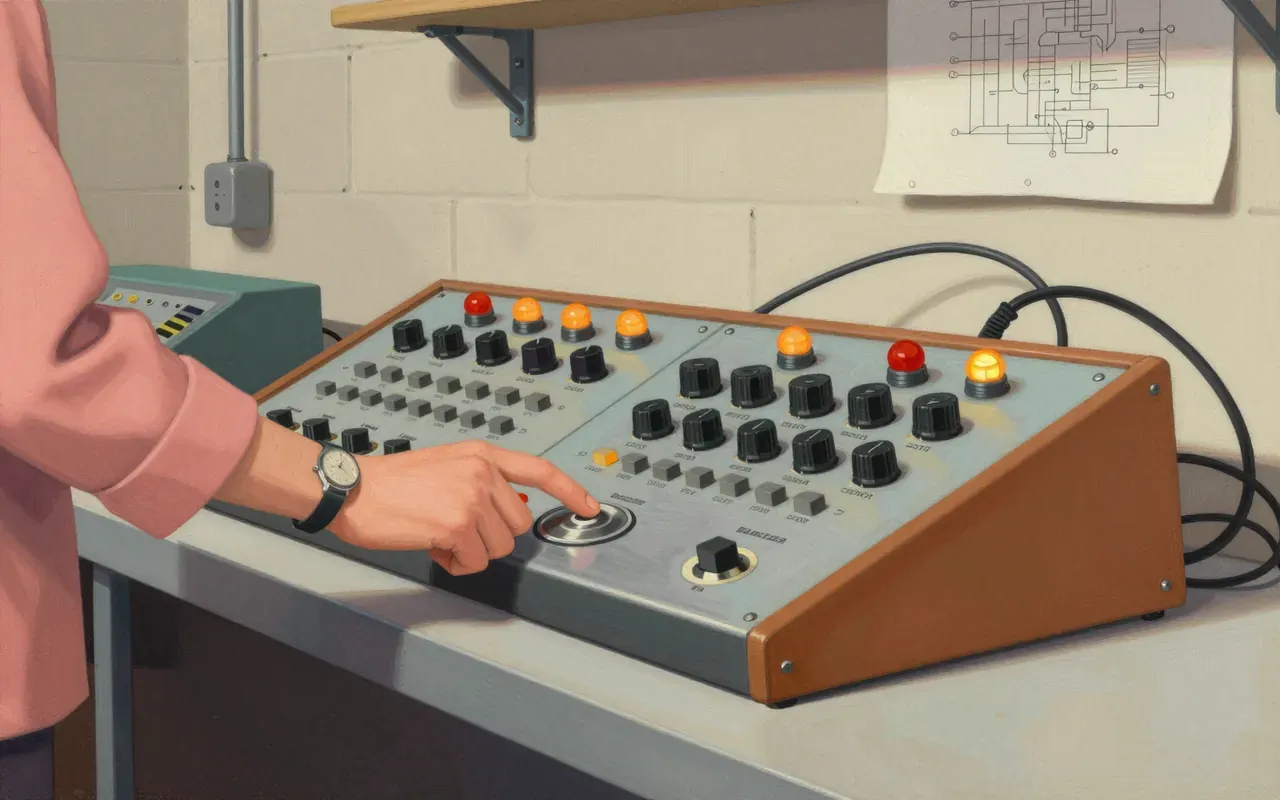
Buchla 100

Buchla · 1962

The Buchla Electronic Musical Instruments (1965) were modular, voltage-controlled systems designed for creating novel sounds—not imitating existing ones—using touch/pressure interfaces instead of keyboards, with synthesis based on FM, AM, and dynamic waveshaping.

fashion.briefs Fashion

All 10 in fashion →
9:22

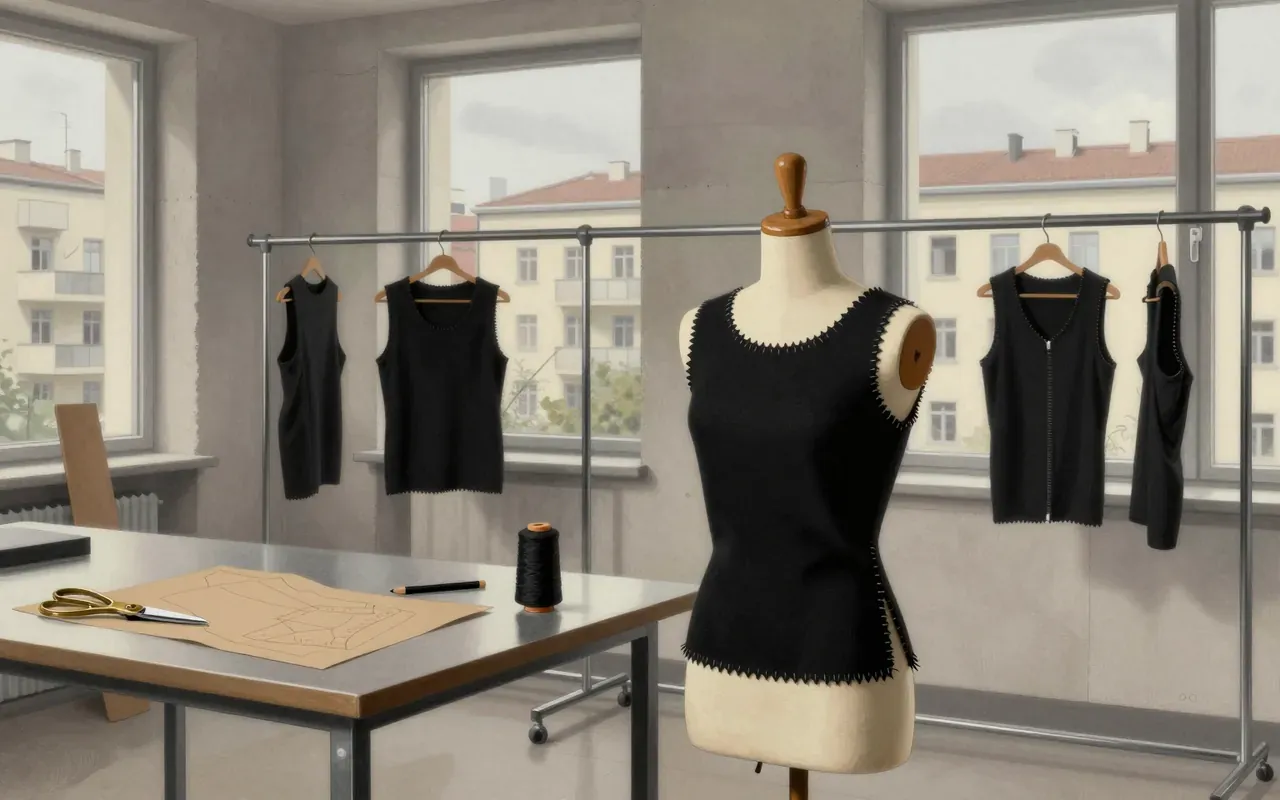
Helmut Lang (fashion brand)

Minimalism was never about less—it was about removing everything until only the cut, the line, and the fabric’s behaviour remained.
9:37

Slip dress

It is not lingerie pretending to be clothing—it is clothing that rewrites lingerie’s grammar.
10:32

The Row (fashion label)

Mary-Kate and Ashley Olsen · 2006

The Row is a fashion house built on subtraction: no names, no interviews, no deviation from material specificity. Its first collection—seven pieces, all purchased by Barneys New York—proved that luxury could be silent, rigorous and commercially viable without spectacle.

11:25

Jerry Lorenzo

Fear of God is not streetwear dressed up — it is belief, baseball, and grunge made wearable as quiet doctrine.
8:09

Agnès b.

A crewneck hacked open — and never stitched back together.
8:18

Geoffrey Beene

Dressy doesn’t require discomfort—and Beene proved it with sweatshirt fabric and couture lines.
8:23

Halston

Halston didn’t simplify fashion—he stripped it of lies.