briefs
Topic · across the network

Agriculture

The invention that made everything else possible, and civilisation's largest employer.

100
briefs
11
subjects
9:47
average
979 min
in total
Abstraction 407Absurdism 137Acoustics 220Acting 65Adaptation 372Addiction 95Adolescence 202Advertising 77Age of exploration 14Ageing 113Agriculture 100Algorithms 114Ambition 46Anarchism 38Ancient Egypt 17Ancient Greece 38Ancient Rome 30Animals 172Anthropology 23Apartheid 12Architecture 165Archives 32Argentina 10Art Deco 26Artificial intelligence 78Astronomy 81Attention 42Australia 32Automation 73Avant-garde 164Aviation 79Banking 72Banned works 40Bauhaus 12Beer 5Behavioural economics 22Berlin 16Big tech 6Biodiversity 136Biography 86Birds 41Black holes 20Blockchain 12Boxing 14Branding 77Brazil 43Bread 29Britain 131Brutalism 4Bubbles 3Buddhism 28Byzantium 10California 17Canada 18Capitalism 94Cars 468Celebrity 59Censorship 110Cheese 24Chefs 9Chemistry 104Chess 2Childhood 87China 109Chocolate 8Christianity 49Cinematography 343Cities 90Class 485Climate change 107Club culture 100Cocktails 2Coffee 11Cognitive bias 14Collecting 16Colonialism 284Colour 42Comedy 89Community 52Complexity 21Computing 309Consciousness 16Conservatism 14Conspiracy theories 8Cooking 178Corruption 38Cosmology 31Cover versions 64Craft 116Crate digging 42Creativity 8Crime 234Cryptocurrency 8Cryptography 24Cuba 10Cybersecurity 30Dada 12Debt 38Decision-making 28Decolonisation 46Deep time 80Democracy 45Denim 16Deserts 45Detroit 17Dinosaurs 12Directing 168Disasters 59Disease 109DJ culture 89Dreams 32Drones 5Drum machines 96Dystopia 69East Africa 28Ecology 337Economics 36Editing 72Education 92Egypt 12Electric vehicles 59Emotion 22Empire 92Endurance 49Energy 120Engineering 541Entropy 8Epidemics 13Equality 9Espionage 31Ethics 44Evolution 174Existentialism 106Expertise 2Exploration 49Extinction 23Failure 37Family 240Fandom 22Fascism 45Fashion 215Fast fashion 12Fear 34Feminism 122Fermentation 126Film music 81Fishing 12Folklore 71Food history 588Football 16Forests 31Forgery 7France 163Fraud 15Free will 13Freedom 16French literature 15Friendship 24Furniture 36Gambling 14Gender 63Generations 28Genetics 87Geology 96Germany 66Globalisation 74Gothic 32Greece 5Grief 126Habits 6Happiness 2Hardware 709Haute couture 22Headphones 8Hi-fi 12Hinduism 12Hoaxes 1Human history 23Human nature 41Identity 138Illustration 8Impressionism 6Improvisation 249India 89Indonesia 15Industrial design 342Inequality 13Inflation 4Information 34Infrastructure 280Insects 29Intelligence 8Interiors 31Internet culture 88Invention 329Iran 41Islam 40Islands 17Israel 9Italy 52Jamaica 10Japan 114Jewellery 5Journalism 34Judaism 13Justice 42Korea 41Language 70Law 90Leadership 20Learning 6Liberalism 1Libraries 6Literary criticism 26London 12Loneliness 61Los Angeles 62Lost works 9Love 67Luxury 55Machine learning 15Management 10Maps 5Marketing 21Markets 51Mars 6Marxism 26Masculinity 46Materials 138Mathematics 79Meaning 6Medicine 124Memory 82Mental health 70Mesopotamia 4Mexico 38Migration 95Minimalism 68Mining 30Misinformation 9Modernism 63Money 24Monopoly 32Mortality 61Motivation 2Mountains 16Museums 27Mysticism 11Mythology 60Nationalism 40Neuroscience 23New York 36Nigeria 7Nihilism 10Noise 31Nostalgia 33Nuclear 29Nutrition 17Oceans 48Oil 42Open source 45Painting 18Palaeontology 29Parenting 14Paris 18Partition 6Patents 71Patronage 14Perception 44Personal style 27Personality 2Persuasion 8Peru 10Philosophy 77Photography 37Physics 206Plants 26Platforms 89Podcasting 1Poetry 25Poland 17Policing 34Pop Art 16Populism 2Portraiture 6Portugal 18Postmodernism 23Power 91Prehistory 24Preservation 28Printmaking 21Privacy 11Probability 6Productivity 1Programming 54Prohibition 1Propaganda 35Protest 75Pseudoscience 17Psychology 80Publishing 22Punishment 16Quantum mechanics 44Race 145Radio 30Railways 35Rave 17Realism 47Record labels 19Recording 810Relativity 23Religion 154Resilience 15Restaurants 30Restoration 2Retail 94Revolution 58Risk 18Ritual 96Robotics 26Romance 96Russia 58Salt 9Sampling 246Satire 84Scandinavia 28Scientific method 186Screenwriting 26Sculpture 7Secularism 2Self-deception 14Semiconductors 73Sexuality 102Ships 18Silence 24Silicon Valley 17Slavery 35Sleep 2Smartphones 27Sneakers 15Social media 58Socialism 9Software 68Songwriting 180Sound design 332Sound systems 20South Africa 19South East Asia 30Space exploration 84Spain 18Special effects 41Spices 62Spirits 12Sport 82Startups 21Statistics 10Status 9Stoicism 4Storytelling 68Strategy 70Street food 99Streetwear 16Studio craft 508Subcultures 59Sugar 12Supply chains 115Surrealism 53Surveillance 21Sustainability 30Synthesis 232Tailoring 37Taxation 14Tea 24Textiles 97Thailand 11The American Revolution 19The American South 88The Arab world 41The Arctic 19The Balkans 17The Belle Epoque 13The body 29The brain 26The Caribbean 28The civil rights movement 62The Cold War 160The eighties 268The Enlightenment 29The financial crisis 19The First World War 39The food industry 157The French Revolution 9The Gilded Age 9The Great Depression 18The Holocaust 20The Industrial Revolution 93The internet 61The interwar years 135The Middle Ages 35The Moon 4The music business 169The Netherlands 10The nineties 26The Olympics 10The pandemic 13The Reformation 1The Renaissance 16The Russian Revolution 19The Second World War 102The seventies 58The sixties 28The space race 5The United States 19The universe 7The Victorian era 37Therapy 20Tokyo 11Trade 48Tragedy 22Translation 5Trauma 85Travel 5True crime 2Turkey 18Typography 54Uniforms 23Unions 8Urban planning 66Utilitarianism 1Utopia 5Vaccines 10Vegetarianism 15Venture capital 6Video games 291Vietnam 12Vintage 65Vinyl 6Virtual reality 11War 169Watches 4Water 11Weather 29West Africa 29Wilderness 10Wine 3Work 22Workwear 19Worldbuilding 121

film.briefs Film

All 18 in film →
13:00

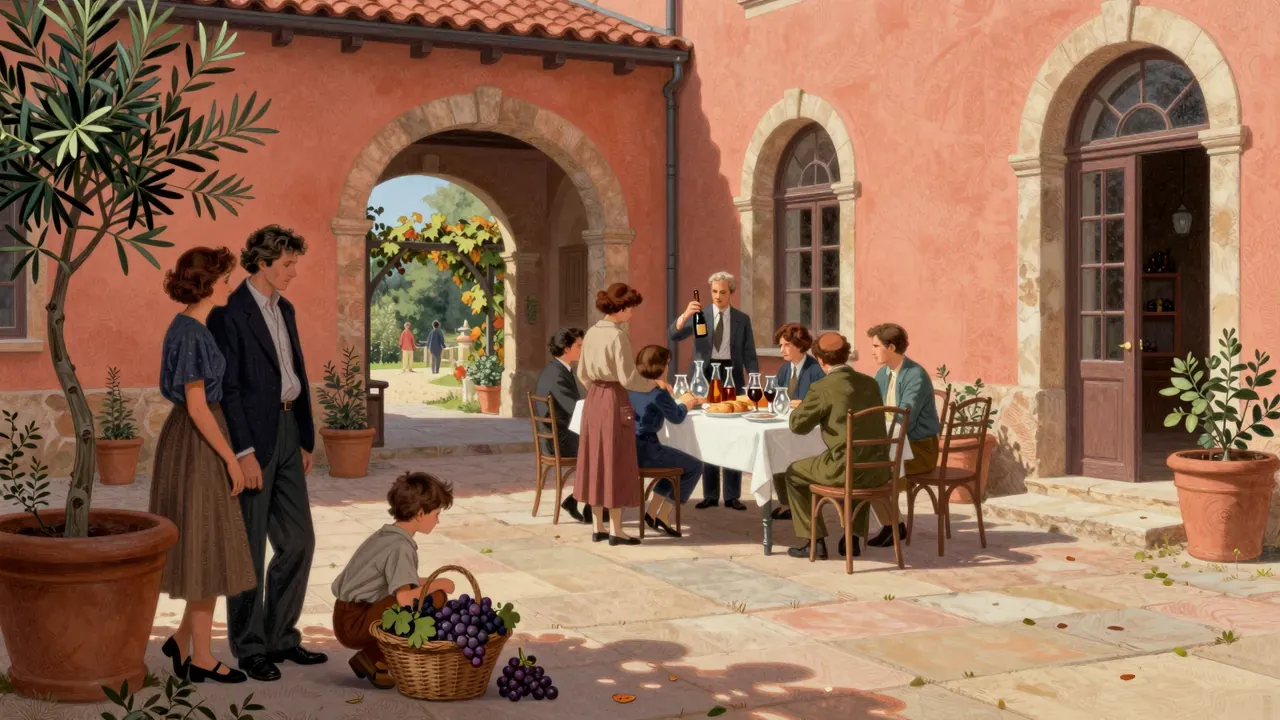
Autumn Tale

Éric Rohmer · 1998

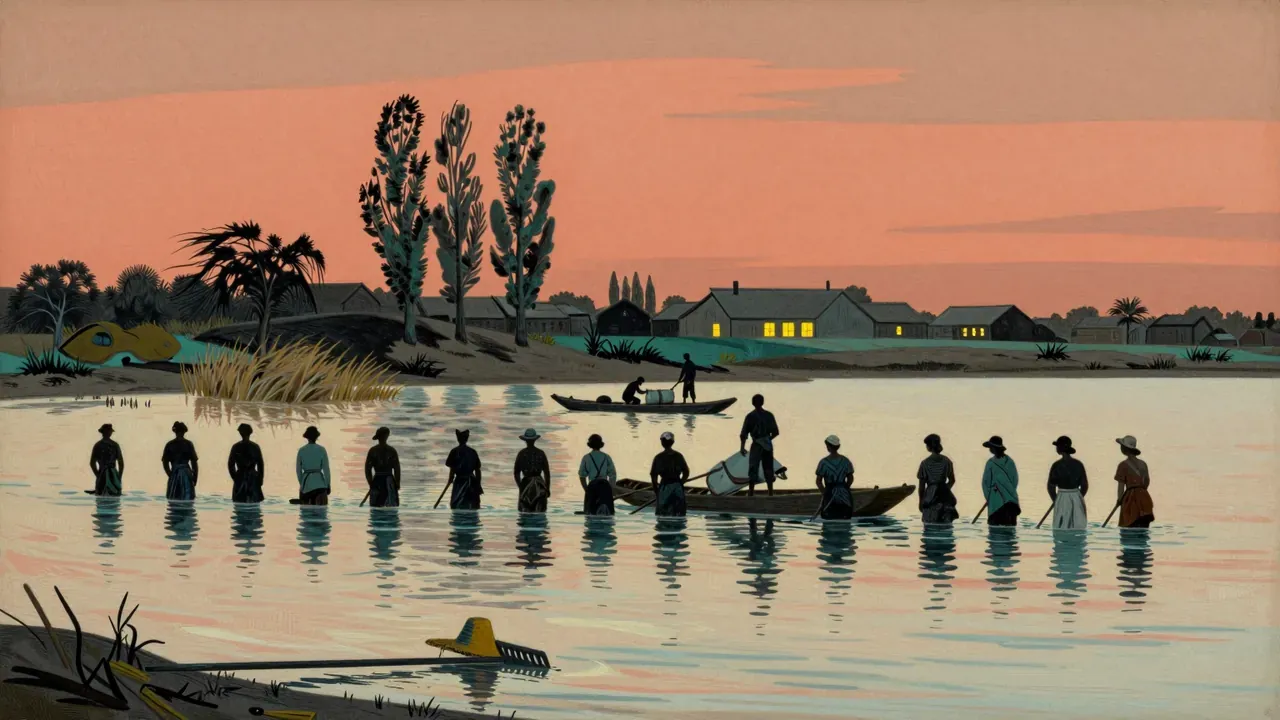
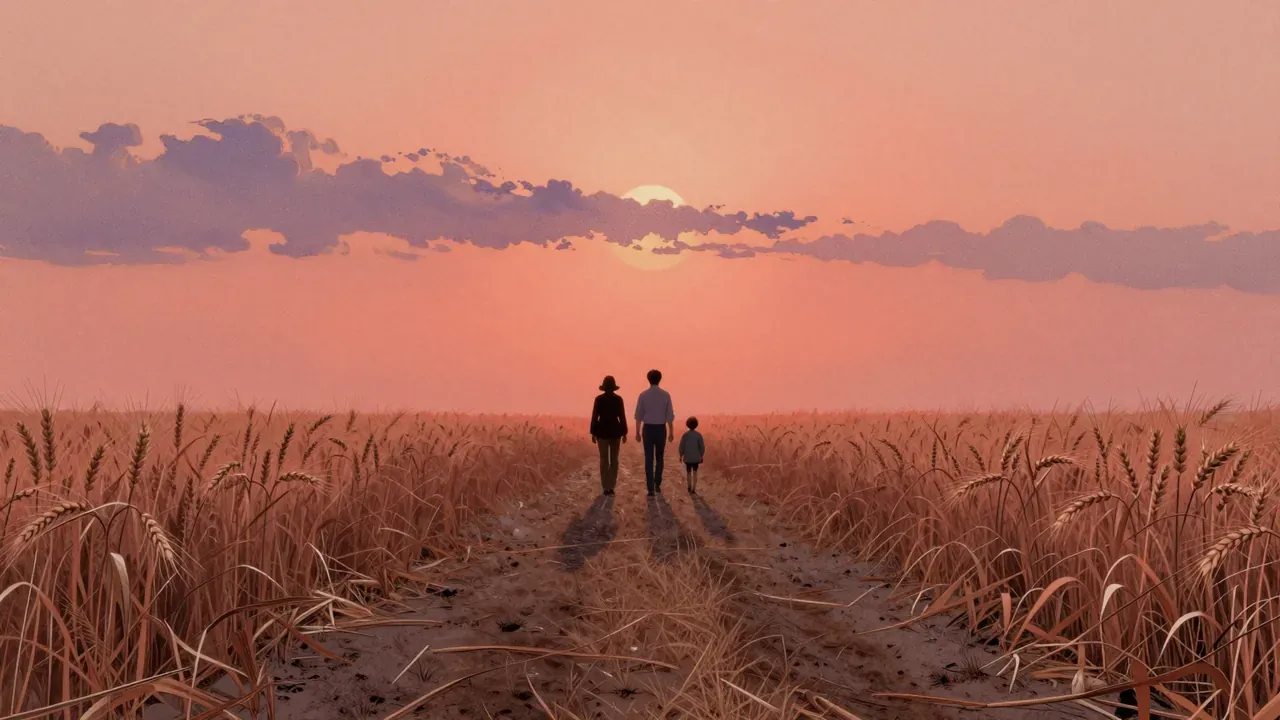
Éric Rohmer’s 1998 Autumn Tale, the final chapter of his Tales of the Four Seasons, follows a widowed winemaker in the Rhône Valley as her friends orchestrate quiet, conflicting attempts to reintroduce her to love. Shot with calm precision by Diane Baratier and performed with understated rigour by Béatrice Romand and Marie Rivière, it locates emotional truth in hesitation, miscommunication, and the slow realignment of intention. Its power lies in restraint: no grand declarations, no dramatic reversals—just the fragile, earned possibility of connection, harvested like grapes at the right moment.
13:00

Bitter Rice

Giuseppe De Santis · 1949

Giuseppe De Santis’s 1949 Bitter Rice follows two thieves hiding among female rice workers in Piedmont, blending neorealist location shooting with melodramatic collapse. Silvana Mangano’s debut performance anchors a film preoccupied with labour, legality, and the corrosive allure of American cultural imports — all rendered in Otello Martelli’s stark, waterlogged visuals.

13:00

Days of Heaven

Terrence Malick · 1978

Terrence Malick’s 1978 period drama follows migrant workers in 1916 Texas who entangle themselves in deception and desire on a wealthy farmer’s estate. Shot almost entirely in magic hour by Néstor Almendros, it prioritises image and atmosphere over narrative exposition. Linda Manz’s improvised narration anchors its elliptical structure. Though commercially modest, it won the Academy Award for Best Cinematography and has since been canonised for its painterly realism and meditative pacing.

13:00

Dry Summer

Metin Erksan · 1964

Metin Erksan’s 1964 Turkish drama Dry Summer follows tobacco farmer Osman, who dams a river to secure his harvest at the expense of neighbouring farmers. His younger brother Hasan reluctantly complies, then wavers; their conflict escalates legally and violently, entangling Hasan’s wife Bahar in a web of coercion, deception and retribution. Shot in stark black-and-white with minimal score and restrained performances, the film traces how property law, patriarchal control and ecological scarcity converge. It won the Golden Bear at Berlin and remains a landmark of socially engaged Turkish cinema.

13:00

God's Country

Louis Malle · 1985

A 1985 PBS documentary by Louis Malle, filmed across six years in Glencoe, Minnesota, capturing the quiet unraveling of a farming community amid the mid-1980s agricultural crisis. Shot and edited with deliberate restraint, it observes residents’ daily lives, conversations, and surroundings without narration or exposition — offering texture over analysis, continuity over climax.

13:00

Jean de Florette

Claude Berri · 1986

Jean de Florette is a 1986 French drama directed by Claude Berri, adapted from Marcel Pagnol’s novel. Set in rural Provence in the 1920s, it follows two farmers who sabotage a newcomer’s attempt to farm by concealing a vital spring. Shot back-to-back with its sequel Manon of the Spring, it relies on precise period detail, restrained performances, and a landscape that functions as both setting and moral arbiter.

13:00

Les glaneurs et la glaneuse... deux ans après

Agnès Varda · 2002

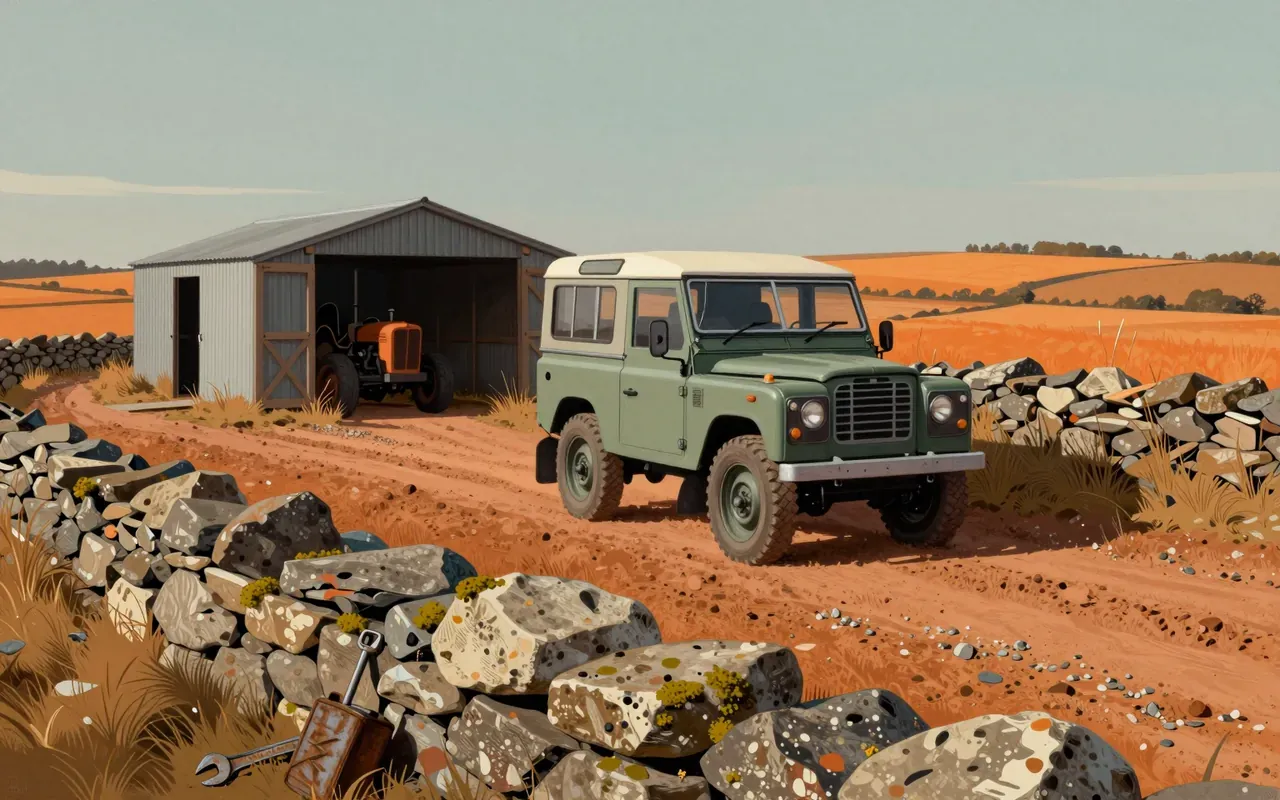
Two years after her acclaimed documentary about gleaning, Agnès Varda revisits its subjects and settings, filming herself as much as others. With handheld camerawork, unvarnished sound, and a gently recursive structure, the film measures time’s passage not in events but in textures — wrinkled skin, sprouting potatoes, reused objects, remembered conversations. It is a modest, self-aware extension of her earlier work, rooted in attention rather than argument.
13:00

Manon des Sources

Claude Berri · 1986

A 1986 French drama, directed by Claude Berri and adapted from Marcel Pagnol’s novel, concluding the story begun in Jean de Florette. Set in rural Provence ten years later, it follows Manon Cadoret as she uncovers the truth behind her father’s death and orchestrates a slow, water-based reckoning against those who ruined him. Starring Yves Montand, Daniel Auteuil, and Emmanuelle Béart, it is a formally restrained, morally exacting film about inheritance, silence, and the physical reality of justice.

history.briefs History

All 2 in history →
9:32

Cesar Chavez

1965–1970

Cesar Chavez co-founded the National Farm Workers Association in Delano, California in 1962. He launched an insurance scheme, credit union, and El Malcriado newspaper. He led the Delano grape strike from 1965 to 1970. His NFWA merged with Larry Itliong’s Agricultural Workers Organizing Committee in 1967 to form the United Farm Workers. He used nonviolent resistance — picketing, boycotting, public processions, Masses, and fasts — inspired by Gandhi and infused with Catholic symbolism. In the early 1970s, he opened UFW branches outside California.

13:00

Dust Bowl

1930–1936

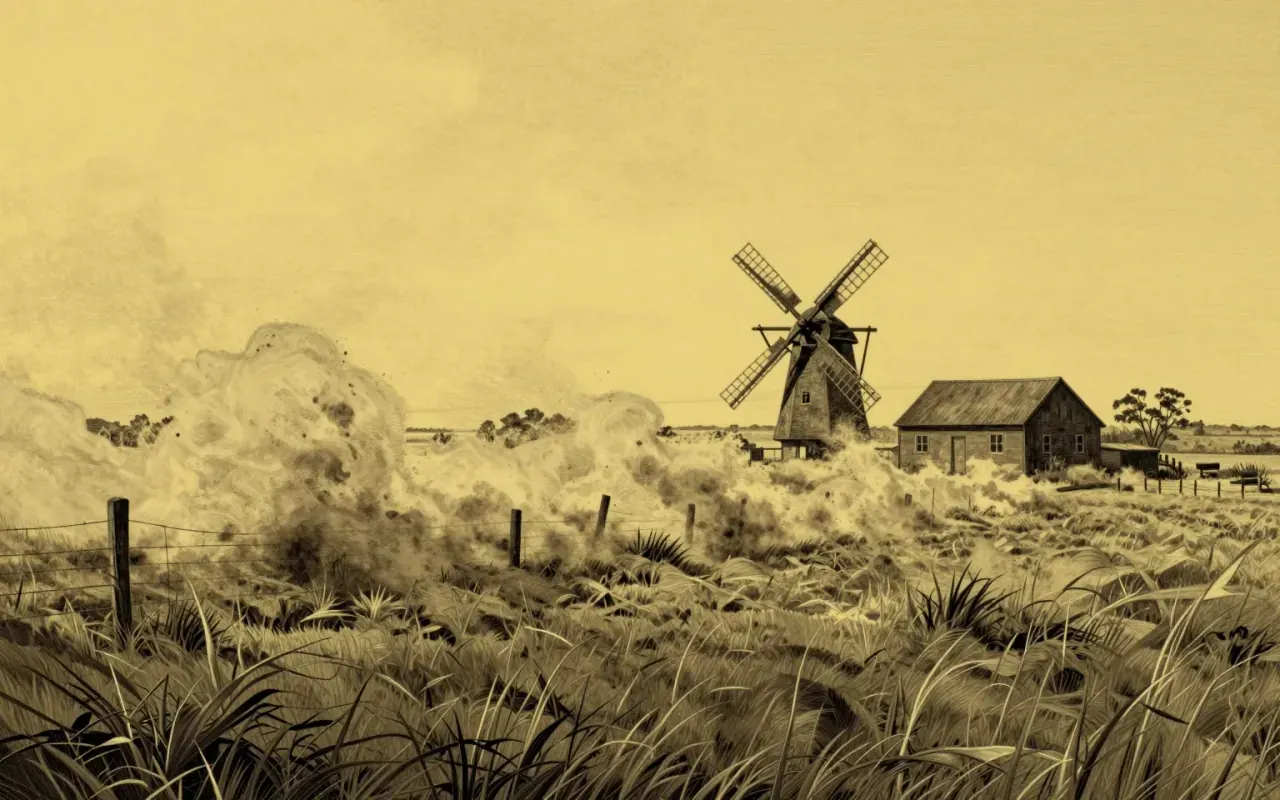
Severe drought combined with farming practices that had stripped the Great Plains of native grasses produced a decade of catastrophic dust storms through the 1930s, peaking with the storm known as Black Sunday in April 1935. Federal programmes under Franklin Roosevelt's New Deal introduced soil conservation measures that cut blowing soil by roughly two-thirds by 1938, but recent scholarship has challenged the popular image of a mass exodus, arguing migration out of the Plains rose only slightly compared with the previous decade.

science.briefs Science

All 4 in science →
9:05

Barbara McClintock

Genes don’t just code—they jump, break, and switch traits on and off depending on where they land.
8:55

Norman Borlaug

Borlaug didn’t end world hunger — he doubled wheat yields in three countries in five years by breeding shorter, sturdier plants.
10:58

Rachel Carson

Carson didn’t need a lab to prove pesticides were biocides — she used lawsuits, sick farmers, and library stacks.

games.briefs Games

All 2 in games →
9:13

Black Desert Online

Pearl Abyss · 2014

Black Desert Online replaces tab-targeting with twitch reflexes — and forces you to feed your horse before it dies in battle.

10:29

Stardew Valley

Eric Barone · 2016

Stardew Valley is a top-down, open-ended farm life simulation where players inherit a dilapidated farm from their deceased grandfather, leave a corporate job, and rebuild life near Pelican Town in Stardew Valley.

business.briefs Business

All 15 in business →
13:52

K+S

Europe’s largest potash supplier is not too big to fall off the DAX.
10:44

Arla Foods

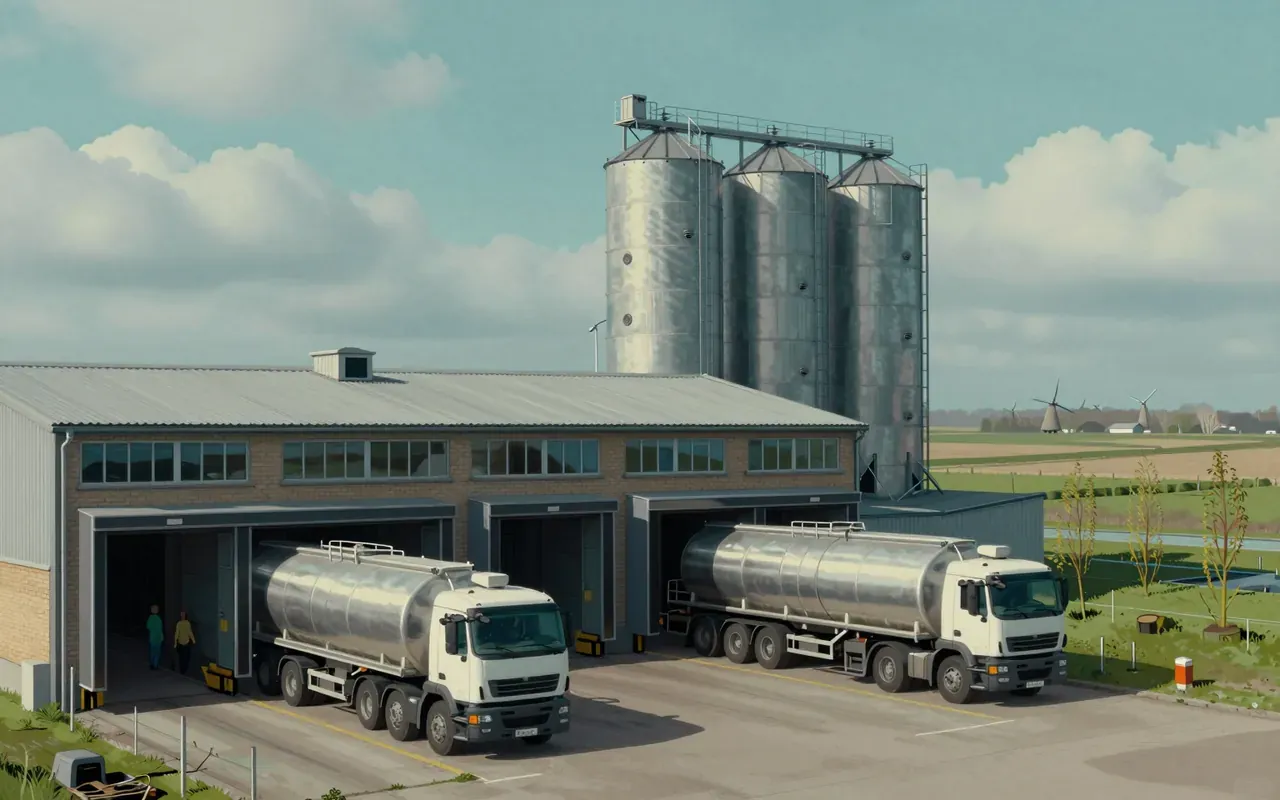
A co-operative did not need venture capital or a pivot to become the world’s fifth-largest dairy company — it just needed 119 years of farmer-led consolidation.
11:17

Bonduelle

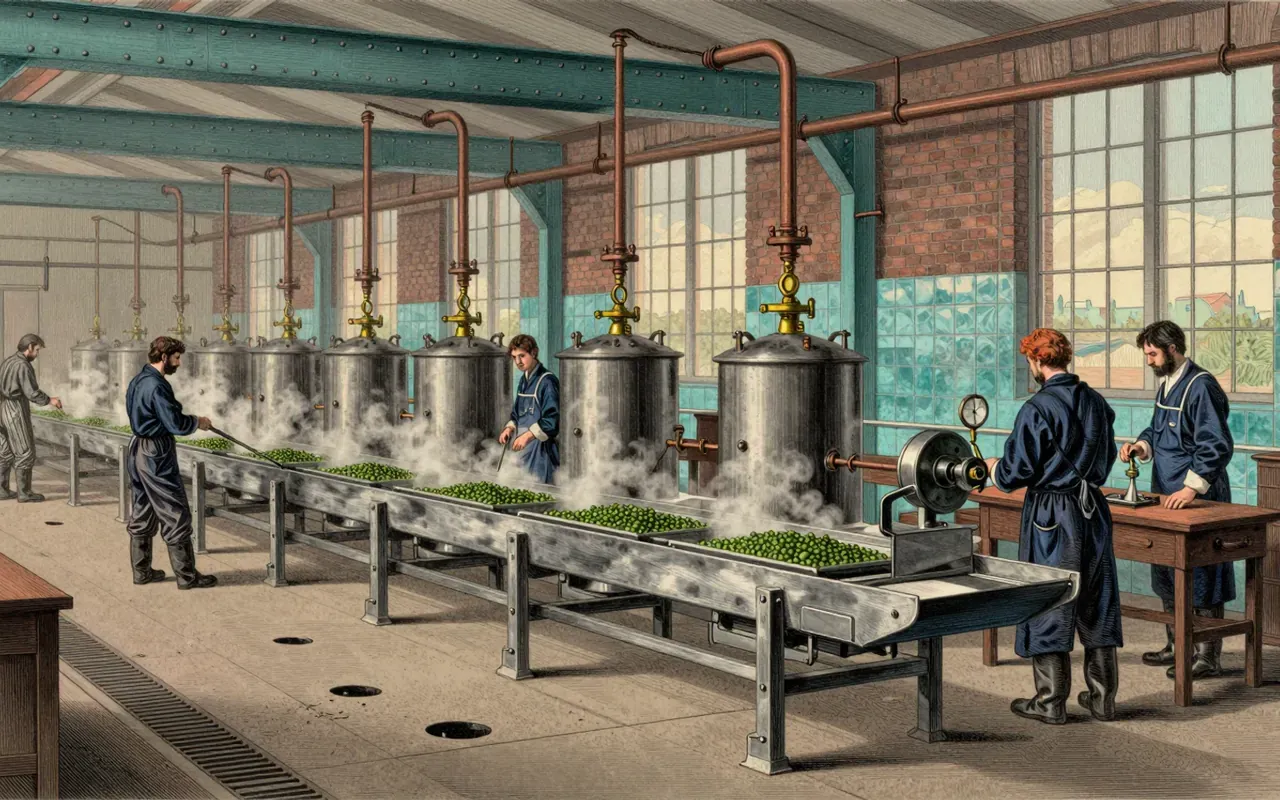
Bonduelle didn’t build a vegetable empire—it built a preservation empire, one can, freezer, and salad kit at a time.
11:18

Corteva

Corteva is not a startup—it’s DowDuPont’s agriculture division, spun off to sell more chemicals while pretending to pivot away from them.
11:37

FrieslandCampina

A royal cooperative built on mergers, not milk — and approved by Brussels only after it agreed to cut itself apart.
10:44

Nutrien

A merger sold as a fix for low fertilizer prices delivered cost cuts — but no proof it could raise prices.
9:49

Syngenta

Swiss chemical-agricultural · 2000

Syngenta is a global agricultural technology company headquartered in Basel, Switzerland, operating primarily in crop protection and seeds for farmers. It was founded in 2000 by the merger of the agrichemical businesses of Novartis and AstraZeneca. In 2004, Syngenta Seeds purchased Garst and Golden Harvest Seeds. In February 2016, ChemChina offered to purchase Syngenta for $43 billion, a deal Syngenta unanimously recommended to shareholders. In April 2017, U.S. and European antitrust authorities approved ChemChina's acquisition of Syngenta. To secure regulatory approval, ChemChina agreed to divest pesticide production of paraquat, abamectin, and chlorothalonil.

technology.briefs Technology

All 7 in technology →
10:01

Hybrid seed

Donald F. Jones

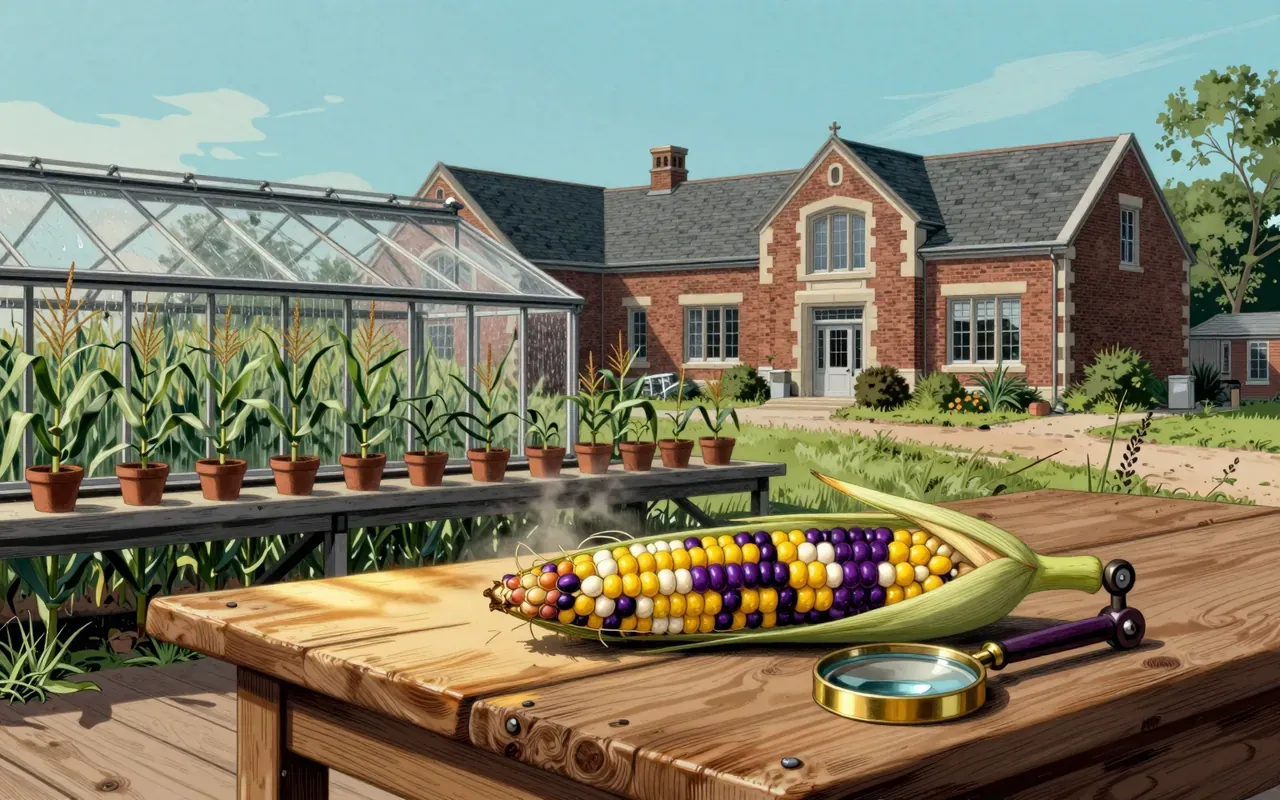
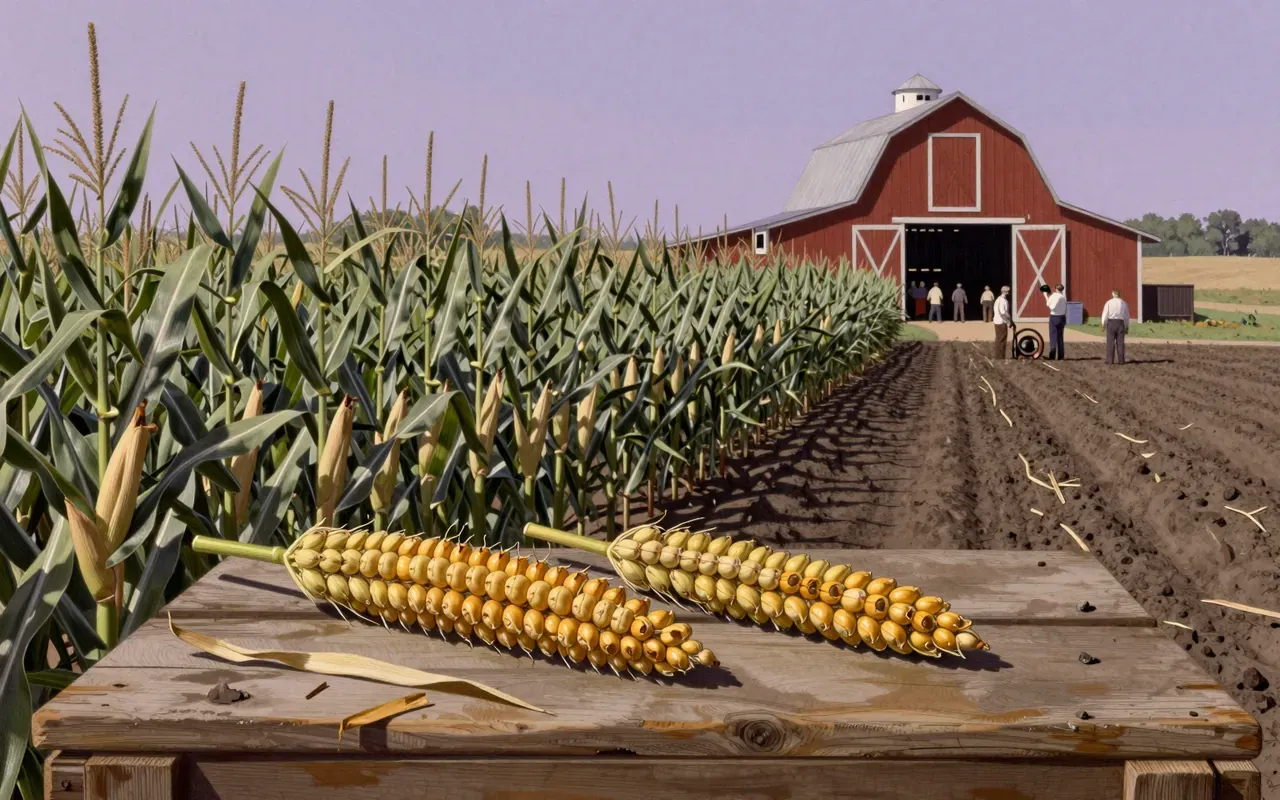
Hybrid seed is a deliberate reproductive system—not a discovery, but an industrial workaround. It locks heterosis into a commercial cycle: high yield in year one, zero reliability in year two. Jones’ double-cross method made it viable. But the mechanism demands constant parental line upkeep, excludes farmer autonomy, and treats genetic diversity as a cost—not a resource.

10:31

Combine harvester

Hiram Moore

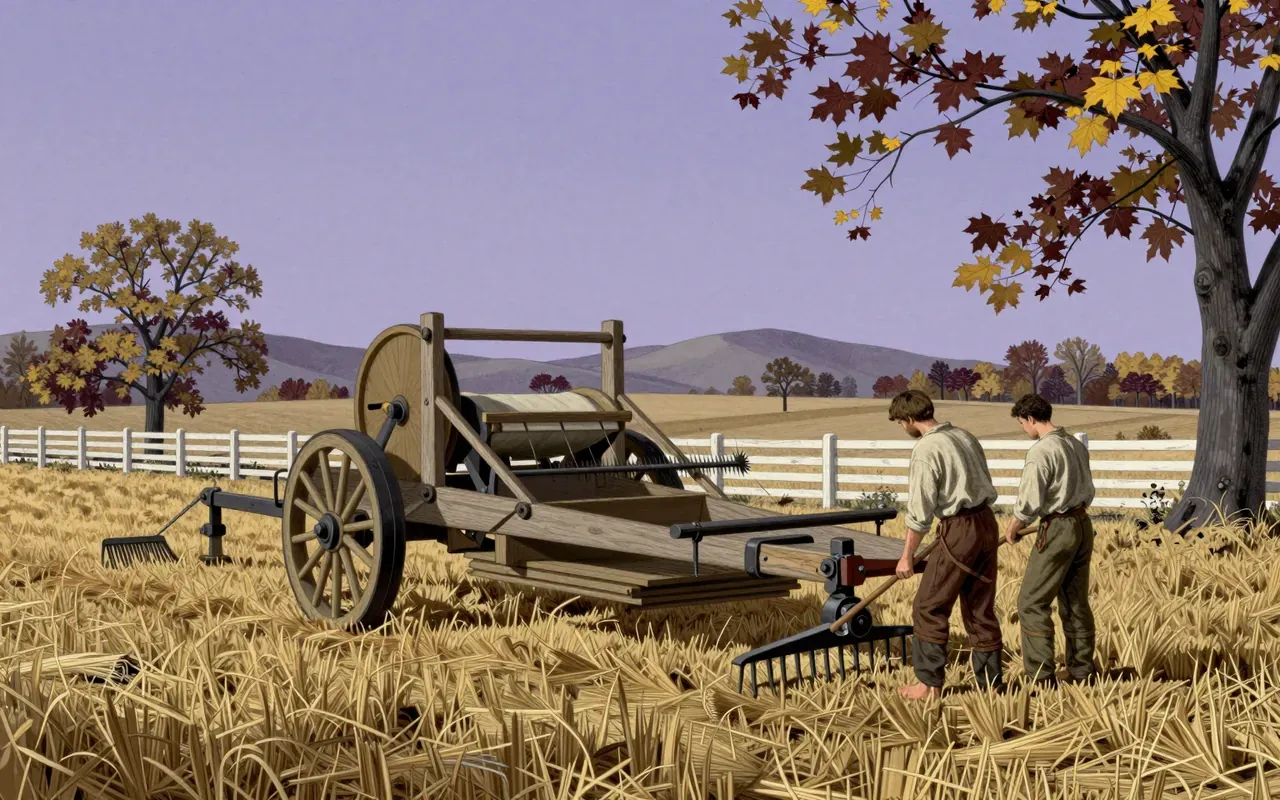
The 1835 Moore combine was a singular integration of three harvest operations — reaping, threshing, winnowing — in one horse-drawn machine. It proved the concept could function at scale (20+ ha by 1839) but introduced no labour savings, required massive animal power (20 horses), and left no operational legacy. Its importance is archival, not agronomic.

11:33

Cotton gin

Eli Whitney · 1793

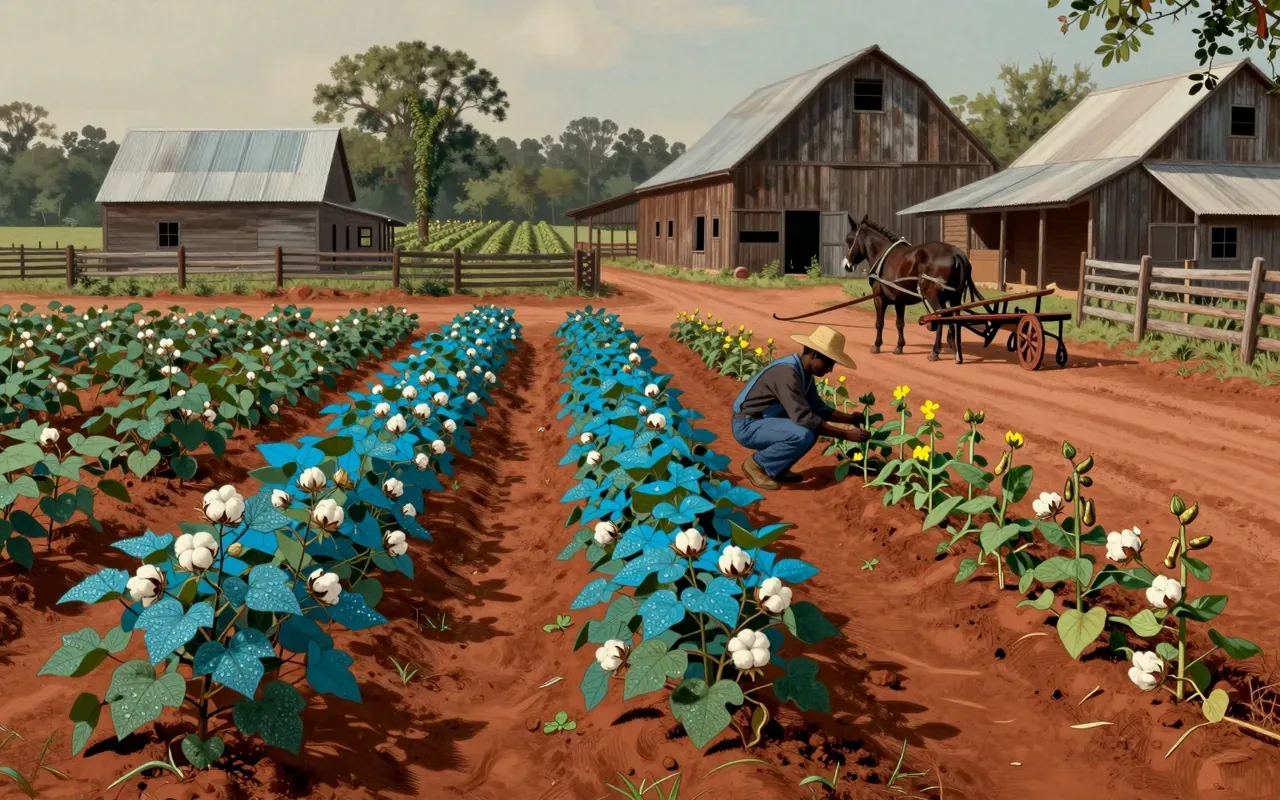
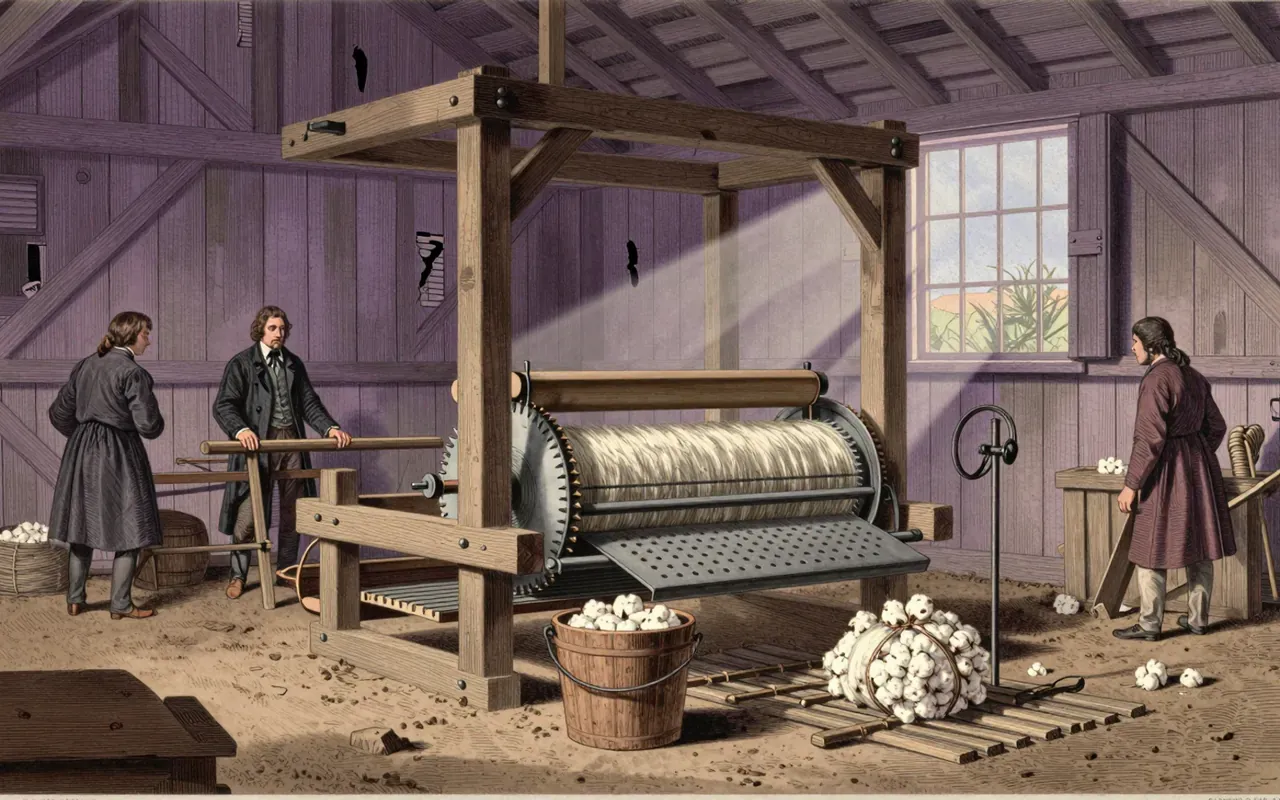
The cotton gin is a mechanical seed-removal device invented by Eli Whitney in 1793. It uses wire hooks on a rotating drum to pull cotton fibres through narrow ginning ribs, while a second rotating brush cylinder clears lint to prevent jams. It increased daily lint output from one pound (manual) to 50–55 pounds. This made cotton farming highly profitable, expanded U.S. cotton production, and catalysed a surge in exports—from under 500,000 pounds in 1793 to 93 million pounds by 1810. But it did not reduce overall labour demand. Instead, it shifted the bottleneck to field harvesting, intensifying reliance on enslaved people to pick cotton by hand. Its patent was granted in 1794 but not validated until 1807.

9:50

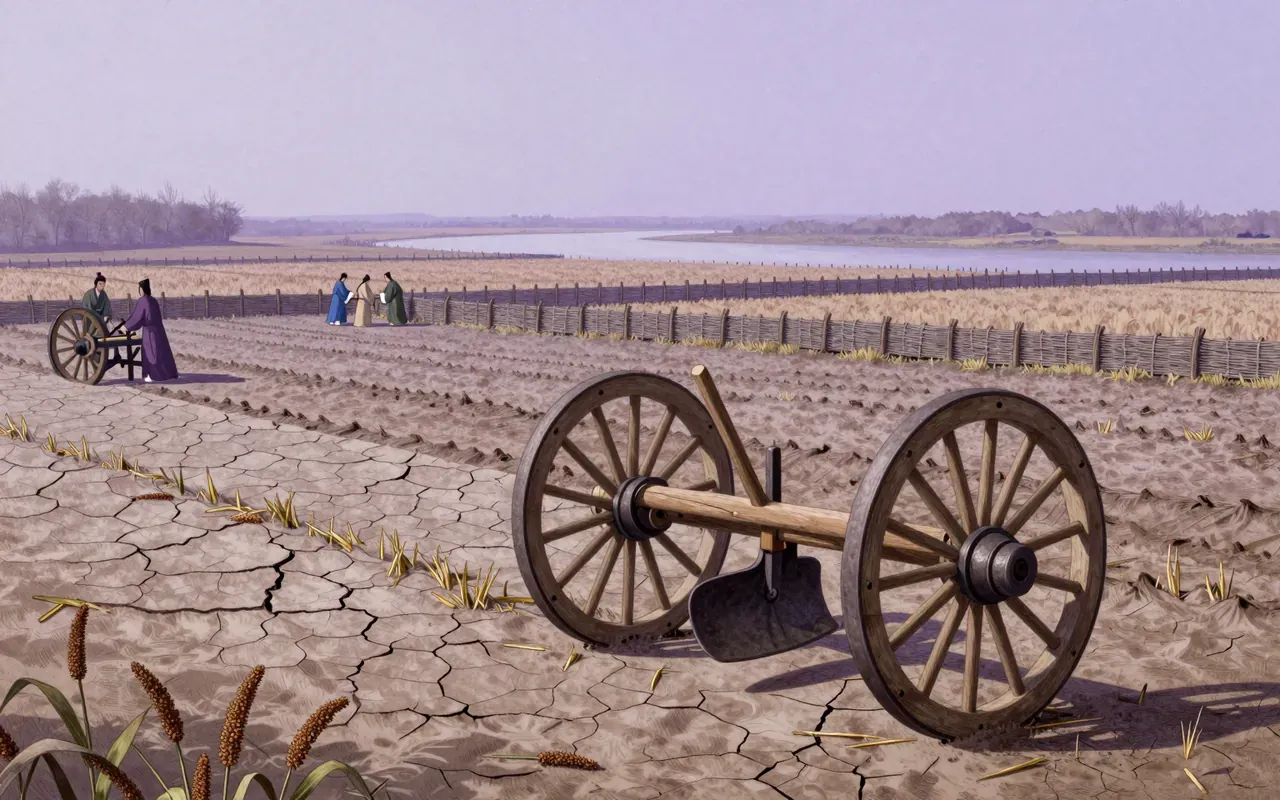
Plough

The plough wasn’t European — it was forged in Han China, refined in the Near East, and repurposed across empires.
9:06

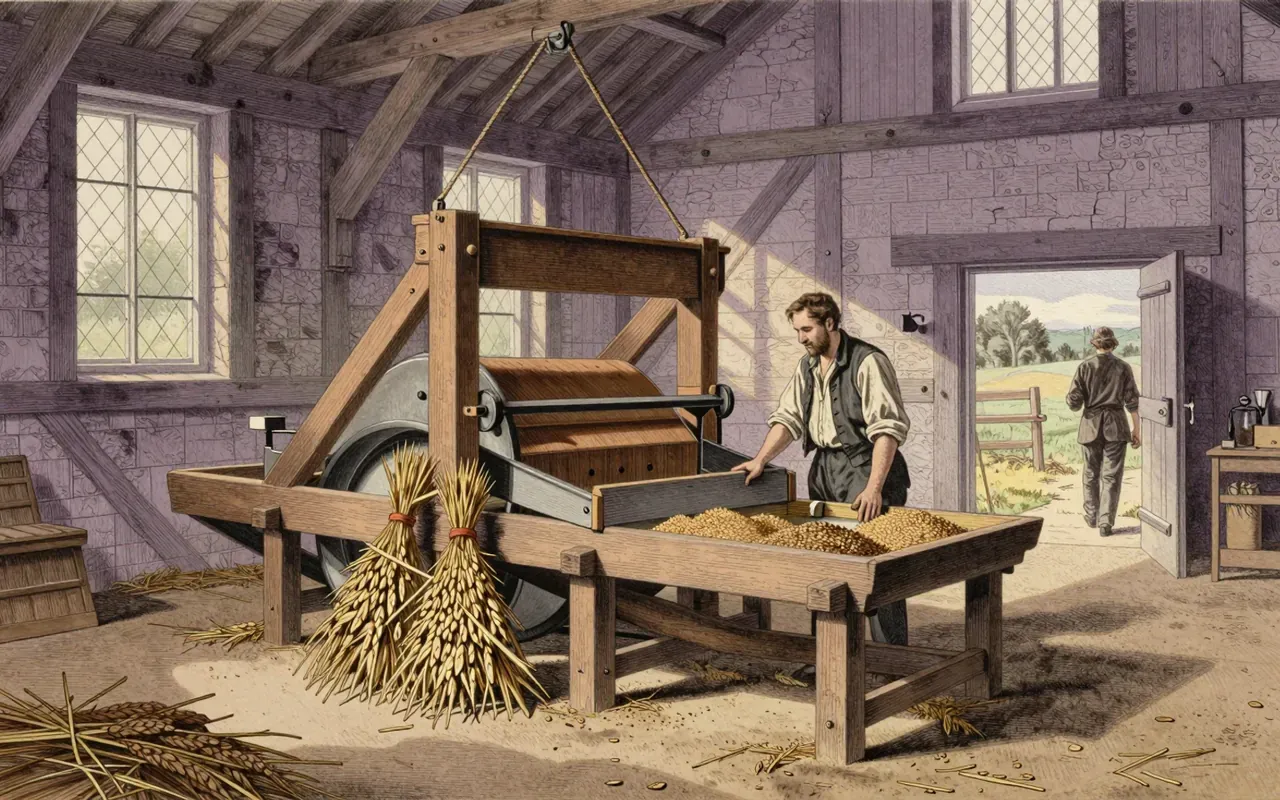
Threshing machine

Andrew Meikle · 1786

The threshing machine was the first agricultural device to mechanise grain separation—but its initial form solved only one step of a three-step process. Meikle’s 1786 invention used velocity-driven fixed beaters to dislodge grain. Early output remained mixed: straw, chaff, and grain formed a single heap. Only with added rakes, shakers, and fanners did it deliver clean, market-ready grain. It reduced labour by ~25%, lifted yield by up to 5%, and cut total processing cost below prior cleaning-only expense. It did not eliminate human oversight. It did not scale without infrastructure. It did not win immediate adoption. It established that mechanisation required integration—not just substitution.

8:37

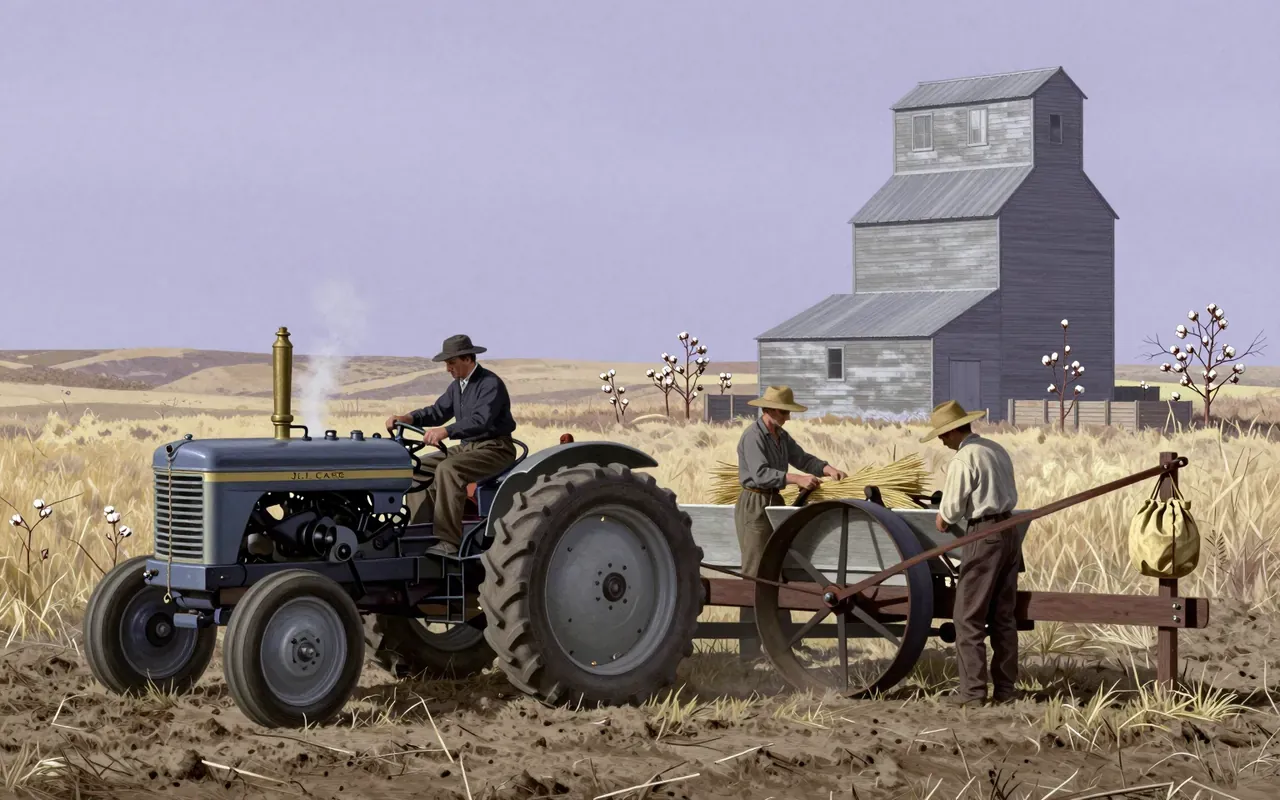
Tractor

John Froelich

The 1892 Froelich tractor is a functional prototype — not a product, not a platform, not a pivot point. It works once, in one place, for one purpose. Its mechanism is clear. Its failure is documented. Its influence is retrospective mythmaking.

culture.briefs Culture

All 3 in culture →
7:56

Risotto

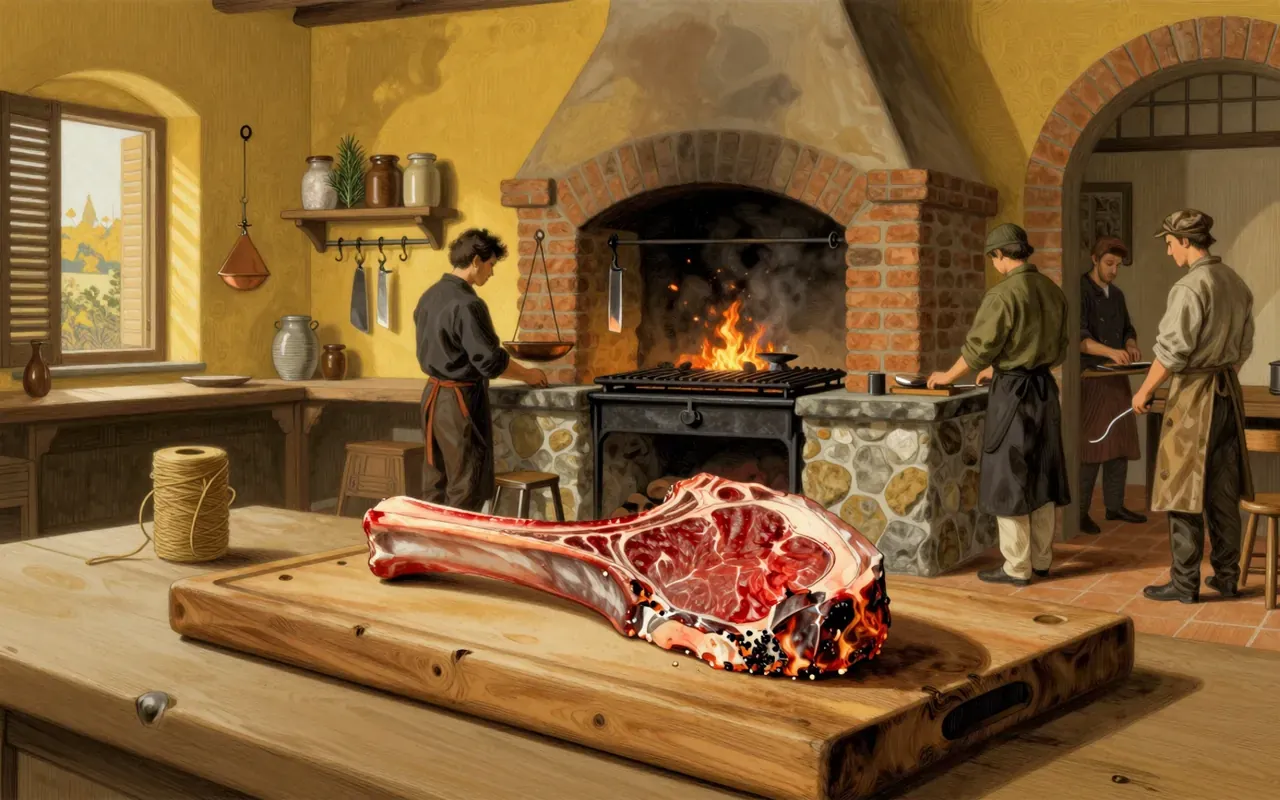
Risotto is not old — it’s precise. And its technique is the point, not the taste.
8:06

Diggers

True freedom is use of the earth — and the Diggers were evicted for trying to live it.

automotive.briefs Automotive

All 2 in automotive →
11:39

Citroën 2CV

Flaminio Bertoni · 1948

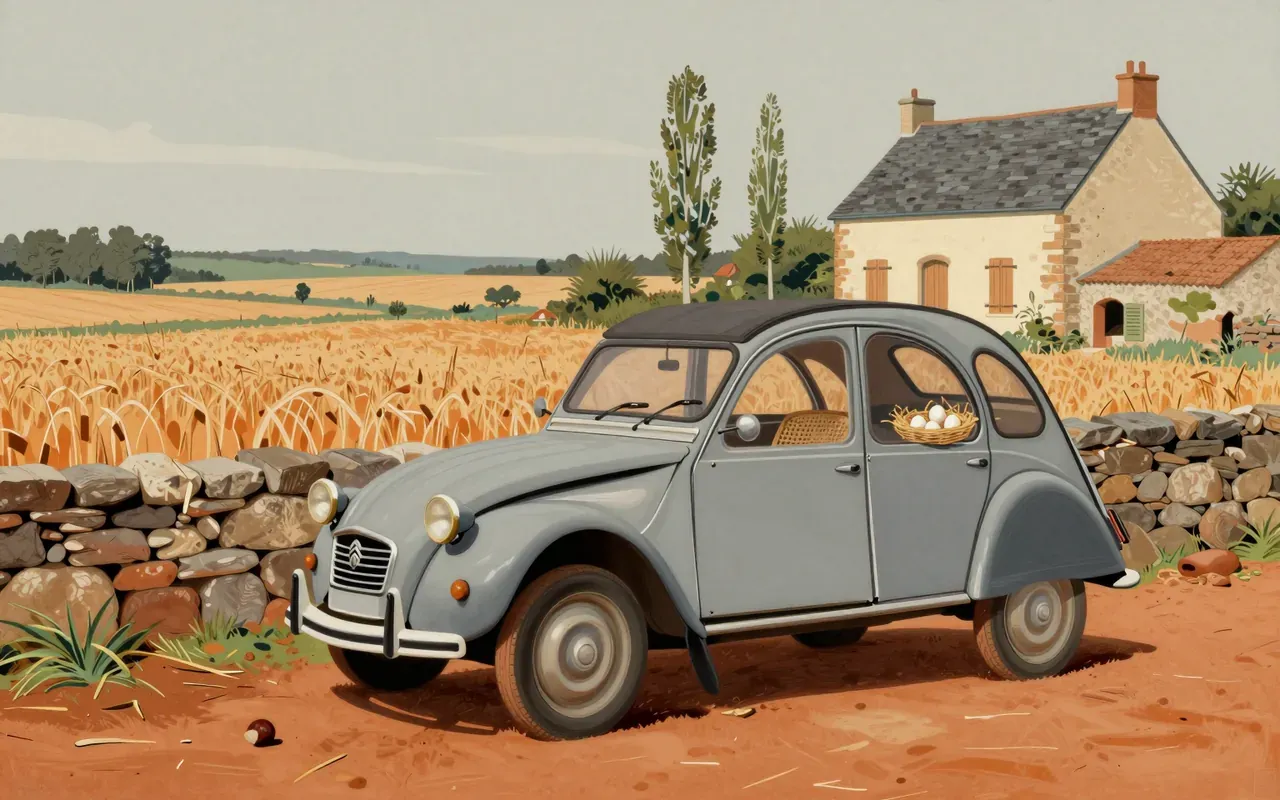
The Citroën 2CV is a French economy car conceived by Pierre Boulanger to motorise rural farmers, featuring innovative engineering, utilitarian design, low cost of ownership, minimal fuel consumption, and a long-travel suspension enabling it to cross ploughed fields without breaking eggs. It was often called 'an umbrella on wheels', introduced Michelin's radial tyres, and over 3.8 million units were produced from 1948 to 1990. Its body style is a fixed-profile convertible; it has an air-cooled engine; layout is front-engine, front-wheel drive; and production spanned 1948–1990.
10:18

Land Rover series

Maurice Wilks · 1948

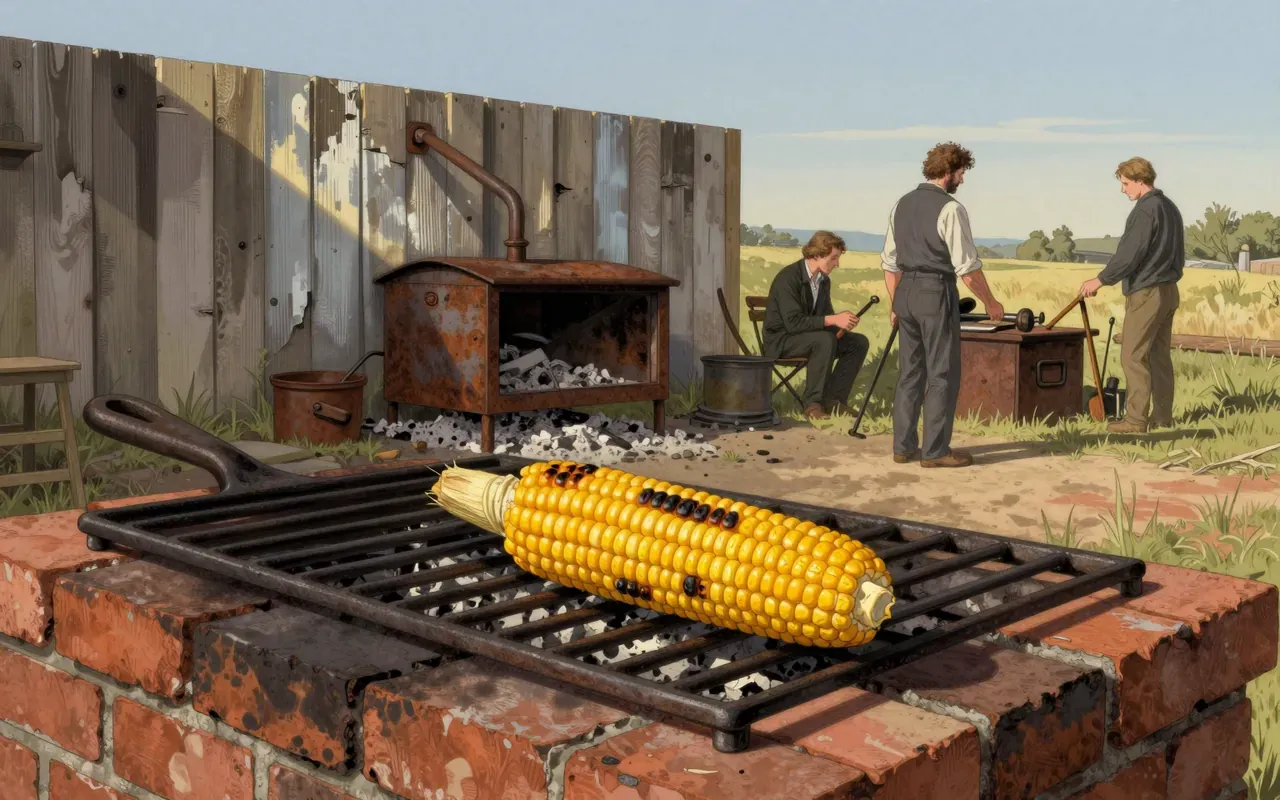
The Land Rover Series I is a utilitarian off-road vehicle born from Maurice Wilks’s farm needs in 1947. It introduced mass-produced civilian four-wheel drive with doors and a hard roof. Its box-welded frame and aluminium body prioritised longevity over comfort. It changed expectations of what a post-war utility vehicle could be — and remains defined by what it refused to become.

food.briefs Food

All 32 in food →
8:05

Tequila

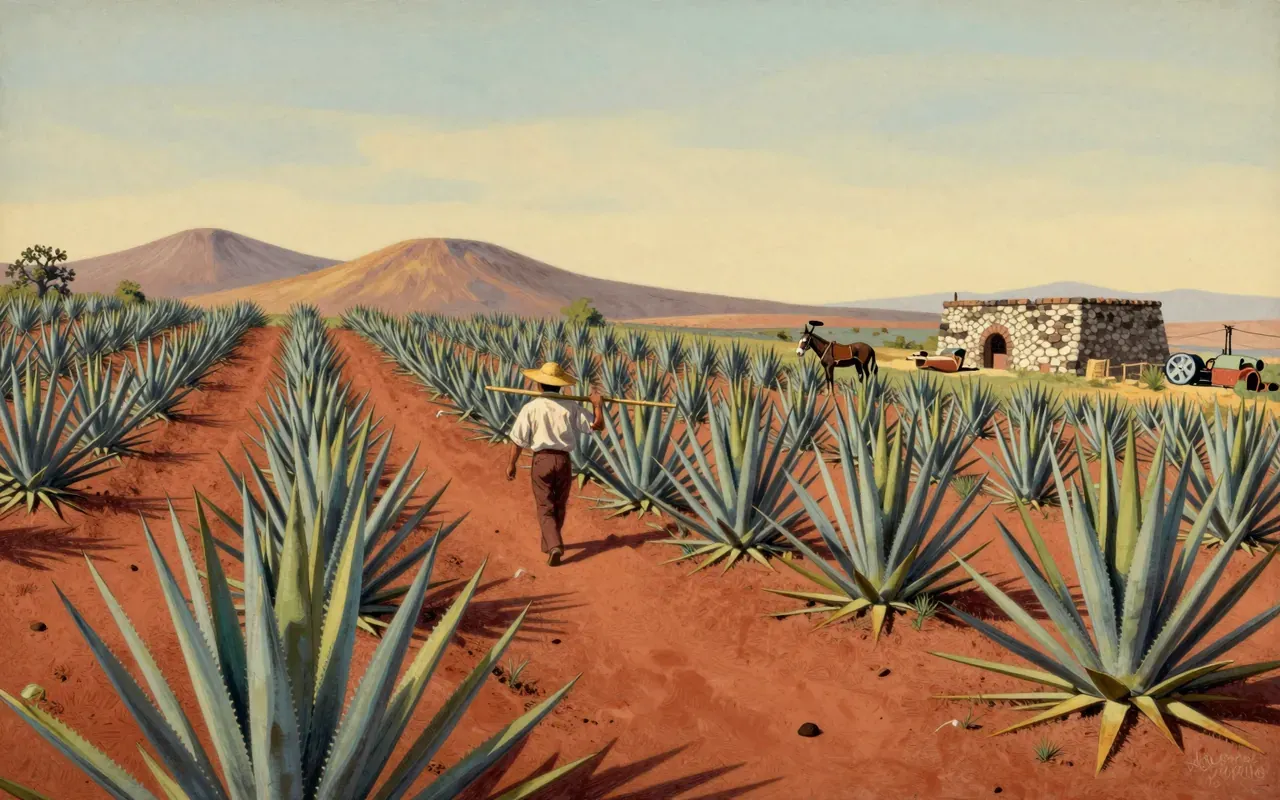
Tequila is a distilled spirit made from blue agave, produced mainly around the town of Tequila and in the Jaliscan Highlands of Jalisco, Mexico.
9:47

Slow Food

The organisation Carlo Petrini founded in Italy in 1986 to stand up to fast food and industrial farming.
1:09

Balut (food)

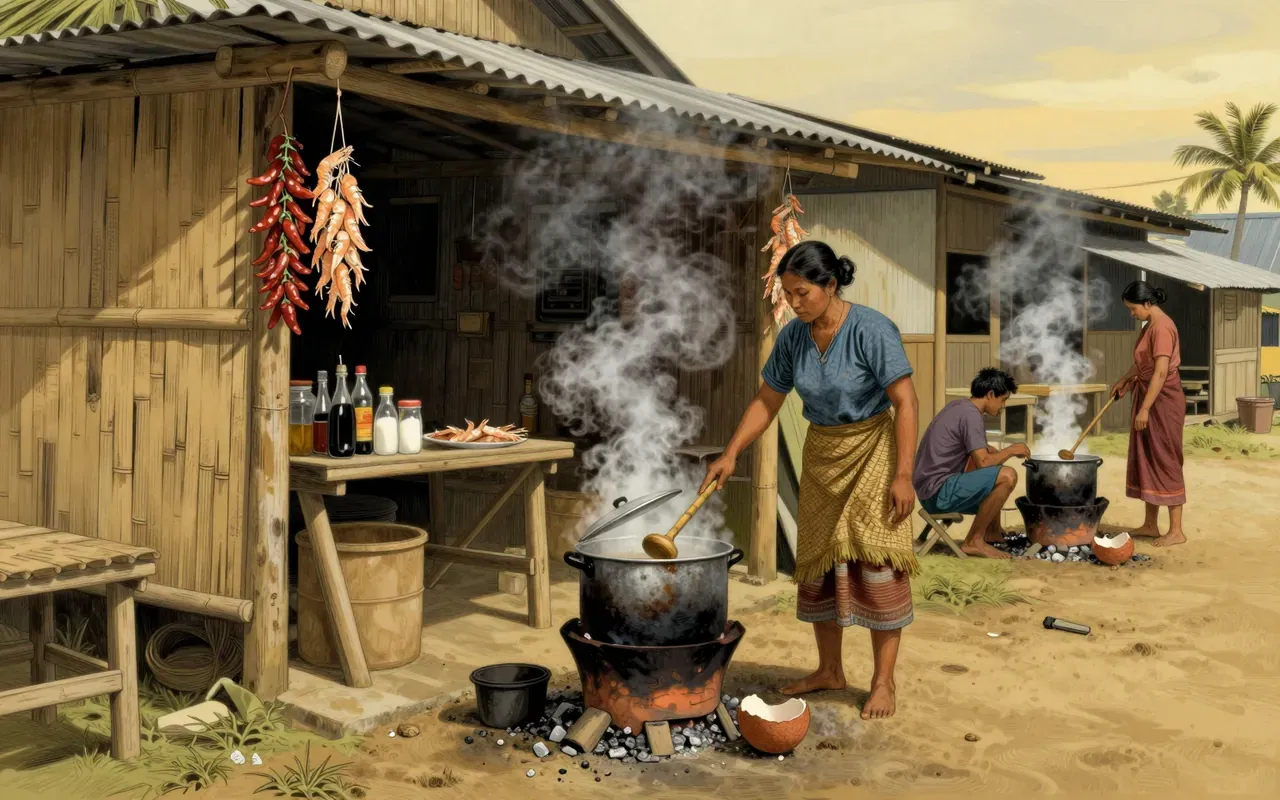
A fertilized duck egg incubated 14–21 days, then steamed or boiled and eaten from the shell.
8:53

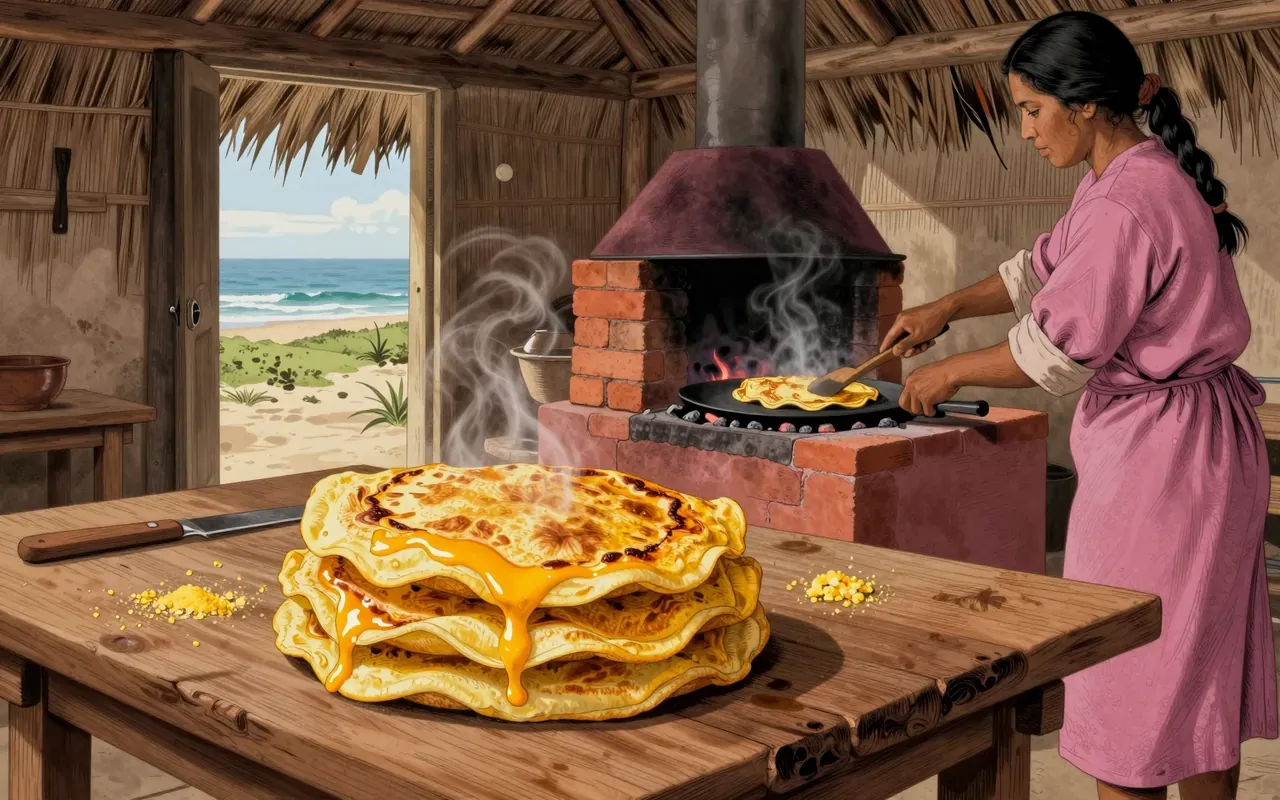
Cachapa

Cachapa is not heritage tourism—it’s 3,000 years of unbroken maize logic.
8:10

Coconut

The coconut is not nature’s accident—it’s Austronesian infrastructure.

fashion.briefs Fashion

All 4 in fashion →
10:44

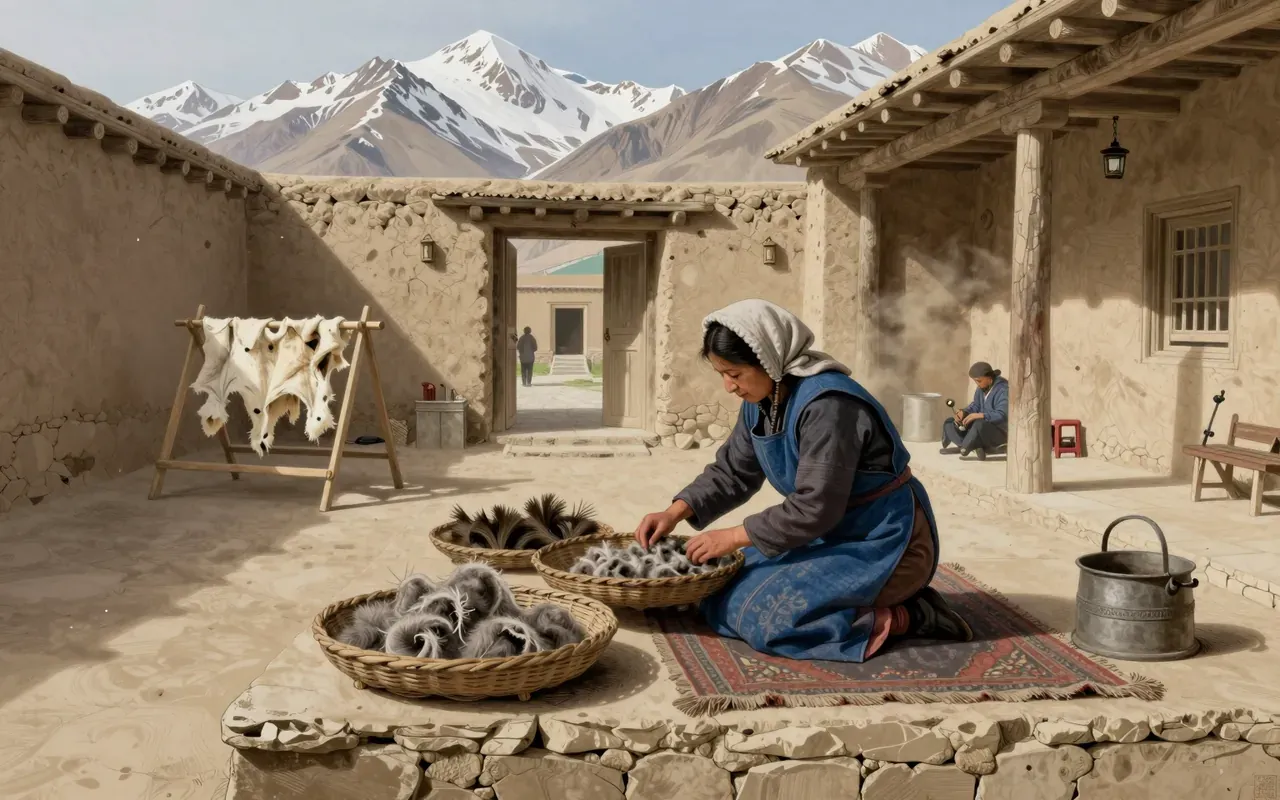
Cashmere wool

Cashmere regulates temperature and absorbs moisture — but it cannot regulate its own supply chain.
9:05

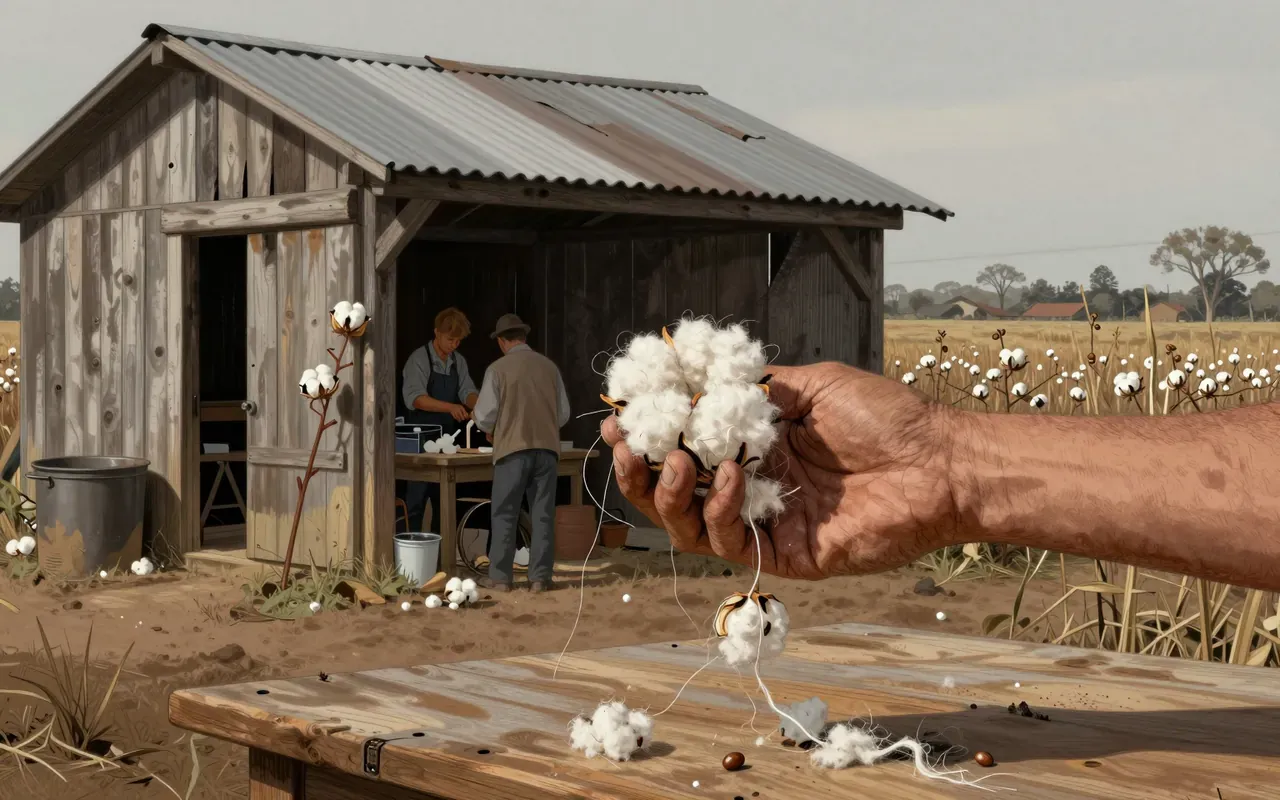
Cotton

Cotton is not clothing—it’s the first textile that let humans wear climate, not armour.
8:00

Wool

Wool doesn’t drape—it defends. And it does so with keratin, crimp, and a third-of-its-weight thirst for water.
10:29

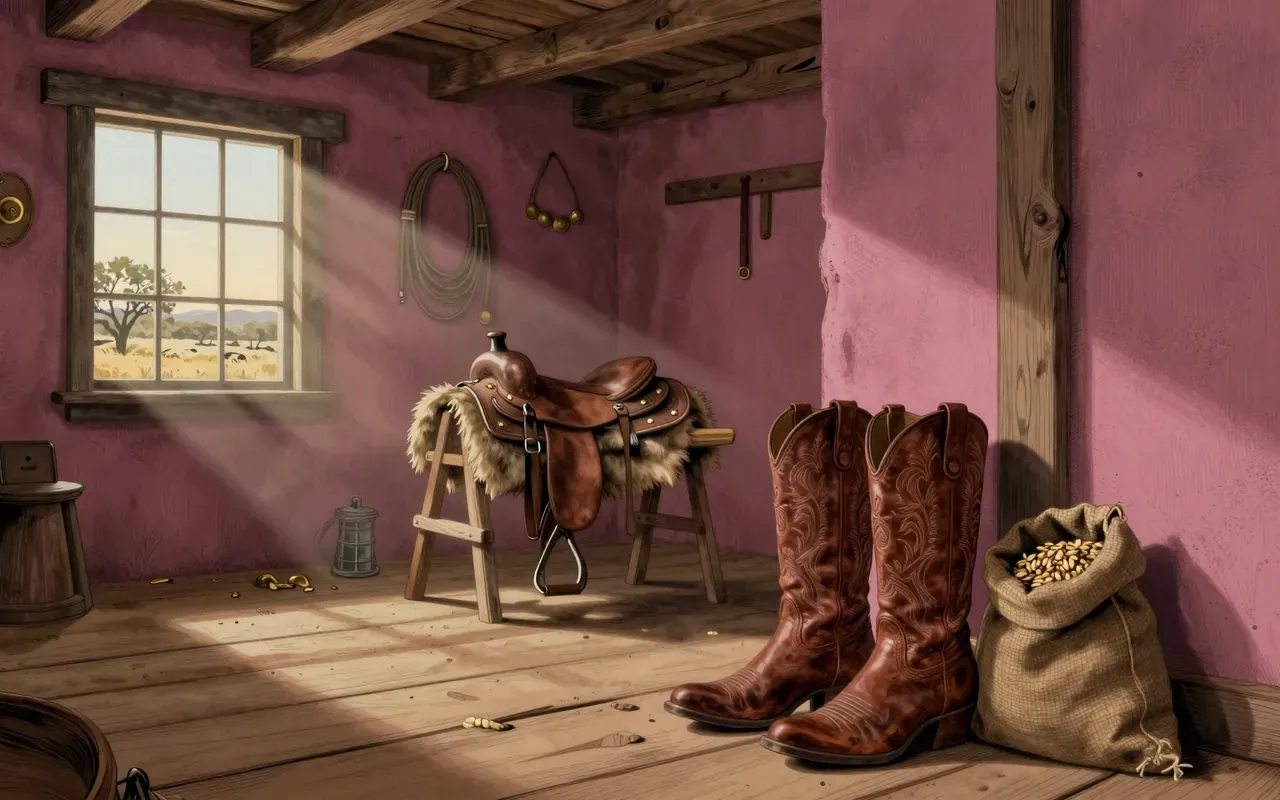
Cowboy boot

A boot built to stop cowboys from being dragged became a uniform for people who’ve never mounted a horse.

nature.briefs Nature

All 11 in nature →
10:42

Theobroma cacao

Cacao isn’t just chocolate’s source — it’s a glacial survivor, midge-dependent, and genetically anchored to a bean-shaped refuge no bigger than Ecuador.
9:10

Coffea arabica

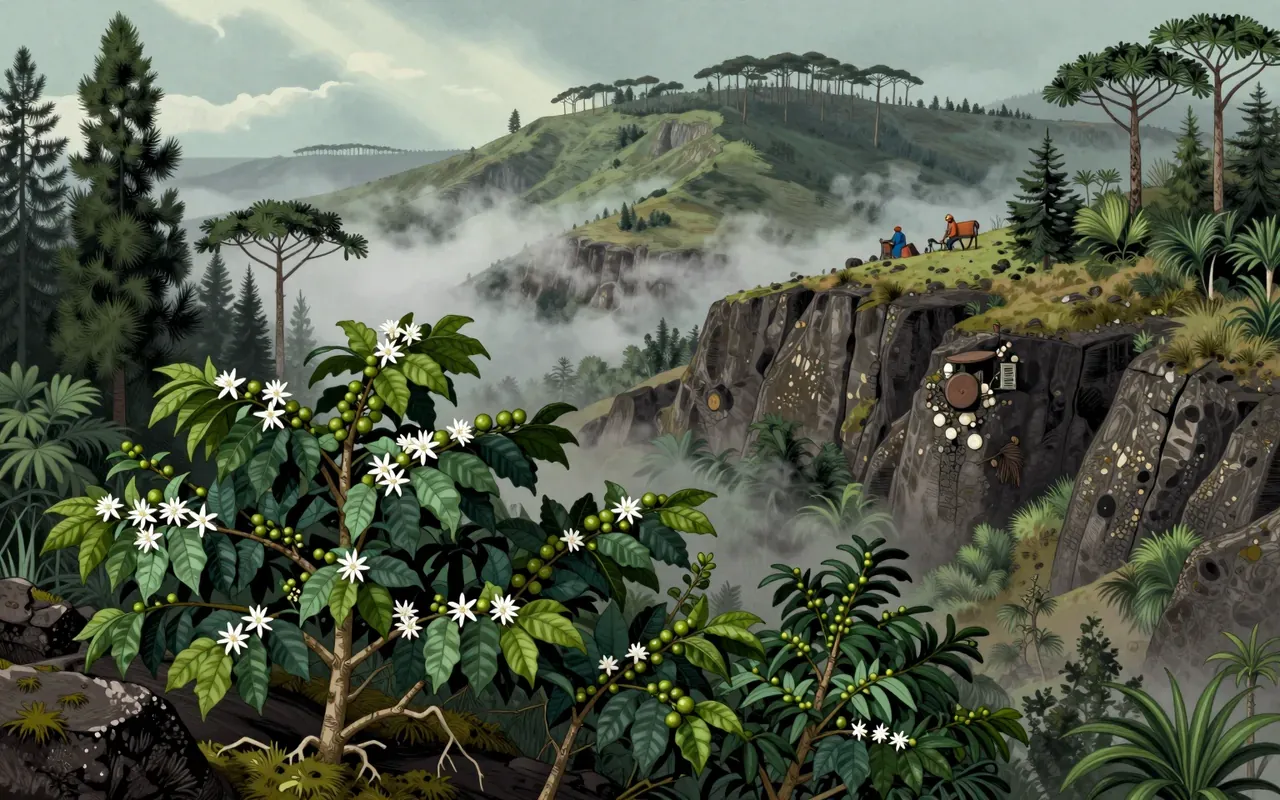
A 500,000-year-old hybrid that built a global industry — but cannot survive without its original forest.
9:29

Dung beetle

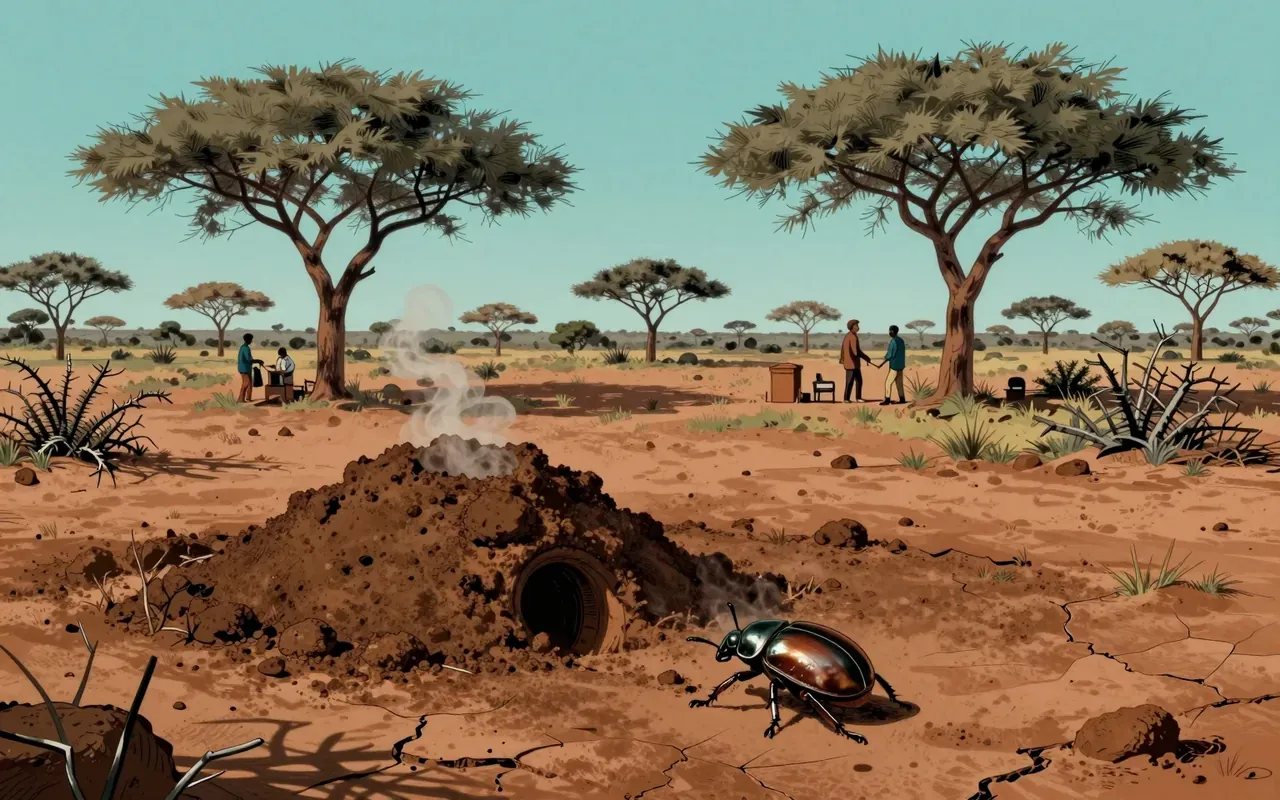
They are not a species—but they move the world’s dung, map the stars, and reshaped Egyptian cosmology.
9:53

Cherry blossom

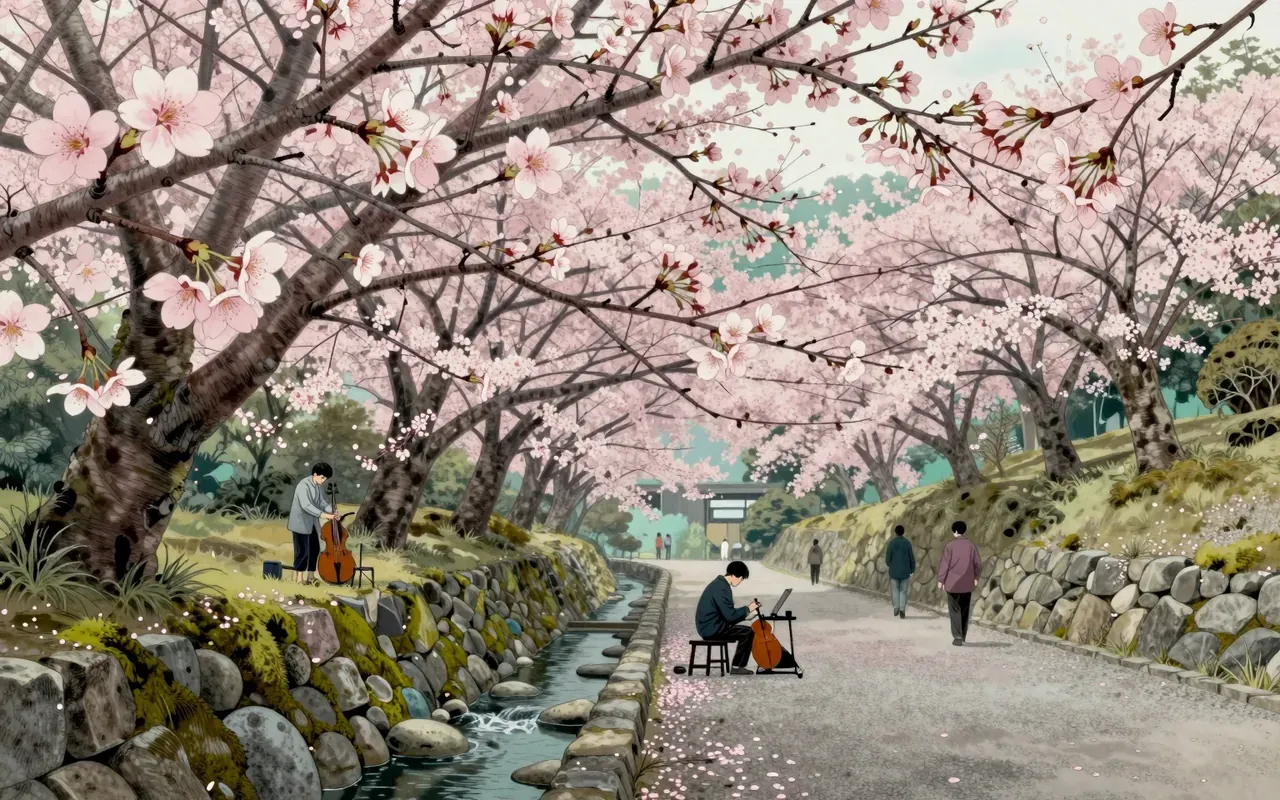
Cherry blossom is not a plant — it’s a public ritual made visible by selective breeding.
9:08

Honey bee

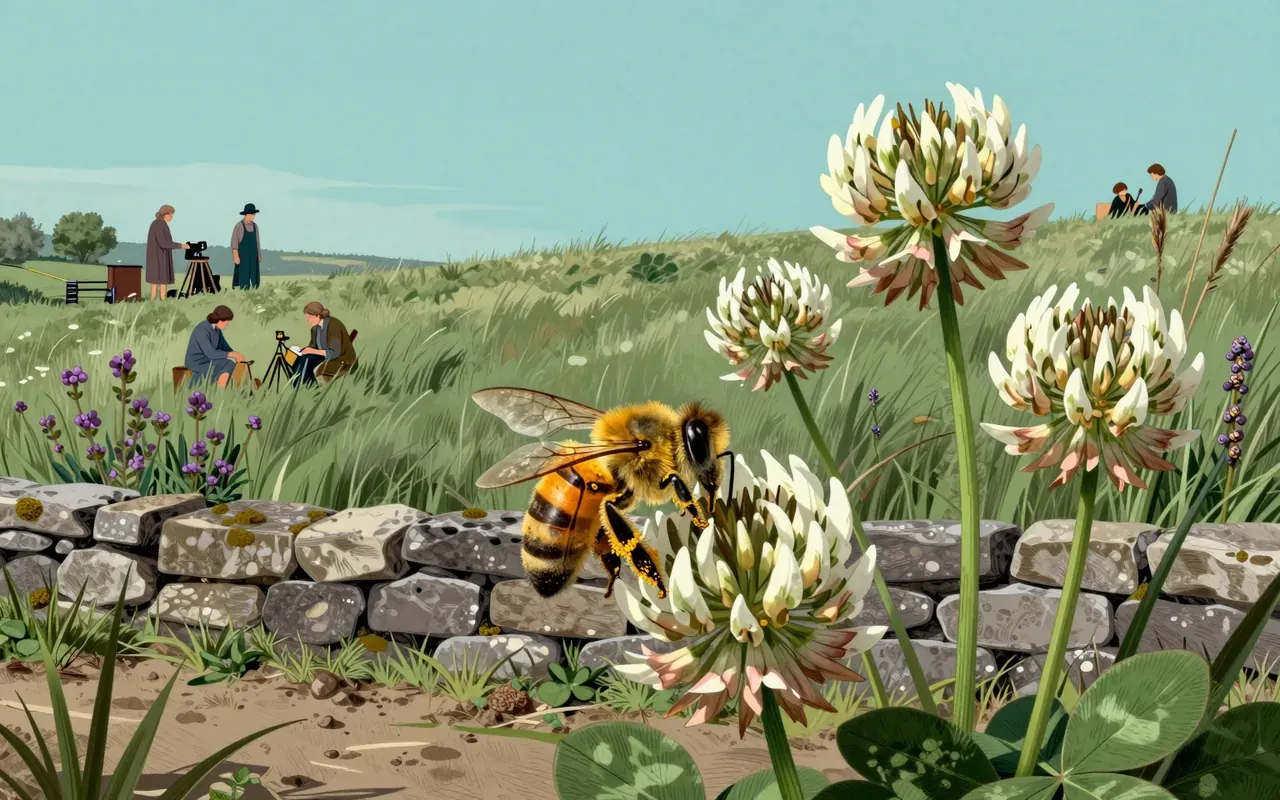
Honey bees are agricultural infrastructure—not wildlife—and their global dominance is a human transplant, not an ecological triumph.
9:50

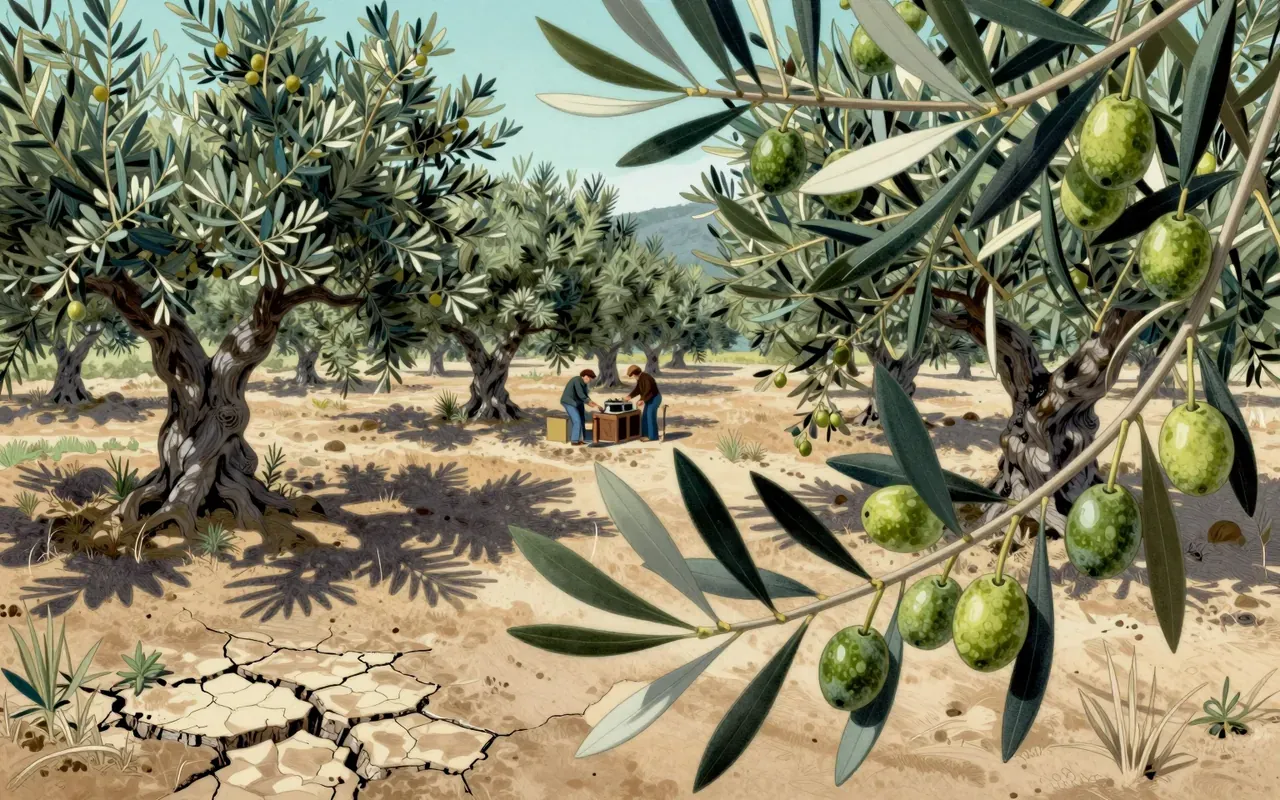
Olive

The olive is not a wild tree—it’s a 6,000-year-old contract between humans and a drupe.
10:02

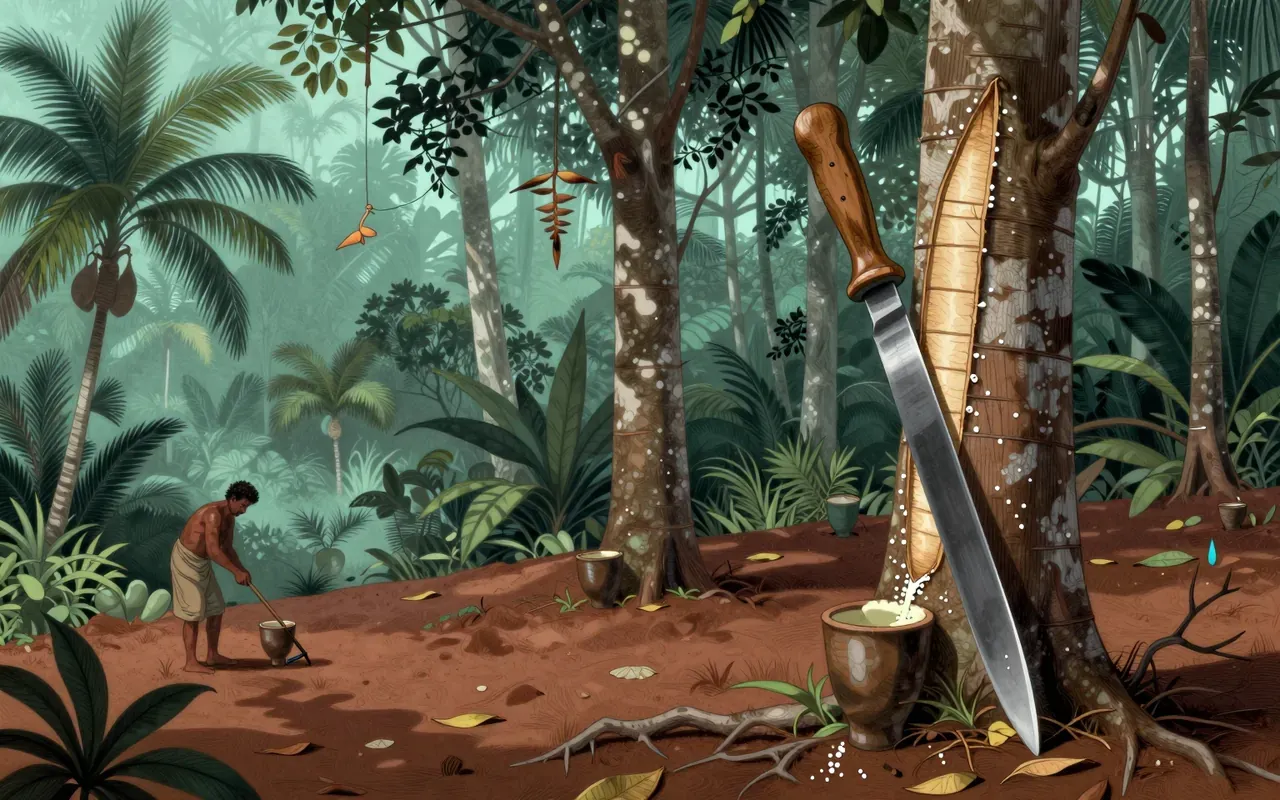
Hevea brasiliensis

A tree that built empires by bleeding rubber—and collapsed its own homeland’s forests from within.
9:08

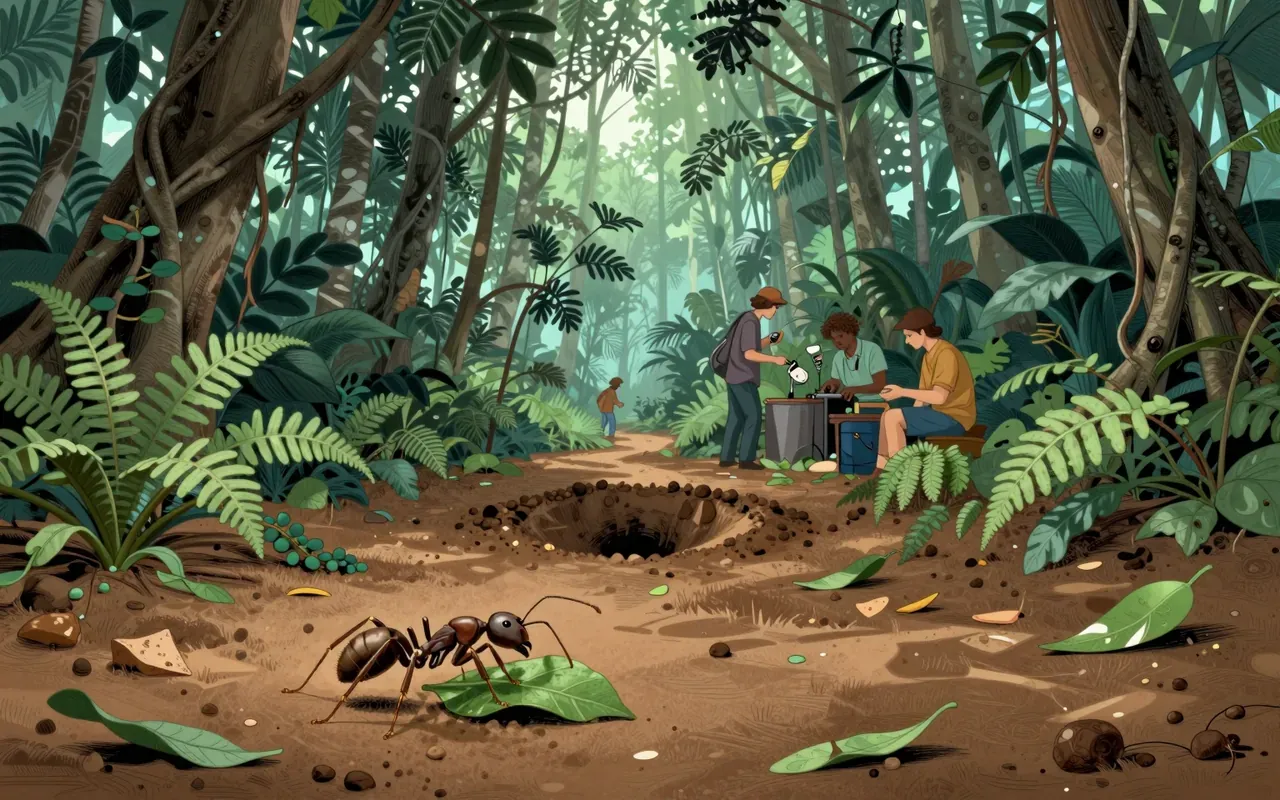
Leafcutter ant

They farm fungi, deploy antibiotics, and run cities underground—yet never leave the tropics of the Americas.