Interstellar
Hans Zimmer · 2014
A functional, architecturally driven score that treats the cathedral as its primary instrument. It lands where space and gravity meet sound — and fails where melody or motion is expected.
The universe as a whole, reconstructed from very old light.
A functional, architecturally driven score that treats the cathedral as its primary instrument. It lands where space and gravity meet sound — and fails where melody or motion is expected.
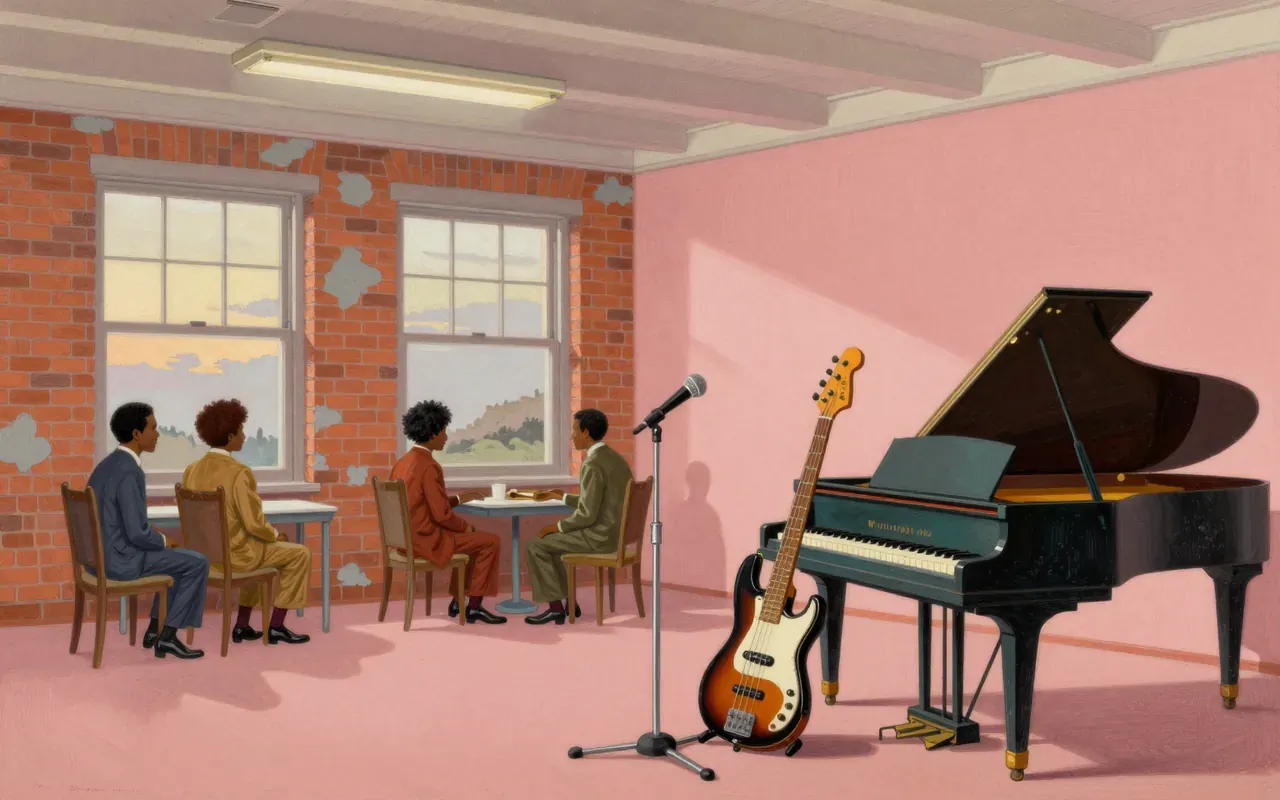
The Heliocentric Worlds of Sun Ra, Volume 1 is a 1965 album of compositions and arrangements by Sun Ra played by Sun Ra and his Solar Arkestra. It was recorded at Studio RLA in New York on April 20, 1965, engineered by Richard L Alderson. The music is heavily percussive but dispenses with a continuous beat, reconstructing itself around interweaving compositional and improvisatory creative principles with programmatic affects. It exemplifies a radical break from previous notions of melody or harmony. The interwoven lines of Ronnie Boykins' bass and Sun Ra's electronic keyboards provide cohesion. Sun Ra directed the session in real time—stopping takes, assigning rhythms, revising horn parts, and reassigning solos based on his understanding of each player's strengths. The album was originally released with a black-and-white sleeve designed by Sun Ra. It belongs to Sun Ra's New York phase, marked by experimentalism, tape delay, spatial sound, free improvisation, expanded instrumentation, and pioneering use of synthesizers and electronic keyboards.
Errol Morris’s 1991 documentary profiles Stephen Hawking not as a disembodied genius but as a man whose physical constraints and intellectual ambitions coexist in constant dialogue. Shot on studio sets with a score by Philip Glass, it weaves family testimony, scientific reflection, and quiet observation into a portrait where cosmology and biography are inseparable.
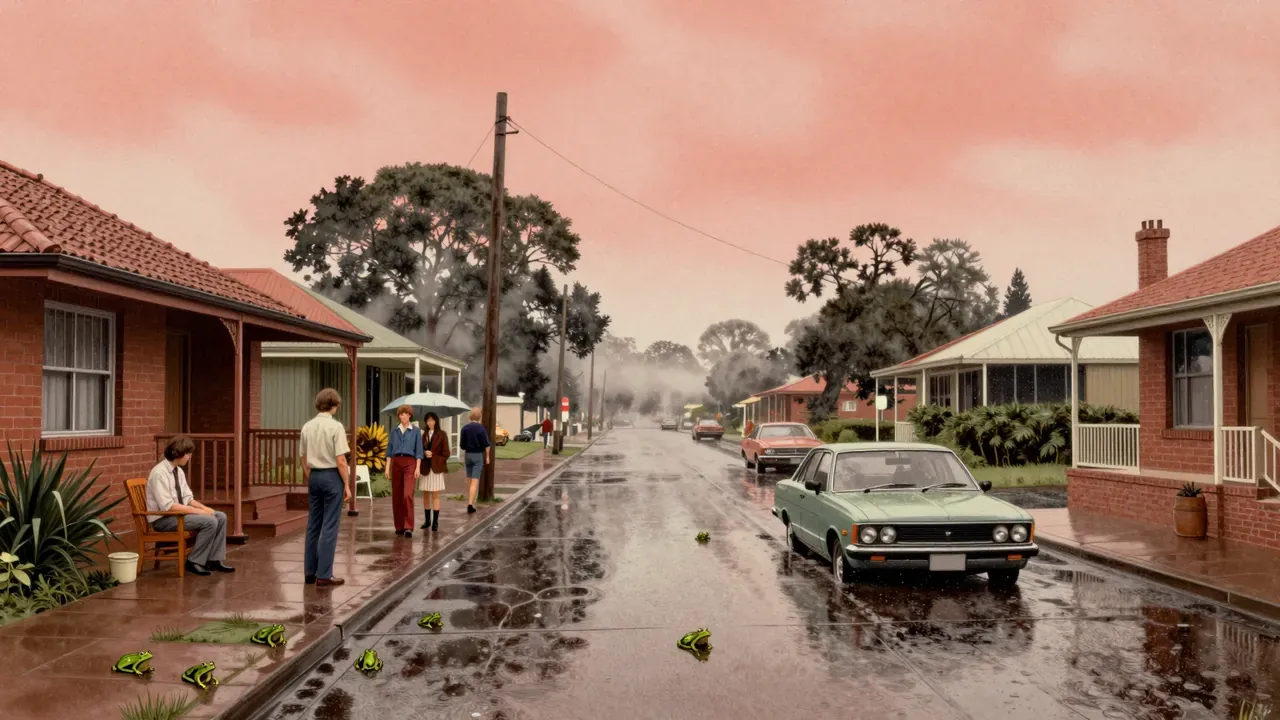
Peter Weir’s 1977 film follows Sydney solicitor David Burton as he defends four Aboriginal men accused of murder — and finds his grip on reality loosening amid inexplicable weather, prophetic dreams and encounters with Dreamtime logic. Shot in Adelaide and Sydney by Russell Boyd, it sustains a mood of ontological unease without resorting to exposition or resolution.

Terrence Malick’s 2011 film interweaves cosmic origins, prehistoric evolution, and a 1950s Texas childhood into a single sensory continuum. Shot by Emmanuel Lubezki and edited from hundreds of hours of footage, it replaces plot with rhythm, dialogue with light, and psychology with presence. Its ambition is ontological: to treat human experience and natural process as variations on the same physical law.

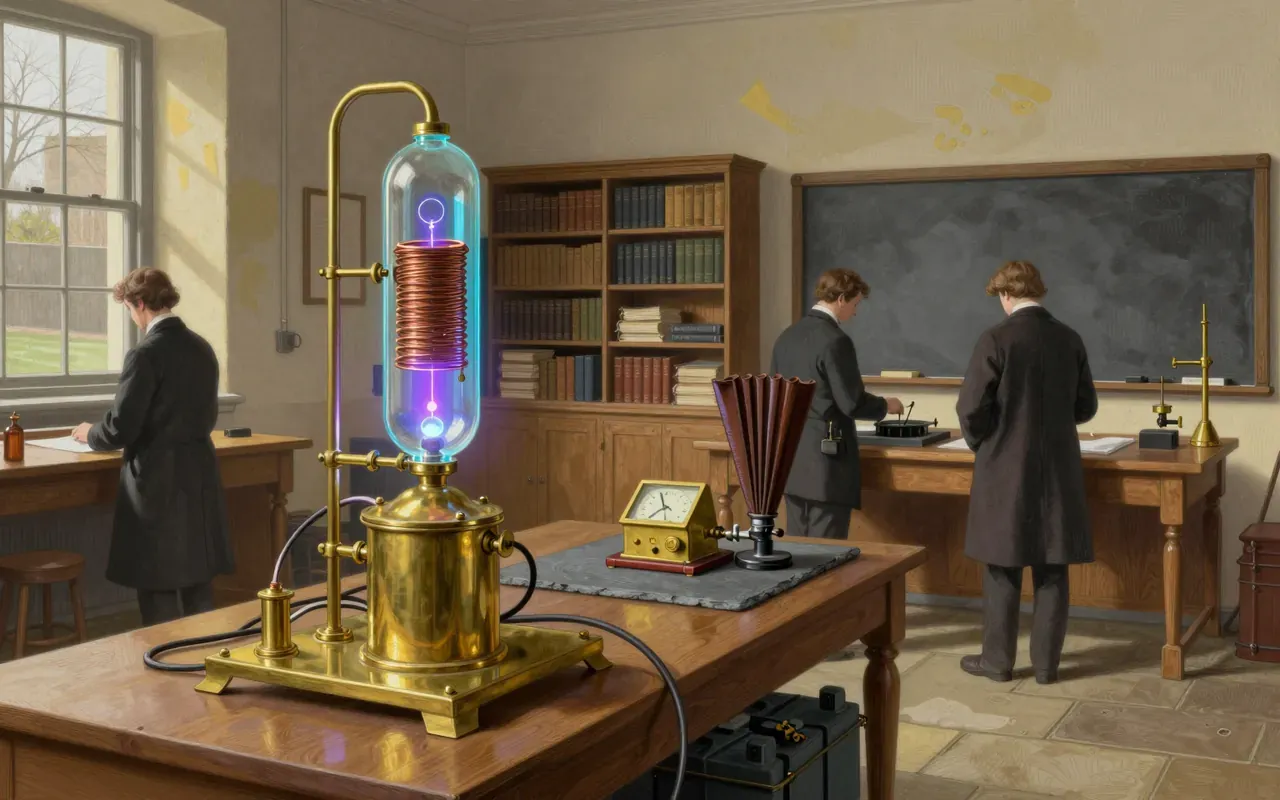

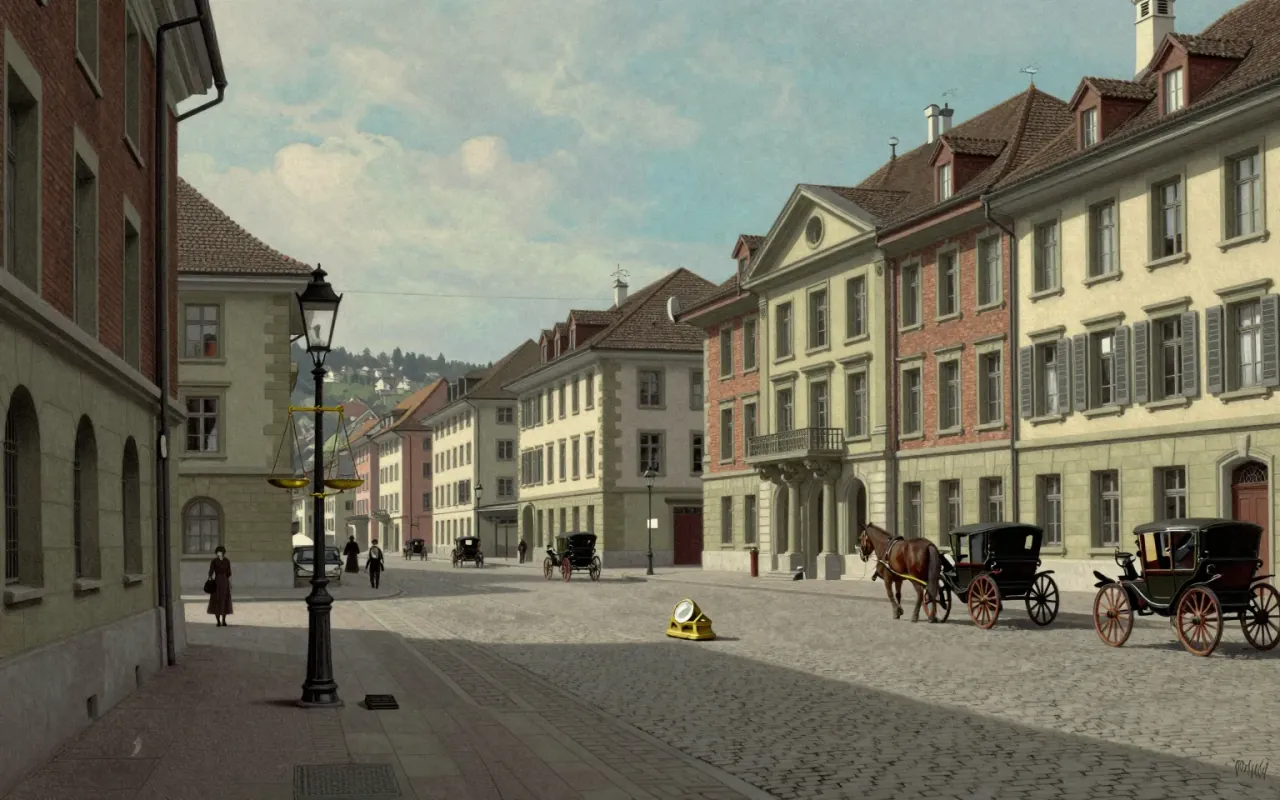

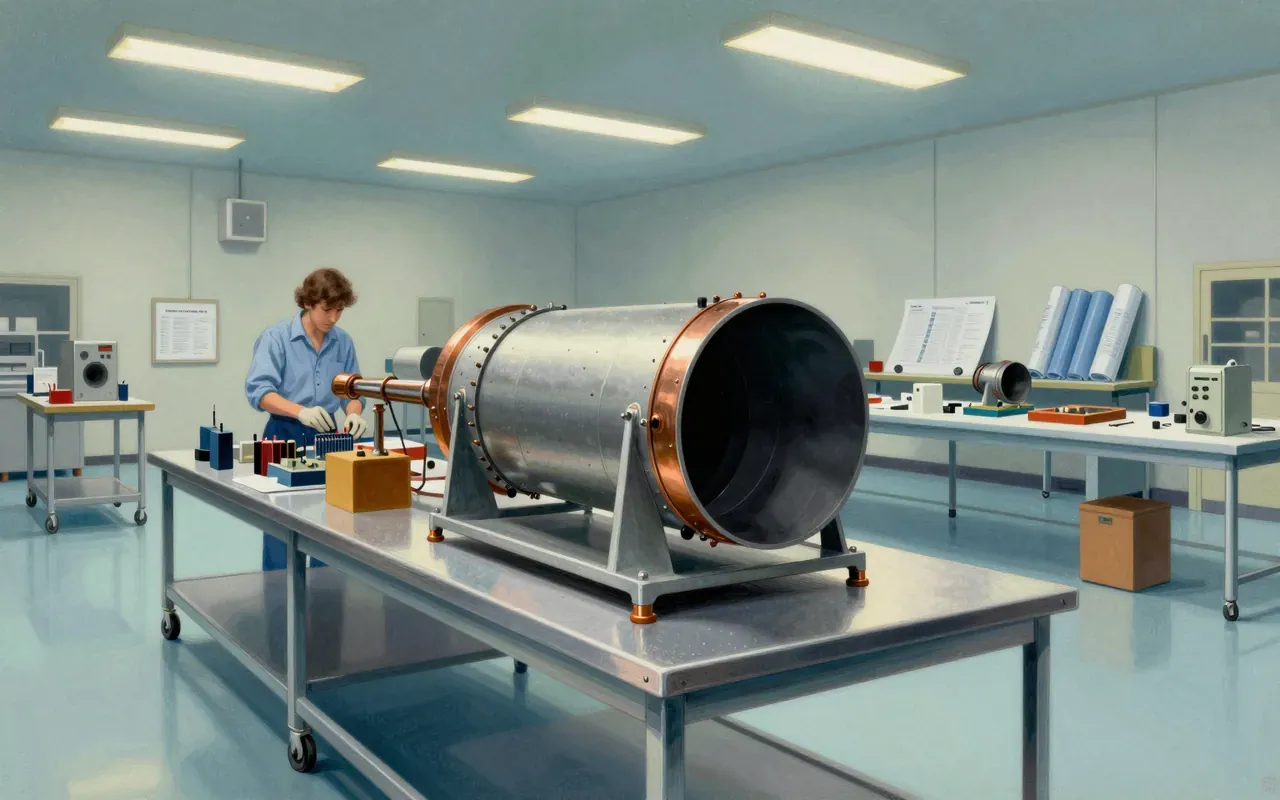
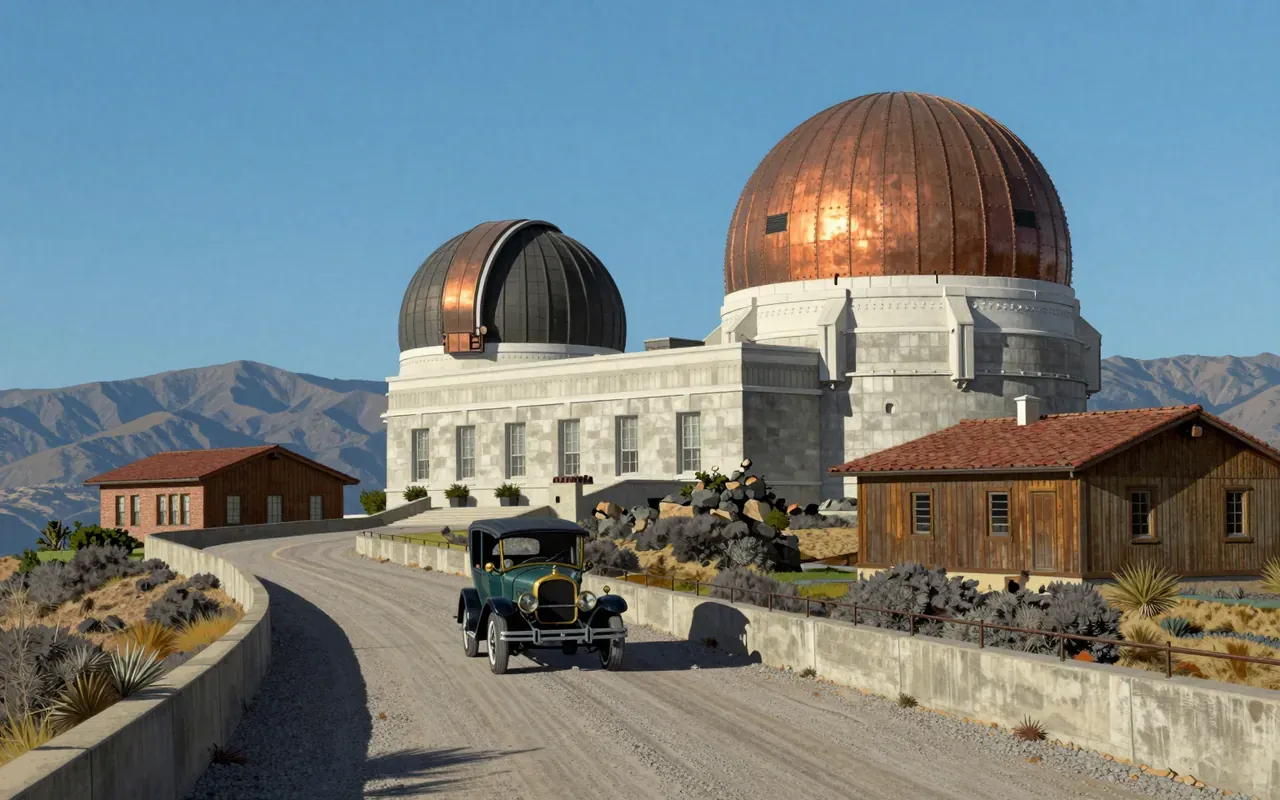
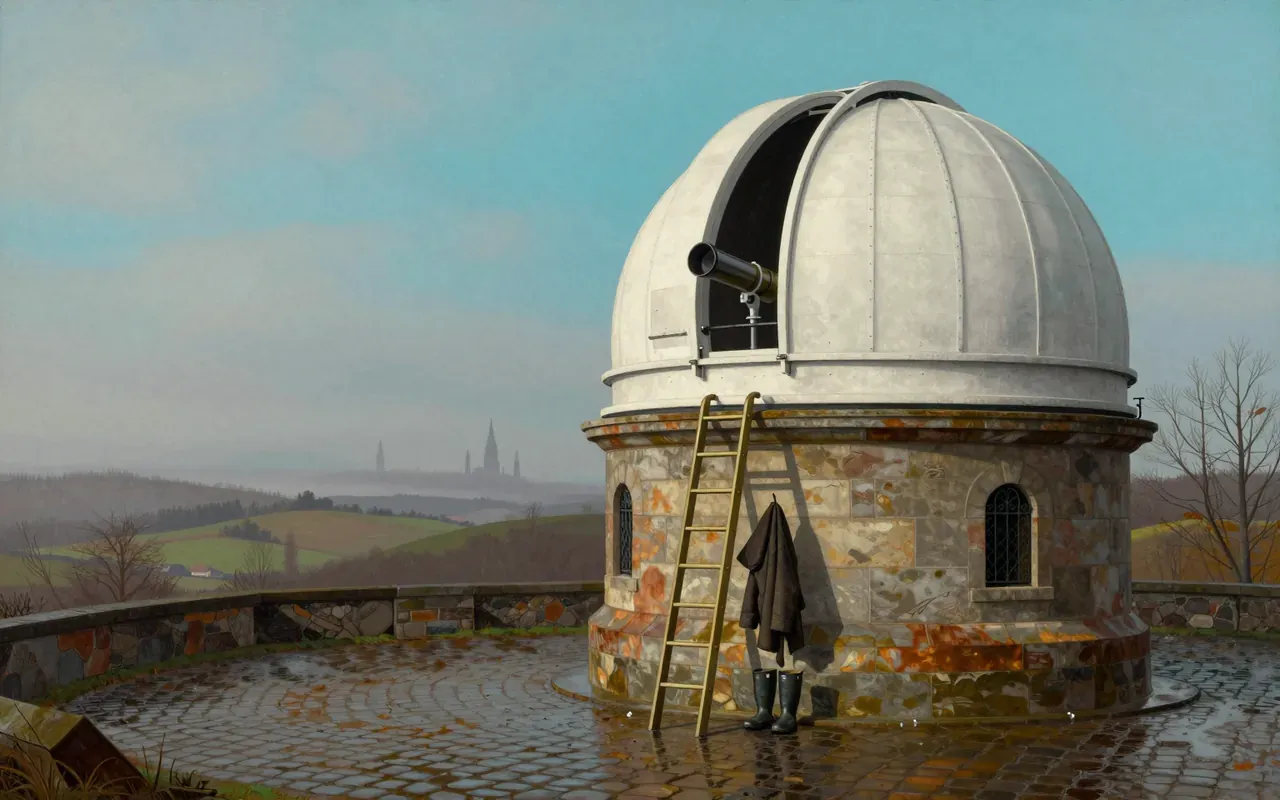
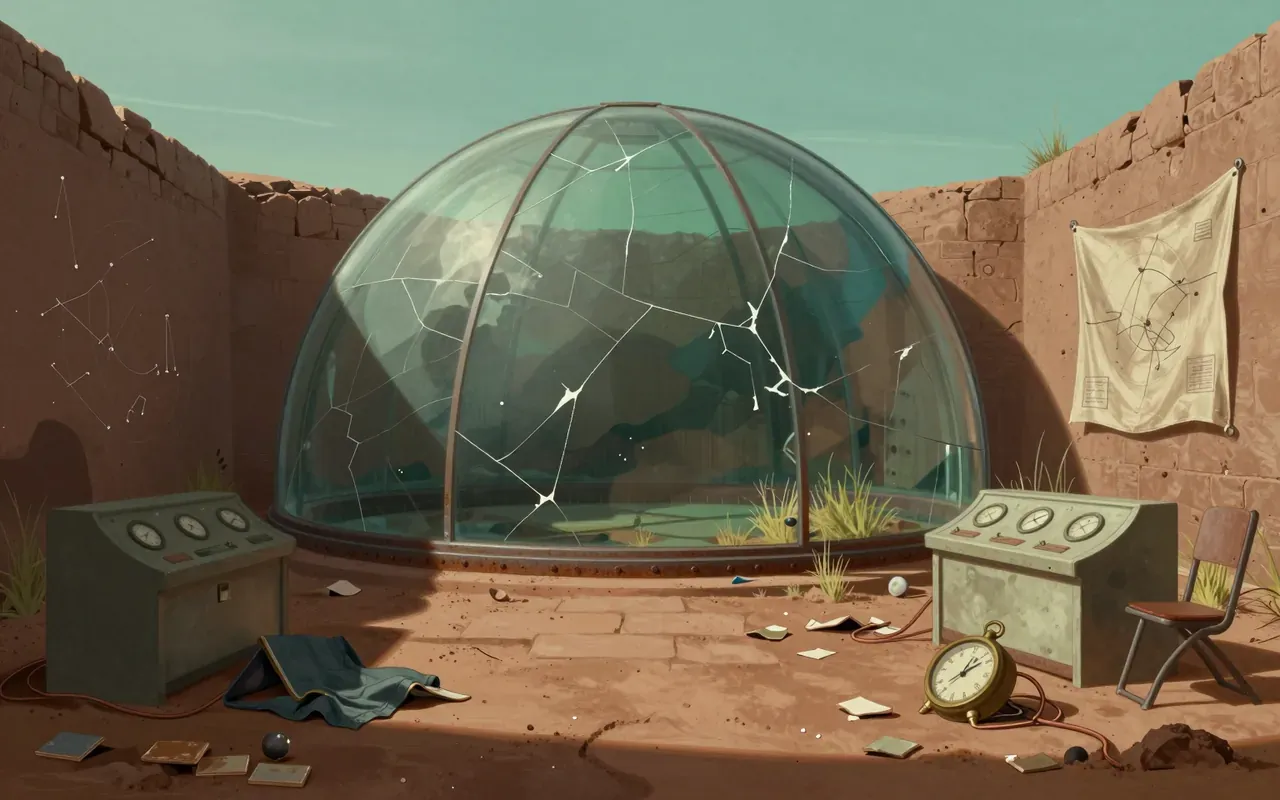
Outer Wilds is a tightly wound clockwork of time, memory, and celestial mechanics. It gives you nothing but questions—and insists you answer them in order.
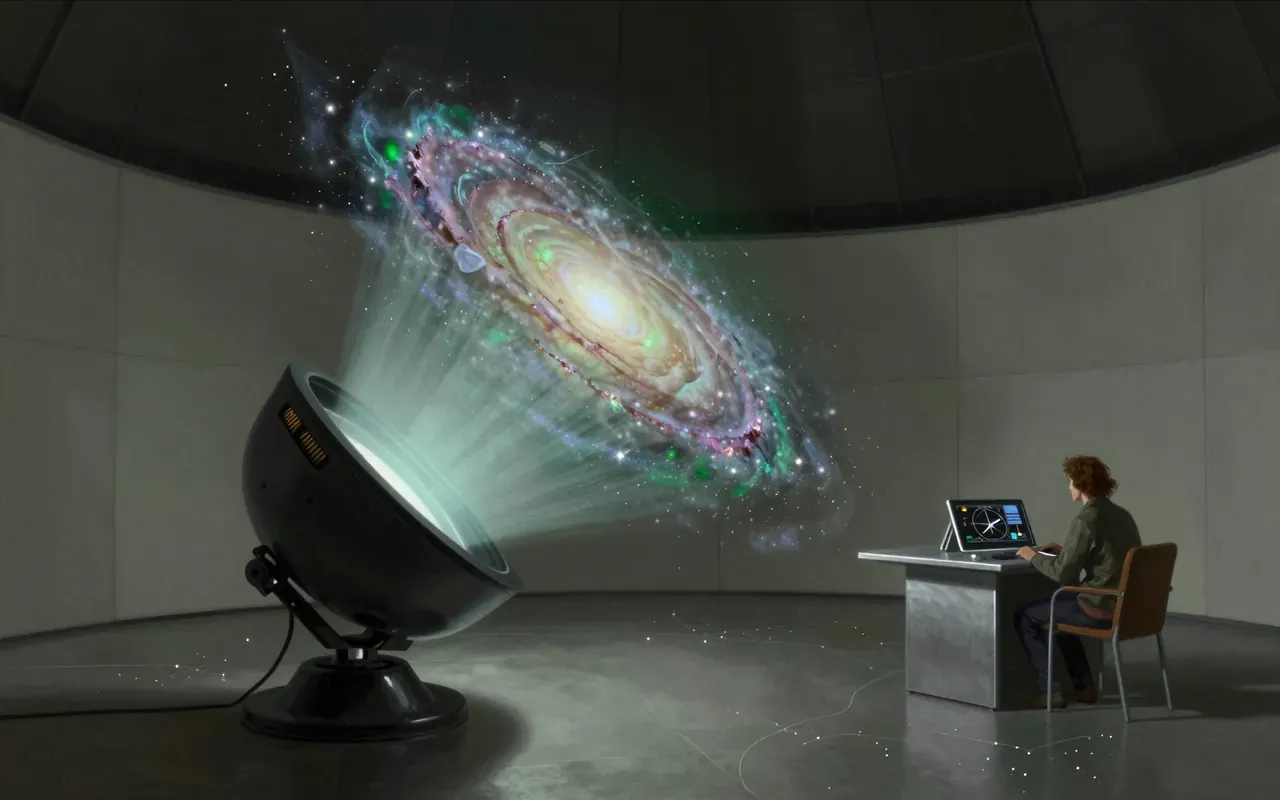
Universe Sandbox (2008) is a physics simulation tool masquerading as a game. It lets players load real solar system data or invent new stars, planets, and black holes — then adjust mass, density, velocity, and time to watch gravity do its work. There is no score, no story, no failure state — only observation, iteration, and consequence. Its strength is fidelity to astrophysical cause-and-effect; its limit is the absence of any design layer between the user and the equations.