briefs
Topic · across the network

Climate change

Physics that became politics, on a schedule nobody set.

107
briefs
10
subjects
10:37
average
1136 min
in total
Abstraction 407Absurdism 137Acoustics 220Acting 65Adaptation 372Addiction 95Adolescence 202Advertising 77Age of exploration 14Ageing 113Agriculture 100Algorithms 114Ambition 46Anarchism 38Ancient Egypt 17Ancient Greece 38Ancient Rome 30Animals 172Anthropology 23Apartheid 12Architecture 165Archives 32Argentina 10Art Deco 26Artificial intelligence 78Astronomy 81Attention 42Australia 32Automation 73Avant-garde 164Aviation 79Banking 72Banned works 40Bauhaus 12Beer 5Behavioural economics 22Berlin 16Big tech 6Biodiversity 136Biography 86Birds 41Black holes 20Blockchain 12Boxing 14Branding 77Brazil 43Bread 29Britain 131Brutalism 4Bubbles 3Buddhism 28Byzantium 10California 17Canada 18Capitalism 94Cars 468Celebrity 59Censorship 110Cheese 24Chefs 9Chemistry 104Chess 2Childhood 87China 109Chocolate 8Christianity 49Cinematography 343Cities 90Class 485Climate change 107Club culture 100Cocktails 2Coffee 11Cognitive bias 14Collecting 16Colonialism 284Colour 42Comedy 89Community 52Complexity 21Computing 309Consciousness 16Conservatism 14Conspiracy theories 8Cooking 178Corruption 38Cosmology 31Cover versions 64Craft 116Crate digging 42Creativity 8Crime 234Cryptocurrency 8Cryptography 24Cuba 10Cybersecurity 30Dada 12Debt 38Decision-making 28Decolonisation 46Deep time 80Democracy 45Denim 16Deserts 45Detroit 17Dinosaurs 12Directing 168Disasters 59Disease 109DJ culture 89Dreams 32Drones 5Drum machines 96Dystopia 69East Africa 28Ecology 337Economics 36Editing 72Education 92Egypt 12Electric vehicles 59Emotion 22Empire 92Endurance 49Energy 120Engineering 541Entropy 8Epidemics 13Equality 9Espionage 31Ethics 44Evolution 174Existentialism 106Expertise 2Exploration 49Extinction 23Failure 37Family 240Fandom 22Fascism 45Fashion 215Fast fashion 12Fear 34Feminism 122Fermentation 126Film music 81Fishing 12Folklore 71Food history 588Football 16Forests 31Forgery 7France 163Fraud 15Free will 13Freedom 16French literature 15Friendship 24Furniture 36Gambling 14Gender 63Generations 28Genetics 87Geology 96Germany 66Globalisation 74Gothic 32Greece 5Grief 126Habits 6Happiness 2Hardware 709Haute couture 22Headphones 8Hi-fi 12Hinduism 12Hoaxes 1Human history 23Human nature 41Identity 138Illustration 8Impressionism 6Improvisation 249India 89Indonesia 15Industrial design 342Inequality 13Inflation 4Information 34Infrastructure 280Insects 29Intelligence 8Interiors 31Internet culture 88Invention 329Iran 41Islam 40Islands 17Israel 9Italy 52Jamaica 10Japan 114Jewellery 5Journalism 34Judaism 13Justice 42Korea 41Language 70Law 90Leadership 20Learning 6Liberalism 1Libraries 6Literary criticism 26London 12Loneliness 61Los Angeles 62Lost works 9Love 67Luxury 55Machine learning 15Management 10Maps 5Marketing 21Markets 51Mars 6Marxism 26Masculinity 46Materials 138Mathematics 79Meaning 6Medicine 124Memory 82Mental health 70Mesopotamia 4Mexico 38Migration 95Minimalism 68Mining 30Misinformation 9Modernism 63Money 24Monopoly 32Mortality 61Motivation 2Mountains 16Museums 27Mysticism 11Mythology 60Nationalism 40Neuroscience 23New York 36Nigeria 7Nihilism 10Noise 31Nostalgia 33Nuclear 29Nutrition 17Oceans 48Oil 42Open source 45Painting 18Palaeontology 29Parenting 14Paris 18Partition 6Patents 71Patronage 14Perception 44Personal style 27Personality 2Persuasion 8Peru 10Philosophy 77Photography 37Physics 206Plants 26Platforms 89Podcasting 1Poetry 25Poland 17Policing 34Pop Art 16Populism 2Portraiture 6Portugal 18Postmodernism 23Power 91Prehistory 24Preservation 28Printmaking 21Privacy 11Probability 6Productivity 1Programming 54Prohibition 1Propaganda 35Protest 75Pseudoscience 17Psychology 80Publishing 22Punishment 16Quantum mechanics 44Race 145Radio 30Railways 35Rave 17Realism 47Record labels 19Recording 810Relativity 23Religion 154Resilience 15Restaurants 30Restoration 2Retail 94Revolution 58Risk 18Ritual 96Robotics 26Romance 96Russia 58Salt 9Sampling 246Satire 84Scandinavia 28Scientific method 186Screenwriting 26Sculpture 7Secularism 2Self-deception 14Semiconductors 73Sexuality 102Ships 18Silence 24Silicon Valley 17Slavery 35Sleep 2Smartphones 27Sneakers 15Social media 58Socialism 9Software 68Songwriting 180Sound design 332Sound systems 20South Africa 19South East Asia 30Space exploration 84Spain 18Special effects 41Spices 62Spirits 12Sport 82Startups 21Statistics 10Status 9Stoicism 4Storytelling 68Strategy 70Street food 99Streetwear 16Studio craft 508Subcultures 59Sugar 12Supply chains 115Surrealism 53Surveillance 21Sustainability 30Synthesis 232Tailoring 37Taxation 14Tea 24Textiles 97Thailand 11The American Revolution 19The American South 88The Arab world 41The Arctic 19The Balkans 17The Belle Epoque 13The body 29The brain 26The Caribbean 28The civil rights movement 62The Cold War 160The eighties 268The Enlightenment 29The financial crisis 19The First World War 39The food industry 157The French Revolution 9The Gilded Age 9The Great Depression 18The Holocaust 20The Industrial Revolution 93The internet 61The interwar years 135The Middle Ages 35The Moon 4The music business 169The Netherlands 10The nineties 26The Olympics 10The pandemic 13The Reformation 1The Renaissance 16The Russian Revolution 19The Second World War 102The seventies 58The sixties 28The space race 5The United States 19The universe 7The Victorian era 37Therapy 20Tokyo 11Trade 48Tragedy 22Translation 5Trauma 85Travel 5True crime 2Turkey 18Typography 54Uniforms 23Unions 8Urban planning 66Utilitarianism 1Utopia 5Vaccines 10Vegetarianism 15Venture capital 6Video games 291Vietnam 12Vintage 65Vinyl 6Virtual reality 11War 169Watches 4Water 11Weather 29West Africa 29Wilderness 10Wine 3Work 22Workwear 19Worldbuilding 121

music.briefs Music

All 2 in music →
8:46

A Moon Shaped Pool

Radiohead · 2016

A Moon Shaped Pool is Radiohead’s ninth studio album, released in 2016. It features Jonny Greenwood’s orchestral arrangements, includes older material such as 'True Love Waits', and incorporates strings and choral vocals by the London Contemporary Orchestra. The album was released digitally in May 2016 and physically in June via XL Recordings. Its sessions were affected by personal events including Nigel Godrich's father's death and Thom Yorke's separation from and later loss of his wife Rachel Owen, who died from cancer in 2016. The album was promoted with music videos for 'Daydreaming' and 'Burn the Witch' and received critical acclaim, appearing on year-end best-album lists and earning Grammy nominations including Best Alternative Music Album and Best Rock Song for 'Burn the Witch'. It became Radiohead's sixth UK number-one album and reached number three in the US. It was also nominated for the Mercury Prize, making Radiohead the most shortlisted act in Mercury history. The album was recorded at La Fabrique studio near Saint-Rémy-de-Provence, France, after initial work began in September 2014. Radiohead had previously attempted to write a theme for the James Bond film Spectre, but both submissions were rejected and later released independently. The album's release marked a return to more emotionally resonant and less cynical lyrical themes compared to earlier works, conveying wonder and amazement rather than alienation or political anger. It was followed by extensive touring across Europe, Japan, and North and South America, featuring Clive Deamer on drums until 2018, and later Chris Vatalaro on the 2025 tour. The album's production involved long-standing collaborators Nigel Godrich (producer), Stanley Donwood (cover artist), and Paul Thomas Anderson (music video director).

9:26

Titanic Rising

Weyes Blood · 2019

A soft rock record about the world ending — and why holding someone’s hand still matters.
film.briefs Film

All 3 in film →
13:00

Afire

Christian Petzold · 2023

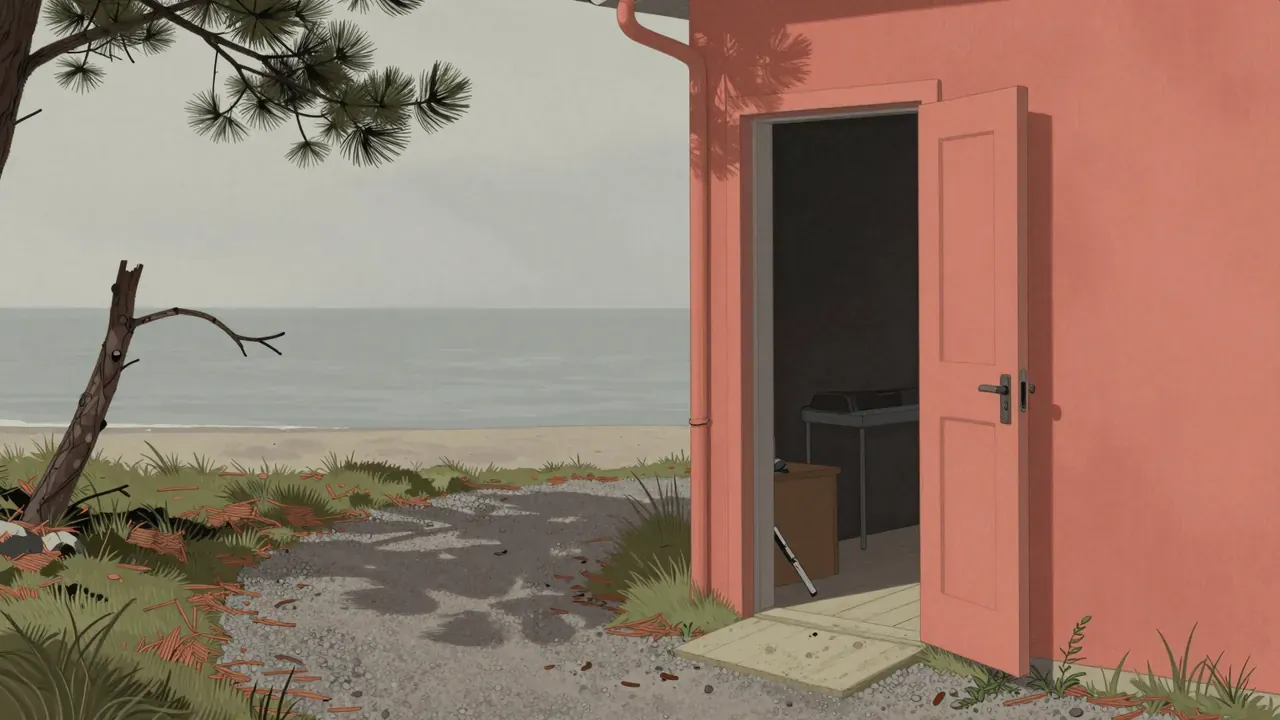
Christian Petzold’s Afire follows a brittle young writer whose self-absorption fractures under the pressure of shared space, honest criticism, and an approaching forest fire. Set in a Baltic holiday home, the film traces his slow disorientation as relationships shift and catastrophe interrupts narrative control. With restrained performances and unadorned craft, it asks how people begin to see clearly only after their stories stop holding.

13:00

Godzilla vs. Hedorah

Yoshimitsu Banno · 1971

Godzilla vs. Hedorah (1971), directed by Yoshimitsu Banno, recasts Godzilla as an ecological corrector confronting Hedorah — a monster born from industrial pollution. Shot in 35 days on a tight budget, it blends live action, animation, and stop-motion to deliver a blunt, child-facing warning about smog, acid rain, and systemic toxicity. Though criticised on release for tonal inconsistency and the infamous flying-Godzilla sequence, it has since gained stature as a singular, ideologically committed entry in the franchise — less entertainment than intervention.

13:00

First Reformed

Paul Schrader · 2017

Paul Schrader’s First Reformed follows Reverend Ernst Toller, a pastor of a dwindling Dutch Reformed church in upstate New York, as he confronts alcoholism, grief over his son’s death in Iraq, and escalating despair over climate catastrophe. When a pregnant parishioner seeks counsel for her radical-environmentalist husband, Toller is drawn into a crisis of faith, vocation, and bodily integrity. Shot in strict 1.33:1 aspect ratio with austere compositions and near-silent sound design, the film unfolds with liturgical slowness, building toward a climax that rejects catharsis in favour of raw, unresolved human contact.

history.briefs History

All 9 in history →
13:00

Typhoon Haiyan

3 November – 11 November 2013

Typhoon Haiyan reached one-minute sustained winds of 315 kilometres an hour before striking the Philippines on 7 November 2013, at the time the strongest tropical cyclone ever recorded by wind speed, and it went on to make six separate landfalls across the Visayas. Its storm surge, reaching 5.2 metres at Tacloban's airport, proved deadlier than the wind itself, destroying an estimated ninety percent of the city and even flooding the evacuation centre meant to shelter residents from the storm. The disaster killed at least 6,300 people, displaced over six million, and caused roughly 2.2 billion dollars in damage, making it the costliest typhoon in Philippine history, while triggering a large international relief effort complicated by damaged infrastructure and, controversially, an initially very small pledge of aid from China.

13:00

Bushfires in Australia

Since 1851

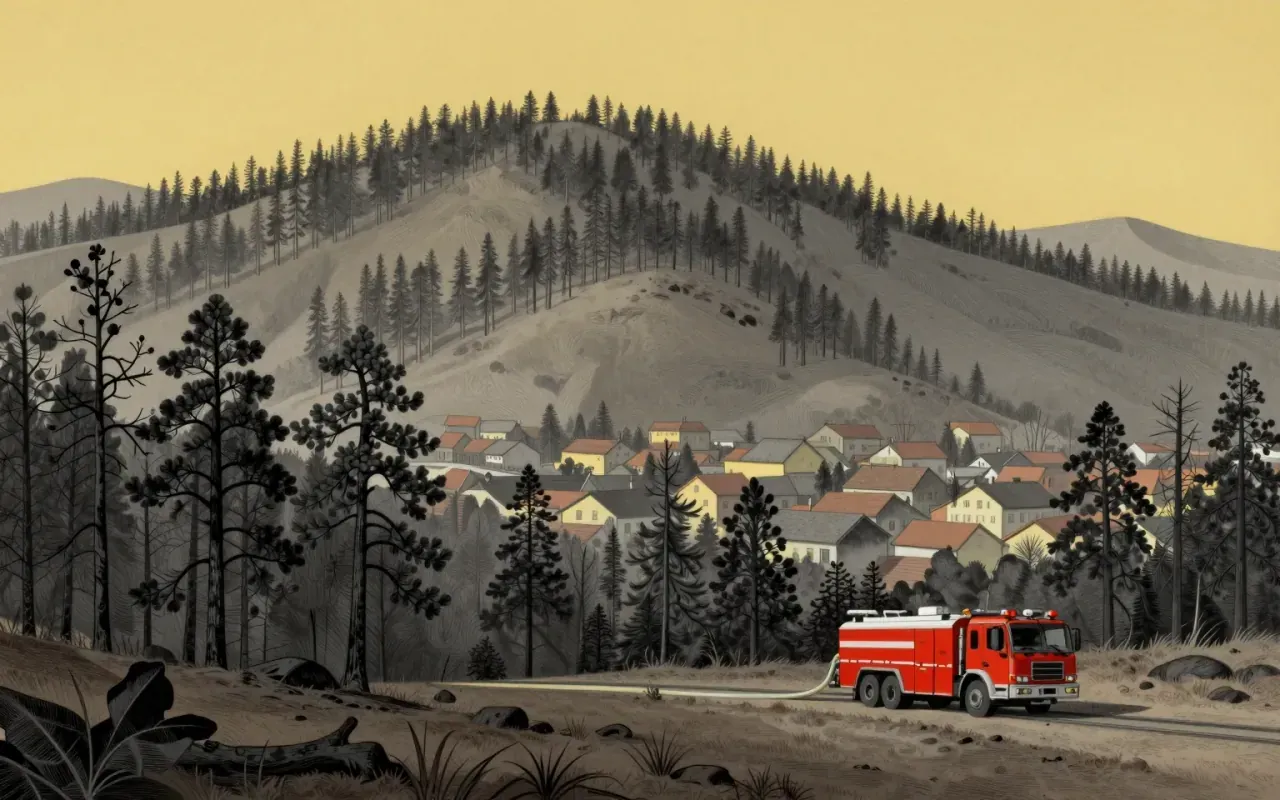
Bushfires have killed roughly eight hundred people in Australia since 1851, through a recurring sequence of major disasters including Black Friday in 1939, Ash Wednesday in 1983, and Black Saturday in 2009, the country's deadliest single fire event with 173 deaths. The Black Summer season of 2019 to 2020 surpassed them all in scale, burning around twenty-four million hectares, killing thirty-three people directly and contributing to a further 417 deaths through smoke inhalation, and causing an estimated 100 billion dollars in damage, making it the costliest natural disaster in Australian history. Roughly forty percent of fires in the country's southeast between 1997 and 2009 were deliberately lit, but Black Summer's scale is tied by the sources to record heat, prolonged drought, and a debate over climate change and fire management that remains unresolved in Australian politics.

13:00

Floods in Australia

Since 1852

Australia's deadliest recorded flood remains the 1852 Gundagai disaster, which killed 89 people, but the country has continued to suffer serious flooding through the twentieth and twenty-first centuries, including a 1934 Yarra River flood that killed 35 people in Victoria. The 2010 to 2011 Queensland floods, driven by a strong La Niña and Tropical Cyclone Tasha, affected more than 200,000 people and killed 33, including nine in a sudden flash flood at Grantham that Premier Anna Bligh described as an inland tsunami. Total economic costs reached an estimated 14.1 billion Australian dollars, and a subsequent legal battle over whether mismanagement of the Wivenhoe Dam worsened Brisbane's flooding ran until the High Court declined a final appeal in 2022.

13:00

Dust Bowl

1930–1936

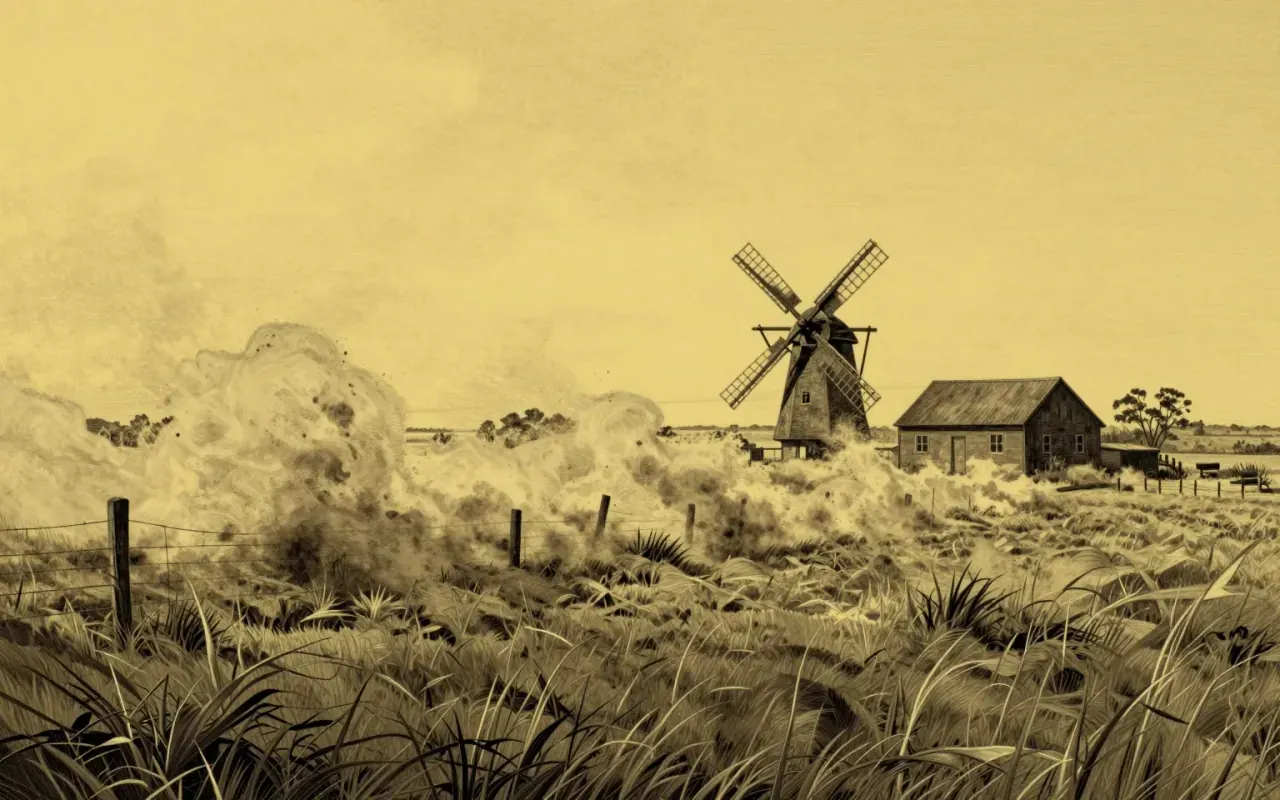
Severe drought combined with farming practices that had stripped the Great Plains of native grasses produced a decade of catastrophic dust storms through the 1930s, peaking with the storm known as Black Sunday in April 1935. Federal programmes under Franklin Roosevelt's New Deal introduced soil conservation measures that cut blowing soil by roughly two-thirds by 1938, but recent scholarship has challenged the popular image of a mass exodus, arguing migration out of the Plains rose only slightly compared with the previous decade.

13:00

2003 European heatwave

2003

The summer of 2003 was Europe's hottest since at least 1540, with temperatures reaching 47.3 degrees Celsius in Portugal and record highs across Britain, Germany, and Switzerland, and it is estimated to have killed around 72,000 people across the continent. France suffered the heaviest toll, somewhere between roughly 14,800 and 19,000 deaths, driven less by the heat itself than by nights that stayed unusually warm, housing without air conditioning, and a health and social care system that emptied out for the traditional August holiday just as elderly people living alone needed it most. The scandal cost Health Minister Jean-François Mattei his job the following year and led France to build a national heat wave response plan that has measurably reduced death tolls in subsequent hot summers.

13:00

Fall of Angkor

1431

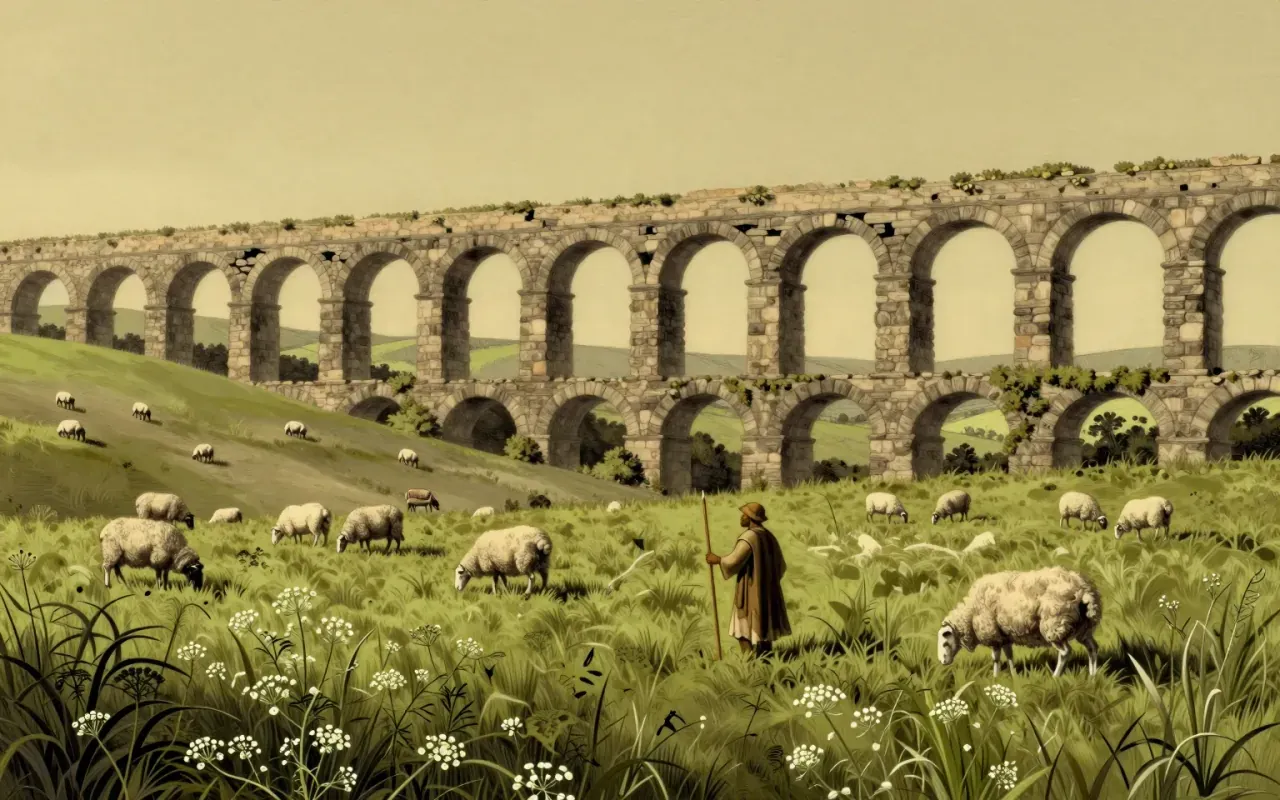
Angkor was besieged and occupied twice by the Ayutthaya kingdom before a final seven-month siege in 1430 forced the Khmer court to abandon it in 1431 for the site of modern Phnom Penh. Historians attribute the fall to some combination of military pressure, drought revealed only by modern tree-ring analysis, ecological strain from the city's own irrigation system, and a religious shift away from the older cult of divine kingship. Many temples remained in use long after the court's departure, and Sanskrit gave way gradually to Middle Khmer rather than the culture vanishing all at once.

13:00

Fall of the Western Roman Empire

476

The Western Roman Empire's collapse, conventionally dated to 476 AD when the Germanic commander Odoacer deposed the emperor Romulus Augustulus, followed a century of Gothic and other Germanic incursions, military strain and repeated civil war. Historians propose climatic, epidemiological, economic, political and religious explanations, and disagree sharply about whether to describe the process as a catastrophic fall or a more gradual transformation into successor kingdoms that preserved much of Roman law, language and administration.

13:00

Kyoto Protocol

2005

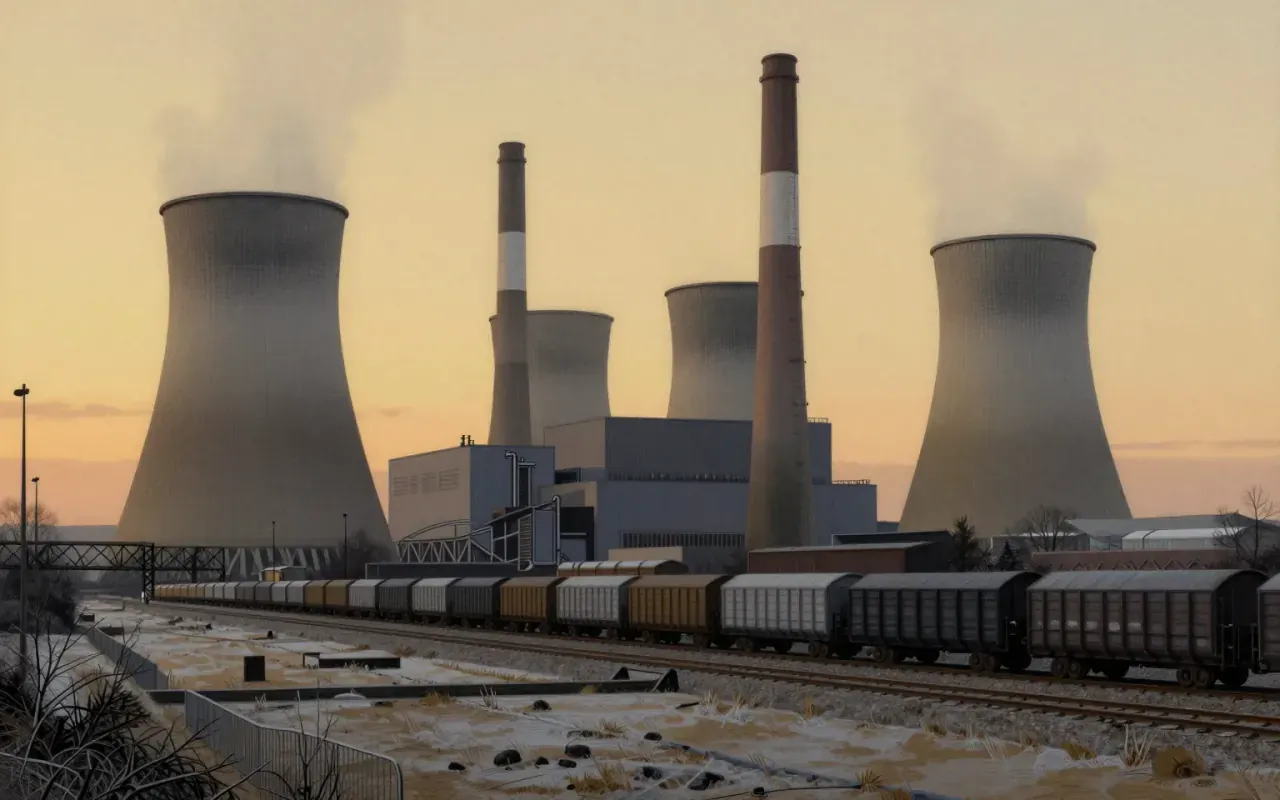
Adopted in 1997 and taking effect in 2005 once Russia's ratification met the treaty's entry threshold, the Kyoto Protocol bound thirty-seven industrialised countries to specific greenhouse gas reduction targets against a 1990 baseline. All thirty-six parties assessed for the first commitment period complied with their targets, yet global emissions rose by roughly a third between 1990 and 2010, a gap that shaped the Paris Agreement's later shift toward voluntary national pledges rather than binding international targets.

science.briefs Science

All 20 in science →
10:10

Renewable energy

Renewables aren’t a discovery — they’re a scaling target with a definition, not a breakthrough.
10:47

Carl Sagan

Sagan didn’t predict Venus’s heat — he measured it with radio waves, and proved the greenhouse effect wasn’t just earthly.
13:00

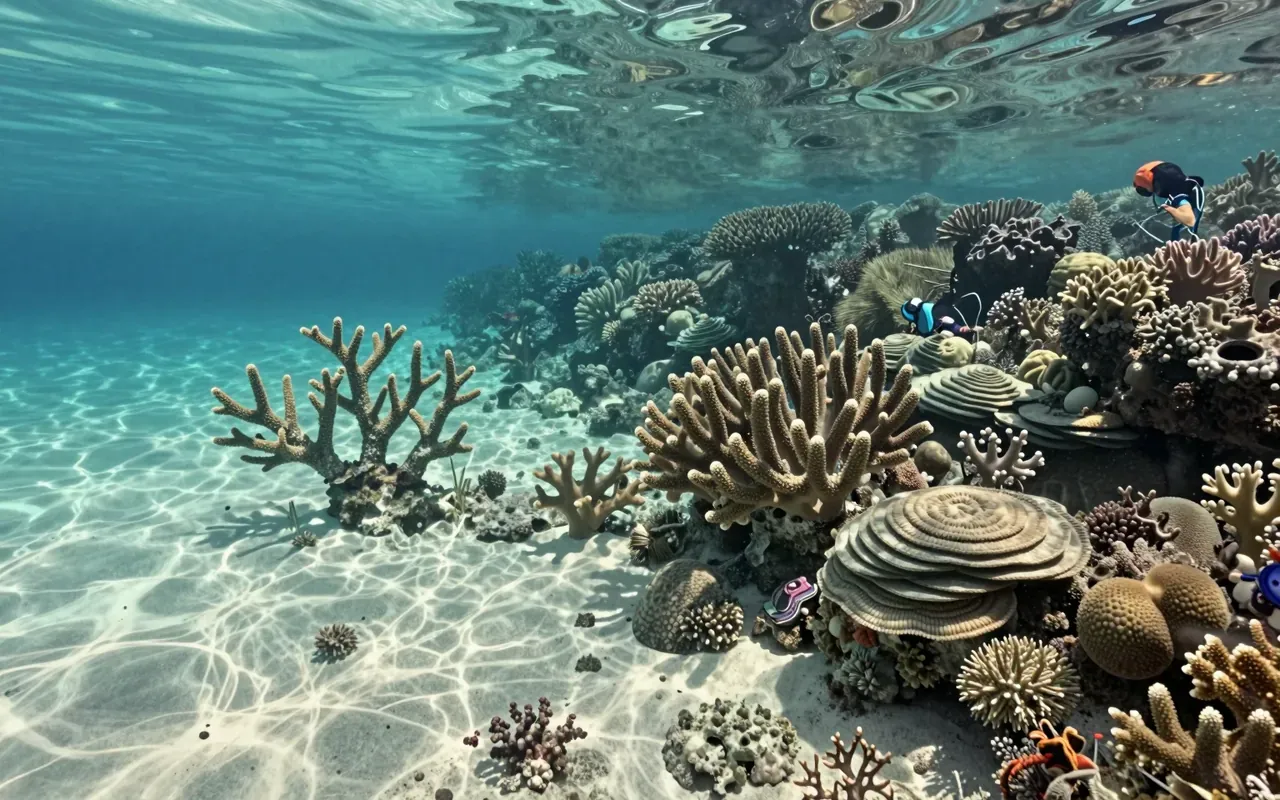
Coral bleaching

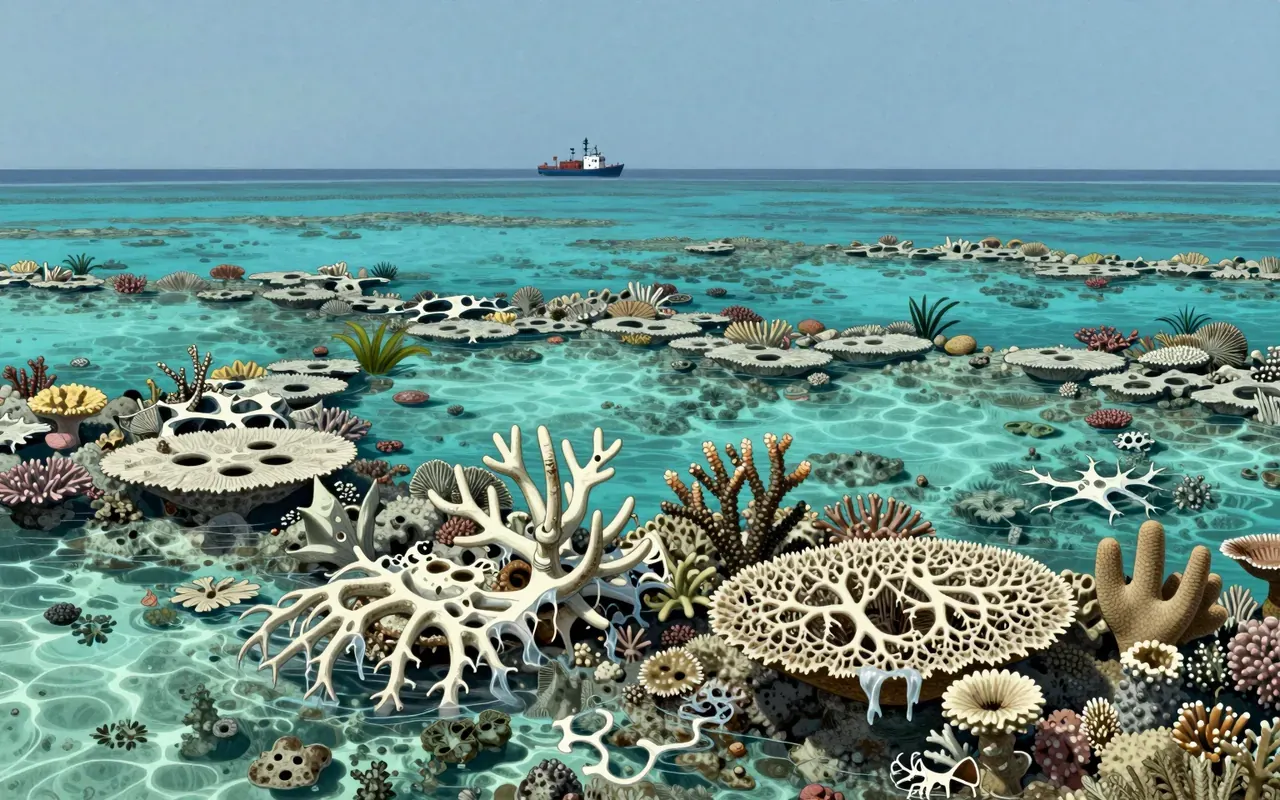
Ove Hoegh-Guldberg predicted in 1999 that most corals would not survive this century, a forecast many dismissed at the time and that recent Great Barrier Reef surveys now appear to be confirming.
10:14

Eunice Newton Foote

The first person to experimentally prove CO2 heats more than air under sunlight was a woman in 1856 — and her apparatus was simpler than your kitchen thermometer.
13:00

Milankovitch cycles

Milutin Milanković worked out how slow wobbles and stretches in Earth's orbit change sunlight at high latitudes, and ice cores confirm the pattern, but the dominant cycle length still does not match his prediction.
13:00

Ice core

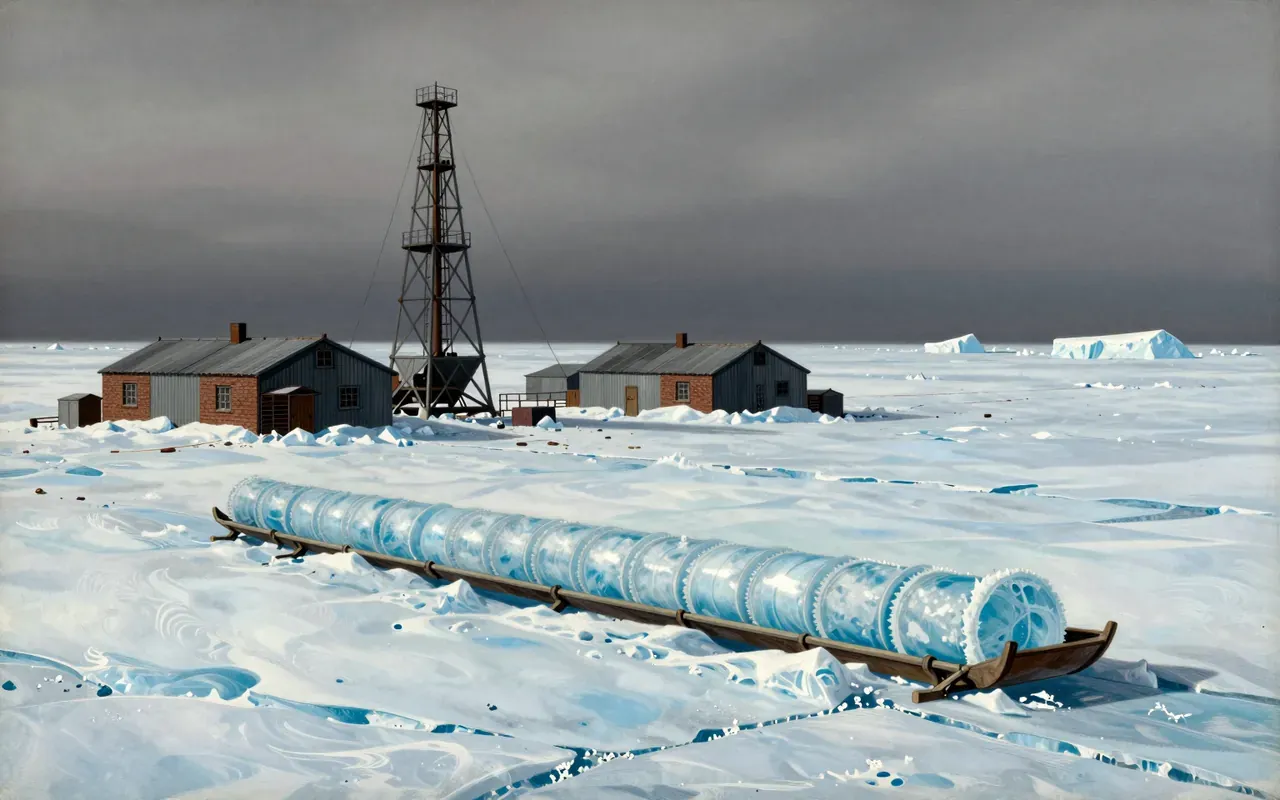
Ice drilled from Antarctica now reaches back 2.7 million years, and the air bubbles trapped inside it are treated as a direct sample of ancient atmosphere, which this brief follows alongside the other proxies paleoclimatology relies on where ice cannot reach.
10:31

James Lovelock

A gas detector built for Mars revealed Earth’s pollution — and mistook it for safety.

design.briefs Design

All 3 in design →
9:27

Makoko Floating School

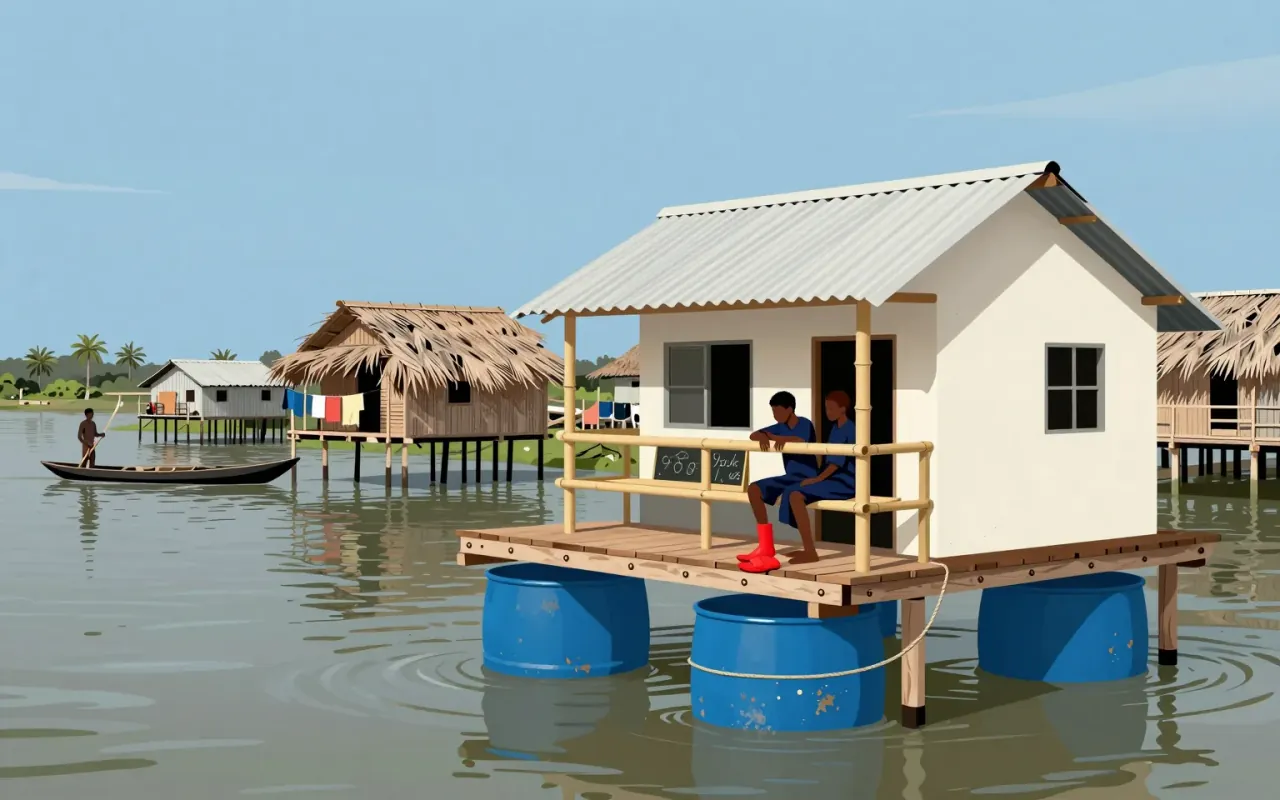
A prototype that floated, functioned, then failed — not a model for replication, but a record of what happens when design answers urgency without infrastructure.
9:42

Diébédo Francis Kéré

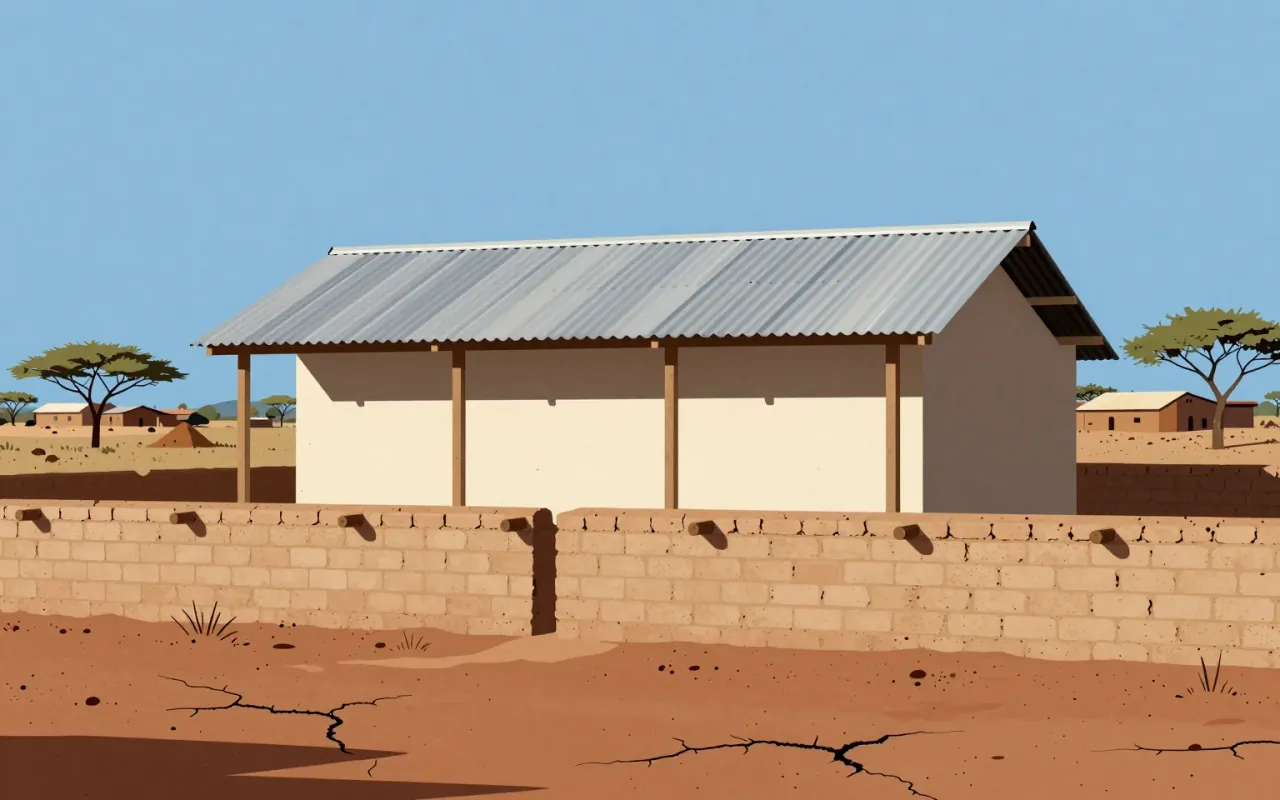
Architecture that cools classrooms by 8°C without AC — because it was drawn in sand and built by everyone who would use it.

business.briefs Business

All 13 in business →
14:40

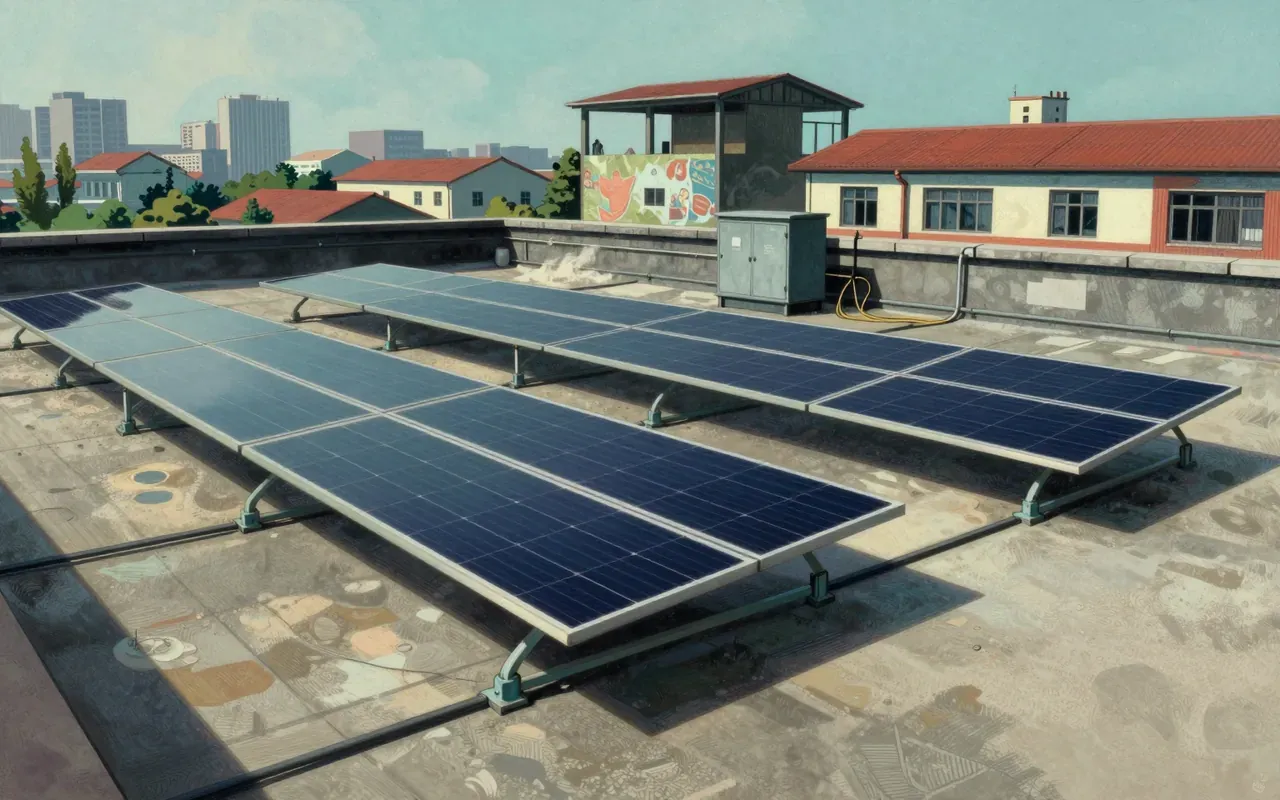
Trina Solar

A solar company that sells panels while facing forced labour findings, tariff circumvention rulings, and a US military-linked designation.
12:10

Anglo American plc

A century-old mining giant that cut 138,000 jobs in two years while rebranding as a green critical-minerals champion — with no evidence its new identity changes who pays or who bears the cost.
12:06

ExxonMobil

Rockefeller Standard Oil · 1882

ExxonMobil is the largest U.S.-based oil and gas company. It was formed in 1999 by merging Exxon and Mobil. It is vertically integrated across oil and gas and its chemicals division. It produces about 3% of the world’s oil and 2% of global energy. In 2024, it emitted 610 Mt of CO2 — 1.58% of global emissions. It has faced widespread criticism and litigation over environmental incidents, including the 1989 Exxon Valdez oil spill, and for decades of climate change denial despite internal scientific accuracy.

10:20

Rosneft

Rosneft is not an energy company — it is a state-owned hydrocarbon extraction platform with climate costs baked into its balance sheet.
11:08

Abu Dhabi National Oil Company

ADNOC is expanding oil production while the rest of the industry retreats — not because it ignores climate change, but because it answers to no one but Abu Dhabi.
11:22

ConocoPhillips

A vertically stripped hydrocarbon extractor — upstream only, emissions-heavy, legally separated from its own downstream past.
11:25

DTE Energy

A coal-dependent utility masquerading as a diversified energy company — its non-utility projects are real, but their economics are invisible.

technology.briefs Technology

All 2 in technology →
9:56

Wind power

Wind power works—but only when the wind blows, only up to 59% efficiency, and only if you redesign the grid around it.

culture.briefs Culture

All 6 in culture →
12:27

Lagos

Lagos is not a city that works—it’s a city that endures, despite having no unified government, broken infrastructure, and rising seas.
8:39

Deep ecology

It treats ecosystems as legal persons—but gives no way to adjudicate between them.
7:51

Solarpunk

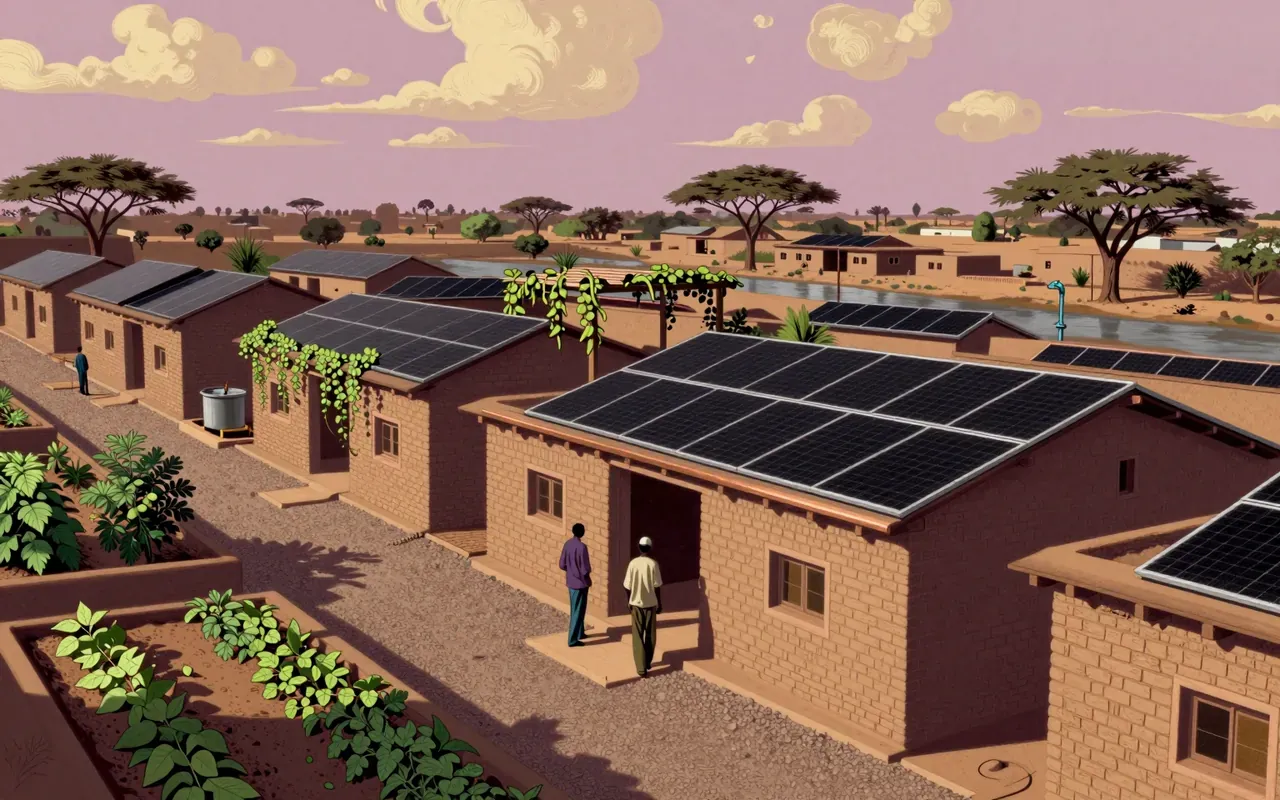
Solarpunk isn’t optimism—it’s operational design for a world that refuses to lose.
8:45

Sharing economy

It’s not about sharing. It’s about platform-mediated access—and the climate math that makes it stick.
8:18

Surf culture

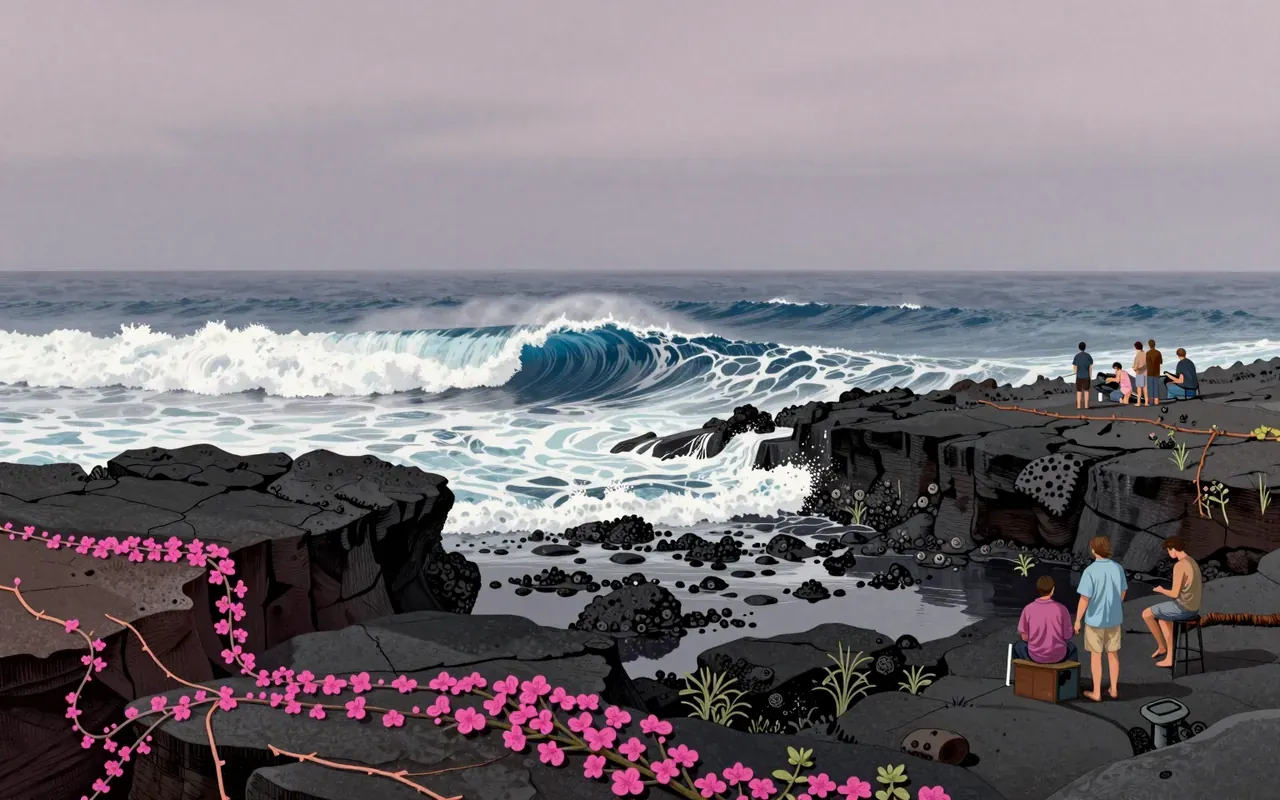
Surf culture isn’t about sunsets or stunts—it’s a weather-dependent claim on place, forged by Polynesians and weaponised by Californians.

food.briefs Food

All 1 in food →

nature.briefs Nature

All 48 in nature →
8:41

Polar desert

A desert without sand, a biome without biology—polar deserts break every rule except the one that matters: cold overrides dry.
10:18

Holocene extinction

This is not an extinction event — it is the erasure of life’s diversity by human systems, measured in multiples of natural loss.
10:42

Theobroma cacao

Cacao isn’t just chocolate’s source — it’s a glacial survivor, midge-dependent, and genetically anchored to a bean-shaped refuge no bigger than Ecuador.
10:30

Congolian rainforests

The world’s second-largest tropical forest isn’t just big—it’s the planet’s most underestimated carbon vault, now under accelerating assault.
10:34

Coral Triangle

The Coral Triangle isn’t just rich—it’s the only place where 574 coral species pack into one seascape and feed 120 million people.
9:06

Dracaena cinnabari

A monocot that thickens like a tree—but gives no true rings, no easy age, and no second chance in a drying Socotra.