Damn the Torpedoes
Tom Petty and the Heartbreakers · 1979
A 1979 rock record built by known hands in two LA studios — not a revolution, but a documented step forward in production credit.
Oil shocks, bad economics and an extraordinary run of records.
A 1979 rock record built by known hands in two LA studios — not a revolution, but a documented step forward in production credit.
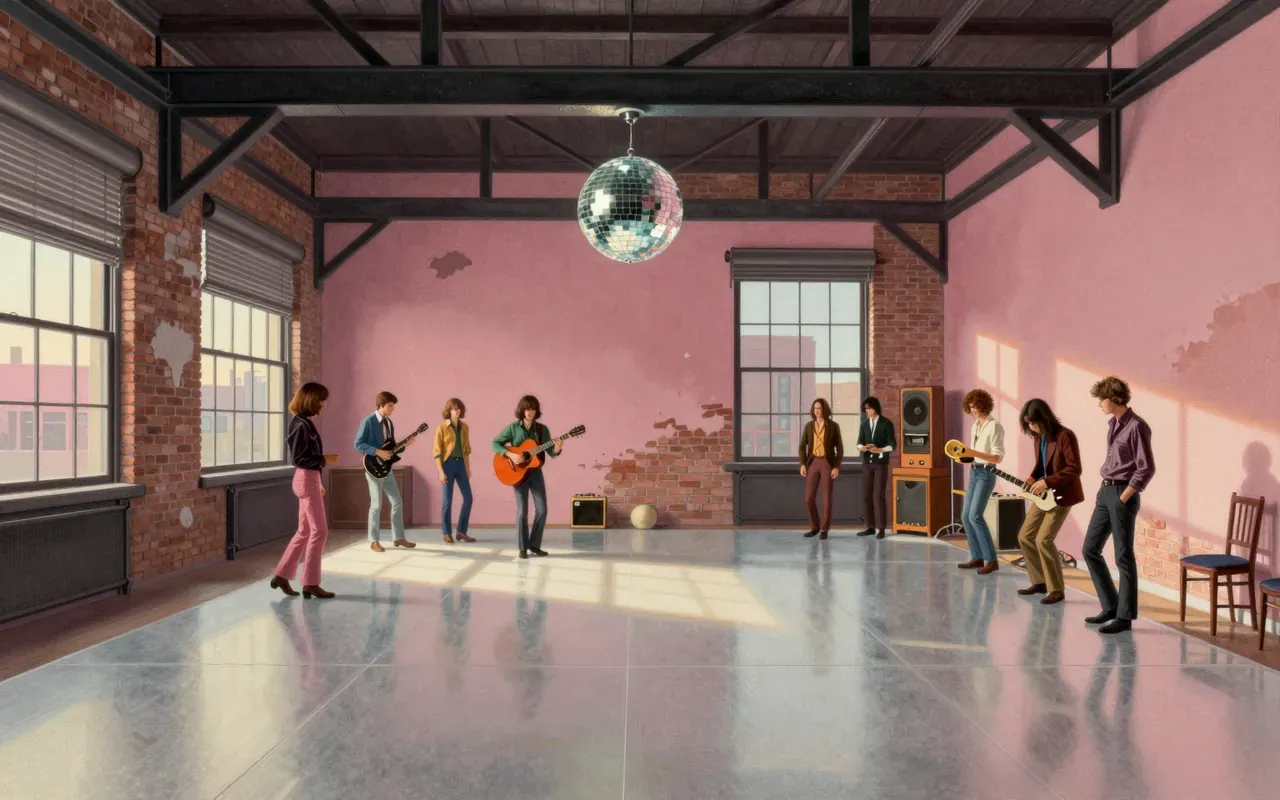
C’est Chic is Chic’s second studio album, released in 1978 on Atlantic Records. It contains 'Le Freak', which topped US Hot 100, R&B, and Club Play in October 1978, and 'I Want Your Love', which reached number 5 on US R&B, number 7 on US Pop, and number 4 in the UK. The European version was originally titled Très Chic, featured a more risqué cover, and had a different track listing before being withdrawn. The Globe and Mail described it as 'a sleekly elegant variation' of disco; the Los Angeles Times judged that, aside from 'Le Freak', the album consists of pedestrian disco pieces and plodding R&B ballads. All songs were written by Bernard Edwards and Nile Rodgers unless noted otherwise.
A double album that works because it refuses to behave like one.
Parallel Lines is a pop record made under duress. Its sound is precise, detached, and deliberately constructed—not discovered. It trades punk’s immediacy for pop’s control, and its ideas orbit romantic risk, not rebellion. It is worth hearing for how it reveals production as power.
Some Girls is a tightly wound, reactive rock record — bright, aggressive, and uncluttered. It trades myth for muscle, and legacy for immediacy.
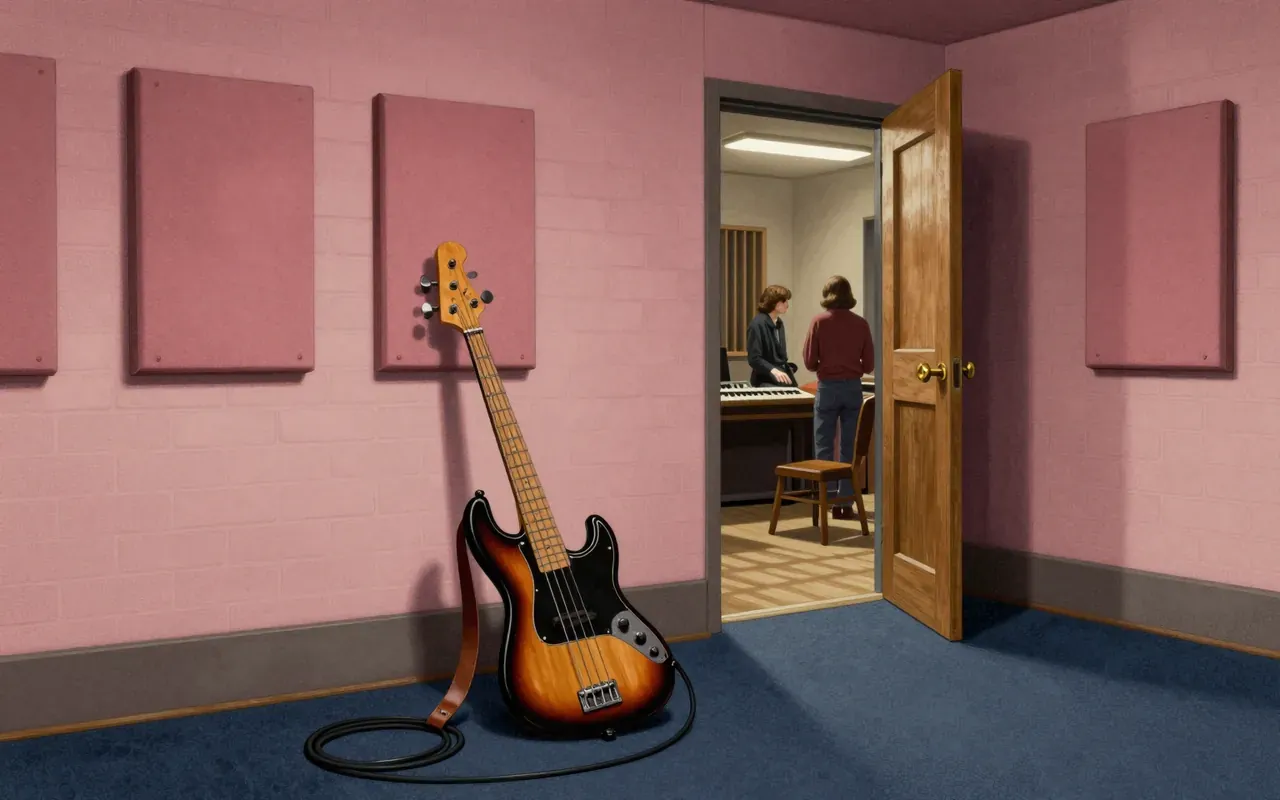
This Year's Model is Elvis Costello's second album and his first with the Attractions. Recorded in eleven days at Eden Studios in west London between November 1977 and January 1978, during short breaks from touring. Produced by Nick Lowe, engineered by Roger Béchirian. Most songs were written and performed live earlier in 1977. Lowe prioritised capturing live performances with few overdubs; some of Costello’s guide vocals remained in the final mix. The sessions were energetic and collaborative. Key tracks like 'Pump It Up' and '(I Don't Want to Go to) Chelsea' were completed in a single afternoon. Sonic influences include the Rolling Stones’ Aftermath (1966), the Who, the Kinks, Small Faces, and Talking Heads.
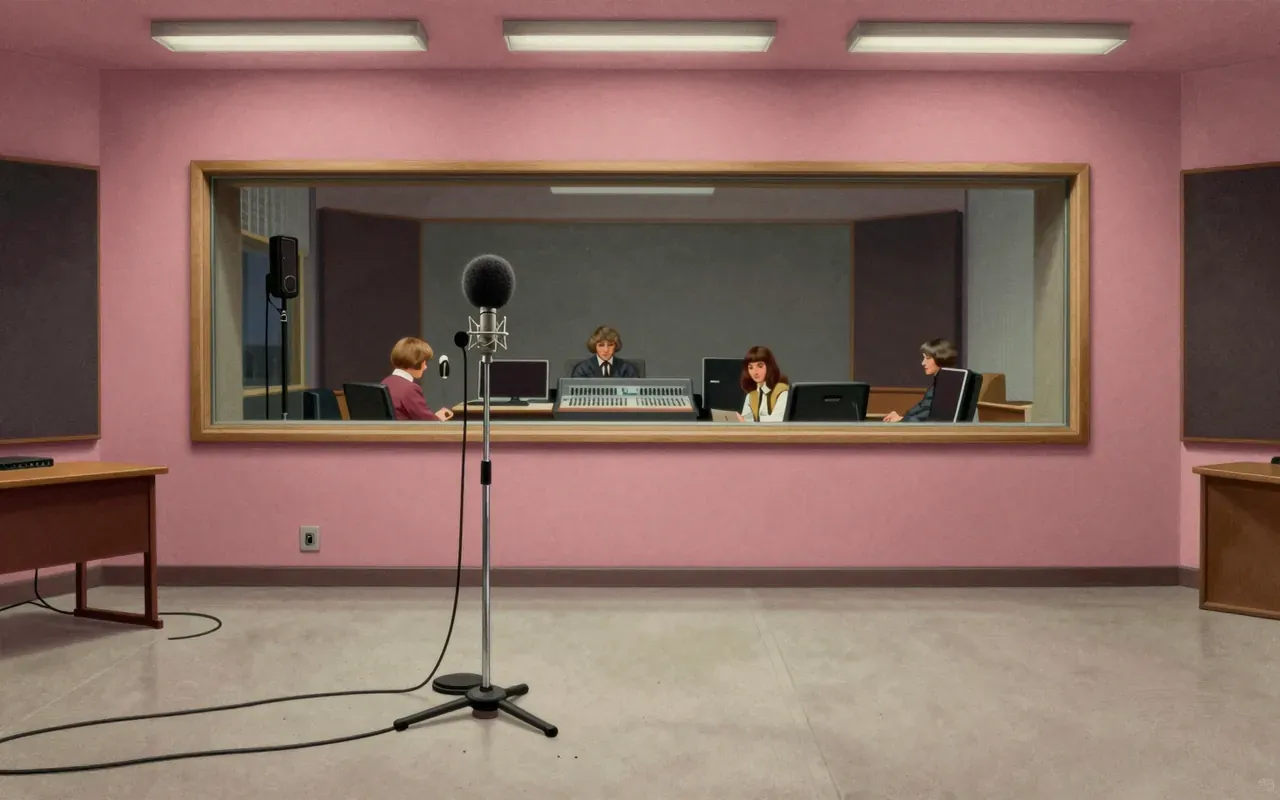
Arrival is ABBA’s fourth studio album, recorded between August 1975 and September 1976 at Metronome and Glen studios in Stockholm. It produced three major international singles — 'Dancing Queen', 'Money, Money, Money', and 'Knowing Me, Knowing You' — each defined by precise studio execution and clear emotional framing. The album reached number one in the UK, Australia, and parts of Europe, and number three in Canada and Japan.
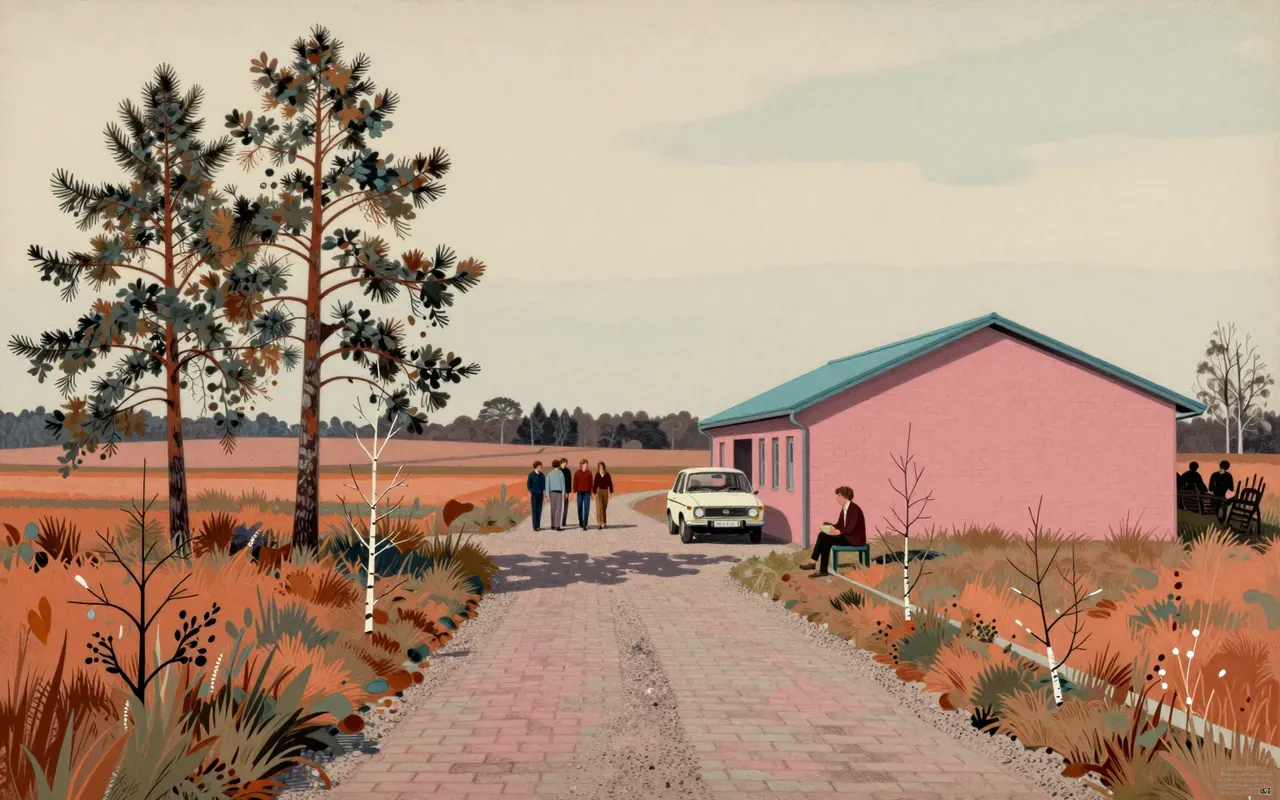
Waterloo is ABBA’s first album under that name — recorded in Stockholm between September and November 1973. It introduces their signature blend of crisp vocal harmony, theatrical lyricism and tightly arranged pop. Its strength lies in consistency of craft, not innovation. Its weakness is uneven ambition — especially on 'King Kong Song'.
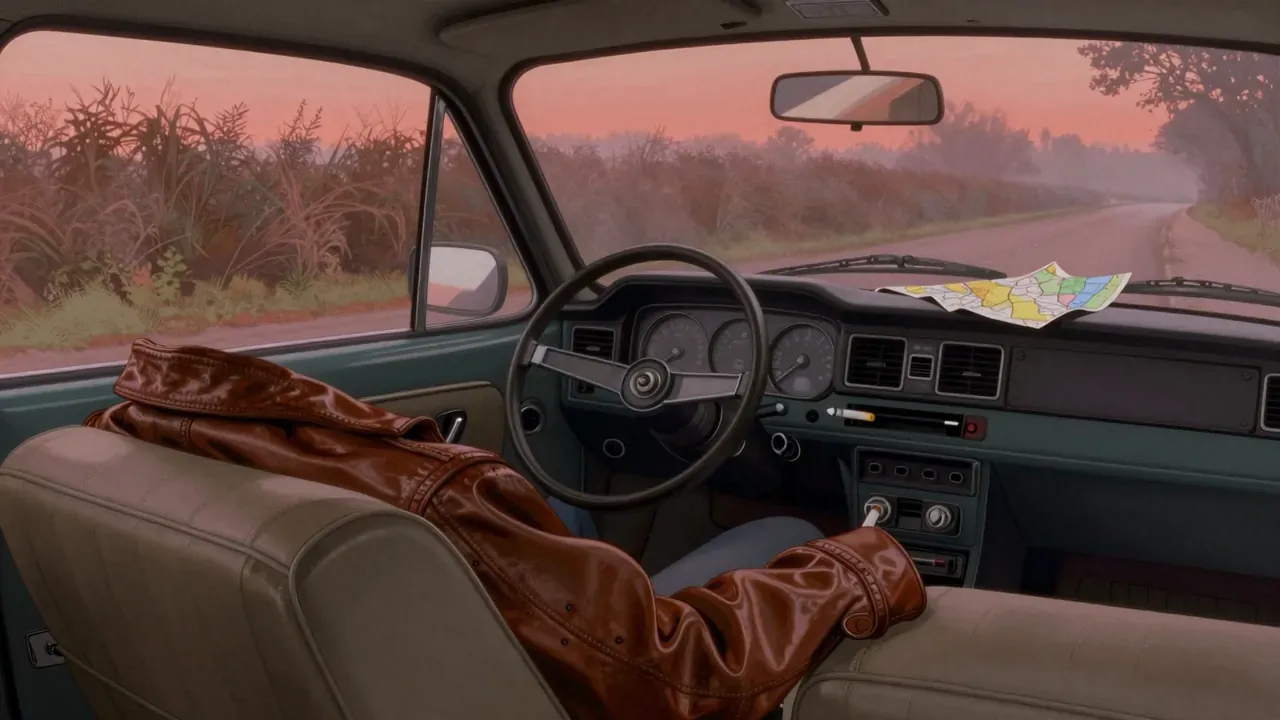
Olivier Assayas’s 1994 drama Cold Water follows two French teenagers—Christine and Gilles—as they flee unstable homes and converge at an all-night party in an abandoned country house. Set in the early 1970s and scored entirely with period American rock, the film immerses itself in the physicality of youth: smoke, sweat, vinyl crackle, and unspoken understanding. Shot by Denis Lenoir and edited by Luc Barnier, it favours duration and texture over exposition. Though its ending falters in abstraction, its middle section remains a masterclass in atmospheric storytelling—quietly political, deeply sensory, and resolutely unsentimental.
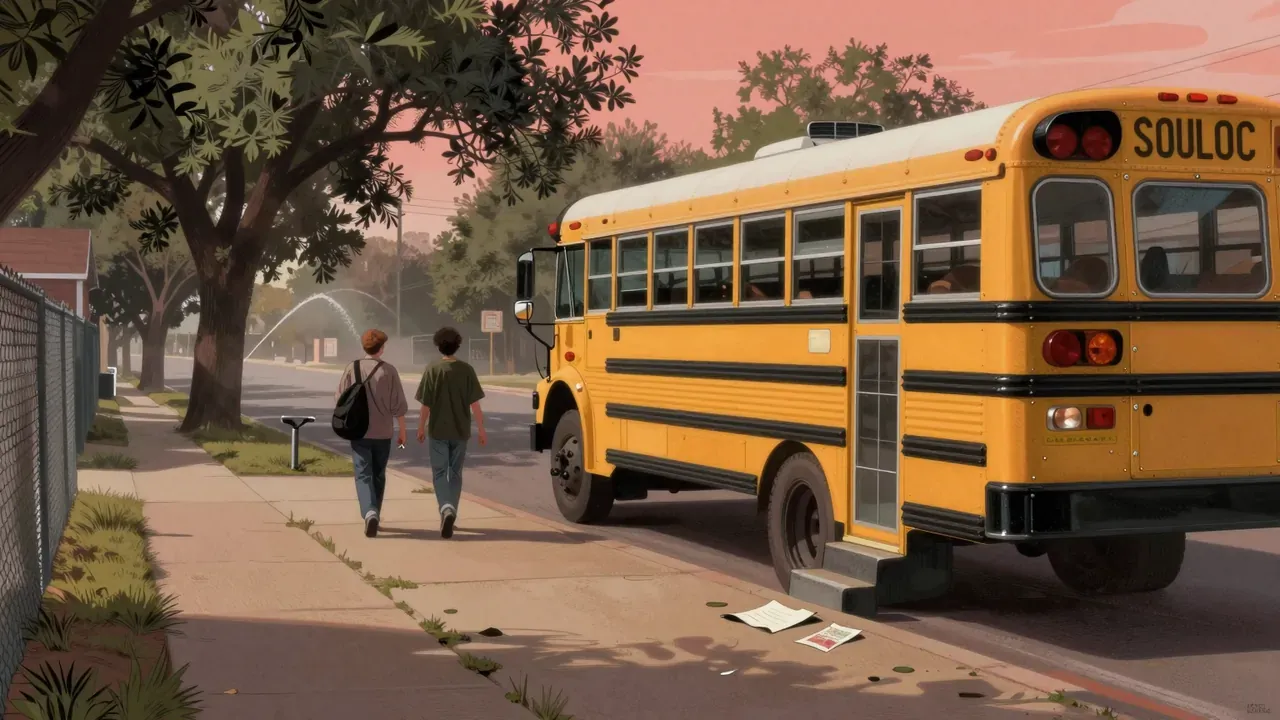
Richard Linklater’s 1993 ensemble comedy follows a group of Texas teenagers on the last day of school in 1976. With no central plot or protagonist, it builds meaning through accumulation: hazing rituals, car cruises, pool-hall loitering, and overlapping conversations. Shot on location in Austin with an ensemble of then-unknown actors, it prioritises texture over narrative, using Lee Daniel’s naturalistic cinematography, Alan Silvestri’s diegetic-heavy score, and improvised performances to evoke adolescent stasis rather than growth. Though commercially muted on release, it has since become a defining cult film of the 1990s.
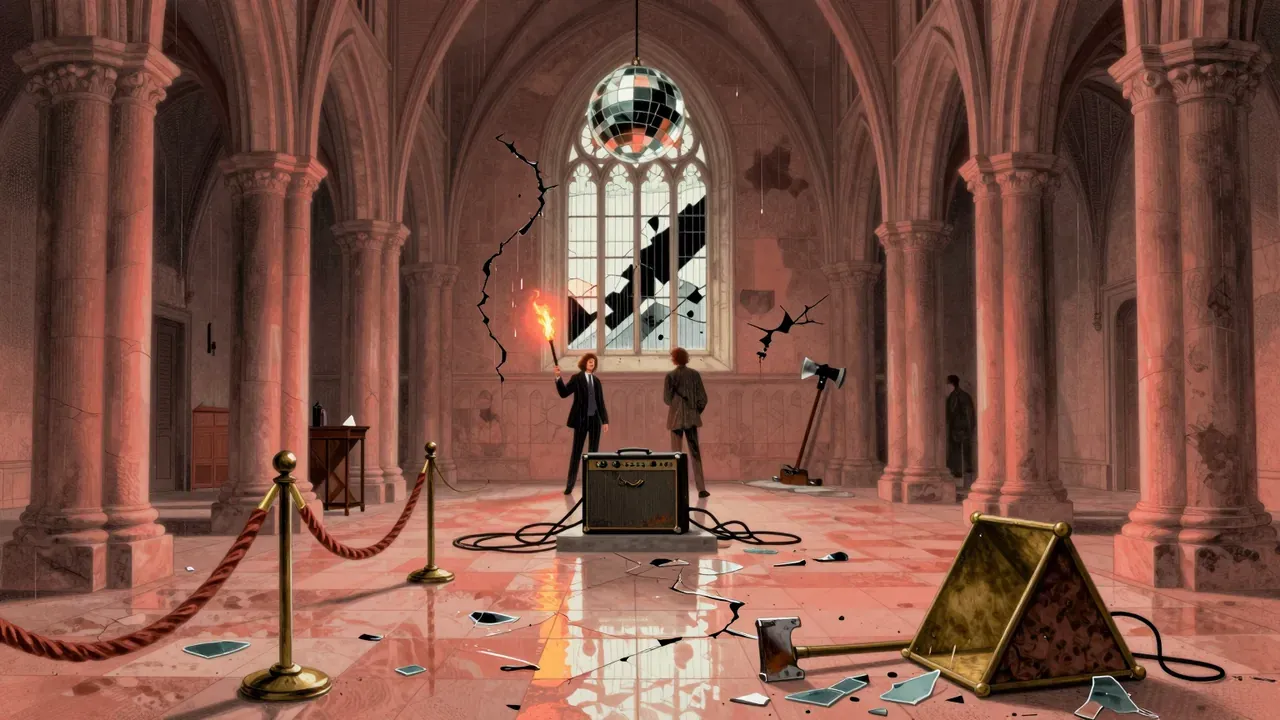
Derek Jarman’s 1978 Jubilee transplants Queen Elizabeth I into a decaying, punk-saturated 1970s London. Shot on location in Blitz-damaged neighbourhoods, it follows a nihilistic gang—Amyl Nitrate, Bod, Chaos, Crabs and Mad—through acts of violence, commodification and petty rebellion, all observed by Elizabeth, John Dee and Ariel. With Brian Eno’s ambient score and Peter Middleton’s raw cinematography, the film rejects narrative fluency in favour of texture, rupture and mythic collapse. Now a cult classic, it remains a stark, unresolved portrait of national exhaustion.
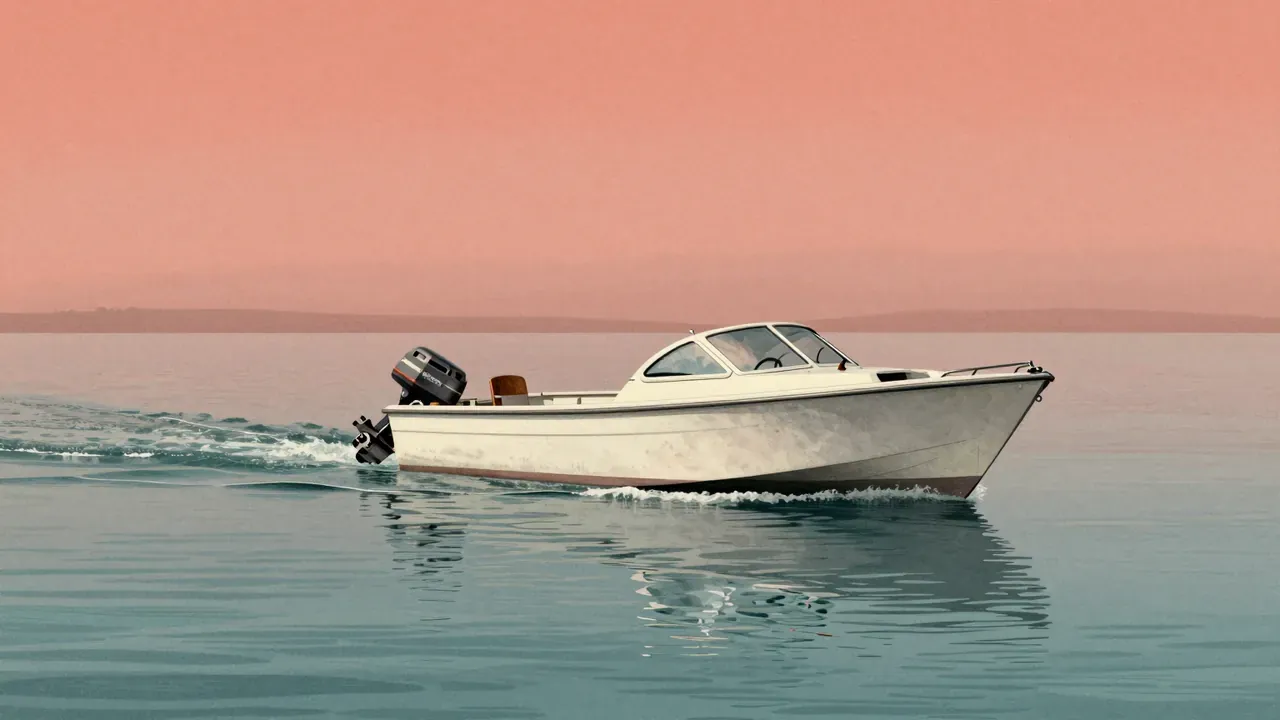
Arthur Penn’s 1975 neo-noir follows LA private investigator Harry Moseby (Gene Hackman) as he searches for a missing teenager, only to uncover layers of smuggling, infidelity, and paternal violation across Los Angeles, New Mexico, and the Florida Keys. With Bruce Surtees’ sun-bleached cinematography, Michael Small’s vibraphone-led score, and Dede Allen’s unhurried editing, the film sustains a mood of quiet disillusionment. It offers no resolution—its final image is a bleeding man aboard a boat that circles endlessly—making it less a thriller than a study in moral suspension and psychological erosion.
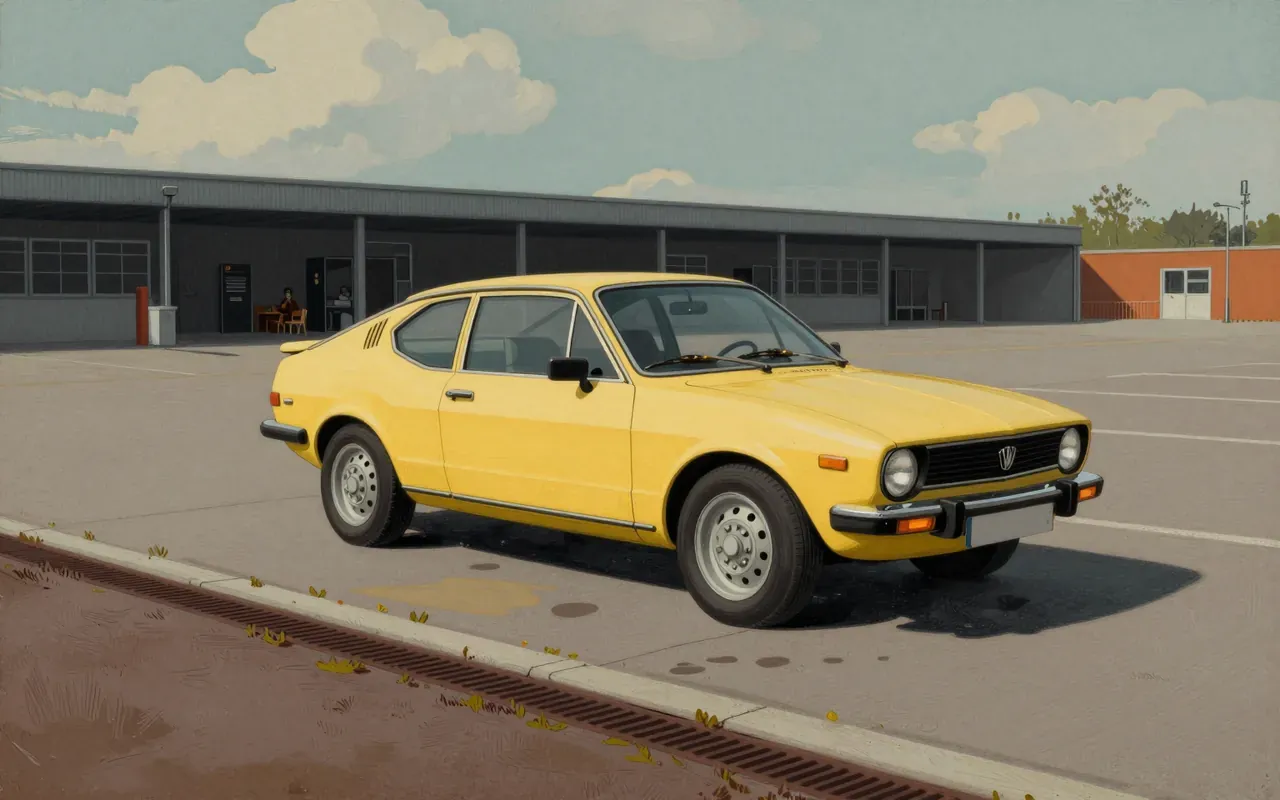
The first-generation Volkswagen Scirocco, internally the Typ 53, replaced the Karmann Ghia. Giorgetto Giugiaro styled it on the Golf's platform with almost every part re-engineered. It went on sale in 1974, six months before the Golf, and its GTi entered production before the Golf GTI was unveiled.
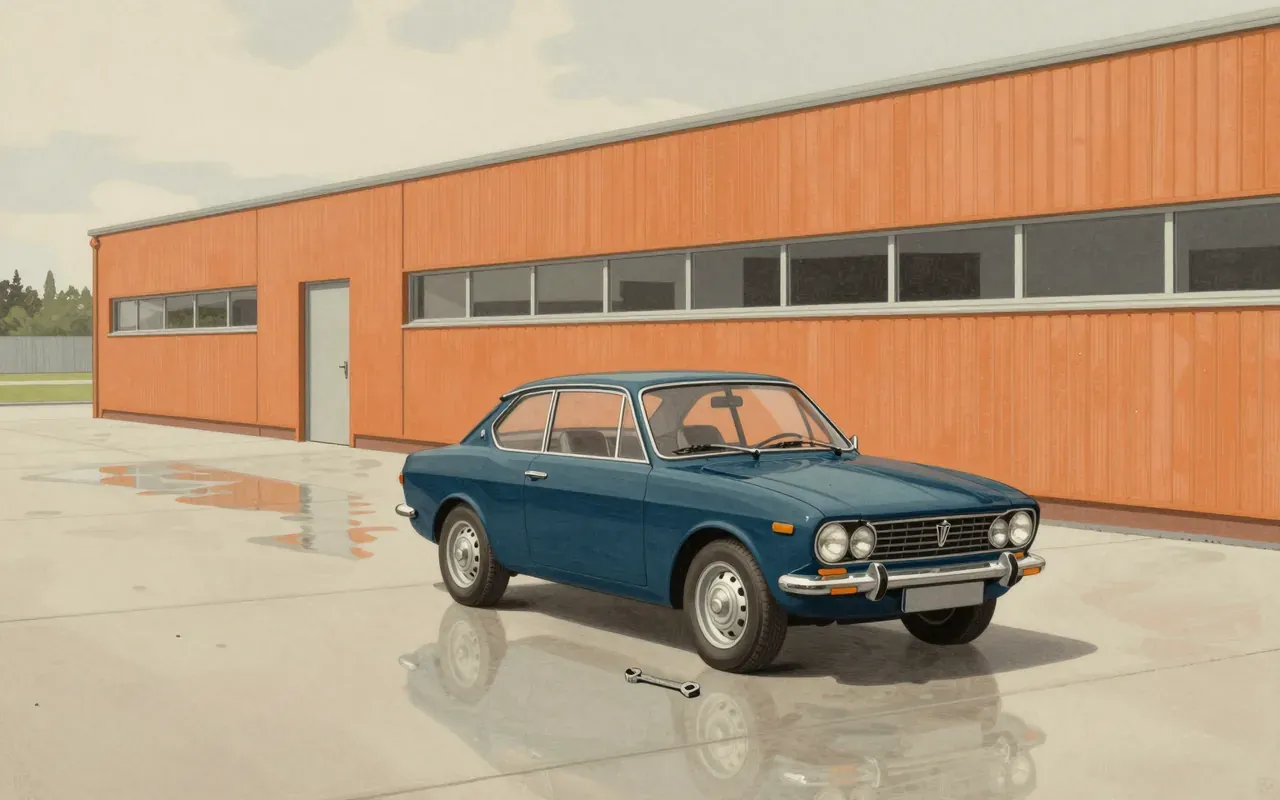
The Fiat 130 Coupé is a 1971 Pininfarina design by Paolo Martin — a production car, not a concept — built on the Fiat 130 saloon platform. It uses a front-mounted V6 engine driving the rear wheels. Its influence lies in its resolved, copied-but-never-equaled balance of sharp angles and soft curves.
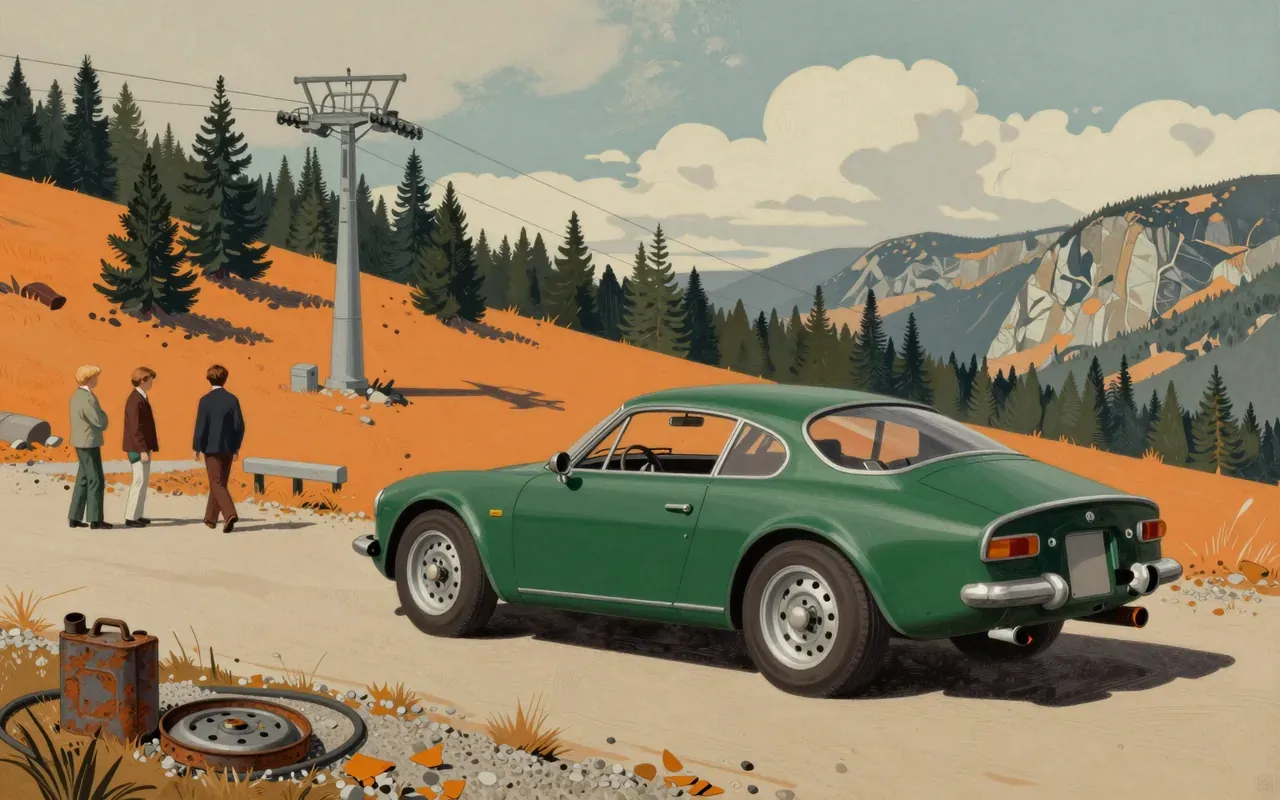
The Alpine A310 is a French sports car, launched in 1971 as Jean Rédélé’s final Alpine model. It debuted at the 1971 Geneva Motor Show. It used a tubular steel backbone chassis and a one-piece fiberglass body. Its engine was mounted longitudinally in the rear and drove the rear wheels via a five-speed manual gearbox. The driving position was low and sporty, with footwells angled toward the car’s centre.
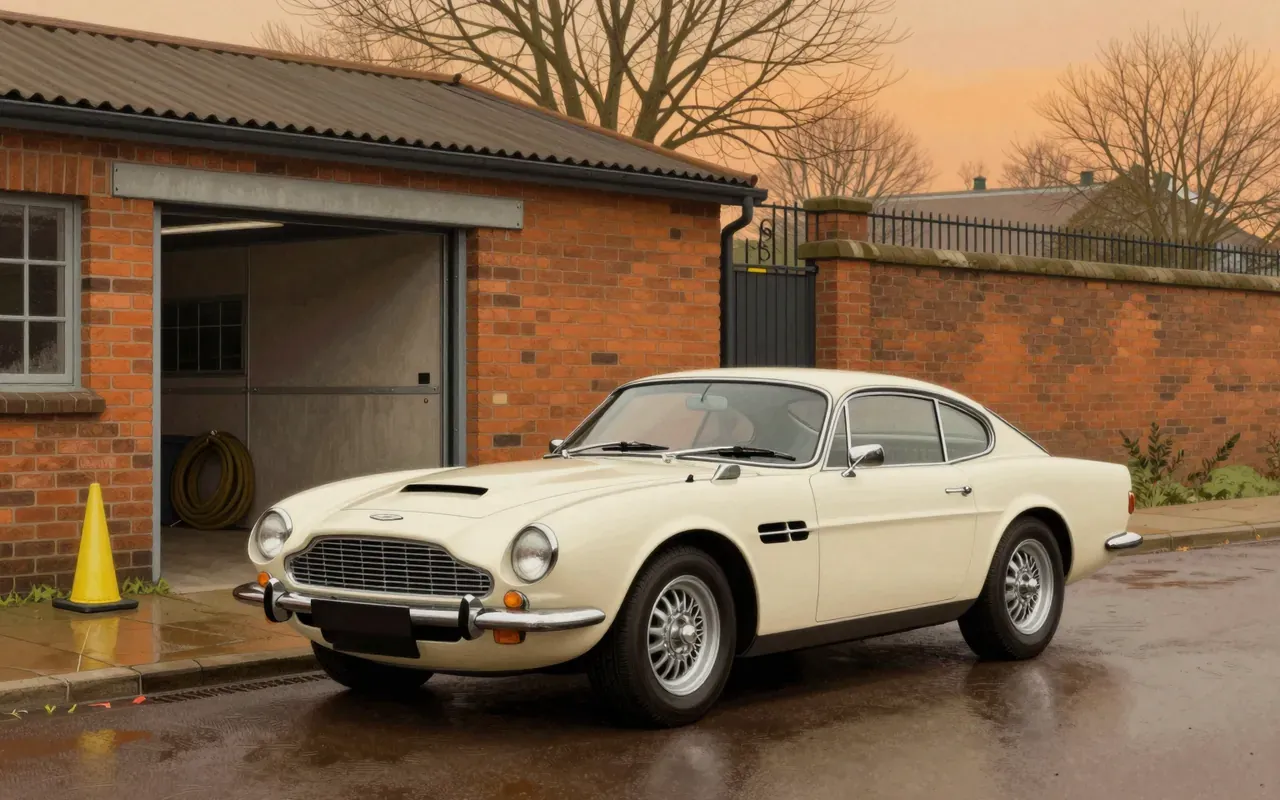
The Aston Martin V8 Vantage (1977) is a British grand tourer and high-performance variant of the Aston Martin V8. It was launched as 'Britain's First Supercar', citing 170 mph top speed and 0–60 mph in 5.3 seconds. Its engine shares architecture with the Lagonda but adds high-performance camshafts, increased compression, larger inlet valves, and bigger Weber carburettors. Early models produced 380 bhp. William Towns did not design it — he left Aston Martin in 1977.
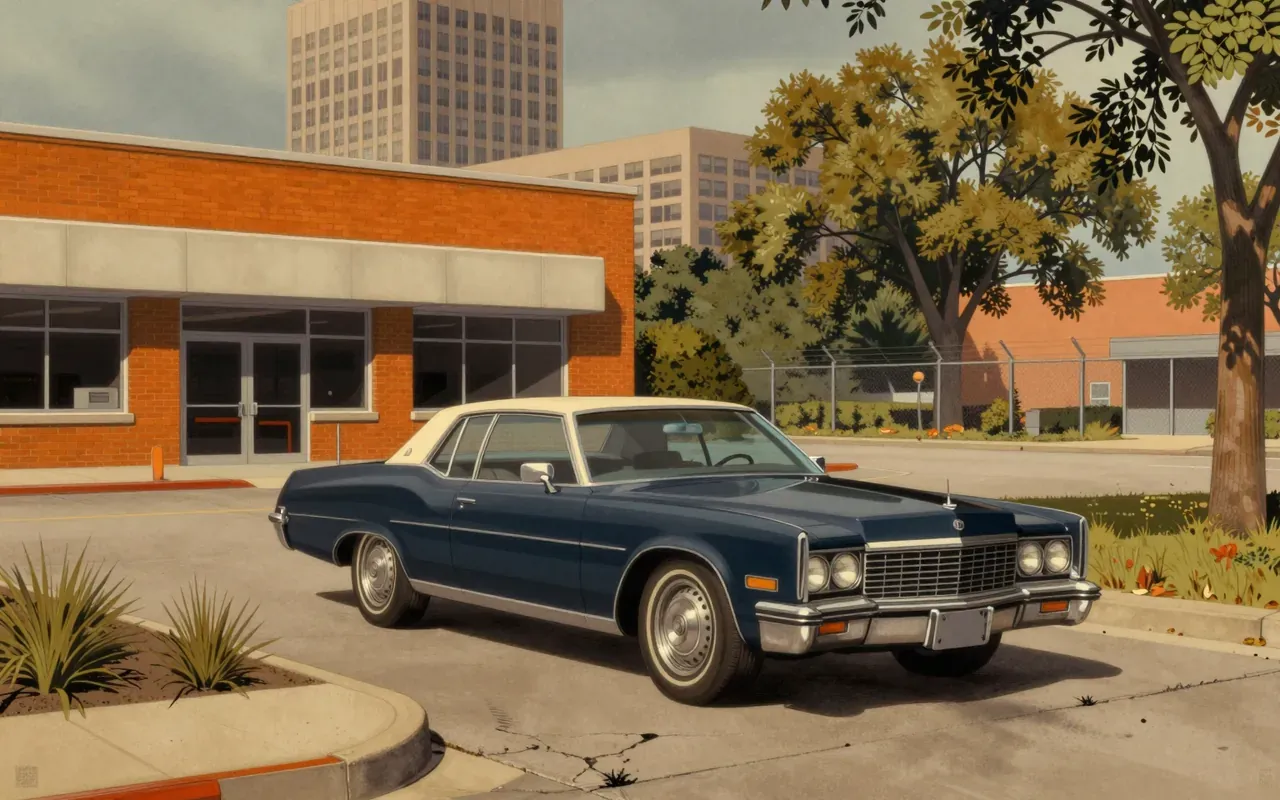
The Cadillac Seville redefined American luxury scale and electronics. It was not a sports sedan. It was not a technology showcase for its own sake. It was a calibrated response: smaller, smarter, and feature-dense — built to hold ground against Europe, not chase it.
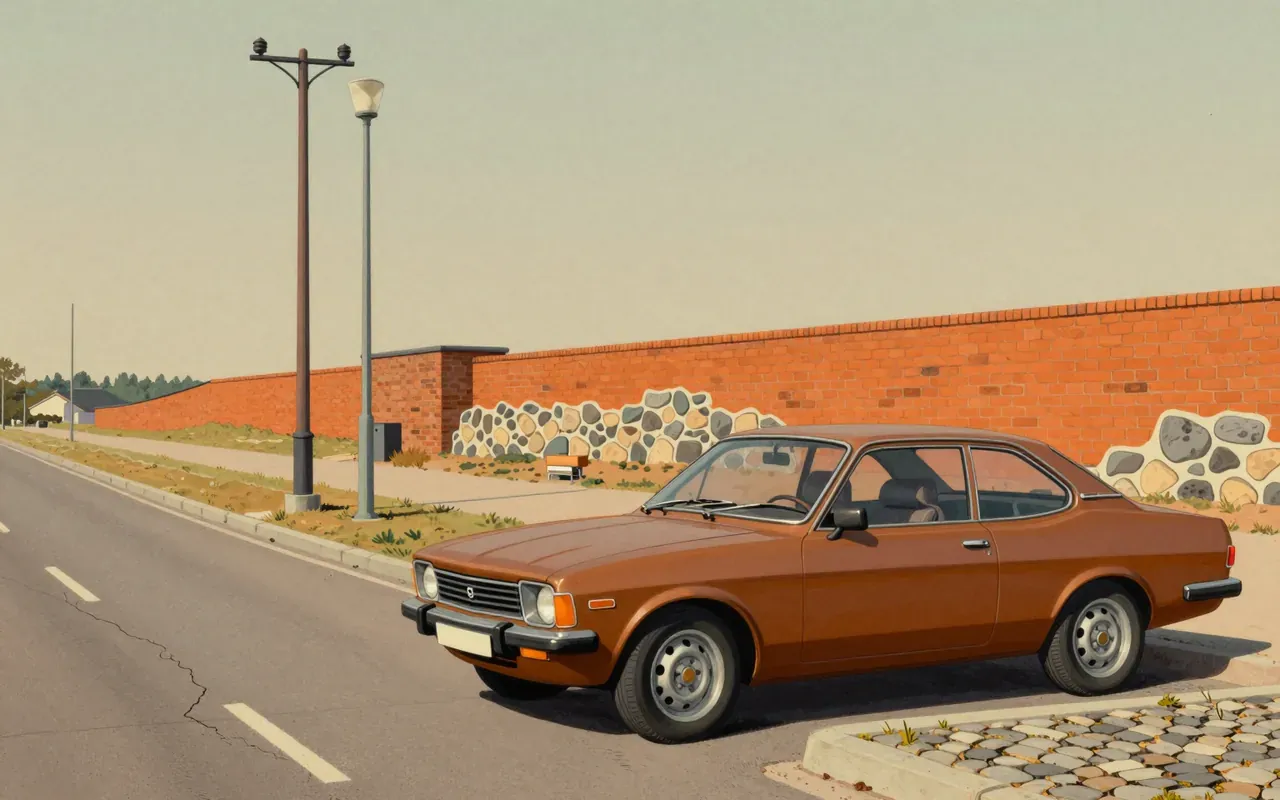
The Opel Manta A is a rear-wheel-drive German coupé launched in September 1970. Built by Opel on the Ascona A platform, it offered a clean two-door, three-box silhouette and competed directly with the Ford Capri. It was never sold in the UK under Vauxhall until the Manta B. Its name comes from the manta ray. 498,553 were built before 1975.
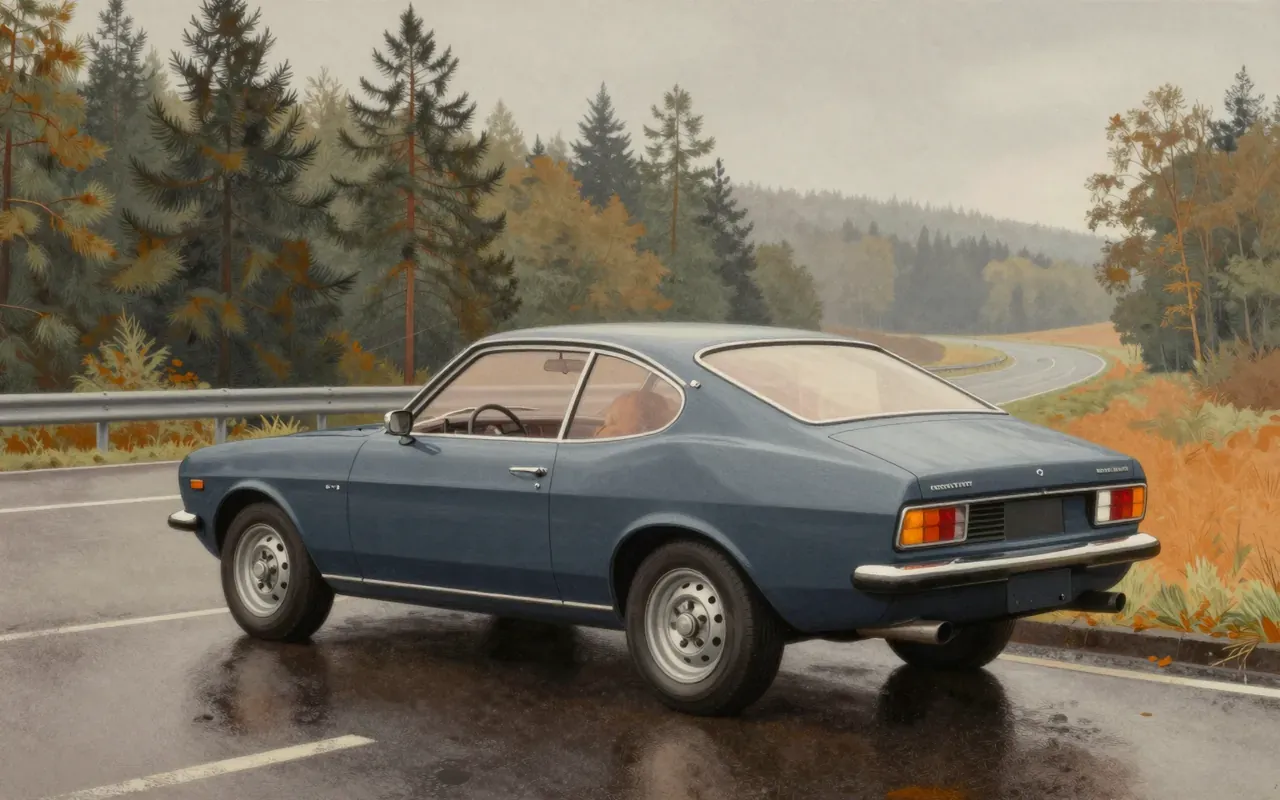
The Opel Monza is an executive fastback coupe. It was built from 1977 to 1986. It replaced the Commodore Coupé. It shared its layout with the Senator A1. It used only overhead camshaft six-cylinder engines. The 3.0-litre version made it Opel’s fastest car at the time. It had no direct replacement. 43,812 were built.
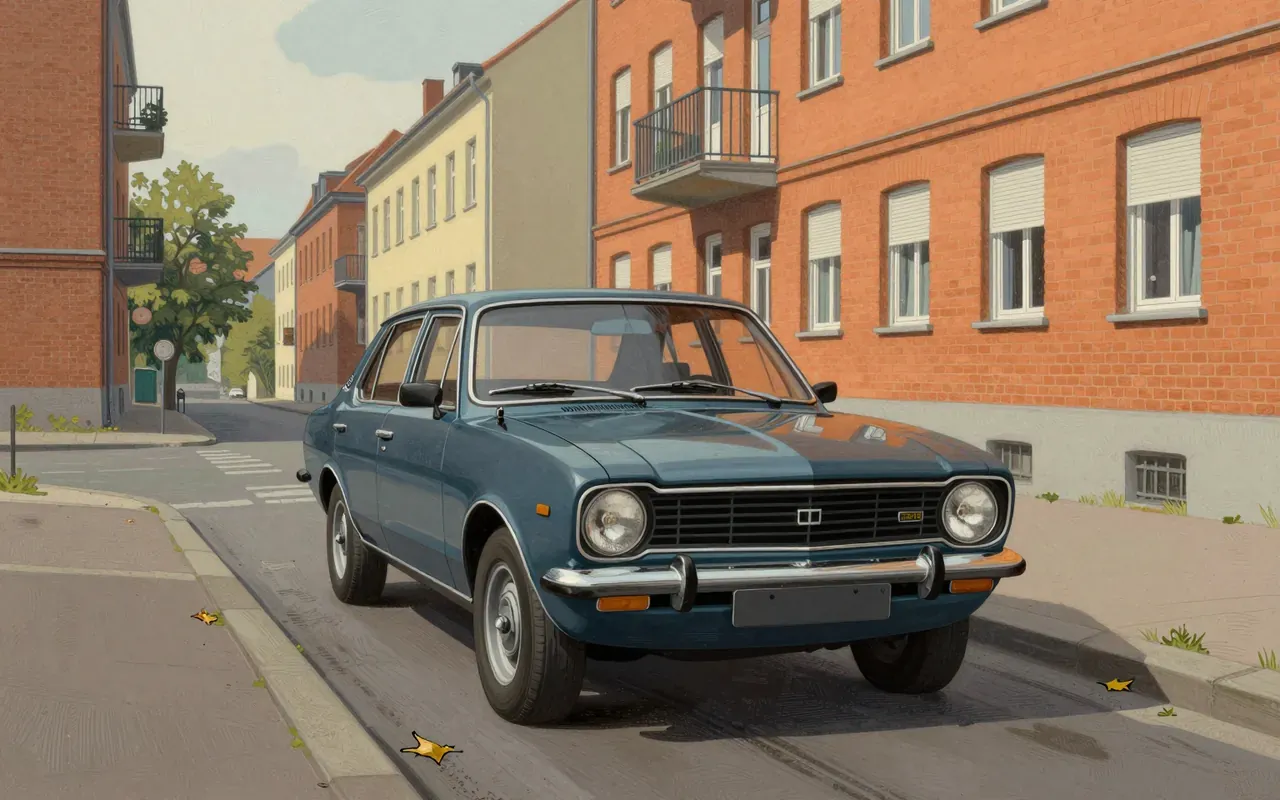
The Opel Kadett C is a small family car produced by Opel from 1973 to 1979. It is the fourth-generation Kadett and Opel’s version of General Motors’ T-Car platform. It was the last small Opel to feature rear-wheel drive. Most customers opted for the two-door 'Limousine' saloon. A four-door variant was produced mostly for export. The Limousine accounted for just under 63% of production. Eleven percent were three-door estate-bodied Kadett Caravans. Slightly under 10% were two-door coupés. The Kadett City, a three-door hatchback, was added in May 1975 to compete on price with the Ford Fiesta.
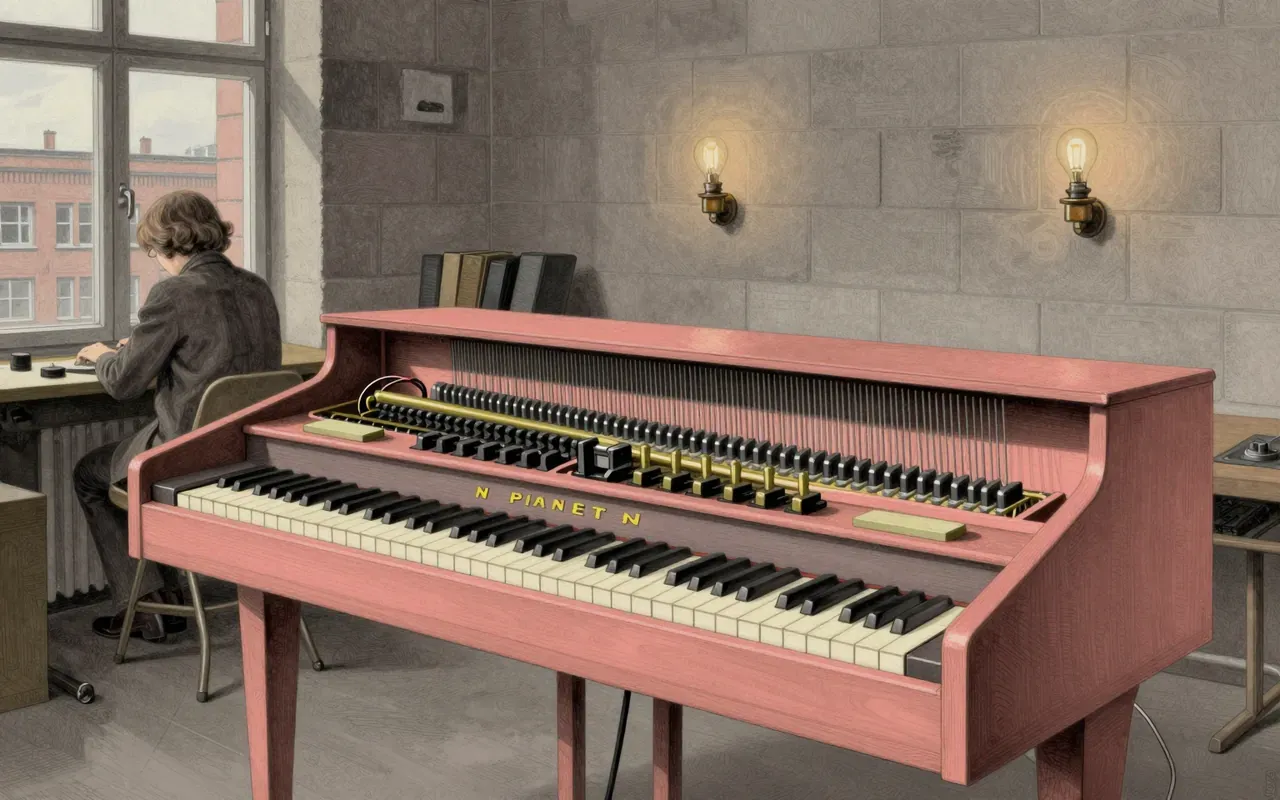
The Pianet T was made from 1977 to about 1983 and headed Hohner's second group of Pianets. Plastic suction pads pluck its reeds, an electro-magnetic pick-up like the one in a Rhodes converts the vibration, and the instrument needs no electrical power of its own. Vinyl-covered, with a hinged lid, it was built for live use but has no built-in amplifier.
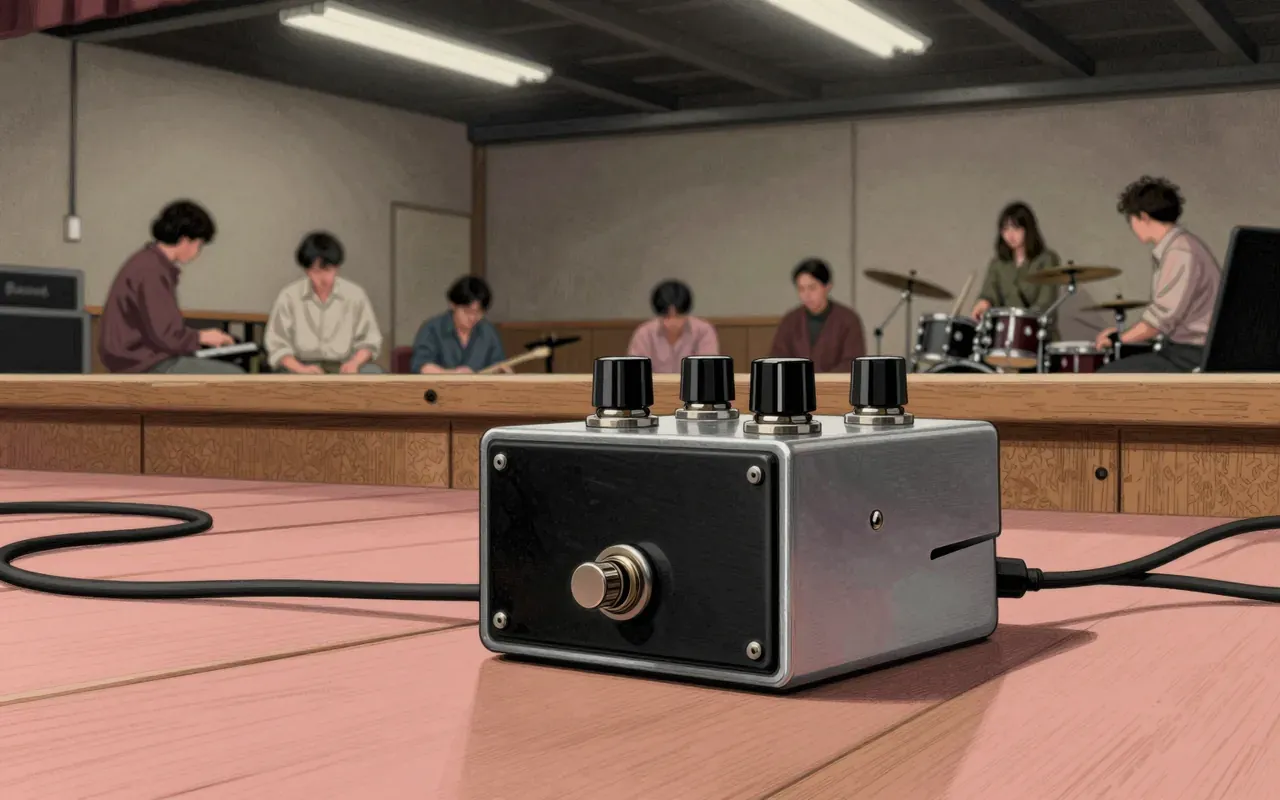
The Boss BF-1 Flanger is a 1979 analog foot pedal designed for electric guitar. It uses four knobs — manual, depth, rate, resonance — to control a simple, unstable flange sweep. It has no bypass, no presets, no expression input, and no stereo output. It was discontinued and replaced by the BF-3.
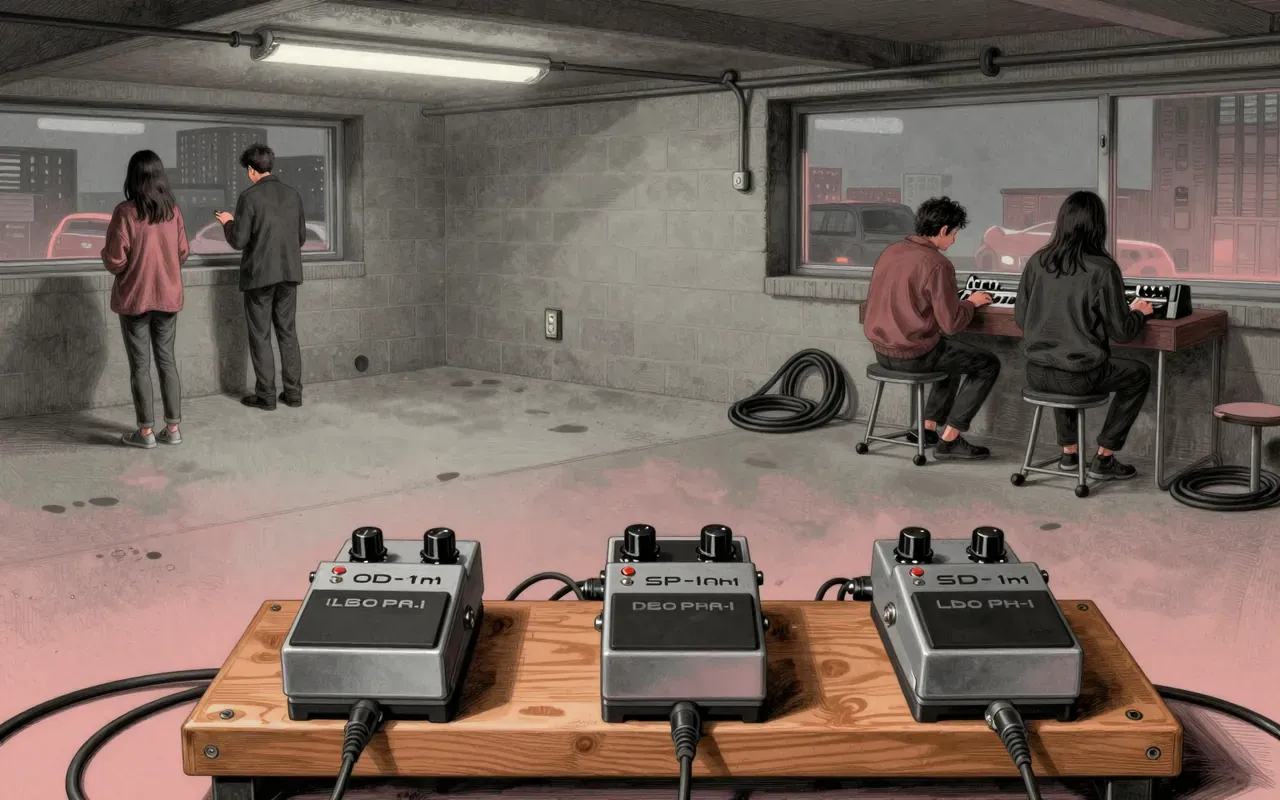
The Boss PH-1 is a compact phaser pedal released by Boss in 1977 as one of its first three pedals. It emulates Leslie speaker phasing with greater versatility. It has only two controls: Rate (speed) and Depth (dry/wet mix). Production ran from 1977 to 1981.
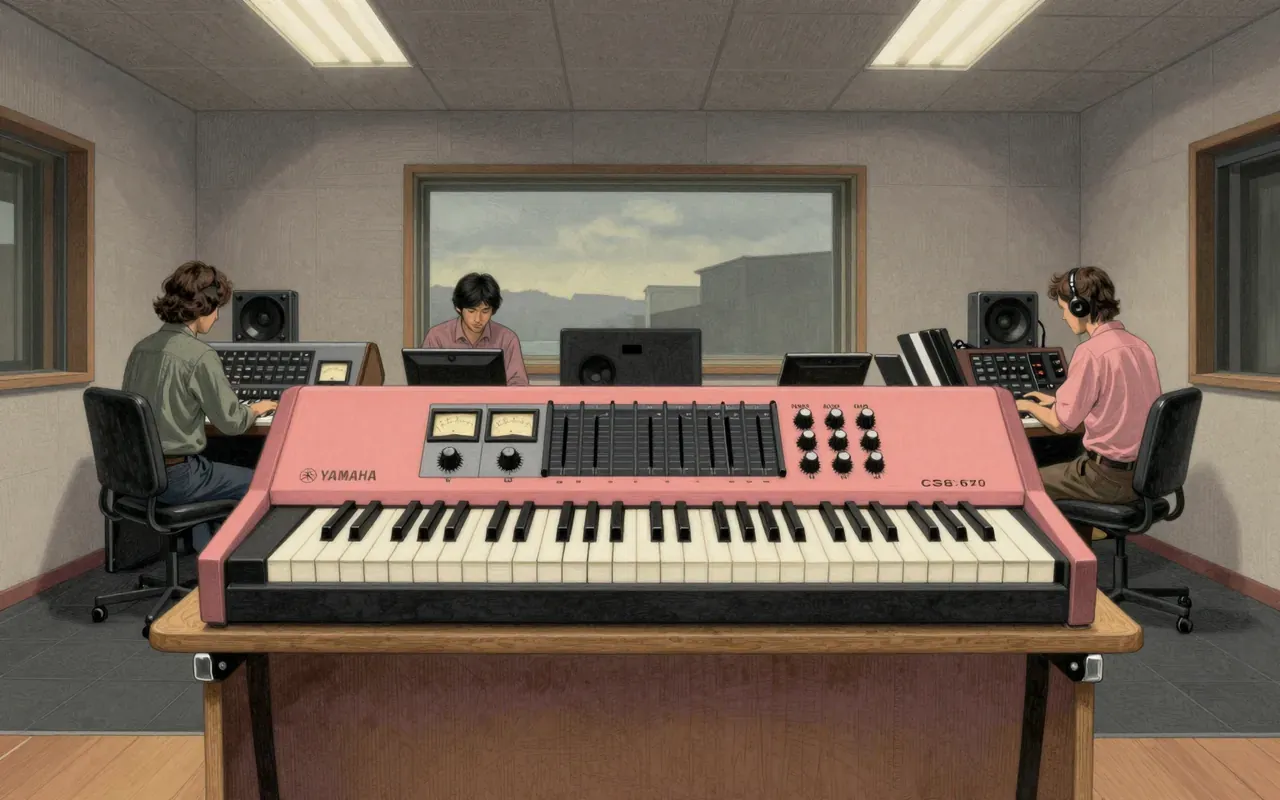
The Yamaha CS-60 is a polyphonic analog synthesizer released in 1977. It is smaller and cheaper than the CS-80. It lacks polyphonic aftertouch.
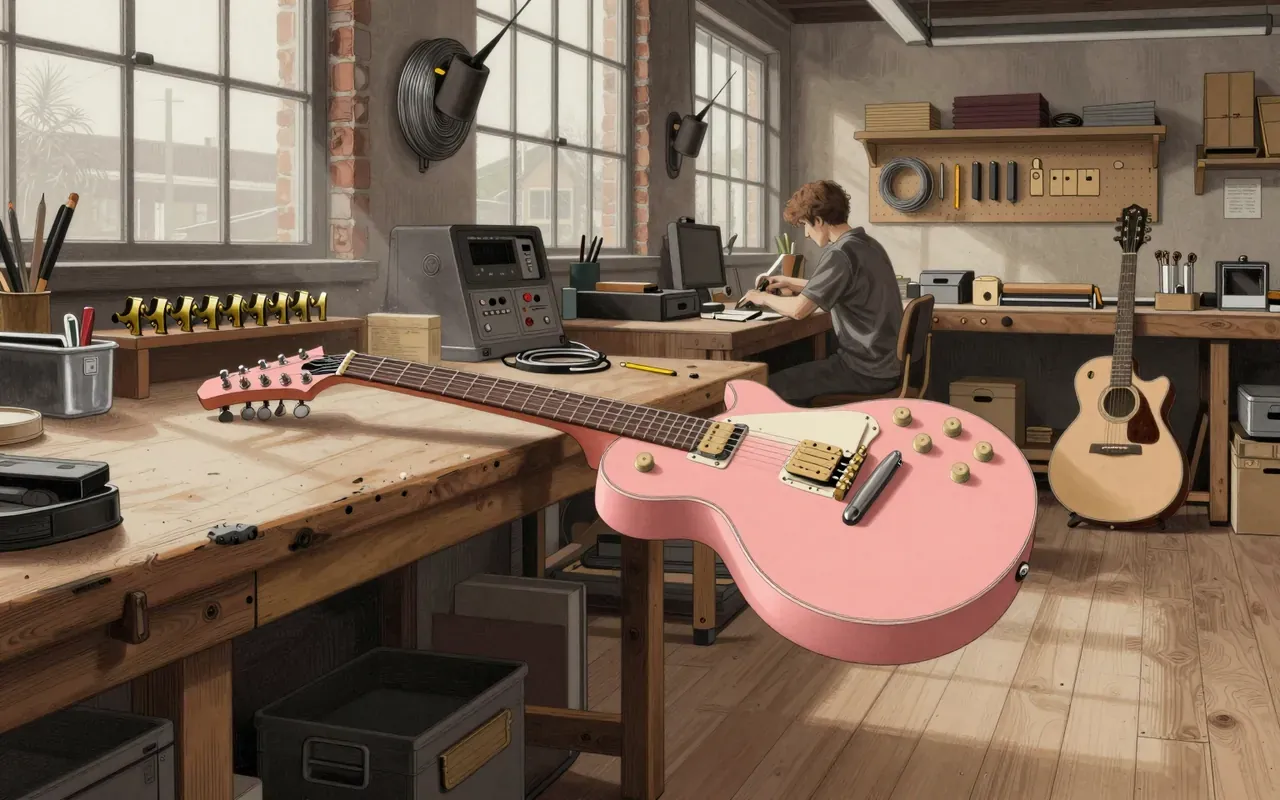
The Gibson RD Artist is a 1978 solid-body electric guitar with active Moog electronics, all-maple construction, a 25.5-inch scale, two humbuckers, and no vibrato. Its controls enable compressor (bridge), expander (neck), bright mode, or neutral, plus bass/treble boost/cut. Stock humbuckers are weak for rock. It was built for precise, processed tone — not vintage warmth or expressive pitch play.
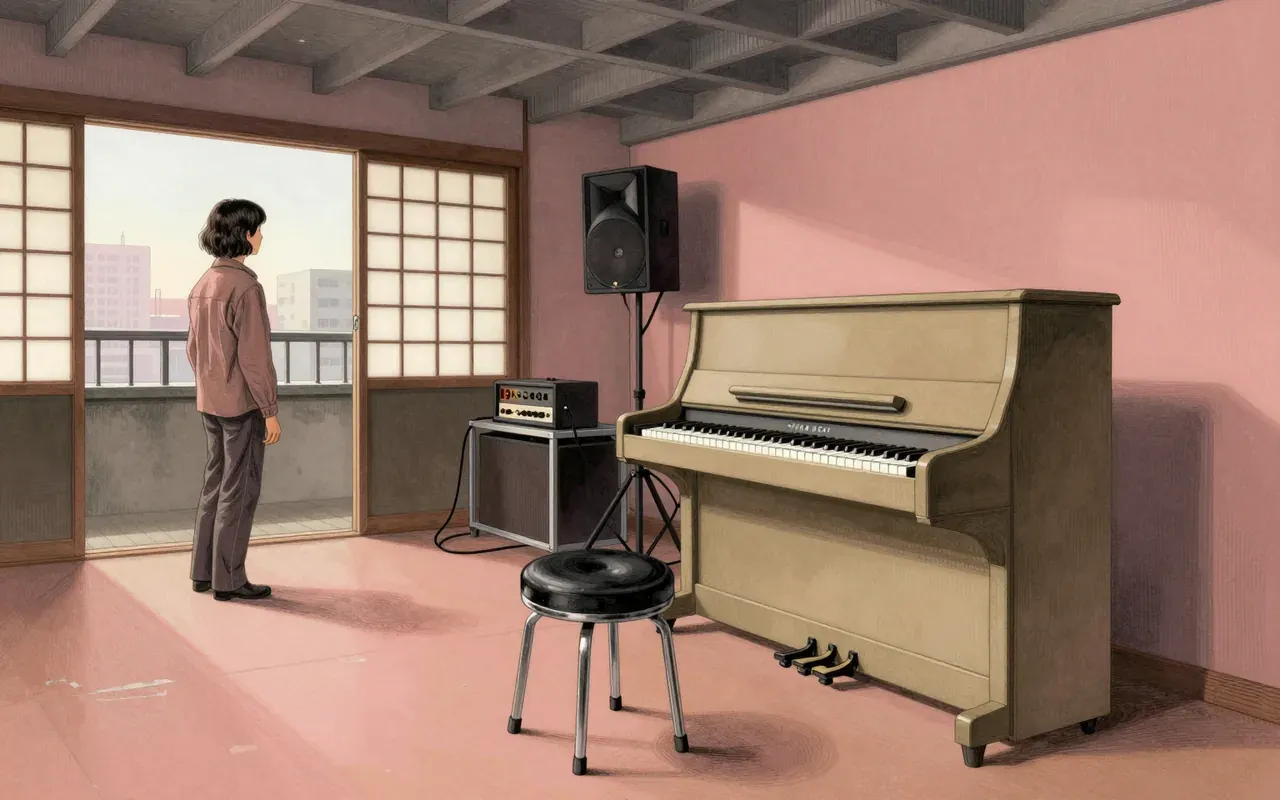
The Yamaha YC-45D is a 1976–1980 hybrid organ-synthesizer. It combines drawbar organ, transistor organ, piano, harpsichord, distortion and a 3-octave ribbon synth. Its lateral per-note vibrato/bend is unmatched for its time. Its preset system is rudimentary. Its ribbon lacks visual pitch reference. Its emulations are shallow. It belongs in a room where articulation matters more than fidelity.
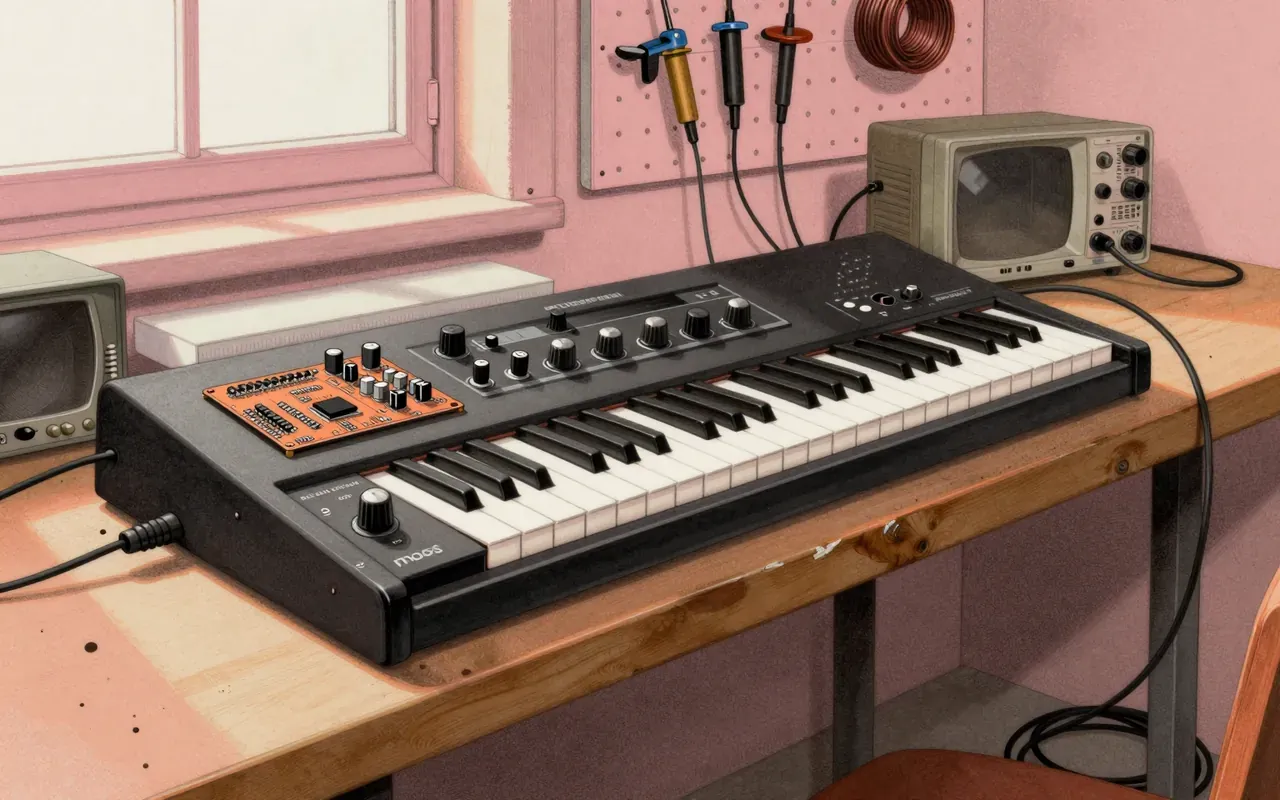
The Multimoog is a monophonic analog synthesizer built by Moog Music from 1978 to 1981. Derived from the Micromoog, it adds a second circuit board to deliver aftertouch and expanded modulation routing—features missing from the Minimoog. It was intended as a less expensive alternative to that flagship instrument. It does not store patches. It drifts. It demands attention. But it gives aftertouch control over filter, pitch and amplitude in real time—rare in 1978.
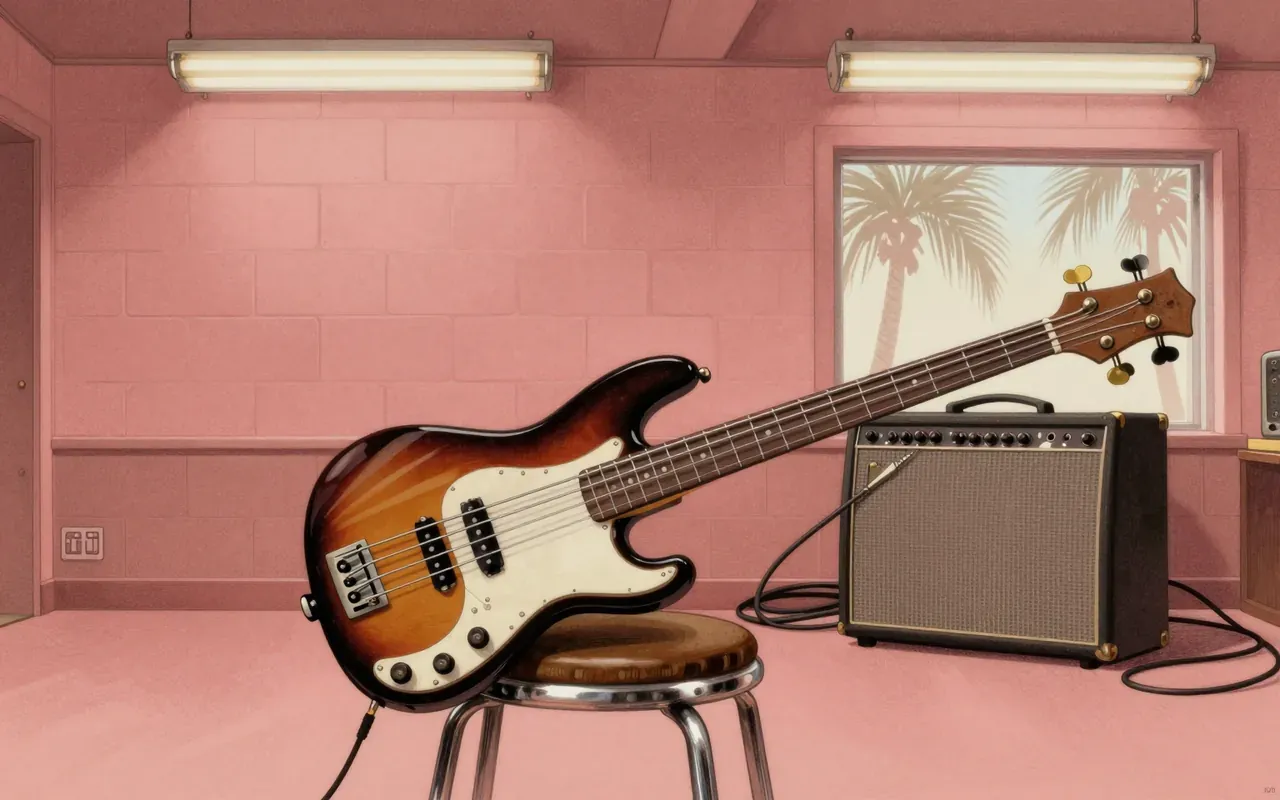
The Music Man StingRay is a 1976 electric bass co-designed by Leo Fender as a modern update to the Precision Bass. It introduced active electronics to bass design — a 9-volt-powered preamp with 2-band EQ, an oversized humbucker wired in parallel, and epoxy-sealed circuitry. It delivers a uniquely bright, scooped-mid, deep-low tone with high output and rigidity. It lacks passive tone shaping, midrange control in early models, and serviceable electronics. It became essential for slap bass, studio clarity, and cutting through dense mixes.