Chandragupta Maurya
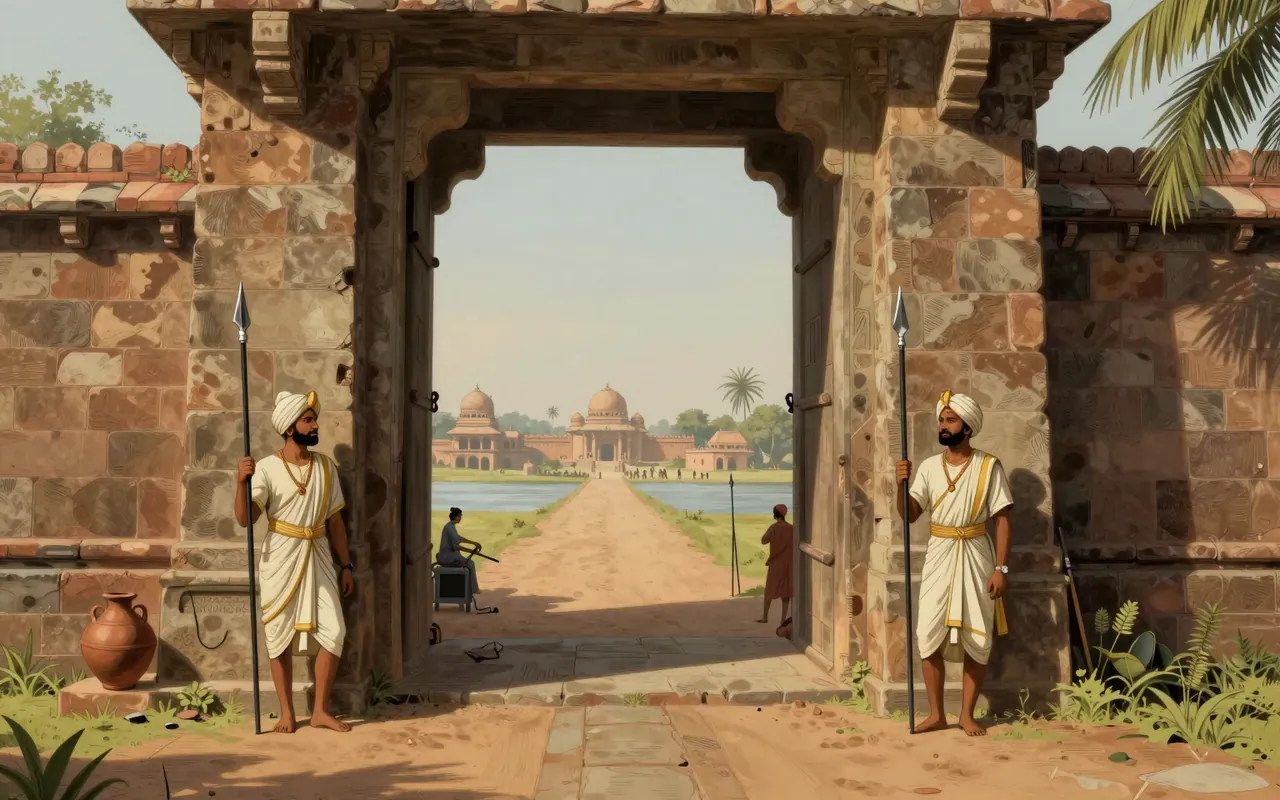
Chandragupta didn’t found India — he founded the first empire that forced its geography, trade, and diplomacy to answer to a single capital in Magadha.
Goods moving, and the politics of who gains.
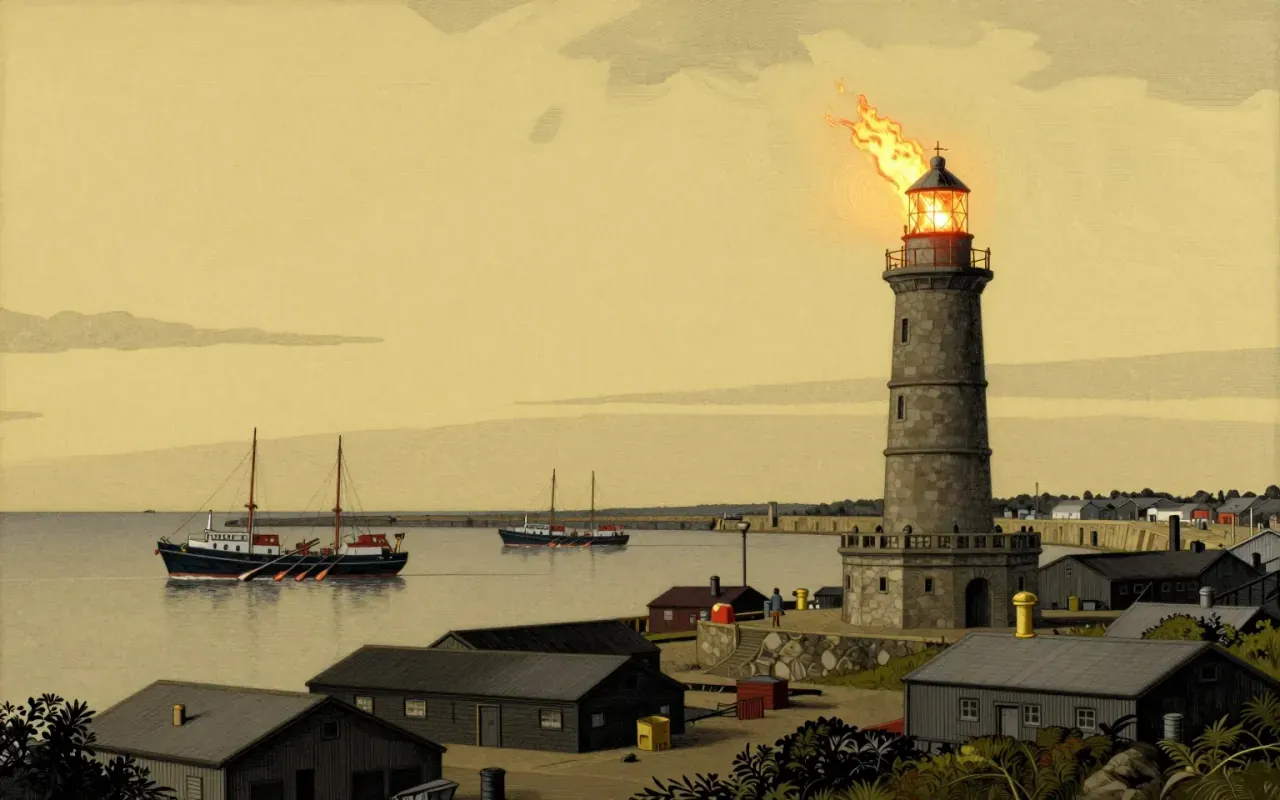
Alexander the Great founded Alexandria in April 331 BC after taking Egypt from Persian control, then departed shortly afterward, leaving his successors, particularly Ptolemy I, to build it into the largest city in the world within a century through institutions including its famous library and the Pharos lighthouse, one of the ancient world's seven wonders. The library's eventual destruction, often attributed to a single dramatic event during Julius Caesar's siege in 47 BC, remains disputed among historians, and the city's long decline followed Portuguese discovery of alternative sea routes to India in the late fifteenth century.
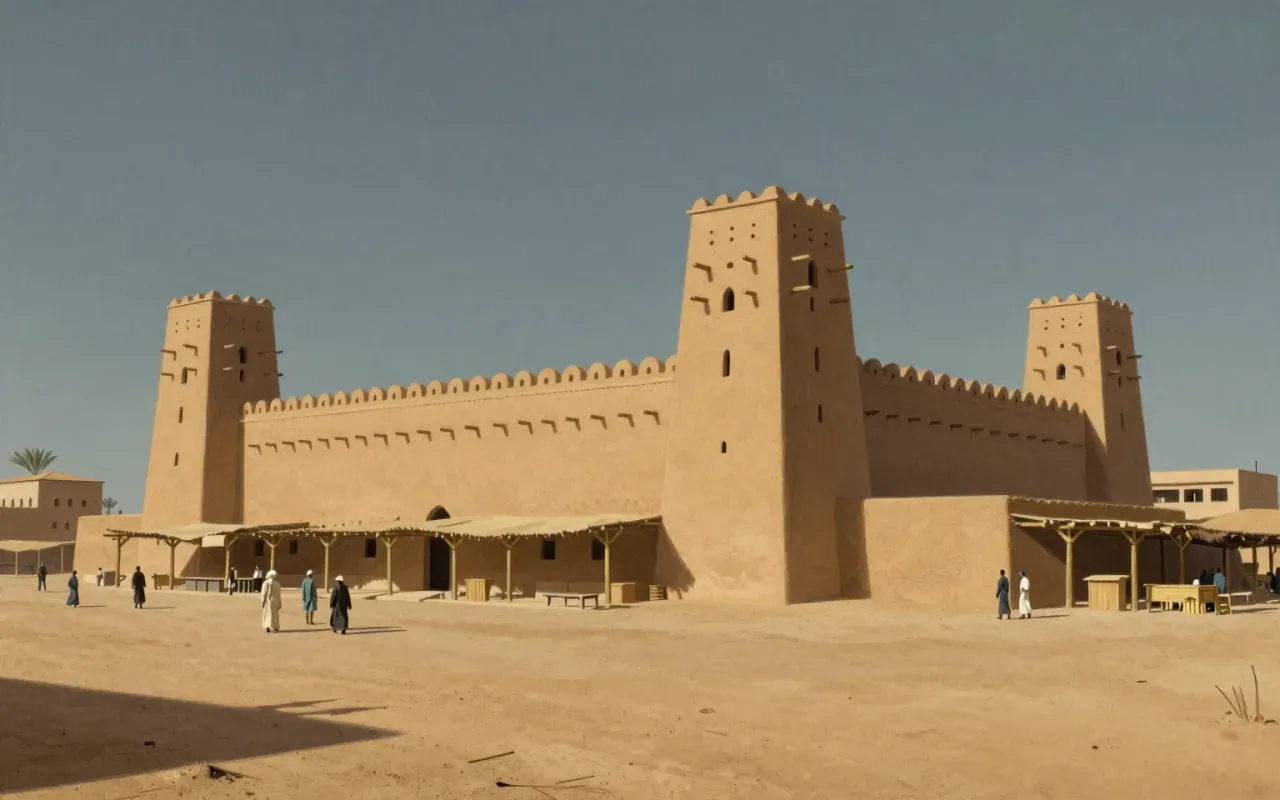
Mansa Musa ruled the Mali Empire from around 1312 to 1337, a reign later chroniclers regarded as its golden age, and became widely known in the Islamic world after his pilgrimage to Mecca in 1324, during which his gold spending reportedly depressed the metal's value in Cairo for years afterward. He annexed Timbuktu and Gao, recruited scholars including the poet Abu Ishaq al-Sahili, and helped establish Timbuktu's Sankore as a centre of Islamic learning, though the precise scale of his wealth, drawn from a handful of Arabic chroniclers writing after the fact, cannot be independently verified.

The Nabataeans, an Arab people whose origins scholars no longer trace to Aramean roots, built Petra into a thriving trading city that reached a population of roughly twenty thousand in the century before Rome annexed it in 106. A 1964 discovery of Nabataean inscriptions established the city's original name as Raqmu, and after earthquake damage and the decline of the trade routes it depended on, Petra faded from written record by the seventh century until the Swiss traveller Johann Ludwig Burckhardt, disguised as a local, rediscovered it for European scholarship in 1812.
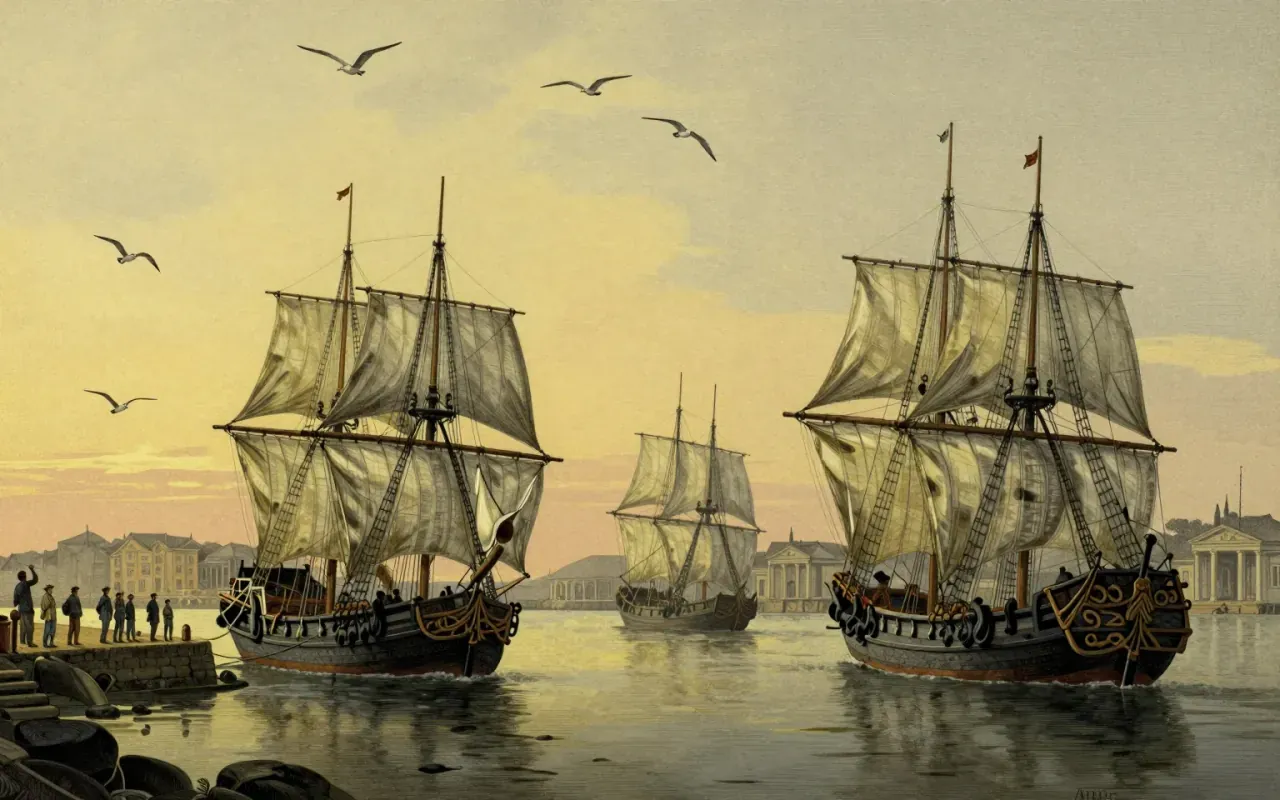
Running roughly from Portugal's systematic exploration of the African coast in the early fifteenth century to the mid-seventeenth century, the Age of Discovery saw Portuguese, Spanish and later other European voyages reach India, the Americas and the Pacific, driven by the search for direct access to Asian trade goods, religious mission and improved navigational technology. The resulting contact produced the Columbian Exchange of goods, people and disease, alongside colonisation, enslavement and catastrophic population loss among indigenous peoples, and historians increasingly question whether discovery is an honest term for a process better described from more than one side.
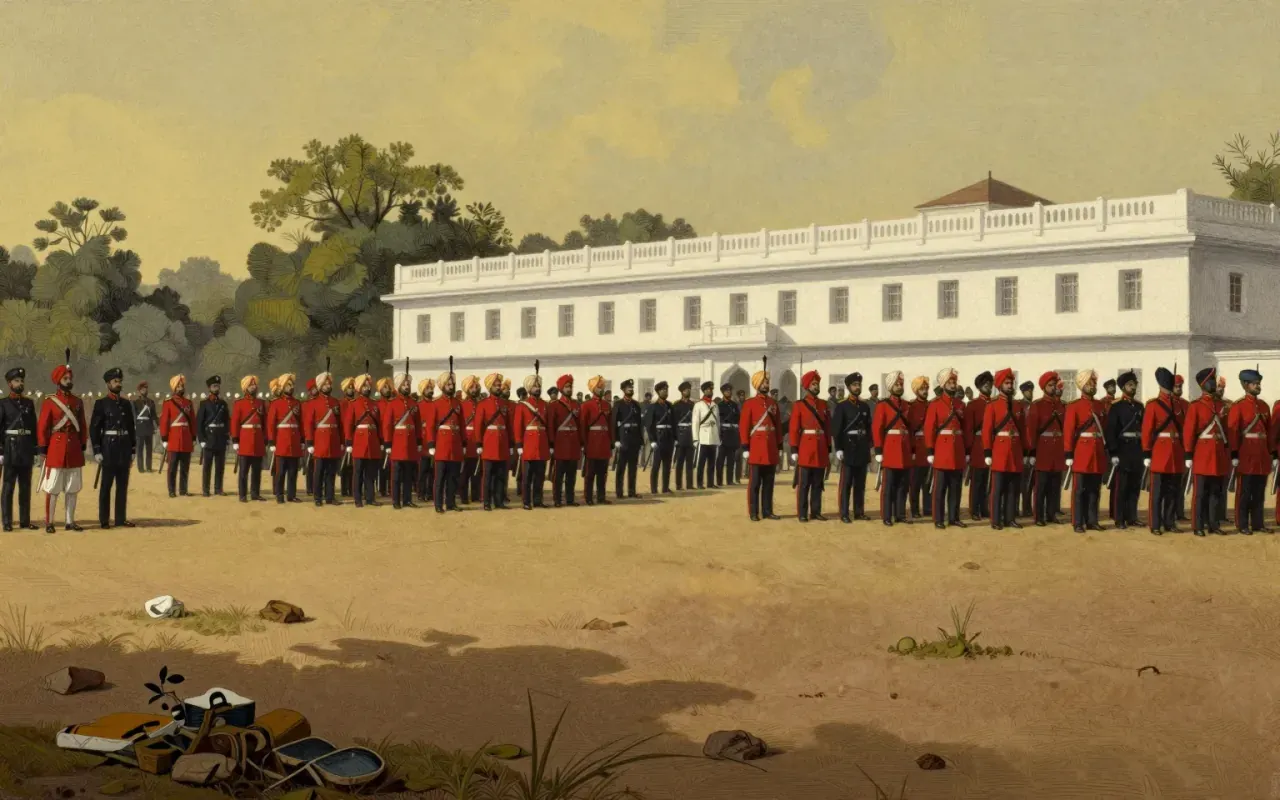
Chartered by Elizabeth I in 1600 with a monopoly on English trade east of the Cape of Good Hope, the East India Company spent its first century as a trading concern before turning, after the 1757 Battle of Plassey, into the effective ruler of large parts of India, funded by taxation of the people it governed and defended by an army that at its peak outnumbered Britain's own. Its opium trade with China, its tax policies during the Bengal famine of 1770, and its use of torture to extract revenue are all part of the documented record. The Indian Rebellion of 1857 ended Company rule outright; the Crown assumed direct control the following year, and the Company itself was formally dissolved in 1874.
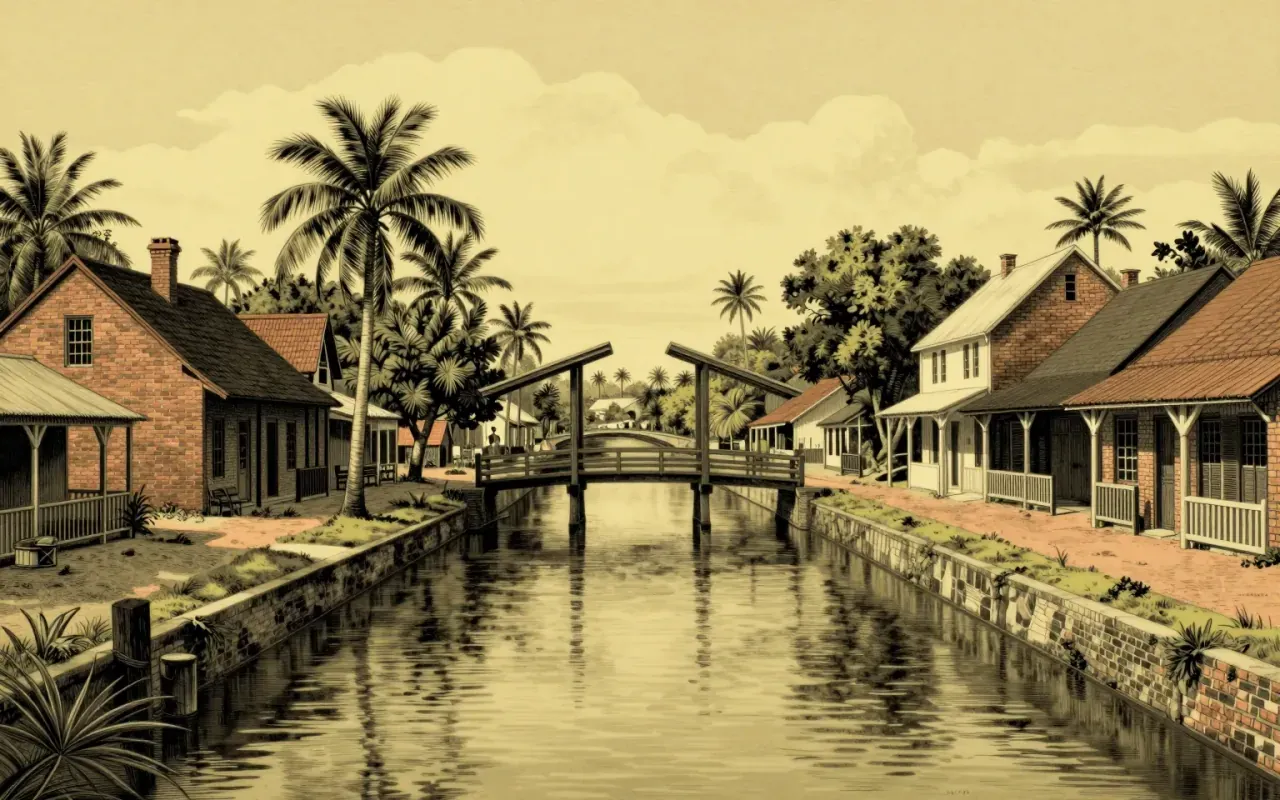
Chartered in 1602 as a state-backed merger of rival Dutch trading firms, the VOC pioneered the joint-stock company, raising capital from shareholders while holding the power to wage war, sign treaties, and mint currency. Its spice monopoly and Asian trading network made it hugely profitable for close to two centuries, but that same monopoly was enforced with documented violence, including the destruction of much of the Banda Islands' population in the 1620s. Debt, war losses, and corruption brought the company down; its charter expired in 1799, and its territories became a Dutch state colony that lasted until Indonesian independence in the twentieth century.
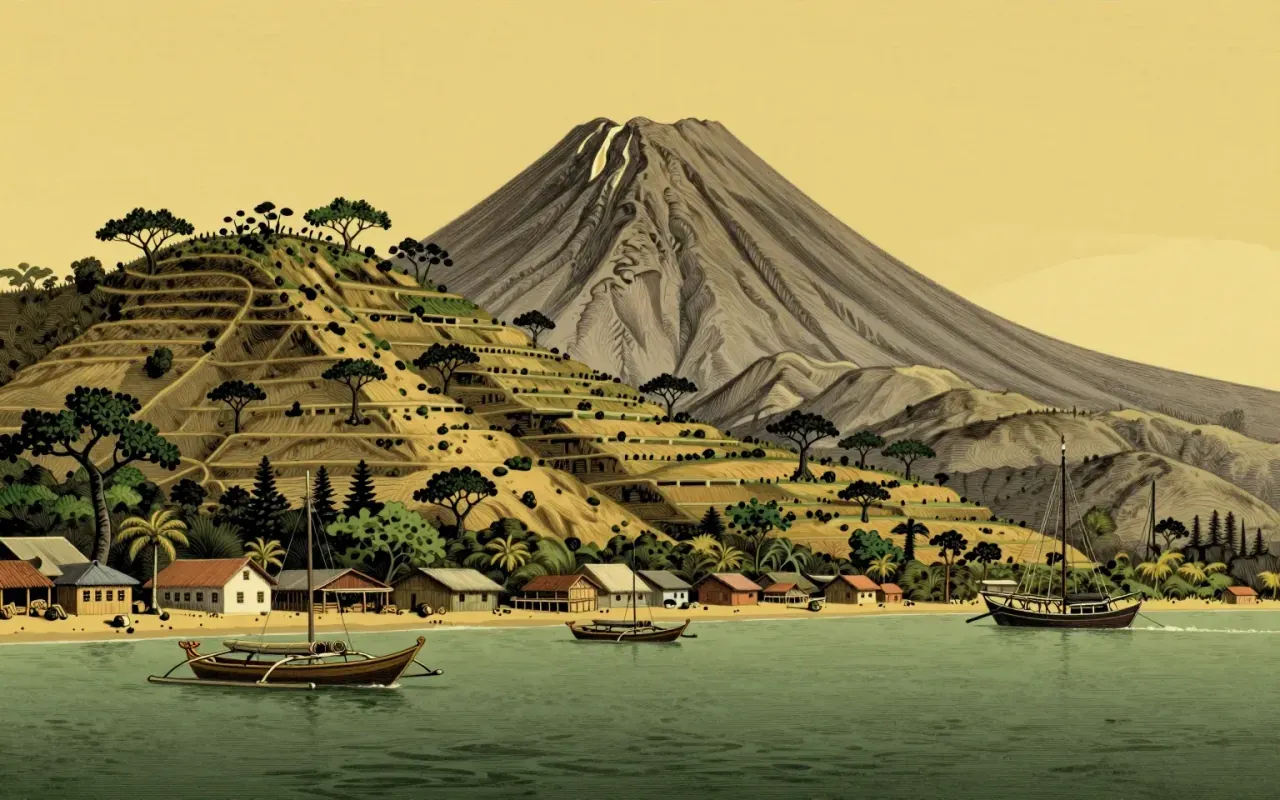
Ferdinand Magellan's 1519 expedition found a passage through South America and crossed the Pacific before his death in the Philippines, after which Juan Sebastian Elcano brought the sole surviving ship home in 1522, completing the first known voyage around the world. The venture proved the earth could be circled by sea and revealed the Pacific's true scale, even though the western route it pioneered turned out too long and costly to be commercially useful.

The iPod is a landmark industrial design object whose longevity and scale emerged from disciplined constraint-handling — not originality of form or interaction. Its lineage, licensing, and timing are better documented than its materials or mechanics. It belongs in industrial design history not as a breakthrough, but as a benchmark for execution under real-world limits.
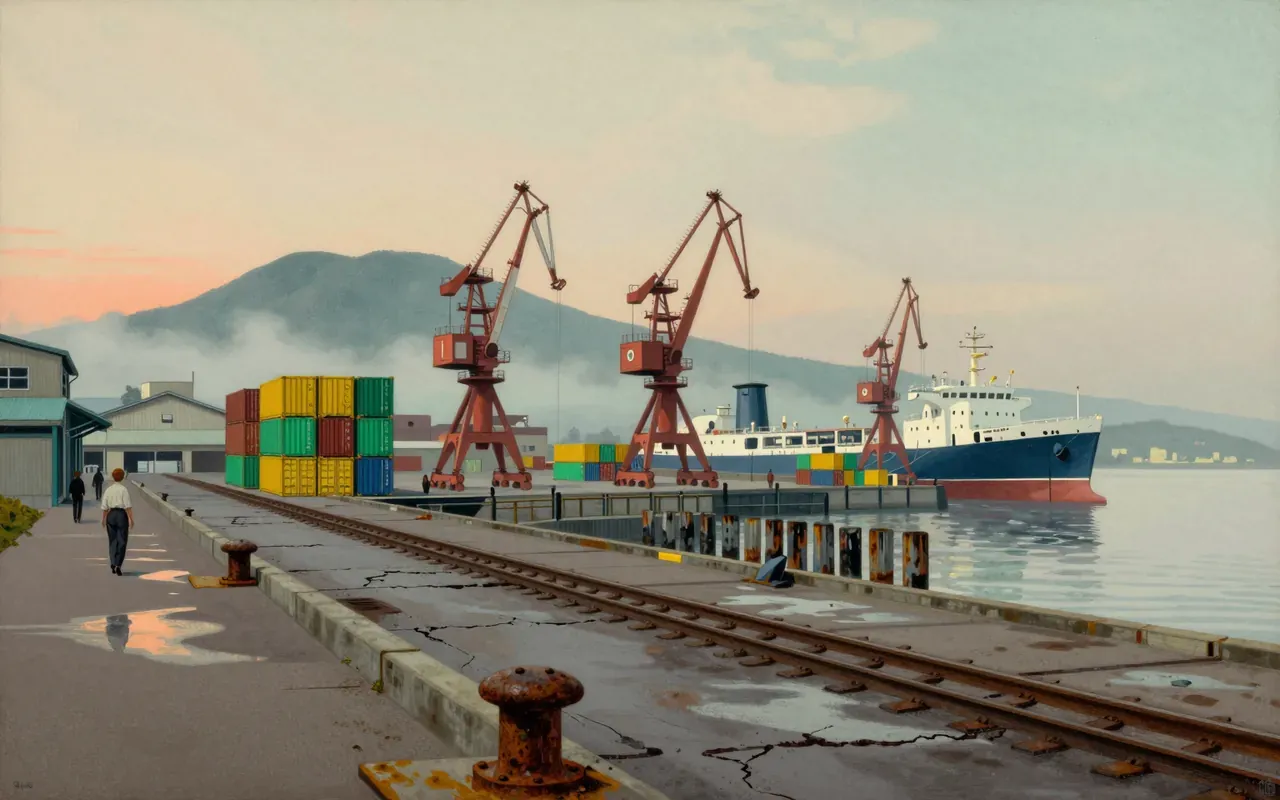

Takeda’s origin story is misaligned with its present identity: it began as a repackaging merchant, not a drug developer. Its longevity reflects adaptability, not continuity.


Alibaba Group is a Chinese multinational technology company founded in 1999 in Hangzhou as a B2B e-commerce marketplace, now operating nine major subsidiaries including Taobao, Tmall, and Alibaba Cloud.

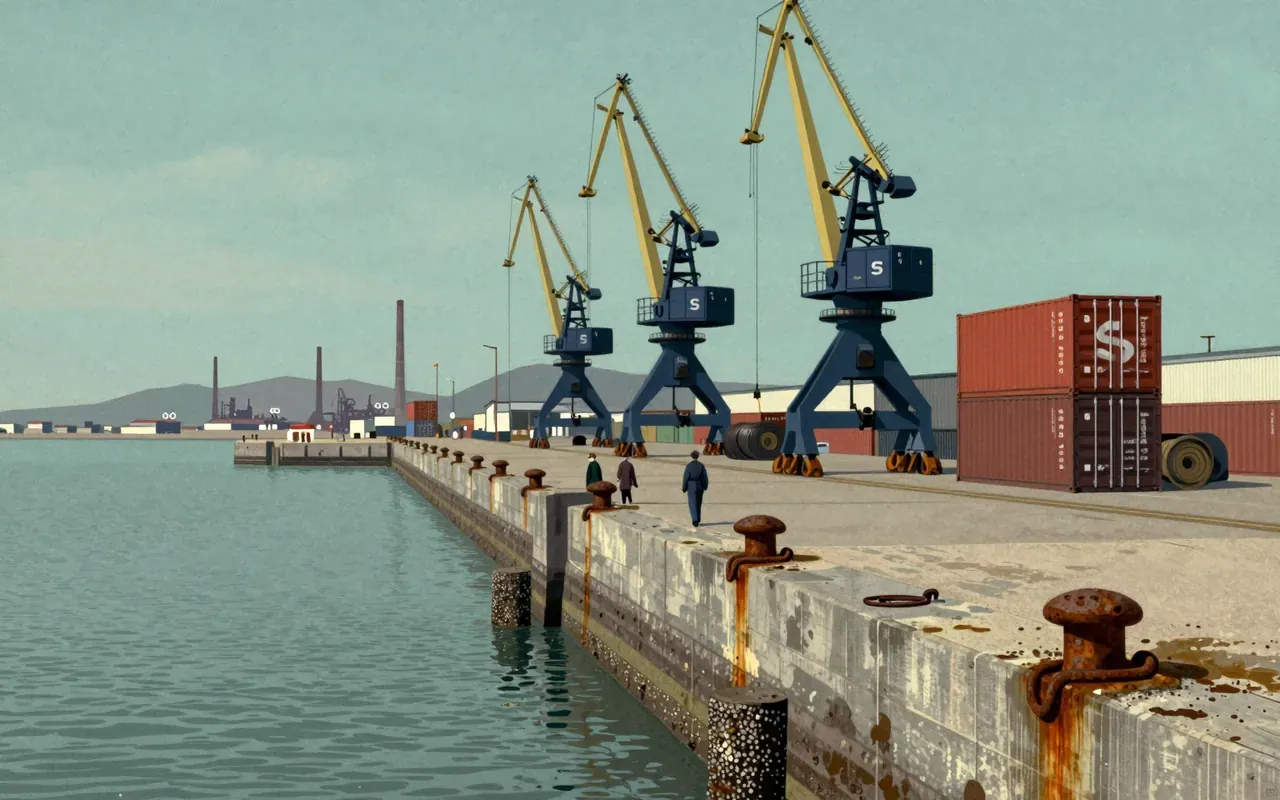

Samsung’s origin contradicts its current identity: it was a trading and transport firm, not a tech innovator. Its electronics entry was late, small-scale, and licence-dependent — a strategic pivot enabled by infrastructure, not invention.

Walmart’s early success was mechanical, not magical. It used known levers — location, transport, procurement — with unusual discipline. Its story is not about disruption but about execution fidelity.