briefs
Topic · across the network

Japan

Craft, restraint and reinvention, from the Edo workshop to the Tokyo studio.

114
briefs
12
subjects
8:57
average
1021 min
in total
Abstraction 407Absurdism 137Acoustics 220Acting 65Adaptation 372Addiction 95Adolescence 202Advertising 77Age of exploration 14Ageing 113Agriculture 100Algorithms 114Ambition 46Anarchism 38Ancient Egypt 17Ancient Greece 38Ancient Rome 30Animals 172Anthropology 23Apartheid 12Architecture 165Archives 32Argentina 10Art Deco 26Artificial intelligence 78Astronomy 81Attention 42Australia 32Automation 73Avant-garde 164Aviation 79Banking 72Banned works 40Bauhaus 12Beer 5Behavioural economics 22Berlin 16Big tech 6Biodiversity 136Biography 86Birds 41Black holes 20Blockchain 12Boxing 14Branding 77Brazil 43Bread 29Britain 131Brutalism 4Bubbles 3Buddhism 28Byzantium 10California 17Canada 18Capitalism 94Cars 468Celebrity 59Censorship 110Cheese 24Chefs 9Chemistry 104Chess 2Childhood 87China 109Chocolate 8Christianity 49Cinematography 343Cities 90Class 485Climate change 107Club culture 100Cocktails 2Coffee 11Cognitive bias 14Collecting 16Colonialism 284Colour 42Comedy 89Community 52Complexity 21Computing 309Consciousness 16Conservatism 14Conspiracy theories 8Cooking 178Corruption 38Cosmology 31Cover versions 64Craft 116Crate digging 42Creativity 8Crime 234Cryptocurrency 8Cryptography 24Cuba 10Cybersecurity 30Dada 12Debt 38Decision-making 28Decolonisation 46Deep time 80Democracy 45Denim 16Deserts 45Detroit 17Dinosaurs 12Directing 168Disasters 59Disease 109DJ culture 89Dreams 32Drones 5Drum machines 96Dystopia 69East Africa 28Ecology 337Economics 36Editing 72Education 92Egypt 12Electric vehicles 59Emotion 22Empire 92Endurance 49Energy 120Engineering 541Entropy 8Epidemics 13Equality 9Espionage 31Ethics 44Evolution 174Existentialism 106Expertise 2Exploration 49Extinction 23Failure 37Family 240Fandom 22Fascism 45Fashion 215Fast fashion 12Fear 34Feminism 122Fermentation 126Film music 81Fishing 12Folklore 71Food history 588Football 16Forests 31Forgery 7France 163Fraud 15Free will 13Freedom 16French literature 15Friendship 24Furniture 36Gambling 14Gender 63Generations 28Genetics 87Geology 96Germany 66Globalisation 74Gothic 32Greece 5Grief 126Habits 6Happiness 2Hardware 709Haute couture 22Headphones 8Hi-fi 12Hinduism 12Hoaxes 1Human history 23Human nature 41Identity 138Illustration 8Impressionism 6Improvisation 249India 89Indonesia 15Industrial design 342Inequality 13Inflation 4Information 34Infrastructure 280Insects 29Intelligence 8Interiors 31Internet culture 88Invention 329Iran 41Islam 40Islands 17Israel 9Italy 52Jamaica 10Japan 114Jewellery 5Journalism 34Judaism 13Justice 42Korea 41Language 70Law 90Leadership 20Learning 6Liberalism 1Libraries 6Literary criticism 26London 12Loneliness 61Los Angeles 62Lost works 9Love 67Luxury 55Machine learning 15Management 10Maps 5Marketing 21Markets 51Mars 6Marxism 26Masculinity 46Materials 138Mathematics 79Meaning 6Medicine 124Memory 82Mental health 70Mesopotamia 4Mexico 38Migration 95Minimalism 68Mining 30Misinformation 9Modernism 63Money 24Monopoly 32Mortality 61Motivation 2Mountains 16Museums 27Mysticism 11Mythology 60Nationalism 40Neuroscience 23New York 36Nigeria 7Nihilism 10Noise 31Nostalgia 33Nuclear 29Nutrition 17Oceans 48Oil 42Open source 45Painting 18Palaeontology 29Parenting 14Paris 18Partition 6Patents 71Patronage 14Perception 44Personal style 27Personality 2Persuasion 8Peru 10Philosophy 77Photography 37Physics 206Plants 26Platforms 89Podcasting 1Poetry 25Poland 17Policing 34Pop Art 16Populism 2Portraiture 6Portugal 18Postmodernism 23Power 91Prehistory 24Preservation 28Printmaking 21Privacy 11Probability 6Productivity 1Programming 54Prohibition 1Propaganda 35Protest 75Pseudoscience 17Psychology 80Publishing 22Punishment 16Quantum mechanics 44Race 145Radio 30Railways 35Rave 17Realism 47Record labels 19Recording 810Relativity 23Religion 154Resilience 15Restaurants 30Restoration 2Retail 94Revolution 58Risk 18Ritual 96Robotics 26Romance 96Russia 58Salt 9Sampling 246Satire 84Scandinavia 28Scientific method 186Screenwriting 26Sculpture 7Secularism 2Self-deception 14Semiconductors 73Sexuality 102Ships 18Silence 24Silicon Valley 17Slavery 35Sleep 2Smartphones 27Sneakers 15Social media 58Socialism 9Software 68Songwriting 180Sound design 332Sound systems 20South Africa 19South East Asia 30Space exploration 84Spain 18Special effects 41Spices 62Spirits 12Sport 82Startups 21Statistics 10Status 9Stoicism 4Storytelling 68Strategy 70Street food 99Streetwear 16Studio craft 508Subcultures 59Sugar 12Supply chains 115Surrealism 53Surveillance 21Sustainability 30Synthesis 232Tailoring 37Taxation 14Tea 24Textiles 97Thailand 11The American Revolution 19The American South 88The Arab world 41The Arctic 19The Balkans 17The Belle Epoque 13The body 29The brain 26The Caribbean 28The civil rights movement 62The Cold War 160The eighties 268The Enlightenment 29The financial crisis 19The First World War 39The food industry 157The French Revolution 9The Gilded Age 9The Great Depression 18The Holocaust 20The Industrial Revolution 93The internet 61The interwar years 135The Middle Ages 35The Moon 4The music business 169The Netherlands 10The nineties 26The Olympics 10The pandemic 13The Reformation 1The Renaissance 16The Russian Revolution 19The Second World War 102The seventies 58The sixties 28The space race 5The United States 19The universe 7The Victorian era 37Therapy 20Tokyo 11Trade 48Tragedy 22Translation 5Trauma 85Travel 5True crime 2Turkey 18Typography 54Uniforms 23Unions 8Urban planning 66Utilitarianism 1Utopia 5Vaccines 10Vegetarianism 15Venture capital 6Video games 291Vietnam 12Vintage 65Vinyl 6Virtual reality 11War 169Watches 4Water 11Weather 29West Africa 29Wilderness 10Wine 3Work 22Workwear 19Worldbuilding 121

music.briefs Music

All 4 in music →
9:53

Jazz Samba

Stan Getz · 1962

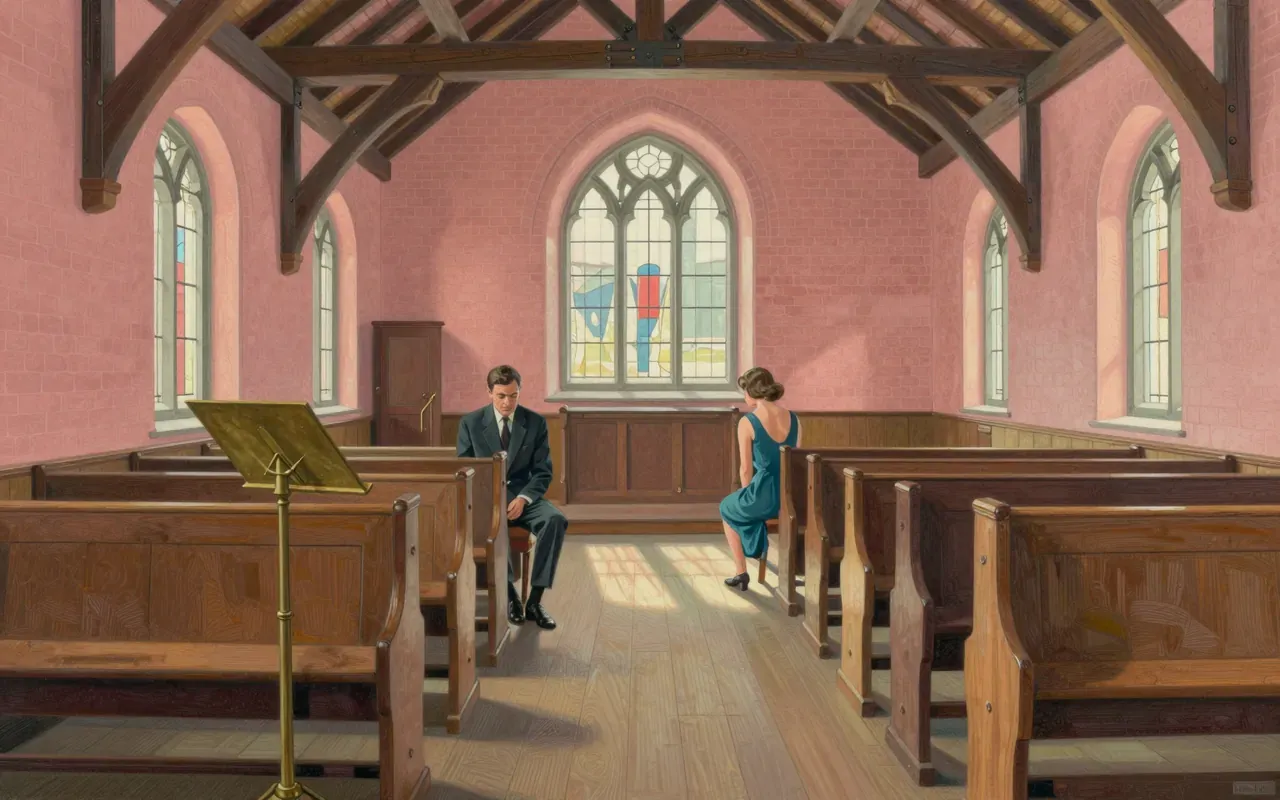
Jazz Samba is a 1962 bossa nova album by Stan Getz and Charlie Byrd, recorded at All Souls Unitarian Church in Washington, D.C., on February 13, 1962, and released by Verve in April. It features Getz on saxophone, Byrd on guitar, two bassists (Keter Betts and Joe Byrd), and two drummers (Buddy Deppenschmidt and Bill Reichenbach). Arrangements are by Byrd. Two tracks—'Desafinado' and 'Samba de Uma Nota Só'—are by Antônio Carlos Jobim and were released as singles. The album won Getz the 1963 Grammy for Best Jazz Performance and sold over one million copies. It was part of Getz’s effort to introduce bossa nova to the U.S. after Byrd’s 1961 State Department tour of Brazil.
13:00

Solid State Survivor

Yellow Magic Orchestra · 1979

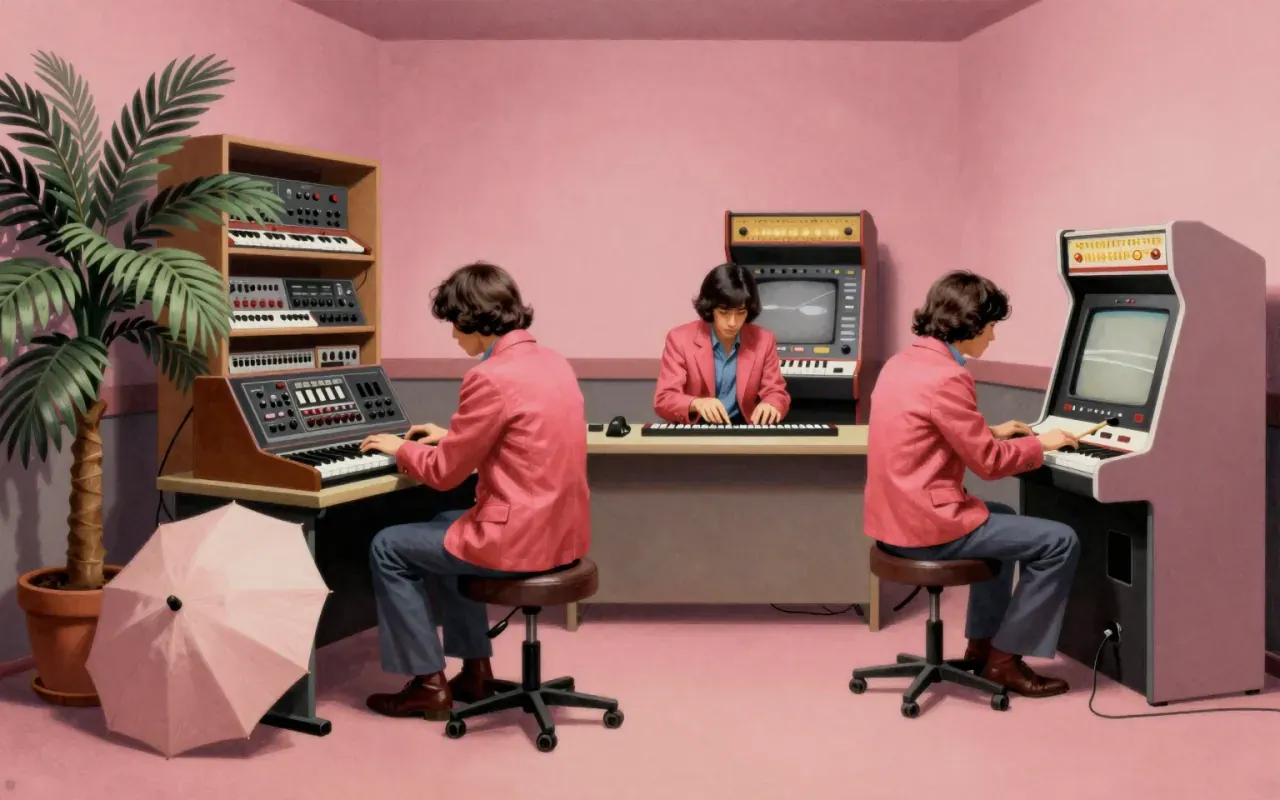
Yellow Magic Orchestra's second album turns Hideki Matsutake's Microcomposer sequencing and Chris Mosdell's English lyrics into fully electronic pop songs, repurposing a watch-commercial jingle into Behind the Mask and naming a coming genre outright in Technopolis, years before Detroit techno existed to claim the word.

13:00

Yellow Magic Orchestra

Yellow Magic Orchestra · 1978

Yellow Magic Orchestra's 1978 debut turned a mocking cover of a 1959 exotica tune into a synth-pop landmark, built almost entirely on a Roland Microcomposer and a rack of early synthesizers. Playful, cool and stranger than its chart success suggests, it is now heard less as a novelty than as an ancestor of electro, techno and much of the sampling culture that followed.

film.briefs Film

All 31 in film →
13:00

Black Sun

Koreyoshi Kurahara · 1964

Black Sun (1964), directed by Koreyoshi Kurahara for Nikkatsu, follows Akira, a young Japanese thief, and Gill, an injured African-American soldier, as they move silently toward the sea after a violent encounter. Shot in high-contrast monochrome, with sparse music by Toshiro Mayuzumi and Max Roach, it uses jazz records, ruined architecture, and deliberate pacing to explore connection without translation. Its themes centre on embodied difference, failed communication, and freedom as ascent rather than arrival.
13:00

Love under the Crucifix

Kinuyo Tanaka · 1962

Kinuyo Tanaka’s 1962 drama follows Ogin, daughter of tea master Sen no Rikyū, whose childhood bond with Christian daimyō Takayama Ukon becomes untenable amid rising anti-Christian persecution and feudal obligation. Married off to a merchant, she navigates loyalty, faith, and desire under constant political scrutiny — culminating in a quiet, self-determined exit from a world that permits her no legitimate place. Shot by Yoshio Miyajima and scored by Hikaru Hayashi, it is a restrained, historically grounded portrait of constrained agency.
13:00

Ornamental Hairpin

Hiroshi Shimizu · 1941

Set entirely at a remote Japanese hot-spring resort in 1941, Ornamental Hairpin follows a group of guests — a soldier, a geisha, two boys, a professor, an old man — whose intersecting stays are extended by a single lost hairpin. Directed by Hiroshi Shimizu and starring Kinuyo Tanaka, it is a quiet, observational drama that finds emotional weight in routine, restraint, and unspoken connection, refusing both wartime urgency and narrative resolution.

13:00

Sanshiro Sugata Part II

Akira Kurosawa · 1945

Made in early 1945 for Toho, Sanshiro Sugata Part II follows Sanshiro Sugata’s training under judo’s founder, culminating in a symbolic boxing match against an American sailor. Directed and edited by Akira Kurosawa, with cinematography by Takeo Itō and music by Seiichi Suzuki, the film departs from the spiritual focus of its predecessor to assert judo’s moral and physical supremacy amid Japan’s wartime collapse. Its fights are tightly structured, its ideology unambiguous, its landscape functional rather than lyrical. It is less a character study than a controlled rehearsal of triumph — historically revealing, aesthetically restrained.

13:00

Sword of the Beast

Hideo Gosha · 1965

Set in 1857 Japan, Sword of the Beast follows Gennosuke, a samurai fugitive manipulated into killing his clan’s counsellor. On the run, he joins a farmer poaching gold from the shōgun’s mountain, where he encounters another samurai and his wife — also stealing gold, also doomed by their clan. As loyalties fracture and betrayals mirror one another, Gennosuke chooses solidarity over survival, culminating in a terse, consequential battle. Directed by Hideo Gosha, the film is spare, morally exacting, and resolutely unromantic about honour, duty, or redemption.

13:00

The Insect Woman

Shohei Imamura · 1963

Shohei Imamura’s 1963 drama follows Tome Matsuki from rural childhood to post-war Tokyo madam across thirty-two episodic chapters. Sachiko Hidari’s unsentimental performance, Shinsaku Himeda’s unadorned cinematography, and Toshiro Mayuzumi’s sparse score serve a vision of class and gender as material forces — not backdrops, but shaping pressures. Entered in Berlin, where Hidari won Best Actress, it remains a benchmark of socially grounded Japanese cinema.

13:00

The Tale of Zatoichi

Kenji Misumi · 1962

The 1962 Japanese jidaigeki film The Tale of Zatoichi introduces Shintarō Katsu as the blind masseur-swordsman Zatoichi, hired by warring yakuza factions. Directed by Kenji Misumi and written by Kan Shimozawa, it establishes a tone of quiet gravity, where honour is enacted in small refusals and violence resolved with minimal flourish. Its strength lies in the restrained performances, Akira Ifukube’s percussive score, and its refusal to romanticise either disability or bushidō. Though some supporting characters remain underdeveloped, the central relationship between Zatoichi and the dying ronin Hirate gives the film its enduring resonance.

13:00

The Warped Ones

Koreyoshi Kurahara · 1960

Koreyoshi Kurahara’s 1960 film follows a group of Tokyo youths — Akira, Masaru and Yuki — whose criminality, sexual recklessness and jazz obsession unfold across tenements, beaches and jazz clubs. With a frenetic editing style, Toshiro Mayuzumi’s urgent jazz score, and performances stripped of psychology, the film presents its characters as environmental effects rather than agents. It avoids moral framing, resists narrative padding, and sustains a tone of controlled volatility across its 75-minute runtime. Though often compared to Breathless and Rebel Without a Cause, it diverges by refusing empathy, explanation or resolution — offering instead a tightly wound, formally audacious document of post-war dislocation.

history.briefs History

All 14 in history →
11:28

Meiji Restoration

1868

The Meiji Restoration was a top-down political transfer of power in 1868 that ended feudalism, abolished the shogunate, and launched Japan’s rapid industrialisation and westernisation under imperial authority. It laid the foundations of the Empire of Japan—and its institutions enabled colonial expansion. No evidence is given for popular involvement, democratic intent, or internal dissent beyond the Saga and Satsuma Rebellions, which are cited only as backlash, not as competing visions.

13:00

Hiroshima

6 August 1945

Founded as a castle town in 1589, Hiroshima grew into a regional military and industrial centre before the United States dropped an atomic bomb on it on 6 August 1945. Immediate deaths ran into the tens of thousands, with the toll continuing to climb from injury and radiation for months afterward, and occupation censorship kept much of the detail from the Japanese public for years. The rebuilt city has since made remembrance its civic purpose, formalised as a City of Peace in 1949.

13:00

Oda Nobunaga

1534–1582

Oda Nobunaga rose from control of a single Japanese province to command roughly twenty central provinces by the early 1580s, defeating rival clans, destroying fortified religious strongholds, and beginning the unification of Japan that his successors Toyotomi Hideyoshi and Tokugawa Ieyasu would complete after his death in 1582, when a subordinate general's betrayal at Kyoto's Honno-ji temple forced him to take his own life. Long-credited tactical innovations attributed to him, notably a supposed three-stage firing formation at the Battle of Nagashino, are now regarded by historians as later misinterpretation rather than accurate contemporary description.

13:00

Pearl Harbor

7 December 1941

The Imperial Japanese Navy's surprise attack on the American naval base at Pearl Harbor on 7 December 1941 brought the United States into the Second World War, a strike American commanders were unprepared for because they had judged a Japanese attack on Wake Island or the Philippines far more likely and had, according to the record, no meaningful air-defence plan for Hawaii itself. Two senior commanders, Admiral Husband Kimmel and Lieutenant General Walter Short, were demoted shortly afterward, and the base has since been merged into what is now Joint Base Pearl Harbor-Hickam.

13:00

2011 Tōhoku earthquake and tsunami

11 March 2011

The magnitude 9.0 to 9.1 earthquake that struck off Japan's Oshika Peninsula on 11 March 2011 was the most powerful ever recorded in the country, generating tsunami waves as high as 40.5 metres that reached ten kilometres inland and killed close to twenty thousand people. Total damage exceeded three hundred billion dollars, making it the costliest natural disaster in recorded history even before accounting for the Fukushima Daiichi nuclear accident the tsunami triggered. The earthquake shifted Honshu by 2.4 metres, generated more than thirteen thousand aftershocks, and measurably altered the length of Earth's day, prompting a fundamental rethinking of Japan's disaster prevention policy afterward.

13:00

Tokyo subway sarin attack

20 March 1995

On the morning of 20 March 1995, five members of the Aum Shinrikyo cult released sarin nerve agent on three Tokyo subway lines during rush hour, killing fourteen people and injuring roughly a thousand more, an attack that followed the cult's own earlier, less-publicised sarin attack in Matsumoto in June 1994 that killed eight. Police had already found chemical residue consistent with sarin production near the group's compound the previous October but had no legal basis to act on it, and cult leader Shoko Asahara learned of a planned raid from Self-Defense Force sympathisers in time to accelerate the subway attack, a sequence of missed warnings that later became as central to the event's history as the attack itself.

13:00

Fukushima nuclear accident

2011

The 2011 Tohoku tsunami overtopped Fukushima Daiichi's seawall about fifty minutes after the earthquake, flooding the plant and destroying ten of its thirteen backup generators, which led to fuel melting in three reactors and hydrogen explosions across the site between 12 and 15 March. Radiation released into the atmosphere made it the worst nuclear accident since Chernobyl, and roughly 164,000 residents were displaced at the evacuation's peak, but the evacuation itself proved directly lethal to at least fifty-one people, mostly elderly patients relocated without adequate medical support. The UN Scientific Committee has found no confirmed radiation-linked health effects among residents, even as cleanup costs run to an estimated 180 billion dollars and more than 41,000 people remained displaced a decade later.

13:00

1995 Hanshin earthquake

17 January 1995

The Great Hanshin earthquake struck the Kobe region at 5:46 a.m. on 17 January 1995 with a magnitude of 7.3, killing between roughly 5,500 and 6,400 people, injuring tens of thousands and displacing over 300,000, Japan's deadliest earthquake of the twentieth century after the 1923 Great Kanto disaster. Many of the deaths came from older wooden houses with heavy tiled roofs collapsing onto residents and from roughly 300 fires that swept through damaged neighbourhoods, while elevated highway sections built to 1960s standards failed even though structures meeting a revised 1981 building code generally held, prompting Japan to overhaul both its construction requirements and its disaster-response chain of command.

design.briefs Design

All 1 in design →
8:43

Mingei

Mingei is not folk art — it is a discipline of refusal: against named authorship, against intellectual mediation, against beauty as exception.

games.briefs Games

All 1 in games →
9:20

Shogun: Total War

Creative Assembly · 2000

Shogun: Total War is a foundational strategy game that fused turn-based empire management with real-time battlefield tactics. Its ambition—to simulate feudal Japanese unification—was matched only by its structural compromises. The campaign map was added late. Systems coexist but rarely converse. Yet its combat loop remains legible, its faction asymmetry functional, and its provincial logic direct. It rewards patience, pattern recognition, and tolerance for abstraction.

business.briefs Business

All 2 in business →
9:55

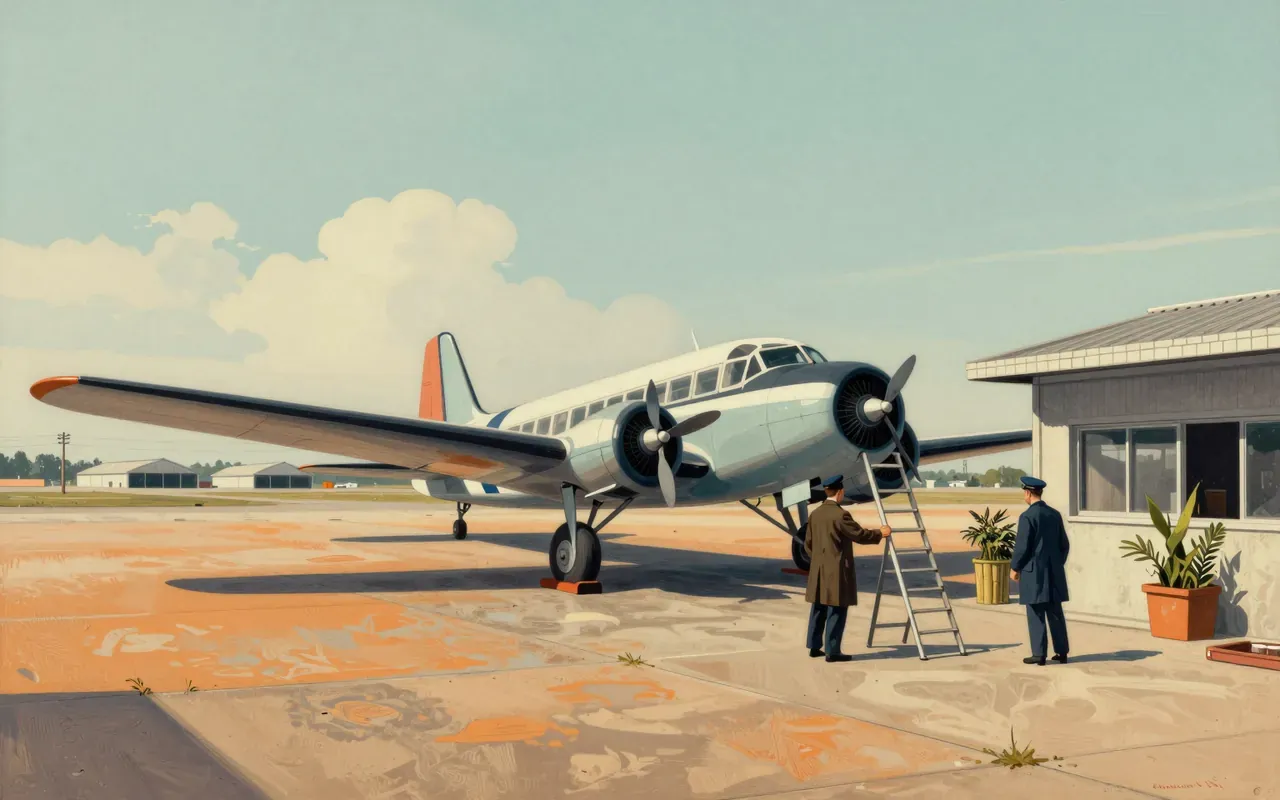
All Nippon Airways

Yoshida Shoji · 1952

ANA is Japan’s largest airline, rooted in a 1952 helicopter-and-aeroplane transport company. It launched Japan’s first postwar scheduled flight by a Japanese pilot in December 1953, added passenger service on the Osaka–Tokyo route in February 1954, and scaled into a dominant domestic carrier. Its growth reflects regulatory privilege more than competitive differentiation. No financials, pricing, or cost structure are disclosed in the source material.

12:52

Lotte Corporation

Shin Kyuk-ho · 1967

Lotte is a textbook case of chaebol formation through sequential anchoring — first in Japan, then decisively in Korea — but its financial mechanics remain unreported.

technology.briefs Technology

All 1 in technology →
9:57

KDDI

KDDI isn’t a pioneer—it’s a consolidation engine that turned regulatory gaps into market position.

culture.briefs Culture

All 6 in culture →
10:37

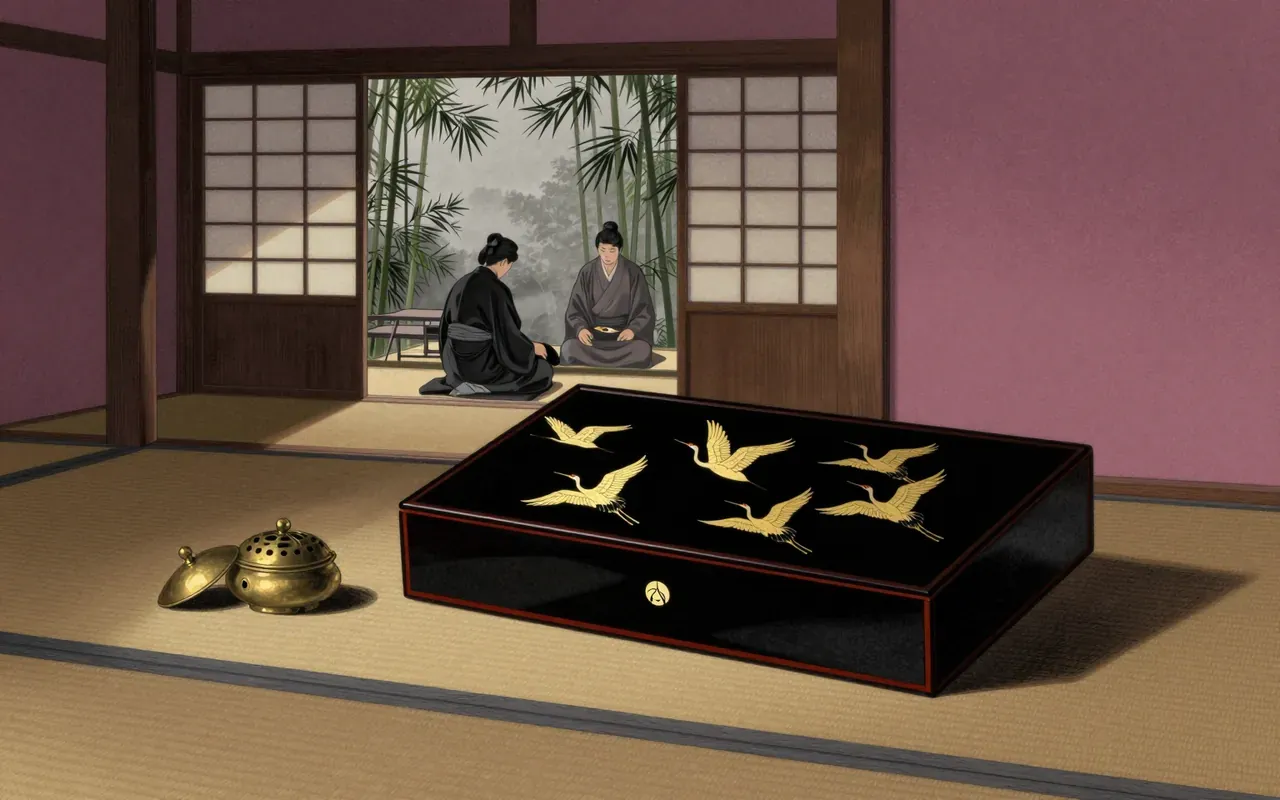
Maki-e

Maki-e is not decoration—it is metallurgy applied to lacquer.
10:28

Otaku

Otaku is not a lifestyle—it’s a market segment dressed as a subculture.
9:27

Ukiyo-e

Ukiyo-e wasn’t 'art' for art’s sake—it was urban commerce disguised as beauty.

automotive.briefs Automotive

All 18 in automotive →
10:32

Honda Integra Type R DC2

Honda · 1995

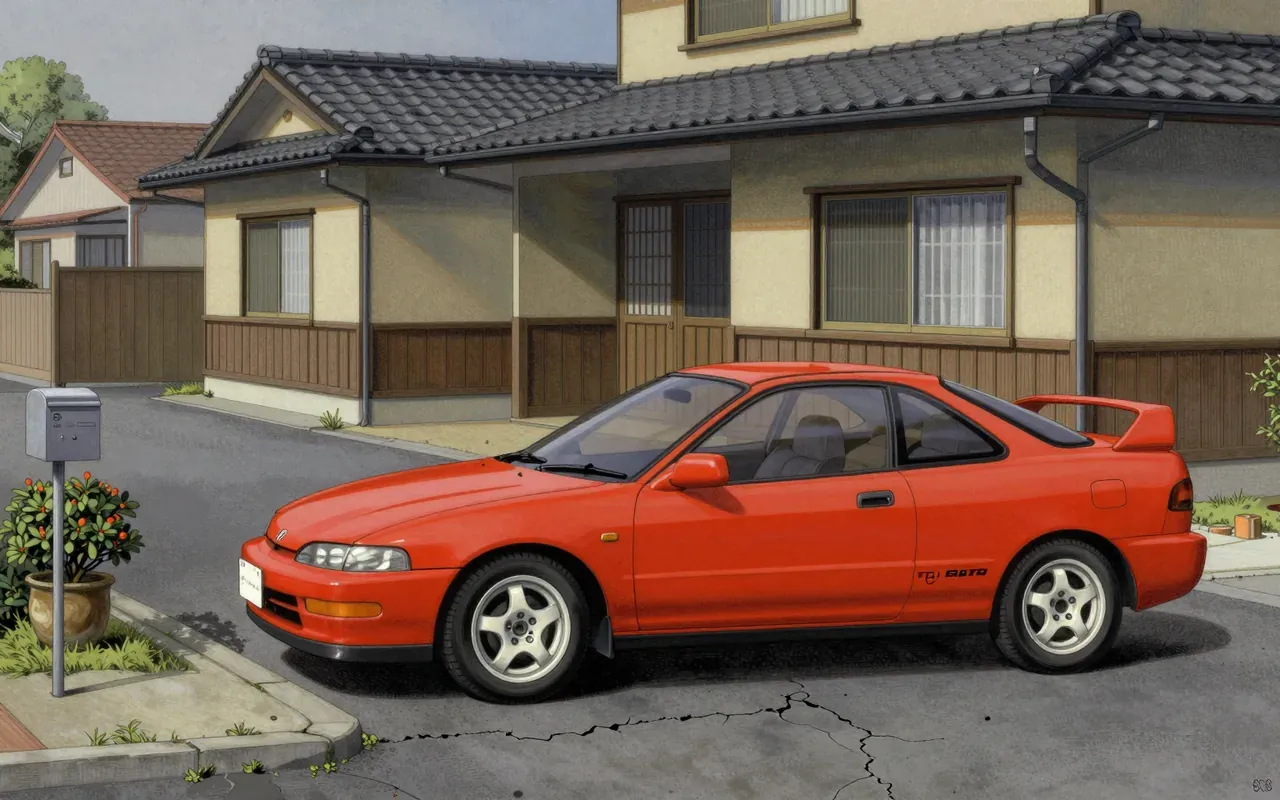
Honda introduced the first Integra Type R to the Japanese market in 1995 and built the DC2 through 2001. It took the B18C VTEC engine, a close-ratio five-speed gearbox and a limited-slip differential, then cut equipment and added chassis stiffening. Journalists rated it among the best front-wheel-drive cars made.

9:57

Nissan 300ZX Z32

Toshio Yamashita · 1989

The Z32 is the second-generation Nissan 300ZX, sold in Japan as the Fairlady Z from 1989 to 2000 and in the US from 1990 to 1996. Isao Sono and Toshio Yamashita designed it, with a 3.0 L V6 offered naturally aspirated or with twin turbochargers, and Nissan drove it up-market, faster, more advanced and dearer than the Z31 it replaced. Car and Driver named it to its Ten Best list seven years running.

8:29

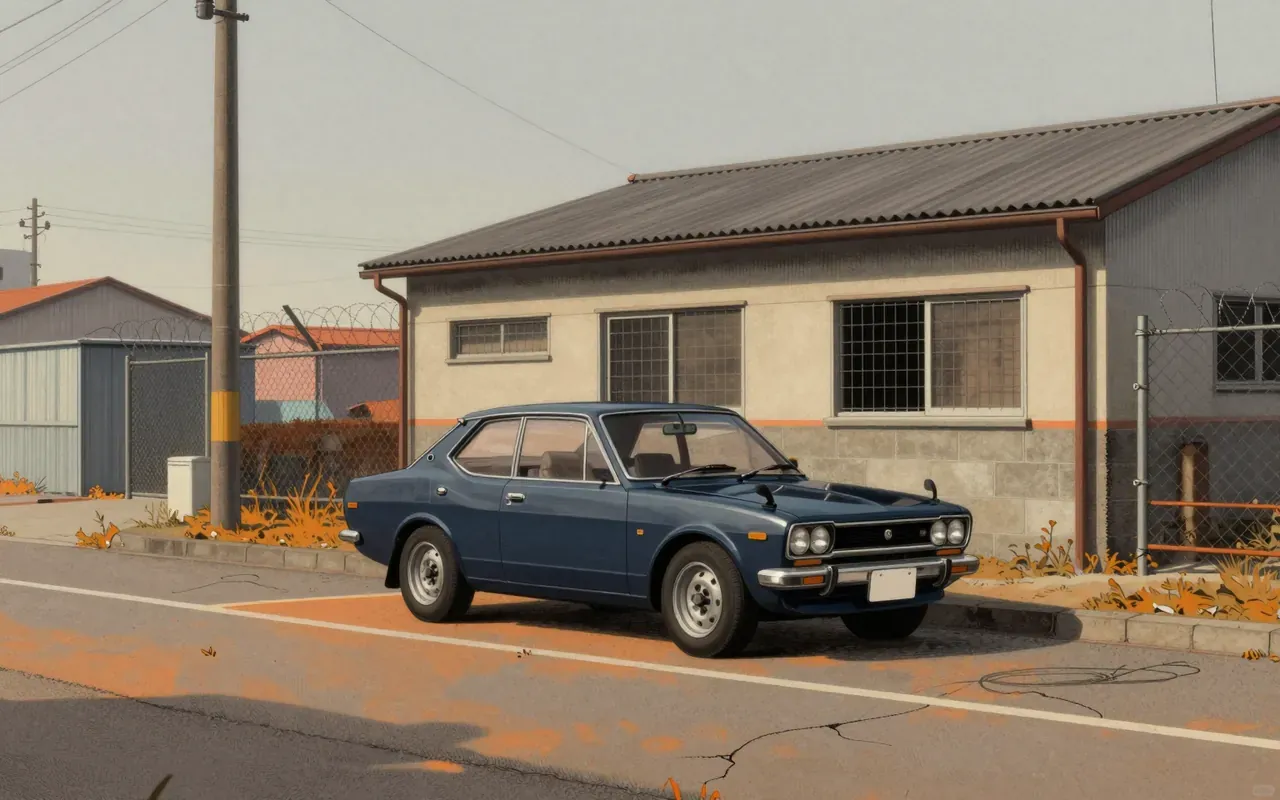
Nissan Skyline GT-R KPGC10

Shinichiro Sakurai · 1970

The KPGC10 is the two-door hardtop coupé version of the first Skyline GT-R, added in October 1970 to the four-door PGC10 that launched in 1969. It carried the same 2.0 L S20 four-valve inline-six, sat on a wheelbase 70 mm shorter, and was built in 1,197 units until 1972. Together with the PGC10 it won 49 consecutive Japanese touring car races.

10:43

Nissan Skyline R30

Nissan · 1981

The R30 Skyline launched in August 1981 on the Laurel platform as a coupé, sedan, Liftback and wagon. Its most famous version was the DR30 RS, powered by the FJ20 four-valve twin-cam four, turbocharged from 1983 and given the Tekkamen front end that year. The RS is credited with rejuvenating the Skyline brand and paved the way for the return of the GT-R badge.

10:12

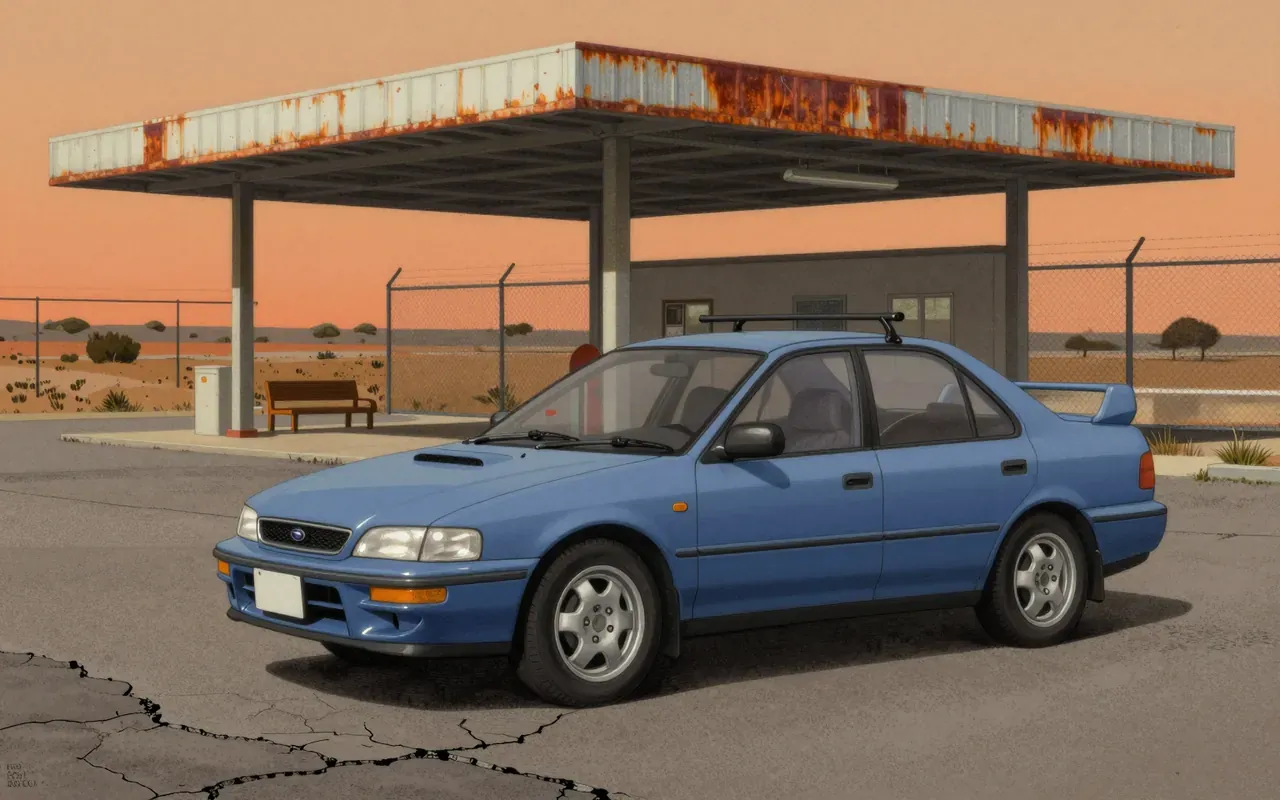
Subaru Impreza 555

Subaru · 1993

The Impreza 555 is the Prodrive-developed Group A rally car that Subaru's World Rally Team debuted at Rally Finland in 1993. Driven by Colin McRae and Carlos Sainz in 1995, it won the team its first manufacturers' title and gave McRae the drivers' championship; the Impreza went on to win the 1996 and 1997 manufacturers' titles too.

9:12

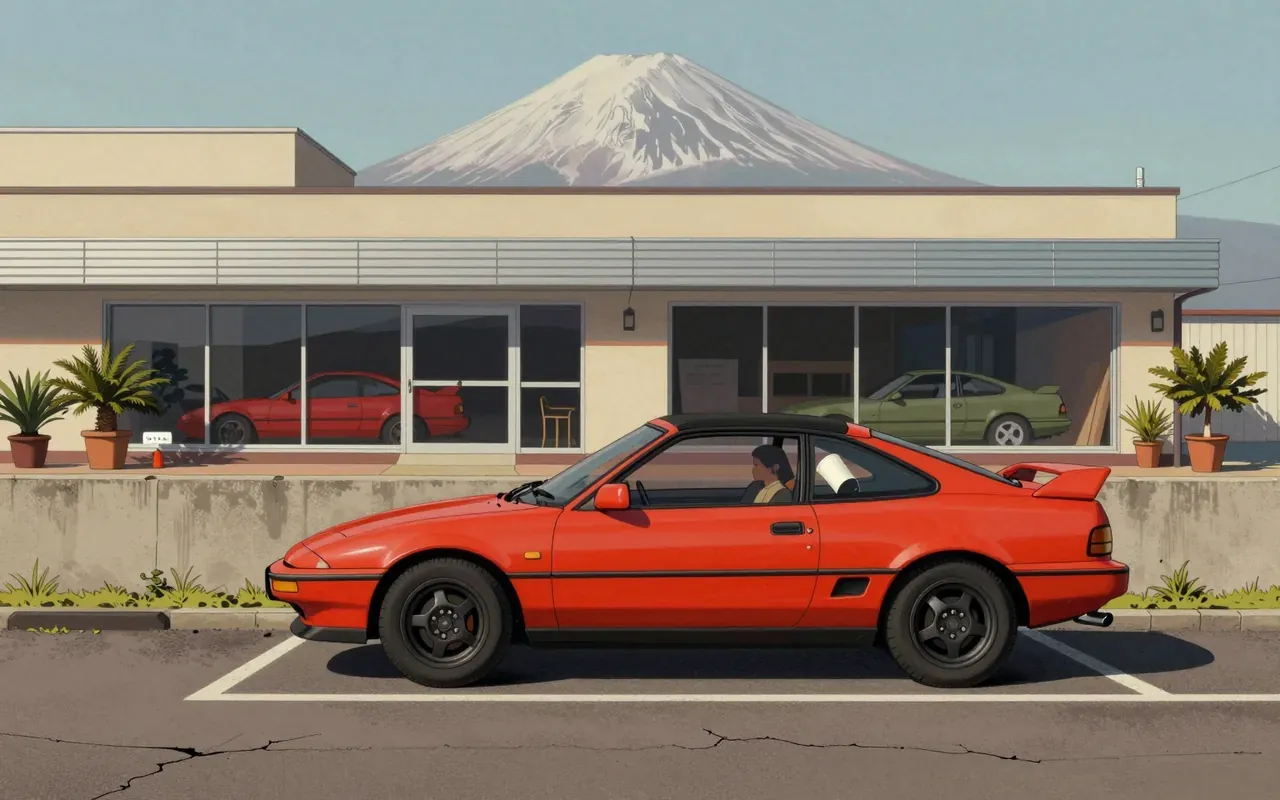
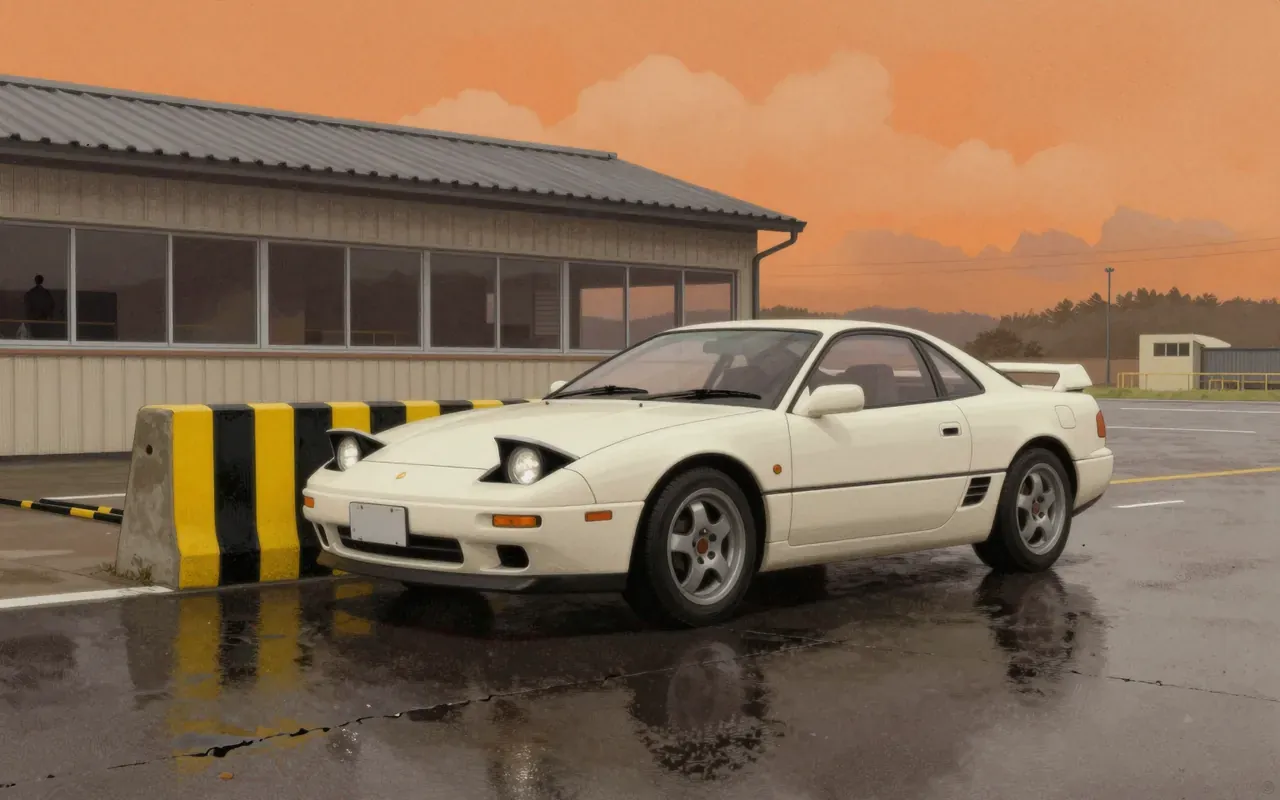
Toyota MR2 AW11

Seiichi Yamauchi · 1984

The first-generation Toyota MR2 arrived in 1984 as Japan's first rear-mid-engine, rear-wheel-drive production car. It grew out of a 1976 project for an enjoyable, economical car, and handling help from Lotus engineer Roger Becker shaped how it drives. The AW11 is the 1.6-litre 4A-GE version, later joined by a supercharged model.

9:06

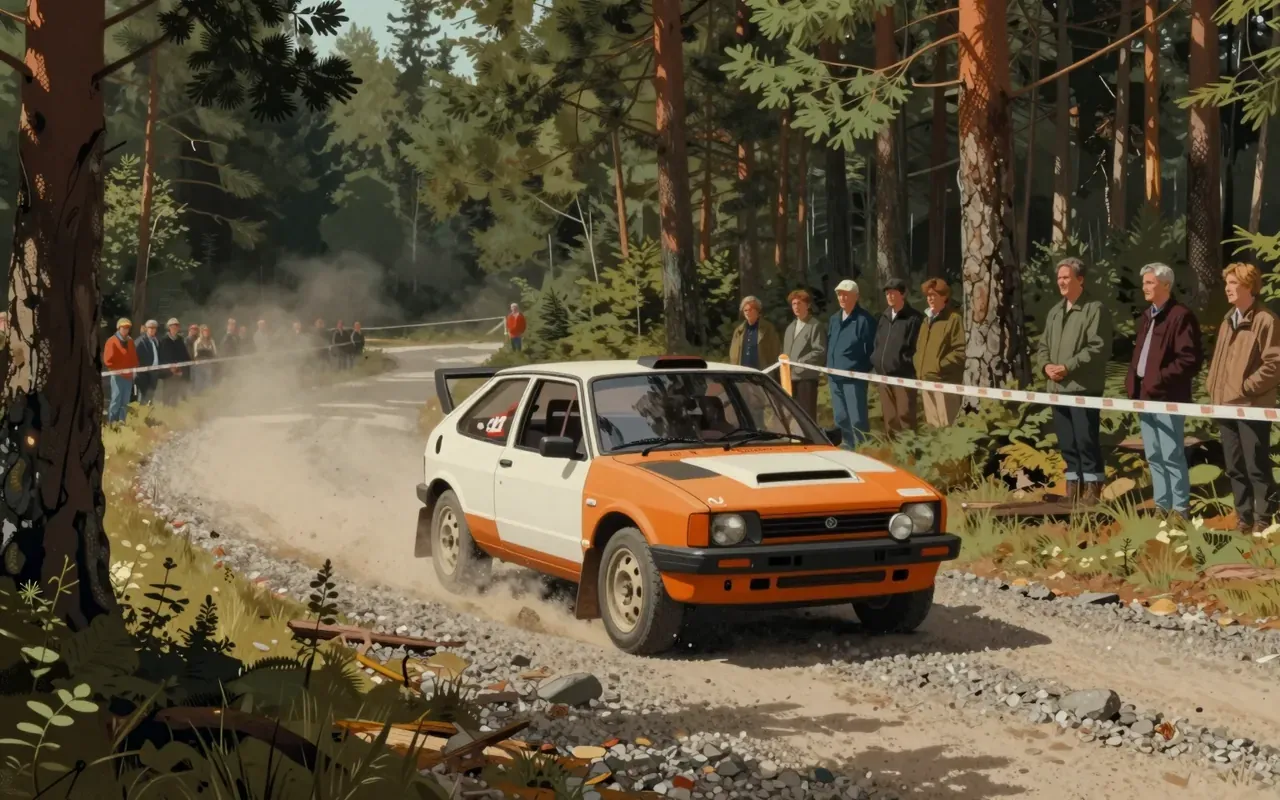
Nissan Pulsar GTI-R

Nissan · 1990

The Nissan Pulsar GTI-R was a homologation special, a road-going version of the N14 hatchback sold as a Pulsar in Japan and a Sunny in Europe. It paired a turbocharged 2.0-litre SR20DET with ATTESA all-wheel drive. The works rally programme never won a Group A round, but the car did well in production-class rallying.

9:24

Mitsubishi 3000GT

Masaru Suzuki · 1990

The Mitsubishi 3000GT is a front-engine, all-wheel/front-wheel drive grand touring/sports car built in Nagoya, Japan, from 1990 to 2000. It uses a transverse-mounted 3-litre, 24-valve V6 and shares mechanical underpinnings with the Sigma/Diamante. It was manufactured in a three-door hatchback coupé body style. Approximately 86,151 units were produced.

audio.briefs Audio

All 2 in audio →
8:03

Gibson Super 400 CES

Gibson

The Gibson Super 400 CES (2011) is a discontinued hollow/semi-hollow electric guitar. Its name, category, and discontinuation are the only verified facts. It has no technical specifications, no availability, and no documented use. It does not function as an instrument today.

11:16

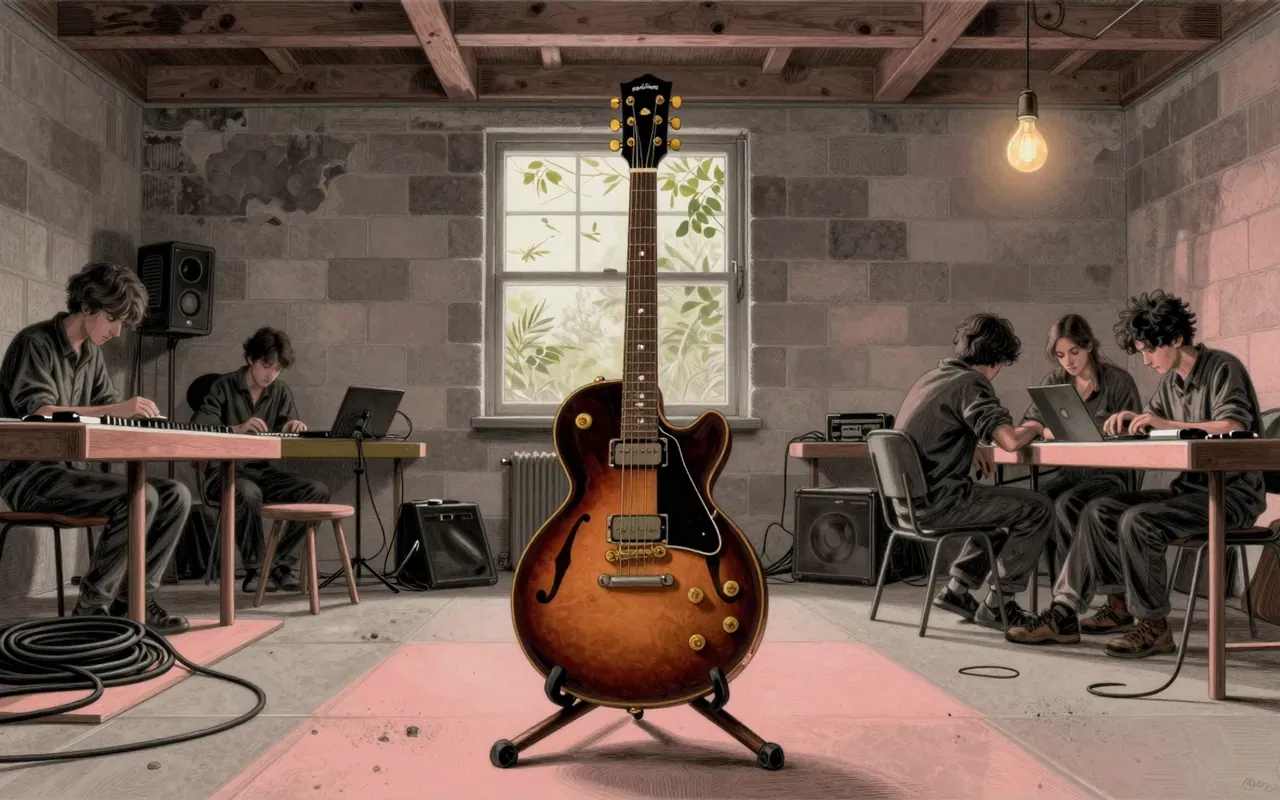
Gibson ES-345

Gibson · 1959

The Gibson ES-345 is a semi-hollow electric guitar introduced in 1959. It was designed as a hybrid between a solid-body electric guitar and a jazz guitar. It was developed in 1958 as an upscale version of the ES-335. Gibson announced the ES-345 as the ES-345T in May 1959. The ES-345T had a price of $345 in the standard sunburst finish. From the guitar's 1959 introduction through 1979, 10,560 ES-345s were shipped. Gibson designed the guitar to create a guitar which could be used to play jazz, as would be typical of an Electric Spanish guitar, but with a maple block running through the guitar to allow the versatility of a solid body electric guitar. The bodies were made of laminated maple with spruce bracing, and a solid maple center block - designed to prevent unwanted feedback from the pickups - extending from the base of the body (where the strap button is mounted) all the way to the mahogany neck, along with a rosewood fingerboard.

food.briefs Food

All 30 in food →
10:35

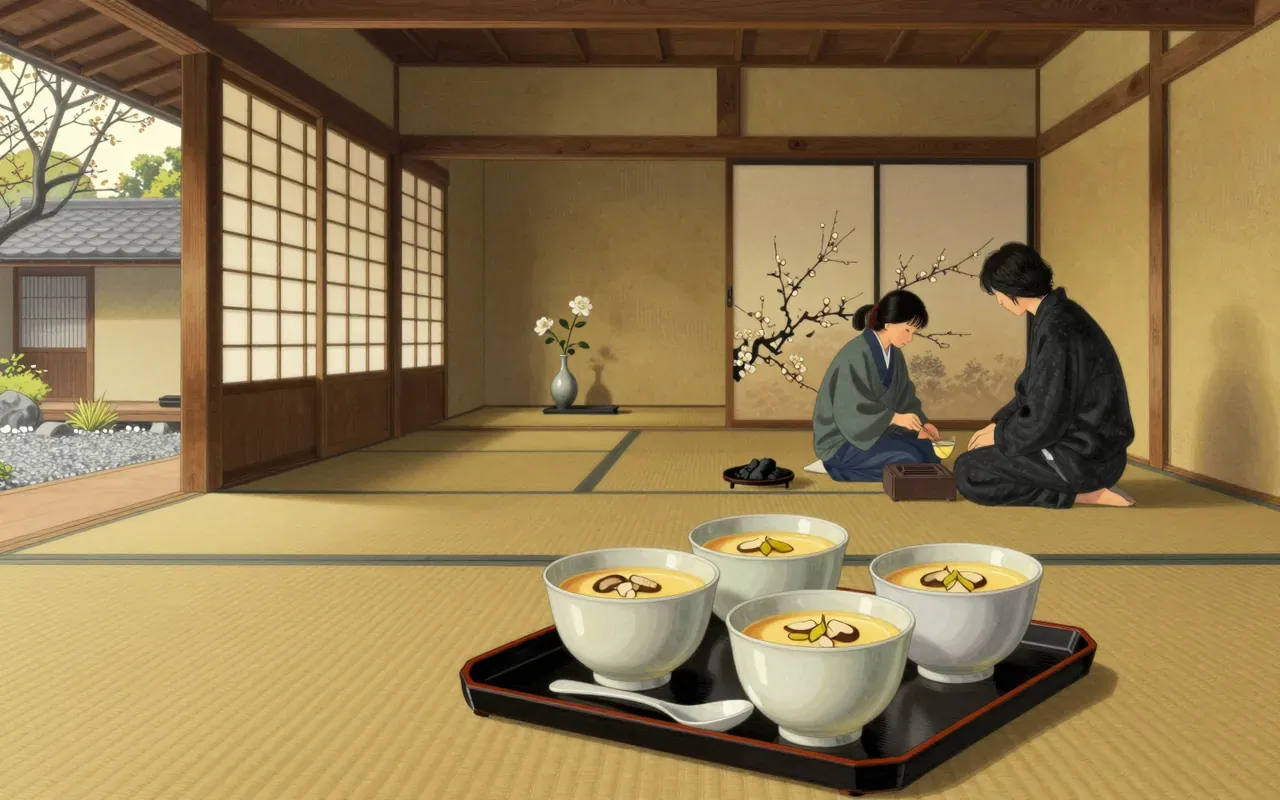
Chawanmushi

A savoury custard that refuses to be sweet, spooned not stirred, steamed not baked.
9:36

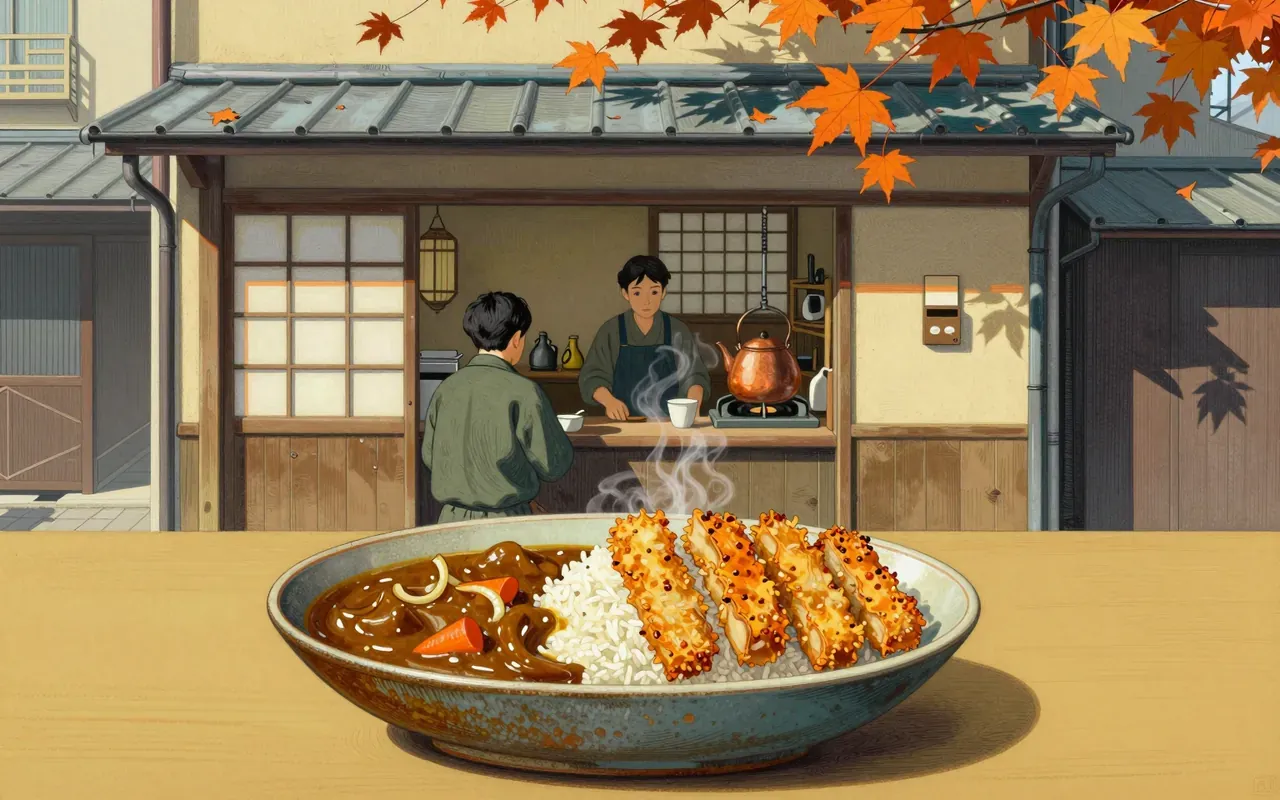
Katsu curry

Katsu curry isn’t fusion—it’s logistics solved with a knife before the plate leaves the kitchen.
0:54

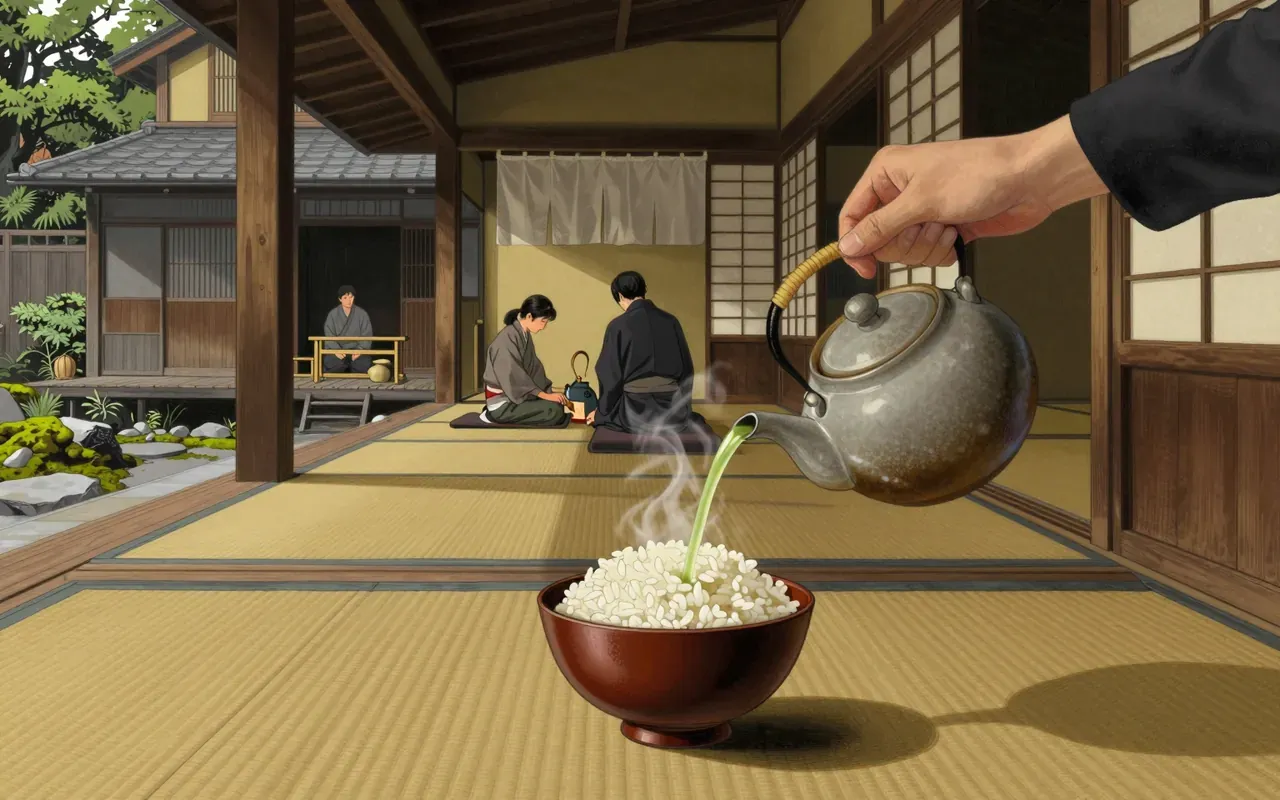
Chazuke

Chazuke is a Japanese dish of cooked rice topped with green tea, dashi, or hot water.
1:27

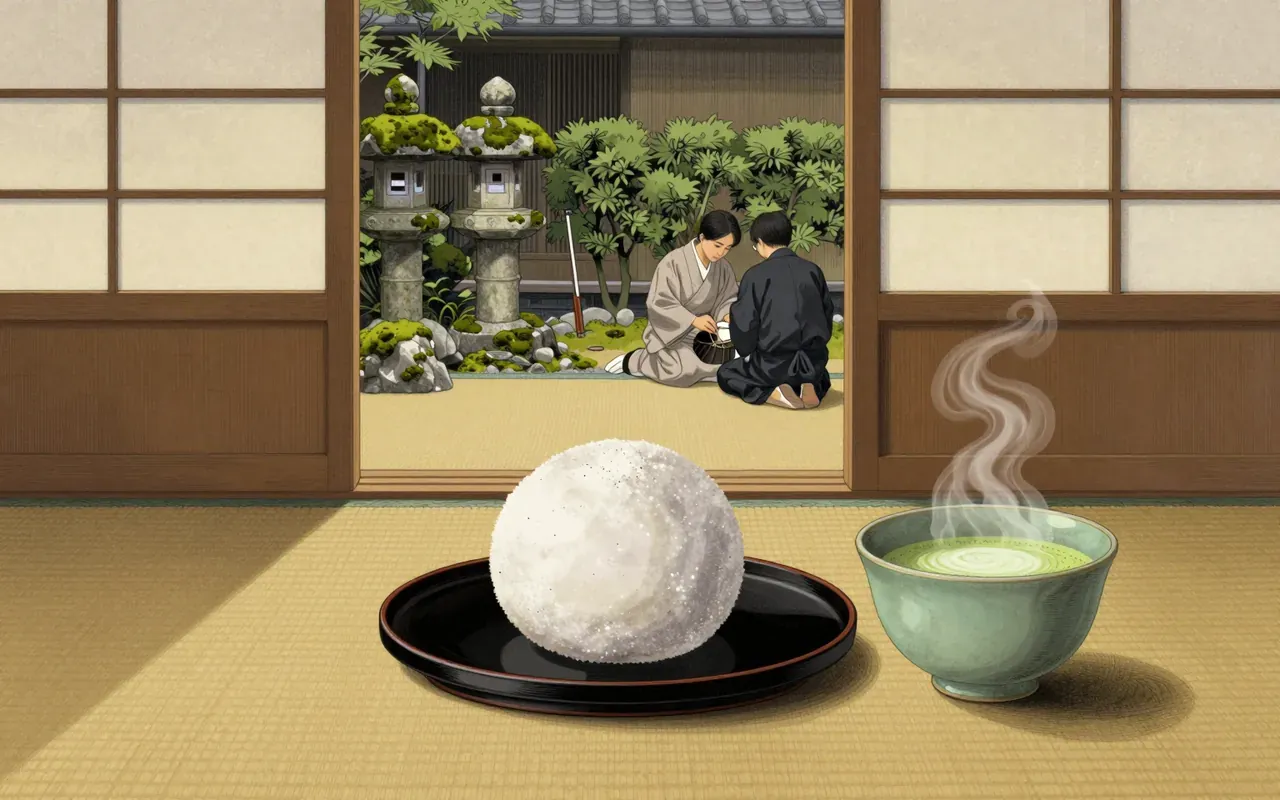
Daifuku

A small round Japanese confection of mochi wrapped around sweet red bean paste, dusted with starch, and traditionally associated with good luck.
0:53

Dango

A Japanese rice-flour dumpling, typically round and skewered, served sweet.
1:14

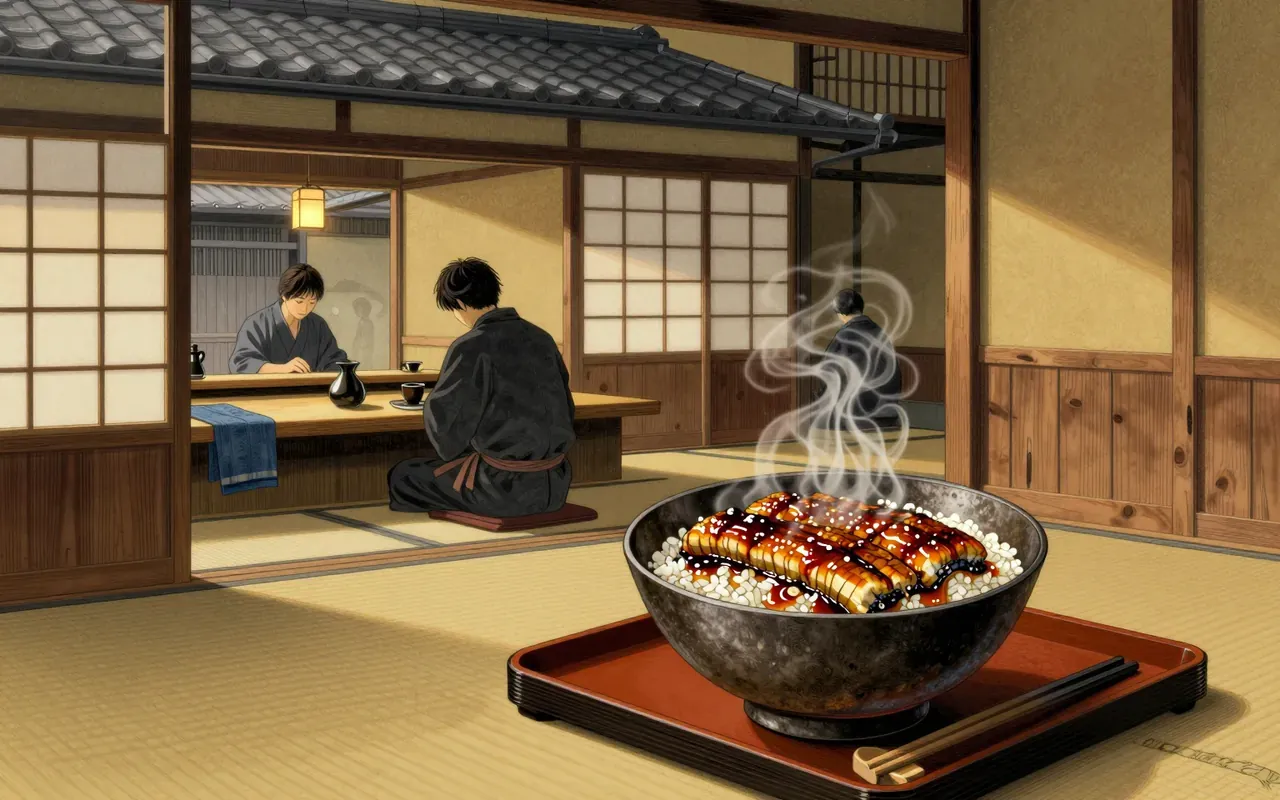
Donburi

A Japanese rice-bowl dish of simmered ingredients served over rice in a large bowl.
1:27

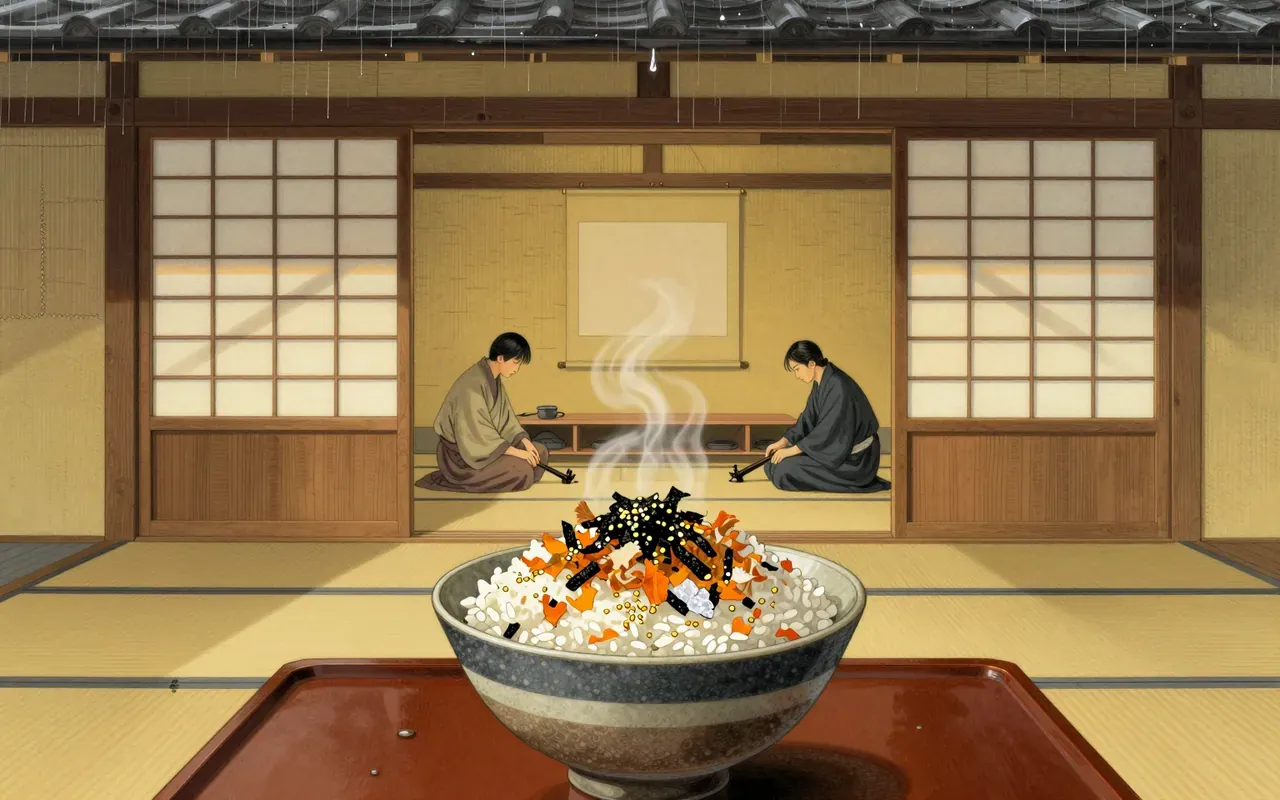
Furikake

A dry Japanese rice topping made from dried fish or eggs, seaweed, sesame, sugar, and salt.
1:23

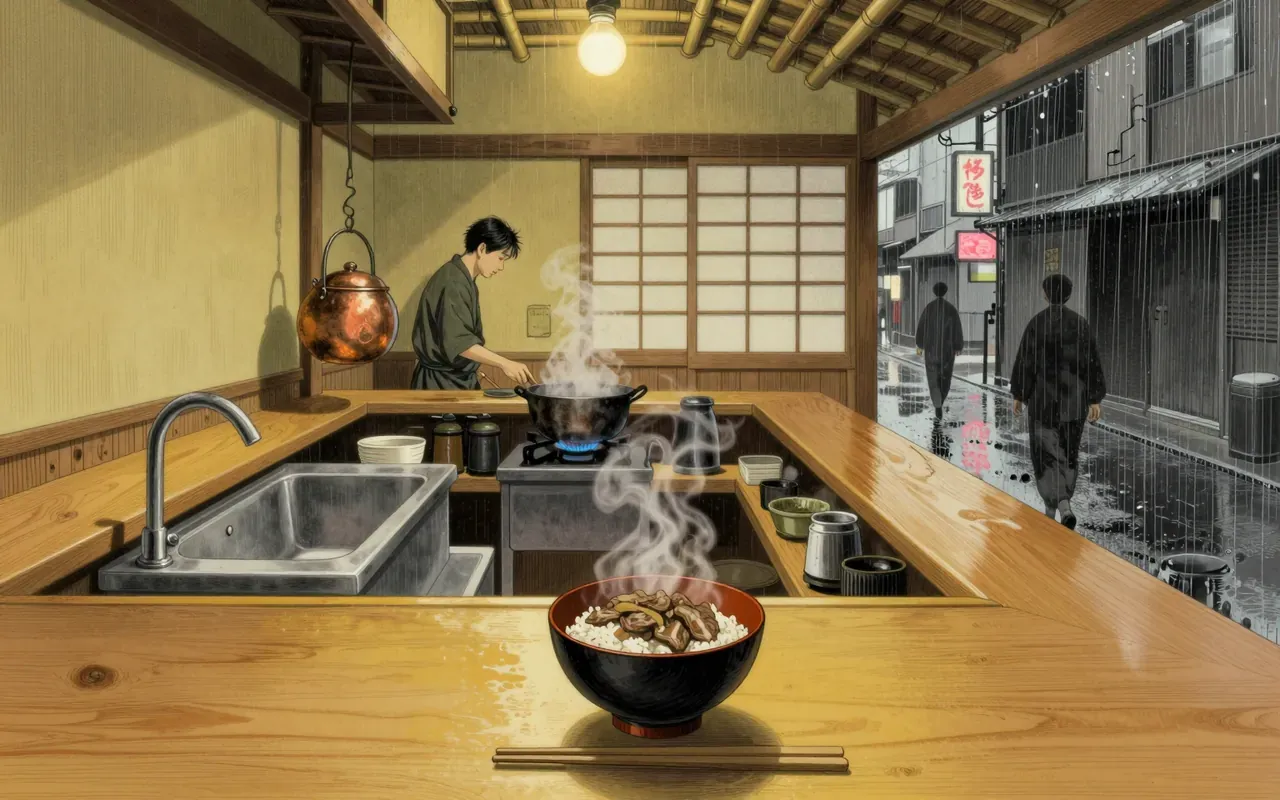
Gyūdon

A Japanese rice bowl topped with beef and onion simmered in a mildly sweet sauce of dashi, soy sauce, and mirin.

fashion.briefs Fashion

All 4 in fashion →
8:06

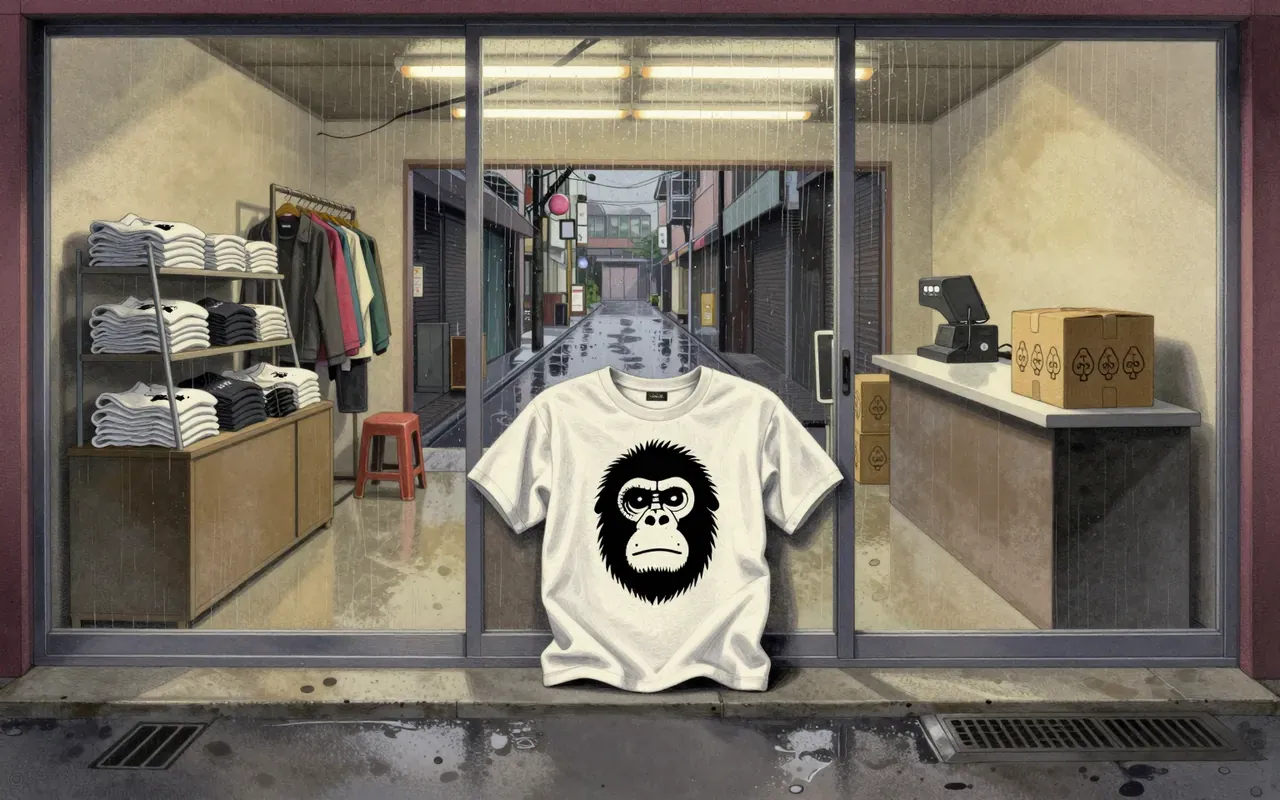
A Bathing Ape

A brand named after lazy opulence that built scarcity into its DNA — and made it profitable.
10:05

Hysteric Glamour

A Tokyo label that weaponised Western counterculture—and never let the clothes catch up to the graphics.
9:10

Kimono

The kimono isn’t timeless—it’s a bureaucratic consolidation of borrowed cloth.