briefs
Topic · across the network

Power

Who holds it, how it is kept, and what it costs.

91
briefs
7
subjects
12:29
average
1137 min
in total
Abstraction 407Absurdism 137Acoustics 220Acting 65Adaptation 372Addiction 95Adolescence 202Advertising 77Age of exploration 14Ageing 113Agriculture 100Algorithms 114Ambition 46Anarchism 38Ancient Egypt 17Ancient Greece 38Ancient Rome 30Animals 172Anthropology 23Apartheid 12Architecture 165Archives 32Argentina 10Art Deco 26Artificial intelligence 78Astronomy 81Attention 42Australia 32Automation 73Avant-garde 164Aviation 79Banking 72Banned works 40Bauhaus 12Beer 5Behavioural economics 22Berlin 16Big tech 6Biodiversity 136Biography 86Birds 41Black holes 20Blockchain 12Boxing 14Branding 77Brazil 43Bread 29Britain 131Brutalism 4Bubbles 3Buddhism 28Byzantium 10California 17Canada 18Capitalism 94Cars 468Celebrity 59Censorship 110Cheese 24Chefs 9Chemistry 104Chess 2Childhood 87China 109Chocolate 8Christianity 49Cinematography 343Cities 90Class 485Climate change 107Club culture 100Cocktails 2Coffee 11Cognitive bias 14Collecting 16Colonialism 284Colour 42Comedy 89Community 52Complexity 21Computing 309Consciousness 16Conservatism 14Conspiracy theories 8Cooking 178Corruption 38Cosmology 31Cover versions 64Craft 116Crate digging 42Creativity 8Crime 234Cryptocurrency 8Cryptography 24Cuba 10Cybersecurity 30Dada 12Debt 38Decision-making 28Decolonisation 46Deep time 80Democracy 45Denim 16Deserts 45Detroit 17Dinosaurs 12Directing 168Disasters 59Disease 109DJ culture 89Dreams 32Drones 5Drum machines 96Dystopia 69East Africa 28Ecology 337Economics 36Editing 72Education 92Egypt 12Electric vehicles 59Emotion 22Empire 92Endurance 49Energy 120Engineering 541Entropy 8Epidemics 13Equality 9Espionage 31Ethics 44Evolution 174Existentialism 106Expertise 2Exploration 49Extinction 23Failure 37Family 240Fandom 22Fascism 45Fashion 215Fast fashion 12Fear 34Feminism 122Fermentation 126Film music 81Fishing 12Folklore 71Food history 588Football 16Forests 31Forgery 7France 163Fraud 15Free will 13Freedom 16French literature 15Friendship 24Furniture 36Gambling 14Gender 63Generations 28Genetics 87Geology 96Germany 66Globalisation 74Gothic 32Greece 5Grief 126Habits 6Happiness 2Hardware 709Haute couture 22Headphones 8Hi-fi 12Hinduism 12Hoaxes 1Human history 23Human nature 41Identity 138Illustration 8Impressionism 6Improvisation 249India 89Indonesia 15Industrial design 342Inequality 13Inflation 4Information 34Infrastructure 280Insects 29Intelligence 8Interiors 31Internet culture 88Invention 329Iran 41Islam 40Islands 17Israel 9Italy 52Jamaica 10Japan 114Jewellery 5Journalism 34Judaism 13Justice 42Korea 41Language 70Law 90Leadership 20Learning 6Liberalism 1Libraries 6Literary criticism 26London 12Loneliness 61Los Angeles 62Lost works 9Love 67Luxury 55Machine learning 15Management 10Maps 5Marketing 21Markets 51Mars 6Marxism 26Masculinity 46Materials 138Mathematics 79Meaning 6Medicine 124Memory 82Mental health 70Mesopotamia 4Mexico 38Migration 95Minimalism 68Mining 30Misinformation 9Modernism 63Money 24Monopoly 32Mortality 61Motivation 2Mountains 16Museums 27Mysticism 11Mythology 60Nationalism 40Neuroscience 23New York 36Nigeria 7Nihilism 10Noise 31Nostalgia 33Nuclear 29Nutrition 17Oceans 48Oil 42Open source 45Painting 18Palaeontology 29Parenting 14Paris 18Partition 6Patents 71Patronage 14Perception 44Personal style 27Personality 2Persuasion 8Peru 10Philosophy 77Photography 37Physics 206Plants 26Platforms 89Podcasting 1Poetry 25Poland 17Policing 34Pop Art 16Populism 2Portraiture 6Portugal 18Postmodernism 23Power 91Prehistory 24Preservation 28Printmaking 21Privacy 11Probability 6Productivity 1Programming 54Prohibition 1Propaganda 35Protest 75Pseudoscience 17Psychology 80Publishing 22Punishment 16Quantum mechanics 44Race 145Radio 30Railways 35Rave 17Realism 47Record labels 19Recording 810Relativity 23Religion 154Resilience 15Restaurants 30Restoration 2Retail 94Revolution 58Risk 18Ritual 96Robotics 26Romance 96Russia 58Salt 9Sampling 246Satire 84Scandinavia 28Scientific method 186Screenwriting 26Sculpture 7Secularism 2Self-deception 14Semiconductors 73Sexuality 102Ships 18Silence 24Silicon Valley 17Slavery 35Sleep 2Smartphones 27Sneakers 15Social media 58Socialism 9Software 68Songwriting 180Sound design 332Sound systems 20South Africa 19South East Asia 30Space exploration 84Spain 18Special effects 41Spices 62Spirits 12Sport 82Startups 21Statistics 10Status 9Stoicism 4Storytelling 68Strategy 70Street food 99Streetwear 16Studio craft 508Subcultures 59Sugar 12Supply chains 115Surrealism 53Surveillance 21Sustainability 30Synthesis 232Tailoring 37Taxation 14Tea 24Textiles 97Thailand 11The American Revolution 19The American South 88The Arab world 41The Arctic 19The Balkans 17The Belle Epoque 13The body 29The brain 26The Caribbean 28The civil rights movement 62The Cold War 160The eighties 268The Enlightenment 29The financial crisis 19The First World War 39The food industry 157The French Revolution 9The Gilded Age 9The Great Depression 18The Holocaust 20The Industrial Revolution 93The internet 61The interwar years 135The Middle Ages 35The Moon 4The music business 169The Netherlands 10The nineties 26The Olympics 10The pandemic 13The Reformation 1The Renaissance 16The Russian Revolution 19The Second World War 102The seventies 58The sixties 28The space race 5The United States 19The universe 7The Victorian era 37Therapy 20Tokyo 11Trade 48Tragedy 22Translation 5Trauma 85Travel 5True crime 2Turkey 18Typography 54Uniforms 23Unions 8Urban planning 66Utilitarianism 1Utopia 5Vaccines 10Vegetarianism 15Venture capital 6Video games 291Vietnam 12Vintage 65Vinyl 6Virtual reality 11War 169Watches 4Water 11Weather 29West Africa 29Wilderness 10Wine 3Work 22Workwear 19Worldbuilding 121

books.briefs Books

All 12 in books →
12:28

Beyond Good and Evil

Friedrich Wilhelm Nietzsche · 0

The book argues morality is not discovered but created by power, truth is perspectival and life-serving, and nobility arises only where hierarchy is institutionalised. It works best in fragments—especially Chapters IV, V and IX. Skip Chapter VI: its attack on scholars is dated and underdeveloped.
13:57

Hamlet

William Shakespeare · 0

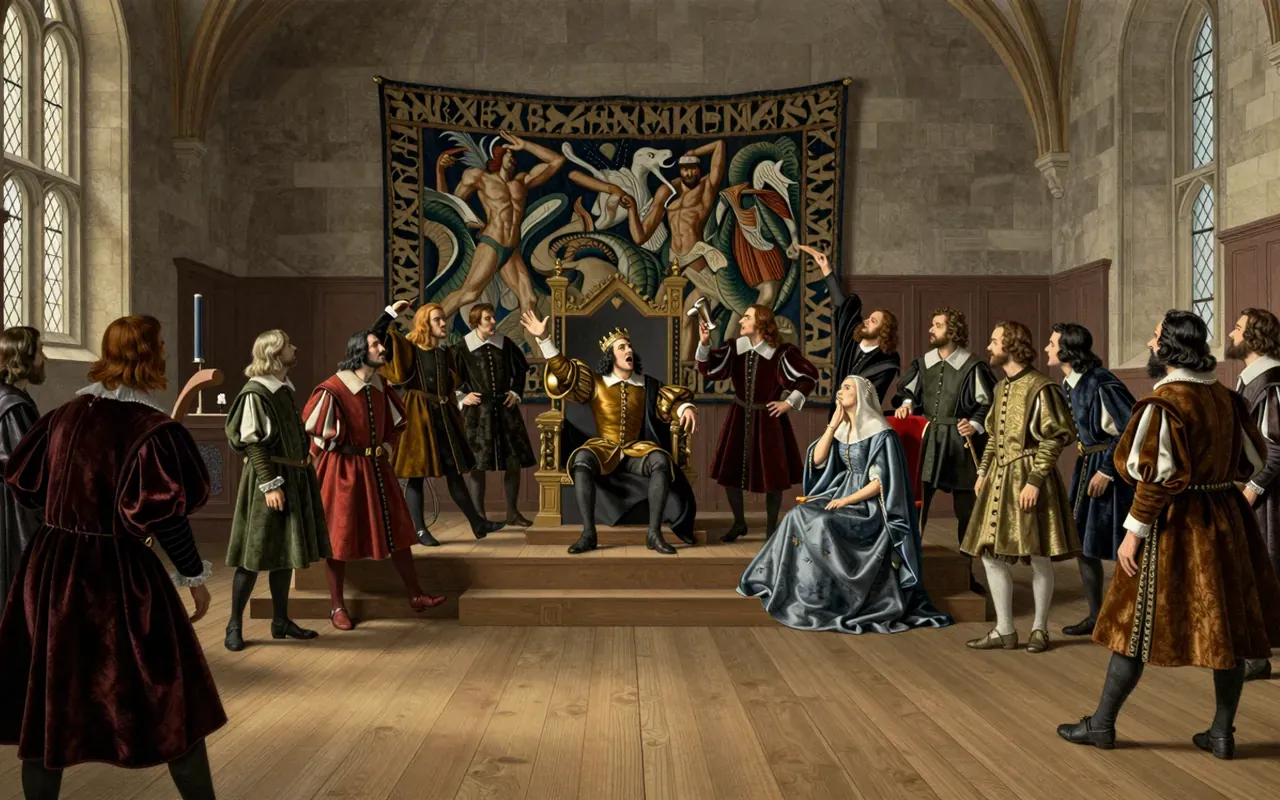
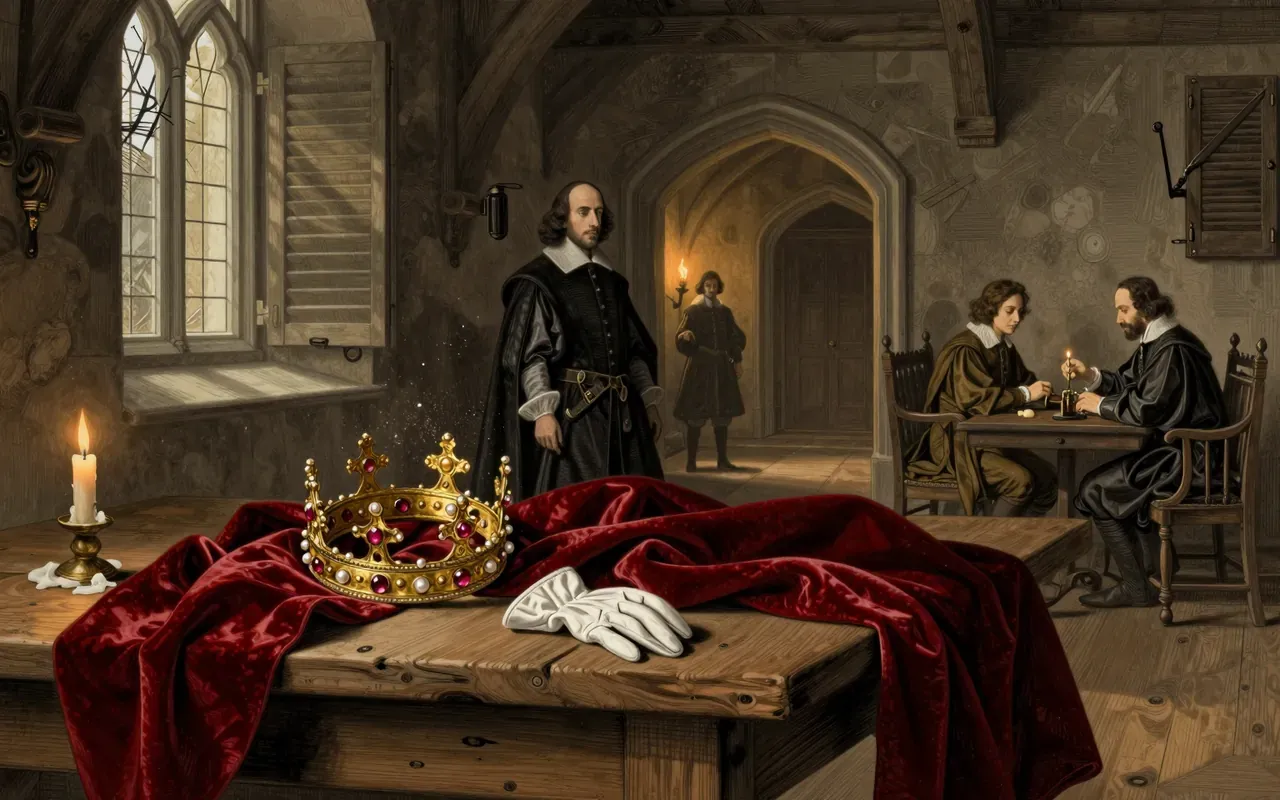
Hamlet is not about indecision. It is about the impossibility of acting on unverifiable truth in a world where every word is overheard and every gesture weaponised. The brief cuts through the soliloquies to show how surveillance, performance and mortality structure the play—and why the Ghost’s first demand is the only thing that matters.

14:13

King Lear

William Shakespeare · 0

King Lear is not about redemption. It shows how power without insight unravels — through Lear’s demand for flattery, Cordelia’s silence, and the storm as physical consequence. The brief isolates its brutal logic, names what works (the storm, the Fool, the blinding), and says what to skip (expository padding). It is worth your time only if you accept that some truths arrive as wounds.

13:30

Othello

William Shakespeare · 0

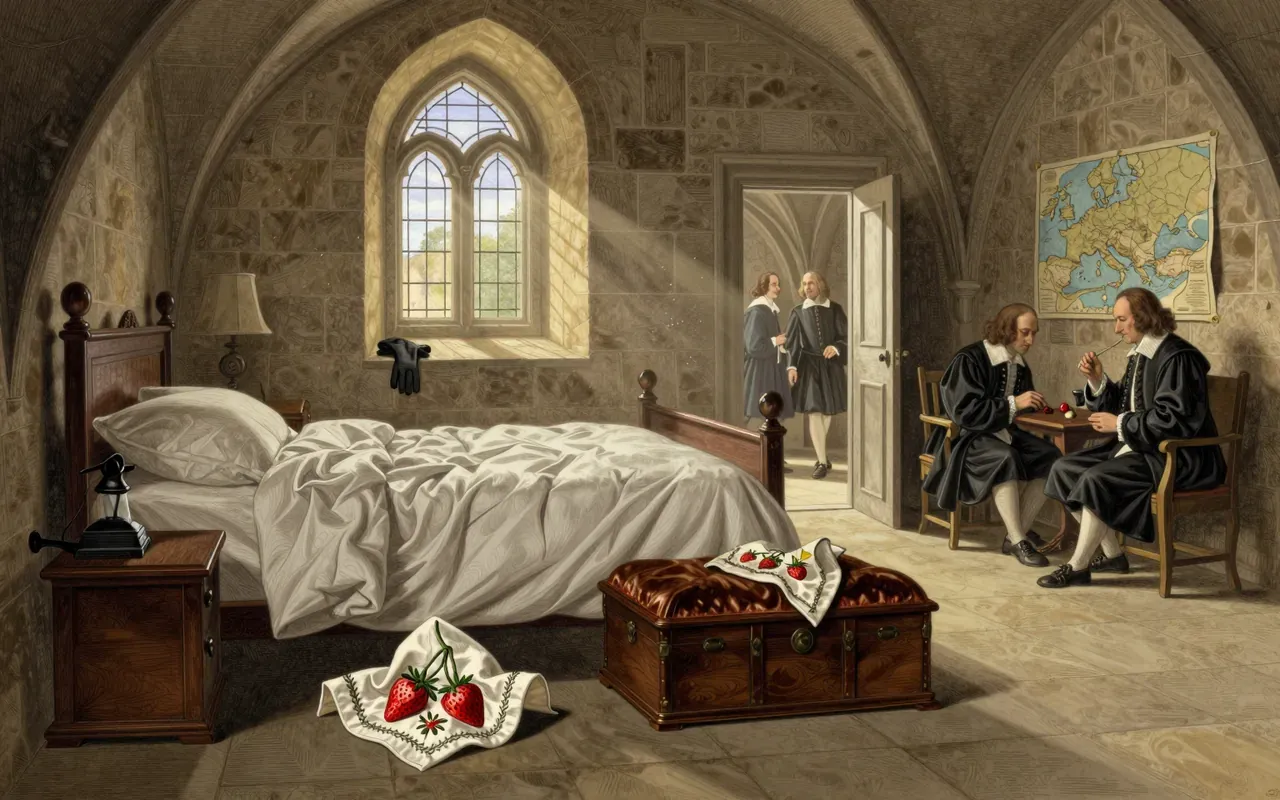
Othello is a tragedy about how language and suggestion can destroy certainty, love, and self. It argues jealousy is not emotion but logic gone rogue—and that 'ocular proof' can be manufactured from nothing. The brief explains why Iago needs no motive, why the handkerchief matters more than any character, and why the play refuses closure.

12:50

Wallenstein's Camp

Friedrich Schiller · 1805

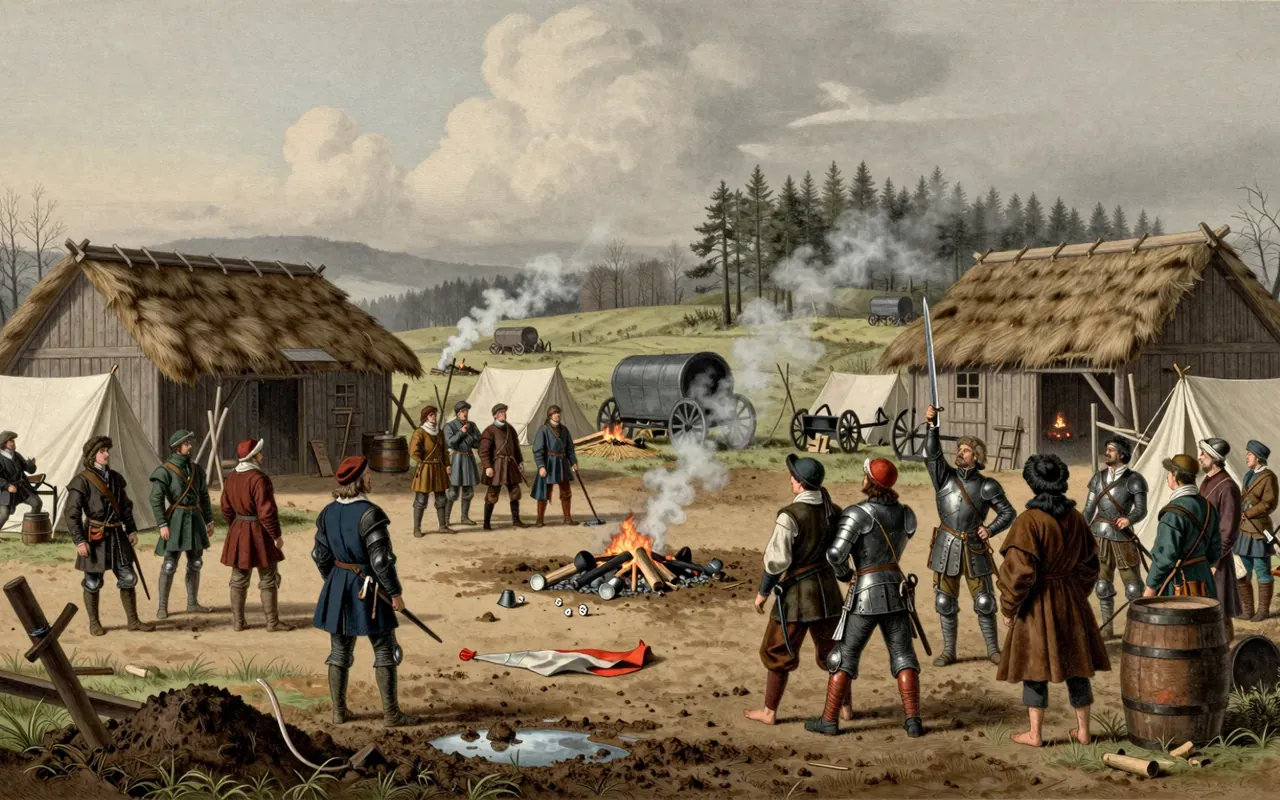
A dramatic poem showing soldiers in Wallenstein’s Pilsen camp pledging loyalty not to empire but to their commander. It argues loyalty is performative, collective and born of fear—not ideology or reason. Read it for its raw depiction of martial sovereignty, not for history or character.

14:27

The Wonderful Wizard of Oz

L. Frank Baum · 1899

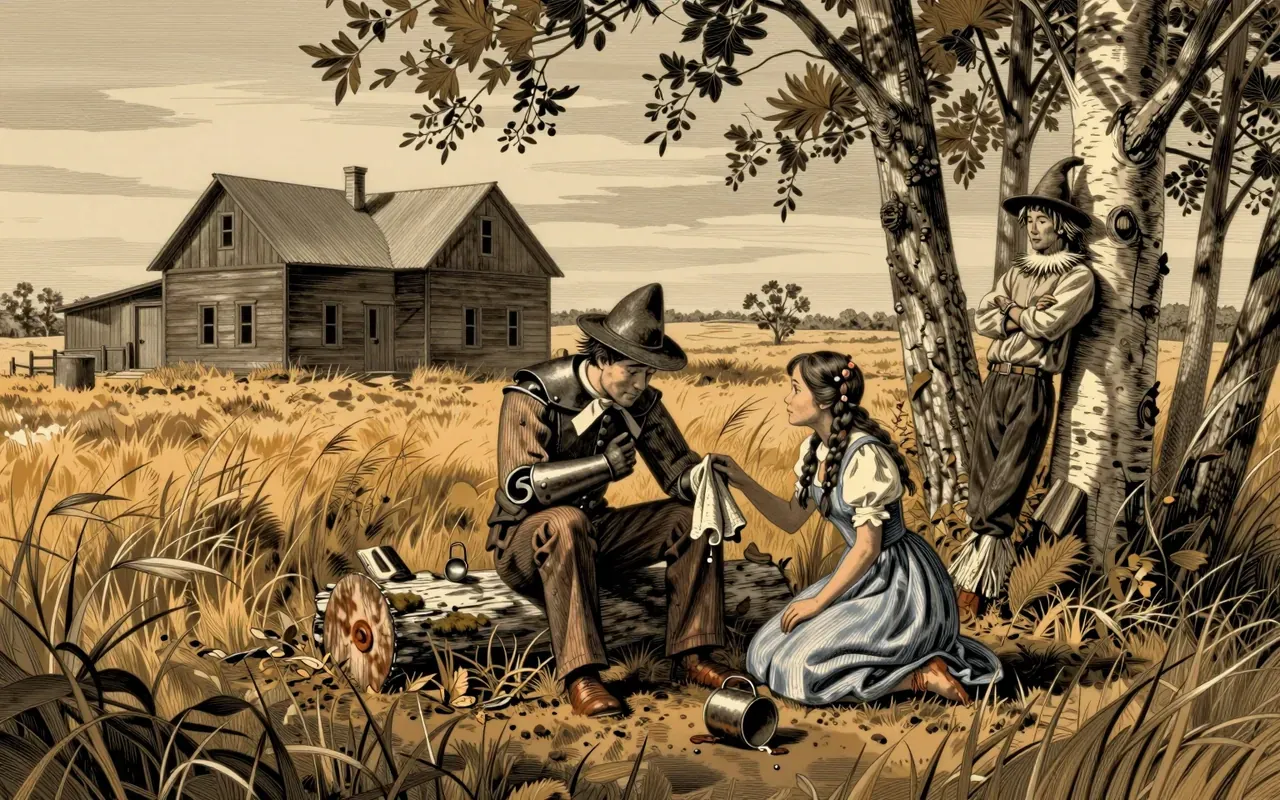
The book replaces Grimm’s moral terror with joyful, amoral wonder. Oz’s green-silk balloon exposes authority as performance. The china Princess’s fear of breaking grounds identity in physical fragility. Glinda reveals Dorothy’s Silver Shoes held her way home all along—but only after she earned return through loyalty and journeying.

11:00

Animal Farm

George Orwell · 1945

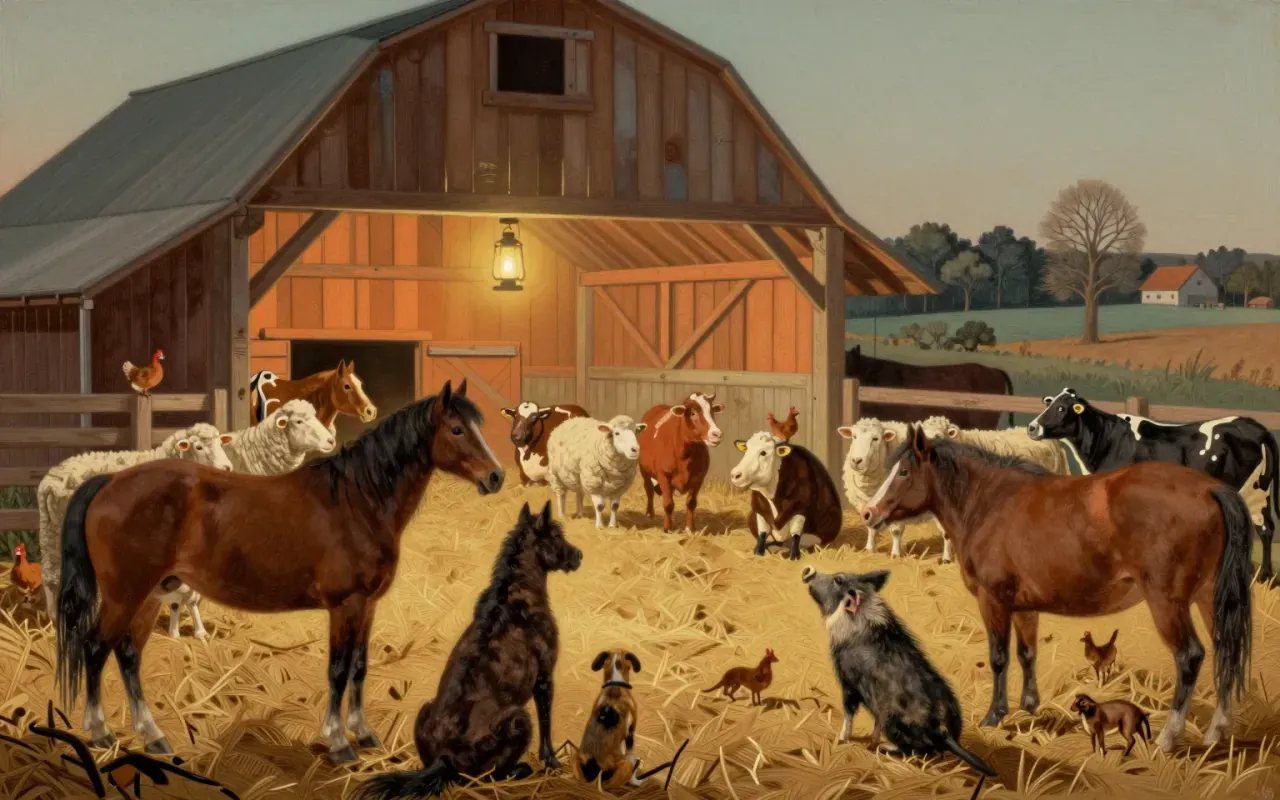
Orwell's 1945 allegory of the Russian Revolution told through a farmyard coup. The brief covers the revolution, the factions, how the pigs consolidate power, and why it reads as a prophecy more than fiction.

12:00

The Lord of the Rings

J.R.R. Tolkien · 1954

Tolkien's trilogy (1954-55) established the modern fantasy epic. The brief covers the quest's architecture, the languages he invented to hold it, and why the appendices might outweigh the text.

film.briefs Film

All 47 in film →
13:00

Beware of a Holy Whore

Rainer Werner Fassbinder · 1971

Rainer Werner Fassbinder’s 1971 drama Beware of a Holy Whore stages the slow disintegration of a film crew stranded in a Spanish hotel, awaiting production that never begins in earnest. Shot by Michael Ballhaus and edited by Fassbinder and Thea Eymèsz, it uses repetition, confinement and unresolved tension to explore self-deception, dependency and the violence of creative collaboration.

13:00

Danton

Andrzej Wajda · 1983

Andrzej Wajda’s 1983 Danton, starring Gérard Depardieu and Wojciech Pszoniak, dramatises the final weeks of Georges Danton during the Reign of Terror. Adapted from Stanisława Przybyszewska’s play, it avoids historical literalism in favour of stark political psychology — showing how revolutionary ideals curdle into bureaucratic violence. Shot in muted tones by Igor Luther, edited with deliberate gravity by Halina Prugar-Ketling, and scored sparingly by Jean Prodromidès, it rests on two towering, mutually corrosive performances. Though occasionally opaque in its plotting, its moral precision and formal restraint make it a defining arthouse drama of the Cold War era.

13:00

Dry Summer

Metin Erksan · 1964

Metin Erksan’s 1964 Turkish drama Dry Summer follows tobacco farmer Osman, who dams a river to secure his harvest at the expense of neighbouring farmers. His younger brother Hasan reluctantly complies, then wavers; their conflict escalates legally and violently, entangling Hasan’s wife Bahar in a web of coercion, deception and retribution. Shot in stark black-and-white with minimal score and restrained performances, the film traces how property law, patriarchal control and ecological scarcity converge. It won the Golden Bear at Berlin and remains a landmark of socially engaged Turkish cinema.

13:00

Harakiri

Masaki Kobayashi · 1962

Masaki Kobayashi’s 1962 jidaigeki follows rōnin Tsugumo Hanshirō as he requests seppuku at the Iyi clan’s estate — not to die, but to force a reckoning with their hypocrisy. Through precise framing, restrained performance, and a narrative structured like a legal deposition, the film exposes how bushido functions as bureaucratic cover for cruelty. Tatsuya Nakadai anchors the film with implacable gravity; Yoshio Miyajima’s cinematography and Tōru Takemitsu’s score deepen its moral austerity. It remains a landmark of ethical cinema, less concerned with honour than with who bears the cost when honour becomes theatre.

13:00

Investigation of a Citizen Above Suspicion

Elio Petri · 1970

Elio Petri’s 1970 Italian crime satire follows a high-ranking police inspector who kills his mistress and then manipulates the ensuing investigation to confirm he is above suspicion. Starring Gian Maria Volonté and scored by Ennio Morricone, it uses stark formal control to dissect the mechanics of institutional impunity — not as corruption, but as routine. It won the Cannes Grand Prix, the David di Donatello for Best Film, and the Oscar for Best International Feature.

13:00

Samurai Rebellion

Masaki Kobayashi · 1967

Masaki Kobayashi’s 1967 jidaigeki follows a loyal samurai whose adherence to protocol forces him into open revolt against his daimyo. Based on Yasuhiko Takiguchi’s short story and scripted by Shinobu Hashimoto, the film traces how rigid hierarchy turns love, parenthood, and honour into liabilities. With Toshirō Mifune and Tatsuya Nakadai, Kazuo Yamada’s restrained cinematography and Tōru Takemitsu’s sparse, traditional score deepen its austerity. It won Best Film at Kinema Junpo and Mainichi, and the FIPRESCI Prize at Venice.

13:00

The Servant

Joseph Losey · 1963

Joseph Losey’s 1963 adaptation of Robin Maugham’s novella, scripted by Harold Pinter, charts the slow, chilling inversion of power between a wealthy Londoner and his manservant. Shot at Elstree Studios by Douglas Slocombe and edited by Reginald Mills, it uses minimal dialogue, precise framing, and psychological tension to dissect British class structures without exposition or judgment.

13:00

The Taking of Power by Louis XIV

Roberto Rossellini · 1966

Roberto Rossellini’s 1966 television film charts Louis XIV’s consolidation of power not through battle or charisma, but through administrative rigour, spatial control, and ceremonial discipline. Shot in 23 days with non-professional actors and restrained cinematography, it presents the birth of the modern French state as a slow, procedural accumulation — where tax reform, Versailles’ construction, and the arrest of Fouquet are all moments in the same system. Its power lies in its austerity: no score, no close-ups, no moralising — just the steady, unsettling logic of institutional control.

history.briefs History

All 20 in history →
13:00

Augustus

63 BC–14

Born Gaius Octavius, Augustus rose from Julius Caesar's teenage heir to sole ruler of Rome, defeating rivals in successive stages before accepting the title Augustus from the Senate in 27 BC and governing for four more decades. He kept republican forms intact while concentrating power in his own hands, and the fullest accounts of how he managed it come either from his own self-justifying record or from biographers writing a century or more after his death.

13:00

Constantine the Great

272–337

Constantine won sole control of the Roman Empire by 324 after nearly two decades of war against rival claimants, founded the new capital of Constantinople, and convened bishops at Nicaea in 325 to settle a dispute over the nature of Christ. Nearly every surviving account of him was written by Christian admirers or later ecclesiastical writers with their own doctrinal stakes, leaving his personal beliefs, and the details of his most famous conversion story, genuinely uncertain.

13:00

Frederick the Great

1712–1786

Frederick II of Prussia fought three wars that turned a middling state into a rival of Austria, while writing against tyranny and building a bureaucracy and legal code that outlasted him. His reputation was later annexed by German nationalists and then by the Nazi regime, which is why assessing him now means separating the reign from what was made of it afterward.

13:00

Hiawatha

The famous poem bearing his name has almost nothing to do with him; it borrowed his identity for an unrelated Ojibwe legend, burying the real political story underneath it.
13:00

Marcus Aurelius

121–180

Adopted as heir in 138 and made emperor in 161, Marcus Aurelius spent much of his nineteen-year reign fighting wars in the east and along the Danube while a severe epidemic killed millions across the empire. His private notebook, the Meditations, records a Stoic-trained mind working through the burdens of rule, but the actual chronicle of his reign rests on other, less personal sources whose own reliability historians still weigh carefully.

13:00

Klemens von Metternich

1773–1859

Klemens von Metternich rose from a minor German diplomatic family to become Austria's foreign minister and, from 1821, its chancellor, presiding over the Congress of Vienna and then building a continent-wide network of censorship and surveillance meant to hold back liberal and nationalist movements. The 1848 revolutions ended his career in a single day, and historians still argue over whether to remember him as a stabiliser who kept Europe largely at peace for three decades or as a reactionary who left problems to compound rather than resolving them.

13:00

Nero

37–68

Nero became Roman emperor in AD 54 at sixteen, ruled competently under his advisers' guidance for several years, and then, after having his mother killed and losing his steadying counsellors, presided over a reign remembered for the great fire of Rome in AD 64 and a wave of executions before his suicide in AD 68. Every surviving account of him was written decades or centuries later by hostile senatorial writers, none of whom witnessed his reign firsthand.

13:00

Otto von Bismarck

1815–1898

Otto von Bismarck engineered three wars in six years to unify Germany under Prussian leadership, then spent nearly two decades as chancellor building a European balance-of-power system credited with preventing major war during his tenure while suppressing Catholics and socialists at home. Historians remain split on how much responsibility his diplomatic architecture, however successful while he ran it, deserves for the less stable arrangement that followed his forced resignation in 1890 and eventually produced the war it had been built to avoid.

science.briefs Science

All 1 in science →
13:14

Stanford prison experiment

Philip Zimbardo

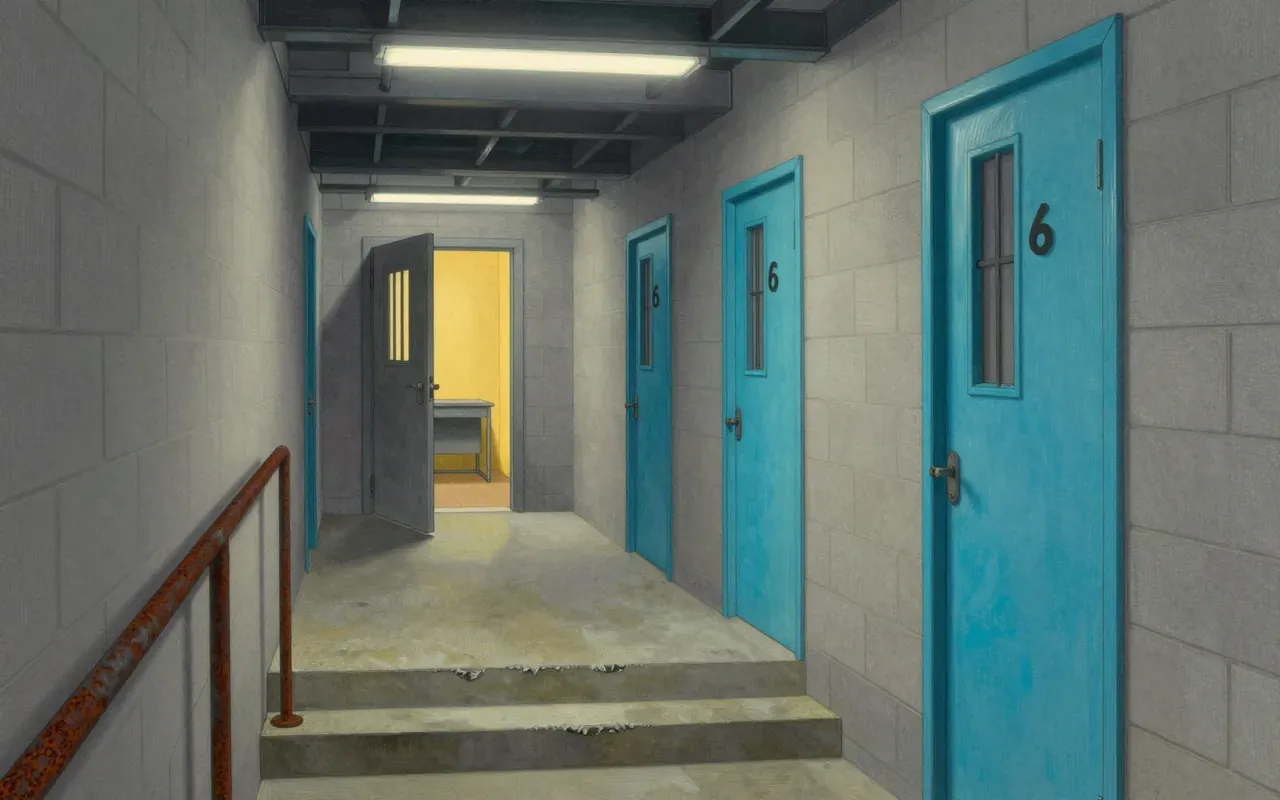
The Stanford prison experiment was a 1971 simulation study conducted by Philip Zimbardo at Stanford University, using 24 male college students randomly assigned as prisoners or guards in a mock prison in the psychology building basement. Its goal was to assess the psychological effects of role assignment, focusing on how roles, rules, symbols, group identity, and situational forces shape behavior. Results showed rapid, extreme role adaptation by both groups, leading to dangerous and psychologically damaging conditions; Zimbardo himself became immersed in his role as superintendent until intervened by Christina Maslach. The core conclusion was that situational forces can exert far greater influence on behavior than commonly recognized.

culture.briefs Culture

All 9 in culture →
8:47

Soft power

Soft power doesn’t persuade — it assumes attraction equals agreement.
8:20

Critical theory

Critical theory doesn’t explain society—it weaponises doubt against every claim to neutrality.
9:20

Stokely Carmichael

Black Power wasn’t a slogan—it was a plan. And Stokely Carmichael wrote the first draft.

automotive.briefs Automotive

All 1 in automotive →
9:00

Bugatti Chiron

Achim Anscheidt · 2016

The Bugatti Chiron is a mid-engine, two-seater sports car designed and developed in Germany. It was manufactured in Molsheim, France. It succeeded the Veyron. It debuted at the 2016 Geneva Motor Show. Its design was previewed with the Vision Gran Turismo concept. It is named after Louis Chiron. It uses a heavily updated 8.0 L quad-turbocharged W16 engine producing 1,103 kW and 1,600 N⋅m. It has a carbon fibre body, independent suspension, and Haldex all-wheel drive.

fashion.briefs Fashion

All 1 in fashion →
8:56

Power dressing

Power dressing wasn’t about looking powerful — it was about looking unassailable in a system that refused to see women as authoritative unless they dressed like men, then added pearls to prove they weren’t.