briefs
Topic · across the network

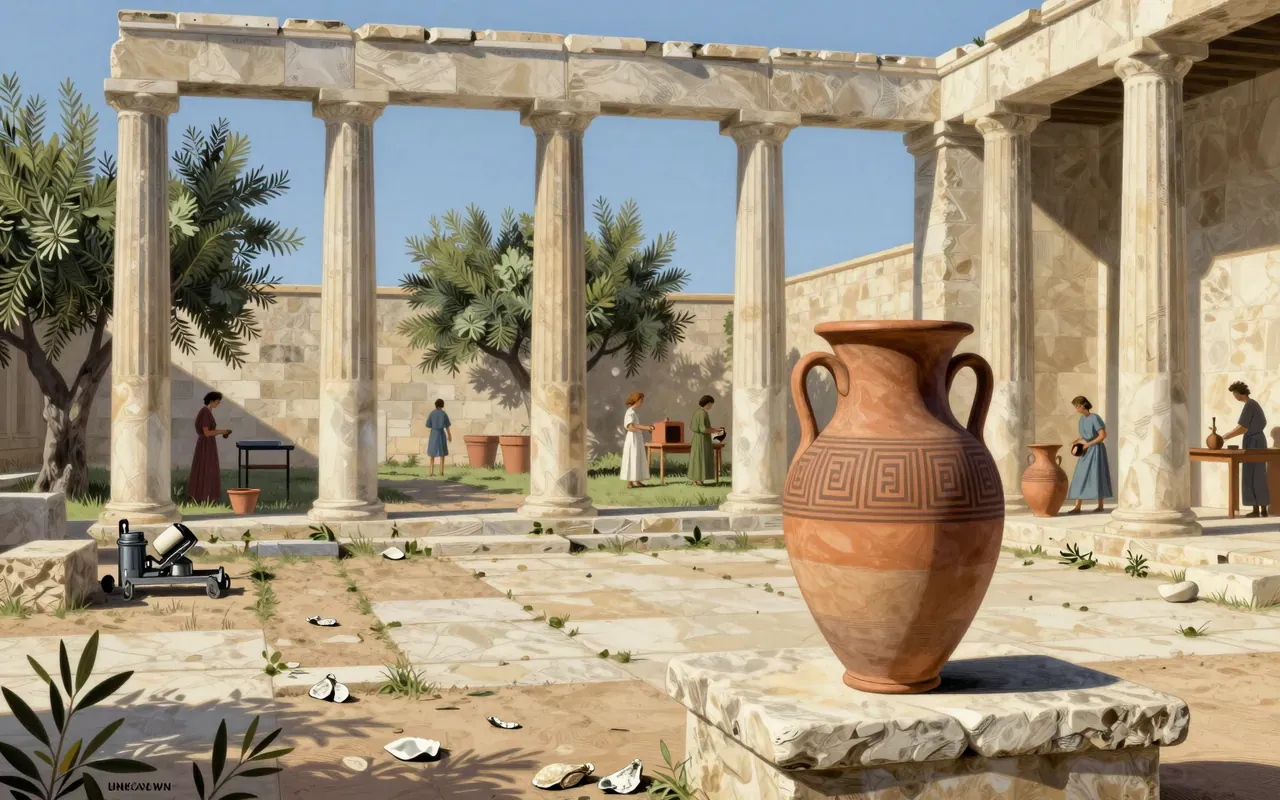
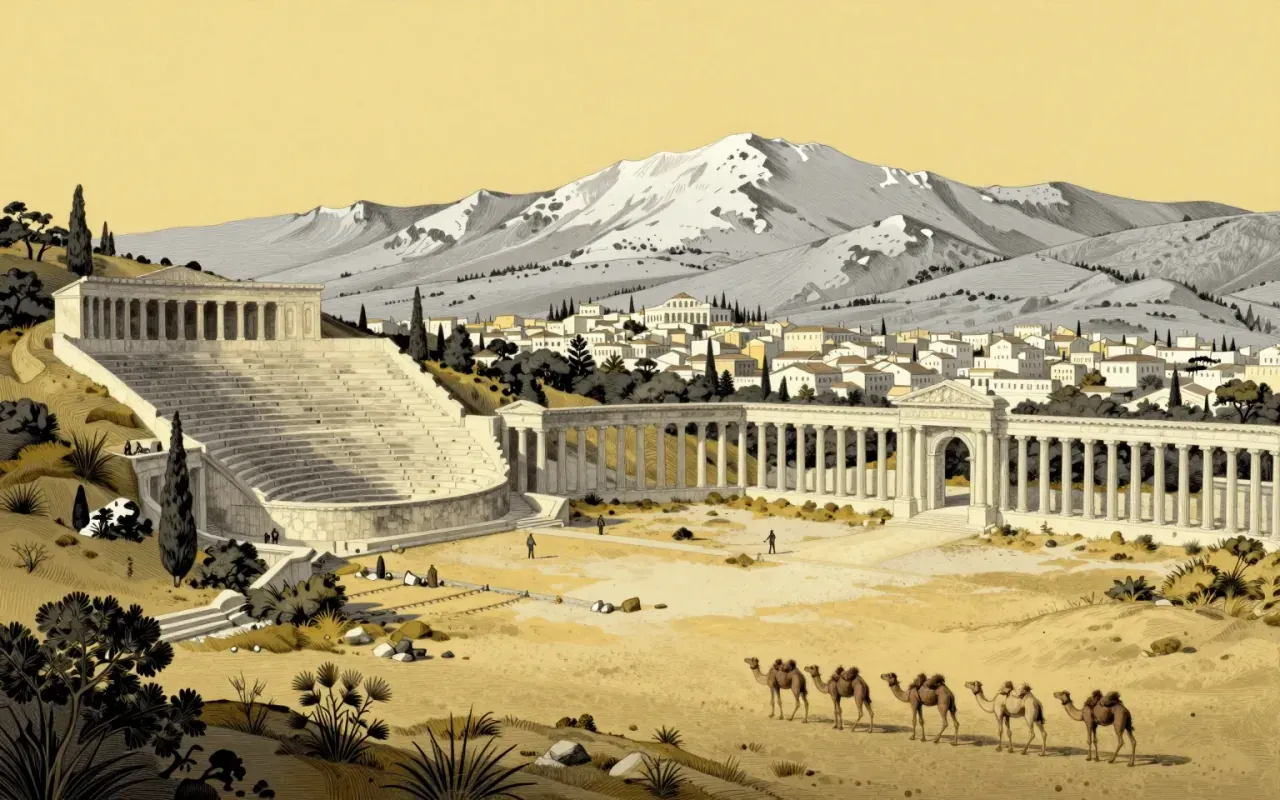
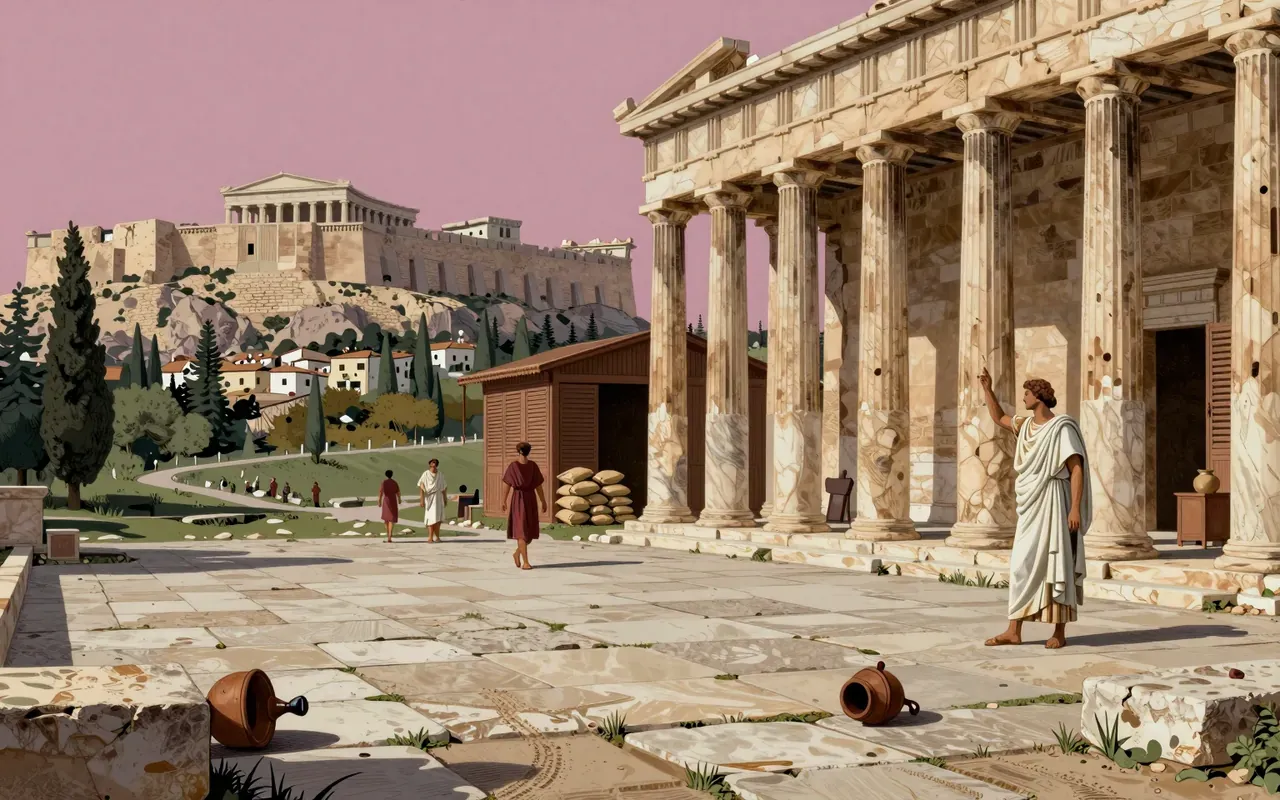
Ancient Greece

A few hundred thousand people who set the agenda for everyone after.

38
briefs
7
subjects
10:39
average
404 min
in total
Abstraction 407Absurdism 137Acoustics 220Acting 65Adaptation 372Addiction 95Adolescence 202Advertising 77Age of exploration 14Ageing 113Agriculture 100Algorithms 114Ambition 46Anarchism 38Ancient Egypt 17Ancient Greece 38Ancient Rome 30Animals 172Anthropology 23Apartheid 12Architecture 165Archives 32Argentina 10Art Deco 26Artificial intelligence 78Astronomy 81Attention 42Australia 32Automation 73Avant-garde 164Aviation 79Banking 72Banned works 40Bauhaus 12Beer 5Behavioural economics 22Berlin 16Big tech 6Biodiversity 136Biography 86Birds 41Black holes 20Blockchain 12Boxing 14Branding 77Brazil 43Bread 29Britain 131Brutalism 4Bubbles 3Buddhism 28Byzantium 10California 17Canada 18Capitalism 94Cars 468Celebrity 59Censorship 110Cheese 24Chefs 9Chemistry 104Chess 2Childhood 87China 109Chocolate 8Christianity 49Cinematography 343Cities 90Class 485Climate change 107Club culture 100Cocktails 2Coffee 11Cognitive bias 14Collecting 16Colonialism 284Colour 42Comedy 89Community 52Complexity 21Computing 309Consciousness 16Conservatism 14Conspiracy theories 8Cooking 178Corruption 38Cosmology 31Cover versions 64Craft 116Crate digging 42Creativity 8Crime 234Cryptocurrency 8Cryptography 24Cuba 10Cybersecurity 30Dada 12Debt 38Decision-making 28Decolonisation 46Deep time 80Democracy 45Denim 16Deserts 45Detroit 17Dinosaurs 12Directing 168Disasters 59Disease 109DJ culture 89Dreams 32Drones 5Drum machines 96Dystopia 69East Africa 28Ecology 337Economics 36Editing 72Education 92Egypt 12Electric vehicles 59Emotion 22Empire 92Endurance 49Energy 120Engineering 541Entropy 8Epidemics 13Equality 9Espionage 31Ethics 44Evolution 174Existentialism 106Expertise 2Exploration 49Extinction 23Failure 37Family 240Fandom 22Fascism 45Fashion 215Fast fashion 12Fear 34Feminism 122Fermentation 126Film music 81Fishing 12Folklore 71Food history 588Football 16Forests 31Forgery 7France 163Fraud 15Free will 13Freedom 16French literature 15Friendship 24Furniture 36Gambling 14Gender 63Generations 28Genetics 87Geology 96Germany 66Globalisation 74Gothic 32Greece 5Grief 126Habits 6Happiness 2Hardware 709Haute couture 22Headphones 8Hi-fi 12Hinduism 12Hoaxes 1Human history 23Human nature 41Identity 138Illustration 8Impressionism 6Improvisation 249India 89Indonesia 15Industrial design 342Inequality 13Inflation 4Information 34Infrastructure 280Insects 29Intelligence 8Interiors 31Internet culture 88Invention 329Iran 41Islam 40Islands 17Israel 9Italy 52Jamaica 10Japan 114Jewellery 5Journalism 34Judaism 13Justice 42Korea 41Language 70Law 90Leadership 20Learning 6Liberalism 1Libraries 6Literary criticism 26London 12Loneliness 61Los Angeles 62Lost works 9Love 67Luxury 55Machine learning 15Management 10Maps 5Marketing 21Markets 51Mars 6Marxism 26Masculinity 46Materials 138Mathematics 79Meaning 6Medicine 124Memory 82Mental health 70Mesopotamia 4Mexico 38Migration 95Minimalism 68Mining 30Misinformation 9Modernism 63Money 24Monopoly 32Mortality 61Motivation 2Mountains 16Museums 27Mysticism 11Mythology 60Nationalism 40Neuroscience 23New York 36Nigeria 7Nihilism 10Noise 31Nostalgia 33Nuclear 29Nutrition 17Oceans 48Oil 42Open source 45Painting 18Palaeontology 29Parenting 14Paris 18Partition 6Patents 71Patronage 14Perception 44Personal style 27Personality 2Persuasion 8Peru 10Philosophy 77Photography 37Physics 206Plants 26Platforms 89Podcasting 1Poetry 25Poland 17Policing 34Pop Art 16Populism 2Portraiture 6Portugal 18Postmodernism 23Power 91Prehistory 24Preservation 28Printmaking 21Privacy 11Probability 6Productivity 1Programming 54Prohibition 1Propaganda 35Protest 75Pseudoscience 17Psychology 80Publishing 22Punishment 16Quantum mechanics 44Race 145Radio 30Railways 35Rave 17Realism 47Record labels 19Recording 810Relativity 23Religion 154Resilience 15Restaurants 30Restoration 2Retail 94Revolution 58Risk 18Ritual 96Robotics 26Romance 96Russia 58Salt 9Sampling 246Satire 84Scandinavia 28Scientific method 186Screenwriting 26Sculpture 7Secularism 2Self-deception 14Semiconductors 73Sexuality 102Ships 18Silence 24Silicon Valley 17Slavery 35Sleep 2Smartphones 27Sneakers 15Social media 58Socialism 9Software 68Songwriting 180Sound design 332Sound systems 20South Africa 19South East Asia 30Space exploration 84Spain 18Special effects 41Spices 62Spirits 12Sport 82Startups 21Statistics 10Status 9Stoicism 4Storytelling 68Strategy 70Street food 99Streetwear 16Studio craft 508Subcultures 59Sugar 12Supply chains 115Surrealism 53Surveillance 21Sustainability 30Synthesis 232Tailoring 37Taxation 14Tea 24Textiles 97Thailand 11The American Revolution 19The American South 88The Arab world 41The Arctic 19The Balkans 17The Belle Epoque 13The body 29The brain 26The Caribbean 28The civil rights movement 62The Cold War 160The eighties 268The Enlightenment 29The financial crisis 19The First World War 39The food industry 157The French Revolution 9The Gilded Age 9The Great Depression 18The Holocaust 20The Industrial Revolution 93The internet 61The interwar years 135The Middle Ages 35The Moon 4The music business 169The Netherlands 10The nineties 26The Olympics 10The pandemic 13The Reformation 1The Renaissance 16The Russian Revolution 19The Second World War 102The seventies 58The sixties 28The space race 5The United States 19The universe 7The Victorian era 37Therapy 20Tokyo 11Trade 48Tragedy 22Translation 5Trauma 85Travel 5True crime 2Turkey 18Typography 54Uniforms 23Unions 8Urban planning 66Utilitarianism 1Utopia 5Vaccines 10Vegetarianism 15Venture capital 6Video games 291Vietnam 12Vintage 65Vinyl 6Virtual reality 11War 169Watches 4Water 11Weather 29West Africa 29Wilderness 10Wine 3Work 22Workwear 19Worldbuilding 121

books.briefs Books

All 5 in books →
13:13

The Agamemnon of Aeschylus

Aeschylus · 0

The Agamemnon argues that vengeance is self-replicating, not redemptive. It works best in performance — the Watchman’s vigil, the tapestry scene, Clytemnestra’s speeches — and collapses in exposition. Skip the Chorus’s myth-recounting. Read it aloud, not silently.
13:34

The Bacchae of Euripides

Euripides · 406 BC

The Bacchae argues that divine power brooks no dissent — it dismantles reason, identity and kinship with surgical precision. It works because its horror is structural, not sensational. Skip nothing: the play’s force lies in its unbroken logic from opening line to final exile.

13:36

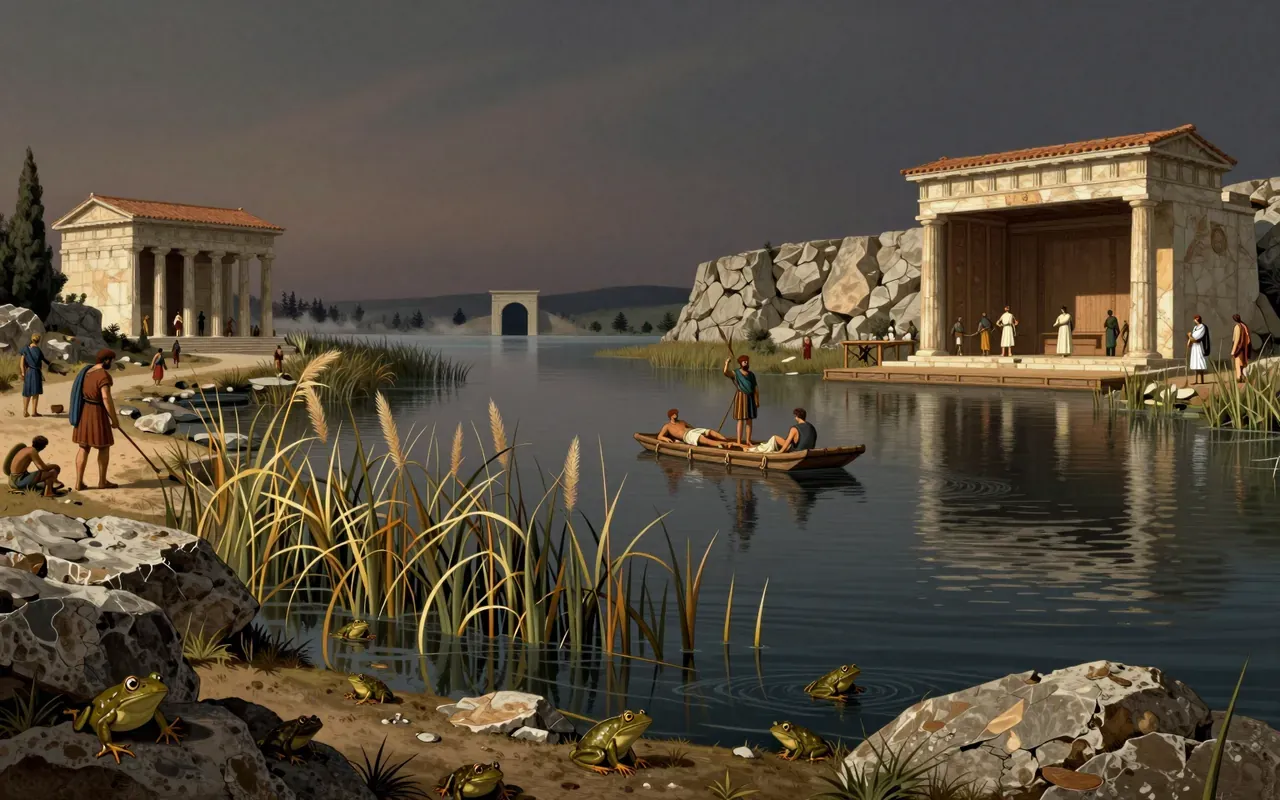
The Frogs

Aristophanes · 0

The Frogs is a 405 BCE Athenian comedy arguing that tragedy sustains democracy. Dionysus descends to Hades to retrieve Euripides—but chooses Aeschylus instead, because his poetry offers civic instruction, not just artistry. The brief explains why the frogs matter more than the plot, why the weighing scale is the play’s true thesis, and why the ending is policy, not poetry.

13:21

Medea of Euripides

Euripides · 406 BC

Medea is not a study in madness — it is a forensic account of how law, gender and exile converge to make vengeance rational. The brief explains why her children’s murder is strategic, not hysterical, and why the dragon-chariot ending is the point, not a flaw. Read it for its precision, not its pity.

15:46

The Republic

Plato · 0

The Republic argues justice is soul-harmony enforced by philosopher-kings, censorship and communal breeding. Its greatest strength—the Cave—is also its warning: truth requires coercion. Skip Book V’s breeding logic and Book III’s musical digressions. Read Books IV, VI, VII and X for the core argument.

film.briefs Film

All 4 in film →
13:00

Medea

Pier Paolo Pasolini · 1969

Pier Paolo Pasolini’s 1969 Medea stars Maria Callas in her sole film role, adapting Euripides’ play as an anthropological re-enactment rather than a psychological drama. Shot across Turkey, Syria, and Italy, it uses distinct colour schemes, non-Western music, and ritual pacing to embody three civilisations — Colchis, Iolcus, and Corinth — as competing cosmologies. Callas’s Medea is a force of nature, her infanticide a final assertion of sovereignty over meaning in a world that has abandoned her epistemology.

13:00

Oedipus Rex

Pier Paolo Pasolini · 1967

Pier Paolo Pasolini’s 1967 Oedipus Rex reframes Sophocles’ tragedy as a Freudian myth-cycle, bookended by a 1920s Italian prologue and epilogue and centred on a stylised Moroccan-Greek middle. Starring Franco Citti and scored with Romanian folk music, Japanese gagaku, and Mozart, it rejects psychological realism for ceremonial repetition — using costume, sound, and landscape as structural grammar rather than decorative detail.

13:00

The Girls

Mai Zetterling · 1968

Mai Zetterling’s 1968 film follows three actresses touring a production of Lysistrata while managing motherhood, marital strain, and professional precarity. Shot with quiet precision by Rune Ericson and performed with restrained intensity by Bibi, Harriet and Gunnel Andersson, it locates feminist consciousness in accumulated small choices rather than grand declarations. Though its theatrical framing remains inert and its men underdeveloped, its enduring power lies in its unsentimental attention to the cost of being seen — and unseen.

13:00

Time Bandits

Terry Gilliam · 1981

Time Bandits (1981) is a British science fiction fantasy co-written and directed by Terry Gilliam, starring Craig Warnock as Kevin, a boy who joins six dwarfs on a time-travelling heist. Shot in England, Morocco and Wales, it moves through historical and mythic settings — Castiglione, Sherwood Forest, Mycenae, the Titanic — guided by a stolen map of spacetime rifts. The film balances absurd comedy with metaphysical stakes, culminating in a confrontation with Evil and the Supreme Being. Its visual style is tactile and deliberately artificial; its themes centre on perception, inheritance, and the instability of systems. It was financed by George Harrison’s HandMade Films and remains the first in Gilliam’s ‘Trilogy of Imagination’.

history.briefs History

All 10 in history →
11:36

Ancient Greece

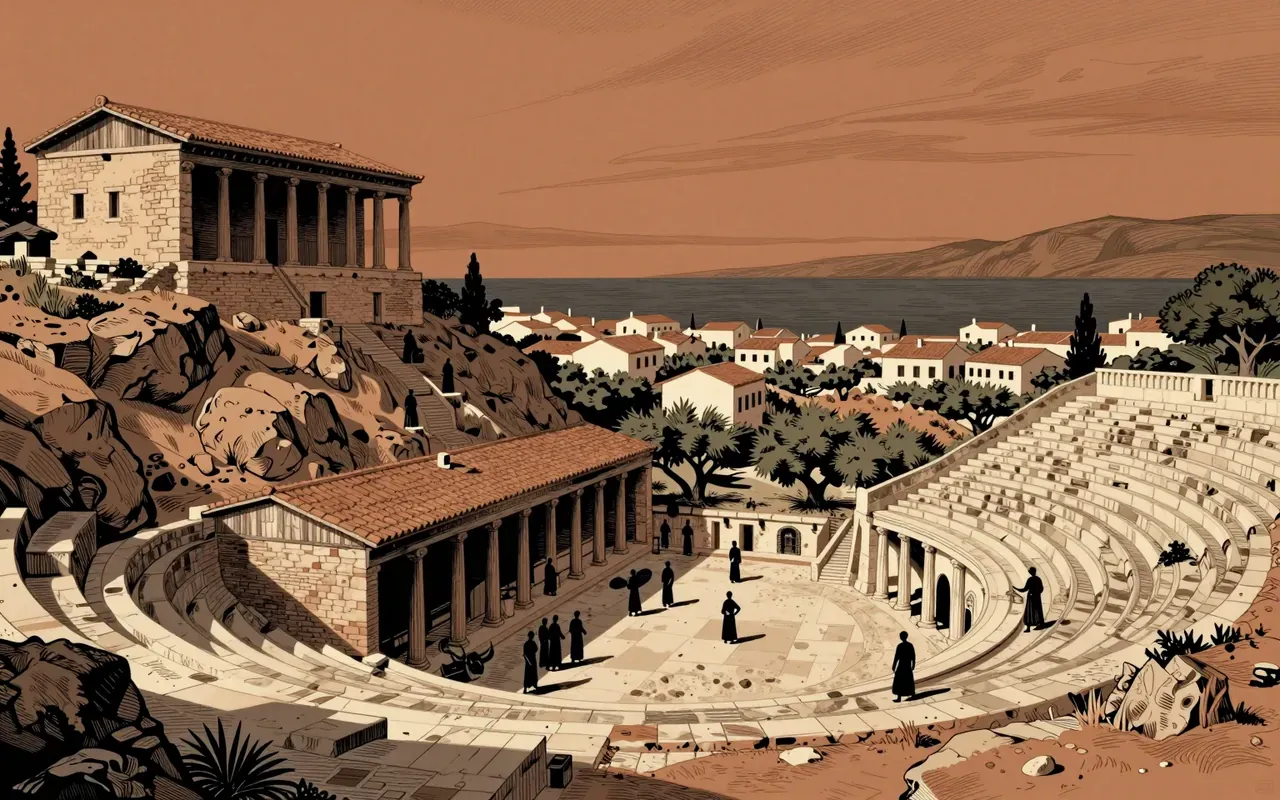
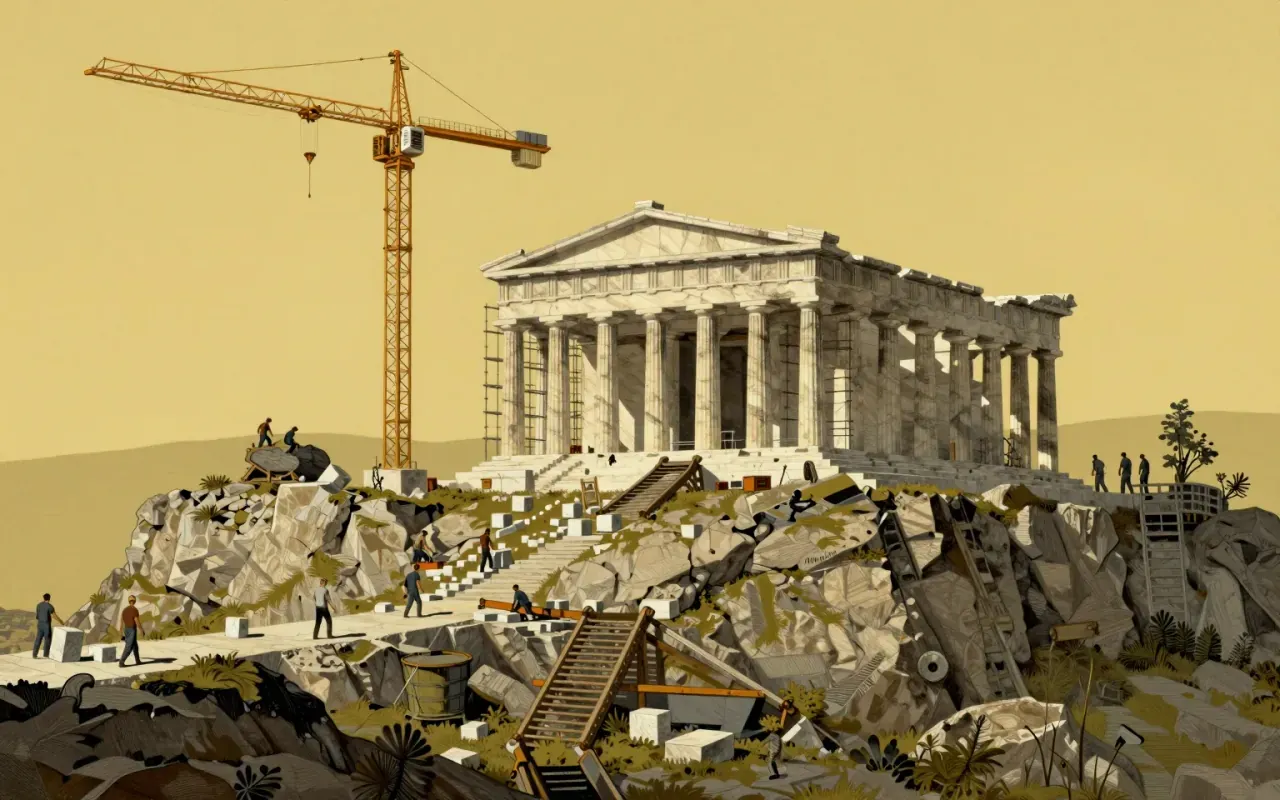
Ancient Greece isn’t a place or a nation — it’s the first time history became a written argument about power.
13:00

Alexander the Great

356–323 BC

Alexander III of Macedon inherited his father's throne and army at twenty and, over the following decade, defeated the Achaemenid Persian Empire and pushed as far as northwestern India before turning back and dying at thirty-two. The battles and territory are documented reasonably well; the personal anecdotes that make him vivid, such as the taming of the horse Bucephalas and the meeting with the philosopher Diogenes, come mostly from Plutarch, writing about four centuries after Alexander's death.

13:00

Alexandria

Founded 331 BC

Alexander the Great founded Alexandria in April 331 BC after taking Egypt from Persian control, then departed shortly afterward, leaving his successors, particularly Ptolemy I, to build it into the largest city in the world within a century through institutions including its famous library and the Pharos lighthouse, one of the ancient world's seven wonders. The library's eventual destruction, often attributed to a single dramatic event during Julius Caesar's siege in 47 BC, remains disputed among historians, and the city's long decline followed Portuguese discovery of alternative sea routes to India in the late fifteenth century.

13:00

Pericles

494–429 BC

Pericles rose to unchallenged leadership of Athens by the 440s BC through repeated use of prosecution and ostracism against rivals, then financed the Parthenon and other monuments with treasury redirected from the Delian League before leading Athens into the Peloponnesian War, dying of plague in 429 BC. Thucydides's admiring portrait, including a famous funeral oration he admitted reconstructing from memory, sits alongside Plato's sharp condemnation and Aristophanes's contemporary mockery. Historians remain divided over his responsibility for the war, the soundness of his defensive strategy, and whether his imperial management of allied states undermined the democratic ideals he is credited with championing.

13:00

Socrates

470–399 BC

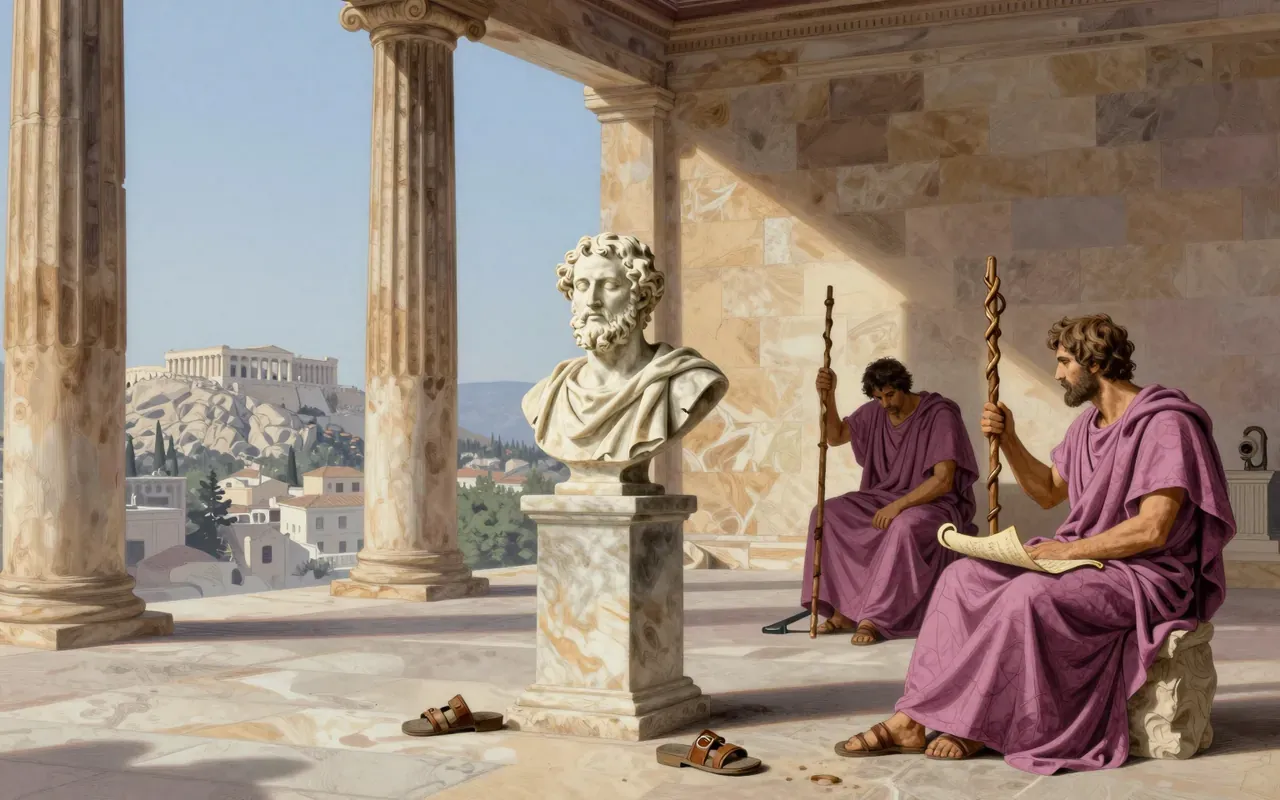
Socrates spent much of his adult life questioning prominent Athenians in public rather than pursuing wealth or office, a habit that made him enemies in a small city where reputational damage carried real consequences. Tried and executed in 399 BC on charges of impiety and corrupting the young, he left no writing of his own, so everything known about him comes through Plato, Xenophon and Aristophanes, sources that genuinely contradict each other in what scholars call the Socratic problem. Historians remain divided on whether his famous claim to know nothing was sincere humility or rhetorical strategy, whether he was religiously sincere, and whether his trial reflected genuine belief or a political pretext.

13:00

Battle of Marathon

12 September 490 BC

In September 490 BC, an outnumbered Athenian force under Miltiades defeated a Persian invasion army at Marathon, ending Darius I's first attempt to conquer mainland Greece. The account rests almost entirely on Herodotus, writing decades later in what amounted to a genuinely new form of historical inquiry, and while his broad narrative is trusted, his specific troop and casualty figures are treated with real scepticism. The battle's most famous element, a dying messenger announcing victory in Athens, does not appear in Herodotus at all and was assembled centuries later from separate, unrelated stories, eventually inspiring the modern Olympic marathon.

13:00

Battle of Thermopylae

11 August 480 BC

In 480 BC, roughly seven thousand Greek defenders, including three hundred Spartans under Leonidas, held the narrow pass at Thermopylae against a vastly larger Persian invasion force for two days before a betrayed mountain path let Persian troops outflank them, and the rearguard fought to the death. The battle survives almost entirely through Herodotus, whose narrative is broadly trusted even as his Persian troop figures, running into the millions, are universally rejected by modern historians in favour of far lower estimates. Whether the delay meaningfully shaped the subsequent Greek naval victory at Salamis remains disputed, and the battle's cultural fame now rests more on its moral example than on its military outcome.

13:00

Hellenistic period

323–30 BC

The Hellenistic period runs conventionally from Alexander's death in 323 BC to Cleopatra VII's death in 30 BC, spanning the successor kingdoms, Ptolemaic Egypt, the Seleucid realm and Macedon among them, that emerged from the wars fought among his former generals. It was a period of active scholarship and cultural mixing, producing figures such as Euclid and Archimedes and blending Greek culture with Egyptian, Persian and other local traditions, before Rome absorbed the last of the successor states.

science.briefs Science

All 2 in science →
8:32

Antikythera mechanism

The Antikythera mechanism proves ancient Greeks built analogue computers — not myth, not reconstruction, but physical evidence.

games.briefs Games

All 1 in games →
11:34

Hades (video game)

Supergiant Games · 2018

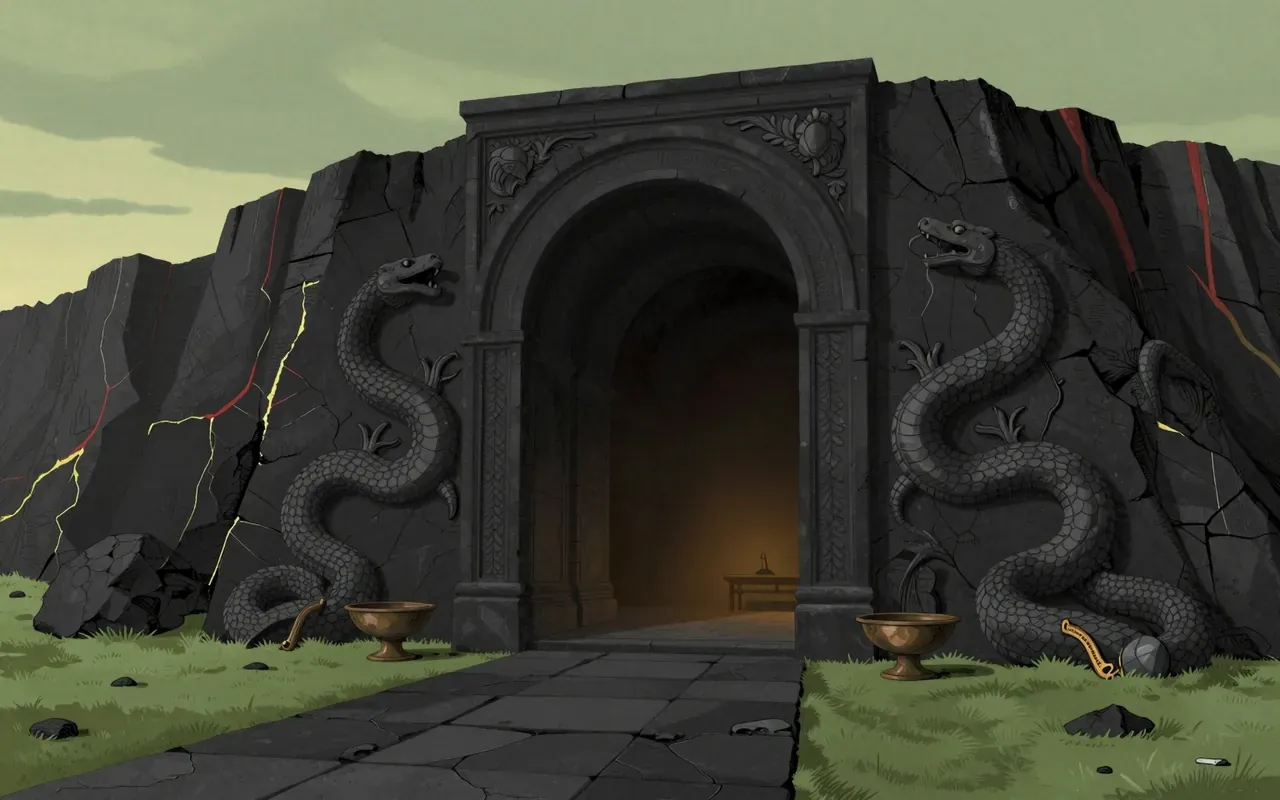
Hades is a tightly wound action roguelike where Zagreus fights through randomized rooms in the Underworld to reach Mount Olympus. Combat relies on five precise inputs — attack, special, dash, magic, summon — with Boons from Olympians reshaping their effects each run. Death is frequent but productive: treasure funds permanent upgrades and narrative advances in the House of Hades between attempts. Rooms draw from pre-set layouts rather than generating freely, so variety emerges from enemy placement and Boon synergies — not spatial novelty. The game demands repetition, rewards pattern mastery, and ties every failure to forward motion. It is not about discovering new spaces, but mastering how known tools behave under shifting divine influence.

culture.briefs Culture

All 11 in culture →
10:04

Fresco

Fresco isn’t wall decoration—it’s pigment fused with architecture by chemistry.
6:50

Critical thinking

Critical thinking is not natural. It must be induced — and it fails where knowledge ends.
10:45

Culture of Italy

Italy didn’t invent Western culture—it built the first operating systems for it.
9:52

Cosmopolitanism

Cosmopolitanism isn’t about loving the world — it’s about refusing to let your passport decide who deserves justice.
7:51

Epicureanism

Epicureanism is not about fine dining. It is about the quiet certainty of your own nerves.
9:07

Free will

Free will isn’t about freedom — it’s about who gets blamed.
9:07

Hedonism

Hedonism is not about indulgence—it’s the original reductionist theory of human nature, and it fails where people are most complex.
9:10

Stoicism

Stoicism isn’t about emotional control—it’s about binding ethics to cosmic reason, and it fails when that cosmos vanishes.

food.briefs Food

All 5 in food →
8:24

Lokma

Lokma isn’t Turkish or Greek—it’s Abbasid, and it’s been migrating since the 13th century.
1:13

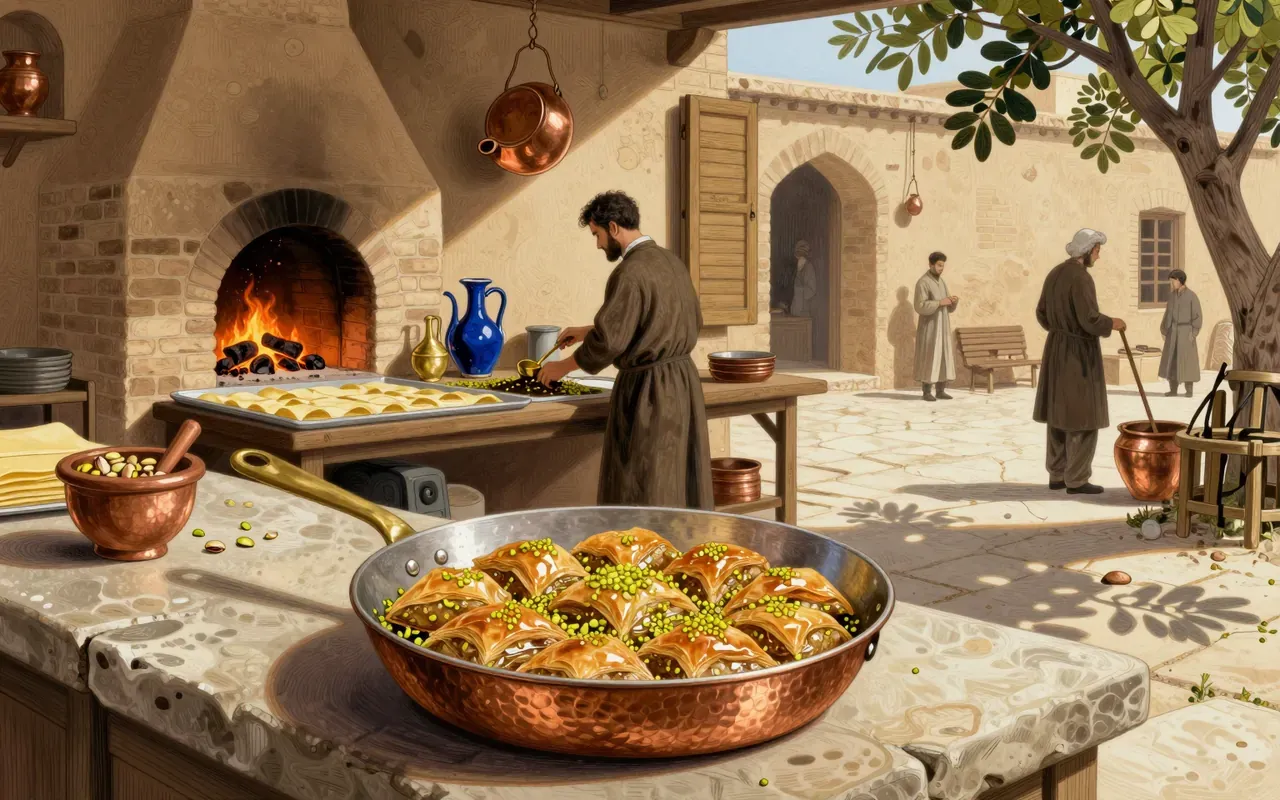
Baklava

A layered pastry dessert of filo, chopped nuts, and syrup or honey.
10:54

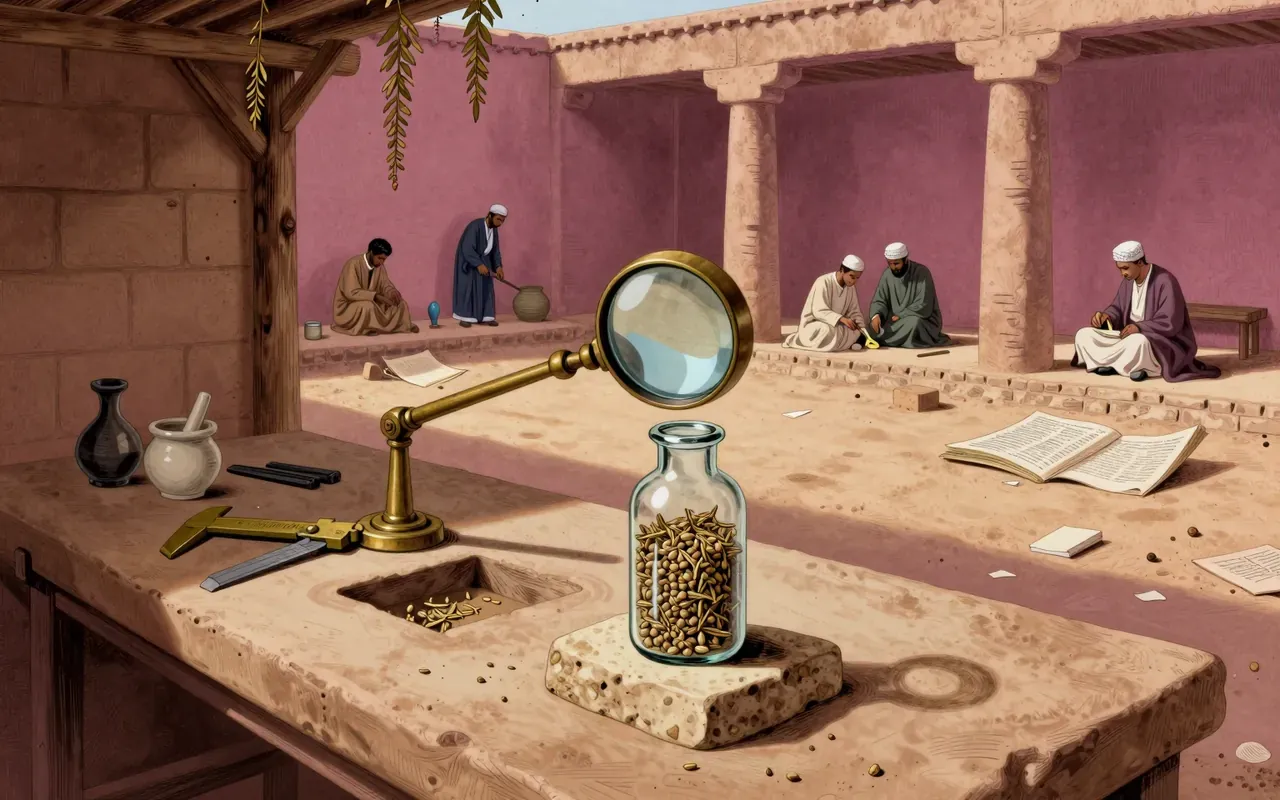
Coriander

Coriander is not a seasoning—it’s a time capsule from the first civilisations’ sensory toolkit.
0:55

Halva

A dense, crumbly or fudge-like confection made from sesame paste and sugar—or toasted flour and syrup—rooted in Persian and early Arab culinary traditions.
0:53

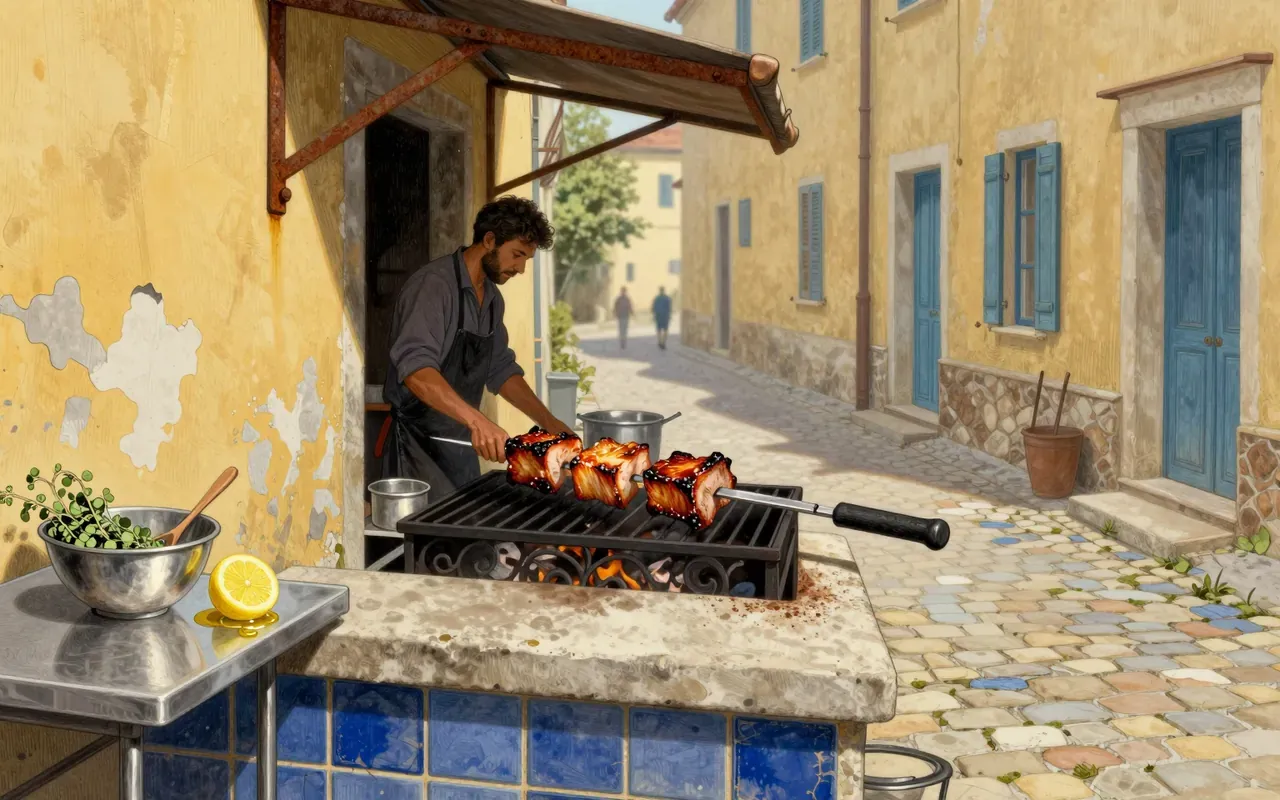
Souvlaki

Small pieces of meat—and sometimes vegetables—grilled on a skewer, originating in Greece.