briefs
Topic · across the network

Decision-making

How people choose, and how those choices go wrong.

28
briefs
9
subjects
10:46
average
301 min
in total
Abstraction 407Absurdism 137Acoustics 220Acting 65Adaptation 372Addiction 95Adolescence 202Advertising 77Age of exploration 14Ageing 113Agriculture 100Algorithms 114Ambition 46Anarchism 38Ancient Egypt 17Ancient Greece 38Ancient Rome 30Animals 172Anthropology 23Apartheid 12Architecture 165Archives 32Argentina 10Art Deco 26Artificial intelligence 78Astronomy 81Attention 42Australia 32Automation 73Avant-garde 164Aviation 79Banking 72Banned works 40Bauhaus 12Beer 5Behavioural economics 22Berlin 16Big tech 6Biodiversity 136Biography 86Birds 41Black holes 20Blockchain 12Boxing 14Branding 77Brazil 43Bread 29Britain 131Brutalism 4Bubbles 3Buddhism 28Byzantium 10California 17Canada 18Capitalism 94Cars 468Celebrity 59Censorship 110Cheese 24Chefs 9Chemistry 104Chess 2Childhood 87China 109Chocolate 8Christianity 49Cinematography 343Cities 90Class 485Climate change 107Club culture 100Cocktails 2Coffee 11Cognitive bias 14Collecting 16Colonialism 284Colour 42Comedy 89Community 52Complexity 21Computing 309Consciousness 16Conservatism 14Conspiracy theories 8Cooking 178Corruption 38Cosmology 31Cover versions 64Craft 116Crate digging 42Creativity 8Crime 234Cryptocurrency 8Cryptography 24Cuba 10Cybersecurity 30Dada 12Debt 38Decision-making 28Decolonisation 46Deep time 80Democracy 45Denim 16Deserts 45Detroit 17Dinosaurs 12Directing 168Disasters 59Disease 109DJ culture 89Dreams 32Drones 5Drum machines 96Dystopia 69East Africa 28Ecology 337Economics 36Editing 72Education 92Egypt 12Electric vehicles 59Emotion 22Empire 92Endurance 49Energy 120Engineering 541Entropy 8Epidemics 13Equality 9Espionage 31Ethics 44Evolution 174Existentialism 106Expertise 2Exploration 49Extinction 23Failure 37Family 240Fandom 22Fascism 45Fashion 215Fast fashion 12Fear 34Feminism 122Fermentation 126Film music 81Fishing 12Folklore 71Food history 588Football 16Forests 31Forgery 7France 163Fraud 15Free will 13Freedom 16French literature 15Friendship 24Furniture 36Gambling 14Gender 63Generations 28Genetics 87Geology 96Germany 66Globalisation 74Gothic 32Greece 5Grief 126Habits 6Happiness 2Hardware 709Haute couture 22Headphones 8Hi-fi 12Hinduism 12Hoaxes 1Human history 23Human nature 41Identity 138Illustration 8Impressionism 6Improvisation 249India 89Indonesia 15Industrial design 342Inequality 13Inflation 4Information 34Infrastructure 280Insects 29Intelligence 8Interiors 31Internet culture 88Invention 329Iran 41Islam 40Islands 17Israel 9Italy 52Jamaica 10Japan 114Jewellery 5Journalism 34Judaism 13Justice 42Korea 41Language 70Law 90Leadership 20Learning 6Liberalism 1Libraries 6Literary criticism 26London 12Loneliness 61Los Angeles 62Lost works 9Love 67Luxury 55Machine learning 15Management 10Maps 5Marketing 21Markets 51Mars 6Marxism 26Masculinity 46Materials 138Mathematics 79Meaning 6Medicine 124Memory 82Mental health 70Mesopotamia 4Mexico 38Migration 95Minimalism 68Mining 30Misinformation 9Modernism 63Money 24Monopoly 32Mortality 61Motivation 2Mountains 16Museums 27Mysticism 11Mythology 60Nationalism 40Neuroscience 23New York 36Nigeria 7Nihilism 10Noise 31Nostalgia 33Nuclear 29Nutrition 17Oceans 48Oil 42Open source 45Painting 18Palaeontology 29Parenting 14Paris 18Partition 6Patents 71Patronage 14Perception 44Personal style 27Personality 2Persuasion 8Peru 10Philosophy 77Photography 37Physics 206Plants 26Platforms 89Podcasting 1Poetry 25Poland 17Policing 34Pop Art 16Populism 2Portraiture 6Portugal 18Postmodernism 23Power 91Prehistory 24Preservation 28Printmaking 21Privacy 11Probability 6Productivity 1Programming 54Prohibition 1Propaganda 35Protest 75Pseudoscience 17Psychology 80Publishing 22Punishment 16Quantum mechanics 44Race 145Radio 30Railways 35Rave 17Realism 47Record labels 19Recording 810Relativity 23Religion 154Resilience 15Restaurants 30Restoration 2Retail 94Revolution 58Risk 18Ritual 96Robotics 26Romance 96Russia 58Salt 9Sampling 246Satire 84Scandinavia 28Scientific method 186Screenwriting 26Sculpture 7Secularism 2Self-deception 14Semiconductors 73Sexuality 102Ships 18Silence 24Silicon Valley 17Slavery 35Sleep 2Smartphones 27Sneakers 15Social media 58Socialism 9Software 68Songwriting 180Sound design 332Sound systems 20South Africa 19South East Asia 30Space exploration 84Spain 18Special effects 41Spices 62Spirits 12Sport 82Startups 21Statistics 10Status 9Stoicism 4Storytelling 68Strategy 70Street food 99Streetwear 16Studio craft 508Subcultures 59Sugar 12Supply chains 115Surrealism 53Surveillance 21Sustainability 30Synthesis 232Tailoring 37Taxation 14Tea 24Textiles 97Thailand 11The American Revolution 19The American South 88The Arab world 41The Arctic 19The Balkans 17The Belle Epoque 13The body 29The brain 26The Caribbean 28The civil rights movement 62The Cold War 160The eighties 268The Enlightenment 29The financial crisis 19The First World War 39The food industry 157The French Revolution 9The Gilded Age 9The Great Depression 18The Holocaust 20The Industrial Revolution 93The internet 61The interwar years 135The Middle Ages 35The Moon 4The music business 169The Netherlands 10The nineties 26The Olympics 10The pandemic 13The Reformation 1The Renaissance 16The Russian Revolution 19The Second World War 102The seventies 58The sixties 28The space race 5The United States 19The universe 7The Victorian era 37Therapy 20Tokyo 11Trade 48Tragedy 22Translation 5Trauma 85Travel 5True crime 2Turkey 18Typography 54Uniforms 23Unions 8Urban planning 66Utilitarianism 1Utopia 5Vaccines 10Vegetarianism 15Venture capital 6Video games 291Vietnam 12Vintage 65Vinyl 6Virtual reality 11War 169Watches 4Water 11Weather 29West Africa 29Wilderness 10Wine 3Work 22Workwear 19Worldbuilding 121

books.briefs Books

All 2 in books →
12:40

Thinking, Fast and Slow

Daniel Kahneman · 2011

Two systems run your mind. One is fast, intuitive and often wrong; the other is slow, deliberate and lazy. The brief covers both, the three biases you will notice by dinner, and the odd fact that the self who remembers your life is not the one living it.

14:30

Antifragile

Nassim Nicholas Taleb · 2012

The central idea is real and the book is twice as long as it needs to be. The brief extracts the triad, the barbell, via negativa and skin in the game, then tells you which two hundred pages to skip.

film.briefs Film

All 5 in film →
13:00

Lewat Djam Malam

Usmar Ismail · 1954

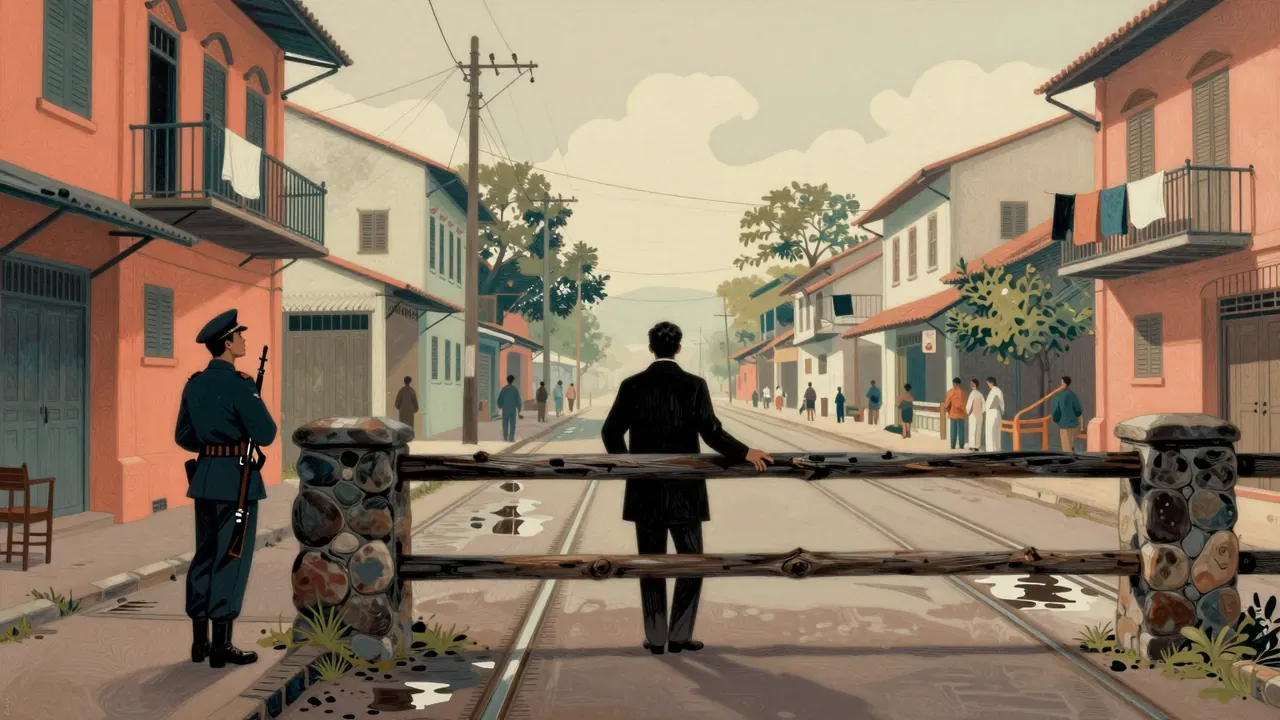
Lewat Djam Malam (1954), directed by Usmar Ismail and written by Asrul Sani, follows ex-soldier Iskandar’s rapid unraveling in post-independence Bandung. Haunted by wartime violence and alienated by peacetime hypocrisy, he moves through a landscape of compromised comrades — a contractor, a pimp, a former commander — before killing the man he once followed. Shot by Max Tera in restrained, atmospheric black-and-white, the film avoids spectacle in favour of psychological accumulation. Restored in 2012 after decades of deterioration, it remains a landmark of Indonesian arthouse realism.

13:00

Phantom India

Louis Malle · 1969

Louis Malle’s 1969 seven-part documentary Phantom India is a 378-minute observational record of India, filmed over four months in 1968 with a crew of two. Shot in French, it avoids narration, explanation, or advocacy, relying instead on long takes, ambient sound, and unmediated presence. Though praised as Malle’s most personal work, it drew criticism from the Indian government and diaspora for its focus on poverty and ritual at the expense of modernity and agency. Its endurance lies not in completeness but in its unwavering, ambiguous attention.

13:00

The New World

Terrence Malick · 2006

Terrence Malick’s 2006 biographical film follows Pocahontas, John Smith and John Rolfe across the founding of Jamestown, the forests of Tsenacommacah and the courts of Jacobean London. Shot by Emmanuel Lubezki and scored partly by James Horner, it privileges sensory immersion over exposition, using reconstructed Powhatan language, natural light and elliptical editing to evoke the moral and perceptual instability of early colonial encounter. Though its final act falters in narrative cohesion, its sustained tonal discipline and commitment to ambiguity make it a singular achievement in arthouse cinema.

13:00

Two Solutions for One Problem

Abbas Kiarostami · 1975

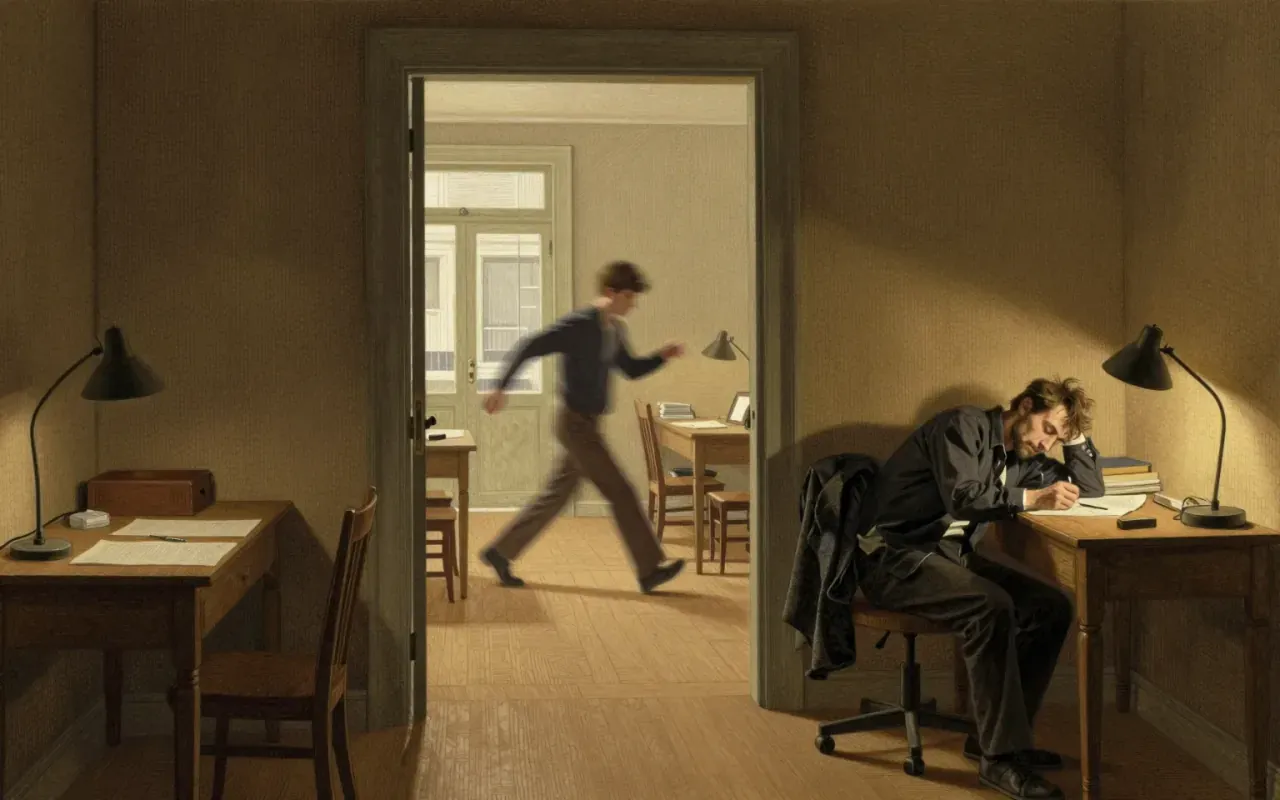
Abbas Kiarostami’s 1975 short Two Solutions for One Problem presents two parallel resolutions to a minor conflict between two Iranian schoolboys over a torn exercise book. Filmed in static, natural light with no music or narration, it isolates choice as a visible, repeatable act — not a moral pronouncement, but a behavioural fact.

13:00

Walker

Alex Cox · 1987

Alex Cox’s 1987 film Walker tells the story of American mercenary William Walker’s 1855–57 invasion of Nicaragua—but reframes it through deliberate, jarring anachronisms (helicopters, Diet Coke, modern rifles) to draw direct parallels with US policy during the Contra War. Starring Ed Harris and scored by Joe Strummer, it was shot in Granada with Sandinista cooperation and edited in situ. Uncompromising in its politics and formal rigour, it rejects historical realism in favour of structural critique.

history.briefs History

All 2 in history →
11:04

Mahatma Gandhi

Gandhi didn’t invent nonviolence — he built an operating system for it, and it crashed on the question of partition.
9:04

Universal Declaration of Human Rights

10 December 1948

The Universal Declaration of Human Rights established a shared vocabulary for rights — but not a shared understanding of their source, scope, or enforcement.

science.briefs Science

All 3 in science →
9:55

Asch conformity experiments

Solomon Asch

The Asch experiments show that unanimous group pressure causes public conformity on simple perceptual judgments — not because people misperceive, but because they yield in speech. The effect is real, quantified, and limited: it depends on unanimity, not large numbers; it was tested only on white male undergraduates; and it measures response, not belief or vision.

9:58

B. F. Skinner

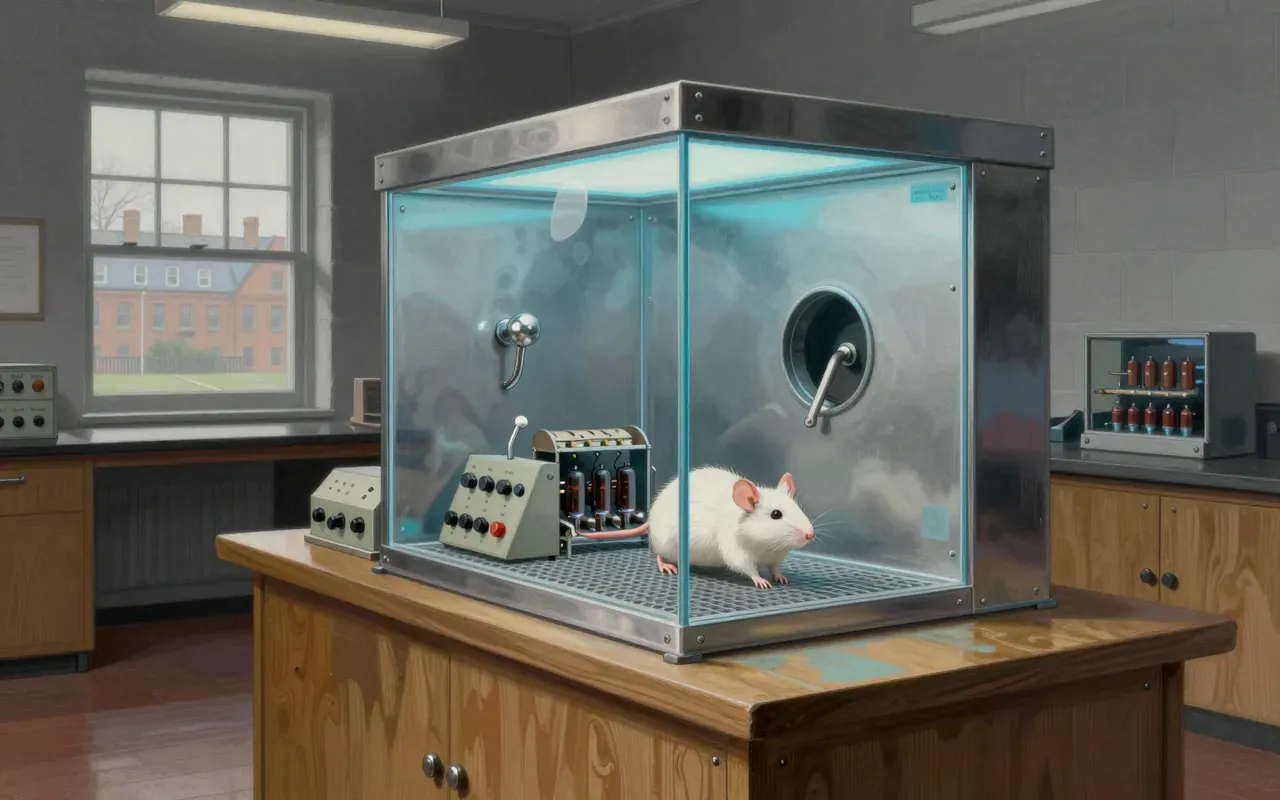
Skinner didn’t explain minds — he replaced them with measurable behaviour and its consequences.
9:20

Lawrence Kohlberg

Kohlberg did not discover morality—he invented a ruler for one kind of moral talk.

design.briefs Design

All 2 in design →
9:46

Don Norman

Don Norman didn’t invent user-centred design — he abandoned it.

games.briefs Games

All 4 in games →
12:03

Persona 3

Atlus · 2006

Persona 3 is a PlayStation 2 RPG released by Atlus in 2006. It combines traditional RPG mechanics with simulation elements. The game follows the protagonist, who balances their daily life of going to school and building relationships with others with fighting the monstrous Shadows during the Dark Hour. Each day is divided into daytime and evening segments. Except for scripted events, such as plot progression or special events, the player is free to choose how each day is spent, with most activities causing time to pass. The types of activities and characters that can be interacted with vary depending on the day of the week and time of day. Additionally, some activities are limited by the protagonist's three attributes; Academics, Charm, and Courage, which can be built by performing various activities or making certain correct choices. During the evening, players can choose to visit Tartarus, the game's main dungeon, where they can build their party's experience and gain new items. On the day of the full moon, players will participate in a boss battle to progress the story.

10:15

Steins;Gate

5pb. · 2009

Steins;Gate is a visual novel built around two precise, low-friction inputs — answering calls and selecting words in texts — that drive tightly wound branching narratives about causality and consequence. It demands sustained reading and rewards attention to detail, not dexterity or speed. Its design reflects its themes: small actions ripple across time, but only if you’re paying close enough attention to notice the trigger.

10:17

The Stanley Parable

Davey Wreden · 2013

The Stanley Parable is a narrative-first game about obedience, authorship, and the fiction of player agency. It offers no combat, no progression, and no persistent world — only walking, pressing, opening, and listening. Its design is a provocation: every choice you make is anticipated, narrated, and contained.

10:53

Fallout 2

Black Isle Studios · 1998

Fallout 2 is a role-playing video game developed by Black Isle Studios in 1998. It is a direct sequel built on the same engine and design philosophy as its predecessor. It is not the origin of the Fallout series — Black Isle did not create the original Fallout, though many of its founding members came from that team.

business.briefs Business

All 4 in business →
12:05

Berkshire Hathaway

Warren Buffett · 1955

Berkshire Hathaway is a holding company built on arbitrage, insurance float, and concentrated control — not innovation or disruption.

10:49

Visa Inc.

Dee Hock · 1958

Visa is a payment infrastructure built on delegation: banks issue cards, Visa provides the rails and branding, and consumers pay fees embedded in every transaction. Its 1970 restructuring into a member-owned, decentralised association — conceived and led by Dee Hock — was a deliberate rejection of hierarchy. Yet its 2025 volume ($14.2 trillion) reflects not distributed decision-making but tightly coordinated standards enforcement. The ‘chaordic’ ideal remains descriptive, not operational.

9:16

Warren Buffett

Buffett didn’t build Berkshire by spotting winners—he seized control, revalued assets on his terms, and walked away from the original business without apology.

technology.briefs Technology

All 1 in technology →
9:46

Expert system

Expert systems don’t think — they transcribe. What they deliver depends entirely on what experts wrote down, and nothing more.

culture.briefs Culture

All 5 in culture →
9:06

Design culture

Design culture is an organizational culture that puts design at the front of every operation, from strategy to execution, to improve customer experiences.
9:56

Framing (social sciences)

Framing doesn’t reflect reality—it builds the lens through which reality becomes legible, actionable, and political.
8:31

Effective altruism

Effective altruism isn’t about caring more—it’s about calculating who gets to matter, and why.
8:20

The Wisdom of Crowds

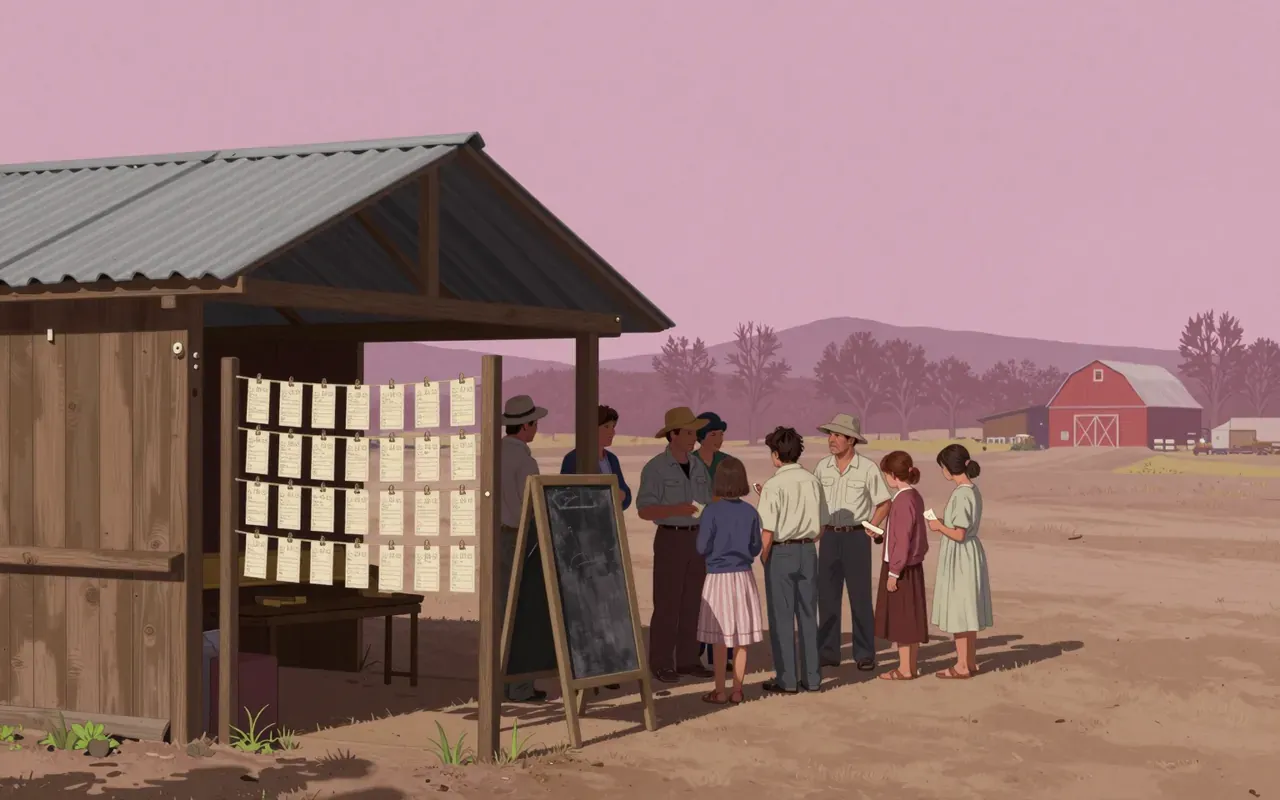
Crowds are only wise when they’re structured like Galton’s ox-guessers—not like Twitter threads.
9:25

Utilitarianism

It treats suffering like arithmetic — precise, scalable, and dangerously blind to what numbers erase.