briefs
Topic · across the network

Surveillance

Being watched at scale, usually for a service in return.

21
briefs
4
subjects
11:32
average
242 min
in total
Abstraction 407Absurdism 137Acoustics 220Acting 65Adaptation 372Addiction 95Adolescence 202Advertising 77Age of exploration 14Ageing 113Agriculture 100Algorithms 114Ambition 46Anarchism 38Ancient Egypt 17Ancient Greece 38Ancient Rome 30Animals 172Anthropology 23Apartheid 12Architecture 165Archives 32Argentina 10Art Deco 26Artificial intelligence 78Astronomy 81Attention 42Australia 32Automation 73Avant-garde 164Aviation 79Banking 72Banned works 40Bauhaus 12Beer 5Behavioural economics 22Berlin 16Big tech 6Biodiversity 136Biography 86Birds 41Black holes 20Blockchain 12Boxing 14Branding 77Brazil 43Bread 29Britain 131Brutalism 4Bubbles 3Buddhism 28Byzantium 10California 17Canada 18Capitalism 94Cars 468Celebrity 59Censorship 110Cheese 24Chefs 9Chemistry 104Chess 2Childhood 87China 109Chocolate 8Christianity 49Cinematography 343Cities 90Class 485Climate change 107Club culture 100Cocktails 2Coffee 11Cognitive bias 14Collecting 16Colonialism 284Colour 42Comedy 89Community 52Complexity 21Computing 309Consciousness 16Conservatism 14Conspiracy theories 8Cooking 178Corruption 38Cosmology 31Cover versions 64Craft 116Crate digging 42Creativity 8Crime 234Cryptocurrency 8Cryptography 24Cuba 10Cybersecurity 30Dada 12Debt 38Decision-making 28Decolonisation 46Deep time 80Democracy 45Denim 16Deserts 45Detroit 17Dinosaurs 12Directing 168Disasters 59Disease 109DJ culture 89Dreams 32Drones 5Drum machines 96Dystopia 69East Africa 28Ecology 337Economics 36Editing 72Education 92Egypt 12Electric vehicles 59Emotion 22Empire 92Endurance 49Energy 120Engineering 541Entropy 8Epidemics 13Equality 9Espionage 31Ethics 44Evolution 174Existentialism 106Expertise 2Exploration 49Extinction 23Failure 37Family 240Fandom 22Fascism 45Fashion 215Fast fashion 12Fear 34Feminism 122Fermentation 126Film music 81Fishing 12Folklore 71Food history 588Football 16Forests 31Forgery 7France 163Fraud 15Free will 13Freedom 16French literature 15Friendship 24Furniture 36Gambling 14Gender 63Generations 28Genetics 87Geology 96Germany 66Globalisation 74Gothic 32Greece 5Grief 126Habits 6Happiness 2Hardware 709Haute couture 22Headphones 8Hi-fi 12Hinduism 12Hoaxes 1Human history 23Human nature 41Identity 138Illustration 8Impressionism 6Improvisation 249India 89Indonesia 15Industrial design 342Inequality 13Inflation 4Information 34Infrastructure 280Insects 29Intelligence 8Interiors 31Internet culture 88Invention 329Iran 41Islam 40Islands 17Israel 9Italy 52Jamaica 10Japan 114Jewellery 5Journalism 34Judaism 13Justice 42Korea 41Language 70Law 90Leadership 20Learning 6Liberalism 1Libraries 6Literary criticism 26London 12Loneliness 61Los Angeles 62Lost works 9Love 67Luxury 55Machine learning 15Management 10Maps 5Marketing 21Markets 51Mars 6Marxism 26Masculinity 46Materials 138Mathematics 79Meaning 6Medicine 124Memory 82Mental health 70Mesopotamia 4Mexico 38Migration 95Minimalism 68Mining 30Misinformation 9Modernism 63Money 24Monopoly 32Mortality 61Motivation 2Mountains 16Museums 27Mysticism 11Mythology 60Nationalism 40Neuroscience 23New York 36Nigeria 7Nihilism 10Noise 31Nostalgia 33Nuclear 29Nutrition 17Oceans 48Oil 42Open source 45Painting 18Palaeontology 29Parenting 14Paris 18Partition 6Patents 71Patronage 14Perception 44Personal style 27Personality 2Persuasion 8Peru 10Philosophy 77Photography 37Physics 206Plants 26Platforms 89Podcasting 1Poetry 25Poland 17Policing 34Pop Art 16Populism 2Portraiture 6Portugal 18Postmodernism 23Power 91Prehistory 24Preservation 28Printmaking 21Privacy 11Probability 6Productivity 1Programming 54Prohibition 1Propaganda 35Protest 75Pseudoscience 17Psychology 80Publishing 22Punishment 16Quantum mechanics 44Race 145Radio 30Railways 35Rave 17Realism 47Record labels 19Recording 810Relativity 23Religion 154Resilience 15Restaurants 30Restoration 2Retail 94Revolution 58Risk 18Ritual 96Robotics 26Romance 96Russia 58Salt 9Sampling 246Satire 84Scandinavia 28Scientific method 186Screenwriting 26Sculpture 7Secularism 2Self-deception 14Semiconductors 73Sexuality 102Ships 18Silence 24Silicon Valley 17Slavery 35Sleep 2Smartphones 27Sneakers 15Social media 58Socialism 9Software 68Songwriting 180Sound design 332Sound systems 20South Africa 19South East Asia 30Space exploration 84Spain 18Special effects 41Spices 62Spirits 12Sport 82Startups 21Statistics 10Status 9Stoicism 4Storytelling 68Strategy 70Street food 99Streetwear 16Studio craft 508Subcultures 59Sugar 12Supply chains 115Surrealism 53Surveillance 21Sustainability 30Synthesis 232Tailoring 37Taxation 14Tea 24Textiles 97Thailand 11The American Revolution 19The American South 88The Arab world 41The Arctic 19The Balkans 17The Belle Epoque 13The body 29The brain 26The Caribbean 28The civil rights movement 62The Cold War 160The eighties 268The Enlightenment 29The financial crisis 19The First World War 39The food industry 157The French Revolution 9The Gilded Age 9The Great Depression 18The Holocaust 20The Industrial Revolution 93The internet 61The interwar years 135The Middle Ages 35The Moon 4The music business 169The Netherlands 10The nineties 26The Olympics 10The pandemic 13The Reformation 1The Renaissance 16The Russian Revolution 19The Second World War 102The seventies 58The sixties 28The space race 5The United States 19The universe 7The Victorian era 37Therapy 20Tokyo 11Trade 48Tragedy 22Translation 5Trauma 85Travel 5True crime 2Turkey 18Typography 54Uniforms 23Unions 8Urban planning 66Utilitarianism 1Utopia 5Vaccines 10Vegetarianism 15Venture capital 6Video games 291Vietnam 12Vintage 65Vinyl 6Virtual reality 11War 169Watches 4Water 11Weather 29West Africa 29Wilderness 10Wine 3Work 22Workwear 19Worldbuilding 121

books.briefs Books

All 2 in books →
10:00

1984

George Orwell · 1949

Orwell's 1949 novel follows Winston Smith in a state where the party controls language, history, and thought. The brief covers the mechanics of totalitarian control, what Orwell gets right about power, and which parts of the book hold up.

10:47

Brave New World

Aldous Huxley · 1932

The 1932 novel describes a future where stability is engineered through biological castes, pleasure drugs, and psychological conditioning. It poses a question harder to refute than mere tyranny—what if contentment and freedom are irreconcilable?

film.briefs Film

All 11 in film →
13:00

Benny's Video

Michael Haneke · 1992

Michael Haneke’s 1992 Austrian horror film follows Benny, a Vienna teenager obsessed with video recording, whose emotionally detached parents enable his fixation. After filming a pig’s slaughter, he invites a girl to his home, kills her on camera, and proceeds with chilling normalcy — cleaning, socialising, travelling — while his parents dispose of the body. The film uses static camerawork, diegetic sound, and layered recordings to dissect how media saturation erodes moral response, treating violence not as rupture but as data.

13:00

Identification of a Woman

Michelangelo Antonioni · 1982

Michelangelo Antonioni’s Identification of a Woman (1982) follows a divorced film director in Rome and Venice as he navigates two relationships — one elusive, one immediate — while under an ambiguous surveillance. Shot by Carlo Di Palma, scored by John Foxx, and edited by Antonioni himself, it trades the formal rigour of his 1960s work for a quieter, more provisional tone. Its concerns — perception, identity, ageing, class — are embedded in atmosphere and gesture, not exposition. Reception was mixed on release, with later critics noting its autumnal modesty. It is a film of lingering glances, unresolved absences, and the quiet weight of what remains unseen.

13:00

Medium Cool

Haskell Wexler · 1969

Haskell Wexler’s 1969 film merges scripted drama with documentary footage shot during the 1968 Democratic National Convention riots in Chicago. It follows a television cameraman who begins to question his role in recording — rather than intervening in — social crisis. Shot in cinéma vérité style, with minimal artifice and deliberate genre blurring, it interrogates media complicity, surveillance, and the ethics of observation. Though its romance and character arcs remain deliberately thin, its formal rigour and historical immediacy give it enduring force.

13:00

Scanners

David Cronenberg · 1981

David Cronenberg’s 1981 Canadian sci-fi thriller follows Cameron Vale, a scanner with uncontrollable telepathic abilities, as he is recruited by security firm ConSec to stop Darryl Revok, a rogue scanner waging psychic war. Shot in Montreal with industrial precision, the film uses its infamous head explosion not as shock for shock’s sake but as the logical endpoint of a world where minds have no boundaries. Its themes of cognitive permeability, pharmaceutical control, and corporate co-option of human evolution remain starkly relevant.

13:00

The Confession

Costa-Gavras · 1970

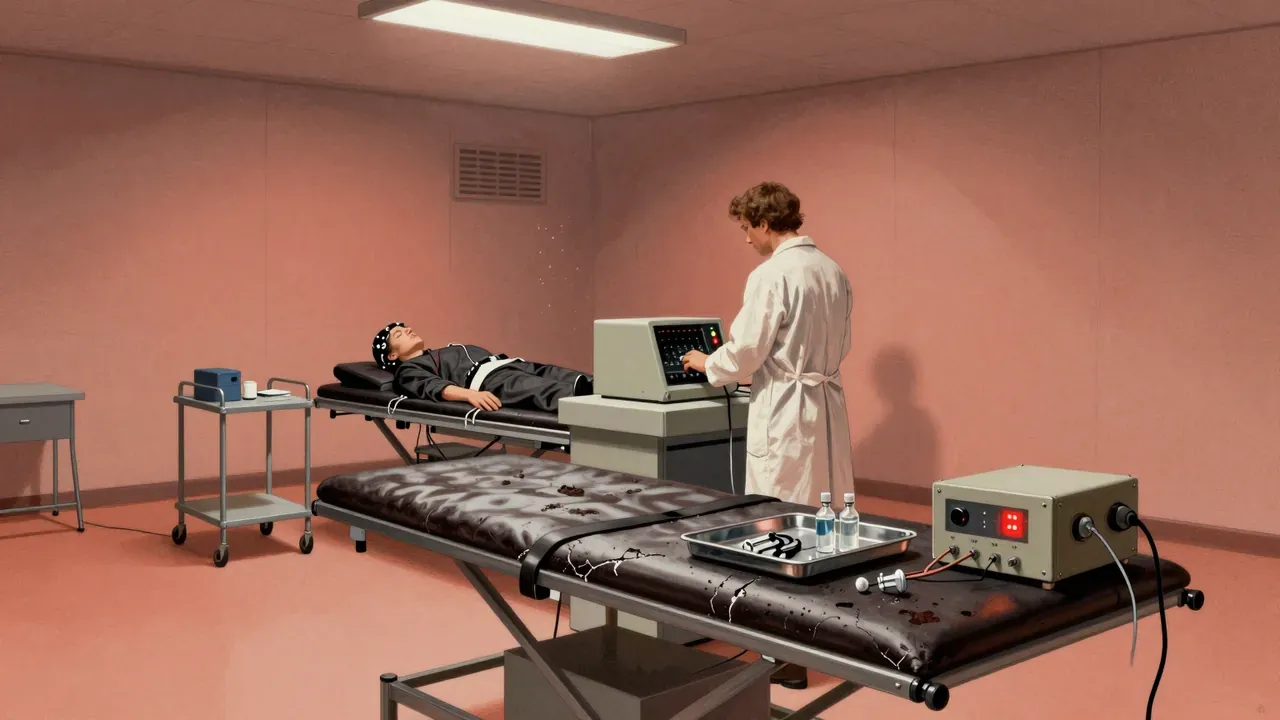
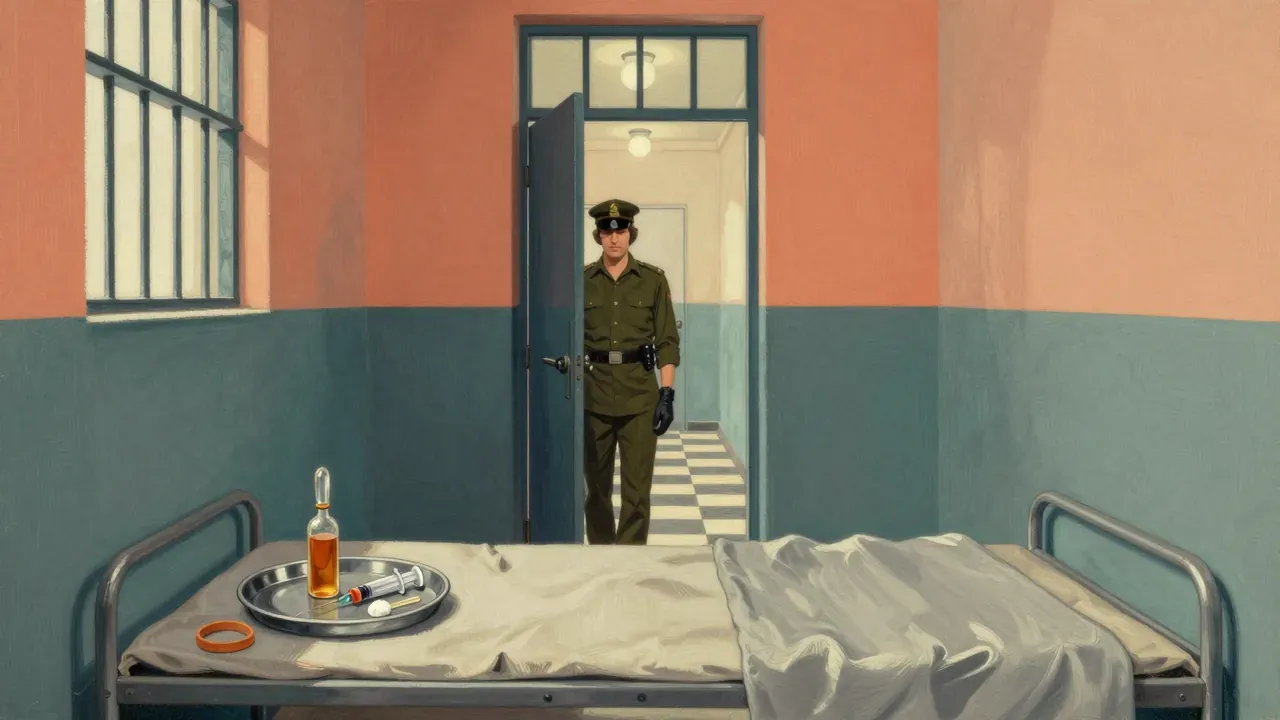
Costa-Gavras’s 1970 film The Confession adapts Artur London’s memoir of imprisonment and coerced confession during the 1952 Slánský trial in Prague. Starring Yves Montand and Simone Signoret, it traces the systematic dismantling of a loyal communist official—not through brutality, but through isolation, sleep deprivation, scripted rehearsals, and bureaucratic theatre. Shot in northern France with Raoul Coutard’s restrained cinematography and edited with deliberate duration, it avoids melodrama in favour of procedural realism. Though its final act falters in integration, and its density tests attention, it remains a rigorous, unsentimental study of how power hollows out personhood from within.

13:00

The Game

David Fincher · 1997

David Fincher’s 1997 neo-noir stars Michael Douglas as Nicholas Van Orton, a wealthy San Francisco banker whose life unravels after accepting a mysterious birthday gift: participation in a game run by Consumer Recreation Services. As reality blurs and surveillance becomes ambient, the film sustains psychological pressure through precise craft — Haris Savides’s cinematography, Howard Shore’s score, and James Haygood’s withholding edits — rather than plot mechanics. Its power lies in sustained ambiguity, its limitation in the late pivot toward explanation. It is a study in control lost, not regained.

13:00

The Model Couple

William Klein · 1977

William Klein’s 1977 film follows a 'model couple' subjected to relentless observation in a state-run experiment designed to engineer future society. With deadpan performances, sterile cinematography, and a score that veers between lounge jazz and electronic unease, it satirises surveillance capitalism, bureaucratic theatre, and media-driven reality before those terms existed — not through prophecy, but through forensic mimicry of their logic.

13:00

World on a Wire

Rainer Werner Fassbinder · 1973

Rainer Werner Fassbinder’s 1973 two-part television serial adapts Daniel F. Galouye’s Simulacron-3 as a cool, methodical inquiry into perception, memory, and institutional control. Set in a near-future West Germany indistinguishable from the present, it follows cyberneticist Fred Stiller as he uncovers layers of simulation — not as spectacle, but as bureaucratic fact. Shot on 16mm by Michael Ballhaus, scored sparsely by Gottfried Hüngsberg, and performed with deliberate restraint, it sustains a quiet, recursive unease across 210 minutes. Its power lies in accumulation, not climax: names disappear, people vanish, logic folds — all without fanfare.


games.briefs Games

All 4 in games →
9:45

Tom Clancy's Splinter Cell (video game)

Ubisoft Montreal · 2002

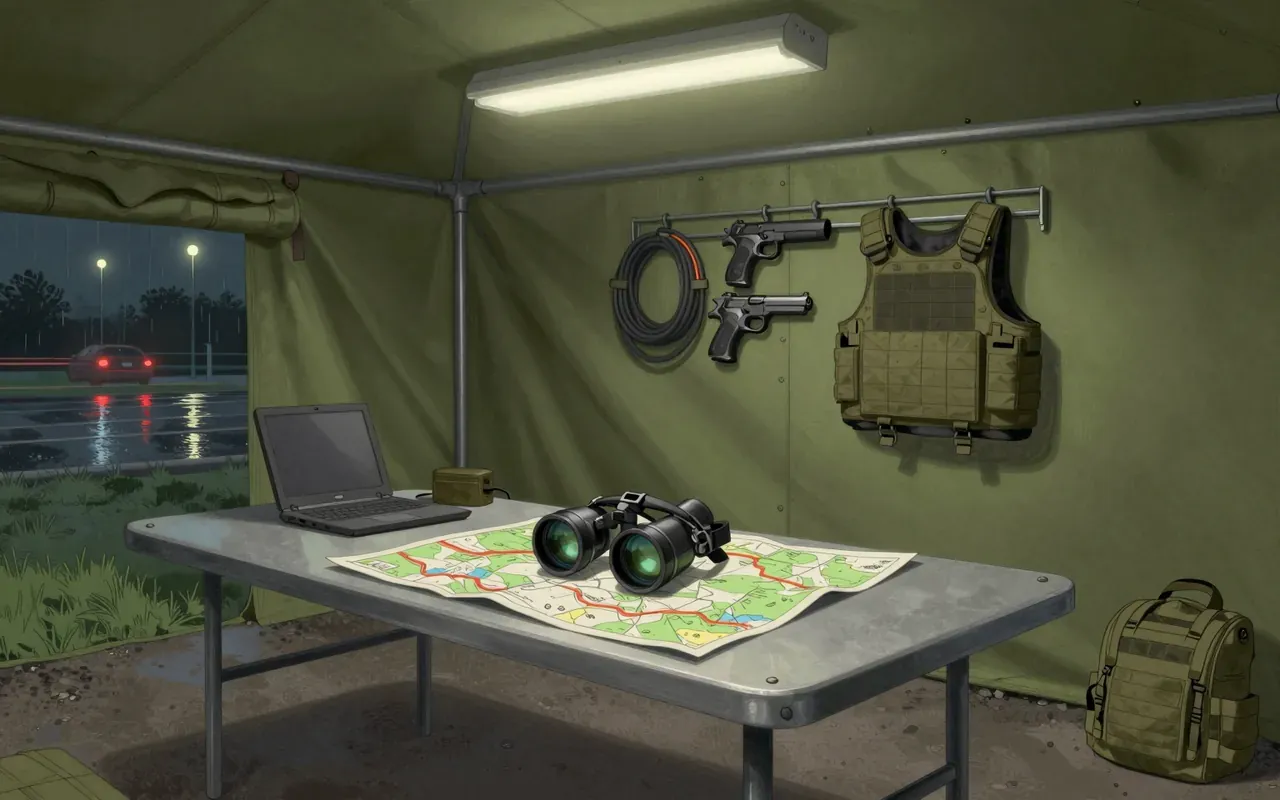
Tom Clancy's Splinter Cell (2002) is a stealth action-adventure developed by Ubisoft Montreal, built from assets of the cancelled third-person shooter The Drift. It establishes light as a core gameplay stat via a persistent light meter, forces players into shadows, limits ammunition, and ties all vision modes—including night and thermal—to that same visibility logic. It was Ubisoft Montreal’s breakout title and a direct competitive response to Metal Gear Solid.

9:59

Tom Clancy's Splinter Cell: Blacklist

Ubisoft Toronto · 2013

Tom Clancy's Splinter Cell: Blacklist is a 2013 action-adventure stealth game developed by Ubisoft Toronto — its debut project. It gives players three clear paths: silent infiltration, aggressive stealth, or direct combat — each supported by tools like the Tri-Rotor drone, light destruction, corpse hiding, and sensor goggles. It runs in third-person. Players rotate the camera, crouch, run, and scale ledges. Killing alerts enemies who see corpses — so hiding bodies is essential. The game’s strength is its tight, readable cause-and-effect loop. Its weakness is the separation of its systems: stealth, action, and progression never fully converge.

9:23

DayZ (video game)

Bohemia Interactive · 2013

DayZ is a multiplayer online survival game set in fictional plague-ravaged countries where players scavenge, manage health, evade infected, and negotiate threat from other players in a persistent world.

9:53

Resident Evil 2

Capcom · 1998

Resident Evil 2 is a third-person survival horror game released by Capcom in 1998. It is the second entry in the Resident Evil series, which launched in 1996. Players control either Leon S. Kennedy or Claire Redfield as they attempt to escape Raccoon City during a zombie outbreak caused by a biological weapon. Gameplay revolves around exploration, puzzle-solving, and combat under strict resource constraints—including limited ammunition and tight inventory space. Tank controls govern movement independently of camera angle. Health is communicated visually through character posture and gait rather than numerical indicators. The Zapping System links the two protagonists’ scenarios, creating four distinct playthroughs. Safe rooms serve as the only locations for saving and item storage.

technology.briefs Technology

All 4 in technology →
9:56

Satellite imagery

Satellite imagery is not about seeing more—it’s about measuring the same thing, repeatedly, from beyond reach.
10:34

Smartwatch

It is not a watch. It is a tethered peripheral that trades battery life, privacy, and physiological accuracy for convenience.
9:07

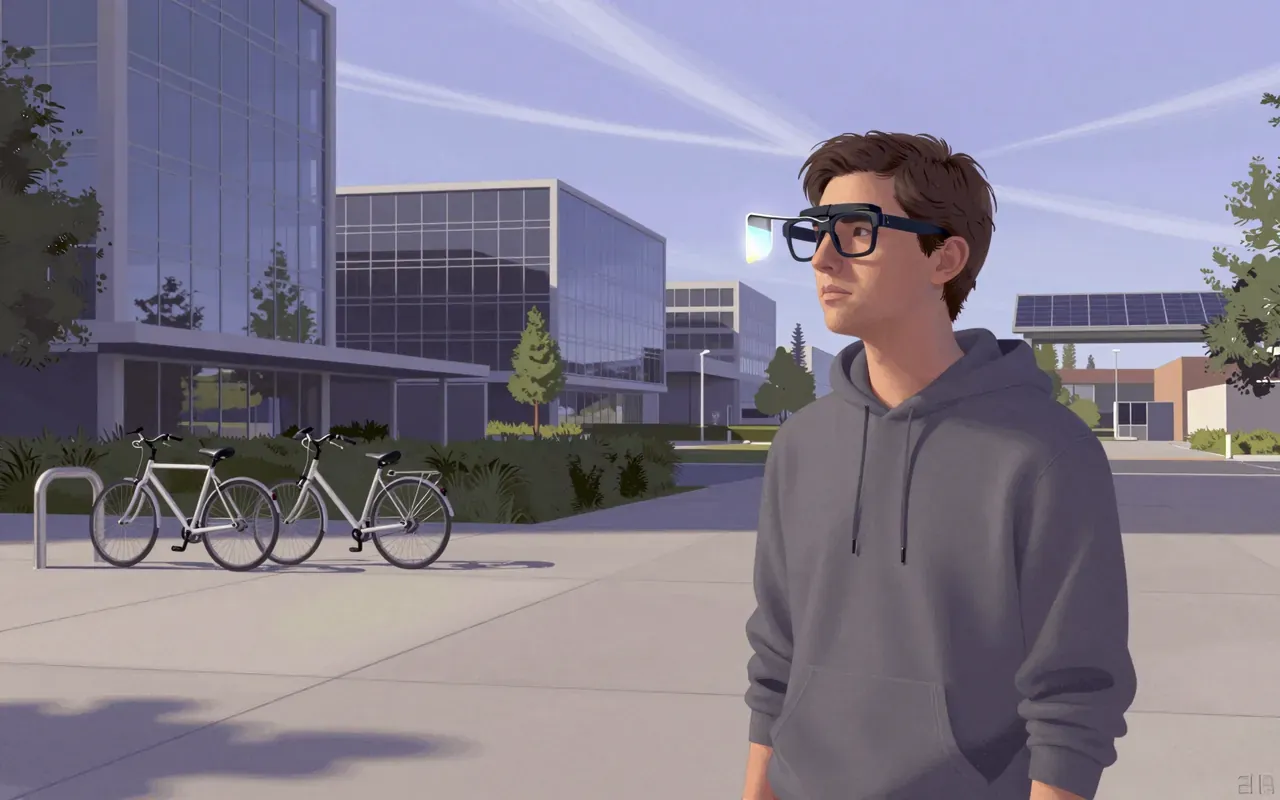
Google Glass

Ubiquitous computing failed because people refused to be constantly watched—even by themselves.