briefs
Topic · across the network

Class

Rank, money and manners, and who is permitted to move between them.

485
briefs
8
subjects
12:22
average
5998 min
in total
Abstraction 407Absurdism 137Acoustics 220Acting 65Adaptation 372Addiction 95Adolescence 202Advertising 77Age of exploration 14Ageing 113Agriculture 100Algorithms 114Ambition 46Anarchism 38Ancient Egypt 17Ancient Greece 38Ancient Rome 30Animals 172Anthropology 23Apartheid 12Architecture 165Archives 32Argentina 10Art Deco 26Artificial intelligence 78Astronomy 81Attention 42Australia 32Automation 73Avant-garde 164Aviation 79Banking 72Banned works 40Bauhaus 12Beer 5Behavioural economics 22Berlin 16Big tech 6Biodiversity 136Biography 86Birds 41Black holes 20Blockchain 12Boxing 14Branding 77Brazil 43Bread 29Britain 131Brutalism 4Bubbles 3Buddhism 28Byzantium 10California 17Canada 18Capitalism 94Cars 468Celebrity 59Censorship 110Cheese 24Chefs 9Chemistry 104Chess 2Childhood 87China 109Chocolate 8Christianity 49Cinematography 343Cities 90Class 485Climate change 107Club culture 100Cocktails 2Coffee 11Cognitive bias 14Collecting 16Colonialism 284Colour 42Comedy 89Community 52Complexity 21Computing 309Consciousness 16Conservatism 14Conspiracy theories 8Cooking 178Corruption 38Cosmology 31Cover versions 64Craft 116Crate digging 42Creativity 8Crime 234Cryptocurrency 8Cryptography 24Cuba 10Cybersecurity 30Dada 12Debt 38Decision-making 28Decolonisation 46Deep time 80Democracy 45Denim 16Deserts 45Detroit 17Dinosaurs 12Directing 168Disasters 59Disease 109DJ culture 89Dreams 32Drones 5Drum machines 96Dystopia 69East Africa 28Ecology 337Economics 36Editing 72Education 92Egypt 12Electric vehicles 59Emotion 22Empire 92Endurance 49Energy 120Engineering 541Entropy 8Epidemics 13Equality 9Espionage 31Ethics 44Evolution 174Existentialism 106Expertise 2Exploration 49Extinction 23Failure 37Family 240Fandom 22Fascism 45Fashion 215Fast fashion 12Fear 34Feminism 122Fermentation 126Film music 81Fishing 12Folklore 71Food history 588Football 16Forests 31Forgery 7France 163Fraud 15Free will 13Freedom 16French literature 15Friendship 24Furniture 36Gambling 14Gender 63Generations 28Genetics 87Geology 96Germany 66Globalisation 74Gothic 32Greece 5Grief 126Habits 6Happiness 2Hardware 709Haute couture 22Headphones 8Hi-fi 12Hinduism 12Hoaxes 1Human history 23Human nature 41Identity 138Illustration 8Impressionism 6Improvisation 249India 89Indonesia 15Industrial design 342Inequality 13Inflation 4Information 34Infrastructure 280Insects 29Intelligence 8Interiors 31Internet culture 88Invention 329Iran 41Islam 40Islands 17Israel 9Italy 52Jamaica 10Japan 114Jewellery 5Journalism 34Judaism 13Justice 42Korea 41Language 70Law 90Leadership 20Learning 6Liberalism 1Libraries 6Literary criticism 26London 12Loneliness 61Los Angeles 62Lost works 9Love 67Luxury 55Machine learning 15Management 10Maps 5Marketing 21Markets 51Mars 6Marxism 26Masculinity 46Materials 138Mathematics 79Meaning 6Medicine 124Memory 82Mental health 70Mesopotamia 4Mexico 38Migration 95Minimalism 68Mining 30Misinformation 9Modernism 63Money 24Monopoly 32Mortality 61Motivation 2Mountains 16Museums 27Mysticism 11Mythology 60Nationalism 40Neuroscience 23New York 36Nigeria 7Nihilism 10Noise 31Nostalgia 33Nuclear 29Nutrition 17Oceans 48Oil 42Open source 45Painting 18Palaeontology 29Parenting 14Paris 18Partition 6Patents 71Patronage 14Perception 44Personal style 27Personality 2Persuasion 8Peru 10Philosophy 77Photography 37Physics 206Plants 26Platforms 89Podcasting 1Poetry 25Poland 17Policing 34Pop Art 16Populism 2Portraiture 6Portugal 18Postmodernism 23Power 91Prehistory 24Preservation 28Printmaking 21Privacy 11Probability 6Productivity 1Programming 54Prohibition 1Propaganda 35Protest 75Pseudoscience 17Psychology 80Publishing 22Punishment 16Quantum mechanics 44Race 145Radio 30Railways 35Rave 17Realism 47Record labels 19Recording 810Relativity 23Religion 154Resilience 15Restaurants 30Restoration 2Retail 94Revolution 58Risk 18Ritual 96Robotics 26Romance 96Russia 58Salt 9Sampling 246Satire 84Scandinavia 28Scientific method 186Screenwriting 26Sculpture 7Secularism 2Self-deception 14Semiconductors 73Sexuality 102Ships 18Silence 24Silicon Valley 17Slavery 35Sleep 2Smartphones 27Sneakers 15Social media 58Socialism 9Software 68Songwriting 180Sound design 332Sound systems 20South Africa 19South East Asia 30Space exploration 84Spain 18Special effects 41Spices 62Spirits 12Sport 82Startups 21Statistics 10Status 9Stoicism 4Storytelling 68Strategy 70Street food 99Streetwear 16Studio craft 508Subcultures 59Sugar 12Supply chains 115Surrealism 53Surveillance 21Sustainability 30Synthesis 232Tailoring 37Taxation 14Tea 24Textiles 97Thailand 11The American Revolution 19The American South 88The Arab world 41The Arctic 19The Balkans 17The Belle Epoque 13The body 29The brain 26The Caribbean 28The civil rights movement 62The Cold War 160The eighties 268The Enlightenment 29The financial crisis 19The First World War 39The food industry 157The French Revolution 9The Gilded Age 9The Great Depression 18The Holocaust 20The Industrial Revolution 93The internet 61The interwar years 135The Middle Ages 35The Moon 4The music business 169The Netherlands 10The nineties 26The Olympics 10The pandemic 13The Reformation 1The Renaissance 16The Russian Revolution 19The Second World War 102The seventies 58The sixties 28The space race 5The United States 19The universe 7The Victorian era 37Therapy 20Tokyo 11Trade 48Tragedy 22Translation 5Trauma 85Travel 5True crime 2Turkey 18Typography 54Uniforms 23Unions 8Urban planning 66Utilitarianism 1Utopia 5Vaccines 10Vegetarianism 15Venture capital 6Video games 291Vietnam 12Vintage 65Vinyl 6Virtual reality 11War 169Watches 4Water 11Weather 29West Africa 29Wilderness 10Wine 3Work 22Workwear 19Worldbuilding 121

books.briefs Books

All 19 in books →
13:42

Barren Ground

Ellen Anderson Gholson Glasgow · 1925

Barren Ground rejects romantic redemption. It follows Dorinda Oakley from betrayed youth to stoic middle age, arguing that endurance—not love—is the land’s only reward. The book’s power lies in its refusal of catharsis: Jason’s ruin is physical erasure, not tragedy; Dorinda’s grief is for love she never had, not love she lost.
12:46

Bleak House

Charles Dickens · 0

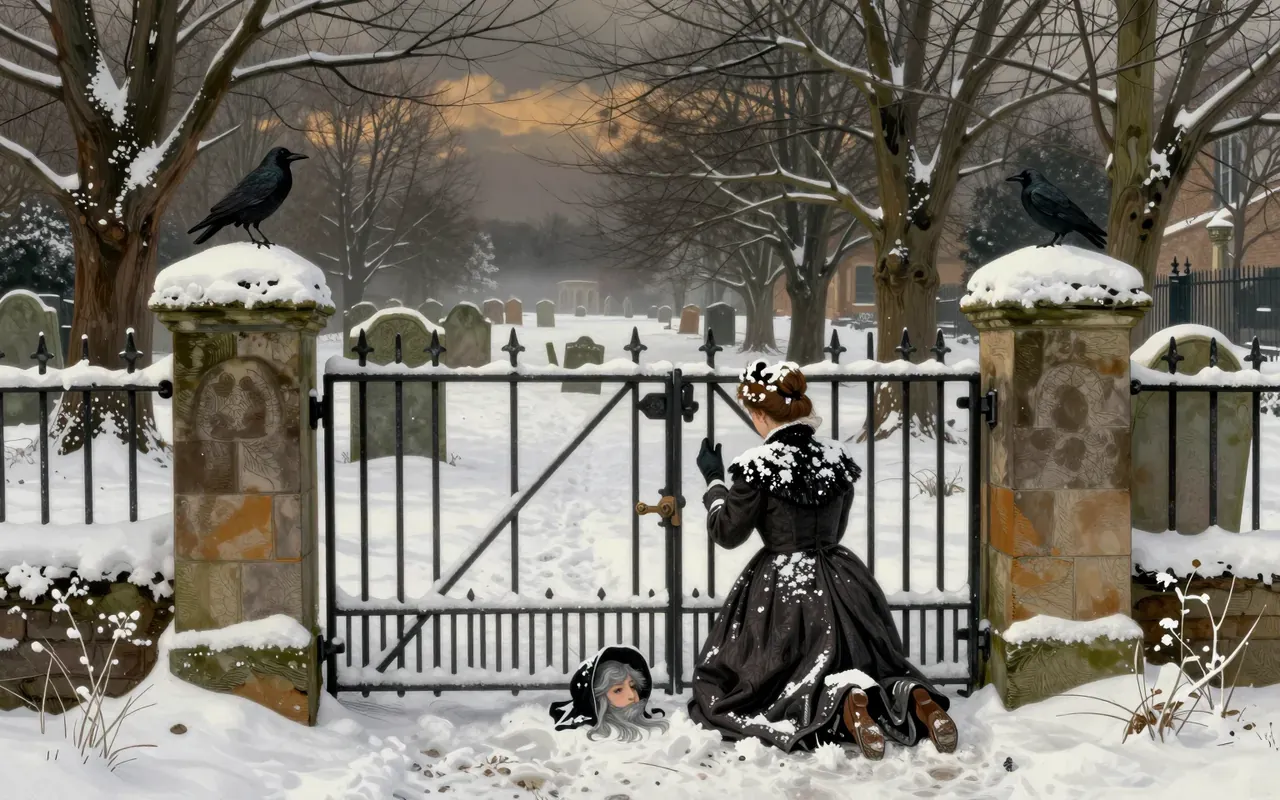
Bleak House is a forensic satire of the Court of Chancery, using the decades-long Jarndyce suit to show how bureaucracy consumes lives. Esther Summerson’s narration grounds its moral force, while Lady Dedlock’s death in snow delivers its final indictment. Skip the preface and the Krook estate subplot—they weaken the argument.
13:54

The Communist Manifesto

Karl Marx · 0

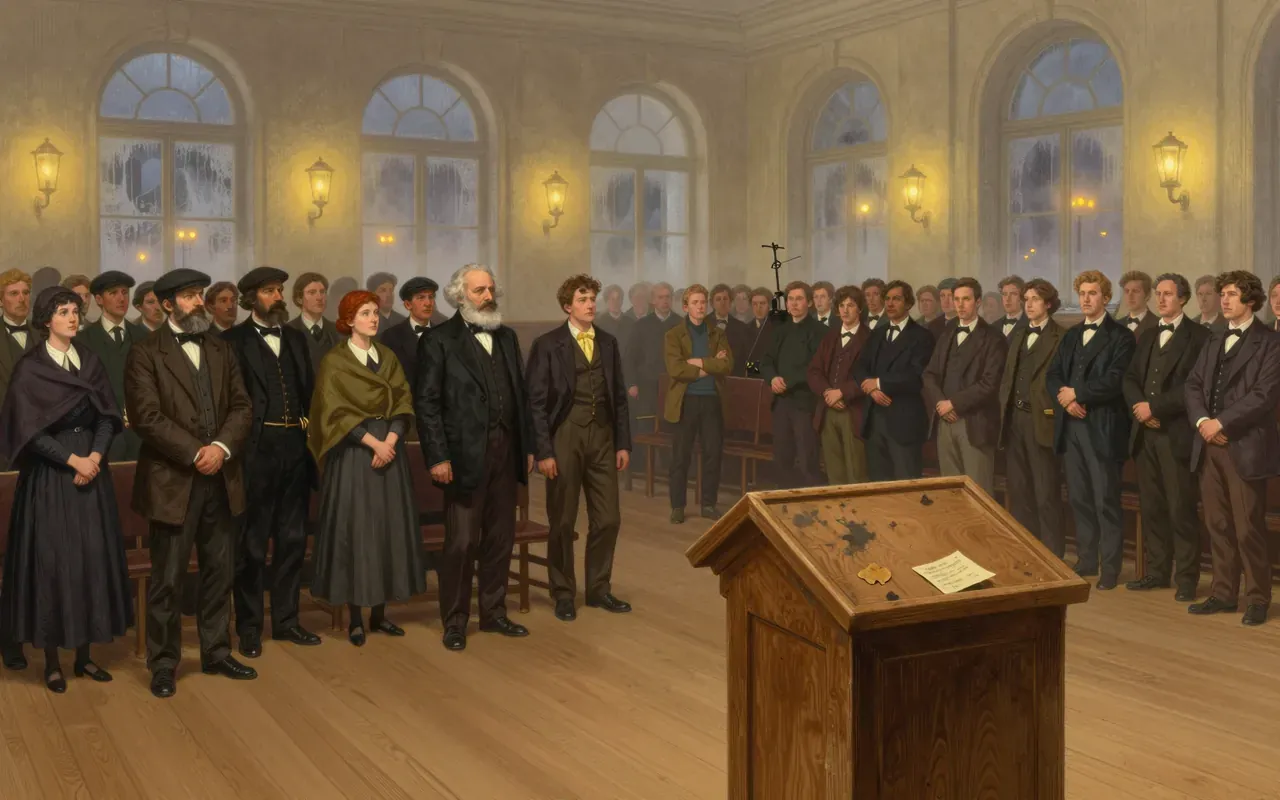
The brief argues the Manifesto is a tactical pamphlet, not a prophecy. It extracts its structural logic: class struggle as history, the bourgeoisie’s self-undermining motion, and why Communists must name—not obscure—their antagonism with capital. It tells you which critiques hold up and which to skip.

13:57

Emma

Jane Austen · 1815

Emma is a precise anatomy of self-deception. It argues that moral growth begins not with grand gestures but with the humiliation of being wrong in front of someone who sees you clearly. The brief isolates the Box Hill reckoning, the Elton misreading, and Emma’s final acceptance of Robert Martin’s worth as the novel’s true turning points.

15:26

Far from the Madding Crowd

Thomas Hardy · 0

The novel argues that love and sanity are tested not by feeling but by labour, weather and time. It works best in the storm sequence and the final wedding—but collapses under the weight of Boldwood’s unexamined obsession. Read it for its material realism, not its psychology.

14:47

The Fortunes and Misfortunes of the Famous Moll Flanders

Daniel Defoe · 1731

Moll Flanders argues that vanity, not poverty, is the root of moral failure — and that redemption requires sorrow for harm done, not just fear of punishment. Its power lies in Moll’s voice: precise, self-deceiving, and relentlessly consequential. Read Parts 1, 2 and 4. Skip the procedural thievery of Part 3.

14:09

Great Expectations

Charles Dickens · 1861

Great Expectations argues that class shame is internalised before it is acted upon—and that true worth is measured in loyalty, not lineage. The brief isolates Joe’s moral centrality, Jaggers’s ritualised power, and Magwitch’s redemptive love. It tells you which chapters reveal Dickens’s design and which dilute it.

14:09

Ivanhoe

Walter Scott · 0

Ivanhoe argues chivalry is theatrical cover for Norman tyranny—and that Rebecca’s trial exposes how religion brands Jewish faith as sorcery. It works best in its contrasts: outlaw justice vs Templar fanaticism, Saxon speech vs Norman meat-names. Skip the tournament padding and Athelstane’s farcical resurrection.

music.briefs Music

All 19 in music →
9:55

Pure Heroine

Lorde · 2013

Pure Heroine is a tightly controlled, ten-track electropop record made in under a year at Golden Age Studios in Auckland. It uses deep bass, programmed beats, and Lorde’s voice as its only melodic and rhythmic anchors. Its themes—suburban teenage disillusionment, consumer culture, social status—are delivered without resolution or ornament. It landed four singles, won the 2014 Taite Music Prize, and helped define ‘whisperpop’ as a production ethos. It is not experimental in form, nor indulgent in texture—it is precise, economical, and unsentimental.

9:24

All Mod Cons

The Jam · 1978

All Mod Cons is a re-recorded crisis album that treats the UK as a series of locked rooms — and makes every key turn with purpose.

9:14

channel ORANGE

Frank Ocean · 2012

Channel Orange is Frank Ocean’s 2012 debut studio album, written in two weeks with producer Malay and recorded at EastWest Studios in Hollywood. It abandons sampling in favour of live instrumentation — keyboards, guitars, layered vocals, ambient noise and film dialogue — and draws on soul, funk, jazz and electronic music. Its songs tell specific stories about unrequited love, class, drugs and identity, anchored by precise sonic choices: falsetto, room tone, abrupt silences, and unconventional structures. It won Best Urban Contemporary Album at the 55th Grammys and was named best album of 2012 in HMV’s Poll of Polls.

10:00

Definitely Maybe

Oasis · 1994

Definitely Maybe is a foundational Britpop record whose sonic identity comes from deliberate studio choices—not performance revision. Its power lies in compression, tape delay, bass filtering, and selective guitar layering. It was made across three studios, with Owen Morris finalising the mix on a Neve console in London. It features all five original members, with Tony McCarroll on drums—the only Oasis album to do so. It rejects grunge’s nihilism, favouring anthemic melodies and unpolished charisma. Its abrasion is intentional, its urgency palpable.

10:50

Different Class

Pulp · 1995

Different Class is Pulp’s fifth studio album, released in 1995. Its title came from a phrase Jarvis Cocker heard at Smashing, a club night in Eve’s Club on Regent Street in London. The sleeve design was by Blue Source and featured six double-sided inserts in initial pressings—cardboard cutouts of the band in staged scenarios. The cover photograph was taken at Dom O’Connor’s self-organized wedding, facilitated through a photographer who had previously worked with Blur and Elastica. The album’s back cover reads: 'We don't want no trouble, we just want the right to be different. That's all.'

9:38

Face to Face

The Kinks · 1966

Face to Face is The Kinks’ fourth studio album, released on 28 October 1966. It marks a stylistic departure from beat music toward baroque pop and music hall. It is their first album of entirely original material and has been regarded as one of rock’s earliest concept albums — unified by Ray Davies’ observational and satirical songwriting about English culture, class, and the music industry. Recording occurred after Davies’ nervous breakdown and amid personnel instability. Nicky Hopkins contributed piano and harpsichord. The album reached

10:38

Good Old Boys

Randy Newman · 1974

Good Old Boys is a piano-led, lyric-first concept album about the American South, built from irony, historical reference, and vocal ambiguity—not sonic spectacle. It trades resolution for resonance, and clarity for complicity.

9:18

John Lennon/Plastic Ono Band

John Lennon · 1970

John Lennon/Plastic Ono Band is a 1970 solo debut shaped by primal therapy. Recorded at Abbey Road Studios in September–October 1970 with Ringo Starr, Klaus Voormann, and co-producers John Lennon, Yoko Ono, and Phil Spector. Its lyrics confront childhood trauma and psychological suffering. Its sound is raw and minimalist—guitar, bass, drums, voice—recorded live with no overdubs or effects. It features 'Mother', 'Working Class Hero', and 'God'. It was critically acclaimed but commercially limited by its starkness and confrontational content. It established the template for emotionally unfiltered rock autobiography.

film.briefs Film

All 372 in film →
13:00

3:10 to Yuma

Delmer Daves · 1957

Delmer Daves’ 1957 Western 3:10 to Yuma adapts Elmore Leonard’s taut short story into a study of obligation under pressure. Rancher Dan Evans agrees to escort outlaw Ben Wade to the 3:10 train for Yuma, facing ambush, betrayal, and his own wavering resolve. Shot by Charles Lawton Jr. with sun-bleached realism and scored sparingly by George Duning, the film builds suspense through pacing, performance, and moral granularity — not spectacle. It was preserved by the Library of Congress in 2012 for its cultural and aesthetic significance.

13:00

A Generation

Andrzej Wajda · 1955

Andrzej Wajda’s 1955 debut A Generation follows two young men in Nazi-occupied Warsaw as they move from alienation to resistance within a communist underground cell. Shot on location in Wola with natural light and unvarnished performances, it grounds political commitment in workshop routines, shared silences, and the physical texture of daily survival. Though ideologically specific and formally austere, its power lies in its restraint — in what it shows, not what it tells.

13:00

À Nous la Liberté

René Clair · 1931

René Clair’s 1931 À Nous la Liberté follows two convicts — one who becomes a tramp, the other a phonograph magnate — and their reunion in a factory whose assembly line echoes the prison they fled. With Georges Auric’s music supplying much of the diegetic sound, and Georges Périnal’s cinematography framing both institutions as variations on the same geometry, the film stages a precise, unsentimental satire of mechanisation, class and the illusion of upward mobility. It is formally inventive, politically light-footed, and built on recurrence rather than revelation.

13:00

À propos de Nice

Jean Vigo · 1930

Jean Vigo’s 1930 debut À propos de Nice is a 25-minute silent documentary shot in Nice by Boris Kaufman and edited by Vigo. It juxtaposes images of bourgeois leisure — casinos, promenades, motor races — with scenes of working-class life — laundry, street play, factory labour — to expose social fracture without commentary. Structured as a visual essay, it avoids travelogue conventions and relies on rhythmic editing, low-angle framing, and stark contrasts to make its case. Though abstracted and deliberately unspecific, its formal rigour and polemical clarity remain potent.

13:00

A Room in Town

Jacques Demy · 1982

Jacques Demy’s 1982 sung-through musical, set during the 1955 Nantes shipyard strike, follows a young striker torn between two women as political tension escalates. Every line is sung to Michel Colombier’s austere score; Jean Penzer’s cinematography is precise and unflashy. Though less buoyant than The Umbrellas of Cherbourg, it pursues a graver, more politically explicit vision of musical storytelling — one where melody carries ideology, and tragedy arrives in perfect time.

13:00

A Taste of Honey

Tony Richardson · 1961

Tony Richardson and Shelagh Delaney’s 1961 adaptation of her own play follows Jo, a teenage girl in Salford, as she navigates abandonment, pregnancy, and makeshift kinship amid post-war austerity. Shot on location in Manchester and Blackpool, with Walter Lassally’s naturalistic cinematography and Rita Tushingham’s breakthrough performance, it is a cornerstone of British kitchen-sink realism — unsentimental, formally restrained, and politically precise in its depiction of class, race, and sexuality.

13:00

A Woman's Face

Gustaf Molander · 1938

A disfigured Swedish woman, Anna Holm, joins a blackmail ring out of social exile. After a botched break-in, she is taken in by a plastic surgeon who repairs her face — not to make her beautiful, but to restore her ability to move unseen in the world. As she assumes a new identity to infiltrate a wealthy family, she begins to protect the very child she was meant to kill. Gustaf Molander’s 1938 drama traces moral change not through epiphany but through repeated, quiet choices — about care, labour, and who gets to belong.

13:00

Accattone

Pier Paolo Pasolini · 1961

Pasolini’s 1961 debut follows Accattone, a Roman pimp adrift in the borgate, as he slides from exploitation to theft to death. Shot in stark black-and-white with non-professional actors and scored to Bach, it treats poverty not as condition to be solved but as reality to be held in view — unflinching, unexplained, and utterly devoid of sentiment.

history.briefs History

All 6 in history →
13:00

1906 San Francisco earthquake

18 April 1906

The earthquake that struck San Francisco at 5:12 on the morning of 18 April 1906 registered somewhere between magnitude 7.7 and 8.3 and ruptured close to three hundred miles of the San Andreas Fault, but most of the city's destruction came not from the shaking itself, which is estimated to account for as little as five to twenty percent of the damage, but from the fires that followed and destroyed some twenty-five thousand buildings. Early death tolls of a few hundred left out most of the dead in Chinatown, and San Francisco's Board of Supervisors did not formally acknowledge a toll above three thousand until 2005. The disaster also drove the geologist Andrew Lawson's foundational research connecting the earthquake directly to the fault he had already identified in 1895.

13:00

2010 Haiti earthquake

12 January 2010

The magnitude 7.0 earthquake that struck near Port-au-Prince on 12 January 2010 lasted under thirty seconds but killed somewhere between roughly 46,000 and 316,000 people, with estimates varying so widely between the Haitian government, USAID, and independent researchers that no single figure commands full agreement. Haiti's near-total absence of building codes, its position as the poorest country in the Western Hemisphere, and a long history of debt and foreign intervention left its buildings unable to withstand the shaking. The international response eventually raised roughly 3.5 billion dollars, yet five years on, more than half a million survivors were still living in temporary shelters without electricity, plumbing, or sewage.

13:00

Cherokee removal

1838–1839

Following the 1828 Georgia gold rush and the 1830 Indian Removal Act, a minority Cherokee faction signed the Treaty of New Echota in 1835, ceding tribal land against the wishes of the elected leadership and over sixteen thousand petitioning Cherokee. When voluntary emigration fell short, federal troops forcibly removed roughly fifteen thousand five hundred Cherokee people in 1838 and 1839, a journey historians estimate killed between two and six thousand people, figures that cannot be fixed precisely from the surviving records. Historians remain divided over whether the policy amounted to genocide, ethnic cleansing, or a catastrophic outcome of paternalistic but non-murderous intent.

13:00

July Revolution

26 July – 29 July 1830

Charles X's decrees dissolving parliament and gutting the press in July 1830 set off three days of Parisian street fighting that toppled him within a week, but the provisional government installed Louis Philippe of the House of Orleans as a constitutional citizen king rather than pursuing a republic. Historians still debate whether the fighting itself was a middle-class revolt that borrowed working-class muscle or a genuinely popular uprising whose result the bourgeoisie then claimed for itself.

13:00

Revolutions of 1848

1848–1849

A famine-driven economic crisis and a backlog of liberal, radical, and nationalist grievances broke out across more than fifty European states between January 1848 and October 1849, toppling governments in France, Austria, and Prussia within weeks. Almost all of it was rolled back within two years once the temporary alliances between workers, the middle class, and nationalists fractured and conservative armies regrouped, leaving historians to debate whether the episode was a genuine turning point or a rehearsal for the unifications and labour movements that followed decades later.

13:00

Samurai

8th century – 1868

The samurai emerged gradually from the eighth century as landowning mounted warriors serving powerful families, formalised as a distinct hereditary class after the Genpei War in the twelfth century, and transitioned during the long Tokugawa peace from active fighters into administrators before the Meiji government dismantled their legal privileges from 1868 onward. Much of the popular idea of bushido as an ancient, unified samurai code in fact took its familiar shape only in Nitobe Inazo's 1899 book, published after the class it claimed to describe no longer legally existed.

business.briefs Business

All 1 in business →
10:08

Mars family

A family that owns a candy company also owns the argument against taxing inherited wealth.

culture.briefs Culture

All 46 in culture →
7:31

The tuxedo

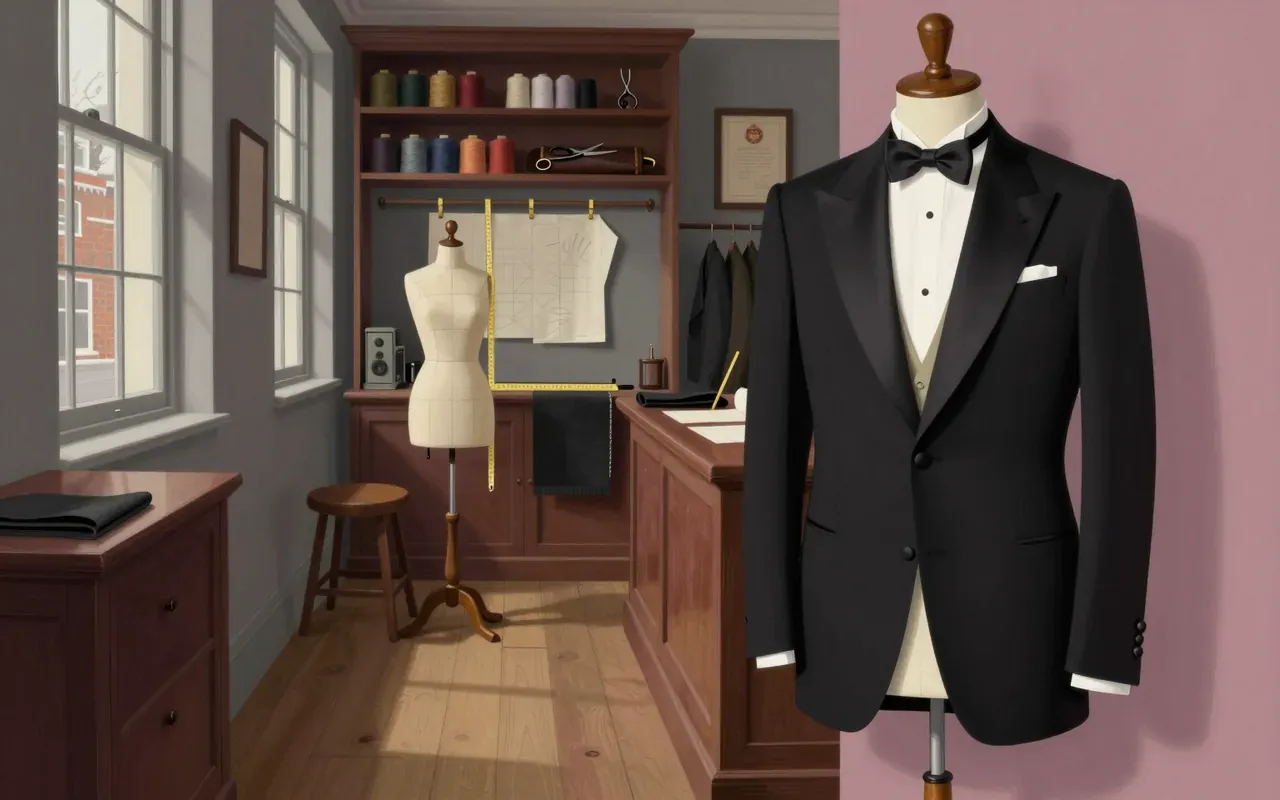
The tuxedo is the American name for the dinner suit worn at black-tie evening events, traced back to a jacket made for the Prince of Wales in 1865.
8:35

Dumpster diving

Salvaging from waste bins is neither rebellion nor rescue—it’s necessity with hazards baked in.
8:59

Grindhouse

Grindhouse wasn’t a genre—it was a pricing strategy dressed in blood and polyester.
10:47

Habitus (sociology)

Habitus explains why your accent, posture and instinctive likes are not personal choices — but class signatures.
9:18

Rocker (subculture)

Rocker culture wasn’t about bikes or music—it was about using speed and leather to draw a line no pub, dance hall or newspaper would cross.

food.briefs Food

All 8 in food →
10:50

Full breakfast

The full breakfast isn’t tradition—it’s a Victorian compromise that outlived its purpose.
1:19

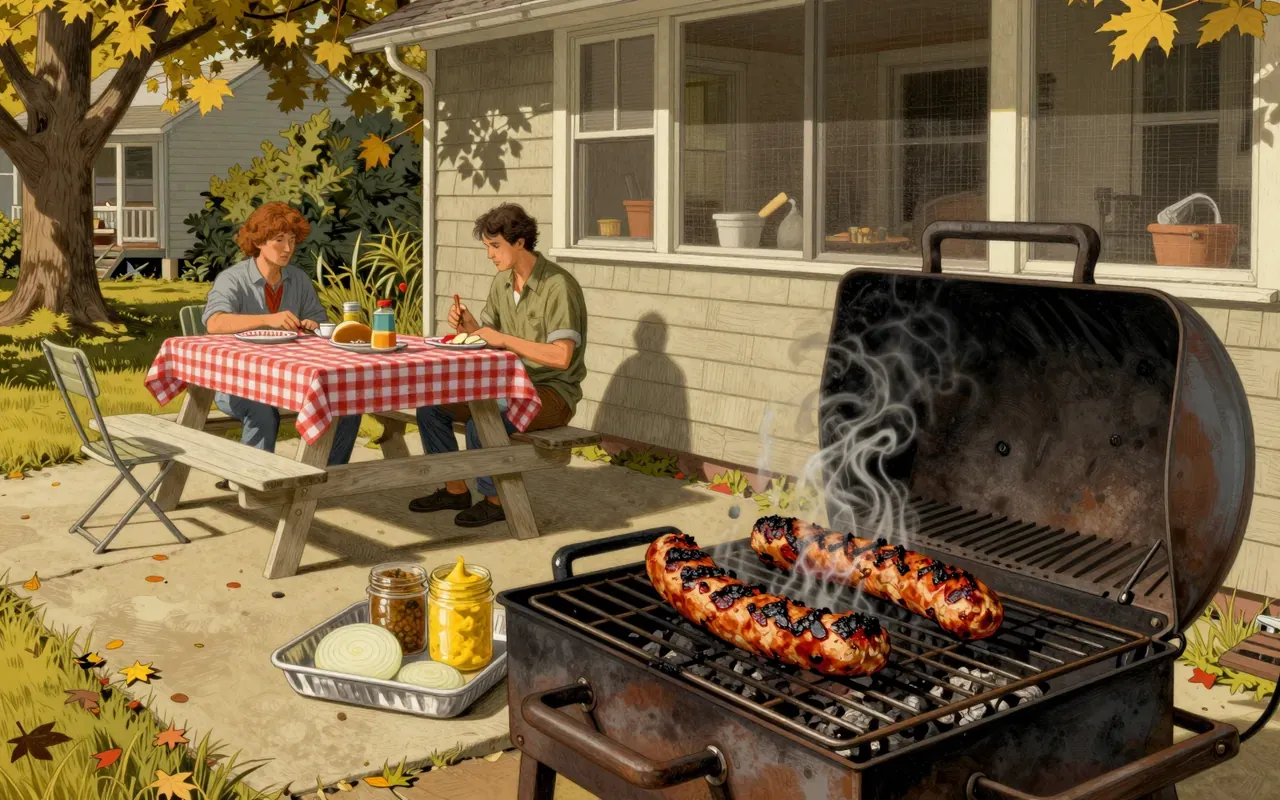
Hot dog

A grilled, steamed, or boiled sausage—typically a wiener or frankfurter—served in a slit bun.
1:12

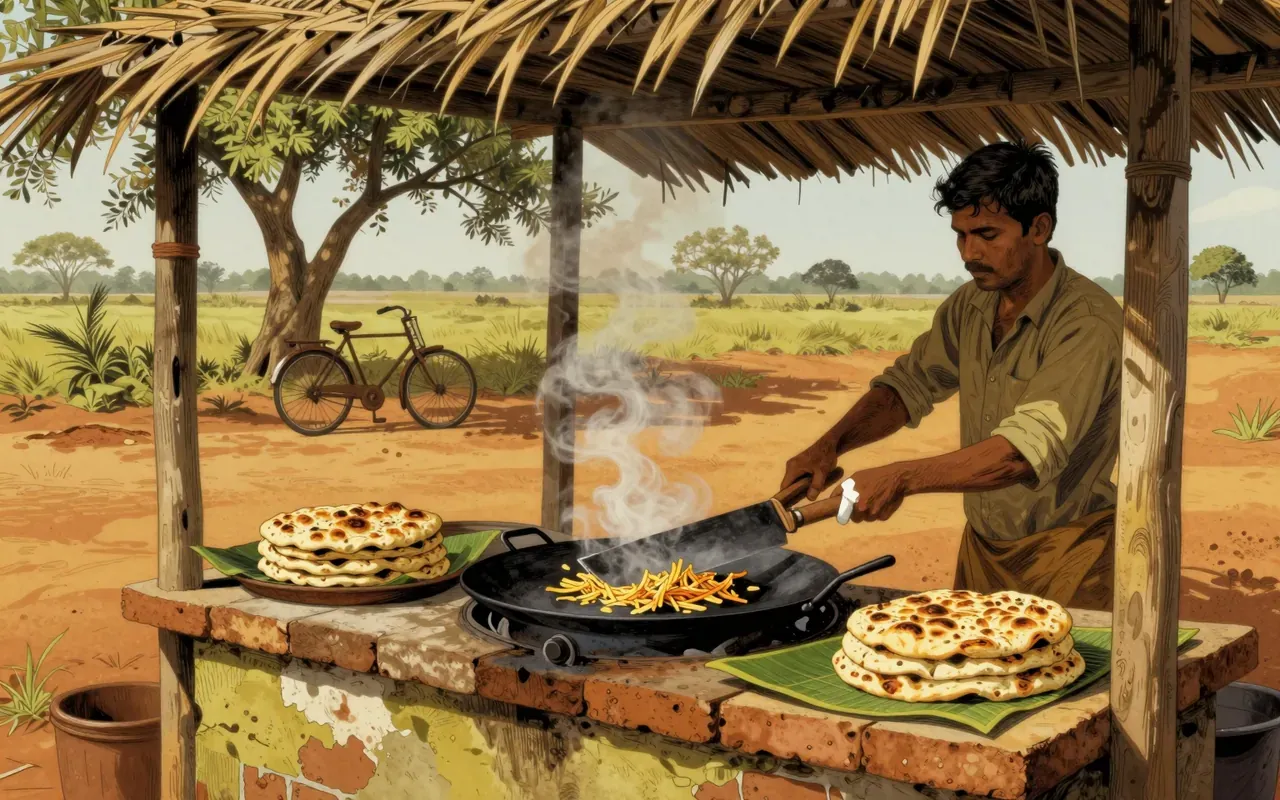
Kottu

A Sri Lankan street dish of chopped roti pounded with meat curry, egg, onions, and chilies.
1:08

Kushikatsu

Deep-fried skewered ingredients—meat, seafood, or vegetables—served with shared dipping sauce in Osaka’s Shinsekai district.
9:11

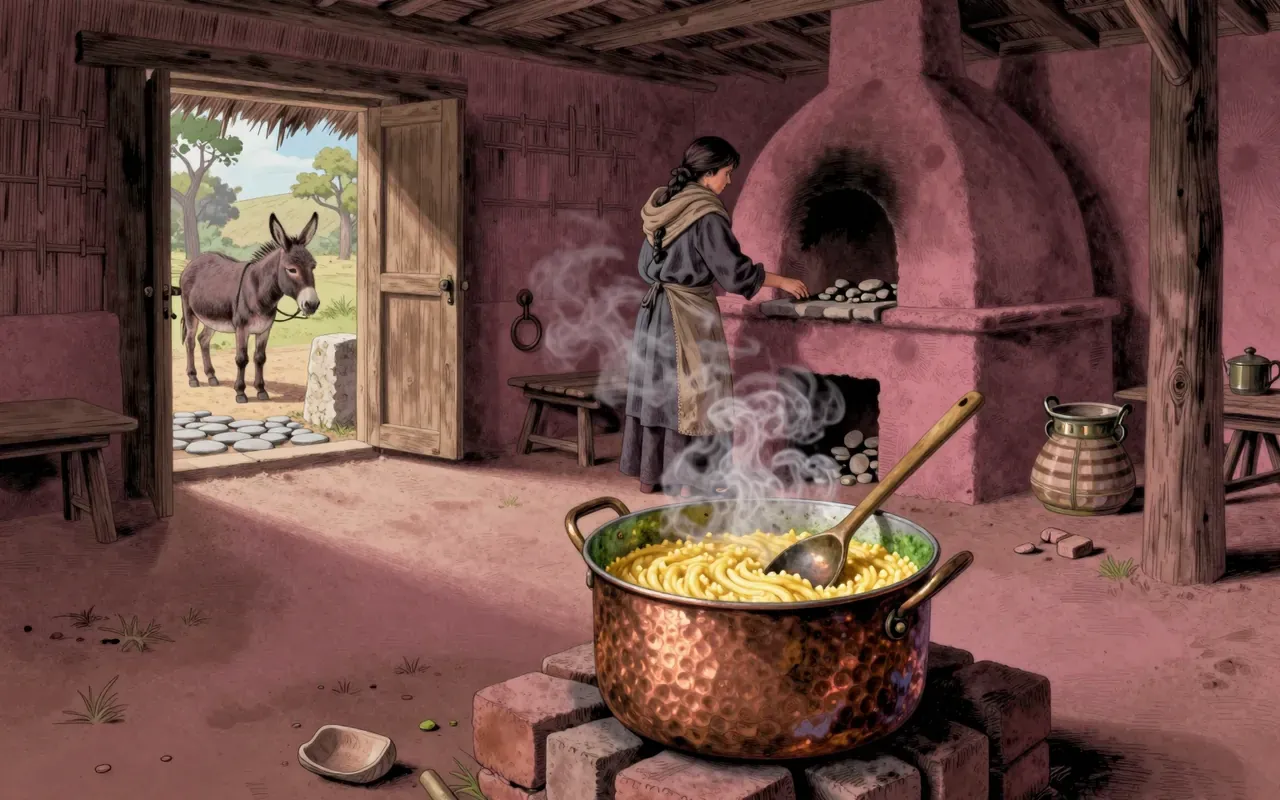
Polenta

Polenta is not Italian heritage—it’s maize replacing famine food, then migrating with the poor.
1:05

Yorkshire pudding

A baked batter pudding from Yorkshire, traditionally made with roast meat drippings, eggs, flour, and milk or water.
8:02

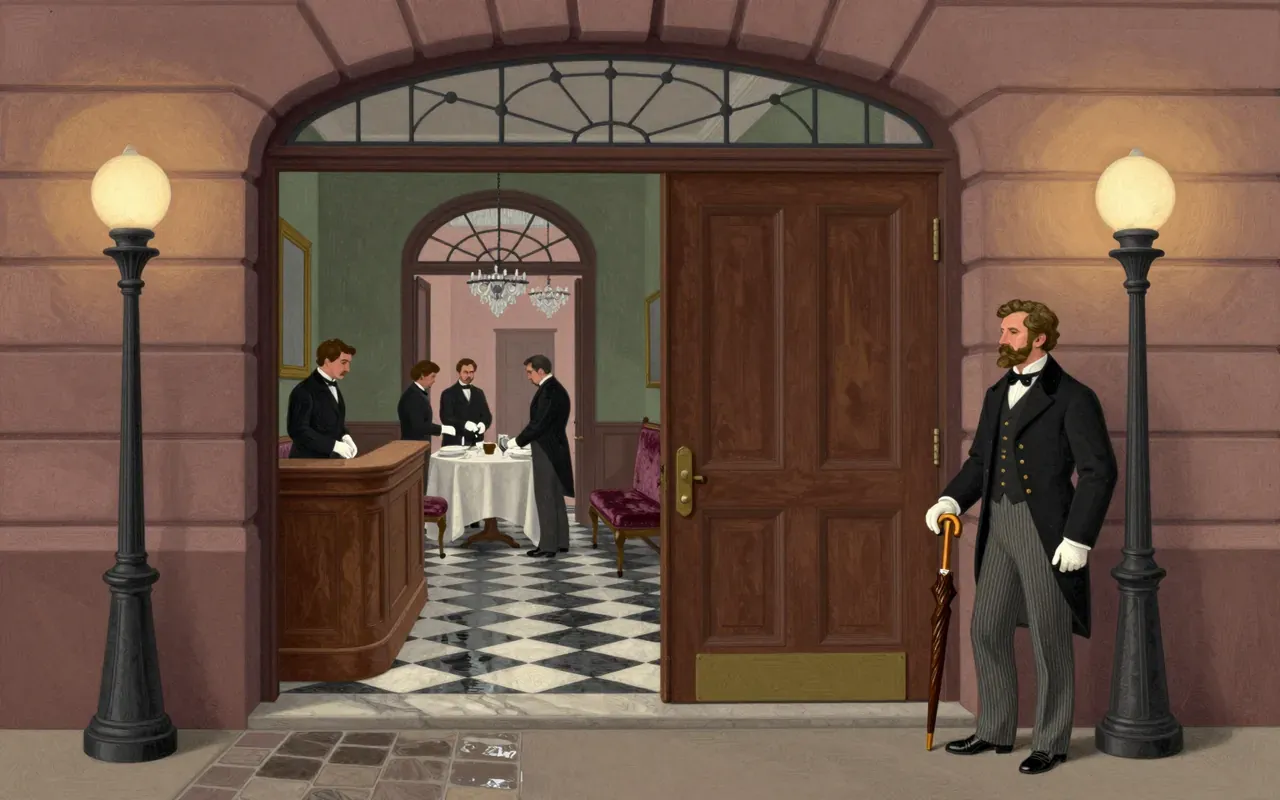
Fine dining

Fine dining isn’t about taste—it’s about who gets to sit at the table, and who polishes the silver.
8:44

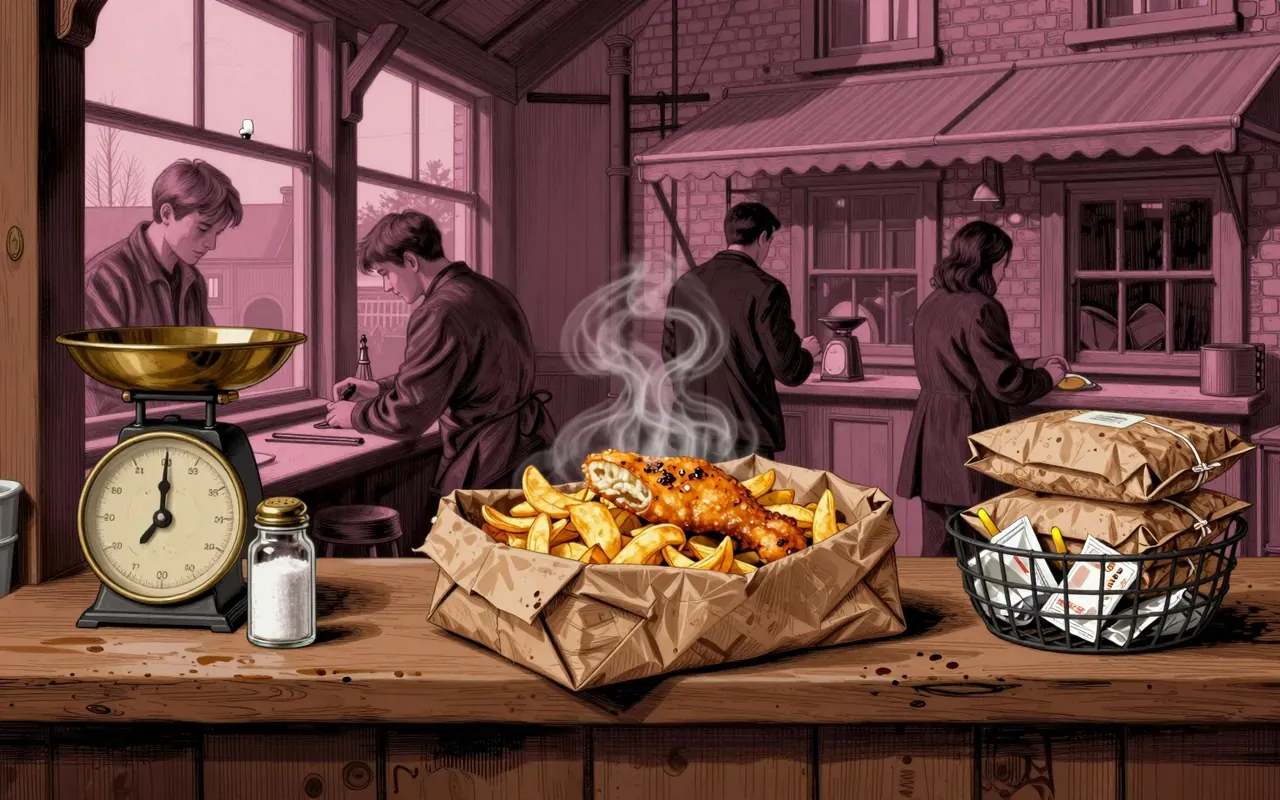
Fish and chips

Fish and chips wasn’t invented — it was assembled by railways, trawlers, and government non-rationing.

fashion.briefs Fashion

All 14 in fashion →
9:18

Ivy League (clothes)

Ivy League clothing was not rebellion—it was recalibration: sportswear stripped of sport, tailoring stripped of tension, class stripped of ceremony.
9:51

Preppy

Preppy isn’t style — it’s a class passport stamped at boarding school.
10:15

Sloane Ranger

A journalistic label masquerading as a wardrobe — and it never had a single stitch.
10:05

Hoop skirt

The first mass-class undergarment that traded comfort for silhouette — and won.
7:38

Little black dress

Black was not liberated—it was weaponised, and the LBD was its first mass-produced barrel.
8:41

Quiet luxury

Quiet luxury isn’t低调—it’s a status test with no instructions.
8:49

Bowler hat

A hat built to survive branches became a symbol of class—then a tool of colonial displacement.
8:22

Evening gown

The evening gown was never about beauty. It was a uniform for proximity to power.