briefs
Topic · across the network

Disasters

The event, and the decisions that made it possible.

59
briefs
8
subjects
12:12
average
720 min
in total
Abstraction 407Absurdism 137Acoustics 220Acting 65Adaptation 372Addiction 95Adolescence 202Advertising 77Age of exploration 14Ageing 113Agriculture 100Algorithms 114Ambition 46Anarchism 38Ancient Egypt 17Ancient Greece 38Ancient Rome 30Animals 172Anthropology 23Apartheid 12Architecture 165Archives 32Argentina 10Art Deco 26Artificial intelligence 78Astronomy 81Attention 42Australia 32Automation 73Avant-garde 164Aviation 79Banking 72Banned works 40Bauhaus 12Beer 5Behavioural economics 22Berlin 16Big tech 6Biodiversity 136Biography 86Birds 41Black holes 20Blockchain 12Boxing 14Branding 77Brazil 43Bread 29Britain 131Brutalism 4Bubbles 3Buddhism 28Byzantium 10California 17Canada 18Capitalism 94Cars 468Celebrity 59Censorship 110Cheese 24Chefs 9Chemistry 104Chess 2Childhood 87China 109Chocolate 8Christianity 49Cinematography 343Cities 90Class 485Climate change 107Club culture 100Cocktails 2Coffee 11Cognitive bias 14Collecting 16Colonialism 284Colour 42Comedy 89Community 52Complexity 21Computing 309Consciousness 16Conservatism 14Conspiracy theories 8Cooking 178Corruption 38Cosmology 31Cover versions 64Craft 116Crate digging 42Creativity 8Crime 234Cryptocurrency 8Cryptography 24Cuba 10Cybersecurity 30Dada 12Debt 38Decision-making 28Decolonisation 46Deep time 80Democracy 45Denim 16Deserts 45Detroit 17Dinosaurs 12Directing 168Disasters 59Disease 109DJ culture 89Dreams 32Drones 5Drum machines 96Dystopia 69East Africa 28Ecology 337Economics 36Editing 72Education 92Egypt 12Electric vehicles 59Emotion 22Empire 92Endurance 49Energy 120Engineering 541Entropy 8Epidemics 13Equality 9Espionage 31Ethics 44Evolution 174Existentialism 106Expertise 2Exploration 49Extinction 23Failure 37Family 240Fandom 22Fascism 45Fashion 215Fast fashion 12Fear 34Feminism 122Fermentation 126Film music 81Fishing 12Folklore 71Food history 588Football 16Forests 31Forgery 7France 163Fraud 15Free will 13Freedom 16French literature 15Friendship 24Furniture 36Gambling 14Gender 63Generations 28Genetics 87Geology 96Germany 66Globalisation 74Gothic 32Greece 5Grief 126Habits 6Happiness 2Hardware 709Haute couture 22Headphones 8Hi-fi 12Hinduism 12Hoaxes 1Human history 23Human nature 41Identity 138Illustration 8Impressionism 6Improvisation 249India 89Indonesia 15Industrial design 342Inequality 13Inflation 4Information 34Infrastructure 280Insects 29Intelligence 8Interiors 31Internet culture 88Invention 329Iran 41Islam 40Islands 17Israel 9Italy 52Jamaica 10Japan 114Jewellery 5Journalism 34Judaism 13Justice 42Korea 41Language 70Law 90Leadership 20Learning 6Liberalism 1Libraries 6Literary criticism 26London 12Loneliness 61Los Angeles 62Lost works 9Love 67Luxury 55Machine learning 15Management 10Maps 5Marketing 21Markets 51Mars 6Marxism 26Masculinity 46Materials 138Mathematics 79Meaning 6Medicine 124Memory 82Mental health 70Mesopotamia 4Mexico 38Migration 95Minimalism 68Mining 30Misinformation 9Modernism 63Money 24Monopoly 32Mortality 61Motivation 2Mountains 16Museums 27Mysticism 11Mythology 60Nationalism 40Neuroscience 23New York 36Nigeria 7Nihilism 10Noise 31Nostalgia 33Nuclear 29Nutrition 17Oceans 48Oil 42Open source 45Painting 18Palaeontology 29Parenting 14Paris 18Partition 6Patents 71Patronage 14Perception 44Personal style 27Personality 2Persuasion 8Peru 10Philosophy 77Photography 37Physics 206Plants 26Platforms 89Podcasting 1Poetry 25Poland 17Policing 34Pop Art 16Populism 2Portraiture 6Portugal 18Postmodernism 23Power 91Prehistory 24Preservation 28Printmaking 21Privacy 11Probability 6Productivity 1Programming 54Prohibition 1Propaganda 35Protest 75Pseudoscience 17Psychology 80Publishing 22Punishment 16Quantum mechanics 44Race 145Radio 30Railways 35Rave 17Realism 47Record labels 19Recording 810Relativity 23Religion 154Resilience 15Restaurants 30Restoration 2Retail 94Revolution 58Risk 18Ritual 96Robotics 26Romance 96Russia 58Salt 9Sampling 246Satire 84Scandinavia 28Scientific method 186Screenwriting 26Sculpture 7Secularism 2Self-deception 14Semiconductors 73Sexuality 102Ships 18Silence 24Silicon Valley 17Slavery 35Sleep 2Smartphones 27Sneakers 15Social media 58Socialism 9Software 68Songwriting 180Sound design 332Sound systems 20South Africa 19South East Asia 30Space exploration 84Spain 18Special effects 41Spices 62Spirits 12Sport 82Startups 21Statistics 10Status 9Stoicism 4Storytelling 68Strategy 70Street food 99Streetwear 16Studio craft 508Subcultures 59Sugar 12Supply chains 115Surrealism 53Surveillance 21Sustainability 30Synthesis 232Tailoring 37Taxation 14Tea 24Textiles 97Thailand 11The American Revolution 19The American South 88The Arab world 41The Arctic 19The Balkans 17The Belle Epoque 13The body 29The brain 26The Caribbean 28The civil rights movement 62The Cold War 160The eighties 268The Enlightenment 29The financial crisis 19The First World War 39The food industry 157The French Revolution 9The Gilded Age 9The Great Depression 18The Holocaust 20The Industrial Revolution 93The internet 61The interwar years 135The Middle Ages 35The Moon 4The music business 169The Netherlands 10The nineties 26The Olympics 10The pandemic 13The Reformation 1The Renaissance 16The Russian Revolution 19The Second World War 102The seventies 58The sixties 28The space race 5The United States 19The universe 7The Victorian era 37Therapy 20Tokyo 11Trade 48Tragedy 22Translation 5Trauma 85Travel 5True crime 2Turkey 18Typography 54Uniforms 23Unions 8Urban planning 66Utilitarianism 1Utopia 5Vaccines 10Vegetarianism 15Venture capital 6Video games 291Vietnam 12Vintage 65Vinyl 6Virtual reality 11War 169Watches 4Water 11Weather 29West Africa 29Wilderness 10Wine 3Work 22Workwear 19Worldbuilding 121

music.briefs Music

All 2 in music →
10:16

C’est Chic

Chic · 1978

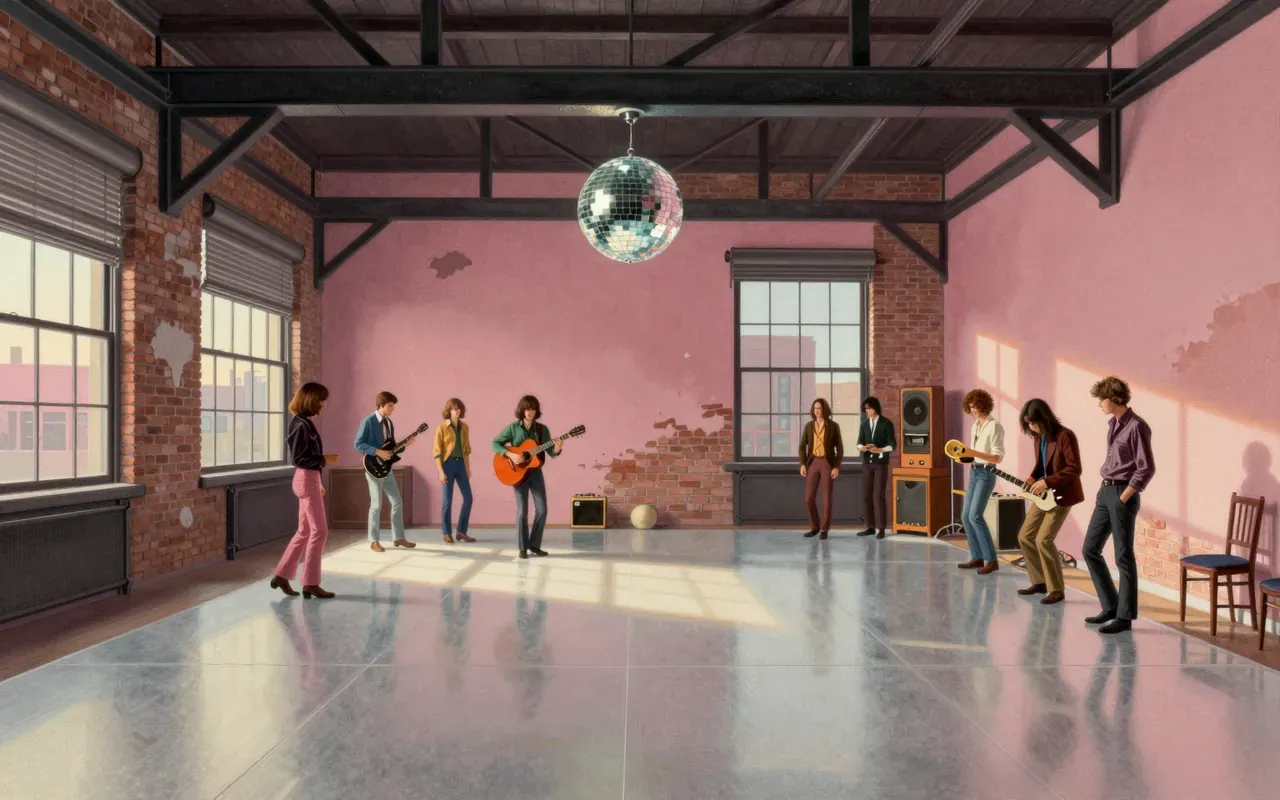
C’est Chic is Chic’s second studio album, released in 1978 on Atlantic Records. It contains 'Le Freak', which topped US Hot 100, R&B, and Club Play in October 1978, and 'I Want Your Love', which reached number 5 on US R&B, number 7 on US Pop, and number 4 in the UK. The European version was originally titled Très Chic, featured a more risqué cover, and had a different track listing before being withdrawn. The Globe and Mail described it as 'a sleekly elegant variation' of disco; the Los Angeles Times judged that, aside from 'Le Freak', the album consists of pedestrian disco pieces and plodding R&B ballads. All songs were written by Bernard Edwards and Nile Rodgers unless noted otherwise.

9:26

Disco Inferno

The Trammps · 1976

Disco Inferno is a 1976 Philadelphia soul-disco record by The Trammps, produced by MFSB mainstays Ronnie Baker, Norman Harris and Earl Young, and co-written by MFSB arranger Ron Kersey. Its title track was inspired by the 1974 film The Towering Inferno. A Dolby noise reduction error during mixdown — later corrected by engineer Jay Mark — gave it an unusually wide dynamic range, making its kick drum and staccato strings hit with uncommon physical force. It landed on the Grammy-winning Saturday Night Fever soundtrack in 1977. The record is not subtle, not ambient, not ironic. It is urgent, rhythmic, and built for motion.

film.briefs Film

All 13 in film →
13:00

A Night to Remember

Roy Ward Baker · 1958

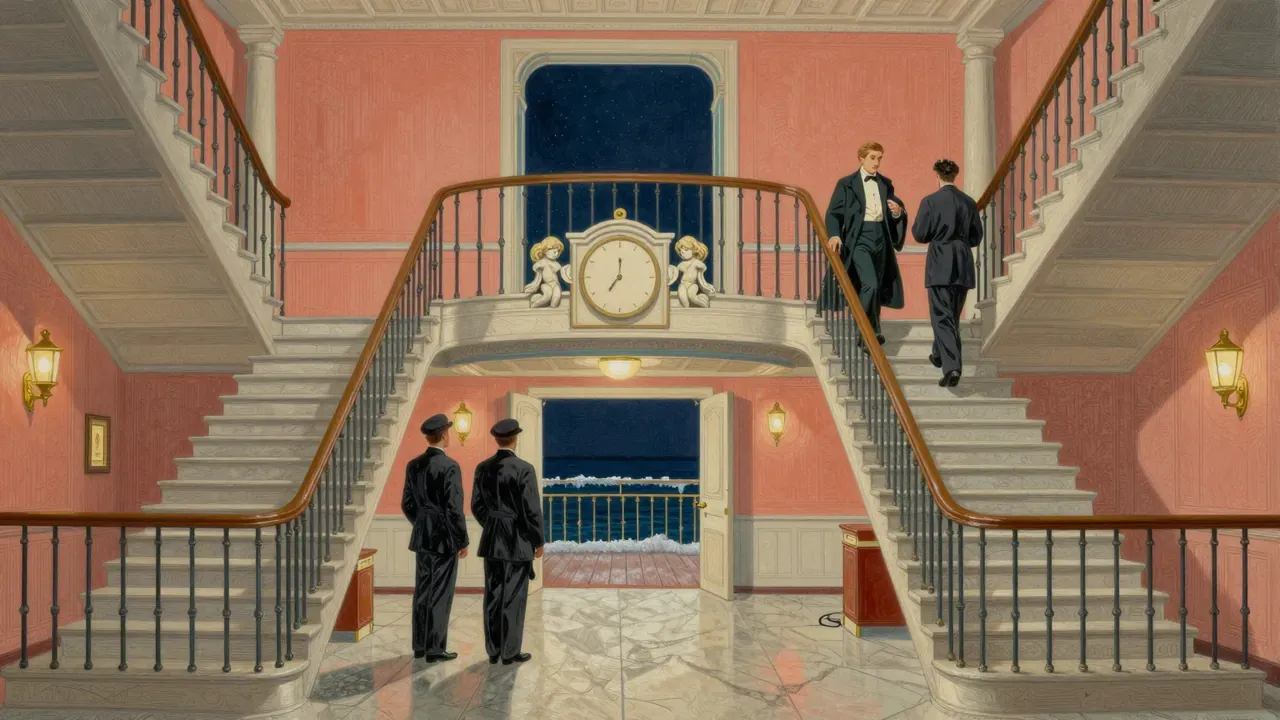
A 1958 British drama reconstructing the sinking of the RMS Titanic with procedural fidelity, based on Walter Lord’s 1955 book and informed by survivor testimony. Directed by Roy Ward Baker and produced by William MacQuitty, it avoids sentimentality in favour of chronological precision, using authentic sets, restrained performances and Geoffrey Unsworth’s understated cinematography to trace the collapse of routine, hierarchy and certainty.

13:00

Armageddon

Michael Bay · 1998

A 1998 American action film directed by Michael Bay, Armageddon follows a team of oil drillers recruited by NASA to destroy a Texas-sized asteroid hurtling toward Earth. With a $140 million budget and an ensemble cast including Bruce Willis, Ben Affleck and Liv Tyler, it prioritises emotional clarity, physical craft and relentless momentum over scientific plausibility or psychological nuance. Though critically divided, it became the highest-grossing film of 1998 and remains a benchmark for large-scale, character-driven spectacle.

13:00

Gimme Shelter

Charlotte Zwerin, Albert Maysles, David Maysles · 1970

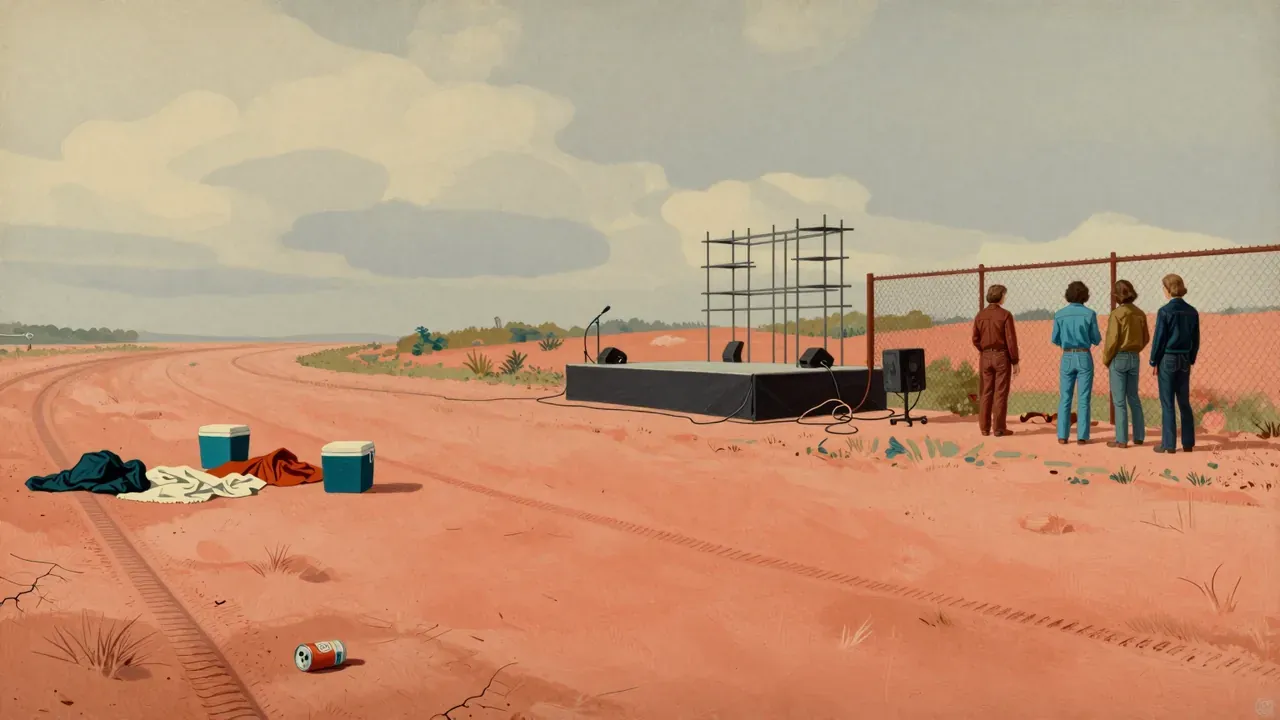
Gimme Shelter is a 1970 Direct Cinema documentary following the Rolling Stones’ 1969 US tour to its violent end at the Altamont Free Concert. Shot by Albert and David Maysles with Charlotte Zwerin’s editing, it records studio sessions, concerts, negotiations and the fatal stabbing of Meredith Hunter — without voiceover, interviews or moral framing. Its power lies in its unblinking chronology and refusal to resolve what it witnesses.

13:00

Godzilla

Ishirō Honda · 1954

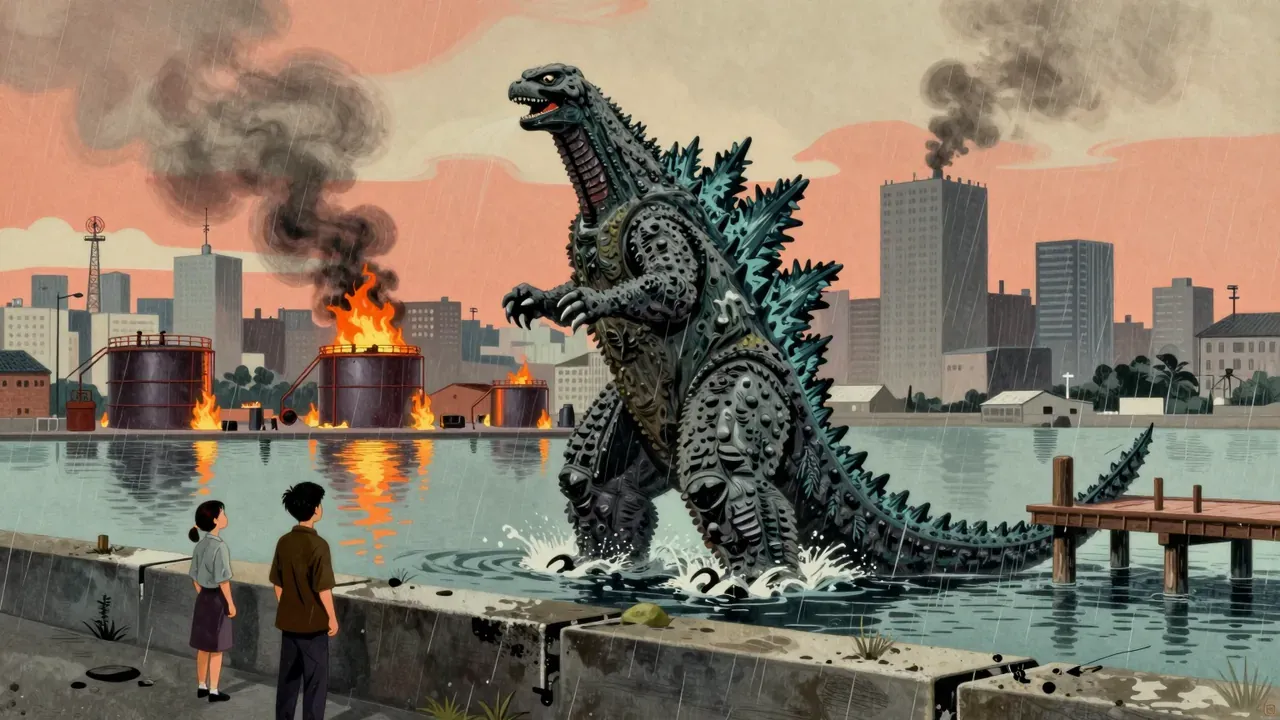
Godzilla (1954) is Toho’s foundational kaiju film, directed by Ishirō Honda and conceived after the Daigo Fukuryū Maru incident. It follows scientists and officials responding to a prehistoric creature mutated by hydrogen bomb tests. Shot in black-and-white with pioneering suitmation effects, its tone is sober, almost documentary-like. The film avoids monster-movie tropes in favour of bureaucratic realism, scientific debate, and quiet devastation. Though its pacing and formal restraint challenge modern expectations, its thematic urgency — on nuclear consequence, institutional failure, and irreversible change — remains undimmed.

13:00

Godzilla Raids Again

Motoyoshi Oda · 1955

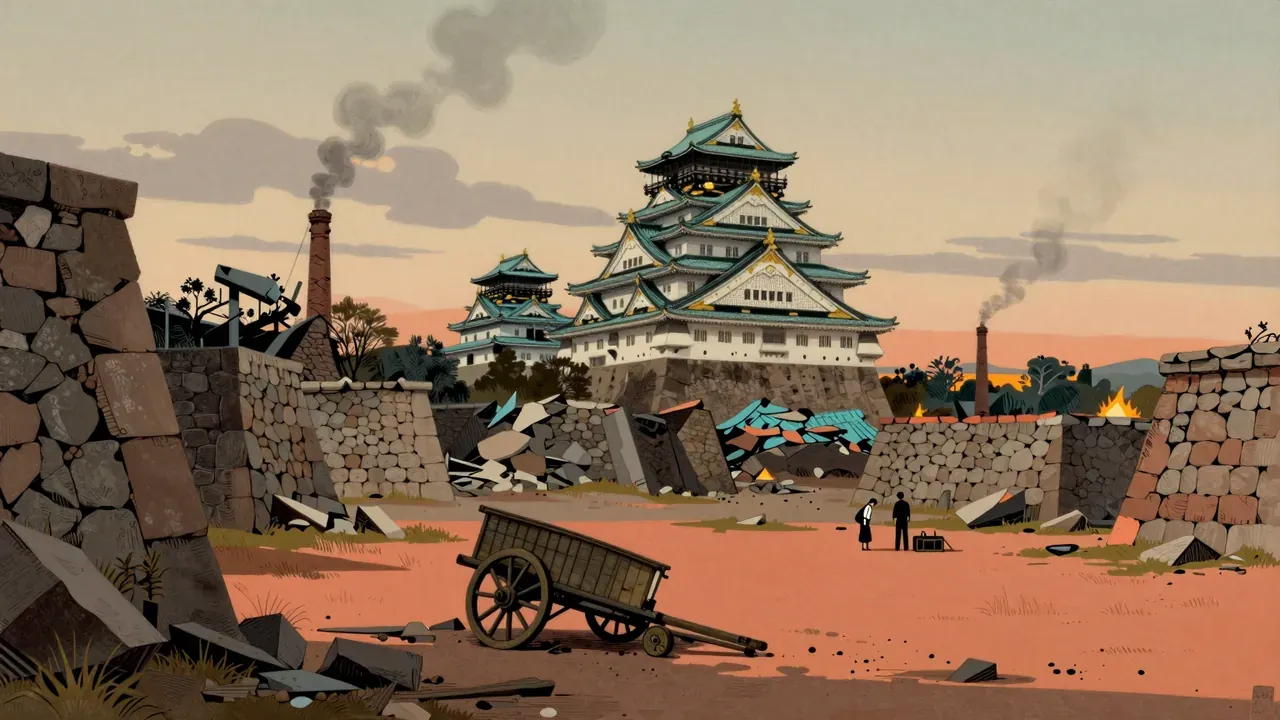
Toho’s 1955 follow-up to Godzilla is a lean, effects-driven kaiju film directed by Motoyoshi Oda under tight deadlines. It introduces Anguirus in a destructive Osaka showdown, prioritising spectacle and procedural urgency over the moral weight of its predecessor. With Haruo Nakajima in the Godzilla suit and Eiji Tsuburaya refining his special-effects techniques — including variable camera speeds and outdoor ice sets — the film functions as both a commercial necessity and a technical bridge to the franchise’s expansive future.

13:00

History Is Made at Night

Frank Borzage · 1937

Frank Borzage’s 1937 romance stars Jean Arthur and Charles Boyer as lovers separated by deceit, class, and a shipwreck. Written by Gene Towne and shot by Gregg Toland, it moves from Parisian farce to transatlantic pursuit to maritime disaster — all held together by emotional sincerity rather than plot logic. Its strengths are in performance, composition, and moral clarity; its weaknesses lie in tonal inconsistency and contrived early turns. It is a film of conviction, not compromise.

13:00

Life, and Nothing More...

Abbas Kiarostami · 1992

Abbas Kiarostami’s 1992 drama follows a director and his son driving through post-earthquake northern Iran, seeking the child star of his earlier film. Shot in a spare, observational style, it blends documentary immediacy with fictional framing to explore how life persists amid loss — not through grand statements, but through detours, conversations, and quiet acts of endurance.

13:00

Sennan Asbestos Disaster

Kazuo Hara · 2016

Kazuo Hara’s 2016 documentary Sennan Asbestos Disaster observes survivors of industrial asbestos exposure in Osaka over many years. With no narration, score, or archival inserts, it tracks legal battles, medical decline, and daily endurance — treating latency, embodiment, and institutional slowness as its core subjects.

history.briefs History

All 33 in history →
13:33

1931 China floods

June to August 1931

The 1931 China floods were a meteorologically driven, multi-phase disaster spanning June–August 1931 across China — especially Wuhan and Nanjing — culminating in a dike breach at Lake Gaoyou on 25 August. Verified evidence includes hydrological extremes (record water levels, nine cyclones in July, >600 mm rainfall), systematic fatality estimation (University of Nanking survey, official reports), institutional responses (National Flood Relief Commission, League of Nations, Lindbergh aerial survey), and disease outcomes (31,974 cholera deaths in 1932). Disputed claims include total death tolls: Buck’s survey estimated 150,000 drowned — less than a quarter of all fatalities in the first 100 days — while an official report claimed 140,000 drowned and 2 million dead from drowning or starvation. No source reconciles these figures with the verified cholera toll or provides demographic corroboration. The event exposed limits of Kuomintang governance and flood-control infrastructure but did not trigger structural reform.

10:58

Carrington Event

1–2 September 1859

The Carrington Event is the only historical episode with contemporaneous, instrumented, and visual evidence tying solar activity directly to terrestrial electromagnetic disruption. It did not prove the solar–terrestrial link — that came later — but it forced astronomers to take it seriously. Its intensity remains unmatched. Its mechanism — a double-CME sequence — is plausible but not confirmed. It changed nothing in 1859 beyond prompting suspicion. Today, it anchors worst-case planning for grid failure — yet no modern system has been tested against anything like it.

10:41

The Challenger Disaster

1986

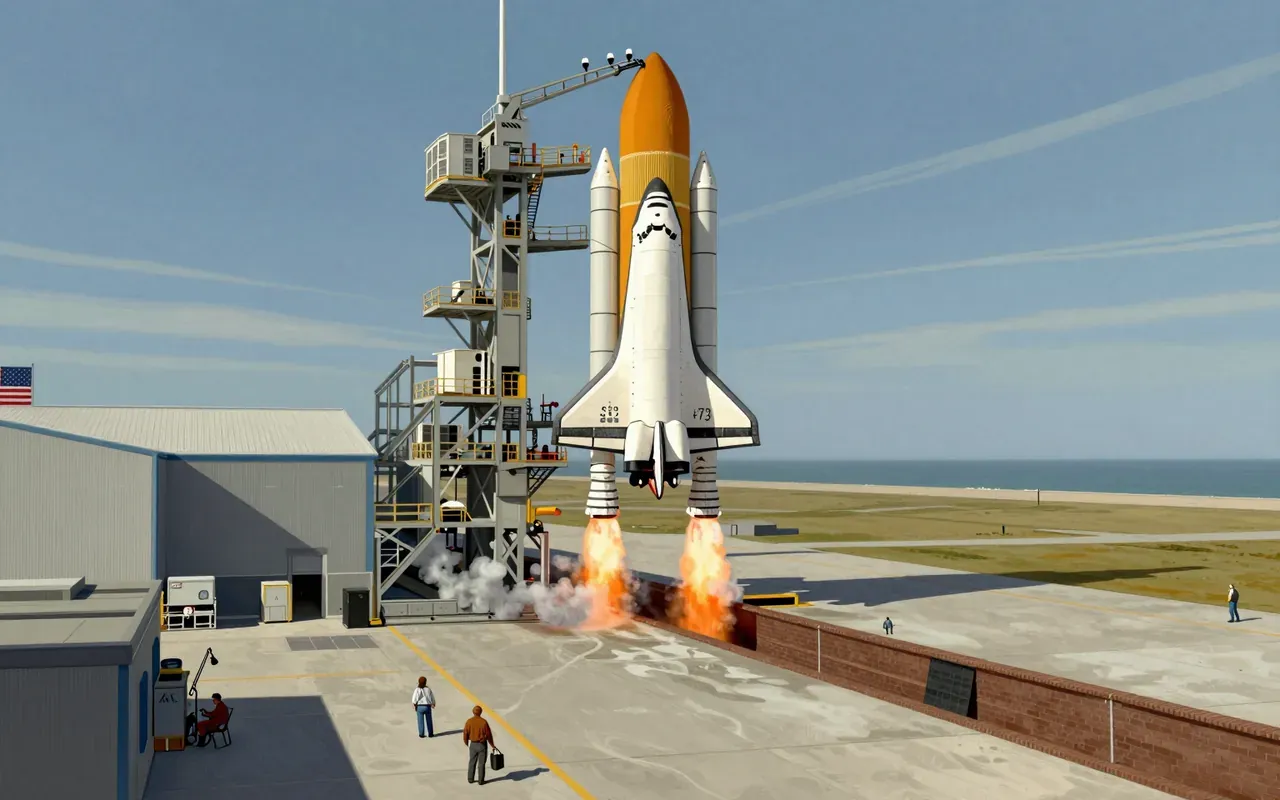
A 2013 TV movie dramatises Richard Feynman’s investigation into the 1986 Challenger explosion. It establishes cold-temperature-induced O-ring failure as the cause, shows Feynman discovering he has cancer mid-inquiry, and highlights institutional resistance—but offers no evidence of what changed afterward, no contested interpretations, and no insight into the astronauts’ experience beyond their likely death at takeoff.

11:46

Chernobyl disaster

26 April 1986

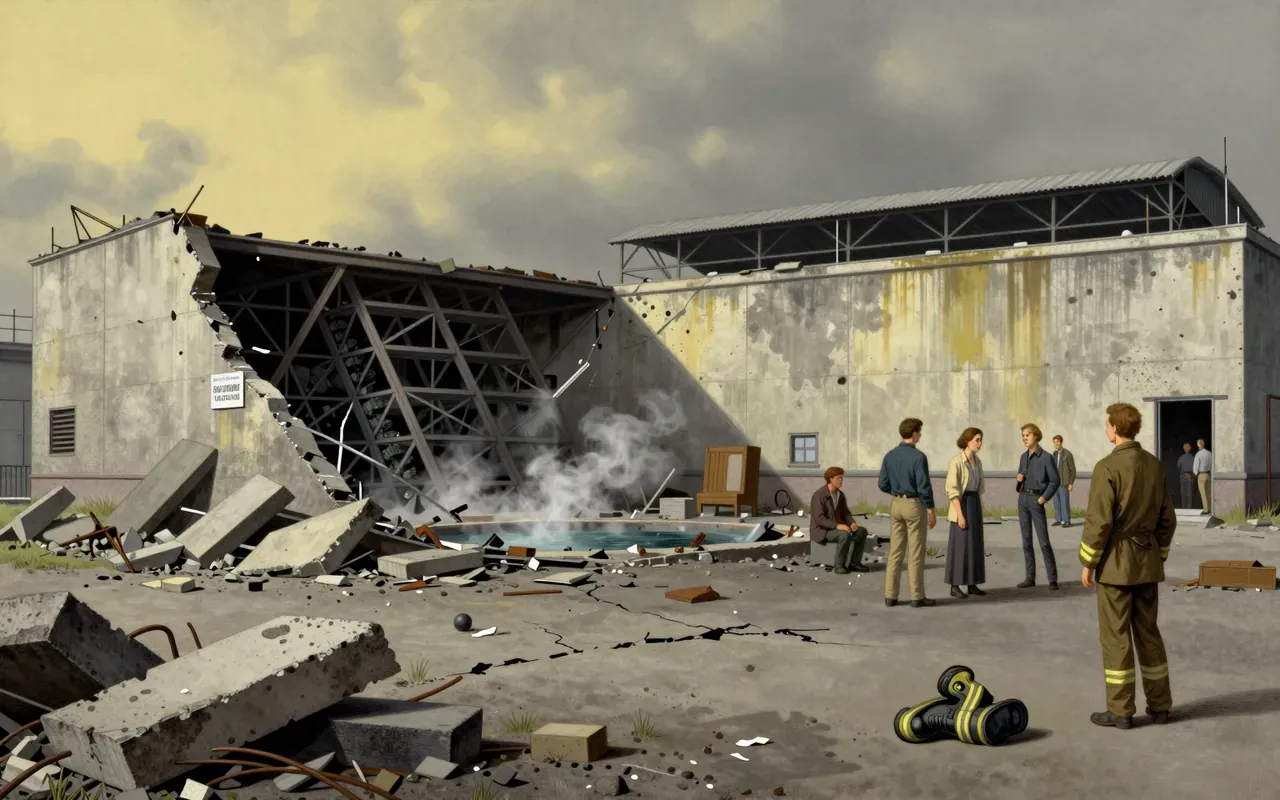
The Chernobyl disaster was a cascade of physical failures triggered by a safety test conducted under unstable conditions — not human error alone, but design flaws made manifest. The Soviet state responded with delay, staging and silence until external detection compelled admission. The record establishes sequence, scale and official action — nothing more.

10:39

Exxon Valdez oil spill

March 24, 1989

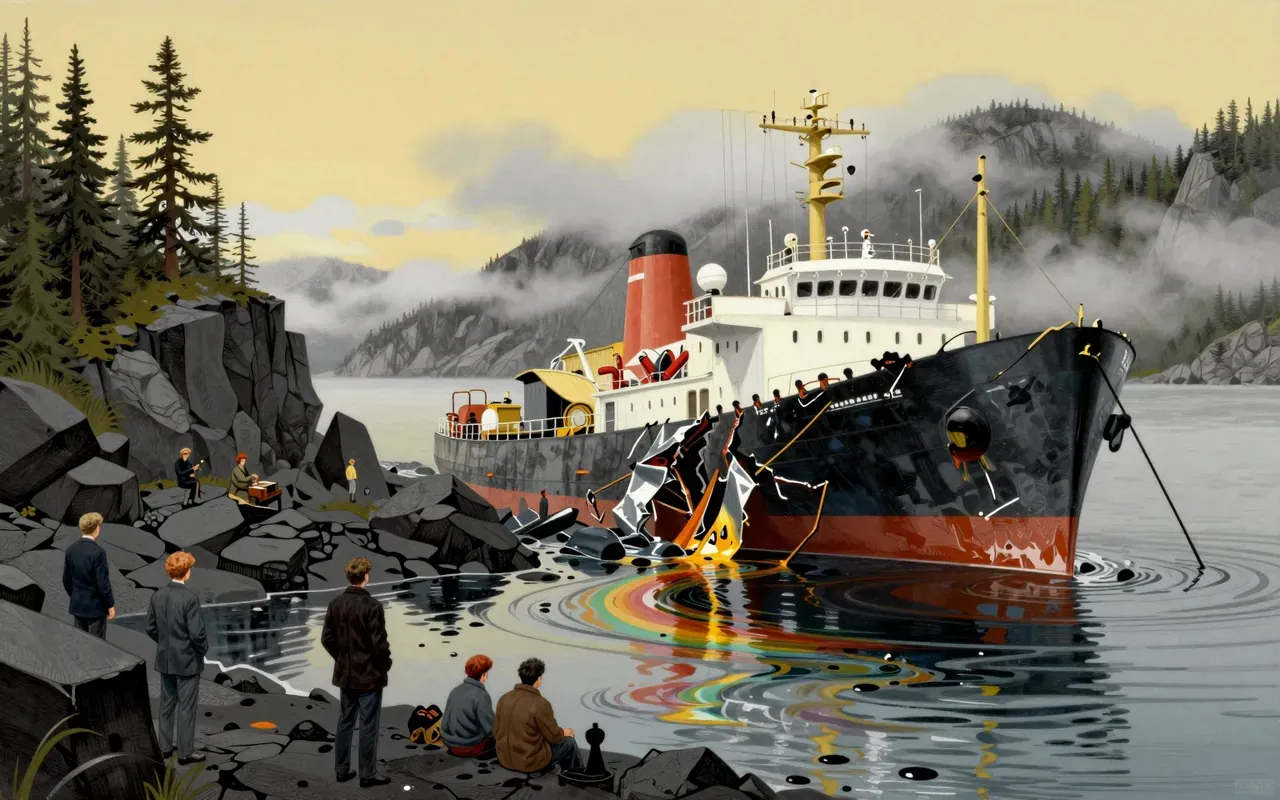
The Exxon Valdez oil spill was a major environmental disaster caused by the grounding of the Exxon Valdez on Bligh Reef in Prince William Sound, Alaska, on March 24, 1989. Approximately 10.8 million US gallons of crude oil spilled, making it the second-largest oil spill in U.S. waters by volume and the costliest disaster ever with no direct human fatalities.

11:35

Three Mile Island accident

March 28, 1979

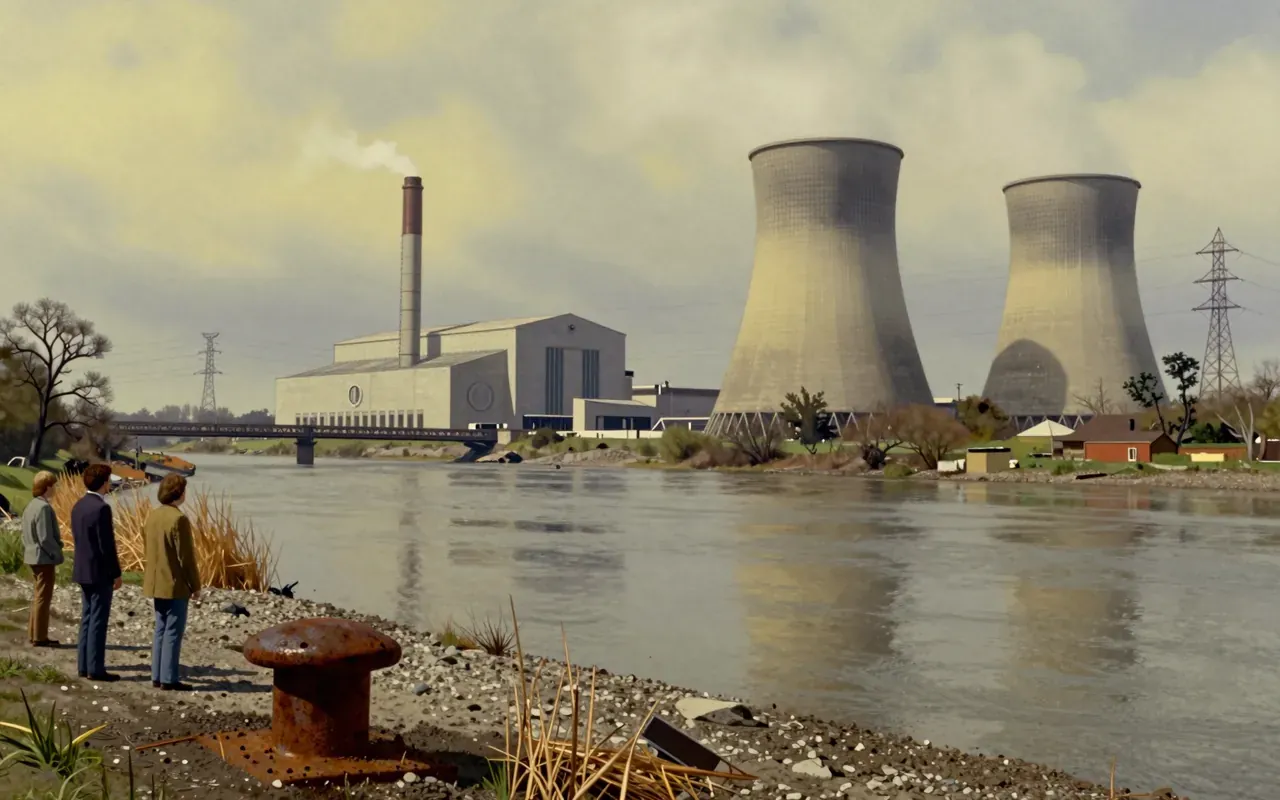
The Three Mile Island accident was a partial nuclear meltdown of the TMI-2 reactor beginning at 4:00 a.m. on March 28, 1979, releasing radioactive gases and iodine; it is rated Level 5 on the International Nuclear Event Scale and remains the worst U.S. commercial nuclear power plant accident. The event originated in the non-nuclear secondary system and involved a stuck-open pilot-operated relief valve causing coolant loss, compounded by operator failure to recognize a loss-of-coolant accident due to inadequate training and procedures.

13:00

Lloyd's of London

Founded 1688

Lloyd's of London began as a coffee house on Tower Street run by Edward Lloyd, where sailors and merchants gathered to arrange marine insurance informally before the participants formed a proper society in 1773. For most of its history, policies were backed by wealthy individuals called Names carrying unlimited personal liability, a system that paid off through disasters like the 1906 San Francisco earthquake and the Titanic but nearly collapsed the market when asbestos liability claims from decades earlier surfaced in the 1990s, bankrupting a meaningful share of the Names underwriting the losses. The market has since restructured around corporate capital with limited liability.

13:00

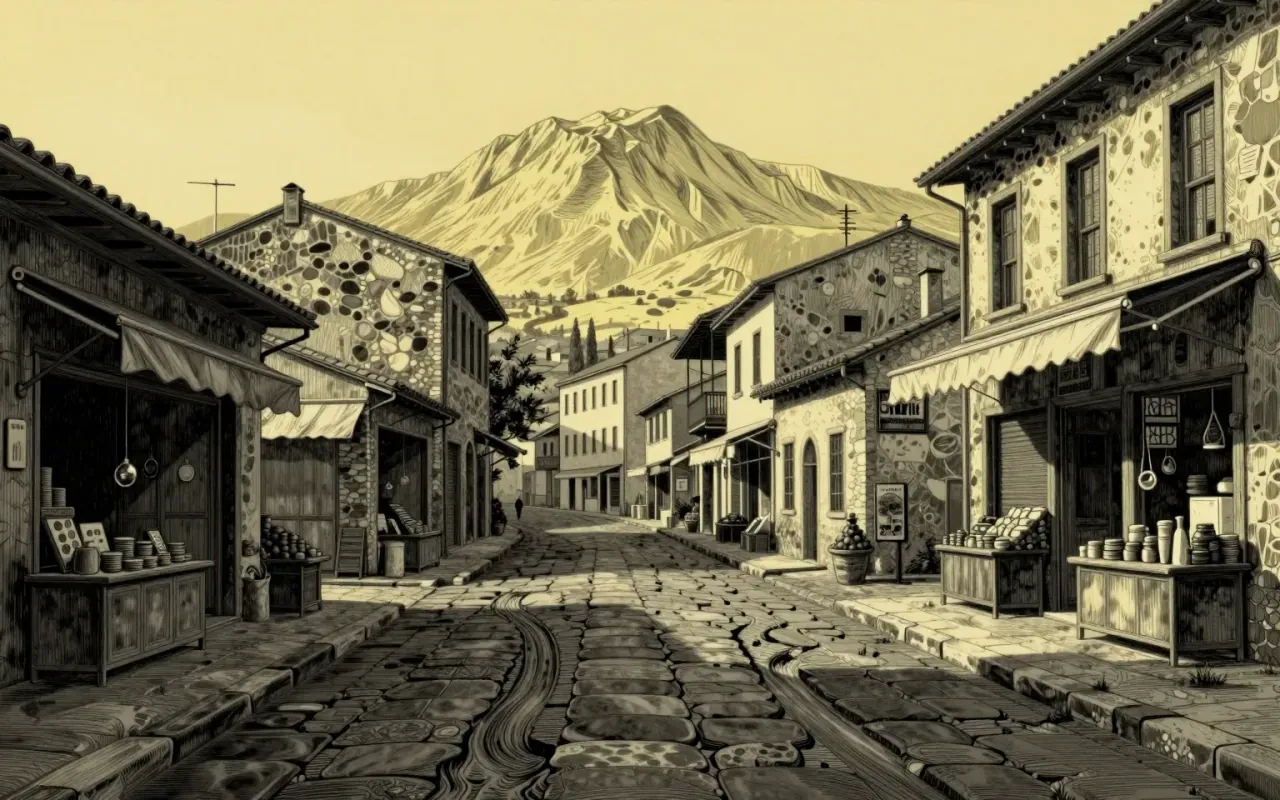
Pompeii

AD 79

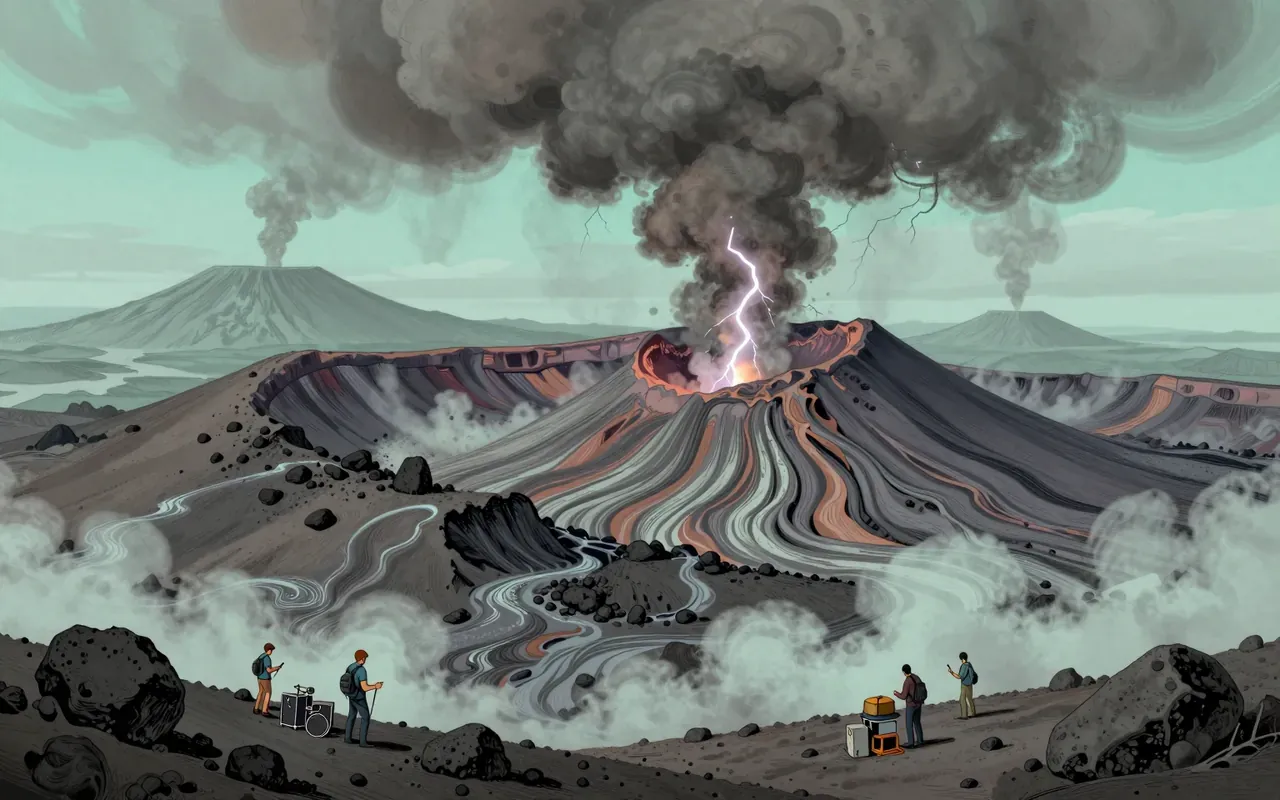
Mount Vesuvius erupted over roughly two days, first burying Pompeii under nearly eighteen hours of falling pumice that let many residents flee, then killing those who remained with pyroclastic flows hot enough to be fatal even at a distance of ten kilometres. Pliny the Younger's eyewitness letters, written years afterward, long placed the eruption in August, but a 2022 study using seasonal produce, clothing and coin evidence redated it to late October, correcting a chronology that had stood for centuries.

science.briefs Science

All 3 in science →
12:03

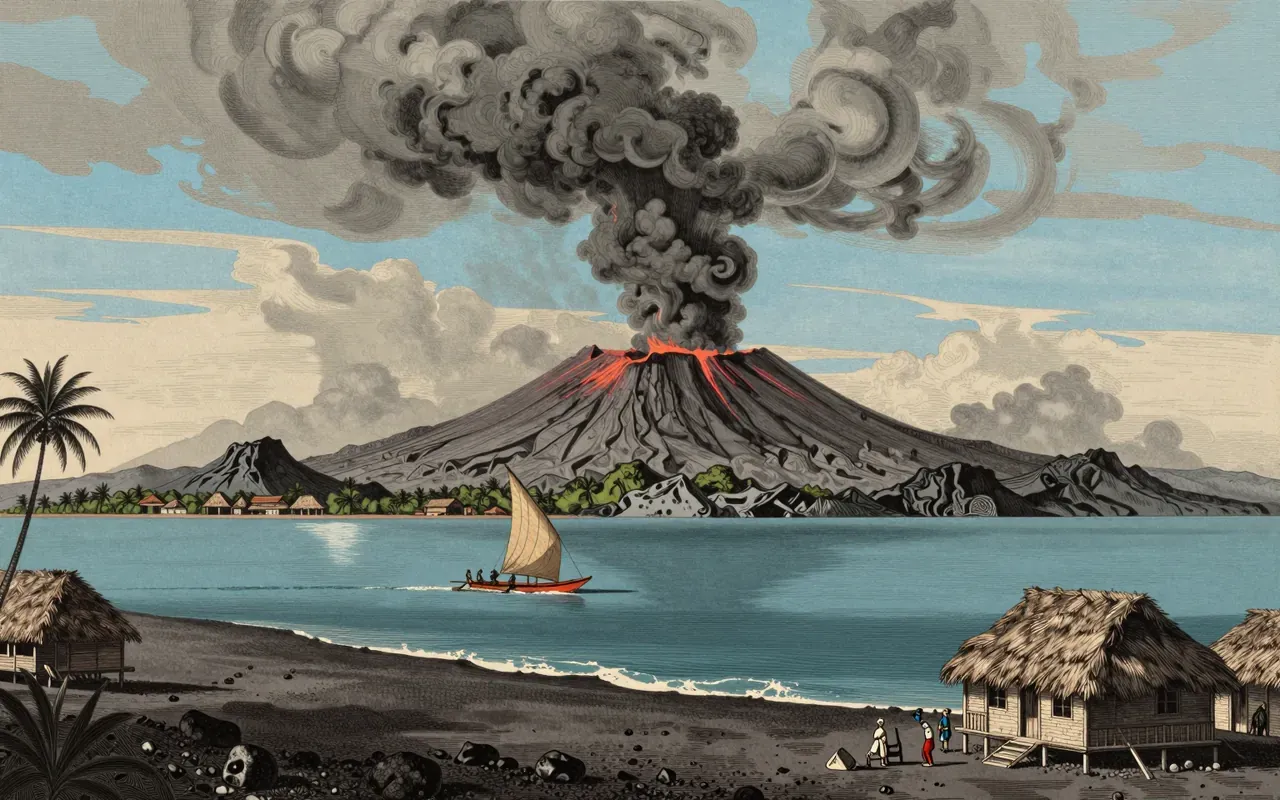
1883 eruption of Krakatoa

Krakatoa didn’t just boom — it turned the atmosphere into a resonant chamber and a reflective shield, with numbers we still use to test climate physics.
9:46

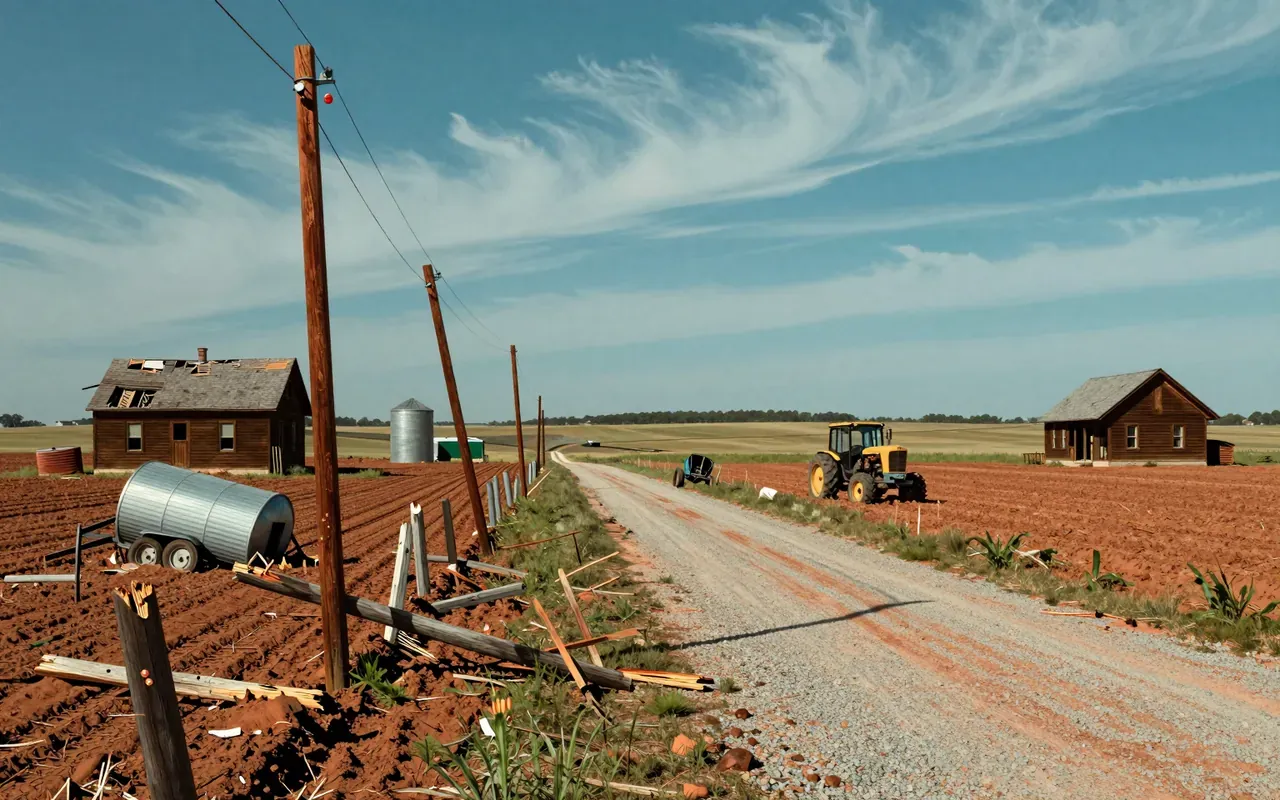
Fujita scale

Fujita

The Fujita scale is a damage-based tornado classification system introduced in 1971. It is not a wind-speed measurement tool. Its F0–F5 categories remain operationally useful. Its theoretical F6–F12 levels were never used. Its wind-speed estimates were unverified and later shown to be inflated.

10:53

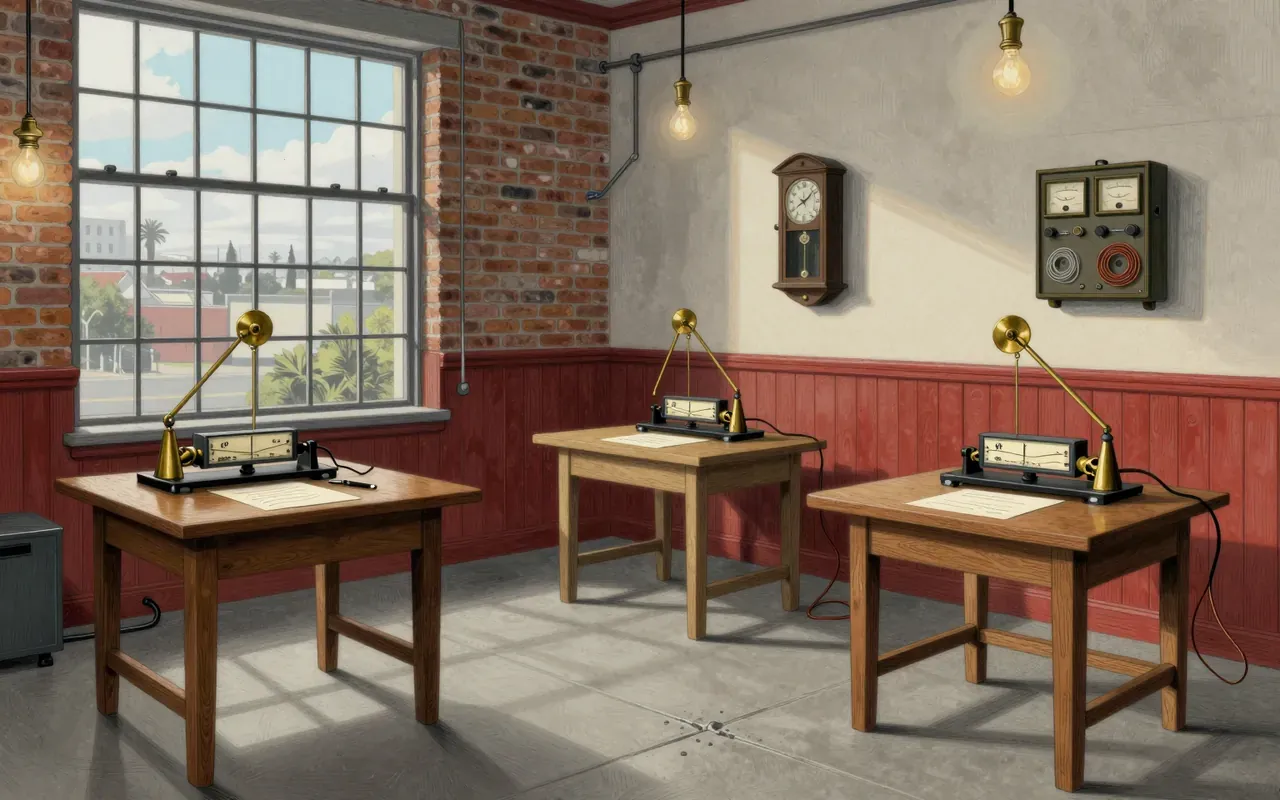
Richter scale

Richter

The Richter scale is a local, instrument-specific amplitude scale — not a universal measure of earthquake size. Its rigour lies in its narrow definition, not its breadth.

design.briefs Design

All 1 in design →
9:06

Shigeru Ban

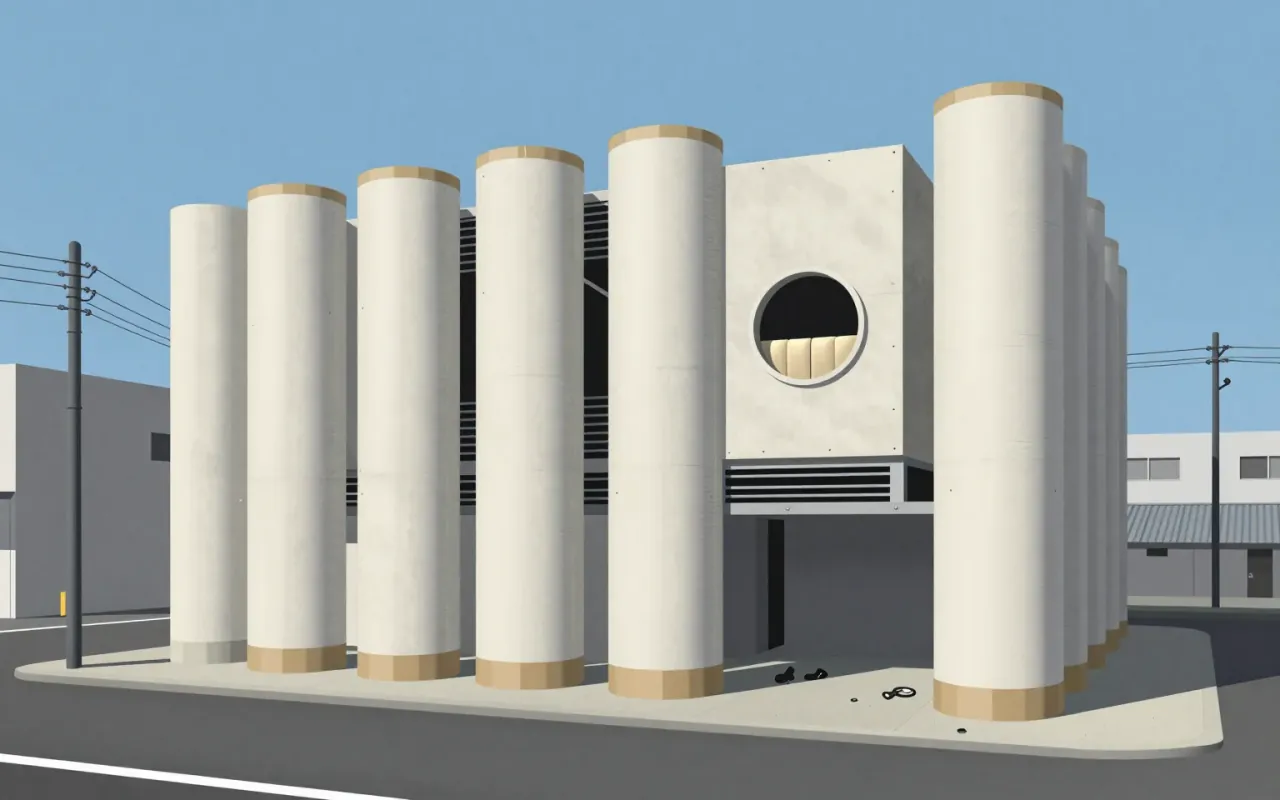
Paper tubing isn’t poetic scaffolding — it’s a calibrated response to scarcity, theft, deforestation, and bureaucracy.

technology.briefs Technology

All 2 in technology →
10:26

Thermal imaging camera

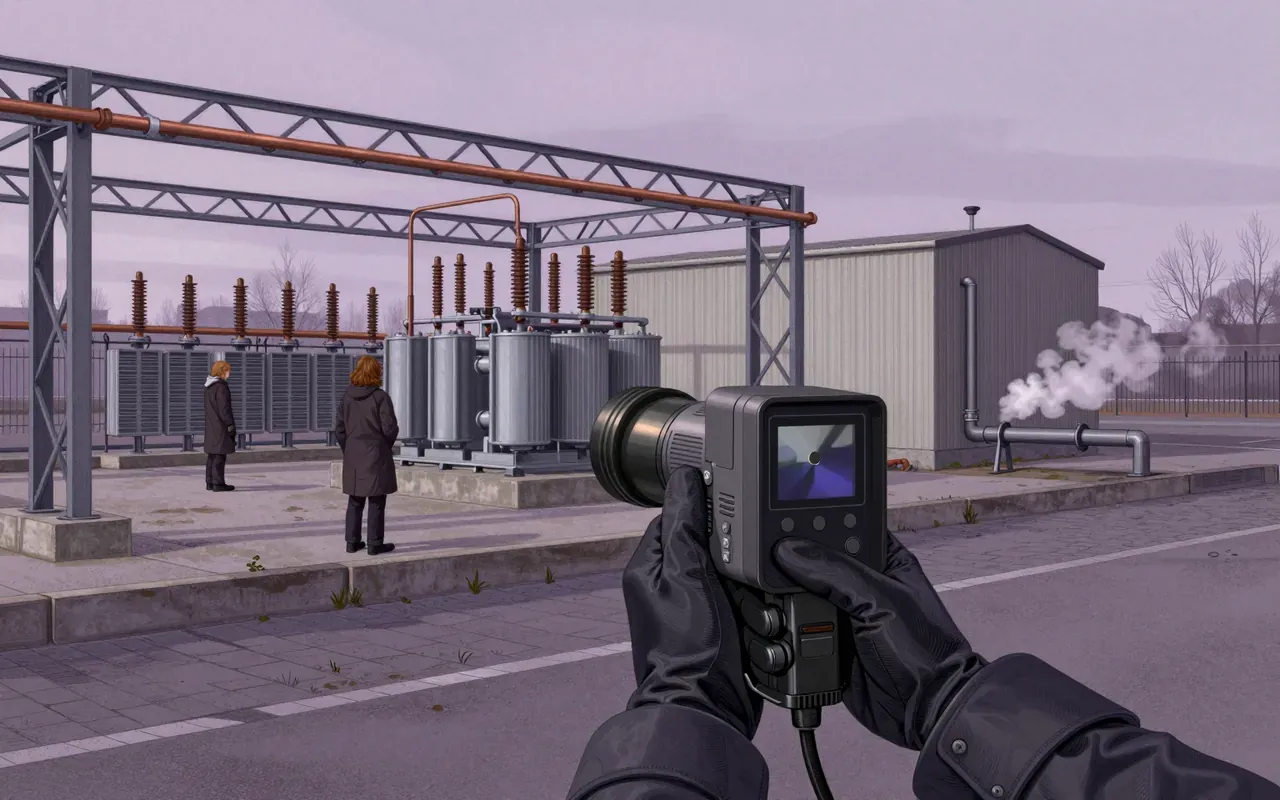
Thermal imaging doesn’t see through walls—it sees heat where eyes fail, and that narrow trick saves lives and money on its own terms.
9:24

Ventilator

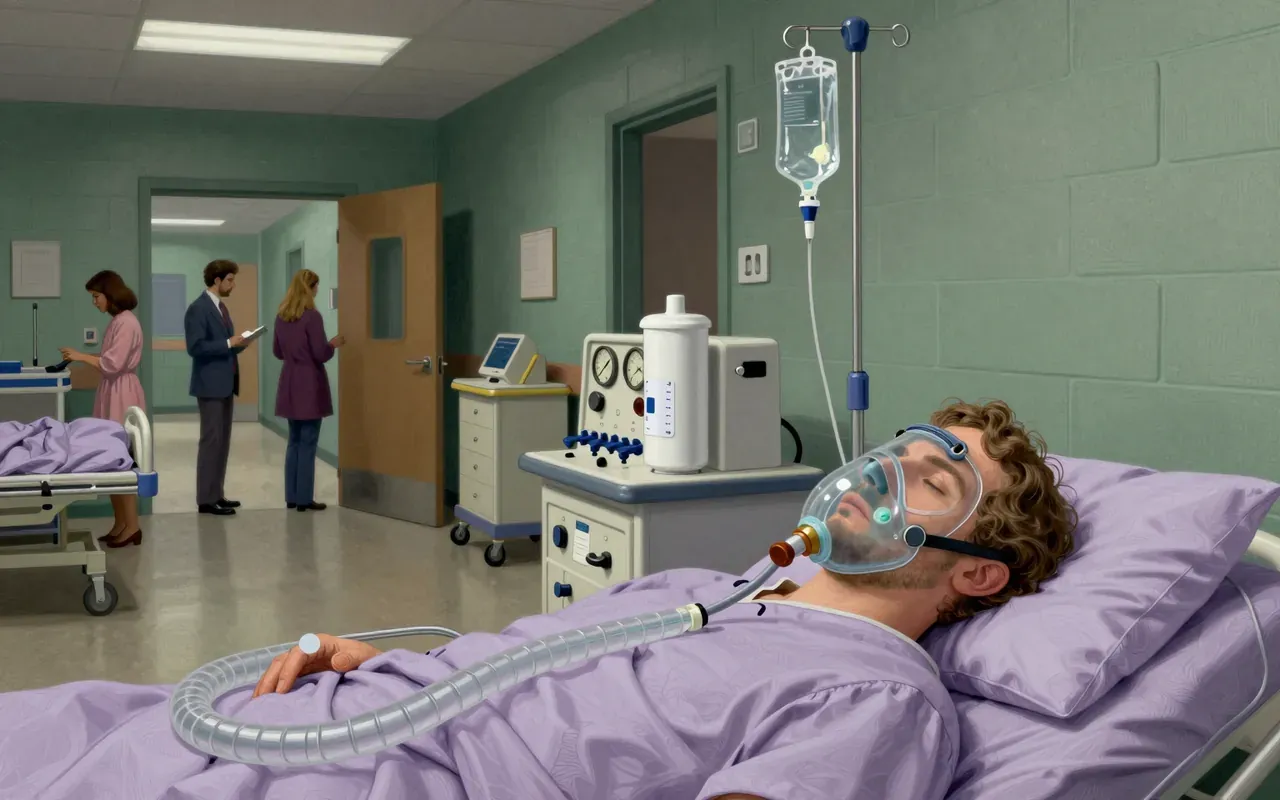
Ventilators don’t breathe for patients—they delegate breath to machines that must never misfire.

culture.briefs Culture

All 1 in culture →
9:06

Ai Weiwei

He didn’t make art to provoke—he compiled names until the state broke his skull.

nature.briefs Nature

All 4 in nature →
9:20

Pyroclastic flow

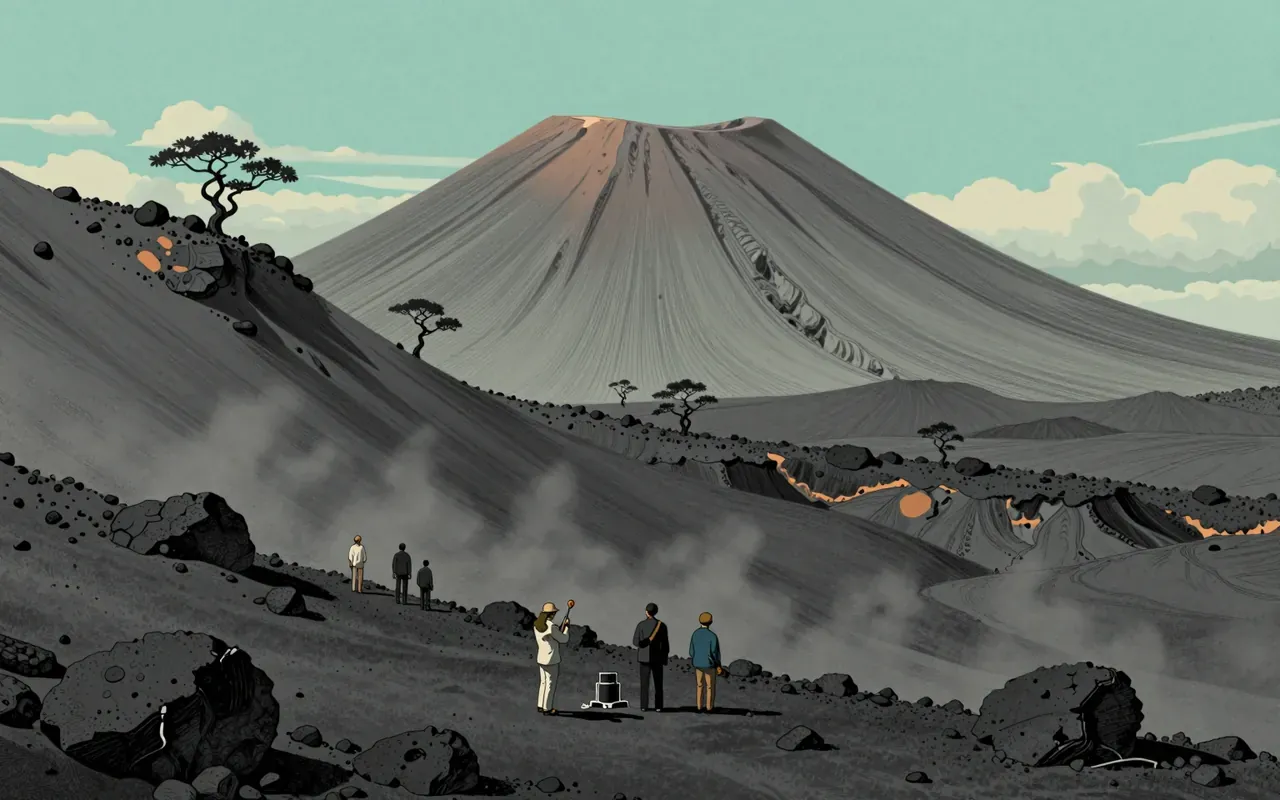
A pyroclastic flow is not alive — it is gravity’s verdict on volcanic matter too dense to rise.
11:36

San Andreas Fault

It doesn’t crack open the earth—it slides sideways, silently loading stress until water from a dried-up lake tips it into rupture.