The Song of Roland
Heroism is martyrdom. Loyalty is obedience. Paganism is error — and all three are non-negotiable.
Politics conducted by other means, at the usual price.
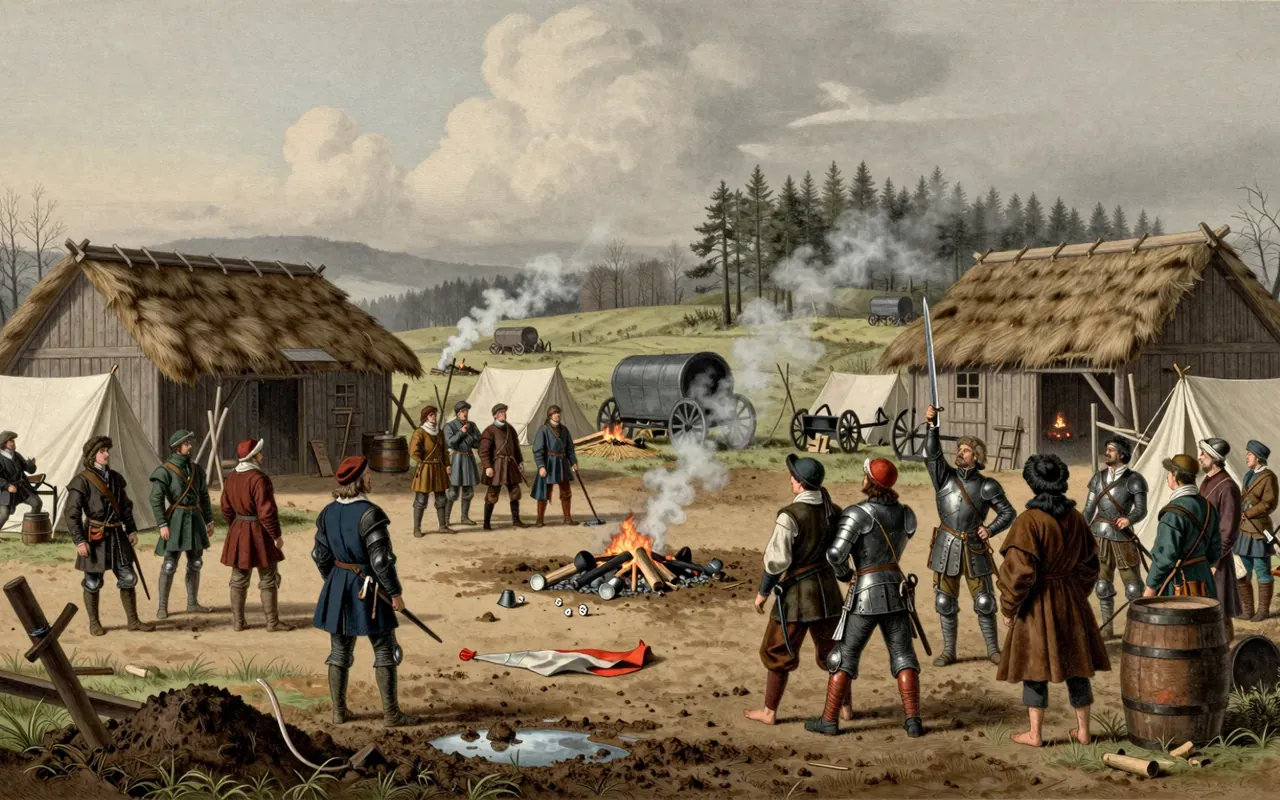
A dramatic poem showing soldiers in Wallenstein’s Pilsen camp pledging loyalty not to empire but to their commander. It argues loyalty is performative, collective and born of fear—not ideology or reason. Read it for its raw depiction of martial sovereignty, not for history or character.
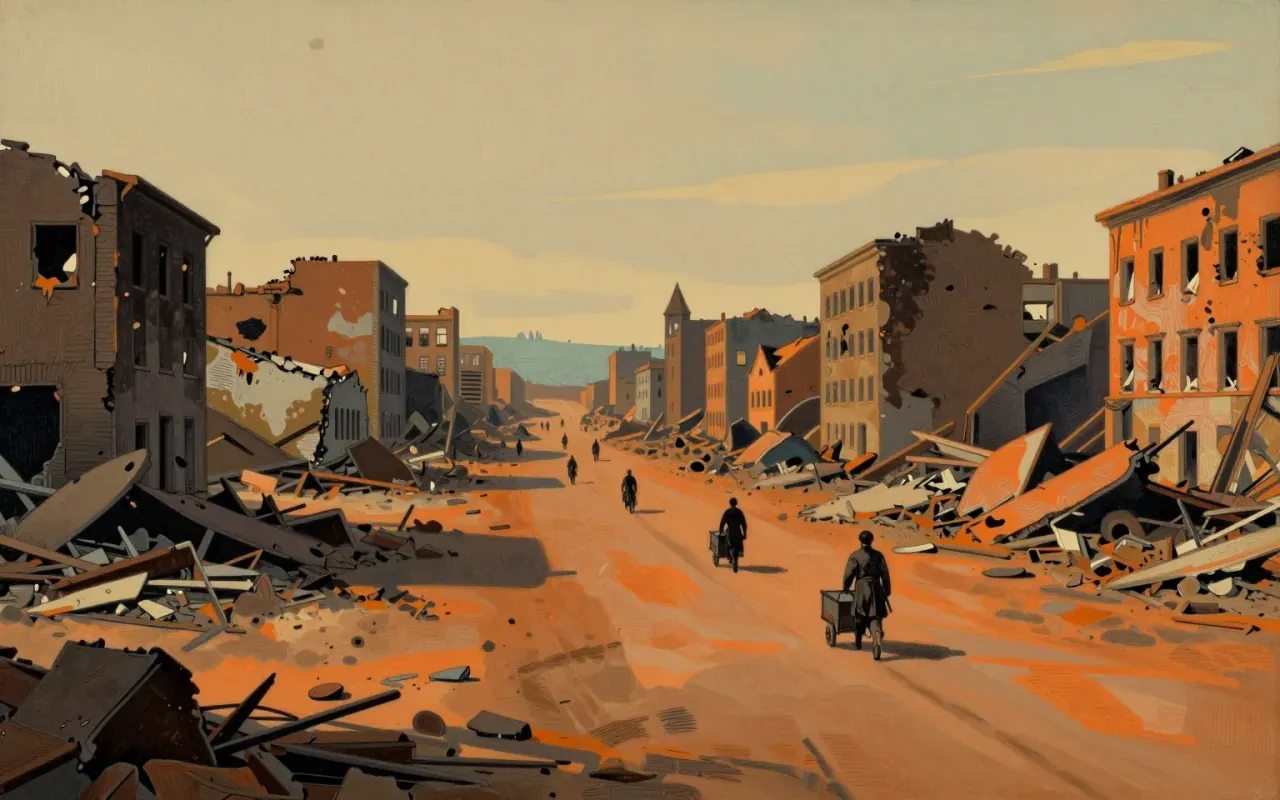
Vonnegut's 1969 novel splices autobiography with science fiction to make the firebombing of Dresden absurd instead of tragic. The book moves through time, skipping freely across a life that has already happened, all of it equally real and equally present.
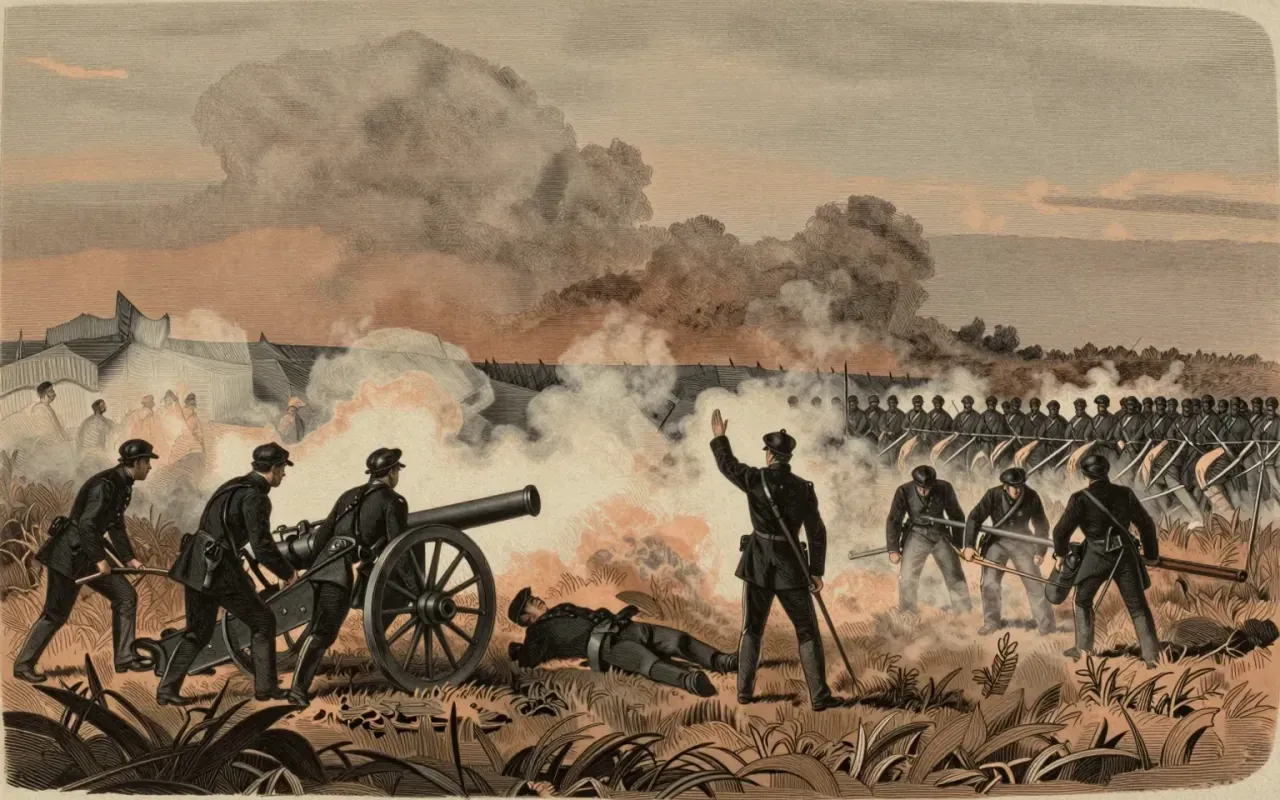
Tolstoy's 1869 epic follows five aristocratic families through twenty years of Russian history. The brief covers the plot in two minutes, the philosophy in five, why the theory of history is the real argument, and which sections actually matter.
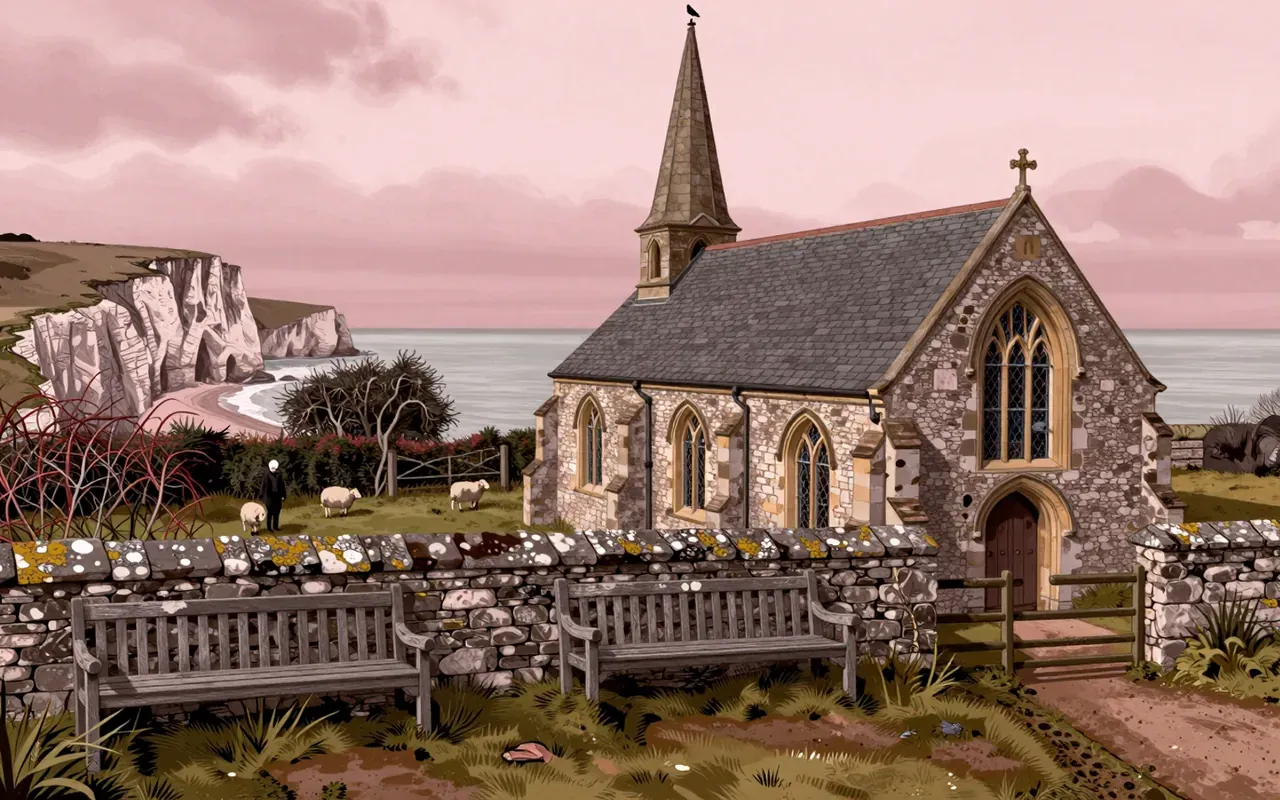
Let England Shake is a stark, live-recorded war record made in a Dorset church. It uses autoharp, saxophone, and sparse guitar. Its voice is narratorial, not expressive. Its subject is England’s violence — past and present — treated with precision, not symbolism. It won the 2011 Mercury Prize. It demands attention, not devotion.
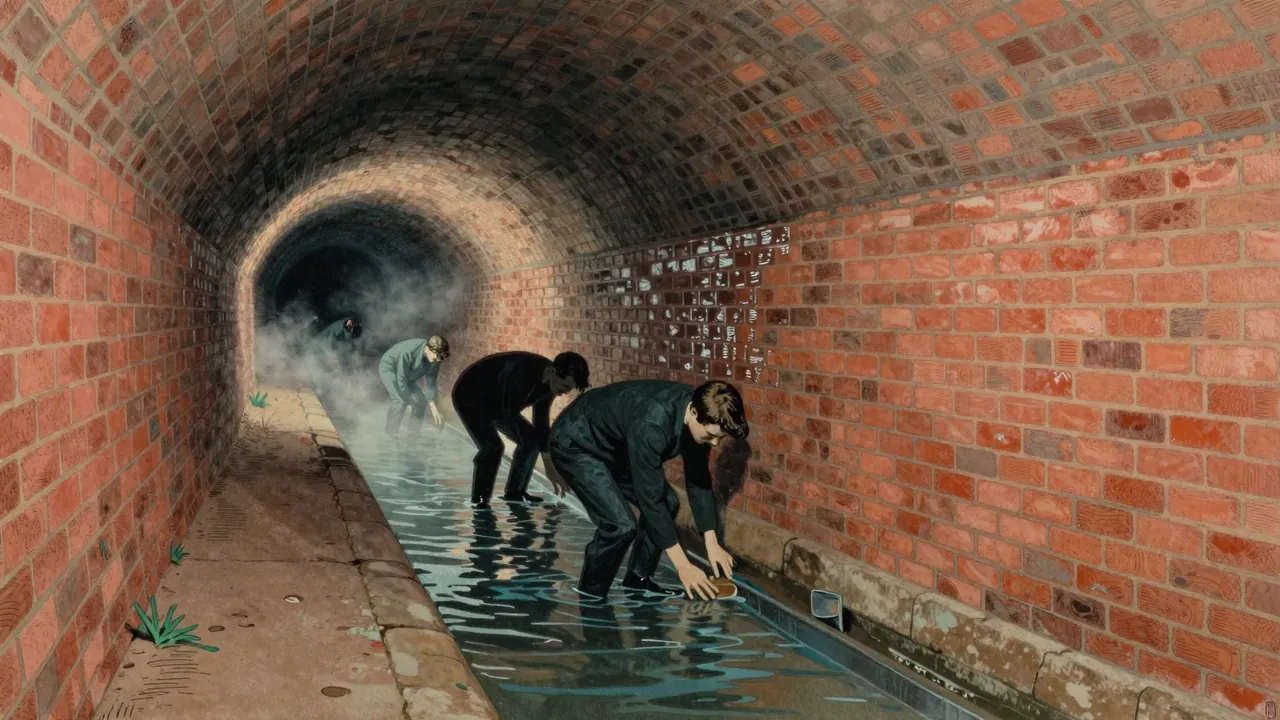
Andrzej Wajda’s 1957 film Canal follows a group of Polish Home Army fighters and civilians retreating through Warsaw’s sewers during the final days of the 1944 uprising. Adapted by veteran Jerzy Stefan Stawiński and shot by Jerzy Lipman, it uses tight framing, low light, and minimal music to render exhaustion, disorientation, and the erosion of command. There are no speeches, no flashbacks, no explanations — only movement, hesitation, and collapse. It is a war film without battle scenes, a drama without catharsis, and a landmark of Polish cinema for its unflinching formal rigour.
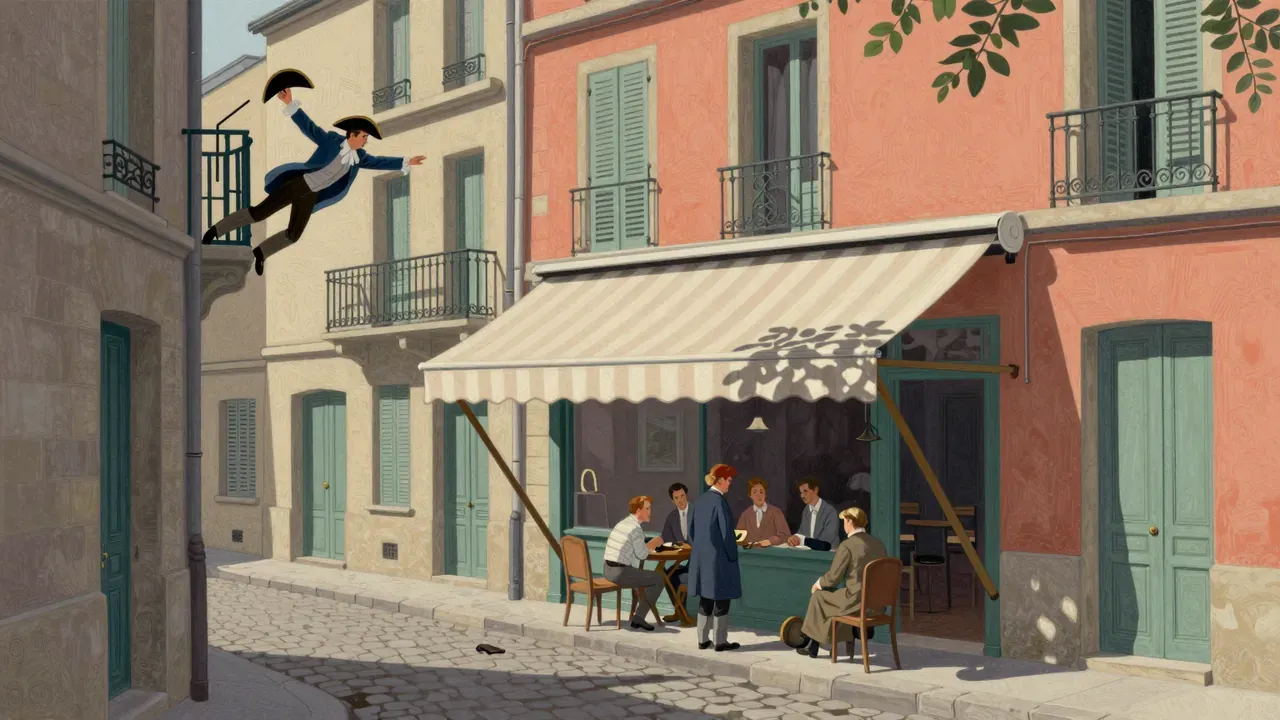
Fanfan la Tulipe (1952) is a French black-and-white comedy-adventure starring Gérard Philipe as a charming rogue who joins the army on false pretences during the Seven Years’ War. Directed by Christian-Jaque, it balances swordplay, romance and gentle irony without moralising or historicising. Its strengths lie in physical performance, rhythmic editing and Christian Matras’s lucid cinematography — not in plot complexity or thematic weight.

Set in June 1940 during the fall of France, Forbidden Games follows orphaned five-year-old Paulette as she is taken in by a peasant family and forms a quiet bond with their son Michel. Together they build a secret cemetery for dead animals using stolen crosses, enacting grief through ritual rather than speech. Directed by René Clément with restrained precision, the film observes childhood trauma without sentimentality, relying on Brigitte Fossey’s extraordinary performance and Robert Juillard’s understated cinematography. It won the Golden Lion at Venice, a BAFTA, and an Academy Honorary Award.
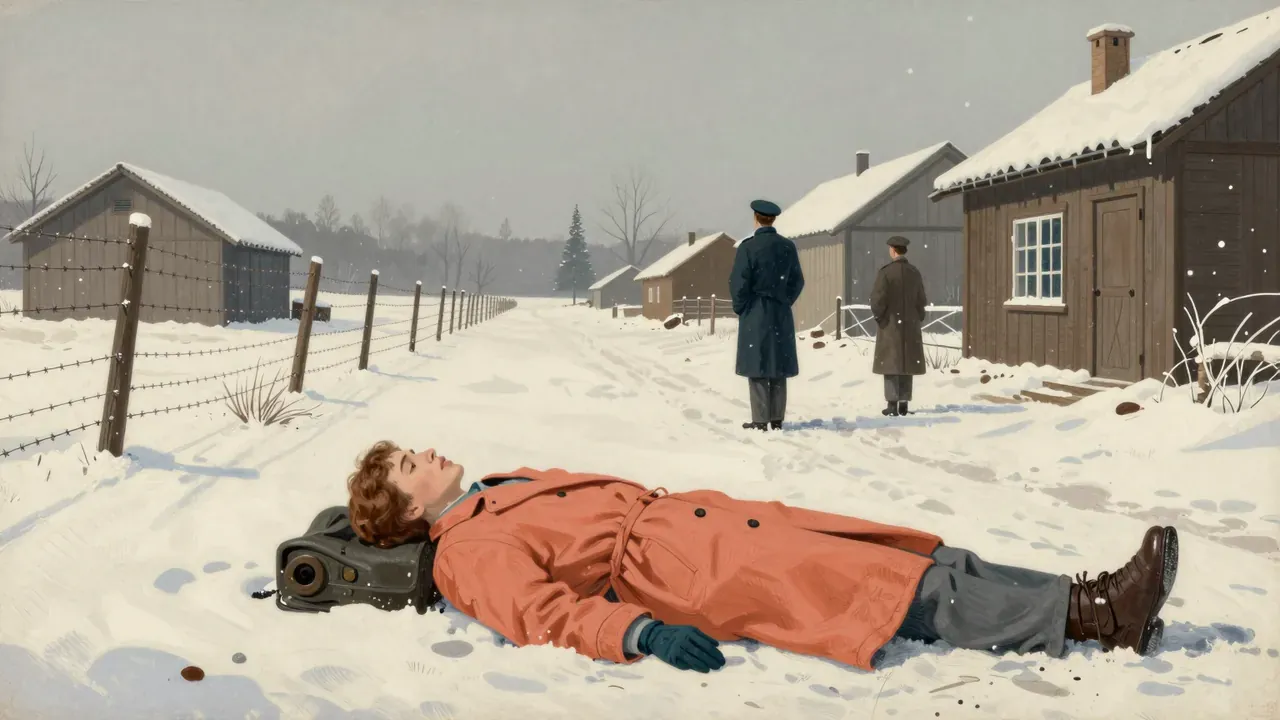
Gillo Pontecorvo’s 1960 war film Kapò follows a teenage Jewish girl’s descent into moral compromise as a kapo in a Nazi concentration camp. Shot in Yugoslavia with an Italian-French-Yugoslav co-production team, it was among the first narrative films to depict camp life with graphic realism. Though criticised for melodrama, miscasting, and aesthetic missteps, its ambition — to chart how survival reshapes conscience — remains ethically urgent. Susan Strasberg stars, with Emmanuelle Riva, Laurent Terzieff, and Didi Perego in supporting roles.
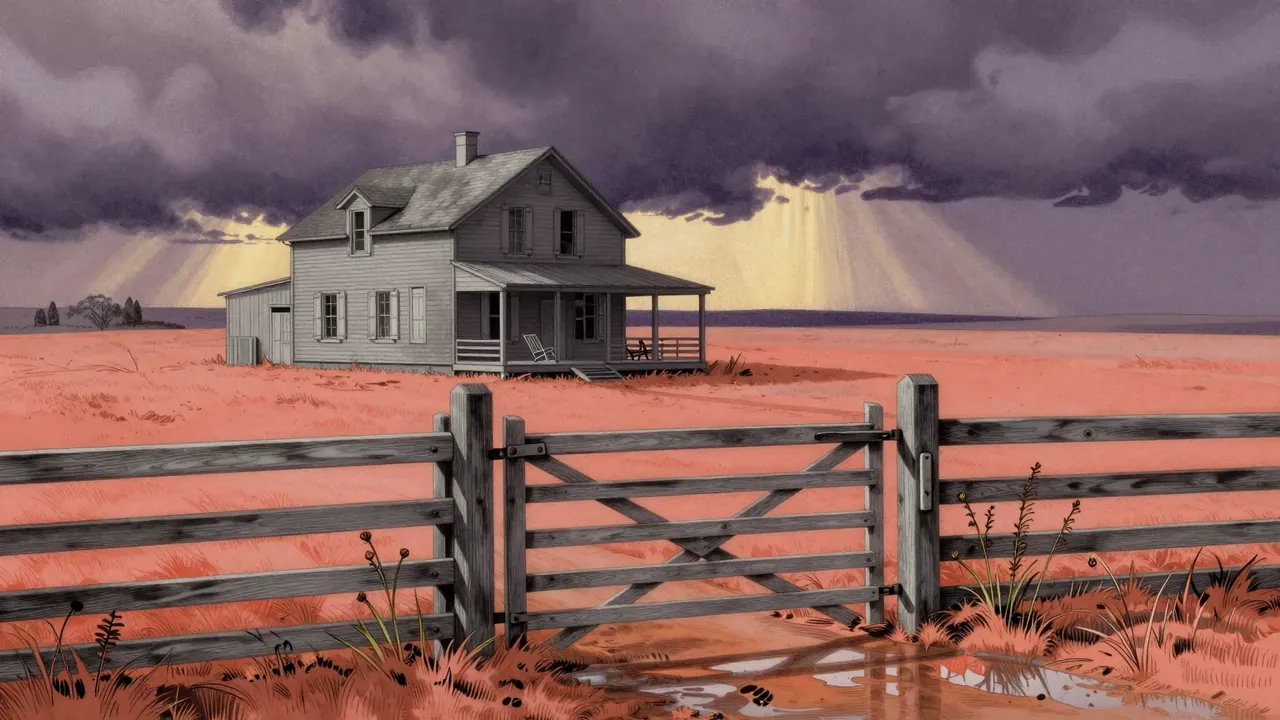
Ang Lee’s 1999 film Ride with the Devil follows young Missouri bushwhackers during the Civil War, adapting Daniel Woodrell’s novel with deliberate slowness and minimal exposition. Shot by Frederick Elmes and written by James Schamus, it foregrounds domestic endurance over battlefield drama, treating violence as rupture rather than climax. Its themes — loyalty, freedom, gendered labour, and the weight of time — emerge through gesture and silence, not speech. Though commercially overlooked and structurally demanding, it remains a singular, unhurried portrait of war’s human residue.

Ingmar Bergman’s 1968 Shame follows violinist-turned-farmer couple Jan and Eva Rosenberg as civil war invades their isolated Swedish island life. With no named factions or ideologies, the film traces how violence corrodes language, intimacy, and moral coherence — not through spectacle, but through withheld gestures, miniature war effects, and Sven Nykvist’s bleached, claustrophobic cinematography. Liv Ullmann and Max von Sydow perform with devastating restraint, embodying shame not as emotion but as structural failure.
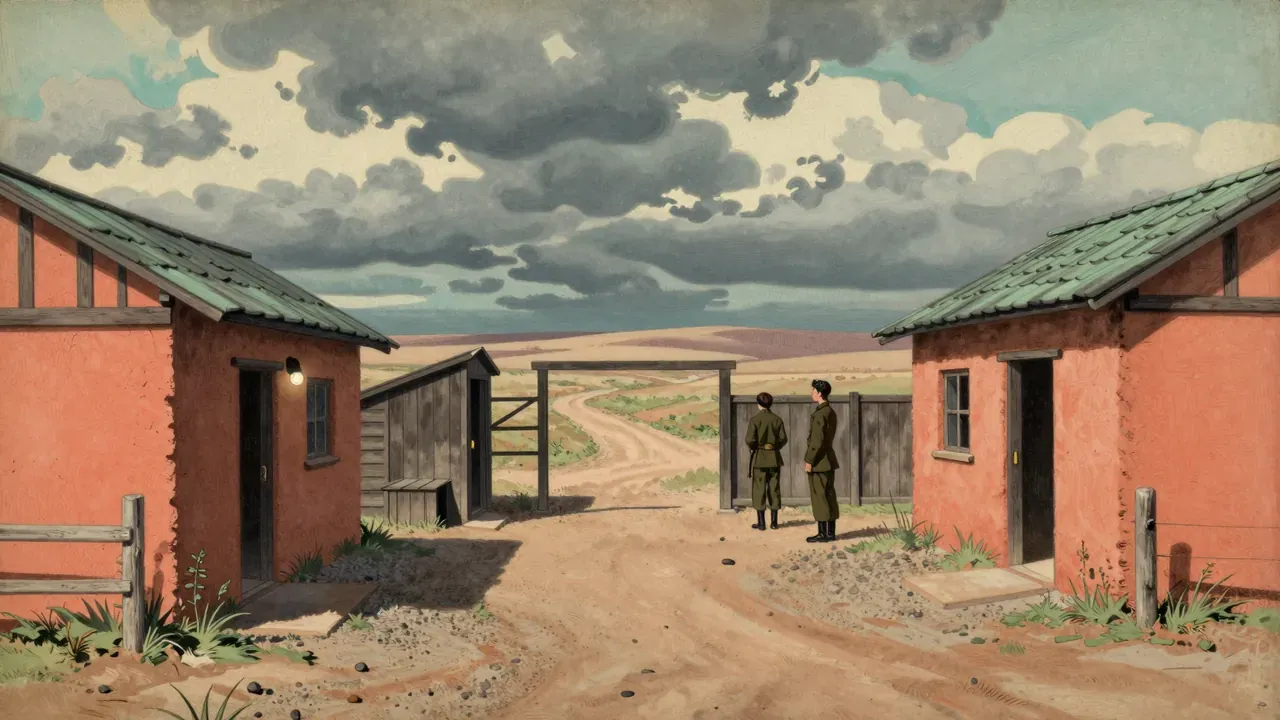
Seijun Suzuki’s 1965 Story of a Prostitute follows Harumi, a prostitute who moves to a Japanese military outpost in Manchuria during the Sino-Japanese War. There, she forms a forbidden bond with an officer’s aide while enduring the casual brutality of the chain of command. Shot with stark realism and deliberate restraint, the film rejects heroic mythmaking in favour of behavioural truth — exposing the absurdity, exhaustion and moral erosion embedded in imperial military life. Based on Taijiro Tamura’s story and informed by Suzuki’s own wartime service, it remains a singular, unsettling portrait of power, complicity and quiet defiance.
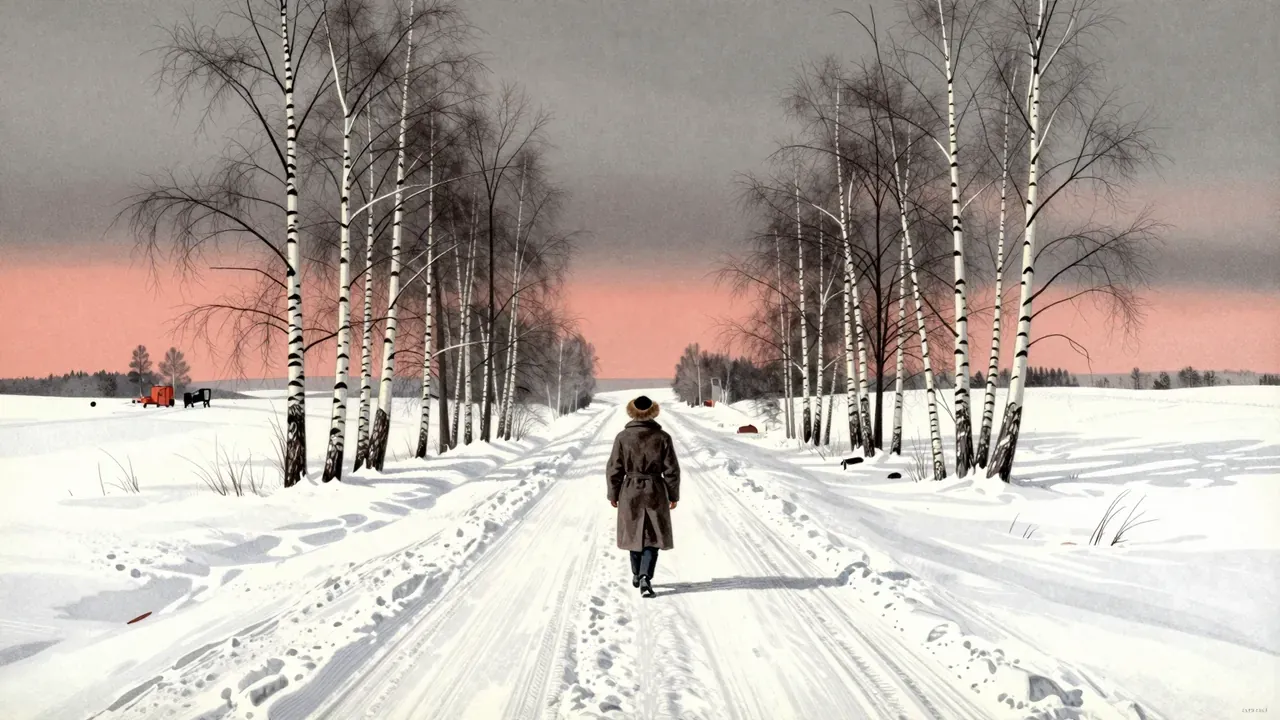
Larisa Shepitko’s 1977 film The Ascent adapts Vasil Bykaŭ’s novel Sotnikov into a stark, black-and-white study of endurance and betrayal among Soviet partisans in Nazi-occupied Belarus. Starring Anatoly Solonitsyn and Boris Plotnikov, it follows two men captured after a failed mission, charting their divergent responses to torture and moral pressure. Shot in brutal winter conditions, with a dissonant score by Alfred Schnittke, the film rejects narrative convention in favour of sustained, embodied tension. It won the Golden Bear at Berlin and remains Shepitko’s final completed work.
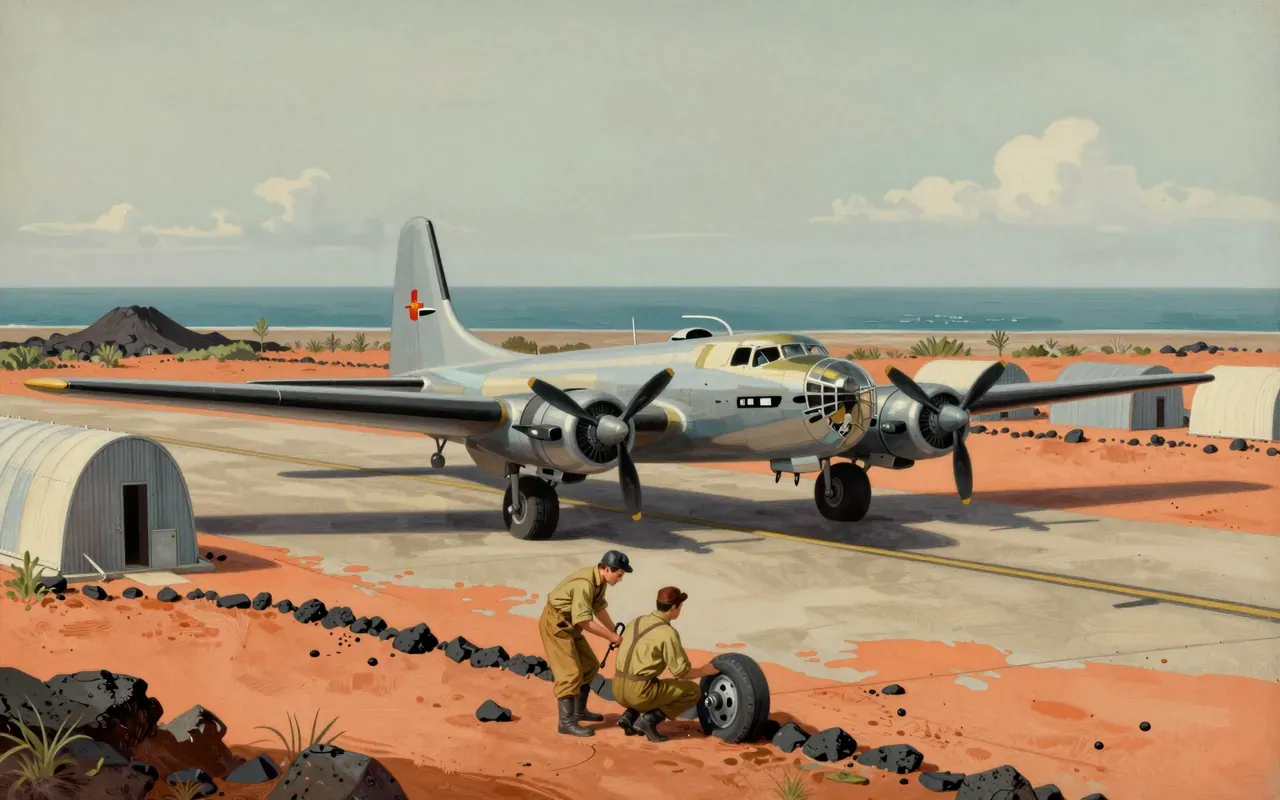
The atomic bombings of Hiroshima and Nagasaki were deliberate, authorised, and executed military operations using newly developed nuclear weapons. Their scale, method, and human impact are well-documented in the source. Their causal relationship to Japan’s surrender is asserted only as ‘precipitation’—not proof of necessity or sufficiency. No claim about motives, alternatives, or internal Japanese decision-making appears in the material.

The Battle of Talikota was a decisive military defeat for Vijayanagara, caused by coalition warfare and military asymmetry — not civilizational conflict. Its legacy lies in how early-modern South Asian states negotiated power, not in mythic binaries.

The Gulf War was a short, sharply bounded conflict defined by UN authorisation, phased military execution, and unprecedented media access — but the record says nothing about its aftermath, costs, or contested legacies.
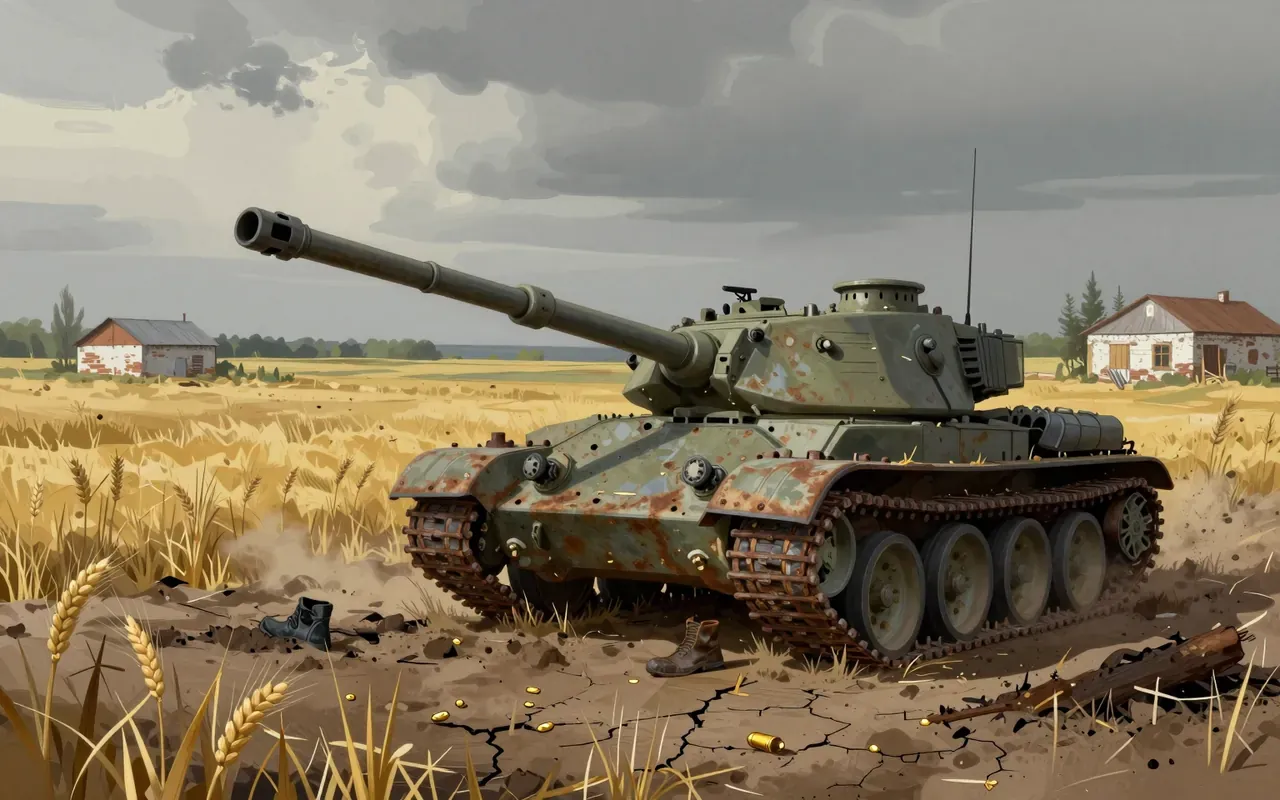
The 2022 Russian invasion of Ukraine was a full-scale assault launched on 24 February 2022. It failed its core objective — rapid decapitation and conquest — by April 2022. Ukraine’s resistance halted the northern advance on Kyiv. Russia retained occupation in the southeast and later unilaterally annexed four oblasts. The plan, reportedly designed for victory in ten days, exposed critical flaws in Russian military execution while revealing Ukraine’s adaptive, battle-hardened defence.
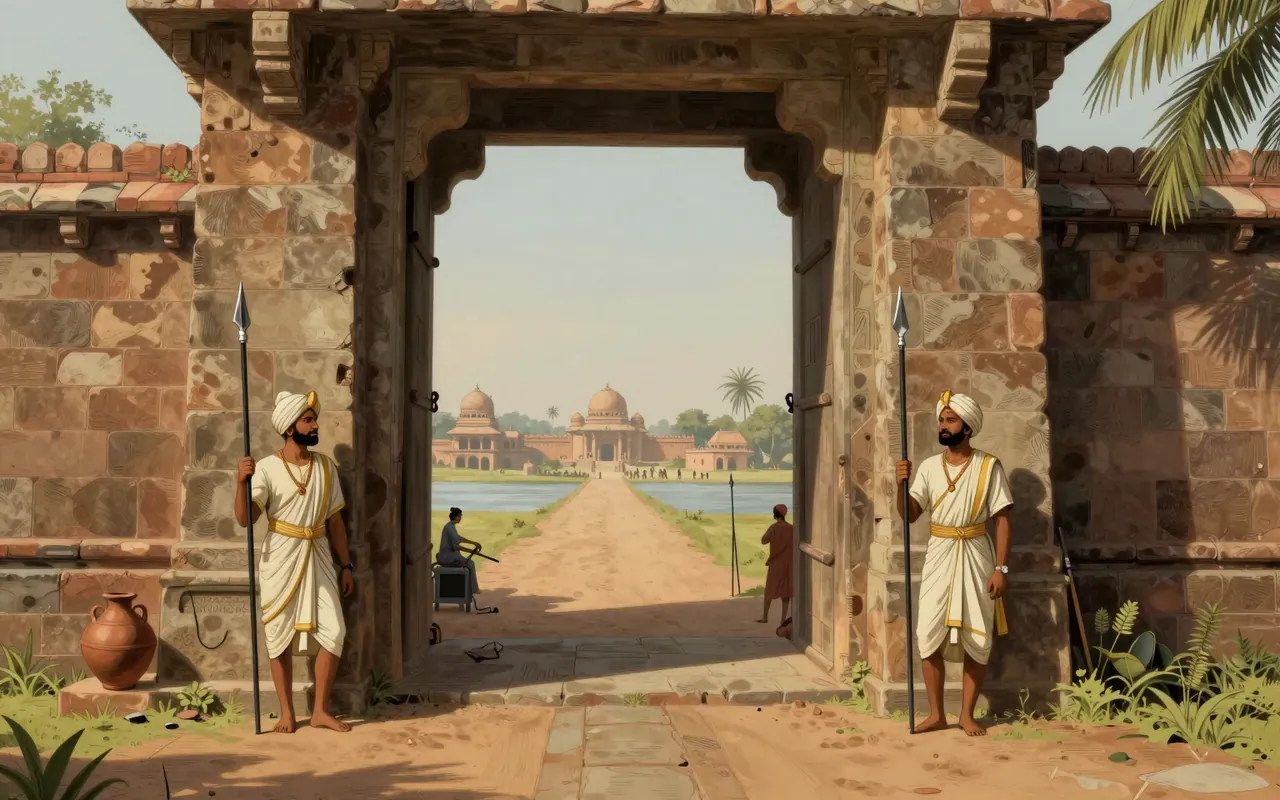
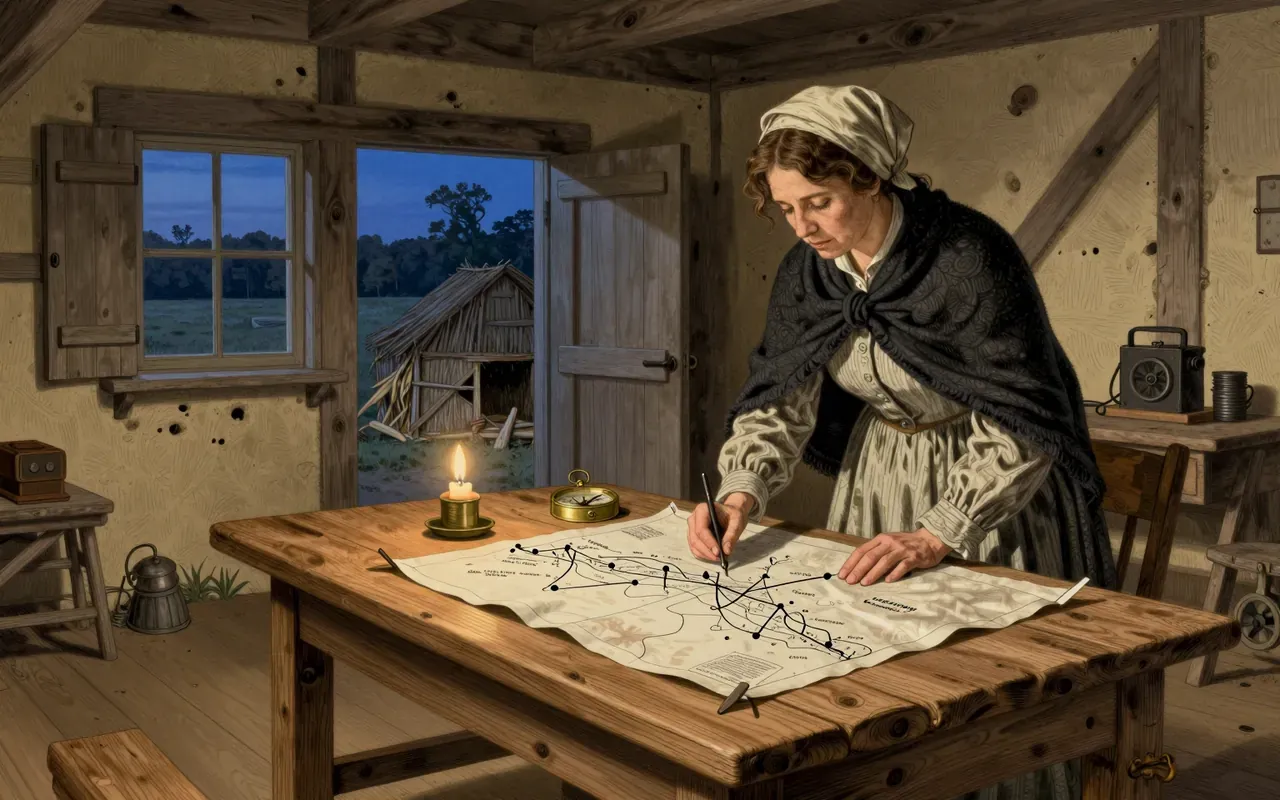
Harriet Tubman’s documented actions redefine what was possible for an enslaved woman in 19th-century America — not through myth or retrospective praise, but through three verifiable, high-stakes operations: 13 rescues, armed intelligence work, and a 700-person military liberation.

A tightly sourced, action-focused account of Ho Chi Minh’s documented political output — no speculation, no omission of violence, no celebration without evidence.

Pol Pot’s rule was a deliberate, ideologically driven dismantling of Cambodian society — not a chaotic collapse. Its end came via foreign invasion, not internal reform. The scale and method of killing remain documented, but the motives behind key decisions do not.
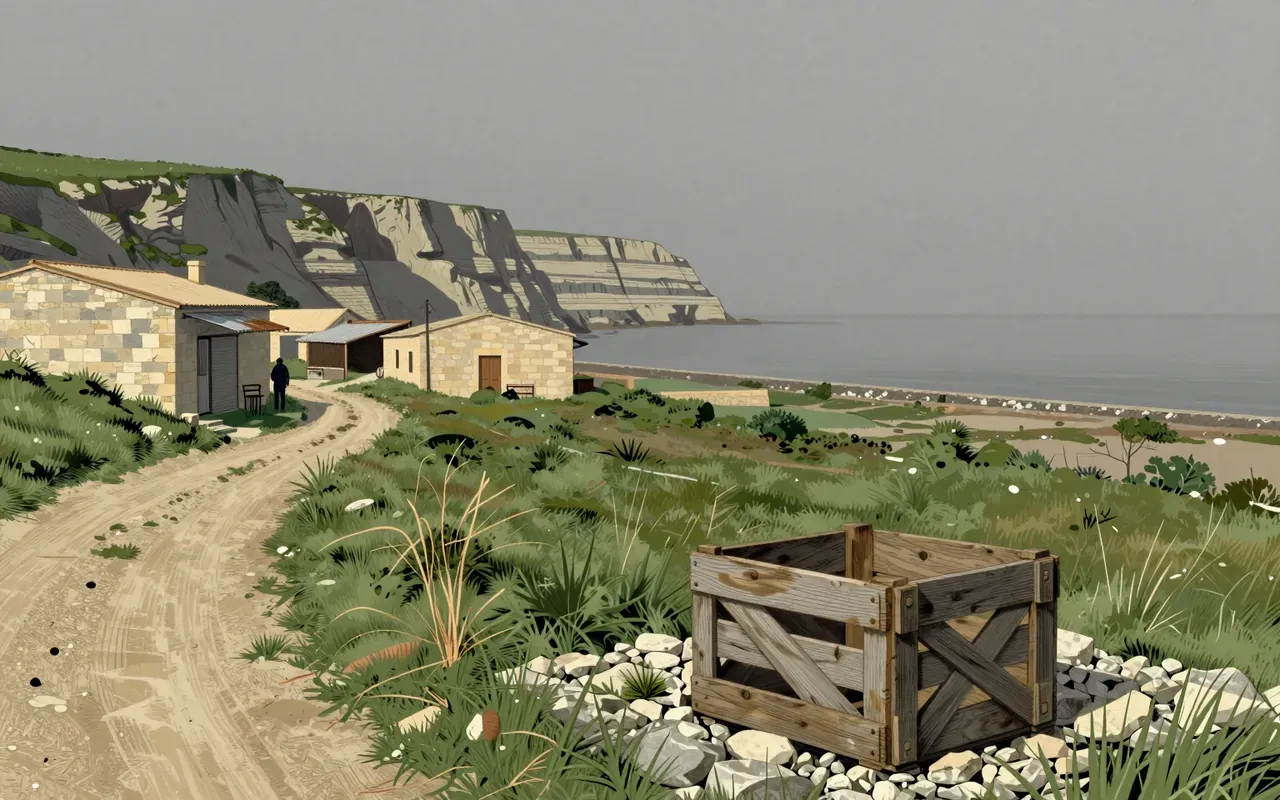
Arma 3 is a military simulation released for PC in September 2013 by Bohemia Interactive. It runs on expansive, photorealistic terrains spanning hundreds of square kilometres. Its realism is systemic: weapons obey ballistics, diving requires dedicated equipment, and electronic warfare or disguise can replace combat entirely. Nearly all gameplay systems—including AI, HUD, and assists—are adjustable via custom difficulty settings. Players pursue fixed mission objectives through self-directed tactics, from solo stealth to squad coordination. It supports extensive modding and user-generated content via the Eden Editor. It is not a narrative-driven shooter. It is a toolset for tactical problem-solving under self-imposed constraints.
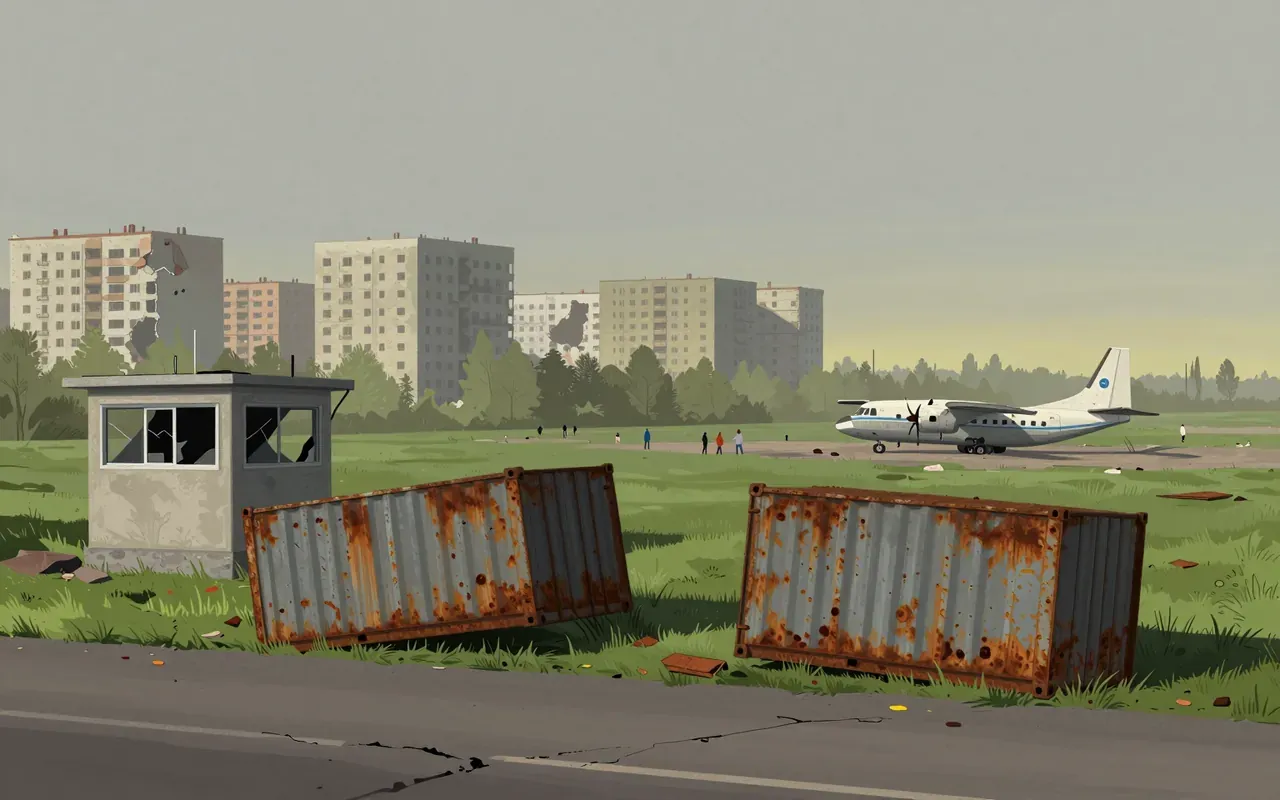
Call of Duty: Warzone (2020) is a free-to-play battle royale built on the IW 8.0 engine, supporting up to 150 players per match. It uses an in-game Cash system to gate access to weapons, perks, and respawns via Buy Stations and Loadout Drops. Players begin each match with a basic pistol and two armor plates, then scavenge weapons, equipment, and killstreaks across large photogrammetry-rich maps including Verdansk, Rebirth Island, Caldera, and Fortune's Keep. Battle Royale features shrinking zones and the Gulag respawn mechanic; Plunder and Resurgence offer alternative loops. The game integrated progression with Modern Warfare, Black Ops Cold War, and Vanguard before server shutdown on September 21, 2023.
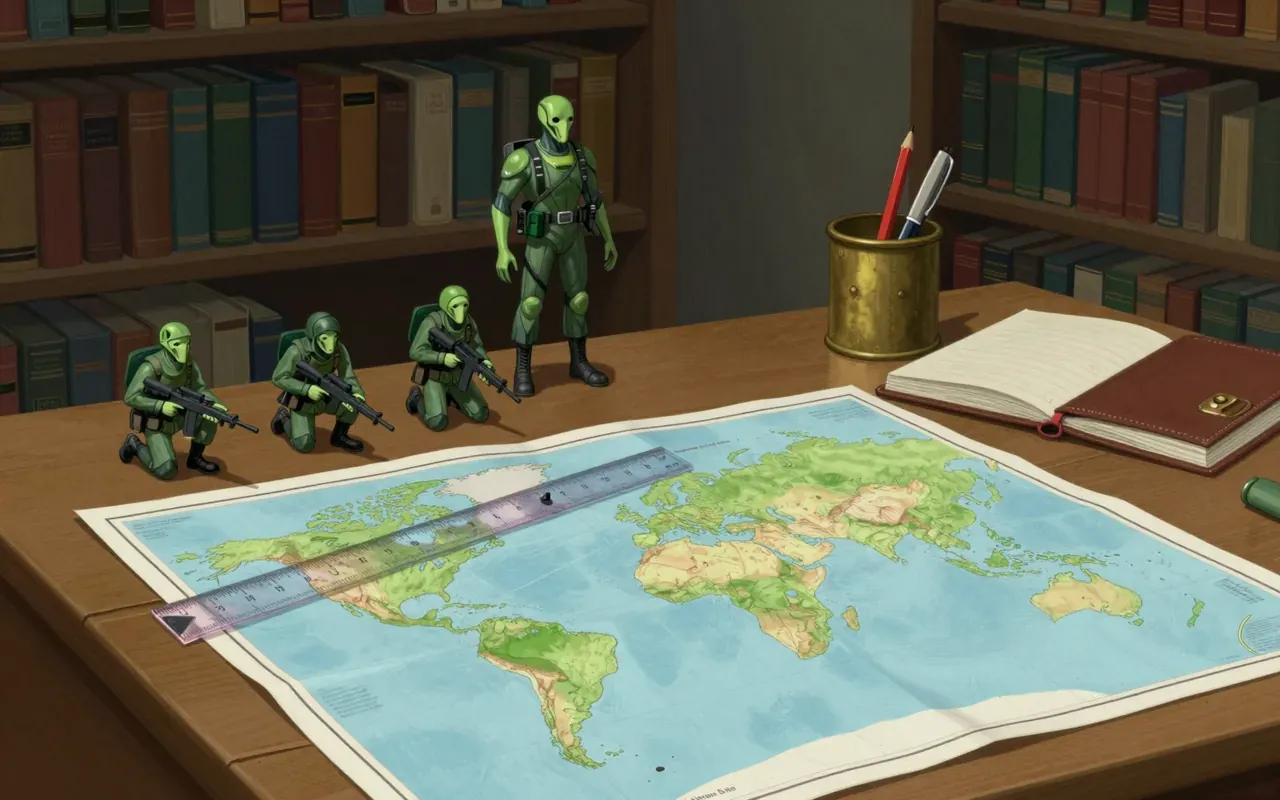
UFO: Enemy Unknown is a 1994 strategy game developed by Julian and Nick Gollop under Mythos Games. It divides play between the Geoscape—a global strategic layer beginning 1 January 1999—and the Battlescape—a voxel-based, turn-based tactical layer triggered by alien contact. It establishes the X-COM franchise. It asks players to manage finite resources, absorb permanent loss, and reconcile two deeply asymmetrical systems. It falls short in explanation, feedback, and accessibility—but not in consequence.
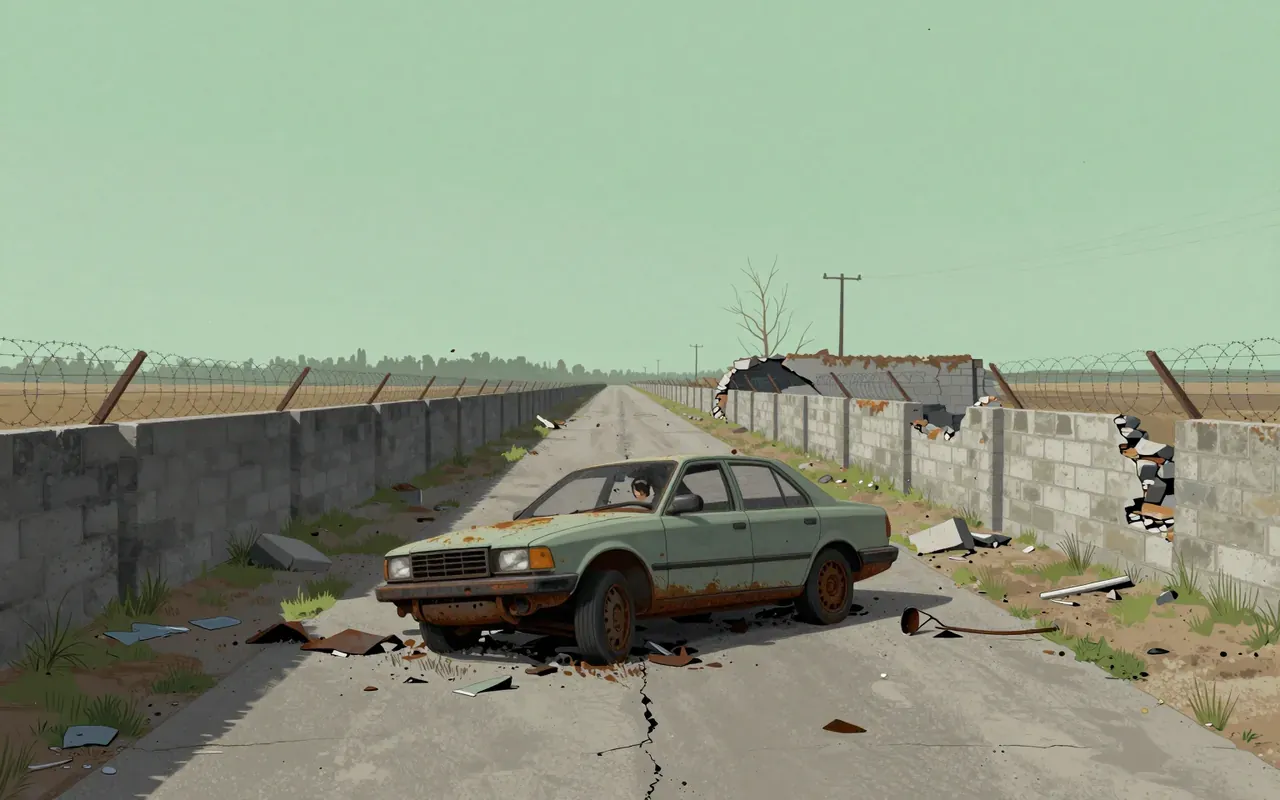
Insurgency (2014) is a tactical shooter defined by omission: no crosshair, no health bar, no minimap, no instant respawn. Players join Security or Insurgents in a fictional Middle Eastern conflict. At round start, they spend supply points on class-specific weapons. Guns kill fast. Death means spectating until their team completes an objective. Every design choice removes feedback to force presence, patience, and trust.

Squad is a realism-based military tactical first-person shooter developed and published by Offworld Industries in 2015. It is exclusively distributed via Steam.
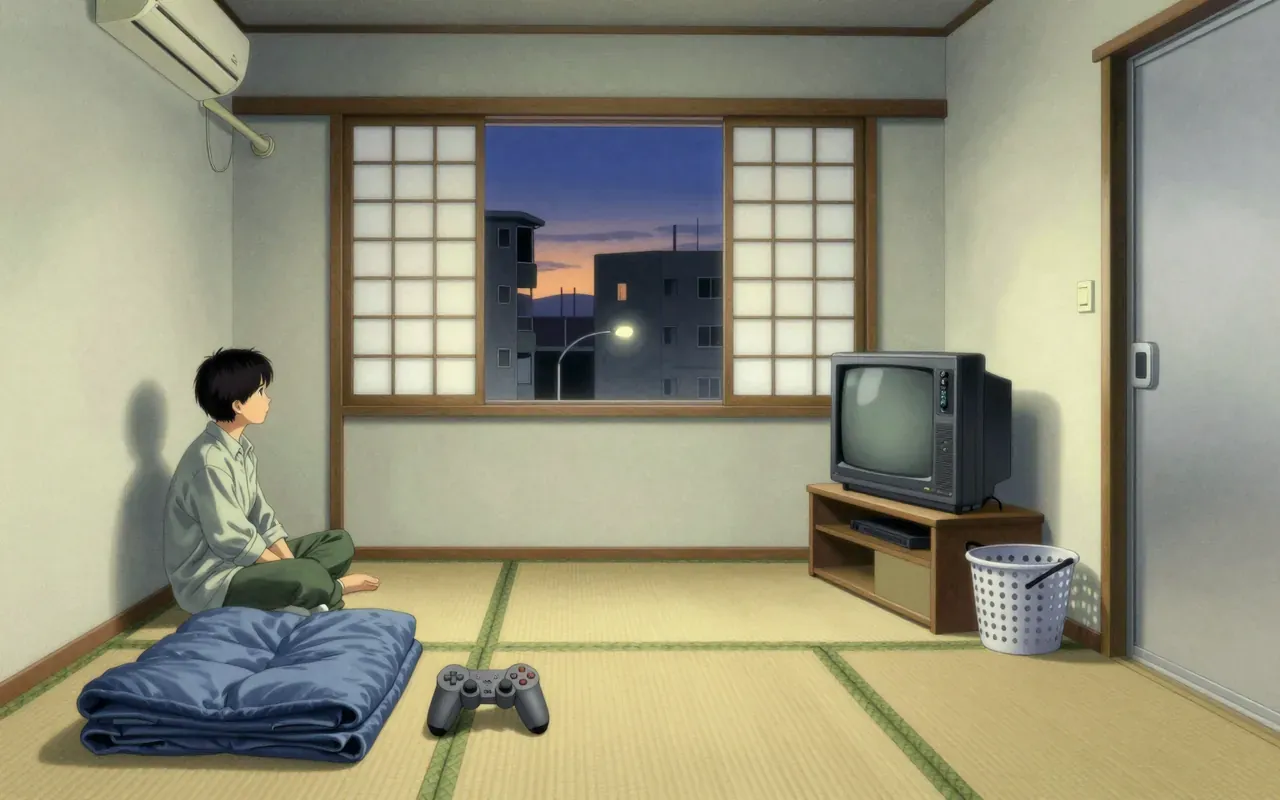
Suikoden (1995) is a Konami-published RPG that uses weapon range, speed-based turn order, and Rock-Paper-Scissors–driven duel and war systems to shape its combat and narrative. It demands strategic party formation, rewards systematic recruitment, and allows consequential failure in optional battles. It is structurally rigorous but opaque in execution details.
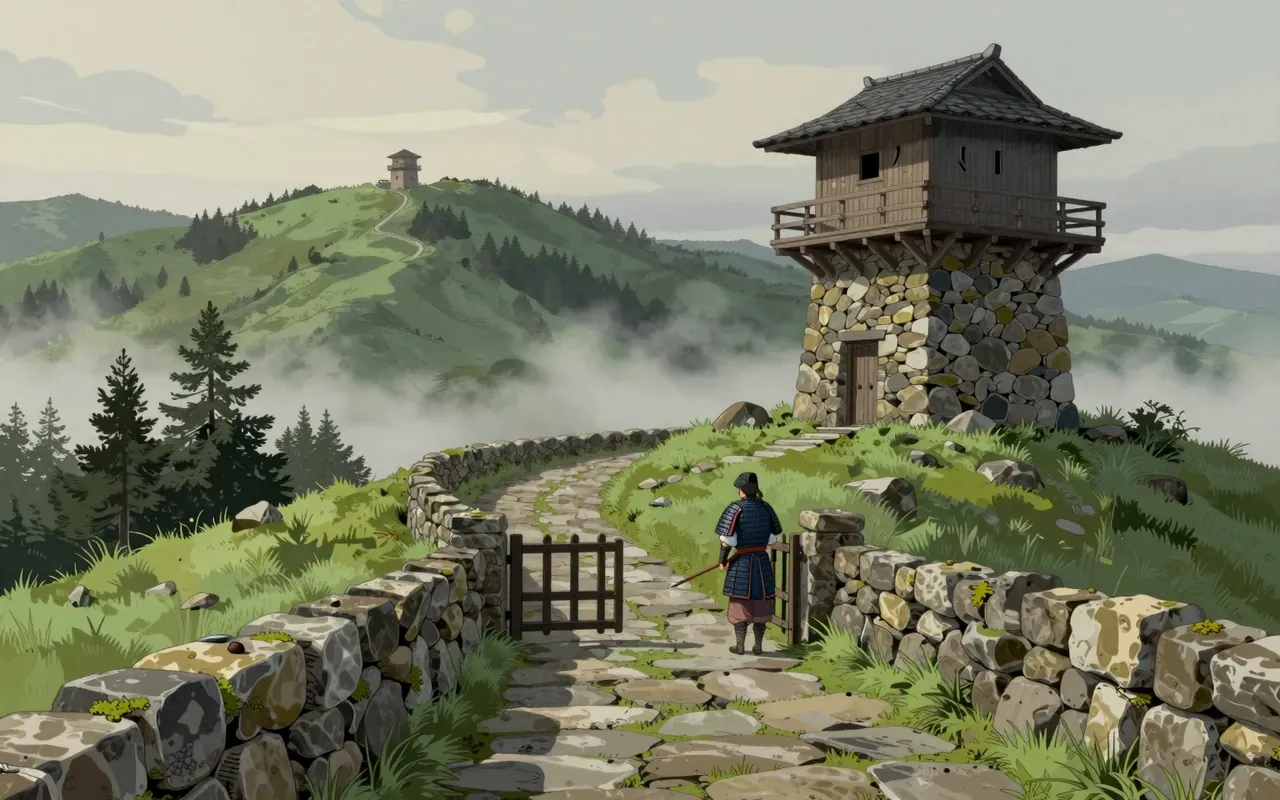
Shogun: Total War is a foundational strategy game that fused turn-based empire management with real-time battlefield tactics. Its ambition—to simulate feudal Japanese unification—was matched only by its structural compromises. The campaign map was added late. Systems coexist but rarely converse. Yet its combat loop remains legible, its faction asymmetry functional, and its provincial logic direct. It rewards patience, pattern recognition, and tolerance for abstraction.
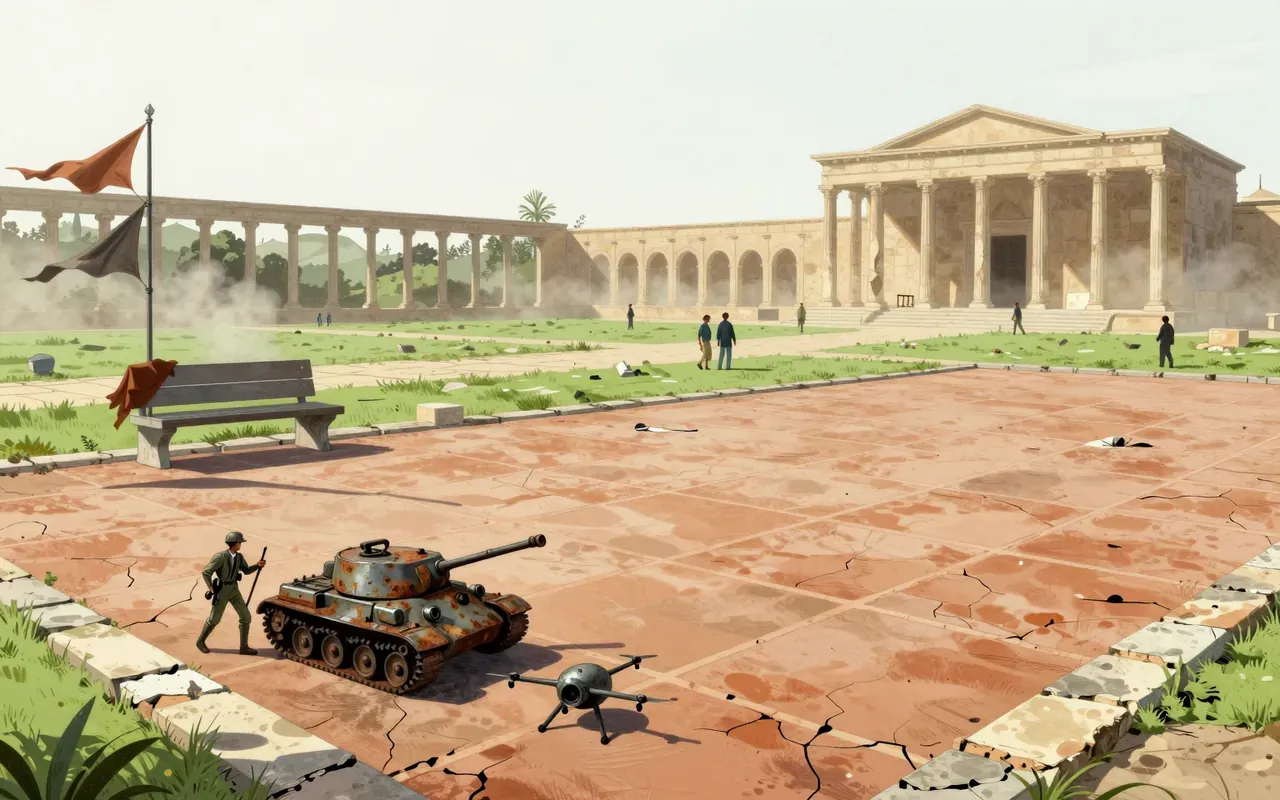
Advance Wars: Days of Ruin is a 2008 turn-based strategy game developed by Intelligent Systems for the Nintendo DS. It departs from earlier entries with a darker tone, toned-down CO powers, no Tag powers, and new units and terrain effects. Players command military forces on grid-based maps to defeat enemies by destroying all units or capturing their headquarters. Fog of war, weather, and terrain shape tactics. The campaign contains 26 story-driven missions. Multiplayer supports local hot-seat and online play via Nintendo Wi-Fi Connection.