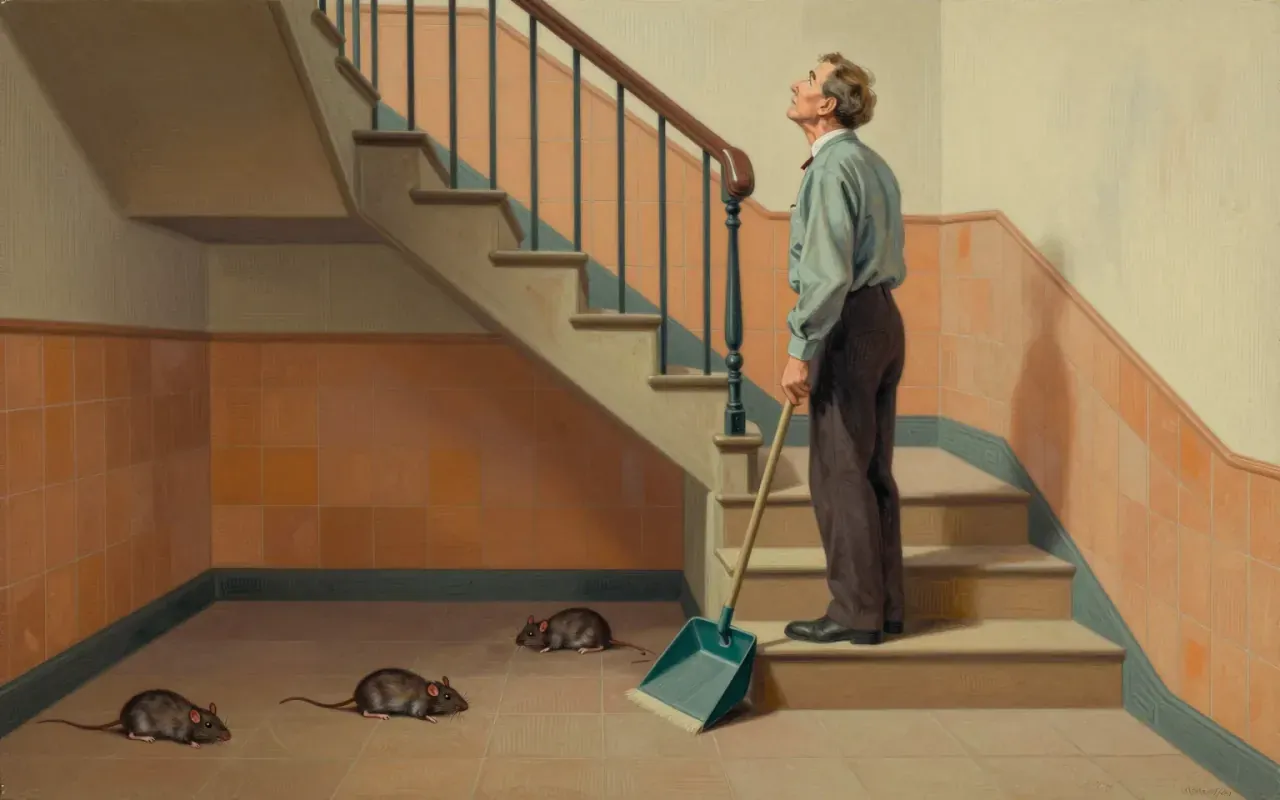
The Plague
Albert Camus · 1947
Camus's 1947 novel of collective crisis. It's not really about a plague: it's an essay on solidarity, responsibility, and what keeps you acting when survival makes sense but meaning does not.
The word used for whatever is felt to be missing.
Camus's 1947 novel of collective crisis. It's not really about a plague: it's an essay on solidarity, responsibility, and what keeps you acting when survival makes sense but meaning does not.
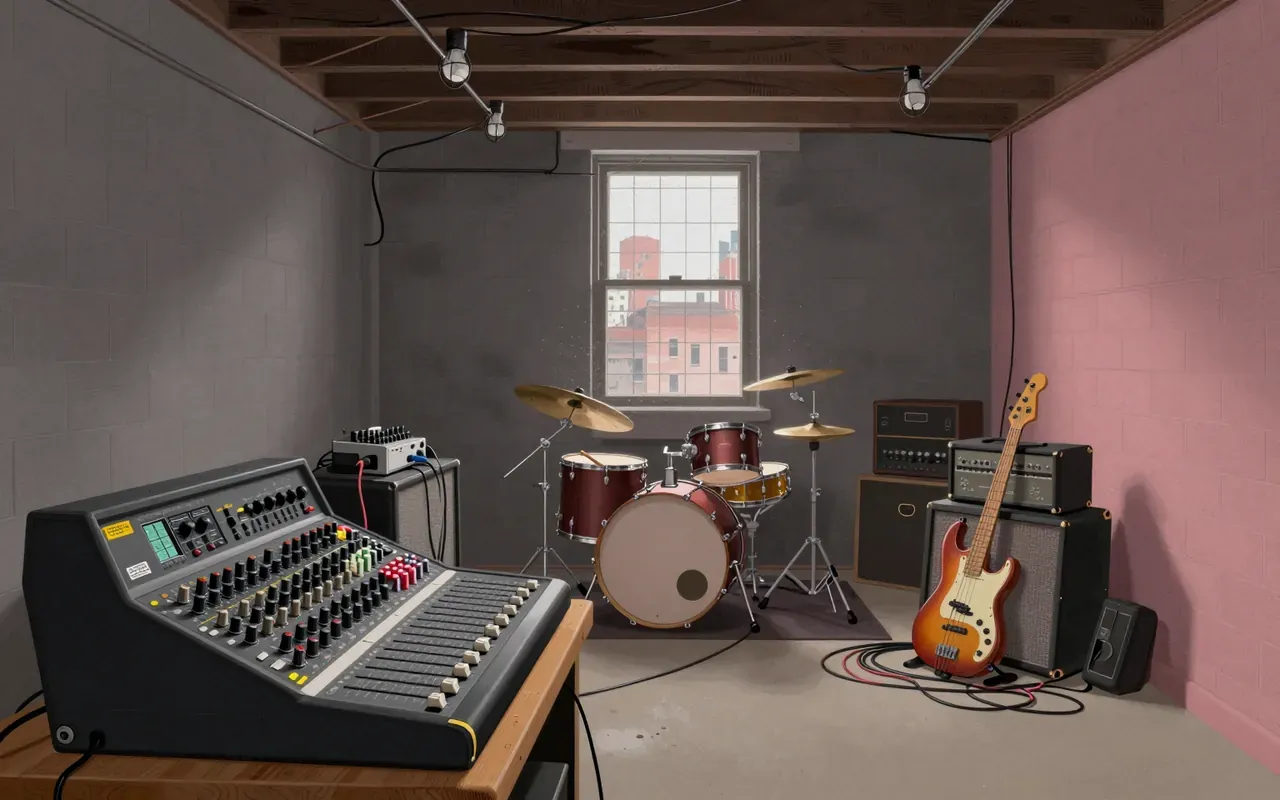
You Forgot It in People is a record built on refusal: to simplify, to centralise, to master. It is neither cohesive nor chaotic — it is densely occupied. Its value lies in how it forces attention to move laterally, not hierarchically.
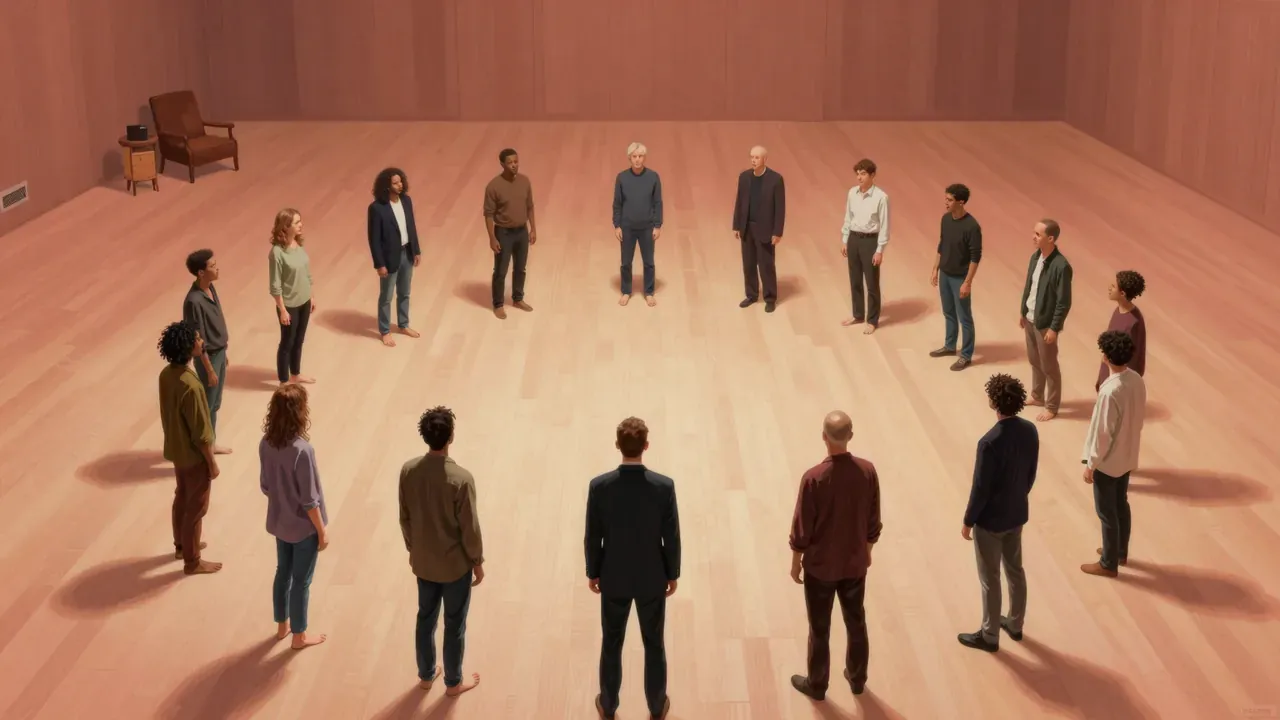
Spike Lee’s American Utopia films David Byrne’s Broadway concert as a sustained act of collective presence: twelve performers, wireless instruments, no sets, choreographed movement, and spoken interludes on connection and civic life. Shot by Ellen Kuras with formal rigour, it avoids spectacle in favour of clarity, repetition, and physical continuity — less a celebration than a rehearsal of unity.
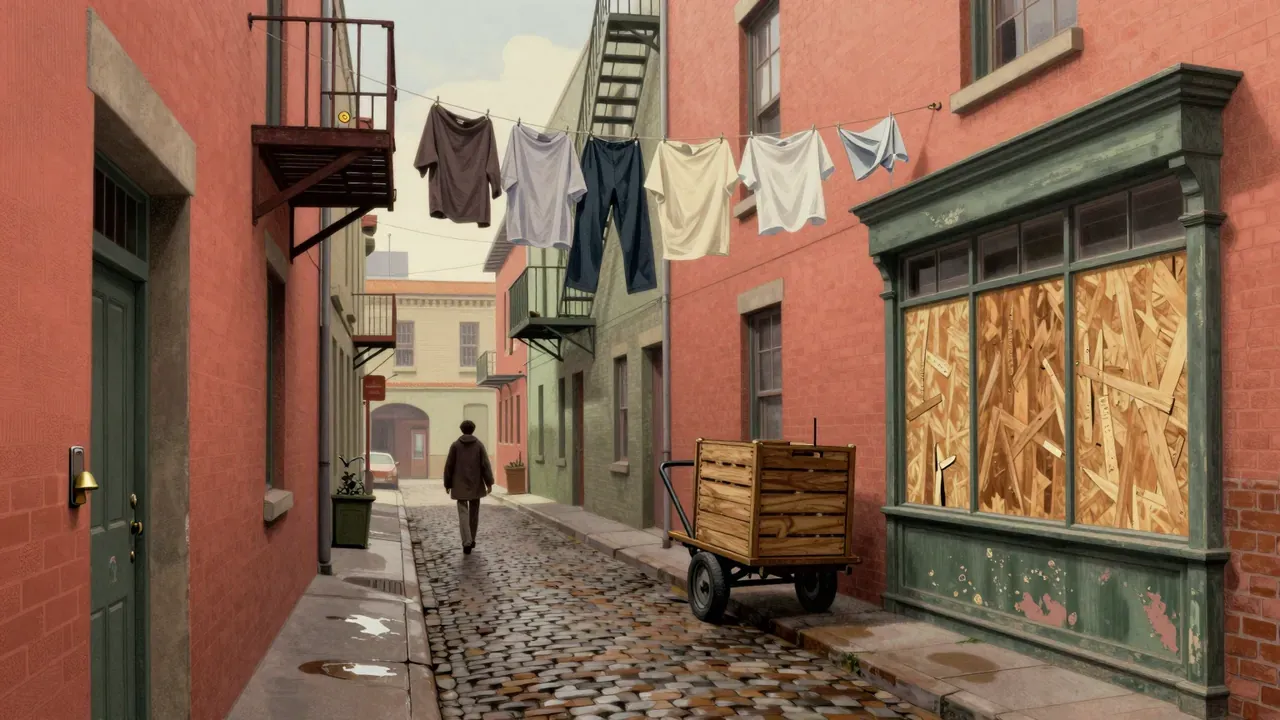
Wayne Wang’s 1982 debut is a black-and-white arthouse comedy-drama structured as a search for a missing Chinatown taxi broker. As two men interview locals, each offers a contradictory portrait of him — revealing not Chan, but the fractured, polyglot reality of Chinese American life. Shot on location with non-professionals, it privileges ambiguity over exposition, sound over subtitle, and absence over answer.
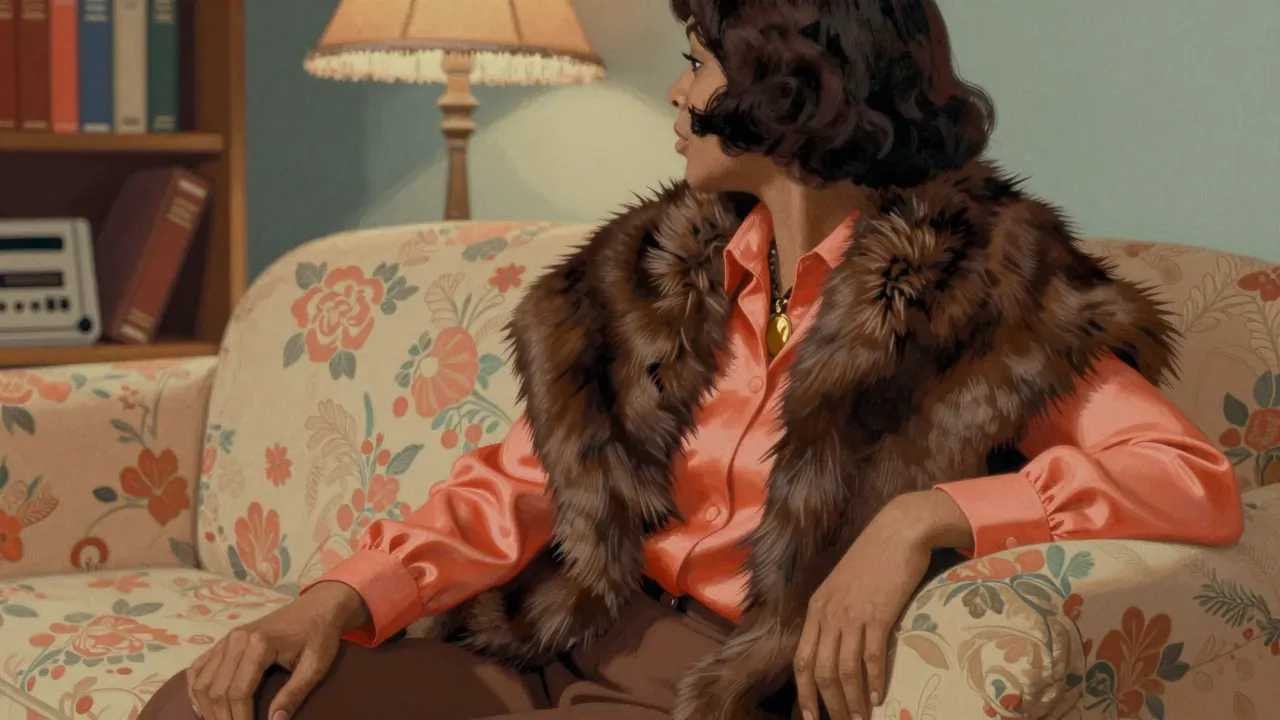
Melvin Van Peebles’ 1973 musical film adapts his stage work into a vibrant, low-budget allegory: two demons infiltrate a Harlem birthday party to break it up, only to be undone by song, solidarity, and the unassailable groove of everyday Black life. Shot on location with a cast of stage veterans and non-professionals, it treats gospel, soul, and doo-wop as tools of social analysis — not backdrop. Its themes of communal resilience, class critique, and joy-as-resistance remain urgent, its form deliberately anti-spectacle.

Aki Kaurismäki’s 2011 French-language drama follows Marcel Marx, a shoeshiner in the port city of Le Havre, who shelters Idrissa, an unaccompanied African boy evading immigration authorities. Shot in Kaurismäki’s signature deadpan style — flat lighting, sparse dialogue, deliberate pacing — the film frames solidarity as ordinary, not heroic. Timo Salminen’s cinematography and The Renegades’ restrained score reinforce its calm moral architecture. Though its thematic clarity and formal control earn widespread acclaim, its avoidance of psychological depth, particularly around Idrissa, leaves some relationships unresolved. Winner of the Louis Delluc Prize and the FIPRESCI Award at Cannes, it is a work of quiet conviction, not easy comfort.
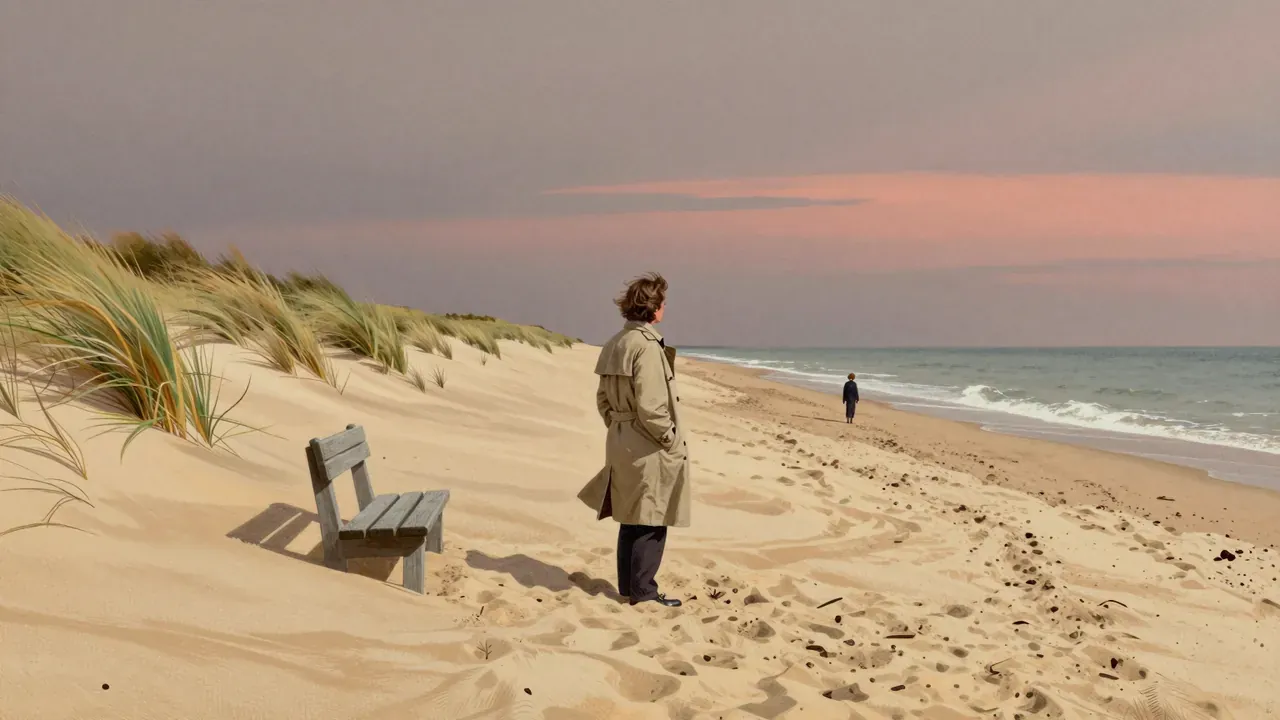
Local Hero (1983), written and directed by Bill Forsyth, follows an American oil executive sent to buy a remote Scottish village for a refinery. As he spends time in Ferness, his assumptions about progress, ownership and value quietly erode. With performances from Peter Riegert and Burt Lancaster, Chris Menges’ naturalistic cinematography and Mark Knopfler’s evocative score, the film traces a subtle transformation — not through drama or debate, but through stillness, repetition and quiet observation.

Madadayo (1993), Akira Kurosawa’s thirtieth and final film, is a quiet Japanese drama based on the life of academic Hyakken Uchida. Structured as a series of vignettes across decades, it follows Uchida’s retirement, wartime displacement, post-war rebuilding, and gradual ageing — all anchored by the recurring ‘Not Yet Banquet’. With restrained performances, even lighting by Takao Saito, and minimal music by Shinichiro Ikebe, it affirms endurance through repetition rather than resolution.
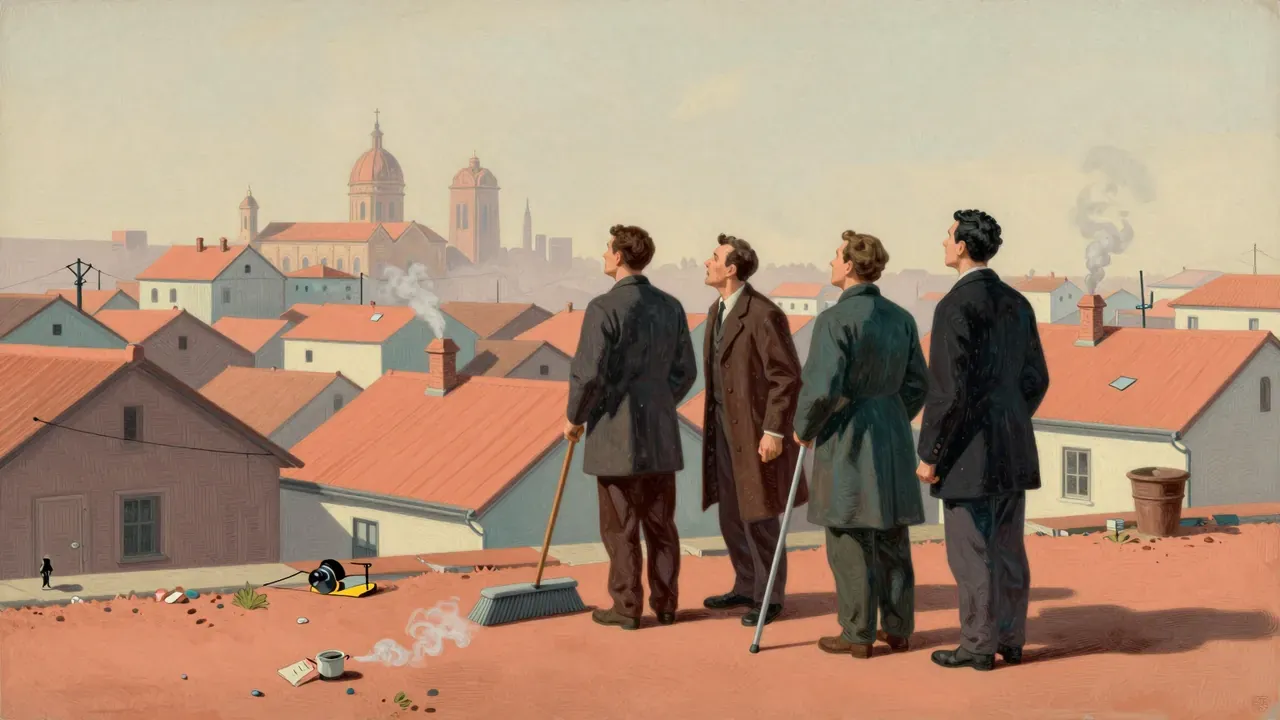
Vittorio De Sica’s 1951 Miracle in Milan blends post-war Italian neo-realism with gentle fantasy. Set on a Milanese wasteland, it follows Totò — raised by a woman who finds him in a cabbage patch — as he helps build a self-governing shantytown, only to confront eviction by industrialists. When magic intervenes, it does so not to erase hardship but to affirm the dignity already present in mutual aid, shared labour and unguarded joy.
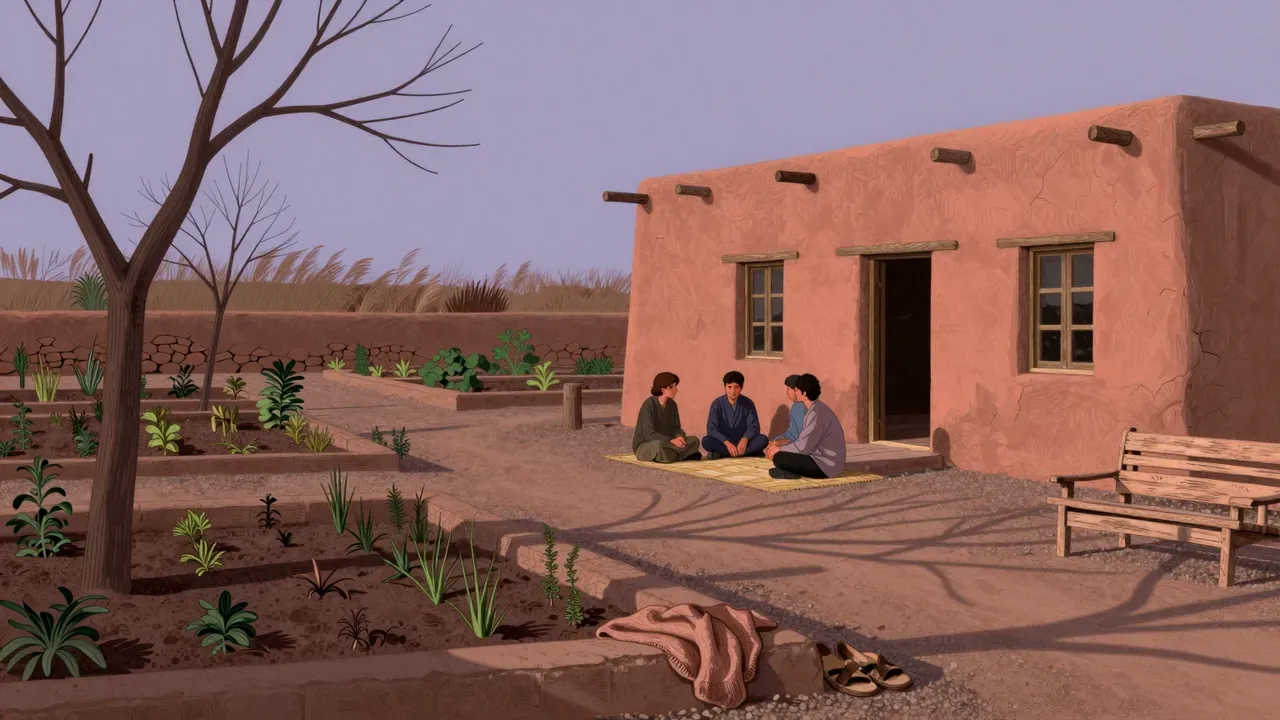
Sound of Metal follows a metal drummer who loses his hearing and enters a deaf-run recovery community. Rejecting cure narratives, it charts his slow adaptation to silence, language, and stillness — not as loss, but as reorientation. Riz Ahmed’s performance and Nicolas Becker’s sound design anchor a film built on restraint, repetition, and tactile detail.
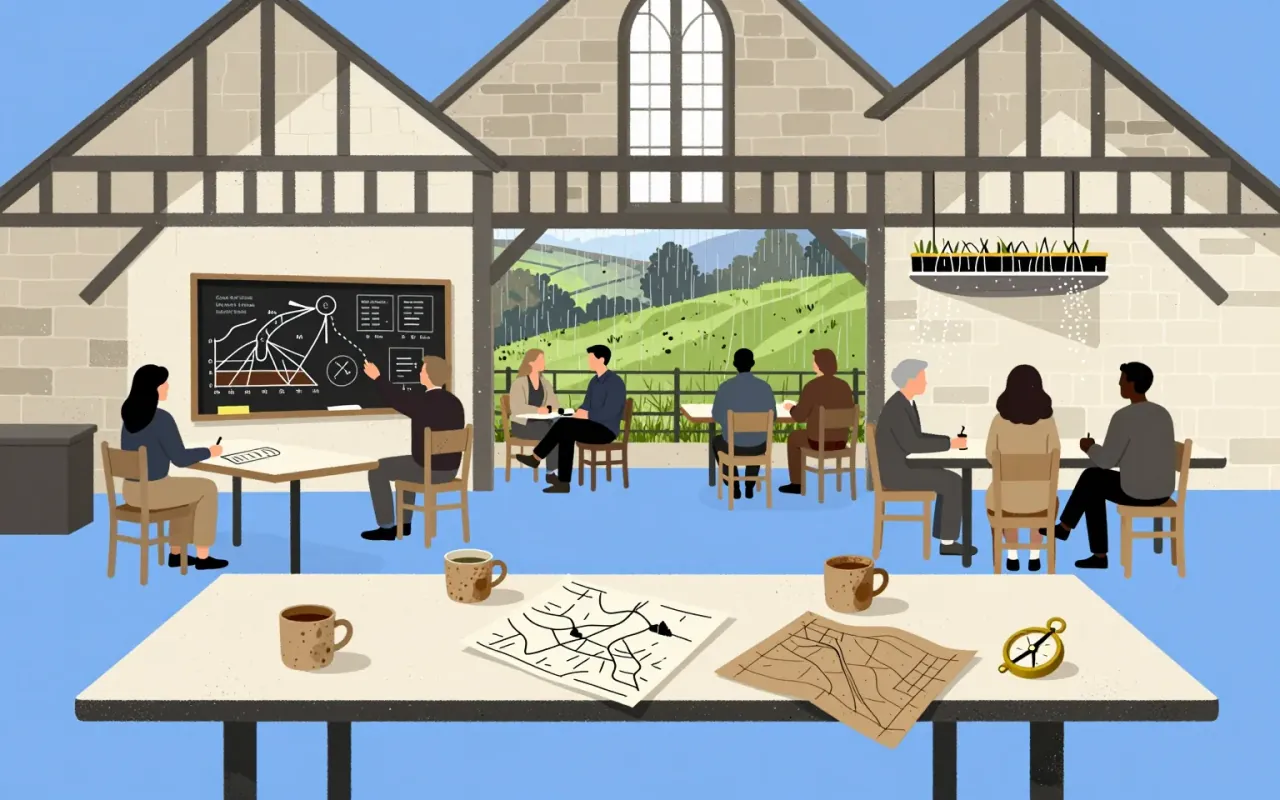



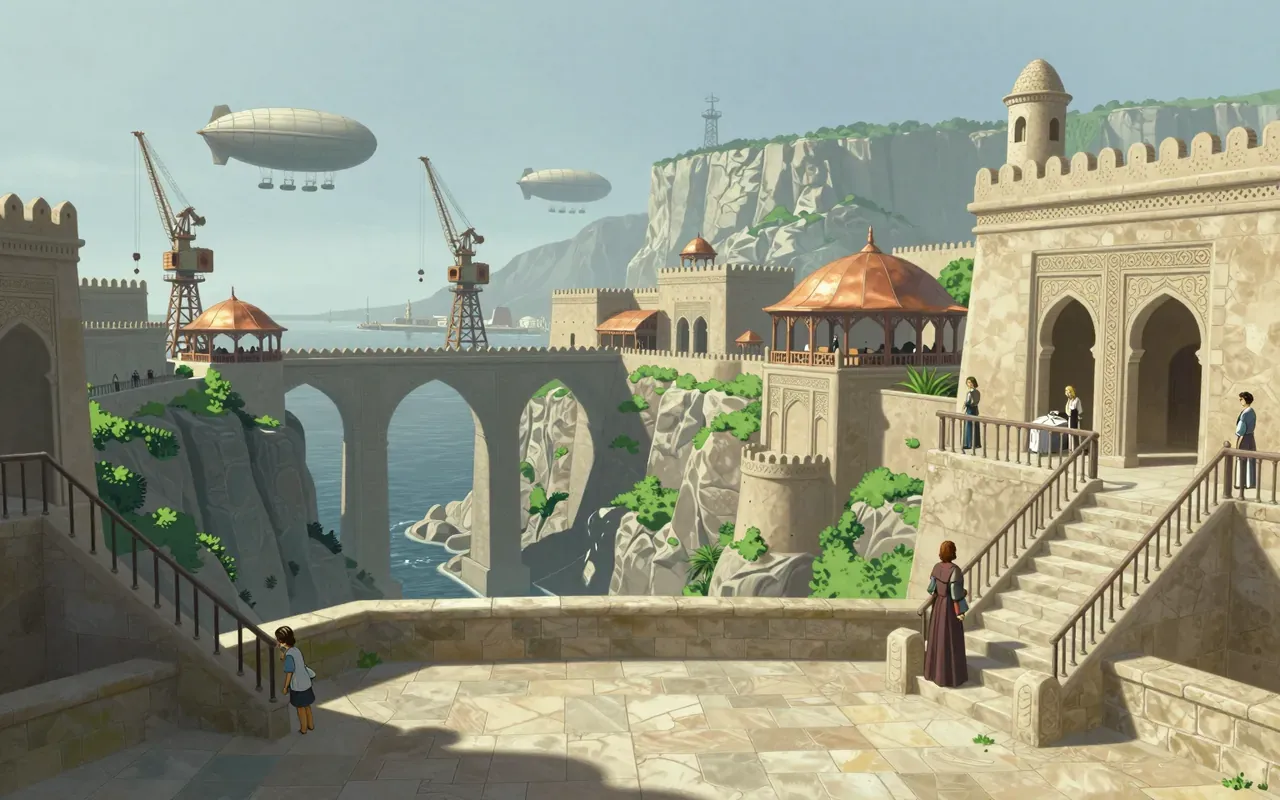
Final Fantasy XIV (2013) is a subscription MMORPG rebuilt after failure. It runs on PlayStation 3 and Windows. Players choose a geolocated server and begin only as Disciples of War or Magic. Its UI unifies PC and console inputs. Translation enables basic cross-language communication. Crafting and gathering are locked at launch. The economy runs through market boards, not direct trade. It follows Final Fantasy XI (2002). It was developed by the Final Fantasy XI team using Crystal Tools.
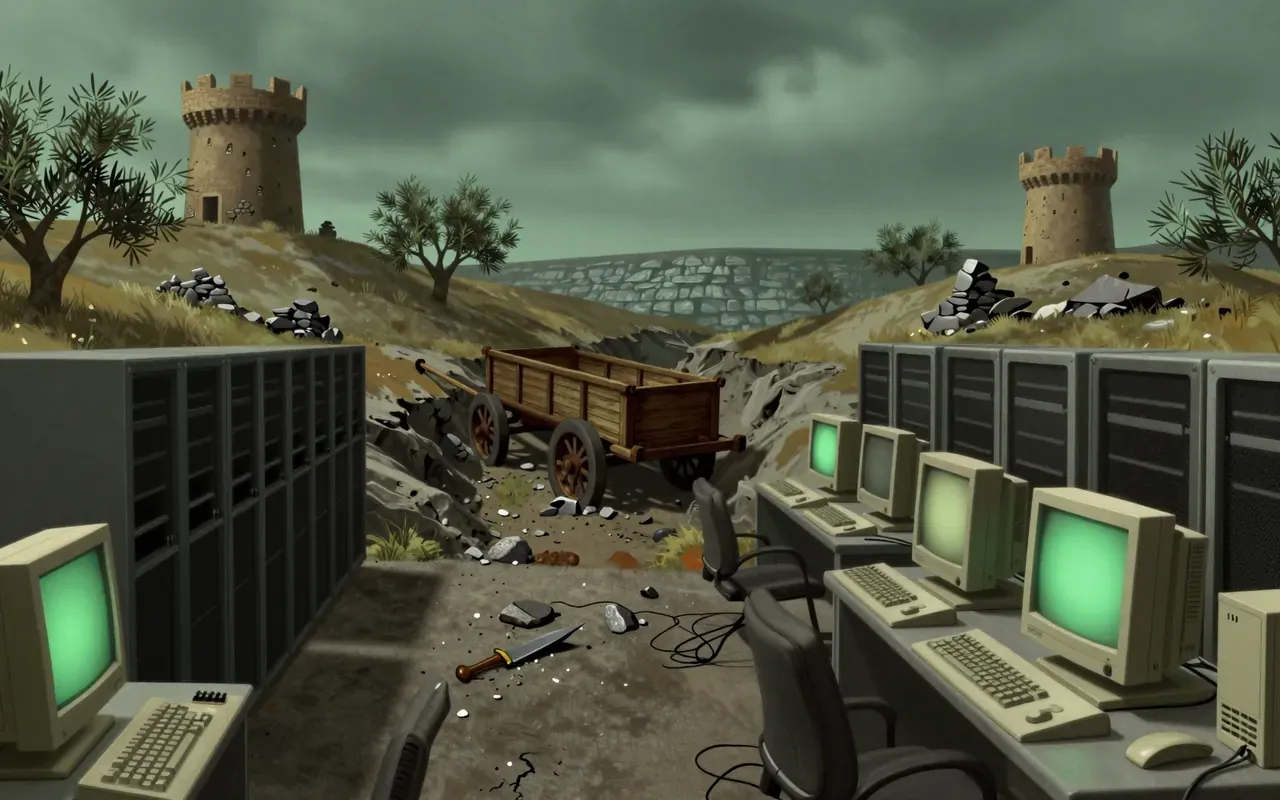
Ultima Online is a fantasy massively multiplayer online role-playing game released by Origin Systems on 24 September 1997. It was Origin’s first persistent online game. It was partially designed as a social and economic experiment. Its initial features included persistent player housing, skill-based character progression without levels or classes, a craft-based and player-driven economy, and unrestricted player-versus-player combat. Servers enforced either consensual or non-consensual PVP depending on type — Trammel, Felucca, or Siege — each with distinct rules for combat, travel, and item loss. The release of Trammel led developers to rename the original world Felucca and make its environment more grim. Siege servers restrict players to one character slot and limit travel options. Ultima Online is one of the earliest graphical MMORPGs. Its success was pivotal in EA’s decision to make Origin an online-only company after the completion of Ultima IX: Ascension in 1999.
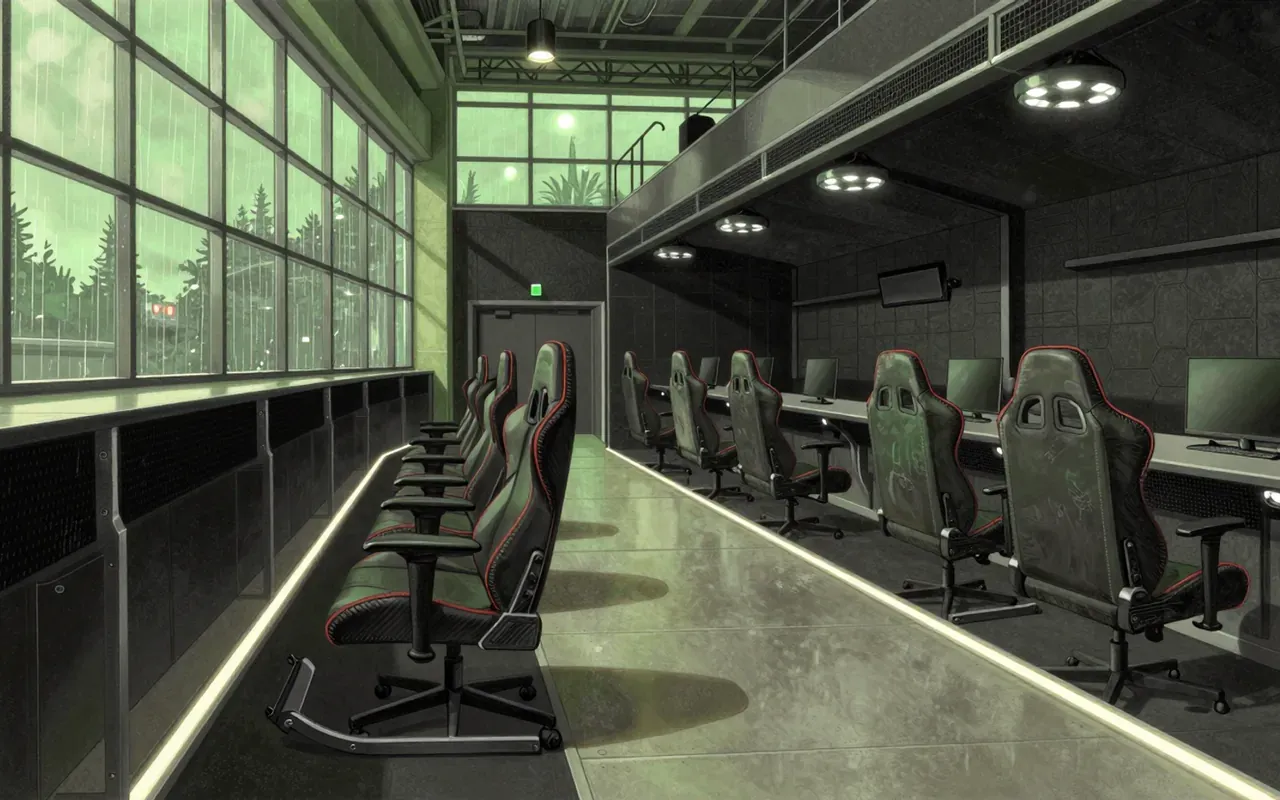
Dota 2 is a rigid, team-bound MOBA that demands mastery of role, map, and timing — with zero concessions to newcomers or casual investment.
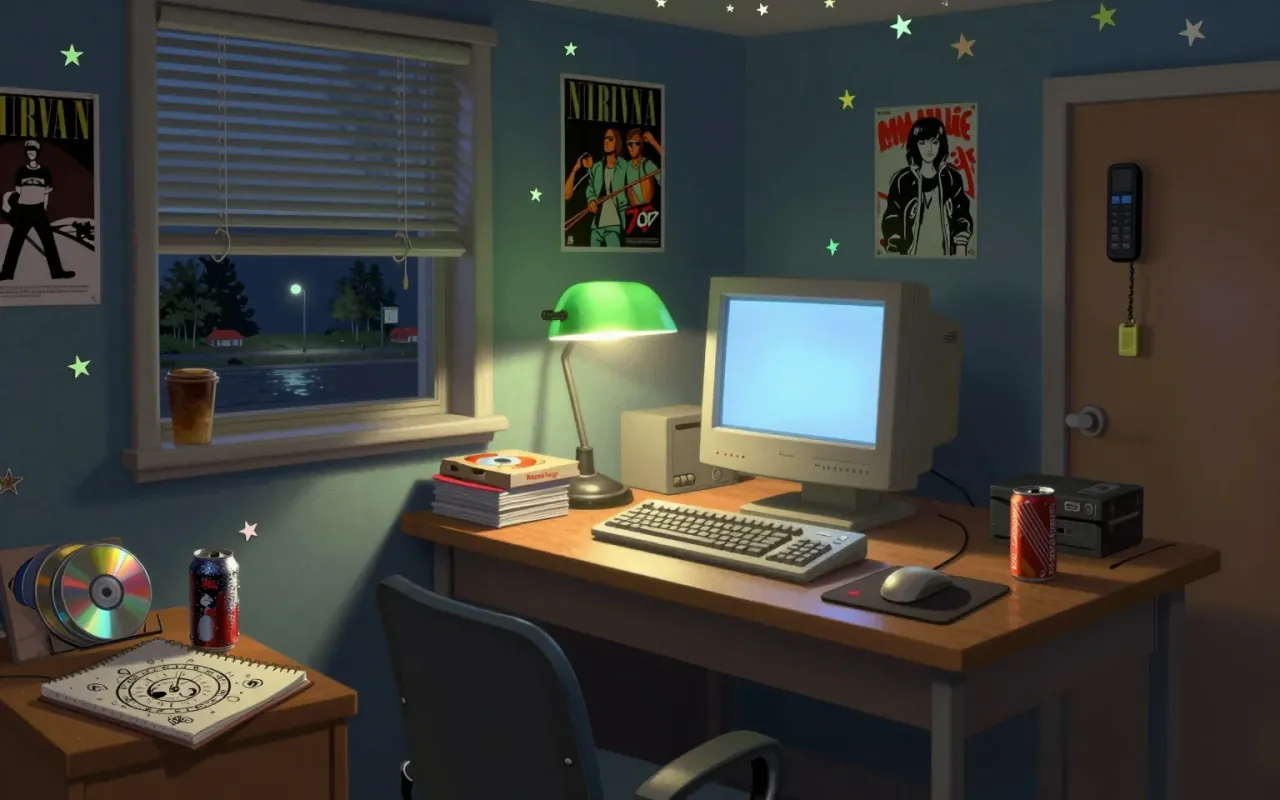
EverQuest is a foundational 3D MMORPG that demands group reliance, punishes solo risk, and treats servers as persistent social spaces — not content delivery platforms.
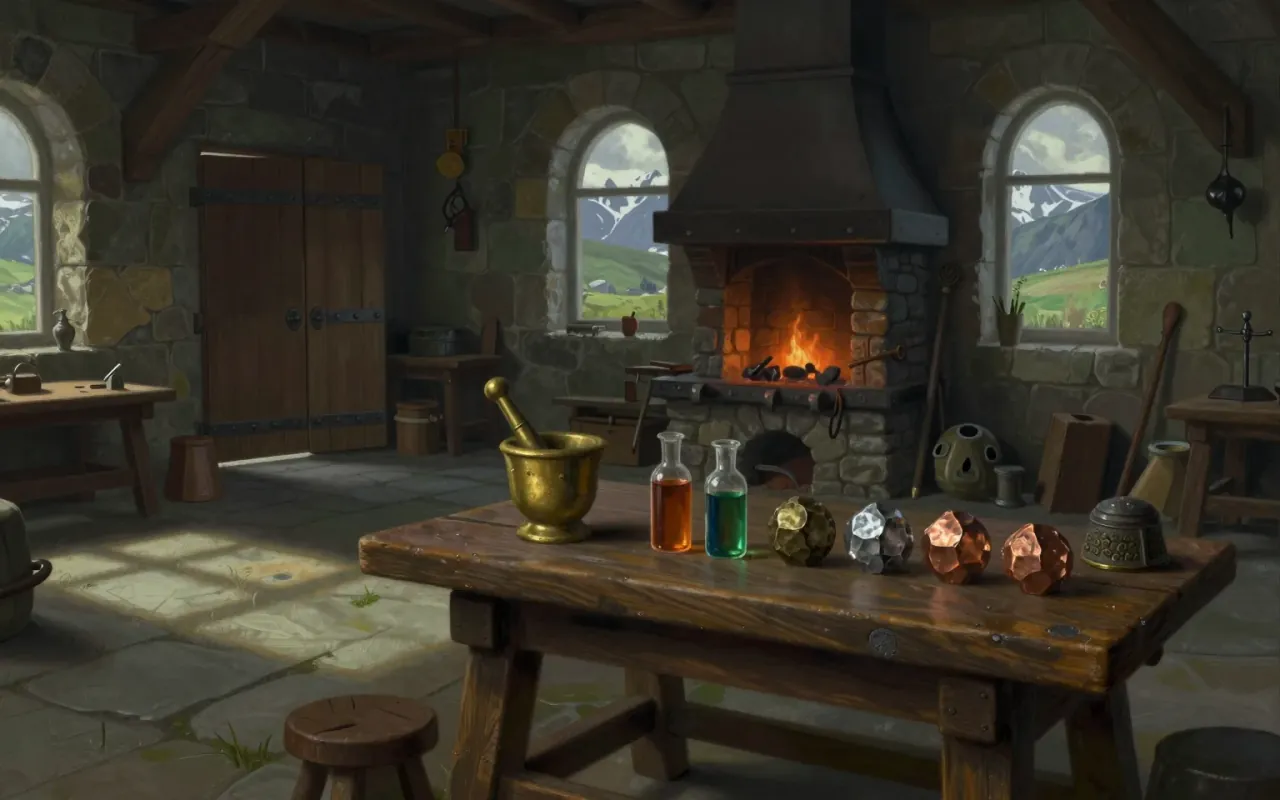
EverQuest II is a 3D fantasy MMORPG for Windows PCs, released by Sony Online Entertainment on November 9, 2004. It is a sequel set hundreds of years after the original EverQuest, following the same strategy: persistent world, experience-based leveling, guild-driven advancement, and a robust tradeskill system that lets players craft spells, potions, armor, and more. It shifted to free-to-play on December 6, 2011, with optional subscriptions. Its core loop demands sustained group coordination, gear acquisition, and long-term social investment—making it viable only for players who treat MMOs as infrastructure, not entertainment.

Left 4 Dead 2 is a tightly wound co-op FPS that uses procedural pacing and rigid inventory to forge intense, fleeting group cohesion — but collapses without live human coordination.
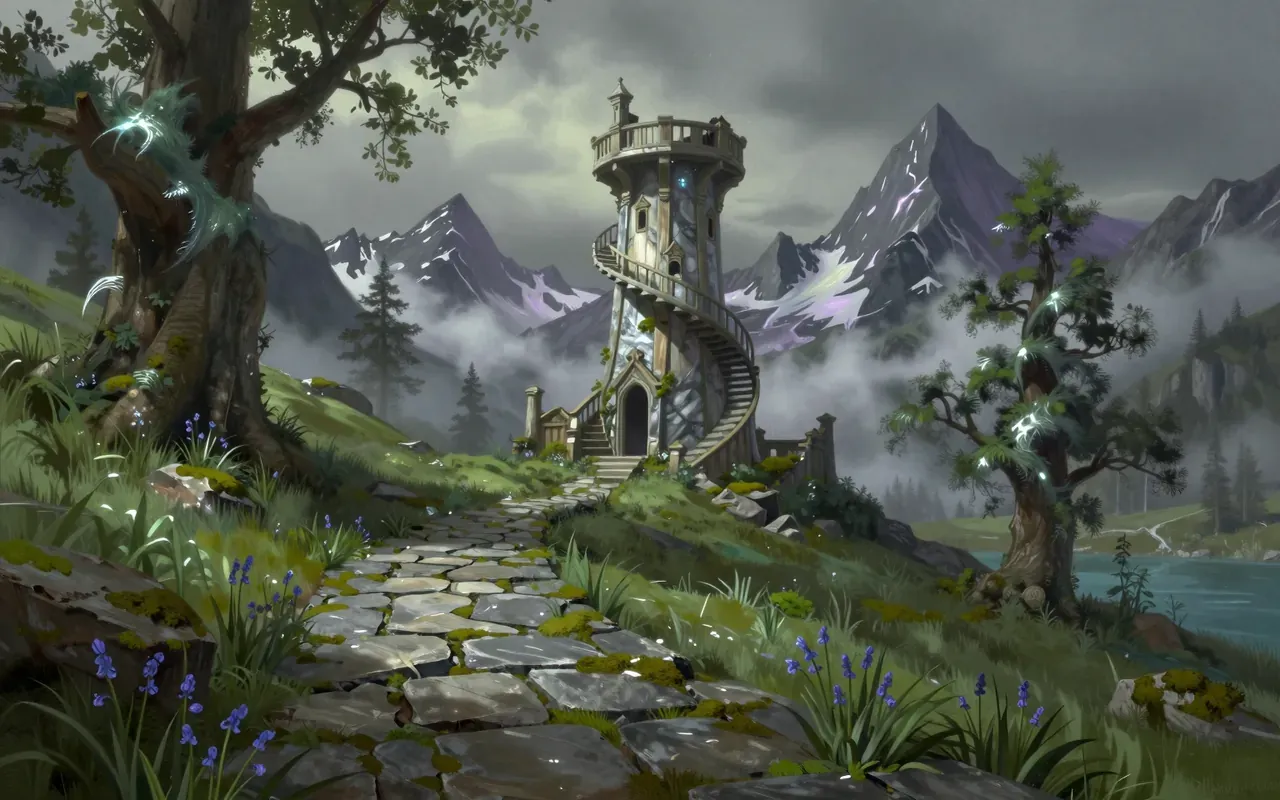
World of Warcraft is a persistent, factioned, realm-based MMORPG where progression is linear, social coordination is structural, and player agency is bounded by scheduled content and systemic repetition. It launched in North America on November 23, 2004, and is managed by Blizzard’s Team 2.

A life simulation played in real time on a deserted island, shaped by real-world seasons and open-ended activity.

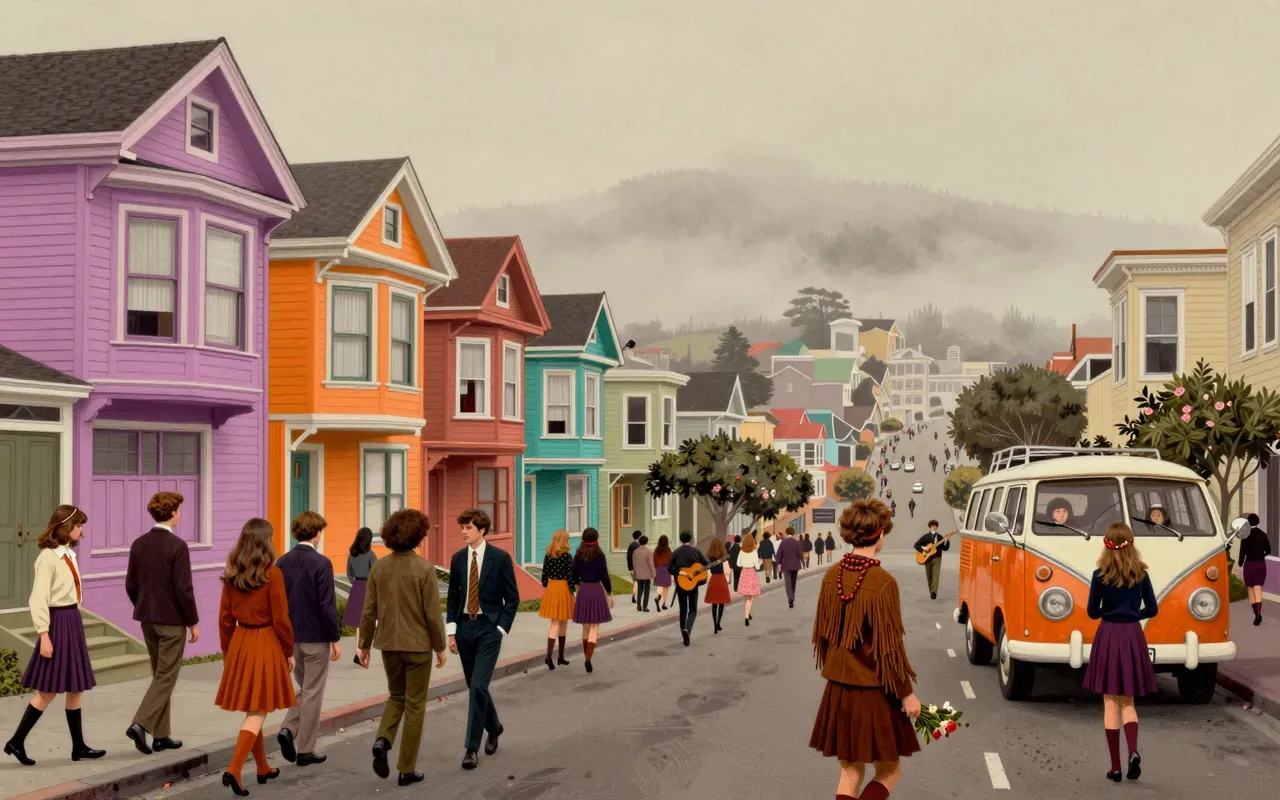







Maison Martin Margiela is a fashion house founded in 1988 in Paris through a collaborative venture with Jenny Meirens. Its debut show took place in fall 1989 at a derelict playground in a North African neighborhood on the outskirts of Paris. The show used an uneven runway and intentionally stumbling models to create a shocking public spectacle. The debut collection rejected contemporaneous extravagance in favour of ripped sleeves, frayed hems, and clumpy shoes. Local children hand-drew invitations in school art classes and sat in the front row to honour the community. The label’s trademark is a cloth badge numbered 0–23, attached with four small white tack stitches, exposed externally on unlined garments. Margiela consistently remained backstage and declined to take a bow after shows, distinguishing himself from peers. From 1988 onward, Margiela refused all formal interviews and photographic appearances.