briefs
Topic · across the network

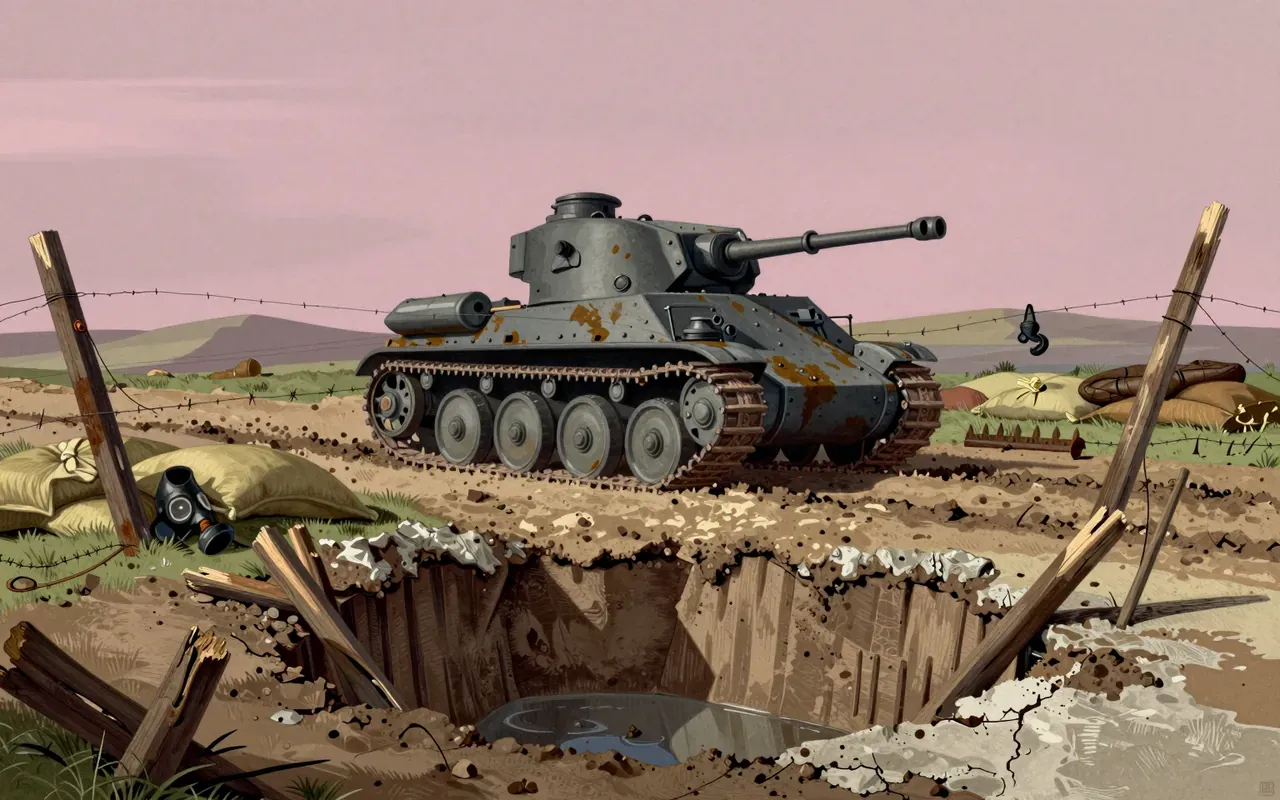
The First World War

The war that ended the nineteenth century, four years late.

39
briefs
8
subjects
11:52
average
463 min
in total
Abstraction 407Absurdism 137Acoustics 220Acting 65Adaptation 372Addiction 95Adolescence 202Advertising 77Age of exploration 14Ageing 113Agriculture 100Algorithms 114Ambition 46Anarchism 38Ancient Egypt 17Ancient Greece 38Ancient Rome 30Animals 172Anthropology 23Apartheid 12Architecture 165Archives 32Argentina 10Art Deco 26Artificial intelligence 78Astronomy 81Attention 42Australia 32Automation 73Avant-garde 164Aviation 79Banking 72Banned works 40Bauhaus 12Beer 5Behavioural economics 22Berlin 16Big tech 6Biodiversity 136Biography 86Birds 41Black holes 20Blockchain 12Boxing 14Branding 77Brazil 43Bread 29Britain 131Brutalism 4Bubbles 3Buddhism 28Byzantium 10California 17Canada 18Capitalism 94Cars 468Celebrity 59Censorship 110Cheese 24Chefs 9Chemistry 104Chess 2Childhood 87China 109Chocolate 8Christianity 49Cinematography 343Cities 90Class 485Climate change 107Club culture 100Cocktails 2Coffee 11Cognitive bias 14Collecting 16Colonialism 284Colour 42Comedy 89Community 52Complexity 21Computing 309Consciousness 16Conservatism 14Conspiracy theories 8Cooking 178Corruption 38Cosmology 31Cover versions 64Craft 116Crate digging 42Creativity 8Crime 234Cryptocurrency 8Cryptography 24Cuba 10Cybersecurity 30Dada 12Debt 38Decision-making 28Decolonisation 46Deep time 80Democracy 45Denim 16Deserts 45Detroit 17Dinosaurs 12Directing 168Disasters 59Disease 109DJ culture 89Dreams 32Drones 5Drum machines 96Dystopia 69East Africa 28Ecology 337Economics 36Editing 72Education 92Egypt 12Electric vehicles 59Emotion 22Empire 92Endurance 49Energy 120Engineering 541Entropy 8Epidemics 13Equality 9Espionage 31Ethics 44Evolution 174Existentialism 106Expertise 2Exploration 49Extinction 23Failure 37Family 240Fandom 22Fascism 45Fashion 215Fast fashion 12Fear 34Feminism 122Fermentation 126Film music 81Fishing 12Folklore 71Food history 588Football 16Forests 31Forgery 7France 163Fraud 15Free will 13Freedom 16French literature 15Friendship 24Furniture 36Gambling 14Gender 63Generations 28Genetics 87Geology 96Germany 66Globalisation 74Gothic 32Greece 5Grief 126Habits 6Happiness 2Hardware 709Haute couture 22Headphones 8Hi-fi 12Hinduism 12Hoaxes 1Human history 23Human nature 41Identity 138Illustration 8Impressionism 6Improvisation 249India 89Indonesia 15Industrial design 342Inequality 13Inflation 4Information 34Infrastructure 280Insects 29Intelligence 8Interiors 31Internet culture 88Invention 329Iran 41Islam 40Islands 17Israel 9Italy 52Jamaica 10Japan 114Jewellery 5Journalism 34Judaism 13Justice 42Korea 41Language 70Law 90Leadership 20Learning 6Liberalism 1Libraries 6Literary criticism 26London 12Loneliness 61Los Angeles 62Lost works 9Love 67Luxury 55Machine learning 15Management 10Maps 5Marketing 21Markets 51Mars 6Marxism 26Masculinity 46Materials 138Mathematics 79Meaning 6Medicine 124Memory 82Mental health 70Mesopotamia 4Mexico 38Migration 95Minimalism 68Mining 30Misinformation 9Modernism 63Money 24Monopoly 32Mortality 61Motivation 2Mountains 16Museums 27Mysticism 11Mythology 60Nationalism 40Neuroscience 23New York 36Nigeria 7Nihilism 10Noise 31Nostalgia 33Nuclear 29Nutrition 17Oceans 48Oil 42Open source 45Painting 18Palaeontology 29Parenting 14Paris 18Partition 6Patents 71Patronage 14Perception 44Personal style 27Personality 2Persuasion 8Peru 10Philosophy 77Photography 37Physics 206Plants 26Platforms 89Podcasting 1Poetry 25Poland 17Policing 34Pop Art 16Populism 2Portraiture 6Portugal 18Postmodernism 23Power 91Prehistory 24Preservation 28Printmaking 21Privacy 11Probability 6Productivity 1Programming 54Prohibition 1Propaganda 35Protest 75Pseudoscience 17Psychology 80Publishing 22Punishment 16Quantum mechanics 44Race 145Radio 30Railways 35Rave 17Realism 47Record labels 19Recording 810Relativity 23Religion 154Resilience 15Restaurants 30Restoration 2Retail 94Revolution 58Risk 18Ritual 96Robotics 26Romance 96Russia 58Salt 9Sampling 246Satire 84Scandinavia 28Scientific method 186Screenwriting 26Sculpture 7Secularism 2Self-deception 14Semiconductors 73Sexuality 102Ships 18Silence 24Silicon Valley 17Slavery 35Sleep 2Smartphones 27Sneakers 15Social media 58Socialism 9Software 68Songwriting 180Sound design 332Sound systems 20South Africa 19South East Asia 30Space exploration 84Spain 18Special effects 41Spices 62Spirits 12Sport 82Startups 21Statistics 10Status 9Stoicism 4Storytelling 68Strategy 70Street food 99Streetwear 16Studio craft 508Subcultures 59Sugar 12Supply chains 115Surrealism 53Surveillance 21Sustainability 30Synthesis 232Tailoring 37Taxation 14Tea 24Textiles 97Thailand 11The American Revolution 19The American South 88The Arab world 41The Arctic 19The Balkans 17The Belle Epoque 13The body 29The brain 26The Caribbean 28The civil rights movement 62The Cold War 160The eighties 268The Enlightenment 29The financial crisis 19The First World War 39The food industry 157The French Revolution 9The Gilded Age 9The Great Depression 18The Holocaust 20The Industrial Revolution 93The internet 61The interwar years 135The Middle Ages 35The Moon 4The music business 169The Netherlands 10The nineties 26The Olympics 10The pandemic 13The Reformation 1The Renaissance 16The Russian Revolution 19The Second World War 102The seventies 58The sixties 28The space race 5The United States 19The universe 7The Victorian era 37Therapy 20Tokyo 11Trade 48Tragedy 22Translation 5Trauma 85Travel 5True crime 2Turkey 18Typography 54Uniforms 23Unions 8Urban planning 66Utilitarianism 1Utopia 5Vaccines 10Vegetarianism 15Venture capital 6Video games 291Vietnam 12Vintage 65Vinyl 6Virtual reality 11War 169Watches 4Water 11Weather 29West Africa 29Wilderness 10Wine 3Work 22Workwear 19Worldbuilding 121

books.briefs Books

All 2 in books →
16:38

Demian

Hermann Hesse · 1919

Demian argues that moral growth requires destroying the world that raised you — family, church, nation — to make space for the self you were meant to be. It succeeds in its early chapters on guilt and awakening, fails in its later mysticism, and should be read selectively. Skip the organist Pistorius entirely.

14:32

The Waste Land

T. S. Eliot · 1922

The Waste Land is a fractured 1922 poem diagnosing spiritual drought after the First World War. It rejects coherence, using shards of language, myth and memory to enact collapse rather than describe it. The brief tells you why its disorientation is deliberate, which lines anchor its argument, and why it remains essential—if unreadable in the old way.

music.briefs Music

All 1 in music →
9:42

Paris 1919

John Cale · 1973

Paris 1919 is John Cale’s third solo studio album, recorded in 1972–1973 at Sunwest Studios in Los Angeles and produced by Chris Thomas to add objectivity. It features Lowell George, Richie Hayward, Wilton Felder, and the UCLA Symphony Orchestra — uncredited on the original LP. Musically, it departs from Cale’s experimental tendencies toward an orchestral singer-songwriter style influenced by Brian Wilson, the Bee Gees, and Procol Harum’s 1972 live album. Lyrically, it references the 1919 Paris Peace Conference, Dylan Thomas, and Graham Greene. Critically acclaimed upon release and since, it is widely regarded as Cale’s most accessible and traditionally structured solo work — and retrospectively considered his masterpiece.

film.briefs Film

All 13 in film →
13:00

And the Ship Sails On

Federico Fellini · 1983

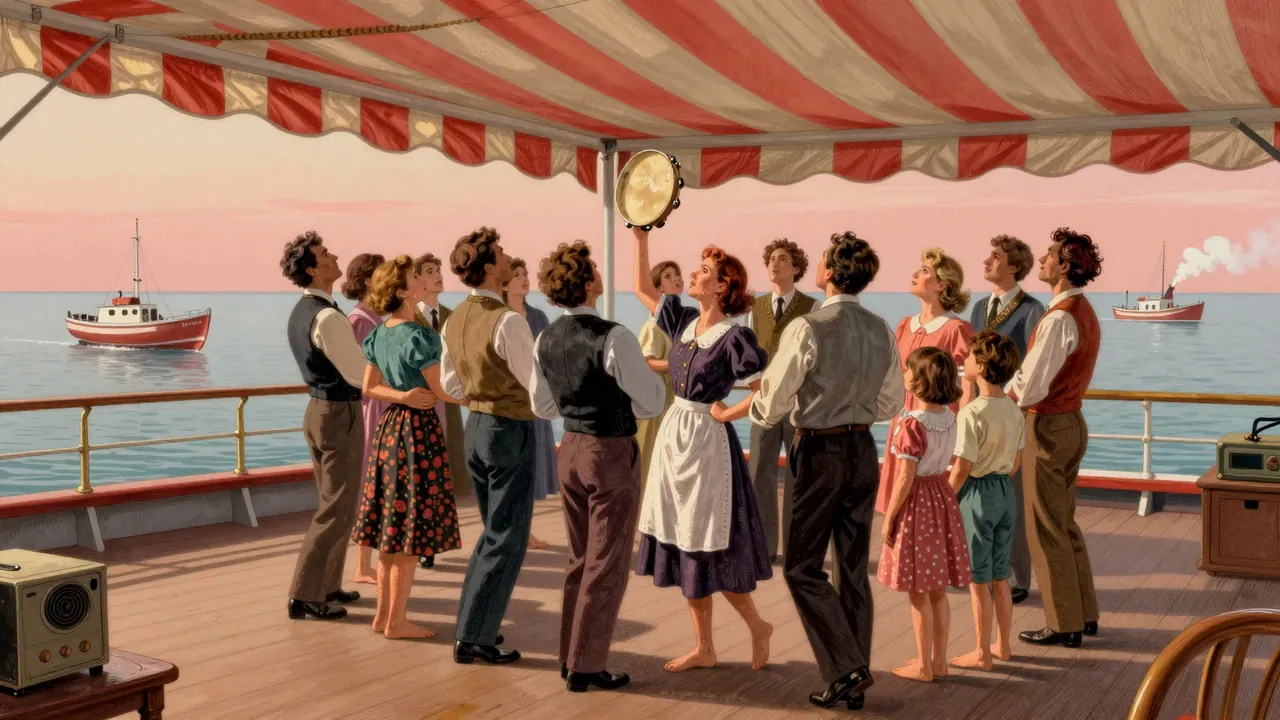
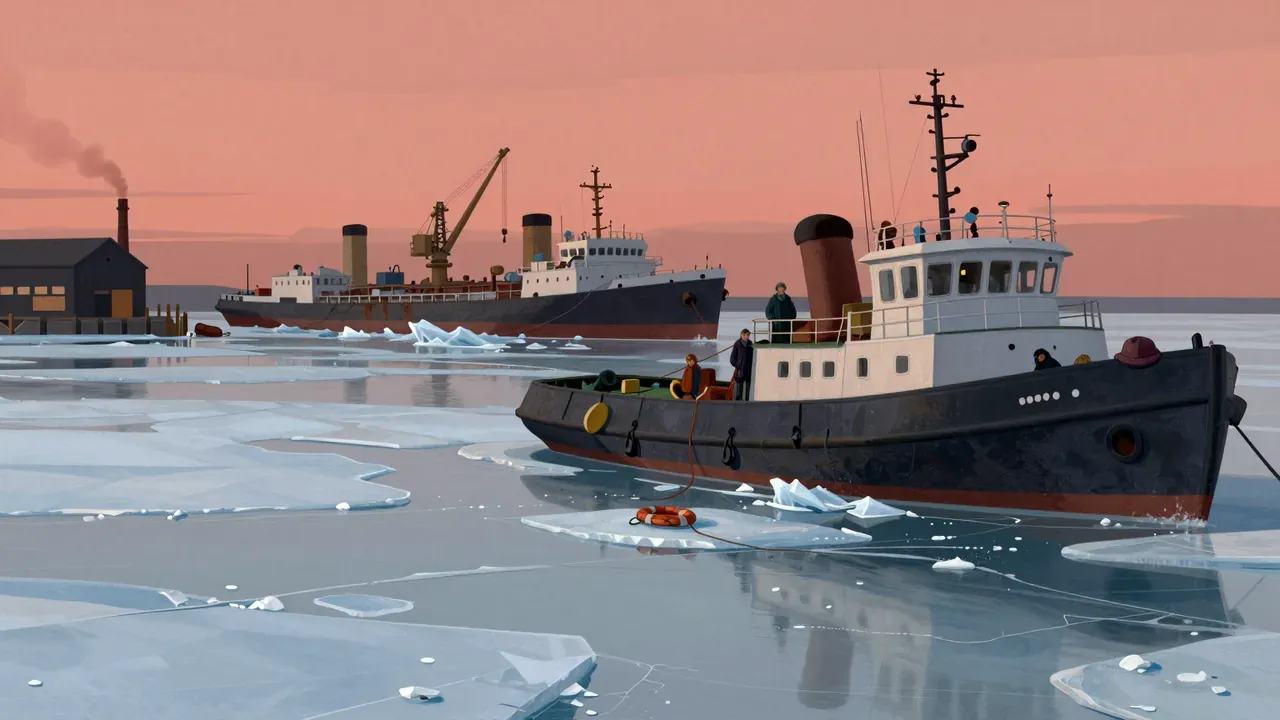
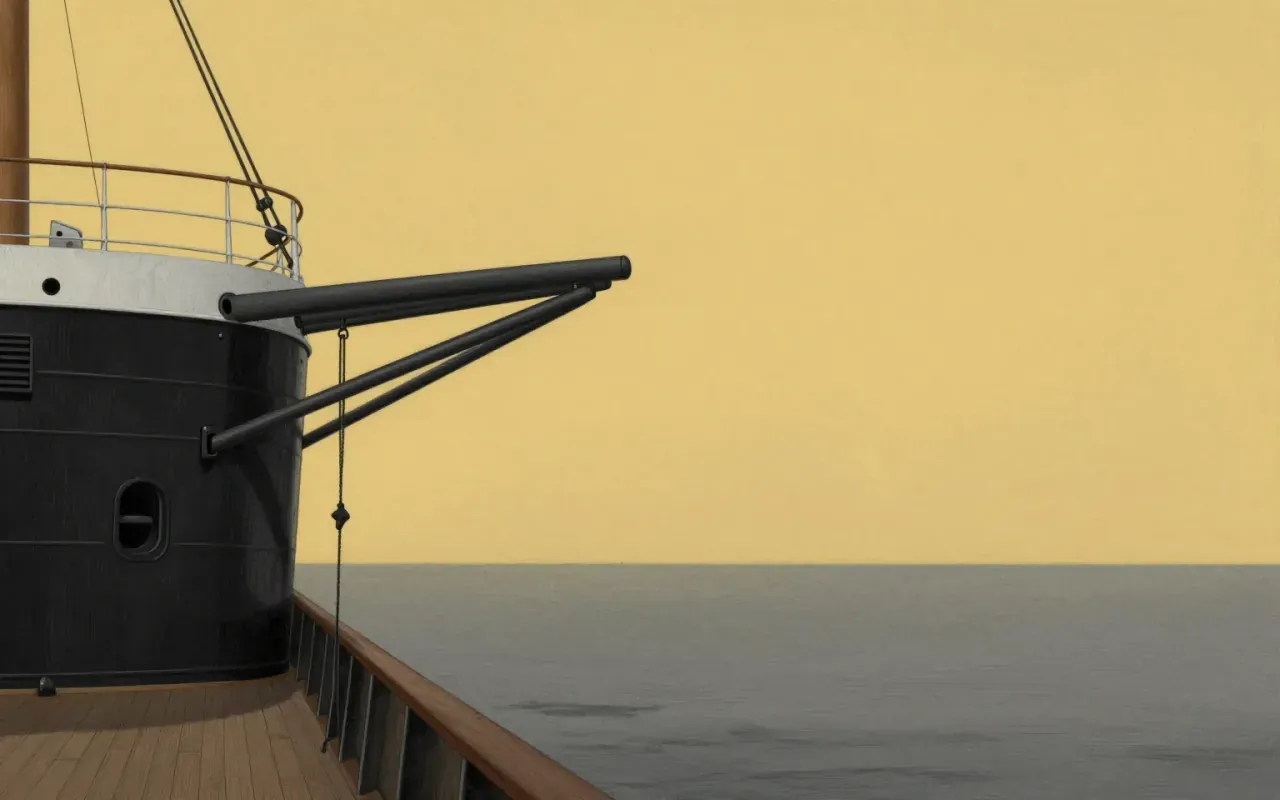
Set aboard the luxury liner Gloria N. in July 1914, Federico Fellini’s And the Ship Sails On follows a funeral voyage to scatter the ashes of a legendary opera singer. Through journalist Orlando’s wry narration, the film assembles a gallery of caricatured aristocrats, artists, and dignitaries — all performing grief, status, and obsession aboard a vessel that doubles as a stage, museum, and mausoleum. Giuseppe Rotunno’s cinematography and Dante Ferretti’s sets sustain a lush, theatrical artifice, while Gianfranco Plenizio’s score underscores the film’s blend of grandeur and gentle absurdity. The voyage ends not with resolution but with sinking — literal and metaphorical — as the ship founders amid cannon fire and butterflies.

13:00

Dishonored

Josef von Sternberg · 1931

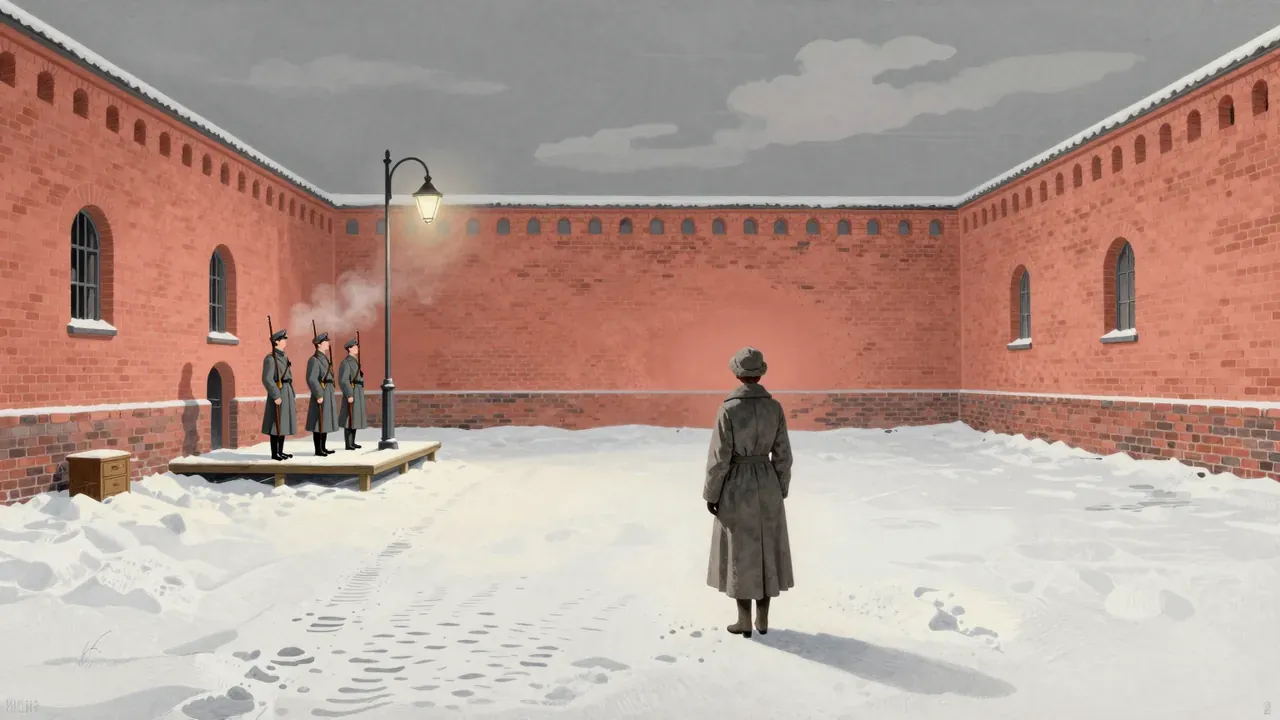
A 1931 Paramount drama directed by Josef von Sternberg, starring Marlene Dietrich as Marie Kolverer, a Viennese pianist turned secret agent whose loyalty, love, and eventual execution unfold with stark visual discipline and minimal exposition. Lee Garmes’ cinematography and Travis Banton’s costumes anchor a film less concerned with espionage mechanics than with dignity in extremis.

13:00

Hell's Angels

Howard Hughes, James Whale, Edmund Goulding · 1930

A 1930 American war film directed by Howard Hughes, James Whale, and Edmund Goulding, Hell’s Angels follows two British brothers in the Royal Flying Corps during the First World War. Originally shot silent, it was converted to sound mid-production, replacing lead actress Greta Nissen with Jean Harlow. Its aerial combat sequences — filmed with over 130 pilots, multiple fatalities, and Hughes’s own crash — remain landmark achievements in early sound and stunt coordination. Though narratively uneven and thematically thin, its technical ambition and material history make it a singular artifact of Hollywood’s transitional decade.

13:00

La Grande Illusion

Jean Renoir · 1937

La Grande Illusion (1937), directed by Jean Renoir, follows French officers imprisoned in German camps during the First World War. Through restrained performances, unadorned cinematography, and a structure built on observation rather than action, it explores how class, nationality, and personal dignity persist — and sometimes collapse — under pressure. Its enduring power lies not in grand statements but in quiet, specific moments: a shared meal, a sung anthem, a winter refuge, a final, reluctant shot.

13:00

Loving Couples

Mai Zetterling · 1964

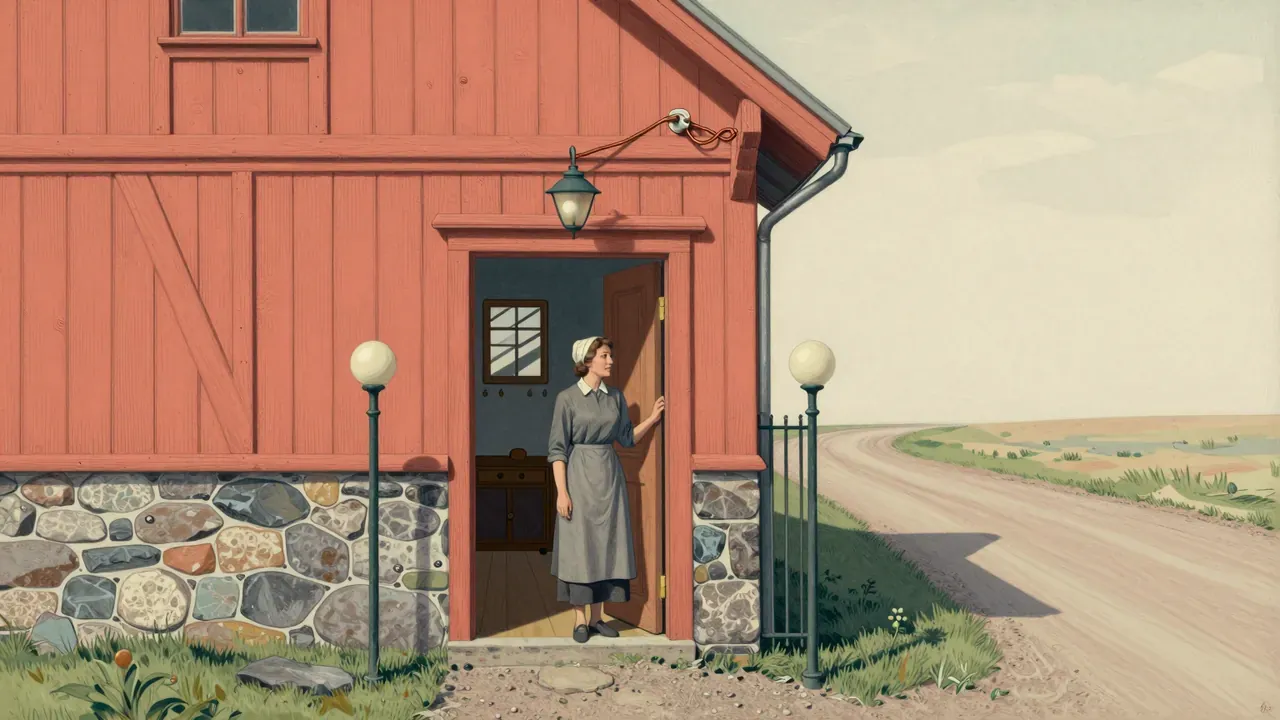
A 1964 Swedish drama following three women — a maid, a tenant’s wife, and an heiress — whose intersecting lives converge at a maternity hospital in August 1914. Structured through restrained flashbacks and anchored by Sven Nykvist’s precise cinematography, it examines class, consent, and bodily autonomy in the shadow of impending war and modernisation.

13:00

The Curious Case of Benjamin Button

David Fincher · 2008

David Fincher’s 2008 romance follows Brad Pitt’s Benjamin Button, a man who ages in reverse, across eighty years of American history. Adapted from F. Scott Fitzgerald’s 1922 short story by Eric Roth and Robin Swicord, it anchors its fantastical premise in tactile realism — weathered interiors, precise period detail, and restrained performances. Though praised for its production design, makeup, and visual effects — all Oscar-winning — its emotional core rests in the quiet, asymmetrical love between Benjamin and Cate Blanchett’s Daisy. The film’s 166-minute runtime demands patience, rewarding it with sustained mood and material honesty rather than narrative surprise.

13:00

Westfront 1918

Georg Wilhelm Pabst · 1930

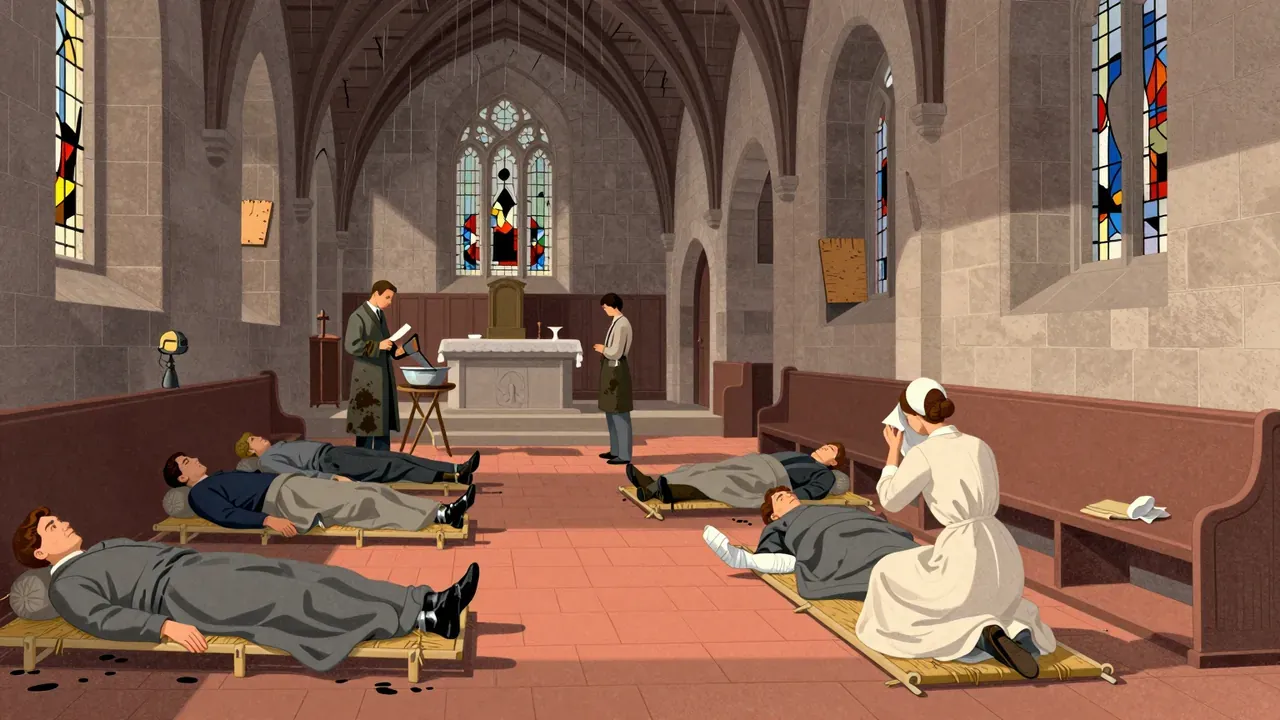
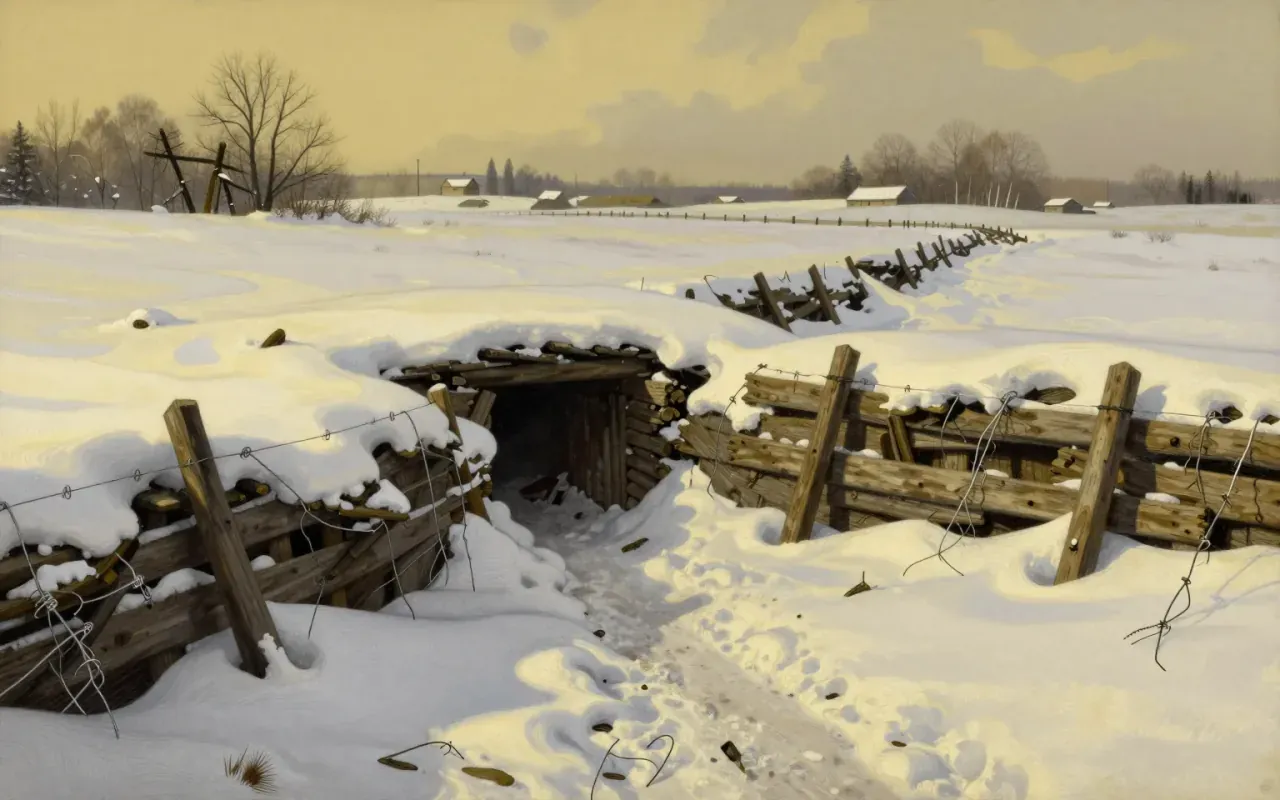
Georg Wilhelm Pabst’s 1930 German sound film Westfront 1918 follows four infantrymen on the Western Front in the final months of the First World War. Shot with documentary restraint and pioneering live trench audio, it depicts war as cumulative exhaustion rather than heroic action. Its power lies in physical detail — mud, collapsed trenches, field hospitals in ruined churches — not plot or character revelation. Banned by the Nazis as 'cowardly defeatism', it remains a key work of Weimar realism.

13:00

Wooden Crosses

Raymond Bernard · 1932

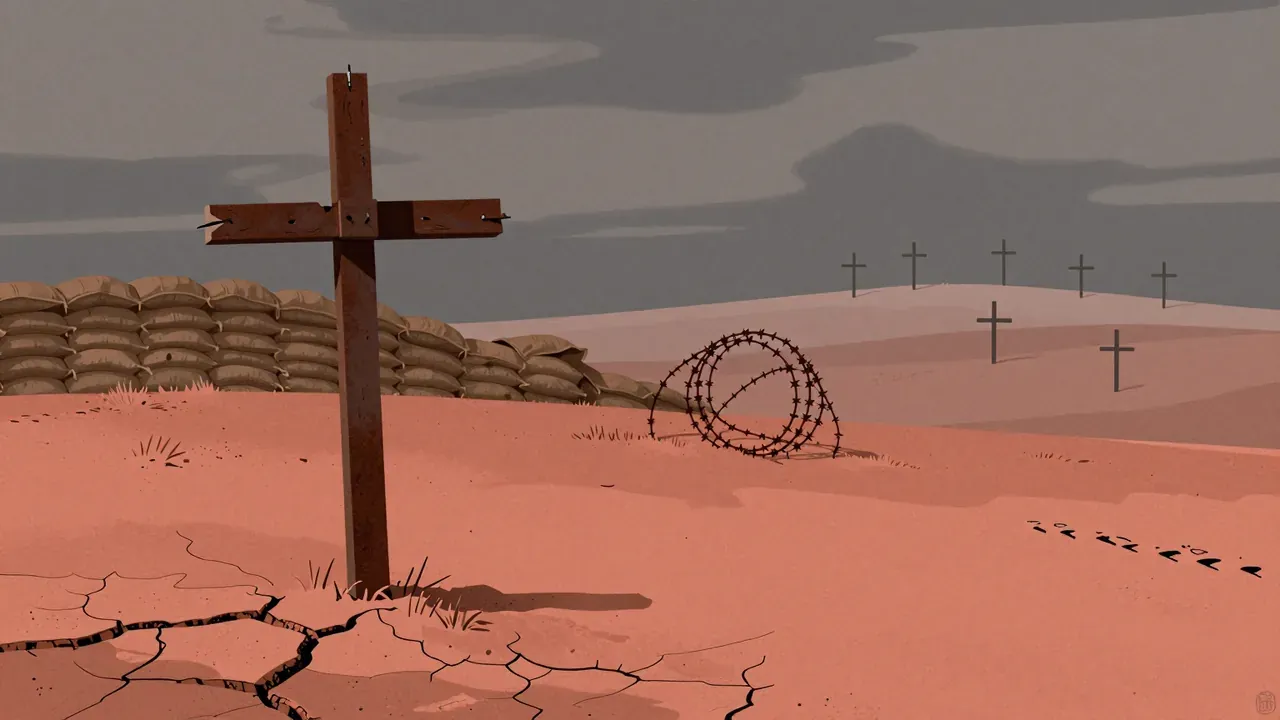
Wooden Crosses (1932), directed by Raymond Bernard, adapts Roland Dorgelès’s novel into a stark, unsentimental chronicle of French infantry life on the Western Front. Shot on location over real trenches, with veterans among its cast and meticulous sound design recreating battlefield acoustics, it follows a squad’s slow disintegration across rotations, patrols, and casualties. There are no heroes, no speeches, no score — only the weight of equipment, the texture of mud, and the quiet placement of wooden crosses. Its power lies in accumulation, not climax.

history.briefs History

All 10 in history →
10:20

Spanish flu

1918–1920

The 1918–1920 flu pandemic was caused by H1N1. Earliest documented cases were in Haskell County, Kansas, in March 1918. It infected ~500 million people. Death estimates range from 17 million to 100 million. Wartime censorship created the false impression that Spain was the origin. Its unusually high mortality among young adults likely resulted from immune overreaction compounded by war-induced malnourishment and overcrowding. Geographic origin remains indeterminate.

10:28

Emmeline Pankhurst

She didn’t win the vote by being reasonable — she won it by being useful after stopping the fight.
13:00

Armistice of 11 November 1918

11 November 1918

German negotiators, given seventy-two hours and almost no leverage, signed the armistice ending the First World War in a railway carriage near Compiègne at five in the morning on 11 November 1918, with the ceasefire set to take effect six hours later, at the eleventh hour of the eleventh day of the eleventh month. Fighting continued through that gap and killed nearly eleven thousand men on the war's final day, and the armistice itself was only a pause, not a formal peace, one German generals later exploited by claiming their army had never actually been defeated in the field.

13:00

Battle of the Somme

1 July – 17 November 1916

The Battle of the Somme ran from July to November 1916, opening with close to sixty thousand British casualties on its first day and ending, after more than a million combined losses on all sides, with neither the town of Bapaume nor Péronne captured. Douglas Haig commanded the offensive throughout, and his reputation has swung since between the nickname Butcher Haig and a more recent revisionist defence arguing the casualties reflected the era's tactical realities rather than a single commander's incompetence.

13:00

Battle of Verdun

21 February – 18 December 1916

German commander Erich von Falkenhayn planned the assault on Verdun in February 1916 explicitly to bleed French reserves through attrition rather than to win territory outright, opening ten months of fighting that killed or wounded over seven hundred thousand men on both sides. Philippe Pétain's defence, built on rotating units and a supply road that kept ammunition and reinforcements flowing, made him France's most celebrated general of the war, a reputation that makes his later collaboration with Nazi Germany one of the starkest reversals in twentieth-century political memory.

13:00

League of Nations

1919–1946

Founded on 10 January 1920 out of the Paris Peace Conference, the League of Nations was the first standing international body meant to keep peace between states, championed above all by Woodrow Wilson even as the United States Senate refused to ratify American membership. It grew to fifty-eight members at its peak, ran a genuine secretariat and court in Geneva, and did real work on labour and refugee issues, but it failed to stop Japan's seizure of Manchuria in 1931 or Italy's invasion of Abyssinia in 1935, and it sat largely inactive through the Second World War before formally dissolving in 1946 in favour of the United Nations.

13:00

Sinking of RMS Lusitania

7 May 1915

On 7 May 1915 a German submarine torpedoed the Cunard liner Lusitania off the Irish coast, killing roughly twelve hundred of the 1,960 people aboard in eighteen minutes. Three inquiries, in Cork, London and New York, examined what happened, but they disagreed among themselves and with each other about the death toll, the cause of a mysterious second explosion, and whether a liner carrying declared war cargo was a legitimate target. The sinking hardened American opinion against Germany, though the United States did not enter the war for almost two more years.

13:00

Treaty of Brest-Litovsk

3 March 1918

Russia's new Bolshevik government tried to exit the First World War through a negotiating strategy of prolonged delay rather than concession, until a renewed German offensive in February 1918 forced Lenin to accept terms costing Russia roughly a third of its former population and the great majority of its industry and coalfields. The treaty freed a million German soldiers for the Western Front but was annulled within eight months by Germany's own defeat, leaving its territorial losses to be fought over again in the civil war that followed.

business.briefs Business

All 3 in business →
9:35

Rolls-Royce Limited

Henry Royce · 1906

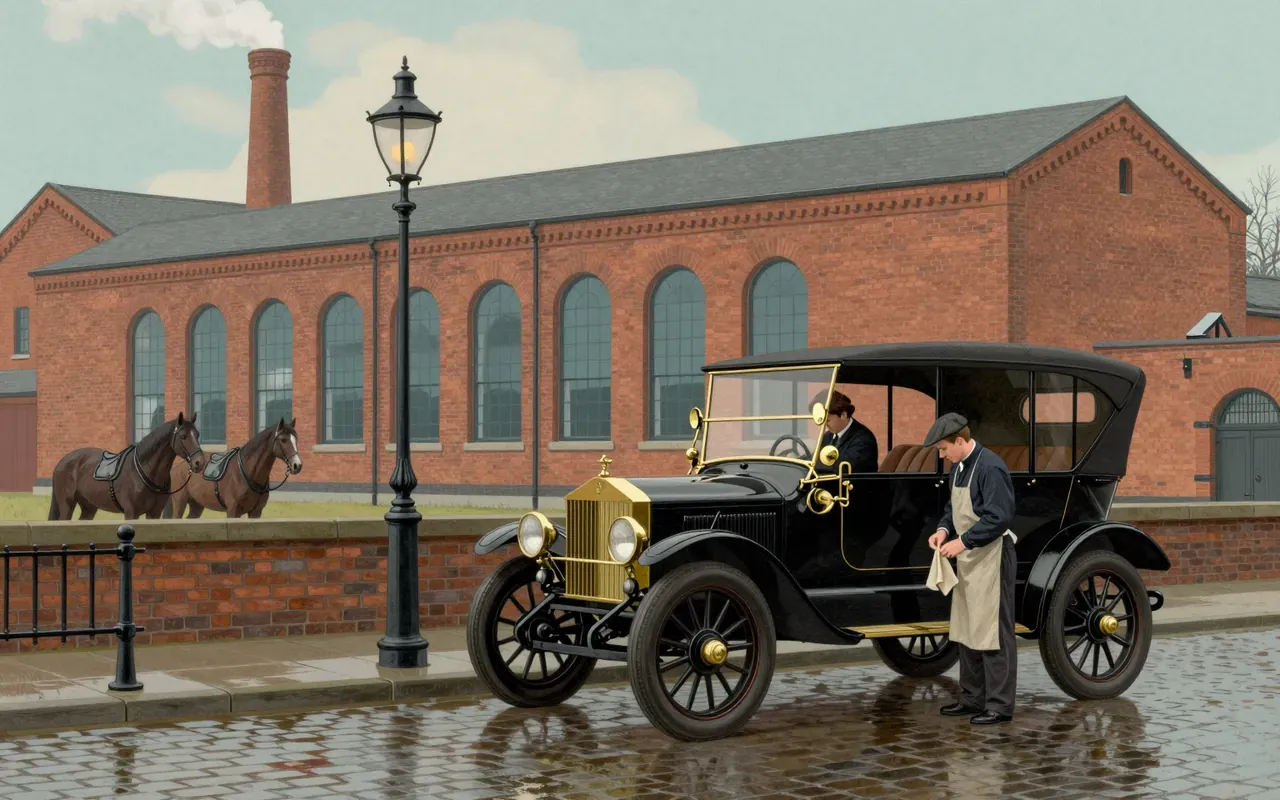
Rolls-Royce Limited was not a luxury brand first — it was an engineering firm that built cars to prove its method, then switched to aero-engines to survive war, then bet its existence on jet engines. Its collapse in 1971 was not a failure of ambition or invention. It was a failure of cost control in a single programme.

10:36

Rheinmetall

A rejected weapon only succeeded when a rival army proved it worked.

technology.briefs Technology

All 1 in technology →
9:59

Sonar

Paul Langevin

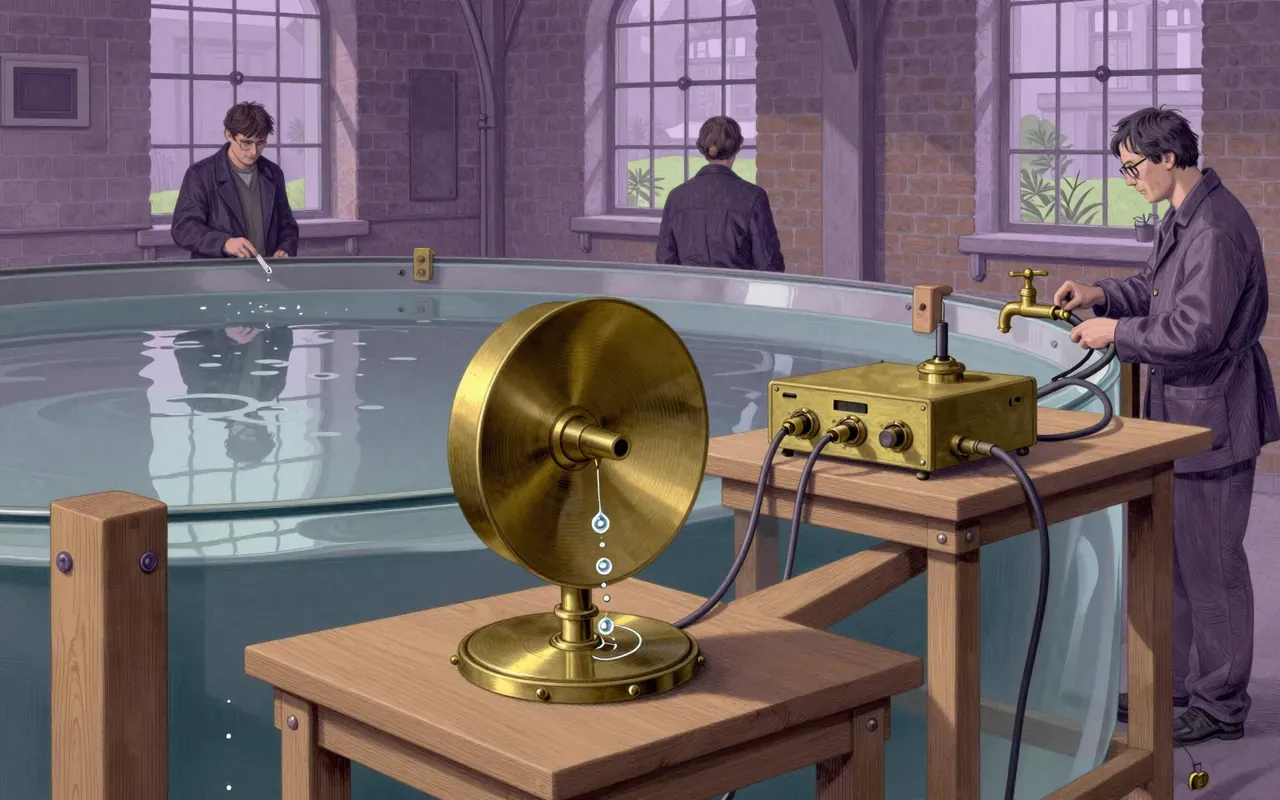
Langevin’s 1915 sonar was the first active underwater echo-ranging system. It used electrostatic and quartz piezoelectric transducers to send and receive ultrasound. Distance was calculated from signal time-of-flight. Though patented and physically demonstrated, it did not become operational before World War I ended. Electrostatic transducers were soon abandoned; quartz piezoelectric methods endured and scaled. The invention established the core mechanism of modern sonar — but delivered no tactical utility in its intended conflict.

culture.briefs Culture

All 5 in culture →
9:30

Papier-mâché

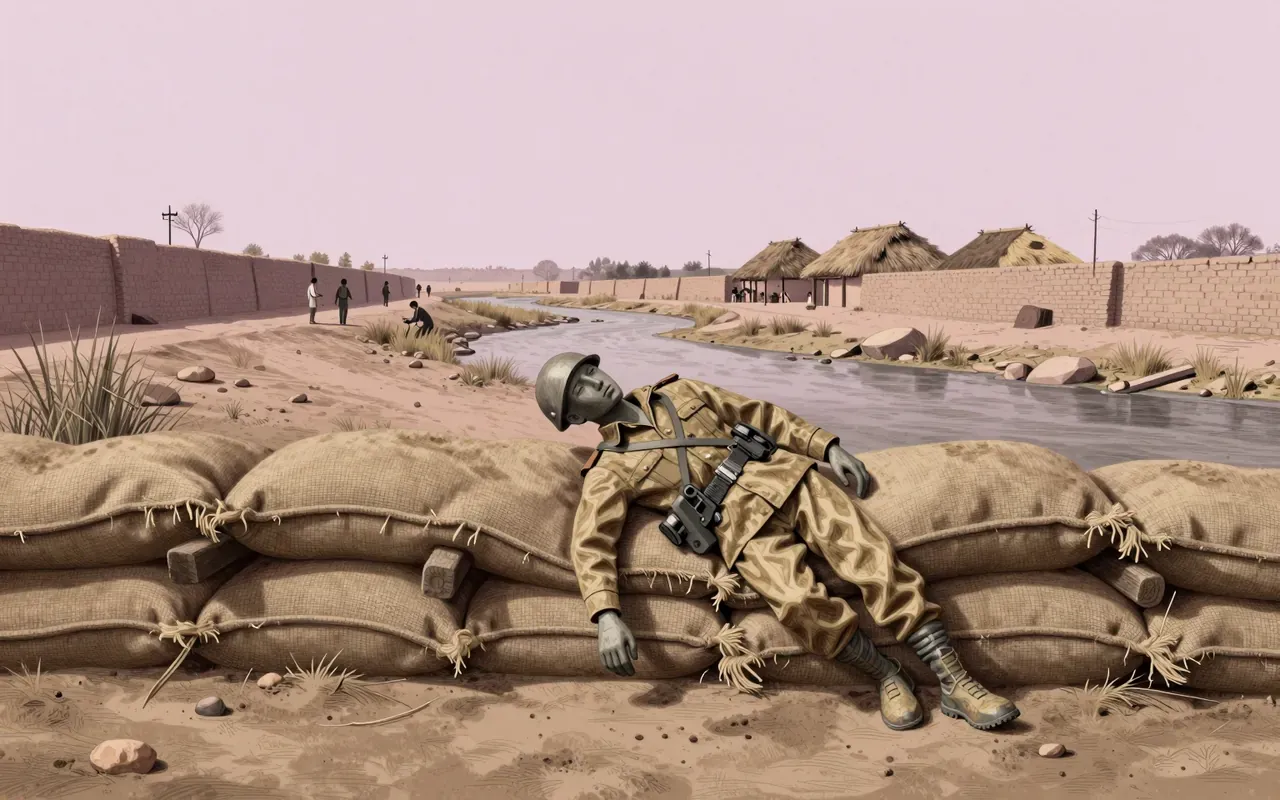
A material built from waste paper that fooled snipers, bound Persian books, and lined English ceilings—yet vanished not because it failed, but because plastic arrived with better PR.
8:52

Futurism

Futurism wasn’t about the future—it was about breaking the present with a petrol-soaked rag.
10:49

Lost Generation

A garage mechanic’s insult became a generation’s epitaph—and erased everyone who didn’t write in Paris.
8:14

March of the Dungarees

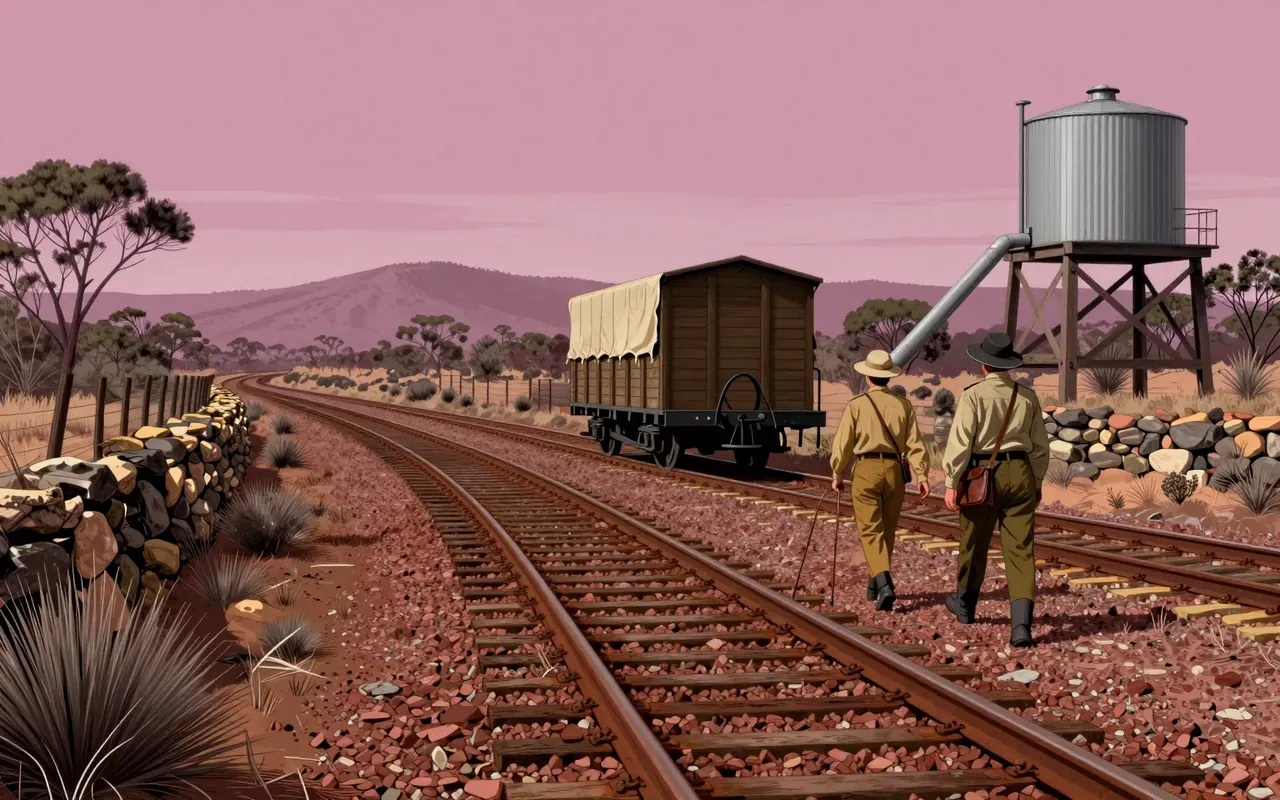
Recruitment as railway pageant: a march that gathered men like freight but couldn’t carry the weight of Gallipoli.

fashion.briefs Fashion

All 4 in fashion →
9:49

Burberry

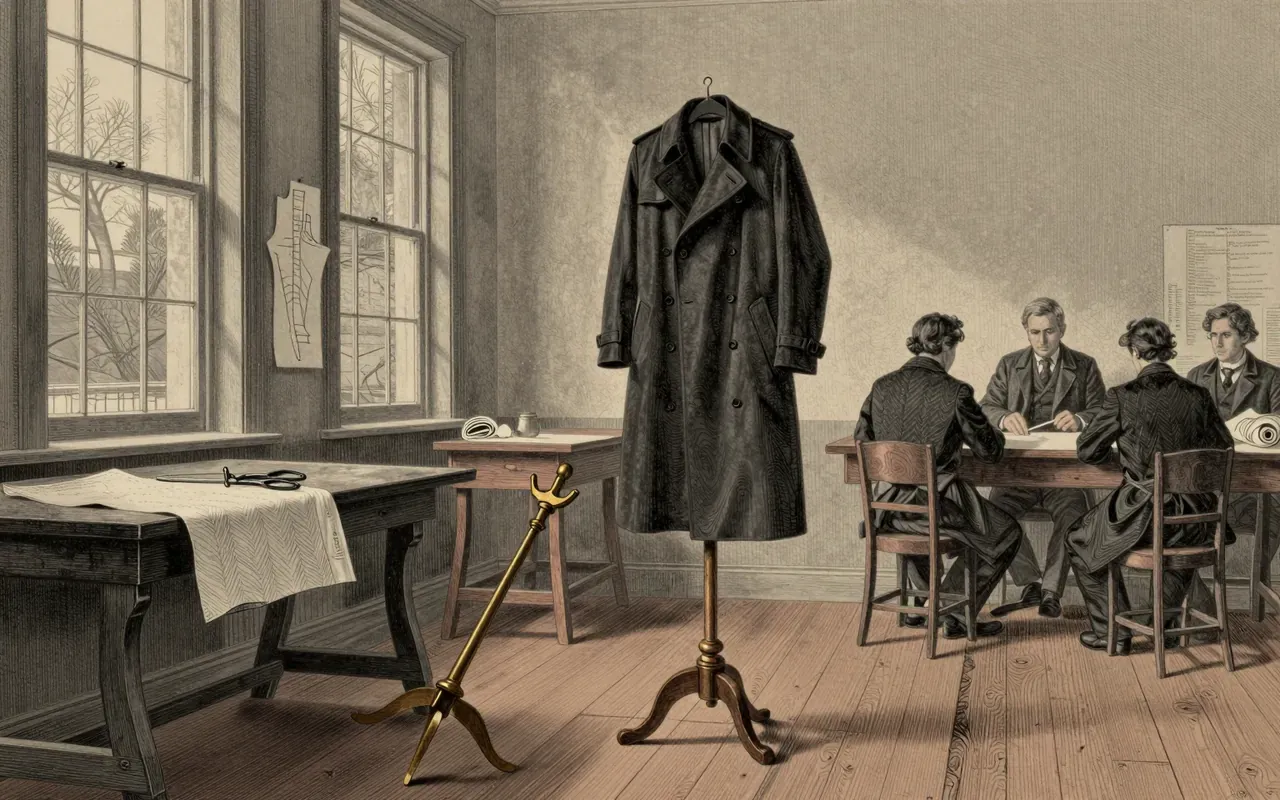
A war coat that refused demobilisation—and made utility legible as authority.
9:17

Turnbull & Asser

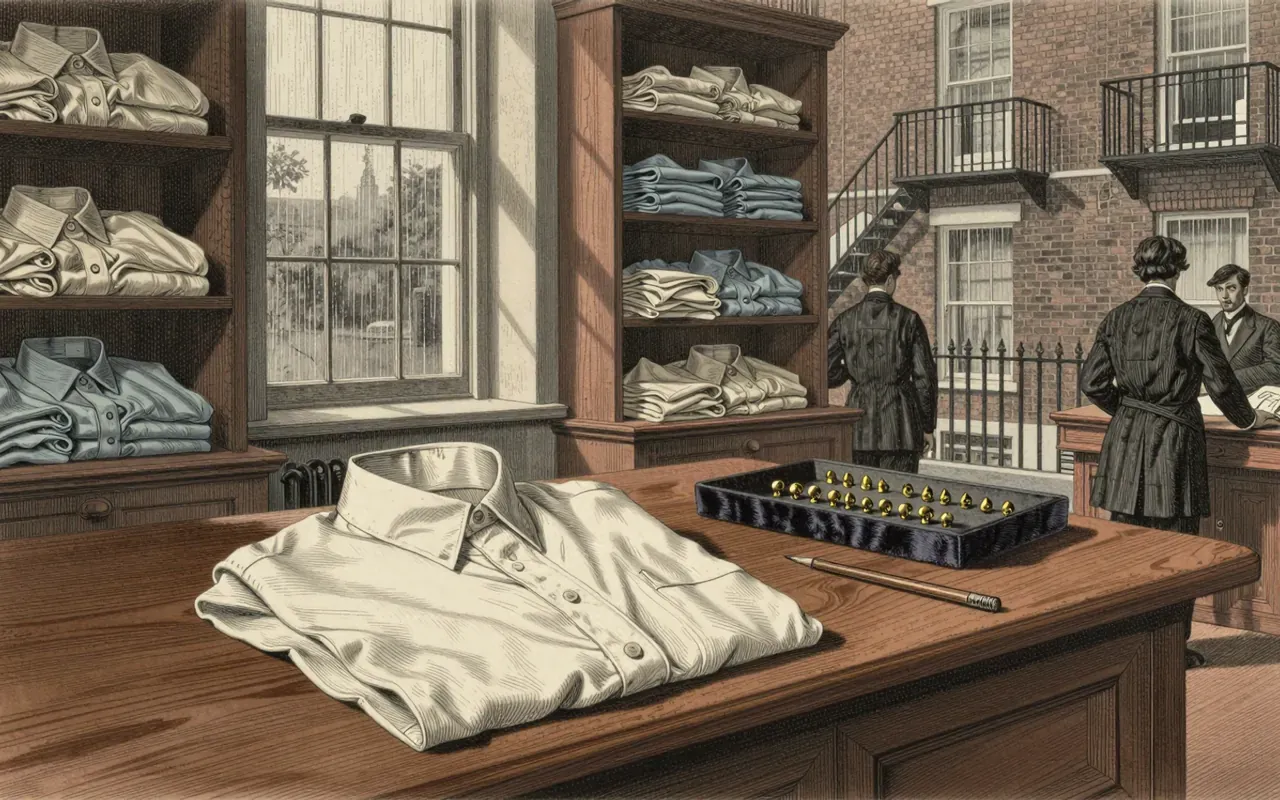
A collar and a cuff — not a brand, not a suit, but two fixed points of British menswear discipline.
9:56

Cartier Tank

Louis Cartier · 1917

The Cartier Tank is a line of watches made by Cartier. It was created by Louis Cartier in 1917, and inspired by the new Renault tanks which Cartier saw in use on the Western Front. The prototype watch was presented by Cartier to General John J. Pershing of the American Expeditionary Force. The Tank was introduced in 1918, and entered full production in 1919, when six pieces were built. Its lines and proportions are similar to those of tanks used on First World War battlefields. Its strap is integrated into vertical sidebars called brancards. The defining features of a Tank watch include its bold Roman numeral dial with a chemin de fer chapter ring, sword-shaped blued steel hands, and a sapphire cabochon-surmounted crown.

10:28

Trench coat

Thomas Burberry

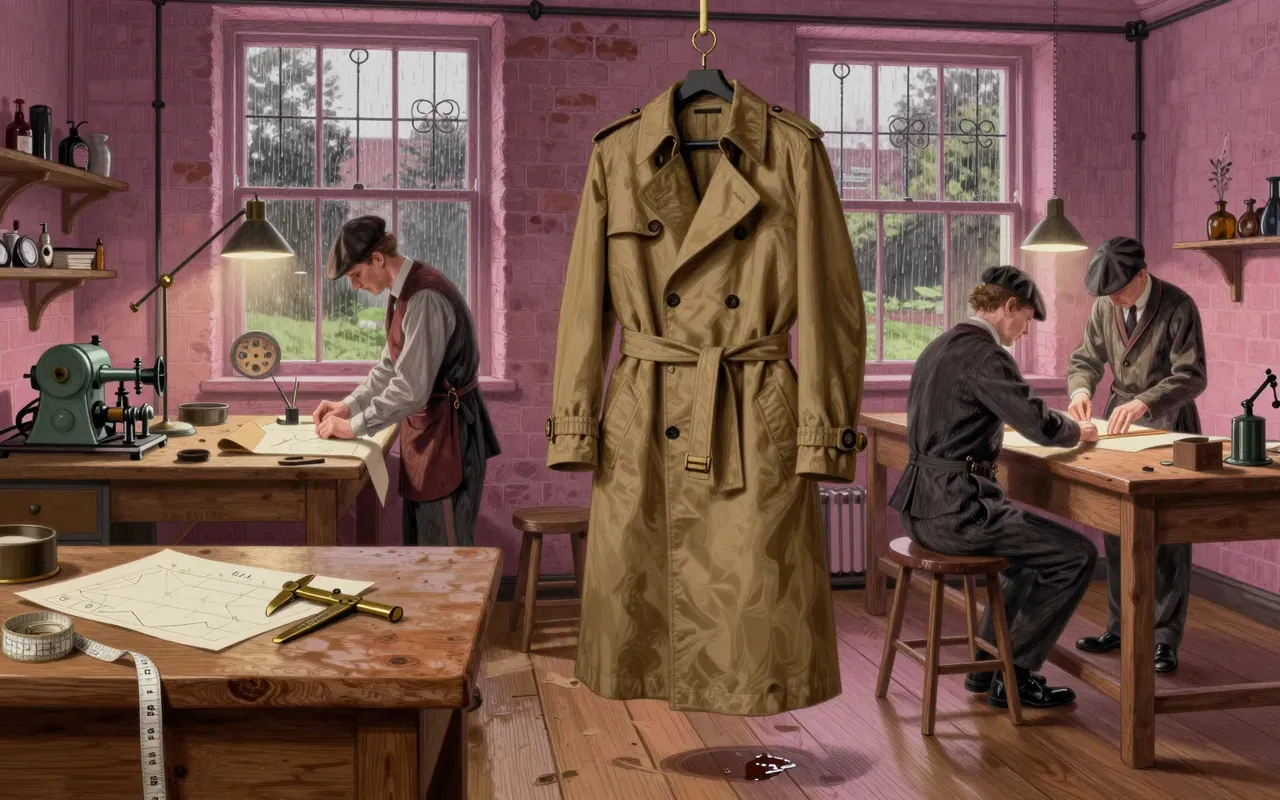
The trench coat is a functional garment that solved a narrow military problem. Its civilian life is a story of displacement—not evolution.