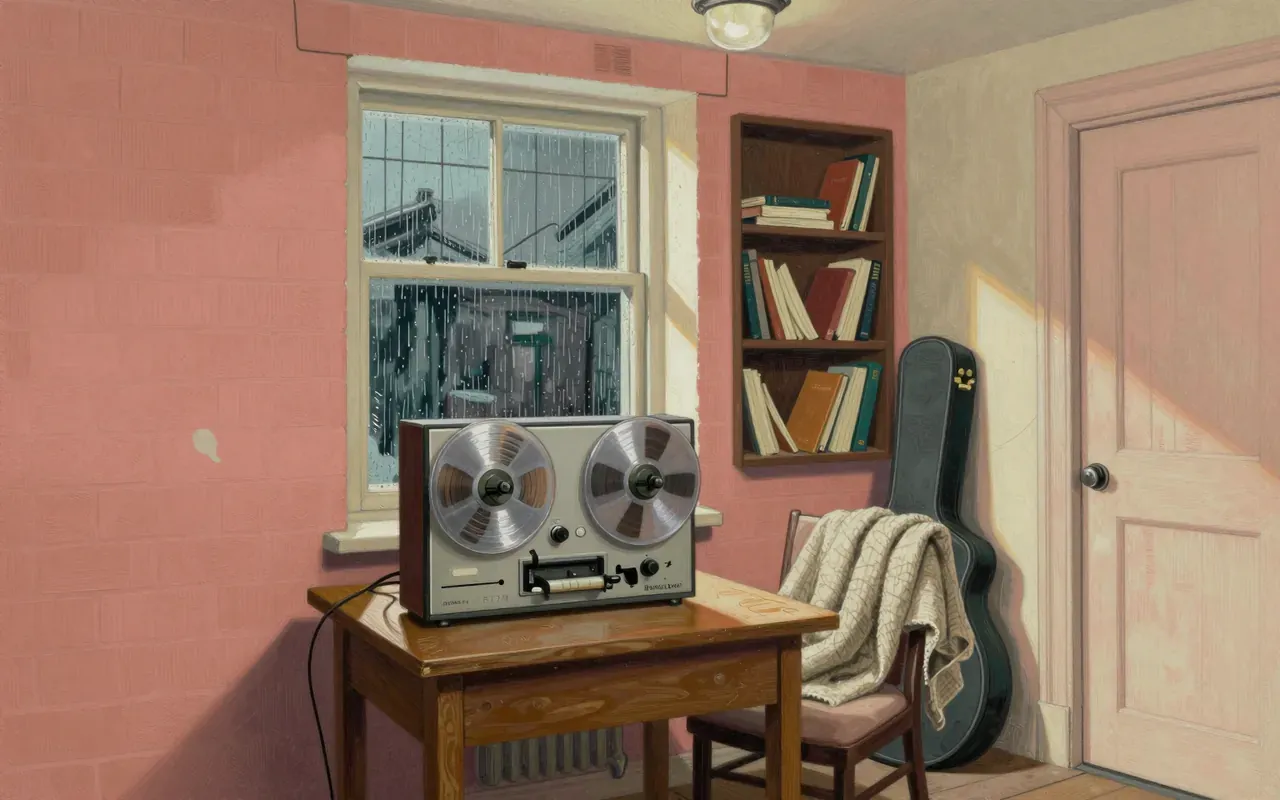
Bert Jansch
Bert Jansch · 1965
A home-recorded folk album that rewrote guitar grammar before anyone noticed.
Pressure applied from outside the institutions.
A home-recorded folk album that rewrote guitar grammar before anyone noticed.
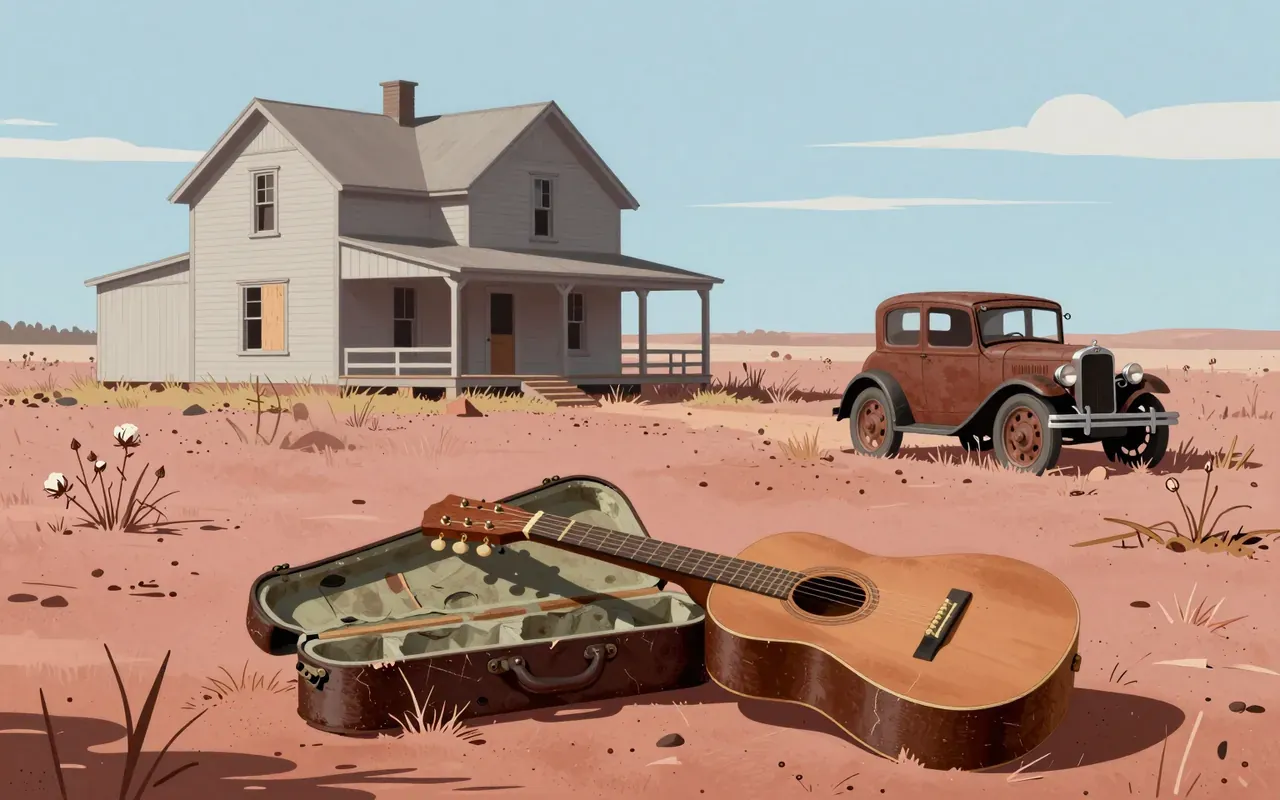
Dust Bowl Ballads is Woody Guthrie’s first commercial recording, made in two sessions at Victor Studios in Camden, New Jersey — primarily on April 26, 1940, with two additional tracks recorded on May 3 — and originally issued in 1940 as eleven songs across two three-disc 78 rpm sets. Twelve sides were pressed, with 'Tom Joad' split across both sides of one disc due to its length; two other recorded songs were excluded from the original release for the same reason.

Natty Dread is Bob Marley & The Wailers' seventh album, released in October 1974. It is their first without Peter Tosh and Bunny Wailer, and their first with the I-Threes. All songs were written by Marley. Jean Roussel arranged 'No Woman No Cry', 'Natty Dread', and 'Lively Up Yourself'. Personnel included Aston and Carlton Barrett, Al Anderson, Bernard 'Touter' Harvey, Lee Jaffe, and the I-Threes. Engineers were Sylvan Morris and Phil Ault; Sid Bucknor mixed it; Chris Blackwell and The Wailers produced it. The original demo of 'Lively Up Yourself' was recorded in 1973. The original version of 'No Woman, No Cry' was in gospel style, featuring Peter Tosh and unknown female backing vocals, cut for Island in 1973. The album contains 'No Woman, No Cry', 'Lively Up Yourself', and the politically charged 'Them Belly Full (But We Hungry)'.
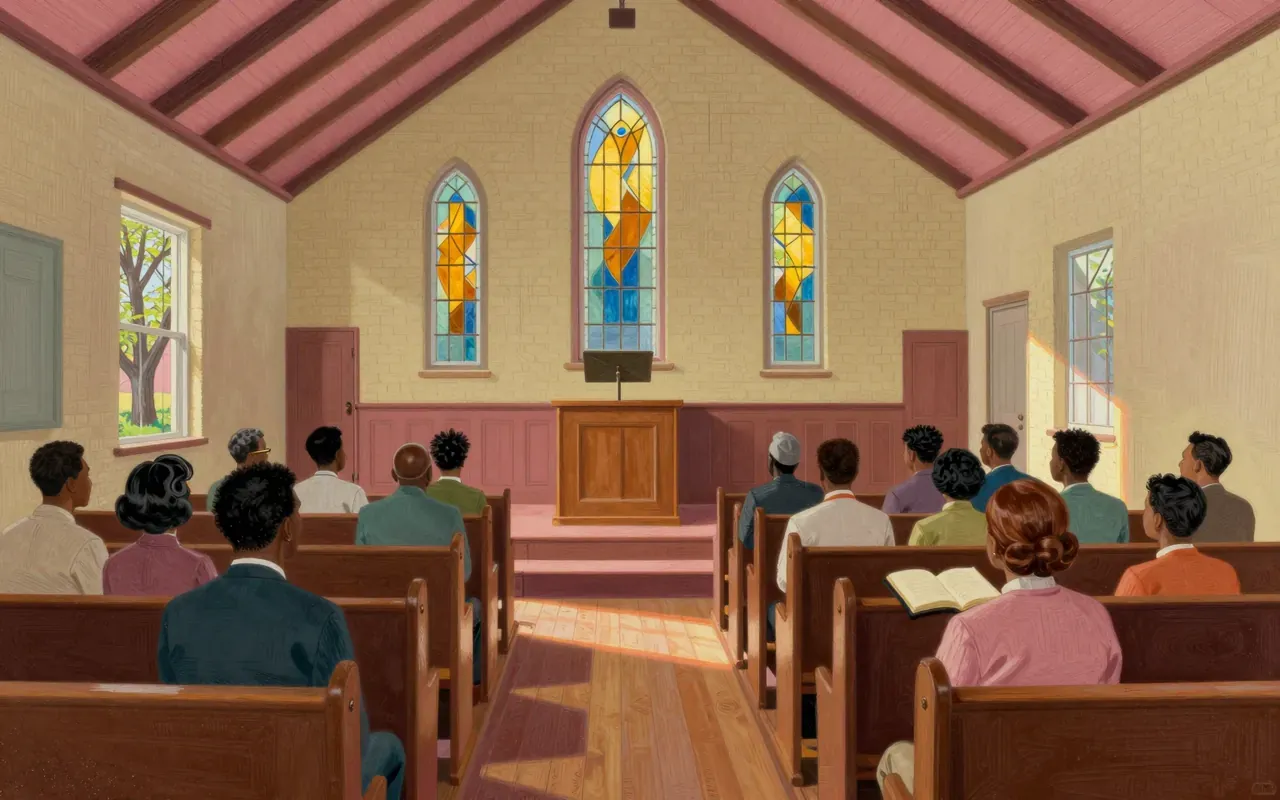
A gospel-influenced 1965 single by The Impressions, composed by Curtis Mayfield, featuring his first guitar break on an Impressions hit and drawing its language and structure from Black American freedom-song tradition and church teaching.

Sheryl Crow’s 1996 self-titled album is a self-produced, self-performed pivot — rich in texture, rooted in New Orleans, and unflinching in its lyrics. It trades collaboration for control, ambiguity for consequence, and polish for presence.
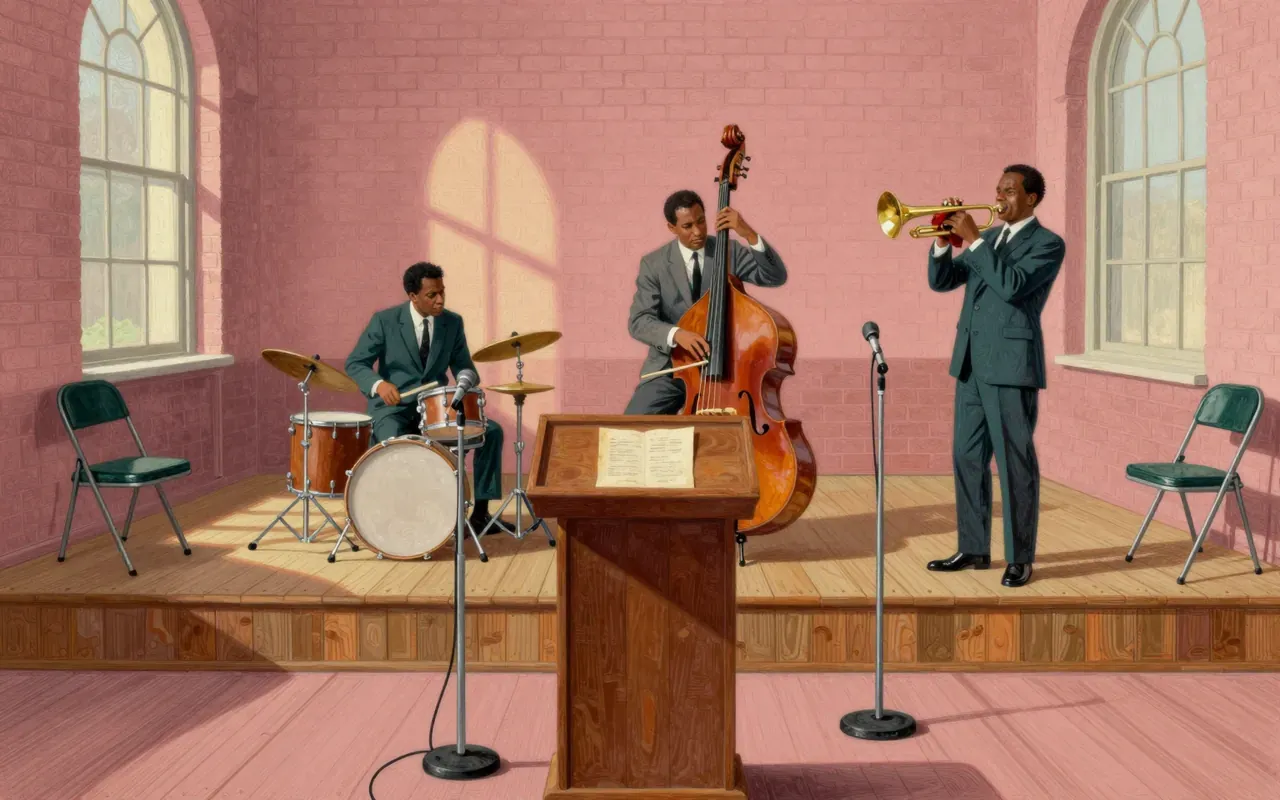
We Insist! is a 1960 jazz suite commissioned for the Emancipation Proclamation centennial. Abbey Lincoln sings. Oscar Brown Jr. writes the lyrics. Nothing more is verifiable.

American Idiot is a punk rock opera built from 30-second musical fragments, recorded in album sequence across two California studios, using analog tape compression on drums to anchor its urgency. It functions as direct protest art, centred on the character 'Jesus of Suburbia', and landed at number one on the Billboard 200 in September 2004 — two months before George W. Bush’s reelection.
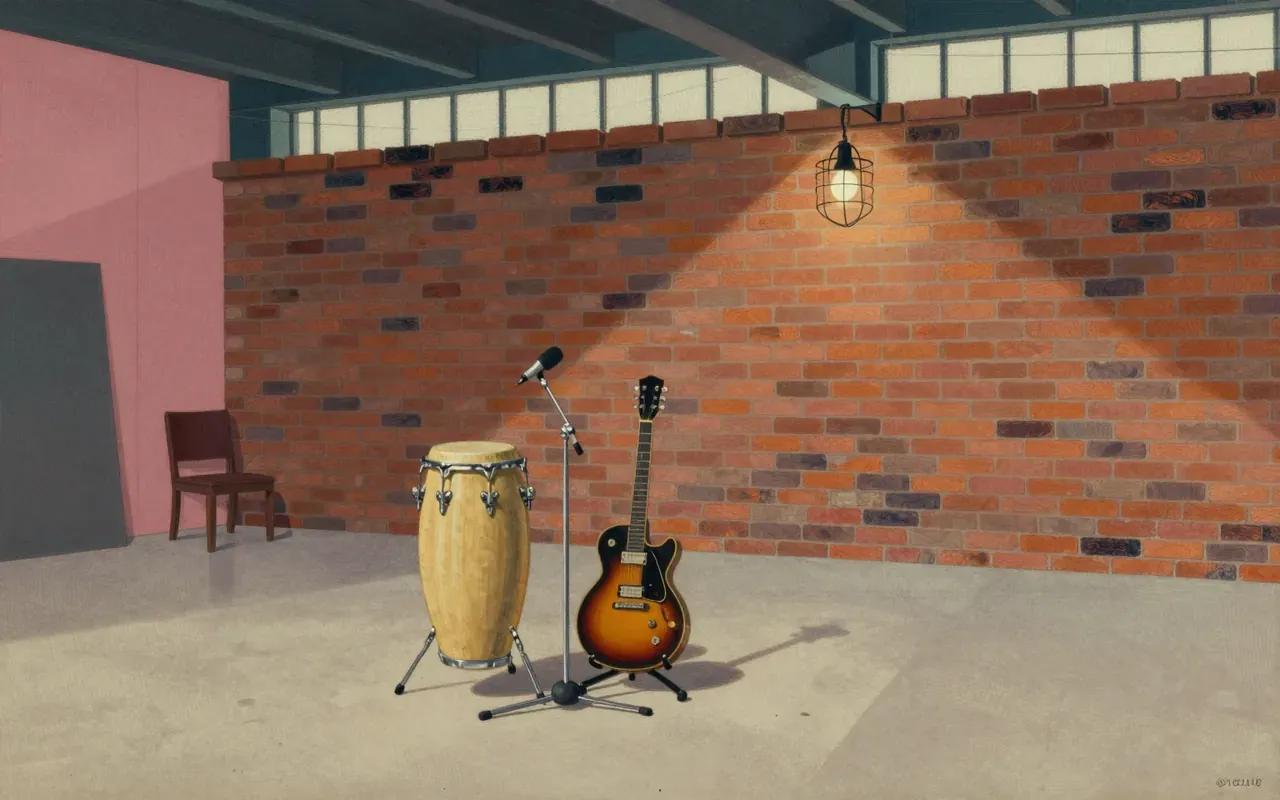
Beggars Banquet is the Rolling Stones’ 1968 album — their first with producer Jimmy Miller, their last released in Brian Jones’s lifetime, and their decisive turn from psychedelic pop to roots rock, blues rock, and instrumentally experimental global idioms. It was recorded in early 1968, following 'Jumpin’ Jack Flash', and delayed six months by cover controversy.
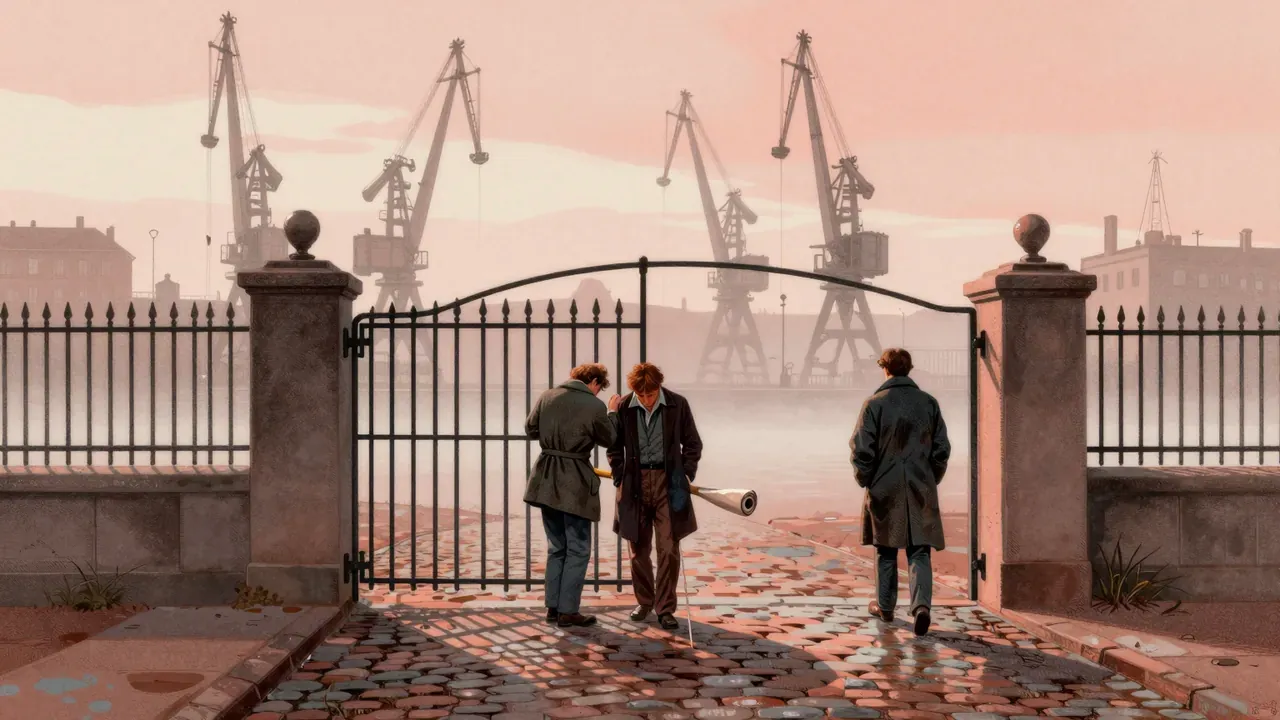
Jacques Demy’s 1982 sung-through musical, set during the 1955 Nantes shipyard strike, follows a young striker torn between two women as political tension escalates. Every line is sung to Michel Colombier’s austere score; Jean Penzer’s cinematography is precise and unflashy. Though less buoyant than The Umbrellas of Cherbourg, it pursues a graver, more politically explicit vision of musical storytelling — one where melody carries ideology, and tragedy arrives in perfect time.
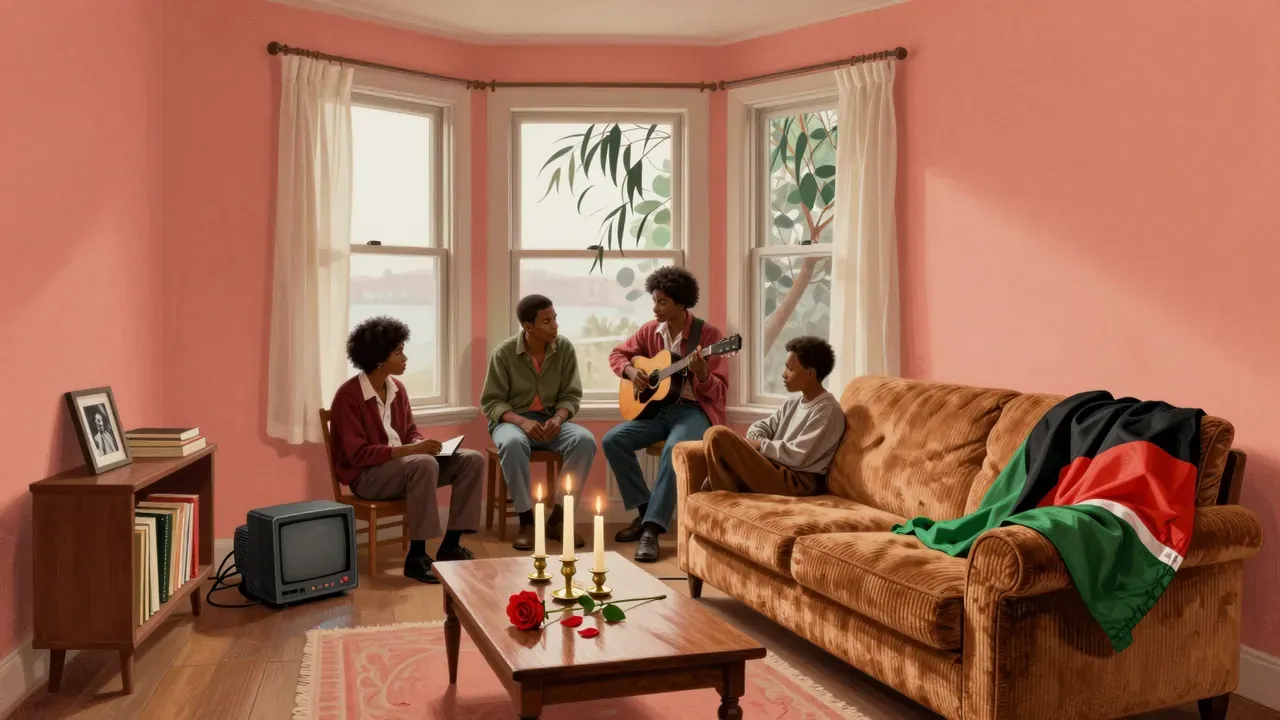
Marlon Riggs’s 1991 eight-minute music video Anthem fuses poetry, hip-hop rhythm, and political iconography to assert Black gay identity as inseparable from African heritage and American citizenship. Featuring Essex Hemphill, Colin Robinson, and others, it overlays ACT UP slogans with Pan-African symbols, memorial candles with erotic intimacy, and spoken word with drum patterns — building a declarative, non-narrative montage that refuses assimilation and rejects erasure.
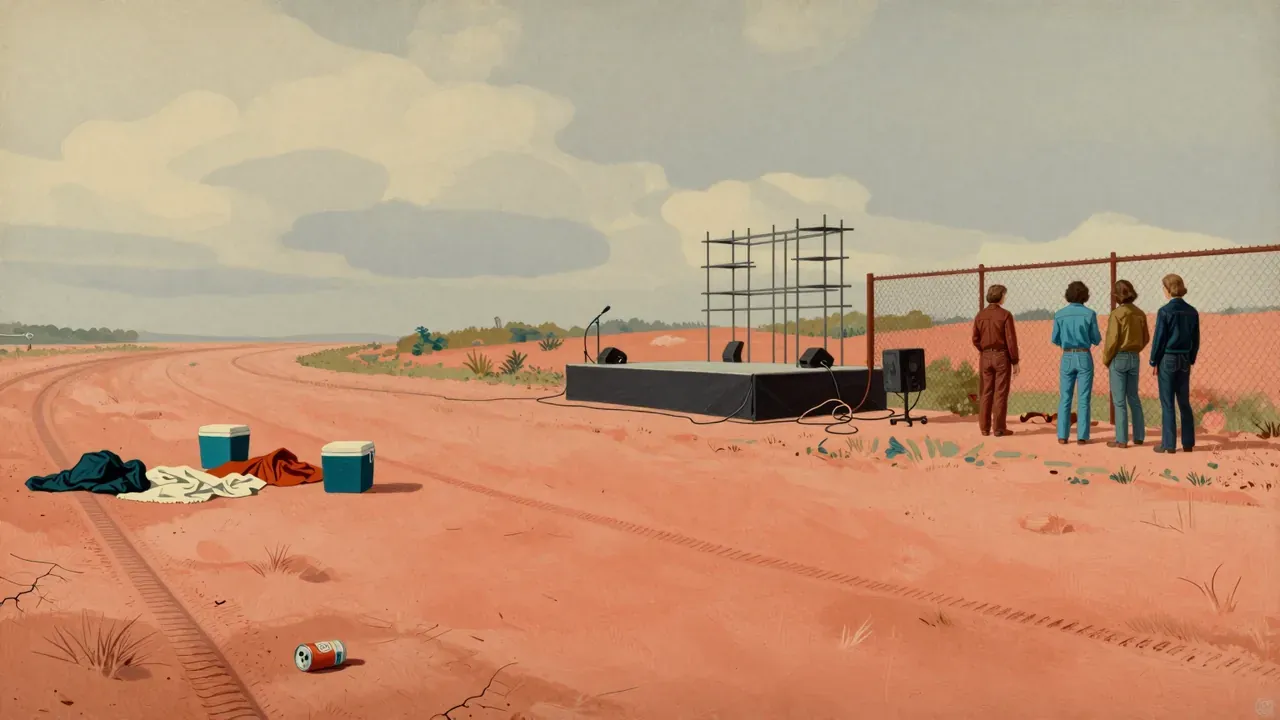
Gimme Shelter is a 1970 Direct Cinema documentary following the Rolling Stones’ 1969 US tour to its violent end at the Altamont Free Concert. Shot by Albert and David Maysles with Charlotte Zwerin’s editing, it records studio sessions, concerts, negotiations and the fatal stabbing of Meredith Hunter — without voiceover, interviews or moral framing. Its power lies in its unblinking chronology and refusal to resolve what it witnesses.

Haskell Wexler’s 1969 film merges scripted drama with documentary footage shot during the 1968 Democratic National Convention riots in Chicago. It follows a television cameraman who begins to question his role in recording — rather than intervening in — social crisis. Shot in cinéma vérité style, with minimal artifice and deliberate genre blurring, it interrogates media complicity, surveillance, and the ethics of observation. Though its romance and character arcs remain deliberately thin, its formal rigour and historical immediacy give it enduring force.

One Sings, the Other Doesn’t (1977) follows Pomme and Suzanne across fourteen years of personal and political change in France. Directed and written by Agnès Varda, it charts their friendship through illegal abortion, protest, motherhood, clinic work, and reunion — all rendered with quiet precision, natural light, and minimal score. Charles Van Damme’s cinematography and Varda’s narration structure the story around letters, songs, and real-life activism, including a recreation of the 1972 Bobigny abortion trial demonstration. The film avoids didacticism, treating feminism as daily practice rather than theory.

Tout Va Bien (1972) is a French-Italian essay-film directed by Jean-Luc Godard and Jean-Pierre Gorin. Starring Jane Fonda and Yves Montand, it depicts a sausage factory strike through a self-reflexive, Brechtian framework: a cross-sectioned set, flat performances, direct address, and anti-continuity editing. It interrogates class, media, and capitalism in the wake of May 1968, refusing psychological realism in favour of structural clarity.
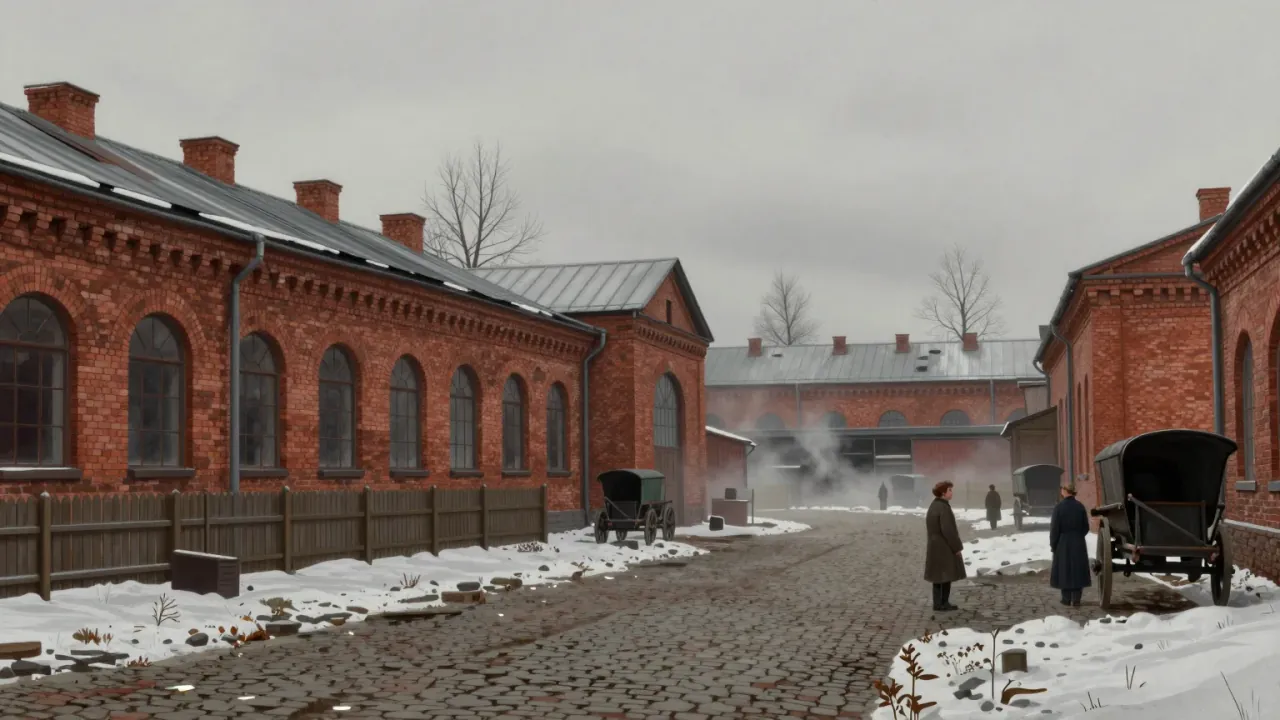
Sergei Eisenstein’s 1925 debut is a Soviet silent propaganda film depicting a 1903 factory strike. Using rapid montage, symbolic cross-cutting (notably workers and slaughtered cattle), and stylised performances, it advances a Marxist analysis of labour, provocation and state violence. Shot by Eduard Tisse and edited by Eisenstein himself, it prioritises ideological clarity over psychological realism. Though initially confusing to audiences, it is now regarded as a foundational work of avant-garde cinema and a key text in film theory.
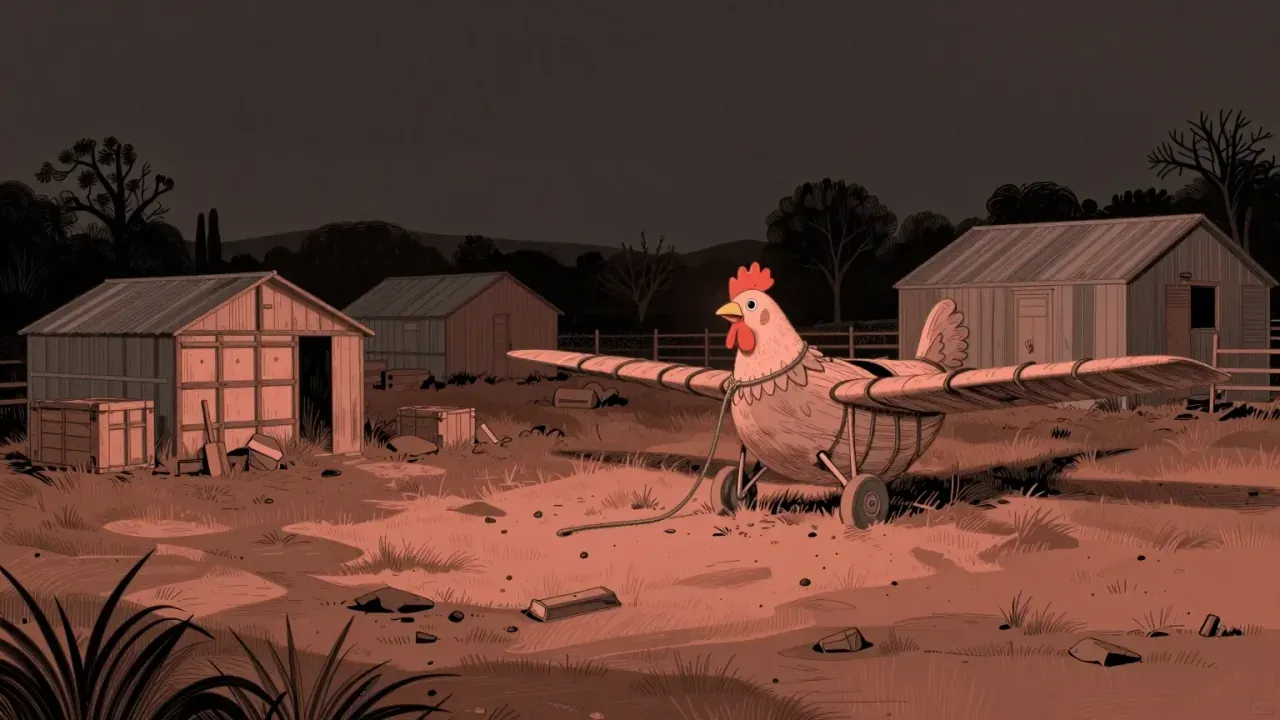
Chicken Run reworks the World War Two escape film as a story about hens on a Yorkshire egg farm run like a prison camp, who pin their hopes of freedom on a crash-landed American rooster claiming he can fly. Aardman's first feature, directed by Peter Lord and Nick Park, was shot in stop-motion across thirty sets over eighteen months and became the highest-grossing stop-motion film ever made, taking $225 million against a $45 million budget.

The First Intifada was a locally led, mixed-method uprising beginning in December 1987 in the Jabalia refugee camp, combining non-violent civil resistance (strikes, boycotts, tax refusal) with violent tactics (stone-throwing, Molotov cocktails, graffiti, barricading), and lasting until at least 1991.


Lech Wałęsa led the August 1980 shipyard strike that produced Solidarity, the first independent trade union recognised in a Warsaw Pact state, surviving martial law and imprisonment before receiving the 1983 Nobel Peace Prize and becoming Poland's first freely elected president in 1990. Documents surfacing between 2008 and 2017, including files seized from a deceased interior minister's home, allege he collaborated with Polish security services as an informant in the early 1970s, a claim he denies and that remains genuinely disputed among historians examining the same evidence.
The Acts of Union 1707 followed a decade of Scottish economic disaster, most sharply the collapse of the Darien scheme, a failed colonial venture in Panama that lost the country's investors well over £150,000. Negotiators from both parliaments, thirty-one apiece, met in London through the spring and summer of 1706 and produced a twenty-five-article treaty offering Scotland a cash payment known as the Equivalent, parliamentary representation, and guaranteed protection for its church and legal system. The Scottish Parliament ratified the treaty in January 1707 by a vote of 110 to 67, with 123 of its 300 members absent, amid public opposition strong enough to produce riots in several Scottish cities and allegations, still debated, that some votes had been bought.
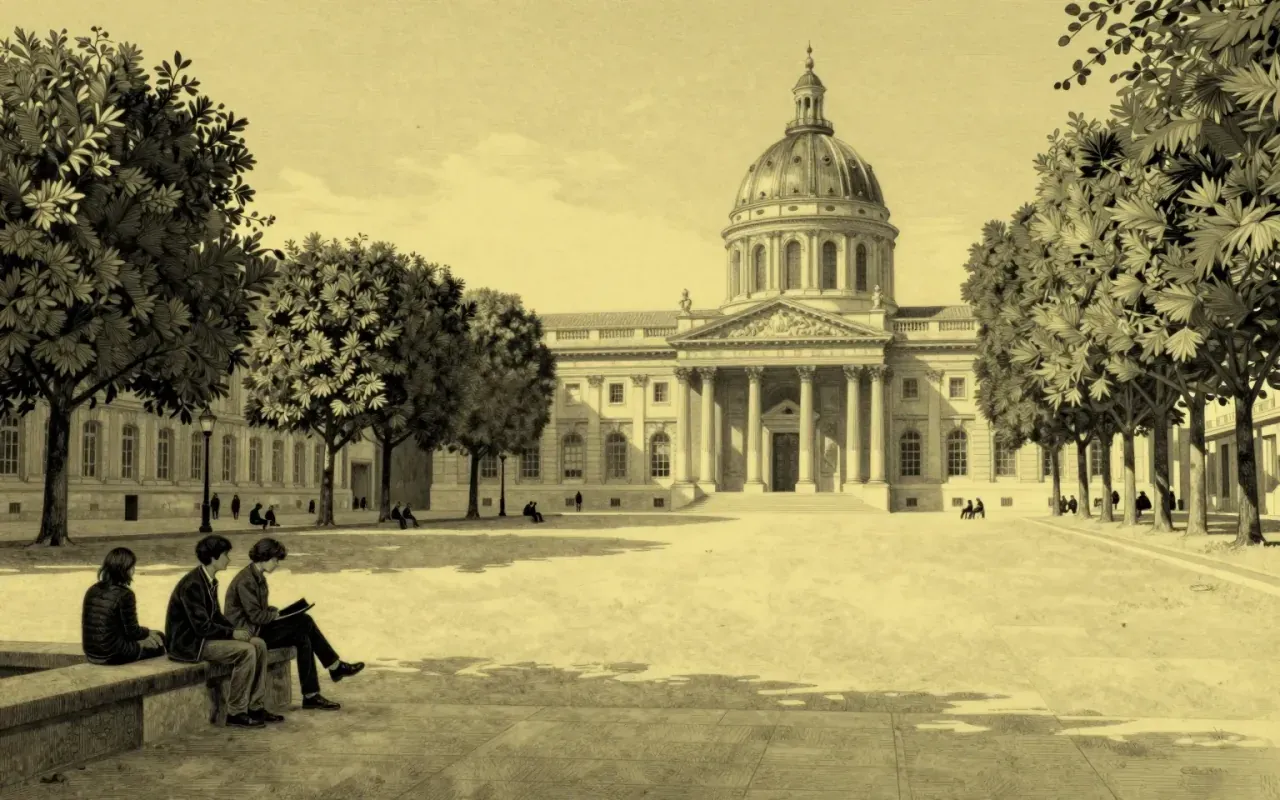
The University of Paris grew out of a twelfth-century cathedral school and was formally recognised by King Philip II in 1200, becoming the model medieval European university and drawing scholars into faculties of arts, law, medicine, and theology organised by nation of origin. Robert de Sorbon's 1253 theological college for poor students gave the whole institution its popular name. The French Revolution abolished the university outright in 1793, Napoleon restored a version of it in 1806, and the student unrest of May 1968 led directly to a 1970 law that split what remained into thirteen separate, autonomous universities.

Beginning with a police crackdown on a student march in Prague on 17 November 1989, Czechoslovakia's Velvet Revolution unfolded over six weeks through strikes, mass demonstrations reaching hundreds of thousands, and negotiations led by the newly formed Civic Forum under Vaclav Havel. The Communist Party's leading role was struck from the constitution on 27 November, Havel became president on 29 December, and the transition, named for its lack of violence, was completed without the bloodshed seen elsewhere in the region that year.

BDNF was isolated from pig brain tissue in 1982 by Yves-Alain Barde and Hans Thoenen, identifying it as a distinct protein.



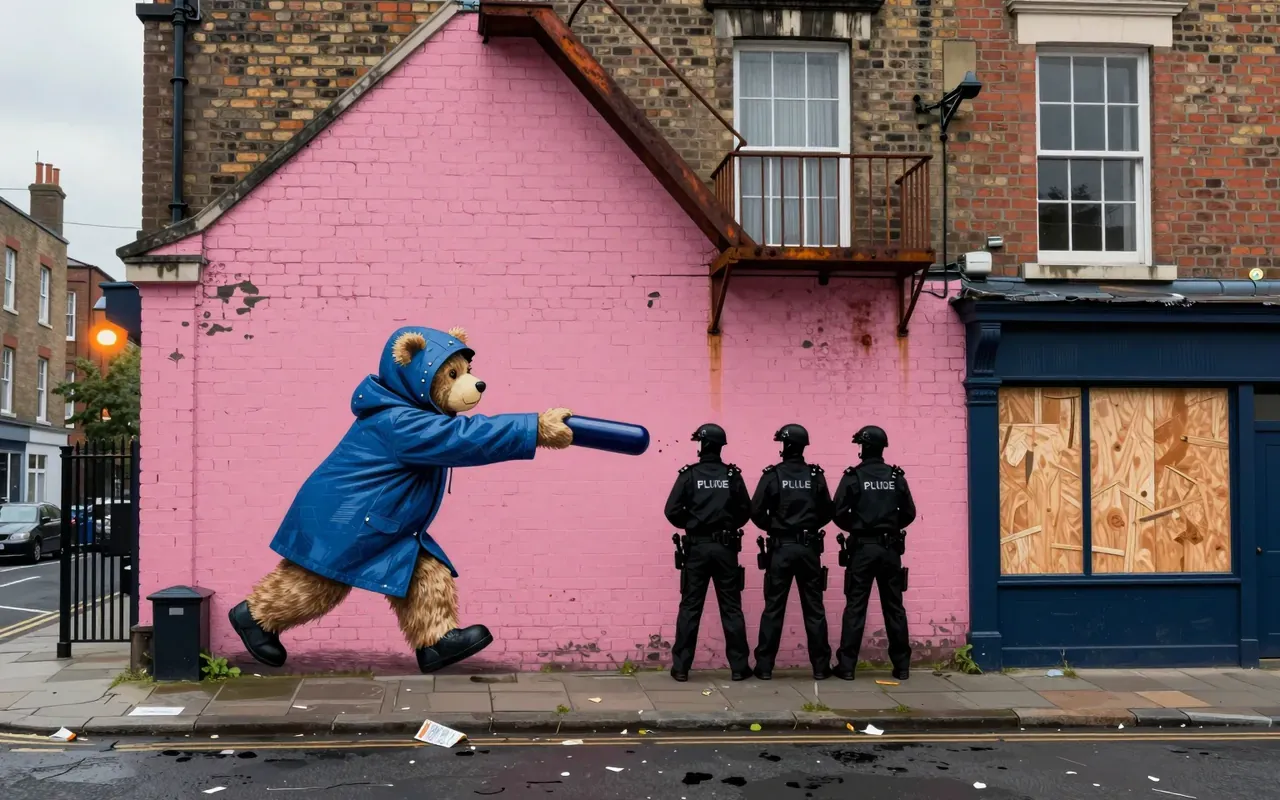
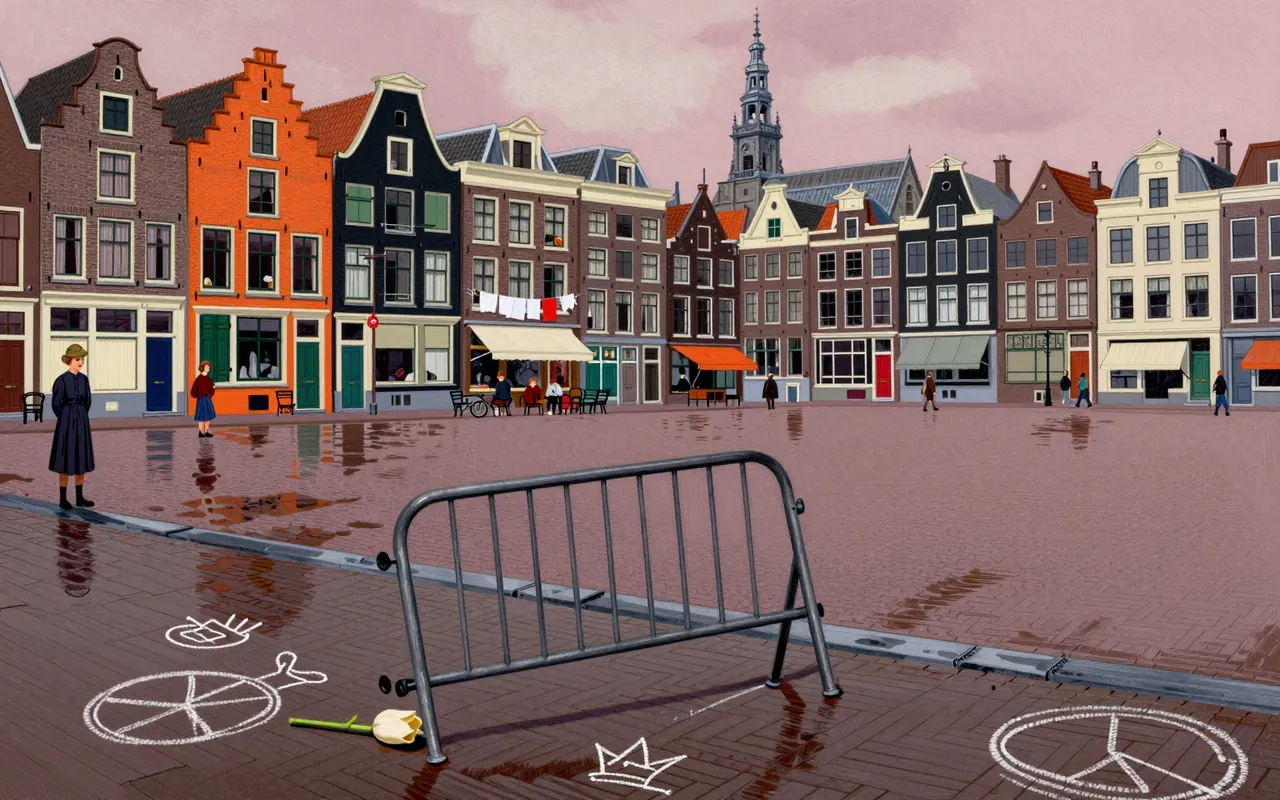
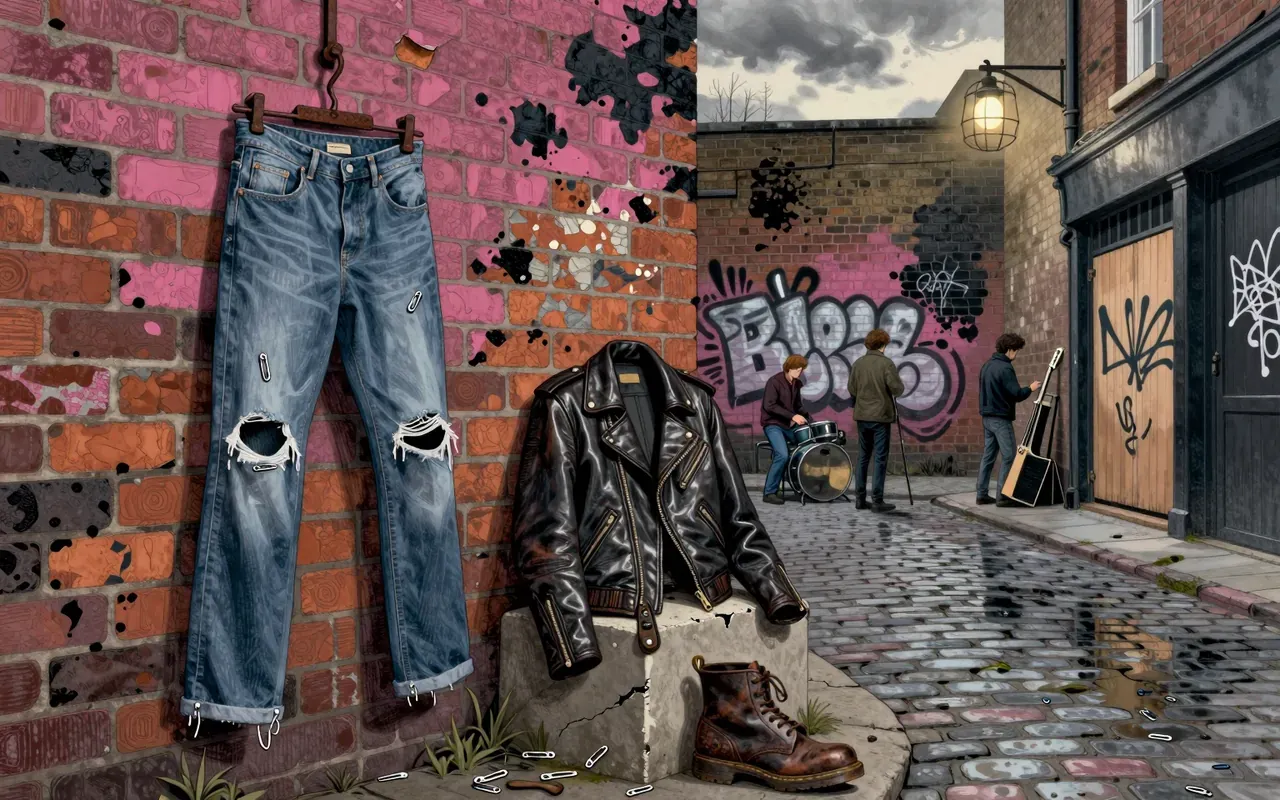
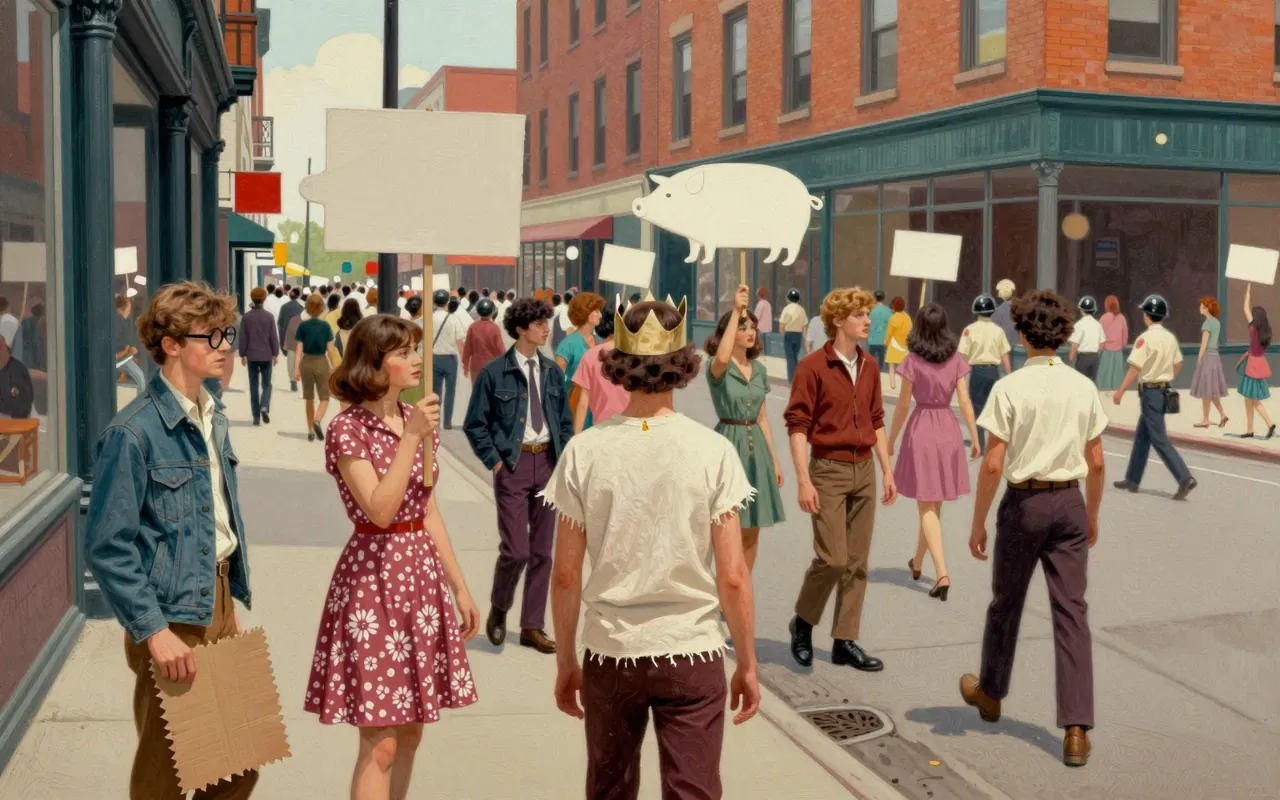



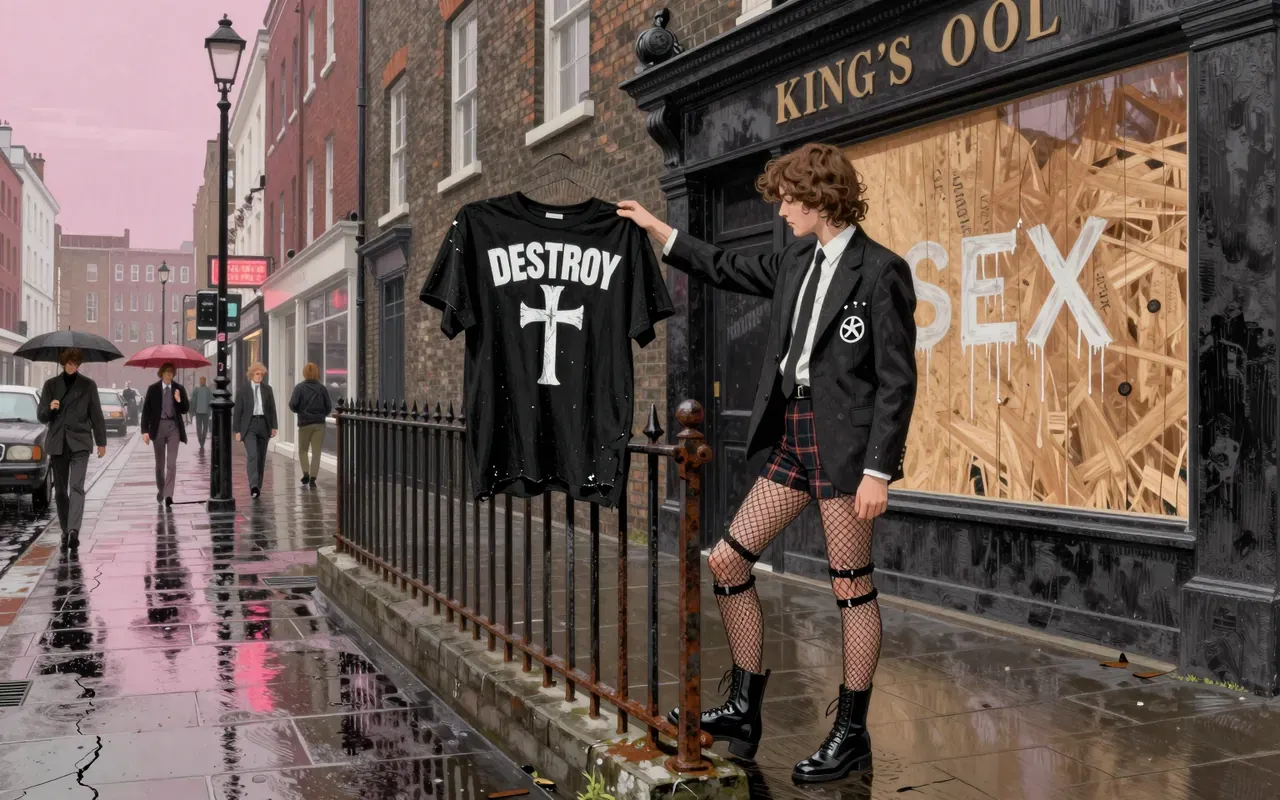
Vivienne Westwood’s punk fashion was a targeted assault on British cultural authority — materially crude, politically charged, and commercially savvy. It succeeded in making dissent wearable. It failed when its symbols were stripped of context and sold back as style.