Buena Vista Social Club
Buena Vista Social Club · 1997
A six-day studio gathering in a frozen-in-time Havana room — not revival, but resurrection.
A revolution preserved in amber, and the culture that carried on regardless.
A six-day studio gathering in a frozen-in-time Havana room — not revival, but resurrection.
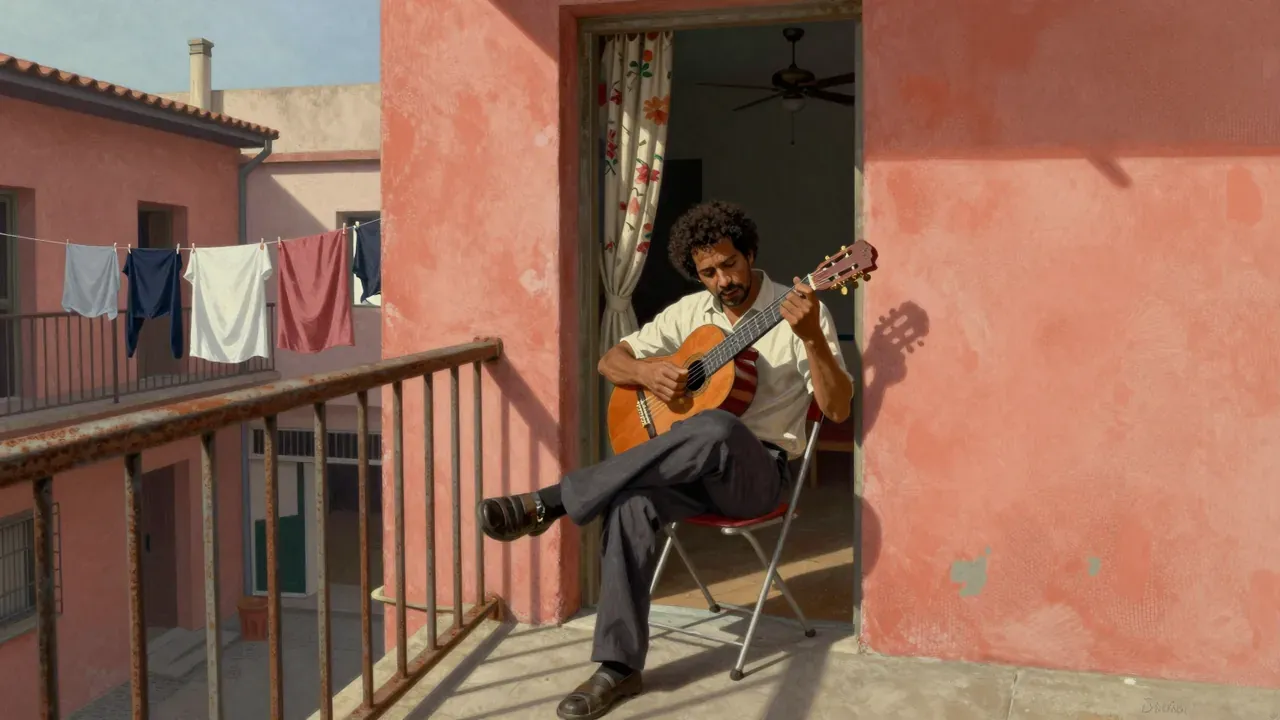
Wim Wenders’ 1999 documentary follows Cuban musicians — many in their eighties — as they record, rehearse and perform internationally. Shot in Havana, Amsterdam and New York, it relies on direct observation, unhurried interviews and full concert sequences. Jörg Widmer’s cinematography and Brian Johnson’s editing serve the music’s internal logic, not narrative urgency. The film avoids historical exposition or political critique, focusing instead on gesture, memory and ensemble discipline. It is a portrait of endurance rooted in daily practice, not myth.
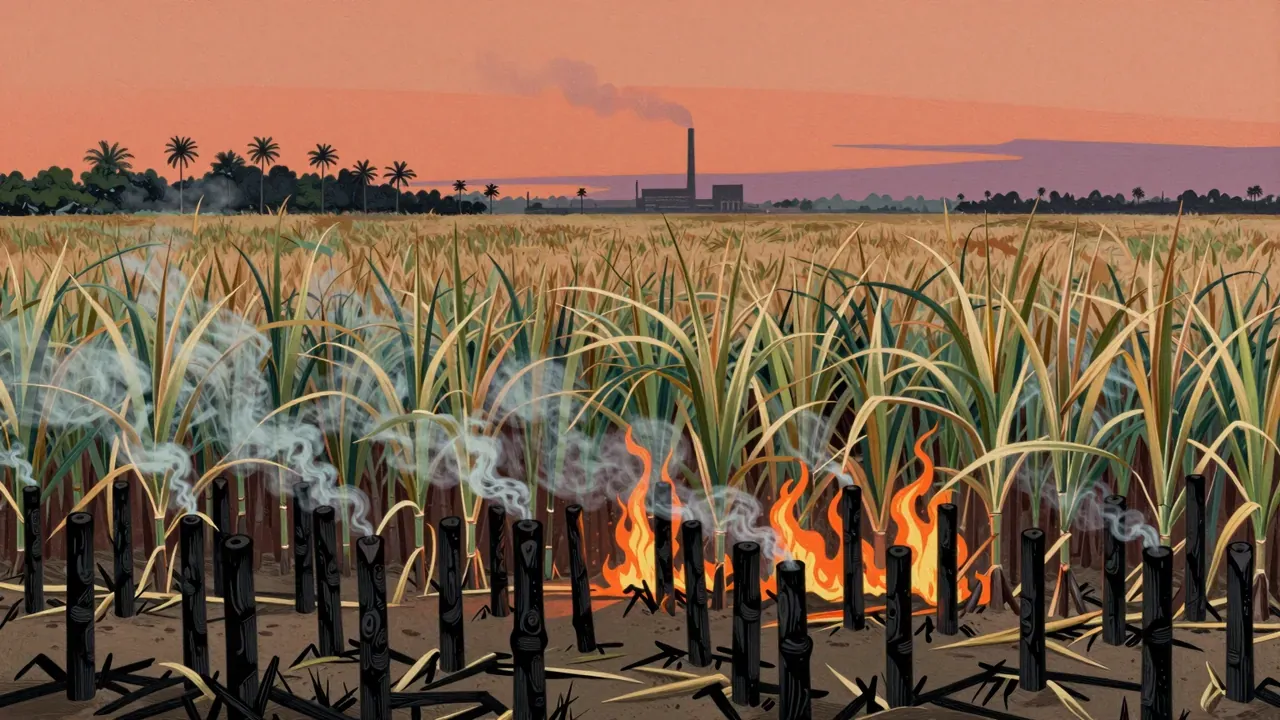
I Am Cuba (1964) is a Soviet-Cuban co-production directed by Mikhail Kalatozov, presenting four interwoven stories of Cuban life before the Revolution. Shot in stark black and white with groundbreaking long takes and extreme wide-angle lenses by Sergey Urusevsky, it traces dispossession, resistance, and political awakening through the lives of a prostitute, a sugar farmer, student activists, and a reluctant rebel. Though initially dismissed in both Havana and Moscow for its perceived detachment and ideological ambiguity, it was rediscovered in the 1990s and acclaimed for its formal daring and political gravity.
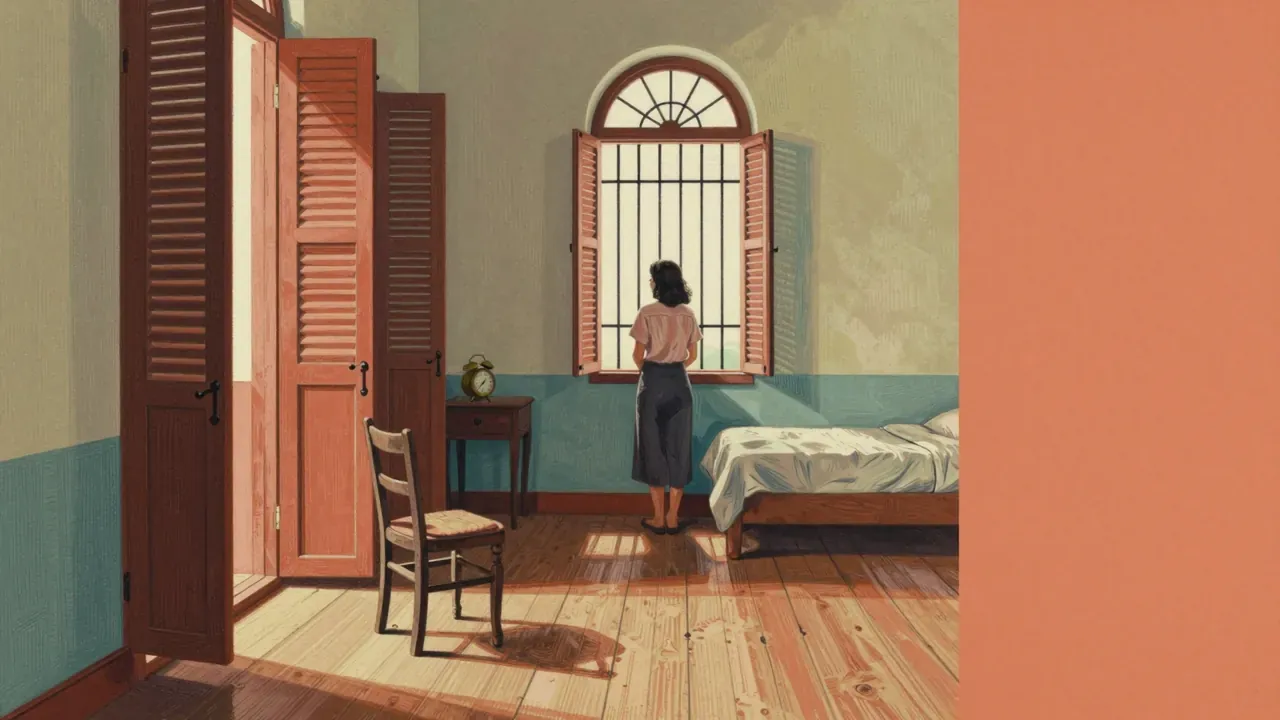
Humberto Solás’s 1968 Cuban triptych follows three women named Lucía across 1895, 1932, and 1961—each navigating love, violence, and constraint under radically different political orders. Shot in black-and-white by Jorge Herrero, with a sparse score by Leo Brouwer, it builds meaning through repetition, restraint, and precise spatial storytelling—not exposition or uplift. Its power lies in what it refuses: resolution, explanation, and the comfort of progress narratives.
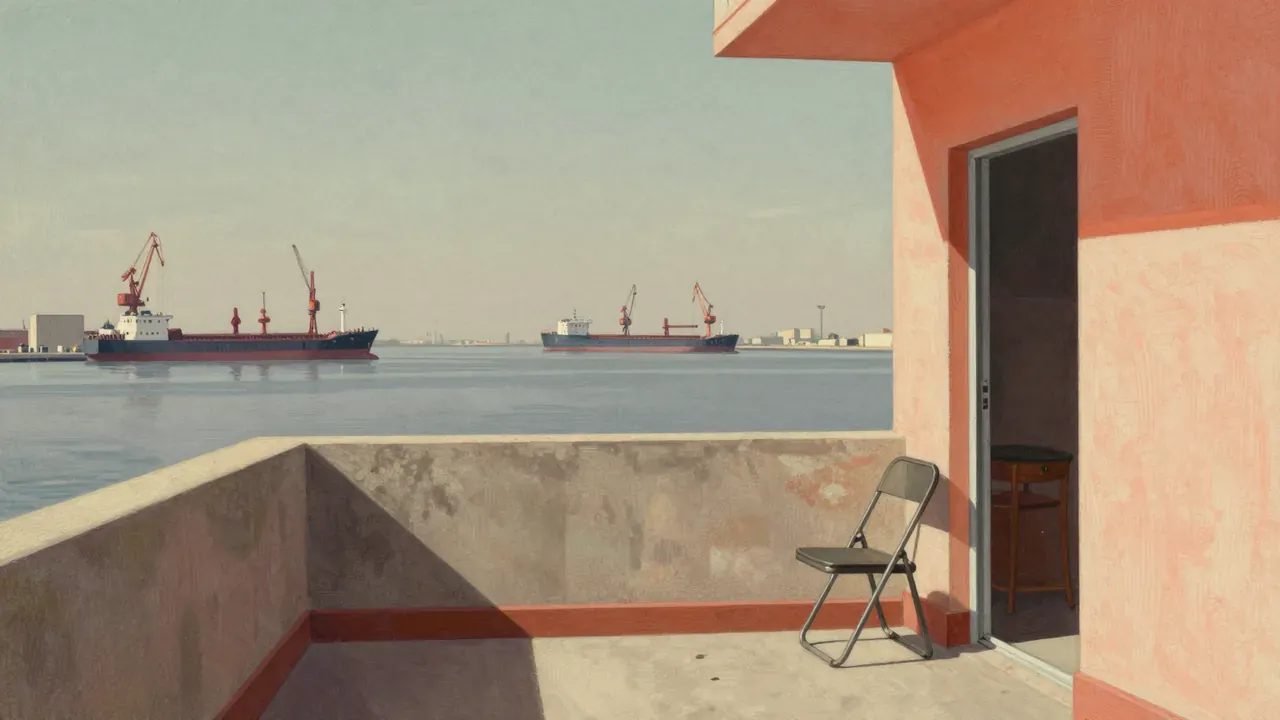
Tomás Gutiérrez Alea’s 1968 drama follows Sergio, a Havana intellectual who stays behind after the Revolution while his family flees. Narrated by Sergio himself, the film interweaves his relationships, memories, and political observations with documentary footage from the era. Shot economically and with formal rigour, it presents alienation not as existential angst but as the quiet persistence of privilege amid upheaval.

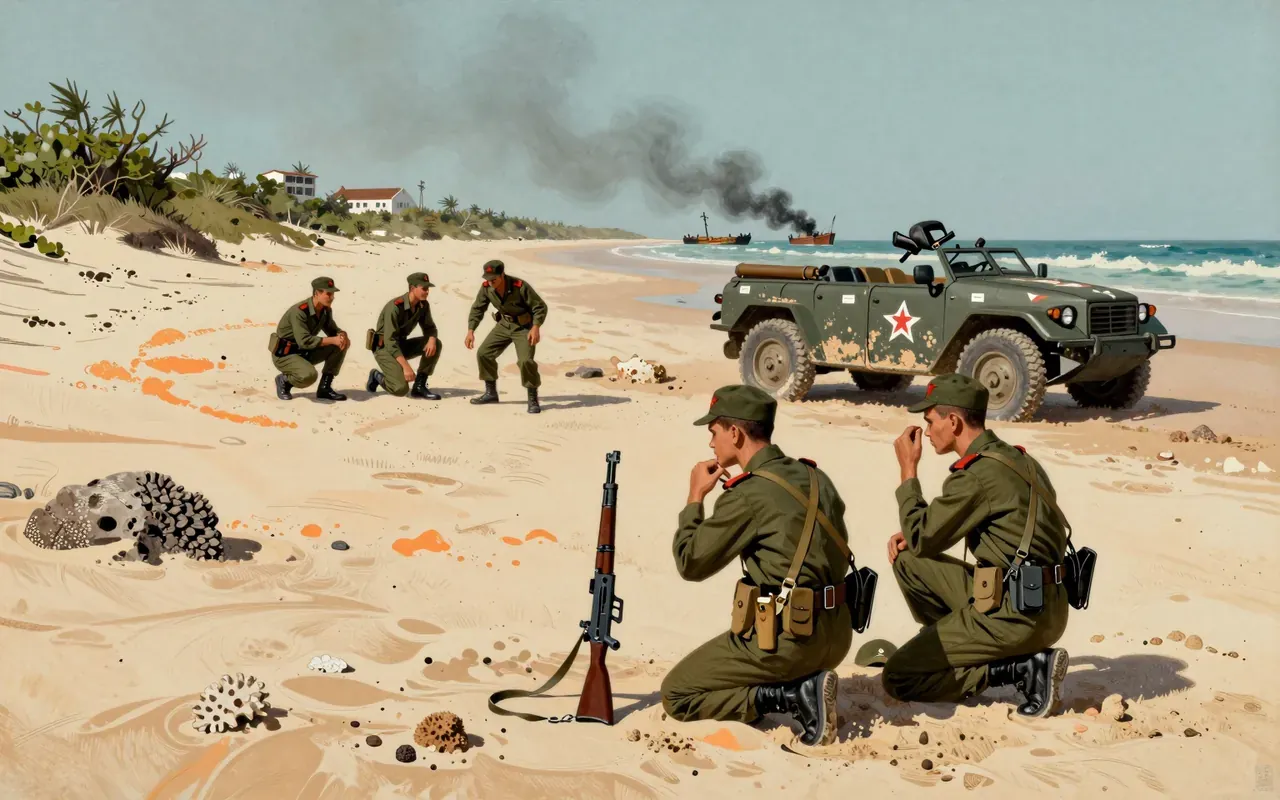
The Bay of Pigs Invasion was a U.S.-backed military operation conducted by over 1,400 Cuban exiles against Fidel Castro's government in April 1961. It began with airstrikes on Cuban airfields on 15 April, followed by the main amphibious landing at Playa Girón on 17 April. Initial success against local militia was reversed when U.S. President John F. Kennedy withheld promised air support, leaving the invaders critically under-resourced. The Cuban Revolutionary Armed Forces defeated the force within three days; it surrendered on 20 April. Most survivors were imprisoned, interrogated, and tried. The operation occurred at the height of the Cold War and marked a major U.S. foreign policy failure.

The Cuban Missile Crisis unfolded between 16 and 28 October 1962, after American reconnaissance confirmed Soviet nuclear missiles being installed in Cuba. President Kennedy's administration responded with a naval blockade rather than the invasion his military advisers preferred, and the crisis ended with a negotiated withdrawal that included a secret, unpublicised American concession over missiles in Turkey. It is remembered as the closest the Cold War came to direct nuclear conflict.
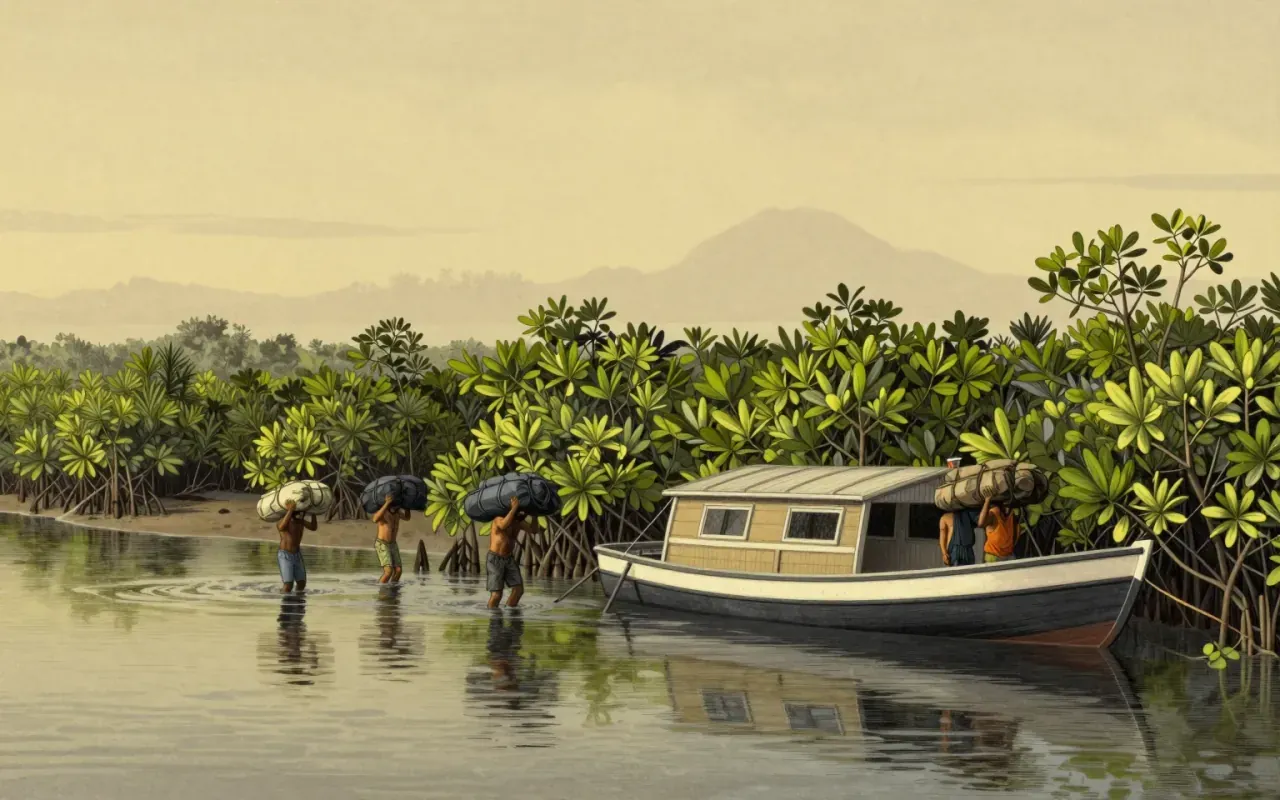
The Cuban Revolution ran from the failed Moncada Barracks attack in July 1953 to Fulgencio Batista's flight from Havana on New Year's Eve 1958, led by Fidel Castro and a small core of allies including his brother Raúl and Che Guevara. It grew out of economic inequality, unemployment and political repression under Batista, and historians still debate whether the movement was communist from the outset or became so only after it took power.