briefs
Topic · across the network

West Africa

Empires, trade routes and the rhythms that half the world's popular music came from.

29
briefs
6
subjects
8:53
average
258 min
in total
Abstraction 407Absurdism 137Acoustics 220Acting 65Adaptation 372Addiction 95Adolescence 202Advertising 77Age of exploration 14Ageing 113Agriculture 100Algorithms 114Ambition 46Anarchism 38Ancient Egypt 17Ancient Greece 38Ancient Rome 30Animals 172Anthropology 23Apartheid 12Architecture 165Archives 32Argentina 10Art Deco 26Artificial intelligence 78Astronomy 81Attention 42Australia 32Automation 73Avant-garde 164Aviation 79Banking 72Banned works 40Bauhaus 12Beer 5Behavioural economics 22Berlin 16Big tech 6Biodiversity 136Biography 86Birds 41Black holes 20Blockchain 12Boxing 14Branding 77Brazil 43Bread 29Britain 131Brutalism 4Bubbles 3Buddhism 28Byzantium 10California 17Canada 18Capitalism 94Cars 468Celebrity 59Censorship 110Cheese 24Chefs 9Chemistry 104Chess 2Childhood 87China 109Chocolate 8Christianity 49Cinematography 343Cities 90Class 485Climate change 107Club culture 100Cocktails 2Coffee 11Cognitive bias 14Collecting 16Colonialism 284Colour 42Comedy 89Community 52Complexity 21Computing 309Consciousness 16Conservatism 14Conspiracy theories 8Cooking 178Corruption 38Cosmology 31Cover versions 64Craft 116Crate digging 42Creativity 8Crime 234Cryptocurrency 8Cryptography 24Cuba 10Cybersecurity 30Dada 12Debt 38Decision-making 28Decolonisation 46Deep time 80Democracy 45Denim 16Deserts 45Detroit 17Dinosaurs 12Directing 168Disasters 59Disease 109DJ culture 89Dreams 32Drones 5Drum machines 96Dystopia 69East Africa 28Ecology 337Economics 36Editing 72Education 92Egypt 12Electric vehicles 59Emotion 22Empire 92Endurance 49Energy 120Engineering 541Entropy 8Epidemics 13Equality 9Espionage 31Ethics 44Evolution 174Existentialism 106Expertise 2Exploration 49Extinction 23Failure 37Family 240Fandom 22Fascism 45Fashion 215Fast fashion 12Fear 34Feminism 122Fermentation 126Film music 81Fishing 12Folklore 71Food history 588Football 16Forests 31Forgery 7France 163Fraud 15Free will 13Freedom 16French literature 15Friendship 24Furniture 36Gambling 14Gender 63Generations 28Genetics 87Geology 96Germany 66Globalisation 74Gothic 32Greece 5Grief 126Habits 6Happiness 2Hardware 709Haute couture 22Headphones 8Hi-fi 12Hinduism 12Hoaxes 1Human history 23Human nature 41Identity 138Illustration 8Impressionism 6Improvisation 249India 89Indonesia 15Industrial design 342Inequality 13Inflation 4Information 34Infrastructure 280Insects 29Intelligence 8Interiors 31Internet culture 88Invention 329Iran 41Islam 40Islands 17Israel 9Italy 52Jamaica 10Japan 114Jewellery 5Journalism 34Judaism 13Justice 42Korea 41Language 70Law 90Leadership 20Learning 6Liberalism 1Libraries 6Literary criticism 26London 12Loneliness 61Los Angeles 62Lost works 9Love 67Luxury 55Machine learning 15Management 10Maps 5Marketing 21Markets 51Mars 6Marxism 26Masculinity 46Materials 138Mathematics 79Meaning 6Medicine 124Memory 82Mental health 70Mesopotamia 4Mexico 38Migration 95Minimalism 68Mining 30Misinformation 9Modernism 63Money 24Monopoly 32Mortality 61Motivation 2Mountains 16Museums 27Mysticism 11Mythology 60Nationalism 40Neuroscience 23New York 36Nigeria 7Nihilism 10Noise 31Nostalgia 33Nuclear 29Nutrition 17Oceans 48Oil 42Open source 45Painting 18Palaeontology 29Parenting 14Paris 18Partition 6Patents 71Patronage 14Perception 44Personal style 27Personality 2Persuasion 8Peru 10Philosophy 77Photography 37Physics 206Plants 26Platforms 89Podcasting 1Poetry 25Poland 17Policing 34Pop Art 16Populism 2Portraiture 6Portugal 18Postmodernism 23Power 91Prehistory 24Preservation 28Printmaking 21Privacy 11Probability 6Productivity 1Programming 54Prohibition 1Propaganda 35Protest 75Pseudoscience 17Psychology 80Publishing 22Punishment 16Quantum mechanics 44Race 145Radio 30Railways 35Rave 17Realism 47Record labels 19Recording 810Relativity 23Religion 154Resilience 15Restaurants 30Restoration 2Retail 94Revolution 58Risk 18Ritual 96Robotics 26Romance 96Russia 58Salt 9Sampling 246Satire 84Scandinavia 28Scientific method 186Screenwriting 26Sculpture 7Secularism 2Self-deception 14Semiconductors 73Sexuality 102Ships 18Silence 24Silicon Valley 17Slavery 35Sleep 2Smartphones 27Sneakers 15Social media 58Socialism 9Software 68Songwriting 180Sound design 332Sound systems 20South Africa 19South East Asia 30Space exploration 84Spain 18Special effects 41Spices 62Spirits 12Sport 82Startups 21Statistics 10Status 9Stoicism 4Storytelling 68Strategy 70Street food 99Streetwear 16Studio craft 508Subcultures 59Sugar 12Supply chains 115Surrealism 53Surveillance 21Sustainability 30Synthesis 232Tailoring 37Taxation 14Tea 24Textiles 97Thailand 11The American Revolution 19The American South 88The Arab world 41The Arctic 19The Balkans 17The Belle Epoque 13The body 29The brain 26The Caribbean 28The civil rights movement 62The Cold War 160The eighties 268The Enlightenment 29The financial crisis 19The First World War 39The food industry 157The French Revolution 9The Gilded Age 9The Great Depression 18The Holocaust 20The Industrial Revolution 93The internet 61The interwar years 135The Middle Ages 35The Moon 4The music business 169The Netherlands 10The nineties 26The Olympics 10The pandemic 13The Reformation 1The Renaissance 16The Russian Revolution 19The Second World War 102The seventies 58The sixties 28The space race 5The United States 19The universe 7The Victorian era 37Therapy 20Tokyo 11Trade 48Tragedy 22Translation 5Trauma 85Travel 5True crime 2Turkey 18Typography 54Uniforms 23Unions 8Urban planning 66Utilitarianism 1Utopia 5Vaccines 10Vegetarianism 15Venture capital 6Video games 291Vietnam 12Vintage 65Vinyl 6Virtual reality 11War 169Watches 4Water 11Weather 29West Africa 29Wilderness 10Wine 3Work 22Workwear 19Worldbuilding 121

music.briefs Music

All 7 in music →
8:41

Ko Sira

Oumou Sangaré · 1993

Ko Sira is Oumou Sangaré’s 1993 album, recorded in Bamako and released internationally as Ko Sira and domestically in Mali as Bi Furu. It uses traditional Wassoulou instrumentation — kora, balafon, ngoni, calabash — with Sangaré’s voice leading tightly arranged, rhythmically insistent songs. Its themes are local and urgent: marriage, village loyalty, female agency. It makes no concessions to global pop form or production. It is cohesive, unwavering, and rooted.

11:42

Made in Lagos

Wizkid · 2020

Made in Lagos is Wizkid’s fourth studio album, released 30 October 2020 after postponement from 15 October due to the End SARS protests. It fuses Afrobeats and R&B with mid-tempo production, rich local African percussions as its core, casually Auto-Tuned melodies, and meticulously complex beats. Themes include love, focus, goodwill, gratitude, and grace. It achieved commercial success and critical acclaim, reaching number-one on the Billboard World Albums chart. Its single 'Essence' featuring Tems became the first Nigerian song to chart on the Billboard Hot 100.

13:00

Expensive Shit

Fela Kuti · 1975

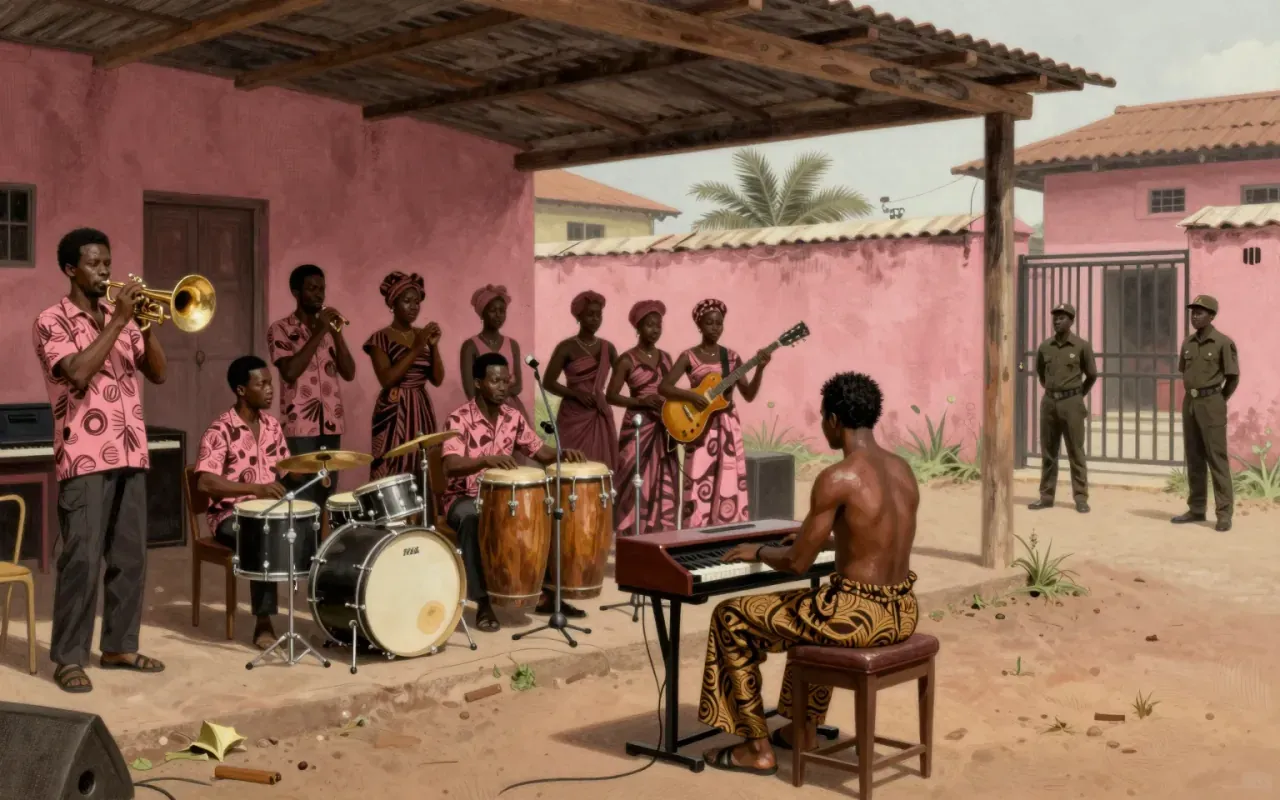
Recorded in 1975 out of the Kalakuta Republic compound, Expensive Shit compresses Fela Kuti's long standoff with Nigeria's police into two extended Africa '70 tracks: a title piece built from a real, absurd arrest, and Water No Get Enemy's gentler appeal to a Yoruba proverb about nature's staying power. Short in length, it is unusually complete for a Kuti record.

13:00

Fela's London Scene

Fela Kuti, Nigeria 70 · 1971

Made on tour in London rather than at home in Lagos, Fela's London Scene pairs Fela Kuti and Nigeria 70 with a second drummer, Ginger Baker, for five extended tracks built on horn riffs and dense percussion. Lighter on political narrative than Kuti's mid-seventies work, it is best heard as the sound of a band finding the architecture it would spend the rest of the decade refining.

13:00

Head Hunters

Herbie Hancock · 1973

Assembled after three increasingly abstract Mwandishi records, Head Hunters strips Hancock's sound down to bass, drums, reeds and Clavinet, turning a fifteen-minute groove into jazz's best-selling record of its era.

13:00

Remain in Light

Talking Heads · 1980

Made across studios in Nassau and New York with producer Brian Eno in mid-1980, Remain in Light grew out of instrumental jams built on African polyrhythm rather than finished songs, with David Byrne adding scattered, half-improvised lyrics only once the band returned to the United States. Extra musicians, a struggling frontman and a near-collapse in the writing process all shaped a record now widely treated as the band's finest hour.

13:00

Soul Makossa

Manu Dibango · 1973

Built around the crossover single already circulating a year earlier, Manu Dibango's Soul Makossa sets Cameroonian makossa rhythm against jazz and funk phrasing across seven tracks. The title track's hook became the most sampled fragment in African popular music, a legacy the album now carries alongside the record's own, less-discussed range.

film.briefs Film

All 1 in film →
13:00

Beasts of No Nation

Cary Joji Fukunaga · 2015

Beasts of No Nation (2015) follows Agu, a West African boy forced into a rebel militia during civil war. Directed and written by Cary Joji Fukunaga, it adapts Uzodinma Iweala’s novel with fidelity to its Krio-inflected voice and narrow psychological focus. Abraham Attah stars alongside Idris Elba as the charismatic, violent Commandant. Shot in Ghana, edited with deliberate duration, and scored with restrained unease, the film avoids spectacle in favour of sustained, intimate horror. It premiered at Venice, where Attah won the Marcello Mastroianni Award, and marked Netflix’s first global feature release.

history.briefs History

All 6 in history →
13:00

Ahmad Baba al-Timbukti

1556–1627

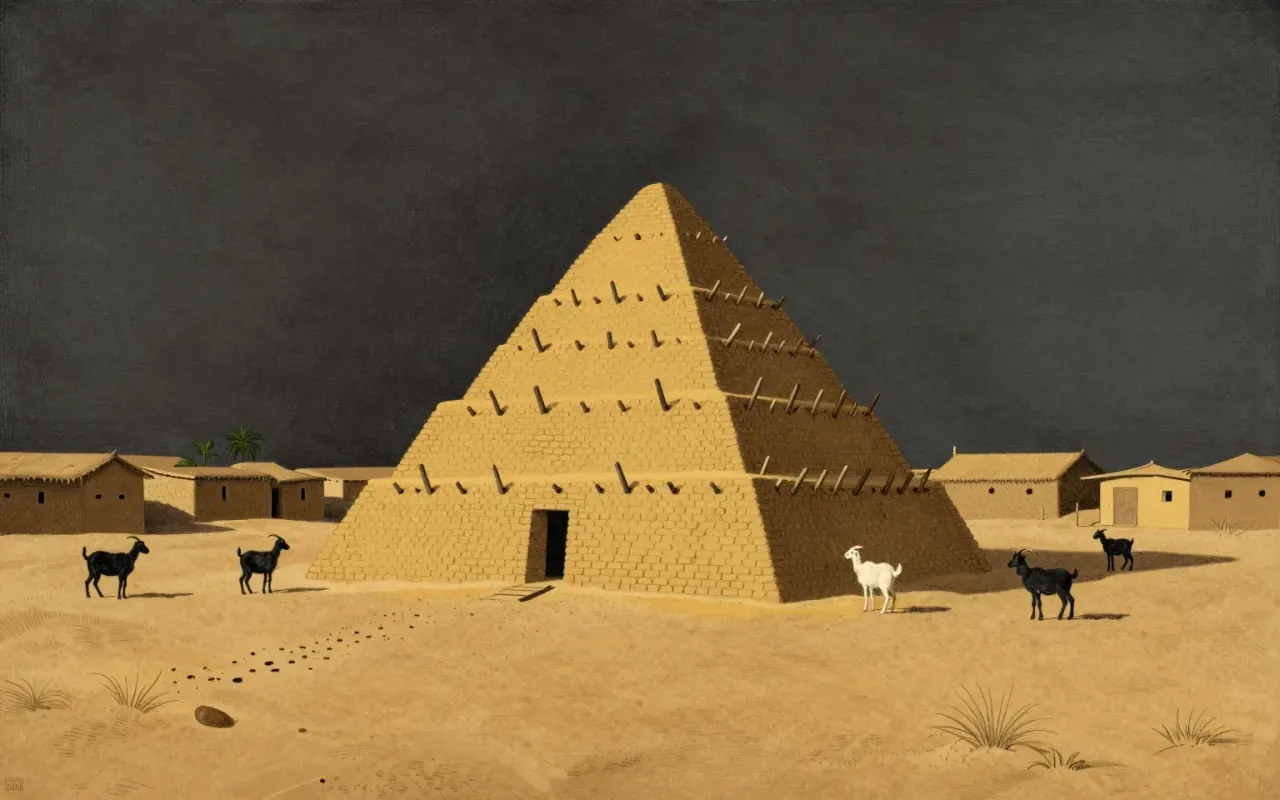
Ahmad Baba became one of Timbuktu's most prominent Islamic jurists before Moroccan forces invading the Songhai empire deported him to Marrakesh in 1594, where he remained until 1608. He continued writing throughout his exile and after his return, authoring more than forty works, including a nuanced treatment of slavery that historians still interpret differently. His career and library form part of the much larger Timbuktu manuscript tradition, whose survival was tested again in 2012 when local families and archivists evacuated the bulk of the collection ahead of an armed conflict.

13:00

Askia Muhammad I

1443–1538

Askia Muhammad seized the Songhai throne in 1493 by framing a succession dispute as a defence of proper Islamic rule, then built the empire into West Africa's largest state through provincial administrative reform and a lavish pilgrimage to Mecca that reinforced his religious legitimacy. His reign is known chiefly through two Arabic chronicles compiled in Timbuktu generations later by scholars sharing his own religious culture, making his portrayal as an exemplary Muslim ruler somewhat self-reinforcing. Even his family origins and the source of his royal title remain genuinely disputed among historians.

13:00

Gorée

1444–1960

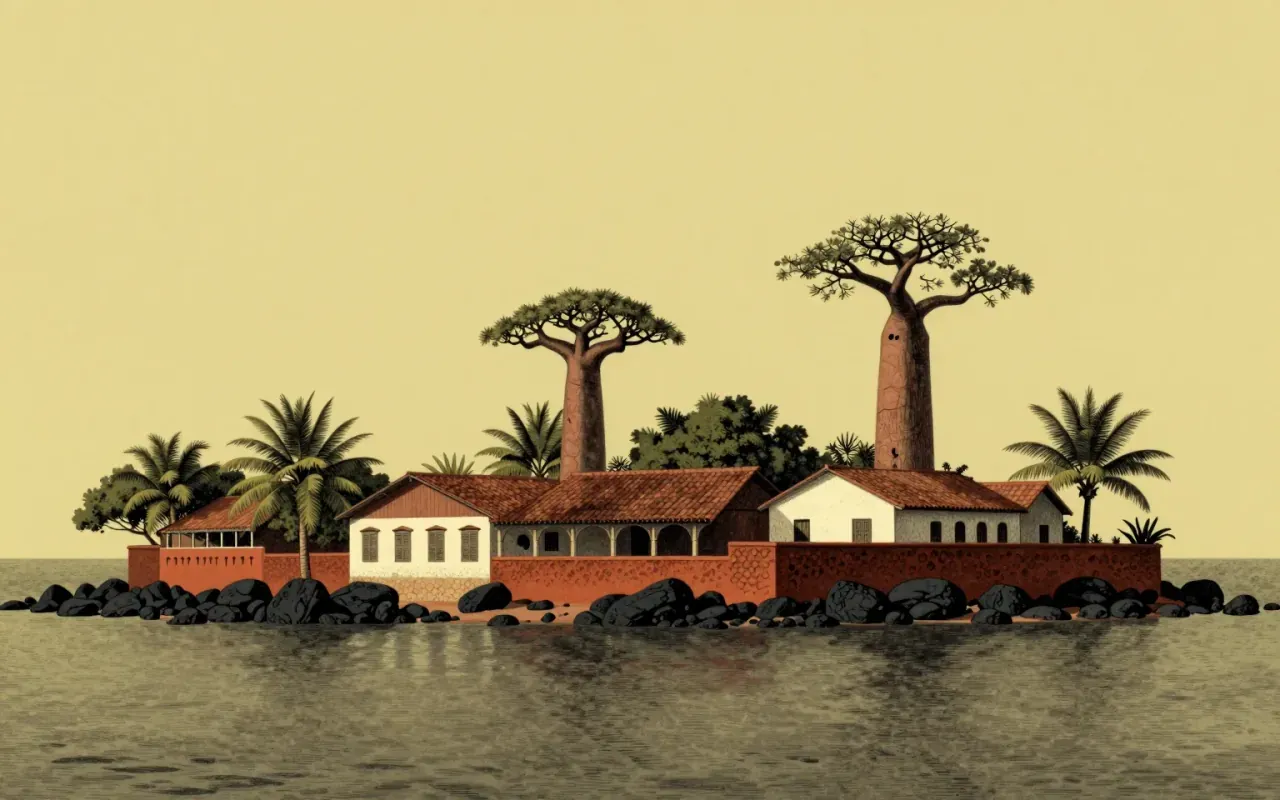
Portuguese traders reached Goree Island off Senegal in 1444, and the island passed through Dutch and then French control before Senegalese independence in 1960, developing a reputation as a major hub of the Atlantic slave trade that UNESCO's own heritage listing still describes as the largest on the African coast. Historical research has since challenged that framing directly, estimating no more than five hundred people were traded through the island annually, a small fraction of regional slave exports, and finding that the famous House of Slaves building itself lacks archaeological evidence of large-scale trans-Atlantic trafficking, complicating a narrative that took shape largely through one influential curator's account from the 1990s onward.

13:00

Mansa Musa

1280–1337

Mansa Musa ruled the Mali Empire from around 1312 to 1337, a reign later chroniclers regarded as its golden age, and became widely known in the Islamic world after his pilgrimage to Mecca in 1324, during which his gold spending reportedly depressed the metal's value in Cairo for years afterward. He annexed Timbuktu and Gao, recruited scholars including the poet Abu Ishaq al-Sahili, and helped establish Timbuktu's Sankore as a centre of Islamic learning, though the precise scale of his wealth, drawn from a handful of Arabic chroniclers writing after the fact, cannot be independently verified.

13:00

Scramble for Africa

1885–1914

Between roughly 1881 and 1914, European powers moved from controlling about a tenth of Africa's territory to claiming roughly ninety per cent of it, a process regulated but not caused by the 1884 to 1885 Berlin Conference and driven by a combination of economic interest, strategic competition and new technology that made the continent's interior newly accessible. The human cost varied enormously by territory, with the Congo Free State under Leopold II of Belgium responsible for a documented mortality catastrophe whose exact scale historians still dispute, and the resulting arbitrary borders persisted through decolonisation to shape conflicts long afterward.

13:00

Timbuktu

Founded early 12th century

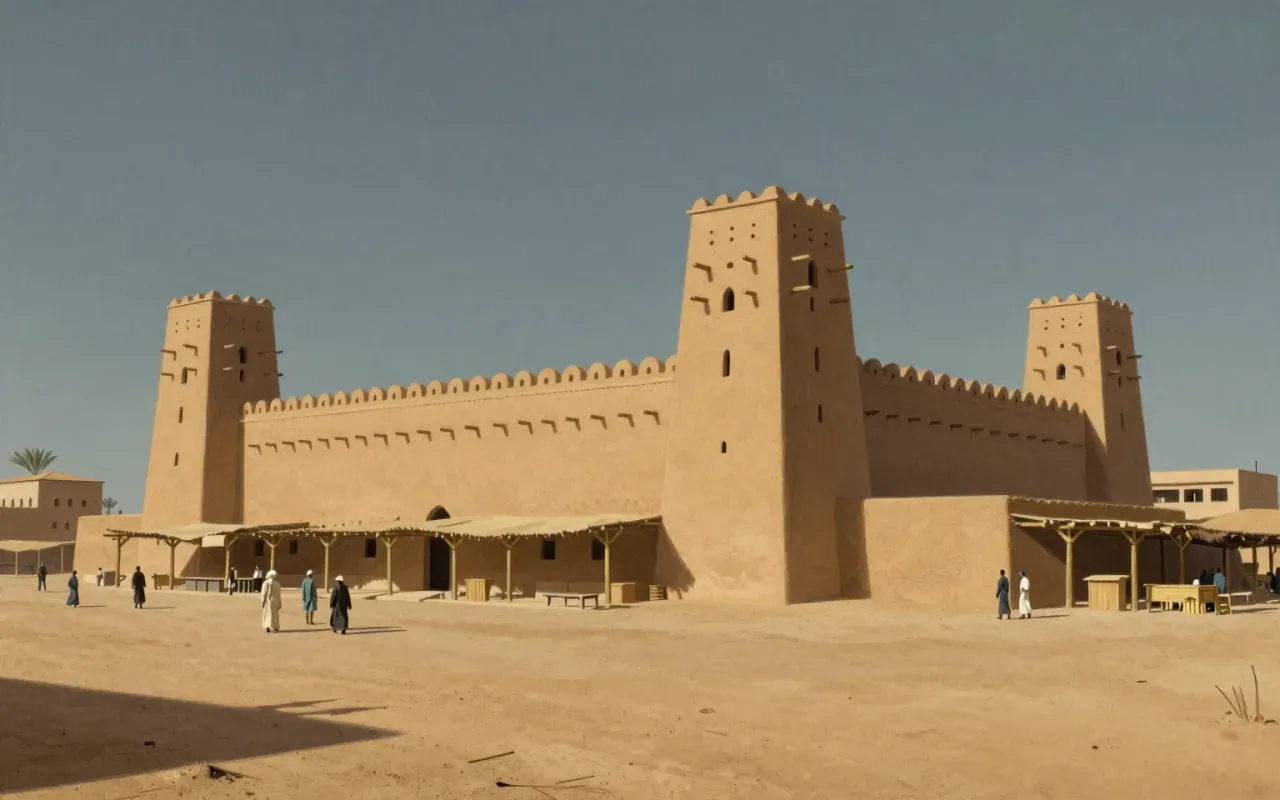
Timbuktu grew from an early twelfth-century settlement into a major trans-Saharan trade and Islamic scholarly centre, its rise accelerated after Mansa Musa's famous visit around 1325, reaching a population of roughly fifty thousand by the 1500s with three madrasas educating some twenty-five thousand students. A Moroccan invasion in 1591 killed or scattered many of its scholars and triggered a long decline, though hundreds of thousands of manuscripts documenting its intellectual life survived, some housed in libraries into the twenty-first century despite recent conflict-related threats.

games.briefs Games

All 2 in games →
10:32

Far Cry 2

Ubisoft Montreal · 2008

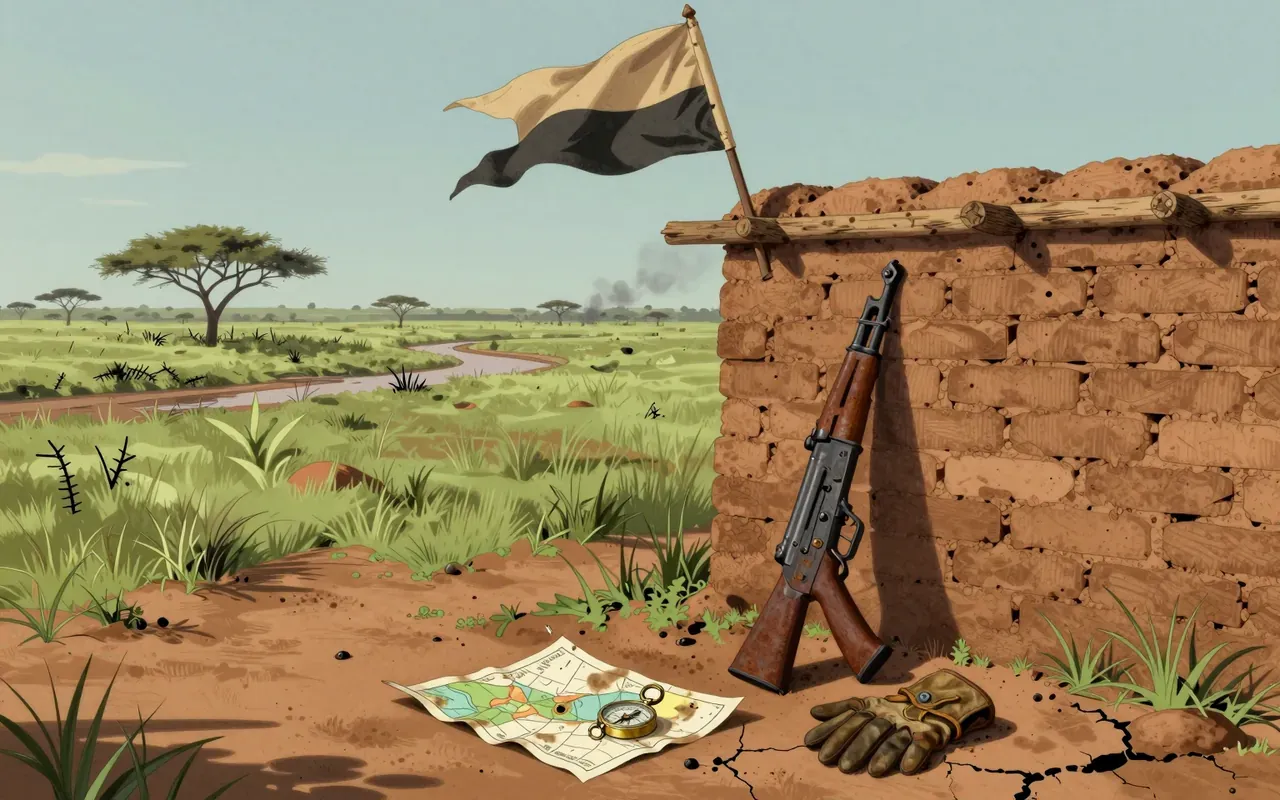
Far Cry 2 is a systemic shooter where every choice carries weight—and every weight pulls you deeper into the war’s inertia.

11:23

Red Dead Redemption

Rockstar Games · 2010

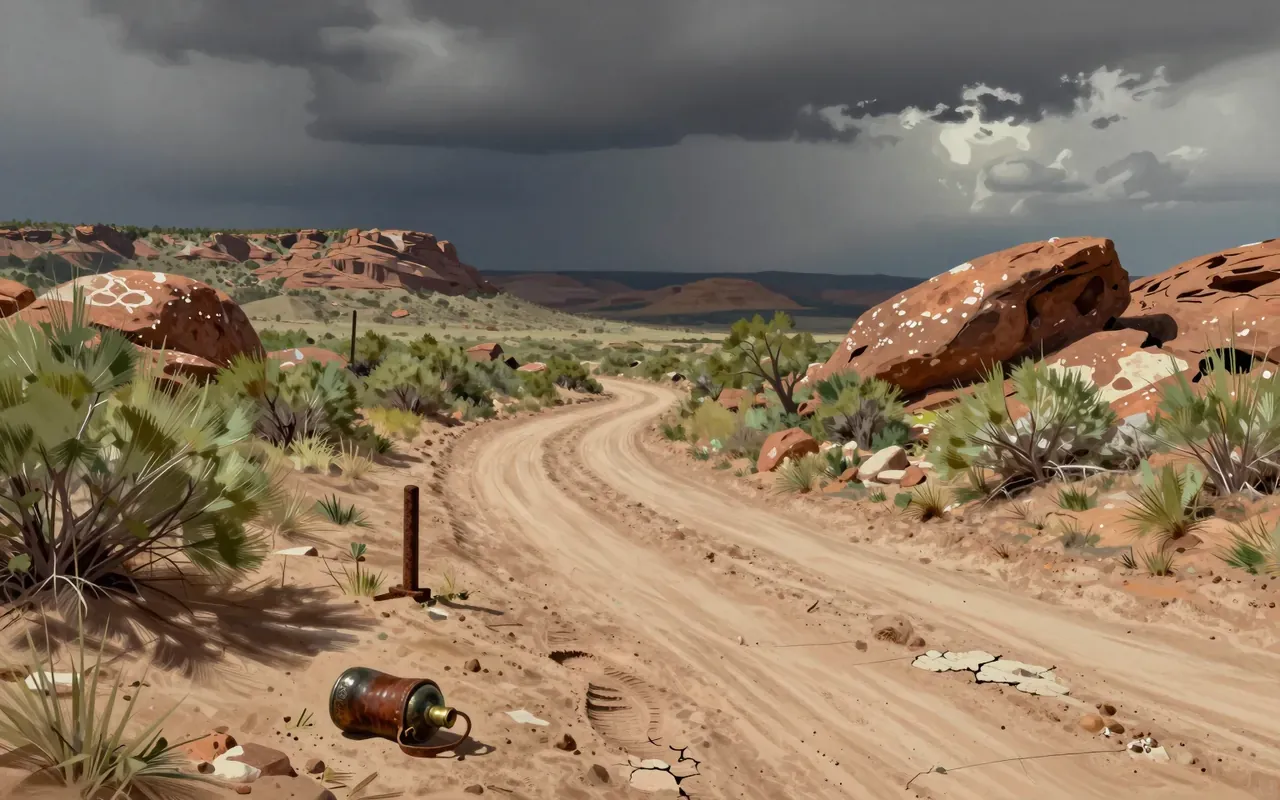
Red Dead Redemption is a third-person, open-world action-adventure game developed by Rockstar Games using the Rockstar Advanced Game Engine (RAGE). It is set in fictionalised versions of the Western United States and Northern Mexico—specifically the regions of New Austin, West Elizabeth, and Nuevo Paraíso. Players control John Marston through linear story missions, then his son Jack in the epilogue. Core gameplay revolves around horse travel, Dead Eye–enhanced gunfights, a morality-based Honor/Fame system, dynamic random events, and a bounty mechanic triggered by crimes. An online multiplayer mode supports up to 16 players in cooperative and competitive modes set in a recreation of the single-player world.

food.briefs Food

All 11 in food →
9:50

Egusi sauce

Egusi sauce proves fat-rich seeds can thicken soup better than starch — if you treat them like oil, not flour.
9:12

Fried plantain

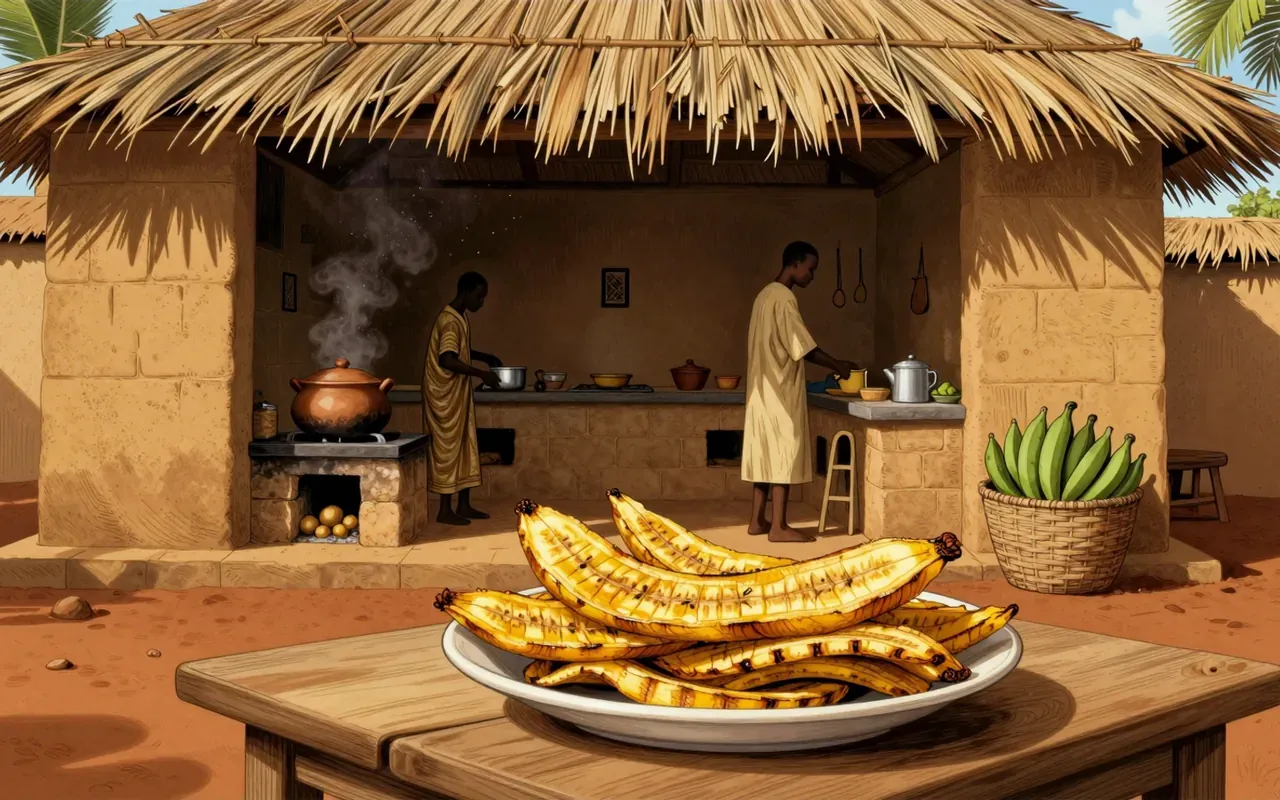
Fried plantain isn’t one dish—it’s a dozen arguments about ripeness, heat and region, all fried in the same oil.
10:13

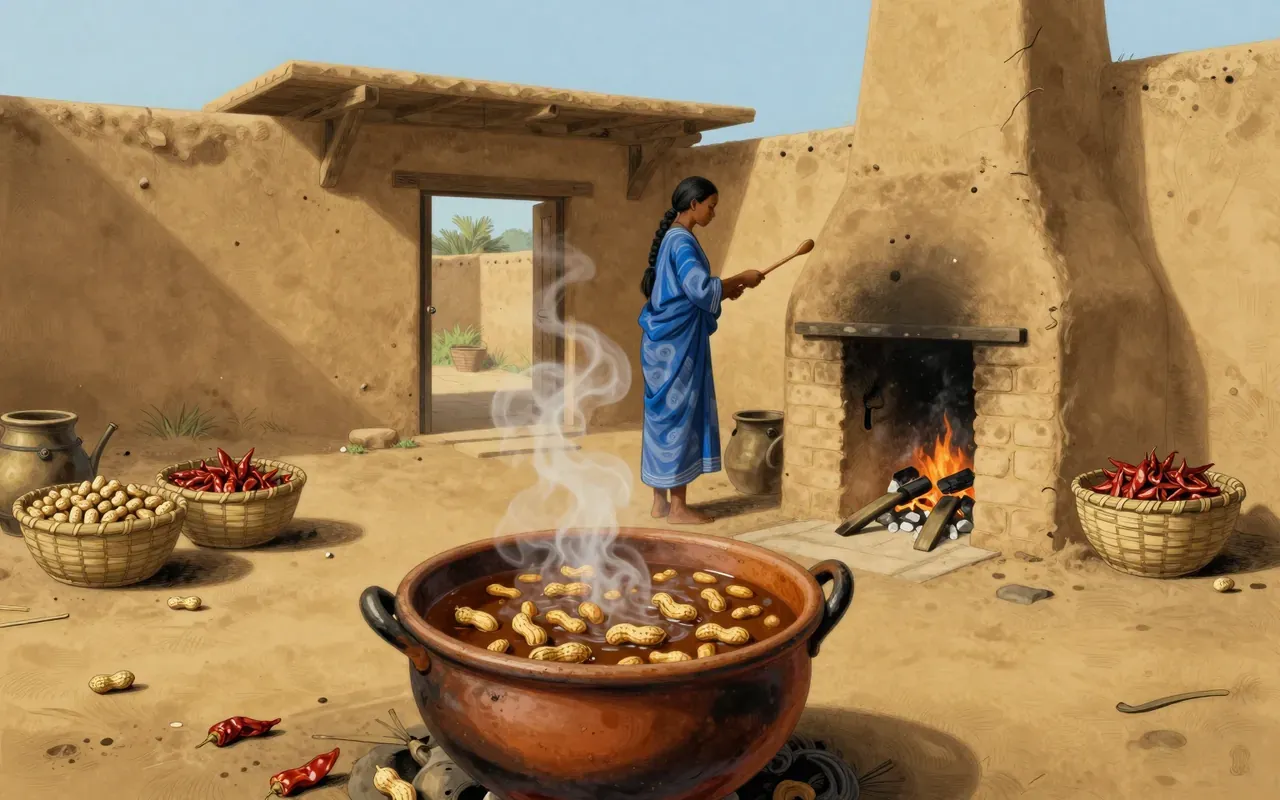
Peanut stew

Peanut stew isn’t one dish — it’s a border dispute in a pot.
1:35

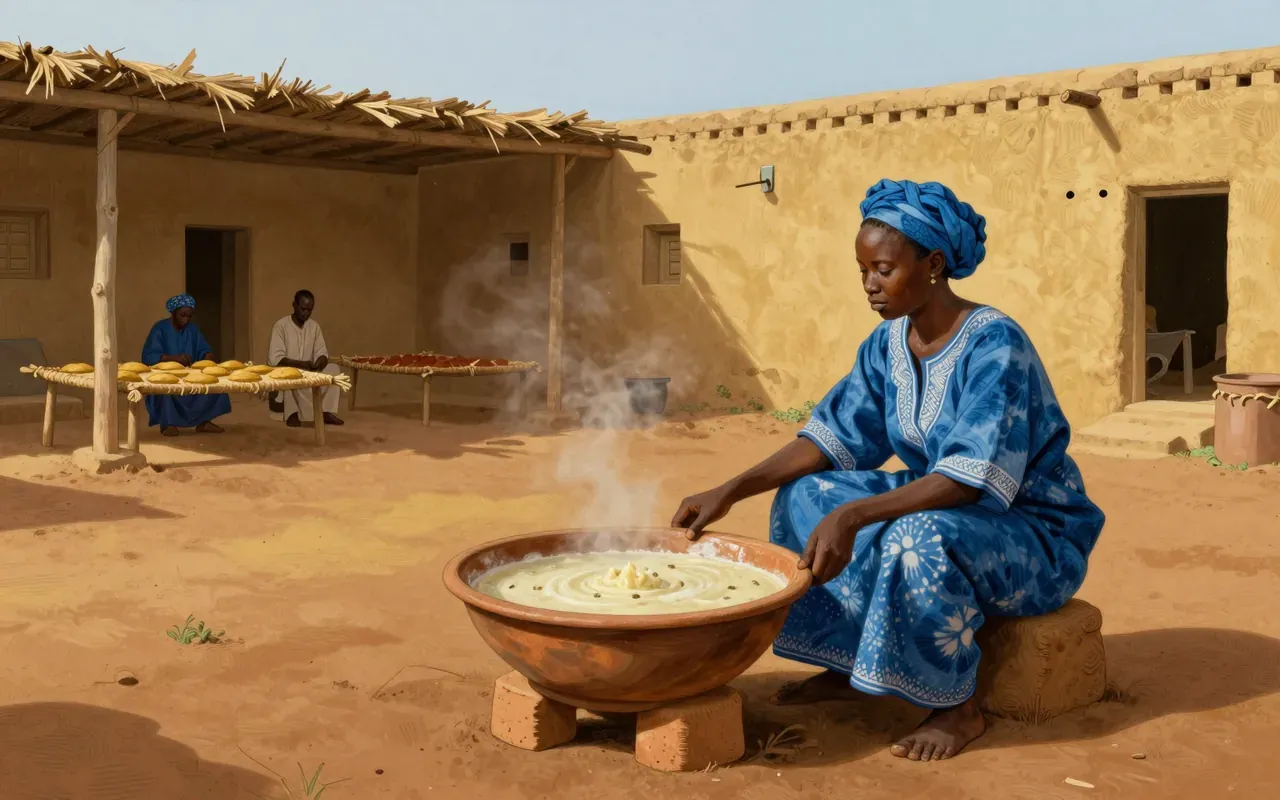
Fufu

A pounded starchy staple from West Africa, made from boiled tubers like cassava, plantain, or cocoyam.
1:16

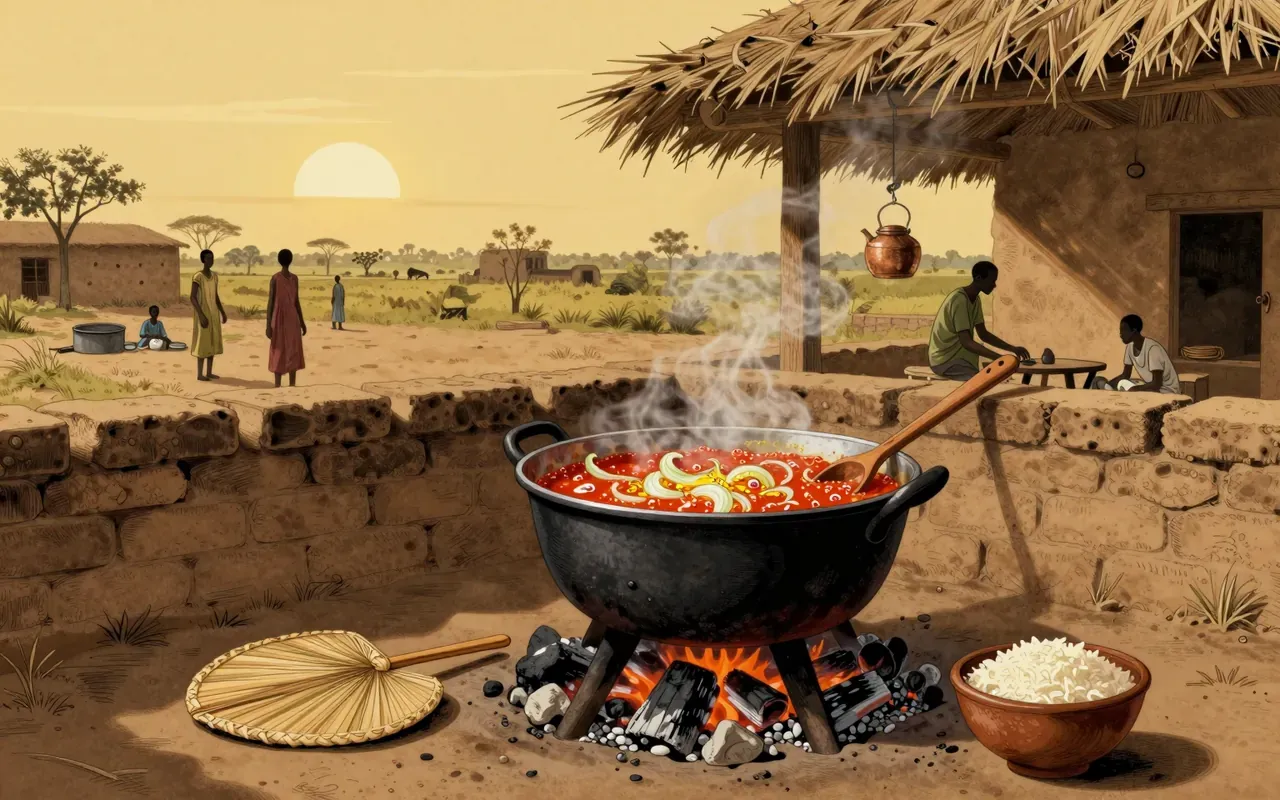
Jollof rice

A West African rice dish from Senegal, built on tomato-based sauce and aromatic seasonings.
1:17

Moin moin

A steamed or boiled bean pudding from Yoruba cuisine, made with peeled beans, onions, peppers, spices, and often fish, eggs, chicken, or crayfish.
0:57

Ndolé

A Cameroonian stew of boiled ndoleh leaves, ground peanuts, crayfish, garlic, onions, and fish or beef.
0:55

Suya

Suya is a Hausa Nigerian dish of thin skewered meat grilled over smoke and seasoned with Yaji, a variable spice blend including chili, ginger, dried onion, and ground peanut cake.

fashion.briefs Fashion

All 2 in fashion →
11:05

Sarong

A tube of cloth that refuses to be tailored—and wins.
9:36

Boubou (clothing)

The boubou is not heritage—it’s a garment forged in desert trade, weaponised by empire, and repurposed by colonisers.