briefs
Topic · across the network

Marxism

An analysis of capital that outlived the states built in its name.

26
briefs
5
subjects
11:43
average
305 min
in total
Abstraction 407Absurdism 137Acoustics 220Acting 65Adaptation 372Addiction 95Adolescence 202Advertising 77Age of exploration 14Ageing 113Agriculture 100Algorithms 114Ambition 46Anarchism 38Ancient Egypt 17Ancient Greece 38Ancient Rome 30Animals 172Anthropology 23Apartheid 12Architecture 165Archives 32Argentina 10Art Deco 26Artificial intelligence 78Astronomy 81Attention 42Australia 32Automation 73Avant-garde 164Aviation 79Banking 72Banned works 40Bauhaus 12Beer 5Behavioural economics 22Berlin 16Big tech 6Biodiversity 136Biography 86Birds 41Black holes 20Blockchain 12Boxing 14Branding 77Brazil 43Bread 29Britain 131Brutalism 4Bubbles 3Buddhism 28Byzantium 10California 17Canada 18Capitalism 94Cars 468Celebrity 59Censorship 110Cheese 24Chefs 9Chemistry 104Chess 2Childhood 87China 109Chocolate 8Christianity 49Cinematography 343Cities 90Class 485Climate change 107Club culture 100Cocktails 2Coffee 11Cognitive bias 14Collecting 16Colonialism 284Colour 42Comedy 89Community 52Complexity 21Computing 309Consciousness 16Conservatism 14Conspiracy theories 8Cooking 178Corruption 38Cosmology 31Cover versions 64Craft 116Crate digging 42Creativity 8Crime 234Cryptocurrency 8Cryptography 24Cuba 10Cybersecurity 30Dada 12Debt 38Decision-making 28Decolonisation 46Deep time 80Democracy 45Denim 16Deserts 45Detroit 17Dinosaurs 12Directing 168Disasters 59Disease 109DJ culture 89Dreams 32Drones 5Drum machines 96Dystopia 69East Africa 28Ecology 337Economics 36Editing 72Education 92Egypt 12Electric vehicles 59Emotion 22Empire 92Endurance 49Energy 120Engineering 541Entropy 8Epidemics 13Equality 9Espionage 31Ethics 44Evolution 174Existentialism 106Expertise 2Exploration 49Extinction 23Failure 37Family 240Fandom 22Fascism 45Fashion 215Fast fashion 12Fear 34Feminism 122Fermentation 126Film music 81Fishing 12Folklore 71Food history 588Football 16Forests 31Forgery 7France 163Fraud 15Free will 13Freedom 16French literature 15Friendship 24Furniture 36Gambling 14Gender 63Generations 28Genetics 87Geology 96Germany 66Globalisation 74Gothic 32Greece 5Grief 126Habits 6Happiness 2Hardware 709Haute couture 22Headphones 8Hi-fi 12Hinduism 12Hoaxes 1Human history 23Human nature 41Identity 138Illustration 8Impressionism 6Improvisation 249India 89Indonesia 15Industrial design 342Inequality 13Inflation 4Information 34Infrastructure 280Insects 29Intelligence 8Interiors 31Internet culture 88Invention 329Iran 41Islam 40Islands 17Israel 9Italy 52Jamaica 10Japan 114Jewellery 5Journalism 34Judaism 13Justice 42Korea 41Language 70Law 90Leadership 20Learning 6Liberalism 1Libraries 6Literary criticism 26London 12Loneliness 61Los Angeles 62Lost works 9Love 67Luxury 55Machine learning 15Management 10Maps 5Marketing 21Markets 51Mars 6Marxism 26Masculinity 46Materials 138Mathematics 79Meaning 6Medicine 124Memory 82Mental health 70Mesopotamia 4Mexico 38Migration 95Minimalism 68Mining 30Misinformation 9Modernism 63Money 24Monopoly 32Mortality 61Motivation 2Mountains 16Museums 27Mysticism 11Mythology 60Nationalism 40Neuroscience 23New York 36Nigeria 7Nihilism 10Noise 31Nostalgia 33Nuclear 29Nutrition 17Oceans 48Oil 42Open source 45Painting 18Palaeontology 29Parenting 14Paris 18Partition 6Patents 71Patronage 14Perception 44Personal style 27Personality 2Persuasion 8Peru 10Philosophy 77Photography 37Physics 206Plants 26Platforms 89Podcasting 1Poetry 25Poland 17Policing 34Pop Art 16Populism 2Portraiture 6Portugal 18Postmodernism 23Power 91Prehistory 24Preservation 28Printmaking 21Privacy 11Probability 6Productivity 1Programming 54Prohibition 1Propaganda 35Protest 75Pseudoscience 17Psychology 80Publishing 22Punishment 16Quantum mechanics 44Race 145Radio 30Railways 35Rave 17Realism 47Record labels 19Recording 810Relativity 23Religion 154Resilience 15Restaurants 30Restoration 2Retail 94Revolution 58Risk 18Ritual 96Robotics 26Romance 96Russia 58Salt 9Sampling 246Satire 84Scandinavia 28Scientific method 186Screenwriting 26Sculpture 7Secularism 2Self-deception 14Semiconductors 73Sexuality 102Ships 18Silence 24Silicon Valley 17Slavery 35Sleep 2Smartphones 27Sneakers 15Social media 58Socialism 9Software 68Songwriting 180Sound design 332Sound systems 20South Africa 19South East Asia 30Space exploration 84Spain 18Special effects 41Spices 62Spirits 12Sport 82Startups 21Statistics 10Status 9Stoicism 4Storytelling 68Strategy 70Street food 99Streetwear 16Studio craft 508Subcultures 59Sugar 12Supply chains 115Surrealism 53Surveillance 21Sustainability 30Synthesis 232Tailoring 37Taxation 14Tea 24Textiles 97Thailand 11The American Revolution 19The American South 88The Arab world 41The Arctic 19The Balkans 17The Belle Epoque 13The body 29The brain 26The Caribbean 28The civil rights movement 62The Cold War 160The eighties 268The Enlightenment 29The financial crisis 19The First World War 39The food industry 157The French Revolution 9The Gilded Age 9The Great Depression 18The Holocaust 20The Industrial Revolution 93The internet 61The interwar years 135The Middle Ages 35The Moon 4The music business 169The Netherlands 10The nineties 26The Olympics 10The pandemic 13The Reformation 1The Renaissance 16The Russian Revolution 19The Second World War 102The seventies 58The sixties 28The space race 5The United States 19The universe 7The Victorian era 37Therapy 20Tokyo 11Trade 48Tragedy 22Translation 5Trauma 85Travel 5True crime 2Turkey 18Typography 54Uniforms 23Unions 8Urban planning 66Utilitarianism 1Utopia 5Vaccines 10Vegetarianism 15Venture capital 6Video games 291Vietnam 12Vintage 65Vinyl 6Virtual reality 11War 169Watches 4Water 11Weather 29West Africa 29Wilderness 10Wine 3Work 22Workwear 19Worldbuilding 121

books.briefs Books

All 1 in books →
13:54

The Communist Manifesto

Karl Marx · 0

The brief argues the Manifesto is a tactical pamphlet, not a prophecy. It extracts its structural logic: class struggle as history, the bourgeoisie’s self-undermining motion, and why Communists must name—not obscure—their antagonism with capital. It tells you which critiques hold up and which to skip.

film.briefs Film

All 5 in film →
13:00

A Generation

Andrzej Wajda · 1955

Andrzej Wajda’s 1955 debut A Generation follows two young men in Nazi-occupied Warsaw as they move from alienation to resistance within a communist underground cell. Shot on location in Wola with natural light and unvarnished performances, it grounds political commitment in workshop routines, shared silences, and the physical texture of daily survival. Though ideologically specific and formally austere, its power lies in its restraint — in what it shows, not what it tells.

13:00

Sweet Movie

Dušan Makavejev · 1974

Dušan Makavejev’s 1974 Sweet Movie is a formally rigorous, politically charged art film split between two women — a Canadian beauty queen and a communist sailor — whose bodies become battlegrounds for competing systems of control. Shot in France, Canada and West Germany, it uses surreal juxtaposition, taboo imagery and real archival footage to dissect the failures of both capitalism and state socialism. Controversial on release and banned in multiple countries, it remains a demanding, uncompromising work that prioritises dialectical tension over narrative resolution.

13:00

The Confession

Costa-Gavras · 1970

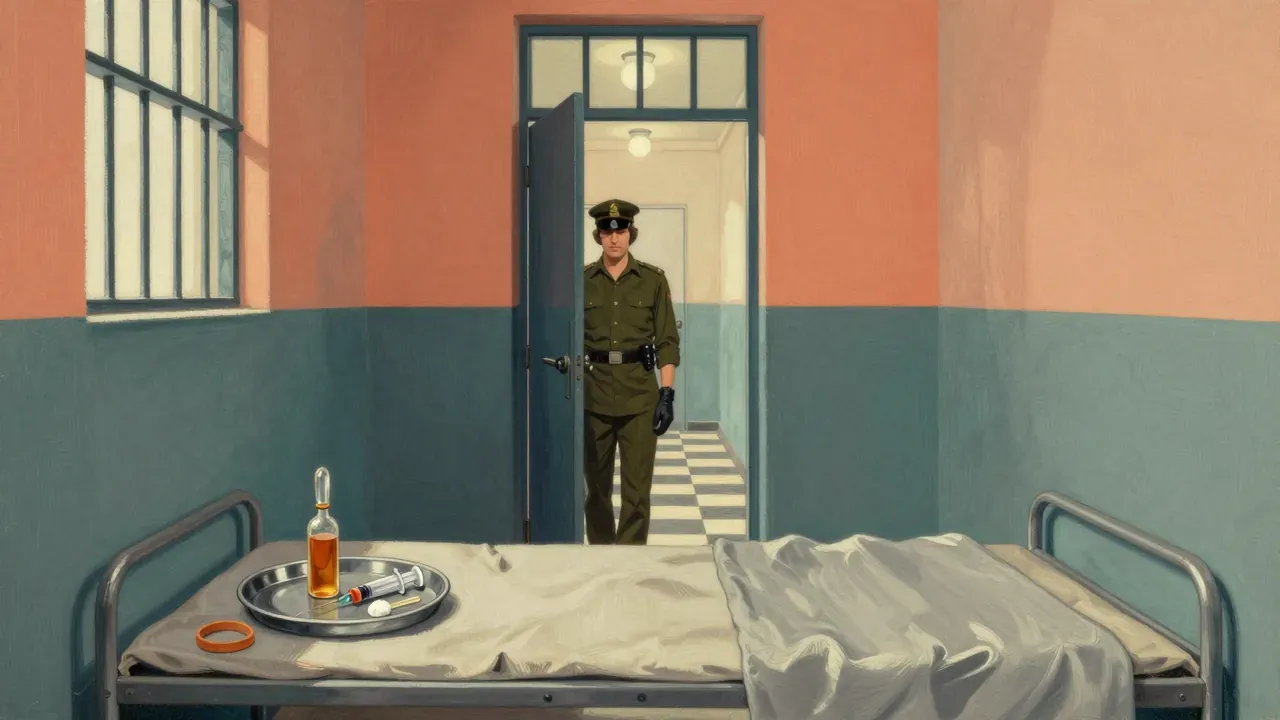
Costa-Gavras’s 1970 film The Confession adapts Artur London’s memoir of imprisonment and coerced confession during the 1952 Slánský trial in Prague. Starring Yves Montand and Simone Signoret, it traces the systematic dismantling of a loyal communist official—not through brutality, but through isolation, sleep deprivation, scripted rehearsals, and bureaucratic theatre. Shot in northern France with Raoul Coutard’s restrained cinematography and edited with deliberate duration, it avoids melodrama in favour of procedural realism. Though its final act falters in integration, and its density tests attention, it remains a rigorous, unsentimental study of how power hollows out personhood from within.

13:00

The Hawks and the Sparrows

Pier Paolo Pasolini · 1966

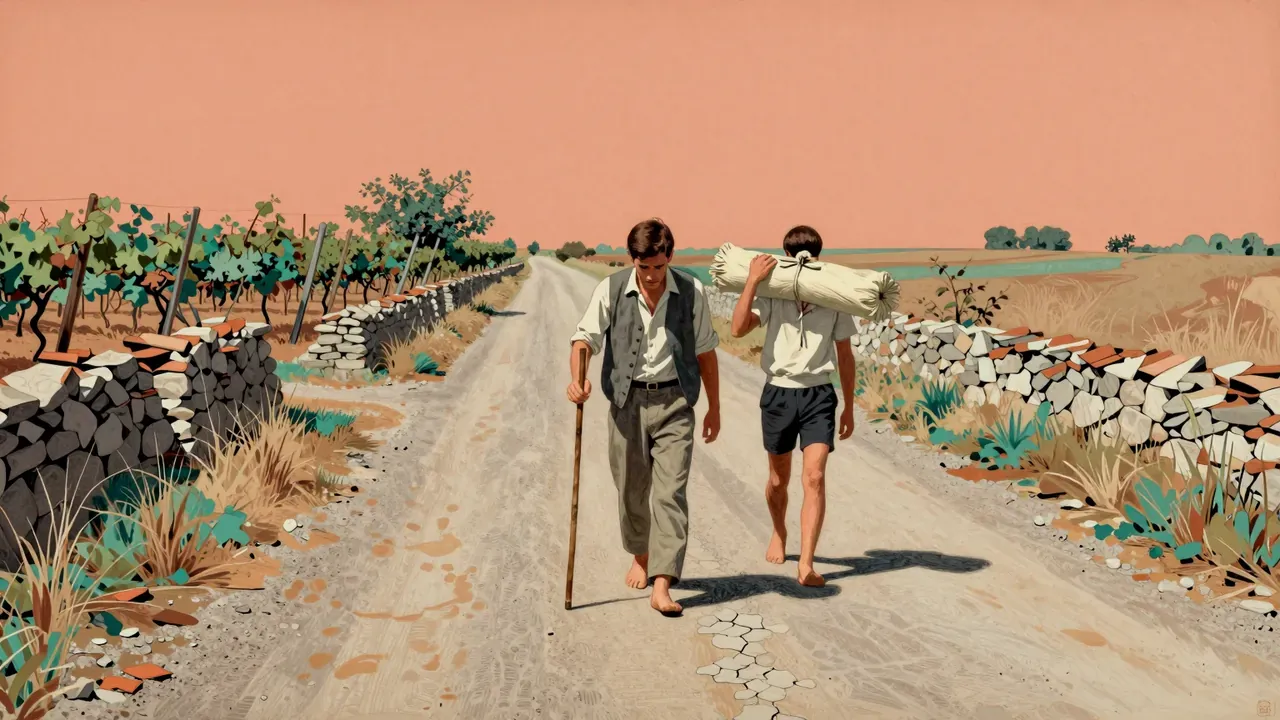
Pier Paolo Pasolini’s 1966 film follows Totò and Ninetto Davoli on a rambling journey through rural and suburban Italy, punctuated by encounters with a talking crow, impoverished families, landowners, mourners and performers. Framed by a Franciscan parable about hawks and sparrows, the film tests whether love or reason can overcome structural inequality — and concludes it cannot. Shot on location with non-professionals and icons alike, it is rigorous, unsentimental and deliberately unresolved.

13:00

The End of St. Petersburg

Vsevolod Pudovkin, Mikhail Doller · 1927

The End of St. Petersburg (1927), directed by Vsevolod Pudovkin and Mikhail Doller, traces a peasant boy’s journey from rural innocence to revolutionary clarity across four years of upheaval in pre-Soviet Russia. Shot in stark, rhythmic montage by Anatoli Golovnya and edited by Oleksandr Dovzhenko, it avoids individual psychology in favour of systemic analysis — linking factory exploitation, imperial war, and bread riots to the fall of Tsarism and rise of the Bolsheviks. Commissioned for the October Revolution’s tenth anniversary, it is a didactic, formally rigorous work of political cinema.

history.briefs History

All 9 in history →
13:00

Mao Zedong

1893–1976

From a Hunan peasant household to chairman of the Chinese Communist Party for over three decades, Mao Zedong built his power on a rural strategy Marxist orthodoxy had dismissed, then used control of propaganda and education to shape how his rule would be remembered. His decades in office combined rapid industrialisation and literacy gains with famine and political purges whose full toll remains disputed. Assessments of his legacy still split sharply between accounts of a nation-builder and a mass killer.

13:00

Rosa Luxemburg

1871–1919

A Polish-German Marxist theorist and one of the first women to earn a doctorate in political economy, Rosa Luxemburg spent her career arguing for revolutionary spontaneity against both reformist socialism and Bolshevik authoritarianism, before co-founding the German Communist Party during the 1918-1919 revolution. Captured after the Spartacist uprising's defeat, she was beaten and shot by Freikorps paramilitaries on 15 January 1919, and how much official sanction lay behind her killing remains unresolved.

13:00

Chinese Communist Revolution

1927–1949

Between the founding of the Chinese Communist Party in 1921 and the proclamation of the People's Republic in 1949, China passed through warlordism, a fractured alliance with the Nationalists, a Japanese invasion, and a civil war that the Communists eventually won. The victory owed as much to Nationalist collapse and rural discontent as to any single Communist strategy, and the party's own founding date is only one of several plausible starting points historians use for the story.

13:00

Communist International

1919–1943

Lenin founded the Communist International in Moscow in March 1919 to coordinate a world communist movement around Bolshevik leadership, binding member parties to twenty-one strict conditions adopted the following year. Under Stalin the organisation was steadily subordinated to Soviet state interests, first through a sectarian policy in the late 1920s and early 1930s that branded social democrats as fascists, then through a reversal into broad anti-fascist popular fronts after 1934, even as many of its own foreign officials were swept up and executed in the Great Purge. Stalin dissolved the Comintern in 1943 as a wartime gesture to his Western allies.

13:00

Cultural Revolution

1966–1976

Mao Zedong launched the Cultural Revolution in May 1966 to purge rivals and eliminate what he saw as capitalist and traditional influence within Chinese society, mobilising Red Guards against officials, intellectuals and cultural institutions. It ran for a decade, until his death in September 1976, disrupting education, displacing millions of urban youth to the countryside, and killing an estimated one to two million people, before the Communist Party's own 1981 verdict formally condemned it as catastrophic.

13:00

Great Leap Forward

1958–1962

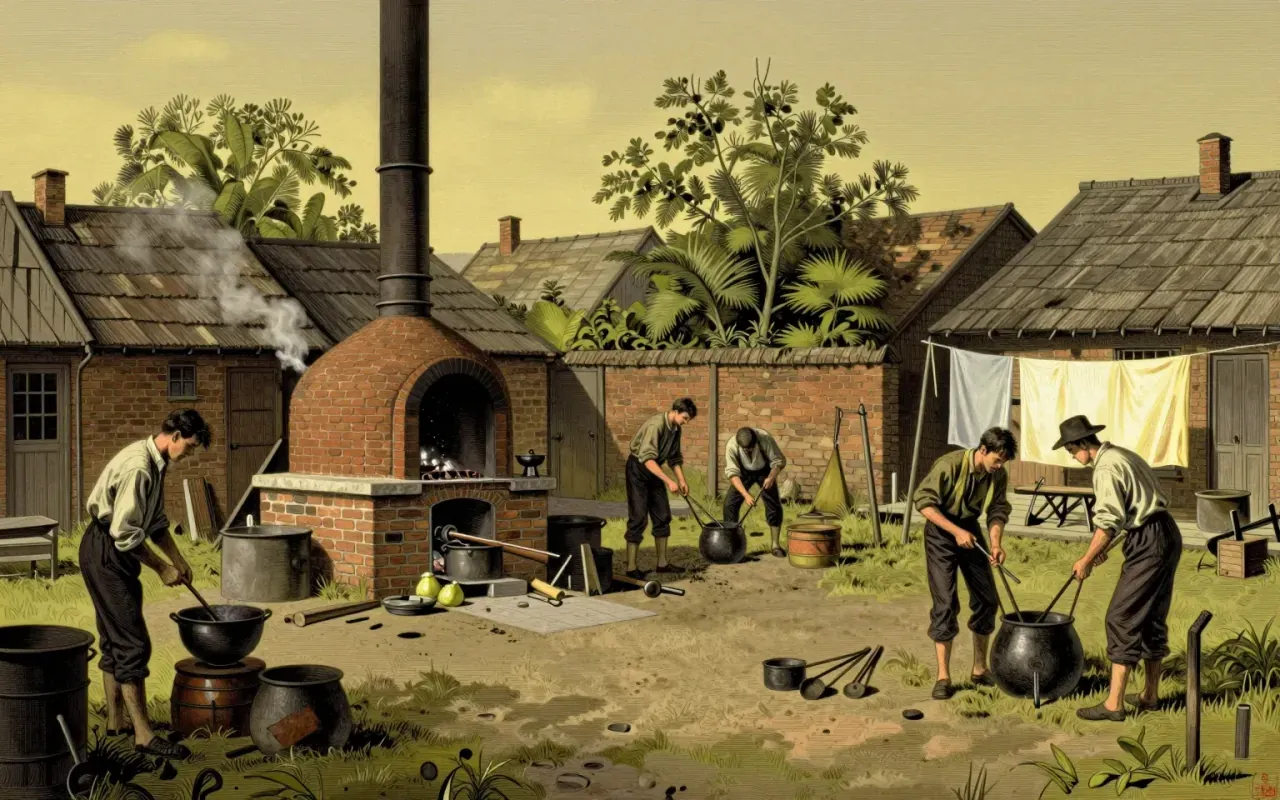
In 1958 Mao Zedong launched a campaign to industrialise China rapidly through mass collectivisation and backyard steel production. Inflated harvest reports fed state procurement that stripped grain from the countryside, and a famine took hold by 1959 that lasted into 1961. Estimates of the death toll, reconstructed only decades later from demographic data, range from roughly fifteen to fifty-five million, and historians still argue over how to divide responsibility between Mao, provincial officials and genuine weather disasters.

13:00

Hundred Flowers Campaign

1956–1957

In 1956 Mao Zedong invited public criticism of the Communist Party, encouraging intellectuals to speak freely under the slogan of a hundred flowers blooming. Criticism grew sharper through early 1957 until, within months, Mao reversed course and recast critics as hostile rightists, launching a crackdown that branded roughly four hundred thousand people rightists. Historians still dispute whether the invitation was a deliberate trap or a genuine liberalisation that alarmed its own author once it succeeded.

13:00

October Revolution

25 October – 26 October 1917

The October Revolution unfolded over roughly twenty-four hours on 24 and 25 October 1917 in the old Russian calendar, as Bolshevik forces under Leon Trotsky's organisation seized key points in Petrograd and took the Winter Palace from a token garrison of cadets, cossacks and a women's battalion, forcing Alexander Kerensky's Provisional Government to flee. Vladimir Lenin became head of the new Soviet government, and though the Bolsheviks won only 24 percent of the vote in elections held weeks later, they dissolved the resulting Constituent Assembly after a single session, a seizure of power that Soviet-era propaganda later reimagined as a dramatic battle even though the original assault had produced almost no casualties at all.

technology.briefs Technology

All 1 in technology →
9:55

Inmarsat

A satellite network built for ships became the world’s first lifeline for remote operations—and its compromises still define what ‘global’ really means for connectivity.

culture.briefs Culture

All 10 in culture →
9:02

Accelerationism

Accelerationism doesn’t oppose capitalism—it hijacks it. That’s its strength and its fatal flaw.
10:54

Historical materialism

Historical materialism isn’t history—it’s a lever to pry open power. Use it, but don’t mistake the handle for the engine.
9:50

Angela Davis

She wasn’t framed for what she believed—she was prosecuted for what she did, then turned her imprisonment into political theory.