briefs
Topic · across the network

Russia

Empire, revolution and empire again, with the same geography underneath.

58
briefs
8
subjects
11:15
average
652 min
in total
Abstraction 407Absurdism 137Acoustics 220Acting 65Adaptation 372Addiction 95Adolescence 202Advertising 77Age of exploration 14Ageing 113Agriculture 100Algorithms 114Ambition 46Anarchism 38Ancient Egypt 17Ancient Greece 38Ancient Rome 30Animals 172Anthropology 23Apartheid 12Architecture 165Archives 32Argentina 10Art Deco 26Artificial intelligence 78Astronomy 81Attention 42Australia 32Automation 73Avant-garde 164Aviation 79Banking 72Banned works 40Bauhaus 12Beer 5Behavioural economics 22Berlin 16Big tech 6Biodiversity 136Biography 86Birds 41Black holes 20Blockchain 12Boxing 14Branding 77Brazil 43Bread 29Britain 131Brutalism 4Bubbles 3Buddhism 28Byzantium 10California 17Canada 18Capitalism 94Cars 468Celebrity 59Censorship 110Cheese 24Chefs 9Chemistry 104Chess 2Childhood 87China 109Chocolate 8Christianity 49Cinematography 343Cities 90Class 485Climate change 107Club culture 100Cocktails 2Coffee 11Cognitive bias 14Collecting 16Colonialism 284Colour 42Comedy 89Community 52Complexity 21Computing 309Consciousness 16Conservatism 14Conspiracy theories 8Cooking 178Corruption 38Cosmology 31Cover versions 64Craft 116Crate digging 42Creativity 8Crime 234Cryptocurrency 8Cryptography 24Cuba 10Cybersecurity 30Dada 12Debt 38Decision-making 28Decolonisation 46Deep time 80Democracy 45Denim 16Deserts 45Detroit 17Dinosaurs 12Directing 168Disasters 59Disease 109DJ culture 89Dreams 32Drones 5Drum machines 96Dystopia 69East Africa 28Ecology 337Economics 36Editing 72Education 92Egypt 12Electric vehicles 59Emotion 22Empire 92Endurance 49Energy 120Engineering 541Entropy 8Epidemics 13Equality 9Espionage 31Ethics 44Evolution 174Existentialism 106Expertise 2Exploration 49Extinction 23Failure 37Family 240Fandom 22Fascism 45Fashion 215Fast fashion 12Fear 34Feminism 122Fermentation 126Film music 81Fishing 12Folklore 71Food history 588Football 16Forests 31Forgery 7France 163Fraud 15Free will 13Freedom 16French literature 15Friendship 24Furniture 36Gambling 14Gender 63Generations 28Genetics 87Geology 96Germany 66Globalisation 74Gothic 32Greece 5Grief 126Habits 6Happiness 2Hardware 709Haute couture 22Headphones 8Hi-fi 12Hinduism 12Hoaxes 1Human history 23Human nature 41Identity 138Illustration 8Impressionism 6Improvisation 249India 89Indonesia 15Industrial design 342Inequality 13Inflation 4Information 34Infrastructure 280Insects 29Intelligence 8Interiors 31Internet culture 88Invention 329Iran 41Islam 40Islands 17Israel 9Italy 52Jamaica 10Japan 114Jewellery 5Journalism 34Judaism 13Justice 42Korea 41Language 70Law 90Leadership 20Learning 6Liberalism 1Libraries 6Literary criticism 26London 12Loneliness 61Los Angeles 62Lost works 9Love 67Luxury 55Machine learning 15Management 10Maps 5Marketing 21Markets 51Mars 6Marxism 26Masculinity 46Materials 138Mathematics 79Meaning 6Medicine 124Memory 82Mental health 70Mesopotamia 4Mexico 38Migration 95Minimalism 68Mining 30Misinformation 9Modernism 63Money 24Monopoly 32Mortality 61Motivation 2Mountains 16Museums 27Mysticism 11Mythology 60Nationalism 40Neuroscience 23New York 36Nigeria 7Nihilism 10Noise 31Nostalgia 33Nuclear 29Nutrition 17Oceans 48Oil 42Open source 45Painting 18Palaeontology 29Parenting 14Paris 18Partition 6Patents 71Patronage 14Perception 44Personal style 27Personality 2Persuasion 8Peru 10Philosophy 77Photography 37Physics 206Plants 26Platforms 89Podcasting 1Poetry 25Poland 17Policing 34Pop Art 16Populism 2Portraiture 6Portugal 18Postmodernism 23Power 91Prehistory 24Preservation 28Printmaking 21Privacy 11Probability 6Productivity 1Programming 54Prohibition 1Propaganda 35Protest 75Pseudoscience 17Psychology 80Publishing 22Punishment 16Quantum mechanics 44Race 145Radio 30Railways 35Rave 17Realism 47Record labels 19Recording 810Relativity 23Religion 154Resilience 15Restaurants 30Restoration 2Retail 94Revolution 58Risk 18Ritual 96Robotics 26Romance 96Russia 58Salt 9Sampling 246Satire 84Scandinavia 28Scientific method 186Screenwriting 26Sculpture 7Secularism 2Self-deception 14Semiconductors 73Sexuality 102Ships 18Silence 24Silicon Valley 17Slavery 35Sleep 2Smartphones 27Sneakers 15Social media 58Socialism 9Software 68Songwriting 180Sound design 332Sound systems 20South Africa 19South East Asia 30Space exploration 84Spain 18Special effects 41Spices 62Spirits 12Sport 82Startups 21Statistics 10Status 9Stoicism 4Storytelling 68Strategy 70Street food 99Streetwear 16Studio craft 508Subcultures 59Sugar 12Supply chains 115Surrealism 53Surveillance 21Sustainability 30Synthesis 232Tailoring 37Taxation 14Tea 24Textiles 97Thailand 11The American Revolution 19The American South 88The Arab world 41The Arctic 19The Balkans 17The Belle Epoque 13The body 29The brain 26The Caribbean 28The civil rights movement 62The Cold War 160The eighties 268The Enlightenment 29The financial crisis 19The First World War 39The food industry 157The French Revolution 9The Gilded Age 9The Great Depression 18The Holocaust 20The Industrial Revolution 93The internet 61The interwar years 135The Middle Ages 35The Moon 4The music business 169The Netherlands 10The nineties 26The Olympics 10The pandemic 13The Reformation 1The Renaissance 16The Russian Revolution 19The Second World War 102The seventies 58The sixties 28The space race 5The United States 19The universe 7The Victorian era 37Therapy 20Tokyo 11Trade 48Tragedy 22Translation 5Trauma 85Travel 5True crime 2Turkey 18Typography 54Uniforms 23Unions 8Urban planning 66Utilitarianism 1Utopia 5Vaccines 10Vegetarianism 15Venture capital 6Video games 291Vietnam 12Vintage 65Vinyl 6Virtual reality 11War 169Watches 4Water 11Weather 29West Africa 29Wilderness 10Wine 3Work 22Workwear 19Worldbuilding 121

books.briefs Books

All 5 in books →
14:20

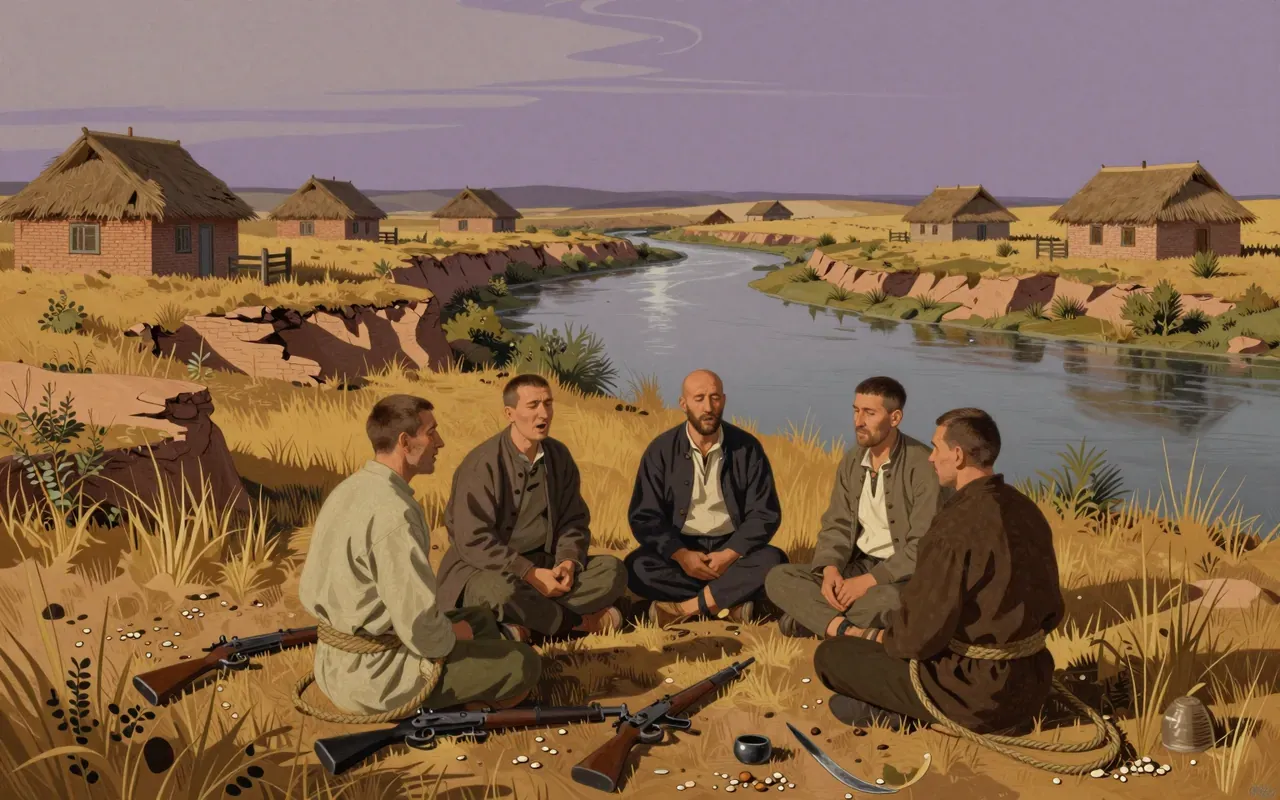
The Cossacks

Leo Tolstoy · 1910

Tolstoy’s novella argues that love is not a bridge but a border — a truth exposed when Moscow aristocrat Olénin fails to win Maryánka amid the Grebénsk Cossacks. The brief isolates the khorovód, the death-song and the farewell as the book’s moral core. It tells you which chapters expose Tolstoy’s argument and which merely rehearse Olénin’s delusion.

15:18

Dead Souls

Nikolai Vasilevich Gogol · 1852

Dead Souls is a satirical diagnosis of imperial Russia’s moral and bureaucratic rot—not a picaresque romp. Chichikov’s ‘dead souls’ scheme works because the state treats serfs as inventory, even when dead. Part I delivers surgical character portraits and systemic critique. Part II collapses into unresolved moralising. Read Part I. Skip the Russia rhapsody. Treat the rest as fragments.

13:26

Fathers and Sons

Ivan Sergeevich Turgenev · 1883

The brief argues that 'Fathers and Sons' is not about ideas but about their bodily cost. Bazarov’s nihilism collapses when confronted with love, illness, and grief. It tells you which chapters to read (XXI–XXVIII), why to skip the Introduction, and how the grave—not the duel or the arbour—is the novel’s true climax.

12:30

Anna Karenina

Leo Tolstoy · 1878

Tolstoy's 1878 novel follows multiple lives in Russian society—the affair between Anna Afremova and Count Vronsky, alongside Levin's marriage and search for meaning through farming. The book argues that domestic life is not private. Who you are is determined by the society around you, and defying it has a cost.

12:35

War and Peace

Leo Tolstoy · 1869

Tolstoy's 1869 epic follows five aristocratic families through twenty years of Russian history. The brief covers the plot in two minutes, the philosophy in five, why the theory of history is the real argument, and which sections actually matter.

music.briefs Music

All 2 in music →
9:26

Black Monk Time

The Monks · 1966

Black Monk Time is a radical, rhythm-obsessed studio document made under physical exhaustion and technical constraint. It is not a precursor to be admired from afar — it is a working blueprint of what happens when every instrument is forbidden from doing anything but hit, pulse, grind, and yelp.

10:37

The Rite of Spring

Igor Stravinsky · 1960

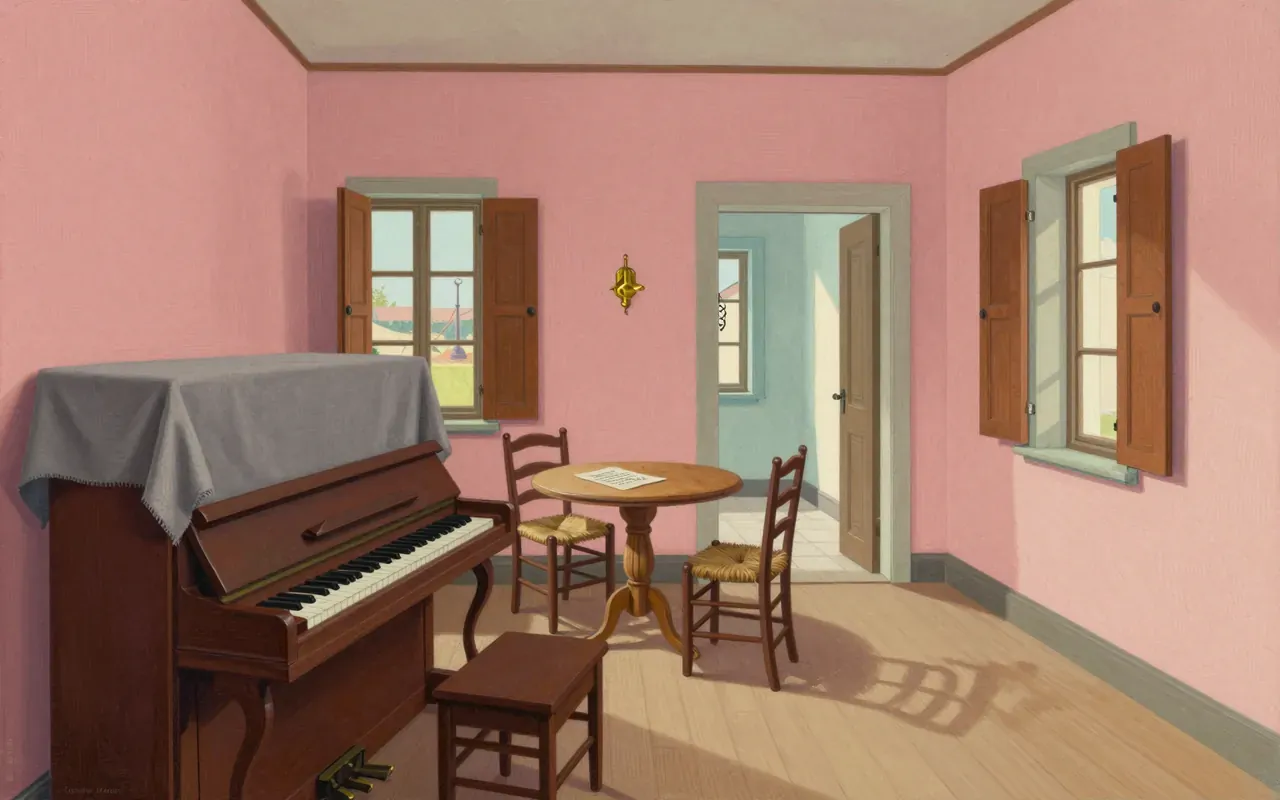
A 1960 recording of Stravinsky’s 1913 ballet score, conceived as a solemn pagan rite depicting a young girl dancing herself to death. Composed in a tiny room in Clarens, Switzerland, using a muted upright piano. Its sound features uneven rhythms, superimposed harmonies, atonality, and extensive instrumentation. The opening bassoon melody derives from a Lithuanian folk song anthology. Its 1913 premiere caused a near-riot due to its avant-garde nature. It scattered musical language irreversibly, influencing composers including Copland, Glass, Bartók, and Boulez.

film.briefs Film

All 2 in film →
13:00

Solaris

Andrei Tarkovsky · 1972

Andrei Tarkovsky's 1972 adaptation of Stanislaw Lem's novel sends psychologist Kris Kelvin to a station orbiting the ocean planet Solaris, where the surviving crew have fallen into crisis after the planet's ocean began materialising physical visitors drawn from their memories, and Kelvin's own dead wife Hari soon appears to him in the same way. Shot by Vadim Yusov with a score by Eduard Artemyev built around a Bach chorale, and made partly as a rebuttal to what Tarkovsky saw as the coldness of 2001: A Space Odyssey, it won the Grand Prix at Cannes and has stood since as one of Soviet cinema's most significant contributions to science fiction.

13:00

Stalker

Andrei Tarkovsky · 1979

Andrei Tarkovsky's 1979 film follows a guide known only as Stalker as he leads a writer and a scientist illegally into the Zone, a restricted area said to contain a room that grants a visitor's innermost desire, and the three spend most of the journey arguing about faith, art and science rather than confronting any visible danger. Adapted loosely from a novel by Arkady and Boris Strugatsky and scored by Eduard Artemyev, the production required three different cinematographers after an early batch of footage was ruined during processing, forcing much of the film to be shot again from scratch over the following year.

history.briefs History

All 18 in history →
9:34

2022 Russian invasion of Ukraine

24 February 2022

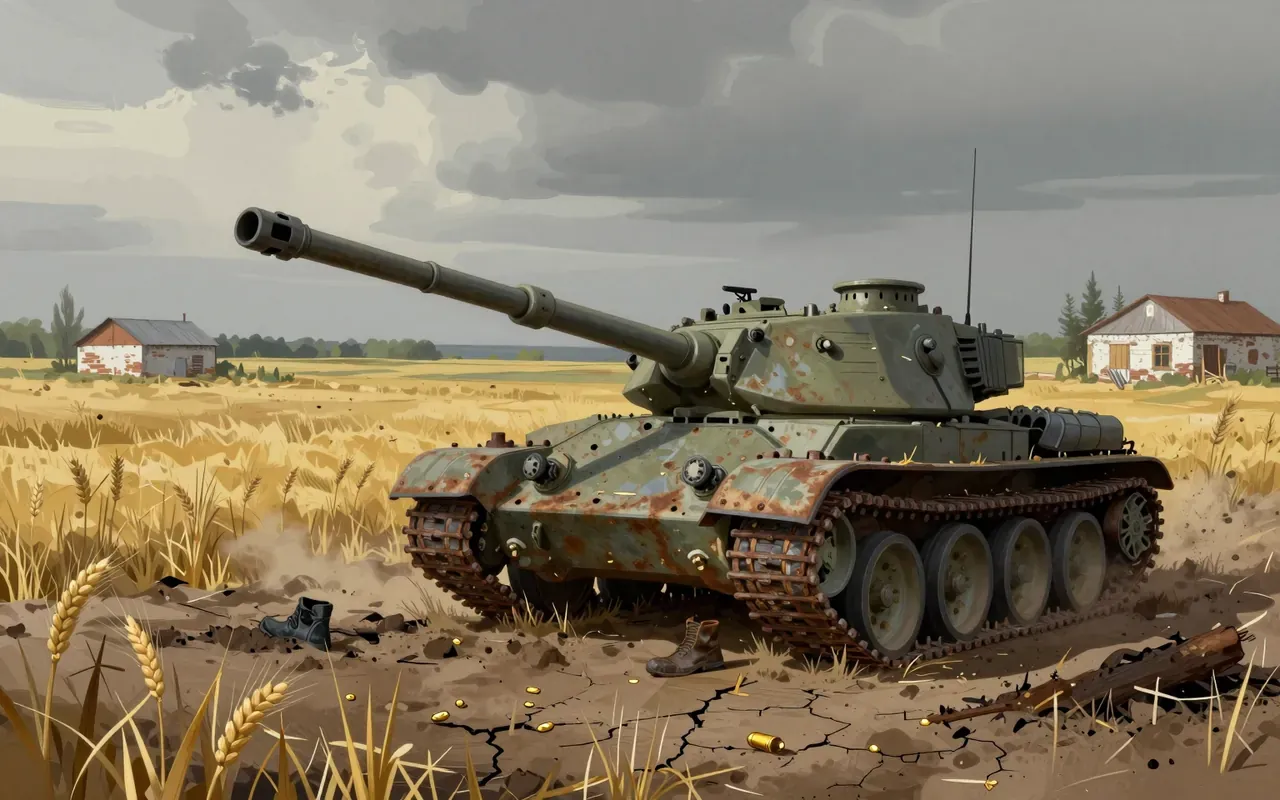
The 2022 Russian invasion of Ukraine was a full-scale assault launched on 24 February 2022. It failed its core objective — rapid decapitation and conquest — by April 2022. Ukraine’s resistance halted the northern advance on Kyiv. Russia retained occupation in the southeast and later unilaterally annexed four oblasts. The plan, reportedly designed for victory in ten days, exposed critical flaws in Russian military execution while revealing Ukraine’s adaptive, battle-hardened defence.

13:00

Peter the Great

1672–1725

Peter I ruled Russia as tsar from 1682 and as its first emperor from 1721 until his death in 1725, transforming the country through an eighteen-month tour of Western Europe in 1697 and 1698, victory over Sweden in the Great Northern War culminating at Poltava in 1709, and the founding of St Petersburg in 1703 as a new, Western-facing capital. His reforms came paired with severe repression, including the torture and execution of roughly 1,182 rebel Streltsy soldiers after a 1698 uprising, a record that has left historians divided between crediting him as Russia's essential modernizer and condemning the violence his state-building consistently relied on.

13:00

Battle of Stalingrad

1942–1943

The Battle of Stalingrad, fought from July 1942 to February 1943, ended with the surrender of Germany's Sixth Army after Soviet forces encircled it in Operation Uranus that November, a defeat that ended Germany's 1942 summer offensive and shifted the strategic initiative on the Eastern Front permanently toward the Soviet Union. Total deaths across both sides are estimated at somewhere between 1.1 and over 3 million, a range reflecting genuine and substantial disagreement among historians, including between rival Soviet casualty analysts Krivosheev and Pereslegin, over how losses should be classified and counted.

13:00

Beslan school siege

1 September – 3 September 2004

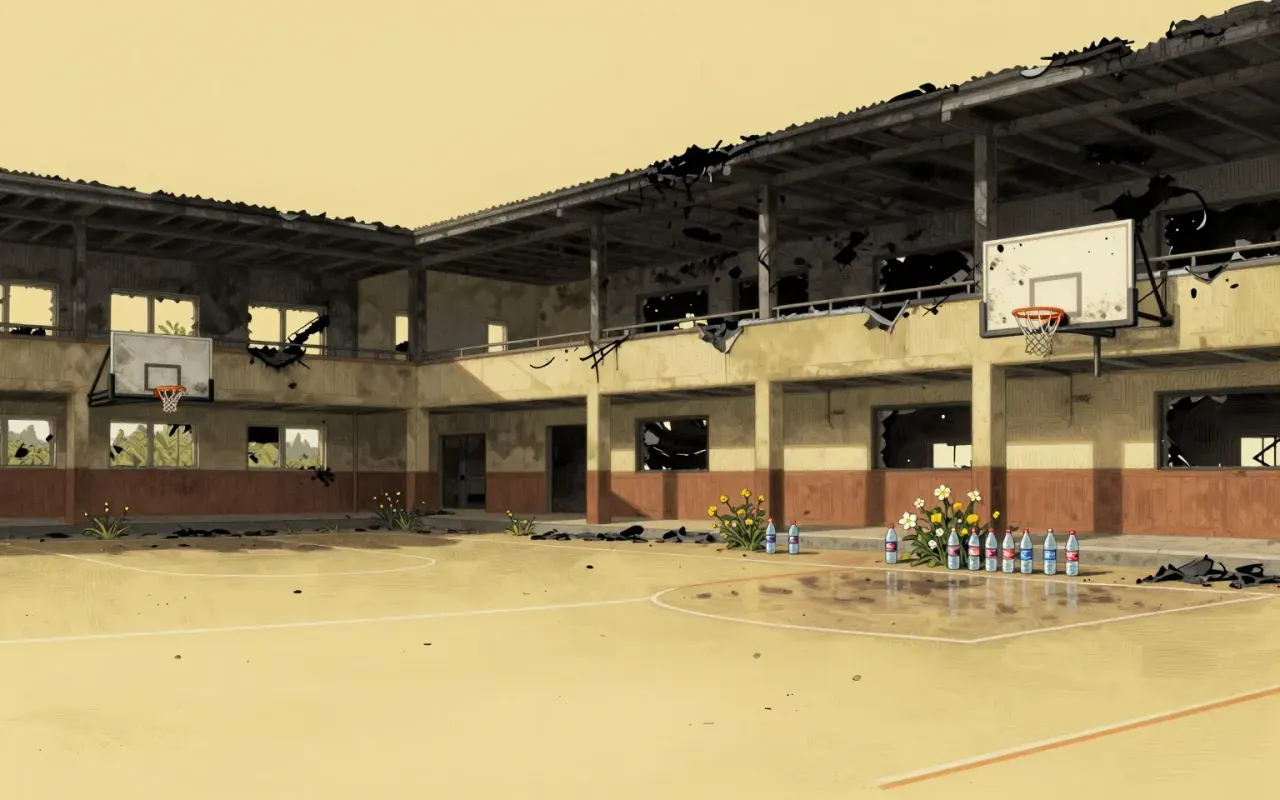
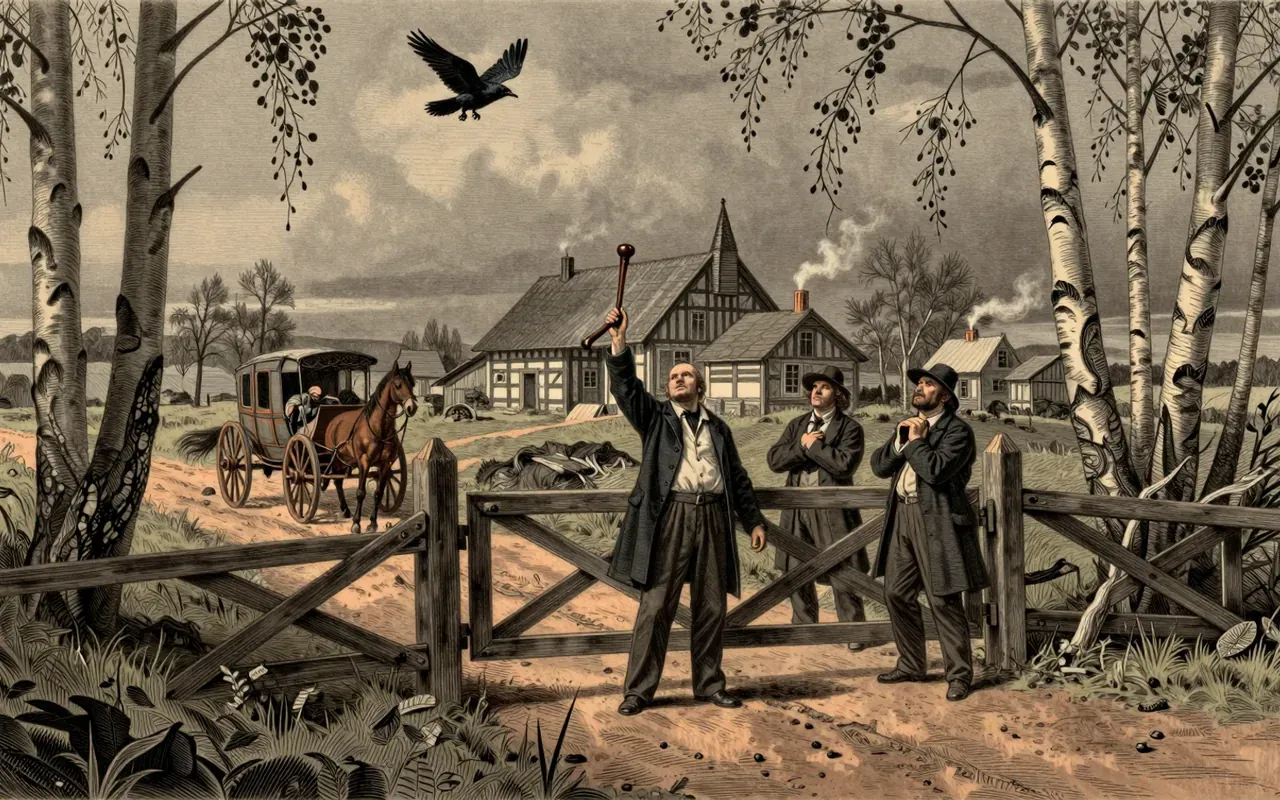
Around thirty-two militants from the Riyad-us Saliheen Brigade seized a school in Beslan, North Ossetia, on 1 September 2004, holding more than 1,100 hostages, including 777 children, in the gymnasium for fifty-two hours. The siege collapsed into chaos on 3 September after explosions of disputed origin brought down the gymnasium roof, and Russian special forces stormed the building with tanks and thermobaric weapons in a roughly twelve-hour battle that left 334 hostages dead, 186 of them children. Russian authorities faced sustained criticism for understating hostage numbers to the captors, allowing a premature assault despite ongoing negotiation, and responding with force that many observers judged disproportionate to the goal of protecting the hostages inside.
13:00

Charge of the Light Brigade

25 October 1854

At Balaclava on 25 October 1854, roughly six hundred and seventy British cavalrymen charged into a valley ringed by Russian artillery after an order meant for a different set of guns was passed down through officers who disagreed about what it meant. More than half the brigade became casualties within minutes; the aide who delivered the order was killed almost immediately, and the surviving commanders spent years publicly blaming each other for a mistake no single surviving account can fully explain.

13:00

Communist International

1919–1943

Lenin founded the Communist International in Moscow in March 1919 to coordinate a world communist movement around Bolshevik leadership, binding member parties to twenty-one strict conditions adopted the following year. Under Stalin the organisation was steadily subordinated to Soviet state interests, first through a sectarian policy in the late 1920s and early 1930s that branded social democrats as fascists, then through a reversal into broad anti-fascist popular fronts after 1934, even as many of its own foreign officials were swept up and executed in the Great Purge. Stalin dissolved the Comintern in 1943 as a wartime gesture to his Western allies.

13:00

Crimean War

1853–1856

A dispute over which church controlled Christian holy sites in Ottoman Palestine escalated, through Russian ambitions and British and French fears of Russian expansion, into a war fought mainly around Sevastopol between 1854 and 1856 that killed several hundred thousand people, most of them to disease rather than combat. The war exposed British and Russian military and medical failures so starkly that it produced Florence Nightingale's nursing reforms and helped push Russia toward freeing its serfs, a case where a badly managed war left a more durable mark through its failures than through anything it settled militarily.

13:00

Cold War (1985–1991)

1985–1991

Mikhail Gorbachev's reforms from 1985, combined with a series of summits with Ronald Reagan and the Soviet abandonment of the Brezhnev Doctrine, opened the way for Eastern European communist governments to collapse peacefully through 1989, culminating in German reunification and the Soviet Union's own dissolution by December 1991. Historians remain divided over whether Soviet economic decay, Gorbachev's genuine ideological conviction, or Western pressure deserves primary credit, a debate the evidence supports multiple readings of rather than settling definitively.

games.briefs Games

All 10 in games →
9:56

Need for Speed: Most Wanted (2005 video game)

Black Box · 2005

Need for Speed: Most Wanted (2005) is a street-racing game set in the fictional city of Rockport. Players use licensed real-world cars to defeat 15 Blacklist racers, complete varied race types—including Tollbooth and Speedtrap—and evade increasingly aggressive police pursuits governed by a heat-based escalation system. Cars can be upgraded and customised in Career mode. The game features Career, Quick Race, Challenge Series, and multiplayer modes on certain console editions.

9:27

RalliSport Challenge

Rainbow Studios · 2002

RalliSport Challenge is a 2002 offroad racing game developed by Rainbow Studios. It features four race types—Rally, Hillclimb, Ice Racing, and Rallycross—each defined by distinct terrain-based rules and consequences. Players progress through career mode to unlock cars, choose between Beginner (mid-rally restart) and Normal (full-rally restart) modes, and race either sequentially or against AI. It belongs to the same offroad lineage as Motocross Madness and MX vs. ATV.

9:36

Diablo (video game)

Blizzard · 1996

Diablo (1996) is an action role-playing dungeon crawler developed by Blizzard North and published by Blizzard Entertainment for Windows. Players navigate procedurally generated levels using mouse-driven movement and keyboard-based spellcasting. Dungeon themes shape layout—catacombs feature long corridors, caves are non-linear. Quests are randomly assigned from tiers; only the final two are mandatory. Items degrade with use and are destroyed at zero durability. Griswold the Blacksmith repairs them for a fee; Warriors may self-repair at durability cost. Staves enable spellcasting without spell knowledge or mana. The game establishes a tight, friction-driven loop: explore, degrade, return, repeat—until the final two quests gate the end.

10:02

Wipeout (video game)

Psygnosis · 1995

Wipeout is a 1995 PlayStation anti-gravity racing game set in the F3600 league of 2052. Players select from eight craft—two per team—each defined by acceleration, top speed, mass, and turning radius. Six tracks depict futuristic Canada, the United States, and Japan. A seventh, Firestar, is set on Mars and unlocked only after completing the Rapier Championship.

10:43

Lineage (video game)

NCSoft · 1998

Lineage is a medieval fantasy MMORPG developed and published by NCSoft. It launched in September 1998 as the company’s first game. It is built on NetHack’s stat, monster, and item systems with MMO mechanics added.
10:21

Crash Team Racing

Naughty Dog · 1999

Crash Team Racing is a precise, class-driven kart racer built around a strict, multi-stage power slide mechanic. It demands rhythmic timing, not reflexes. Its hardware constraints — split-screen performance, memory limits — are visible in its design choices, not hidden behind abstraction. It is the last Crash game Naughty Dog made, and it plays like a farewell: focused, complete, and uncompromising.

9:18

Forza Horizon

Playground Games · 2012

Forza Horizon is a festival-driven open-world racer that swaps lap timing for stunt chaining, uses Colorado’s roads as its track, and runs exclusively on Xbox 360. It works because it makes aggression pay. It falters because it never deepens beyond that loop.

10:55

Mario Kart 64

Nintendo · 1997

Mario Kart 64 is a foundational local multiplayer racing game built around item-driven chaos, weight-class trade-offs, and split-screen immediacy. It asks players to react faster than they think—and to forgive the game when luck overrides skill. Its hardware constraints shaped its clarity: no HUD clutter, no camera tricks, no persistence beyond the next race.

business.briefs Business

All 8 in business →
10:20

Rosneft

Rosneft is not an energy company — it is a state-owned hydrocarbon extraction platform with climate costs baked into its balance sheet.
11:34

Surgutneftegas

Vladimir Bogdanov · 1993

Surgutneftegas is a Russian oil and gas company formed in 1994 by merging state-owned entities holding major Western Siberian reserves. It became a private company in 1993 and has operated under Vladimir Bogdanov’s leadership since. Its business model relies on control of upstream assets, state-granted infrastructure rights, and export relationships — not capital markets, innovation, or transparency.

10:14

Gazprom Neft

A state-engineered oil company disguised as a startup — founded with ready-made assets, not a business plan.
10:07

Tatneft

A Soviet oil giant built on one field, one republic, and one decree—and still running on that logic sixty years later.
10:48

Transneft

Transneft isn’t a pipeline company — it’s Russia’s oil circulatory system, state-built, state-run, and state-priced.
11:36

Lancia

A legendary rally brand that stopped making real cars in 1992 — and has been selling rebadged Chryslers ever since.
10:52

Lukoil

Vagit Alekperov · 1991

Lukoil is a Russian multinational energy corporation headquartered in Moscow, formed in 1991 by merger of three state-run western Siberian oil enterprises: Langepasneftegaz, Urayneftegaz, and Kogalymneftegaz.

9:42

Novatek

Leonid Mikhelson · 1994

Novatek is a state-tolerated gas monopoly-in-waiting: dominant domestically, absent internationally, priced by regulation not competition.

automotive.briefs Automotive

All 12 in automotive →
11:26

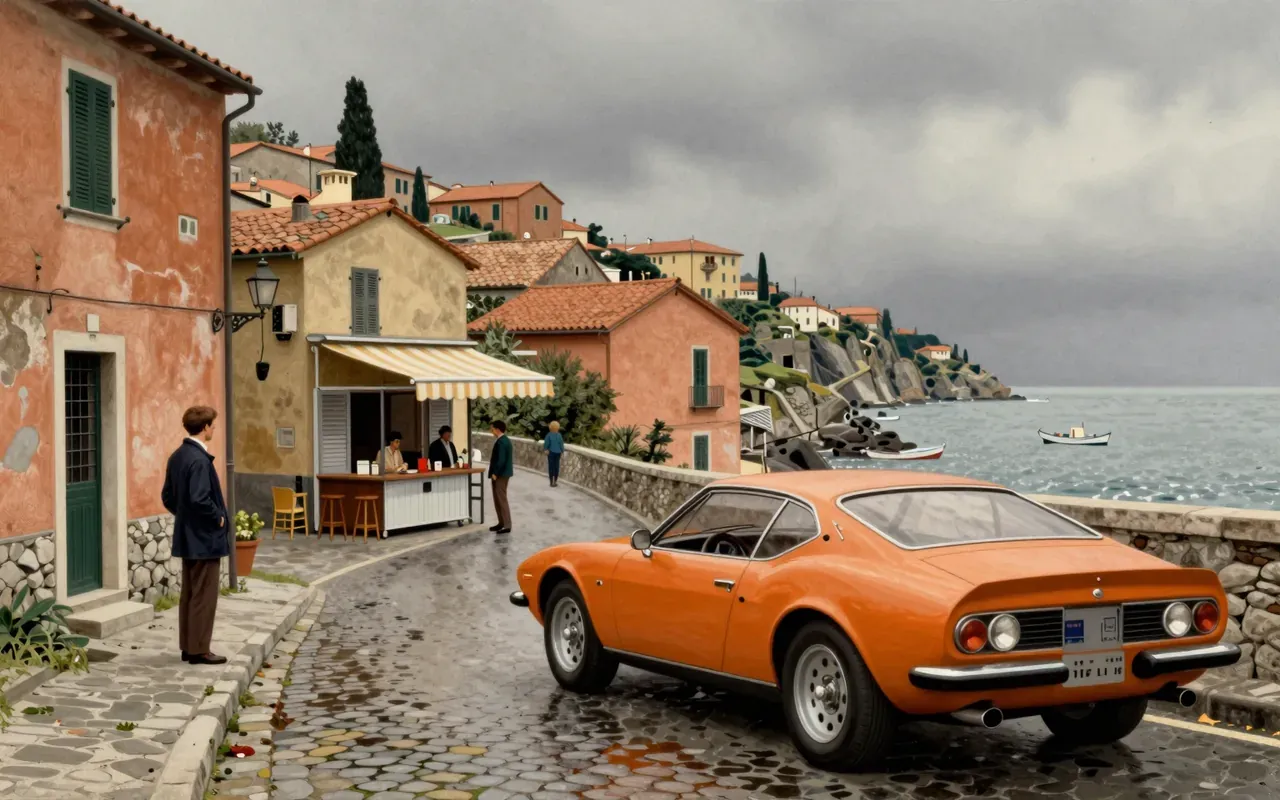
Lancia Fulvia

Piero Castagnero · 1965

The Lancia Fulvia Coupé is a 1965 front-wheel-drive compact sports saloon designed by Piero Castagnero. It was built alongside the Antonio Fessia–designed Berlina, sharing no components with the outgoing Appia. It launched as part of a three-variant line — Berlina, Coupé, and Zagato Sport — all named after the Via Fulvia and debuted at the 1963 Geneva Motor Show.

9:12

Shelby Mustang GT350

Ford · 1965

The 1965 Shelby Mustang GT350 is a race-focused fastback built by Shelby American. It uses a modified 289 cu in V8. It wins SCCA B-Production for three years. It abandons comfort entirely. After 1967, Shelby’s involvement ends and Ford reduces later models to styling upgrades.

9:11

Lancia Montecarlo

Paolo Martin · 1975

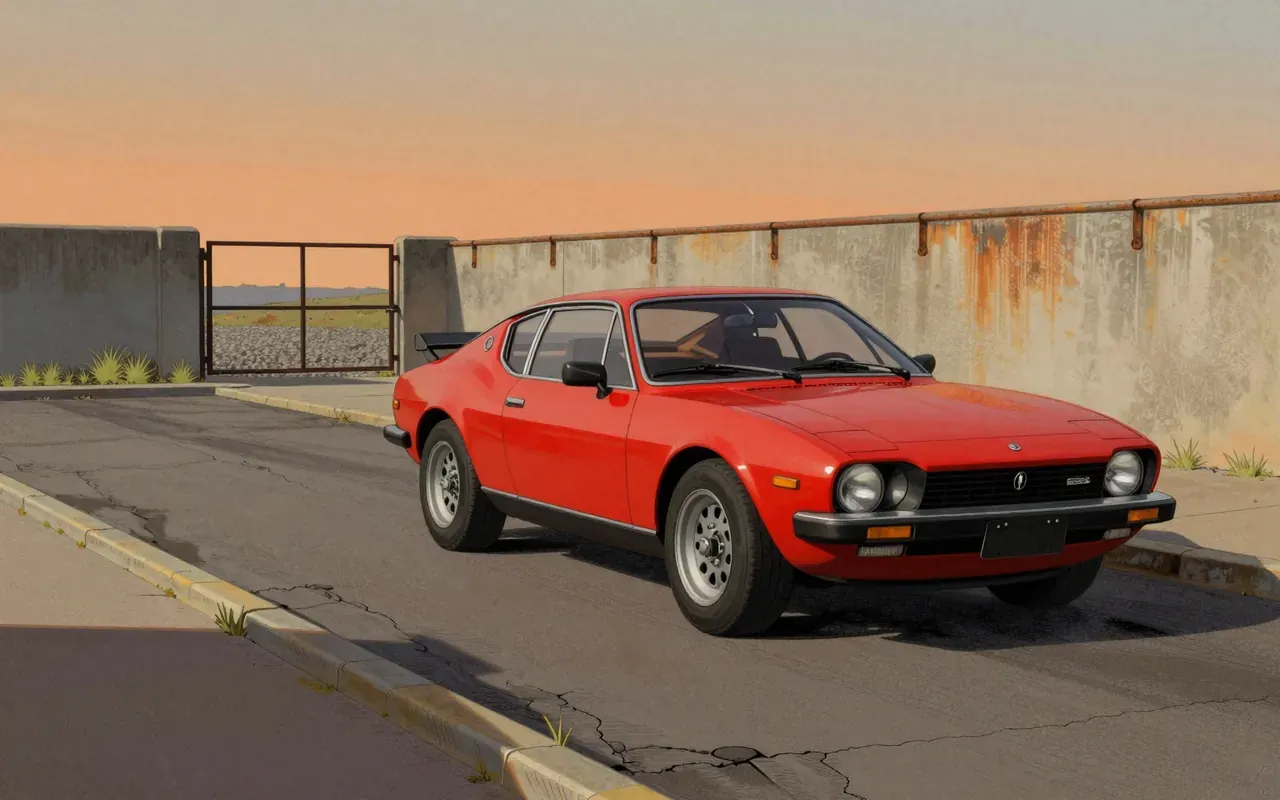
The Lancia Montecarlo is a two-seater sports car manufactured and marketed by Lancia in Italy from 1975 to 1981. Designed by Paolo Martin at Pininfarina, it features a mid-engine, rear-wheel-drive layout and was developed from the Fiat X1/8 project. Both series were offered in Coupé and Spider bodystyles. Total production reached 7,798 units between 1974 and 1982, including 220 competition models (Lancia 037).

9:21

Lancia Delta HF

Giorgetto Giugiaro · 1985

The Lancia Delta HF is a Group A rally car built by Lancia for Martini Lancia to compete in the World Rally Championship from 1987 to 1993. Based on the Lancia Delta road car and replacing the Delta S4, it featured a front-mounted two-litre turbocharged engine and four-wheel-drive. It evolved through four versions and achieved extraordinary success: 46 WRC victories and six consecutive manufacturers’ titles (1987–1992), the most in WRC history.

8:57

Porsche 550

Wilhelm Hild · 1953

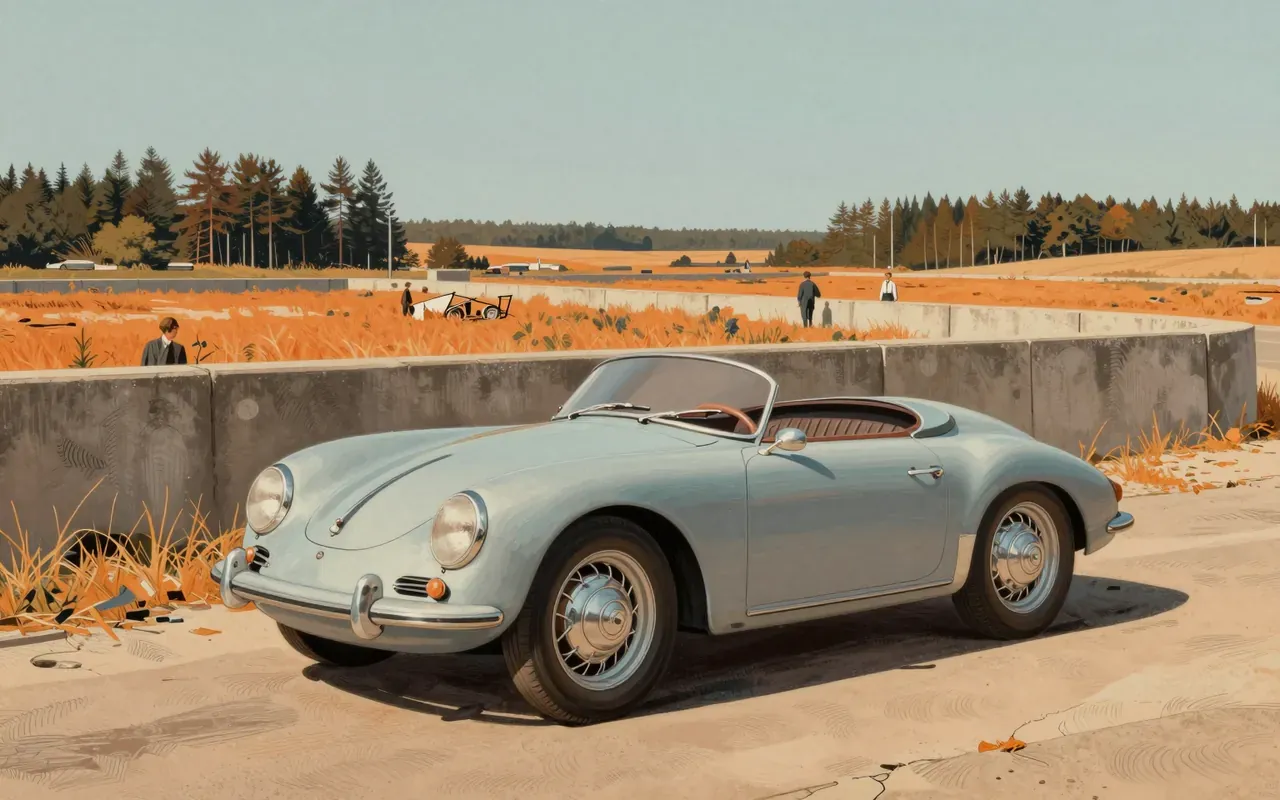
The Porsche 550 is a mid-engine racing sports car built by Porsche from 1953 to 1956. Only 90 were made. It used an air-cooled 1.5 L flat-four engine with double overhead camshafts. It won consistently in its class across major races. Each unit was customised for racing.

9:56

Venturi 400

Gérard Godfroy · 1994

The Venturi 400 GT is a French-built, mid-1990s supercar designed around a race-proven V6 biturbo engine. Only about 15 were made for the road. Its styling deliberately echoes the Ferrari F40. It is rare, uncompromising, and unapologetically track-focused.

9:14

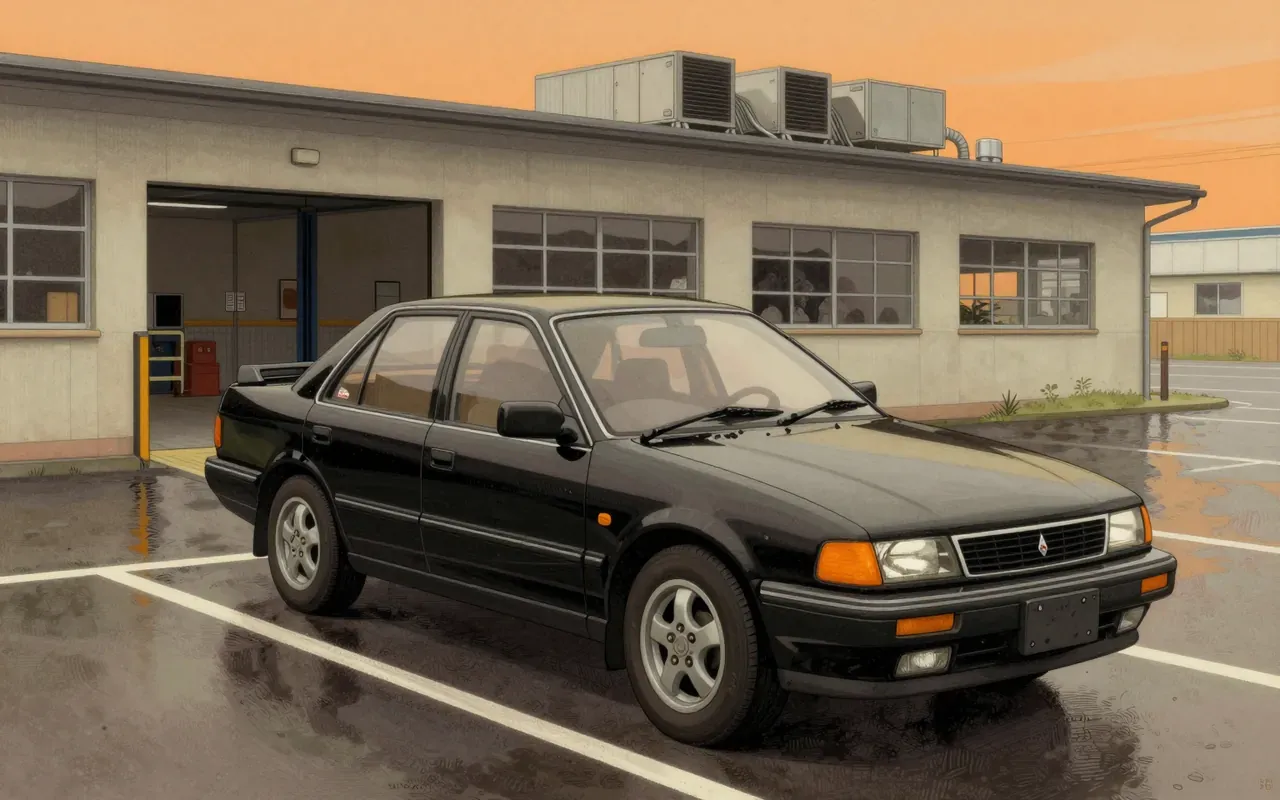
Mitsubishi Galant VR-4

Mitsubishi · 1987

The Galant VR-4 is Mitsubishi’s first high-performance all-wheel-drive sedan, developed for Group A rallying and launched in 1987. It introduced the Dynamic Four AWC system — a full-time four-wheel drive setup with viscous coupling, plus four-wheel steering and four-wheel ABS. It was sold globally to meet homologation requirements, including 2,000 units in the US in 1991 and 1,000 in 1992. Later generations added liftback (Eterna ZR-4) and station wagon (Legnum) variants. The eighth generation was initially JDM-only but gained overseas cult status via grey imports. In 2000, Ralliart officially imported 200 units to the UK. Production ended in 2002 due to revised Japanese emissions standards.

7:56

Mitsubishi Lancer Evolution

Mitsubishi · 1999

The Mitsubishi Lancer Evolution is a rally-bred sports sedan built on the Lancer platform. Ten generations were produced from 1992 to 2016. All used a two-litre intercooled turbo inline-four engine and all-wheel drive. It launched in Japan only, then reached the UK and Europe around 1997 via Ralliart dealers—starting with the Evolution IV.

food.briefs Food

All 1 in food →
9:11

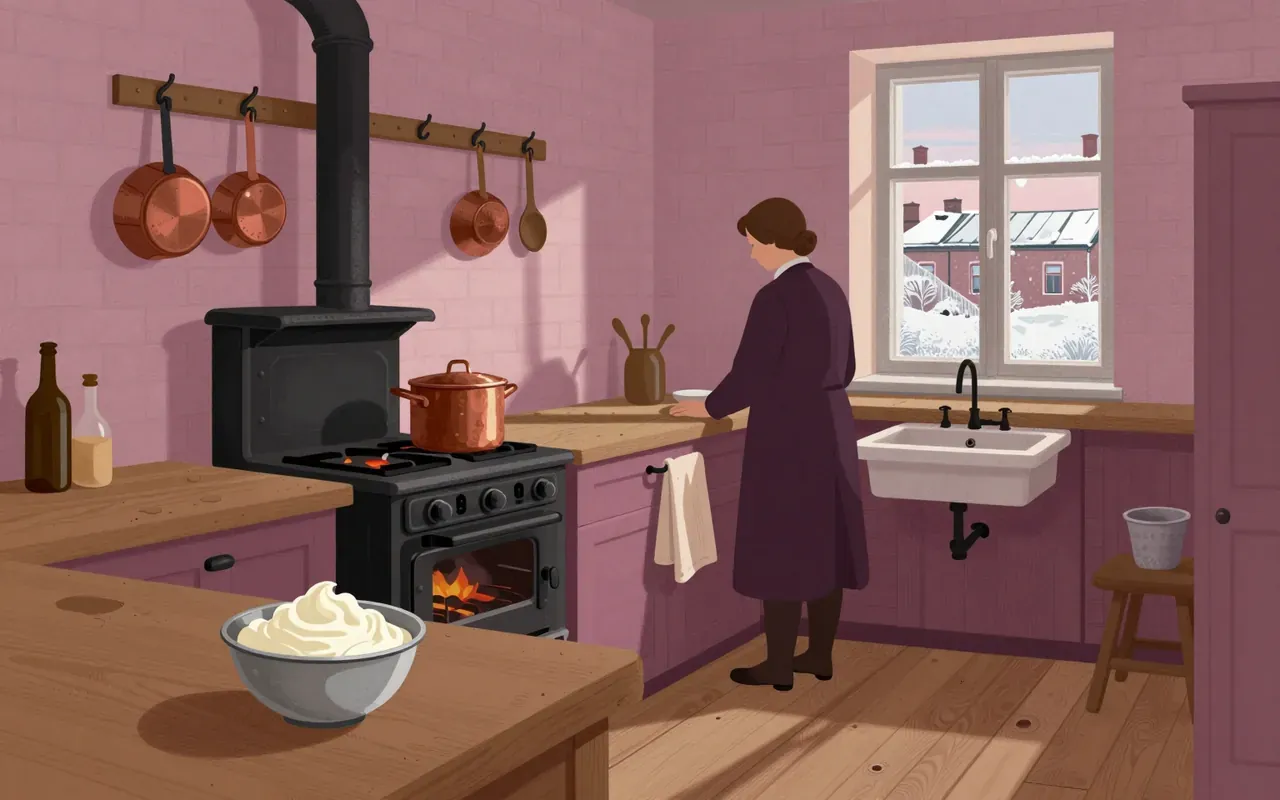
Beef Stroganoff

A dish named after aristocrats, invented by a housewife, miscredited to a French chef.