Eirik the Red's Saga
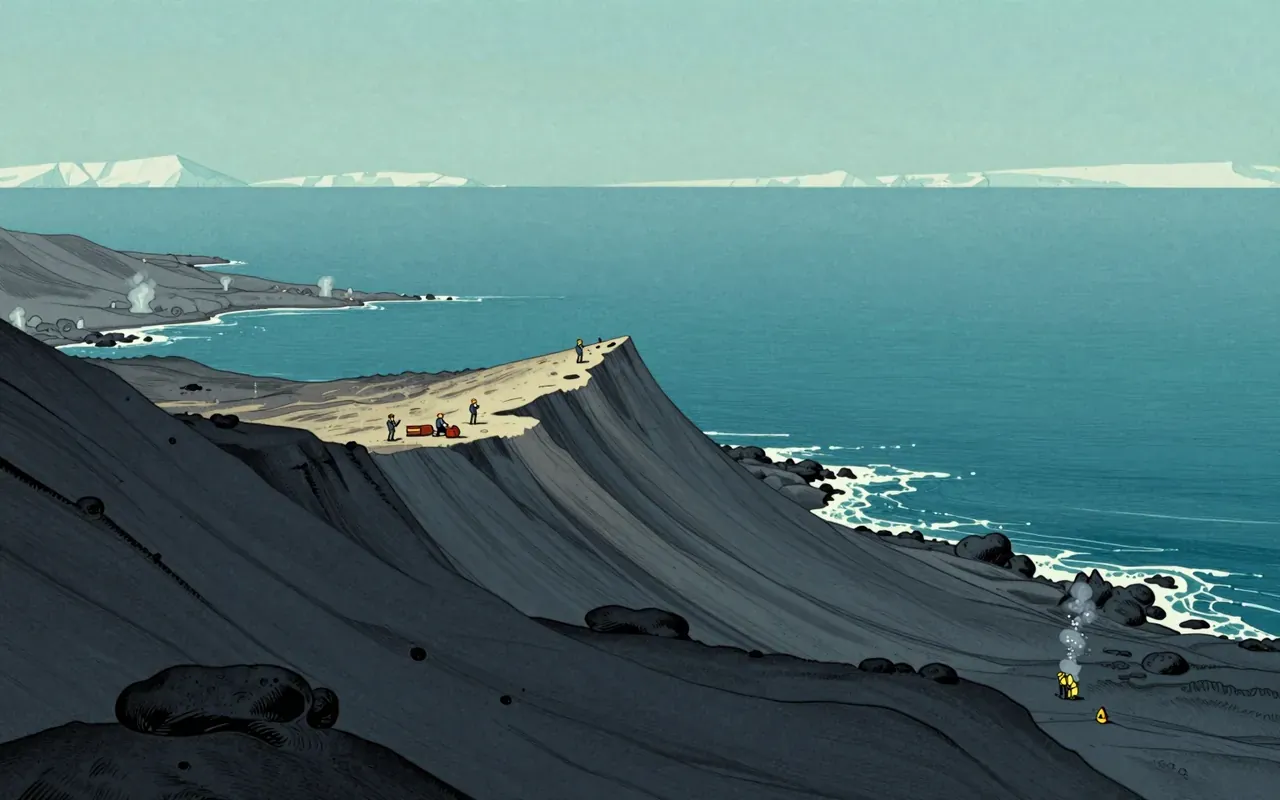
Greenland was named to sell land. Vinland was abandoned because the saga never explains how to live there.
Filling in the map, usually for someone else's benefit.
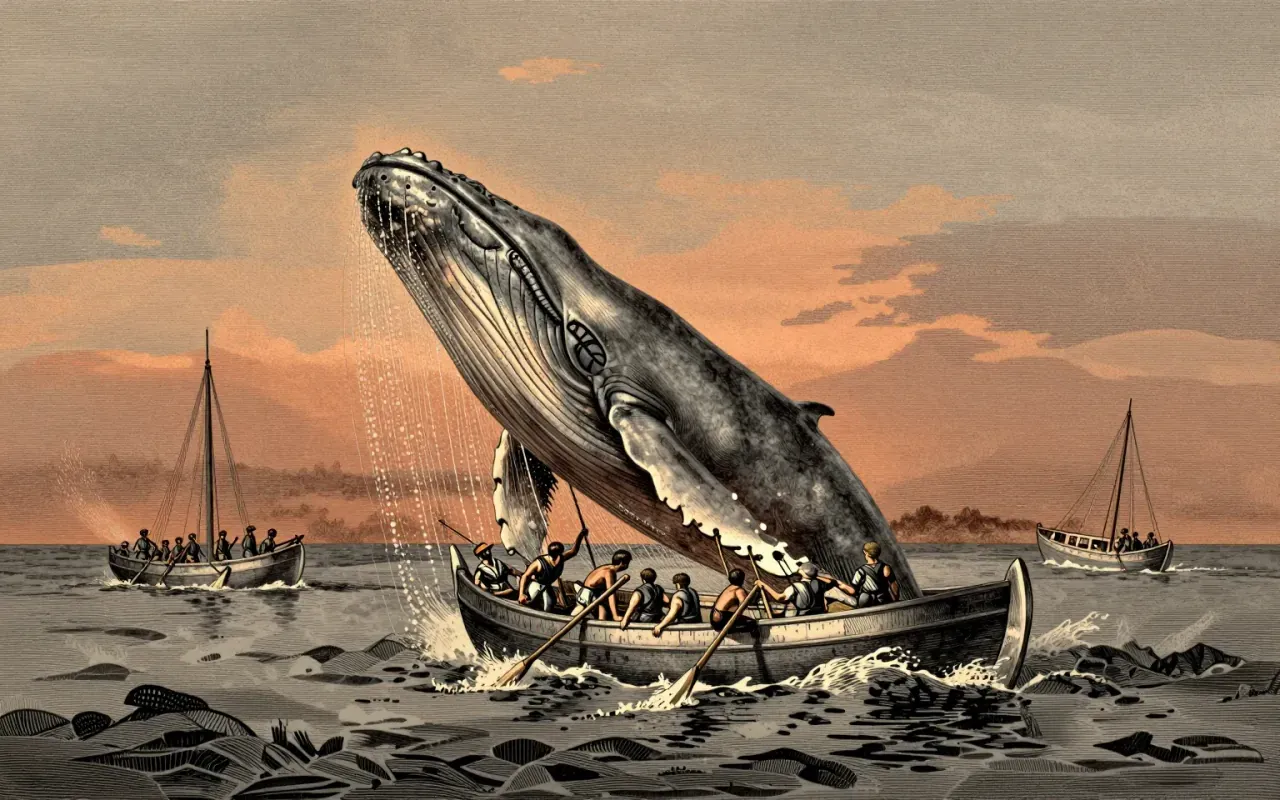
Melville's 1851 whaling epic told from the deck of the Pequod. The brief covers the three days of the chase that end the book, the characters who live it, and why reading only the whale hunt means missing the long argument that precedes it.
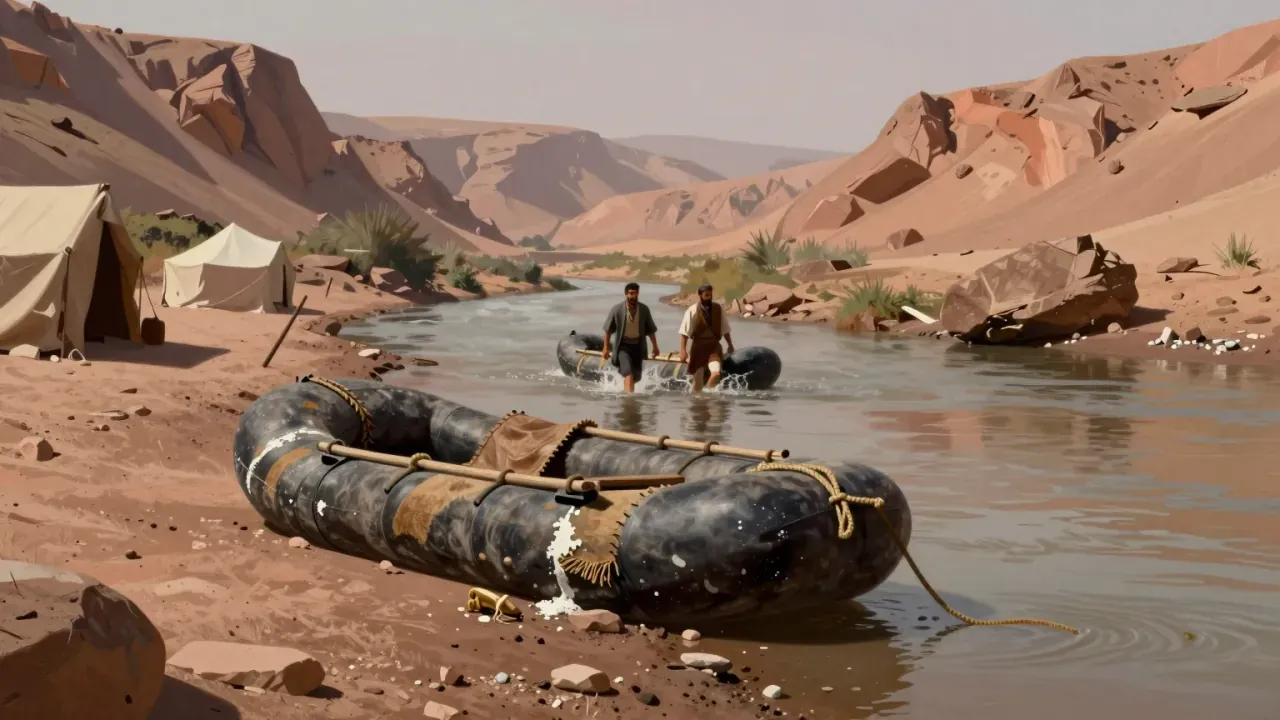
A 1925 silent documentary following the Bakhtiari tribe’s seasonal migration across Iran and Turkey, Grass records the physical scale and hardship of the journey without narration, analysis, or intervention — a landmark of early ethnographic cinema and a stark, enduring portrait of collective endurance.
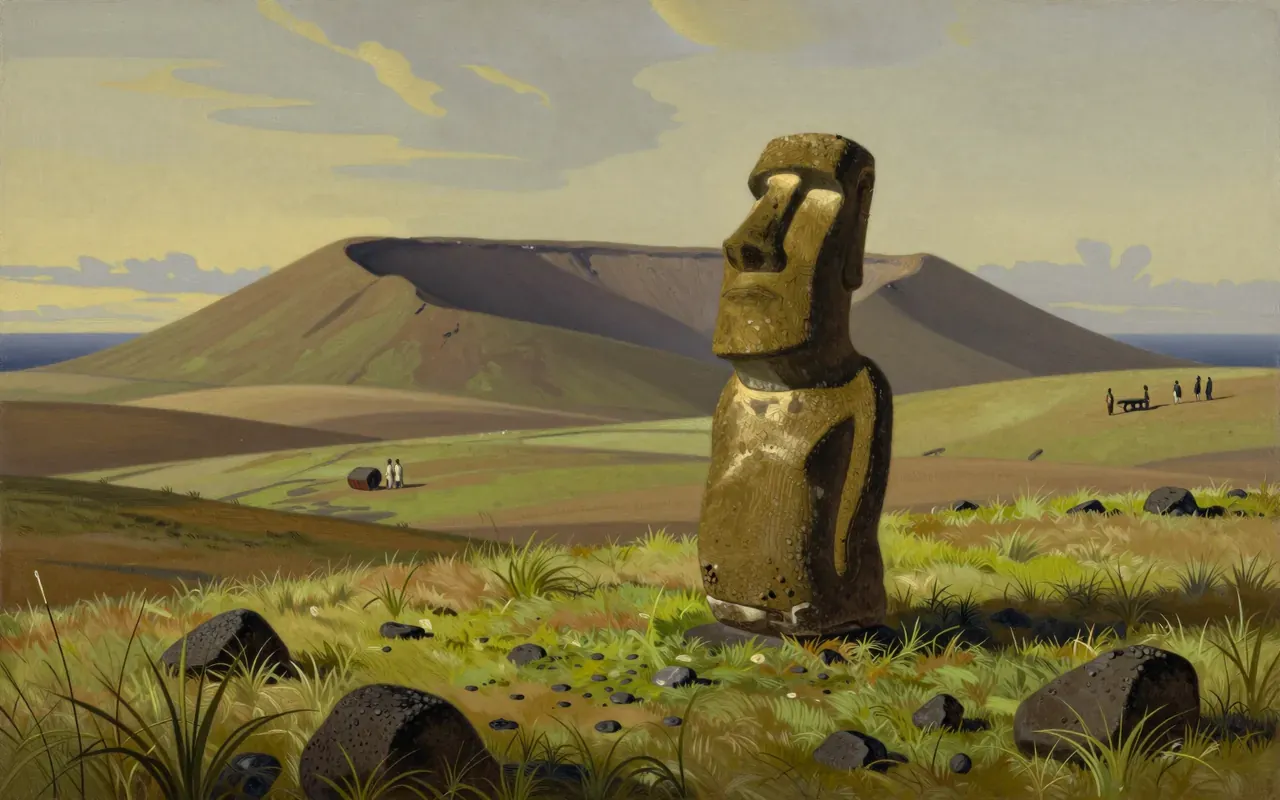
1722 is the hinge — not between isolation and connection, but between self-determined time and imposed chronology. Roggeveen did not find a blank slate. He sighted a society that had already shaped its landscape, language, and cosmology over centuries — and whose moai predated his arrival by up to 600 years. The event changed nothing on the island that day. But it guaranteed that everything after would be measured against European time.
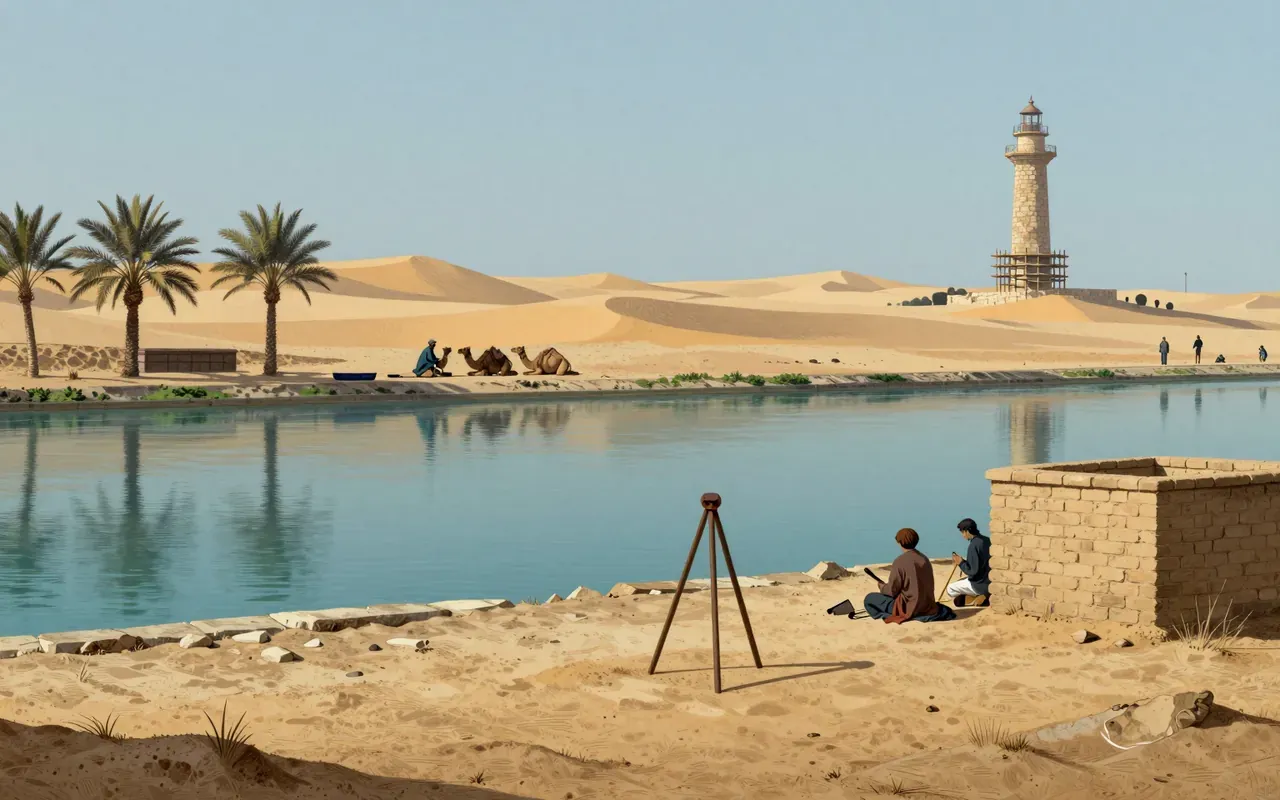
Ferdinand de Lesseps built the Suez Canal — a sea-level maritime link between the Mediterranean and Red Seas — opening it in 1869 after beginning construction at Port Said in 1859. He raised over half its capital via French public subscriptions. In the 1880s, he repeated the model for Panama: a sea-level canal approved by a 1879 Paris congress. But tropical disease, technical challenges and financial collapse led to bankruptcy in December 1888. The record establishes these events, methods and outcomes — but says nothing about motives, dissent, or wider consequences.
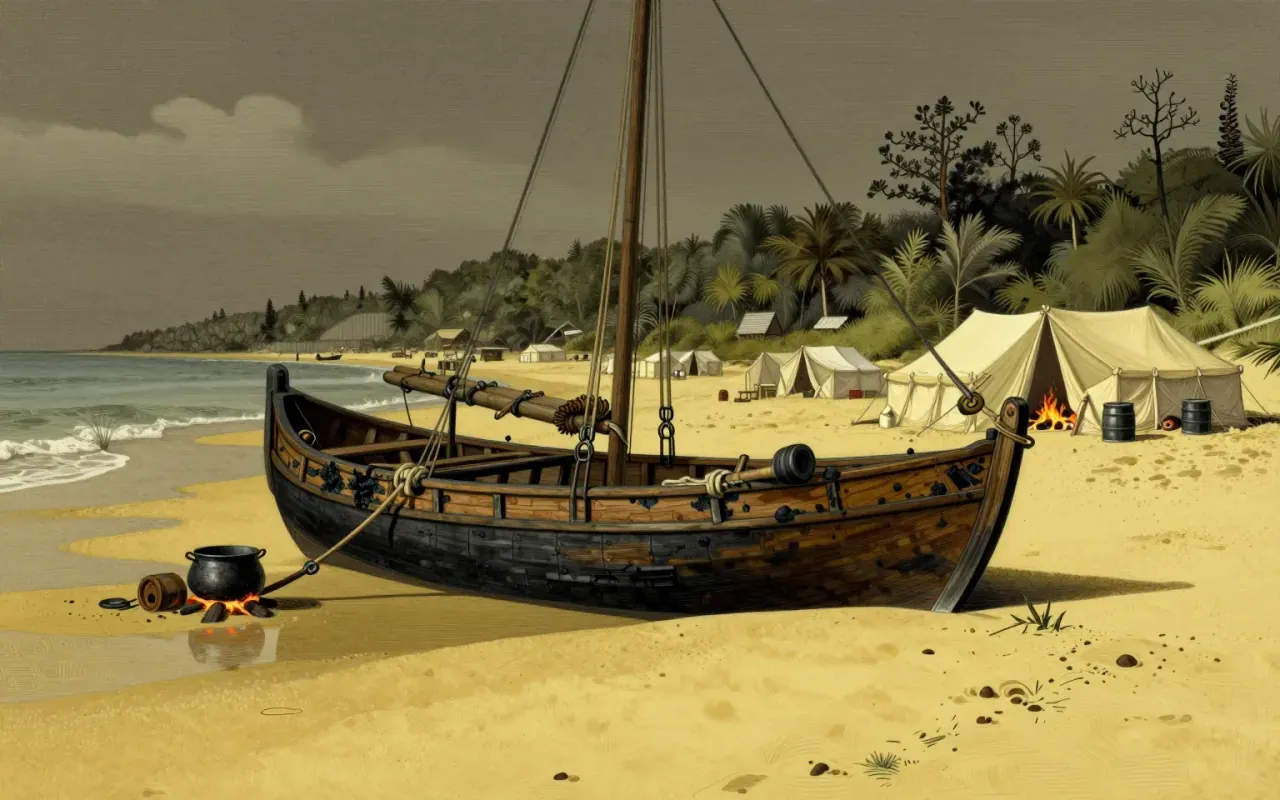
Bartolomeu Dias rounded the southern tip of Africa in 1488, proving for the first time that a sea passage to the Indian Ocean existed, a discovery that directly enabled Vasco da Gama's more celebrated voyage to India a decade later. Almost no contemporary record of his voyage survives, since Portugal's maritime archives were destroyed in the 1755 Lisbon earthquake, leaving historians to rely on an account written some sixty years after the fact.
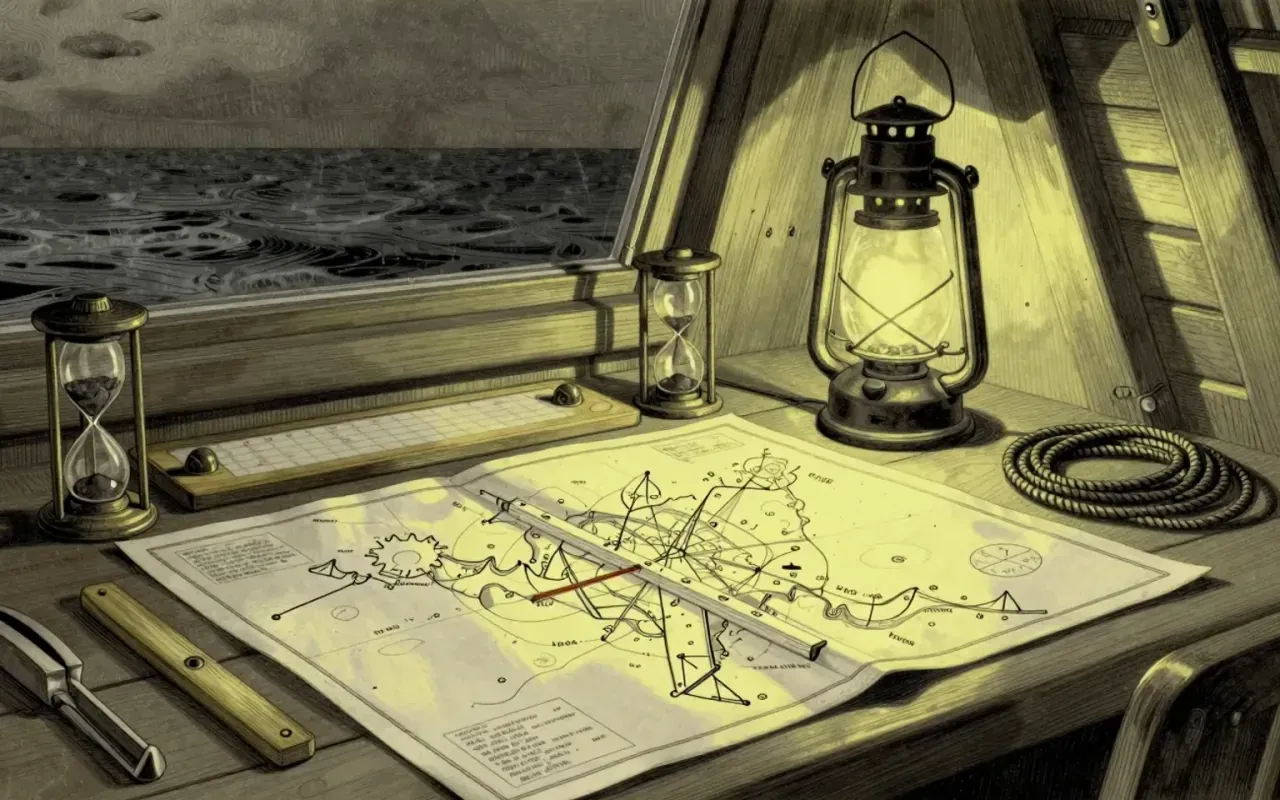
Christopher Columbus, a Genoese sailor working for the Spanish crown, crossed the Atlantic four times between 1492 and 1504, reaching the Bahamas, Cuba, Hispaniola and later the South and Central American coasts while insisting throughout that he had reached Asia. His governance of Spanish settlements involved documented brutality toward indigenous populations that led to his removal from office, and modern historians increasingly weigh his navigational achievement against the enslavement and demographic collapse that followed his voyages.
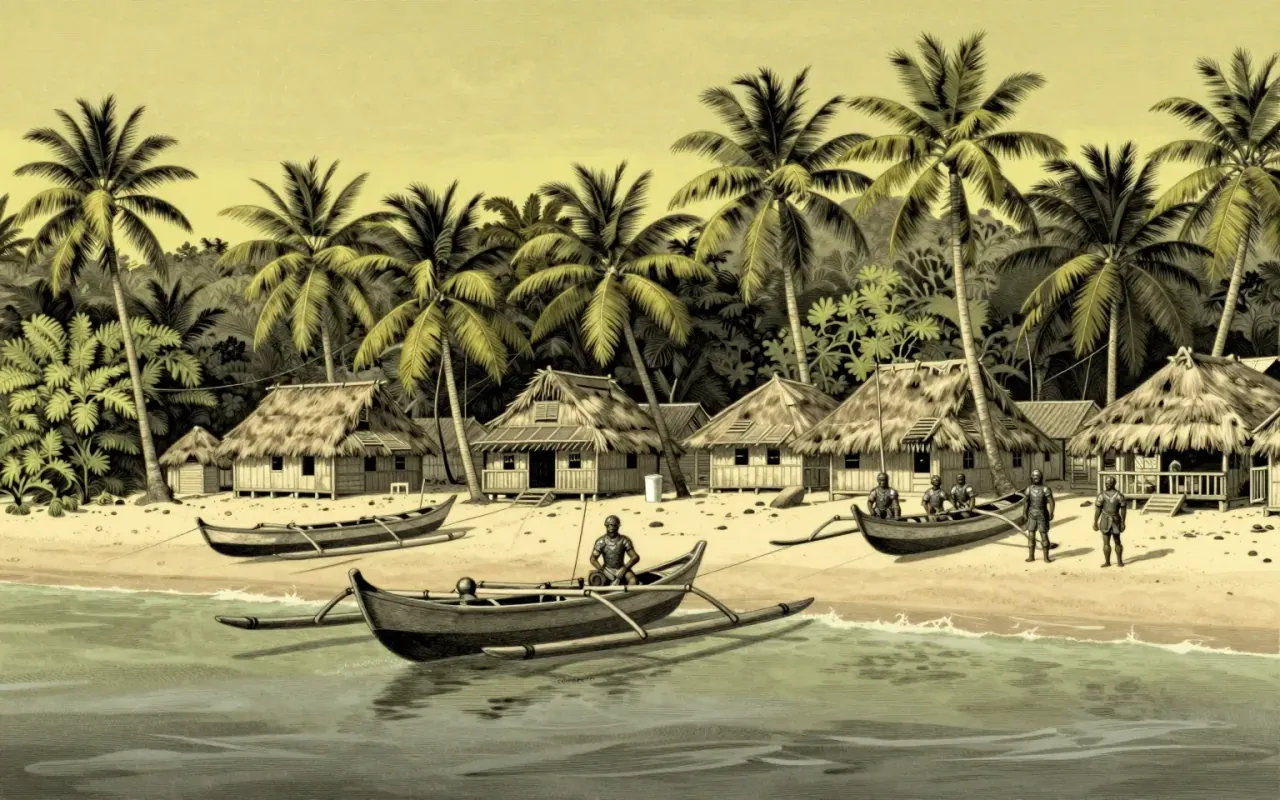
Ferdinand Magellan proposed a westward route to the Spice Islands, secured Spanish backing after falling out of favour in his native Portugal, and led an expedition that found a passage through South America and crossed the Pacific before his death in the Philippines in 1521. The voyage's completion, and the fuller credit for its most reliable record, belong respectively to his subordinate Juan Sebastian Elcano and to the crew member Antonio Pigafetta rather than to Magellan alone.
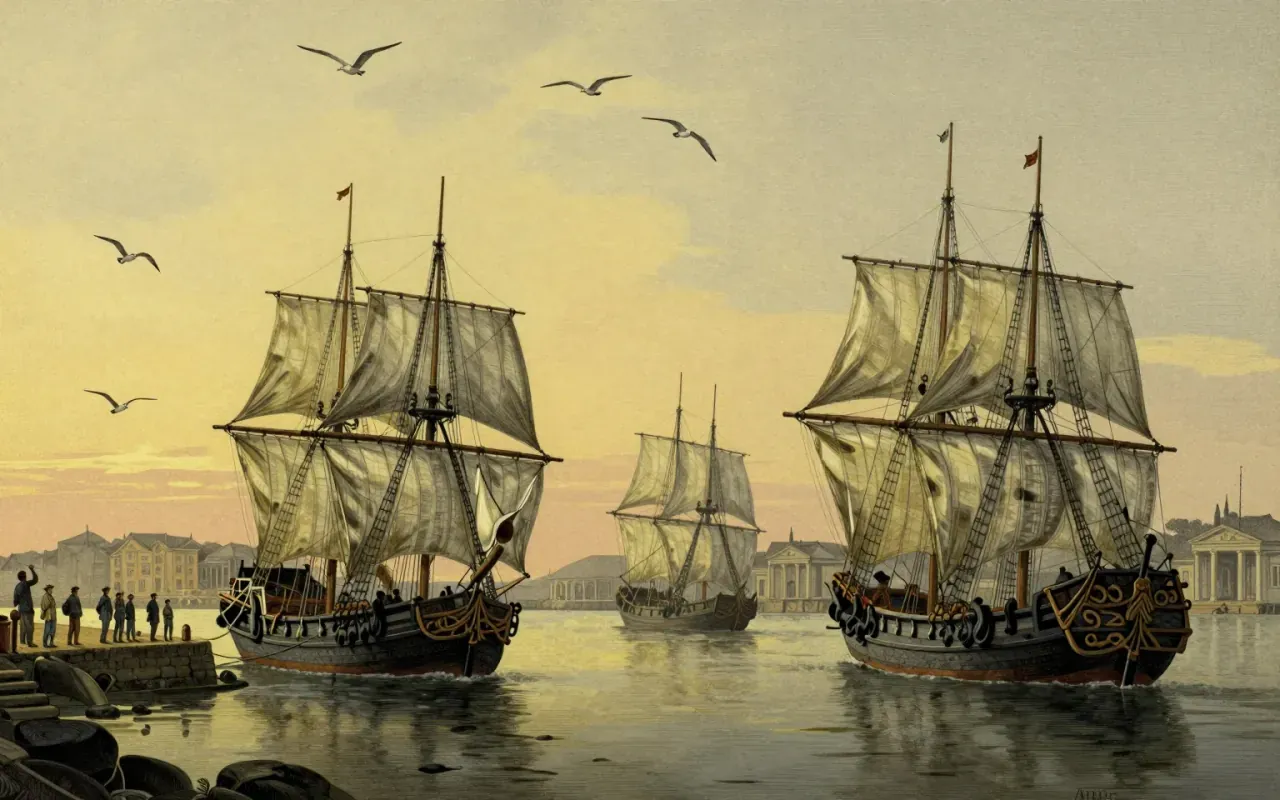
Running roughly from Portugal's systematic exploration of the African coast in the early fifteenth century to the mid-seventeenth century, the Age of Discovery saw Portuguese, Spanish and later other European voyages reach India, the Americas and the Pacific, driven by the search for direct access to Asian trade goods, religious mission and improved navigational technology. The resulting contact produced the Columbian Exchange of goods, people and disease, alongside colonisation, enslavement and catastrophic population loss among indigenous peoples, and historians increasingly question whether discovery is an honest term for a process better described from more than one side.
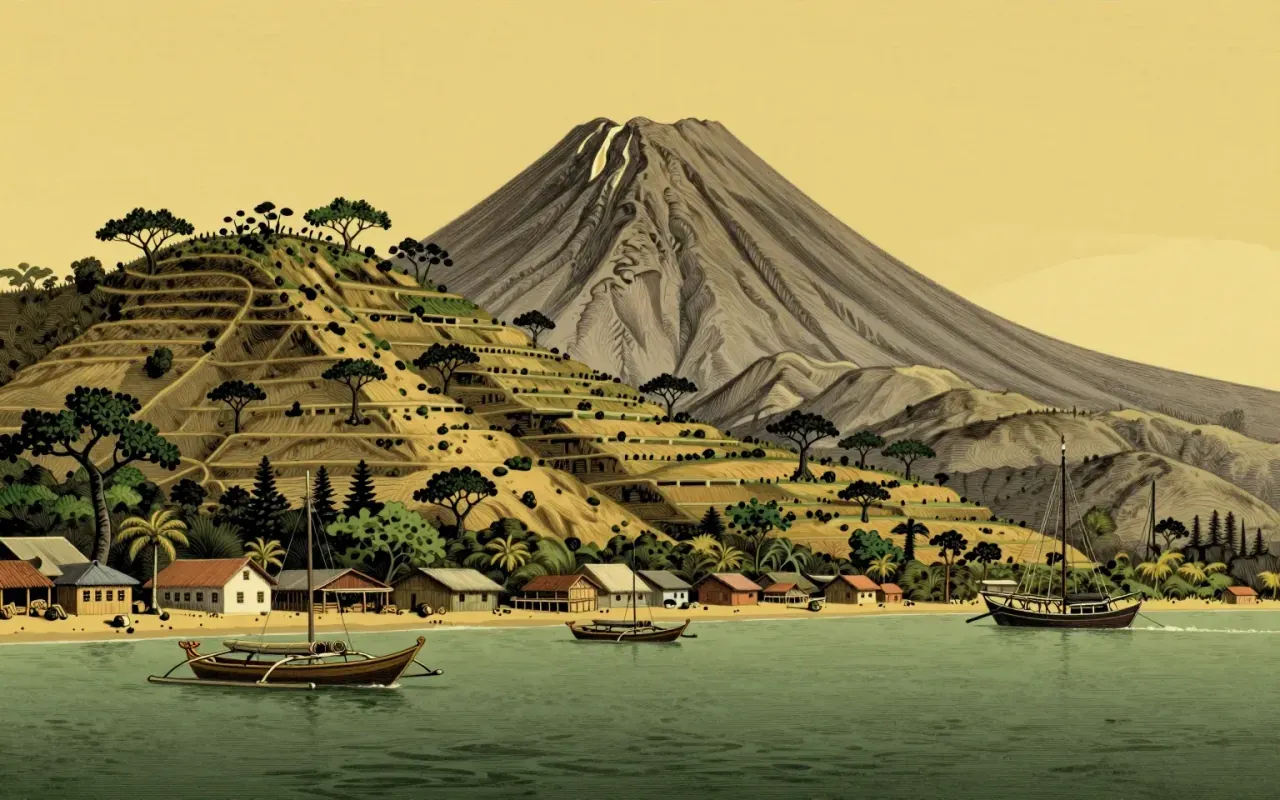
Ferdinand Magellan's 1519 expedition found a passage through South America and crossed the Pacific before his death in the Philippines, after which Juan Sebastian Elcano brought the sole surviving ship home in 1522, completing the first known voyage around the world. The venture proved the earth could be circled by sea and revealed the Pacific's true scale, even though the western route it pioneered turned out too long and costly to be commercially useful.
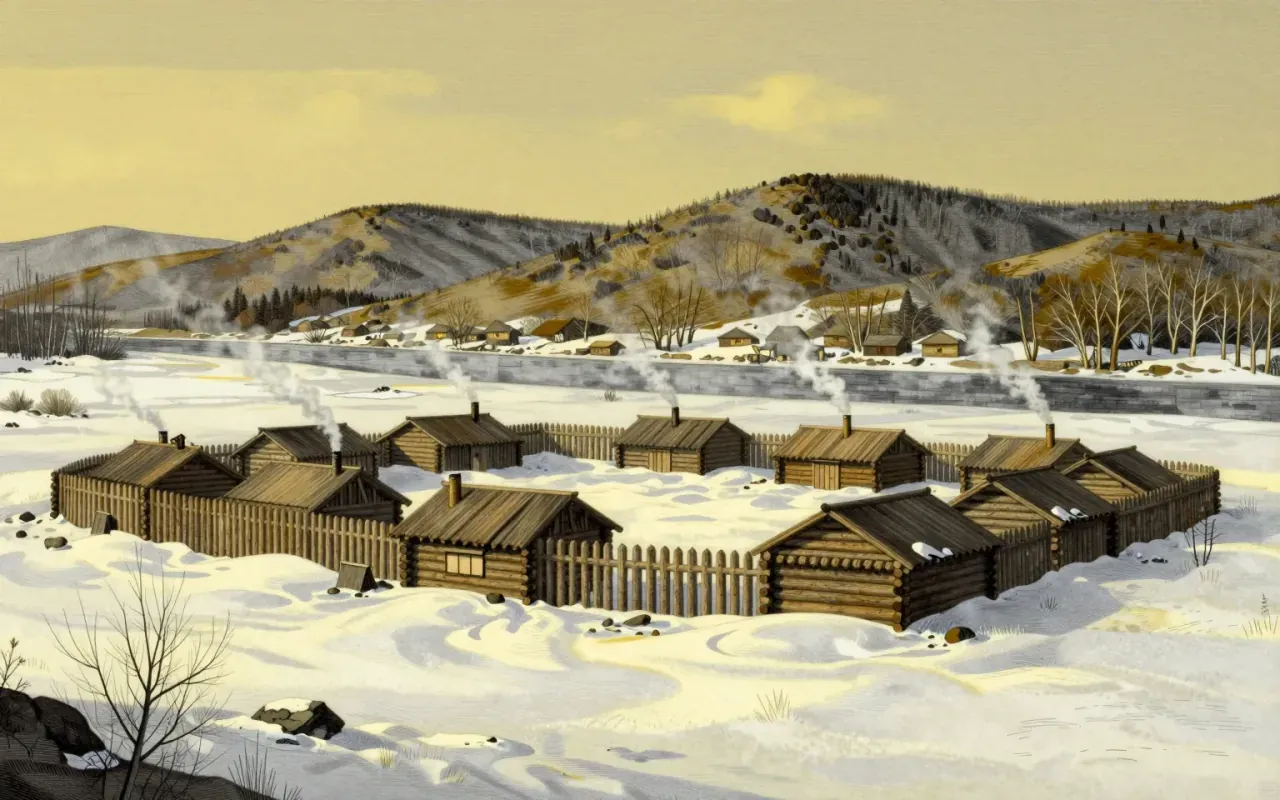
Between May 1804 and September 1806, Meriwether Lewis and William Clark led roughly forty-five people up the Missouri River, over the Continental Divide, and down to the Pacific coast and back, on President Jefferson's orders to survey the Louisiana Purchase and find a practical route to the ocean. The party met dozens of Native nations, recorded hundreds of new plant and animal species, and lost only one member to illness, but its written record was published in a severely cut version for ninety years before the full journals appeared.
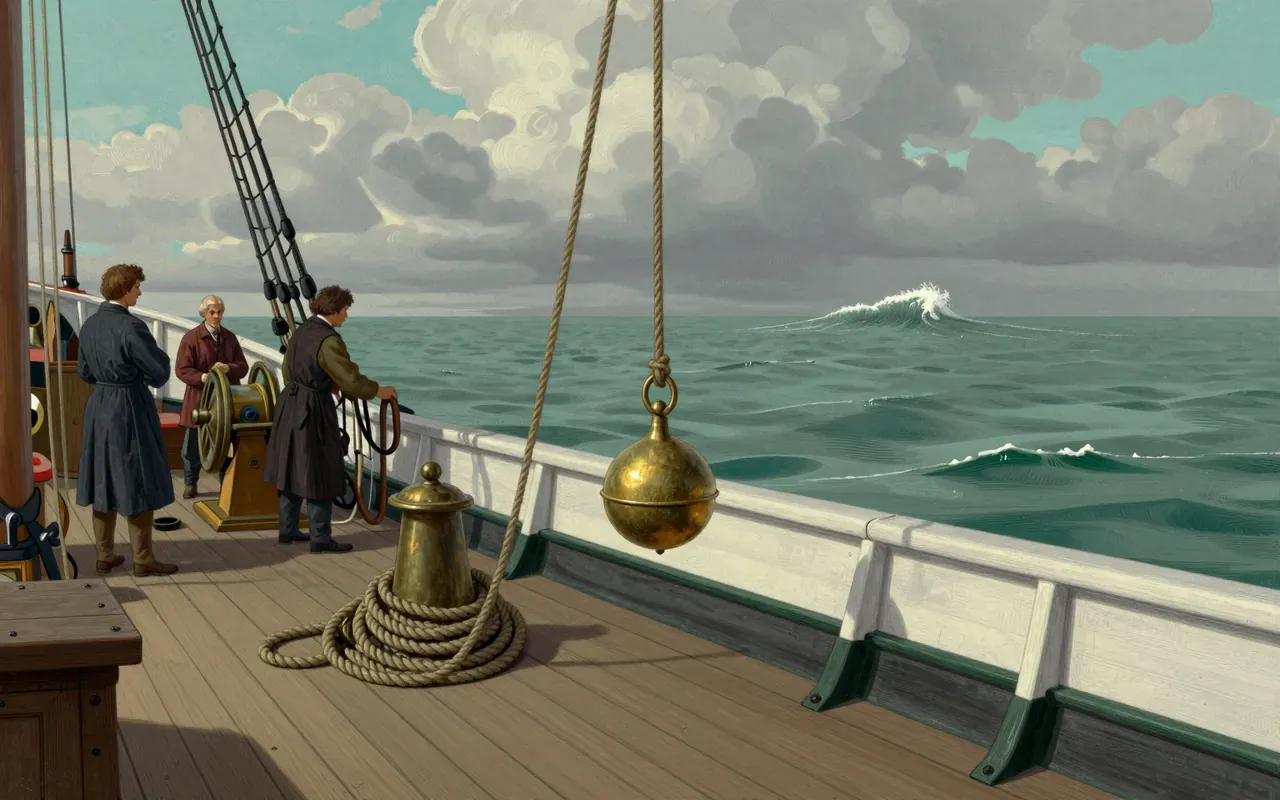
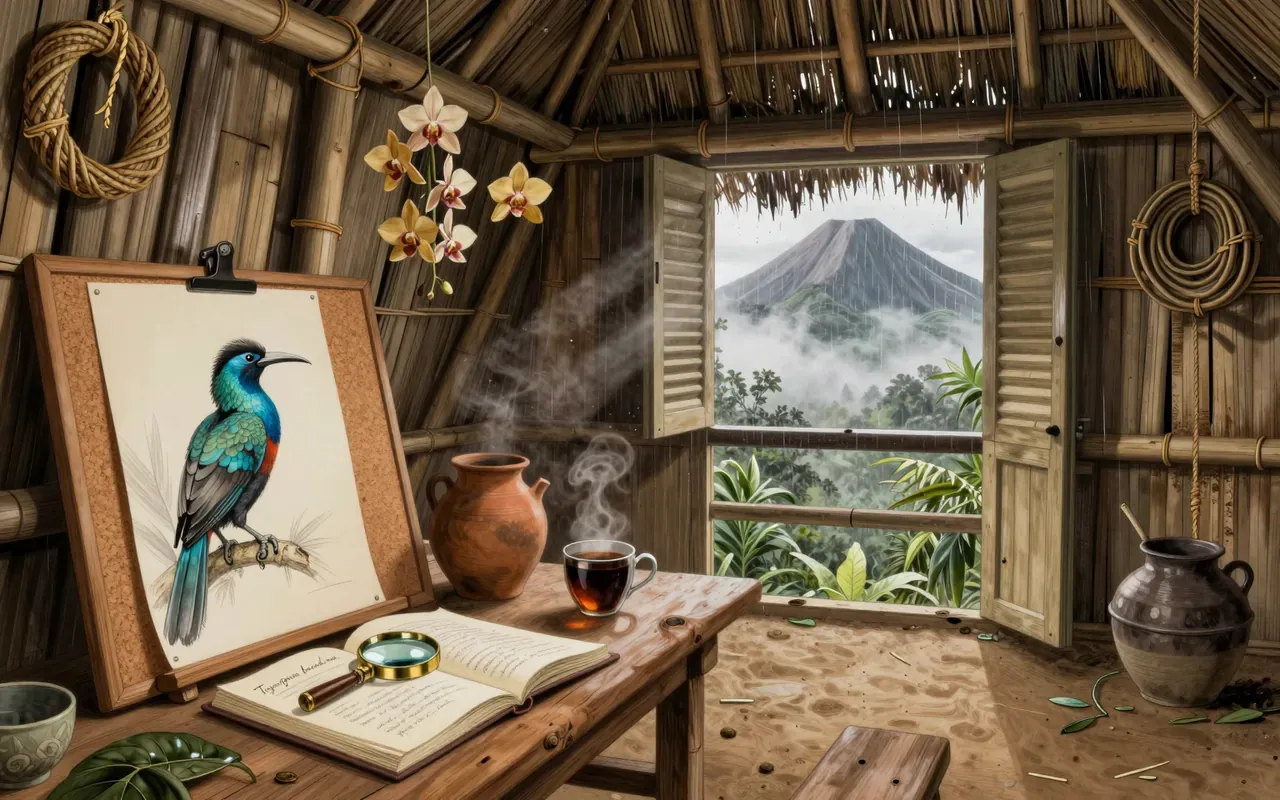
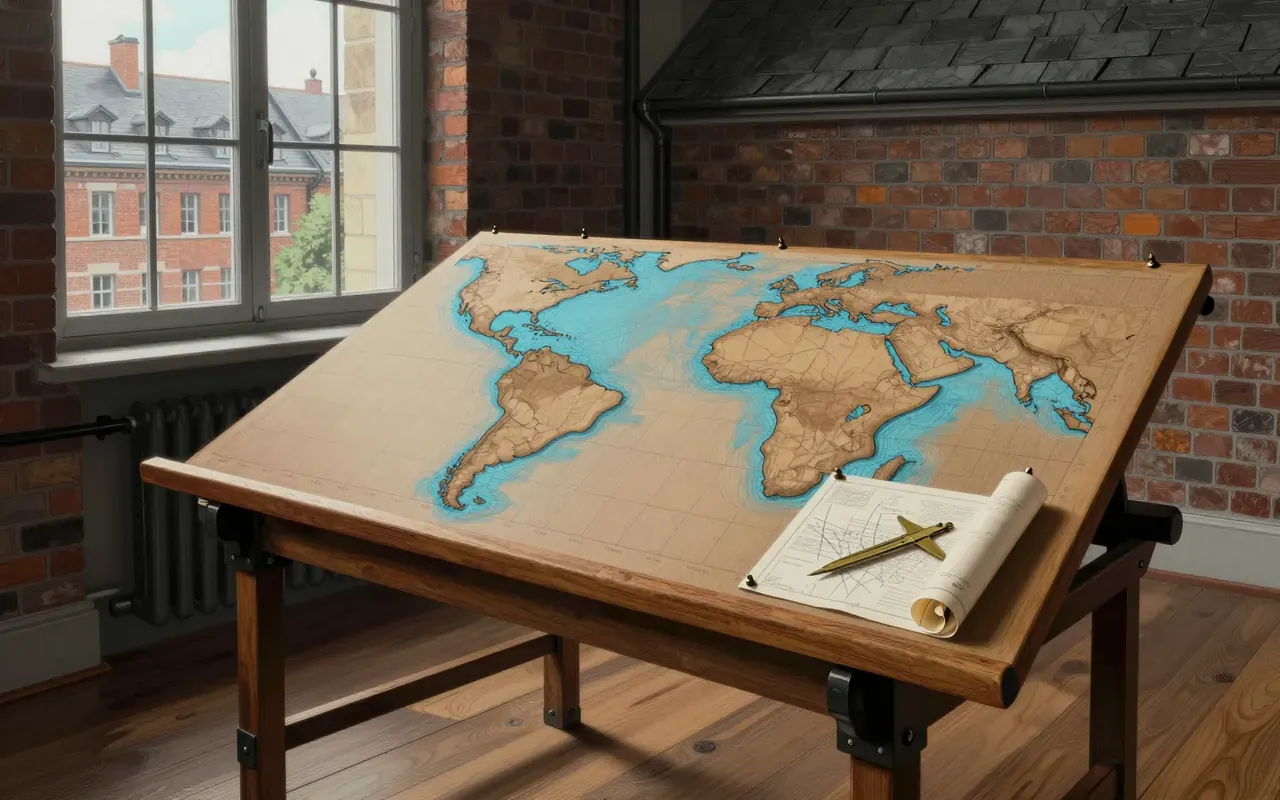
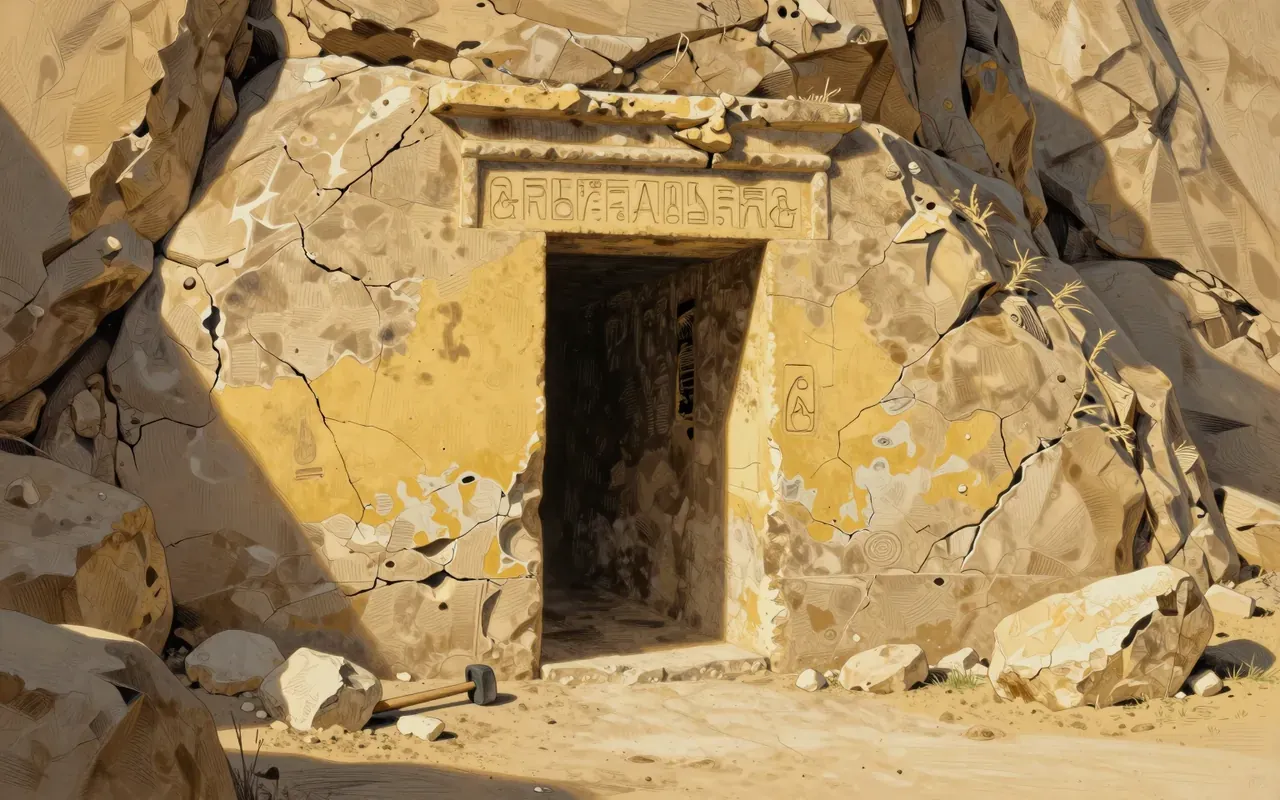
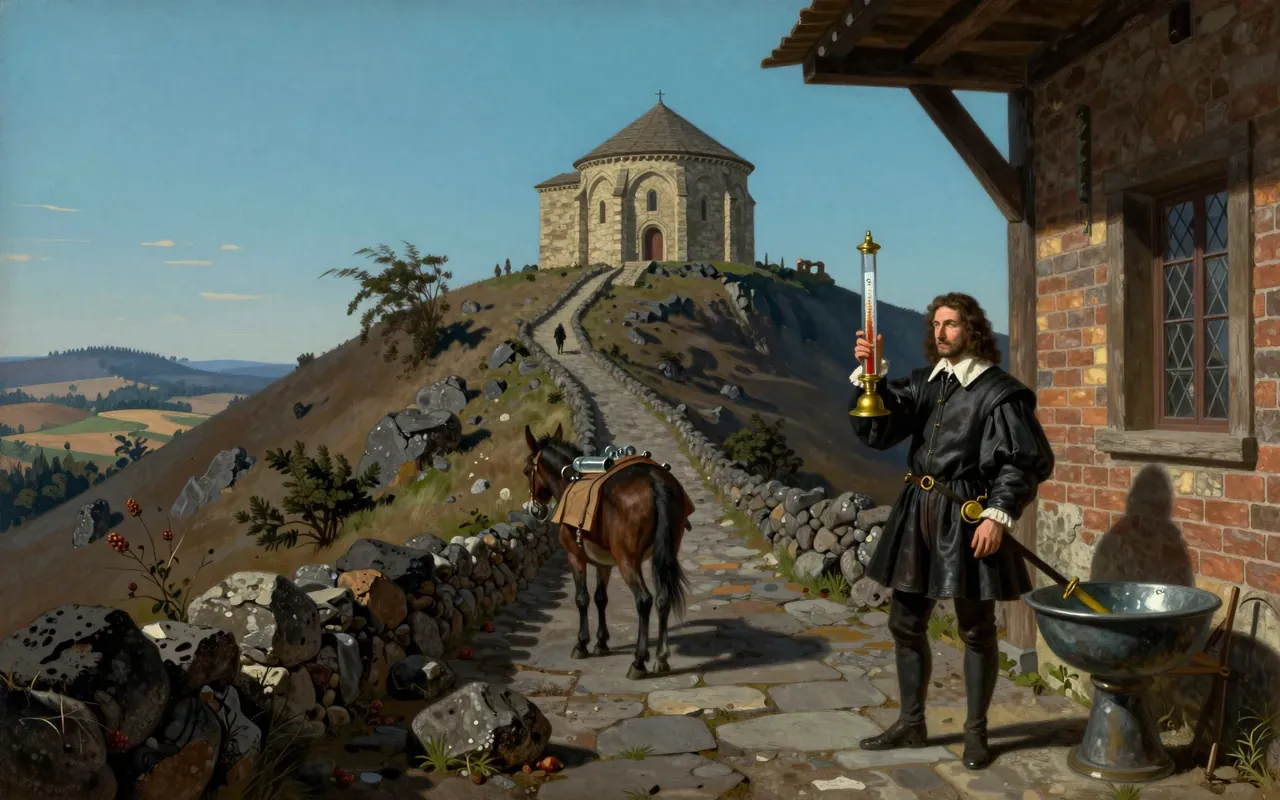

King's Field (1994) is FromSoftware’s debut PlayStation action role-playing game. It is a first-person dungeon crawler set in a vast underground labyrinth. The player explores five real-time 3D dungeon environments to uncover the source of a monster invasion.

TERA replaces tab-targeting with muscle memory — and demands you learn the difference between aiming and reacting.
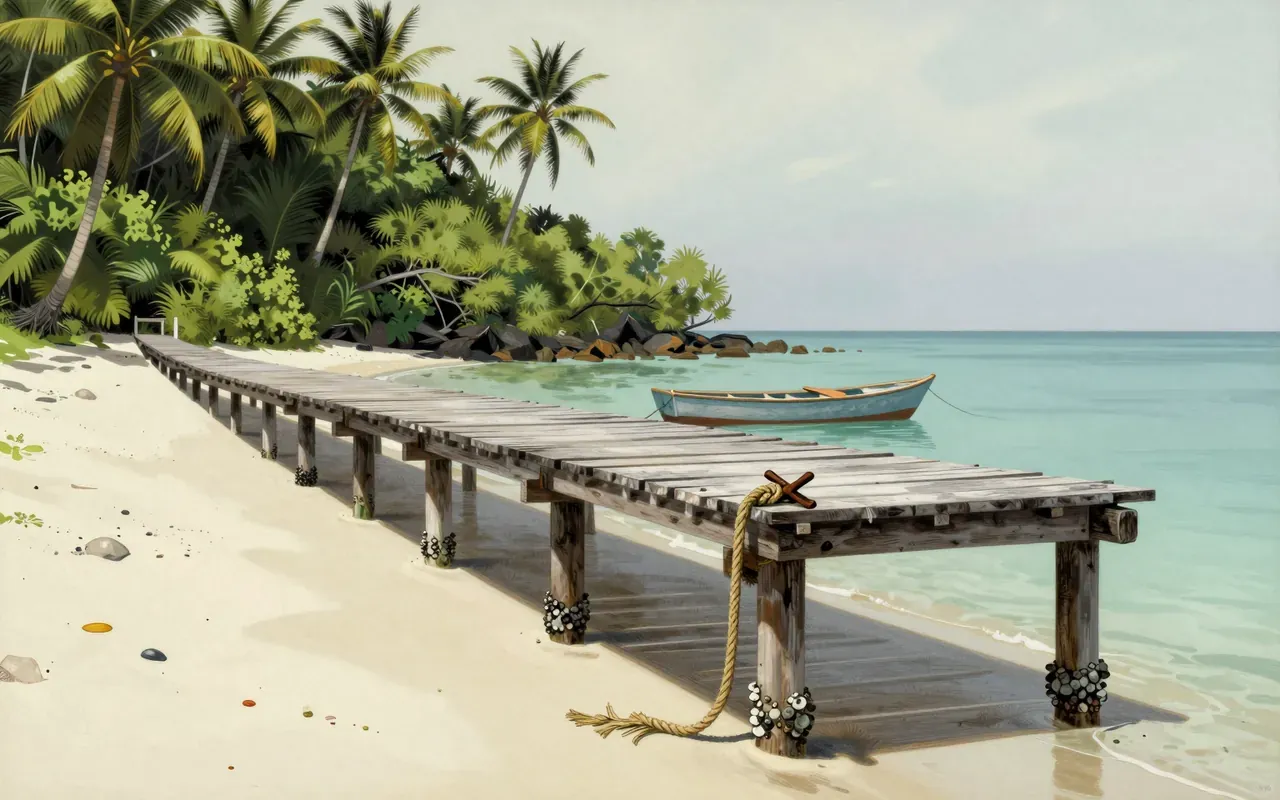
Far Cry (2004) is a first-person shooter set in a dynamic tropical archipelago. It uses environmental cover, sound, and optical tools to create a sensor-driven combat loop. Enemies react, coordinate, and communicate. Its open maps contrast with linear missions. It is Crytek’s debut AAA title, built on CryEngine, and the first Far Cry game.
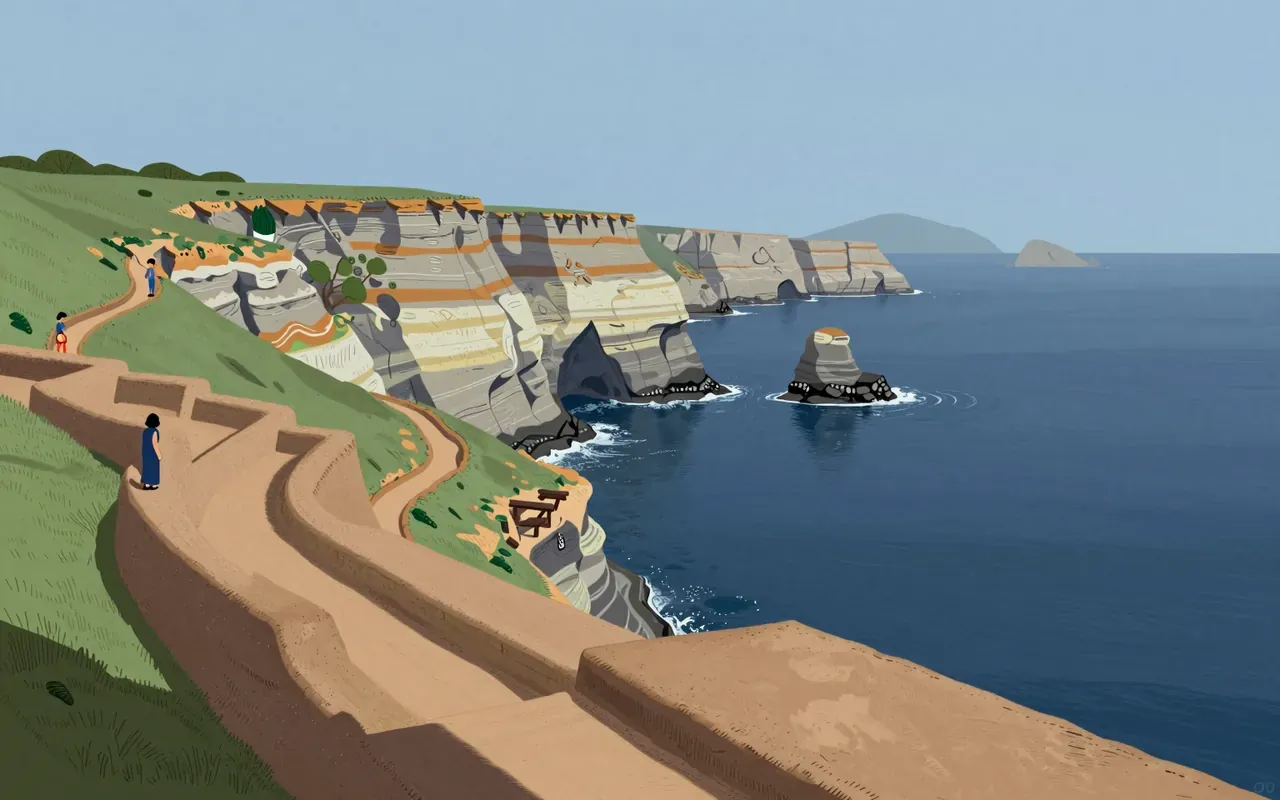
Lost Ark is a technically competent, gear-obsessed PvE MMO that delivers satisfying combo combat and vast content—but only if you accept its rigid, repetition-first design as a feature, not a flaw.

Metroid (1986) is a foundational action-adventure game where Samus Aran explores the planet Zebes, acquiring abilities like the Morph Ball and Screw Attack to unlock new areas. It uses nonlinear progression, mandatory boss fights (Kraid and Ridley), and a password save system. It is one of Nintendo’s major franchises and features Samus Aran, a Nintendo character with international recognition.
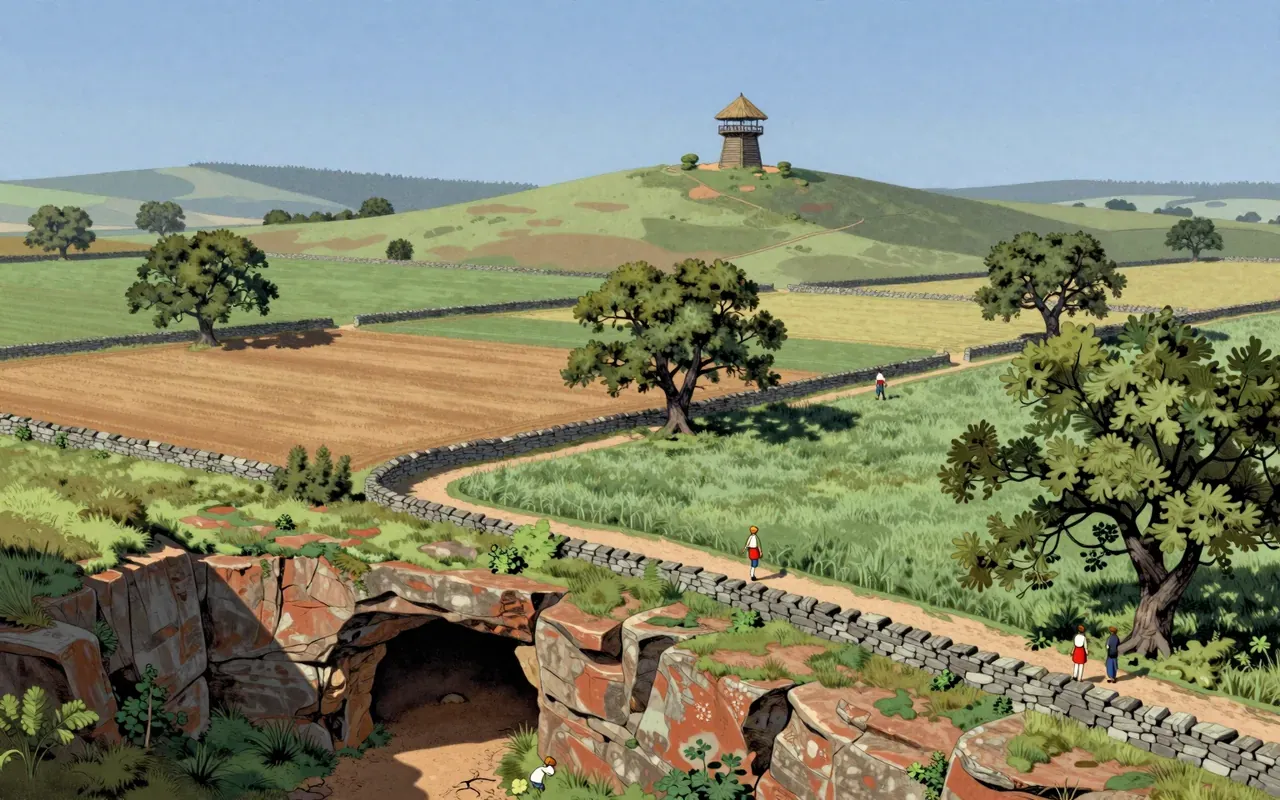
A foundational action-adventure game that treats exploration as a skill to be learned—not a path to be followed.

Civilization VI is a turn-based 4X strategy game where players grow a single civilization from antiquity to the near future by exploring, expanding, exploiting, and exterminating.
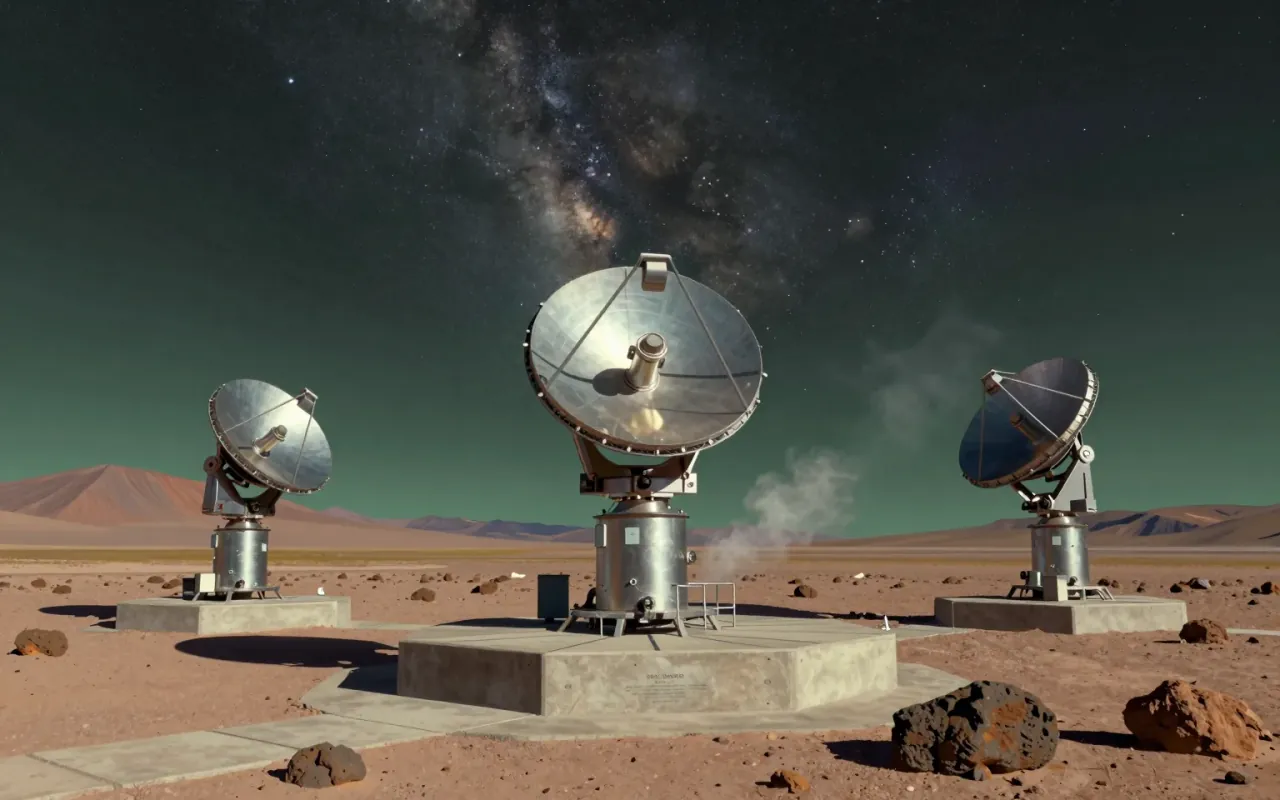
Elite Dangerous is a persistent-galaxy space sim built on scale, synchronicity, and player-driven consequence. It offers unparalleled scope but minimal scaffolding. Its ambition is structural, not narrative. Its cost is time, not money.