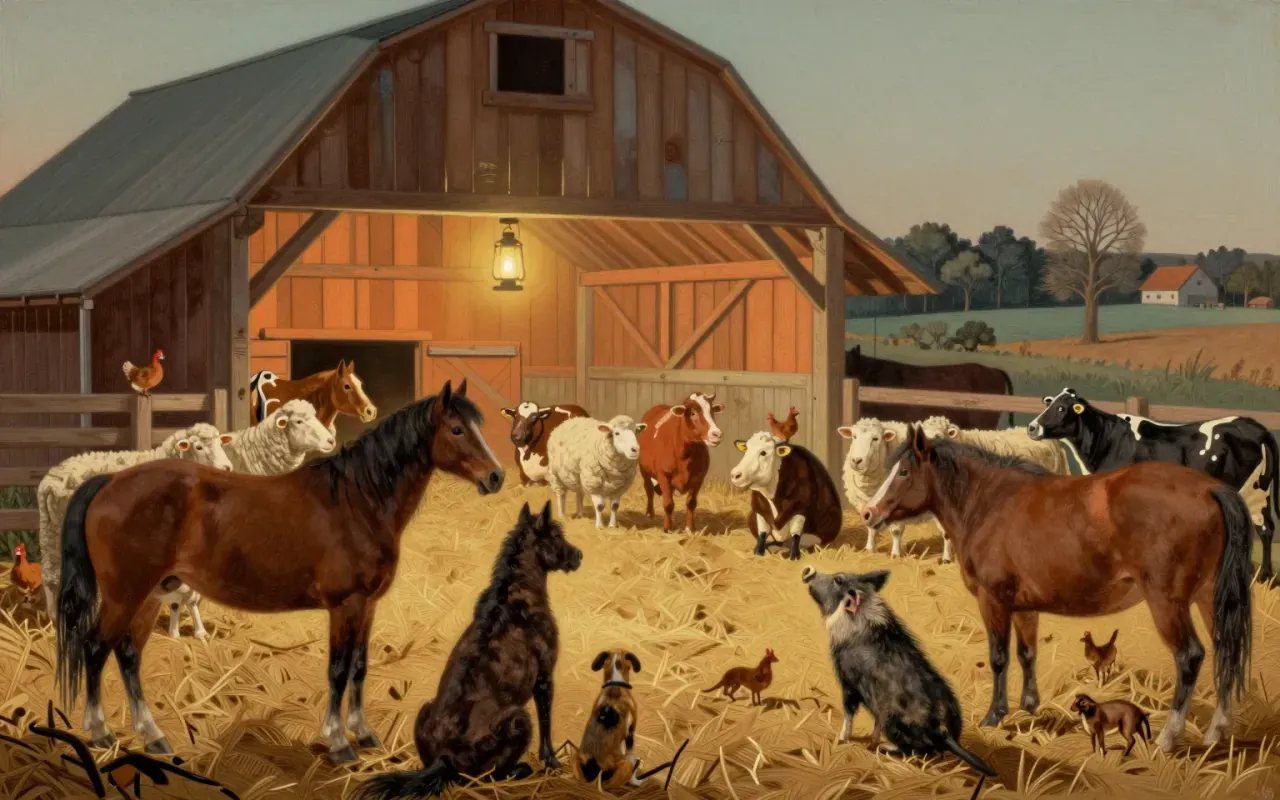
Animal Farm
George Orwell · 1945
Orwell's 1945 allegory of the Russian Revolution told through a farmyard coup. The brief covers the revolution, the factions, how the pigs consolidate power, and why it reads as a prophecy more than fiction.
1917, and the seventy years the world spent arguing about it.
Orwell's 1945 allegory of the Russian Revolution told through a farmyard coup. The brief covers the revolution, the factions, how the pigs consolidate power, and why it reads as a prophecy more than fiction.
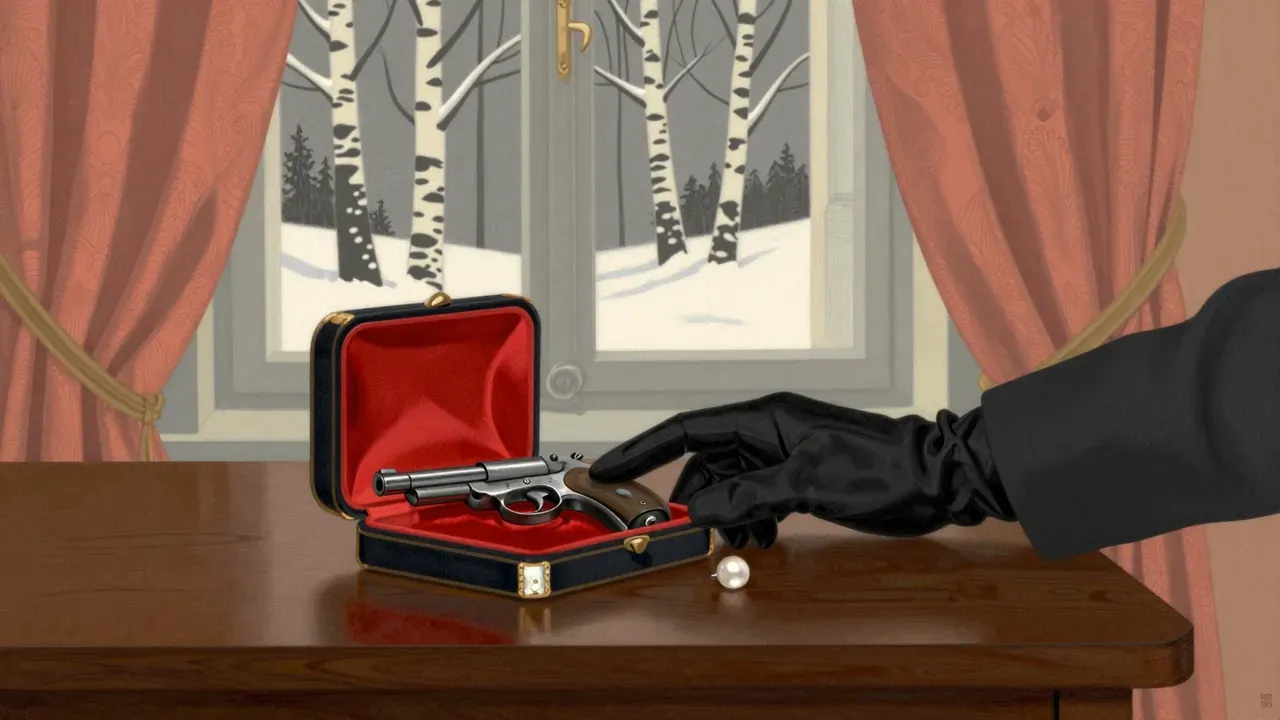
The Last Command (1928), directed by Josef von Sternberg and starring Emil Jannings, follows a fallen Russian grand duke reduced to working as a Hollywood extra. When cast to play his former self, memory and reality blur, culminating in a fatal breakdown on set. Shot in five weeks with Bert Glennon’s precise cinematography, it is a tightly wound study of identity, power, and performance — awarded the first Best Actor Oscar and preserved in the US National Film Registry.

Sergei Loznitsa’s Two Prosecutors follows a young Soviet prosecutor in 1937 as he attempts to investigate the wrongful imprisonment of an Old Bolshevik during the Great Purge. Shot in a 1905 Riga prison and anchored by Aleksandr Kuznetsov’s restrained performance, the film unfolds with procedural exactness, refusing catharsis or moral simplification. Its power lies in accumulation: of silence, delay, and the quiet absorption of dissent into state machinery.
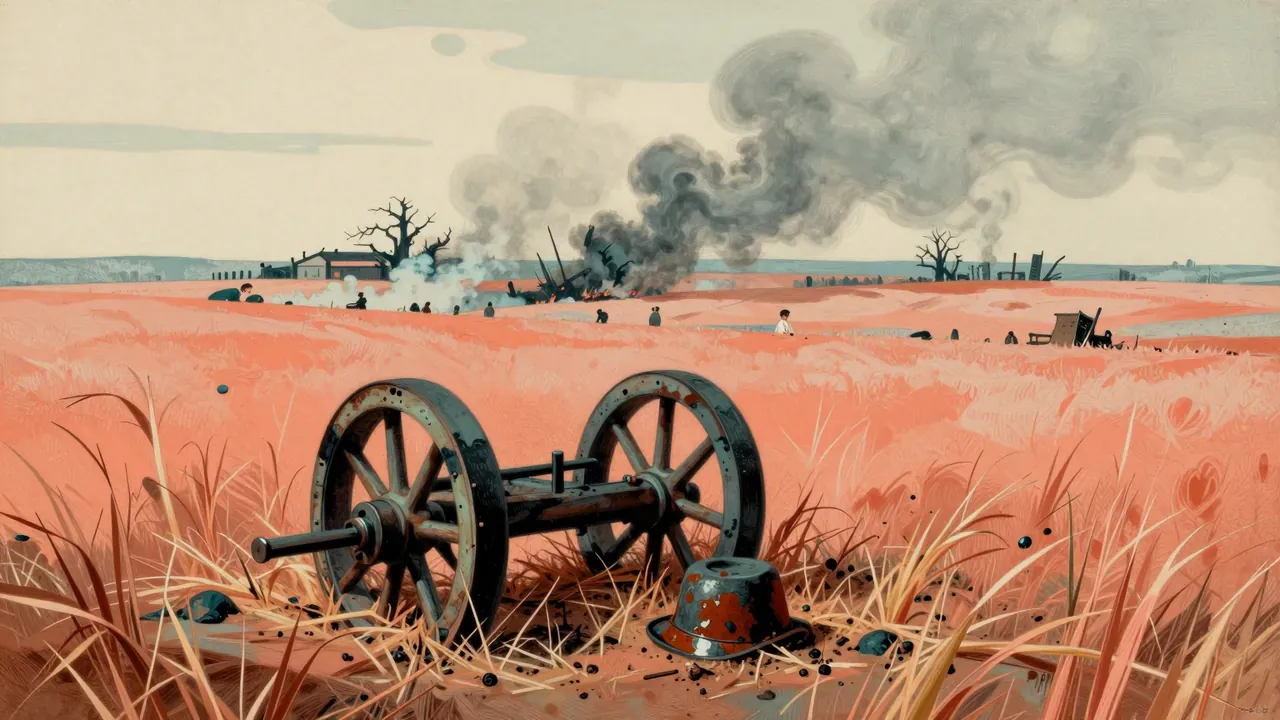
Sergei Bondarchuk’s War and Peace (1965–67) is a four-part, 432-minute adaptation of Tolstoy’s novel, produced by Mosfilm with unprecedented state support. Shot on Soviet 70mm stock, it deploys over ten thousand soldiers as extras, authentic period artefacts, and vast battlefield choreography to realise Tolstoy’s world—not his ideas. While lauded for its monumental realism and awarded the 1969 Oscar for Best International Feature, it streamlines the novel’s philosophical arguments and relies on physical presence over psychological nuance. Its value lies in endurance, not explication.
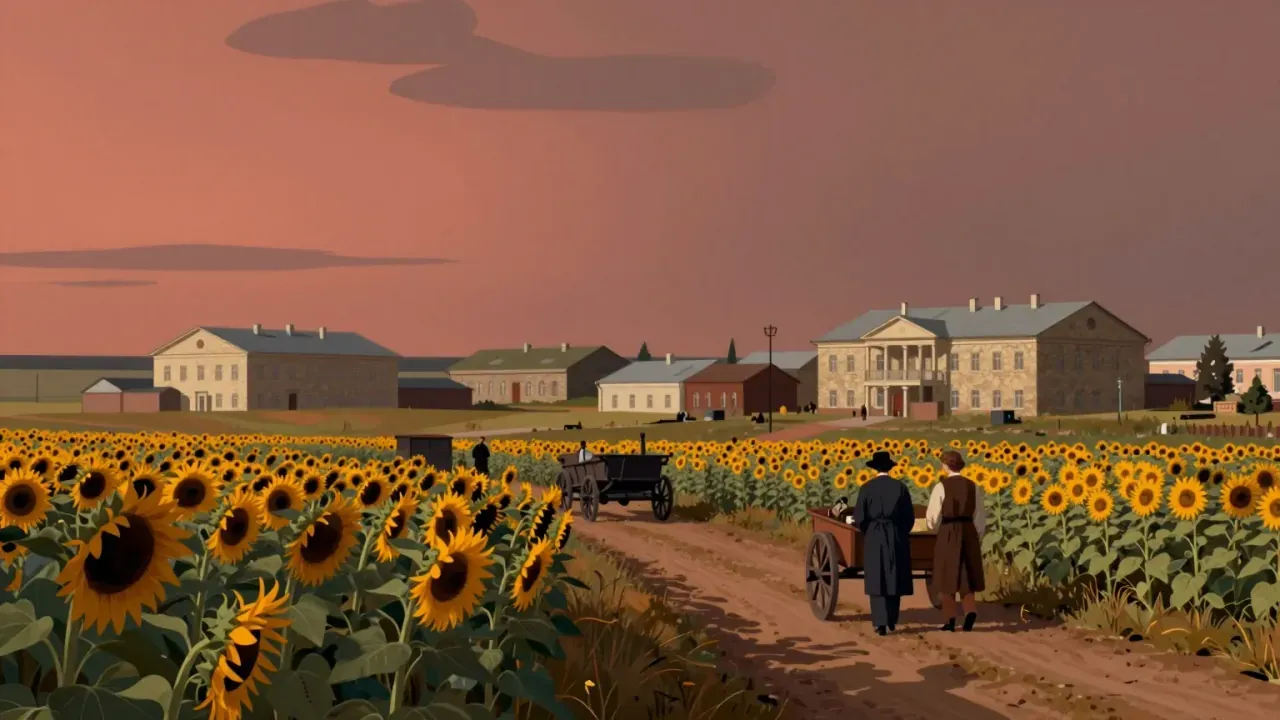
Oleksandr Dovzhenko’s 1929 silent film Arsenal reimagines the 1918 Kiev Arsenal Uprising as a mythic struggle, using expressionist imagery, non-linear editing, and stark physical performance. Shot by Danylo Demutskyi and edited by Dovzhenko himself, it privileges gesture over exposition and symbol over summary. Though demanding and historically dense, it remains a landmark of Ukrainian avant-garde cinema — less a history lesson than a visceral, rhythmic invocation of collective will.
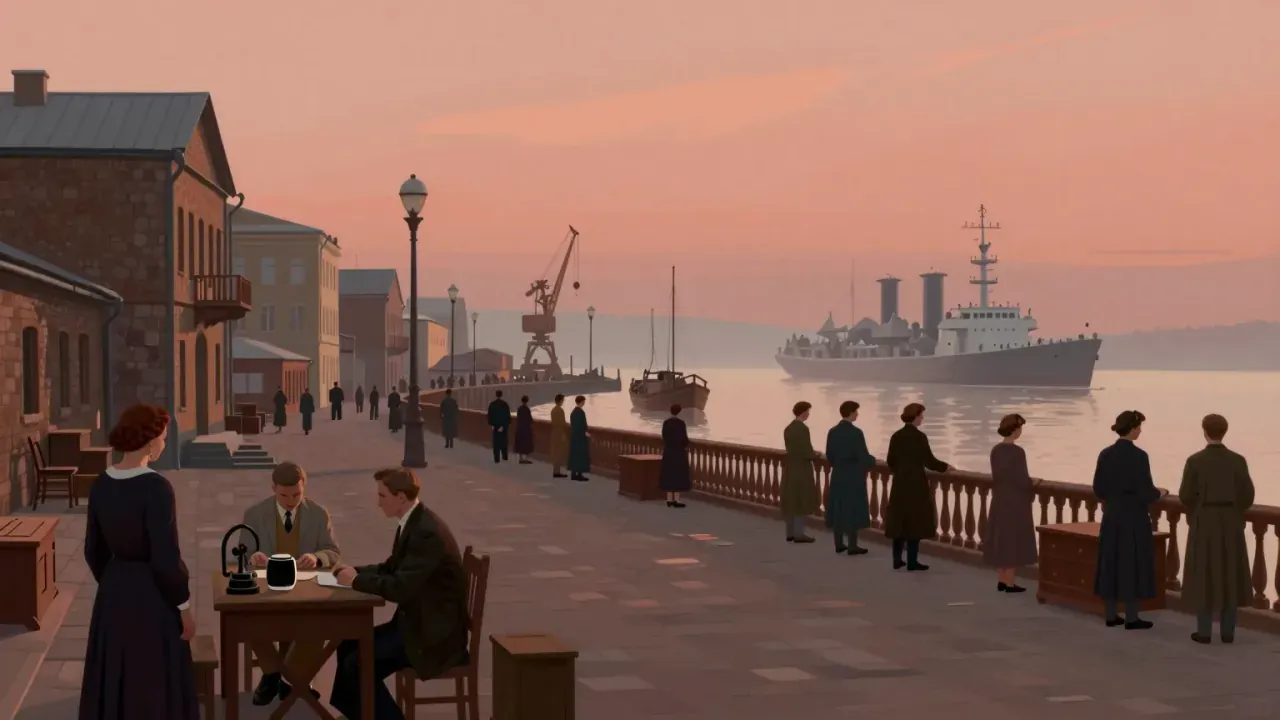
Battleship Potemkin (1925) is Sergei Eisenstein’s landmark Soviet silent film dramatising the 1905 mutiny aboard the battleship Potemkin. Made as political art rather than historical record, it uses radical montage—especially in the iconic Odessa Steps sequence—to generate collective emotion and ideological conviction. Shot by Eduard Tisse and Vladimir Uralsky, edited by Eisenstein and Grigori Aleksandrov, it relies on non-professional actors, symbolic types, and rhythmic editing over psychology or narrative. Though its revolutionary certainty feels schematic today, its formal mastery remains potent and instructive.
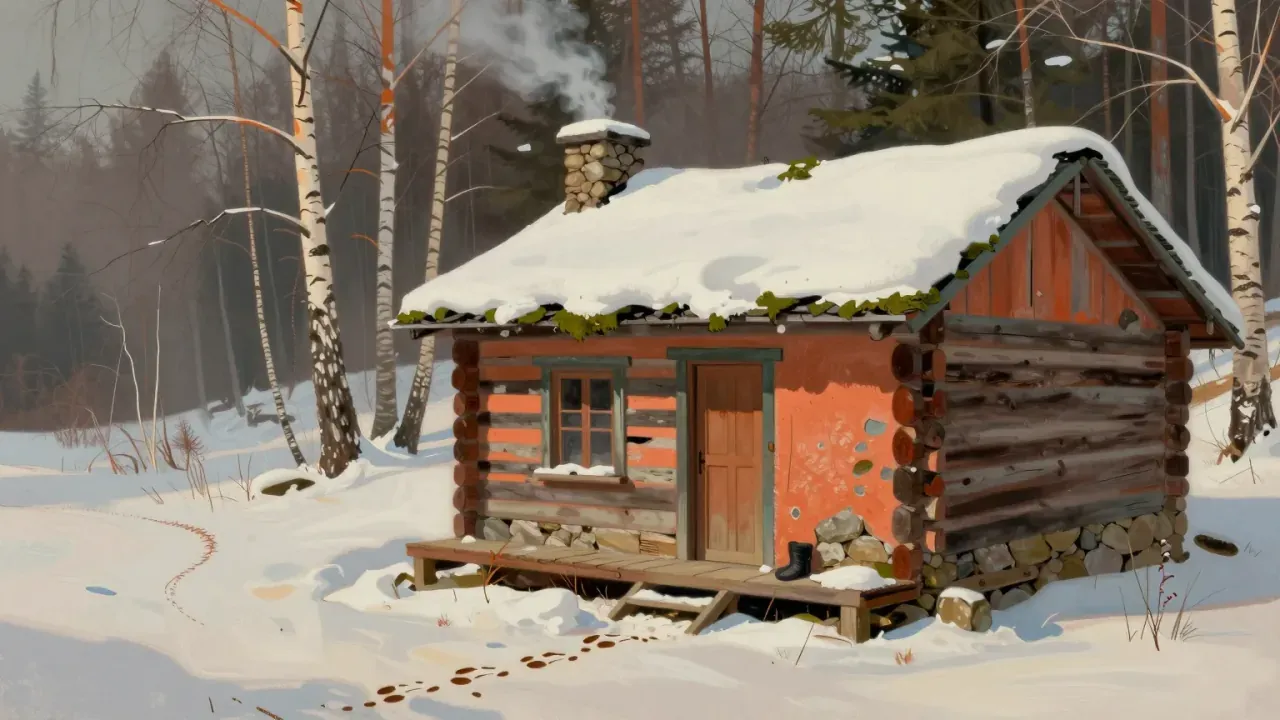
David Lean’s 1965 adaptation of Pasternak’s novel follows physician-poet Yuri Zhivago across Russia’s collapse, centring his love for Lara amid revolution and war. Filmed mostly in Spain with Freddie Young’s wintry cinematography and Maurice Jarre’s iconic score, it prioritises atmosphere and endurance over exposition or ideology. Though criticised for length and historical vagueness, its tactile realism and emotional restraint have secured its place as a benchmark of romantic epic filmmaking.

October: Ten Days That Shook the World (1927) is a Soviet silent film commissioned for the tenth anniversary of the Bolshevik Revolution. Directed by Sergei Eisenstein and Grigori Aleksandrov, it dramatises the uprising through intellectual montage — juxtaposing images to generate ideas rather than narrative. Eduard Tisse’s stark cinematography and Eisenstein’s rigorous editing construct revolution as rhythm, mass, and inevitability. Though criticised at the time for opacity and formalism, it remains a foundational work of avant-garde cinema and political filmmaking.
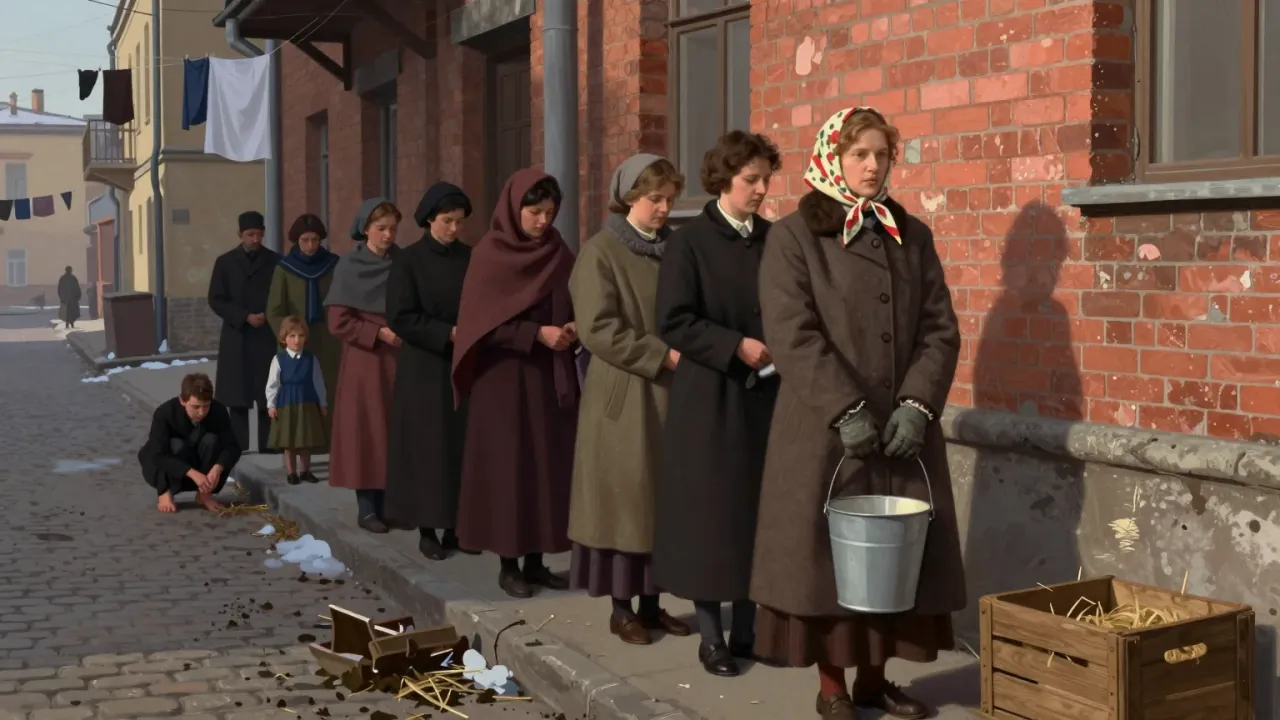
The End of St. Petersburg (1927), directed by Vsevolod Pudovkin and Mikhail Doller, traces a peasant boy’s journey from rural innocence to revolutionary clarity across four years of upheaval in pre-Soviet Russia. Shot in stark, rhythmic montage by Anatoli Golovnya and edited by Oleksandr Dovzhenko, it avoids individual psychology in favour of systemic analysis — linking factory exploitation, imperial war, and bread riots to the fall of Tsarism and rise of the Bolsheviks. Commissioned for the October Revolution’s tenth anniversary, it is a didactic, formally rigorous work of political cinema.
Warcraft III: Reign of Chaos is a 2002 real-time strategy game by Blizzard. It uses fog-of-war, upkeep penalties, fixed top-down perspective, and hero progression to enforce tight, consequential decision-making.
Diablo (1996) is an action role-playing dungeon crawler developed by Blizzard North and published by Blizzard Entertainment for Windows. Players navigate procedurally generated levels using mouse-driven movement and keyboard-based spellcasting. Dungeon themes shape layout—catacombs feature long corridors, caves are non-linear. Quests are randomly assigned from tiers; only the final two are mandatory. Items degrade with use and are destroyed at zero durability. Griswold the Blacksmith repairs them for a fee; Warriors may self-repair at durability cost. Staves enable spellcasting without spell knowledge or mana. The game establishes a tight, friction-driven loop: explore, degrade, return, repeat—until the final two quests gate the end.
Fallout (1997) is a foundational CRPG built on rigid arithmetic and player-driven consequence. Its design refuses abstraction: if your Luck is six, you fail 40% of critical rolls. If your Speech is 65%, you unlock one branch—not all. It does not ask you to believe. It asks you to calculate.

Front Mission is a linear, story-driven tactical RPG where players command modular mecha called wanzers across a point-and-click world map, customising them under strict weight-to-power limits and managing part-specific damage states in mission-based combat.
Guild Wars (2005) is a competitive online role-playing game developed by ArenaNet and published by NCSoft. It features instanced PvE and PvP, a level cap of 20 (extendable to 200 attribute points via quests), and a strict eight-skill loadout drawn from a library of over a thousand. It replaces gear dependency and grinding with skill-based combat, profession-locked builds, and modular progression across missions and arenas. Revenue came from standalone expansions and microtransactions—not subscriptions.
Suikoden (1995) is a Konami-published RPG that uses weapon range, speed-based turn order, and Rock-Paper-Scissors–driven duel and war systems to shape its combat and narrative. It demands strategic party formation, rewards systematic recruitment, and allows consequential failure in optional battles. It is structurally rigorous but opaque in execution details.
The Elder Scrolls Online is a persistent-world MMORPG set in Tamriel during the Second Era, developed by ZeniMax Online Studios and released in 2014. It supports solo and group play online only, with non-linear exploration, questing, and random events. Ten races and seven classes are available; vampirism and lycanthropy are accessible without purchase as of Update 49. The Imperial race remains locked behind a Crown Store purchase. Some zones require DLC. First- or third-person perspective is selectable. All zones are accessible regardless of faction or level.
Tactics Ogre is a tightly wound tactical RPG where turn order is dynamic, consequence is immediate, and narrative choice reshapes the world physically and morally.