briefs
Topic · across the network

Storytelling

The oldest technology, and the one least improved on.

68
briefs
6
subjects
11:39
average
792 min
in total
Abstraction 407Absurdism 137Acoustics 220Acting 65Adaptation 372Addiction 95Adolescence 202Advertising 77Age of exploration 14Ageing 113Agriculture 100Algorithms 114Ambition 46Anarchism 38Ancient Egypt 17Ancient Greece 38Ancient Rome 30Animals 172Anthropology 23Apartheid 12Architecture 165Archives 32Argentina 10Art Deco 26Artificial intelligence 78Astronomy 81Attention 42Australia 32Automation 73Avant-garde 164Aviation 79Banking 72Banned works 40Bauhaus 12Beer 5Behavioural economics 22Berlin 16Big tech 6Biodiversity 136Biography 86Birds 41Black holes 20Blockchain 12Boxing 14Branding 77Brazil 43Bread 29Britain 131Brutalism 4Bubbles 3Buddhism 28Byzantium 10California 17Canada 18Capitalism 94Cars 468Celebrity 59Censorship 110Cheese 24Chefs 9Chemistry 104Chess 2Childhood 87China 109Chocolate 8Christianity 49Cinematography 343Cities 90Class 485Climate change 107Club culture 100Cocktails 2Coffee 11Cognitive bias 14Collecting 16Colonialism 284Colour 42Comedy 89Community 52Complexity 21Computing 309Consciousness 16Conservatism 14Conspiracy theories 8Cooking 178Corruption 38Cosmology 31Cover versions 64Craft 116Crate digging 42Creativity 8Crime 234Cryptocurrency 8Cryptography 24Cuba 10Cybersecurity 30Dada 12Debt 38Decision-making 28Decolonisation 46Deep time 80Democracy 45Denim 16Deserts 45Detroit 17Dinosaurs 12Directing 168Disasters 59Disease 109DJ culture 89Dreams 32Drones 5Drum machines 96Dystopia 69East Africa 28Ecology 337Economics 36Editing 72Education 92Egypt 12Electric vehicles 59Emotion 22Empire 92Endurance 49Energy 120Engineering 541Entropy 8Epidemics 13Equality 9Espionage 31Ethics 44Evolution 174Existentialism 106Expertise 2Exploration 49Extinction 23Failure 37Family 240Fandom 22Fascism 45Fashion 215Fast fashion 12Fear 34Feminism 122Fermentation 126Film music 81Fishing 12Folklore 71Food history 588Football 16Forests 31Forgery 7France 163Fraud 15Free will 13Freedom 16French literature 15Friendship 24Furniture 36Gambling 14Gender 63Generations 28Genetics 87Geology 96Germany 66Globalisation 74Gothic 32Greece 5Grief 126Habits 6Happiness 2Hardware 709Haute couture 22Headphones 8Hi-fi 12Hinduism 12Hoaxes 1Human history 23Human nature 41Identity 138Illustration 8Impressionism 6Improvisation 249India 89Indonesia 15Industrial design 342Inequality 13Inflation 4Information 34Infrastructure 280Insects 29Intelligence 8Interiors 31Internet culture 88Invention 329Iran 41Islam 40Islands 17Israel 9Italy 52Jamaica 10Japan 114Jewellery 5Journalism 34Judaism 13Justice 42Korea 41Language 70Law 90Leadership 20Learning 6Liberalism 1Libraries 6Literary criticism 26London 12Loneliness 61Los Angeles 62Lost works 9Love 67Luxury 55Machine learning 15Management 10Maps 5Marketing 21Markets 51Mars 6Marxism 26Masculinity 46Materials 138Mathematics 79Meaning 6Medicine 124Memory 82Mental health 70Mesopotamia 4Mexico 38Migration 95Minimalism 68Mining 30Misinformation 9Modernism 63Money 24Monopoly 32Mortality 61Motivation 2Mountains 16Museums 27Mysticism 11Mythology 60Nationalism 40Neuroscience 23New York 36Nigeria 7Nihilism 10Noise 31Nostalgia 33Nuclear 29Nutrition 17Oceans 48Oil 42Open source 45Painting 18Palaeontology 29Parenting 14Paris 18Partition 6Patents 71Patronage 14Perception 44Personal style 27Personality 2Persuasion 8Peru 10Philosophy 77Photography 37Physics 206Plants 26Platforms 89Podcasting 1Poetry 25Poland 17Policing 34Pop Art 16Populism 2Portraiture 6Portugal 18Postmodernism 23Power 91Prehistory 24Preservation 28Printmaking 21Privacy 11Probability 6Productivity 1Programming 54Prohibition 1Propaganda 35Protest 75Pseudoscience 17Psychology 80Publishing 22Punishment 16Quantum mechanics 44Race 145Radio 30Railways 35Rave 17Realism 47Record labels 19Recording 810Relativity 23Religion 154Resilience 15Restaurants 30Restoration 2Retail 94Revolution 58Risk 18Ritual 96Robotics 26Romance 96Russia 58Salt 9Sampling 246Satire 84Scandinavia 28Scientific method 186Screenwriting 26Sculpture 7Secularism 2Self-deception 14Semiconductors 73Sexuality 102Ships 18Silence 24Silicon Valley 17Slavery 35Sleep 2Smartphones 27Sneakers 15Social media 58Socialism 9Software 68Songwriting 180Sound design 332Sound systems 20South Africa 19South East Asia 30Space exploration 84Spain 18Special effects 41Spices 62Spirits 12Sport 82Startups 21Statistics 10Status 9Stoicism 4Storytelling 68Strategy 70Street food 99Streetwear 16Studio craft 508Subcultures 59Sugar 12Supply chains 115Surrealism 53Surveillance 21Sustainability 30Synthesis 232Tailoring 37Taxation 14Tea 24Textiles 97Thailand 11The American Revolution 19The American South 88The Arab world 41The Arctic 19The Balkans 17The Belle Epoque 13The body 29The brain 26The Caribbean 28The civil rights movement 62The Cold War 160The eighties 268The Enlightenment 29The financial crisis 19The First World War 39The food industry 157The French Revolution 9The Gilded Age 9The Great Depression 18The Holocaust 20The Industrial Revolution 93The internet 61The interwar years 135The Middle Ages 35The Moon 4The music business 169The Netherlands 10The nineties 26The Olympics 10The pandemic 13The Reformation 1The Renaissance 16The Russian Revolution 19The Second World War 102The seventies 58The sixties 28The space race 5The United States 19The universe 7The Victorian era 37Therapy 20Tokyo 11Trade 48Tragedy 22Translation 5Trauma 85Travel 5True crime 2Turkey 18Typography 54Uniforms 23Unions 8Urban planning 66Utilitarianism 1Utopia 5Vaccines 10Vegetarianism 15Venture capital 6Video games 291Vietnam 12Vintage 65Vinyl 6Virtual reality 11War 169Watches 4Water 11Weather 29West Africa 29Wilderness 10Wine 3Work 22Workwear 19Worldbuilding 121

books.briefs Books

All 2 in books →
12:00

Don Quixote

Miguel de Cervantes · 1605

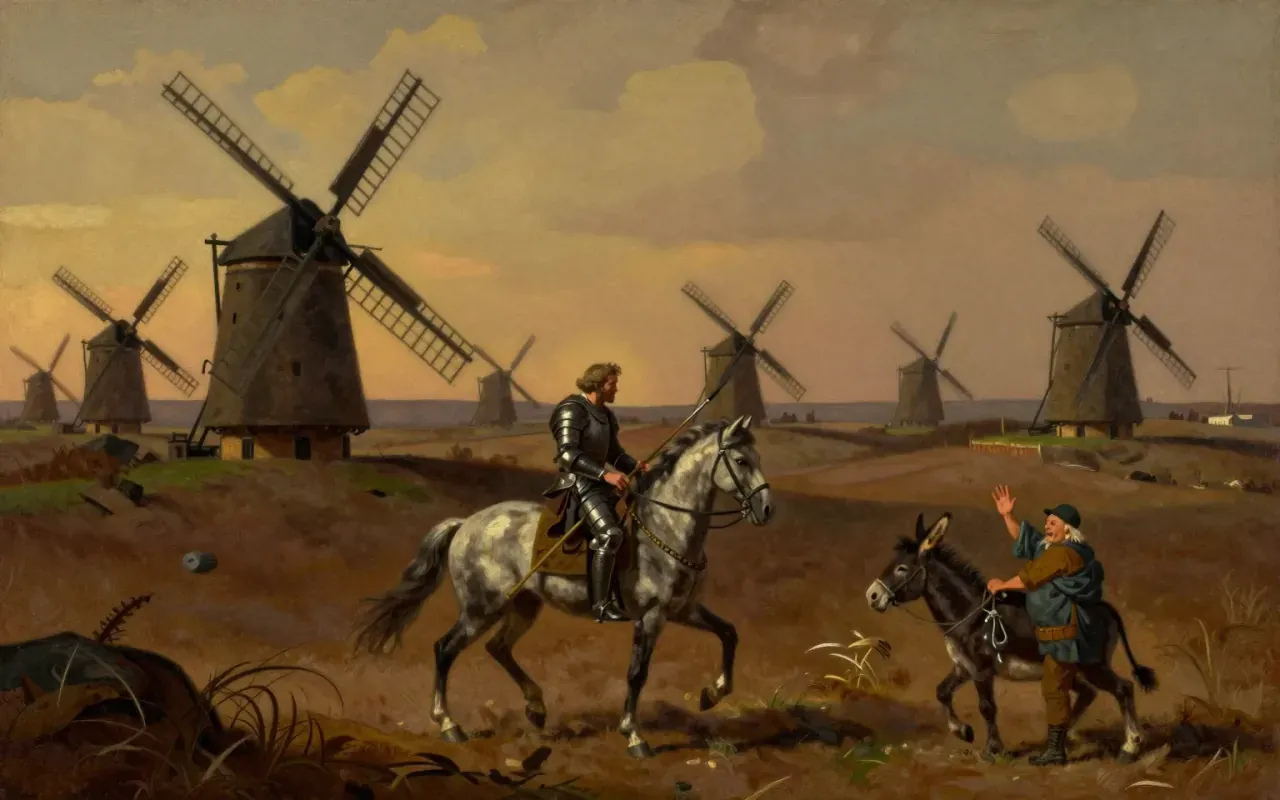
Cervantes's 1605 novel follows Don Quixote, a minor Spanish nobleman driven mad by chivalric romances who sets out as a knight-errant with his servant Sancho. The brief covers the opening madness and the machinery of the book, what makes it a satire of narrative itself, and which parts can be skipped.
10:00

The Hobbit

J.R.R. Tolkien · 1937

Tolkien's 1937 prequel to The Lord of the Rings, in three hundred pages of a simpler world. The brief follows Bilbo from his armchair to the dragon's hoard, then explains why LOTR fans often miss what makes this book work on its own.

music.briefs Music

All 4 in music →
9:41

Lemonade

Beyoncé · 2016

Lemonade is a 2016 visual album and hour-long musical film, released simultaneously on HBO and Tidal. It is a song cycle structured around emotional stages derived from the Kübler-Ross model, conceived and executed as a unified work of sound and image.

11:39

Ogdens’ Nut Gone Flake

Small Faces · 1968

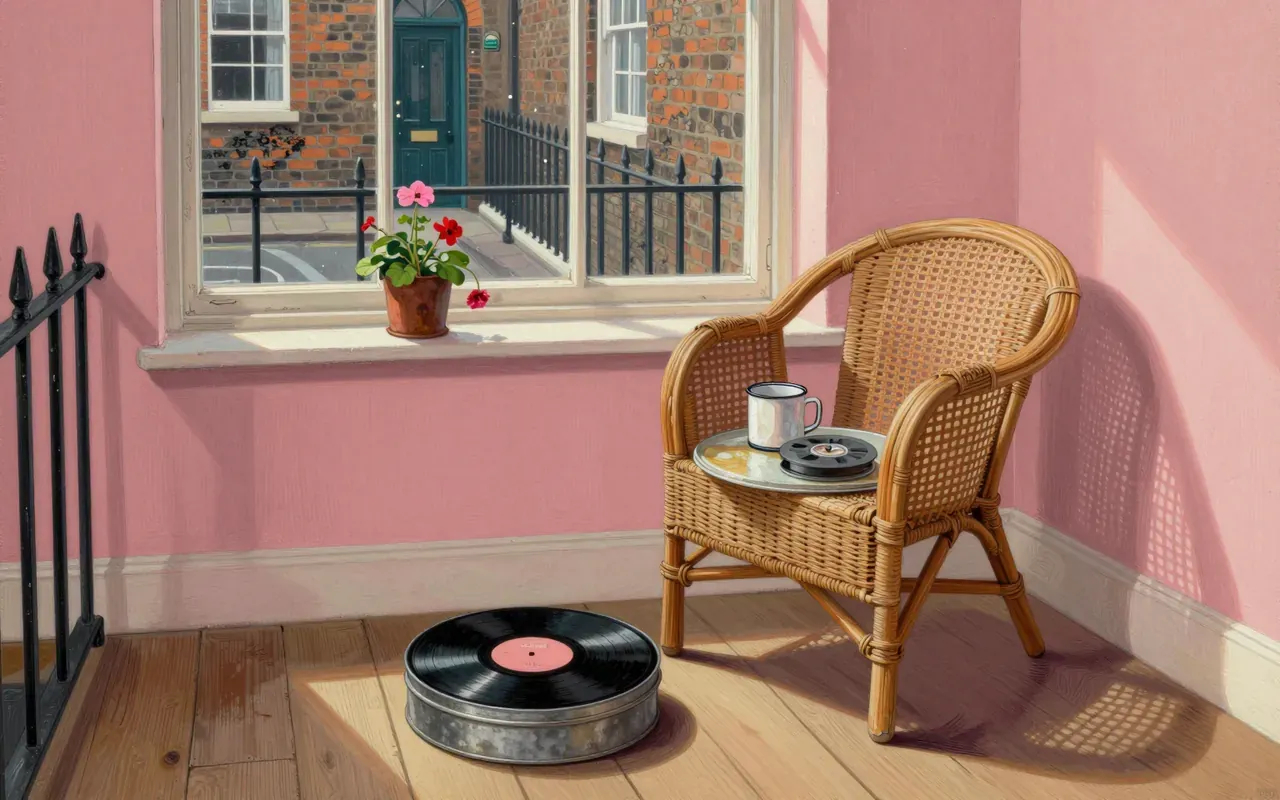
Ogdens’ Nut Gone Flake is a 1968 Small Faces concept album — side one: six eclectic songs; side two: a narrated fairy tale about Happiness Stan. Recorded at Olympic and Trident Studios. Engineered by Glyn Johns. Features wah-wah Hammond organ, strings conducted by David McCallum Senior, and Stanley Unwin’s ‘Unwinese’ narration — developed from the band’s private language observed during sessions. Conceived on the Thames after a disastrous 1968 tour. Packaged in a circular tin mimicking an antique tobacco tin. Reached No. 1 in the UK for six weeks. Performed live in full only once — on BBC’s Colour Me Pop. A studio-bound zenith, both cohesive and unrepeatable.

11:12

Gunfighter Ballads and Trail Songs

Marty Robbins · 1959

Gunfighter Ballads and Trail Songs is a tightly constructed Western concept album recorded live in one session. Its sound is lean and declarative—vocals, guitars, bass, drums, fiddle, and close harmonies—with no documented effects, no spatial processing, and no instrumental indulgence. It establishes Robbins as a master of narrative economy, but offers no psychological depth, sonic variation, or formal risk. It rewards listeners who prioritise story logic over atmosphere.

9:28

Ironman

Ghostface Killah · 1996

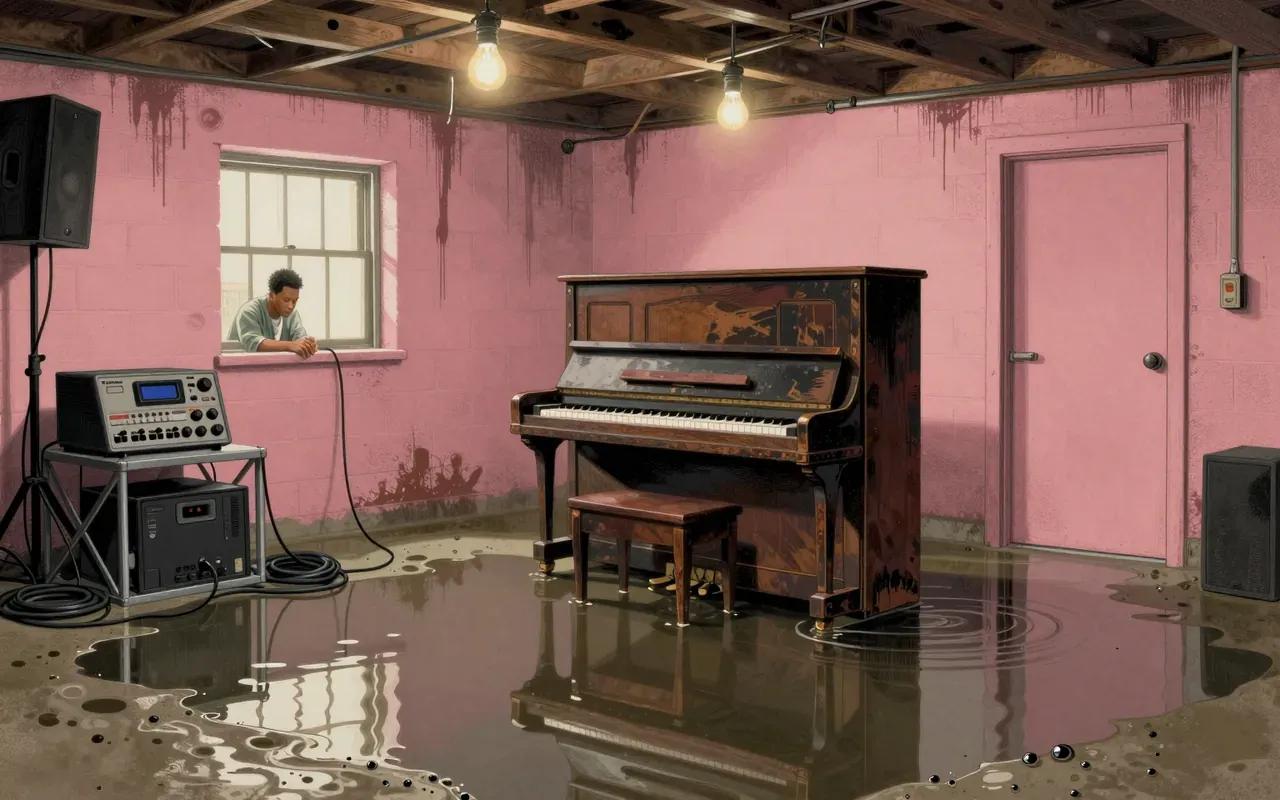
Ironman is Ghostface Killah’s 1996 solo debut, produced almost entirely by RZA using dark keyboard tones and early-1970s soul samples drawn from blaxploitation films. A flood destroyed the original studio, forcing vocals to be recorded elsewhere with different equipment — altering Ghostface’s voice and deepening his vulnerability. The album features substantial storytelling rap and Ghostface’s signature uptempo, stream-of-consciousness rhyming. Though billed as a solo record, Ghostface appears alone on only four tracks; Raekwon and Cappadonna feature heavily. Two songs originated in film soundtracks. Critics received it well.

film.briefs Film

All 34 in film →
13:00

Celine and Julie Go Boating

Jacques Rivette · 1974

Jacques Rivette’s 1974 film follows two women who enter a looping, magical-realist narrative housed in a Paris mansion, gradually learning its rhythms and rewriting its ending. Built on repetition, collaboration and patient observation, it models fiction as a space to inhabit rather than interpret.

13:00

Mysterious Object at Noon

Apichatpong Weerasethakul · 2000

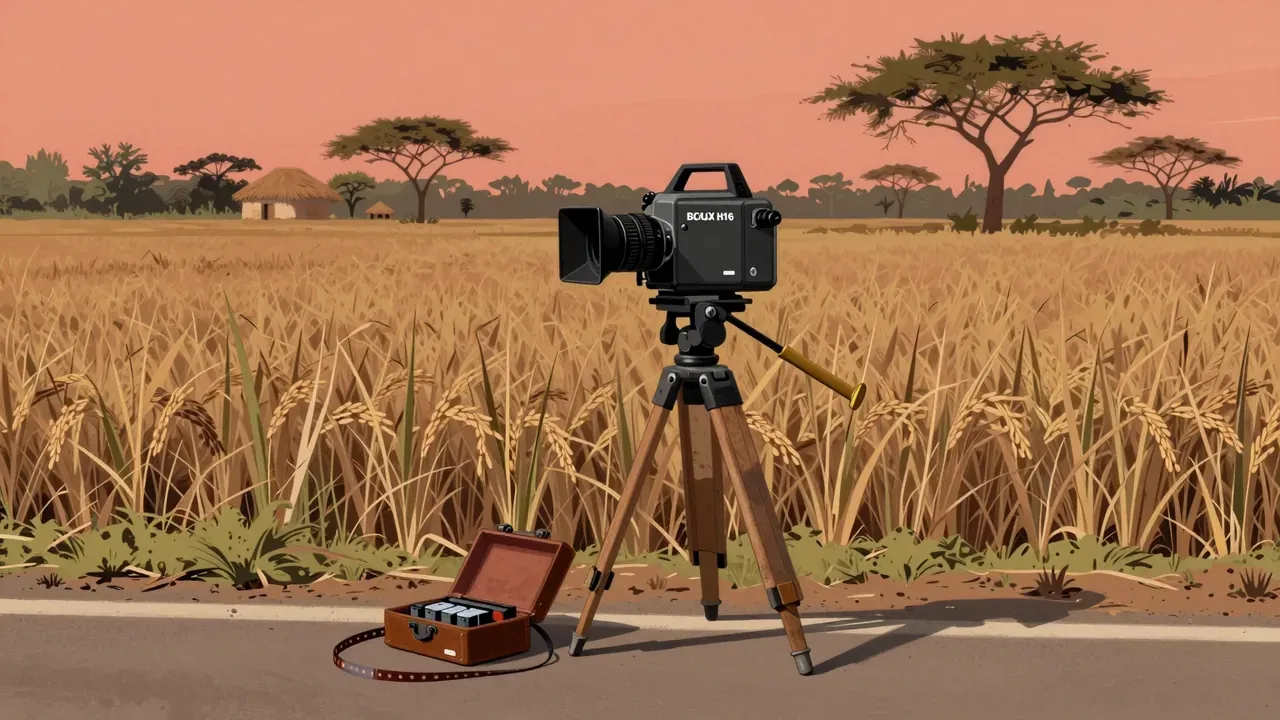
Mysterious Object at Noon (2000) is Apichatpong Weerasethakul’s debut feature: an unscripted, 16mm Thai documentary that travels the country using the exquisite corpse game. Strangers contribute lines to a shared story; actors then enact fragments of it. Shot by Sayombhu Mukdeeprom and edited by Apichatpong and Mingmongkol Sonakul, it privileges listening, texture and drift over narrative or exposition.

13:00

The Adventures of Baron Munchausen

Terry Gilliam · 1988

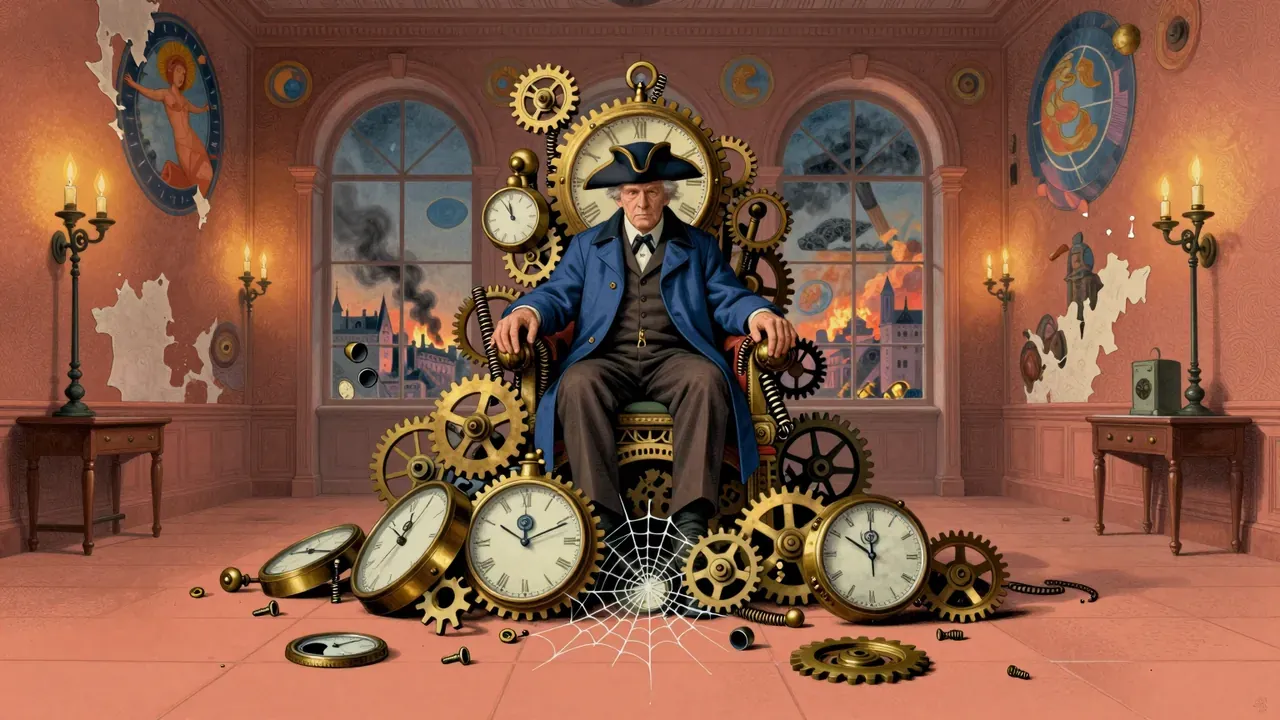
Terry Gilliam’s 1988 fantasy follows the ageing Baron Munchausen as he reassembles his legendary crew to rescue a besieged city—not with weapons, but with stories. Shot on practical sets with elaborate costumes and in-camera effects, it privileges tactile invention over narrative efficiency. Though its box office failure and production turmoil are well documented, the film endures as a singular argument for imagination as an act of defiance against literalism, bureaucracy and time itself.

13:00

The Hidden Fortress

Akira Kurosawa · 1958

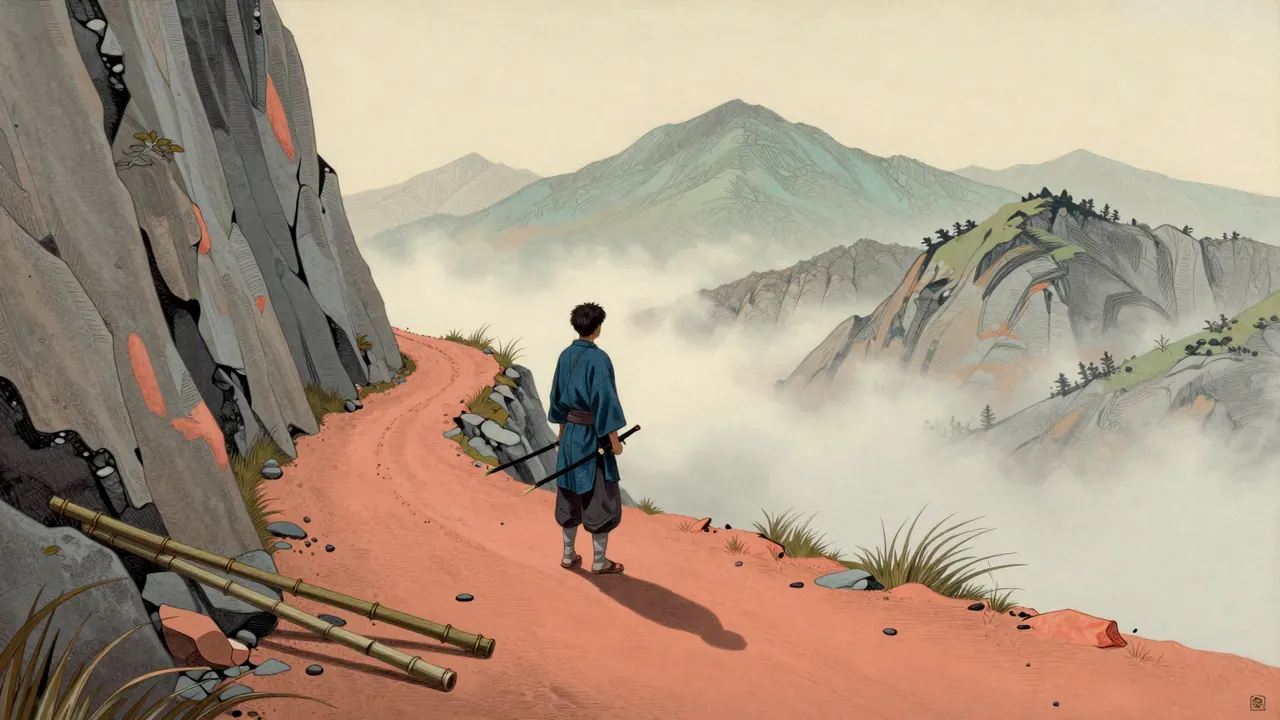
Akira Kurosawa’s 1958 adventure follows two self-interested peasants who agree to smuggle a mysterious man and woman across hostile territory for gold, unaware the man is a famed general and the woman a deposed princess. Shot in Tohoscope widescreen, with Ichio Yamazaki’s naturalistic cinematography and Masaru Sato’s taut score, the film grounds epic stakes in petty motives, using the peasants’ limited perspective to explore class, loyalty and survival. Toshirō Mifune delivers restrained authority as General Rokurōta; Minoru Chiaki and Kamatari Fujiwara embody craven humanity as Tahei and Matashichi. Though structurally inventive and morally precise, the princess’s interiority remains deliberately obscured — a choice that sharpens some tensions and blunts others.

13:00

The Princess Bride

Rob Reiner · 1987

Rob Reiner’s 1987 adaptation of William Goldman’s novel frames a swashbuckling romance as a grandfather’s bedtime story. With precise performances, Adrian Biddle’s understated cinematography, and Mark Knopfler’s acoustic score, it balances earnest adventure and gentle parody — landing its themes of fidelity and craft without irony or condescension.

13:00

The Royal Tenenbaums

Wes Anderson · 2001

Wes Anderson’s 2001 black comedy-drama follows the Tenenbaum siblings — child prodigies now adrift — as their estranged father Royal (Gene Hackman) returns with a fabricated illness. Shot across 250 stylised sets in and around New York, it uses symmetrical framing, deliberate pacing, and a baroque score to explore stasis, inherited grief, and the quiet persistence of love beneath formal distance.

13:00

Big Fish

Tim Burton · 2003

Tim Burton’s 2003 fantasy drama Big Fish adapts Daniel Wallace’s novel into a tripartite portrait of a father’s tall tales and his son’s reluctant reckoning with them. Shot in Alabama with Philippe Rousselot’s sun-bleached cinematography and scored by Danny Elfman, it balances Southern Gothic texture with mythic whimsy. Though its tonal shifts and narrative looseness divided critics, its central theme — that stories are how we hold people close after they’re gone — remains its quiet, steady pulse.

13:00

Storytelling

Todd Solondz · 2001

Todd Solondz’s 2001 film Storytelling divides itself into two unrelated segments — 'Fiction' and 'Non-Fiction' — each dissecting how narrative power operates in education, documentary, and family life. With restrained performances, underlit interiors, and a refusal to resolve its ethical dilemmas, it sustains a low, persistent discomfort. Its value lies in structural rigour and thematic consistency, not emotional payoff.

design.briefs Design

All 1 in design →
10:44

Saul Bass

He didn’t make titles—he made first impressions that rewrote the grammar of film.

games.briefs Games

All 21 in games →
10:29

Broken Sword: The Shadow of the Templars

Revolution Software · 1996

Broken Sword: The Shadow of the Templars is a 1996 point-and-click adventure game developed by Revolution Software. It stars George Stobbart and Nicole Collard in a globe-trotting investigation sparked by a bombing in Paris. Players solve puzzles using a point-and-click interface, hand-drawn environments, and dialogue-driven exposition. Death is possible — a rarity for its time — and saves are manual. It launched on PC and PlayStation in 1996, with a Game Boy Advance port in 2002.

10:18

Dragon's Lair (1983 video game)

Cinematronics · 1983

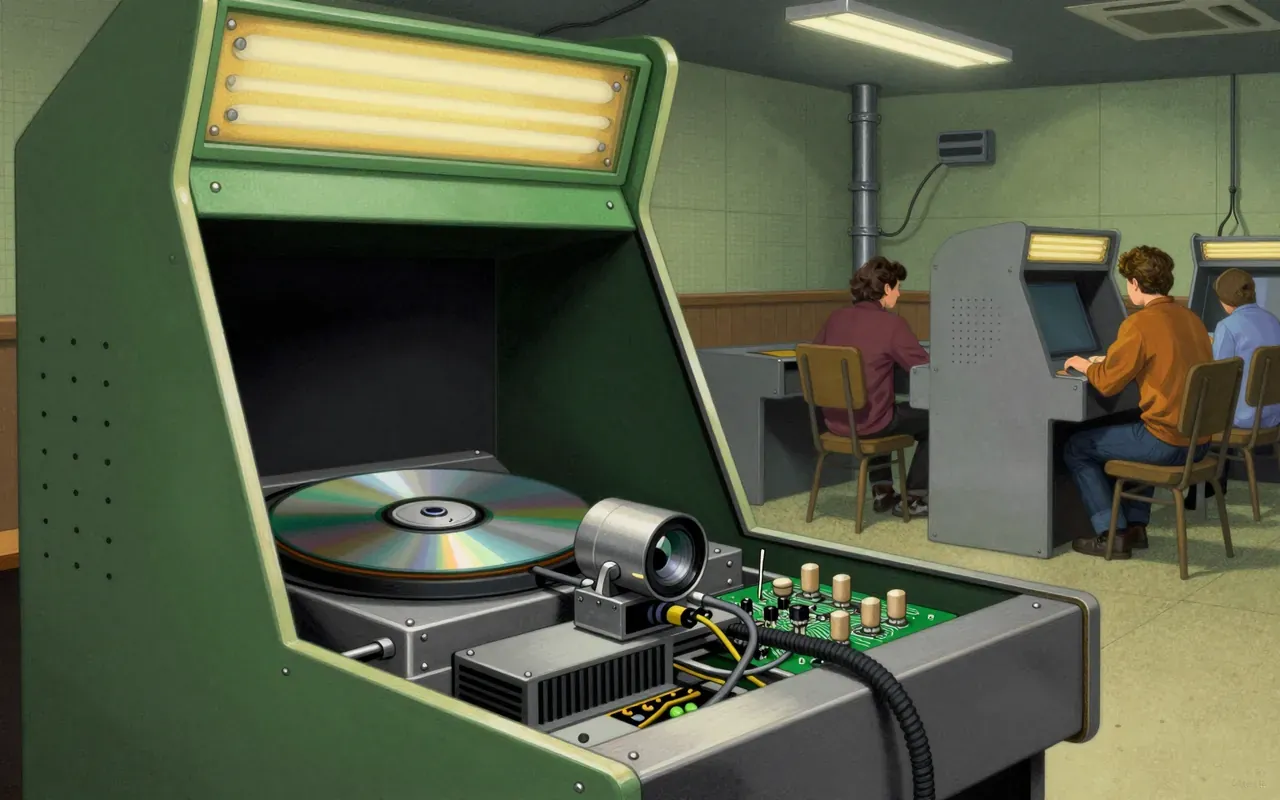
Dragon's Lair (1983) is an arcade-exclusive interactive film where players respond to quick time events during hand-animated cutscenes. It runs on LaserDisc hardware. Players control Dirk the Daring’s reflexes — not his movement or decisions. Narrative progression is predetermined. Levels are grouped into three cycles, selected dynamically. Dying moves the player forward. Failed levels must be repeated before reaching the Dragon's Lair. Some scenes repeat; some are mirrored, reversing required inputs. Operators could configure the cabinet to demand more coins mid-session. Cinematronics organised production in partnership with Advanced Microcomputer Systems and Don Bluth Productions. Starcom was formed to control rights. It was the first major LaserDisc video game.

9:47

Full Throttle (1995 video game)

LucasArts · 1995

Full Throttle is a 1995 LucasArts graphic adventure game built on SCUMM with INSANE for FMV, played from a third-person perspective using point-and-click navigation.

10:48

King's Quest I

Sierra On-Line · 1984

King's Quest I is a foundational graphic adventure that trades player freedom for architectural control — every screen is a stage, every command a test of precise positioning, and every death a reminder that the machine holds all the cards.

9:06

Monkey Island 2: LeChuck's Revenge

LucasArts · 1991

Monkey Island 2: LeChuck's Revenge is a 1991 LucasArts SCUMM-based point-and-click adventure game that introduced iMUSE, used Puzzle Dependency Charts, and offered dual puzzle-difficulty modes.

9:32

The Witcher 3: Wild Hunt

CD Projekt Red · 2015

The Witcher 3: Wild Hunt is an open-world RPG built around authored consequence, not systemic simulation. Its combat demands precision, stamina, and resource management. Its world feels lived-in because of writing—not physics. It was made at great cost, with no DRM, and shipped with free DLC. It remains worth playing if you want narrative weight over procedural noise.

12:27

Uncharted 2: Among Thieves

Naughty Dog · 2009

Uncharted 2: Among Thieves is a third-person action-adventure platformer for PlayStation 3. It is developed by Naughty Dog. It continues the studio’s first approach to realistic worlds and characters. It constrains player action through fixed weapon loadouts, scarce grenades, and environment-locked traversal. It ties puzzle-solving to journal entries. It runs on a proprietary engine built for the PlayStation 3’s Cell architecture.

10:09

Half-Life (video game)

Valve · 1998

Half-Life replaces cutscenes with continuous control, levels with chapters, and abstract challenges with environmental logic. It asks players to observe, adapt, and inhabit a world—not just shoot through it.

culture.briefs Culture

All 6 in culture →
10:31

Comic book

Comic books are not art—they’re a delivery system for narrative time.
8:56

Magical realism

Magical realism doesn’t let you escape reality—it forces you to see how strange reality already is.
9:40

Hayao Miyazaki

Miyazaki didn’t reinvent animation—he reasserted it as a single, unbroken act of human attention.
9:17

Osamu Tezuka

Tezuka didn’t invent manga—he weaponised it as cinema on paper, then taught others how to do the same.
9:48

Stan Lee

Stan Lee didn’t invent superheroes—he reinvented them as broke, insecure, quarrelsome New Yorkers.
9:09

Manga

Manga isn’t Japanese comics—it’s a 12th-century art form that got renamed, repackaged, and rebranded three times before becoming a magazine industry.