briefs
Topic · across the network

The Middle Ages

A thousand years that were neither dark nor a single thing.

35
briefs
7
subjects
11:27
average
401 min
in total
Abstraction 407Absurdism 137Acoustics 220Acting 65Adaptation 372Addiction 95Adolescence 202Advertising 77Age of exploration 14Ageing 113Agriculture 100Algorithms 114Ambition 46Anarchism 38Ancient Egypt 17Ancient Greece 38Ancient Rome 30Animals 172Anthropology 23Apartheid 12Architecture 165Archives 32Argentina 10Art Deco 26Artificial intelligence 78Astronomy 81Attention 42Australia 32Automation 73Avant-garde 164Aviation 79Banking 72Banned works 40Bauhaus 12Beer 5Behavioural economics 22Berlin 16Big tech 6Biodiversity 136Biography 86Birds 41Black holes 20Blockchain 12Boxing 14Branding 77Brazil 43Bread 29Britain 131Brutalism 4Bubbles 3Buddhism 28Byzantium 10California 17Canada 18Capitalism 94Cars 468Celebrity 59Censorship 110Cheese 24Chefs 9Chemistry 104Chess 2Childhood 87China 109Chocolate 8Christianity 49Cinematography 343Cities 90Class 485Climate change 107Club culture 100Cocktails 2Coffee 11Cognitive bias 14Collecting 16Colonialism 284Colour 42Comedy 89Community 52Complexity 21Computing 309Consciousness 16Conservatism 14Conspiracy theories 8Cooking 178Corruption 38Cosmology 31Cover versions 64Craft 116Crate digging 42Creativity 8Crime 234Cryptocurrency 8Cryptography 24Cuba 10Cybersecurity 30Dada 12Debt 38Decision-making 28Decolonisation 46Deep time 80Democracy 45Denim 16Deserts 45Detroit 17Dinosaurs 12Directing 168Disasters 59Disease 109DJ culture 89Dreams 32Drones 5Drum machines 96Dystopia 69East Africa 28Ecology 337Economics 36Editing 72Education 92Egypt 12Electric vehicles 59Emotion 22Empire 92Endurance 49Energy 120Engineering 541Entropy 8Epidemics 13Equality 9Espionage 31Ethics 44Evolution 174Existentialism 106Expertise 2Exploration 49Extinction 23Failure 37Family 240Fandom 22Fascism 45Fashion 215Fast fashion 12Fear 34Feminism 122Fermentation 126Film music 81Fishing 12Folklore 71Food history 588Football 16Forests 31Forgery 7France 163Fraud 15Free will 13Freedom 16French literature 15Friendship 24Furniture 36Gambling 14Gender 63Generations 28Genetics 87Geology 96Germany 66Globalisation 74Gothic 32Greece 5Grief 126Habits 6Happiness 2Hardware 709Haute couture 22Headphones 8Hi-fi 12Hinduism 12Hoaxes 1Human history 23Human nature 41Identity 138Illustration 8Impressionism 6Improvisation 249India 89Indonesia 15Industrial design 342Inequality 13Inflation 4Information 34Infrastructure 280Insects 29Intelligence 8Interiors 31Internet culture 88Invention 329Iran 41Islam 40Islands 17Israel 9Italy 52Jamaica 10Japan 114Jewellery 5Journalism 34Judaism 13Justice 42Korea 41Language 70Law 90Leadership 20Learning 6Liberalism 1Libraries 6Literary criticism 26London 12Loneliness 61Los Angeles 62Lost works 9Love 67Luxury 55Machine learning 15Management 10Maps 5Marketing 21Markets 51Mars 6Marxism 26Masculinity 46Materials 138Mathematics 79Meaning 6Medicine 124Memory 82Mental health 70Mesopotamia 4Mexico 38Migration 95Minimalism 68Mining 30Misinformation 9Modernism 63Money 24Monopoly 32Mortality 61Motivation 2Mountains 16Museums 27Mysticism 11Mythology 60Nationalism 40Neuroscience 23New York 36Nigeria 7Nihilism 10Noise 31Nostalgia 33Nuclear 29Nutrition 17Oceans 48Oil 42Open source 45Painting 18Palaeontology 29Parenting 14Paris 18Partition 6Patents 71Patronage 14Perception 44Personal style 27Personality 2Persuasion 8Peru 10Philosophy 77Photography 37Physics 206Plants 26Platforms 89Podcasting 1Poetry 25Poland 17Policing 34Pop Art 16Populism 2Portraiture 6Portugal 18Postmodernism 23Power 91Prehistory 24Preservation 28Printmaking 21Privacy 11Probability 6Productivity 1Programming 54Prohibition 1Propaganda 35Protest 75Pseudoscience 17Psychology 80Publishing 22Punishment 16Quantum mechanics 44Race 145Radio 30Railways 35Rave 17Realism 47Record labels 19Recording 810Relativity 23Religion 154Resilience 15Restaurants 30Restoration 2Retail 94Revolution 58Risk 18Ritual 96Robotics 26Romance 96Russia 58Salt 9Sampling 246Satire 84Scandinavia 28Scientific method 186Screenwriting 26Sculpture 7Secularism 2Self-deception 14Semiconductors 73Sexuality 102Ships 18Silence 24Silicon Valley 17Slavery 35Sleep 2Smartphones 27Sneakers 15Social media 58Socialism 9Software 68Songwriting 180Sound design 332Sound systems 20South Africa 19South East Asia 30Space exploration 84Spain 18Special effects 41Spices 62Spirits 12Sport 82Startups 21Statistics 10Status 9Stoicism 4Storytelling 68Strategy 70Street food 99Streetwear 16Studio craft 508Subcultures 59Sugar 12Supply chains 115Surrealism 53Surveillance 21Sustainability 30Synthesis 232Tailoring 37Taxation 14Tea 24Textiles 97Thailand 11The American Revolution 19The American South 88The Arab world 41The Arctic 19The Balkans 17The Belle Epoque 13The body 29The brain 26The Caribbean 28The civil rights movement 62The Cold War 160The eighties 268The Enlightenment 29The financial crisis 19The First World War 39The food industry 157The French Revolution 9The Gilded Age 9The Great Depression 18The Holocaust 20The Industrial Revolution 93The internet 61The interwar years 135The Middle Ages 35The Moon 4The music business 169The Netherlands 10The nineties 26The Olympics 10The pandemic 13The Reformation 1The Renaissance 16The Russian Revolution 19The Second World War 102The seventies 58The sixties 28The space race 5The United States 19The universe 7The Victorian era 37Therapy 20Tokyo 11Trade 48Tragedy 22Translation 5Trauma 85Travel 5True crime 2Turkey 18Typography 54Uniforms 23Unions 8Urban planning 66Utilitarianism 1Utopia 5Vaccines 10Vegetarianism 15Venture capital 6Video games 291Vietnam 12Vintage 65Vinyl 6Virtual reality 11War 169Watches 4Water 11Weather 29West Africa 29Wilderness 10Wine 3Work 22Workwear 19Worldbuilding 121

books.briefs Books

All 5 in books →
16:04

The divine comedy

Dante Alighieri · 1321

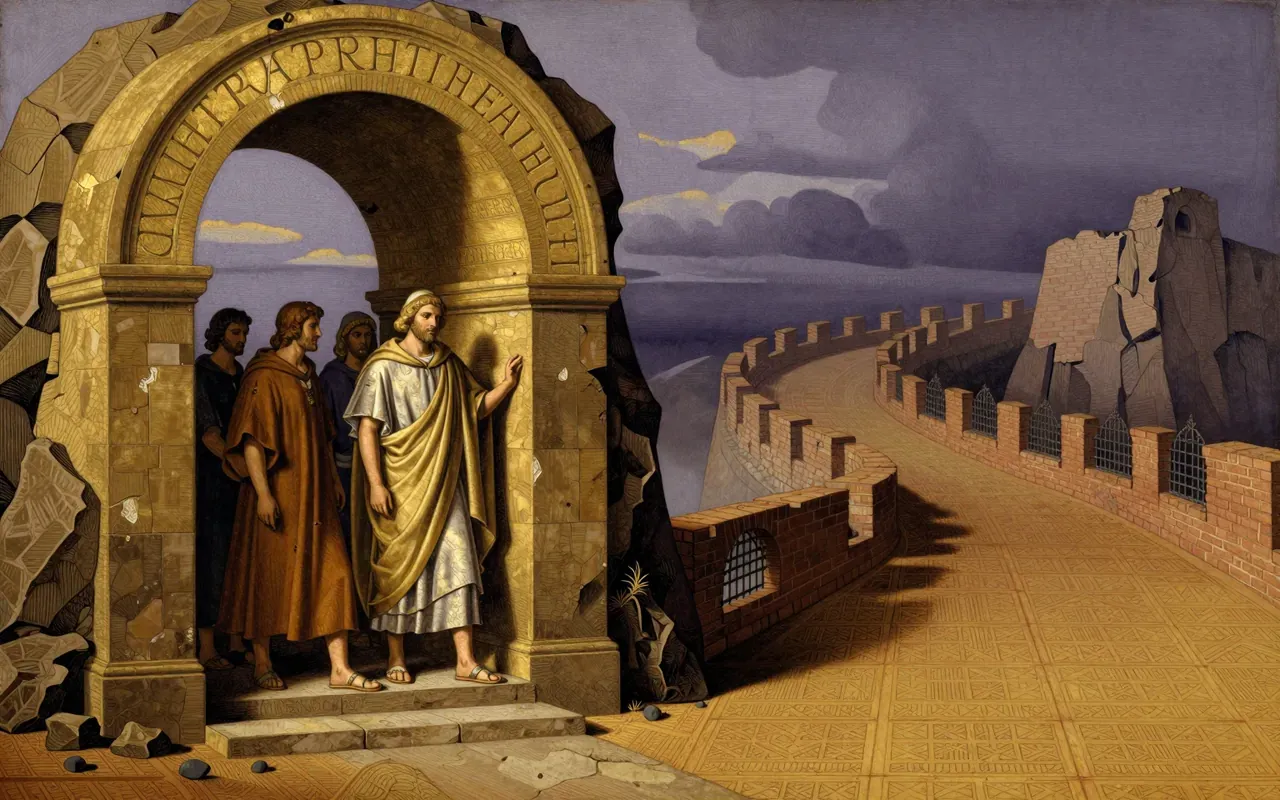
The Divine Comedy argues divine justice is geometrical, not merciful — and builds Hell, Purgatory, and Heaven to prove it. It works best as architecture, not narrative: the rose of Heaven, the frozen core of Hell, the mountain of Purgatory. Skip the angelic digressions unless you study scholastic theology.
14:09

Ivanhoe

Walter Scott · 0

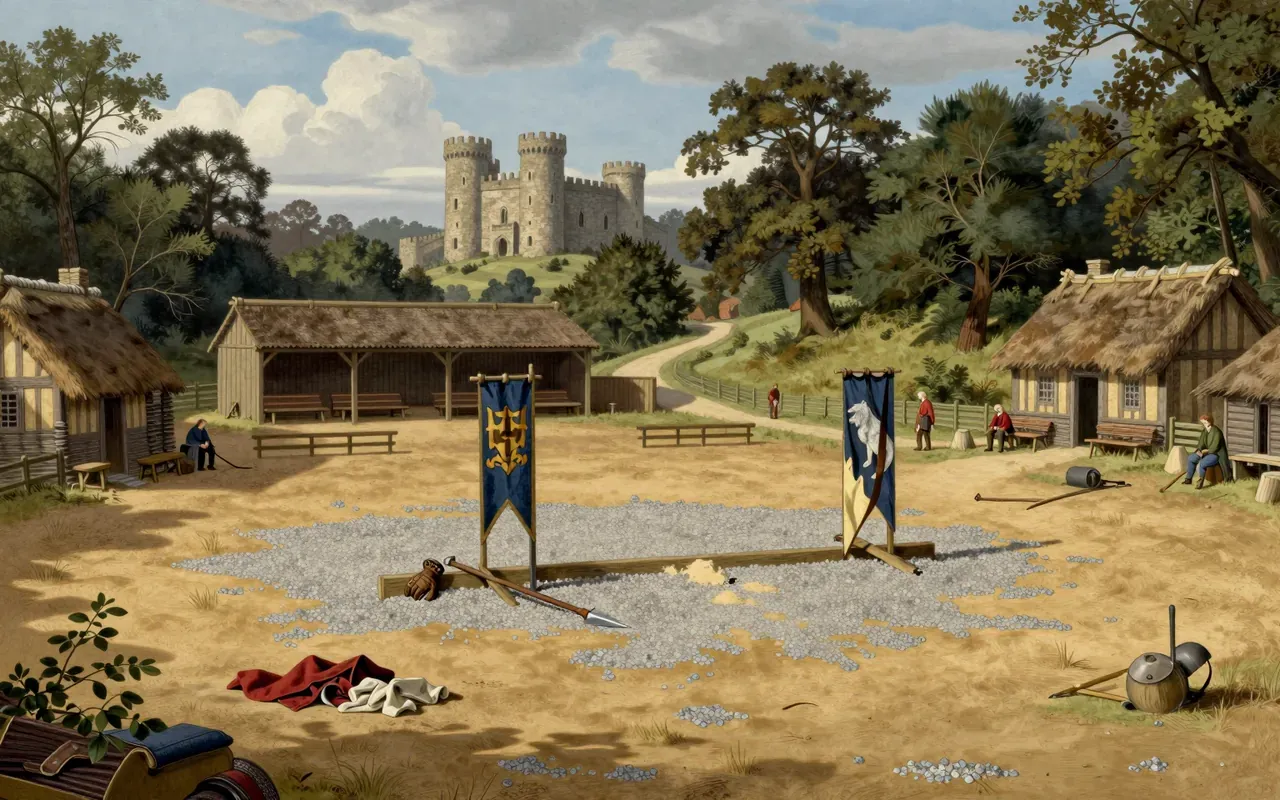
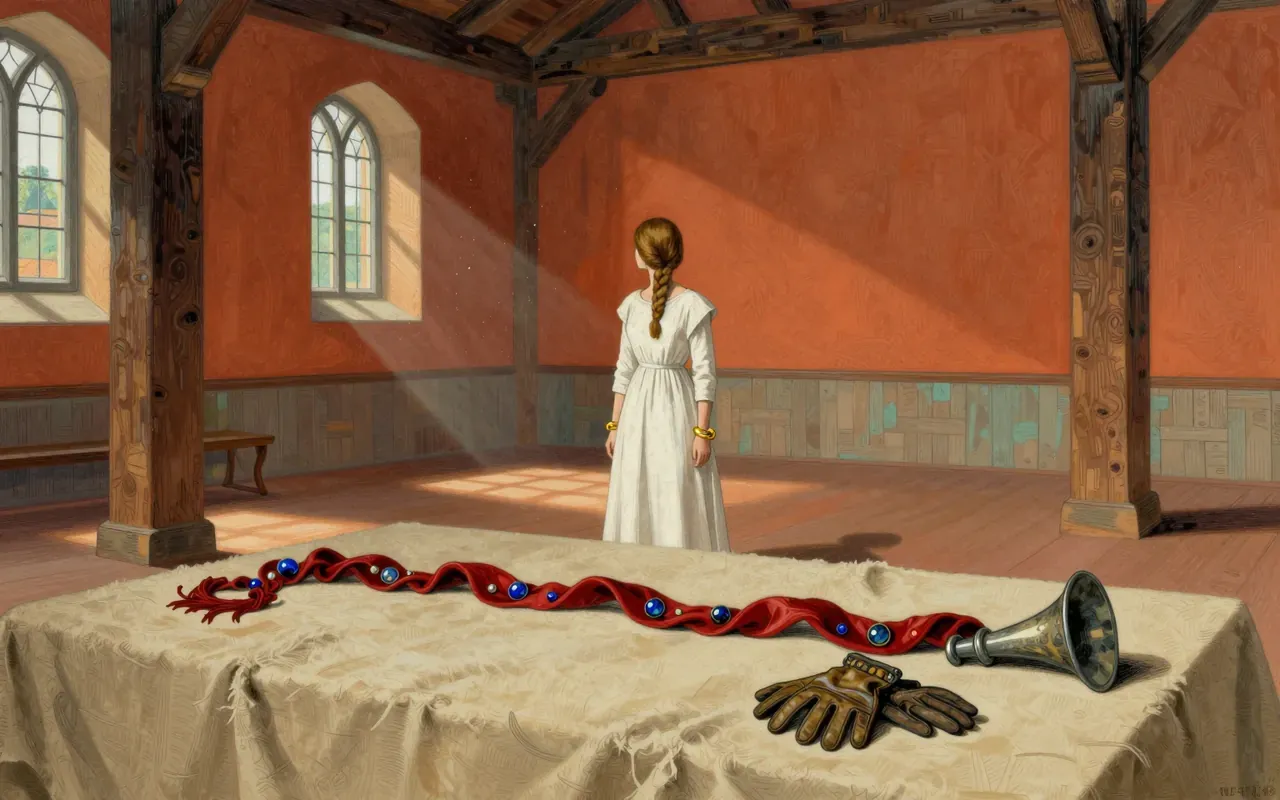
Ivanhoe argues chivalry is theatrical cover for Norman tyranny—and that Rebecca’s trial exposes how religion brands Jewish faith as sorcery. It works best in its contrasts: outlaw justice vs Templar fanaticism, Saxon speech vs Norman meat-names. Skip the tournament padding and Athelstane’s farcical resurrection.

14:10

The Nibelungenlied

Honour is a death sentence signed in advance — and everyone in this poem keeps signing it.
14:54

Sir Gawain and the Green Knight

Jessie L. Weston · 0

Weston’s 1922 prose version argues Gawain’s flaw is love of life—not lust or cowardice—and that the poem presents chivalry as covenantal, not performative. It clarifies the pentangle’s logic and the girdle’s meaning but sacrifices the poem’s alliterative force. Skip the Preface’s polemics.

13:26

The Song of Roland

Heroism is martyrdom. Loyalty is obedience. Paganism is error — and all three are non-negotiable.

film.briefs Film

All 5 in film →
13:00

Häxan

Benjamin Christensen · 1922

A 1922 Swedish-Danish silent film directed by Benjamin Christensen, Häxan blends documentary exposition and dramatised medieval vignettes to argue that witch-hunts stemmed from misdiagnosed mental and neurological conditions. Shot in Denmark with meticulous period detail, it uses restrained cinematography, functional special effects, and a deliberate pace to trace a line from superstition to early psychiatry. Though censored on release for its depictions of torture and nudity, it endures as a landmark essay film — rigorous, unsettling, and structurally innovative.

13:00

Macbeth

Roman Polanski · 1971

Roman Polanski’s 1971 Macbeth, co-written with Kenneth Tynan and produced by Hugh Hefner, grounds Shakespeare’s tragedy in mud, rain, and psychological realism. Shot across Wales and Northumberland with a young cast — Jon Finch and Francesca Annis as Macbeth and Lady Macbeth — it trades verse for voiceover, spectacle for stamina, and myth for material consequence. Gilbert Taylor’s cinematography and the Third Ear Band’s aleatoric score reinforce its unflinching tone. Though controversial on release for its violence and nudity, it has since been recognised for its formal rigour and thematic severity.

13:00

Marketa Lazarová

František Vláčil · 1967

Marketa Lazarová (1967), directed by František Vláčil, is a Czechoslovak arthouse drama adapted from Vladislav Vančura’s novel. Set in early 13th-century Bohemia, it follows the collision of two warring clans amid the violent rise of Christian authority. Shot in stark black-and-white by Beda Batka over 548 days in freezing conditions, its 162-minute runtime sustains an immersive, tactile world built on repetition, silence, and fractured chronology — not exposition. Zdeněk Liška’s dissonant score and Theodor Pištěk’s austere costumes reinforce its refusal of narrative ease. Though critically revered — voted the greatest Czech film in 1998 — it demands patience and rewards it with unparalleled sensory gravity.

13:00

The Canterbury Tales

Pier Paolo Pasolini · 1972

Pier Paolo Pasolini’s 1972 film adapts eight of Chaucer’s tales as a vibrant, painterly, and deliberately anachronistic re-creation of medieval England. Shot in England with English dialogue later dubbed into Italian, it features a mix of British actors and non-professionals, and draws visual inspiration from Bosch, Bruegel, and Antonello da Messina. The film foregrounds bodily experience, class conflict, and clerical hypocrisy, rejecting literary fidelity in favour of ideological and sensual immediacy.

13:00

Lancelot of the Lake

Robert Bresson · 1974

Robert Bresson’s 1974 Lancelot of the Lake strips the Arthurian legend of romance, mysticism, and psychological exposition, rendering it as a stark, ritualistic study of loyalty’s failure. Shot in Noirmoutier-en-l’Île with amateur actors and austere cinematography by Pasqualino De Santis, the film follows Lancelot’s return from the Grail quest, his doomed love for Guinevere, and the violent unravelling of Camelot. Its power lies in restraint: flat performances, abrupt editing, sparse music, and unflinching, unsentimental violence. It is arthouse cinema at its most uncompromising — demanding attention not to story, but to form.

history.briefs History

All 14 in history →
11:17

John, King of England

1166/7–1216

John’s reign is the hinge between Angevin transnational rule and English constitutional monarchy — but only because the record shows it collapsed under its own weight, not because John was uniquely flawed.

9:06

William the Conqueror

1028–1087

William the Conqueror is the founding figure of Norman rule in England. The source documents his titles, dates, military action, coronation, suppression of revolt, and commissioning of the Domesday Book. It makes no claims about motive, ideology, resistance scale, or cultural impact beyond administration. It treats consolidation as chronological fact — not contested process.

13:00

Harun al-Rashid

766–809

Harun al-Rashid became the fifth Abbasid caliph in 786 and ruled from Raqqa for most of his reign, exchanging gifts with Charlemagne's court and presiding over the beginnings of the Islamic Golden Age. His sudden purge of the powerful Barmakid family around 803 remains unexplained even in contemporary sources, and his decision to split succession between two sons collapsed into civil war within a decade of his death. His court became fixed in popular memory through a legendary story collection with little basis in the documented record.

13:00

Husayn ibn Ali

626–680

Grandson of the Prophet Muhammad, Husayn ibn Ali lived quietly under a peace agreement with the Umayyad caliphate for nearly two decades before refusing to submit to the caliph's chosen heir in 680. His march toward promised support in Kufa ended in his death at Karbala, an episode reconstructed almost entirely through a single early historian working within about twenty years of the events. His killing transformed a political dispute over leadership into the founding martyrdom of Shia Islam, still commemorated annually by tens of millions.

13:00

University of Oxford

Founded 1096

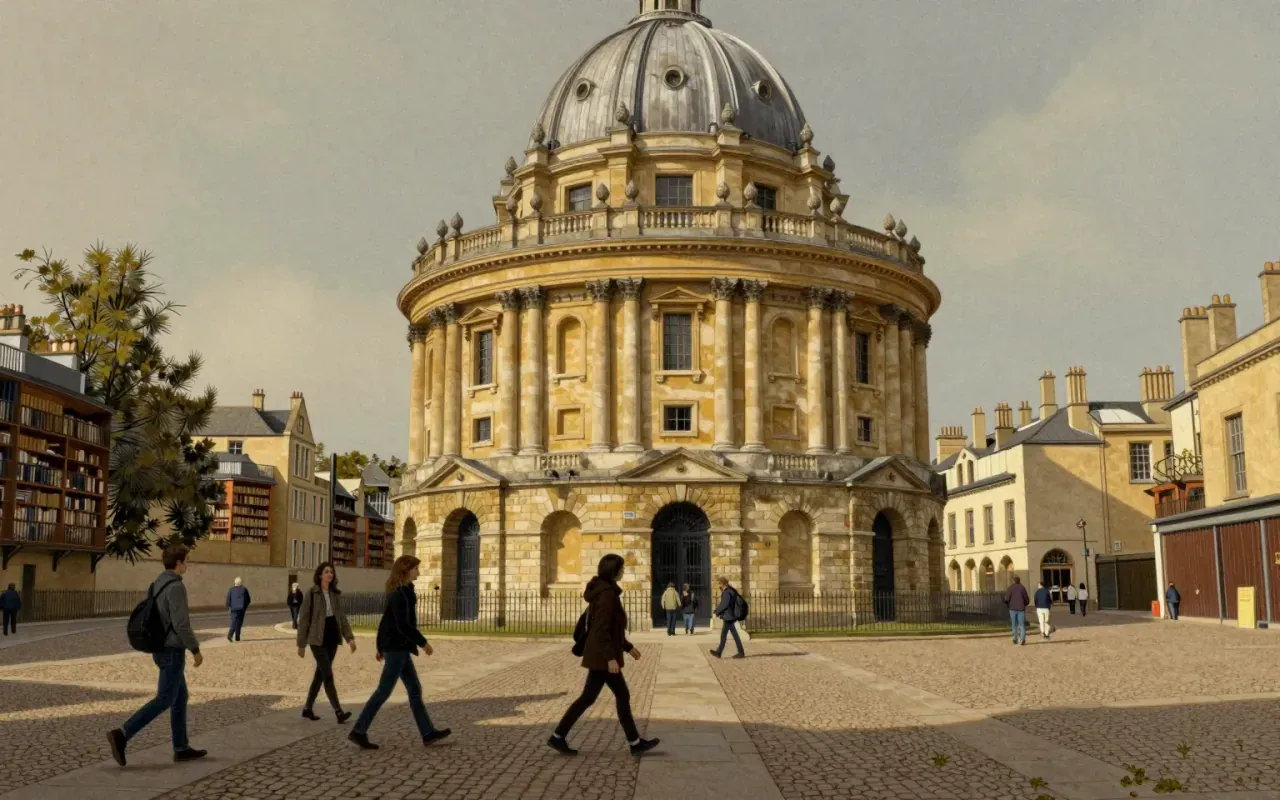
Oxford has no clean founding date, with teaching documented there as early as 1096, but its rapid growth followed a 1167 decision by Henry II to bar English students from studying in Paris. A deadly town-versus-gown dispute in 1209 drove some scholars to flee and found what became the University of Cambridge, while Oxford itself gained a chancellor by 1214 and a royal charter in 1248. The university sided with the Crown during the English Civil War while the town backed Parliament, endured religious upheaval during the Reformation, and continued reforming into the twentieth century, introducing the doctorate of philosophy only in 1917.

13:00

Petra

Founded 800 BC

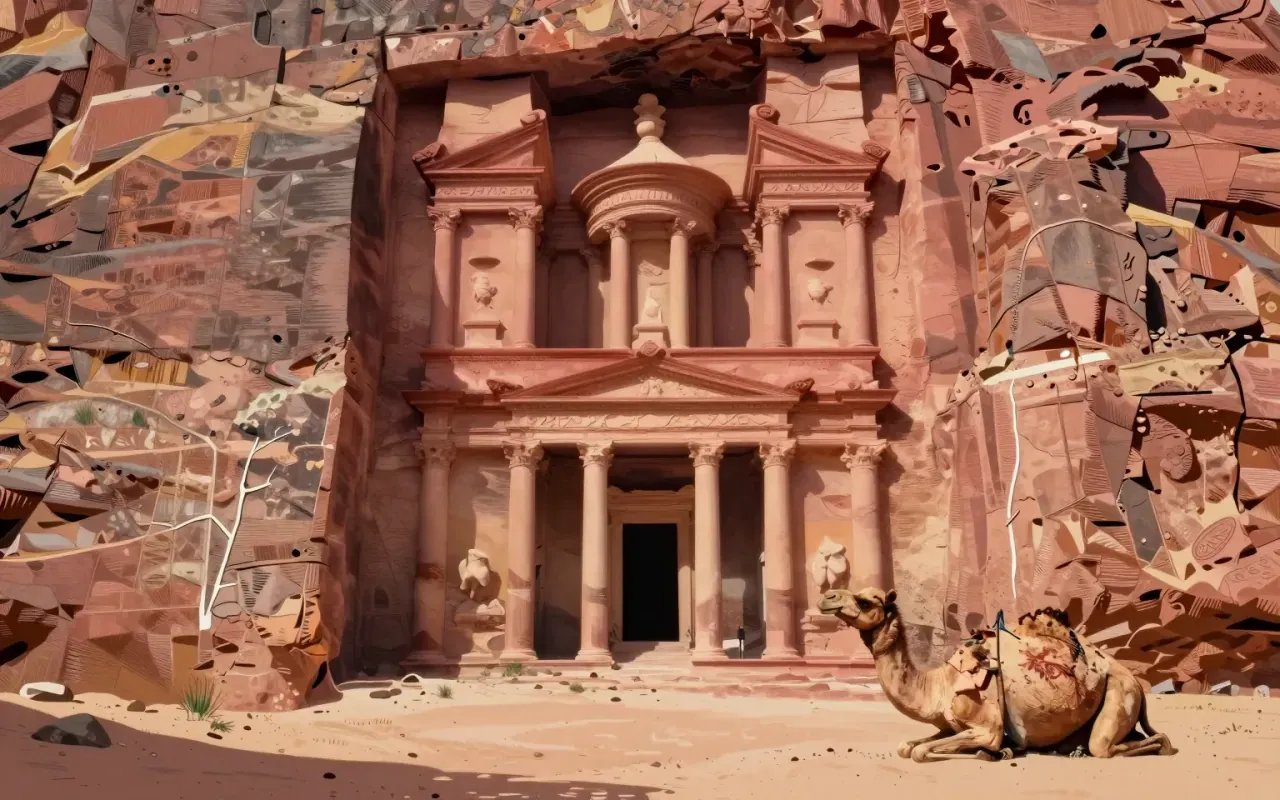
The Nabataeans, an Arab people whose origins scholars no longer trace to Aramean roots, built Petra into a thriving trading city that reached a population of roughly twenty thousand in the century before Rome annexed it in 106. A 1964 discovery of Nabataean inscriptions established the city's original name as Raqmu, and after earthquake damage and the decline of the trade routes it depended on, Petra faded from written record by the seventh century until the Swiss traveller Johann Ludwig Burckhardt, disguised as a local, rediscovered it for European scholarship in 1812.

13:00

Battle of Karbala

10 October 680

In 680, Husayn ibn Ali, grandson of the Prophet Muhammad, was intercepted and killed near Karbala after marching toward Kufa on the promise of support that failed to materialise. The core account descends from a single compiler working within two decades of the battle, preserved through later historians, and shows signs that soldiers from the winning army softened the record out of guilt. The killing transformed a political dispute over leadership into the foundation of a distinct Shia religious identity, still commemorated annually by tens of millions.

13:00

Battle of Tours

10 October 732

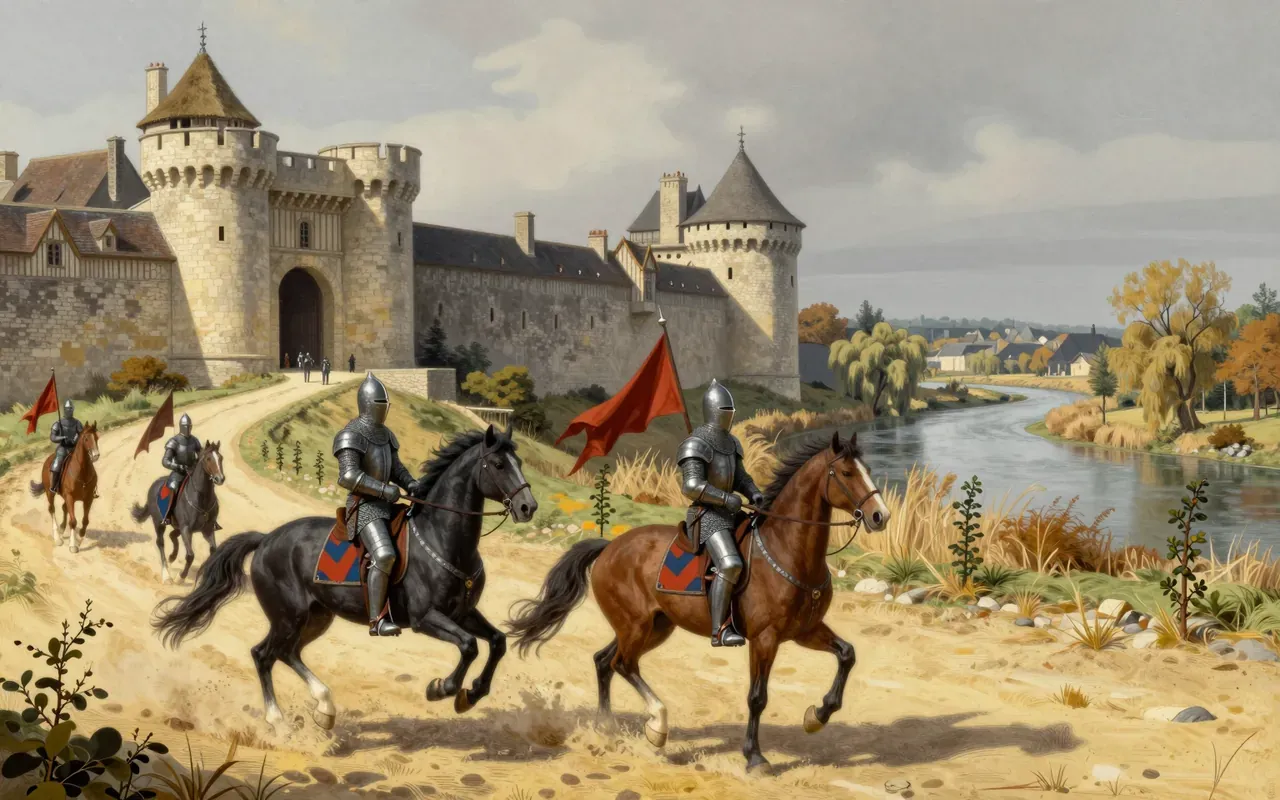
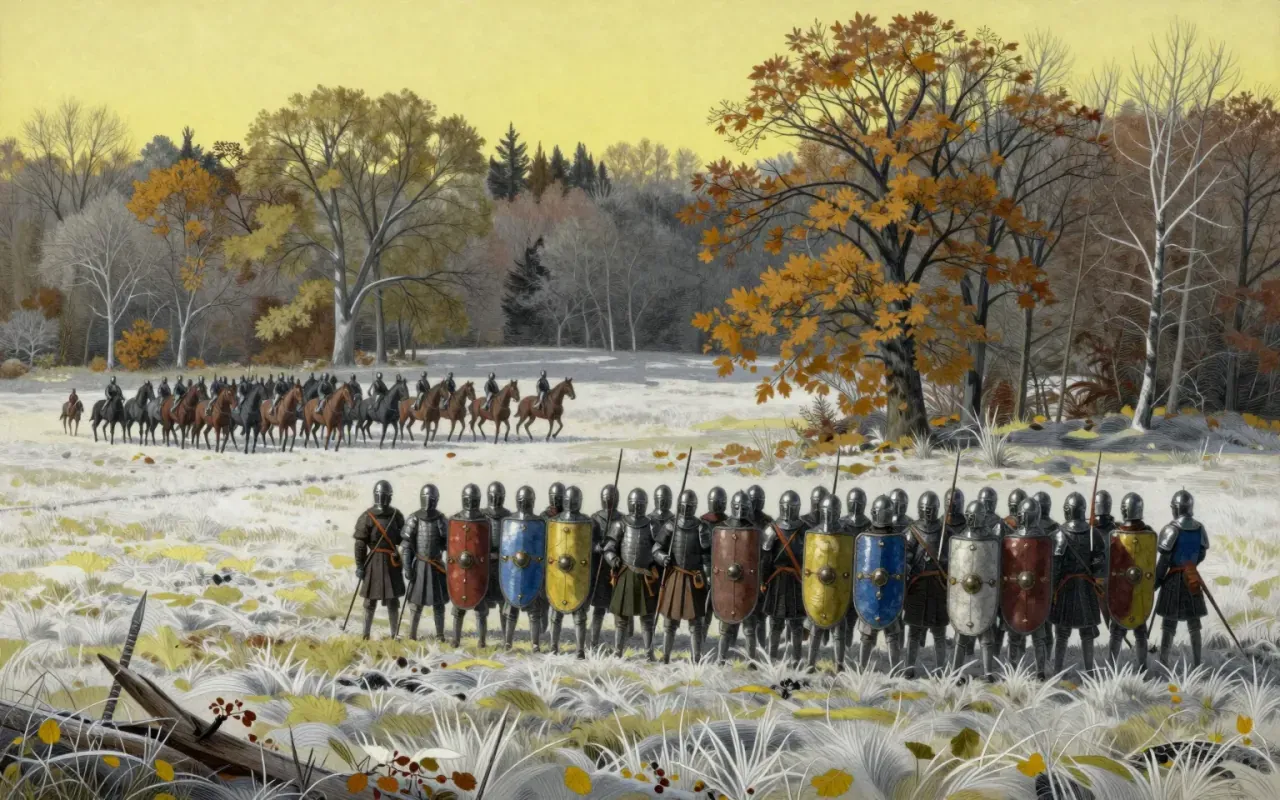
In October 732, Frankish infantry under Charles Martel held off an Umayyad raiding force near Tours, and the death of the Umayyad commander during the fighting prompted a withdrawal rather than renewed battle. Modern estimates put both armies far below the inflated figures later chroniclers reported, and the notorious casualty count of hundreds of thousands appears to have been recycled from an earlier battle at Toulouse. Historians remain sharply divided over whether the battle saved European Christendom or has been dramatically overstated as a mostly local, if consequential, Frankish victory.

games.briefs Games

All 1 in games →
9:32

Age of Empires II

Ensemble Studios · 1999

Age of Empires II is a real-time strategy game developed by Ensemble Studios in 1999, running on the Genie Game Engine. It is the second title in the original Age of Empires series. Players advance one of 13 civilizations through four historical Ages to build towns, gather resources, create armies, and defeat opponents.

culture.briefs Culture

All 5 in culture →
9:11

University of Cambridge

Cambridge wasn’t born from enlightenment—it was chartered to keep scholars out of jail and landlords out of their pockets.
10:32

Dante Alighieri

Dante didn’t invent Italian—he weaponised Florentine to claim space in power.
9:41

Barbour

John Barbour

John Barbour (c. 1320–1395) was a Scottish poet and the first major named literary figure to write in Scots. His poem 'The Brus' is a foundational text in the Scots literary tradition.

food.briefs Food

All 4 in food →
8:47

Gravlax

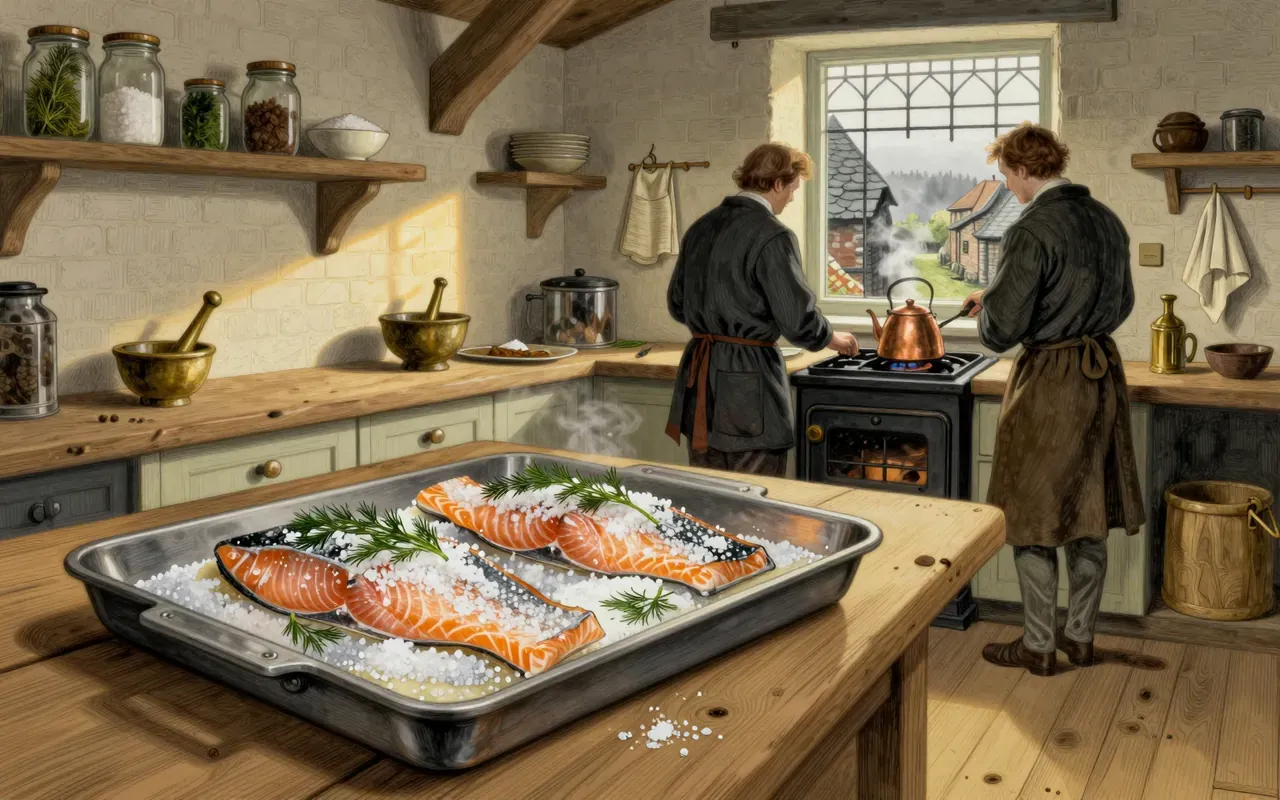
Gravlax isn’t fermented—it’s osmosis dressed as heritage.
1:20

Apple pie

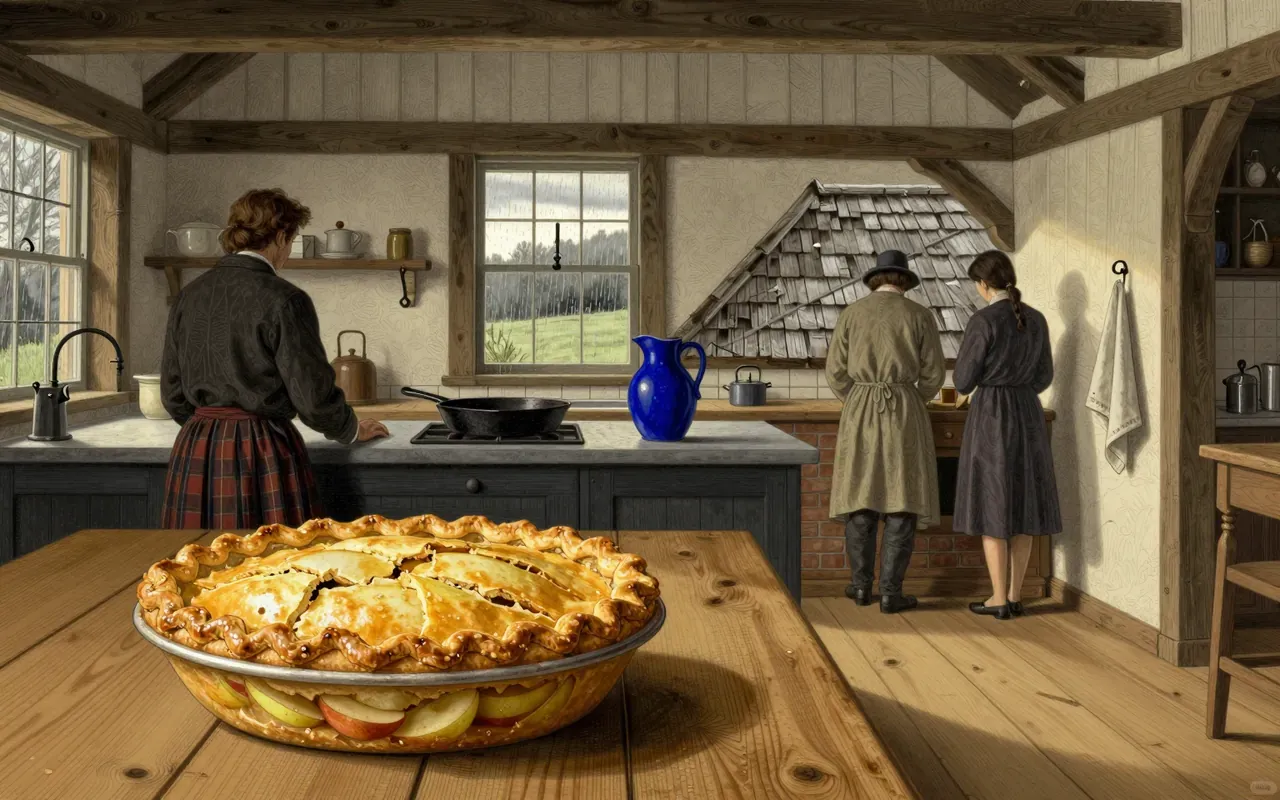
A fruit pie with apple filling and shortcrust pastry top and bottom.
1:22

Samosa

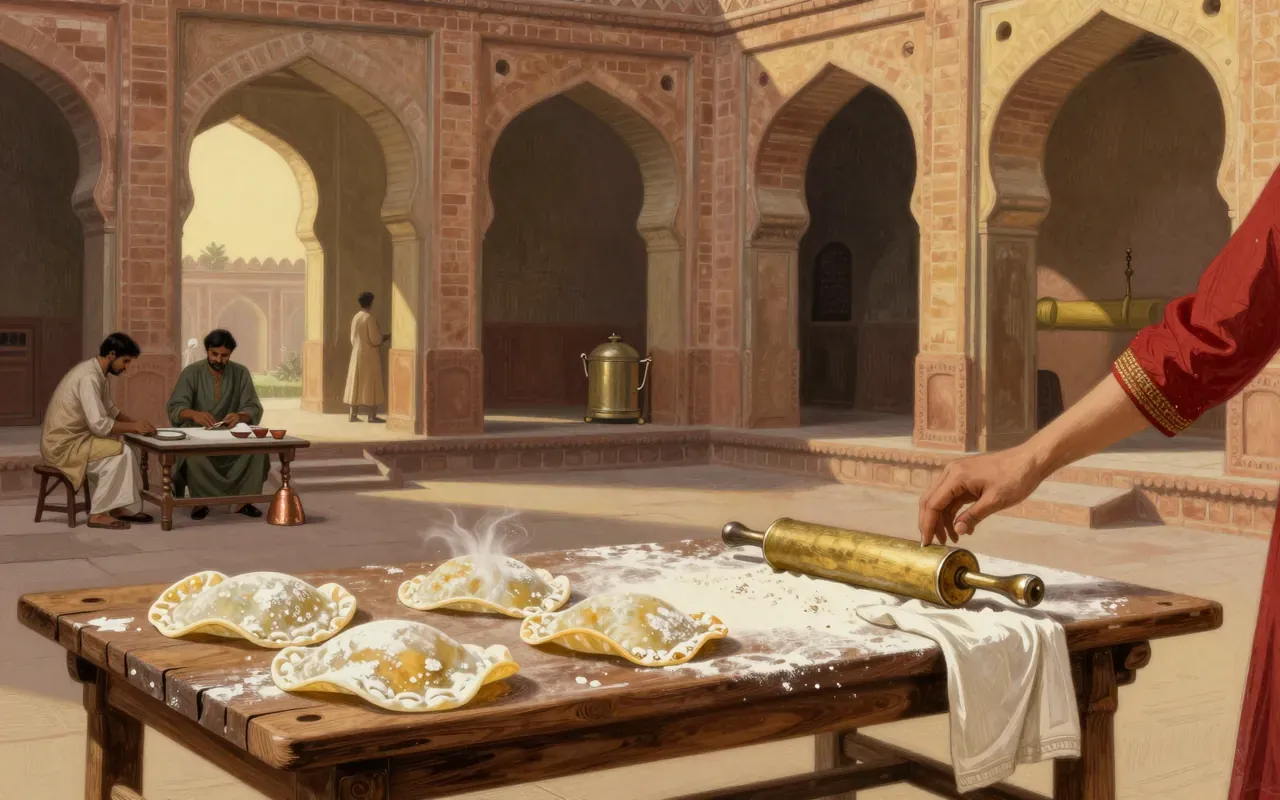
A deep-fried triangular turnover from the Indian subcontinent with spiced vegetable, cheese, meat, or fish fillings.
8:22

Lasagna

Lasagna isn’t comfort food—it’s a medieval status symbol baked into modern myth.

fashion.briefs Fashion

All 1 in fashion →
9:24

Lederhosen

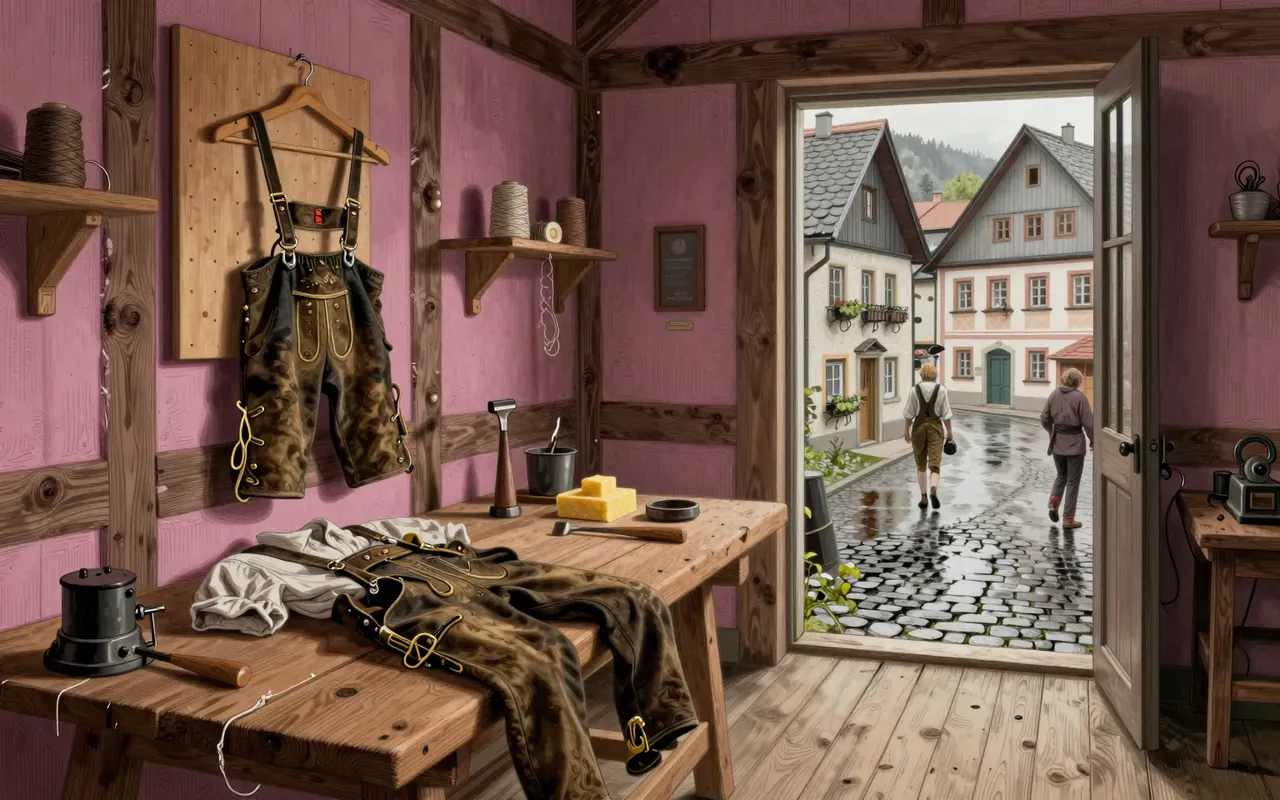
Lederhosen aren’t Bavarian tradition—they’re alpine workwear that got colonised by national myth.