Blues From the Gutter
Champion Jack Dupree · 1958
A stark, unembellished blues record defined by its minimal personnel and clinical lyrical focus.
What goes wrong, and what a society decides to do about it.
A stark, unembellished blues record defined by its minimal personnel and clinical lyrical focus.

Don Giovanni is not a portrait of a libertine — it is a machine for exposing how systems (musical, moral, social) break when one person refuses their terms. This 1958 recording captures that architecture in unvarnished detail.

Mikio Naruse’s 1933 silent drama follows Kikue, an ageing geisha, her ashamed teenage son Yoshio, and Terugiku, a younger colleague who mediates between them. Set in Tokyo’s geisha districts and a coastal fishing village, the film traces shifting loyalties, familial duty, and the cost of survival in a rigid social order. With precise editing, understated performances, and a pragmatic view of its world, it avoids moralising in favour of sustained observation.
Wong Kar-wai’s 1988 debut follows Wah, a Mong Kok triad enforcer, as he tries to manage his volatile friend Fly while growing close to his cousin Ngor, who visits from Lantau Island. Shot in naturalistic tones by Andrew Lau and edited with deliberate slowness by William Chang, the film grounds crime-drama tropes in quiet consequence rather than spectacle. Its power lies in restraint: in Andy Lau’s muted performance, Maggie Cheung’s understated presence, and the unforced contrast between urban claustrophobia and island stillness. Though structurally uneven in its second half, it establishes Wong’s enduring concerns — time, loyalty, and the geography of longing.
A 1986 French psychological drama directed by Jean-Jacques Beineix, Betty Blue follows Zorg, a handyman and aspiring writer, and Betty, a volatile 19-year-old, as their passionate relationship unravels across coastal, urban and provincial France. Shot by Jean-François Robin and scored by Gabriel Yared, it renders emotional extremity through saturated visuals, rhythmic editing and physical performance — prioritising mood and texture over exposition or diagnosis.

Compensation is a 1999 independent film directed by Zeinabu irene Davis, telling parallel love stories—one in 1910 Chicago, the other in the 1990s—between deaf women and hearing men. Shot in black-and-white silent-film style for the past and with open captions for the present, it draws on Paul Laurence Dunbar’s 1906 poem and foregrounds ASL, Chicago’s geography, and the social realities of tuberculosis and AIDS. Restored in 4K by Criterion and UCLA, it premiered at Sundance 2000 and entered the National Film Registry in 2024.

Crazed Fruit (1956), directed by Kō Nakahira and written by Shintarō Ishihara, follows two brothers whose rivalry over a woman escalates to fatal violence on Japan’s summer coast. Stylised and restrained, it uses heat, water, and motor noise as narrative forces, avoiding psychology in favour of physical and rhythmic inevitability. Its power lies in what it omits: explanation, redemption, or moral framing.

Lars von Trier’s 1987 metafictional horror Epidemic follows two screenwriters drafting a script about a plague while a real outbreak begins to mirror their fiction. Shot on 16mm, structured across five days, and starring von Trier and Niels Vørsel as themselves, it treats narrative as a vector and authorship as contagion — the second instalment of the Europa trilogy.
Roberto Rossellini’s 1959 drama follows a conman hired by Nazi occupiers to impersonate a dead Resistance general inside a Milan prison. As he inhabits the role among real prisoners, his performance hardens into conviction — not through revelation, but through repeated, quiet acts of solidarity. Shot in German by Italian filmmakers, with Vittorio De Sica in a career-defining turn, it is a restrained, morally exacting portrait of identity forged in extremity.

Spalding Gray’s 1996 monologue film, directed by Steven Soderbergh, documents his diagnosis with macular pucker and his turn toward alternative treatments. Filmed in ten days with minimal staging, it relies entirely on Gray’s voice, syntax, and timing. Elliot Davis’s restrained cinematography and Cliff Martinez’s sparse score support rather than interpret. The film balances wit and vulnerability without resolving into either satire or sermon — though its final passages strain under the weight of their own metaphysical drift.
Christopher Columbus, a Genoese sailor working for the Spanish crown, crossed the Atlantic four times between 1492 and 1504, reaching the Bahamas, Cuba, Hispaniola and later the South and Central American coasts while insisting throughout that he had reached Asia. His governance of Spanish settlements involved documented brutality toward indigenous populations that led to his removal from office, and modern historians increasingly weigh his navigational achievement against the enslavement and demographic collapse that followed his voyages.

Adopted as heir in 138 and made emperor in 161, Marcus Aurelius spent much of his nineteen-year reign fighting wars in the east and along the Danube while a severe epidemic killed millions across the empire. His private notebook, the Meditations, records a Stoic-trained mind working through the burdens of rule, but the actual chronicle of his reign rests on other, less personal sources whose own reliability historians still weigh carefully.

From The Interpretation of Dreams in 1899 through decades of case studies and theoretical works, Sigmund Freud built psychoanalysis into an international movement centred on the unconscious, infantile sexuality and the talking cure. His methodology, including the abandoned seduction theory and the botched treatment of patient Emma Eckstein, has drawn sustained criticism, and his scientific status remains genuinely contested nearly a century after his death in 1939.
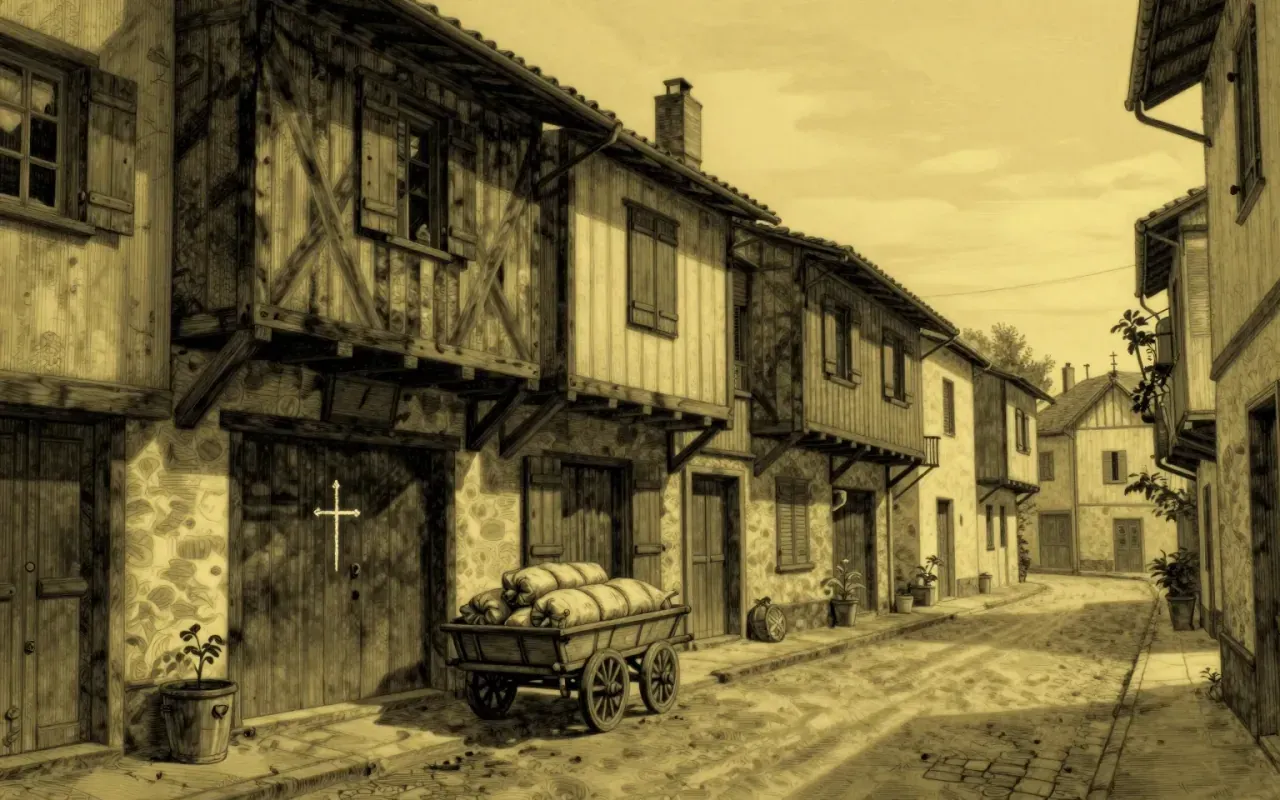
The Black Death reached Europe through Crimea in 1347 and, over the following six years, killed an estimated quarter to three-fifths of the continent's population, though contemporary records kept no census and modern historians' own population baselines vary enough to make precise mortality figures unreliable. Even the mechanism of its spread, long assumed to run mainly through rat fleas, is now disputed by researchers who argue human fleas and lice, or straightforward person-to-person transmission, better explain how fast it moved through cooler parts of Europe.
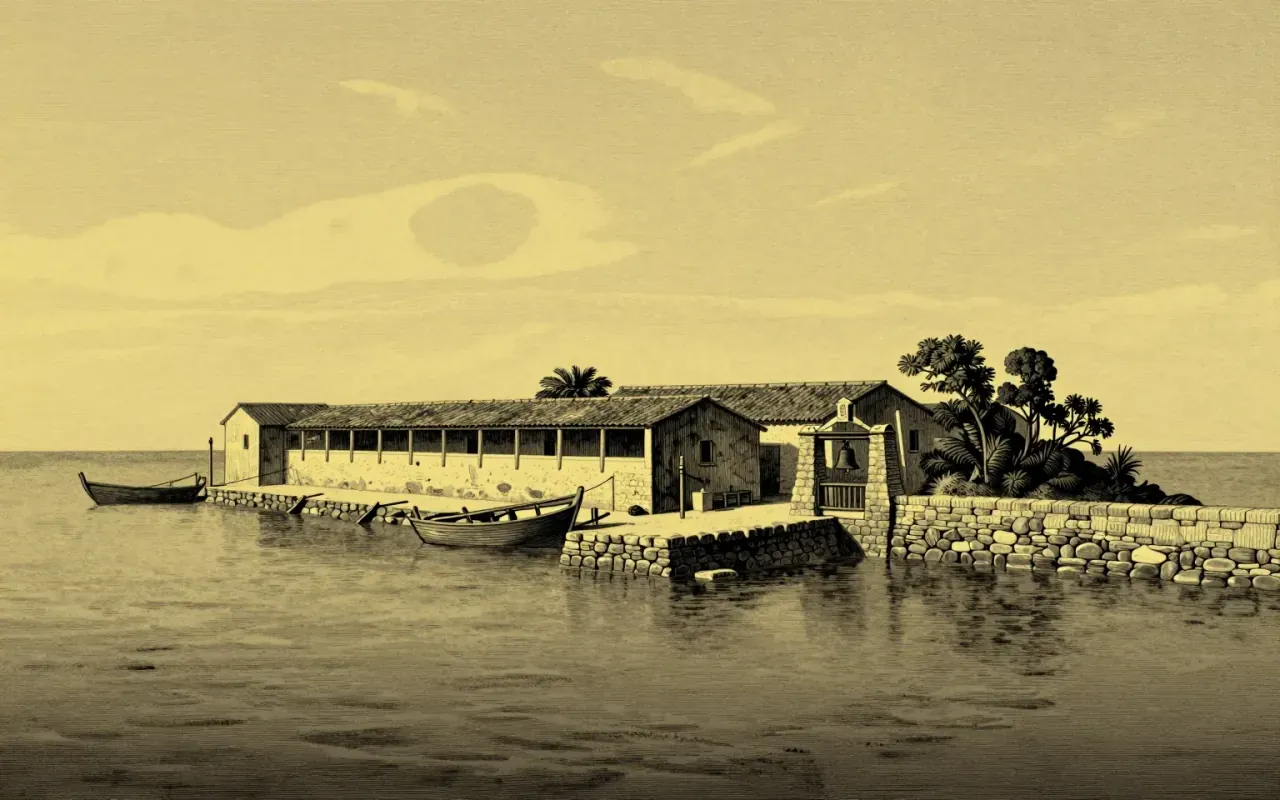
The second plague pandemic began with the Black Death, which reached Europe in 1346 and is estimated to have killed between 75 and 200 million people across Eurasia within a few years, before the disease became endemic and returned in recurring outbreaks including the Great Plague of London in 1665 and 1666 and a final wave in Ottoman territory as late as 1813 and 1814. Historians reconstruct its spread from parish and tax records, contemporary accounts such as Boccaccio's Decameron, and, more recently, DNA extracted from victims' teeth, evidence that has confirmed Yersinia pestis as the cause while leaving the pandemic's precise geographic origin and eventual decline still not fully explained.
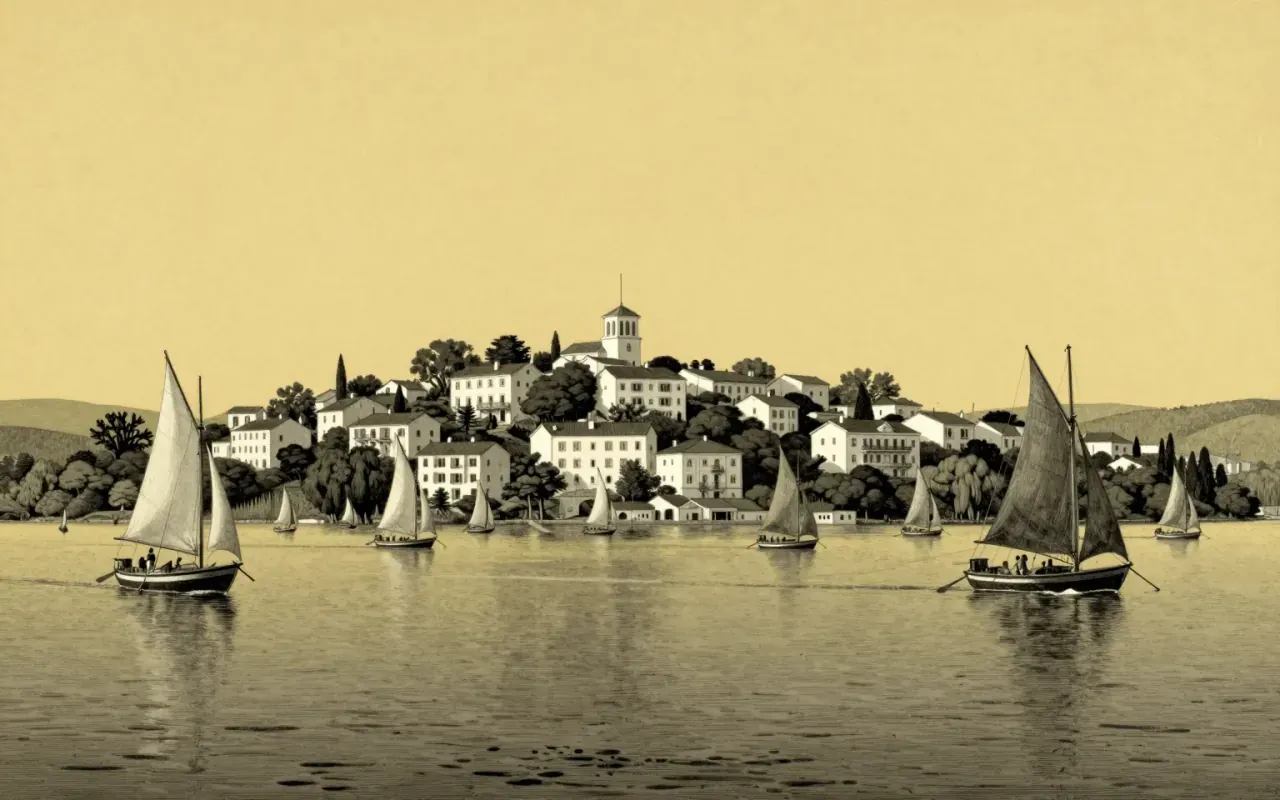
Hernan Cortes landed on the Gulf coast of Mexico in 1519 and, through alliances with Aztec tributary peoples resentful of imperial rule, marched on Tenochtitlan, where an initial peaceful reception collapsed into violence, a chaotic Spanish retreat, and a devastating smallpox epidemic before the capital finally fell after siege in August 1521. Spanish accounts dominate the surviving record, though indigenous testimony recorded after the conquest under colonial supervision offers a partial counterweight. Historians now doubt several staples of the traditional story, including the belief that Moctezuma saw Cortes as a returning god, tracing that idea only to European writing from the 1540s.
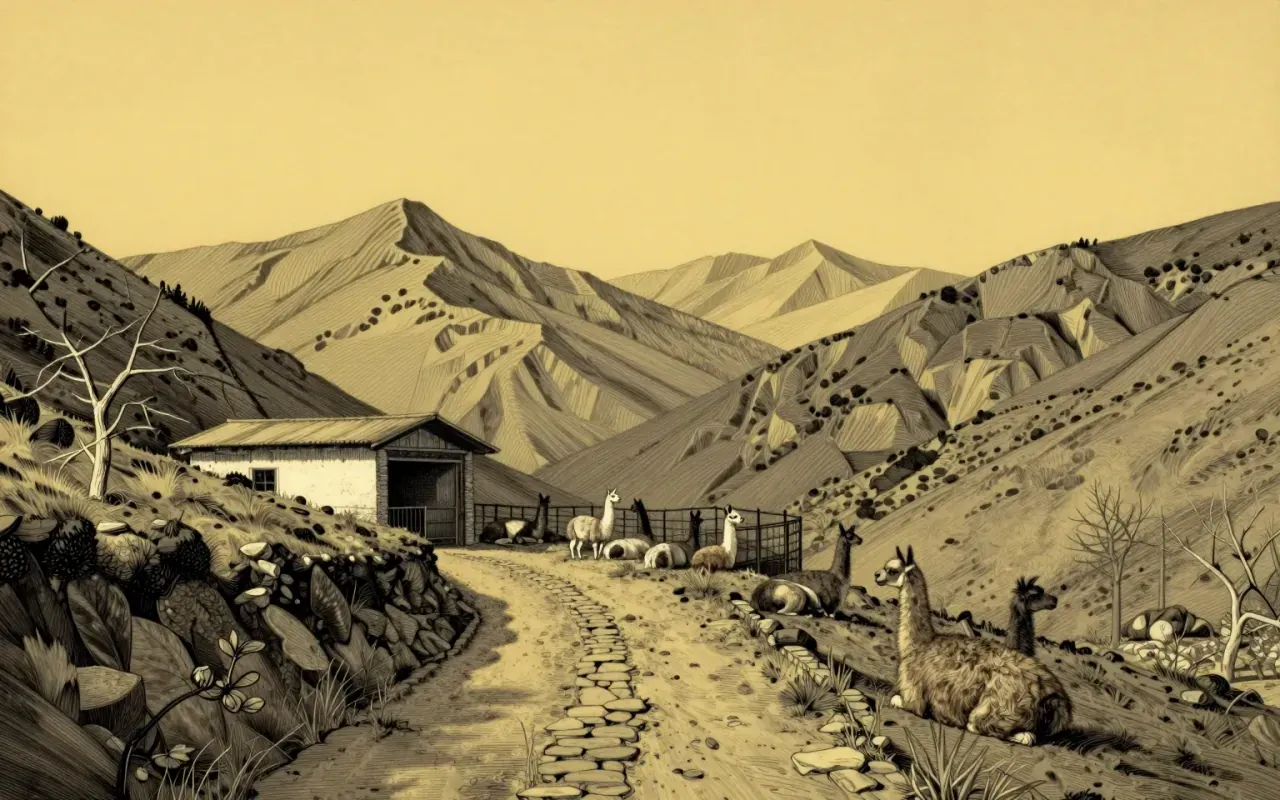
A smallpox epidemic killed the Inca emperor Huayna Capac around 1525 and triggered a civil war between his sons that was still raging when Francisco Pizarro landed with roughly a hundred and eighty men in 1532. Pizarro ambushed and captured the victorious Atahualpa at Cajamarca, collected an enormous ransom, then executed him anyway, and organised Inca resistance continued in diminishing form until 1572. Most surviving accounts derive from Spanish chroniclers, and historians still dispute how much credit for the conquest belongs to Spanish technology versus the empire's prior weakness, while disease ultimately killed far more people than any battle did.

Ferdinand de Lesseps's French company began excavating a sea-level canal across Panama in 1881, a project that collapsed in bankruptcy in 1889 after roughly 22,000 deaths from disease and an underestimation of the terrain's difficulty. The United States acquired the French assets, engineered Panama's 1903 secession from Colombia to secure treaty rights, and completed a lock-and-lake canal in 1914 after further improving disease control, before transferring full sovereignty to Panama in 1999.

Bacteria can pick up genes from other cells by transformation, transduction or conjugation, not only by inheriting them. Lederberg and Zinder showed in 1951 that a virus could carry genes from one strain of Salmonella to another, and Lederberg's earlier work with Edward Tatum showed that E. coli can exchange genes by conjugation. The material treats the process as the main route by which antibiotic resistance spreads among bacteria.

The 1975 hybridoma technique solved one problem: how to make unlimited quantities of identical antibodies targeting a known antigen. It did not solve delivery, safety, scalability, or therapeutic function. Its value lies in reproducibility — not potency, not novelty of target, not clinical impact.







Wizardry: Proving Grounds of the Mad Overlord is a 1981 dungeon-crawl RPG by Sirotech Software. It demands manual mapping, enforces strict party alignment rules, and offers no in-dungeon saving. Its ten-level dungeon beneath Trebor's castle exists solely to be descended — one floor at a time — until the party reaches Werdna and retrieves the amulet.

DayZ is a multiplayer online survival game set in fictional plague-ravaged countries where players scavenge, manage health, evade infected, and negotiate threat from other players in a persistent world.

Just Dance (2009) is a Wii-exclusive rhythm game published by Ubisoft. Players use only the Wii Remote in their right hand to mirror on-screen dancers’ choreography. Moves are scored X, OK, or Great. Shake moves trigger a shake meter for bonus points. Each song has two scoring targets: 10,000 (Standard) and 15,000 (Master). Four modes include Standard, Warm Up, Strike a Pose, and Last One Standing. It is one of Ubisoft’s core, long-running franchises.

The Last of Us (2013) is a post-apocalyptic third-person action-adventure game developed by Naughty Dog for PlayStation 3. It follows Ellie and Joel across a United States overrun by humans infected with a Cordyceps-like fungus. Players traverse ruined environments, engage in vulnerable, resource-constrained combat using firearms, improvised weapons, and stealth, and craft or upgrade gear at workbenches. The design prioritises tension, scarcity, and character-driven stakes over systemic openness or player authorship.

Biogen is a neurology-focused biotech that built scale via acquisition, not foundational science — and César Milstein, whose hybridoma work underpins modern antibody therapeutics, has no documented relationship to the company.
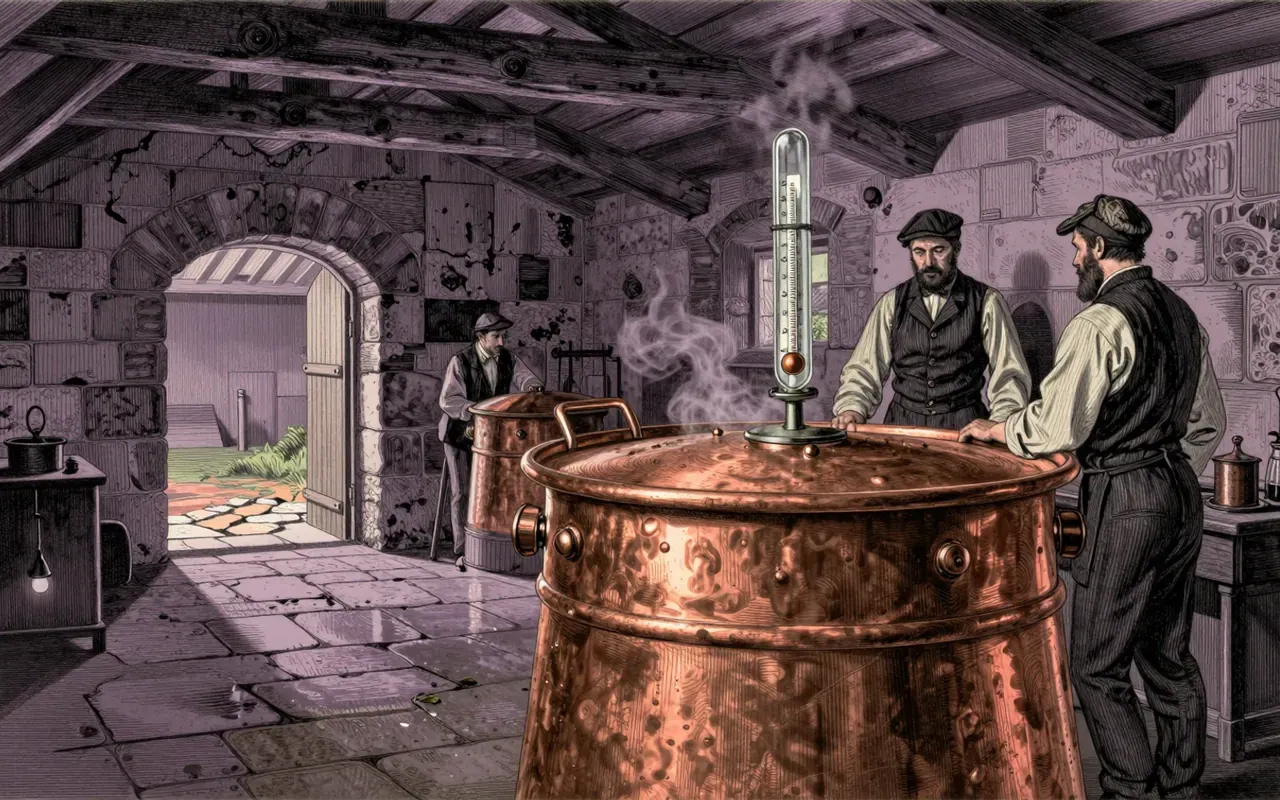
Pasteurization is a calibrated thermal intervention that stops microbial spoilage in liquids by killing vegetative bacteria and deactivating enzymes — without sterilising. It works because Pasteur proved microbes cause spoilage, not oxidation or time. Its limits are strict: spores survive, and efficacy depends on uniform heat delivery to every particle. It changed food safety from craft tradition to measurable process — but only where temperature can be controlled, verified, and sustained.