briefs
Topic · across the network

Evolution

The simplest mechanism in science, and the hardest to accept.

174
briefs
7
subjects
10:01
average
1744 min
in total
Abstraction 407Absurdism 137Acoustics 220Acting 65Adaptation 372Addiction 95Adolescence 202Advertising 77Age of exploration 14Ageing 113Agriculture 100Algorithms 114Ambition 46Anarchism 38Ancient Egypt 17Ancient Greece 38Ancient Rome 30Animals 172Anthropology 23Apartheid 12Architecture 165Archives 32Argentina 10Art Deco 26Artificial intelligence 78Astronomy 81Attention 42Australia 32Automation 73Avant-garde 164Aviation 79Banking 72Banned works 40Bauhaus 12Beer 5Behavioural economics 22Berlin 16Big tech 6Biodiversity 136Biography 86Birds 41Black holes 20Blockchain 12Boxing 14Branding 77Brazil 43Bread 29Britain 131Brutalism 4Bubbles 3Buddhism 28Byzantium 10California 17Canada 18Capitalism 94Cars 468Celebrity 59Censorship 110Cheese 24Chefs 9Chemistry 104Chess 2Childhood 87China 109Chocolate 8Christianity 49Cinematography 343Cities 90Class 485Climate change 107Club culture 100Cocktails 2Coffee 11Cognitive bias 14Collecting 16Colonialism 284Colour 42Comedy 89Community 52Complexity 21Computing 309Consciousness 16Conservatism 14Conspiracy theories 8Cooking 178Corruption 38Cosmology 31Cover versions 64Craft 116Crate digging 42Creativity 8Crime 234Cryptocurrency 8Cryptography 24Cuba 10Cybersecurity 30Dada 12Debt 38Decision-making 28Decolonisation 46Deep time 80Democracy 45Denim 16Deserts 45Detroit 17Dinosaurs 12Directing 168Disasters 59Disease 109DJ culture 89Dreams 32Drones 5Drum machines 96Dystopia 69East Africa 28Ecology 337Economics 36Editing 72Education 92Egypt 12Electric vehicles 59Emotion 22Empire 92Endurance 49Energy 120Engineering 541Entropy 8Epidemics 13Equality 9Espionage 31Ethics 44Evolution 174Existentialism 106Expertise 2Exploration 49Extinction 23Failure 37Family 240Fandom 22Fascism 45Fashion 215Fast fashion 12Fear 34Feminism 122Fermentation 126Film music 81Fishing 12Folklore 71Food history 588Football 16Forests 31Forgery 7France 163Fraud 15Free will 13Freedom 16French literature 15Friendship 24Furniture 36Gambling 14Gender 63Generations 28Genetics 87Geology 96Germany 66Globalisation 74Gothic 32Greece 5Grief 126Habits 6Happiness 2Hardware 709Haute couture 22Headphones 8Hi-fi 12Hinduism 12Hoaxes 1Human history 23Human nature 41Identity 138Illustration 8Impressionism 6Improvisation 249India 89Indonesia 15Industrial design 342Inequality 13Inflation 4Information 34Infrastructure 280Insects 29Intelligence 8Interiors 31Internet culture 88Invention 329Iran 41Islam 40Islands 17Israel 9Italy 52Jamaica 10Japan 114Jewellery 5Journalism 34Judaism 13Justice 42Korea 41Language 70Law 90Leadership 20Learning 6Liberalism 1Libraries 6Literary criticism 26London 12Loneliness 61Los Angeles 62Lost works 9Love 67Luxury 55Machine learning 15Management 10Maps 5Marketing 21Markets 51Mars 6Marxism 26Masculinity 46Materials 138Mathematics 79Meaning 6Medicine 124Memory 82Mental health 70Mesopotamia 4Mexico 38Migration 95Minimalism 68Mining 30Misinformation 9Modernism 63Money 24Monopoly 32Mortality 61Motivation 2Mountains 16Museums 27Mysticism 11Mythology 60Nationalism 40Neuroscience 23New York 36Nigeria 7Nihilism 10Noise 31Nostalgia 33Nuclear 29Nutrition 17Oceans 48Oil 42Open source 45Painting 18Palaeontology 29Parenting 14Paris 18Partition 6Patents 71Patronage 14Perception 44Personal style 27Personality 2Persuasion 8Peru 10Philosophy 77Photography 37Physics 206Plants 26Platforms 89Podcasting 1Poetry 25Poland 17Policing 34Pop Art 16Populism 2Portraiture 6Portugal 18Postmodernism 23Power 91Prehistory 24Preservation 28Printmaking 21Privacy 11Probability 6Productivity 1Programming 54Prohibition 1Propaganda 35Protest 75Pseudoscience 17Psychology 80Publishing 22Punishment 16Quantum mechanics 44Race 145Radio 30Railways 35Rave 17Realism 47Record labels 19Recording 810Relativity 23Religion 154Resilience 15Restaurants 30Restoration 2Retail 94Revolution 58Risk 18Ritual 96Robotics 26Romance 96Russia 58Salt 9Sampling 246Satire 84Scandinavia 28Scientific method 186Screenwriting 26Sculpture 7Secularism 2Self-deception 14Semiconductors 73Sexuality 102Ships 18Silence 24Silicon Valley 17Slavery 35Sleep 2Smartphones 27Sneakers 15Social media 58Socialism 9Software 68Songwriting 180Sound design 332Sound systems 20South Africa 19South East Asia 30Space exploration 84Spain 18Special effects 41Spices 62Spirits 12Sport 82Startups 21Statistics 10Status 9Stoicism 4Storytelling 68Strategy 70Street food 99Streetwear 16Studio craft 508Subcultures 59Sugar 12Supply chains 115Surrealism 53Surveillance 21Sustainability 30Synthesis 232Tailoring 37Taxation 14Tea 24Textiles 97Thailand 11The American Revolution 19The American South 88The Arab world 41The Arctic 19The Balkans 17The Belle Epoque 13The body 29The brain 26The Caribbean 28The civil rights movement 62The Cold War 160The eighties 268The Enlightenment 29The financial crisis 19The First World War 39The food industry 157The French Revolution 9The Gilded Age 9The Great Depression 18The Holocaust 20The Industrial Revolution 93The internet 61The interwar years 135The Middle Ages 35The Moon 4The music business 169The Netherlands 10The nineties 26The Olympics 10The pandemic 13The Reformation 1The Renaissance 16The Russian Revolution 19The Second World War 102The seventies 58The sixties 28The space race 5The United States 19The universe 7The Victorian era 37Therapy 20Tokyo 11Trade 48Tragedy 22Translation 5Trauma 85Travel 5True crime 2Turkey 18Typography 54Uniforms 23Unions 8Urban planning 66Utilitarianism 1Utopia 5Vaccines 10Vegetarianism 15Venture capital 6Video games 291Vietnam 12Vintage 65Vinyl 6Virtual reality 11War 169Watches 4Water 11Weather 29West Africa 29Wilderness 10Wine 3Work 22Workwear 19Worldbuilding 121

books.briefs Books

All 2 in books →
15:16

On the Origin of Species By Means of Natural Selection

Charles Darwin · 1859

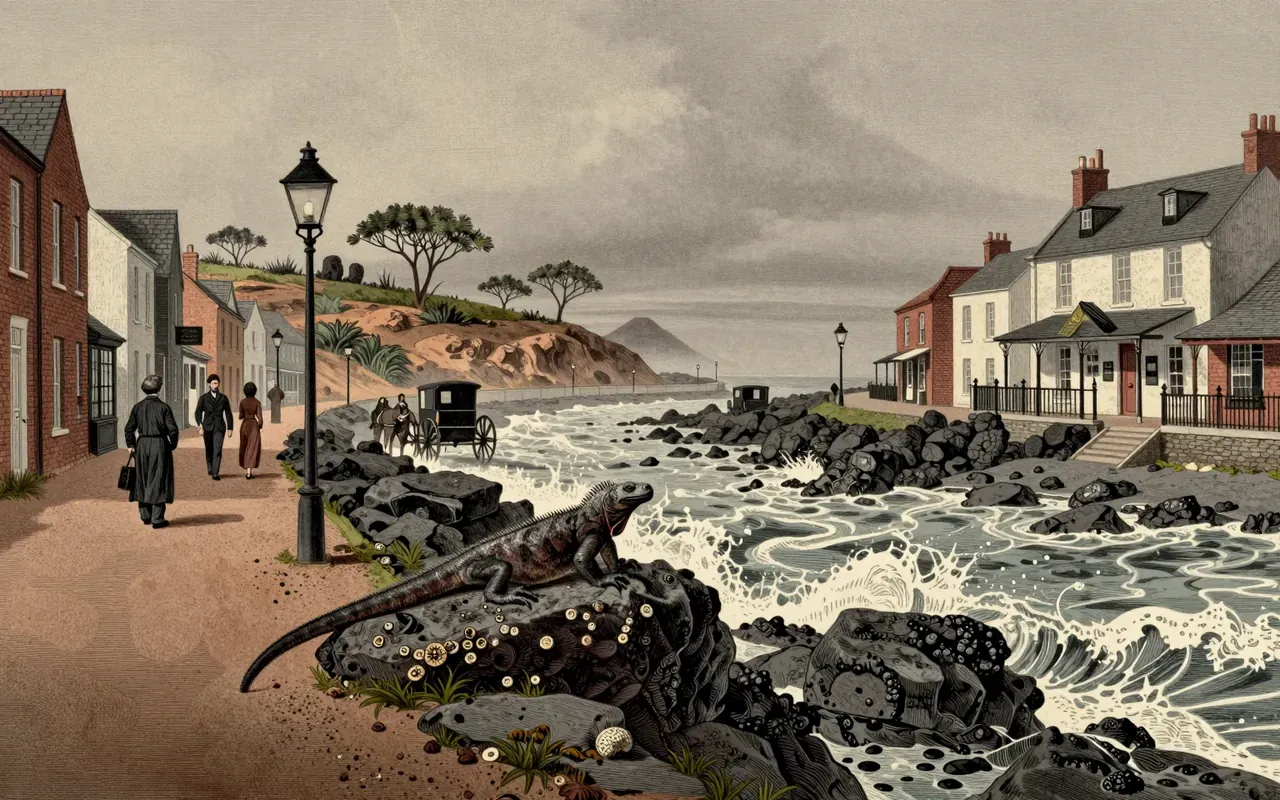
Darwin’s 1859 argument is mechanistic, not historical: natural selection edits variation, it does not create life. The brief isolates the wedge metaphor, homology, and Galápagos biogeography as the enduring core—and flags Chapters VII–IX as dated digressions. Read Chapters I–IV and XIV, then decide whether to go deeper.


13:15

The Selfish Gene

Richard Dawkins · 1976

Dawkins reframes natural selection from the gene's point of view and, in one chapter, coins the word meme. The brief covers the gene's-eye view, why the title misleads, and where the argument has been refined since 1976.

music.briefs Music

All 1 in music →
10:23

Tarkus

Emerson, Lake & Palmer · 1971

Tarkus is a studio document of creative fracture—not a concept album, but a contract renegotiation set to Moog and Hammond.

film.briefs Film

All 2 in film →
13:00

A History of Violence

David Cronenberg · 2005

David Cronenberg’s 2005 crime thriller adapts a graphic novel into a precise, unsentimental study of identity, memory, and embodied violence. Viggo Mortensen plays Tom Stall, a small-town diner owner whose past as hitman Joey Cusack resurfaces after he kills two robbers. The film tracks the unraveling of his family life and his return to Philadelphia, where violence proves inescapable — not as choice, but as somatic fact. Shot by Peter Suschitzky and scored by Howard Shore, it favours stillness over spectacle and implication over exposition.

13:00

Planet of the Apes

Tim Burton · 2001

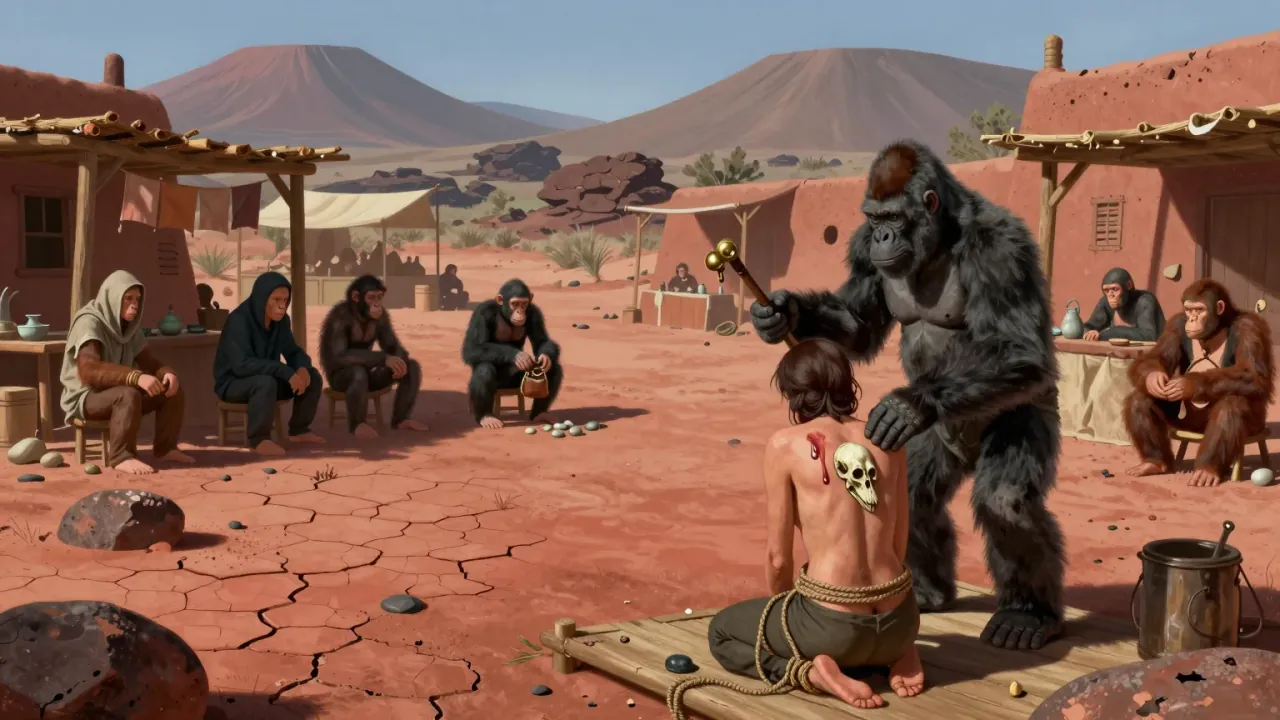
Tim Burton’s 2001 Planet of the Apes is a visually rich, commercially successful remake that prioritises creature design, production scale, and tonal consistency over narrative coherence or thematic depth. Starring Mark Wahlberg and Helena Bonham Carter, it recasts the ape-dominated world as a tactile, myth-saturated empire — impressive in execution, thin in conception. Critics noted its craft and score but faulted its script and ending. It earned $362 million worldwide but was not followed by a sequel.

science.briefs Science

All 60 in science →
8:07

Henry Gee

Henry Gee is a British palaeontologist and evolutionary biologist, a senior editor at Nature, and the author of books on deep time, the origin of vertebrates and human evolution.
10:09

Horizontal gene transfer

Zinder and Lederberg · 1951

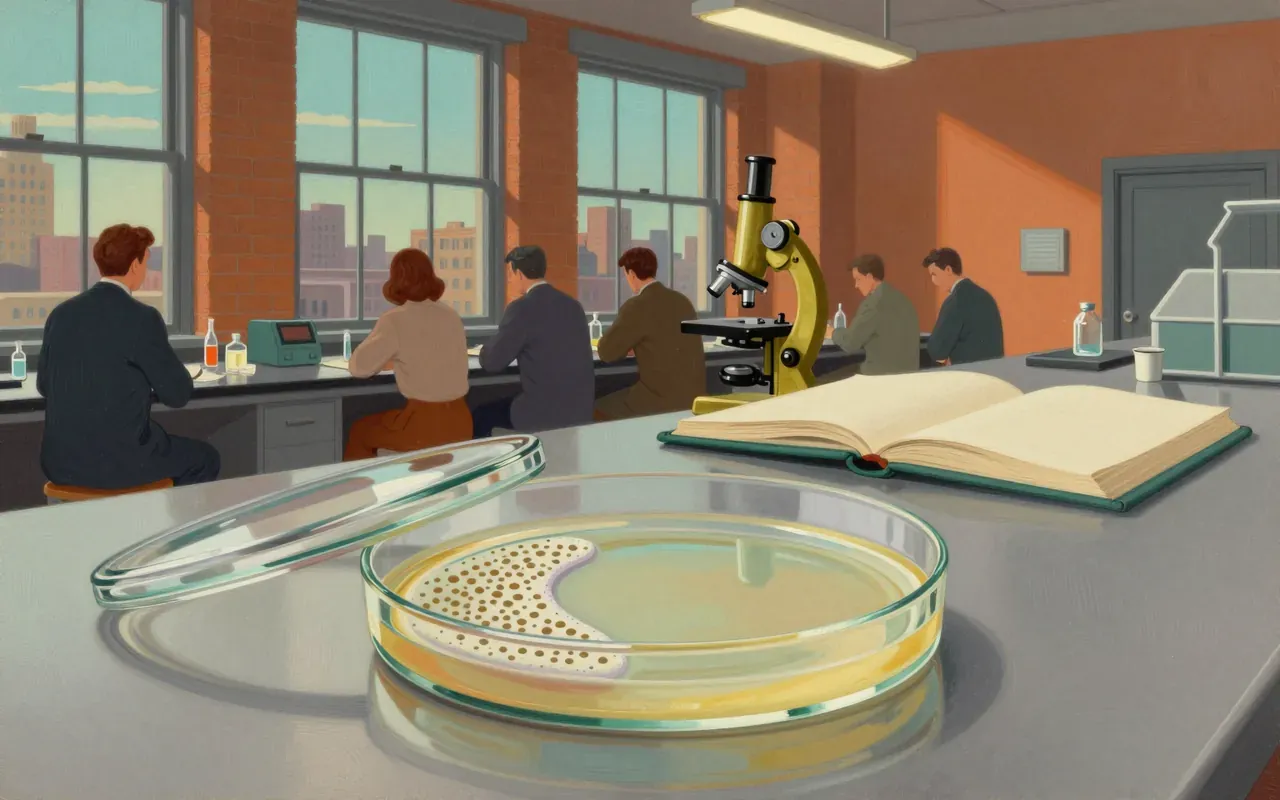
Bacteria can pick up genes from other cells by transformation, transduction or conjugation, not only by inheriting them. Lederberg and Zinder showed in 1951 that a virus could carry genes from one strain of Salmonella to another, and Lederberg's earlier work with Edward Tatum showed that E. coli can exchange genes by conjugation. The material treats the process as the main route by which antibiotic resistance spreads among bacteria.

8:20

Eric F. Wieschaus

He didn’t find genes that build embryos—he found the switches that start the clock.
10:17

Nikolaas Tinbergen

Tinbergen proved instinct is not a fog—it’s a cascade of measurable triggers, and we ignore its architecture at our peril.
10:59

Alfred Russel Wallace

Wallace didn’t just co-discover natural selection—he built biogeography from scratch, in the field, one island at a time.
13:00

Kin selection

W.D. Hamilton's 1964 formula for when self-sacrifice pays off in genetic terms explained sterile worker ants better than anything before it, though a 2010 challenge from E.O. Wilson shows the theory is still argued over.
13:00

Ancient DNA

Svante Pääbo spent decades building the methods to pull authentic genetic sequences out of fossils riddled with damage and contamination, work that let him sequence the Neanderthal genome and identify a new human relative from a single finger bone.

games.briefs Games

All 2 in games →
11:14

Spore (2008 video game)

Maxis · 2008

Spore is a Maxis-developed simulation game released in 2008 where players guide a species from single-cell origins through five evolutionary phases toward spacefaring capability, with defined goals including spaceship construction and reaching the galactic core.

9:52

Digimon World

Bandai · 1999

Digimon World is a PlayStation RPG where raising a single Digimon — through feeding, training, resting, and bathroom use — determines its evolution, intelligence, and battle effectiveness. Poor care locks players into Numemon, a weak Champion form. Battles restore order to File City by recruiting feral Digimon. When the Digimon ages out, it reverts to an egg — forcing a full restart.

culture.briefs Culture

All 1 in culture →
9:08

Social Darwinism

Social Darwinism isn’t Darwin’s. It’s Spencer’s — and it was never science.

nature.briefs Nature

All 106 in nature →
8:35

Metamorphosis

Metamorphosis is the biological process in which an animal's body changes abruptly in structure as part of its development, as when a larva becomes an adult.
8:08

Symbiosis

Symbiosis is any close, long-term biological interaction between two organisms of different species, from lichens and corals to head lice.
9:29

Autumn leaf color

Autumn leaf colour is not decay—it’s a metabolic pivot, timed to light and cold, that turns leaves into temporary solar shields and insect warning signs.
7:36

Bioluminescence

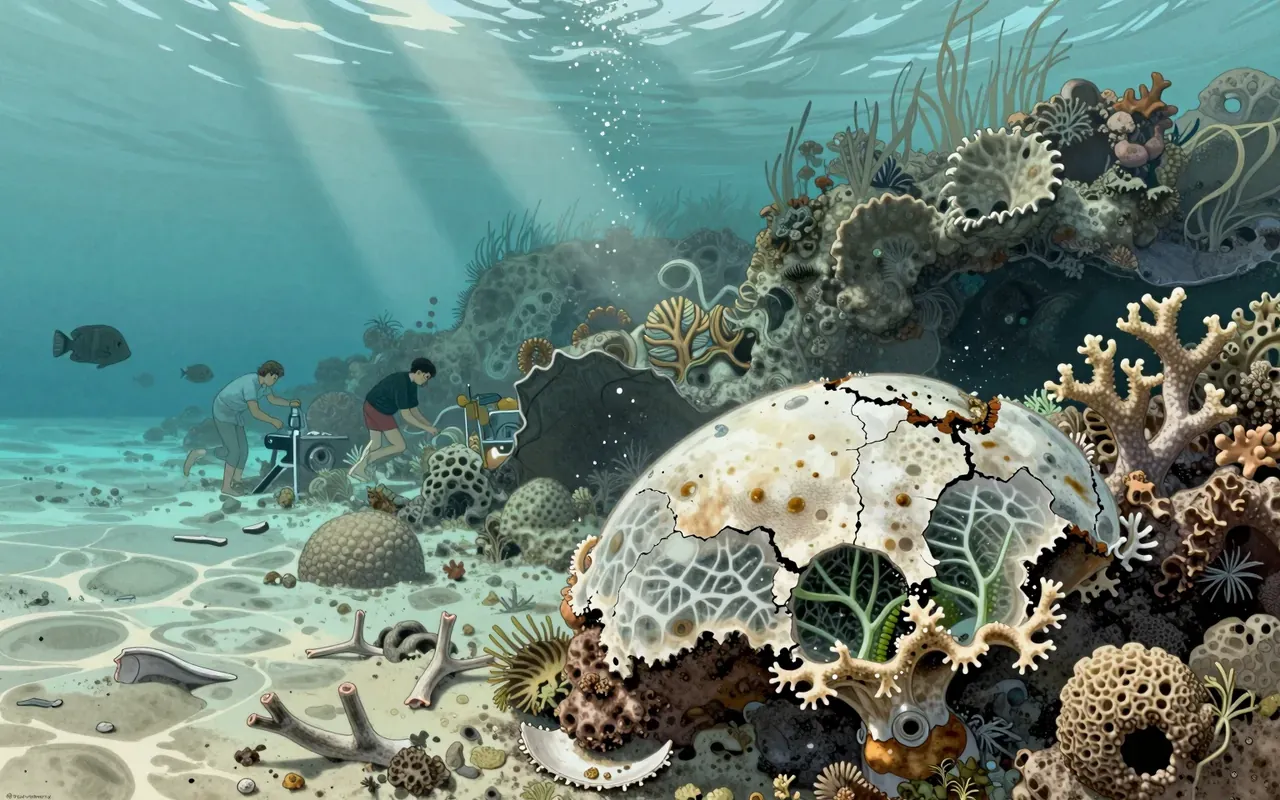
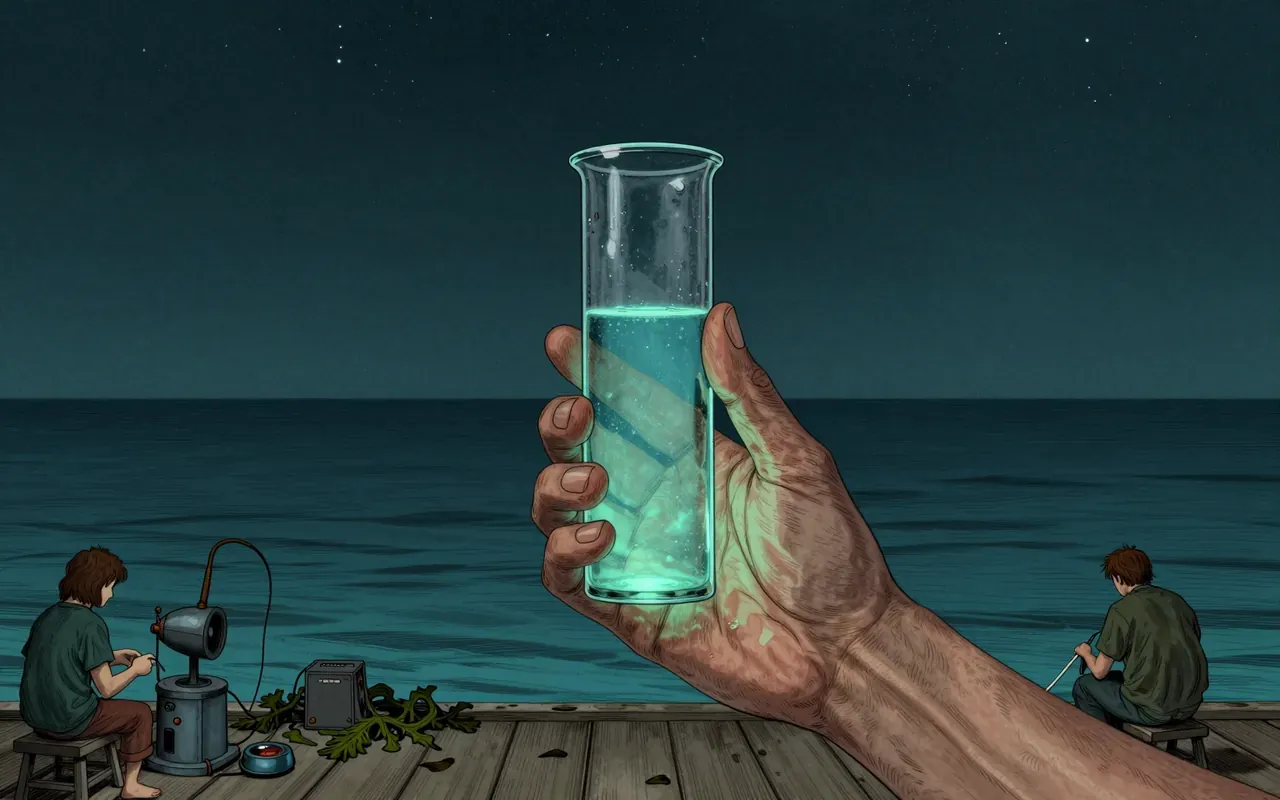
Light made by life isn’t magic — it’s chemistry that evolved 94 times, starting in corals half a billion years ago.
9:10

Coffea arabica

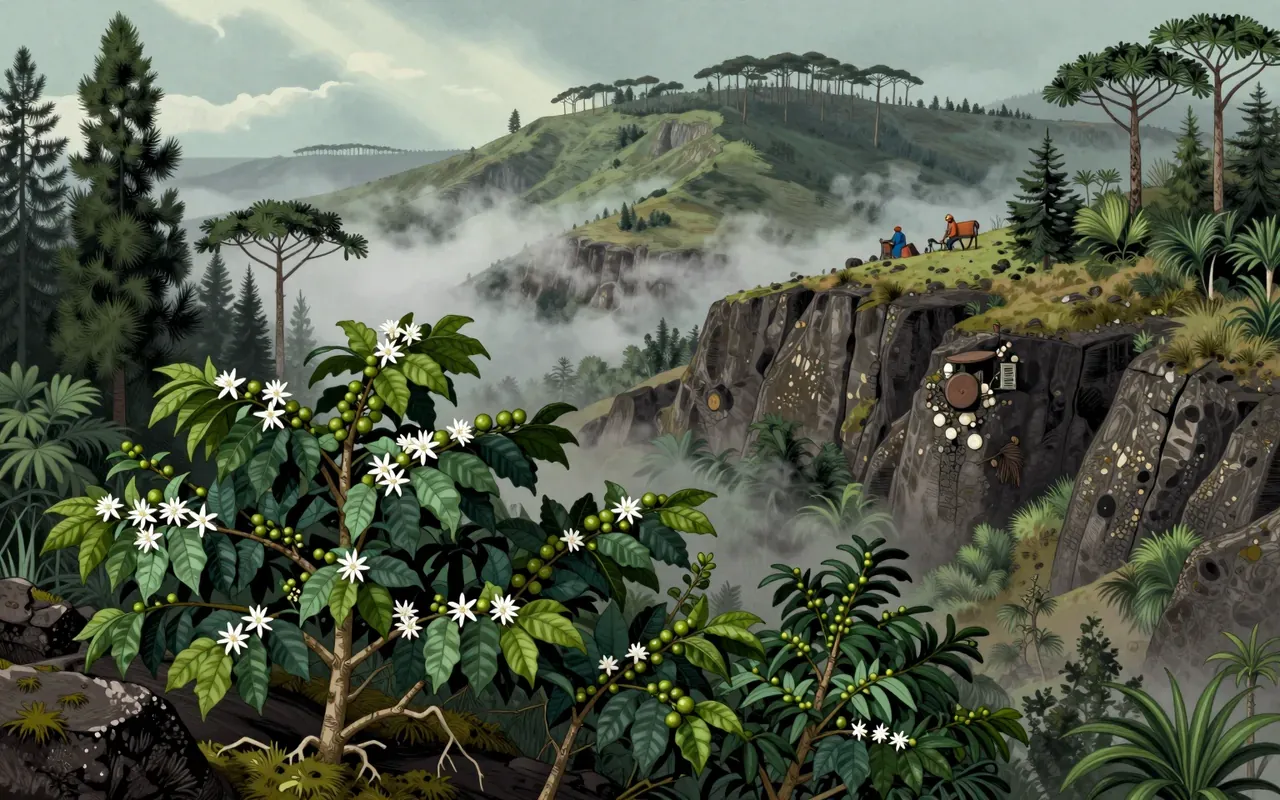
A 500,000-year-old hybrid that built a global industry — but cannot survive without its original forest.
8:27

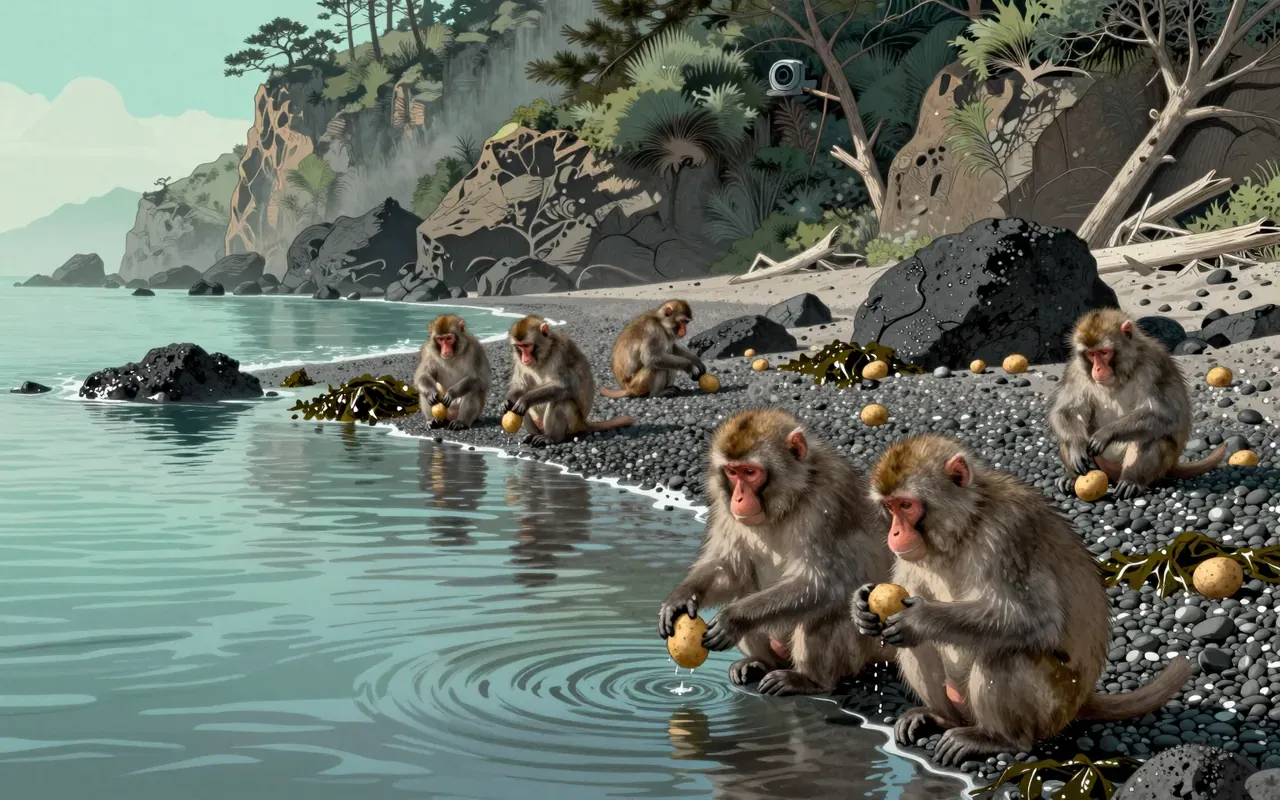
Animal culture

Culture is not human. It’s a transmission process — and animals run it too.
8:34

Calvatia gigantea

A puffball so big it redefined fungal taxonomy—and so fleeting it vanishes if you blink.