
Zero to One
Peter Thiel · 2014
A short, contrarian book built from a Stanford course. The brief covers the monopoly argument, the seven questions every startup should answer, and the parts that read better in 2014 than they do now.
Deciding what not to do, which is the part everyone skips.
A short, contrarian book built from a Stanford course. The brief covers the monopoly argument, the seven questions every startup should answer, and the parts that read better in 2014 than they do now.

Advance Wars 2: Black Hole Rising is a Game Boy Advance turn-based strategy game released in 2001 by Intelligent Systems. It refines the Wars series’ core loop with non-linear campaign progression, Super CO Powers, and terrain-specific objectives like capturing Black Cannons. It asks players to sequence actions across turns with precision, not flair. Its rigour is its strength—and its limit.
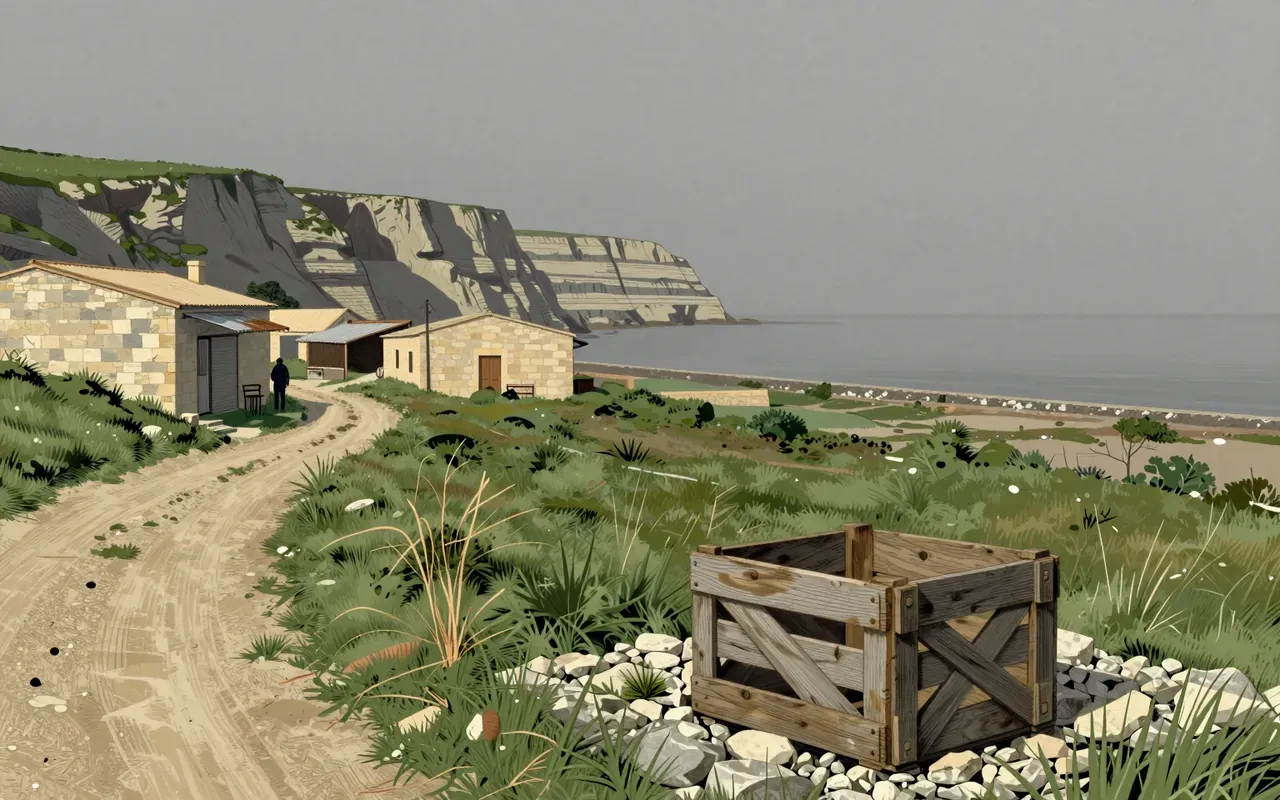
Arma 3 is a military simulation released for PC in September 2013 by Bohemia Interactive. It runs on expansive, photorealistic terrains spanning hundreds of square kilometres. Its realism is systemic: weapons obey ballistics, diving requires dedicated equipment, and electronic warfare or disguise can replace combat entirely. Nearly all gameplay systems—including AI, HUD, and assists—are adjustable via custom difficulty settings. Players pursue fixed mission objectives through self-directed tactics, from solo stealth to squad coordination. It supports extensive modding and user-generated content via the Eden Editor. It is not a narrative-driven shooter. It is a toolset for tactical problem-solving under self-imposed constraints.
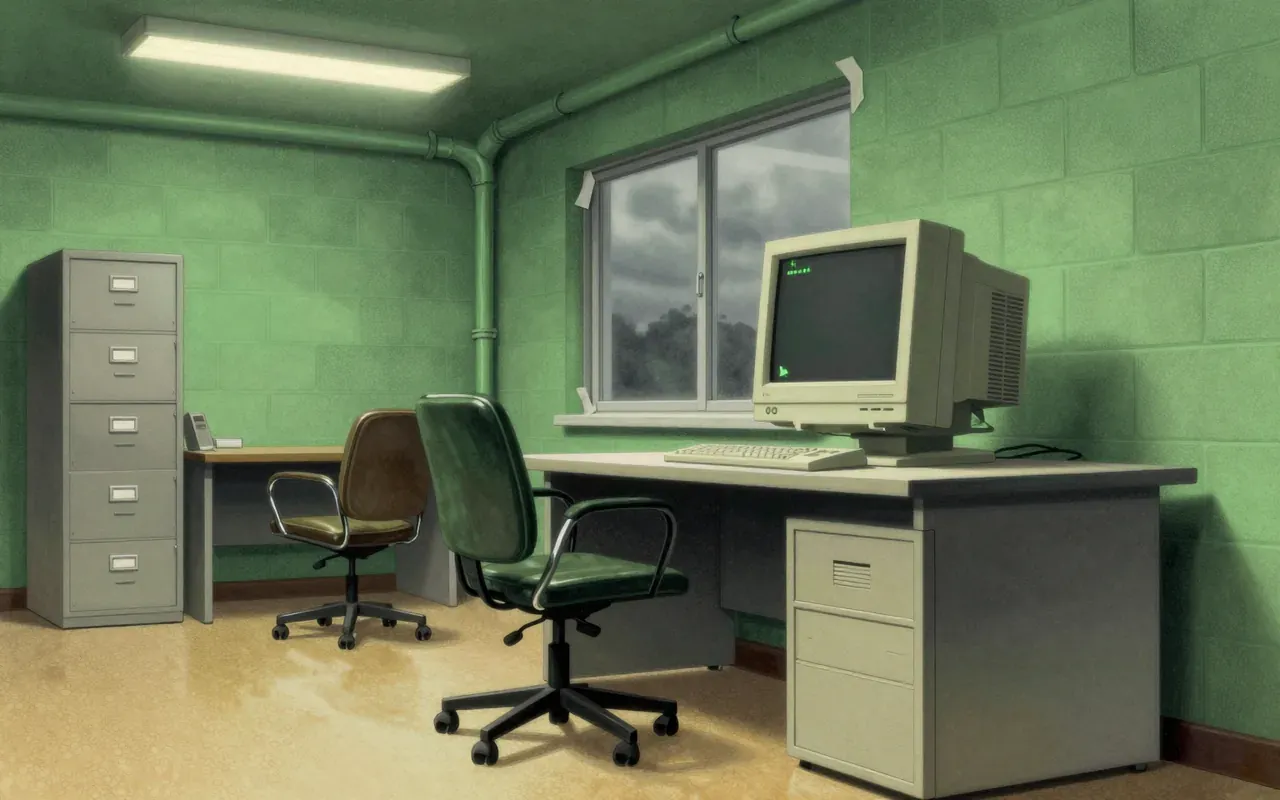
Command & Conquer (1995) is a real-time strategy game developed by Westwood Studios. It builds on Dune II’s interface and adds pre-rendered 3D sprites, FMV briefings, and a streamed pop/rock/techno soundtrack. Players command GDI or Nod in a Tiberium-fuelled war. They deploy an MCV on flat land, gather Tiberium via harvesters, convert it to credits at refineries, store excess in silos, maintain power with plants, build units in faction-specific production structures, and advance along a tech tree. GDI prioritises firepower and armour at higher cost and slower speed; Nod prioritises speed, numbers, and unconventional tactics at lower durability and weaker weapons. Campaigns feature branching mission selection, FMV briefings, and objectives to destroy or capture enemy forces and bases. The DOS release supported up to four-player multiplayer; the Gold edition expanded this.
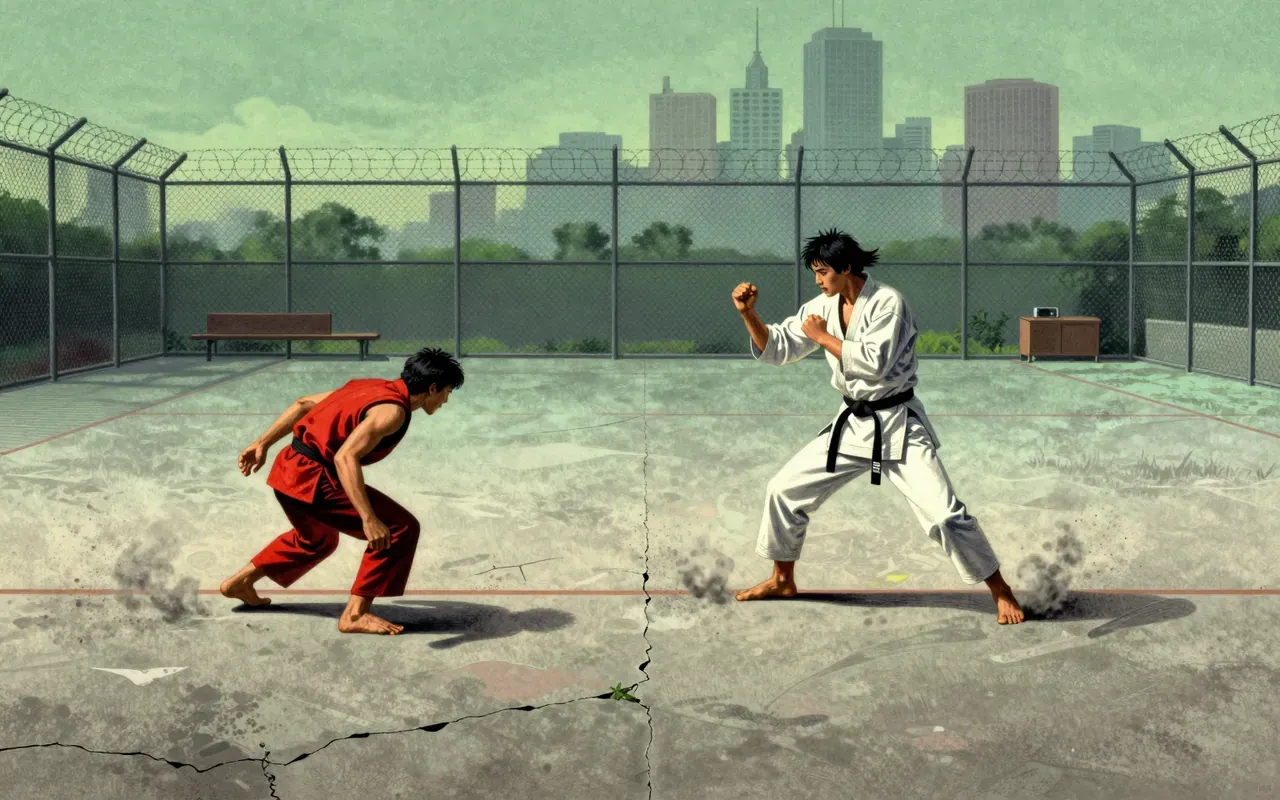
The King of Fighters '94 is SNK’s inaugural team-based fighter, released in 1994 on the Neo Geo arcade system. It abandons round-based combat for sequential 3-on-3 matches using eight fixed teams. Players choose entry order, gain life restoration after each KO, and may call sidelined teammates for support attacks. A power gauge charges via blocking or damage — or manually, at high risk — and briefly strengthens basic attacks. It builds directly on SNK’s prior 2D fighting work in Fatal Fury and Art of Fighting, but shifts focus from individual mastery to team curation and structural rhythm.
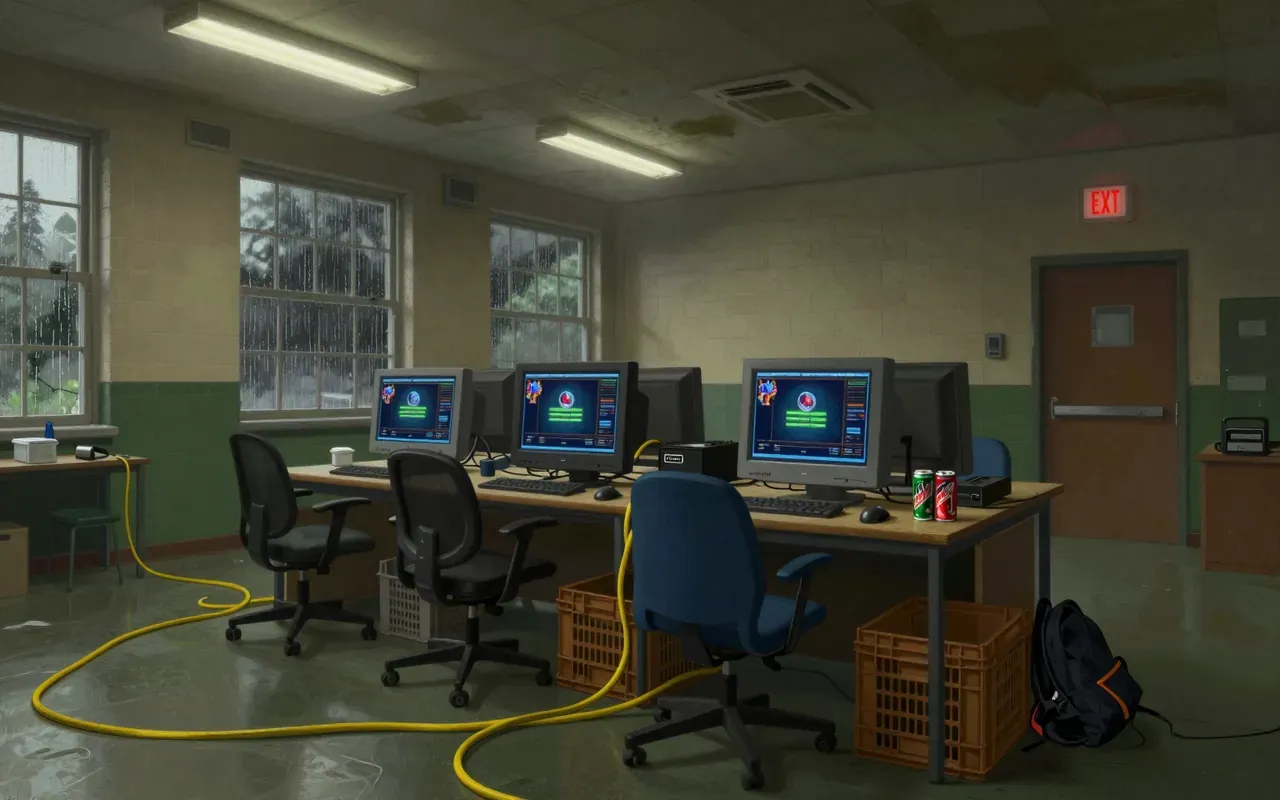
League of Legends is a five-versus-five MOBA where two teams push lanes, level champions via XP, spend gold on items, and destroy the enemy Nexus. It launched free-to-play on 27 October 2009. It has no single-player mode. It draws from Defense of the Ancients and Asian free-to-play design. It asks for sustained attention, team coordination, and adaptation to constant change.

Overwatch is a team-based, online multiplayer first-person shooter released by Blizzard Entertainment in May 2016. It reuses assets from the cancelled Titan project but builds a new near-future world around the Omnic Crisis and the Overwatch peacekeeping force. Two teams of six select from over two dozen heroes—categorised as Damage, Tank, or Support—each with unique kits and an ultimate ability charged by combat actions. Players switch heroes mid-match to adapt to objectives like capturing control points or escorting payloads, all within time limits and asymmetric attacker-defender framing. Custom game modes are possible via limited scripting tools. Progression yields only cosmetic loot boxes. The setting is bright, cartoonish, and optimistic.
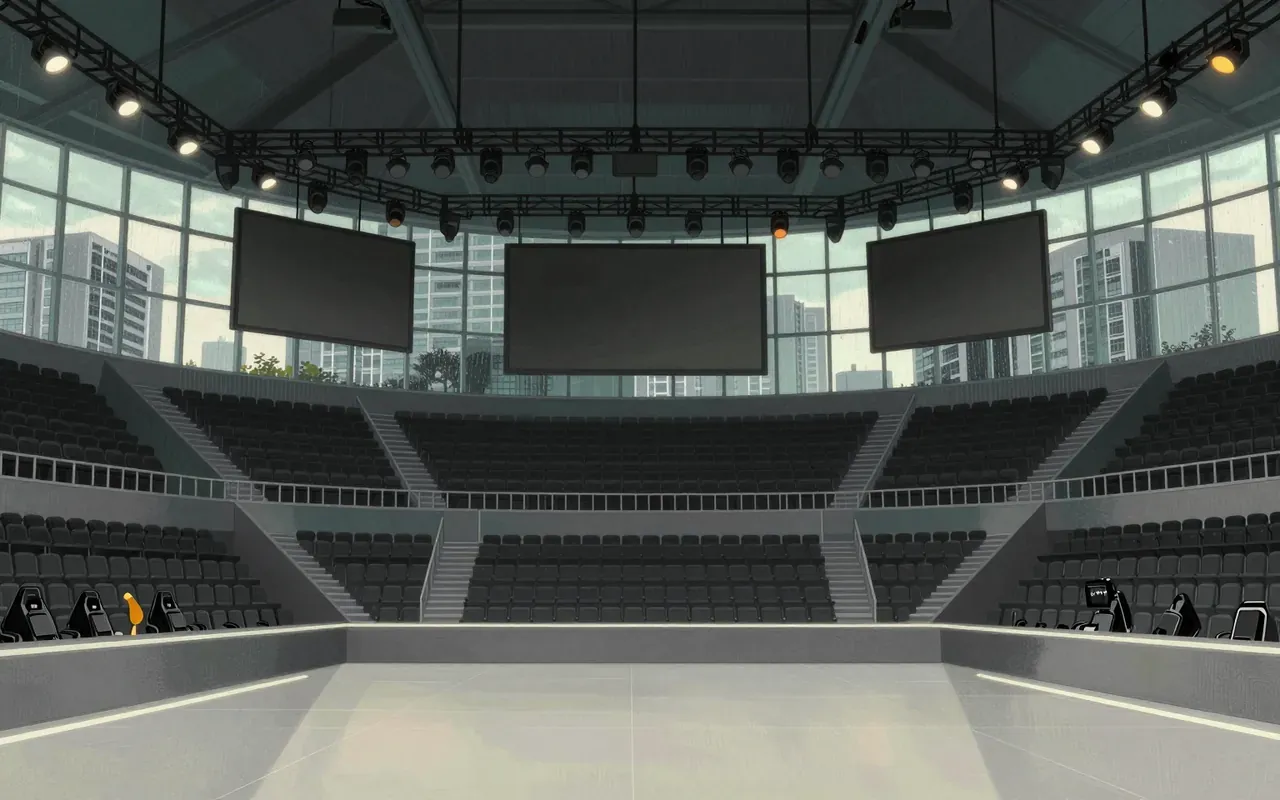
Overwatch (2023) is a live-service hero shooter built on enforced role discipline, rapid iteration, and seasonal storytelling. It discards the original’s six-player format and promised PvE to double down on PvP refinement—and on sustaining engagement through constant design recalibration.
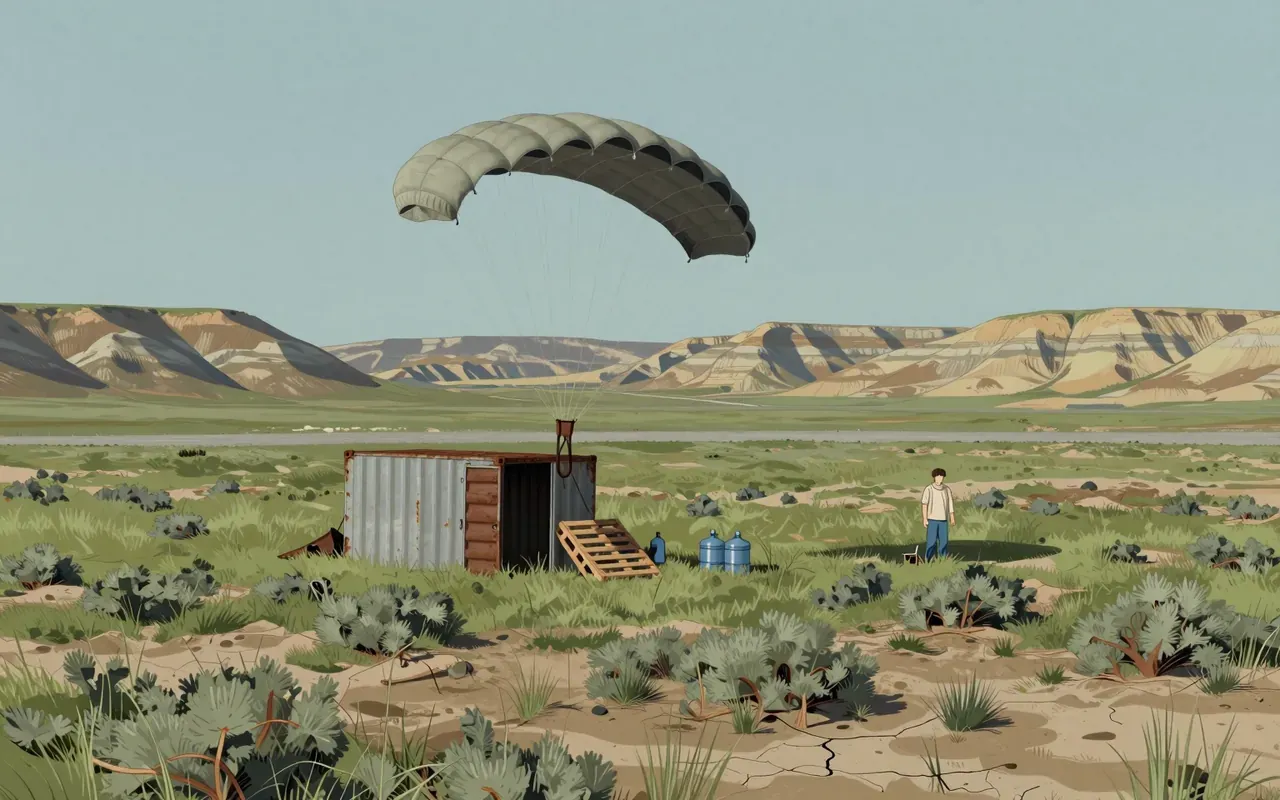
PUBG: Battlegrounds is a battle royale shooter where up to 100 players parachute onto an island, scavenge for gear, and fight to be the last survivor. The safe zone shrinks over time, forcing players into tighter spaces and more frequent encounters. Players choose solo, duo, or squad (up to four) modes, begin with no functional gear, and must rapidly adapt to dynamic conditions including shifting flight paths, red-zone bombings, and loot-dropping planes. It launched in early access on Windows in March 2017 and later on Xbox One, and was developed by Krafton's PUBG Studios and published by Krafton.

LVMH is a French multinational luxury goods conglomerate formed in 1987 by merger—not founded—of Louis Vuitton and Moët Hennessy. Bernard Arnault assumed control shortly thereafter, not by founding but by outmanoeuvring the initial family owners. The company operates through ~60 subsidiaries managing 75 luxury brands across six branches. Its $500B valuation in April 2023 reflects disciplined acquisition—Boussac Saint-Frères (1984), Tiffany & Co. (2021)—and structural decentralisation that preserves brand identity while centralising financial control. LVMH does not invent luxury; it acquires, integrates, and governs it.
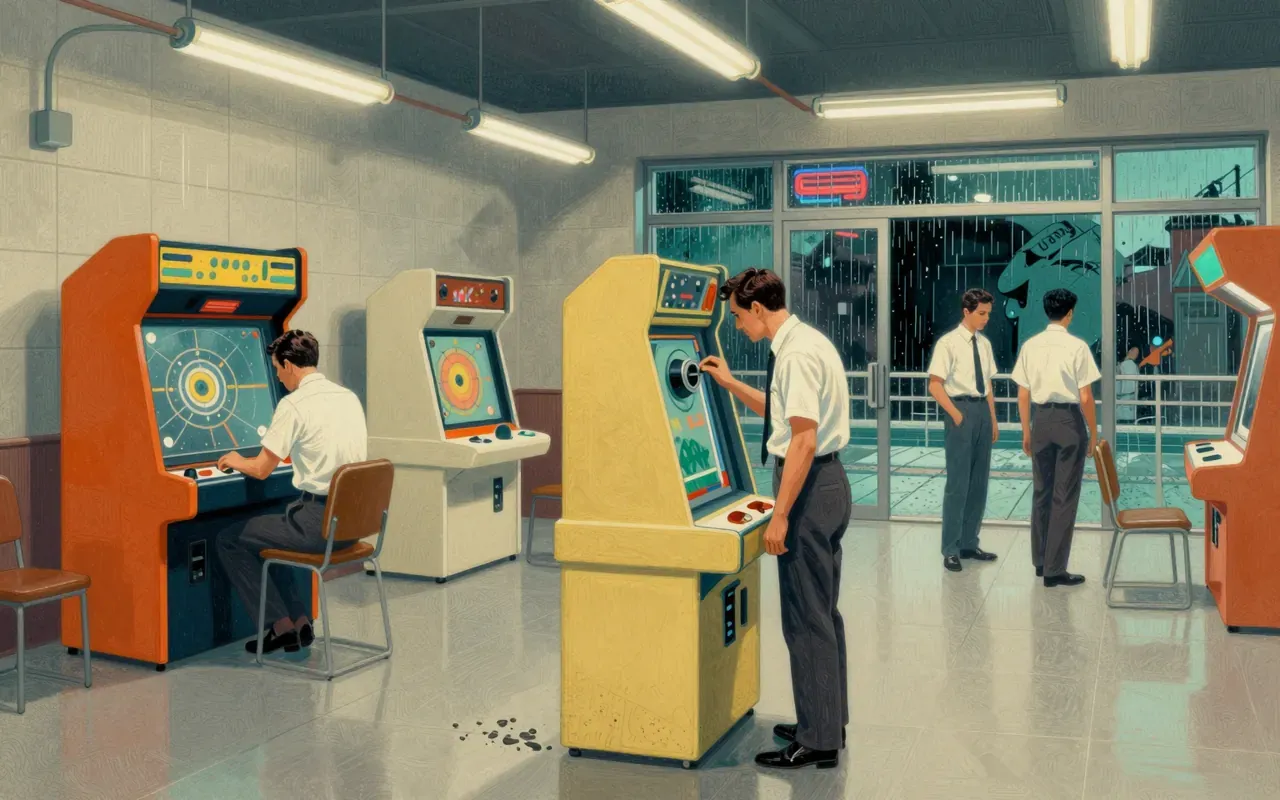
Sega’s story is not about innovation or disruption — it is about sequential exit: from import to manufacture, from coin-op to console, from hardware to software. Its survival post-2001 rests on what it built before it tried to compete with Nintendo and Sony — arcade scale and Sonic.