briefs
Topic · across the network

Scientific method

The procedure for being wrong less often, imperfectly followed.

186
briefs
11
subjects
10:43
average
1992 min
in total
Abstraction 407Absurdism 137Acoustics 220Acting 65Adaptation 372Addiction 95Adolescence 202Advertising 77Age of exploration 14Ageing 113Agriculture 100Algorithms 114Ambition 46Anarchism 38Ancient Egypt 17Ancient Greece 38Ancient Rome 30Animals 172Anthropology 23Apartheid 12Architecture 165Archives 32Argentina 10Art Deco 26Artificial intelligence 78Astronomy 81Attention 42Australia 32Automation 73Avant-garde 164Aviation 79Banking 72Banned works 40Bauhaus 12Beer 5Behavioural economics 22Berlin 16Big tech 6Biodiversity 136Biography 86Birds 41Black holes 20Blockchain 12Boxing 14Branding 77Brazil 43Bread 29Britain 131Brutalism 4Bubbles 3Buddhism 28Byzantium 10California 17Canada 18Capitalism 94Cars 468Celebrity 59Censorship 110Cheese 24Chefs 9Chemistry 104Chess 2Childhood 87China 109Chocolate 8Christianity 49Cinematography 343Cities 90Class 485Climate change 107Club culture 100Cocktails 2Coffee 11Cognitive bias 14Collecting 16Colonialism 284Colour 42Comedy 89Community 52Complexity 21Computing 309Consciousness 16Conservatism 14Conspiracy theories 8Cooking 178Corruption 38Cosmology 31Cover versions 64Craft 116Crate digging 42Creativity 8Crime 234Cryptocurrency 8Cryptography 24Cuba 10Cybersecurity 30Dada 12Debt 38Decision-making 28Decolonisation 46Deep time 80Democracy 45Denim 16Deserts 45Detroit 17Dinosaurs 12Directing 168Disasters 59Disease 109DJ culture 89Dreams 32Drones 5Drum machines 96Dystopia 69East Africa 28Ecology 337Economics 36Editing 72Education 92Egypt 12Electric vehicles 59Emotion 22Empire 92Endurance 49Energy 120Engineering 541Entropy 8Epidemics 13Equality 9Espionage 31Ethics 44Evolution 174Existentialism 106Expertise 2Exploration 49Extinction 23Failure 37Family 240Fandom 22Fascism 45Fashion 215Fast fashion 12Fear 34Feminism 122Fermentation 126Film music 81Fishing 12Folklore 71Food history 588Football 16Forests 31Forgery 7France 163Fraud 15Free will 13Freedom 16French literature 15Friendship 24Furniture 36Gambling 14Gender 63Generations 28Genetics 87Geology 96Germany 66Globalisation 74Gothic 32Greece 5Grief 126Habits 6Happiness 2Hardware 709Haute couture 22Headphones 8Hi-fi 12Hinduism 12Hoaxes 1Human history 23Human nature 41Identity 138Illustration 8Impressionism 6Improvisation 249India 89Indonesia 15Industrial design 342Inequality 13Inflation 4Information 34Infrastructure 280Insects 29Intelligence 8Interiors 31Internet culture 88Invention 329Iran 41Islam 40Islands 17Israel 9Italy 52Jamaica 10Japan 114Jewellery 5Journalism 34Judaism 13Justice 42Korea 41Language 70Law 90Leadership 20Learning 6Liberalism 1Libraries 6Literary criticism 26London 12Loneliness 61Los Angeles 62Lost works 9Love 67Luxury 55Machine learning 15Management 10Maps 5Marketing 21Markets 51Mars 6Marxism 26Masculinity 46Materials 138Mathematics 79Meaning 6Medicine 124Memory 82Mental health 70Mesopotamia 4Mexico 38Migration 95Minimalism 68Mining 30Misinformation 9Modernism 63Money 24Monopoly 32Mortality 61Motivation 2Mountains 16Museums 27Mysticism 11Mythology 60Nationalism 40Neuroscience 23New York 36Nigeria 7Nihilism 10Noise 31Nostalgia 33Nuclear 29Nutrition 17Oceans 48Oil 42Open source 45Painting 18Palaeontology 29Parenting 14Paris 18Partition 6Patents 71Patronage 14Perception 44Personal style 27Personality 2Persuasion 8Peru 10Philosophy 77Photography 37Physics 206Plants 26Platforms 89Podcasting 1Poetry 25Poland 17Policing 34Pop Art 16Populism 2Portraiture 6Portugal 18Postmodernism 23Power 91Prehistory 24Preservation 28Printmaking 21Privacy 11Probability 6Productivity 1Programming 54Prohibition 1Propaganda 35Protest 75Pseudoscience 17Psychology 80Publishing 22Punishment 16Quantum mechanics 44Race 145Radio 30Railways 35Rave 17Realism 47Record labels 19Recording 810Relativity 23Religion 154Resilience 15Restaurants 30Restoration 2Retail 94Revolution 58Risk 18Ritual 96Robotics 26Romance 96Russia 58Salt 9Sampling 246Satire 84Scandinavia 28Scientific method 186Screenwriting 26Sculpture 7Secularism 2Self-deception 14Semiconductors 73Sexuality 102Ships 18Silence 24Silicon Valley 17Slavery 35Sleep 2Smartphones 27Sneakers 15Social media 58Socialism 9Software 68Songwriting 180Sound design 332Sound systems 20South Africa 19South East Asia 30Space exploration 84Spain 18Special effects 41Spices 62Spirits 12Sport 82Startups 21Statistics 10Status 9Stoicism 4Storytelling 68Strategy 70Street food 99Streetwear 16Studio craft 508Subcultures 59Sugar 12Supply chains 115Surrealism 53Surveillance 21Sustainability 30Synthesis 232Tailoring 37Taxation 14Tea 24Textiles 97Thailand 11The American Revolution 19The American South 88The Arab world 41The Arctic 19The Balkans 17The Belle Epoque 13The body 29The brain 26The Caribbean 28The civil rights movement 62The Cold War 160The eighties 268The Enlightenment 29The financial crisis 19The First World War 39The food industry 157The French Revolution 9The Gilded Age 9The Great Depression 18The Holocaust 20The Industrial Revolution 93The internet 61The interwar years 135The Middle Ages 35The Moon 4The music business 169The Netherlands 10The nineties 26The Olympics 10The pandemic 13The Reformation 1The Renaissance 16The Russian Revolution 19The Second World War 102The seventies 58The sixties 28The space race 5The United States 19The universe 7The Victorian era 37Therapy 20Tokyo 11Trade 48Tragedy 22Translation 5Trauma 85Travel 5True crime 2Turkey 18Typography 54Uniforms 23Unions 8Urban planning 66Utilitarianism 1Utopia 5Vaccines 10Vegetarianism 15Venture capital 6Video games 291Vietnam 12Vintage 65Vinyl 6Virtual reality 11War 169Watches 4Water 11Weather 29West Africa 29Wilderness 10Wine 3Work 22Workwear 19Worldbuilding 121

music.briefs Music

All 1 in music →
9:21

Dear Science

TV on the Radio · 2008

Dear Science is TV on the Radio’s third studio album, recorded in 2008 at Stay Gold studio in Brooklyn. It is described as indie rock, art rock, funk, soul, and post-punk. Its title originated from a studio note by Dave Sitek: 'Dear Science, please start solving problems and curing diseases or shut the fuck up.' It was released on September 23, 2008.
film.briefs Film

All 1 in film →
13:00

The Small Back Room

Michael Powell, Emeric Pressburger · 1949

Michael Powell and Emeric Pressburger’s 1949 adaptation of Nigel Balchin’s novel follows a disabled weapons scientist navigating bureaucratic inertia, chronic pain, and personal collapse during the Second World War. Shot in naturalistic style across London and Dorset, it trades spectacle for psychological texture, locating heroism in quiet mastery rather than action. David Farrar delivers a physically anchored performance, supported by Kathleen Byron and a tightly drawn ensemble. Though its middle stretches sag under procedural weight, the film’s final sequence — a harrowing, tactile disarming of a Nazi booby trap — affirms its core concern: dignity earned through endurance, not bestowed by victory.

history.briefs History

All 2 in history →
10:58

Carrington Event

1–2 September 1859

The Carrington Event is the only historical episode with contemporaneous, instrumented, and visual evidence tying solar activity directly to terrestrial electromagnetic disruption. It did not prove the solar–terrestrial link — that came later — but it forced astronomers to take it seriously. Its intensity remains unmatched. Its mechanism — a double-CME sequence — is plausible but not confirmed. It changed nothing in 1859 beyond prompting suspicion. Today, it anchors worst-case planning for grid failure — yet no modern system has been tested against anything like it.

10:41

The Challenger Disaster

1986

A 2013 TV movie dramatises Richard Feynman’s investigation into the 1986 Challenger explosion. It establishes cold-temperature-induced O-ring failure as the cause, shows Feynman discovering he has cancer mid-inquiry, and highlights institutional resistance—but offers no evidence of what changed afterward, no contested interpretations, and no insight into the astronauts’ experience beyond their likely death at takeoff.

science.briefs Science

All 146 in science →
10:16

Jennifer Doudna

Jennifer Doudna and Emmanuelle Charpentier

Doudna and Charpentier’s 2012 work established CRISPR-Cas9 as the first programmable, RNA-guided DNA cleavage system. It relies on Cas9 protein and a synthetic guide RNA chimera. It works in vitro. It does not demonstrate editing in living organisms or repair outcomes. It is the origin of all subsequent CRISPR applications — not a refinement, but the first functional design.

11:20

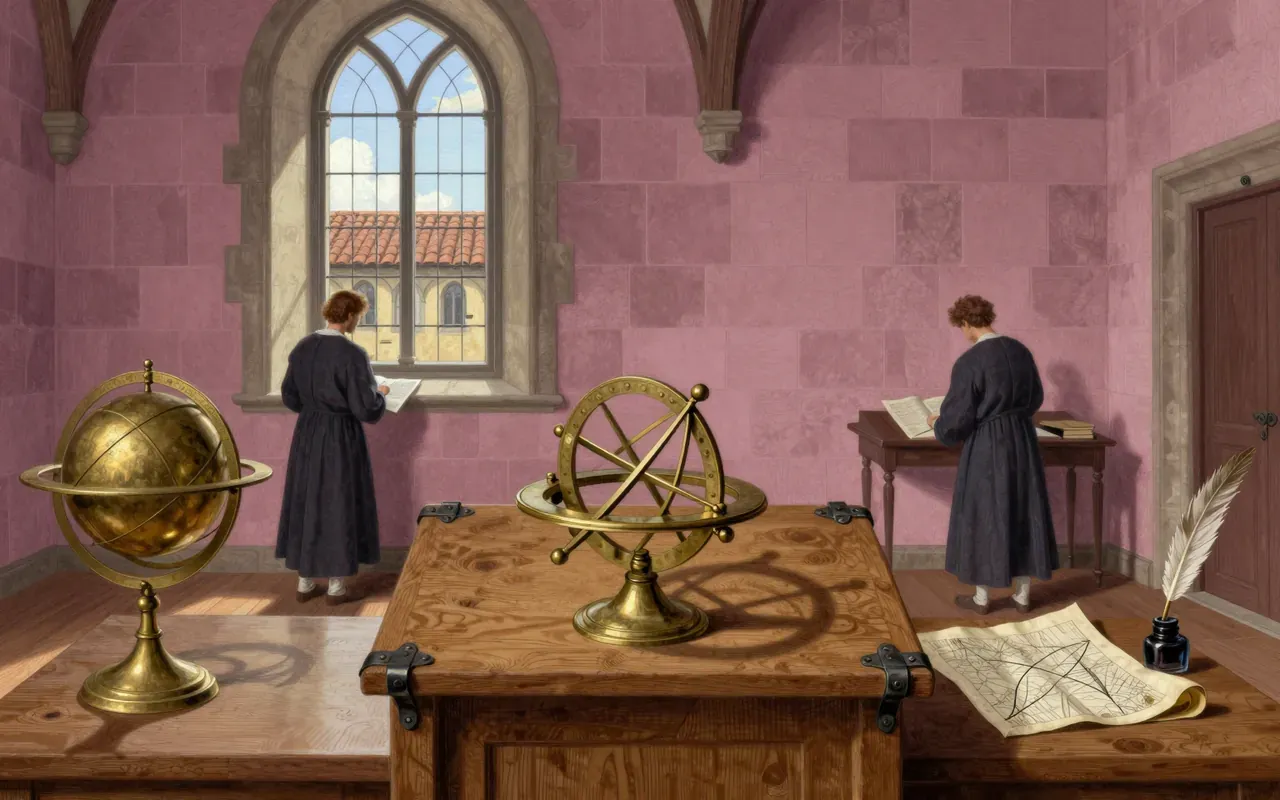
Ibn al-Haytham

He didn’t just study light—he invented the scientific method for perception.
8:20

Eric F. Wieschaus

He didn’t find genes that build embryos—he found the switches that start the clock.
10:02

Avicenna

Avicenna invented conceptual scaffolding for science—not data, but the grammar of causality, certainty, and self-evidence.
10:34

Baconian method

Francis Bacon

Bacon’s method is not a working protocol but a declaration of epistemic discipline: knowledge must be built stepwise from particulars, anchored in observation, and guarded against the Idols of the mind. Its power lies in its framing—not its execution.

10:55

Viking lander biological experiments

Gil Levin

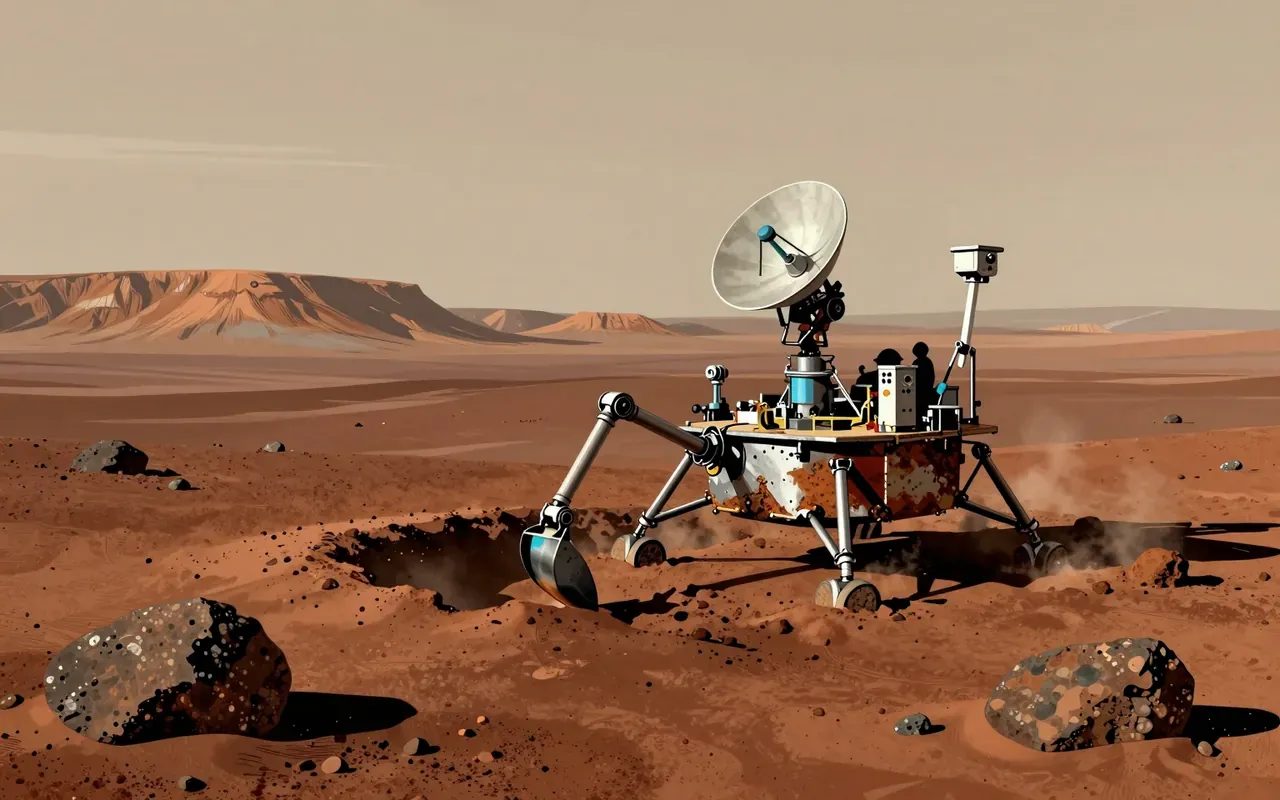
The Viking lander biological experiments were a suite of four in situ tests conducted in 1976 by the Viking 1 and Viking 2 landers to detect microbial life on Mars. The experiments—Gas Chromatograph–Mass Spectrometer (GCMS), Gas Exchange (GEX), Labeled Release (LR), and Pyrolytic Release (PR)—used soil samples collected by robotic arm and analyzed them under controlled conditions. While GCMS found no significant organic molecules, LR yielded positive, reproducible signals of radioactive gas release upon nutrient addition—signals that diminished or disappeared after heat sterilization or cold storage—prompting ongoing debate over whether the results indicate biological metabolism or abiotic oxidative chemistry, especially in light of later discoveries like perchlorate.

9:19

Water cycle

A correct theory of the water cycle existed for 230 years before science accepted it.

design.briefs Design

All 1 in design →
9:29

Salk Institute for Biological Studies

Louis Kahn · 1960

The Salk Institute is the laboratory cluster of Louis Kahn’s unrealised three-part campus. Built 1959–1965 in La Jolla, California, it uses column-free floors, integrated service floors supported by Komendant’s pre-stressed concrete Vierendeel trusses, and a Barragan-advised water court to focus attention on the Pacific Ocean. Only the lab cluster was realised. No source states what it influenced.

games.briefs Games

All 1 in games →
8:50

Unreal (1998 video game)

Epic Games · 1998

Unreal (1998) is a 3D first-person shooter co-developed by Epic MegaGames and Digital Extremes. You play Prisoner 849, a survivor of the crashed prison ship Vortex Rikers on the alien planet Na Pali. You fight through Skaarj-controlled mines, ruined Nali temples, a water temple, a Titan arena, alien installations, and the Skaarj Mothership — uncovering narrative via journals and environmental decay. Its strength lies in atmosphere, scale, and scripted set-pieces. Its limits are linearity, shallow combat, and fragmented storytelling.

business.briefs Business

All 7 in business →
11:51

Theranos

Theranos was not a startup that failed — it was a fraud that scaled.
12:05

Eli Lilly and Company

Eli Lilly · 1875

Eli Lilly and Company is a foundational case in how business infrastructure — not just discovery — creates pharmaceutical power. Its early bets on quality control, prescription gatekeeping, and regulation were deliberate, profitable, and durable. The sources confirm no modern financials or valuations, so analysis must stay anchored in its documented methods and milestones.

10:50

Elizabeth Holmes

A company that renamed itself to avoid the word 'cure' raised $700m selling a blood test that didn’t exist.
10:01

Johnson & Johnson

Robert Wood Johnson · 1886

Johnson & Johnson began as a vertically integrated supplier of standardised, sterile medical consumables — selling trust, training, and readiness, not cures.

10:03

Adolf Dassler

Adolf Dassler built Adidas not with slogans or stories — but with spikes, shark skin, and athletes’ feet.
10:15

Theranos

Elizabeth Holmes · 2003

Theranos was a health technology company founded in 2003 in Palo Alto, California, that falsely claimed to perform rapid, accurate blood tests using minimal blood volume via proprietary devices; investigations revealed it relied on conventional machines, produced inaccurate results, voided two years of Edison data, and misrepresented its capabilities to investors, partners, and regulators.

technology.briefs Technology

All 10 in technology →
10:32

CERN

CERN is not a physics lab—it’s a treaty that turned particle collisions into diplomacy.
10:02

NPU terminology

NPU terminology fixes lab data chaos—but only where metrology matters more than medicine.
11:05

Electromagnetic wave equation

Heinrich Hertz

The electromagnetic wave equation is the foundational PDE for classical electromagnetism. Maxwell derived it mathematically; Hertz verified it physically — not as a vision of wireless communication, but as proof that light is electromagnetic vibration. It works precisely where fields are classical and sources are macroscopic. It fails where quanta matter. Its value lies not in novelty but in necessity: every radio, radar, and optical system still obeys it.

10:23

Fuel cell

William Robert Grove · 1842

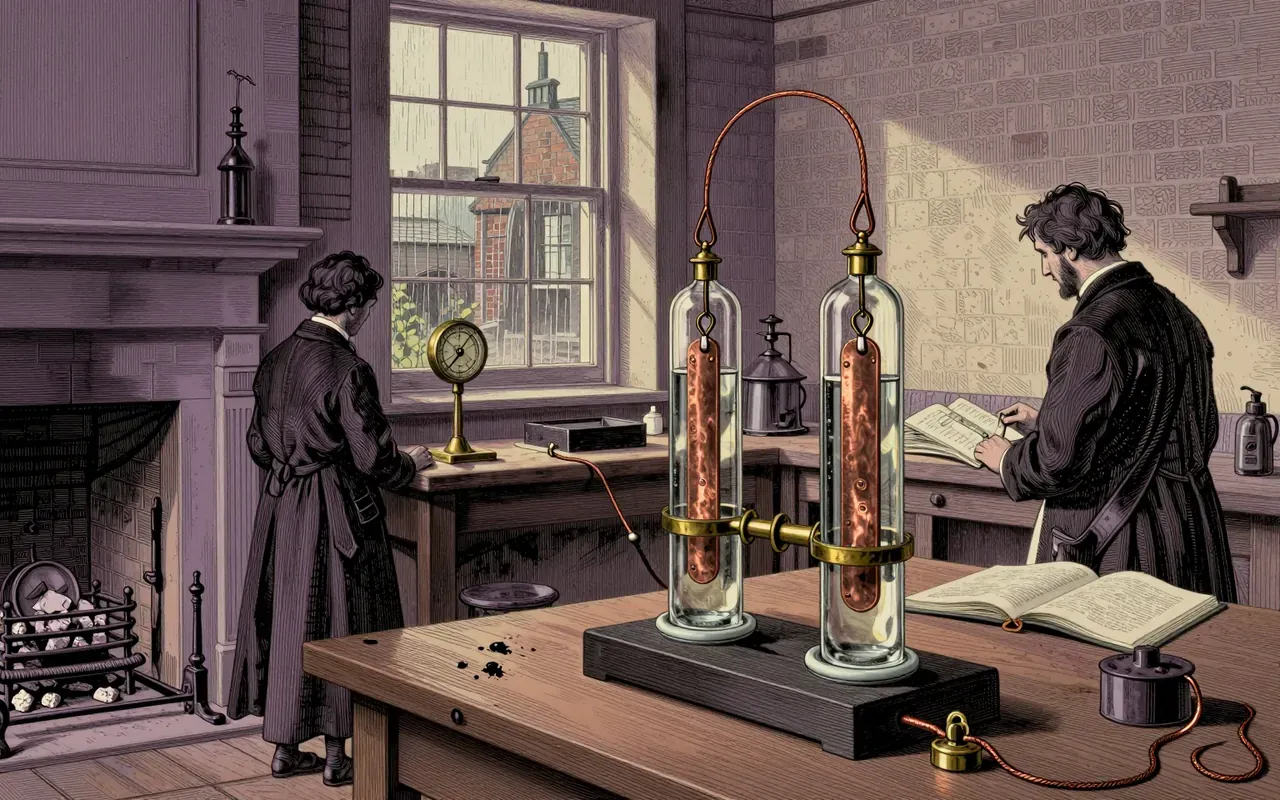
Grove’s fuel cell is a foundational experiment, not a functional technology. It demonstrated atomic reversibility, not power generation.

9:08

Gyroscope

Léon Foucault · 1852

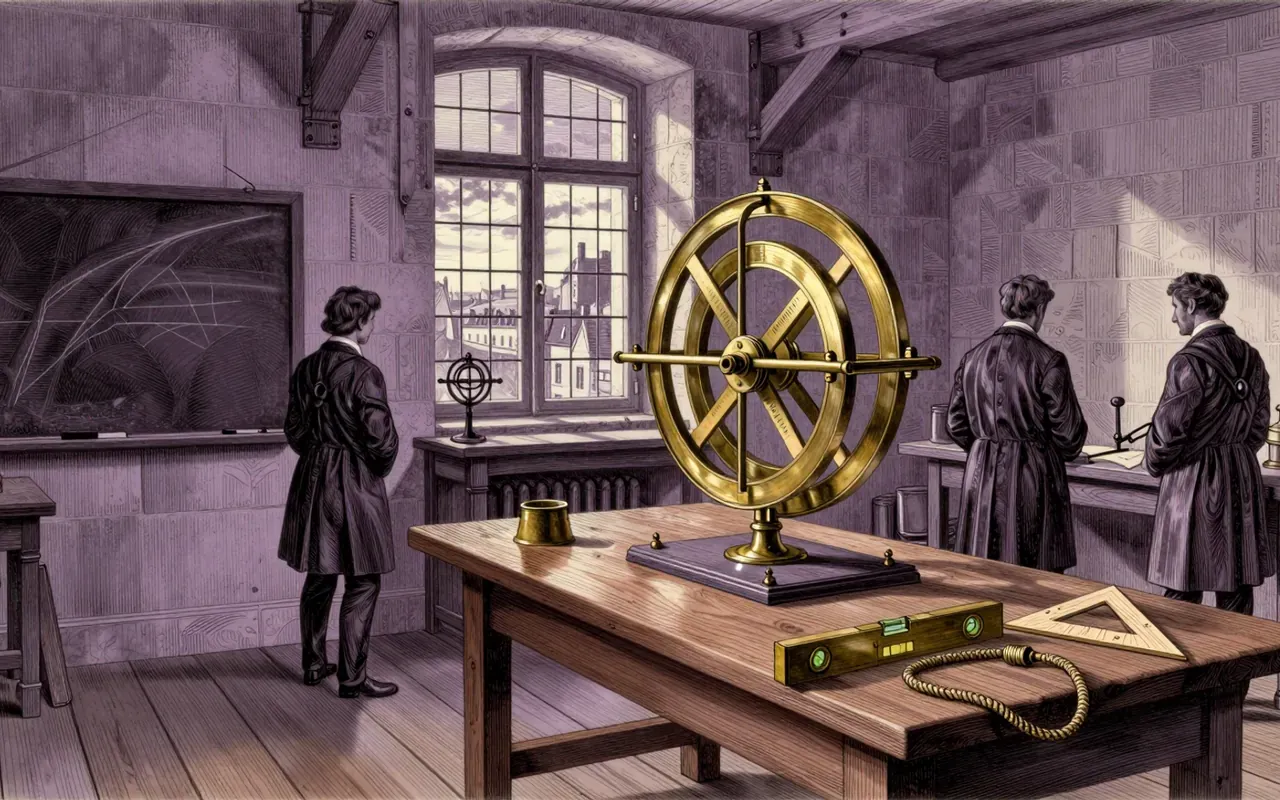
The gyroscope is a demonstration device, not a tool. It makes Earth’s rotation locally visible — for less than ten minutes — using nothing but inertia and friction. It changed pedagogy, not engineering.

12:33

Magnetometer

Gauss and others

Gauss’s 1833 magnetometer established absolute measurement of Earth’s magnetic field strength using oscillation frequency differences — a tenfold precision gain over predecessors. It was the first instrument to derive a non-mechanical quantity from mechanical fundamentals. It did not measure direction or local variation; it required stable conditions and assumed ideal magnetic and torsional behaviour. Its legacy is metrological, not operational.

10:28

Metric system

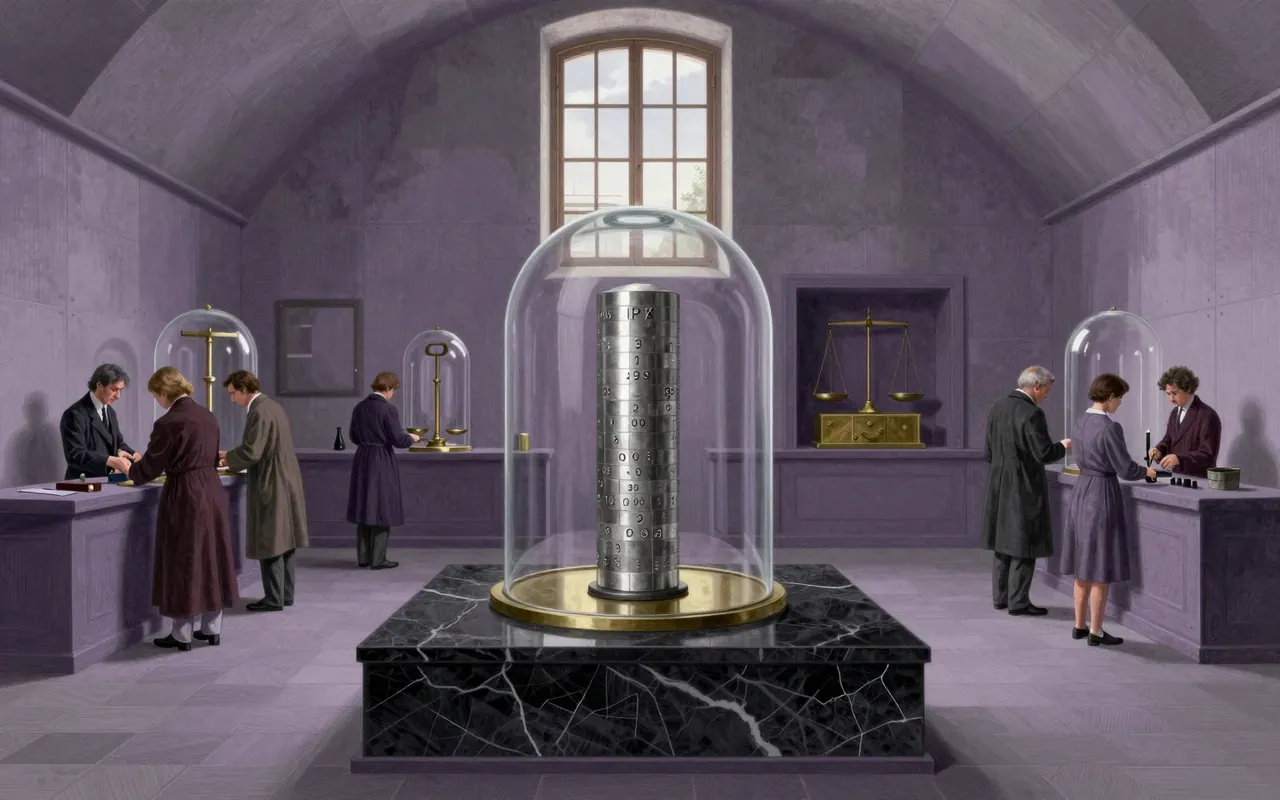
A decimal scaffold built on Earth and water — now anchored to Planck’s constant — that made measurement portable, precise, and political.

culture.briefs Culture

All 10 in culture →
8:52

Science fiction

Science fiction doesn’t predict the future—it rehearses the ethics of power disguised as progress.
11:10

Avicenna

Avicenna didn’t just write medicine—he built the first operating system for scientific thought.
7:46

Empiricism

Empiricism doesn’t trust your mind until your eyes, ears, and instruments have signed off.
8:43

Pragmatism

Pragmatism does not ask 'Is it true?'—it asks 'What happens if you act on it?'
8:58

Rationalism

Rationalism doesn’t trust the senses—it distrusts them. And that’s where it starts to fail.
8:14

Skepticism

Skepticism isn’t doubt for doubt’s sake—it’s the only tool that stops belief from becoming dogma.
8:23

Aristotle

Aristotle didn’t discover truth—he built the first scalable syntax for arguing about it.
8:54

Bruno Latour

Science isn’t discovered in labs—it’s built there, one discarded datum at a time.

food.briefs Food

All 1 in food →
9:55

Umami

The fifth basic taste, found in kombu broth, dried bonito and shiitake, and identified by science in 1908.

nature.briefs Nature

All 6 in nature →
11:08

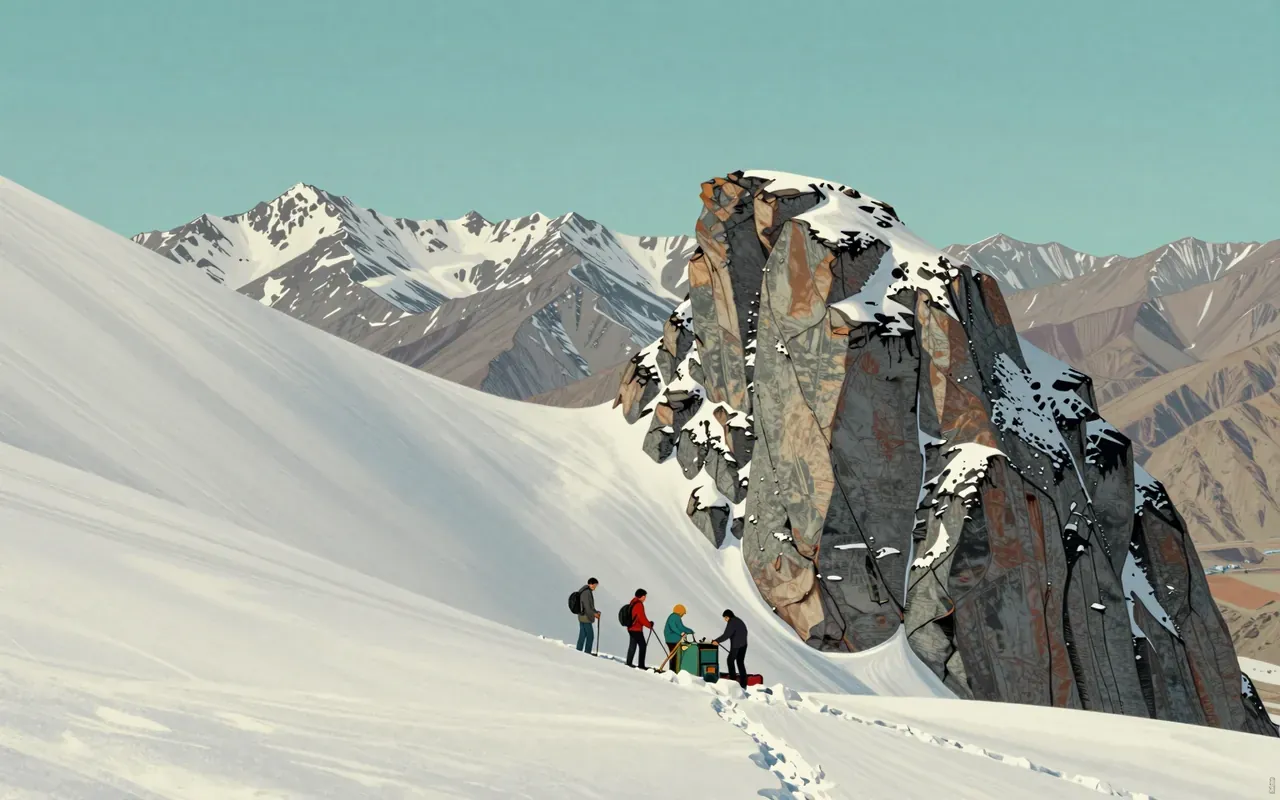
Mount Everest

The highest mountain above sea level, on the China–Nepal border, and a height that has been measured again and again since 1856.
9:01

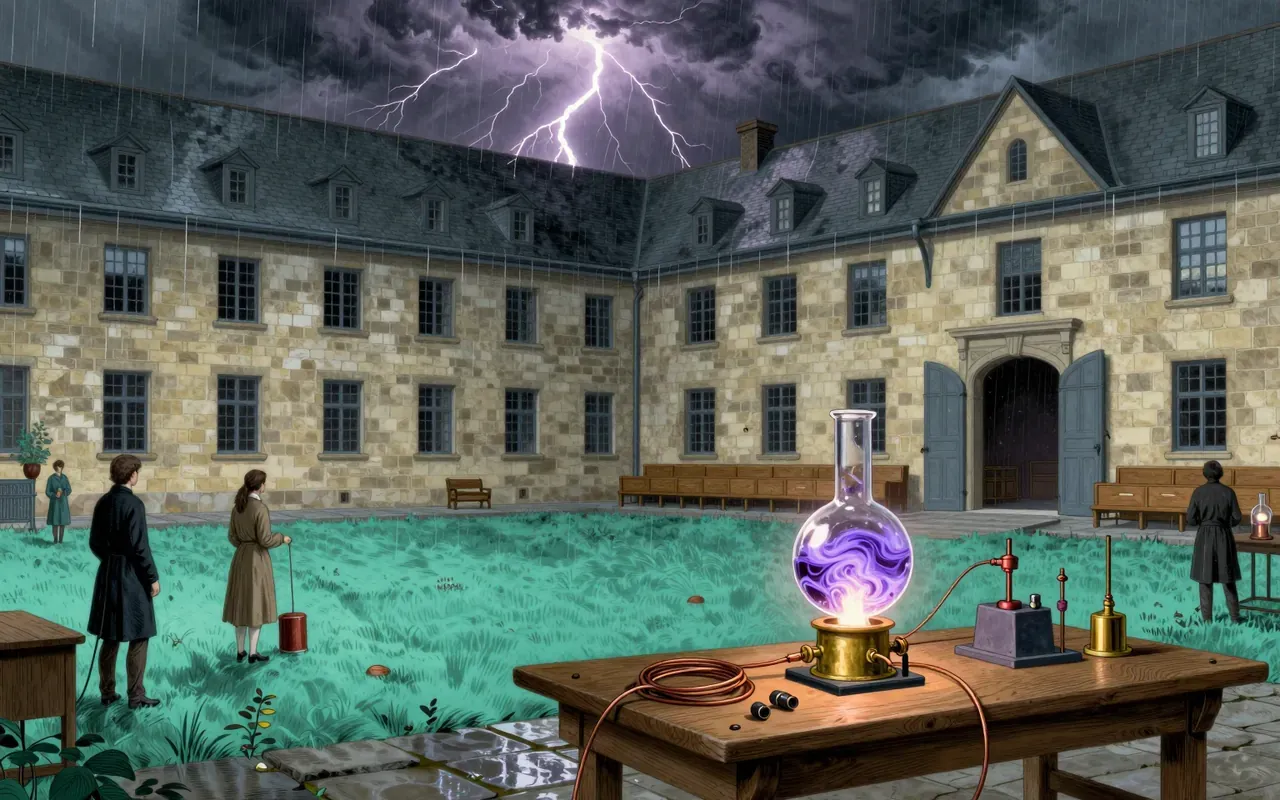
Ball lightning

Ball lightning isn’t weather — it’s a warning that our instruments still miss what the sky actually does.
7:57

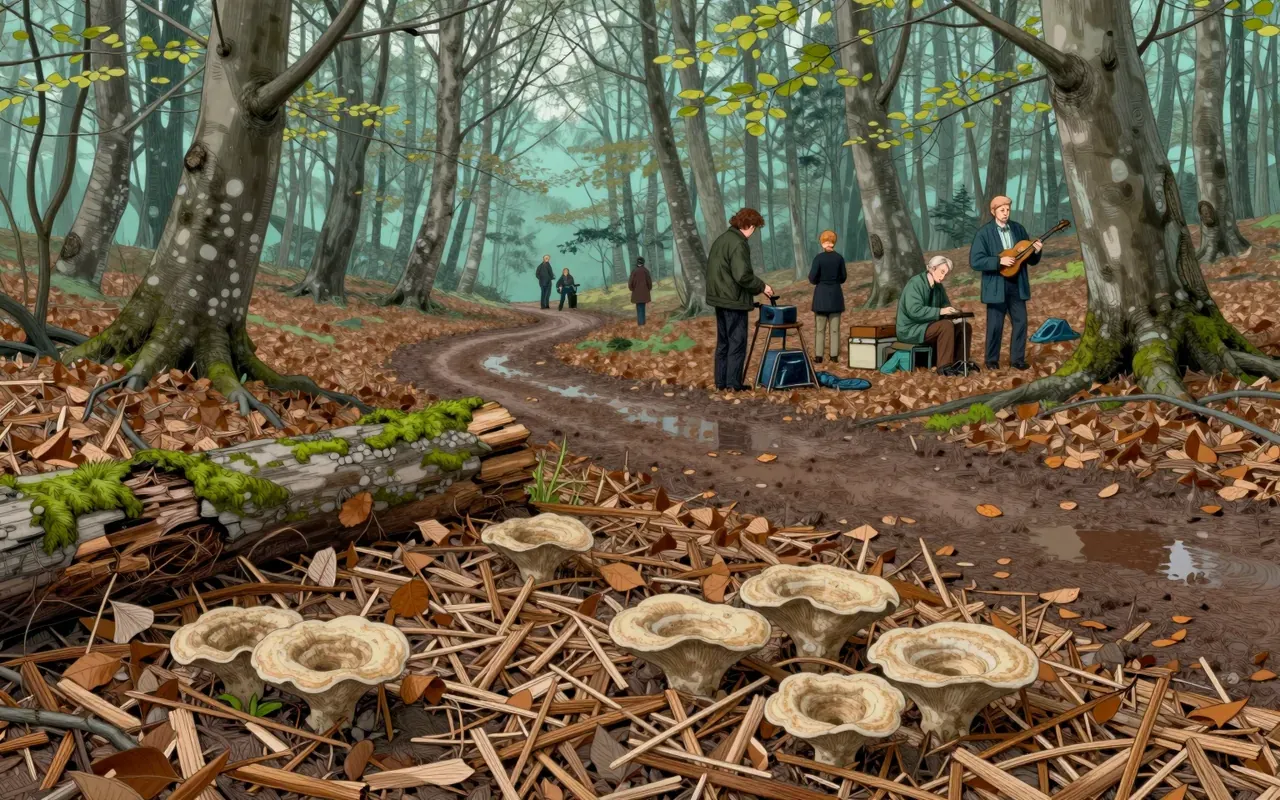
Nidulariaceae

They don’t shoot spores — they catch rain like a cup and fling eggs.
9:31

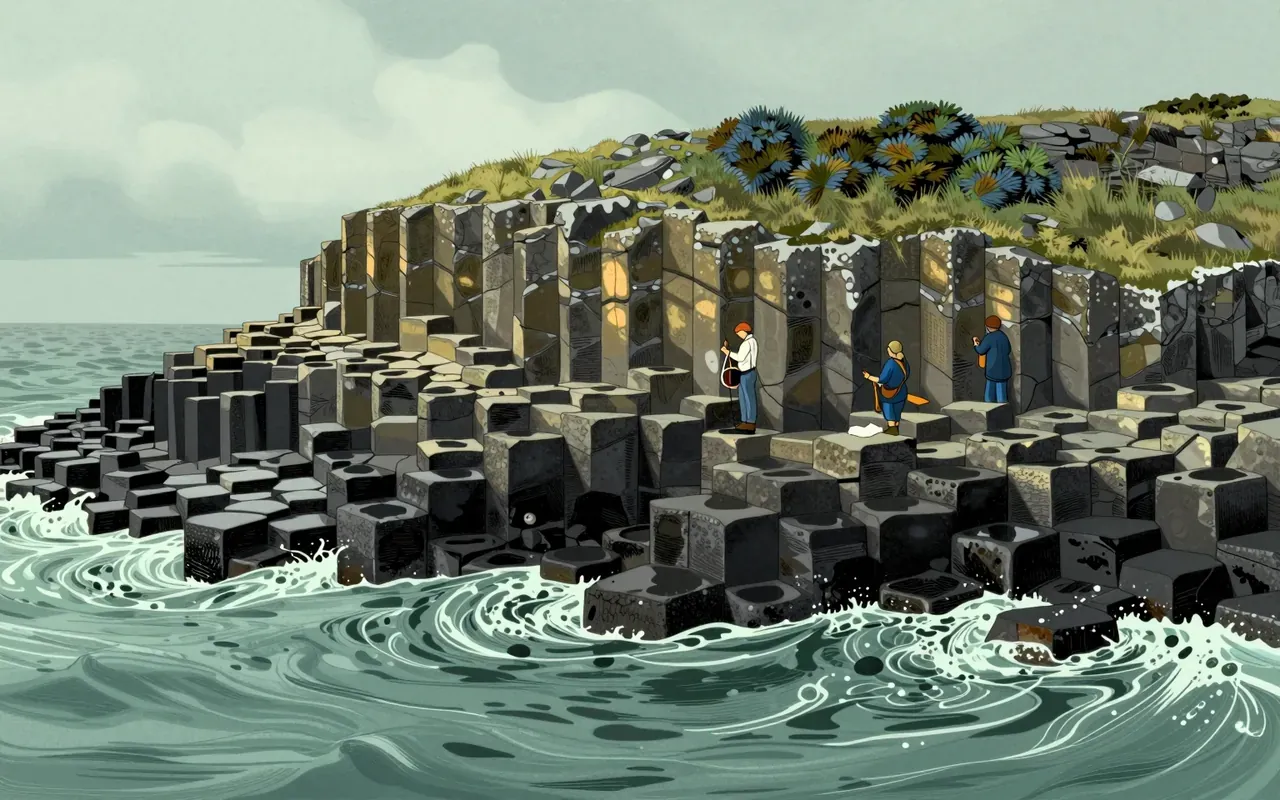
Giant's Causeway

A textbook in basalt: 40,000 columns that prove cooling lava fractures predictably — and changed how we read the Earth.
8:28

Mimosa pudica

A plant that learns, forgets, and measures voltage — but only if you poke it twice.
9:01

St. Elmo's fire

St. Elmo’s fire is plasma — not magic, not lightning, but ionized air glowing where geometry meets voltage.