briefs
Topic · across the network

The civil rights movement

A decade of organised pressure that changed what American law would say.

62
briefs
4
subjects
11:35
average
719 min
in total
Abstraction 407Absurdism 137Acoustics 220Acting 65Adaptation 372Addiction 95Adolescence 202Advertising 77Age of exploration 14Ageing 113Agriculture 100Algorithms 114Ambition 46Anarchism 38Ancient Egypt 17Ancient Greece 38Ancient Rome 30Animals 172Anthropology 23Apartheid 12Architecture 165Archives 32Argentina 10Art Deco 26Artificial intelligence 78Astronomy 81Attention 42Australia 32Automation 73Avant-garde 164Aviation 79Banking 72Banned works 40Bauhaus 12Beer 5Behavioural economics 22Berlin 16Big tech 6Biodiversity 136Biography 86Birds 41Black holes 20Blockchain 12Boxing 14Branding 77Brazil 43Bread 29Britain 131Brutalism 4Bubbles 3Buddhism 28Byzantium 10California 17Canada 18Capitalism 94Cars 468Celebrity 59Censorship 110Cheese 24Chefs 9Chemistry 104Chess 2Childhood 87China 109Chocolate 8Christianity 49Cinematography 343Cities 90Class 485Climate change 107Club culture 100Cocktails 2Coffee 11Cognitive bias 14Collecting 16Colonialism 284Colour 42Comedy 89Community 52Complexity 21Computing 309Consciousness 16Conservatism 14Conspiracy theories 8Cooking 178Corruption 38Cosmology 31Cover versions 64Craft 116Crate digging 42Creativity 8Crime 234Cryptocurrency 8Cryptography 24Cuba 10Cybersecurity 30Dada 12Debt 38Decision-making 28Decolonisation 46Deep time 80Democracy 45Denim 16Deserts 45Detroit 17Dinosaurs 12Directing 168Disasters 59Disease 109DJ culture 89Dreams 32Drones 5Drum machines 96Dystopia 69East Africa 28Ecology 337Economics 36Editing 72Education 92Egypt 12Electric vehicles 59Emotion 22Empire 92Endurance 49Energy 120Engineering 541Entropy 8Epidemics 13Equality 9Espionage 31Ethics 44Evolution 174Existentialism 106Expertise 2Exploration 49Extinction 23Failure 37Family 240Fandom 22Fascism 45Fashion 215Fast fashion 12Fear 34Feminism 122Fermentation 126Film music 81Fishing 12Folklore 71Food history 588Football 16Forests 31Forgery 7France 163Fraud 15Free will 13Freedom 16French literature 15Friendship 24Furniture 36Gambling 14Gender 63Generations 28Genetics 87Geology 96Germany 66Globalisation 74Gothic 32Greece 5Grief 126Habits 6Happiness 2Hardware 709Haute couture 22Headphones 8Hi-fi 12Hinduism 12Hoaxes 1Human history 23Human nature 41Identity 138Illustration 8Impressionism 6Improvisation 249India 89Indonesia 15Industrial design 342Inequality 13Inflation 4Information 34Infrastructure 280Insects 29Intelligence 8Interiors 31Internet culture 88Invention 329Iran 41Islam 40Islands 17Israel 9Italy 52Jamaica 10Japan 114Jewellery 5Journalism 34Judaism 13Justice 42Korea 41Language 70Law 90Leadership 20Learning 6Liberalism 1Libraries 6Literary criticism 26London 12Loneliness 61Los Angeles 62Lost works 9Love 67Luxury 55Machine learning 15Management 10Maps 5Marketing 21Markets 51Mars 6Marxism 26Masculinity 46Materials 138Mathematics 79Meaning 6Medicine 124Memory 82Mental health 70Mesopotamia 4Mexico 38Migration 95Minimalism 68Mining 30Misinformation 9Modernism 63Money 24Monopoly 32Mortality 61Motivation 2Mountains 16Museums 27Mysticism 11Mythology 60Nationalism 40Neuroscience 23New York 36Nigeria 7Nihilism 10Noise 31Nostalgia 33Nuclear 29Nutrition 17Oceans 48Oil 42Open source 45Painting 18Palaeontology 29Parenting 14Paris 18Partition 6Patents 71Patronage 14Perception 44Personal style 27Personality 2Persuasion 8Peru 10Philosophy 77Photography 37Physics 206Plants 26Platforms 89Podcasting 1Poetry 25Poland 17Policing 34Pop Art 16Populism 2Portraiture 6Portugal 18Postmodernism 23Power 91Prehistory 24Preservation 28Printmaking 21Privacy 11Probability 6Productivity 1Programming 54Prohibition 1Propaganda 35Protest 75Pseudoscience 17Psychology 80Publishing 22Punishment 16Quantum mechanics 44Race 145Radio 30Railways 35Rave 17Realism 47Record labels 19Recording 810Relativity 23Religion 154Resilience 15Restaurants 30Restoration 2Retail 94Revolution 58Risk 18Ritual 96Robotics 26Romance 96Russia 58Salt 9Sampling 246Satire 84Scandinavia 28Scientific method 186Screenwriting 26Sculpture 7Secularism 2Self-deception 14Semiconductors 73Sexuality 102Ships 18Silence 24Silicon Valley 17Slavery 35Sleep 2Smartphones 27Sneakers 15Social media 58Socialism 9Software 68Songwriting 180Sound design 332Sound systems 20South Africa 19South East Asia 30Space exploration 84Spain 18Special effects 41Spices 62Spirits 12Sport 82Startups 21Statistics 10Status 9Stoicism 4Storytelling 68Strategy 70Street food 99Streetwear 16Studio craft 508Subcultures 59Sugar 12Supply chains 115Surrealism 53Surveillance 21Sustainability 30Synthesis 232Tailoring 37Taxation 14Tea 24Textiles 97Thailand 11The American Revolution 19The American South 88The Arab world 41The Arctic 19The Balkans 17The Belle Epoque 13The body 29The brain 26The Caribbean 28The civil rights movement 62The Cold War 160The eighties 268The Enlightenment 29The financial crisis 19The First World War 39The food industry 157The French Revolution 9The Gilded Age 9The Great Depression 18The Holocaust 20The Industrial Revolution 93The internet 61The interwar years 135The Middle Ages 35The Moon 4The music business 169The Netherlands 10The nineties 26The Olympics 10The pandemic 13The Reformation 1The Renaissance 16The Russian Revolution 19The Second World War 102The seventies 58The sixties 28The space race 5The United States 19The universe 7The Victorian era 37Therapy 20Tokyo 11Trade 48Tragedy 22Translation 5Trauma 85Travel 5True crime 2Turkey 18Typography 54Uniforms 23Unions 8Urban planning 66Utilitarianism 1Utopia 5Vaccines 10Vegetarianism 15Venture capital 6Video games 291Vietnam 12Vintage 65Vinyl 6Virtual reality 11War 169Watches 4Water 11Weather 29West Africa 29Wilderness 10Wine 3Work 22Workwear 19Worldbuilding 121

music.briefs Music

All 19 in music →
9:30

People Get Ready

The Impressions · 1965

A gospel-influenced 1965 single by The Impressions, composed by Curtis Mayfield, featuring his first guitar break on an Impressions hit and drawing its language and structure from Black American freedom-song tradition and church teaching.
8:12

Rock ’n Soul

Solomon Burke · 1964

A foundational soul record defined by vocal command, rhythmic tension, and theological gravity — not studio craft.

10:08

Sin & Soul

Oscar Brown Jr. · 1960

Sin & Soul is Oscar Brown Jr.'s 1960 debut LP — a lyric-driven jazz record built from pre-existing instrumentals. It states Black experience plainly, using rhythm, repetition, and vernacular language. Its sound is lean, dry, and voice-forward. No embellishment. No evasion.

9:11

We Insist! Max Roach’s Freedom Now Suite

Max Roach · 1961

We Insist! is a 1960 jazz suite commissioned for the Emancipation Proclamation centennial. Abbey Lincoln sings. Oscar Brown Jr. writes the lyrics. Nothing more is verifiable.

9:54

Curtis

Curtis Mayfield · 1970

Curtis is Curtis Mayfield’s 1970 solo debut, produced by Mayfield and released on Curtom Records. It departs from The Impressions’ pop-soul sound toward funk and psychedelic-influenced arrangements, with a harder-edged sonic character. It features politically charged lyrics and stylistic duality — hard funk versus soft soul — realised through Mayfield’s self-directed vision and collaborative studio execution with a large ensemble. It was a top-20 commercial and critical success, won the 1972 Prix Otis Redding, and ranks No. 275 on Rolling Stone’s 500 Greatest Albums. It precedes and is compared to Marvin Gaye’s What’s Going On for its engagement with social change. No source provides details about instruments, tempos, rooms, mics, or specific production techniques.

11:04

Live at the Harlem Square Club, 1963

Sam Cooke · 1985

Live at the Harlem Square Club, 1963 is a live album recorded on January 12, 1963, at the Harlem Square Club in Miami — a small, historically Black venue in Overtown — and released by RCA Records in June 1985 after being shelved for over two decades. RCA found the recordings too loud, raw and raucous — inconsistent with the international pop star image they were cultivating for Cooke — and shelved them. Executive Gregg Geller rediscovered the tapes in 1985 and issued the album that year. Three mixes exist: the 1985 issue, a version included on the 2000 box set The Man Who Invented Soul, and a 2005 remaster from RCA.

10:12

Modern Sounds in Country and Western Music

Ray Charles · 1962

Modern Sounds in Country and Western Music is a studio album by Ray Charles, recorded in February 1962 at Capitol Studios in New York City and United Studio B at United Western Recorders in Hollywood. It was released in March 1962 by ABC-Paramount Records. The album features covers of country standards selected by A&R man Sid Feller from approximately 250 tapes sourced from Acuff-Rose and Hill & Range Songs. Arrangements were handled by Gerald Wilson, Gil Fuller, and Marty Paich, with Hank Crawford on alto saxophone. Charles directed arrangements via voice-and-piano demos and rewrote at least one himself. The album’s sound is defined by piano-led ballads, cushioned countrypolitan strings, and West Coast jazz-inflected big-band charts. It helped bring country music into the musical mainstream and became Charles’s first album to top the Billboard 200. His version of ‘I Can’t Stop Loving You’ topped the Pop chart for five weeks and reached No. 1 on the R&B chart for ten weeks.

12:03

Stand!

Sly and the Family Stone · 1969

Stand! is a live-wire document of funk’s emergence—not a polished statement, but a working argument made in real time, in one room, with shifting roles and urgent ideas.

film.briefs Film

All 25 in film →
13:00

Affirmations

Marlon Riggs · 1990

Marlon Riggs’s 1990 ten-minute short Affirmations places Black gay men visibly within Harlem’s African American Freedom Day parade, intercutting Reginald T. Jackson’s quiet recollection of intimacy with footage of protest, portraiture and public speech. Using minimal craft and maximal assertion, it treats queerness not as deviation from Black tradition but as its living, contested continuation.

13:00

Buck and the Preacher

Sidney Poitier · 1972

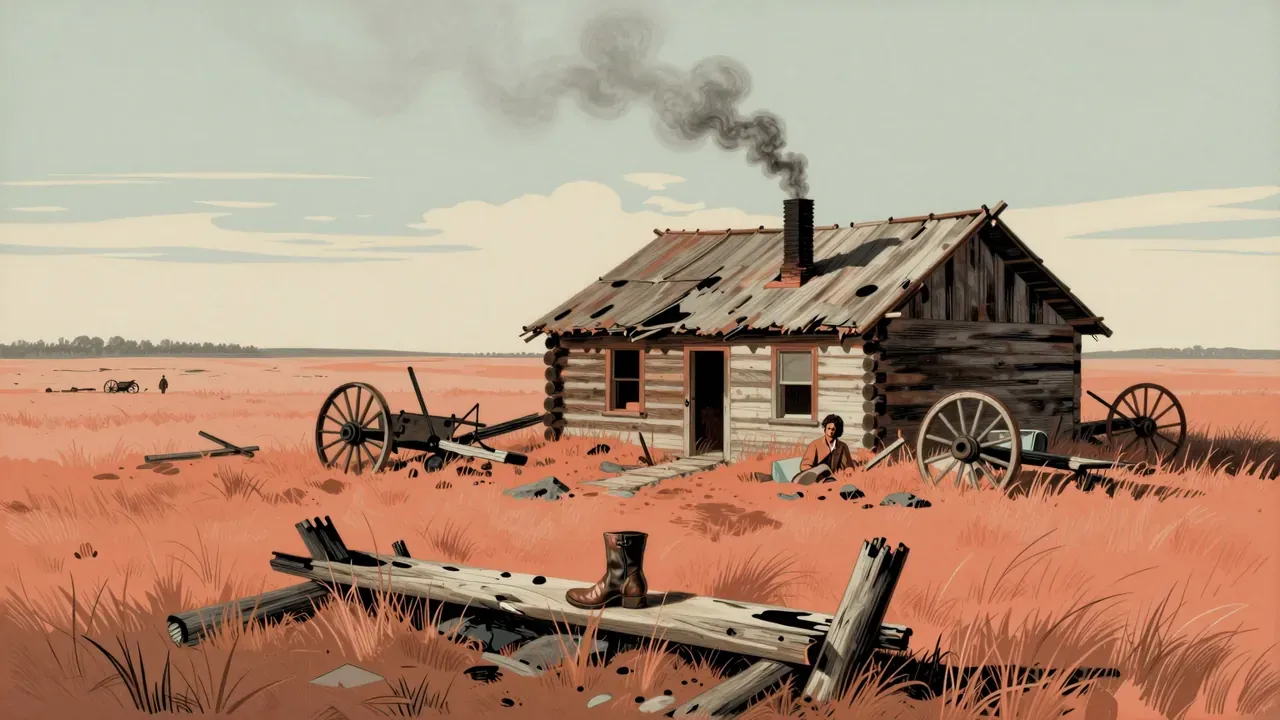
Sidney Poitier’s 1972 directorial debut Buck and the Preacher recasts the Western around the Exoduster movement: Buck (Poitier) leads freed people westward, negotiates with Native Americans for safe passage, and allies with the sharp-tongued Reverend Rutherford (Harry Belafonte) to evade white marauders. Shot in Mexico and Kenya, with cinematography by Alex Phillips Jr. and music by Benny Carter, it balances action with quiet realism — prioritising collective survival over individual legend. Though its villains lack nuance and some plot devices feel functional, its commitment to Black self-determination, material history, and genre reclamation remains potent.

13:00

Claudine

John Berry, John Berry · 1974

A 1974 drama set in Harlem, Claudine follows Claudine Price, a single Black mother of six who works as a housekeeper while relying on welfare. When she begins dating Rupert, a cheerful garbage collector, their relationship is tested by poverty, bureaucratic constraints, her children’s resistance, and systemic pressures. Directed by John Berry and written by Tina Pine, the film grounds its social observation in specific place and unvarnished performance—Diahann Carroll and James Earl Jones anchor a portrait of endurance, interdependence, and quiet dignity.

13:00

Color Adjustment

Marlon Riggs · 1992

Marlon Riggs’s 1992 documentary examines four decades of African American representation on US prime-time television, tracing how sitcoms and variety shows absorbed racial conflict into safe, marketable formats. Narrated by Ruby Dee and built from archival clips, interviews with performers and producers, and cultural criticism, it argues that inclusion was conditional — granted only when it reinforced, rather than challenged, dominant myths of the American family and dream.

13:00

Do the Right Thing

Spike Lee · 1989

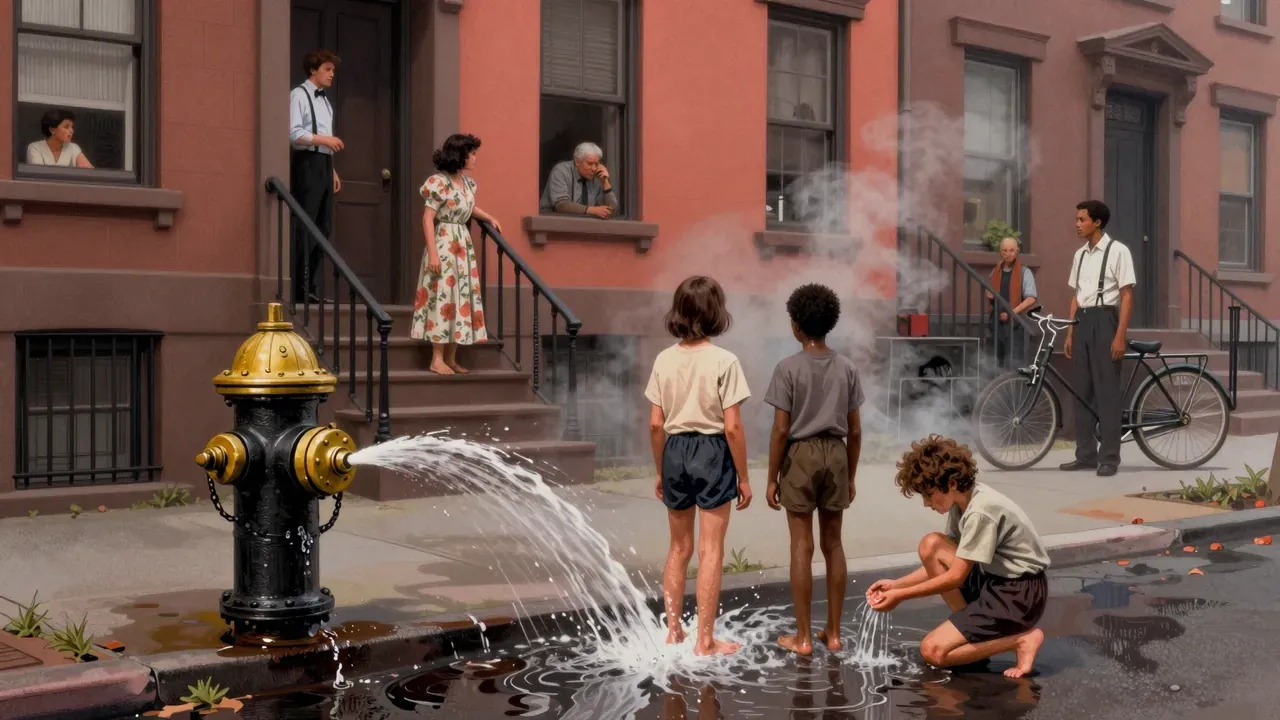
Set over one sweltering day in Bedford–Stuyvesant, Do the Right Thing follows residents of a Brooklyn block as racial tensions escalate around Sal’s pizzeria. Spike Lee’s script, direction and performance anchor a tightly composed ensemble piece whose visual intensity, rhythmic editing and layered sound design sustain pressure until a violent climax forces confrontation — not resolution. It is a film about proximity without understanding, labour without equity, and protest without guarantees.

13:00

Easy Rider

Dennis Hopper · 1969

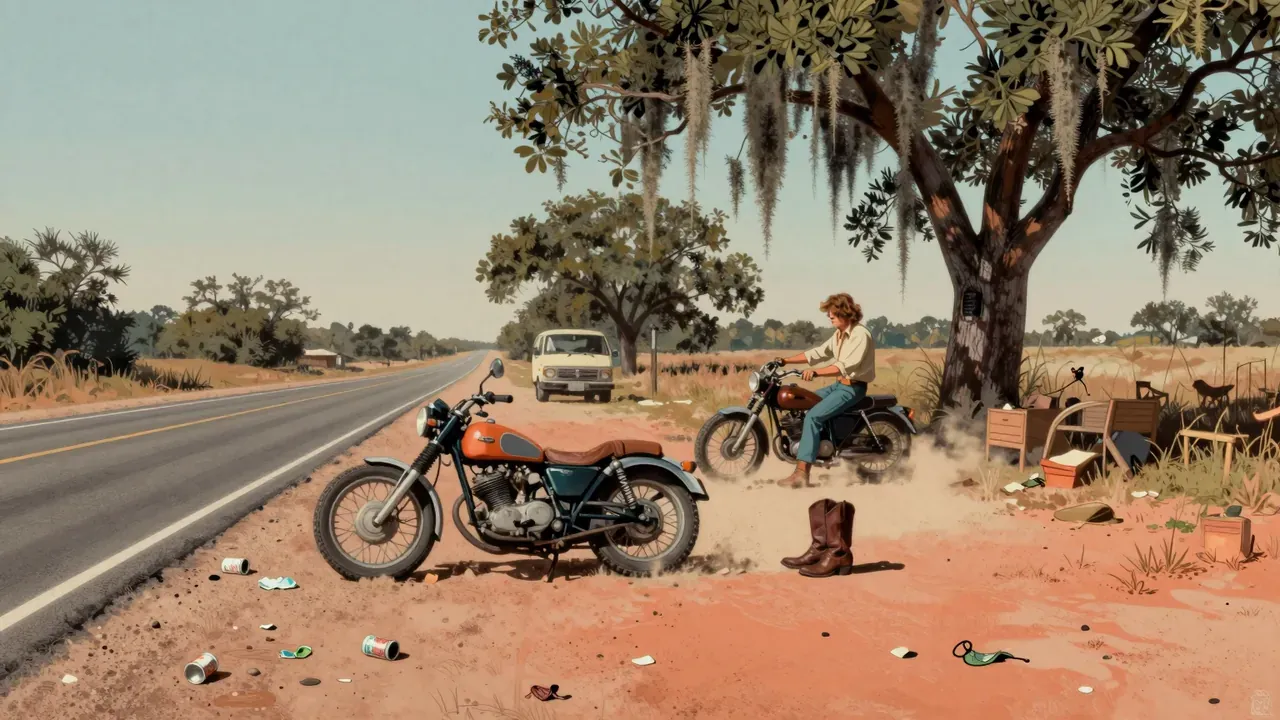
Easy Rider (1969), directed by Dennis Hopper and starring Peter Fonda and Jack Nicholson, follows two bikers travelling cross-country after a drug deal. Shot on location with natural light and improvised dialogue, it captures a fractured America through landscape, gesture, and omission. Its influence on independent cinema is well documented, but its endurance rests on formal discipline — not countercultural myth-making.

13:00

Ethnic Notions

Marlon Riggs · 1987

Marlon Riggs’ 1987 documentary Ethnic Notions traces the development and function of anti-Black stereotypes in American popular culture from the 1800s to the 1960s. Using archival footage, academic commentary, and Esther Rolle’s narration, it dissects figures like The Mammy, The Tom, and The Brute across minstrelsy, advertising, film, and song — showing how visual language enforced racial hierarchy and shaped self-perception. It won a 1988 National Emmy and remains Riggs’ most widely seen work.

13:00

Hairspray

John Waters · 1988

John Waters’s 1988 romantic comedy reimagines 1962 Baltimore as a stage for joyful, noisy resistance. Tracy Turnblad, a plus-size teen, fights to integrate a local TV dance show — and in doing so, exposes segregation as farcical, fragile, and beatable. With Ricki Lake, Divine, Ruth Brown, and Debbie Harry, it balances satire and sincerity, using music, dance, and outrageous costume to argue that liberation is loud, embodied, and unapologetically fun.

history.briefs History

All 8 in history →
9:32

Cesar Chavez

1965–1970

Cesar Chavez co-founded the National Farm Workers Association in Delano, California in 1962. He launched an insurance scheme, credit union, and El Malcriado newspaper. He led the Delano grape strike from 1965 to 1970. His NFWA merged with Larry Itliong’s Agricultural Workers Organizing Committee in 1967 to form the United Farm Workers. He used nonviolent resistance — picketing, boycotting, public processions, Masses, and fasts — inspired by Gandhi and infused with Catholic symbolism. In the early 1970s, he opened UFW branches outside California.

9:51

Clara Barton

April 19, 1861

Clara Barton’s documented life establishes a direct line from childhood caregiving to wartime triage to institutional foundation — all without formal credentials, and all before women held civic power. The record shows method, scale and timing — but nothing about dissent, implementation, or impact beyond founding.

10:46

Eleanor Roosevelt

1933 to 1945

Eleanor Roosevelt redefined the first lady’s role through sustained public engagement, media innovation, and advocacy — including leading the drafting and adoption of the Universal Declaration of Human Rights. Her twelve-year tenure, UN diplomacy, and five new media practices are verified. Arthurdale is explicitly labelled a failure. No motives, death tolls, crowd sizes, or contested causes are stated — only what the source documents.

11:19

Frederick Douglass

Douglass didn’t rise by inspiration—he built his authority brick by brick: a fist, a book, a constitution, a sentence.
9:40

Rosa Parks

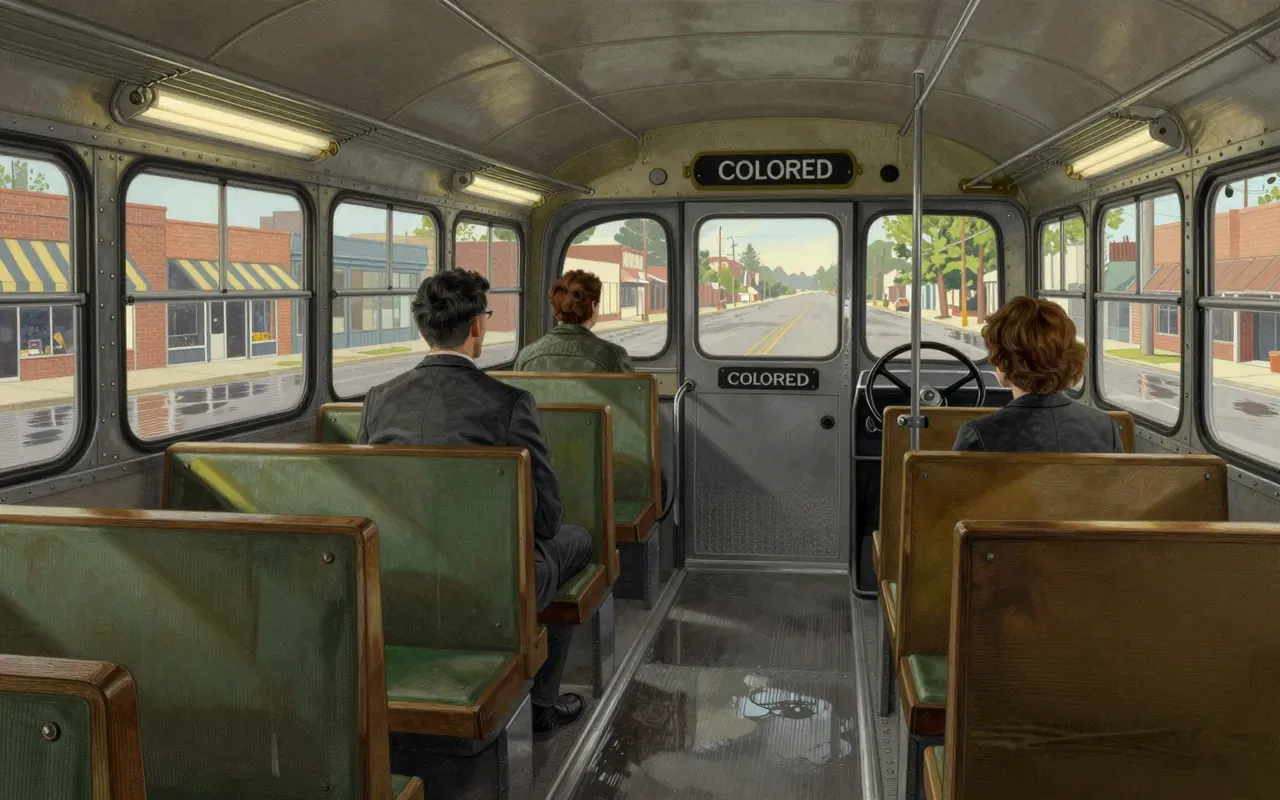
Rosa Parks didn’t sit down by accident — she sat down to start a war of attrition against segregation, and won.
10:22

Thurgood Marshall

Marshall didn’t just win cases — he rebuilt how courts measure equality, one plain-spoken, evidence-led opinion at a time.
13:00

American Civil War

1861–1865

The American Civil War, fought from 1861 to 1865 after eleven Southern states seceded following Abraham Lincoln's election, killed an estimated 616,000 to over a million people through combat, disease and civilian and enslaved deaths whose exact toll remains genuinely uncertain, and ended with Confederate surrender, the abolition of slavery, and a Union preserved under expanded federal authority. Modern historians overwhelmingly identify slavery as the war's central cause, a conclusion the seceding states' own secession documents support directly, in explicit contrast to the later Lost Cause narrative that denied it.

13:00

Assassination of Martin Luther King Jr.

4 April 1968

Martin Luther King Jr. was shot at the Lorraine Motel in Memphis on 4 April 1968 and died within the hour. James Earl Ray was captured two months later, pleaded guilty, and then recanted within days, spending decades unsuccessfully trying to withdraw his plea. A 1999 civil trial found a Memphis businessman and unnamed others liable for a conspiracy in King's death, a verdict that carried no legal effect on Ray's conviction and left the case formally split between two contradictory findings.

culture.briefs Culture

All 10 in culture →
10:55

James Baldwin

Baldwin refused to let race be discussed without sexuality, or oppression without interiority.
10:16

Langston Hughes

Hughes didn’t just write about Black life—he insisted it was the only subject worth writing from.
10:03

Malcolm X

Malcolm X wasn’t a prophet—he was a strategist whose rupture with the Nation of Islam exposed the limits of Black separatism under state scrutiny.
10:37

Maya Angelou

Angelou didn’t just tell her story—she rebuilt the form to hold Black women’s truth, then took it to the White House and the lecture hall.