briefs
Topic · across the network

Dreams

The mind off the leash, interpreted by every era in its own image.

32
briefs
5
subjects
12:04
average
386 min
in total
Abstraction 407Absurdism 137Acoustics 220Acting 65Adaptation 372Addiction 95Adolescence 202Advertising 77Age of exploration 14Ageing 113Agriculture 100Algorithms 114Ambition 46Anarchism 38Ancient Egypt 17Ancient Greece 38Ancient Rome 30Animals 172Anthropology 23Apartheid 12Architecture 165Archives 32Argentina 10Art Deco 26Artificial intelligence 78Astronomy 81Attention 42Australia 32Automation 73Avant-garde 164Aviation 79Banking 72Banned works 40Bauhaus 12Beer 5Behavioural economics 22Berlin 16Big tech 6Biodiversity 136Biography 86Birds 41Black holes 20Blockchain 12Boxing 14Branding 77Brazil 43Bread 29Britain 131Brutalism 4Bubbles 3Buddhism 28Byzantium 10California 17Canada 18Capitalism 94Cars 468Celebrity 59Censorship 110Cheese 24Chefs 9Chemistry 104Chess 2Childhood 87China 109Chocolate 8Christianity 49Cinematography 343Cities 90Class 485Climate change 107Club culture 100Cocktails 2Coffee 11Cognitive bias 14Collecting 16Colonialism 284Colour 42Comedy 89Community 52Complexity 21Computing 309Consciousness 16Conservatism 14Conspiracy theories 8Cooking 178Corruption 38Cosmology 31Cover versions 64Craft 116Crate digging 42Creativity 8Crime 234Cryptocurrency 8Cryptography 24Cuba 10Cybersecurity 30Dada 12Debt 38Decision-making 28Decolonisation 46Deep time 80Democracy 45Denim 16Deserts 45Detroit 17Dinosaurs 12Directing 168Disasters 59Disease 109DJ culture 89Dreams 32Drones 5Drum machines 96Dystopia 69East Africa 28Ecology 337Economics 36Editing 72Education 92Egypt 12Electric vehicles 59Emotion 22Empire 92Endurance 49Energy 120Engineering 541Entropy 8Epidemics 13Equality 9Espionage 31Ethics 44Evolution 174Existentialism 106Expertise 2Exploration 49Extinction 23Failure 37Family 240Fandom 22Fascism 45Fashion 215Fast fashion 12Fear 34Feminism 122Fermentation 126Film music 81Fishing 12Folklore 71Food history 588Football 16Forests 31Forgery 7France 163Fraud 15Free will 13Freedom 16French literature 15Friendship 24Furniture 36Gambling 14Gender 63Generations 28Genetics 87Geology 96Germany 66Globalisation 74Gothic 32Greece 5Grief 126Habits 6Happiness 2Hardware 709Haute couture 22Headphones 8Hi-fi 12Hinduism 12Hoaxes 1Human history 23Human nature 41Identity 138Illustration 8Impressionism 6Improvisation 249India 89Indonesia 15Industrial design 342Inequality 13Inflation 4Information 34Infrastructure 280Insects 29Intelligence 8Interiors 31Internet culture 88Invention 329Iran 41Islam 40Islands 17Israel 9Italy 52Jamaica 10Japan 114Jewellery 5Journalism 34Judaism 13Justice 42Korea 41Language 70Law 90Leadership 20Learning 6Liberalism 1Libraries 6Literary criticism 26London 12Loneliness 61Los Angeles 62Lost works 9Love 67Luxury 55Machine learning 15Management 10Maps 5Marketing 21Markets 51Mars 6Marxism 26Masculinity 46Materials 138Mathematics 79Meaning 6Medicine 124Memory 82Mental health 70Mesopotamia 4Mexico 38Migration 95Minimalism 68Mining 30Misinformation 9Modernism 63Money 24Monopoly 32Mortality 61Motivation 2Mountains 16Museums 27Mysticism 11Mythology 60Nationalism 40Neuroscience 23New York 36Nigeria 7Nihilism 10Noise 31Nostalgia 33Nuclear 29Nutrition 17Oceans 48Oil 42Open source 45Painting 18Palaeontology 29Parenting 14Paris 18Partition 6Patents 71Patronage 14Perception 44Personal style 27Personality 2Persuasion 8Peru 10Philosophy 77Photography 37Physics 206Plants 26Platforms 89Podcasting 1Poetry 25Poland 17Policing 34Pop Art 16Populism 2Portraiture 6Portugal 18Postmodernism 23Power 91Prehistory 24Preservation 28Printmaking 21Privacy 11Probability 6Productivity 1Programming 54Prohibition 1Propaganda 35Protest 75Pseudoscience 17Psychology 80Publishing 22Punishment 16Quantum mechanics 44Race 145Radio 30Railways 35Rave 17Realism 47Record labels 19Recording 810Relativity 23Religion 154Resilience 15Restaurants 30Restoration 2Retail 94Revolution 58Risk 18Ritual 96Robotics 26Romance 96Russia 58Salt 9Sampling 246Satire 84Scandinavia 28Scientific method 186Screenwriting 26Sculpture 7Secularism 2Self-deception 14Semiconductors 73Sexuality 102Ships 18Silence 24Silicon Valley 17Slavery 35Sleep 2Smartphones 27Sneakers 15Social media 58Socialism 9Software 68Songwriting 180Sound design 332Sound systems 20South Africa 19South East Asia 30Space exploration 84Spain 18Special effects 41Spices 62Spirits 12Sport 82Startups 21Statistics 10Status 9Stoicism 4Storytelling 68Strategy 70Street food 99Streetwear 16Studio craft 508Subcultures 59Sugar 12Supply chains 115Surrealism 53Surveillance 21Sustainability 30Synthesis 232Tailoring 37Taxation 14Tea 24Textiles 97Thailand 11The American Revolution 19The American South 88The Arab world 41The Arctic 19The Balkans 17The Belle Epoque 13The body 29The brain 26The Caribbean 28The civil rights movement 62The Cold War 160The eighties 268The Enlightenment 29The financial crisis 19The First World War 39The food industry 157The French Revolution 9The Gilded Age 9The Great Depression 18The Holocaust 20The Industrial Revolution 93The internet 61The interwar years 135The Middle Ages 35The Moon 4The music business 169The Netherlands 10The nineties 26The Olympics 10The pandemic 13The Reformation 1The Renaissance 16The Russian Revolution 19The Second World War 102The seventies 58The sixties 28The space race 5The United States 19The universe 7The Victorian era 37Therapy 20Tokyo 11Trade 48Tragedy 22Translation 5Trauma 85Travel 5True crime 2Turkey 18Typography 54Uniforms 23Unions 8Urban planning 66Utilitarianism 1Utopia 5Vaccines 10Vegetarianism 15Venture capital 6Video games 291Vietnam 12Vintage 65Vinyl 6Virtual reality 11War 169Watches 4Water 11Weather 29West Africa 29Wilderness 10Wine 3Work 22Workwear 19Worldbuilding 121

books.briefs Books

All 3 in books →
13:34

The Interpretation of Dreams

Sigmund Freud · 1939

Freud argues dreams are not nonsense but disguised wish-fulfilments shaped by censorship, infantile memory, and visual translation. He proves it using his own dreams—especially the 'Irma' injection dream—and builds a structural model of the psyche. The brief isolates the core argument, names what works (the manifest/latent distinction), what fails (universal infantile sexuality), and tells you to skip the bibliography.

14:54

A Midsummer Night's Dream

William Shakespeare · 0

A comic play about love’s irrationality, law’s fragility, and the forest’s power to dissolve both. The brief shows how Hermia’s defiance and Lysander’s 'course of true love' speech drive the action — and why the craftsmen’s subplot should be skimmed after the first reading.

12:00

Of Mice and Men

John Steinbeck · 1937

Steinbeck's novella in a hundred pages about George and Lennie, migrant workers during the Depression, and what happens when a dream meets the world. The brief covers their plan and why it fails, then the impossible choice at the end.

music.briefs Music

All 7 in music →
10:57

Man on the Moon: The End of Day

Kid Cudi · 2009

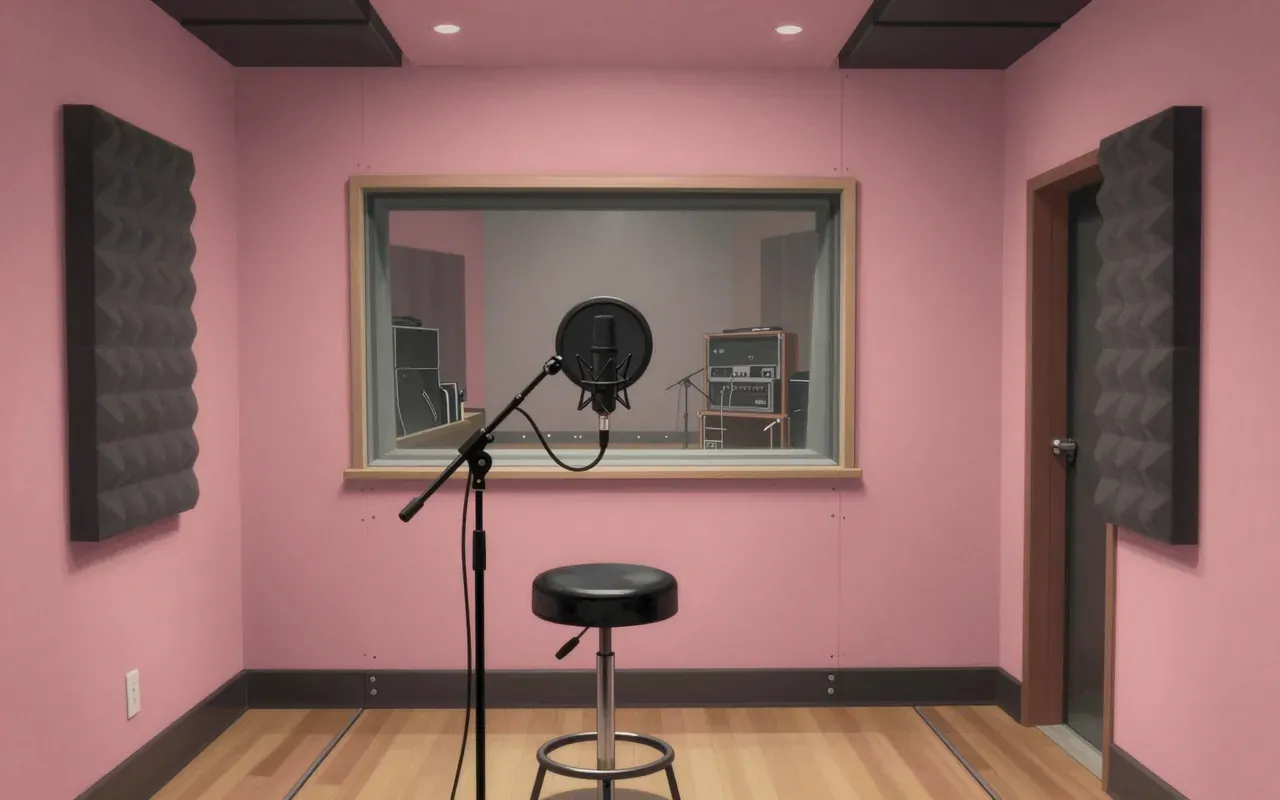
Man on the Moon: The End of Day is Kid Cudi’s debut studio album, recorded from 2007 to 2009 across Avex in Honolulu, The Broski Room and Chung King in NYC, and Jim Henson and Record Plant in Hollywood. Producers include Kanye West, Emile Haynie, Plain Pat, Jeff Bhasker, Dot da Genius, Free School, the Kickdrums, Ratatat, Ryan Leslie, 88-Keys, and The Alchemist. Session collaborators include Travis Barker and will.i.am. Guest appearances are by Kanye West, Common (who narrates throughout), Billy Cravens, Ratatat, MGMT, and Chip tha Ripper. Snoop Dogg and Clipse were announced but excluded. The album blends psychedelic, indie pop, R&B, electronica, and rock. Its themes are depression, anxiety, loneliness, and escapism. It is structured in five acts centred on 'Day ’n’ Nite', with recurring samples and motifs. It was released on Universal Motown Records on September 15, 2009. It sold 104,419 copies in its first week, debuted at number four on the Billboard 200, and achieved quadruple platinum certification by the RIAA. 'Pursuit of Happiness' is diamond-certified. 'Make Her Say' features a sample from Lady Gaga’s 'Poker Face'. 'My World' appears in Born Villain and Winnie the Pooh (2011). 'Sky Might Fall' appears in the extended trailer for Transformers: Revenge of the Fallen (2009).
11:14

WHEN WE ALL FALL ASLEEP, WHERE DO WE GO?

Billie Eilish · 2019

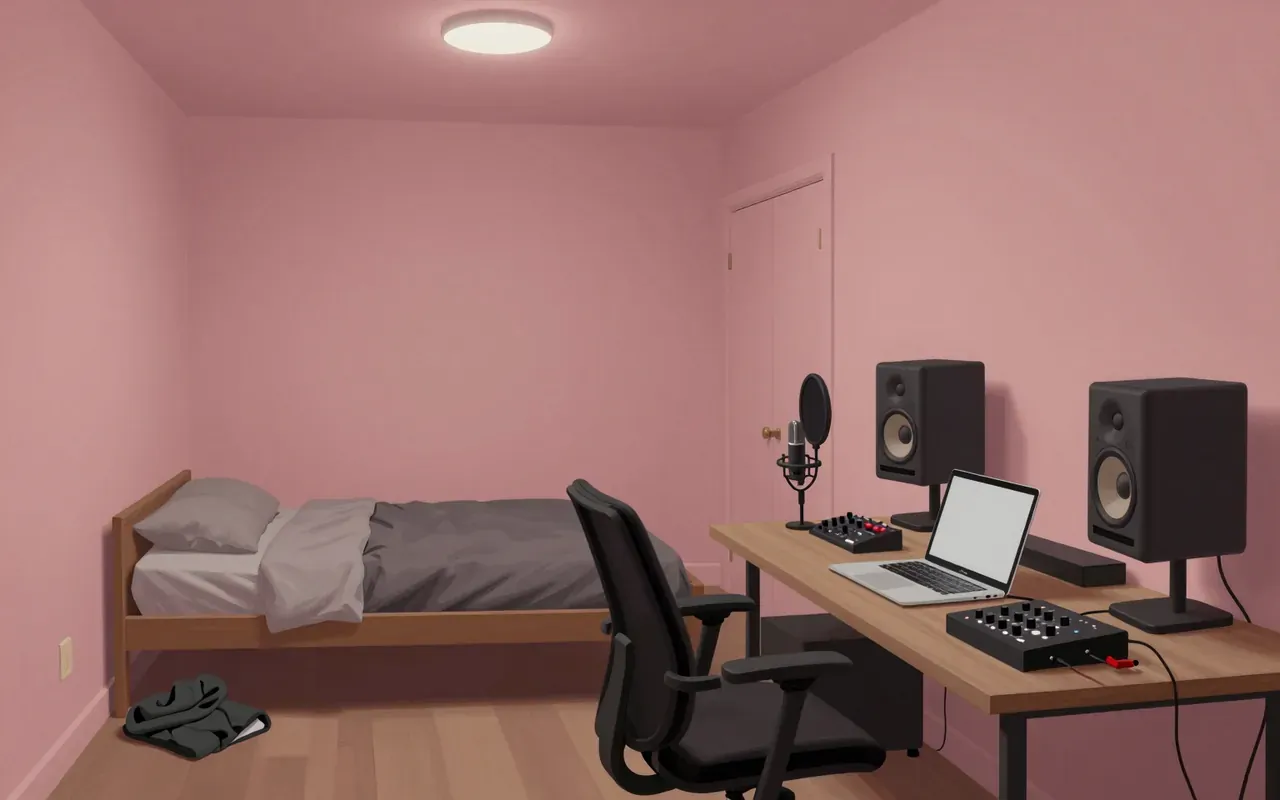
When We All Fall Asleep, Where Do We Go? is Billie Eilish’s debut studio album, released March 29, 2019. Written and produced with her brother Finneas O'Connell in his bedroom studio in Highland Park, Los Angeles, it uses Logic Pro X, a Universal Audio Apollo 8 interface, and Yamaha HS5 monitors with an H8S subwoofer. Its sound centres on amplified bass, minimalist percussion, foley, and acoustic textures — layered with dissonance and distortion to create a rock ’n’ roll feel without rock instrumentation. Eilish later said she 'hated every second' of its creation. It debuted at number one on both the US Billboard 200 and the UK Albums Chart, and 14 of its 14 tracks (excluding 'Goodbye') charted simultaneously on the US Billboard Hot 100 — a record for a female artist.

10:47

Zen Arcade

Hüsker Dü · 1984

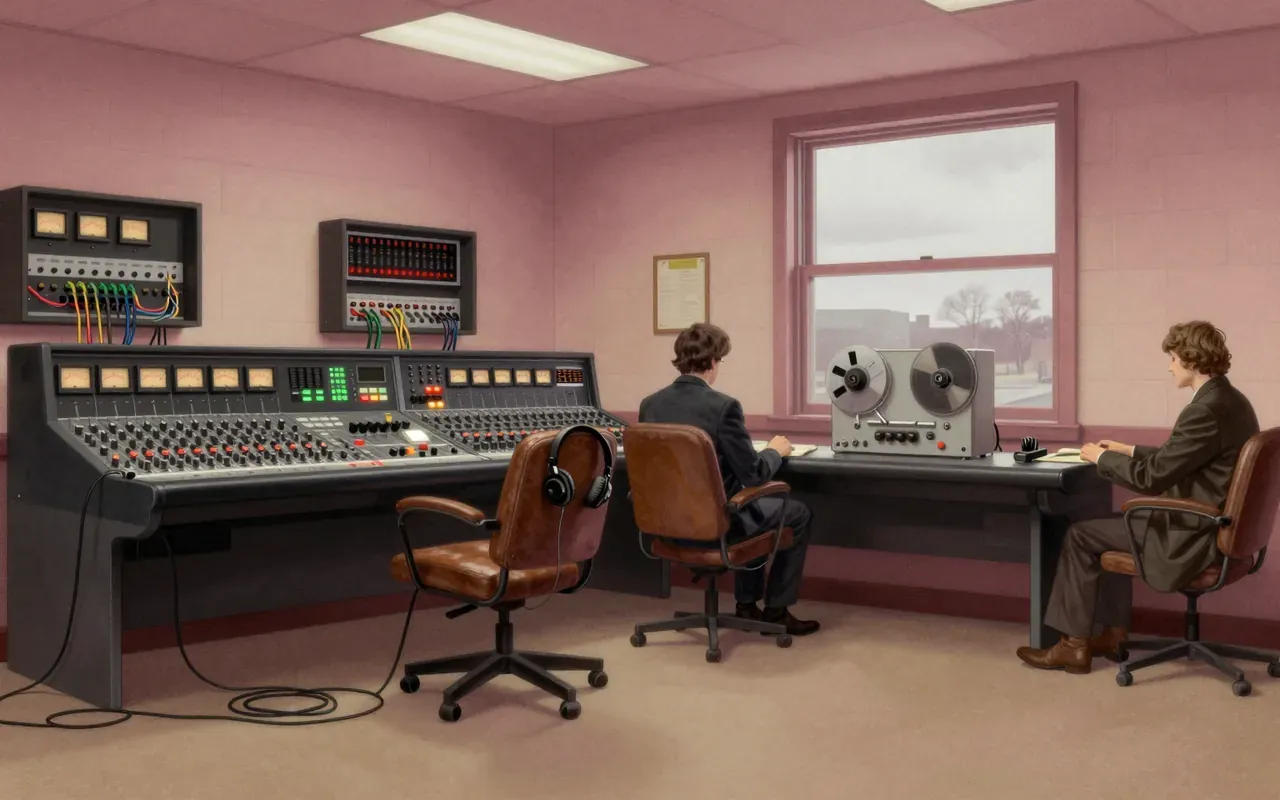
Zen Arcade is a double LP by Hüsker Dü, released July 1984 on SST Records. It tells a conceptual story of a boy fleeing an abusive home, encountering disillusionment through military service, religion, love, and loss — ending when he wakes, revealing the narrative as a dream. Recorded in 45 hours at Total Access Studio in Redondo Beach, California, with producer Spot, it features first-take performances, acoustic folk passages, piano interludes, and psychedelic guitar textures. The band rehearsed in a church-turned-punk squat in St. Paul, Minnesota, during summer 1983, brainstorming lyrics and musical ideas in multi-hour jam sessions. Bob Mould and Grant Hart wrote all songs; Mould demanded individual songwriter credits after seeing Hart’s artwork for another band. Dez Cadena contributed guest vocals to 'What's Going On'. 'Eight Miles High' was recorded during these sessions but released as a non-album single in April 1984. The album’s artistic and conceptual ambitions challenged prevailing U.S. punk purism.

9:20

Lost in the Dream

The War on Drugs · 2014

Lost in the Dream is a solo record disguised as a band album — a two-year excavation of mood, texture, and repetition, built from synthesizers, ambient guitars, horns, and keyboards. It lands where patience meets precision. It fails where urgency or concision are required. Its ideas are internal, its execution deliberate, its value tied entirely to whether you accept drifting as direction.

12:53

Teen Dream

Beach House · 2010

Teen Dream is Beach House’s third studio album, released January 26, 2010, through Sub Pop. It was recorded over three weeks in July 2009 at Dreamland Studios in Hurley, New York. Beach House produced and arranged it with Chris Coady as co-producer. They used mostly the same instruments as Devotion but significantly reduced reverb. The album includes a re-recorded version of their 2008 single "Used to Be" and the lead single "Norway", written on a train in Norway in 2008.

10:21

Twelve Dreams of Dr. Sardonicus

Spirit · 1970

Twelve Dreams of Dr. Sardonicus is Spirit’s fourth studio album, produced by David Briggs in 1970. It features Jay Ferguson (vocals, percussion, keyboards), Randy California (guitars, vocals, bass), John Locke (keyboards, art direction), Mark Andes (bass, vocals), Ed Cassidy (drums, percussion), and Matt Andes (Dobro on 'Nothin’ to Hide'). The record avoids psychedelia-as-noise and prog-as-epic. Instead, it delivers concise, well-arranged songs built on piano, organ, Dobro, and tight rhythm-section interplay. 'Nature’s Way', 'Space Child', 'When I Touch You', and 'Life Has Just Begun' stand out for their clarity and craft. 'Why Can’t I Be Free?' feels abrupt. 'Soldier' is not about war. No synthesizers. No strings. No concept beyond the title's dream motif. It rewards listeners who value arrangement over abstraction.

8:42

Inception

Hans Zimmer · 2010

Inception is not ambient. It is architectural. It is not nostalgic—it weaponises nostalgia. It does not breathe—it pulses.

film.briefs Film

All 18 in film →
13:00

3 Women

Robert Altman · 1977

Robert Altman’s 1977 film 3 Women follows the uncanny merging of identities among a timid young woman, her garrulous roommate and a silent, pregnant artist in a sun-scorched California town. Built from a dream and shot with deliberate, unhurried precision, it uses repetition, reflection and improvisation to explore how selves are borrowed, performed and abandoned.

13:00

Billy Liar

John Schlesinger · 1963

A 1963 British tragicomedy starring Tom Courtenay as Billy Fisher, a young undertaker’s clerk in Yorkshire whose elaborate fantasies of ruling the imaginary nation of Ambrosia mask his inability to act on real desire. Directed by John Schlesinger and adapted by Willis Hall from Keith Waterhouse’s novel, it uses real locations in Bradford and Denys Coop’s CinemaScope photography to anchor its surrealism in social reality. The film ends not with escape but with Billy stepping off a train to London—and walking home alone.

13:00

Black Moon

Louis Malle · 1975

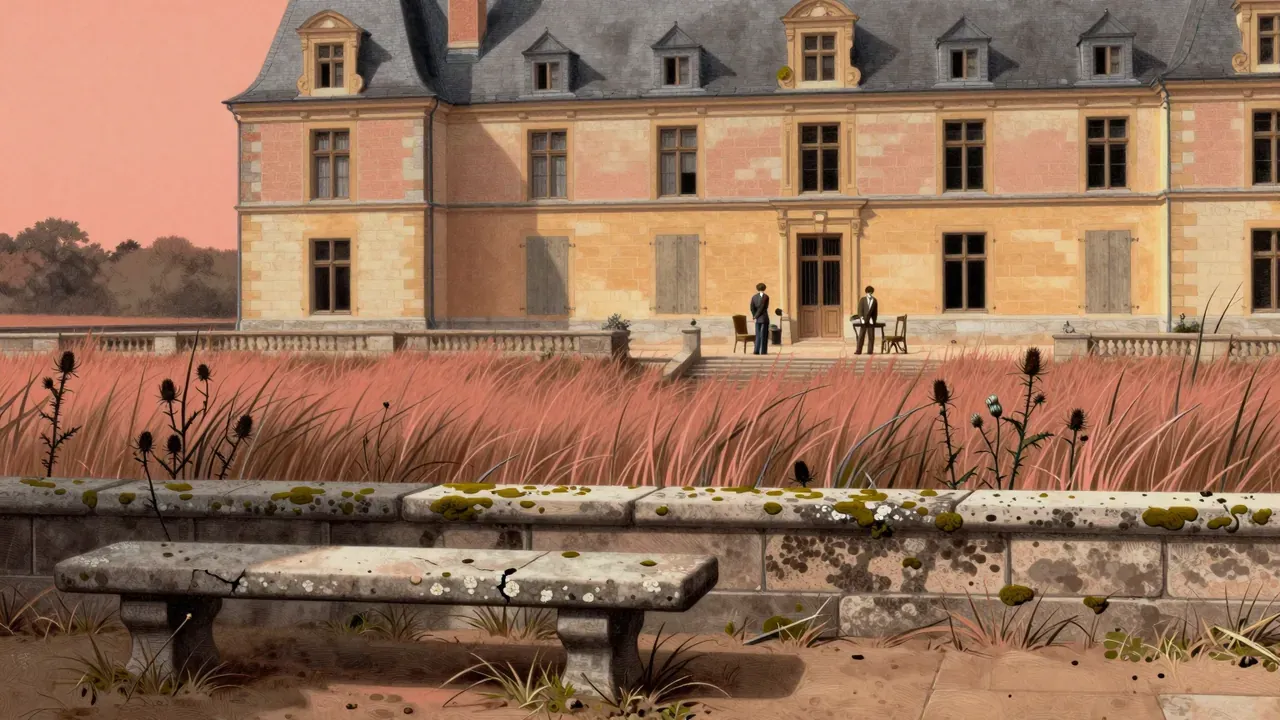
Louis Malle’s 1975 Black Moon is a self-contained, English-language French fantasy filmed at his Dordogne estate. Cathryn Harrison plays Lily, a young woman fleeing gendered violence who stumbles into a decaying château inhabited by talking animals, resurrected elders, telepathic siblings and a judging unicorn. Shot by Sven Nykvist with deliberate under-lighting and edited for hypnotic slowness, it rejects narrative logic in favour of sustained mood and symbolic recurrence. Though divisive, it won César Awards for cinematography and sound.

13:00

Carnival of Souls

Herk Harvey · 1962

Carnival of Souls (1962), directed by Herk Harvey, follows organist Mary Henry as her grip on reality loosens after a car accident. Shot on location in Kansas and Utah for $33,000, it uses stark black-and-white cinematography, Gene Moore’s eerie organ score, and deliberate pacing to build psychological unease. With no gore, few close-ups, and minimal dialogue, it relies on atmosphere, reflection, and liminal spaces — especially the derelict Saltair Pavilion — to evoke dislocation and ontological doubt. Though overlooked on release, it gained cult status for its formal rigour and sustained mood. The 84-minute director’s cut is considered definitive.

13:00

Diamonds of the Night

Jan Němec · 1964

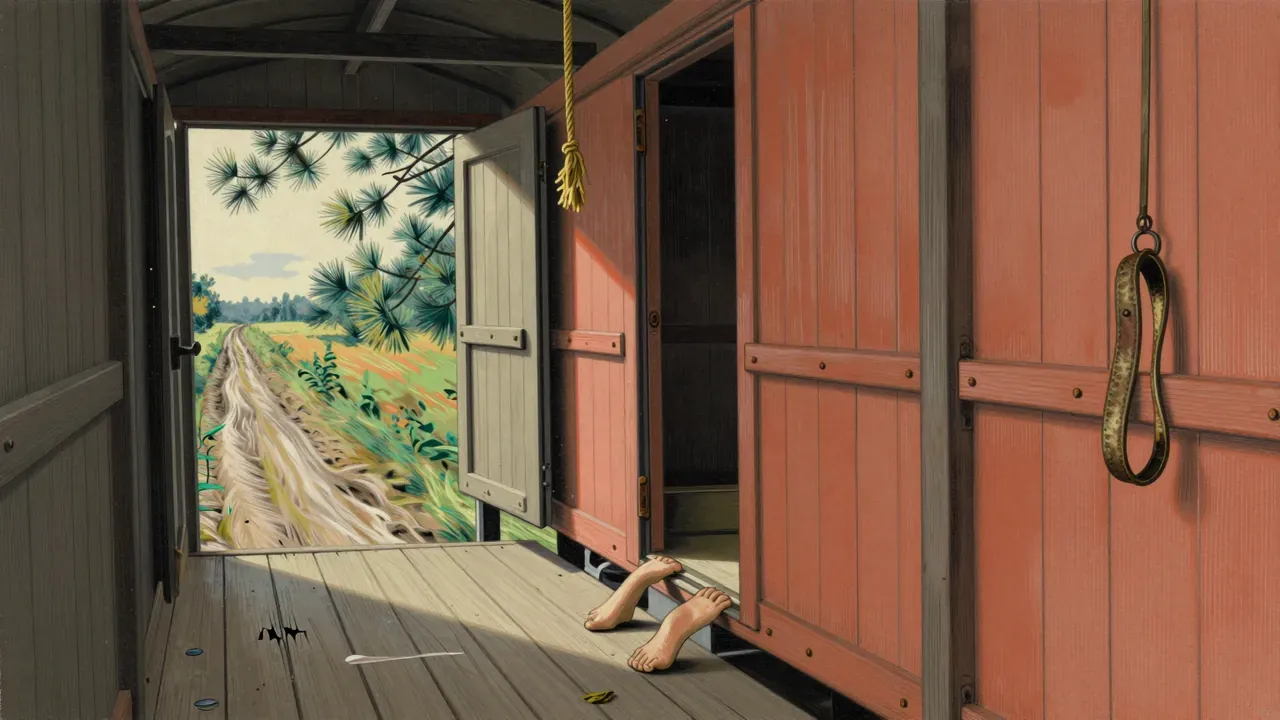
Jan Němec’s 1964 debut Diamonds of the Night follows two teenage boys fleeing a train to a concentration camp. With minimal dialogue and radical editing, it immerses the viewer in their physical and psychological disintegration—hunger, memory, hallucination and exhaustion rendered through stark cinematography, tactile sound design and restrained performances. Adapted from Arnošt Lustig’s autobiographical story, it avoids exposition in favour of embodied realism and surreal rupture. Its power lies in what it withholds as much as what it shows.

13:00

Dodes'ka-den

Akira Kurosawa · 1970

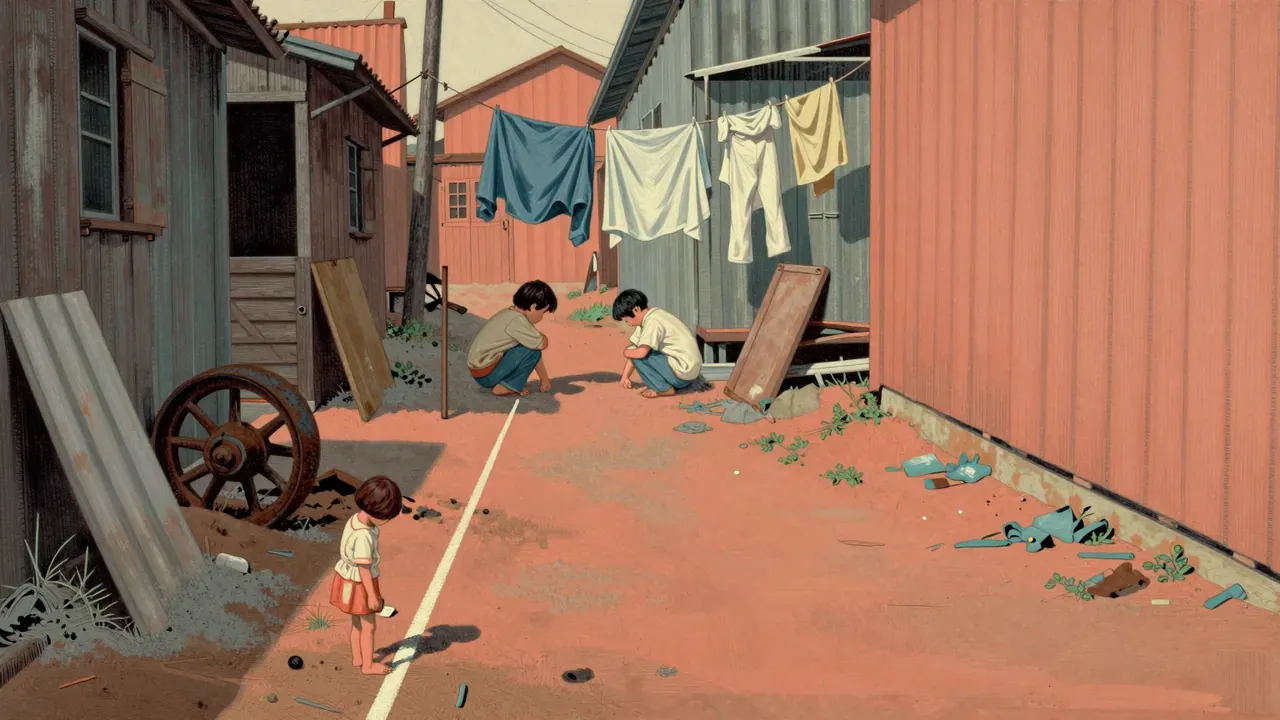
Akira Kurosawa’s 1970 film is a mosaic of lives in a Tokyo shantytown, structured as overlapping vignettes rather than a linear narrative. With no central protagonist, it follows characters including a boy who imagines himself a trolley driver, a silversmith who aids thieves, and parents burdened by neglect and infidelity. Shot in colour for the first time by Kurosawa, with Takao Saito as cinematographer and Tōru Takemitsu scoring in restrained, percussive tones, the film insists on dignity without sentiment, endurance without triumph. Its 140-minute runtime unfolds with unhurried precision, asking the viewer to inhabit a world shaped by scarcity, imagination, and quiet reciprocity.

13:00

Dreams

Akira Kurosawa, Ishirō Honda · 1990

Akira Kurosawa’s 1990 anthology film Dreams comprises eight vignettes drawn from his own recurring dreams. Shot in Japan with assistance from Steven Spielberg and George Lucas, it deploys rigorous formalism — saturated colour, symmetrical framing, long takes — to render emotional states rather than narratives. Starring Akira Terao, Martin Scorsese as Van Gogh, and Chishū Ryū, it explores childhood, mortality, ecology, and ritual without exposition or irony. Though structurally loose and uneven in impact, its best sequences achieve a rare fusion of painterly control and moral gravity.

13:00

I Am Waiting

Koreyoshi Kurahara · 1957

Directed by Koreyoshi Kurahara and released in 1957, I Am Waiting follows a disgraced boxer and a failing cabaret singer as they shelter together in a Tokyo restaurant, evading gangsters and their own pasts. Written by Shintarō Ishihara and starring Yūjirō Ishihara and Mie Kitahara, it is a tightly wound drama of quiet desperation, built on withheld information, atmospheric tension, and the weight of unspoken histories. Part of Nikkatsu’s early noir wave, it trades plot mechanics for psychological compression and visual restraint.

games.briefs Games

All 2 in games →
10:21

AI: The Somnium Files

Spike Chunsoft · 2019

AI: The Somnium Files is a branching adventure game developed by Spike Chunsoft in 2019. It alternates between first-person investigation and timed third-person dream exploration ('Somnium'). Players use an AI assistant named Aiba to analyse scenes and augment vision. Progress requires completing multiple routes via a flowchart, with each route withholding key narrative information until all are finished.

10:20

Nights into Dreams

Sega · 1996

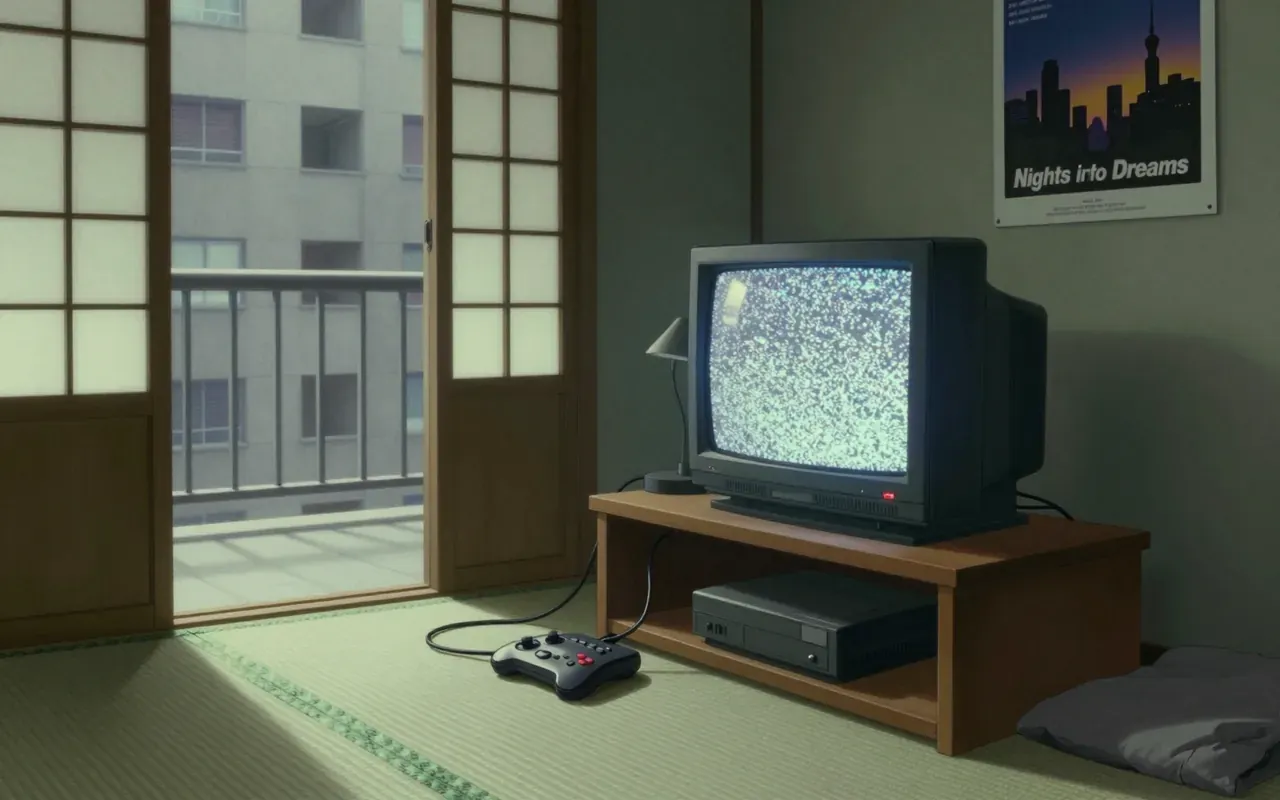
Nights into Dreams is a Saturn-exclusive action game where players alternate between timed ground navigation and fixed-path 3D flying to recover stolen Ideyas and defeat Wizeman.

culture.briefs Culture

All 2 in culture →
9:05

N. K. Jemisin

She didn’t just write new gods—she named the silence that let old racists run SFWA.
7:53

Surrealism

Surrealism wasn’t about weird pictures. It was about making revolution inside the skull — and failing to control what crawled out.