briefs
Topic · across the network

Medicine

The practice of intervening in a body, with evidence arriving late.

124
briefs
9
subjects
11:36
average
1438 min
in total
Abstraction 407Absurdism 137Acoustics 220Acting 65Adaptation 372Addiction 95Adolescence 202Advertising 77Age of exploration 14Ageing 113Agriculture 100Algorithms 114Ambition 46Anarchism 38Ancient Egypt 17Ancient Greece 38Ancient Rome 30Animals 172Anthropology 23Apartheid 12Architecture 165Archives 32Argentina 10Art Deco 26Artificial intelligence 78Astronomy 81Attention 42Australia 32Automation 73Avant-garde 164Aviation 79Banking 72Banned works 40Bauhaus 12Beer 5Behavioural economics 22Berlin 16Big tech 6Biodiversity 136Biography 86Birds 41Black holes 20Blockchain 12Boxing 14Branding 77Brazil 43Bread 29Britain 131Brutalism 4Bubbles 3Buddhism 28Byzantium 10California 17Canada 18Capitalism 94Cars 468Celebrity 59Censorship 110Cheese 24Chefs 9Chemistry 104Chess 2Childhood 87China 109Chocolate 8Christianity 49Cinematography 343Cities 90Class 485Climate change 107Club culture 100Cocktails 2Coffee 11Cognitive bias 14Collecting 16Colonialism 284Colour 42Comedy 89Community 52Complexity 21Computing 309Consciousness 16Conservatism 14Conspiracy theories 8Cooking 178Corruption 38Cosmology 31Cover versions 64Craft 116Crate digging 42Creativity 8Crime 234Cryptocurrency 8Cryptography 24Cuba 10Cybersecurity 30Dada 12Debt 38Decision-making 28Decolonisation 46Deep time 80Democracy 45Denim 16Deserts 45Detroit 17Dinosaurs 12Directing 168Disasters 59Disease 109DJ culture 89Dreams 32Drones 5Drum machines 96Dystopia 69East Africa 28Ecology 337Economics 36Editing 72Education 92Egypt 12Electric vehicles 59Emotion 22Empire 92Endurance 49Energy 120Engineering 541Entropy 8Epidemics 13Equality 9Espionage 31Ethics 44Evolution 174Existentialism 106Expertise 2Exploration 49Extinction 23Failure 37Family 240Fandom 22Fascism 45Fashion 215Fast fashion 12Fear 34Feminism 122Fermentation 126Film music 81Fishing 12Folklore 71Food history 588Football 16Forests 31Forgery 7France 163Fraud 15Free will 13Freedom 16French literature 15Friendship 24Furniture 36Gambling 14Gender 63Generations 28Genetics 87Geology 96Germany 66Globalisation 74Gothic 32Greece 5Grief 126Habits 6Happiness 2Hardware 709Haute couture 22Headphones 8Hi-fi 12Hinduism 12Hoaxes 1Human history 23Human nature 41Identity 138Illustration 8Impressionism 6Improvisation 249India 89Indonesia 15Industrial design 342Inequality 13Inflation 4Information 34Infrastructure 280Insects 29Intelligence 8Interiors 31Internet culture 88Invention 329Iran 41Islam 40Islands 17Israel 9Italy 52Jamaica 10Japan 114Jewellery 5Journalism 34Judaism 13Justice 42Korea 41Language 70Law 90Leadership 20Learning 6Liberalism 1Libraries 6Literary criticism 26London 12Loneliness 61Los Angeles 62Lost works 9Love 67Luxury 55Machine learning 15Management 10Maps 5Marketing 21Markets 51Mars 6Marxism 26Masculinity 46Materials 138Mathematics 79Meaning 6Medicine 124Memory 82Mental health 70Mesopotamia 4Mexico 38Migration 95Minimalism 68Mining 30Misinformation 9Modernism 63Money 24Monopoly 32Mortality 61Motivation 2Mountains 16Museums 27Mysticism 11Mythology 60Nationalism 40Neuroscience 23New York 36Nigeria 7Nihilism 10Noise 31Nostalgia 33Nuclear 29Nutrition 17Oceans 48Oil 42Open source 45Painting 18Palaeontology 29Parenting 14Paris 18Partition 6Patents 71Patronage 14Perception 44Personal style 27Personality 2Persuasion 8Peru 10Philosophy 77Photography 37Physics 206Plants 26Platforms 89Podcasting 1Poetry 25Poland 17Policing 34Pop Art 16Populism 2Portraiture 6Portugal 18Postmodernism 23Power 91Prehistory 24Preservation 28Printmaking 21Privacy 11Probability 6Productivity 1Programming 54Prohibition 1Propaganda 35Protest 75Pseudoscience 17Psychology 80Publishing 22Punishment 16Quantum mechanics 44Race 145Radio 30Railways 35Rave 17Realism 47Record labels 19Recording 810Relativity 23Religion 154Resilience 15Restaurants 30Restoration 2Retail 94Revolution 58Risk 18Ritual 96Robotics 26Romance 96Russia 58Salt 9Sampling 246Satire 84Scandinavia 28Scientific method 186Screenwriting 26Sculpture 7Secularism 2Self-deception 14Semiconductors 73Sexuality 102Ships 18Silence 24Silicon Valley 17Slavery 35Sleep 2Smartphones 27Sneakers 15Social media 58Socialism 9Software 68Songwriting 180Sound design 332Sound systems 20South Africa 19South East Asia 30Space exploration 84Spain 18Special effects 41Spices 62Spirits 12Sport 82Startups 21Statistics 10Status 9Stoicism 4Storytelling 68Strategy 70Street food 99Streetwear 16Studio craft 508Subcultures 59Sugar 12Supply chains 115Surrealism 53Surveillance 21Sustainability 30Synthesis 232Tailoring 37Taxation 14Tea 24Textiles 97Thailand 11The American Revolution 19The American South 88The Arab world 41The Arctic 19The Balkans 17The Belle Epoque 13The body 29The brain 26The Caribbean 28The civil rights movement 62The Cold War 160The eighties 268The Enlightenment 29The financial crisis 19The First World War 39The food industry 157The French Revolution 9The Gilded Age 9The Great Depression 18The Holocaust 20The Industrial Revolution 93The internet 61The interwar years 135The Middle Ages 35The Moon 4The music business 169The Netherlands 10The nineties 26The Olympics 10The pandemic 13The Reformation 1The Renaissance 16The Russian Revolution 19The Second World War 102The seventies 58The sixties 28The space race 5The United States 19The universe 7The Victorian era 37Therapy 20Tokyo 11Trade 48Tragedy 22Translation 5Trauma 85Travel 5True crime 2Turkey 18Typography 54Uniforms 23Unions 8Urban planning 66Utilitarianism 1Utopia 5Vaccines 10Vegetarianism 15Venture capital 6Video games 291Vietnam 12Vintage 65Vinyl 6Virtual reality 11War 169Watches 4Water 11Weather 29West Africa 29Wilderness 10Wine 3Work 22Workwear 19Worldbuilding 121

books.briefs Books

All 1 in books →
13:55

Ghosts

Henrik Ibsen · 0

Ibsen’s Ghosts argues that inherited lies—not spirits—are the real ghosts. It shows how moral evasion destroys lives across generations. The brief explains why the Orphanage fire matters, what ‘ghosts’ actually mean, and why the ending refuses resolution.

film.briefs Film

All 14 in film →
13:00

A Woman's Face

Gustaf Molander · 1938

A disfigured Swedish woman, Anna Holm, joins a blackmail ring out of social exile. After a botched break-in, she is taken in by a plastic surgeon who repairs her face — not to make her beautiful, but to restore her ability to move unseen in the world. As she assumes a new identity to infiltrate a wealthy family, she begins to protect the very child she was meant to kill. Gustaf Molander’s 1938 drama traces moral change not through epiphany but through repeated, quiet choices — about care, labour, and who gets to belong.

13:00

Bigger Than Life

Nicholas Ray · 1956

Nicholas Ray’s 1956 drama follows schoolteacher Ed Avery, whose recovery from a rare illness via cortisone treatment triggers a psychological unraveling that fractures his marriage, terrifies his son, and exposes the brittle ideologies underpinning Eisenhower-era domestic life. James Mason stars and produced; Joseph MacDonald’s CinemaScope cinematography turns suburban interiors into psychological pressure chambers.

13:00

Brink of Life

Ingmar Bergman · 1958

Ingmar Bergman’s 1958 hospital drama observes three pregnant women — one miscarrying, one facing an unwanted pregnancy, one enduring a stillbirth — within the unadorned confines of a Swedish maternity ward. Shot with clinical precision by Max Wilén and written by Ulla Isaksson, it trades psychological exposition for procedural realism, letting silence, duration and restraint carry its moral weight.

13:00

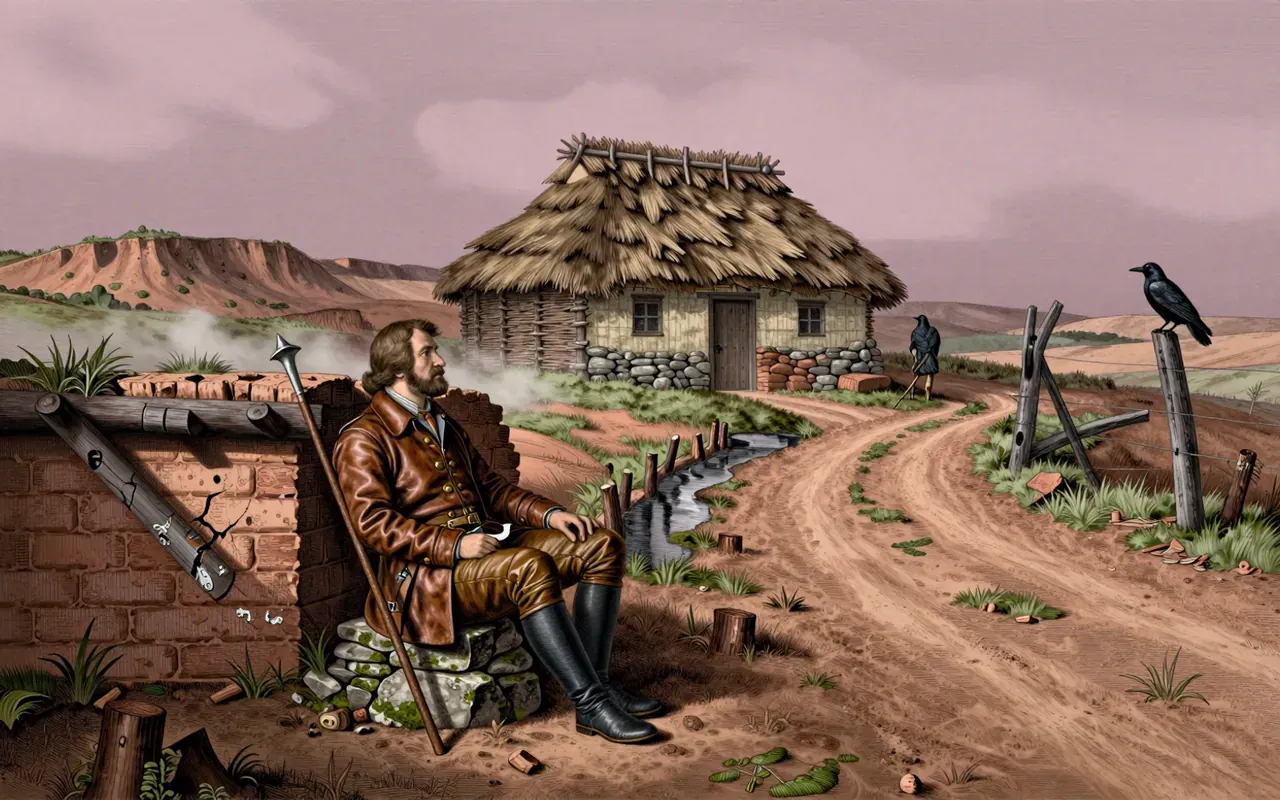
Christ Stopped at Eboli

Francesco Rosi · 1979

Francesco Rosi’s 1979 adaptation of Carlo Levi’s memoir follows a Turin intellectual exiled to rural Basilicata under Fascism. Shot on location in crumbling villages, it renders poverty, superstition and resilience without sentiment or exposition. Gian Maria Volonté plays Levi as observer first, healer second, and the film’s power lies in its patient, unsparing gaze—not on suffering, but on what power ignores.

13:00

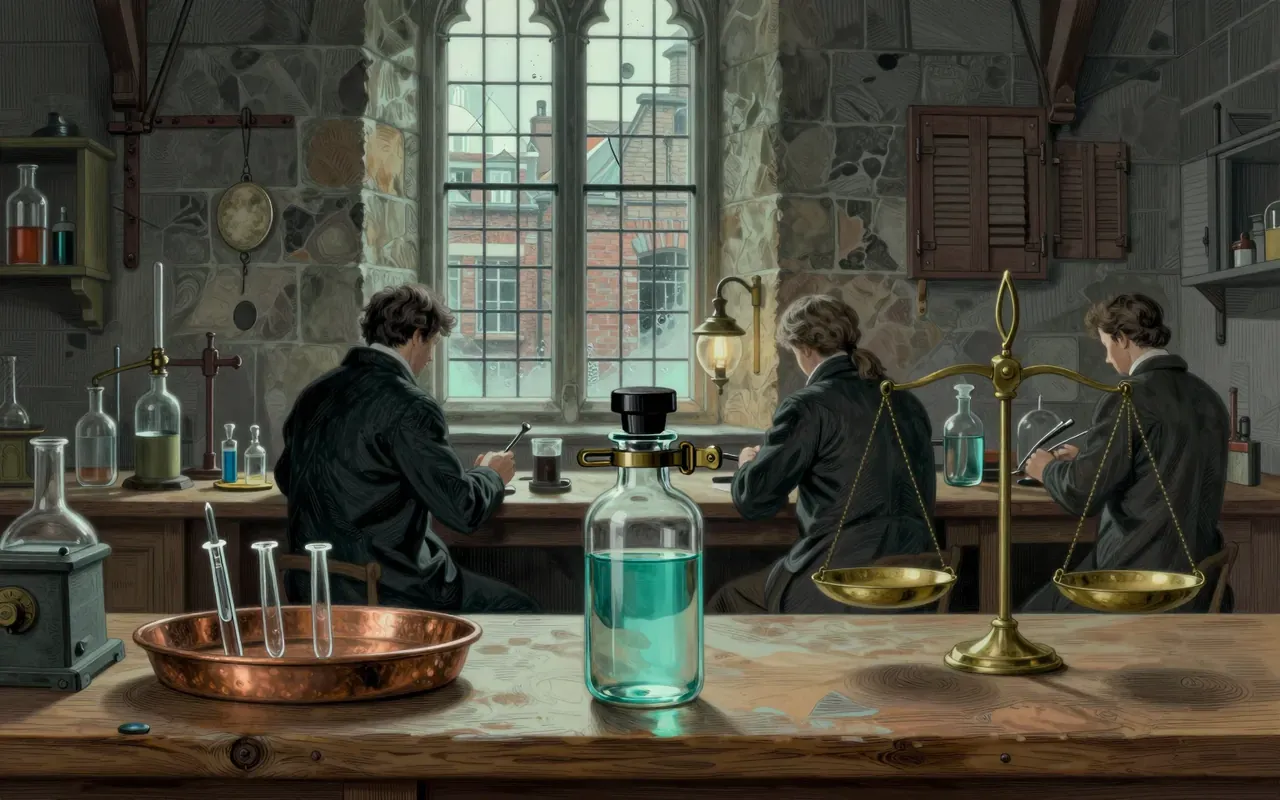
Corridors of Blood

Robert Day · 1958

Corridors of Blood (1958) is a British horror-drama starring Boris Karloff as Dr. Thomas Bolton, an 1840s surgeon whose pioneering work with anaesthetic gases leads to professional ruin, addiction, and entanglement with criminals. Directed by Robert Day and shot by Geoffrey Faithfull, it trades gothic excess for moral austerity, using tight framing, chiaroscuro lighting, and Karloff’s restrained performance to trace a downward spiral rooted in cause and effect. Though hampered by repetitive plotting and thin characterisation in places, it remains a coherent, atmospheric study of scientific vocation undone by human frailty.

13:00

Dead Ringers

David Cronenberg · 1988

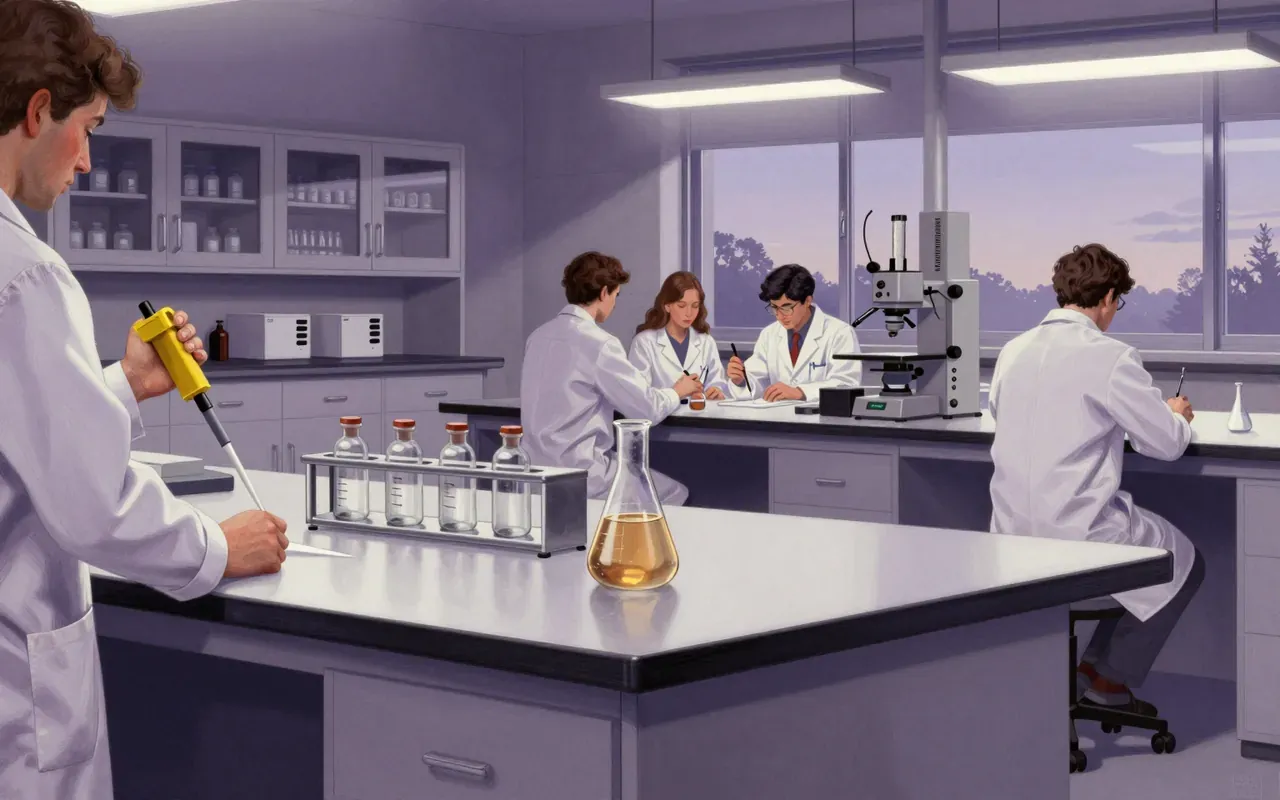
David Cronenberg’s 1988 film follows identical twin gynecologists Elliot and Beverly Mantle as their shared professional and personal life fractures under drug dependency, ethical collapse, and blurred identity. Jeremy Irons plays both roles with uncanny precision, supported by Peter Suschitzky’s austere cinematography and Howard Shore’s unnerving score. Based loosely on the Marcus twins and adapted from Bari Wood’s novel, it is a tightly controlled psychological drama that prioritises behavioural realism over exposition, clinical space over emotional catharsis, and structural inevitability over narrative surprise.
13:00

Dying at Grace

Allan King · 2003

Allan King’s 2003 documentary Dying at Grace observes five patients in palliative care at Toronto Grace Health Centre over their final weeks. Shot with unwavering stillness and edited to honour silence and repetition, it refuses narration, exposition, or interpretation. Its power lies in duration, fidelity, and restraint — holding attention on breath, light, hesitation, and the quiet labour of care.

13:00

Green for Danger

Sidney Gilliat · 1946

Green for Danger (1946) is a British mystery set in a rural wartime hospital, where two deaths and a near-fatal incident draw Inspector Cockrill into a tightly wound investigation. Adapted by Christianna Brand from her own novel and directed by Sidney Gilliat, it balances procedural rigour with dry wit, using anaesthetic equipment, Blitz-era constraints, and staff psychology to build suspense. Wilkie Cooper’s cinematography and William Alwyn’s score reinforce its controlled, atmospheric tone.

history.briefs History

All 7 in history →
9:51

Clara Barton

April 19, 1861

Clara Barton’s documented life establishes a direct line from childhood caregiving to wartime triage to institutional foundation — all without formal credentials, and all before women held civic power. The record shows method, scale and timing — but nothing about dissent, implementation, or impact beyond founding.

13:00

Sigmund Freud

1856–1939

From The Interpretation of Dreams in 1899 through decades of case studies and theoretical works, Sigmund Freud built psychoanalysis into an international movement centred on the unconscious, infantile sexuality and the talking cure. His methodology, including the abandoned seduction theory and the botched treatment of patient Emma Eckstein, has drawn sustained criticism, and his scientific status remains genuinely contested nearly a century after his death in 1939.

13:00

Black Death

1346–1352

The Black Death reached Europe through Crimea in 1347 and, over the following six years, killed an estimated quarter to three-fifths of the continent's population, though contemporary records kept no census and modern historians' own population baselines vary enough to make precise mortality figures unreliable. Even the mechanism of its spread, long assumed to run mainly through rat fleas, is now disputed by researchers who argue human fleas and lice, or straightforward person-to-person transmission, better explain how fast it moved through cooler parts of Europe.

13:00

Second plague pandemic

1340–1880

The second plague pandemic began with the Black Death, which reached Europe in 1346 and is estimated to have killed between 75 and 200 million people across Eurasia within a few years, before the disease became endemic and returned in recurring outbreaks including the Great Plague of London in 1665 and 1666 and a final wave in Ottoman territory as late as 1813 and 1814. Historians reconstruct its spread from parish and tax records, contemporary accounts such as Boccaccio's Decameron, and, more recently, DNA extracted from victims' teeth, evidence that has confirmed Yersinia pestis as the cause while leaving the pandemic's precise geographic origin and eventual decline still not fully explained.

13:00

Crimean War

1853–1856

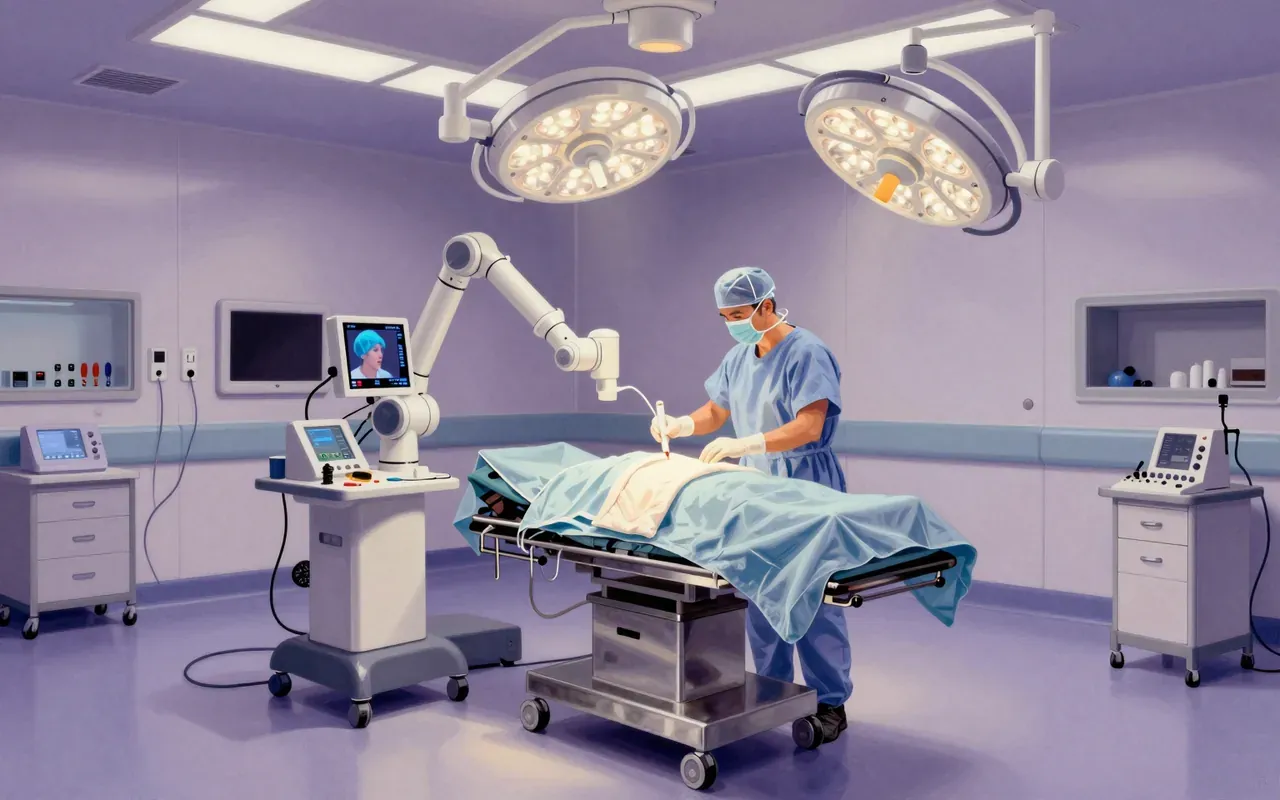
A dispute over which church controlled Christian holy sites in Ottoman Palestine escalated, through Russian ambitions and British and French fears of Russian expansion, into a war fought mainly around Sevastopol between 1854 and 1856 that killed several hundred thousand people, most of them to disease rather than combat. The war exposed British and Russian military and medical failures so starkly that it produced Florence Nightingale's nursing reforms and helped push Russia toward freeing its serfs, a case where a badly managed war left a more durable mark through its failures than through anything it settled militarily.
13:00

International Committee of the Red Cross

Founded 1863

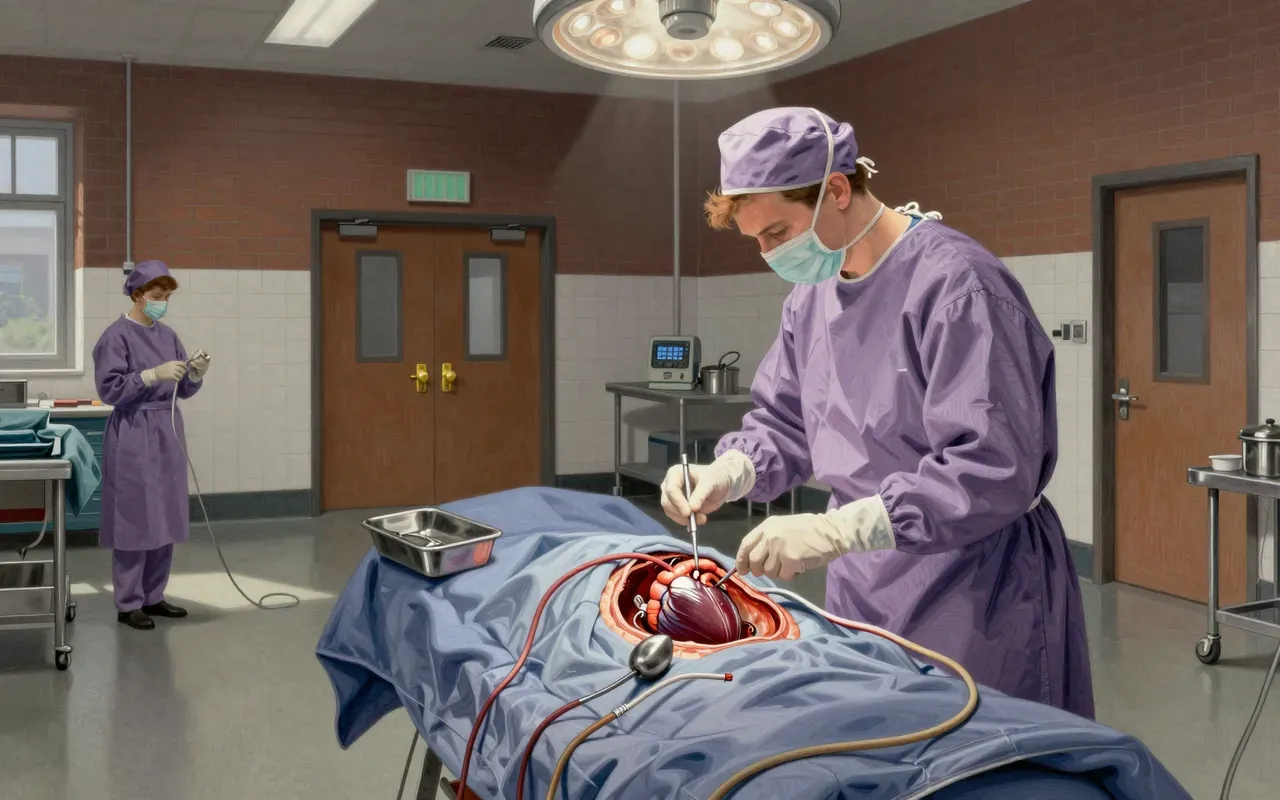
The International Committee of the Red Cross grew directly out of Henry Dunant's shock at the aftermath of the 1859 Battle of Solferino, where he organised civilian relief for roughly forty thousand wounded and dying soldiers regardless of which side they fought for. His 1862 book led to a founding committee in Geneva the following year and, in 1864, the first Geneva Convention. The organisation's strict neutrality, run by an assembly of Swiss citizens only, has sustained its access to conflicts for over a century and a half, but the same neutrality left it silent about the Holocaust while it was happening, a failure the ICRC has since formally acknowledged.
13:00

Scientific Revolution

1543–1687

Between roughly 1543, when Copernicus and Vesalius published their landmark works, and 1687, when Newton's Principia appeared, European natural philosophy shifted toward mathematical, mechanistic explanation and systematic observation, work later credited with founding modern science. The label revolution was not applied to this period until the eighteenth century, and historians remain divided over whether it represents a sharp break with medieval scholarship or a more gradual continuation of it, since many of its central figures trained within and built upon medieval university traditions.

science.briefs Science

All 61 in science →
10:02

Avicenna

Avicenna invented conceptual scaffolding for science—not data, but the grammar of causality, certainty, and self-evidence.
8:44

Alexander Fleming

Fleming didn’t discover a drug — he discovered a warning system built into microbial ecology.
13:00

History of general anesthesia

On 16 October 1846 William Morton administered ether so a surgeon could remove a tumour from a patient who felt no pain, a public proof of surgical anaesthesia that overshadowed an earlier, unpublished use of the same gas four years before.
13:00

Positron

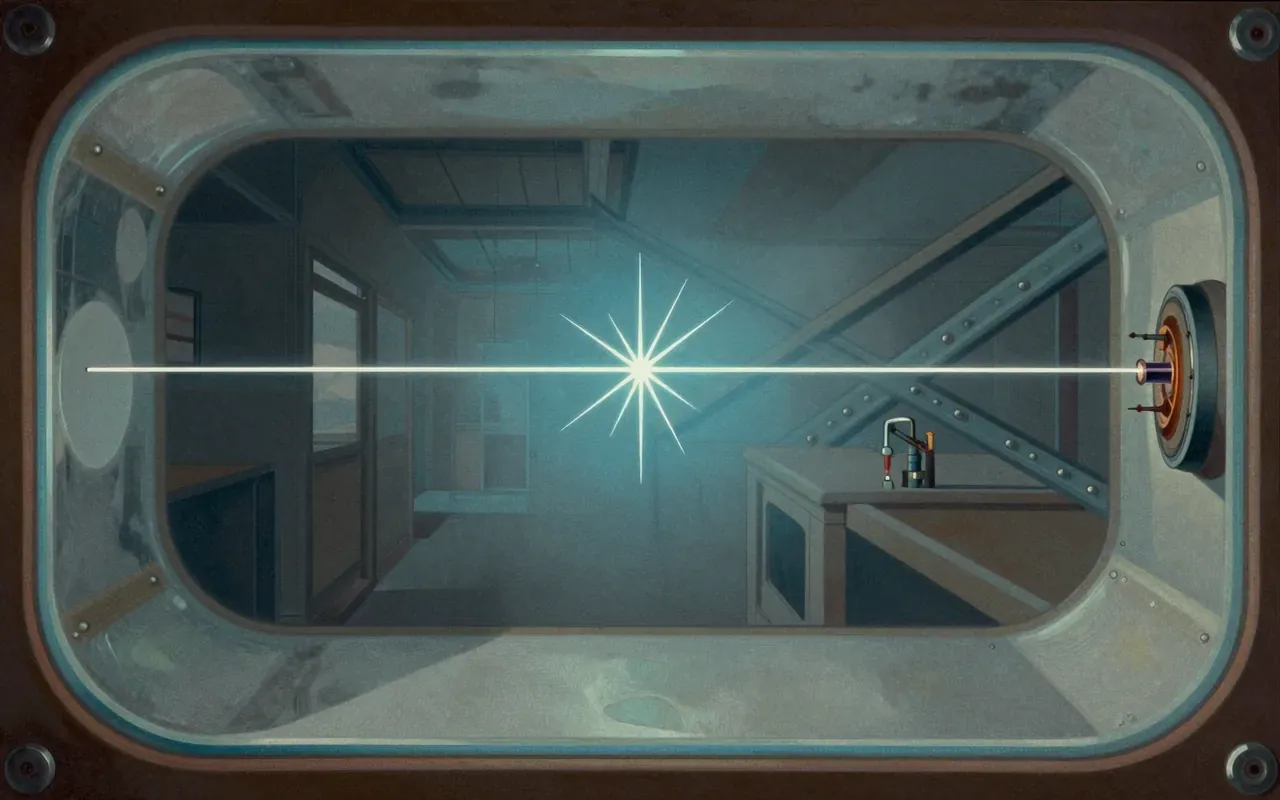
Carl Anderson's 1932 cloud-chamber photograph of a positively charged electron confirmed Paul Dirac's theoretical prediction of antimatter, a discovery that later underpins hospital PET scanners.
13:00

Management of HIV/AIDS

David Ho's mid-1990s viral dynamics research showed HIV replicates and mutates too fast for any single drug to outlast it, an insight that became the case for combination therapy and turned a fatal diagnosis into a manageable one.
13:00

Asepsis

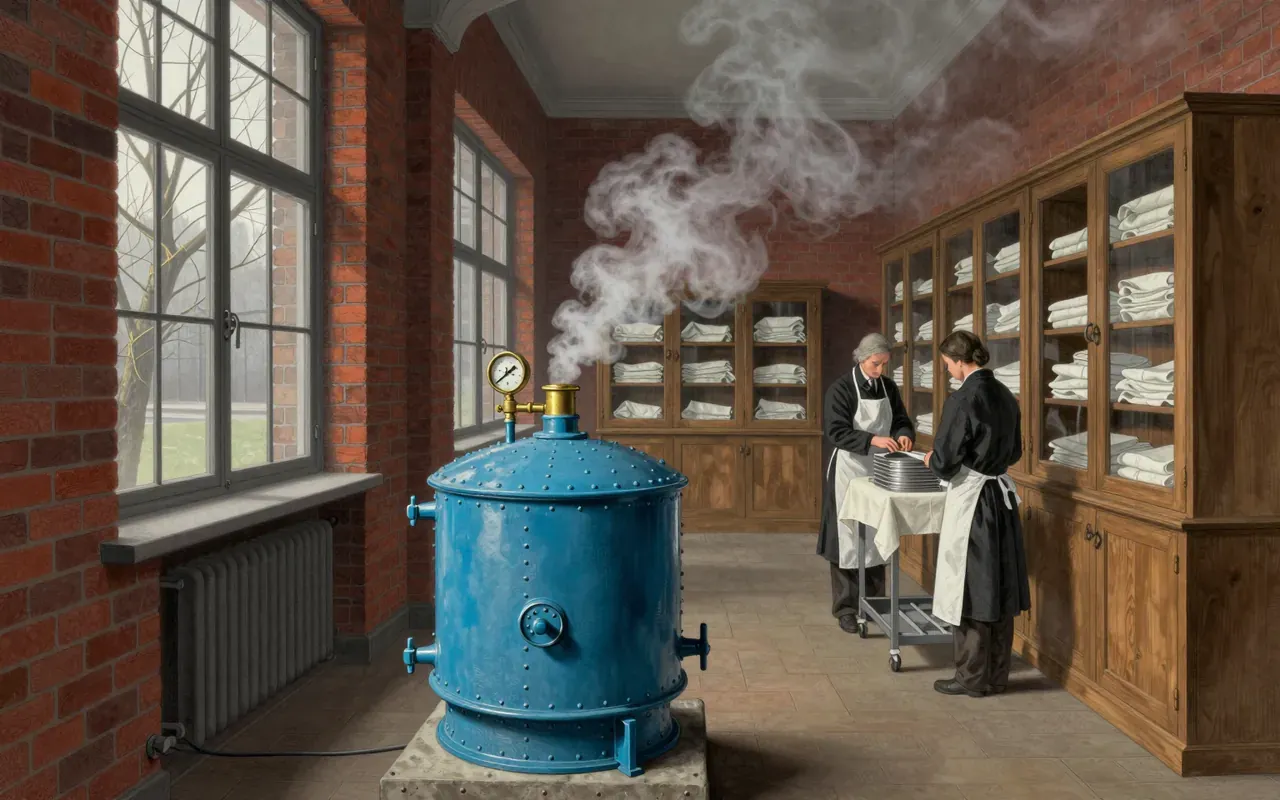
Where Joseph Lister's antiseptic method killed germs already in a wound with carbolic acid, Ernst von Bergmann's 1891 introduction of steam sterilization aimed to keep them out of the operating theatre altogether, a shift called asepsis.
13:00

Joseph Lister

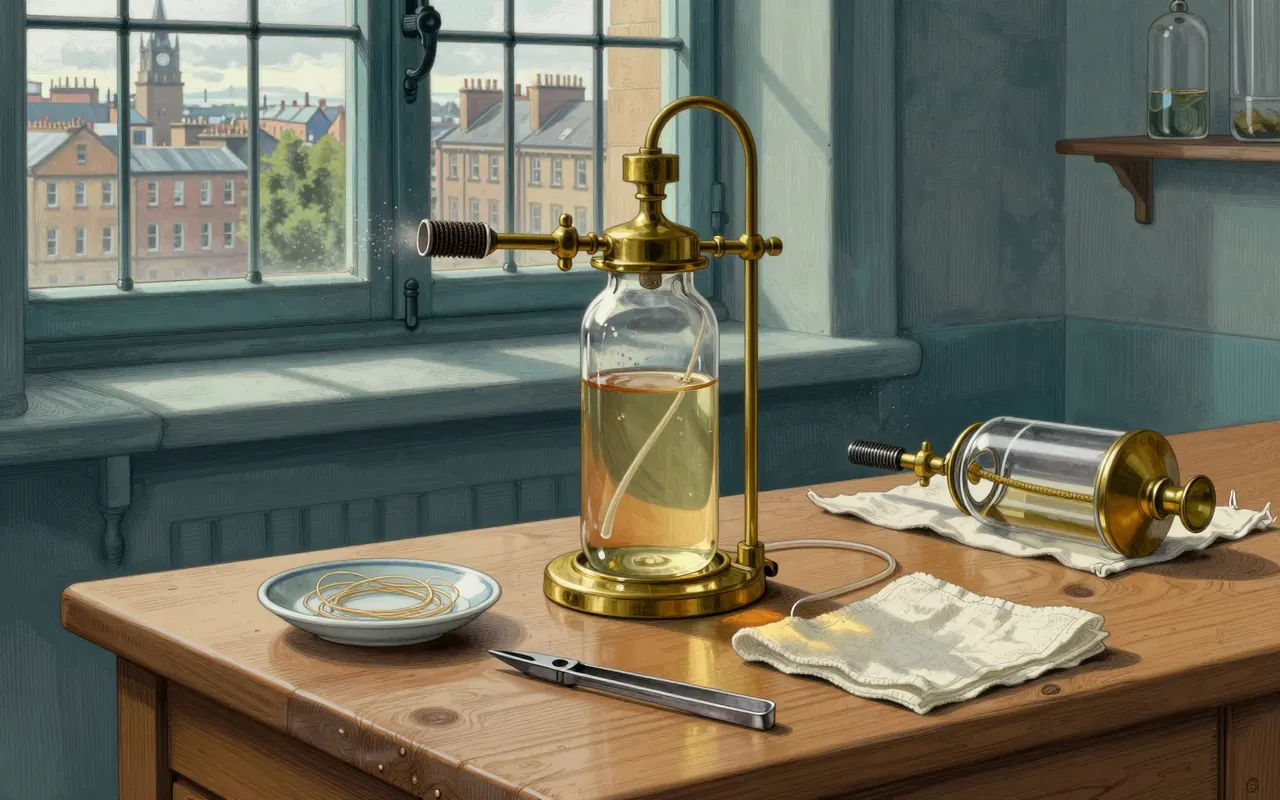
From 1865 Joseph Lister applied Louis Pasteur's germ theory to the operating theatre, using carbolic acid to kill microbes on wounds, instruments and hands, and met years of resistance before antiseptic surgery became standard practice.
9:55

Barry Marshall

A man drank bacteria and proved ulcers were infectious—not psychological.

business.briefs Business

All 21 in business →
10:03

Sanofi

Sanofi-Aventis wasn’t built to invent new medicines — it was built to own the ones that already paid.
9:48

Takeda

Chobei Takeda

Takeda’s origin story is misaligned with its present identity: it began as a repackaging merchant, not a drug developer. Its longevity reflects adaptability, not continuity.

10:59

Astellas Pharma

A keiretsu-backed Japanese pharma merger that bought its way into oncology — but couldn’t fix its own dosing labels.
10:30

AstraZeneca

AstraZeneca is not a British company — it is a 1999 merger with no disclosed financials, no stated cost model, and no evidence of how it actually delivers value beyond its own description.
11:35

Biogen

Cesar Milstein · 1978

Biogen is a neurology-focused biotech that built scale via acquisition, not foundational science — and César Milstein, whose hybridoma work underpins modern antibody therapeutics, has no documented relationship to the company.

9:46

Bristol Myers Squibb

A 1989 merger of two penicillin-makers became a US-revenue monoculture built on seven drugs — not science, but scale.

technology.briefs Technology

All 13 in technology →
9:51

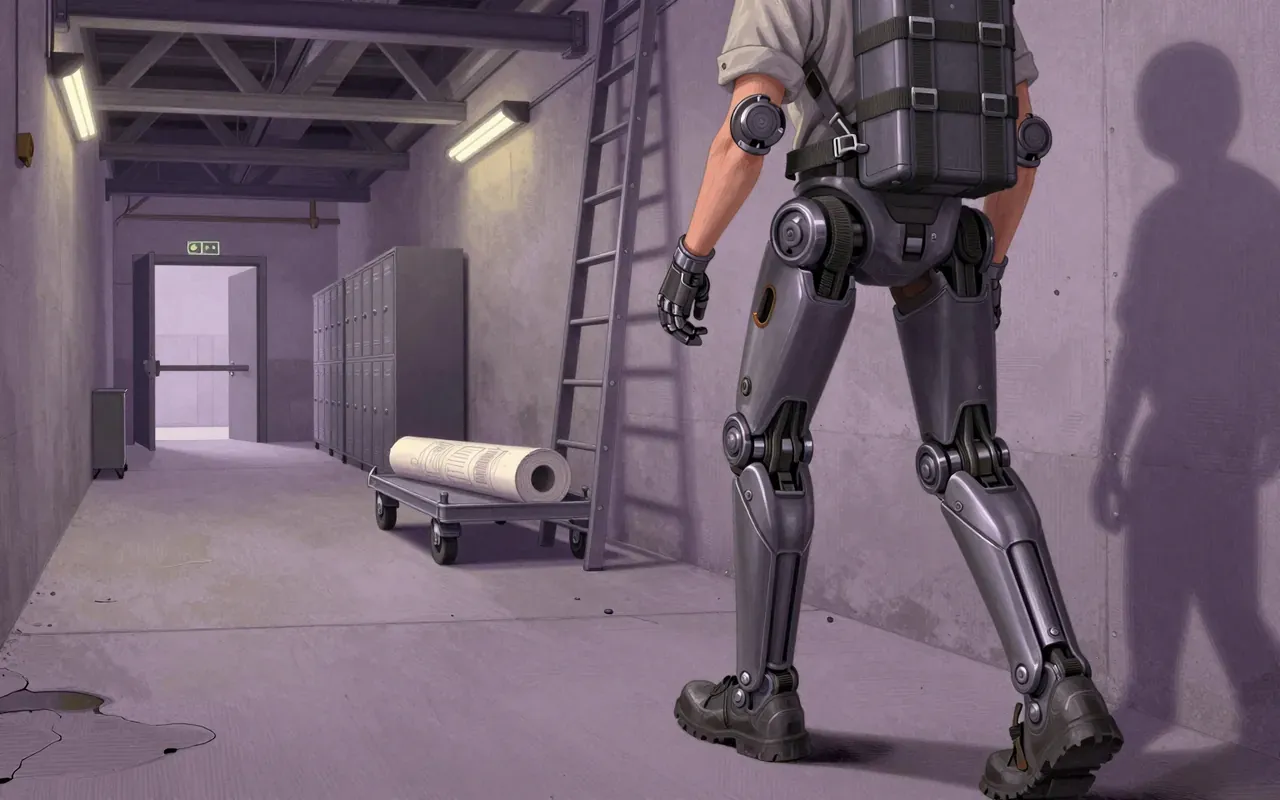
Exoskeletons

Exoskeletons don’t restore movement—they reframe disability as an engineering constraint.
10:58

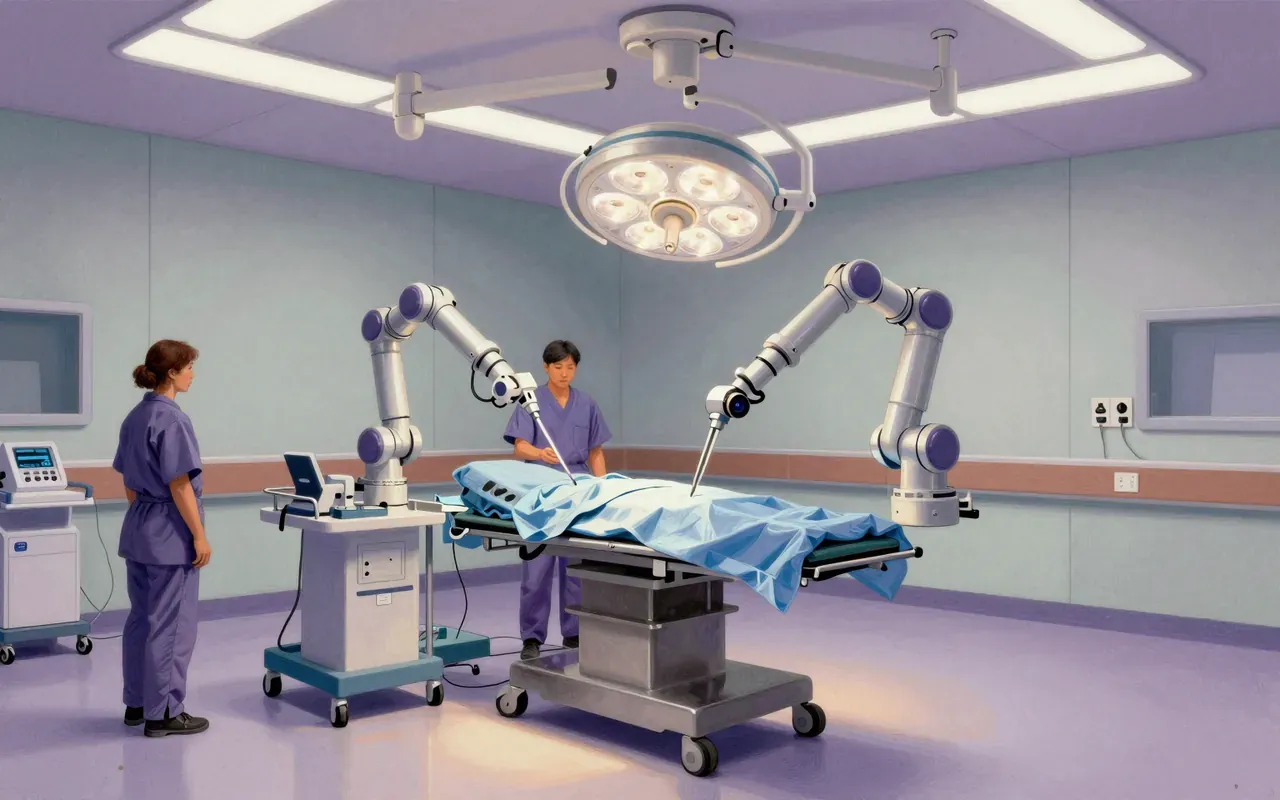
Da Vinci Surgical System

Intuitive Surgical

The Da Vinci Surgical System is a teleoperated robotic platform for minimally invasive surgery. It translates surgeon hand motions at a console into precise movements of up to four robotic arms at the patient’s side — one for 3D vision, the rest for tools. FDA-cleared in 2000, it had performed ~200,000 surgeries by 2012, mainly prostatectomies and hysterectomies. It does not demonstrate long-term superiority over laparoscopy. It demands high capital cost, proprietary software, dedicated training, and a full surgical team. Safety investigations by the FDA include reports of patient injury and death.

10:20

Optical fiber

It does not carry electricity—but it carries light so precisely that medicine and telecoms had to rebuild themselves around it.
8:49

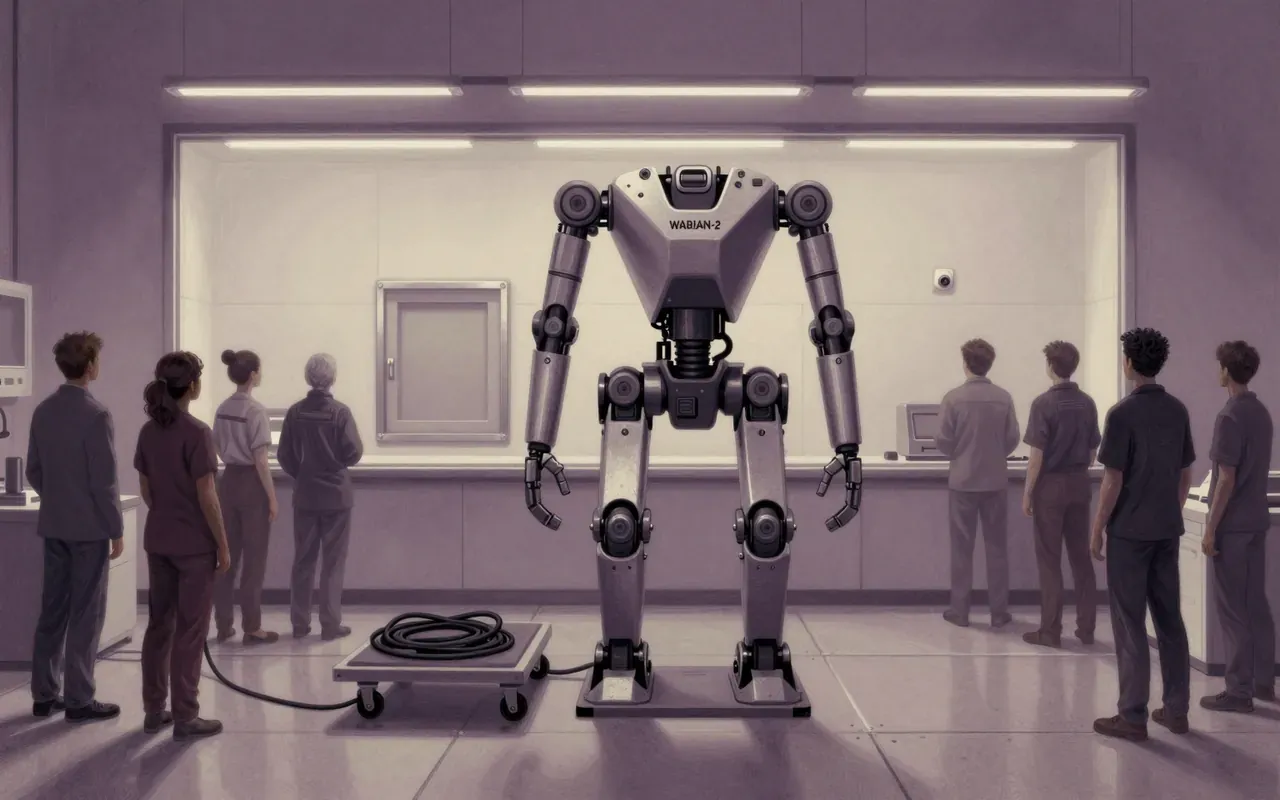
Humanoid robot

Humanoid robots are not stepping into our homes—they’re stepping into our labs, as calibrated dummies for prosthetics and rehab.
10:02

NPU terminology

NPU terminology fixes lab data chaos—but only where metrology matters more than medicine.
10:28

Intuitive Surgical

Robotic surgery didn’t start with autonomy—it started with a console, a licence, and a long wait for FDA approval.
9:53

Automated external defibrillator

Claude Beck

The AED is not one invention but three: Beck’s 1947 surgical intervention, Pantridge’s 1957 portable ambulance unit, and the Heart-Aid’s late-1970s public automation. Only the last meets the definition of 'automated external'. Its mechanism—real-time ECG analysis, voice-guided operation, and rhythm-dependent shock delivery—removes interpretation from the user. But it only works if pads are correctly placed and the patient is untouched during analysis. It does not diagnose other rhythms. It does not treat asystole or PEA. Its value lies in speed, not intelligence.

9:36

Endoscope

Philipp Bozzini

Bozzini’s Lichtleiter established endoscopy as a category: a purpose-built optical conduit for internal light and view. It worked technically in most cavities. It failed institutionally — blocked by authority, not physics. Its legacy is conceptual, not clinical.

culture.briefs Culture

All 4 in culture →
11:10

Avicenna

Avicenna didn’t just write medicine—he built the first operating system for scientific thought.
8:44

Sandpainting

A healing tool disguised as art—where every grain is diagnostic, and sitting on it is part of the cure.
9:05

Nostalgia

Nostalgia wasn’t about the past—it was about soldiers dying from homesickness.

food.briefs Food

All 1 in food →
9:23

Pasta

Pasta didn’t cross the Silk Road—it crossed the Mediterranean. And Marco Polo never carried it.

nature.briefs Nature

All 2 in nature →
9:24

Auricularia auricula-judae

It is not a food, not a remedy, not a keystone—just an ear-shaped truth, fixed to elder, named after Judas, and finally sorted by DNA.
9:09

Poison

Poison isn’t a thing — it’s a human-centred verdict on dose and delivery.