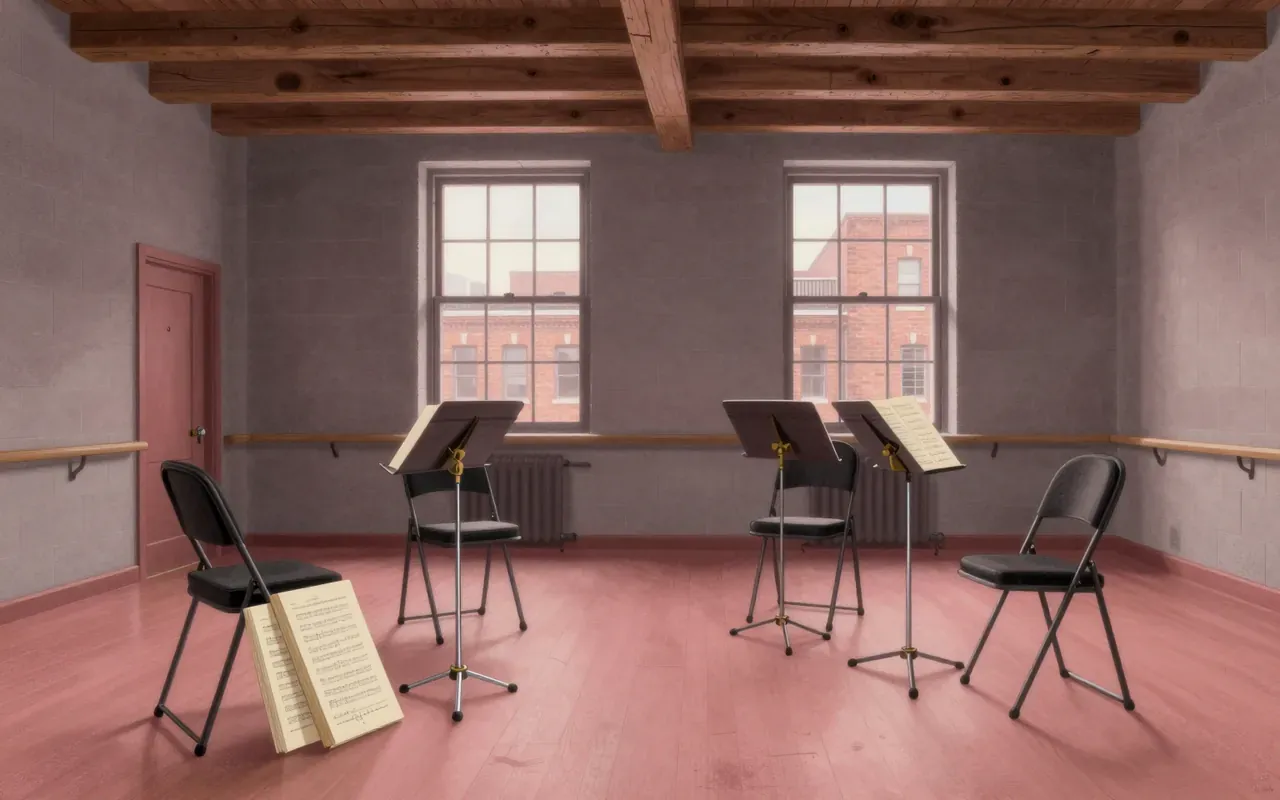
Black Angels
Kronos Quartet · 1990
A string quartet record that refuses to behave like one—and never tells you why.
The other half of the composition.
A string quartet record that refuses to behave like one—and never tells you why.
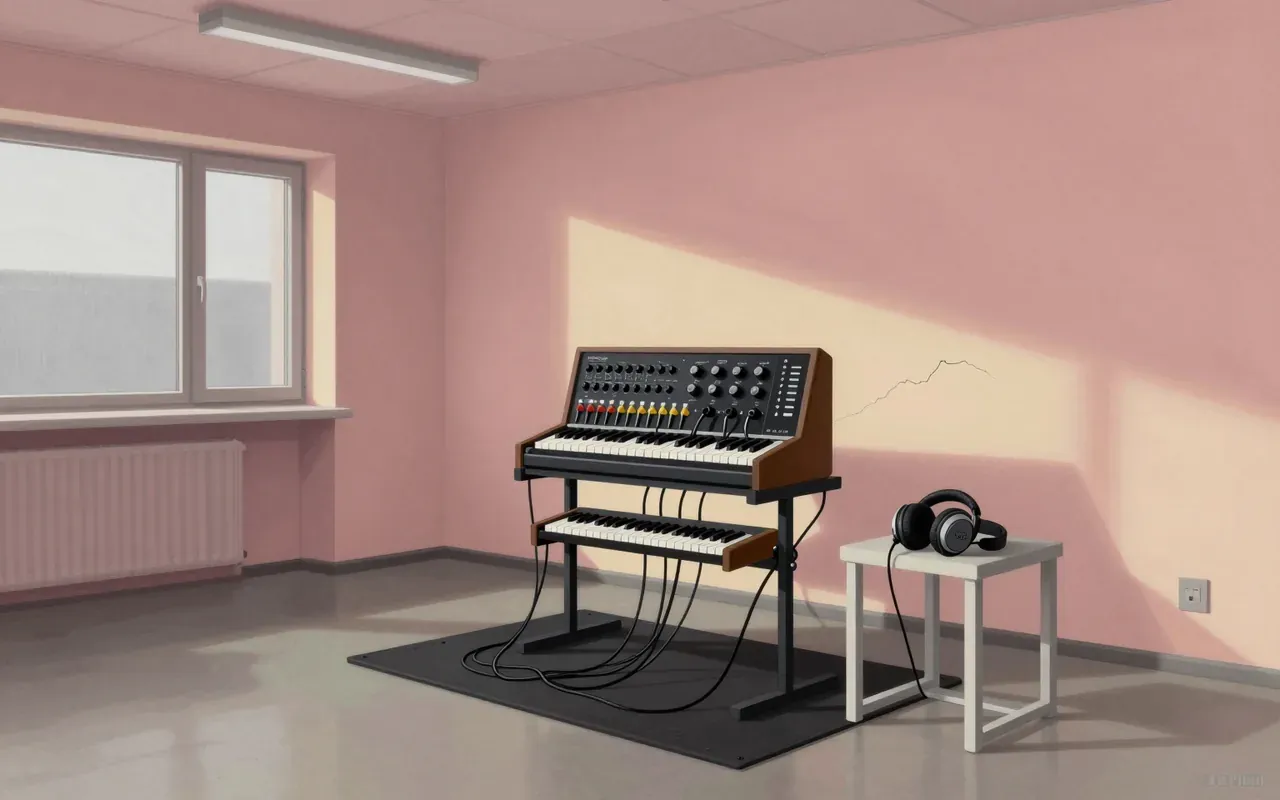
Silent Shout is The Knife’s third studio album, released 17 February 2006. It is darker than Deep Cuts. It is synth-pop and techno. Karin Dreijer’s vocals are pitch-shifted and multi-tracked. The Knife handled recording, programming, production, vocals, and mixing. Christoffer Berg mixed tracks 1–7, 9, and 11. Pelle Gunnerfeldt mixed tracks 8 and 10. Henrik Jonsson mastered the album. Pitchfork named it the best album of 2006. A companion DVD, Silent Shout: An Audio Visual Experience, was released 8 November 2006. 'We Share Our Mothers’ Health' was iTunes’ Single of the Week in late 2006.
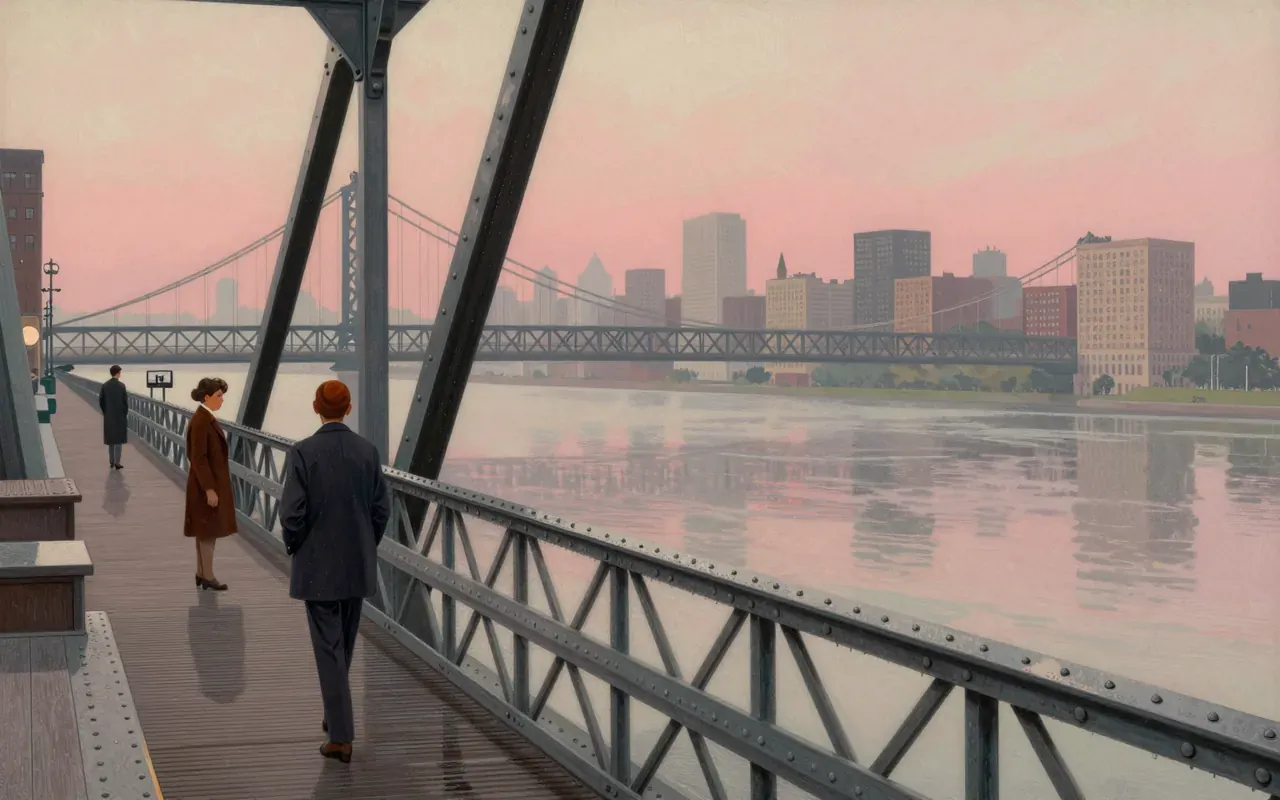
The Bridge is Sonny Rollins’s 1962 studio album, recorded in January and February 1962 and released in April 1962. It marks his return after a three-year sabbatical and his debut for RCA Victor. The core quartet features Sonny Rollins on tenor saxophone, Jim Hall on electric guitar, Bob Cranshaw on double bass, and Ben Riley on drums — with Harry "H.T." Saunders substituting on drums for one track. The sessions were held across three dates: January 30 ("God Bless the Child"), February 13 ("Where Are You", "John S.", "You Do Something to Me"), and February 14 ("Without a Song", "The Bridge"). Produced by George Avakian and engineered by Ray Hall, the album was critically lauded and later inducted into the Grammy Hall of Fame in 2015.

The xx’s 'xx' is a document of constraint: recorded in a converted garage, at night, with two voices, a bass, a drum machine, and one shared microphone. Nothing is added. Nothing is smoothed. It is what fits in the room.
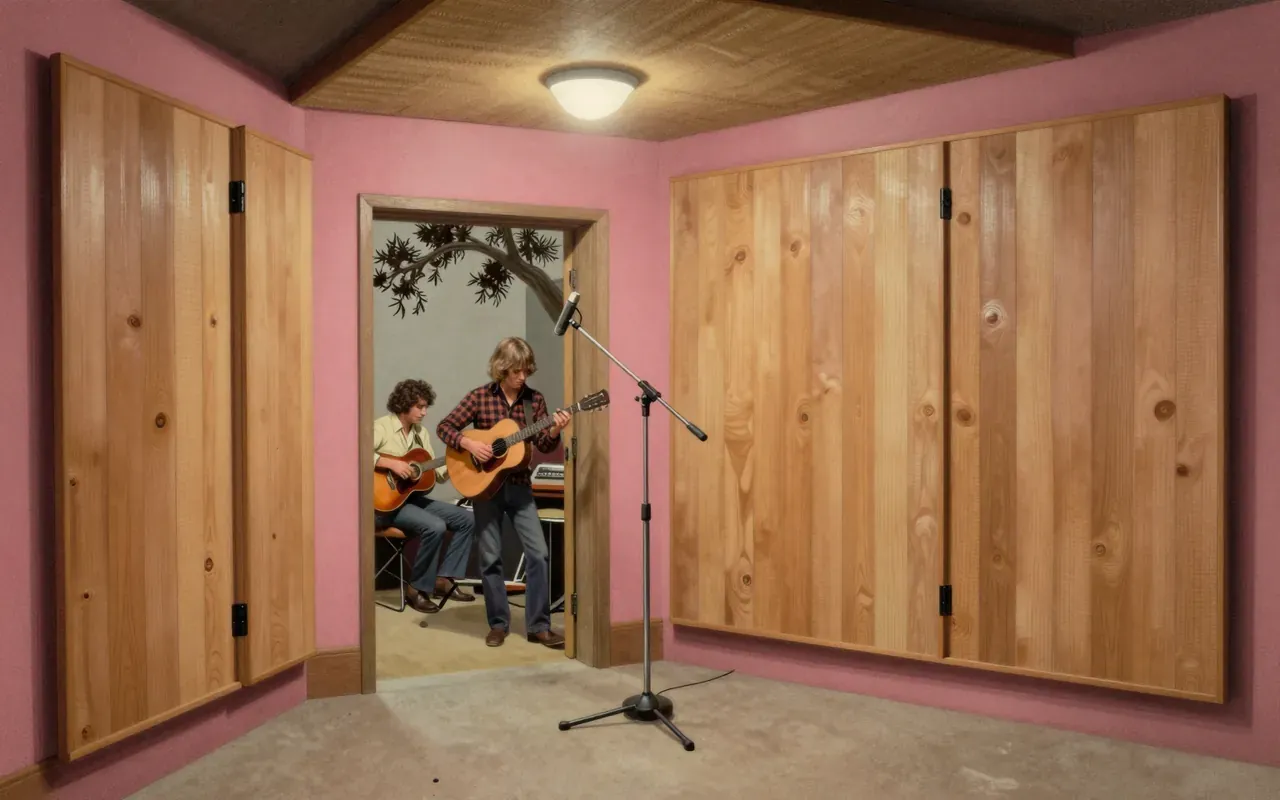
Red Headed Stranger is a 1975 concept album by Willie Nelson, recorded at low cost in a quiet cypress-panelled room at Autumn Sound Studios in Garland, Texas. It features sparse arrangements limited to Nelson's guitar, piano, and drums, with no equalisation and no additional production — a direct rejection of Nashville conventions. Columbia executives initially mistook it for a demo, but Nelson's creative control and Waylon Jennings' insistence secured its release. The album includes a cover of Fred Rose's 1945 'Blue Eyes Crying in the Rain', which became Nelson's first number one hit. Its power lies in restraint: the Bosendorfer piano's deep bass, the dry drum hits, the absence of reverb or ornamentation. It is a record about silence as moral weight.
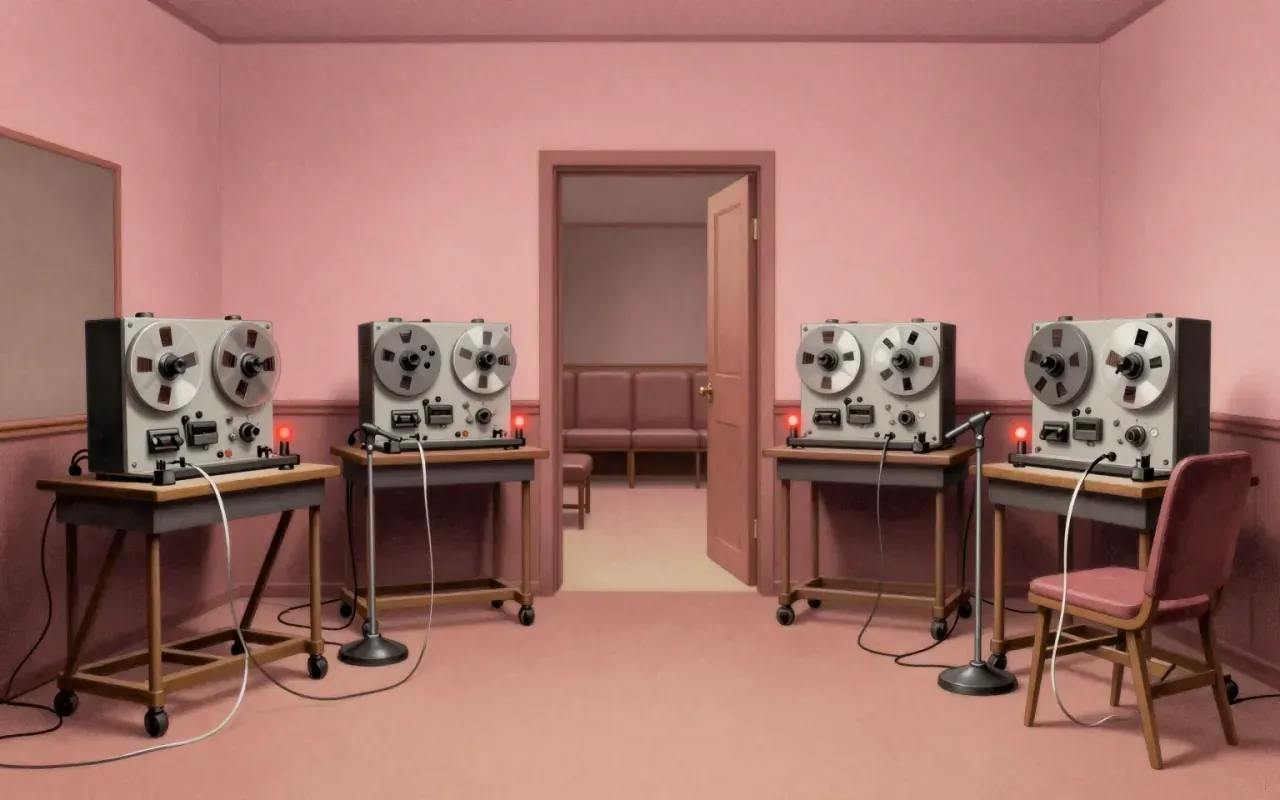
Brian Eno's 1978 EMI release grew out of a bad afternoon at Cologne's airport and a conviction that background music could be more than wallpaper. Made from looped tape rather than a band, it named ambient music as a genre in the act of making it.

Made at Can's own Inner Space Studio after a scattering four-week holiday, Future Days trades the band's earlier rhythmic tension for unhurried, textured grooves built from Farfisa organ, field recordings and Jaki Liebezeit's constant, understated drumming, with Damo Suzuki's vocals reduced to a passing presence before his departure soon after.
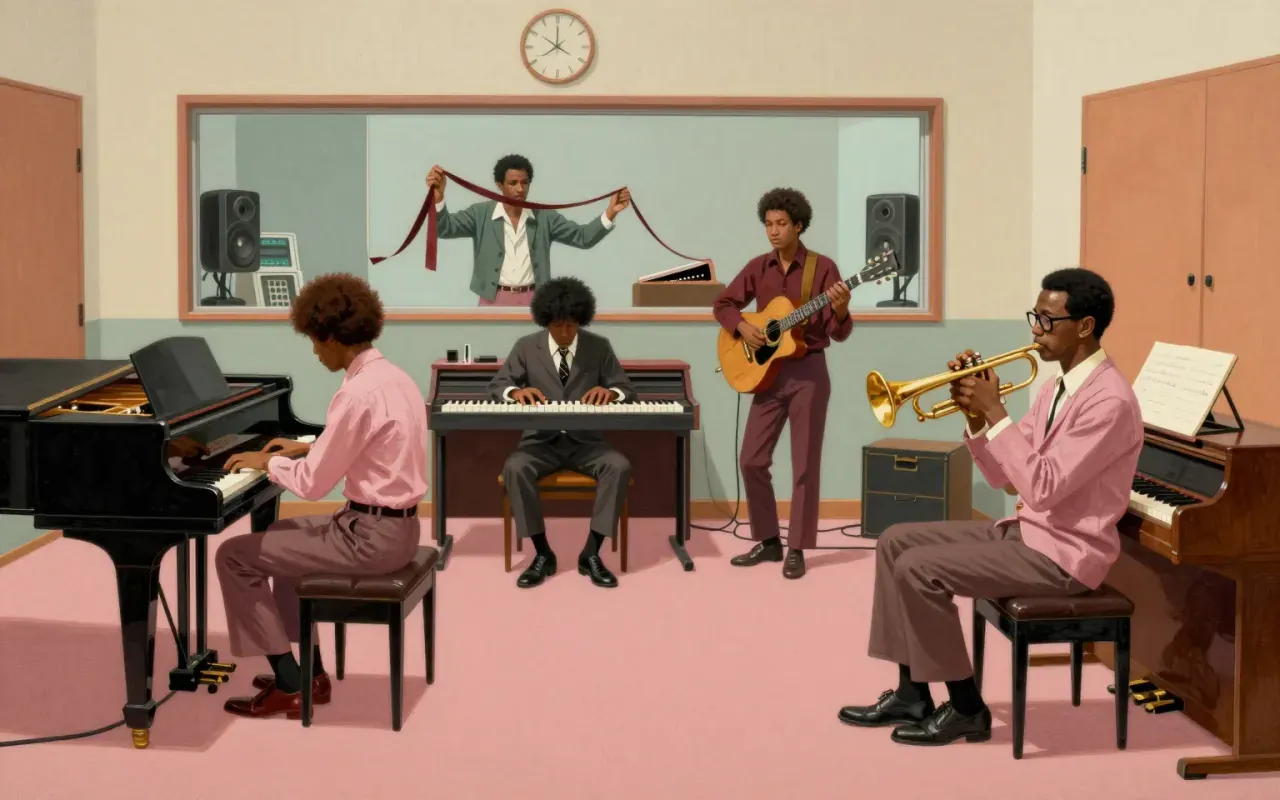
Recorded in a single February 1969 session at Columbia's Studio B and shaped afterward by producer Teo Macero's editing, In a Silent Way marked Miles Davis's full turn toward electric instruments. Built from just two long pieces stitched from a handful of takes by an expanded band including three electric pianists and a guitarist new to New York, it plays as a hushed, largely beatless record that unsettled jazz and rock critics alike on release.
Compensation is a 1999 independent film directed by Zeinabu irene Davis, telling parallel love stories—one in 1910 Chicago, the other in the 1990s—between deaf women and hearing men. Shot in black-and-white silent-film style for the past and with open captions for the present, it draws on Paul Laurence Dunbar’s 1906 poem and foregrounds ASL, Chicago’s geography, and the social realities of tuberculosis and AIDS. Restored in 4K by Criterion and UCLA, it premiered at Sundance 2000 and entered the National Film Registry in 2024.
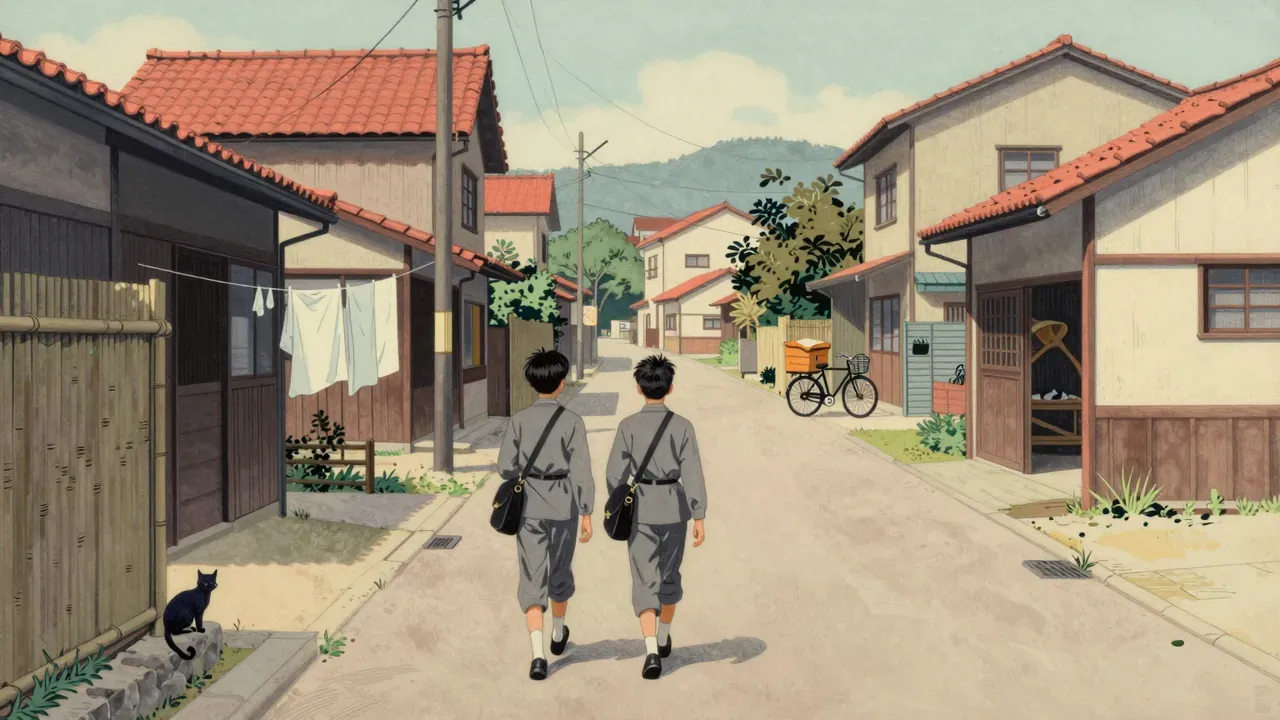
Yasujirō Ozu’s 1959 colour comedy follows two brothers who stop speaking to protest their parents’ refusal to buy a television. Set in a Tokyo suburb, the film traces how their silence ripples through the neighbourhood, exposing the fragility of gossip, the labour of politeness, and the quiet absurdity of adult consensus — all observed with Ozu’s characteristic stillness and dry precision.
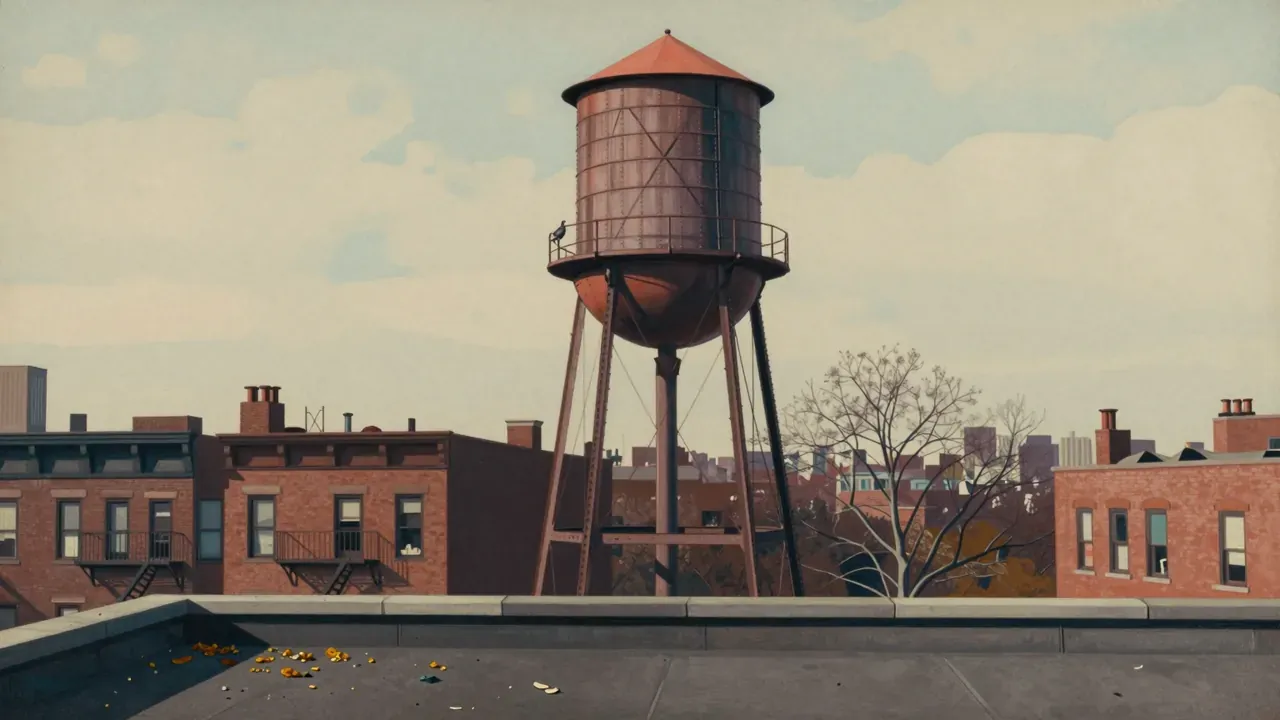
Chantal Akerman’s 1972 debut feature is a silent, sixty-five-minute documentary shot in fixed long takes inside New York’s Hotel Monterey. With Babette Mangolte’s precise cinematography, it maps the building’s corridors, rooms and roof without narration, music or commentary — treating architecture as a sequence of visual propositions about time, space and perception.
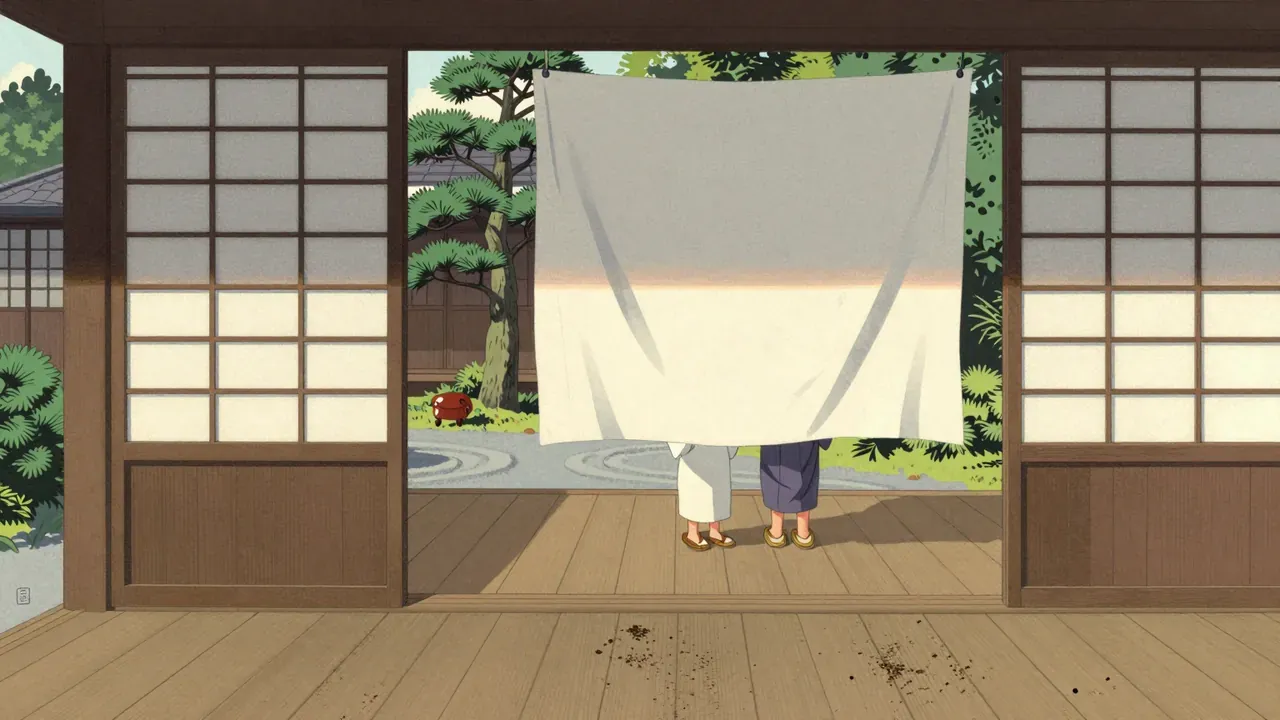
Yasujirō Ozu’s 1932 silent comedy follows two brothers whose faith in their father collapses when they see him humiliate himself before his boss on home film. With still camerawork, sparse intertitles, and performances rooted in physical truth, the film traces the quiet transmission of social submission across generations — not as satire or tragedy, but as observed fact.
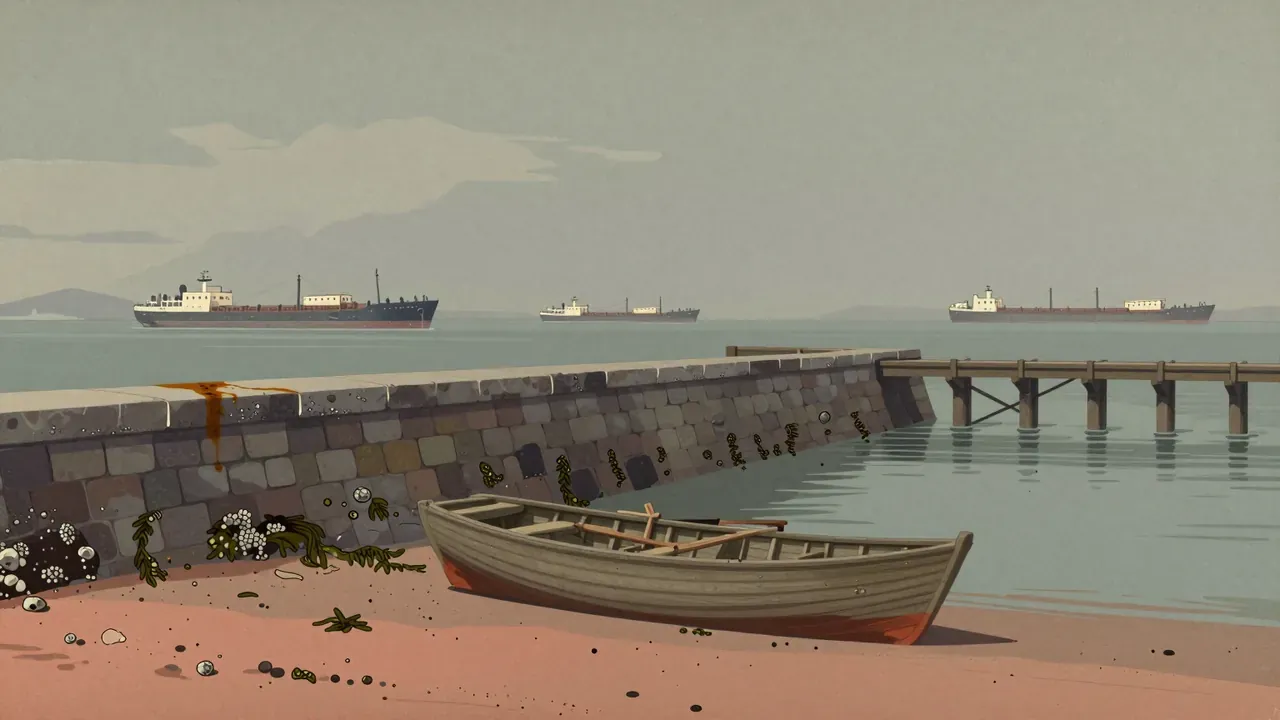
Japanese Girls at the Harbor (1933), directed by Hiroshi Shimizu, follows Sunako Kurokawa, a mixed-race teenager in Yokohama whose life fractures after a jealous shooting in a church. Years later, living as a bar worker and companion to an unsuccessful painter, she confronts the people she once loved—including the man who left her and the girl she shot. With no spoken dialogue and minimal intertitles, the film relies on composition, gesture, and duration to chart moral consequence without judgment or resolution.
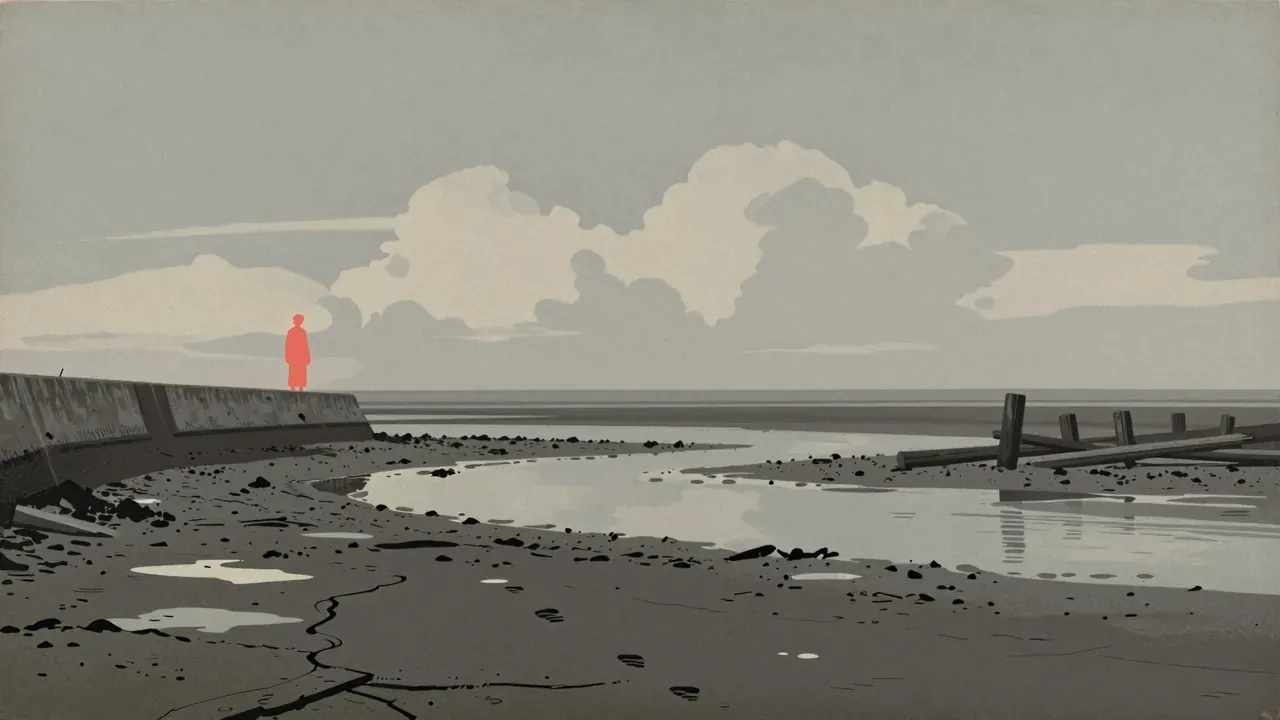
A 1933 Japanese silent film directed by Yasujirō Ozu, Passing Fancy follows Kihachi, a widowed brewery worker in Tokyo, as he shelters a destitute young woman and navigates care for her and his young son. With minimal intertitles, restrained performances, and Hideo Shigehara’s understated cinematography, the film traces quiet shifts in dignity, class, and paternal love — all within the confines of everyday spaces and routines.
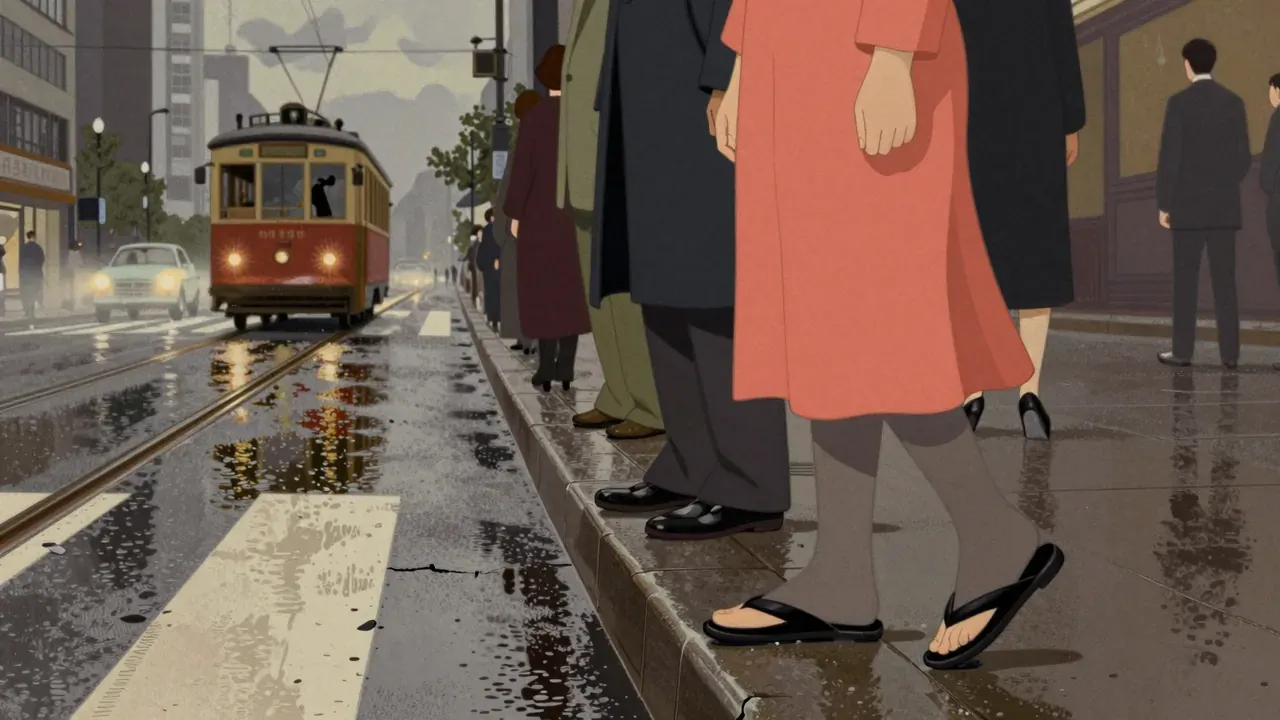
Street Without End (1934), Mikio Naruse’s final silent film, follows Tokyo waitress Sugiko as she navigates competing paths — marriage into wealth, stardom in film, or return to work — all shaped by rigid class boundaries and unspoken expectations. With restrained performances and precise, shallow-focus cinematography, it observes rather than judges, finding tension in stillness and consequence in repetition.
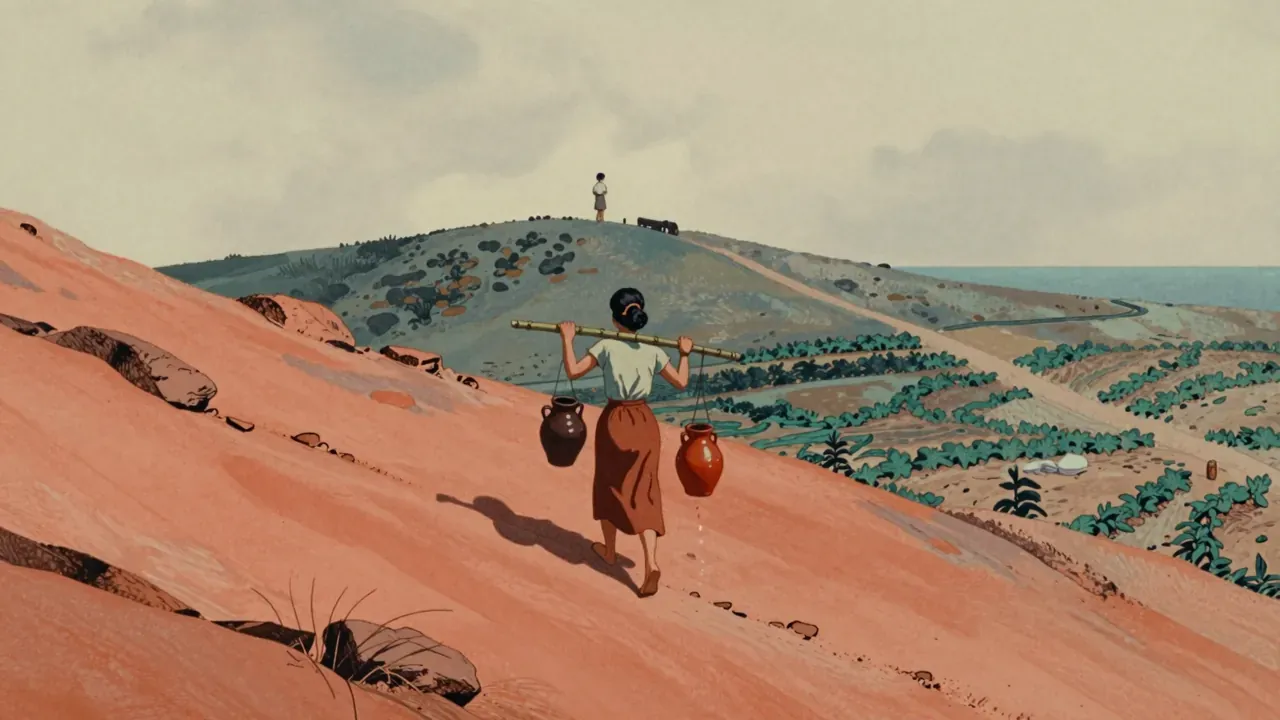
Kaneto Shindō’s 1960 film follows a family surviving alone on a remote island in Japan’s Seto Inland Sea, carrying water daily to grow crops. With almost no spoken dialogue, it relies on repetition, physical exertion and Kiyomi Kuroda’s restrained cinematography to convey endurance, grief and routine. Though its agricultural premise is factually flawed, its austere method remains compelling: a rigorous, unsentimental portrait of persistence.