American Pie
Don McLean · 1971
A folk record that treats the studio like a rehearsal hall—and grief like a rhythm section that won’t lock in.
Longing for a past that is being sold back at a markup.
A folk record that treats the studio like a rehearsal hall—and grief like a rhythm section that won’t lock in.

ABBA Gold: Greatest Hits is a 1992 compilation album compiled by Chris Griffin, Jackie Stansfield, George McManus, Ingemar Bergman, and John Tobler, with sequencing designed as a radio show—opening with 'Dancing Queen' and closing with 'Waterloo'—and featuring representative tracks from nearly all ABBA studio albums up to that point. It draws on performances by Agnetha Fältskog, Anni-Frid Lyngstad, Björn Ulvaeus, and Benny Andersson, and was produced by Andersson and Ulvaeus, with engineering and remastering by Michael B. Tretow (1992), Jon Astley (1999–2004), and Henrik Jonsson (2008).
Fleet Foxes’ self-titled 2008 debut was recorded mostly in domestic spaces — Pecknold’s parents’ basement and Wescott’s home — due to tight funds; it aimed for simplicity through harmonies and unconventional structures, underwent full re-recording and exhaustive revision, and was produced by Phil Ek with vocals added the night before final mixing. Its pastoral acoustic sound foregrounds vocal arrangements modelled on classical string textures, informed by folk, gospel, psychedelic pop and Sacred Harp styles, with lyrics rooted in Pecknold’s rural surroundings, philosophical reflection and personal abandonment — not love songs.

Future Nostalgia is a tightly wound, rhythm-first pop record built for motion. Its sound is defined by live-sounding funk bass, crisp synth stabs, and lush strings—all arranged with surgical consistency. It draws from 1970s–2000s pop textures but never fractures them. It lands where it aims: in the hips, not the head.
The Suburbs is Arcade Fire’s third studio album, released in 2010. It was produced by Markus Dravs and engineered by Marcus Paquin. Recording took place across three locations: Win Butler and Régine Chassagne’s Montreal residence, the band’s Quebec studio, and New York City. Win Butler described the album’s sound as a mix of Depeche Mode and Neil Young—intended to evoke the mysterious, formative noises of his youth. Each song was pressed to a 12-inch lacquer and re-recorded for the digital master. The album was released with eight different covers. A pre-release review by The Quietus compared its progression to William Blake’s Songs of Innocence and of Experience.

Recorded without digital equipment in Bristol, Portishead's Dummy layers Beth Gibbons's vocals over sampled soul, spy-soundtrack strings and deliberately worn vinyl, a debut that helped define trip hop while staying stranger and colder than the genre it is credited with starting.
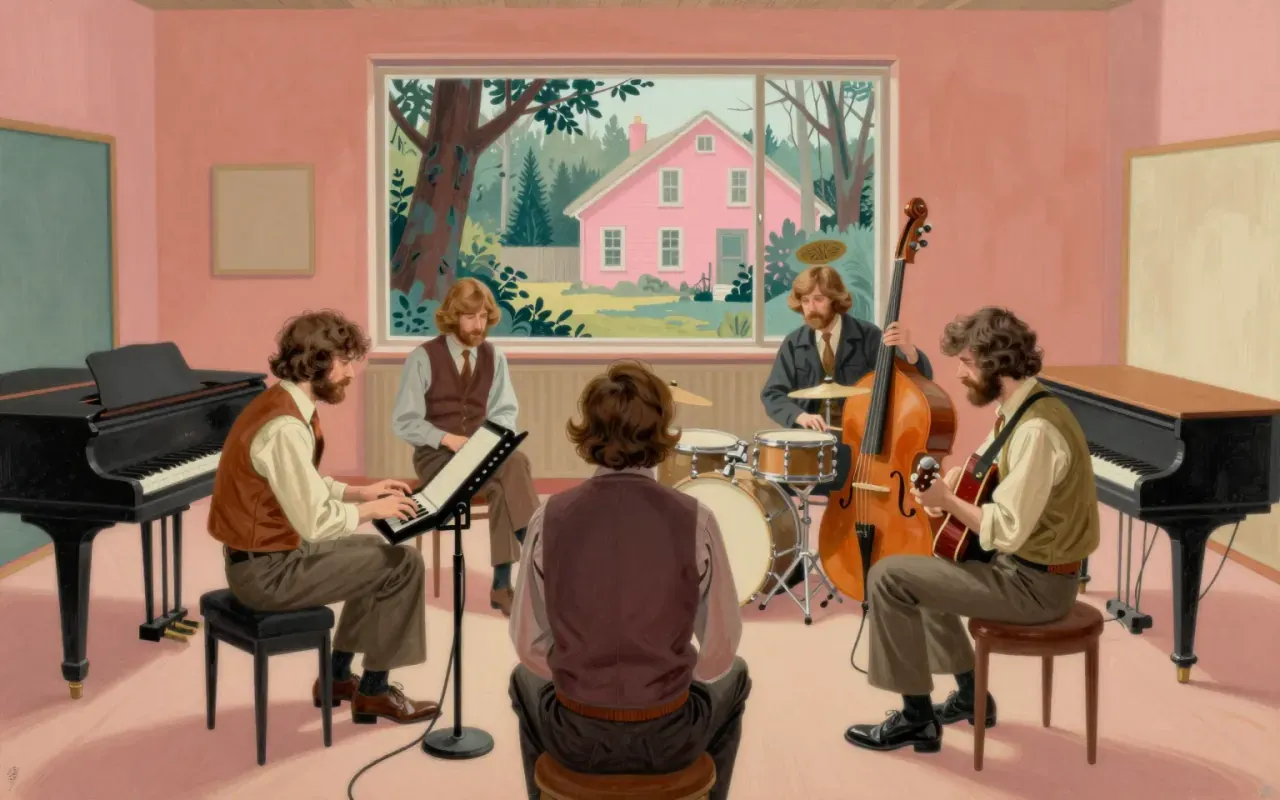
Recorded live with minimal overdubbing after years spent behind Bob Dylan, Music From Big Pink lets Rick Danko, Levon Helm and Richard Manuel trade lead vocals over Garth Hudson's organ and Robbie Robertson's economical guitar, trading psychedelic ambition for a communal, backward-looking sound that quietly reshaped rock's direction.
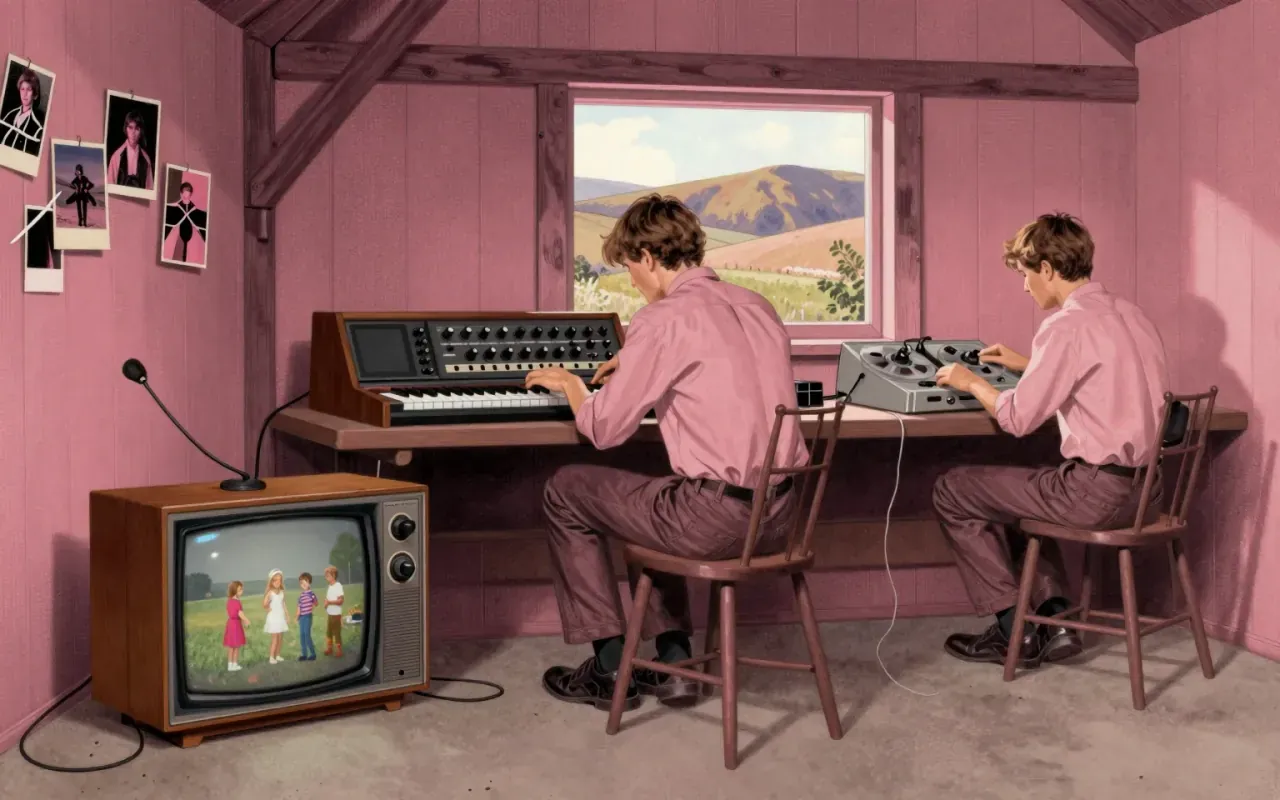
Recorded at their own studio in the Pentland Hills on tape and vintage synthesisers left deliberately out of tune, this debut folds samples of children's television into a haze that sits somewhere between comfort and unease. At seventeen tracks it asks patience of a listener, but its sustained atmosphere remains close to unmatched.
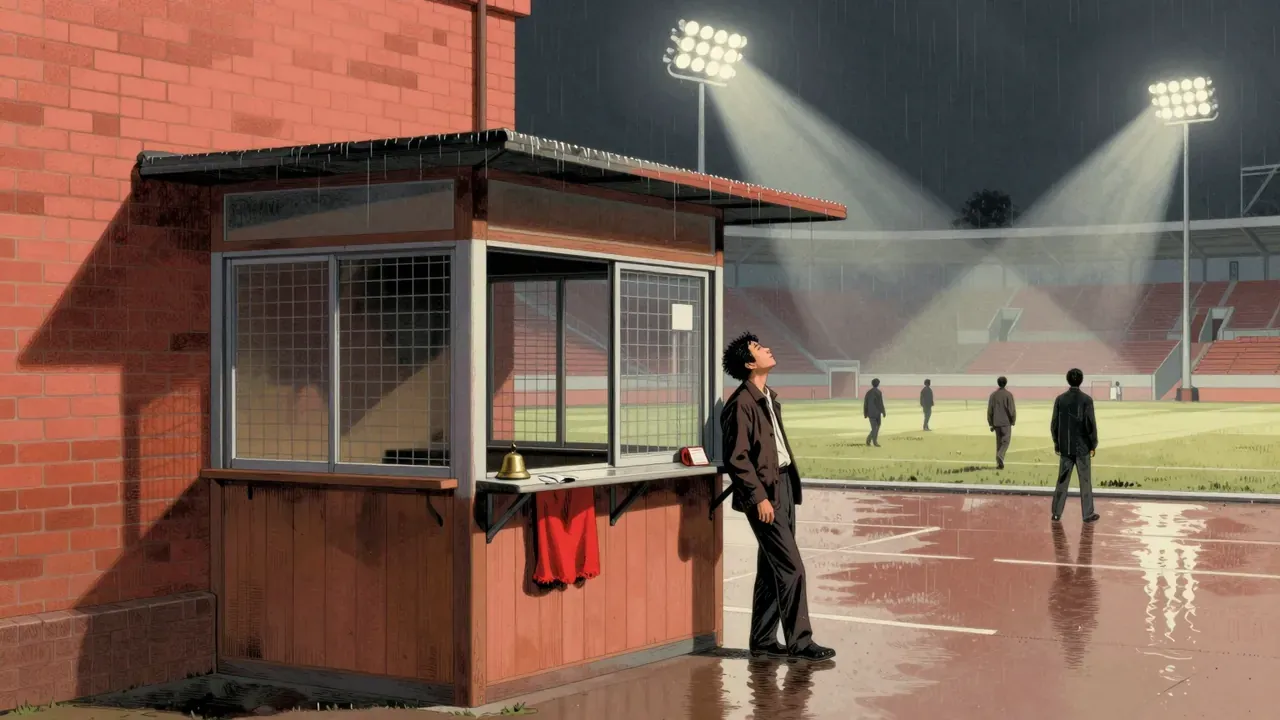
Wong Kar-wai’s 1990 romantic drama follows drifting young people in 1960 Hong Kong — a playboy searching for his birth mother, a ticket seller holding onto a lost moment, a policeman turning to the sea — bound not by plot but by shared unease. Christopher Doyle’s cinematography, Chan Ming-Diy’s score, and a cast including Leslie Cheung and Maggie Cheung build a world of suspended time and unfulfilled desire. It is the first in an informal trilogy, and the foundation of Wong’s singular style.
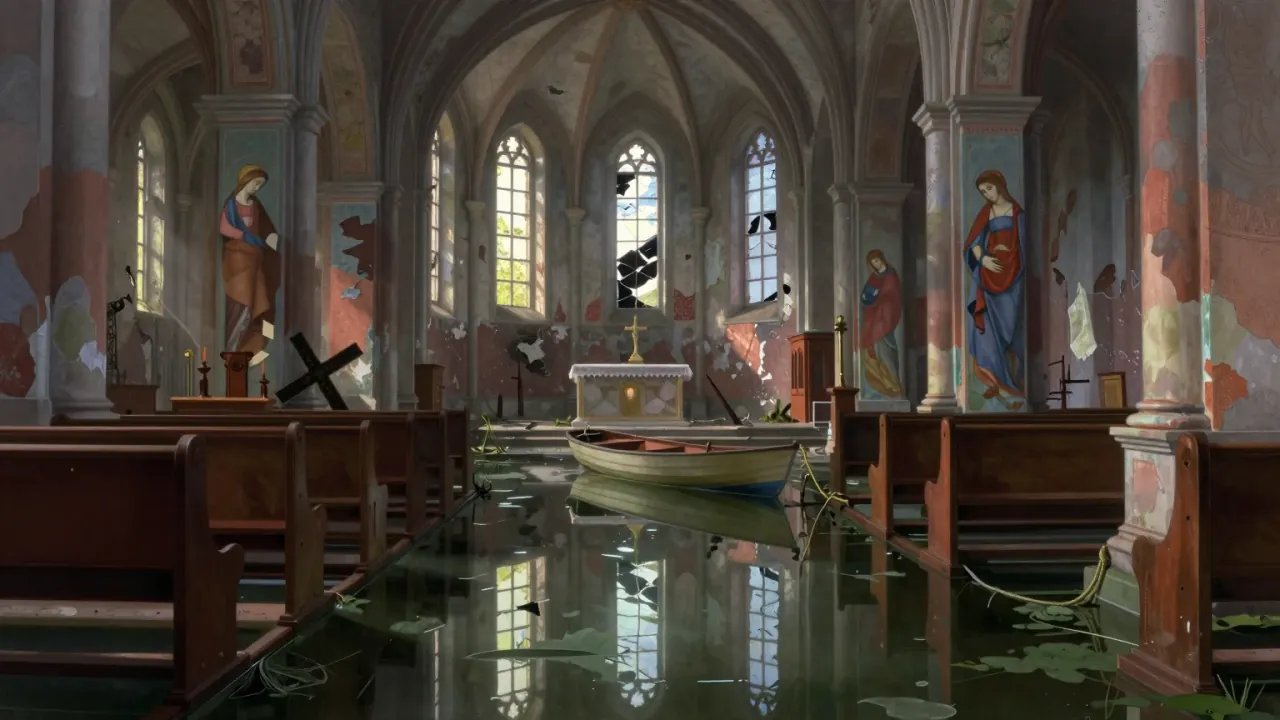
Andrei Tarkovsky’s 1983 film follows a Russian writer adrift in Italy, where research into a forgotten composer dissolves into a metaphysical pilgrimage. Shot in Tuscany and Lazio with long takes, sparse dialogue, and a soundscape built from silence and classical music, it treats homesickness not as emotion but as bodily fact — a rift in perception that alters gravity, light, and time. Oleg Yankovsky and Erland Josephson anchor its meditative rhythm, while Giuseppe Lanci’s cinematography renders landscape as psychic terrain. It won Best Director at Cannes and remains a defining work of arthouse cinema — demanding, austere, and deeply resonant for those willing to dwell in its stillness.
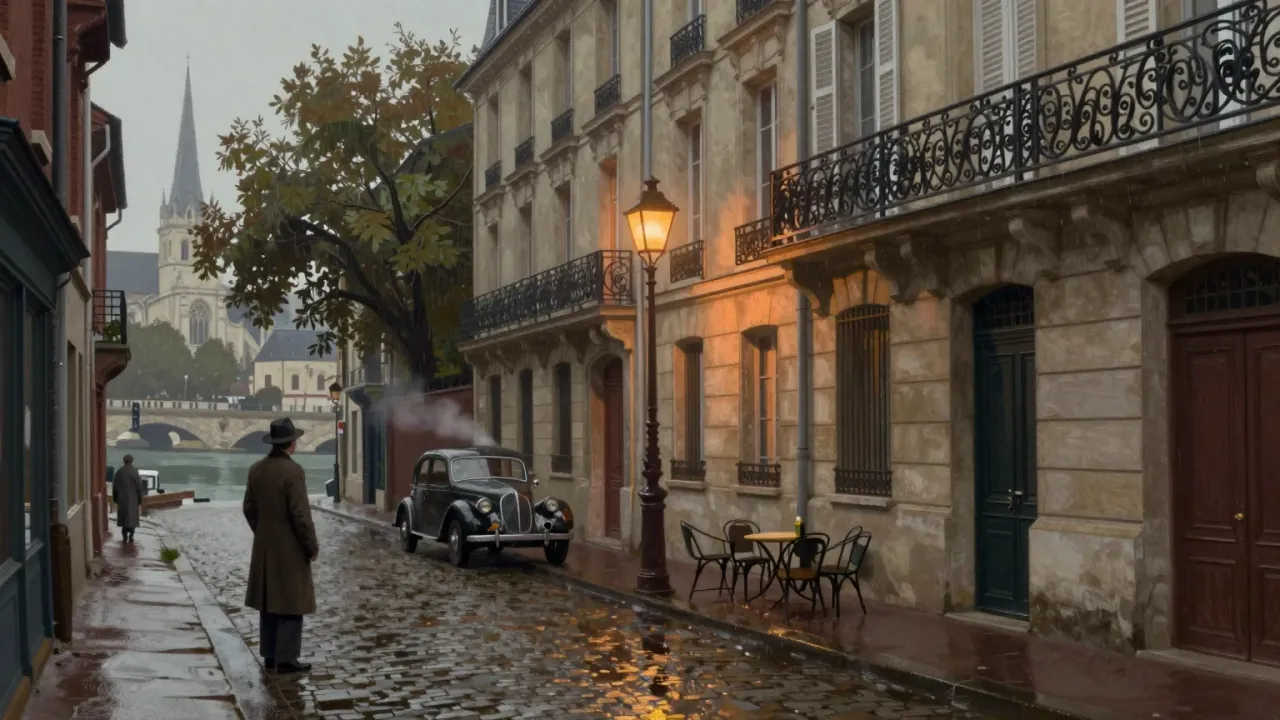
Woody Allen’s 2011 romantic comedy follows a screenwriter who, while visiting Paris, begins nightly journeys to the 1920s — not to change history, but to confront his own dissatisfaction with the present. Shot on location with Darius Khondji’s amber-toned cinematography and anchored by Owen Wilson’s understated performance, it uses time travel as emotional shorthand rather than speculative premise. It won the Academy Award for Best Original Screenplay.
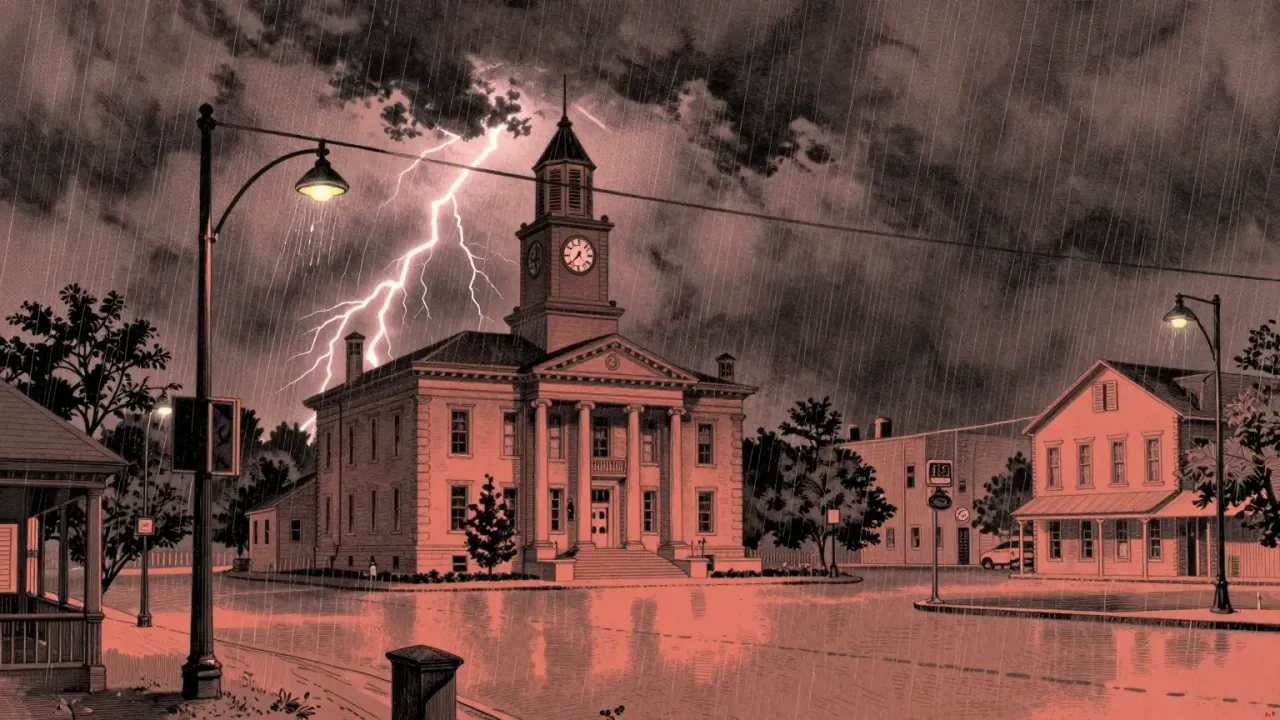
Robert Zemeckis's 1985 comedy sends Marty McFly thirty years into his parents' past, where undoing his own accidental sabotage of their romance becomes a race against his own existence. Recast five weeks into shooting, rewritten forty times before a studio would touch it, it turned into the biggest hit of its year on a modest budget, and the mechanics still hold.
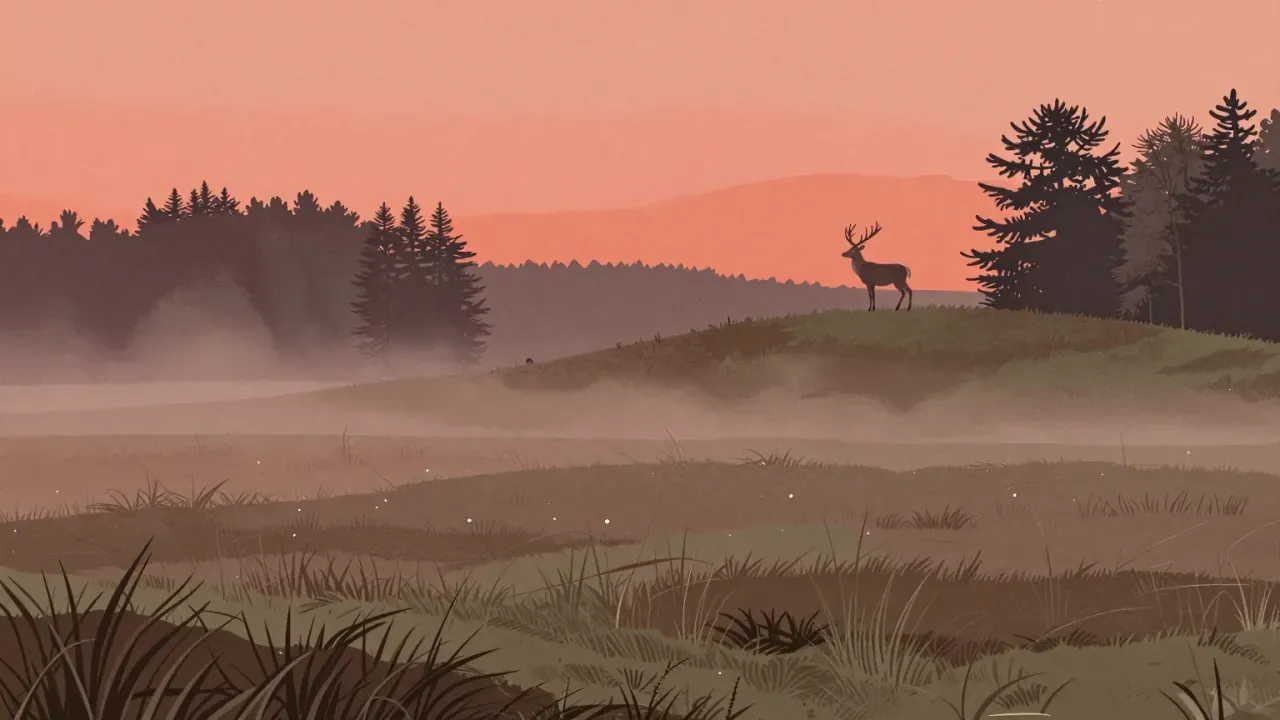
Bambi follows a white-tailed deer from birth through the loss of his mother to his eventual place as the forest's next Great Prince, told with almost no reliance on plot mechanics and long stretches of near-silent observation. Adapted loosely from Felix Salten's considerably grimmer novel, the film took years longer than planned because Disney's animators had to learn to draw deer realistically rather than as the flour-sack shapes they'd used before, studying live animals and building an in-house menagerie to get the movement right.
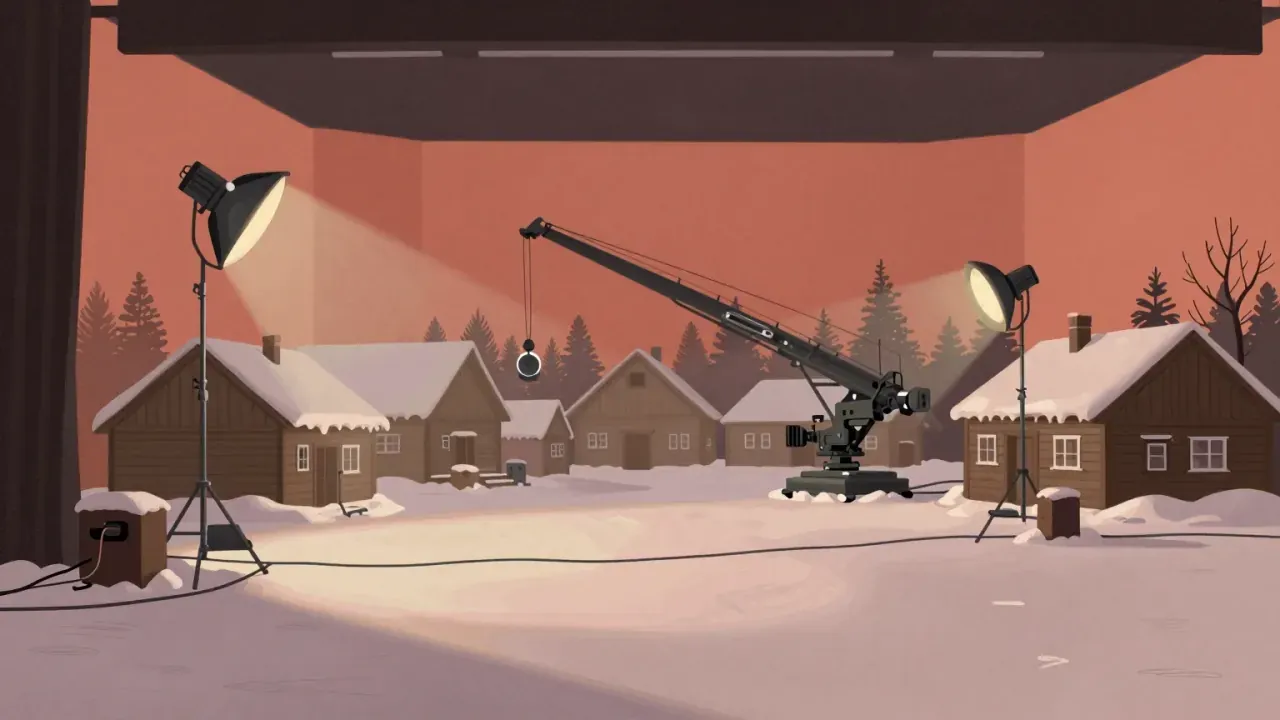
Millennium Actress frames a documentary crew's interview with a reclusive retired film star as the occasion for her life story, then dissolves the line between her memories and the film roles she played until the two run as one continuous narrative. Satoshi Kon's first original film after Perfect Blue, made at Madhouse on one of the lowest budgets recorded for a Japanese animated feature, it won the Animation Kobe award and holds a 93% critical score despite a tiny US theatrical release.
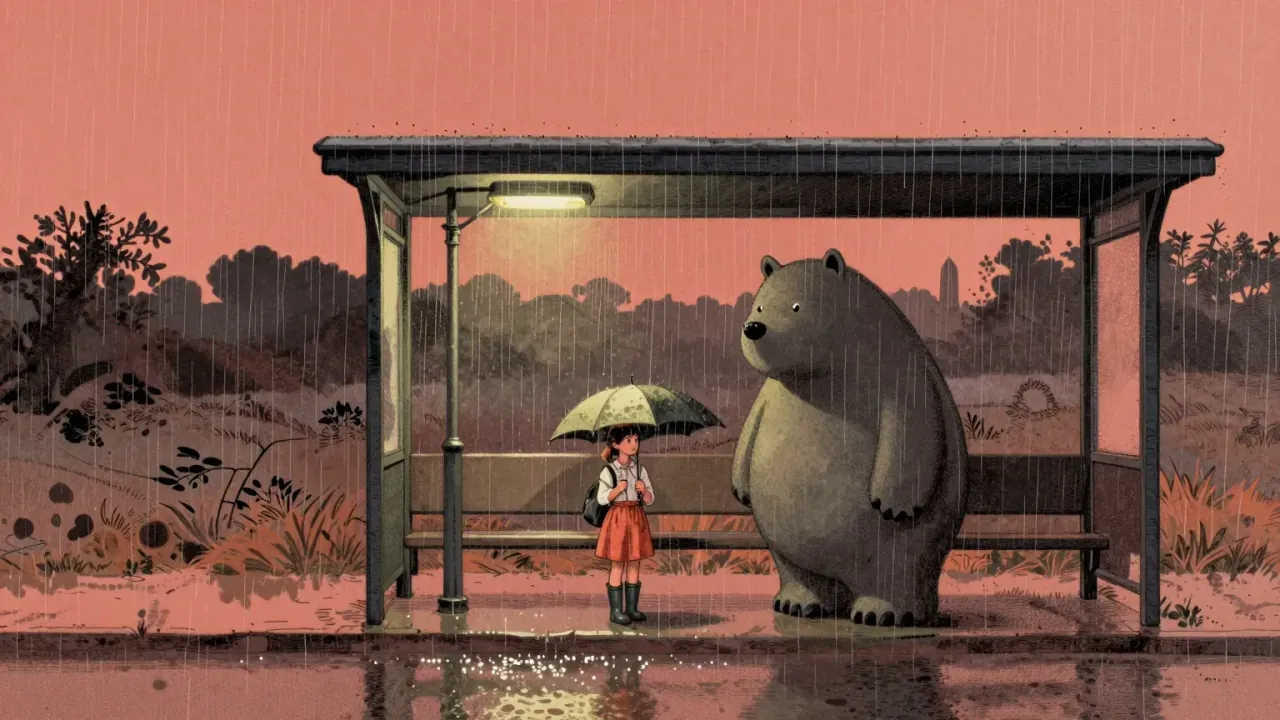
Released on a double bill with Grave of the Fireflies in 1988, Hayao Miyazaki's film follows sisters Satsuki and Mei as they move to the countryside while their mother recovers in hospital, and meet the forest spirits living around their new home. It grossed a modest sum on first release but has since become Studio Ghibli's signature work, with Totoro serving as the studio's mascot.
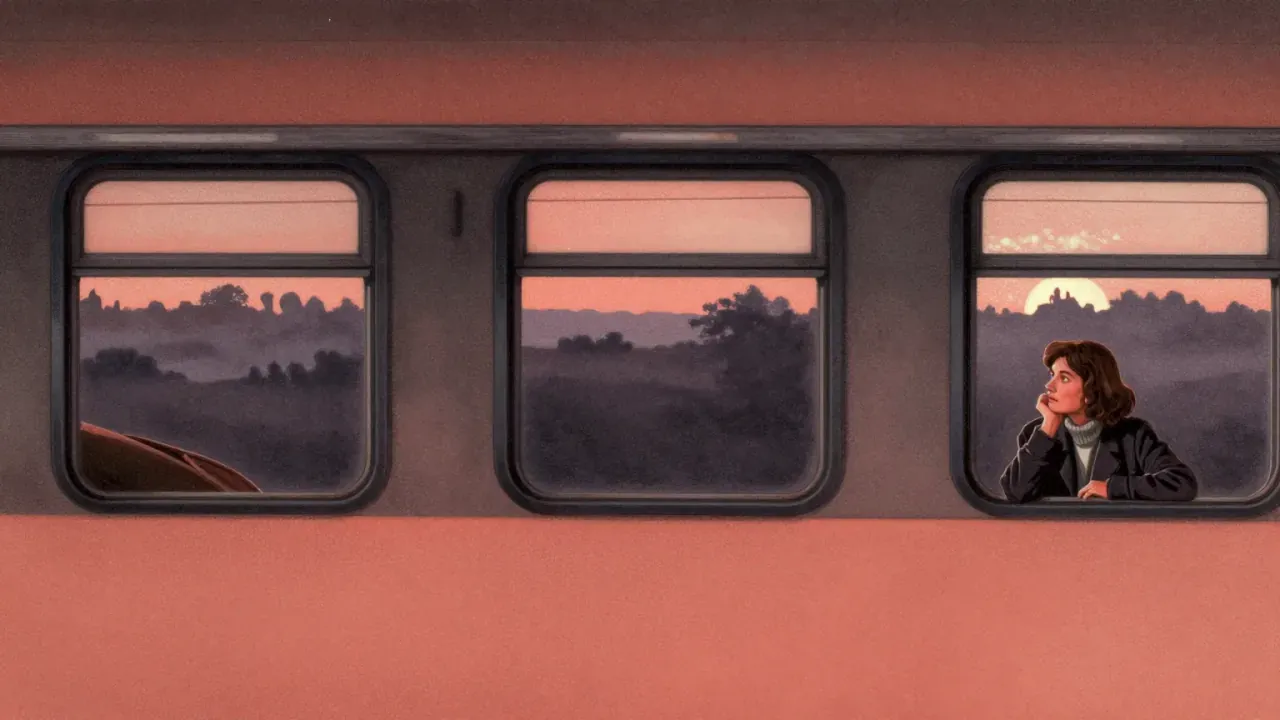
Isao Takahata's 1991 film follows Taeko, twenty-seven, on a countryside holiday where memories of herself at age ten resurface alongside a present-day romance with a young farmer. Adapted from an episodic manga that covered only the childhood material, with the adult framing story invented by Takahata himself, it became the highest-grossing Japanese film of 1991 despite total absence of fantasy or spectacle.

NBA 2K23 is a historically segmented basketball simulation. It divides the NBA into four playable eras — 1983–84, 1991–92, 2002–03, and 2022–23 — each with distinct arenas, logos, jerseys, rosters, draft classes, broadcast packages, and modifiable rules.
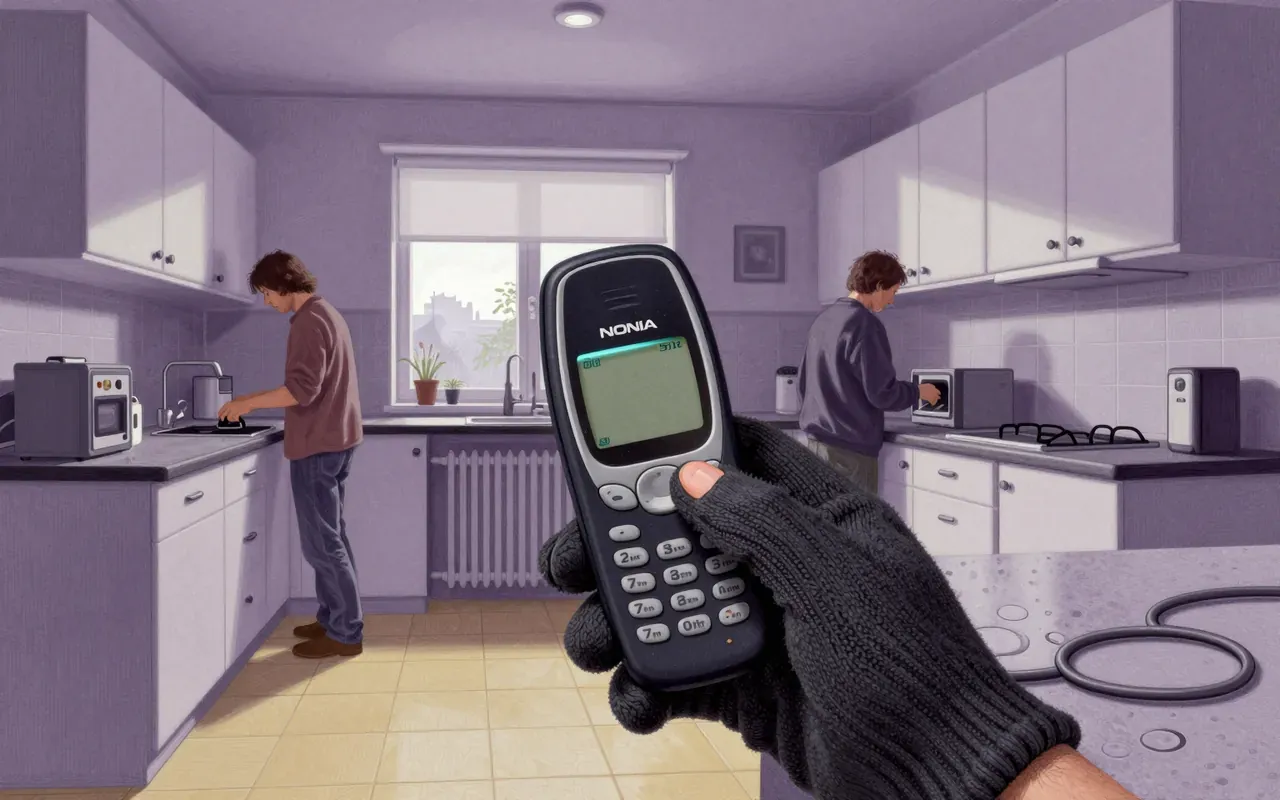
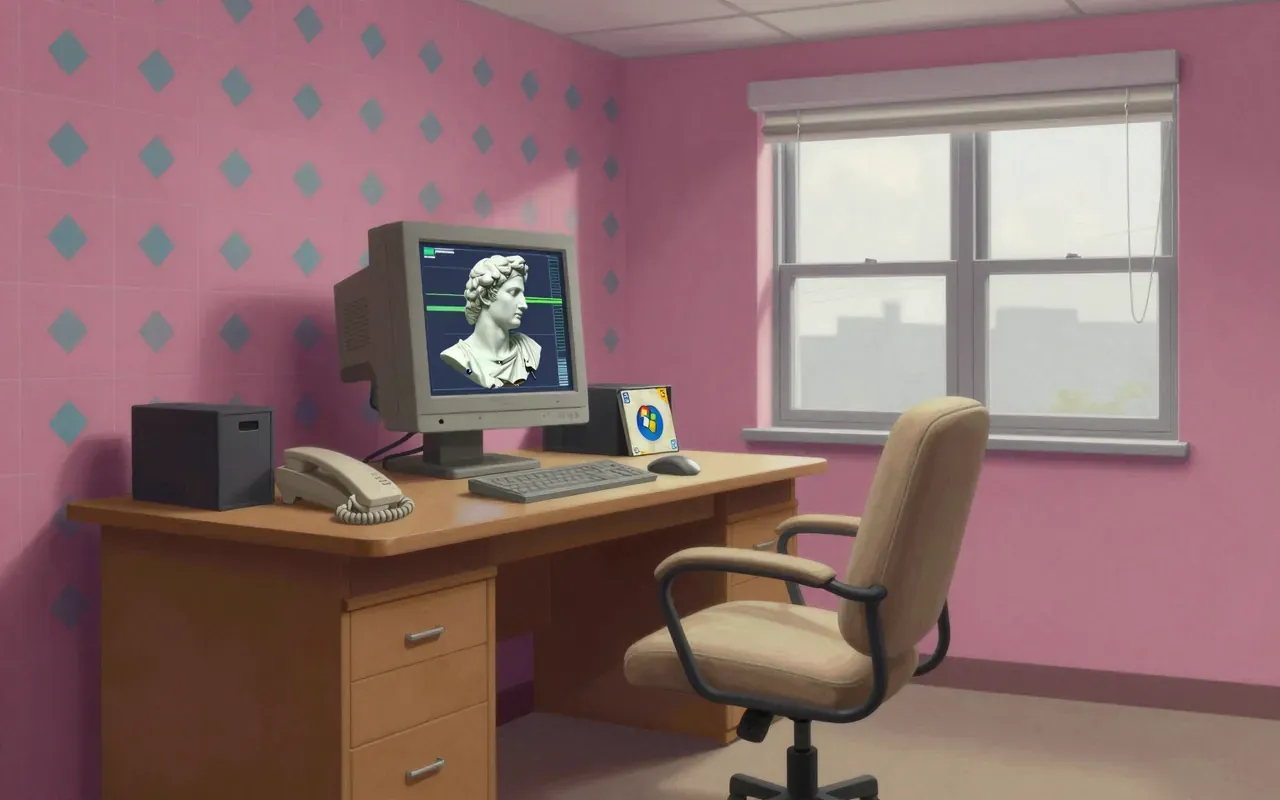

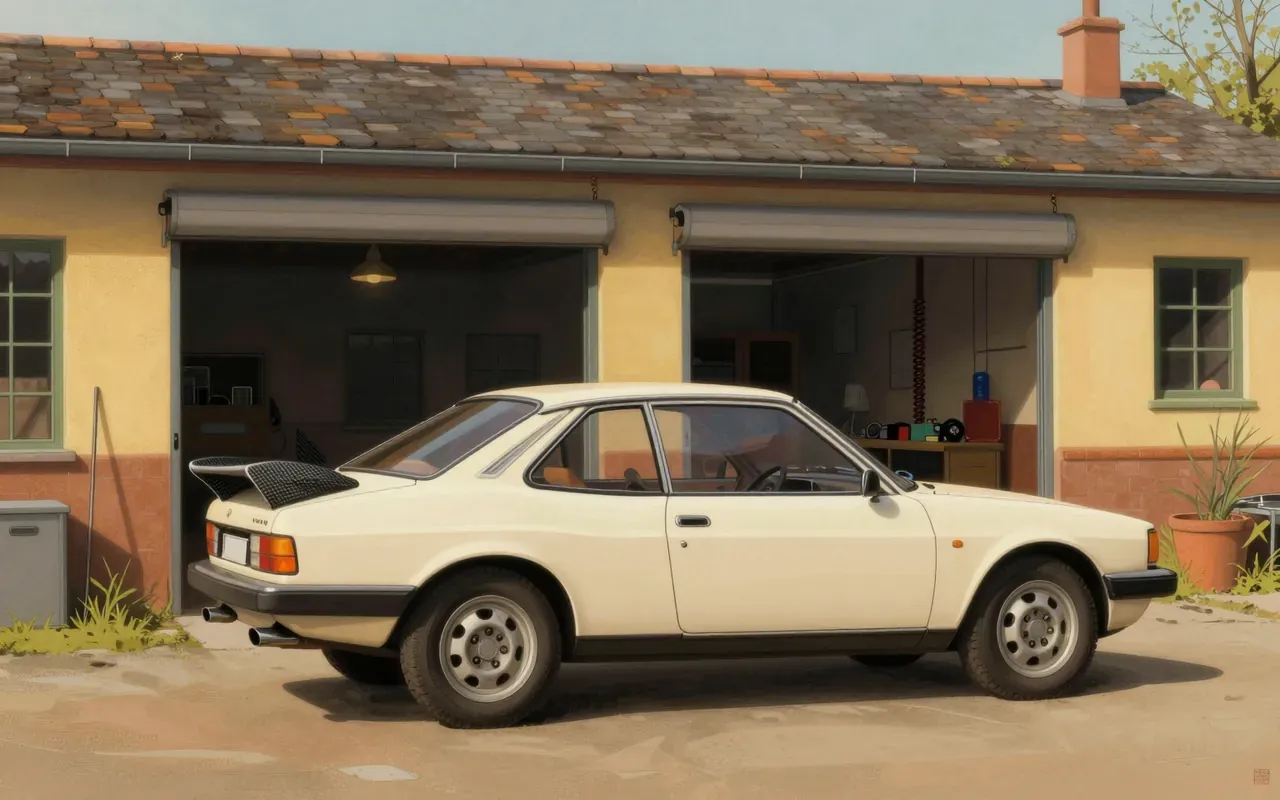
The Renault Fiftie is a 1996 concept car, designed by Benoît Jacob under Patrick le Quément, to mark the 4CV’s 50th anniversary. It used the Renault Sport Spider’s aluminium frame and D7F 1.2L engine, placed mid-ship. Its body was carbon fibre. Front styling referenced the 4CV’s 'mustache bars' and added apostrophe-shaped headlights. The targa roof had four removable panels that stowed beneath the rear window. Interior materials included cotton, linen and rattan; a picnic basket sat in the boot. Renault did not develop it further.
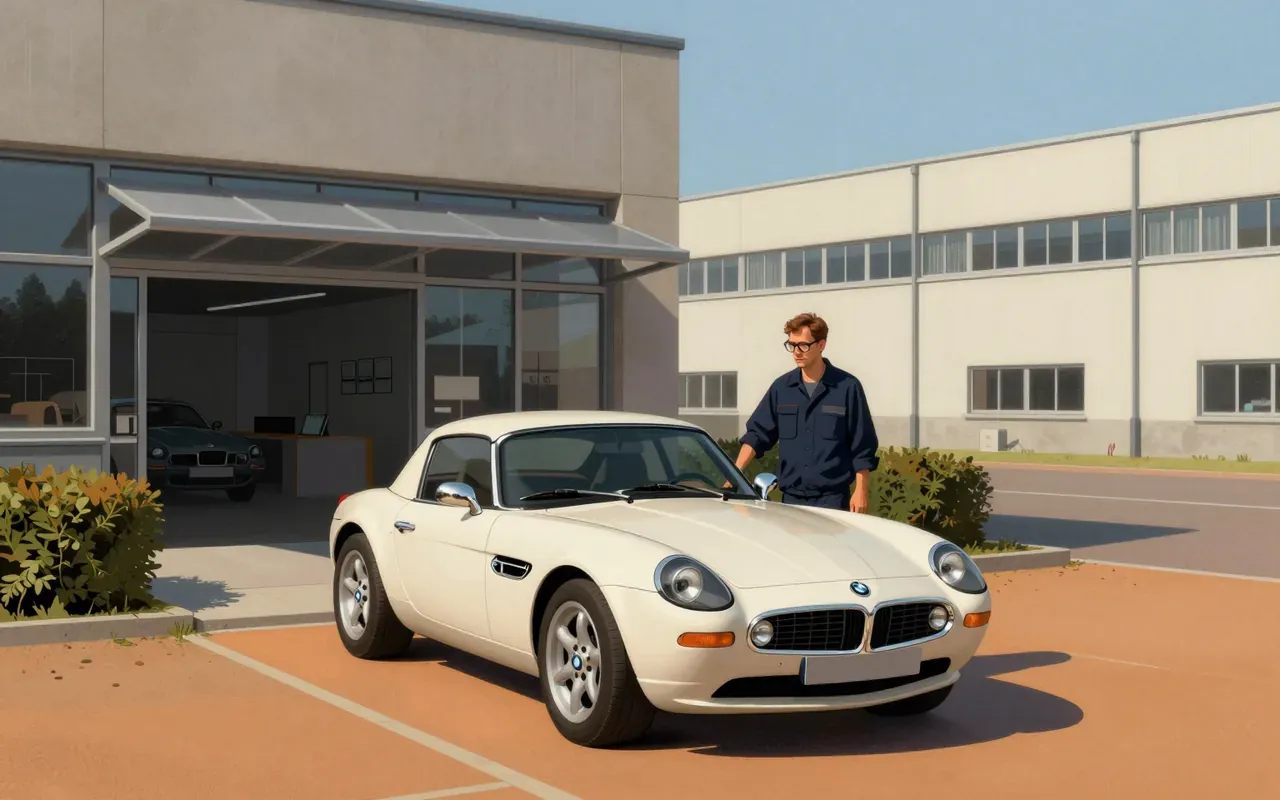
The BMW Z8 is a roadster designed by Henrik Fisker, produced from 1999 to 2003. It evolved from the Z07 concept shown at the October 1997 Tokyo Motor Show. Its design honours the 1956–1959 BMW 507. It uses a 4.9 L S62 V8 engine mounted behind the front axle for 50/50 weight distribution. The body and chassis are all-aluminium. It was hand-finished in Munich after spaceframe production in Dingolfing. A total of 5,703 units were built.
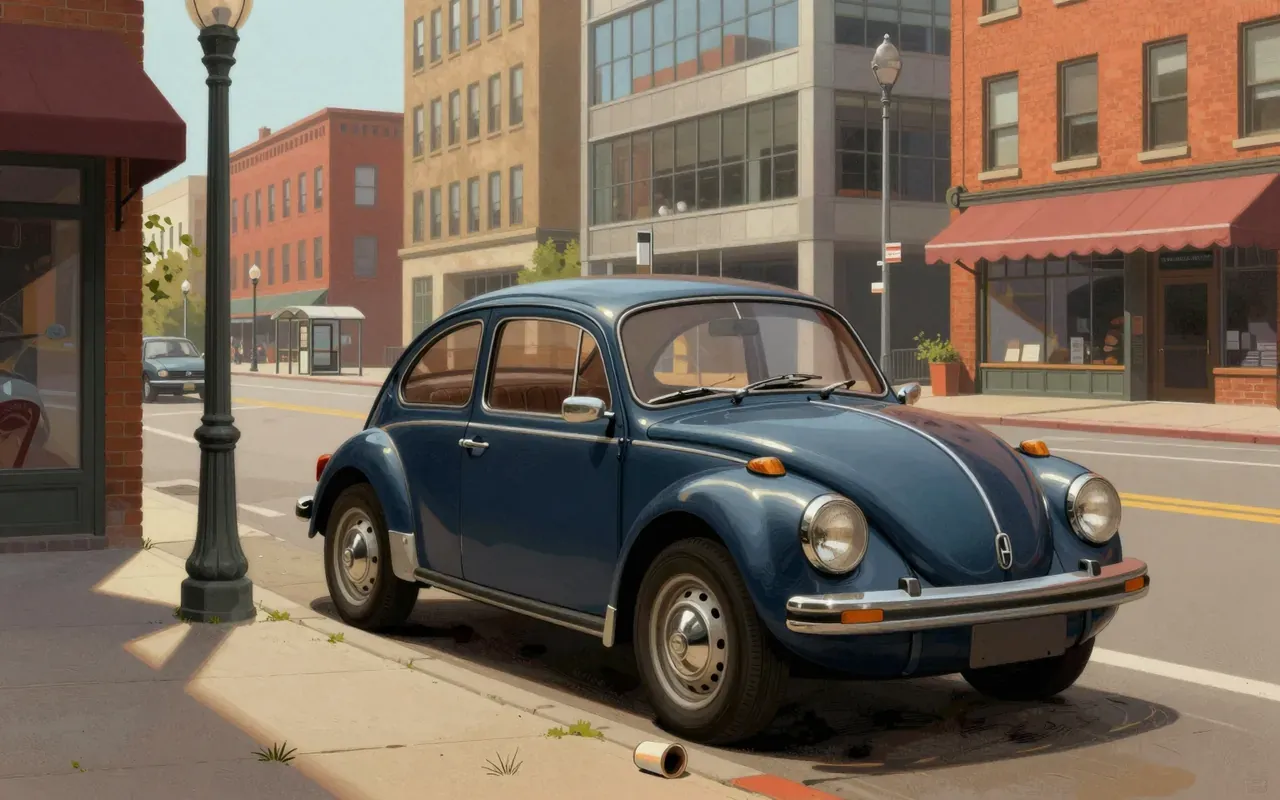
The New Beetle is a compact, front-engine, front-wheel-drive car introduced in 1998, inspired by the exterior design of the original Beetle. It was assembled in VW's Puebla factory in Mexico. It received a facelift in 2005 and remained in production until 2011. The New Beetle carries many design similarities with the original VW Beetle: separate fenders, vestigial running boards, sloping headlamps, and large round taillights, as well as a high rounded roofline. Unlike the original Beetle, the New Beetle has its engine in the front driving the front wheels, with luggage storage in the rear. The New Beetle achieved five stars in the 2011 Euro NCAP tests. The Insurance Institute for Highway Safety (IIHS) gave the New Beetle a Good overall score in their frontal crash test. However, the IIHS rated the Beetle Poor in their side impact test.
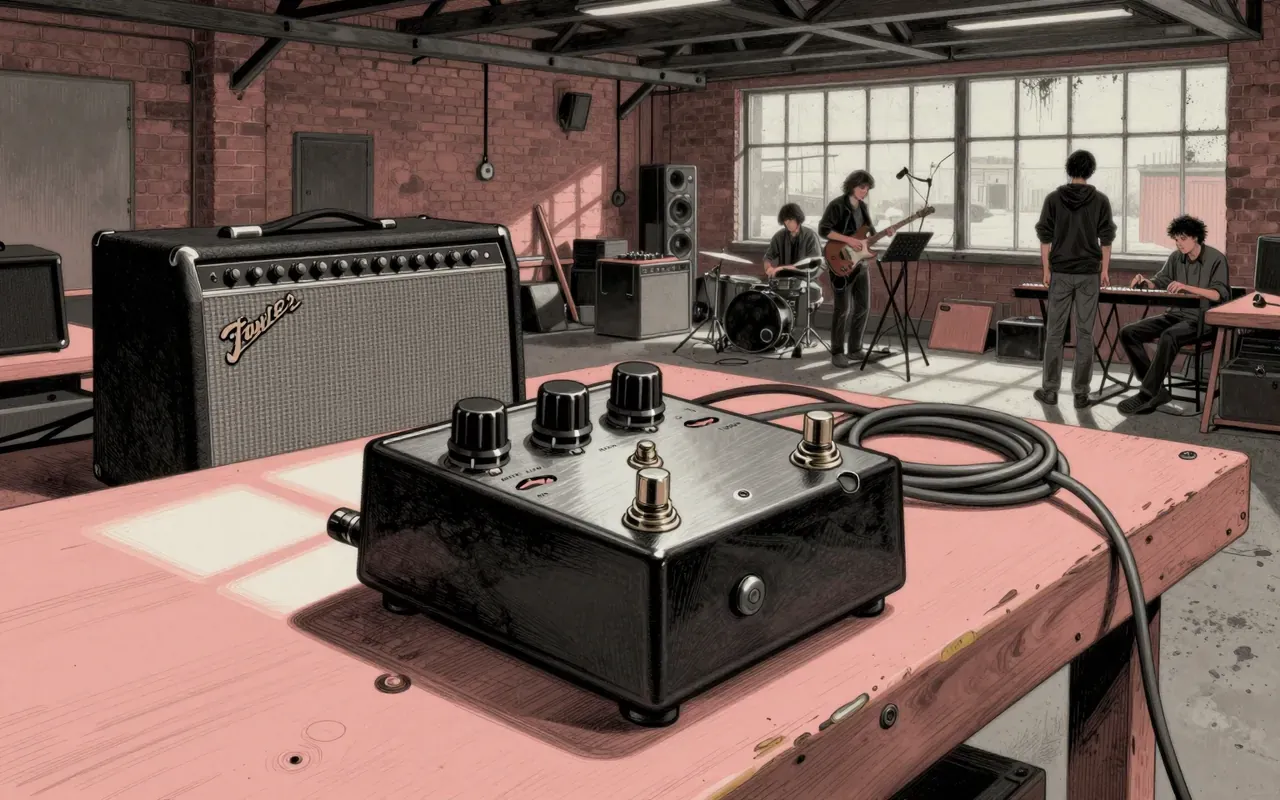
The Electro-Harmonix Deluxe Memory Man Mk4 is an all-analog stomp-box delay/echo pedal with built-in chorus and vibrato. It has no MIDI, no computer editing, no rack-mount capability, and requires a 24-volt power supply. It features a 1/4-inch input, a dry output, and a dedicated echo output for routing to a separate amplifier.
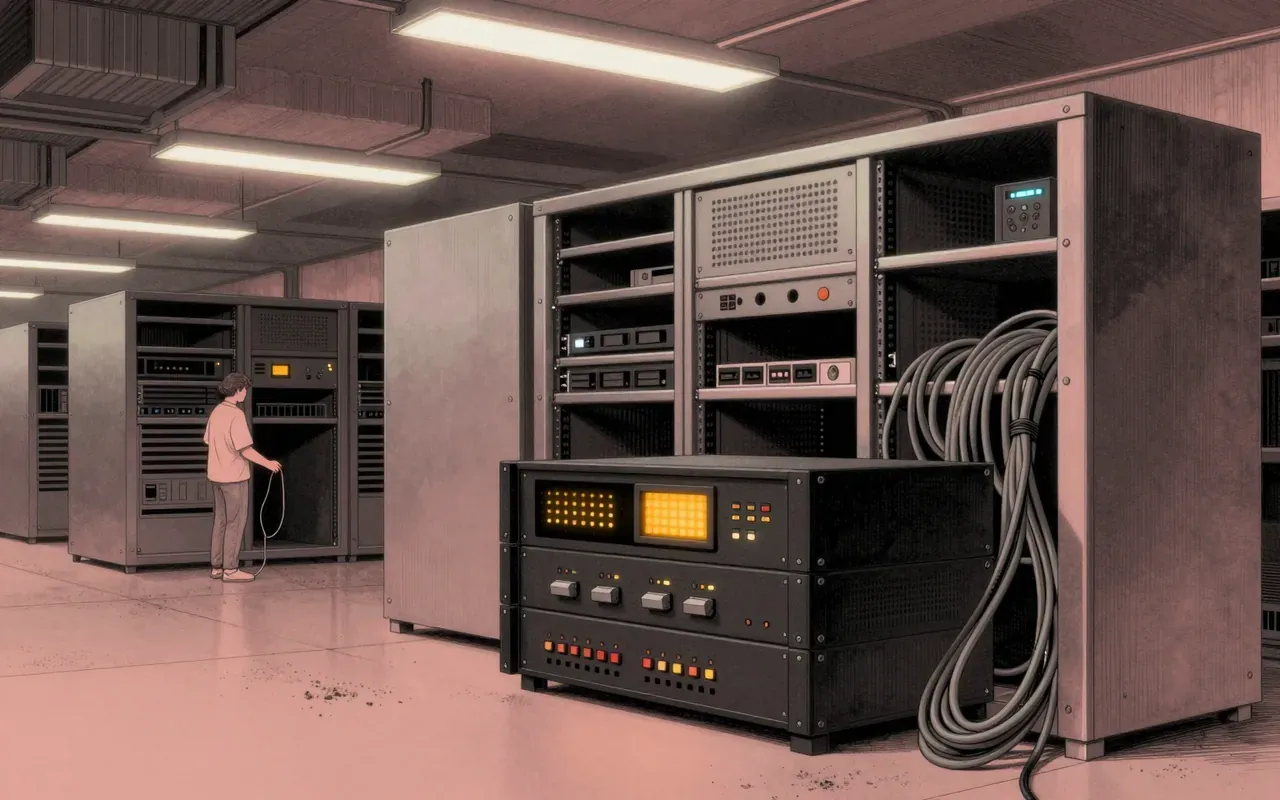
The Alesis Quadraverb is a rack-mount digital multi-effects processor introduced in the early 1990s. It focuses on reverb and delay but also offers pitch, EQ, and 'Change' effects. It runs up to four effects simultaneously in stereo or mono, covers 20 Hz–20 kHz, and connects via 1/4" stereo I/O and MIDI. Users value its lo-fi character—not its fidelity—for feedback loops and textural layering.
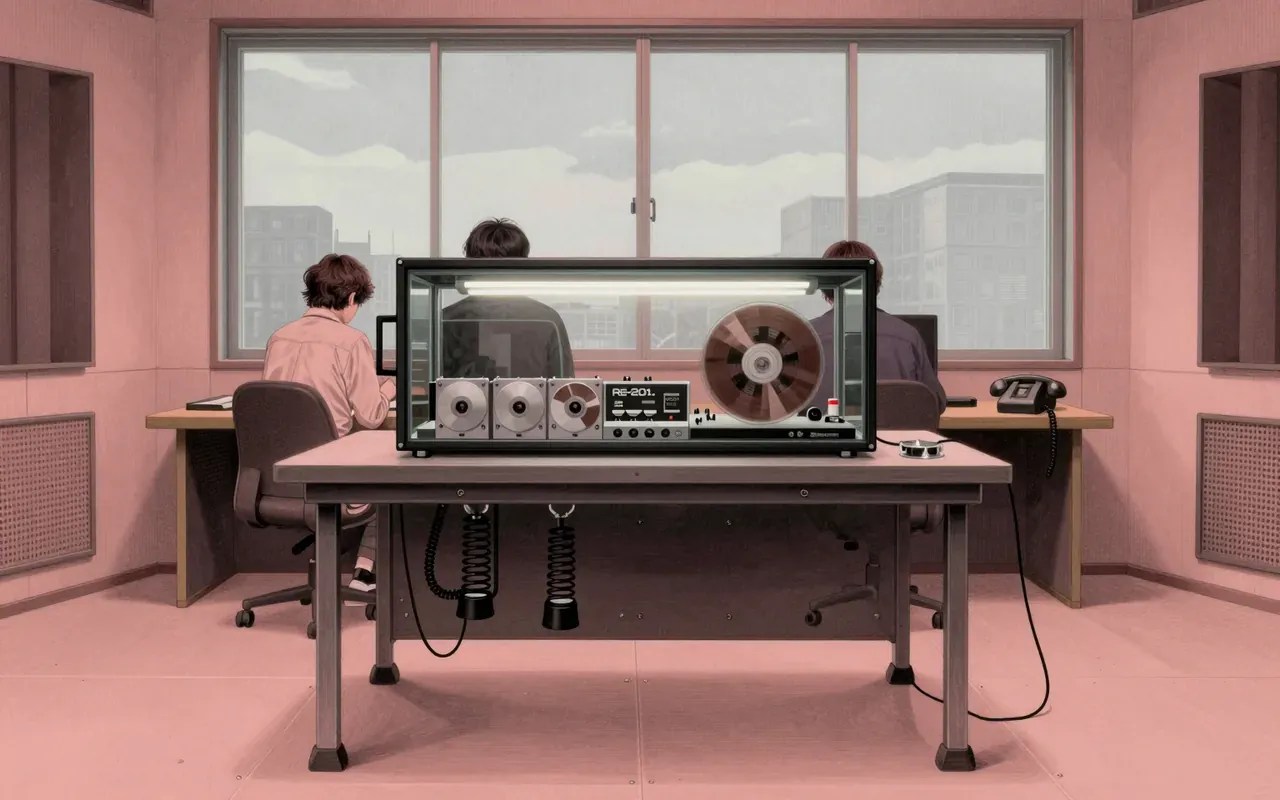
The Boss RE-20 Space Echo is a digital emulation of the Roland RE-201 Space Echo. It is a twin-pedal stomp box with stereo inputs and outputs, an expression pedal input, and a 12-mode selector. Eight front-panel knobs control Bass, Treble, Reverb Volume, Repeat Rate, Intensity, and Echo Volume. One pedal toggles delay on/off. The other handles tap tempo. It operates in Normal (up to 3s) and Long (up to 6s) delay modes. It supports a 'warp' function via footswitch hold.
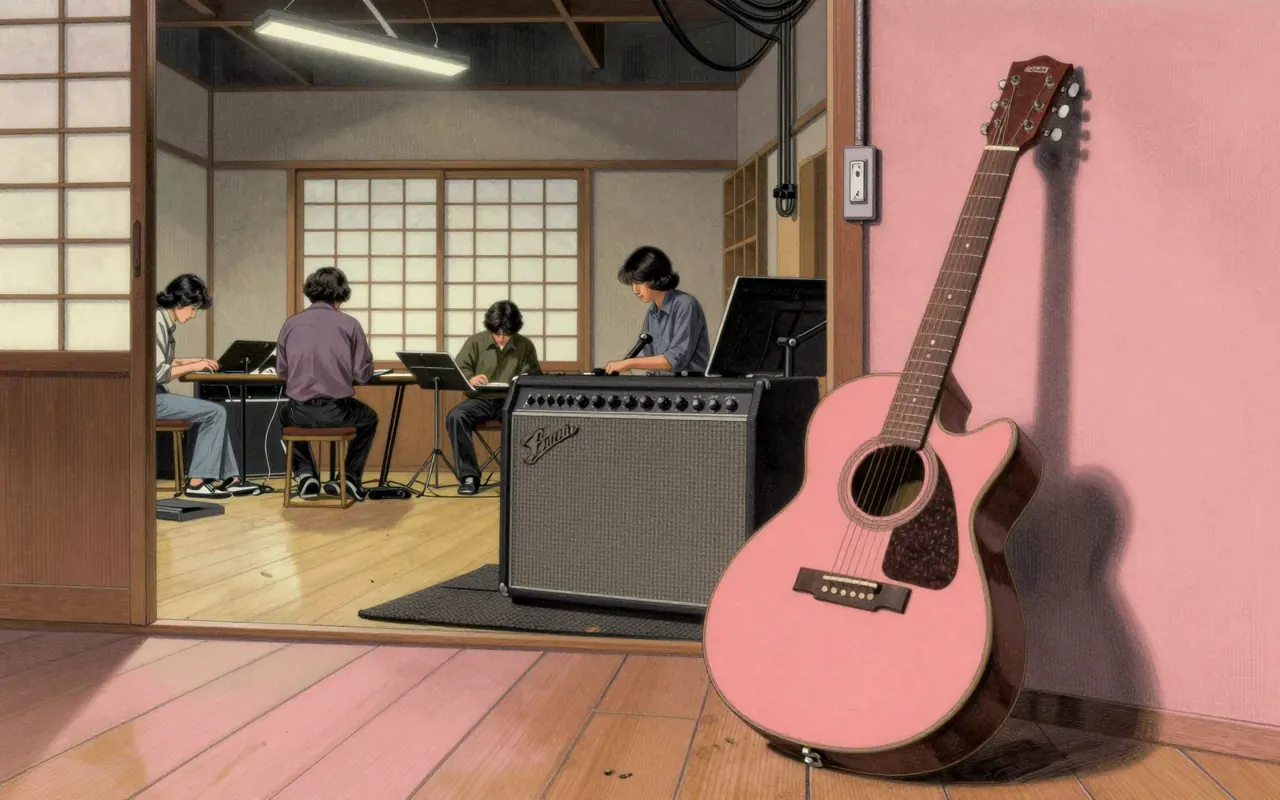
The Yamaha SG2000 is an SG-shaped solid-body electric guitar produced from 1976 to 1988. It features two splittable humbuckers, a three-position pickup selector, push/pull volume controls for coil-splitting, and 22 frets. It is no longer sold and was succeeded by a 2007 reissue.