briefs
Topic · across the network

Aviation

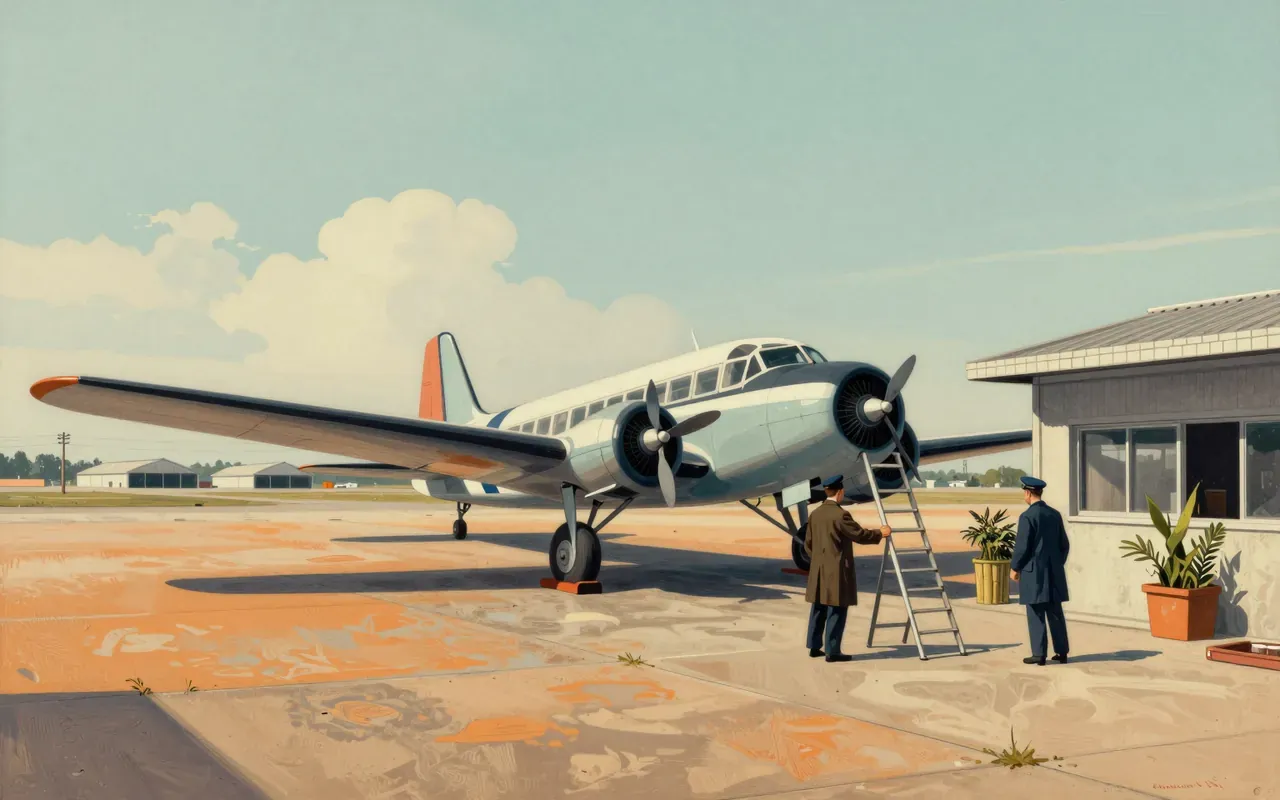
A century of flight, and the safest way to travel by a wide margin.

79
briefs
9
subjects
10:49
average
854 min
in total
Abstraction 407Absurdism 137Acoustics 220Acting 65Adaptation 372Addiction 95Adolescence 202Advertising 77Age of exploration 14Ageing 113Agriculture 100Algorithms 114Ambition 46Anarchism 38Ancient Egypt 17Ancient Greece 38Ancient Rome 30Animals 172Anthropology 23Apartheid 12Architecture 165Archives 32Argentina 10Art Deco 26Artificial intelligence 78Astronomy 81Attention 42Australia 32Automation 73Avant-garde 164Aviation 79Banking 72Banned works 40Bauhaus 12Beer 5Behavioural economics 22Berlin 16Big tech 6Biodiversity 136Biography 86Birds 41Black holes 20Blockchain 12Boxing 14Branding 77Brazil 43Bread 29Britain 131Brutalism 4Bubbles 3Buddhism 28Byzantium 10California 17Canada 18Capitalism 94Cars 468Celebrity 59Censorship 110Cheese 24Chefs 9Chemistry 104Chess 2Childhood 87China 109Chocolate 8Christianity 49Cinematography 343Cities 90Class 485Climate change 107Club culture 100Cocktails 2Coffee 11Cognitive bias 14Collecting 16Colonialism 284Colour 42Comedy 89Community 52Complexity 21Computing 309Consciousness 16Conservatism 14Conspiracy theories 8Cooking 178Corruption 38Cosmology 31Cover versions 64Craft 116Crate digging 42Creativity 8Crime 234Cryptocurrency 8Cryptography 24Cuba 10Cybersecurity 30Dada 12Debt 38Decision-making 28Decolonisation 46Deep time 80Democracy 45Denim 16Deserts 45Detroit 17Dinosaurs 12Directing 168Disasters 59Disease 109DJ culture 89Dreams 32Drones 5Drum machines 96Dystopia 69East Africa 28Ecology 337Economics 36Editing 72Education 92Egypt 12Electric vehicles 59Emotion 22Empire 92Endurance 49Energy 120Engineering 541Entropy 8Epidemics 13Equality 9Espionage 31Ethics 44Evolution 174Existentialism 106Expertise 2Exploration 49Extinction 23Failure 37Family 240Fandom 22Fascism 45Fashion 215Fast fashion 12Fear 34Feminism 122Fermentation 126Film music 81Fishing 12Folklore 71Food history 588Football 16Forests 31Forgery 7France 163Fraud 15Free will 13Freedom 16French literature 15Friendship 24Furniture 36Gambling 14Gender 63Generations 28Genetics 87Geology 96Germany 66Globalisation 74Gothic 32Greece 5Grief 126Habits 6Happiness 2Hardware 709Haute couture 22Headphones 8Hi-fi 12Hinduism 12Hoaxes 1Human history 23Human nature 41Identity 138Illustration 8Impressionism 6Improvisation 249India 89Indonesia 15Industrial design 342Inequality 13Inflation 4Information 34Infrastructure 280Insects 29Intelligence 8Interiors 31Internet culture 88Invention 329Iran 41Islam 40Islands 17Israel 9Italy 52Jamaica 10Japan 114Jewellery 5Journalism 34Judaism 13Justice 42Korea 41Language 70Law 90Leadership 20Learning 6Liberalism 1Libraries 6Literary criticism 26London 12Loneliness 61Los Angeles 62Lost works 9Love 67Luxury 55Machine learning 15Management 10Maps 5Marketing 21Markets 51Mars 6Marxism 26Masculinity 46Materials 138Mathematics 79Meaning 6Medicine 124Memory 82Mental health 70Mesopotamia 4Mexico 38Migration 95Minimalism 68Mining 30Misinformation 9Modernism 63Money 24Monopoly 32Mortality 61Motivation 2Mountains 16Museums 27Mysticism 11Mythology 60Nationalism 40Neuroscience 23New York 36Nigeria 7Nihilism 10Noise 31Nostalgia 33Nuclear 29Nutrition 17Oceans 48Oil 42Open source 45Painting 18Palaeontology 29Parenting 14Paris 18Partition 6Patents 71Patronage 14Perception 44Personal style 27Personality 2Persuasion 8Peru 10Philosophy 77Photography 37Physics 206Plants 26Platforms 89Podcasting 1Poetry 25Poland 17Policing 34Pop Art 16Populism 2Portraiture 6Portugal 18Postmodernism 23Power 91Prehistory 24Preservation 28Printmaking 21Privacy 11Probability 6Productivity 1Programming 54Prohibition 1Propaganda 35Protest 75Pseudoscience 17Psychology 80Publishing 22Punishment 16Quantum mechanics 44Race 145Radio 30Railways 35Rave 17Realism 47Record labels 19Recording 810Relativity 23Religion 154Resilience 15Restaurants 30Restoration 2Retail 94Revolution 58Risk 18Ritual 96Robotics 26Romance 96Russia 58Salt 9Sampling 246Satire 84Scandinavia 28Scientific method 186Screenwriting 26Sculpture 7Secularism 2Self-deception 14Semiconductors 73Sexuality 102Ships 18Silence 24Silicon Valley 17Slavery 35Sleep 2Smartphones 27Sneakers 15Social media 58Socialism 9Software 68Songwriting 180Sound design 332Sound systems 20South Africa 19South East Asia 30Space exploration 84Spain 18Special effects 41Spices 62Spirits 12Sport 82Startups 21Statistics 10Status 9Stoicism 4Storytelling 68Strategy 70Street food 99Streetwear 16Studio craft 508Subcultures 59Sugar 12Supply chains 115Surrealism 53Surveillance 21Sustainability 30Synthesis 232Tailoring 37Taxation 14Tea 24Textiles 97Thailand 11The American Revolution 19The American South 88The Arab world 41The Arctic 19The Balkans 17The Belle Epoque 13The body 29The brain 26The Caribbean 28The civil rights movement 62The Cold War 160The eighties 268The Enlightenment 29The financial crisis 19The First World War 39The food industry 157The French Revolution 9The Gilded Age 9The Great Depression 18The Holocaust 20The Industrial Revolution 93The internet 61The interwar years 135The Middle Ages 35The Moon 4The music business 169The Netherlands 10The nineties 26The Olympics 10The pandemic 13The Reformation 1The Renaissance 16The Russian Revolution 19The Second World War 102The seventies 58The sixties 28The space race 5The United States 19The universe 7The Victorian era 37Therapy 20Tokyo 11Trade 48Tragedy 22Translation 5Trauma 85Travel 5True crime 2Turkey 18Typography 54Uniforms 23Unions 8Urban planning 66Utilitarianism 1Utopia 5Vaccines 10Vegetarianism 15Venture capital 6Video games 291Vietnam 12Vintage 65Vinyl 6Virtual reality 11War 169Watches 4Water 11Weather 29West Africa 29Wilderness 10Wine 3Work 22Workwear 19Worldbuilding 121

music.briefs Music

All 2 in music →
9:11

Come Fly With Me

Frank Sinatra · 1958

Come Fly With Me is a 1958 concept album by Frank Sinatra arranged by Billy May as a musical world tour. It reached number one on the Billboard album chart for five weeks and was nominated for Album of the Year at the inaugural Grammy Awards. Seven songs were recorded in a single session on May 29; 'Lush Life' was abandoned for being too technically demanding. The title track was written for Sinatra and became one of his best-known standards.
8:22

Sheet Music

10cc · 1974

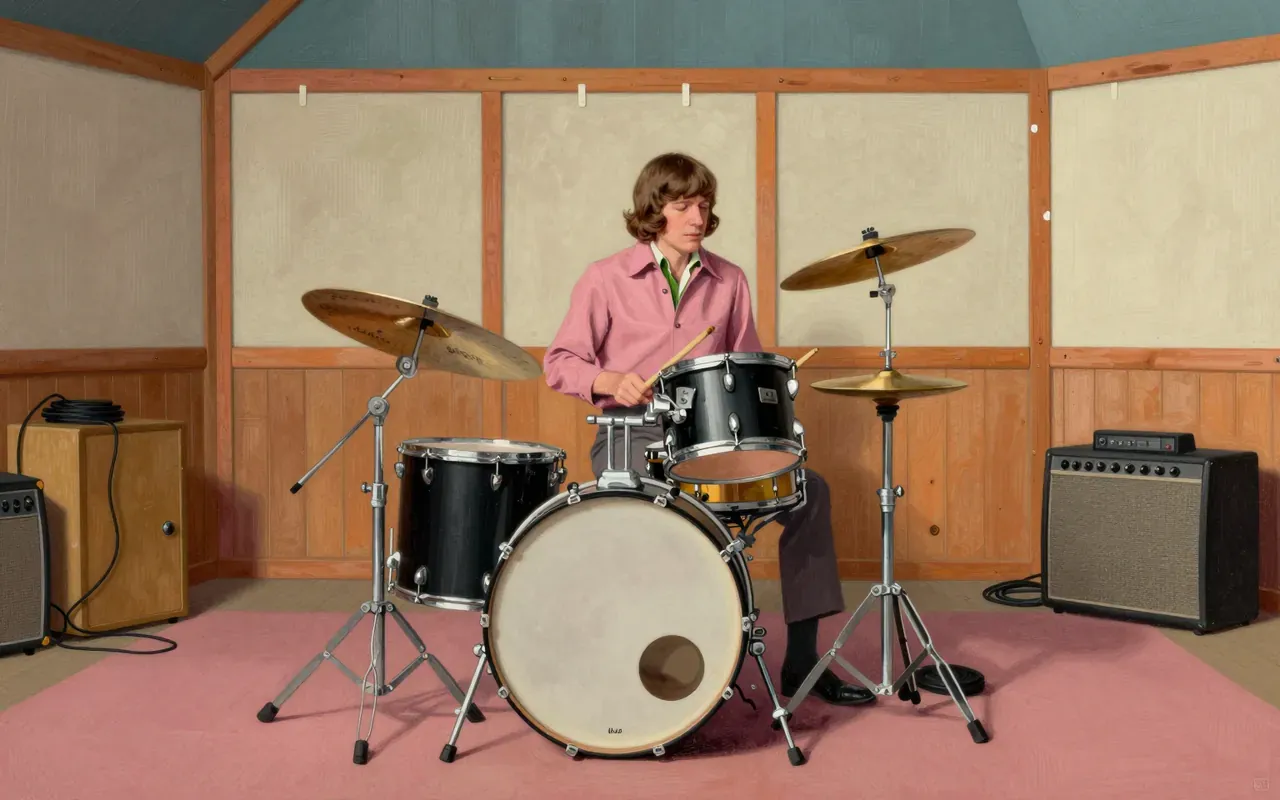
Sheet Music is 10cc’s second album, released in 1974. It was recorded at Strawberry Studios at night while Paul McCartney used the same space by day. The band used his drum kit. Every track was co-written by a different pair of the four members. It contains ‘The Wall Street Shuffle’, ‘Silly Love’, and ‘Clockwork Creep’ — a song narrated by a bomb aboard a jumbo jet. It reached No. 9 in the UK and stayed on the chart for six months. It was self-produced and engineered by Eric Stewart. Kevin Godley described the sessions as creatively uninhibited and open to anything.
film.briefs Film

All 13 in film →
13:00

First Man into Space

Robert Day · 1959

First Man into Space (1959) is a British science fiction-horror film directed by Robert Day, following a US Navy pilot who returns from extreme altitude encrusted in meteoric dust and transformed into a blood-dependent creature. Built on a tight budget and grounded in procedural realism, it prioritises physiological logic over myth or metaphor, using restrained performances, functional cinematography, and a lean narrative structure to sustain its central conceit. Though limited by its means, it delivers a coherent, atmospheric, and quietly tragic vision of spaceflight as irreversible bodily violation.

13:00

Hell's Angels

Howard Hughes, James Whale, Edmund Goulding · 1930

A 1930 American war film directed by Howard Hughes, James Whale, and Edmund Goulding, Hell’s Angels follows two British brothers in the Royal Flying Corps during the First World War. Originally shot silent, it was converted to sound mid-production, replacing lead actress Greta Nissen with Jean Harlow. Its aerial combat sequences — filmed with over 130 pilots, multiple fatalities, and Hughes’s own crash — remain landmark achievements in early sound and stunt coordination. Though narratively uneven and thematically thin, its technical ambition and material history make it a singular artifact of Hollywood’s transitional decade.

13:00

It's a Mad, Mad, Mad, Mad World

Stanley Kramer · 1963

Stanley Kramer’s 1963 epic comedy deploys Ultra Panavision 70 and an all-star cast to stage a non-stop, 161-minute chase for buried cash across Southern California. Built on stunts, not story, it privileges physical precision and wide-screen choreography over character or theme — succeeding as industrial spectacle, not narrative comedy.

13:00

Only Angels Have Wings

Howard Hawks · 1939

Howard Hawks’ 1939 drama follows Geoff Carter, manager of a perilous South American air freight operation, as he balances a government contract deadline against the lives of his pilots. Starring Cary Grant and Jean Arthur, it builds its world through procedural clarity, not psychology — valuing competence over confession, restraint over revelation. Joseph Walker’s cinematography, Dimitri Tiomkin’s score and Viola Lawrence’s editing sustain a single, unwavering tone: fatalism as honour, risk as routine.

13:00

So Can I

Abbas Kiarostami · 1975

So Can I (1975) is a seventeen-minute Iranian short by Abbas Kiarostami, following two boys watching an educational cartoon. One boy repeatedly asserts 'So can I' in response to animals’ actions—until birds fly across the screen, and he falls silent. The film ends with an aeroplane circling overhead. Made for Kanun, it treats childhood cognition with formal rigour: no narration, no adult presence, no resolution—only repetition, silence, and a single, resonant visual rupture.

13:00

Stowaway in the Sky

Albert Lamorisse · 1960

Albert Lamorisse’s 1960 film Stowaway in the Sky blends documentary footage and staged flight to follow a ten-year-old boy drifting over France in his grandfather’s balloon. Shot in Eastman Color and Dyaliscope, it privileges observation over narrative, using silence, wide shots and unhurried editing to recast landscape as texture and altitude as perspective. Maurice Fellous’s cinematography and Jean Prodromidès’s score sustain its gentle, airborne logic — one that values wonder without condescension, and drift without destination.

13:00

The Flight of the Phoenix

Robert Aldrich · 1965

Robert Aldrich’s 1965 disaster drama follows a group of men stranded in the Sahara after a cargo plane crash. With no rescue expected, a German engineer proposes building a new aircraft from the wreckage. What follows is a rigorous, unsentimental depiction of collective labour, rationed hope, and the fragile consensus required to turn desperation into flight.

13:00

The Right Stuff

Philip Kaufman · 1983

Philip Kaufman’s 1983 film adapts Tom Wolfe’s book into a sprawling, visually precise account of American test pilots and Mercury astronauts. Shot across California locations including Edwards Air Force Base and Hamilton AFB, it contrasts Chuck Yeager’s solitary mastery with the seven astronauts’ managed ascent into orbit. Caleb Deschanel’s cinematography, Bill Conti’s score, and Glenn Farr’s editing sustain its 184-minute runtime through texture and rhythm rather than plot velocity. Though criticised for historical compressions — particularly around Gus Grissom — it endures as a meditation on visibility, endurance, and the cost of turning courage into spectacle.

history.briefs History

All 4 in history →
13:00

Battle of Britain

10 July – 31 October 1940

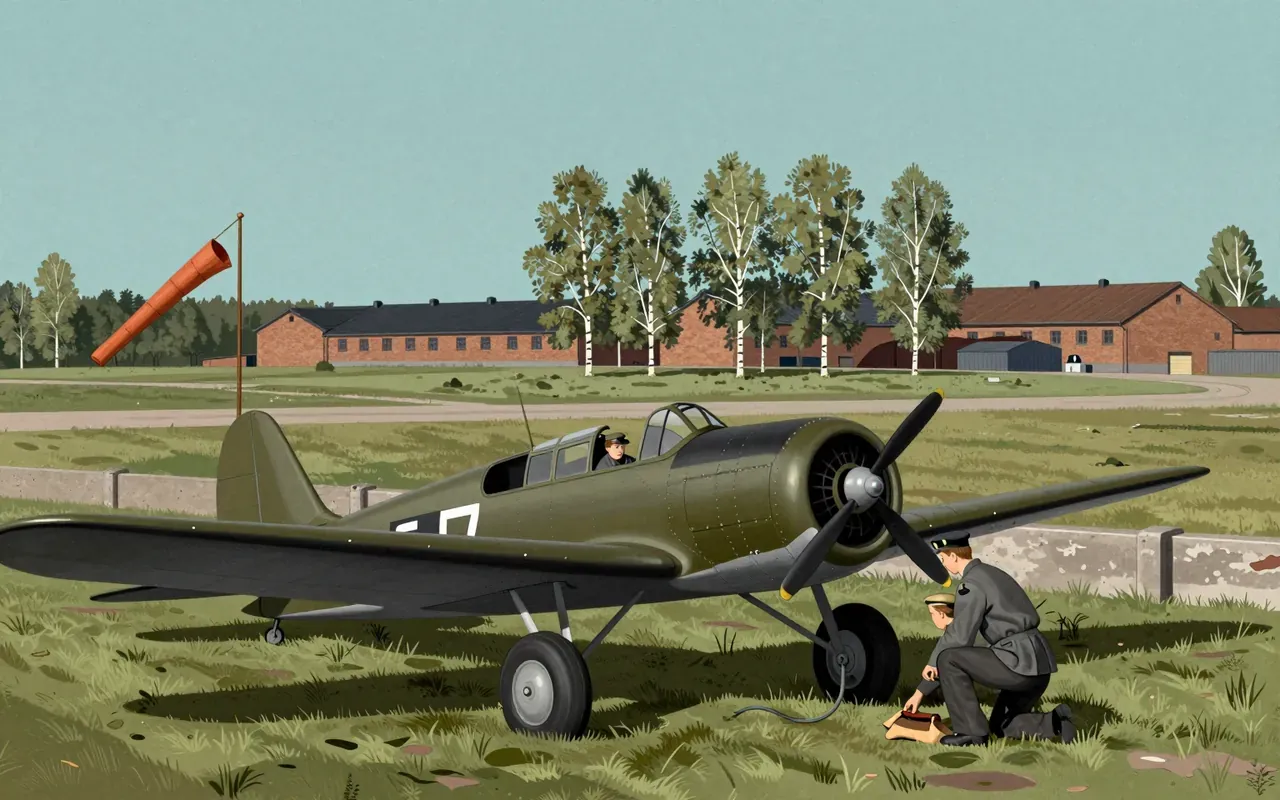
From July to October 1940 the Royal Air Force and Germany's Luftwaffe fought for control of the skies over southern Britain, a contest Hitler had made a precondition for any invasion. Britain's radar-linked defence system, built under Air Chief Marshal Hugh Dowding, let a numerically stretched Fighter Command meet each wave of attacks; Germany's shift in September to bombing cities came after it failed to destroy that defence outright. The invasion, Operation Sea Lion, was postponed and then abandoned. Dowding himself was removed from command within weeks of the victory, a decision historians still argue over.

13:00

Hindenburg disaster

6 May 1937

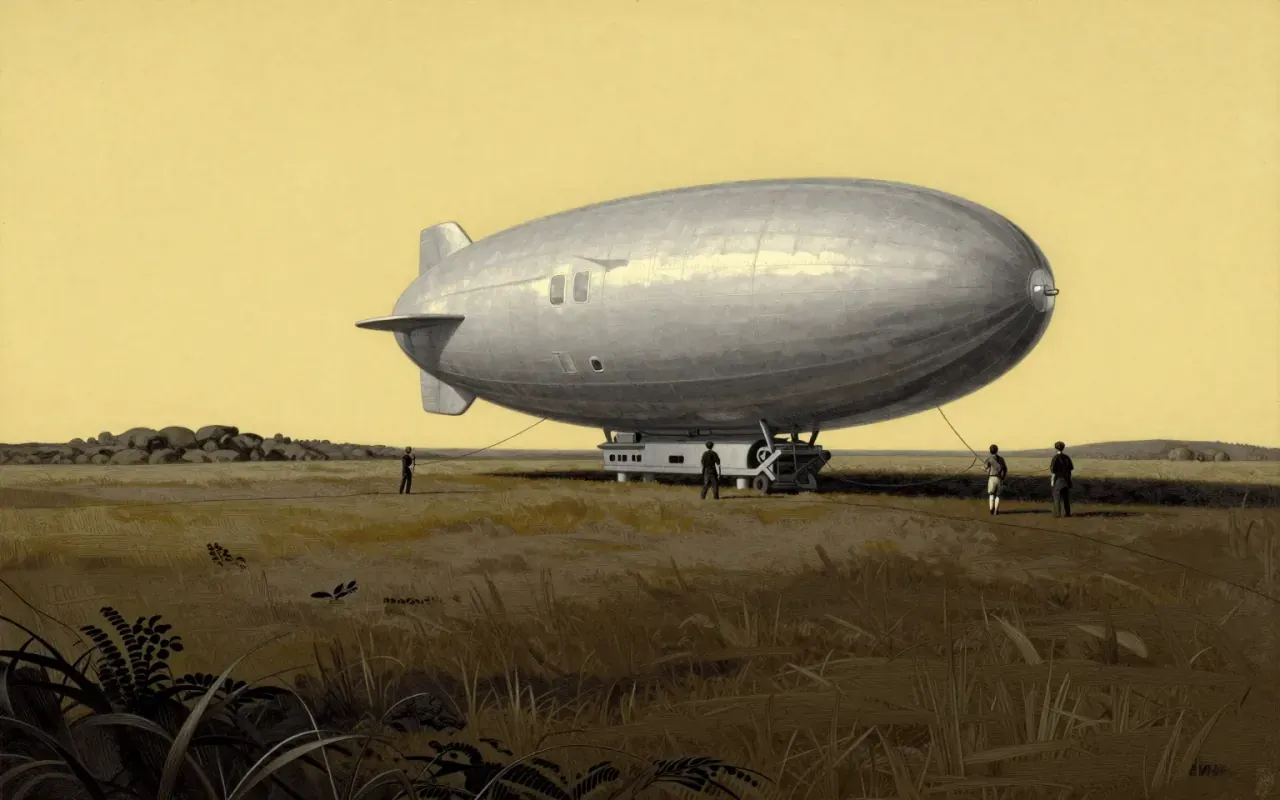
The German passenger airship Hindenburg caught fire while landing at Lakehurst, New Jersey, on 6 May 1937, killing 36 people in under a minute despite the Zeppelin Company's previously spotless safety record across 1.6 million kilometres of flight. German and American investigations reached different emphases on the ignition cause, static electricity remains the most widely accepted explanation, and the extensive newsreel and radio coverage of the disaster effectively ended commercial passenger airship travel within months.

13:00

Moon landing

20 July 1969

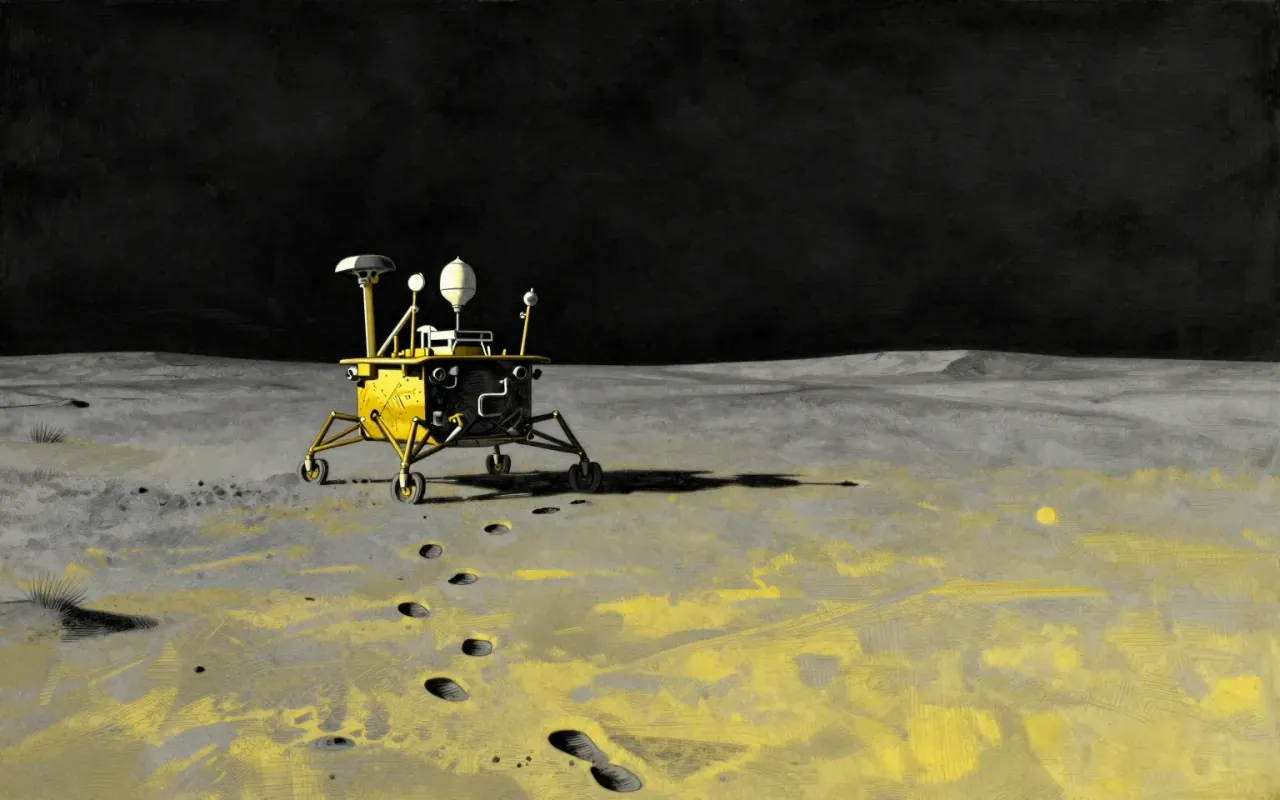
Apollo 11 landed on the Moon on 20 July 1969, with Neil Armstrong and Buzz Aldrin spending about two and a half hours outside the lunar module while Michael Collins orbited above in the command module. The landing itself required Armstrong to take manual control past a boulder field with only seconds of propellant remaining, and the mission was watched live by hundreds of millions of people, a scale of audience unmatched at the time.

13:00

Space Race

1957–1975

From the mid-1950s to the mid-1970s, the United States and the Soviet Union competed to demonstrate technological supremacy through spaceflight, a rivalry that produced Sputnik, Yuri Gagarin's orbital flight, and the Apollo moon landings. The Soviets pursued a strategy of dramatic firsts announced only after success, while the Americans broadcast their efforts publicly, including their failures, and the competition faded rather than concluded, ending in a joint mission rather than a declared victory.

design.briefs Design

All 4 in design →
8:26

Frutiger (typeface)

Frutiger is not a universal font — it is a precise answer to one problem: reading signs in motion.
10:38

Luigi Colani

Colani proved that biodynamic form could sell — not as art, but as product.
10:55

Paola Antonelli

Design isn’t decoration—it’s the filter between tech and life. Antonelli proved it by putting Pac-Man and the 747 in the same museum.
10:44

TWA Flight Center

Eero Saarinen · 1962

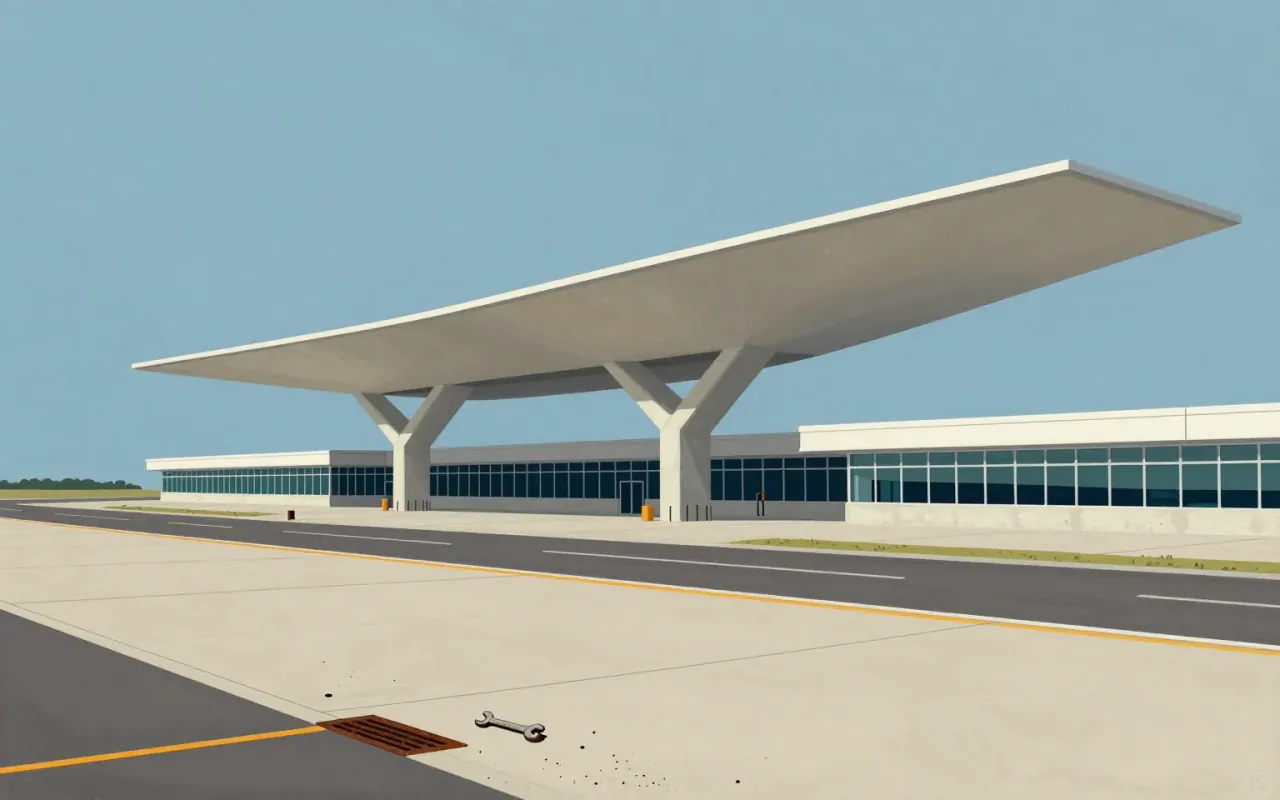
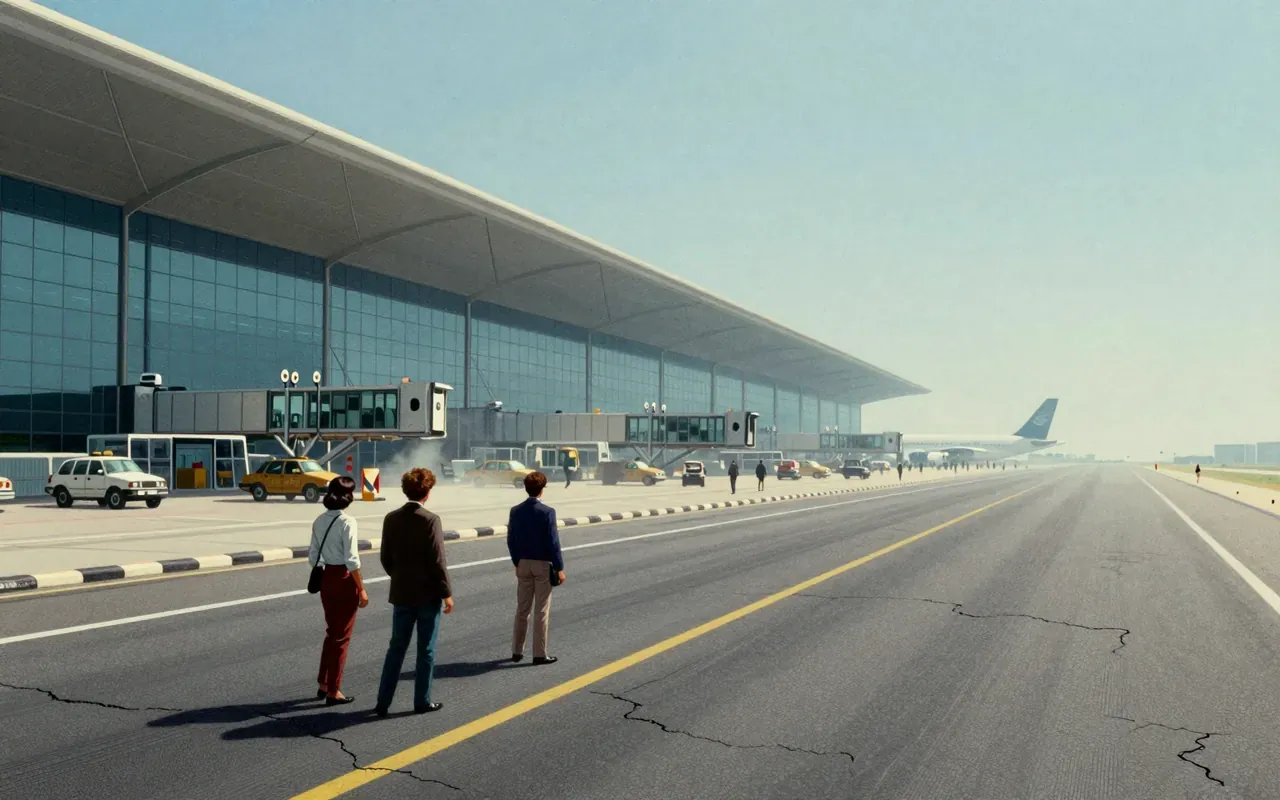
A terminal built for Trans World Airlines at JFK Airport in 1962. Designed by Eero Saarinen and Associates with Charles J. Parise. Its wing-shaped thin-shell concrete roof uses catenary curves and rests on four Y-shaped piers. Developed through physical modelling—not sketching—after empirical study of passenger movement. Adapted into the TWA Hotel in 2019, retaining Saarinen’s furniture.

games.briefs Games

All 2 in games →
9:28

Scramble (video game)

Konami · 1981

Scramble (1981) is Konami’s first major arcade hit — a horizontally scrolling shooter where the player pilots a jet across six seamless terrain sections, using separate buttons for forward fire and bombs while managing a depleting fuel supply replenished only by destroying fuel tanks. Success requires surviving, defeating enemies, and destroying a base in the final section to trigger a mission-complete flag — then repeating the cycle at increased difficulty.

9:39

Zaxxon

Sega · 1982

Zaxxon is a 1982 Sega arcade shooter that pioneered isometric projection to create a pseudo-3D environment where altitude management—indicated by shadow and altimeter—is central to navigating fortress walls and obstacles. Movement is constrained to constant forward speed with vertical control only via joystick, requiring players to learn and internalise altitude-based spatial reasoning. Its design demanded new interface cues (joystick illustrations) due to unfamiliar control logic.

business.briefs Business

All 23 in business →
10:34

Airbus

The European airliner maker as it stood in 1998: a consortium of national aerospace firms, bound by treaty and paid by airliner sales.
9:35

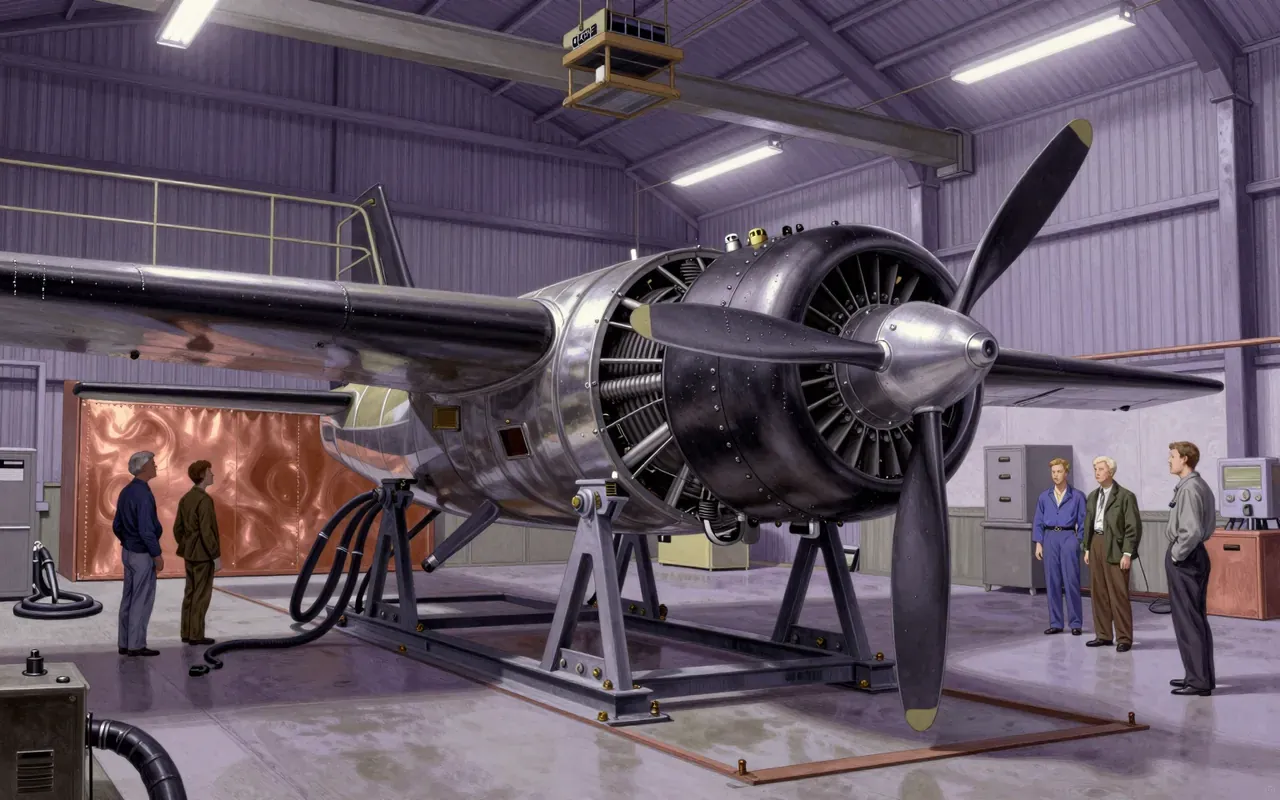
Rolls-Royce Limited

Henry Royce · 1906

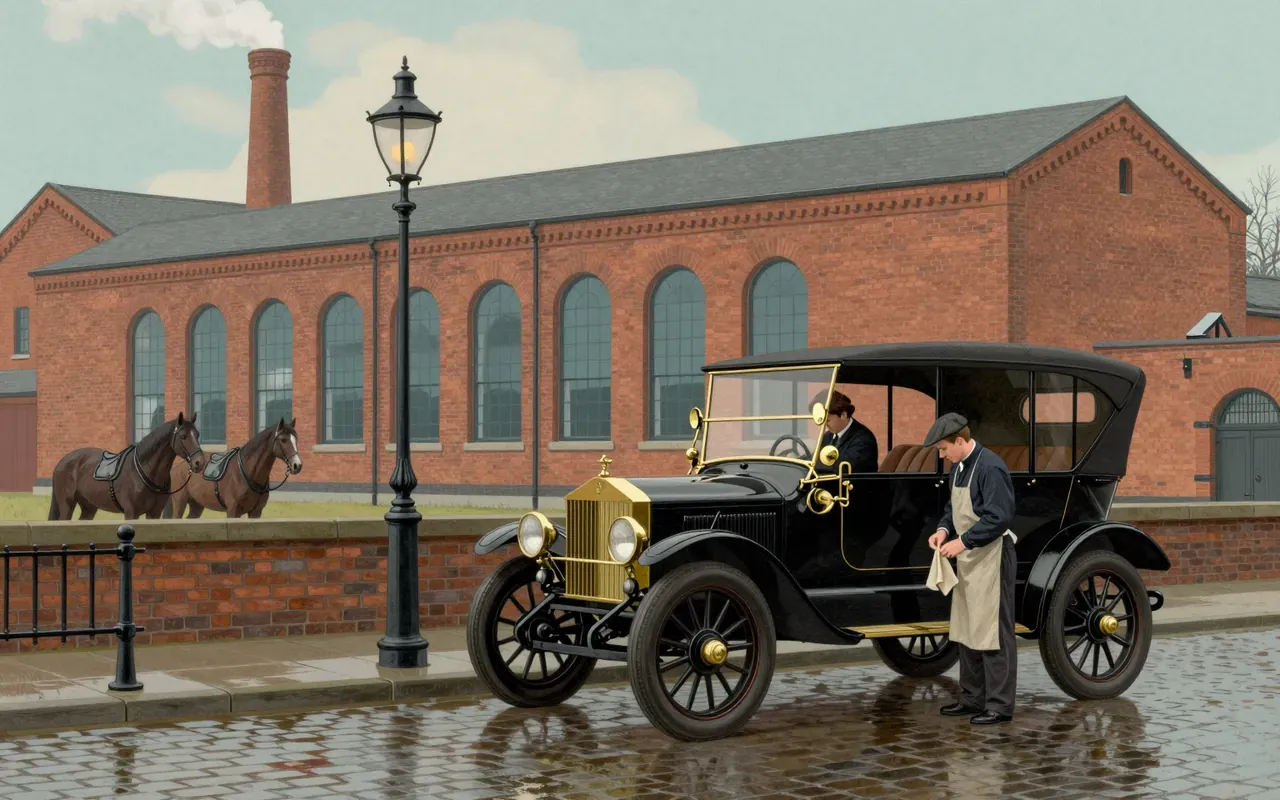
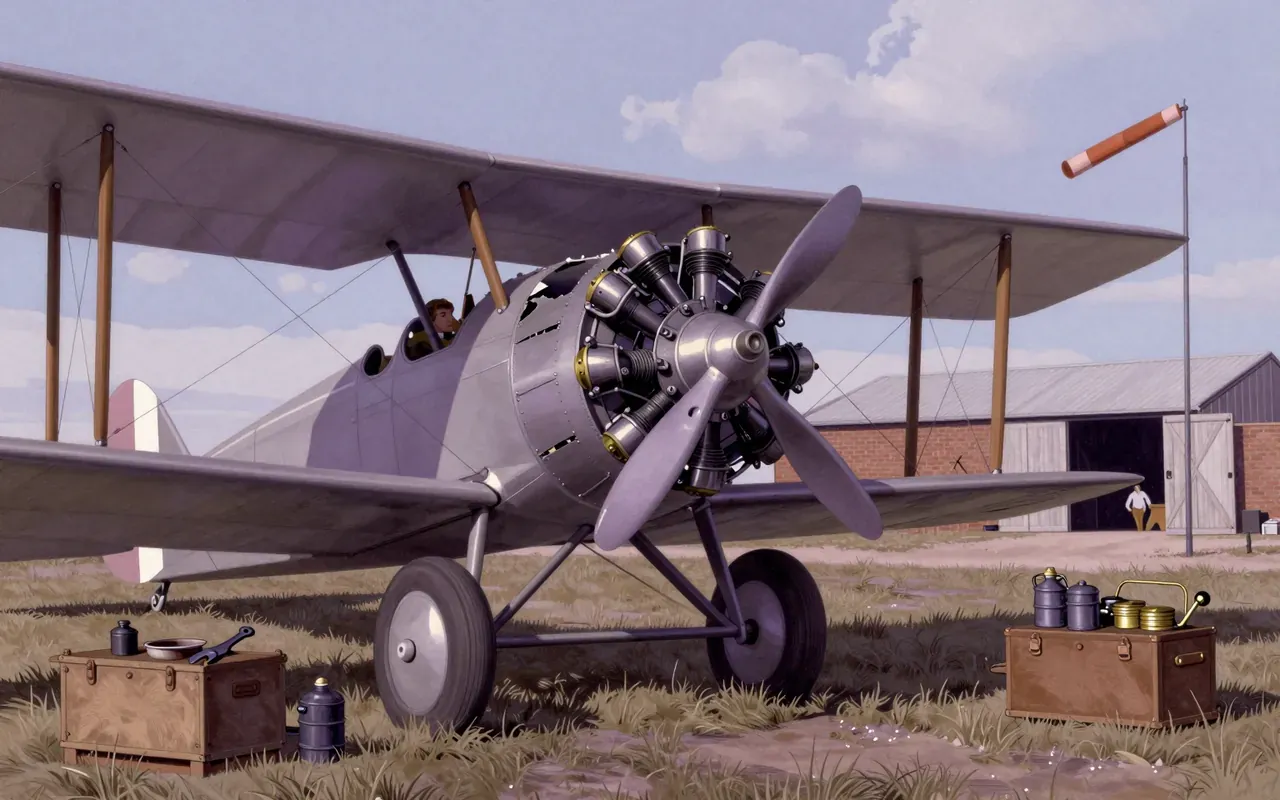
Rolls-Royce Limited was not a luxury brand first — it was an engineering firm that built cars to prove its method, then switched to aero-engines to survive war, then bet its existence on jet engines. Its collapse in 1971 was not a failure of ambition or invention. It was a failure of cost control in a single programme.

10:15

TAP Air Portugal

A flag carrier that flies the language, not just the flag — and pays for it every time the state changes its mind.
9:55

All Nippon Airways

Yoshida Shoji · 1952

ANA is Japan’s largest airline, rooted in a 1952 helicopter-and-aeroplane transport company. It launched Japan’s first postwar scheduled flight by a Japanese pilot in December 1953, added passenger service on the Osaka–Tokyo route in February 1954, and scaled into a dominant domestic carrier. Its growth reflects regulatory privilege more than competitive differentiation. No financials, pricing, or cost structure are disclosed in the source material.

10:09

Saab AB

J. Erik Carlson · 1937

Saab AB is a Swedish aerospace and defence company founded in 1937 by AB Bofors to build aircraft domestically. It merged with ASJA in 1940, developed its first aircraft — the SAAB 17 — which flew on 1940-05-18, began automobile production in 1947, merged with Scania-Vabis in 1968, changed its name to Saab AB in May 1965, and was re-established as an independent entity in 1995 after de-merger.

11:03

Singapore Airlines

Tan Chin Tuan · 1964

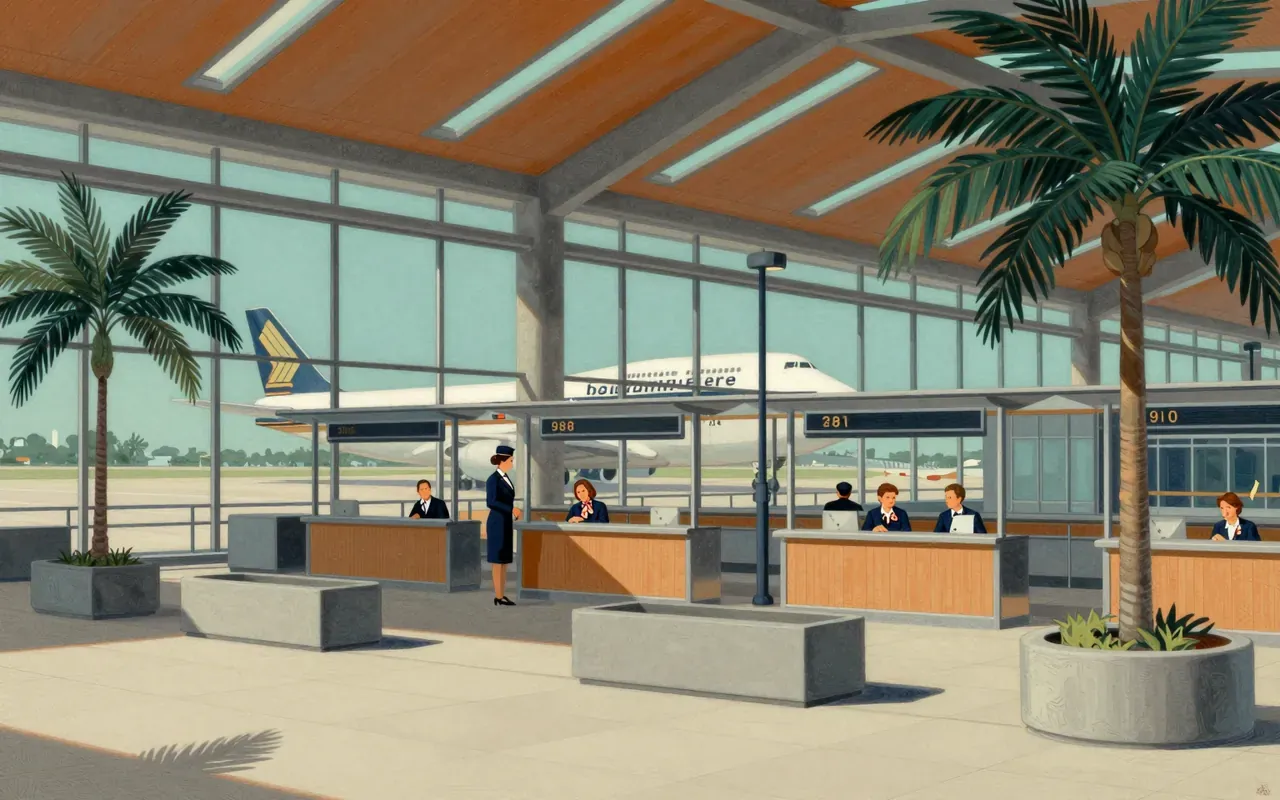
Singapore Airlines is a state-aligned, operationally diversified aviation group—not a founder-led startup. Its value lies in infrastructure leverage, not narrative.

10:46

Emirates (airline)

Mohammad Al Maktoum · 1985

Emirates is a state-owned UAE flag carrier founded in 1985 after Gulf Air reduced Dubai services. It operates over 3,600 weekly flights from Dubai International Airport’s Terminal 3, serves 150+ cities across six continents, and ranks third globally by passenger volume and second by freight volume. Its ownership lies with Dubai’s Investment Corporation of Dubai, and its cargo arm is Emirates SkyCargo. It is not part of any global airline alliance.

11:24

Aeroplan

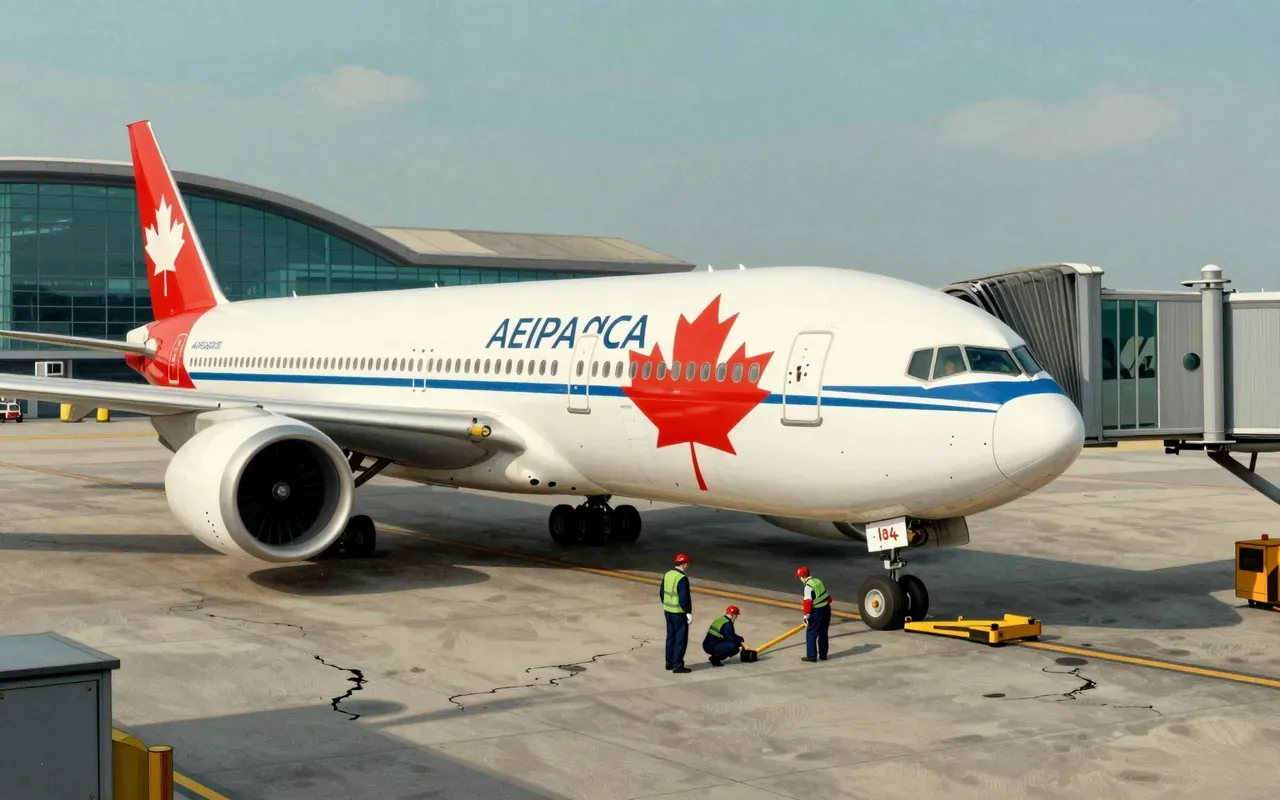
Aeroplan isn’t a loyalty program—it’s a licensed data-and-redemption conduit owned, sold, and reacquired for CA$450 million.

technology.briefs Technology

All 14 in technology →
10:52

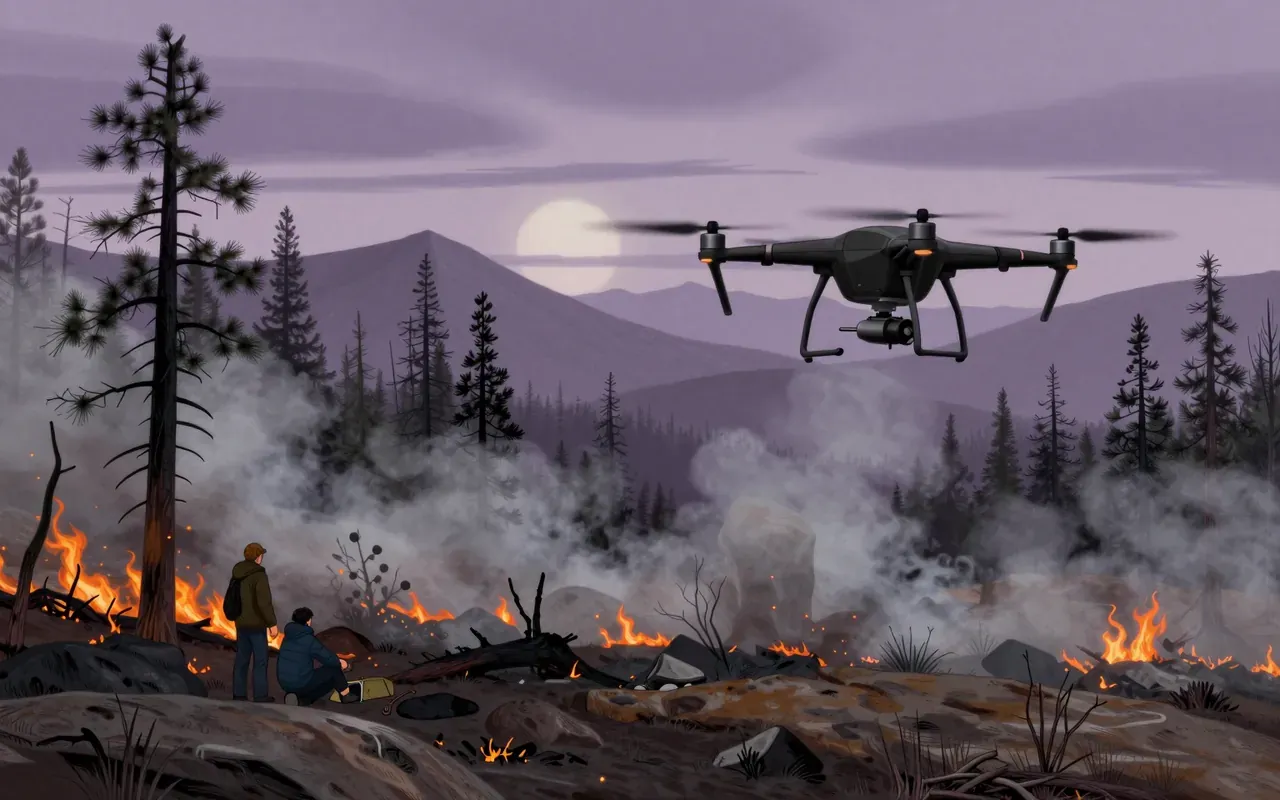
Unmanned aerial vehicle

UAVs don’t fly free—they inherit military logic, evade civilian oversight, and deliver capability before consent.
11:23

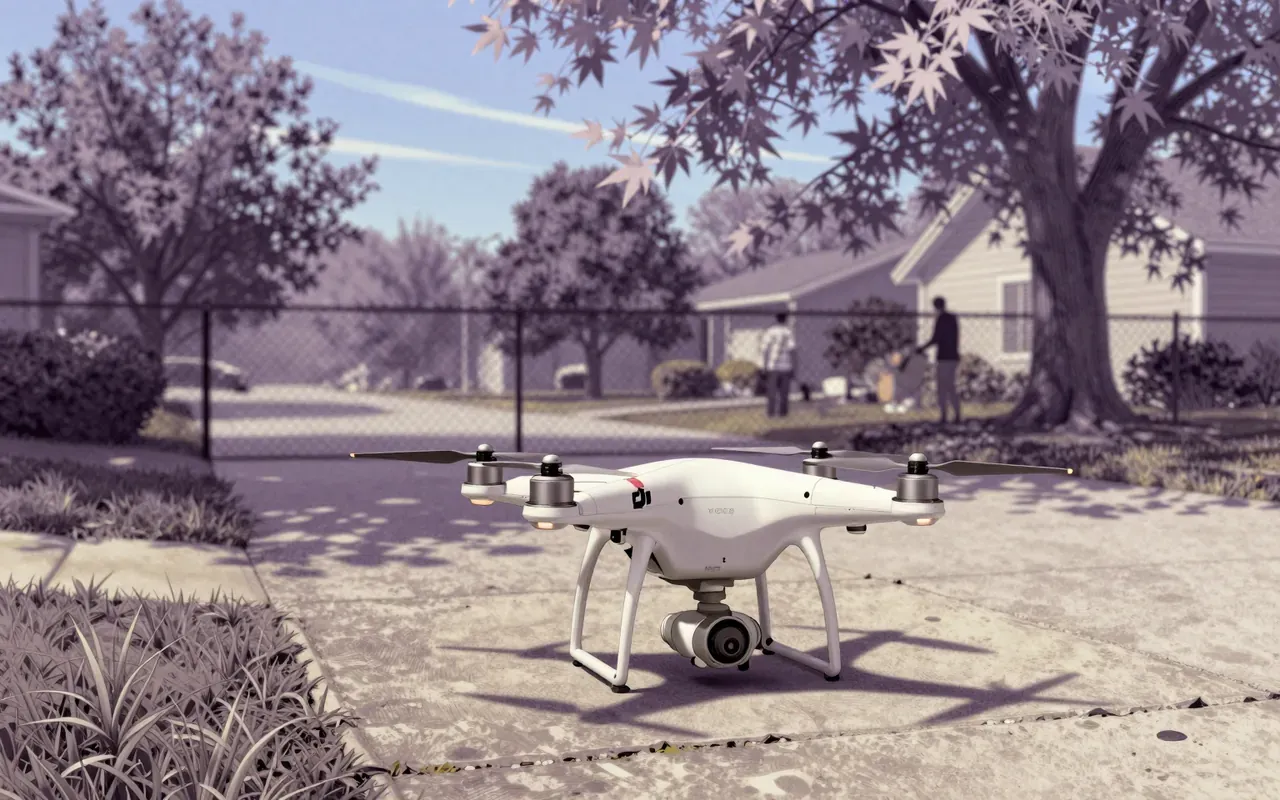
DJI Phantom

DJI

The DJI Phantom series launched in 2013 as an entry-level, GPS-stabilised quadcopter. It pioneered the consumer aerial photography drone form factor. It was DJI’s first fully assembled drone. It was priced at $629. It achieved 15 minutes of flight time. It supported optional GoPro mounting. It used a GPS-enabled NAZA-M autopilot. The Phantom 2 Vision introduced the first built-in camera in the series. The line was discontinued after the Phantom 4.

10:05

Turbofan

It trades jet speed for air mass—and rewrote aviation’s economics without ever breaking the sound barrier.
10:19

Turboprop

The turboprop trades jet speed for propeller efficiency—and it wins every time below 725 km/h.
12:03

Boeing

Boeing isn’t an aircraft maker—it’s a vertically integrated export engine shaped by merger, not mission.
9:55

Inmarsat

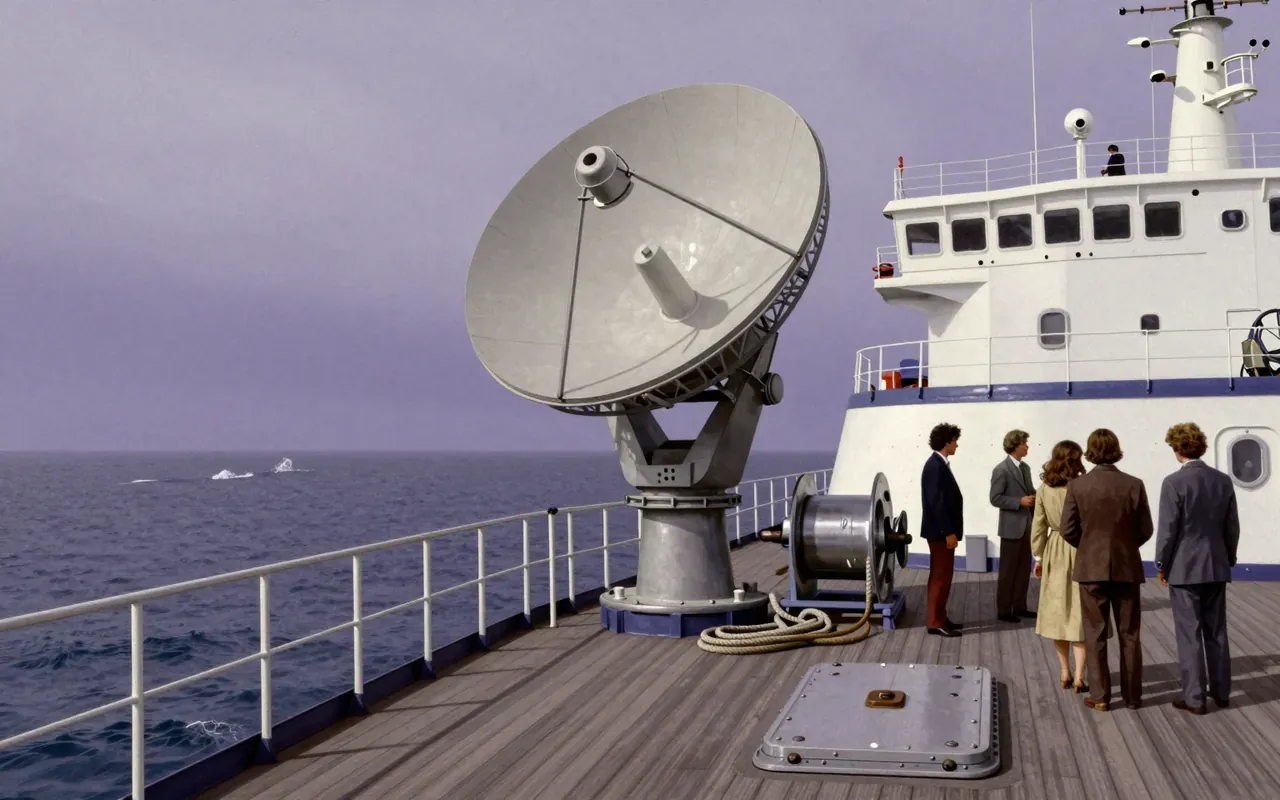
A satellite network built for ships became the world’s first lifeline for remote operations—and its compromises still define what ‘global’ really means for connectivity.
11:19

Lockheed Martin

The 1995 merger didn’t create a tech innovator—it created the U.S. government’s default systems integrator.
10:57

Pratt & Whitney

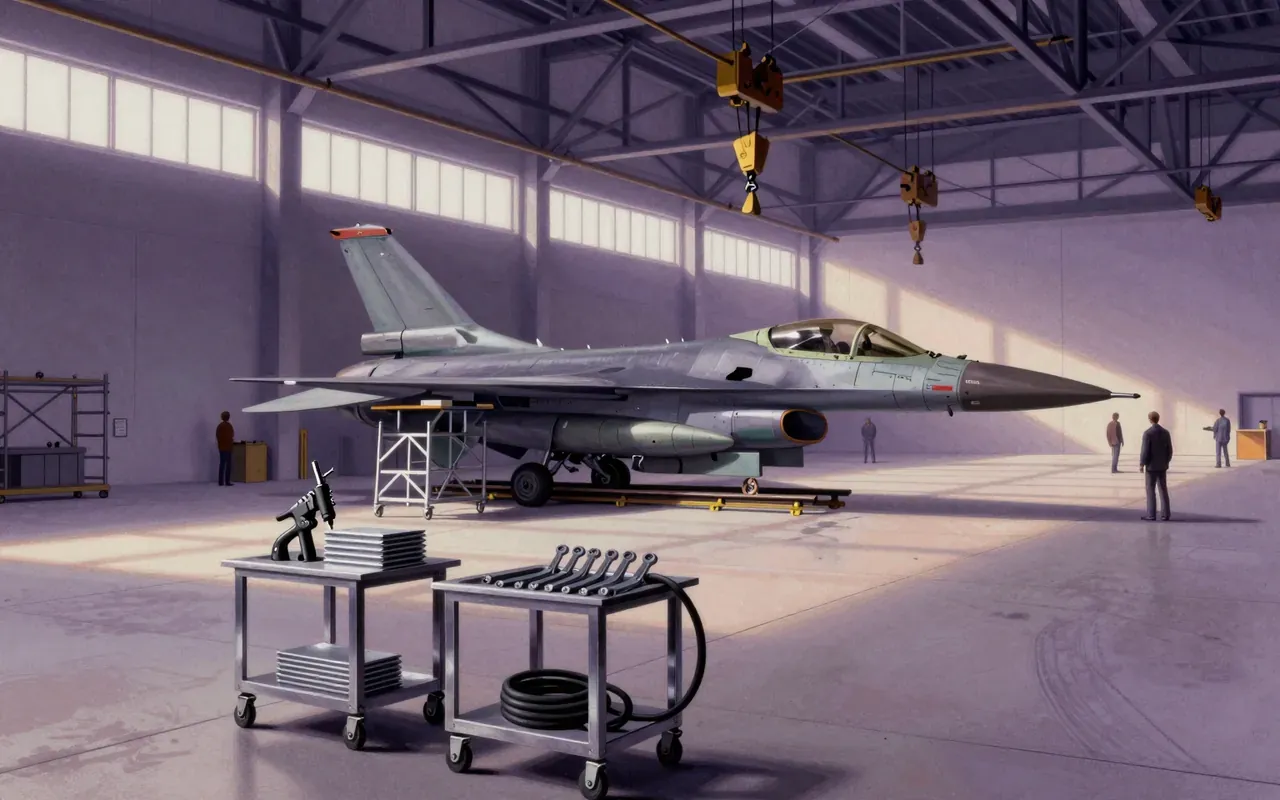
Pratt & Whitney isn’t about innovation—it’s about infrastructure: a century of engines built to be rebuilt, not replaced.

automotive.briefs Automotive

All 11 in automotive →
8:49

Buick Y-Job

Harley Earl · 1950

The Buick Y-Job is the first concept car — a 1938 Buick convertible built to test design ideas, not sell units. Designed by Harley Earl, it used a Buick Super chassis and featured power-operated hidden headlamps, electric windows, and styling cues that defined Buick for decades. It became Earl’s daily driver after public debut. It changed how mass manufacturers develop cars: by treating design as a public-facing experiment.

9:15

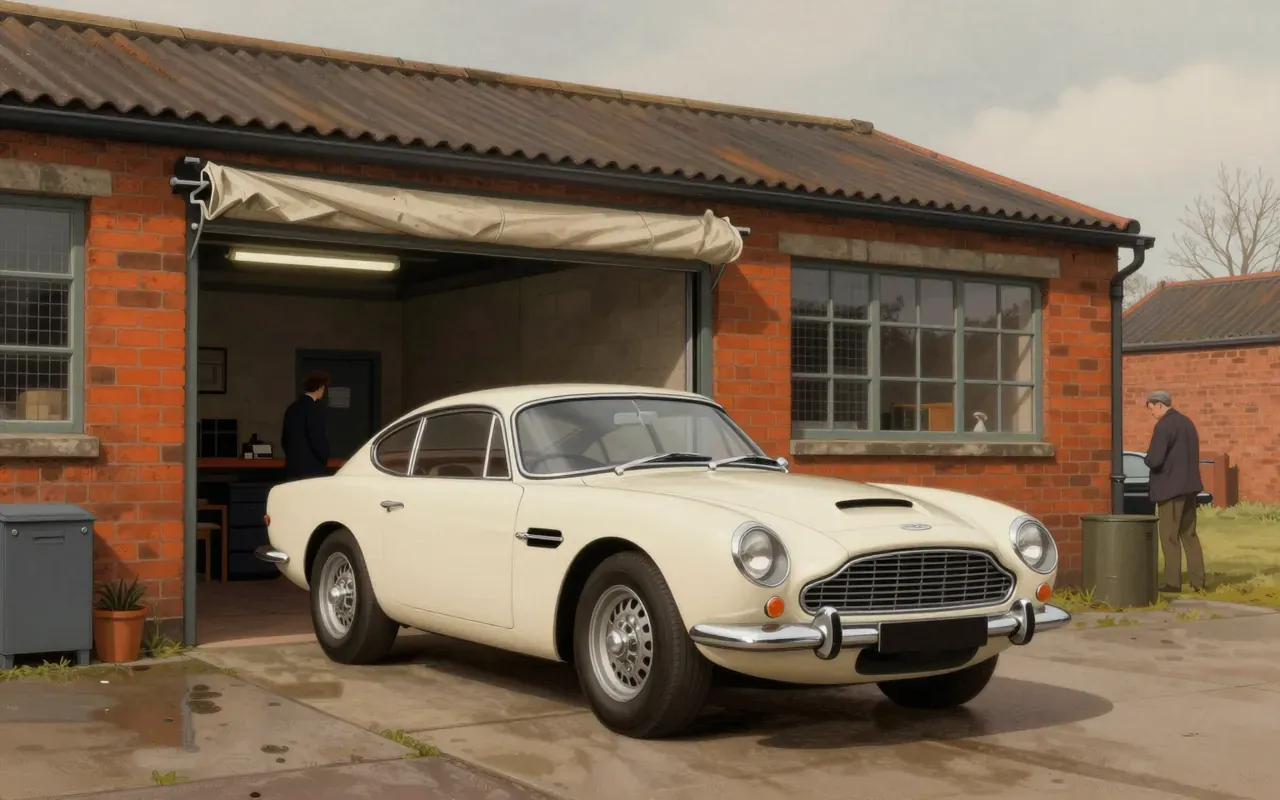
Aston Martin Bulldog

William Towns · 1979

A one-off 1979 concept built to show off Newport Pagnell—and chase a title it never claimed.

10:10

Chrysler Turbine Car

Elwood Engel · 1950

The Chrysler Turbine Car was an experimental two-door hardtop coupe designed by Elwood Engel and built by Chrysler with bodywork by Carrozzeria Ghia. It used the A-831 turbine engine, was produced in 55 units between 1963 and 1964, and featured power brakes, power steering, and a TorqueFlite transmission. All were finished in 'turbine bronze' paint.

8:59

General Motors Firebird

Harley Earl · 1953

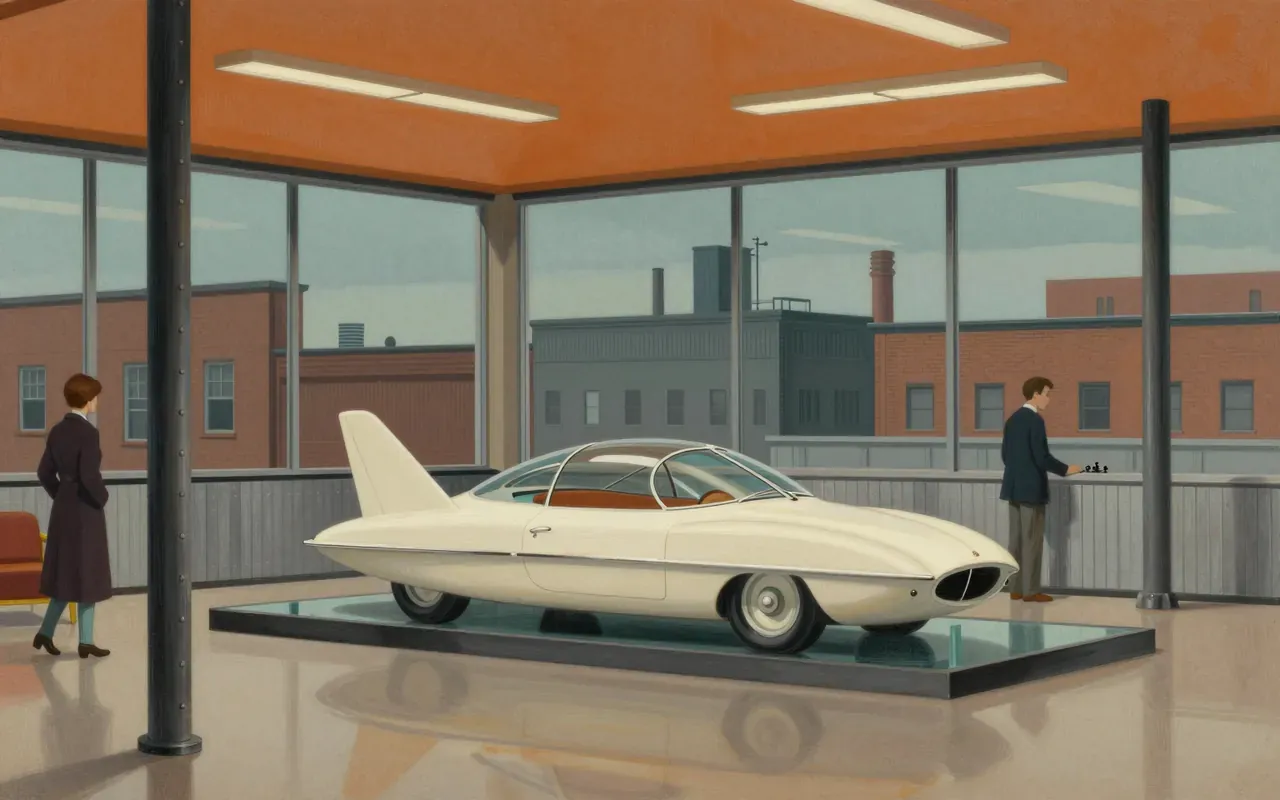
The Firebird I is a 1953 GM concept car designed by Harley Earl. It was the first gas turbine-powered car tested in the United States. It features a single-seat cockpit under a bubble canopy, a bullet-shaped fiberglass fuselage, short wings, and a vertical tail fin. It was built for the 1953 Motorama show. GM never intended it for production.

10:25

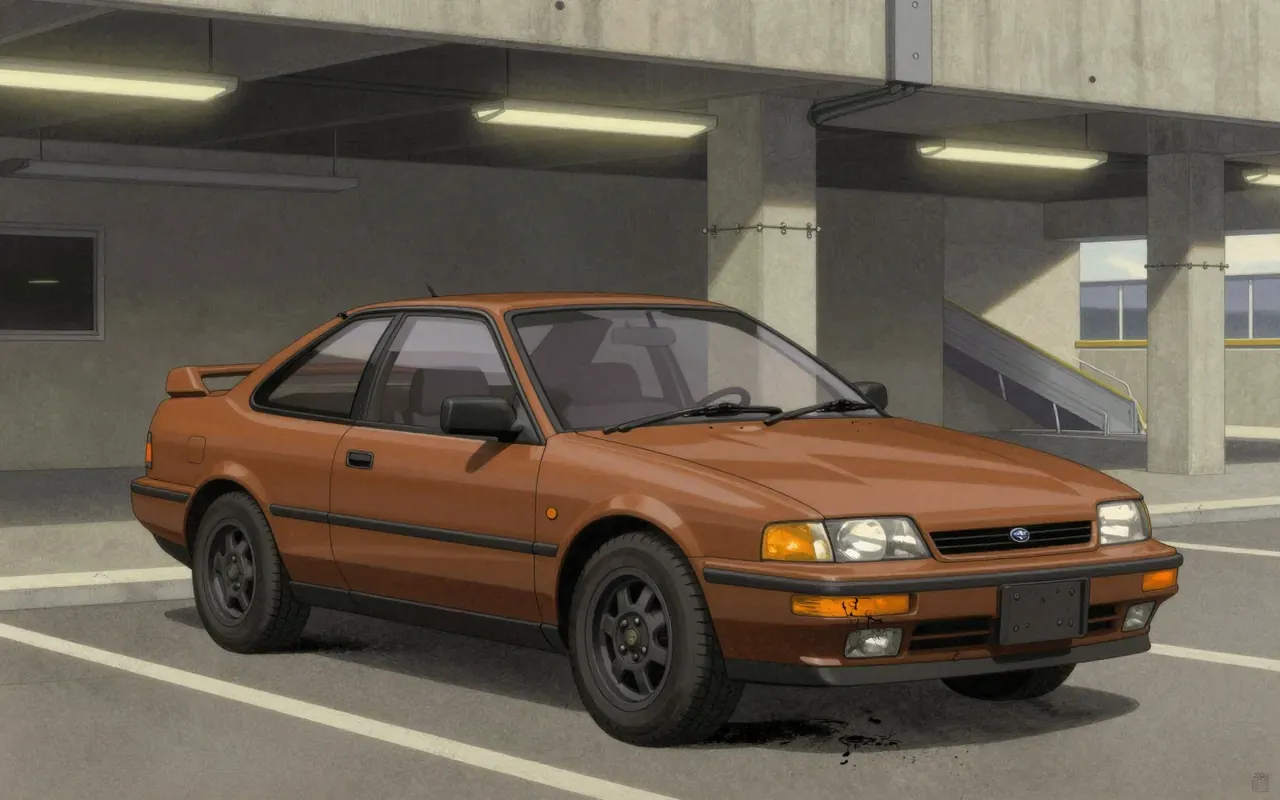
Subaru SVX

Giorgetto Giugiaro · 1991

The Subaru Alcyone SVX is a 1991 two-door, front-engine coupé styled by Giorgetto Giugiaro. It was Subaru’s first luxury/performance vehicle. It featured an aircraft-inspired 'window-within-a-window' side-glass configuration. It used only the 3.3-litre flat-six EG33 engine and an automatic transmission. All-wheel drive was offered via ACT-4 or VTD systems — or front-wheel drive in some markets. Production ran from 1991 to 1996.

10:06

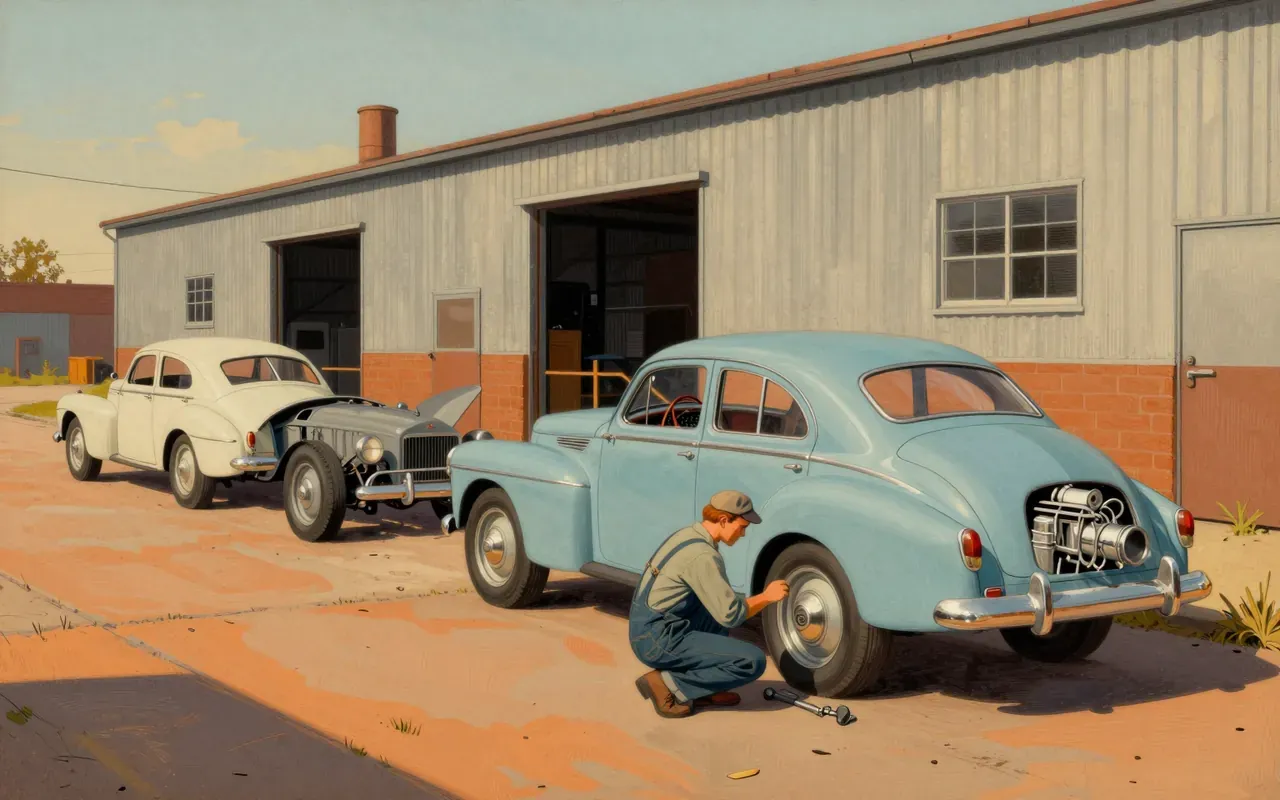
Tatra 87

Hans Ledwinka · 1936

The Tatra 87 is a Czechoslovak-built, rear-engine, streamlined saloon produced from 1936 to 1950. Designed by Hans Ledwinka, Erich Ledwinka, and Erich Übelacker. Based on Paul Jaray’s aerodynamic proposals.

9:37

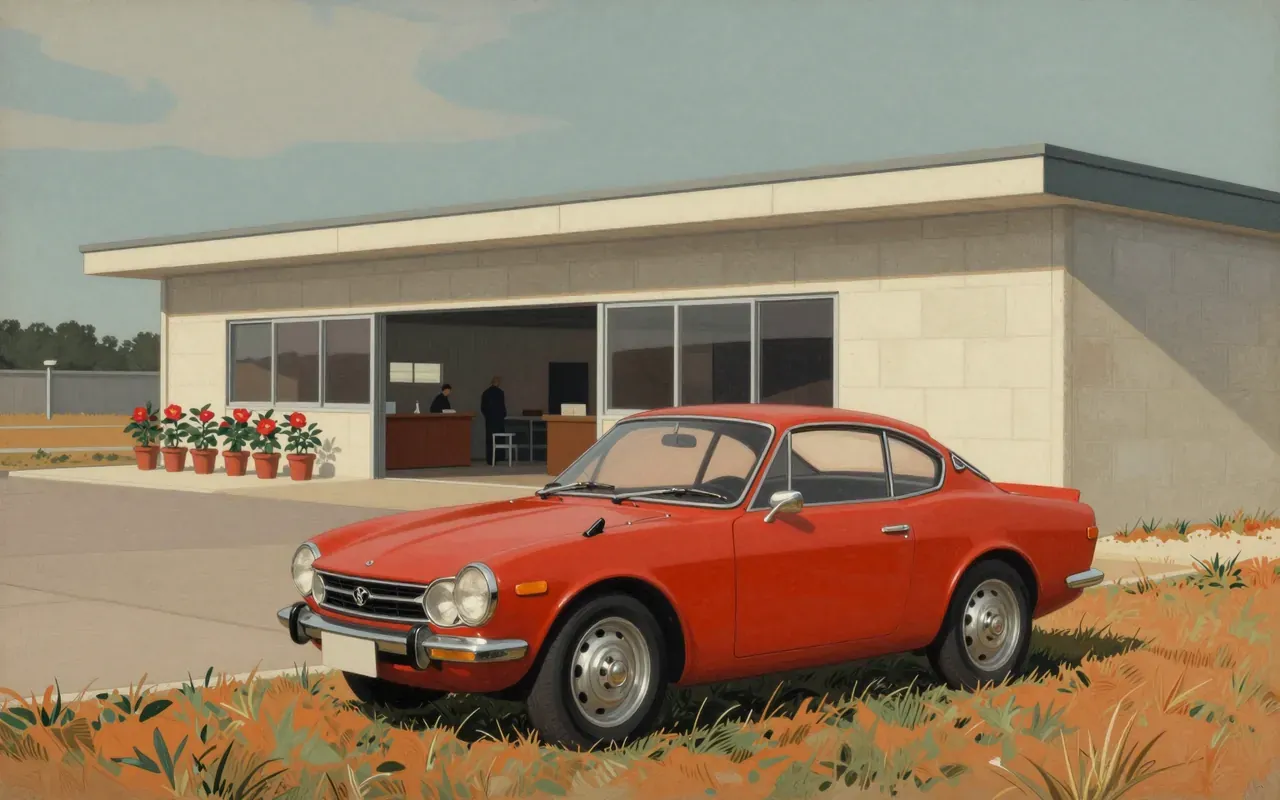
Toyota Sports 800

Shozo Sato · 1965

Toyota Sports 800 (1965) — A lightweight, targa-top roadster built around an air-cooled 800 cc boxer engine. Designed for agility and aerodynamic efficiency, not speed or comfort. Sold exclusively in Japan via Toyota Publica Stores. Production: 1965–1969. Units built: ~3,131.

11:12

Tucker 48

Alex Tremulis · 1948

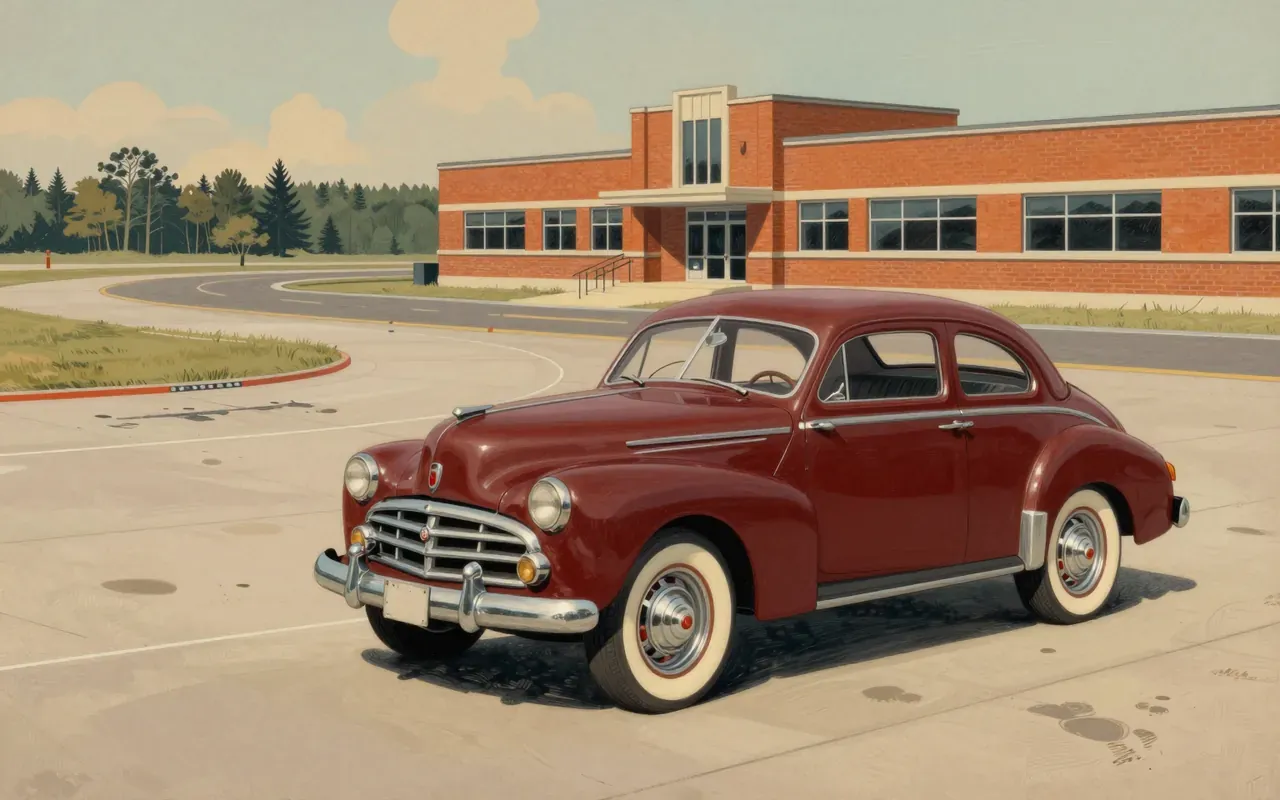
The Tucker 48 is a saloon defined by unmet promise and tangible innovation. It established safety and driver-centred layout as non-negotiables—before Detroit accepted them. It failed to deliver its own engine or prove its systems in volume. Its legacy is procedural, not mechanical.

fashion.briefs Fashion

All 6 in fashion →
8:57

A-2 jacket

It didn’t replace the A-1—it outlived bureaucracy, supply chains, and its own cancellation.
9:03

Belstaff

Wax cotton wasn’t invented for fashion—it was bolted onto jackets to keep riders dry while leaning into corners.
9:49

Burberry

A war coat that refused demobilisation—and made utility legible as authority.
8:42

Leather jacket

A leather jacket protects the body—but never the ideology worn beneath it.