Blackout
Britney Spears · 2007
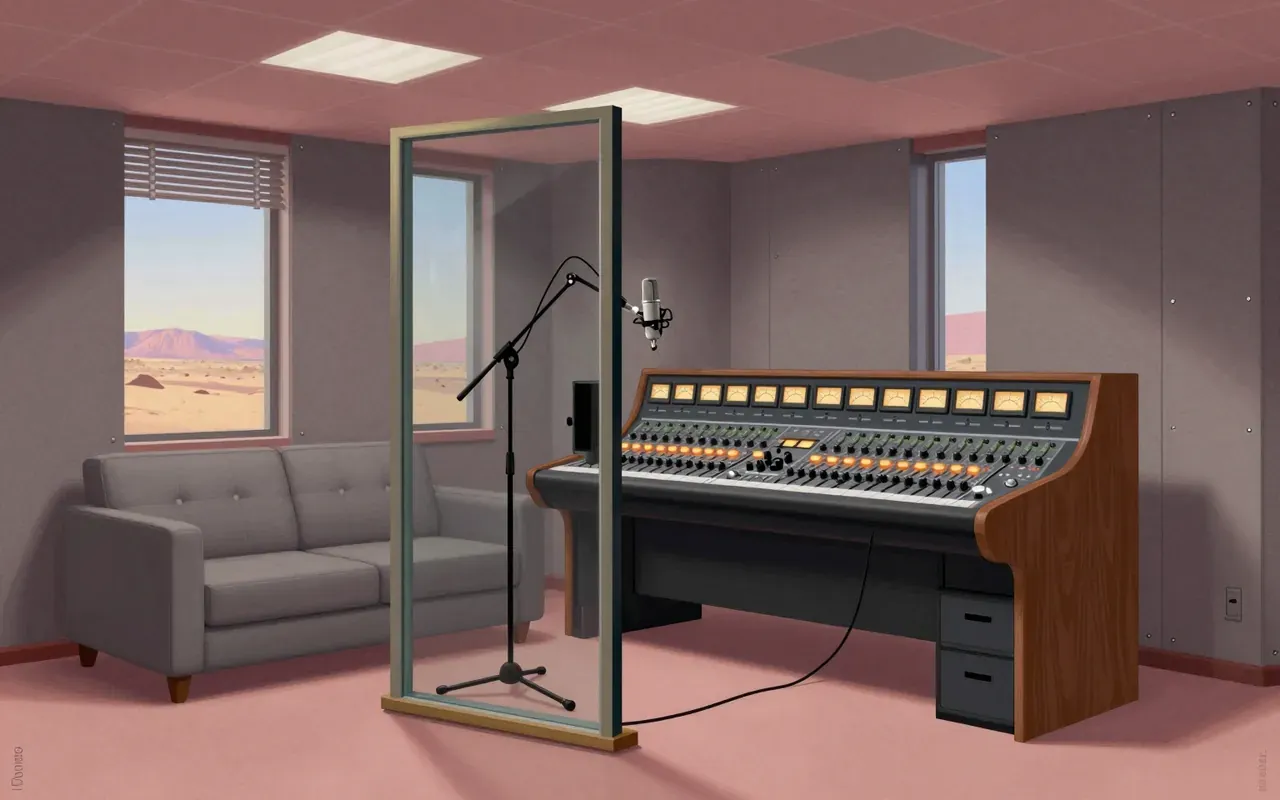
Blackout is Britney Spears’ fifth studio album and the only one she executive-produced. Recording began earnestly in 2006. It was released in October 2007.
Fame as an industry, with its own labour conditions.
Blackout is Britney Spears’ fifth studio album and the only one she executive-produced. Recording began earnestly in 2006. It was released in October 2007.

Aladdin Sane is David Bowie’s sixth studio album, co-produced with Ken Scott and recorded between December 1972 and January 1973 in London and New York City during breaks in the Ziggy Stardust Tour. It features the full Spiders from Mars lineup—Mick Ronson, Trevor Bolder, and Mick Woodmansey—alongside jazz-influenced pianist Mike Garson, two saxophonists, and three backing vocalists. Most songs were written on the road in the US and reflect Bowie’s ambivalent perceptions of America, resulting in a harder, edgier rock sound than his prior glam work. Lyrics explore duality: the rewards of stardom versus the toll of touring, and recurring motifs of urban decay, drugs, sex, violence, and death. The album includes a Rolling Stones cover, 'Let's Spend the Night Together', and Bowie framed its title as both a pun—'A Lad Insane'—and the conceptual extension 'Ziggy Stardust goes to America'. 'The Jean Genie' was the first track recorded, on 6 October 1972 in New York, with Bowie producing that session himself. It was Bowie’s final album with the complete Spiders from Mars lineup.
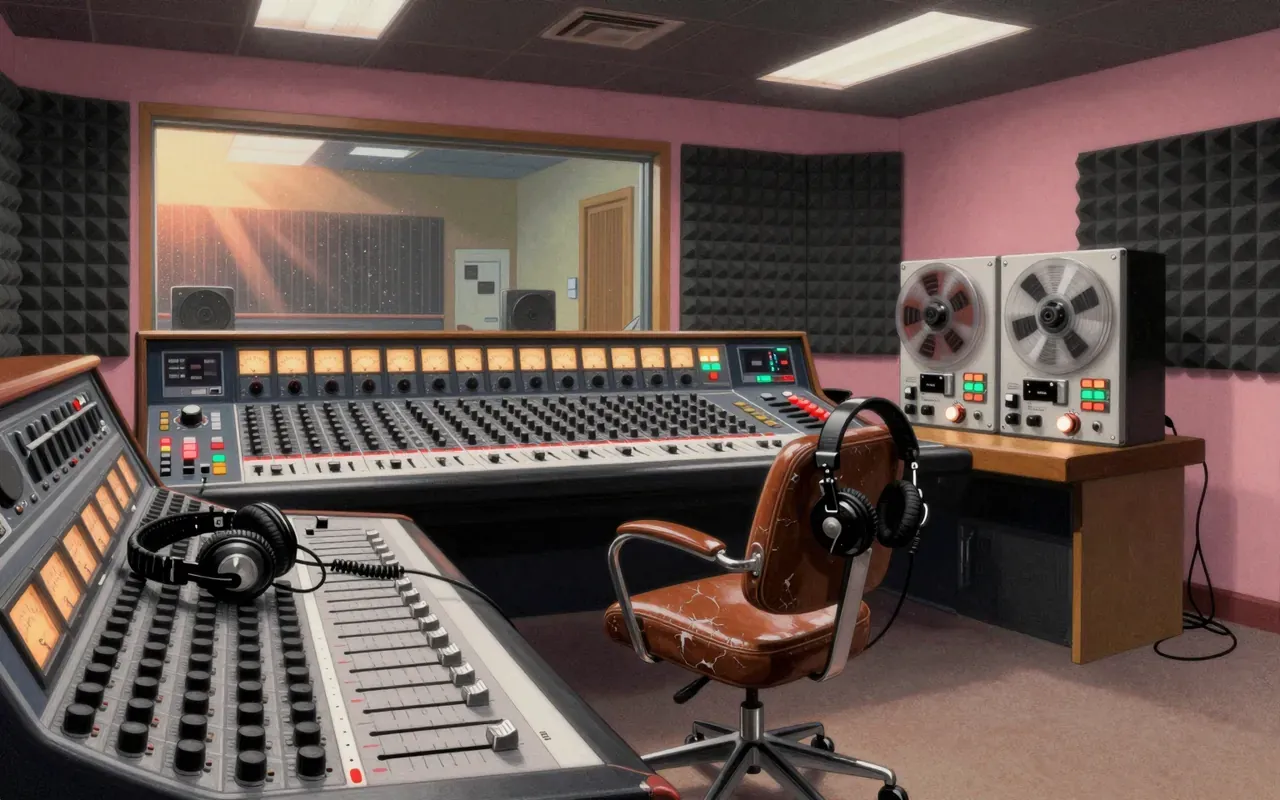
Bad is Michael Jackson’s seventh studio album, released 31 August 1987. It was his final collaboration with Quincy Jones. Jackson composed and co-produced all but two tracks. The album used digital synthesizers—including FM synthesis, the Fairlight CMI, and the Synclavier PSMT—layered to create new sounds. It incorporated guitars, organs, drums, bass, percussion, saxophones, washboards, and digital guitars. Recording occurred across two workflows: Jackson’s 'B team' developed demos at his Hayvenhurst home studio from 1985–1986; the 'A team' (Jones and engineer Bruce Swedien) completed tracks at Westlake Studios. Sessions were extremely intense, with the team often working for days without rest. Bad was the first album to produce five US Billboard Hot 100 number-one singles: 'I Just Can't Stop Loving You', 'Bad', 'The Way You Make Me Feel', 'Man in the Mirror', and 'Dirty Diana'. 'Smooth Criminal' reached number seven. The album debuted at number one on the Billboard 200 and remained there for six weeks.

Blood Sugar Sex Magik was recorded over 30 days in seclusion at Houdini’s former Los Angeles mansion, where the band installed a full studio; Frusciante, Kiedis, and Flea each occupied private rooms and pursued individual creative work between sessions; Kiedis recorded all vocals in his room; the album was written more rapidly than its predecessor and marked a stylistic shift—reducing heavy metal guitar riffs and foregrounding Frusciante’s melodic songwriting—under Rick Rubin’s production guidance, which included collaborative input on drum beats, guitar melodies, and lyrics; the setting and process fostered lyrical completion and structural refinement, moving away from pure jam-based composition toward more deliberate song forms while retaining funk-punk roots and integrating new textures and emotional range.
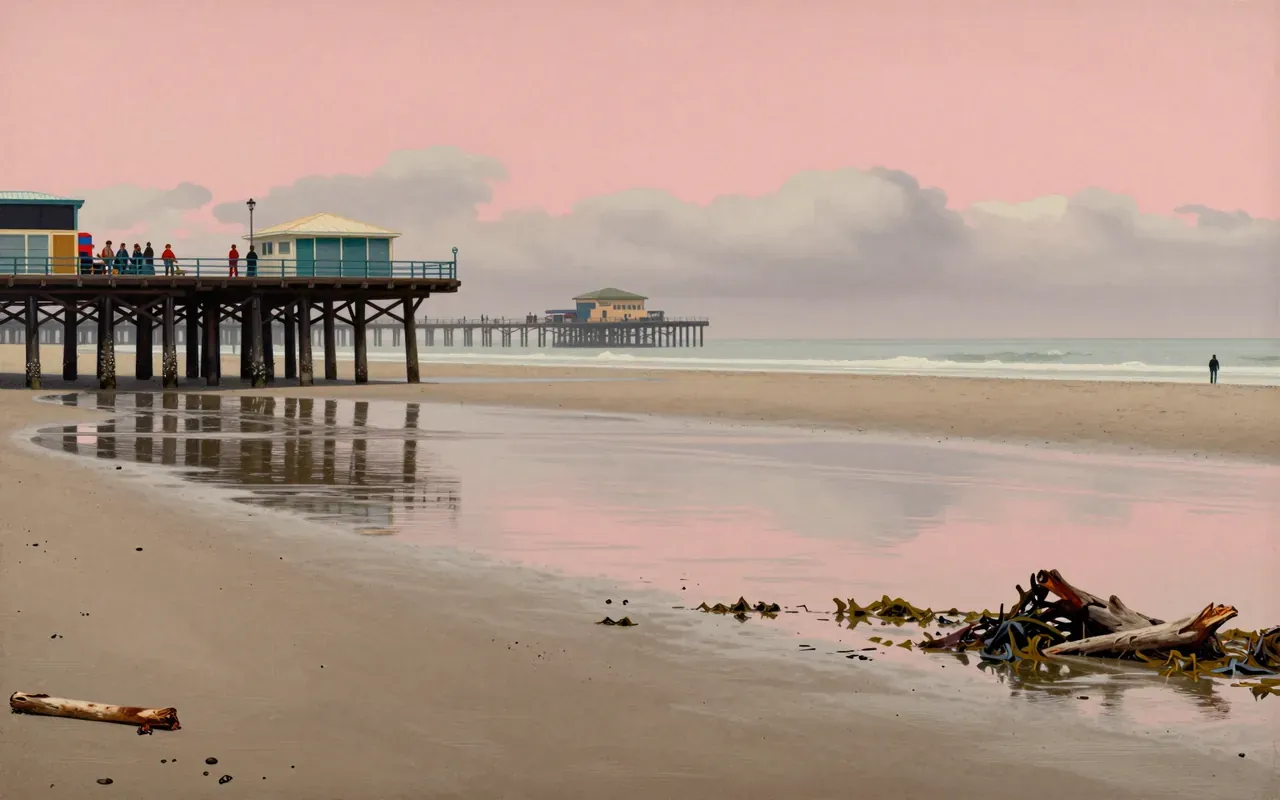
On the Beach is a 1974 Neil Young album recorded mostly at Sunset Sound in Hollywood in late March and early April, with 'Walk On' and 'For the Turnstiles' cut earlier at his ranch. David Briggs missed most sessions due to illness; Ben Keith led recruitment of Rusty Kershaw, members of the Band, Crazy Horse, and CSNY. Honey slides shaped a melancholy, depressed atmosphere. Rusty Kershaw rejected rehearsal, favouring first-take immediacy. The album features varied instrumentation and shared production. Its second side — 'On the Beach', 'Motion Pictures', and 'Ambulance Blues' — lands with cumulative weight. It explores the collapse of 1960s folk ideals, the downside of success, and the underbelly of the Californian lifestyle. It sold poorly on release but later became a critical favourite.
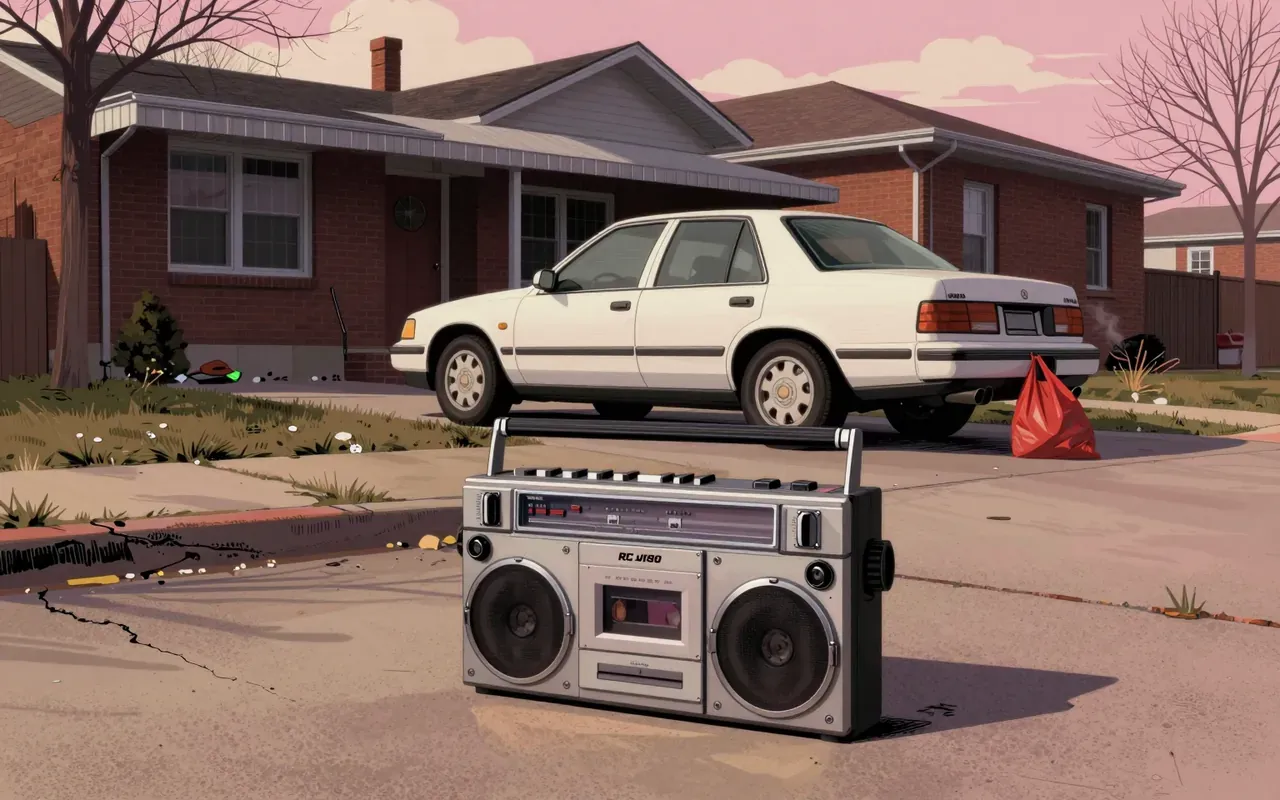
Finally Famous is a technically polished, sample-driven debut that delivers on radio-ready craft but avoids risk or revelation.
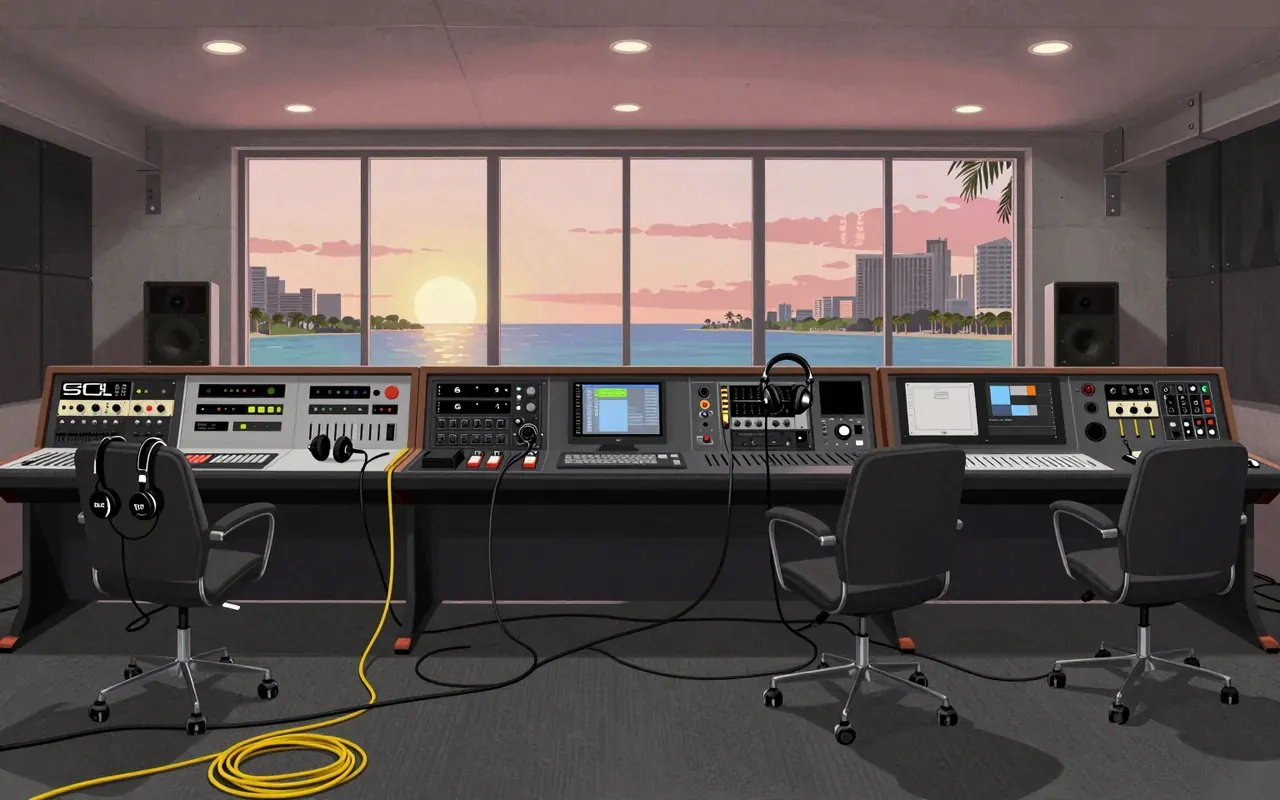
My Beautiful Dark Twisted Fantasy is a maximalist hip-hop record made in three simultaneous rooms at Avex Recording Studio in Honolulu, following Kanye West’s 2009 MTV VMA incident. It features contributions from Jay-Z, Kid Cudi, Pusha T, Justin Vernon of Bon Iver, and Gil Scott Heron. Released in November 2010, it received widespread critical acclaim and was accompanied by a 35-minute film. Its sound is dense, layered, and rigorously collaborative — built on discipline, not spontaneity.
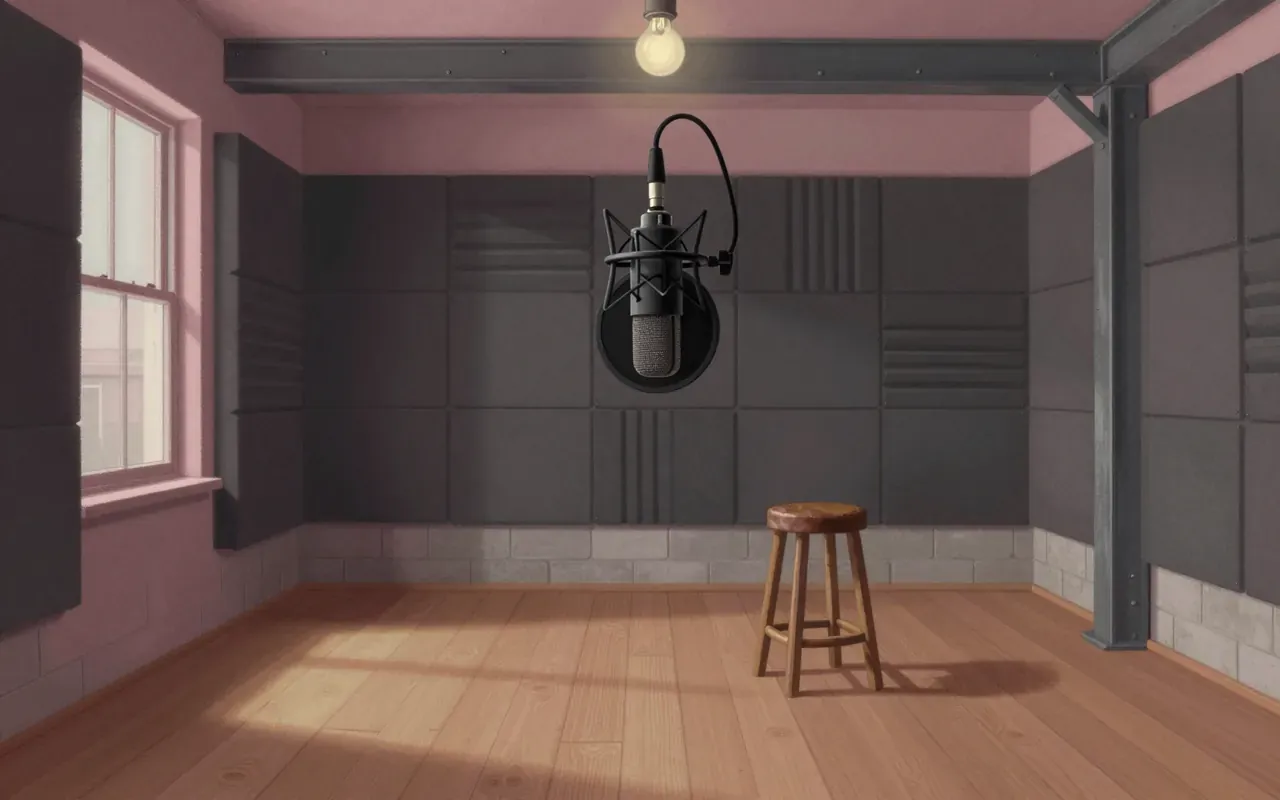
Recovery is a 2010 hip-hop album recorded from 2009 to 2010. It replaced the abandoned Relapse 2 project after Eminem scrapped most of its material and started over with new producers. It was announced via Twitter on April 14, 2010, and released on June 18.

Elia Kazan’s 1957 drama follows Larry 'Lonesome' Rhodes, a charismatic drifter turned national TV star, whose rise and fall exposes the collusion between media, advertising and politics in shaping public belief. Andy Griffith’s debut performance anchors a tightly structured critique of persuasion as infrastructure, not personality.
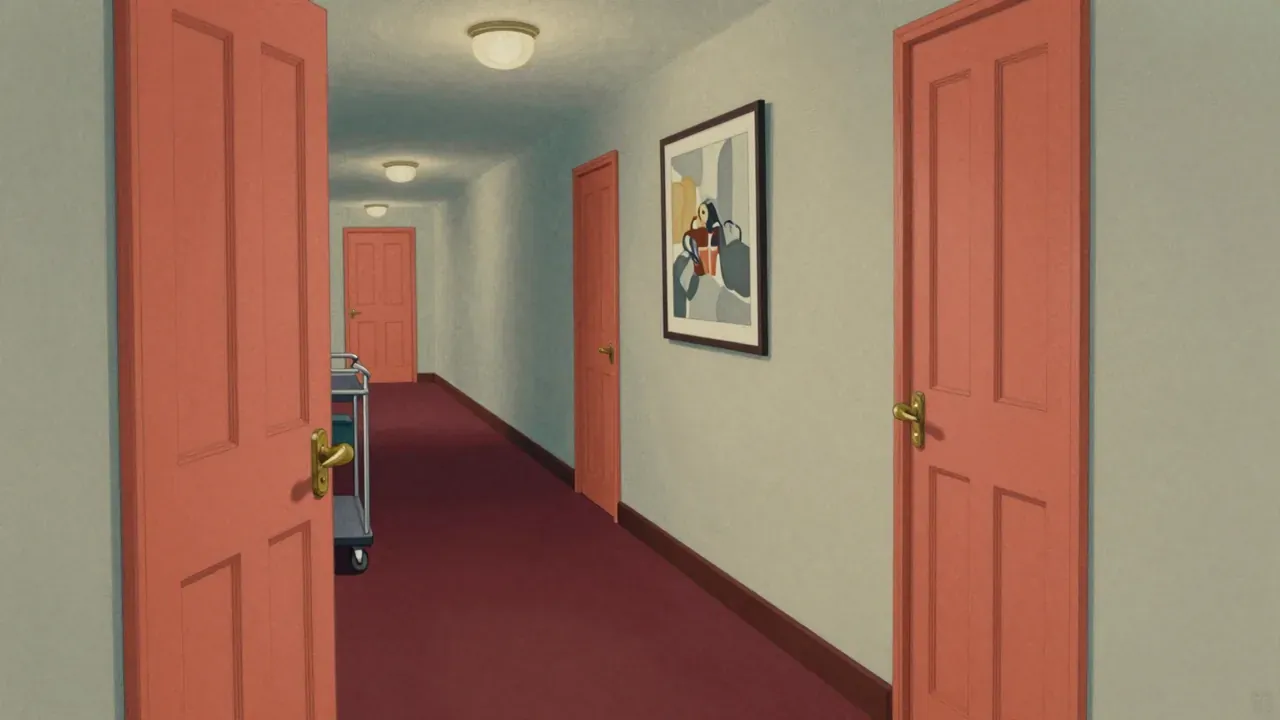
Richard Lester’s 1964 musical comedy captures the Beatles during Beatlemania’s peak, using a fictional 36-hour sprint to concert performance as scaffolding for their music, wit, and chemistry. Shot in black-and-white with vérité energy, it prioritises rhythm over narrative, performance over psychology, and spontaneity over polish. Though thin on character depth and social critique, its influence on music video and ensemble comedy remains profound. It remains watchable not as nostalgia, but as a masterclass in tonal discipline.
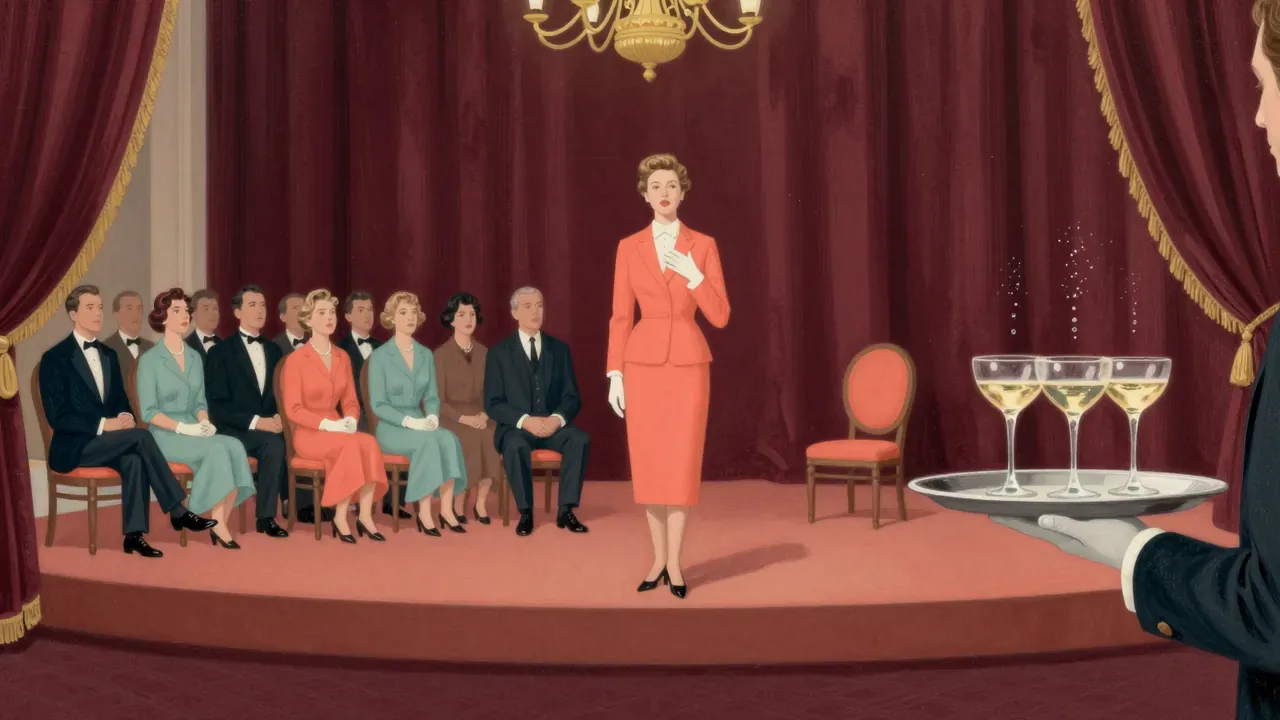
All About Eve (1950) follows ageing Broadway star Margo Channing as she takes in devoted fan Eve Harrington, only to find her career, relationships, and sense of self quietly displaced. Written and directed by Joseph L. Mankiewicz, it unfolds through layered narration, razor-sharp dialogue, and restrained performances — especially Bette Davis as Margo and Anne Baxter as Eve. Shot in black-and-white by Milton Krasner, edited by Barbara McLean, and scored by Alfred Newman, it is a precise, unsentimental study of power, performance, and professional inheritance.
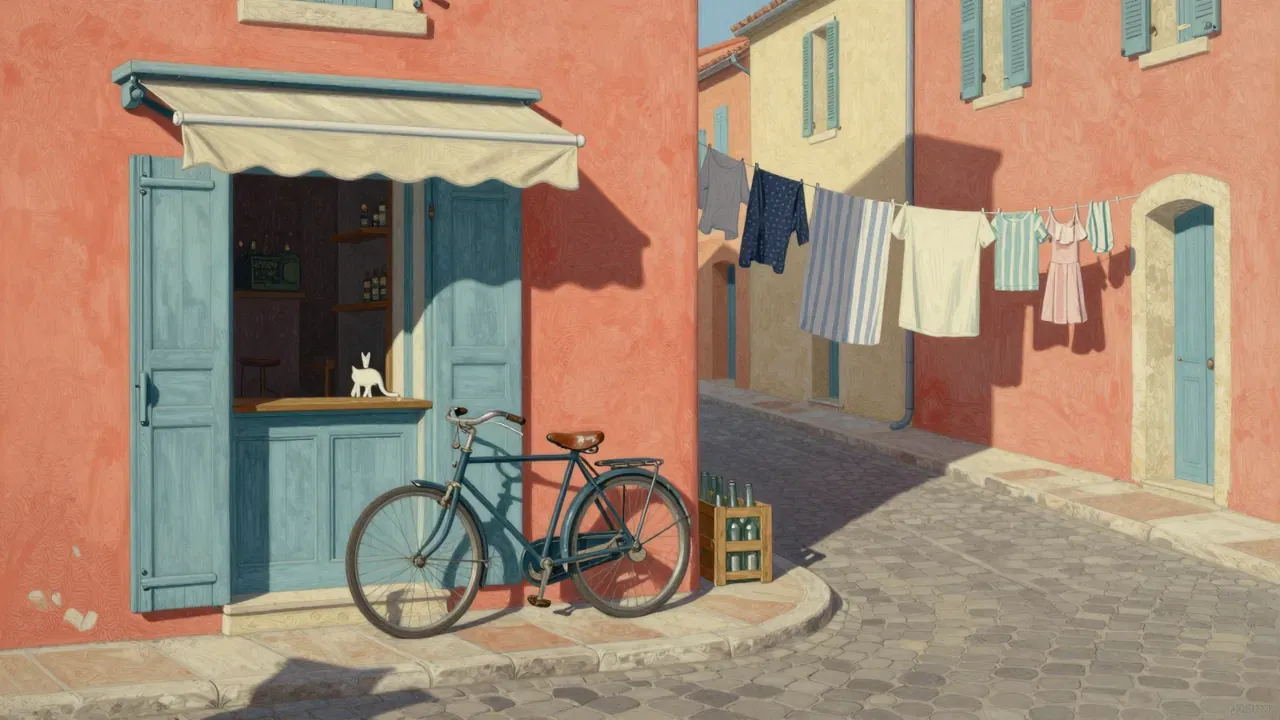
Roger Vadim’s 1956 debut stars Brigitte Bardot as Juliette, an orphaned teenager whose unselfconscious sensuality disrupts the social order of Saint-Tropez. Built around Bardot’s physical presence rather than psychological depth, it uses repetition, framing and coastal light to stage a quiet rebellion against convention. Though commercially explosive and culturally seismic — especially in its censored US release — it resists narrative resolution or moral commentary. Its power lies in what it enacted, not what it explained.
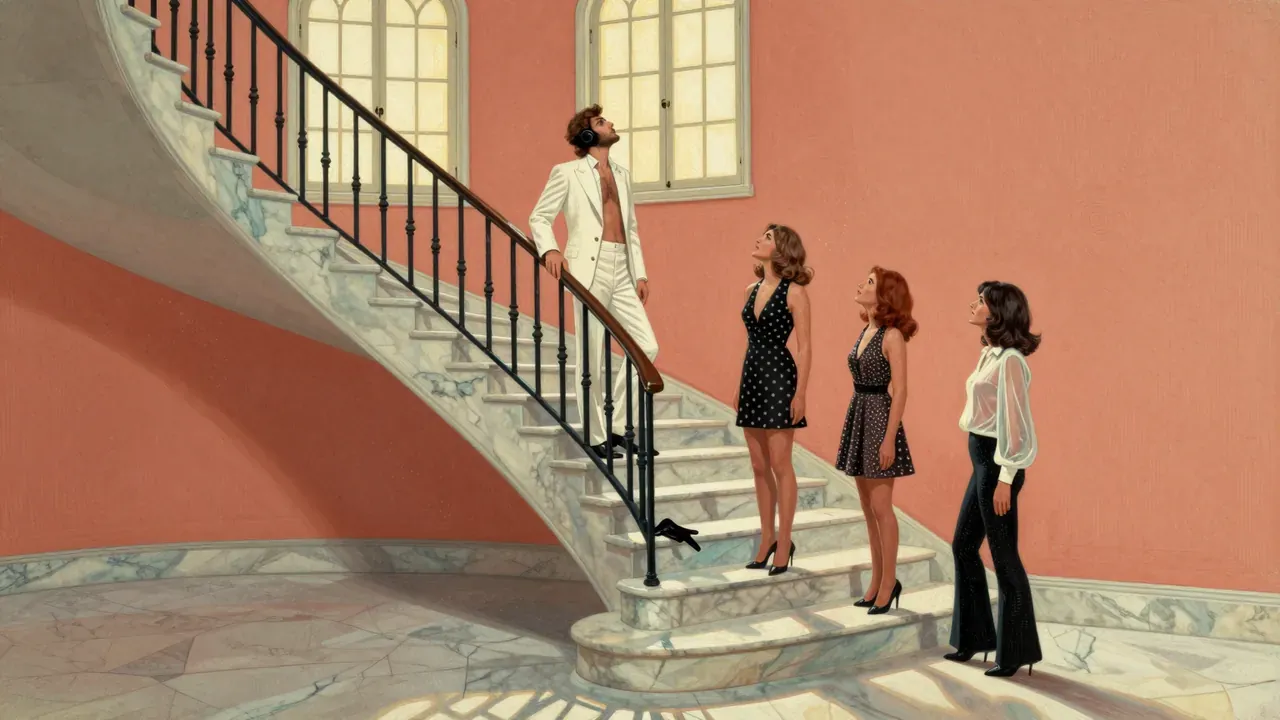
Beyond the Valley of the Dolls (1970) is a Russ Meyer–Roger Ebert collaboration: a knowingly excessive, tonally unstable parody of Valley of the Dolls and Hollywood itself. Made quickly on the Fox lot, it blends teen melodrama, rock musical, exploitation thriller and moral fable — all delivered with poker-faced solemnity. Its cult status rests on its deliberate incoherence, not despite it.
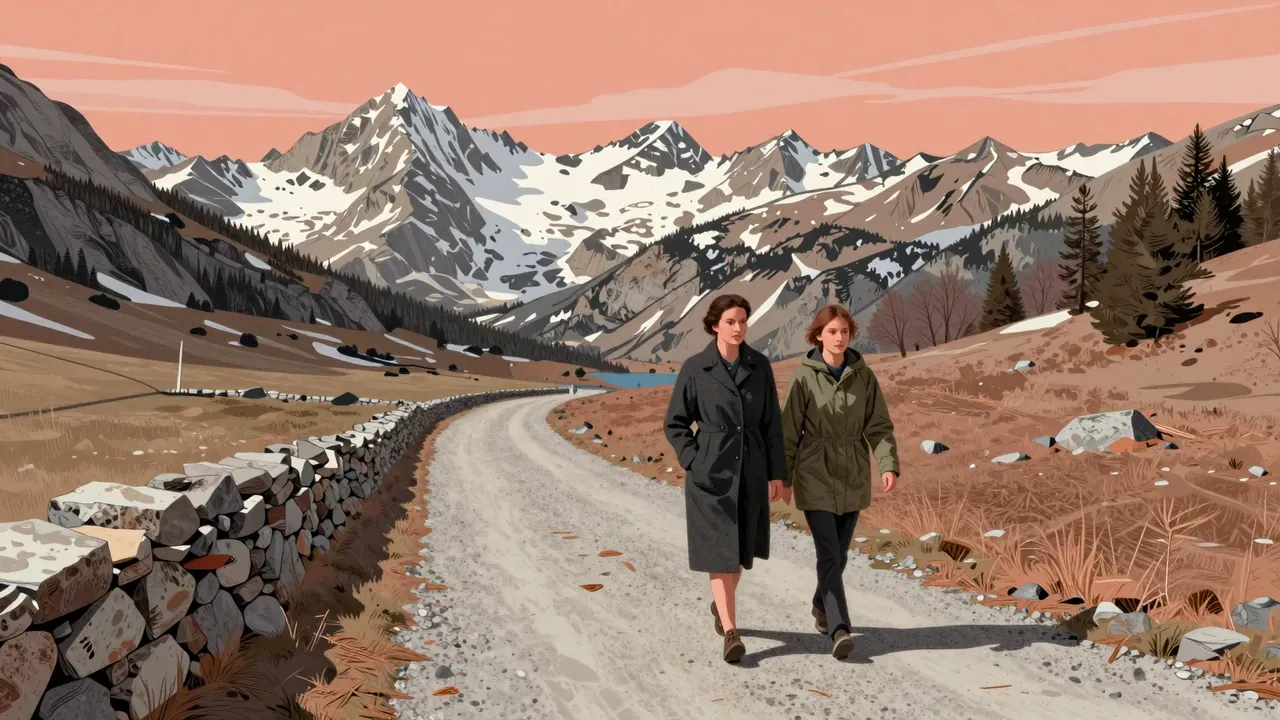
Olivier Assayas’s 2014 drama follows Juliette Binoche as an established actress cast opposite a young starlet in a revival of a play that made her famous two decades earlier. Shot on 35mm in Switzerland, Germany and Italy, it traces her psychological recalibration alongside her American assistant (Kristen Stewart) against the backdrop of the Alps and the Maloja Snake — both weather phenomenon and metaphor. The film explores performance, time, and shifting power between women, with restrained craft and deliberate ambiguity.
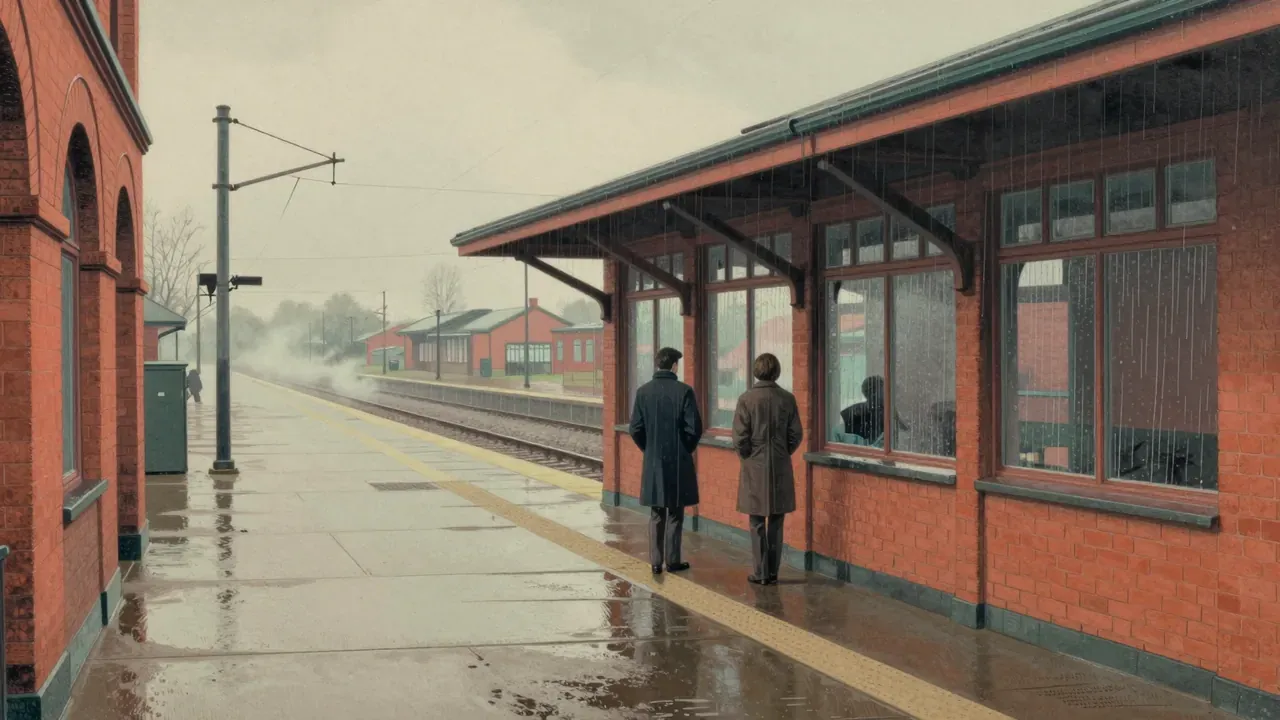
Dont Look Back is a 1967 vérité documentary by D. A. Pennebaker capturing Bob Dylan’s 1965 UK tour. Shot on handheld 16mm black-and-white film with direct sound, it avoids narration, exposition or chronological framing. Instead, it observes Dylan’s interactions with Joan Baez, Albert Grossman, Allen Ginsberg and others, alongside performances and unscripted encounters. Its power lies in sustained observation, rhythmic editing and deliberate ambiguity — not in decoding its subject, but in recording the conditions of his visibility.
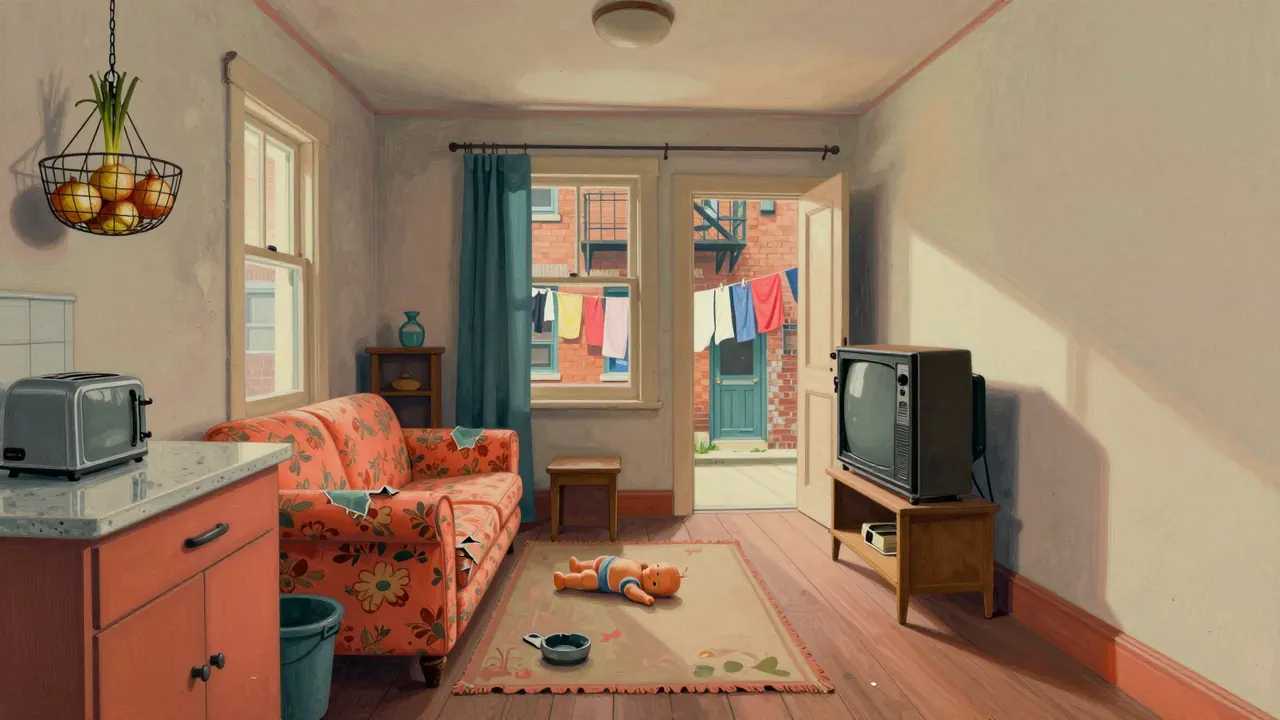
John Waters’ 1974 comedy Female Trouble follows Divine as Dawn Davenport, a Baltimore delinquent whose life escalates from expulsion and teen pregnancy to criminal stardom and execution — all staged with deadpan precision, handmade production design, and zero psychological compromise. Shot on 16mm in Baltimore for $25,000, it treats celebrity, punishment, and beauty as interchangeable currencies in a world governed by spectacle, not sense.